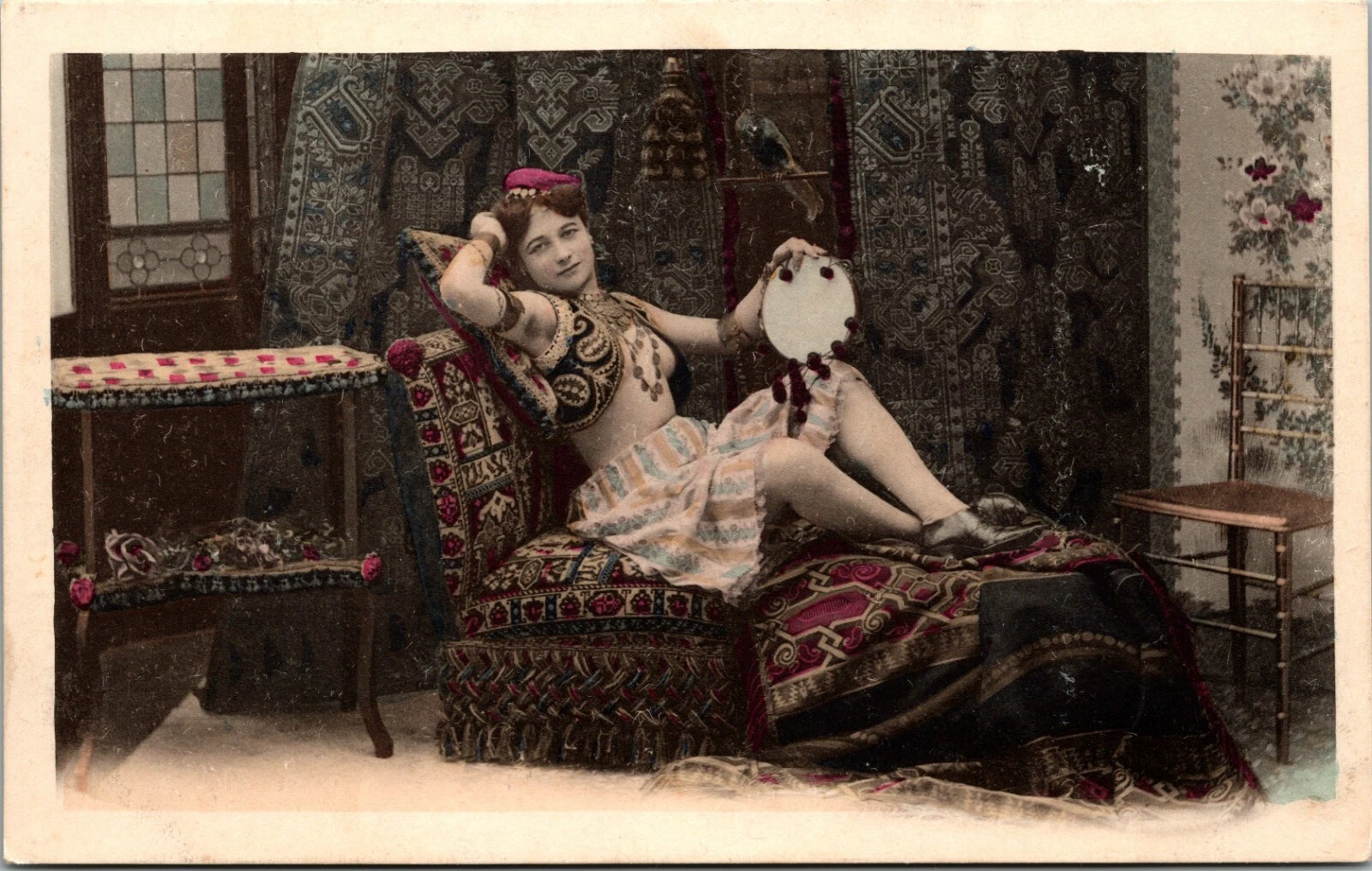
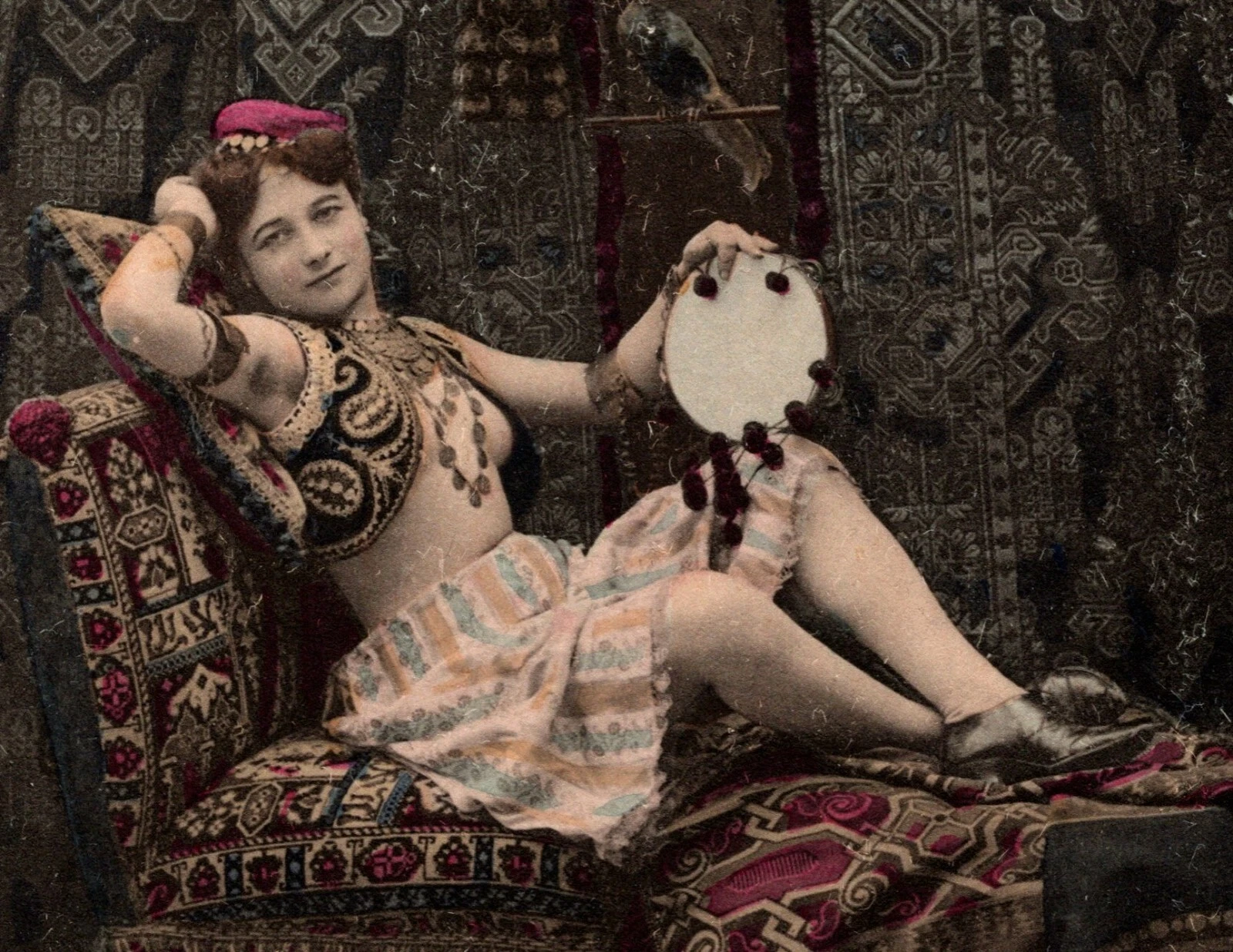
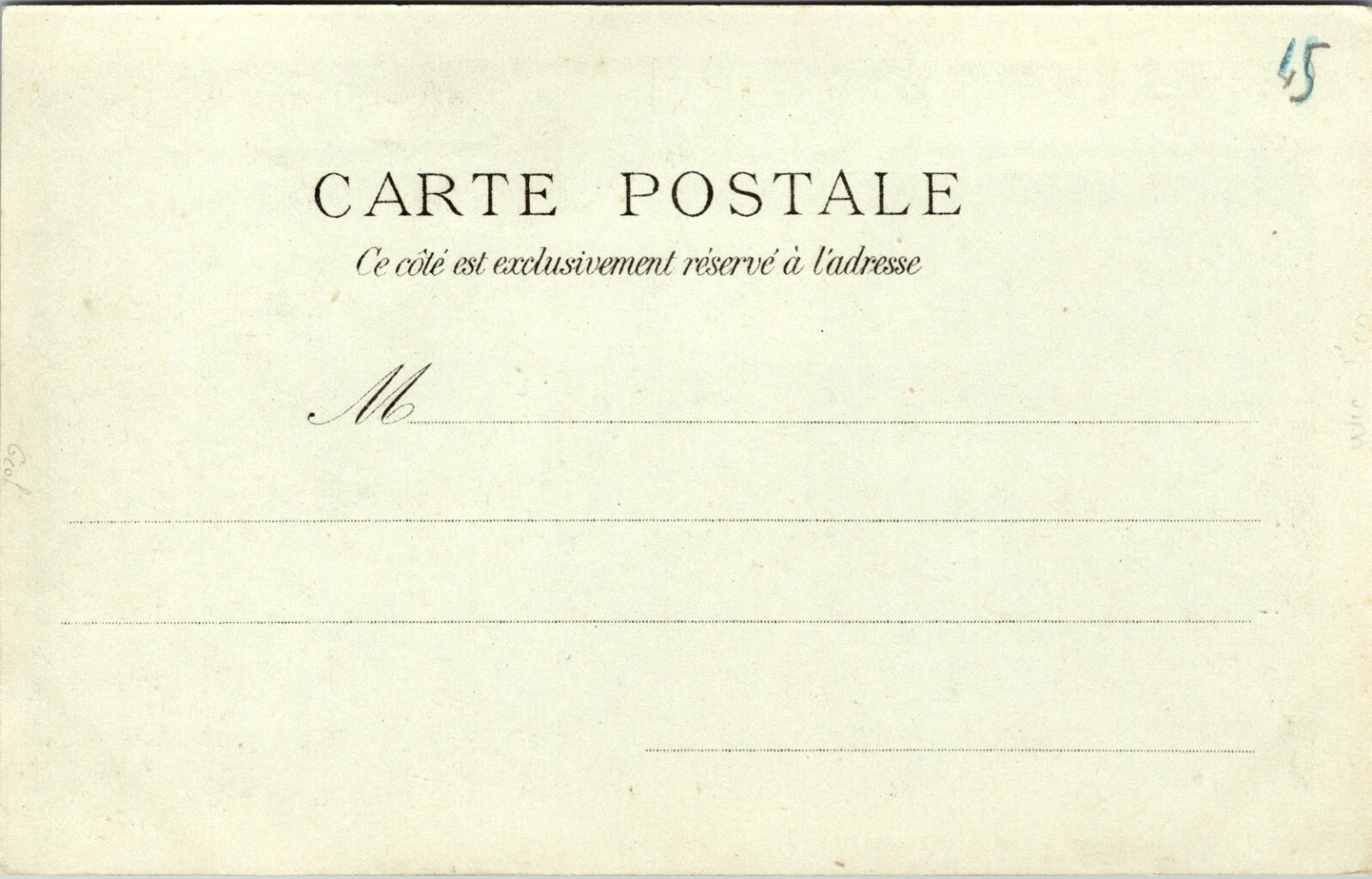
This vintage postcard features an alluring young woman sitting on a chair and resting her feet on a small table. The woman is an Oriental Dancer, sometimes referred to as a Belly Dancer. She is wearing a risque costume and holding a tambourine. She is in a room decorated with oriental rugs. Note the parrot on a perch behind the dancer. Oriental dance is one of the oldest dance styles in the world. It’s origins are not clear. Centuries ago women did ritual dances (oriental dancing) in Turkey and Saudi Arabia. Dancers in ancient Greece and Rome did their version of Oriental dancing which included hip and pelvic gyrations. It is thought that Oriental dancing may have been born in Egypt during ancient times. This Arabic expressive dancing varies in costume and dance style. depending on country and region. The Egyptian style is most well known around the world. This is an undivided postcard of French origin. The publisher is unknown. This vintage postcard is in very good condition (see scans).
This vintage Postcard is available for purchase at my store, The History Peddler, for $36.00 or best offer.
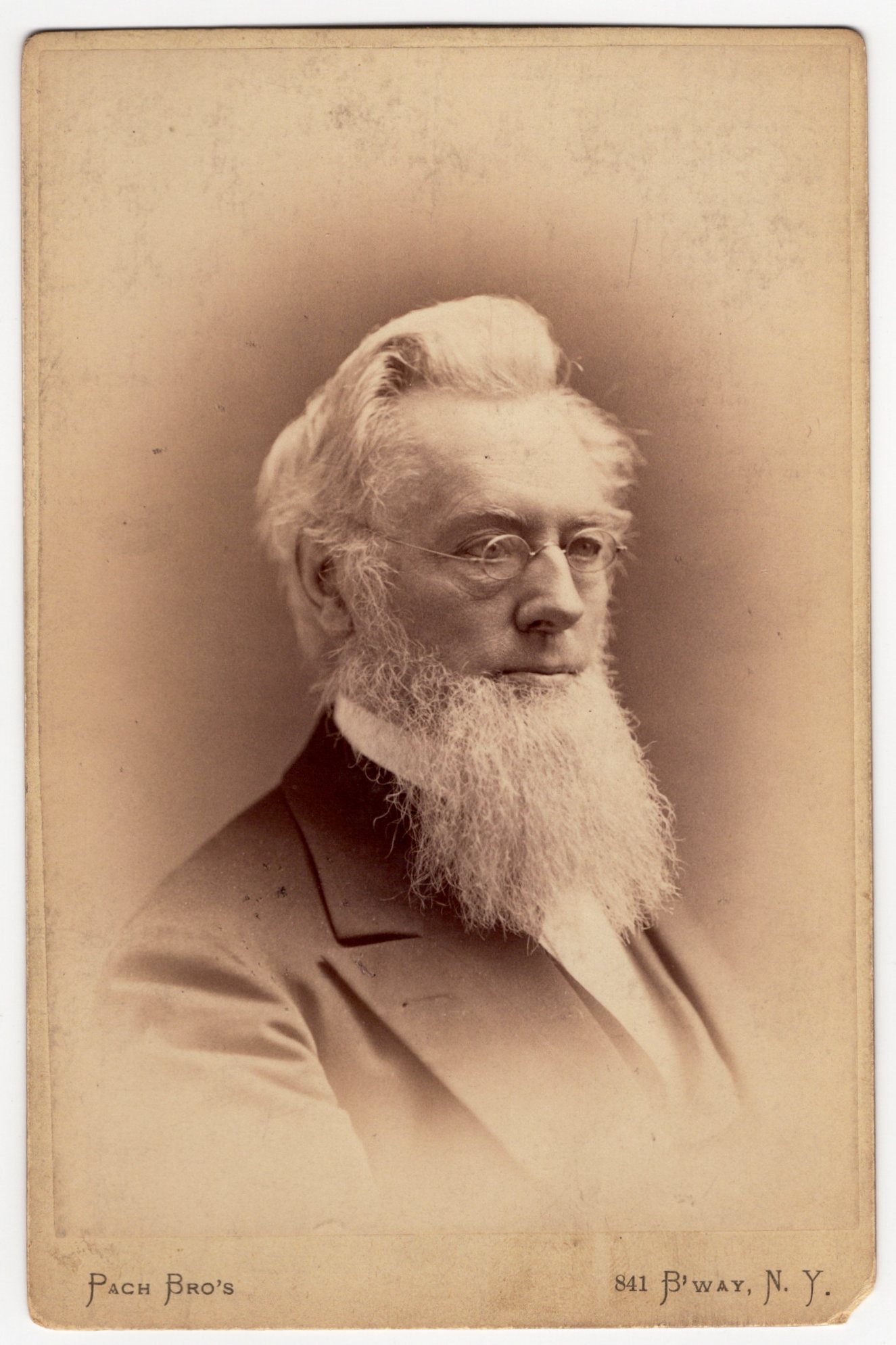
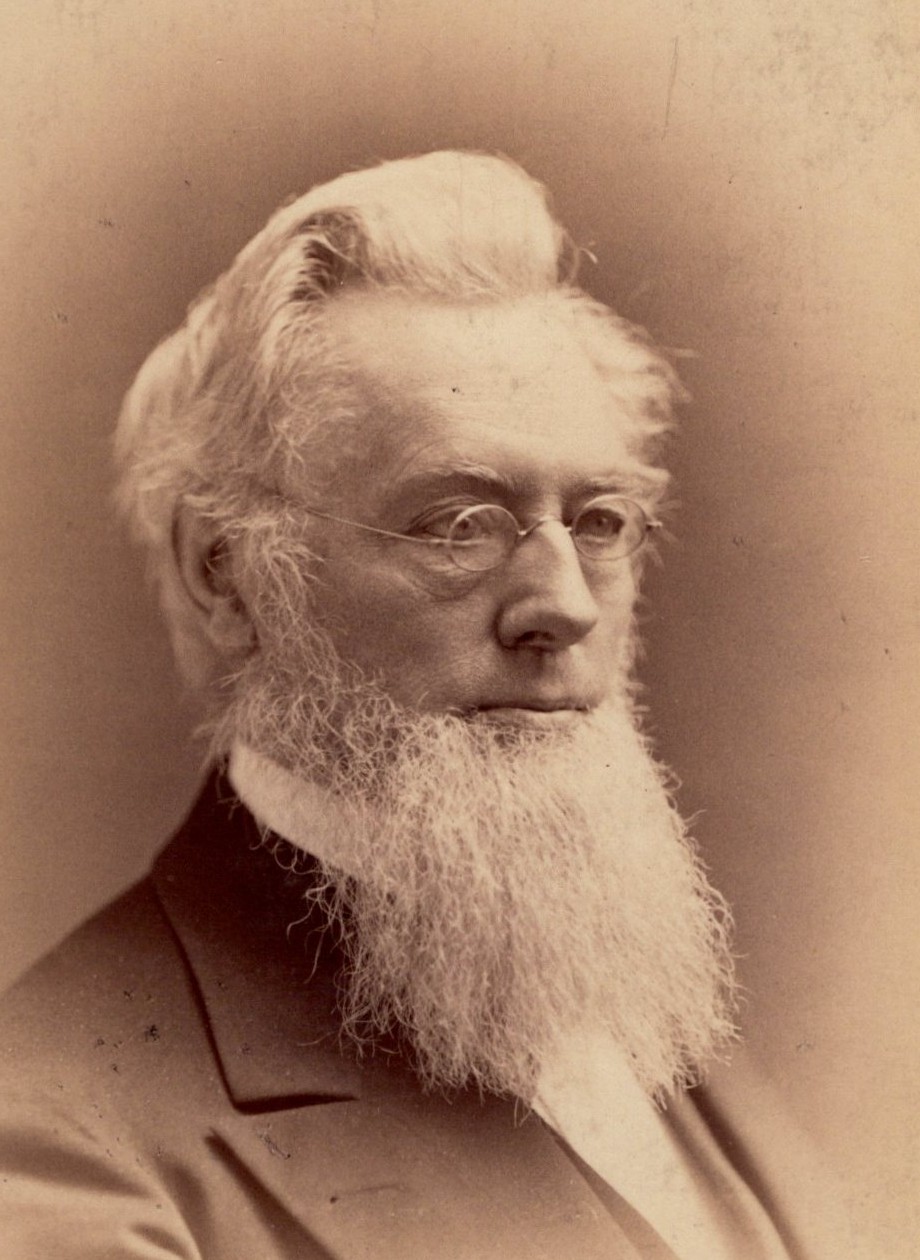
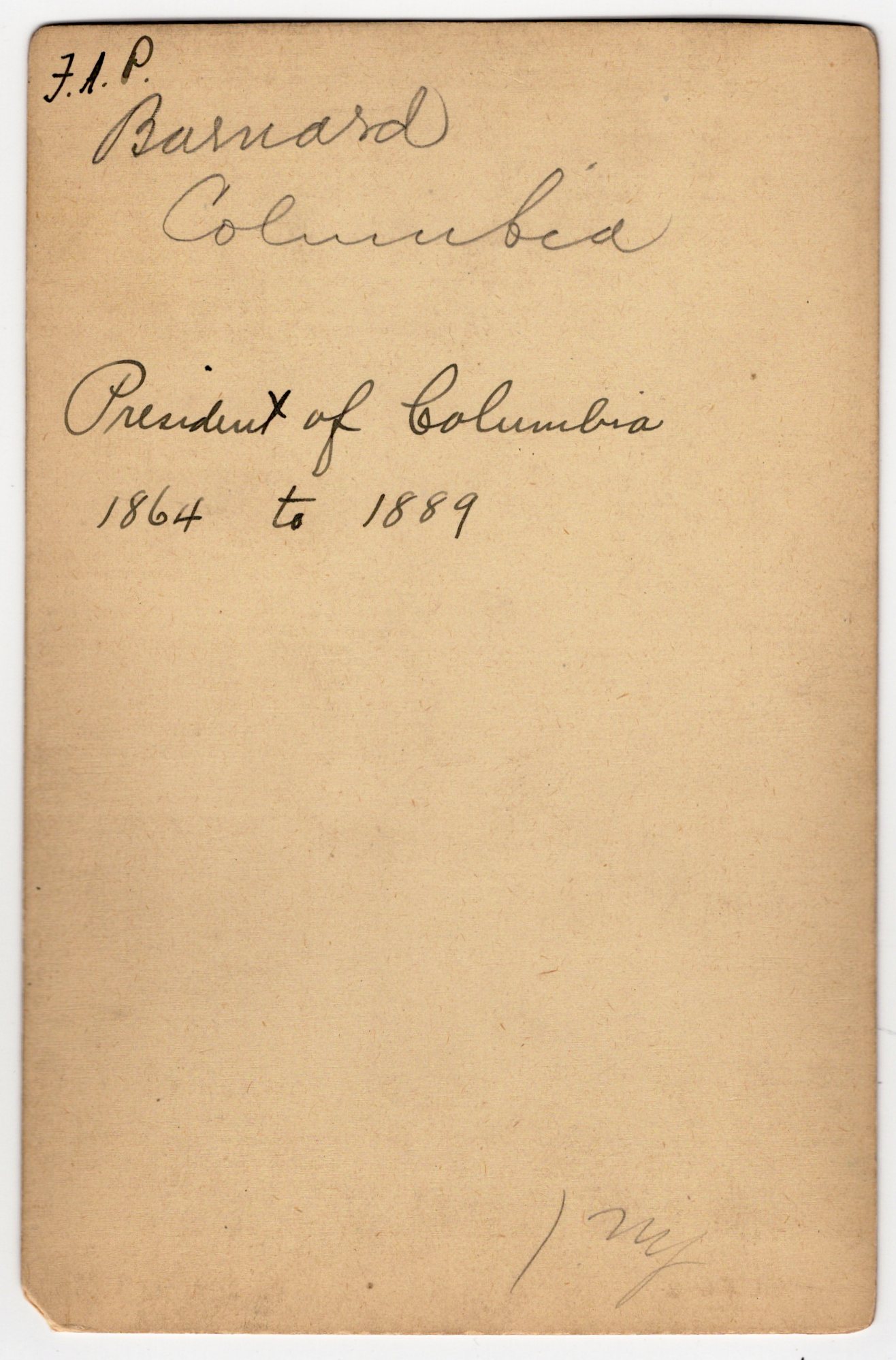
This striking 19th-century cabinet card portrait features Frederick Augustus Porter Barnard (1809–1889), a towering figure in American higher education and one of the most consequential university presidents of his era. Barnard served as President of Columbia University from 1864 to 1889, transforming the institution from a modest college into a leading modern university. During his 25-year tenure, he expanded Columbia’s faculty, improved academic standards, and championed scientific education at a time when American universities were only beginning to embrace research-based scholarship. Barnard was also a pioneering advocate for women’s higher education, a stance unusual in his time. His work and influence ultimately led to the founding of Barnard College in 1889, named in his honor shortly after his death. A respected scientist and polymath, Barnard contributed in fields ranging from astronomy to mathematics, and his legacy remains deeply woven into Columbia’s history and American academia more broadly. This portrait was created by the prestigious New York studio Pach Brothers, one of the most esteemed photographic firms of the 19th century. Renowned for their refined lighting, elegant posing, and superb printing, Pach Bros. was the official photographer for many elite institutions—including Columbia University—and produced portraits of prominent Americans, scholars, and social leaders. This elegant cabinet card is a classic example of their work, exquisitely capturing Barnard’s thoughtful expression, dignified bearing, and signature long beard and spectacles. The image presents Barnard in profile-three-quarter view, his gaze steady and contemplative. His crisp white collar and formal coat enhance the scholarly and statesmanlike presence that characterized his career. This is a historically meaningful portrait of one of Columbia’s most transformative figures, taken by one of New York’s most important portrait studios.(SOLD)
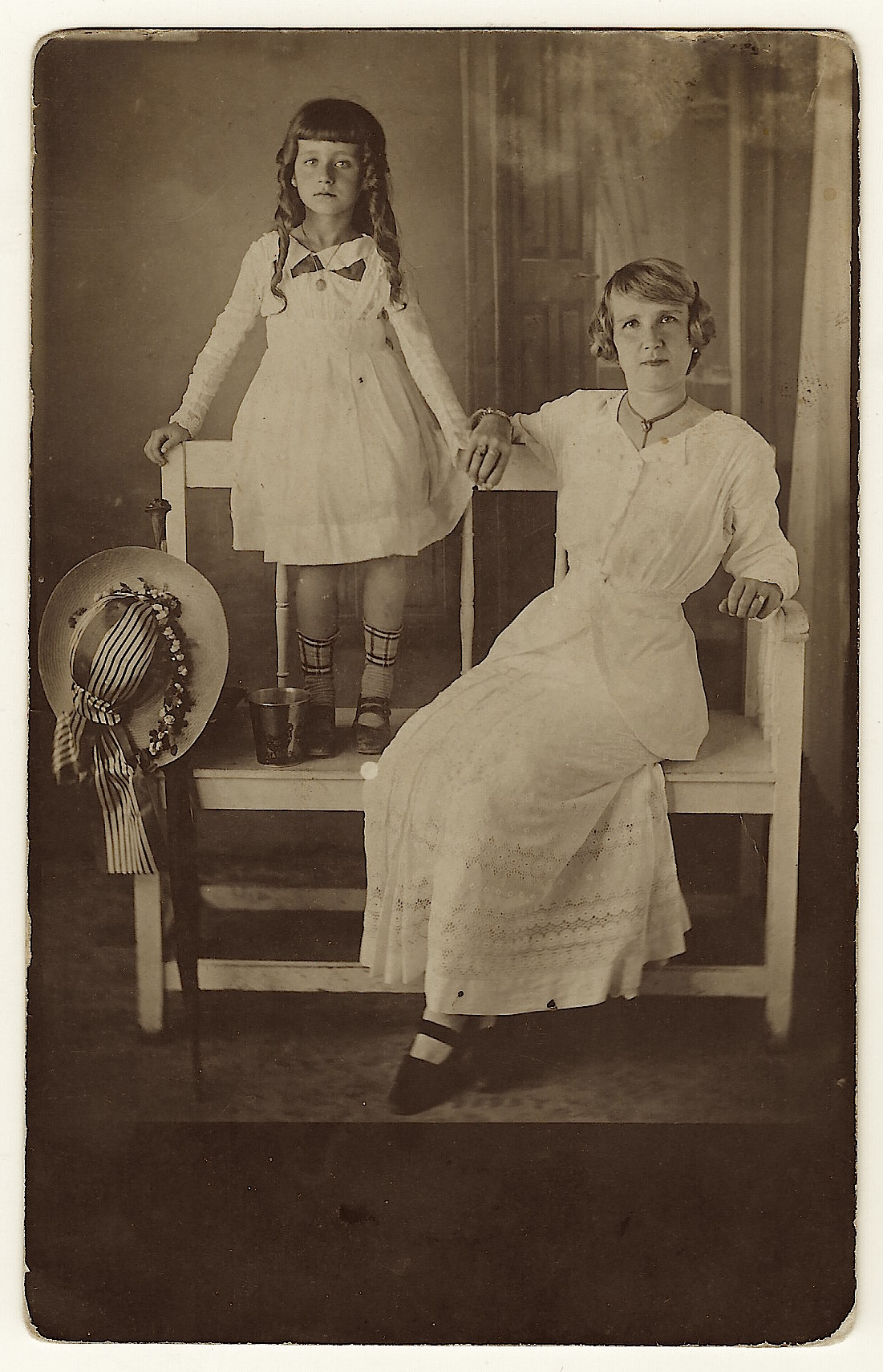
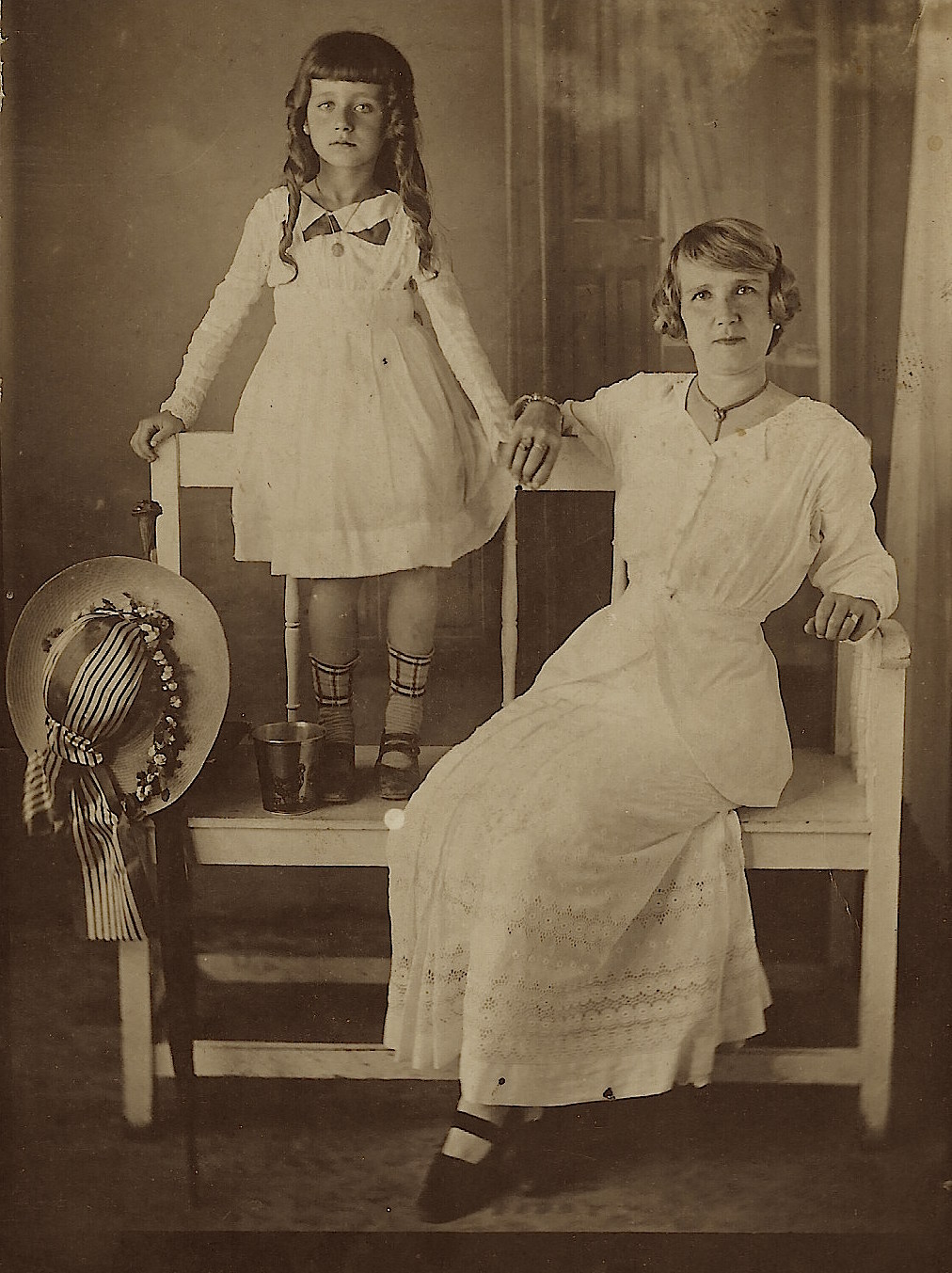
This vintage real photo postcard features a mother and daughter and a bench. Mom is sitting on and the little girl is standing on the bench. The child is directing an eerie stare at the photographer. Note 1) the child’s cute socks, 2) mom’s hat hanging on the armrest of the bench, and 3) the small pail on the bench in front of the little girl (there are roosters painted on the pail). I believe that this postcard is Hungarian based on a “google translate” search of the word “Kapta” which appears on the reverse of the card. This vintage postcard is in good condition (see scans).
This vintage Postcard is available for purchase at my store, The History Peddler, for $16.00 or best offer.
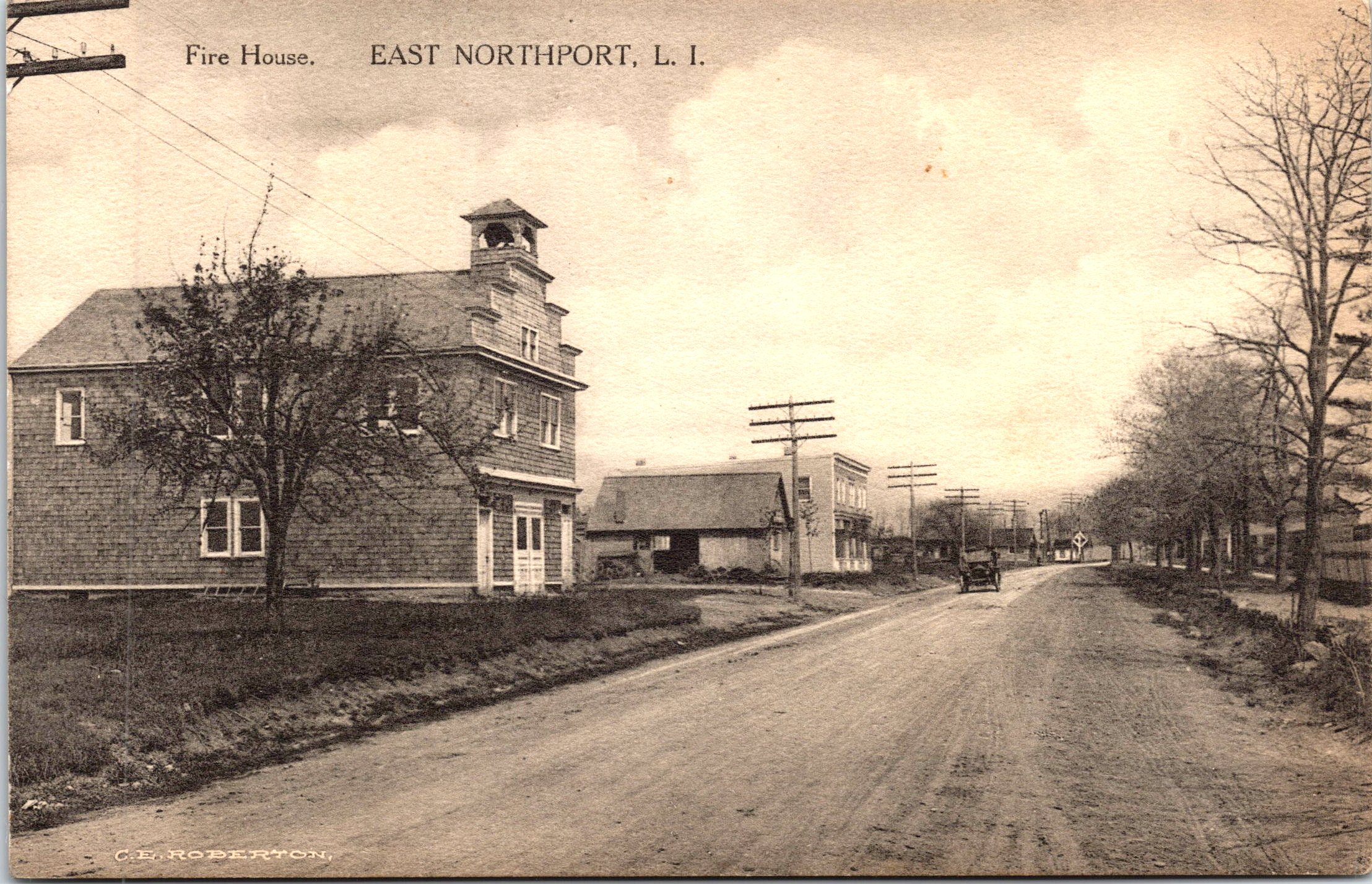
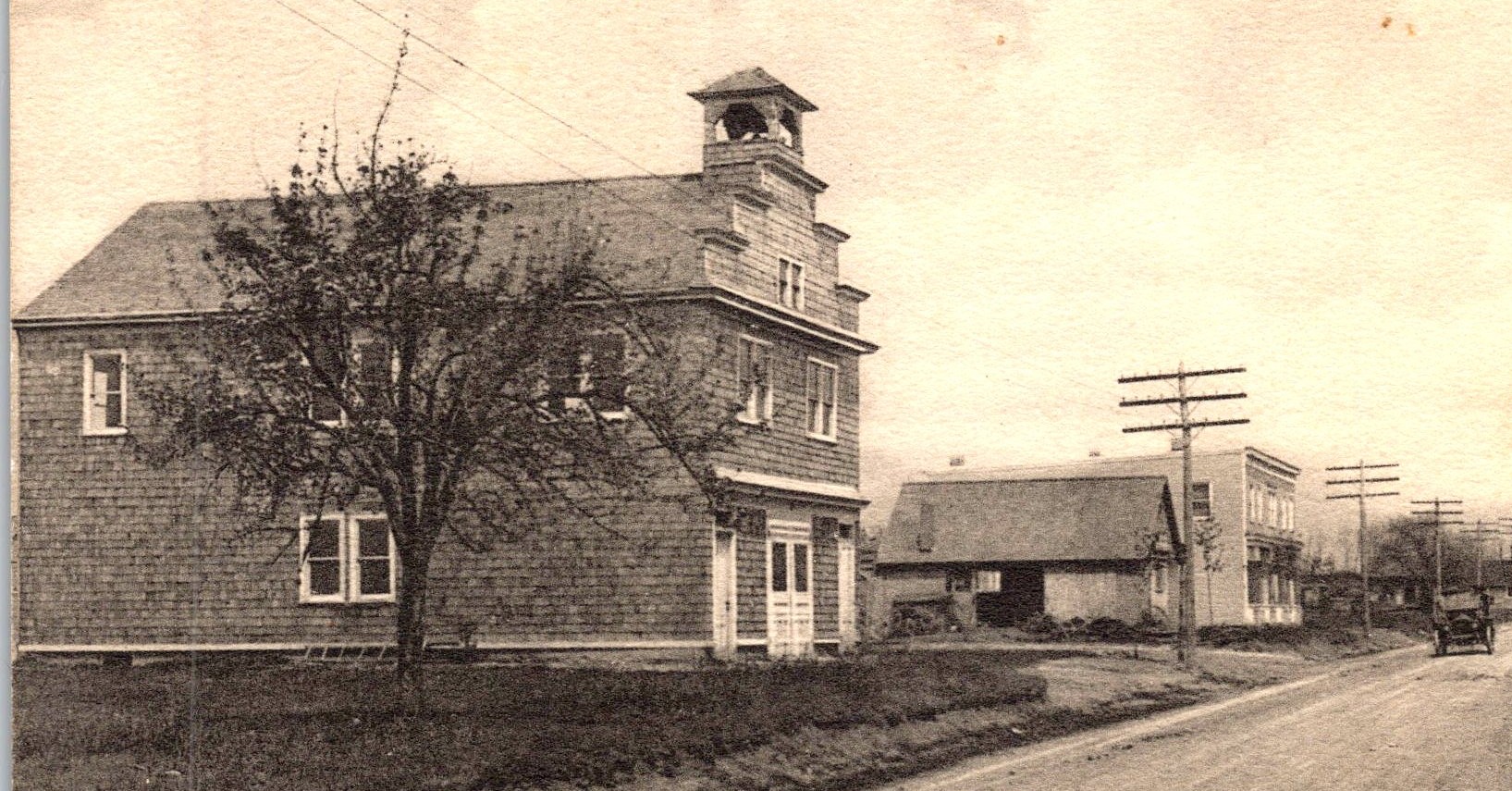
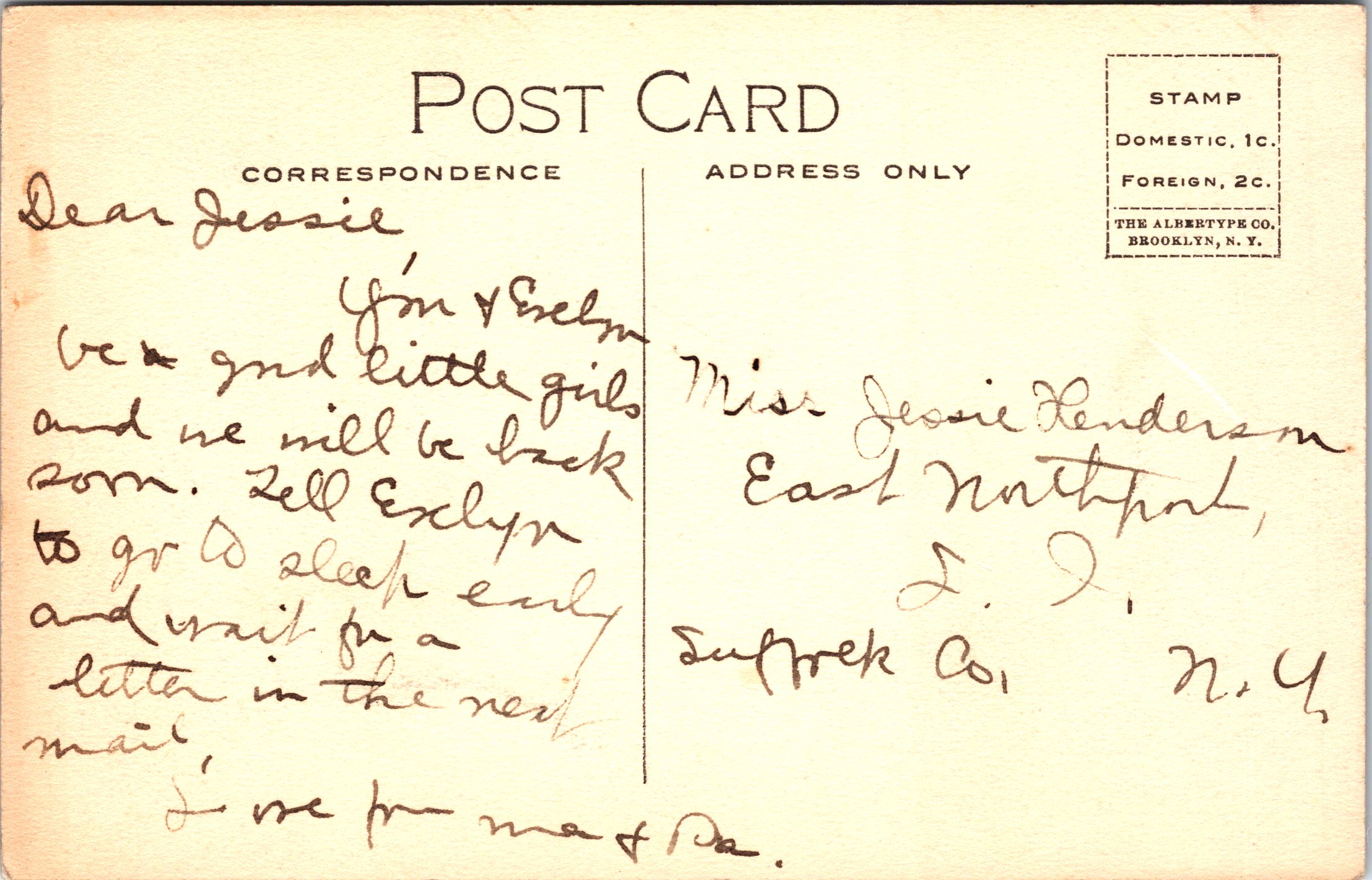
This early 20th-century real photo postcard captures a rare and picturesque streetscape of East Northport, Long Island, New York, featuring the community’s original firehouse. The shingled, two-story building stands proudly at the roadside, crowned with a distinctive bell tower—a classic architectural feature of early volunteer fire departments. This was the heart of early firefighting efforts in East Northport, a town transitioning from rural farmland to a growing residential community. A single early automobile travels down the unpaved road. Telephone poles line the street, hinting at modernization, while modest barns and shops dot the horizon, portraying a quiet village not yet transformed by suburban expansion. The scene feels peaceful and full of small-town charm, capturing a moment before paved roads, traffic lights, and strip-malls changed the region forever. The East Northport Fire Department was established in 1908. The volunteer firemen not only fought fires but they built the fire service themselves. They funded constructing a building with a strawberry festival and other fund raising events. By 1909 the building was complete. In 1923 the department began to receive tax payer support. Today the East Northport fire department has multiple locations. This albertype postcard was published by C. E. Robertson. The card provides not only a historical view but also a personal touch—having been used and mailed locally to a resident of East Northport. The message adds warmth, revealing everyday life during this era, when postcards served as quick notes between friends and family. The following is a transcription of the message on the card. “Dear Jessie, You & Evelyn be good little girls and we will be back soon. Tell Evelyn to go to sleep early and wait for a letter in the next mail. Love from Ma & Pa.” (SOLD)
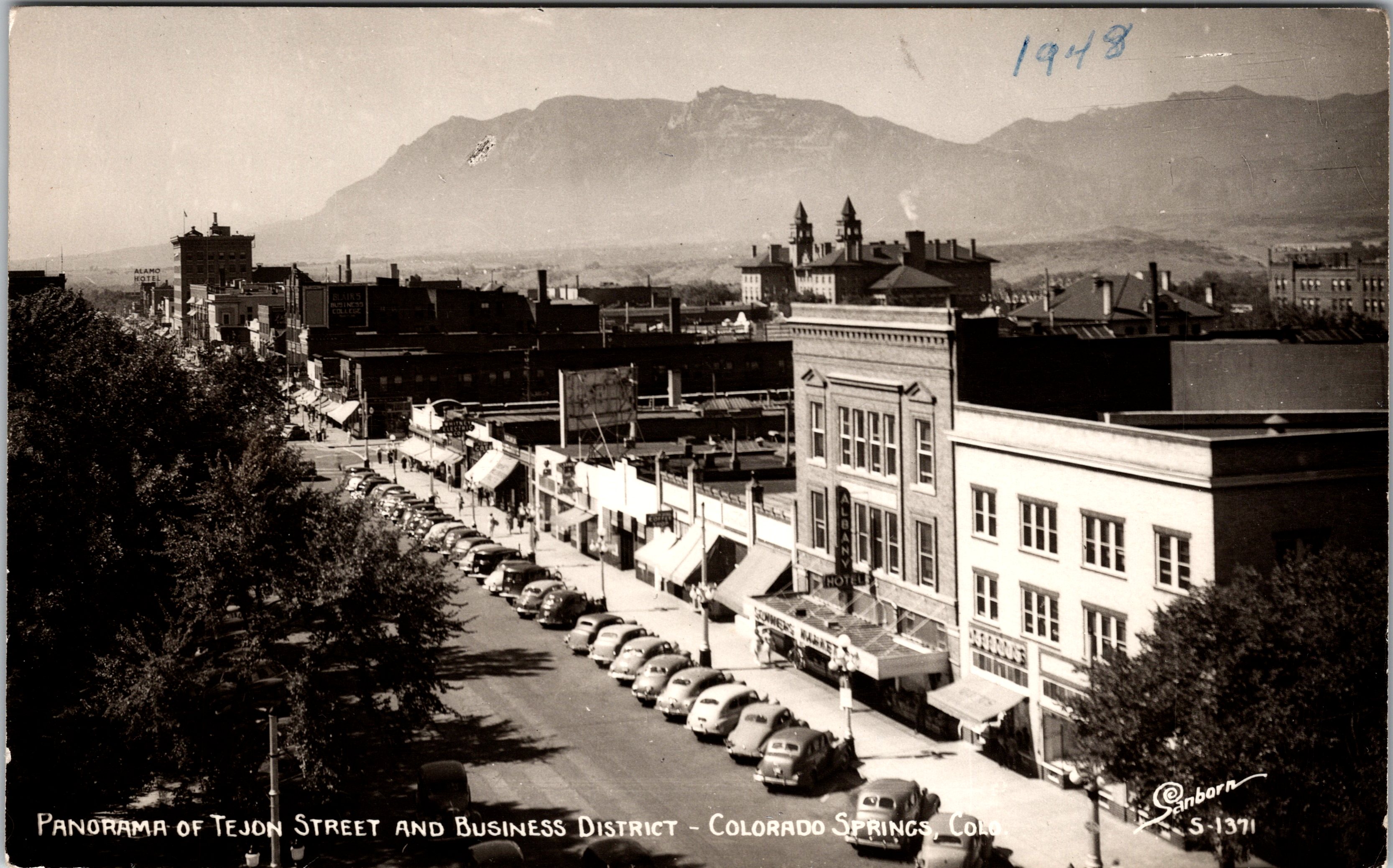
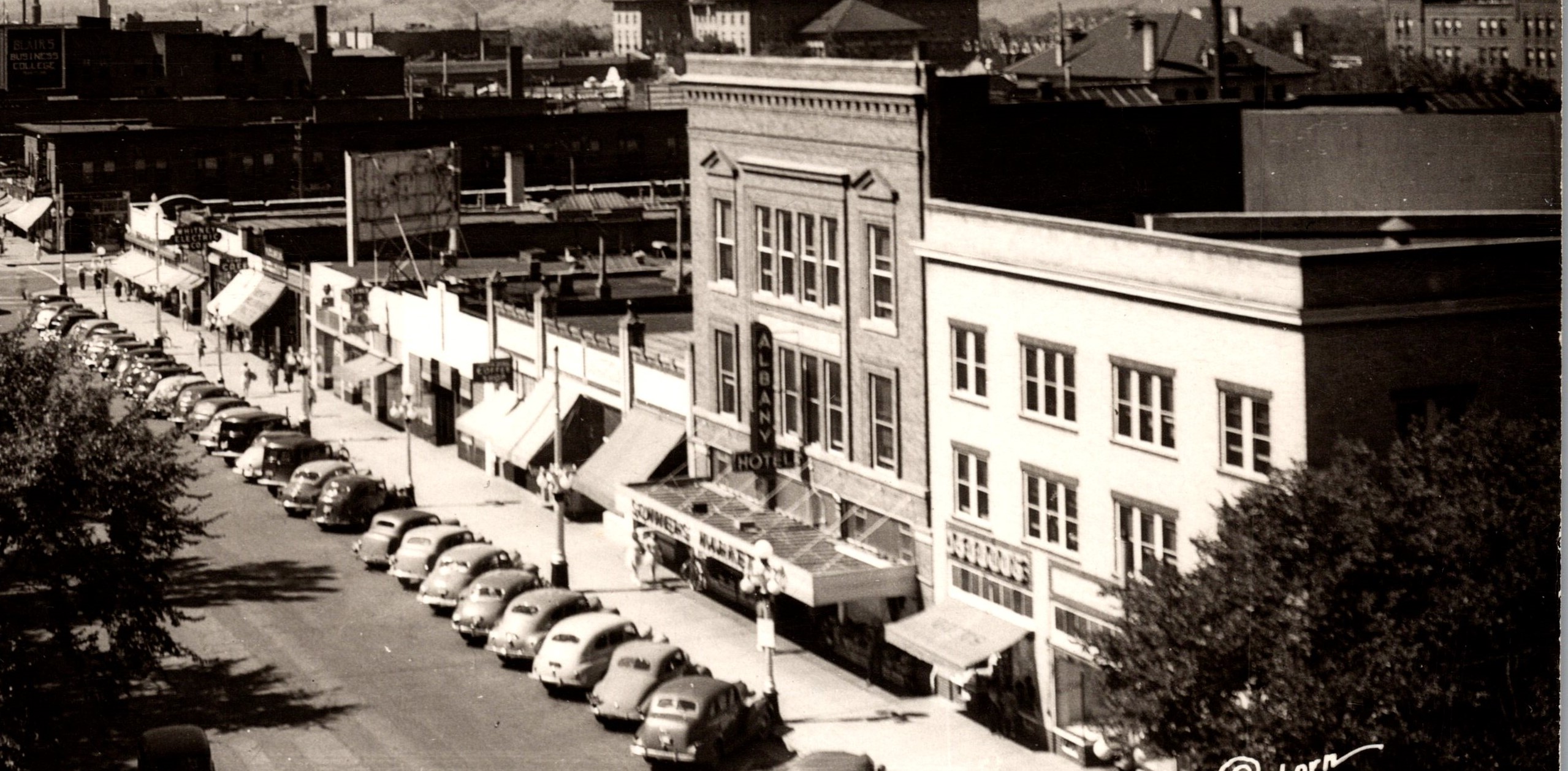
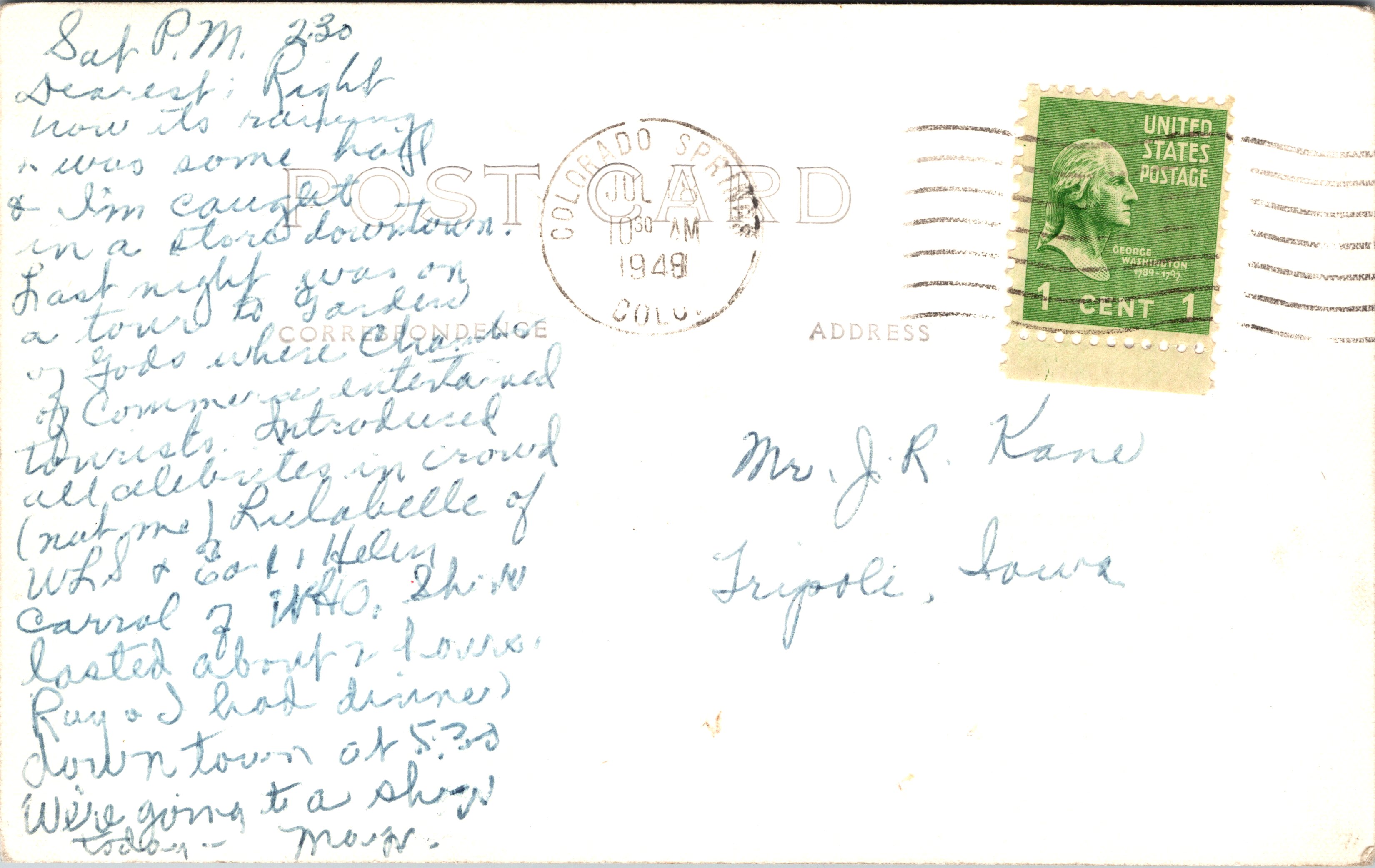
This vintage real photo postcard features a street view of Tejon Street and the business district of Colorado Springs, Colorado. Note the line of diagonally parked 1940’s cars. The Rocky Mountains make a wonderful natural backdrop. Pikes peak is just 30 miles away from Tejon Street. Also visible is a sign for the Albany Hotel. The hotel was built in 1902. While wealthy tourists stayed at high class hotels like the Broadmoor, the Albany Hotel provided hospitality to the middle class visitors. The building is there today and serves as a 70 room apartment house. The publisher of this card is the Sanborn Souvenir Company. Harold Sanborn established the company in the 1920’s. The firm operated out of Denver, Colorado. The company published at least 10,000 different real photo postcards. This postcard was postmarked in Colorado Springs in 1948. The year is also printed on the image on the front of the card. The postcard is addressed to someone in Tripoli, Iowa. (SOLD)
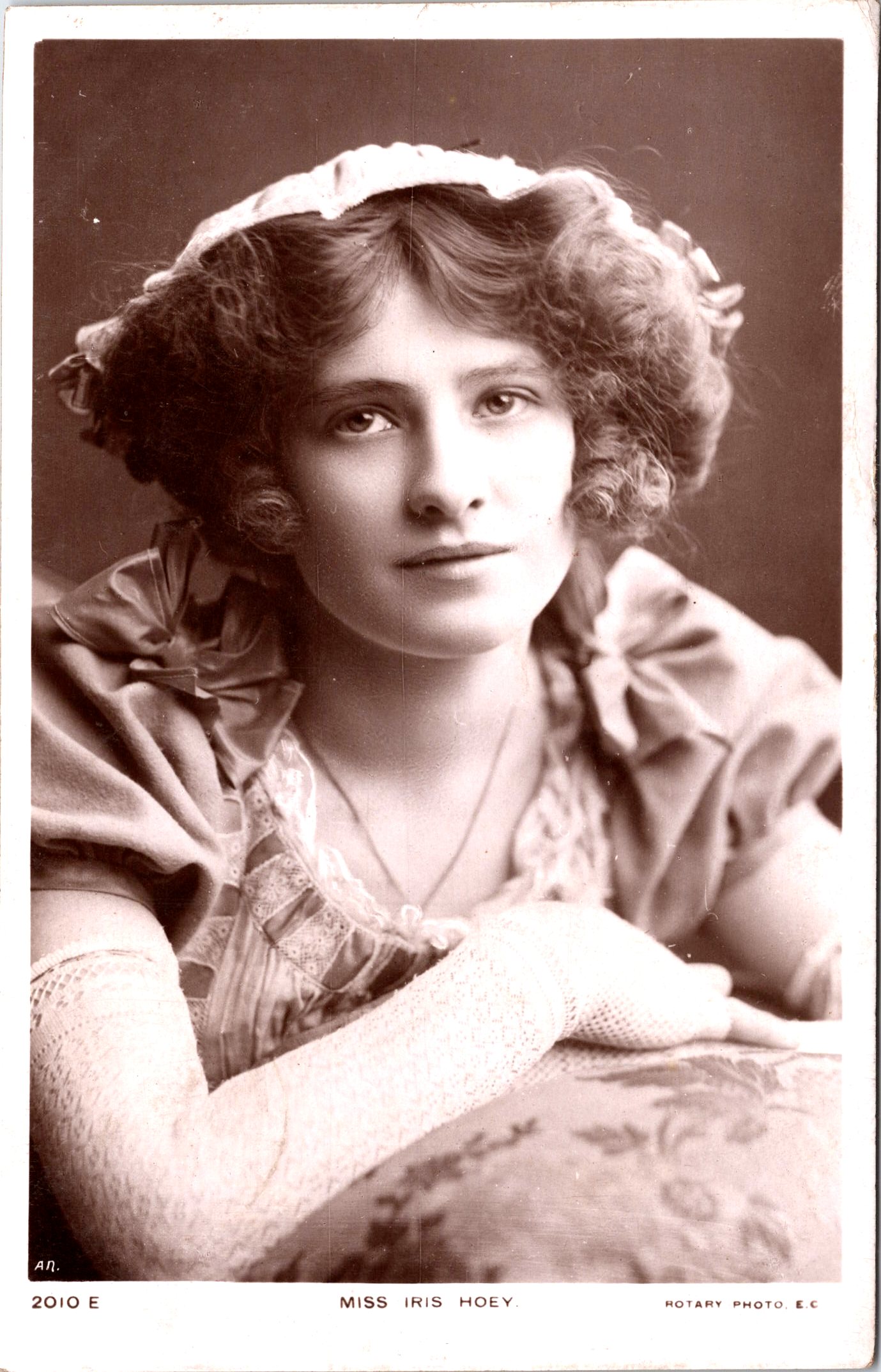
The pretty actress seen on this vintage real photo postcard is Iris Hoey (1885-1979). She has a beautiful smile. Hoey was a British actress who performed in the first half of the twentieth century. She appeared in both stage and movie roles. Iris was born in London. Her father was a professor of economics. She began her career in straight theater and in musical comedies. Her first film appearance was in 1922. She was very active in the 1930’s working in film but still found time for theater. Th IMDb credits her with 20 acting roles in films. They range from 1922 to 1954. The IBDb reports that Hoey performed in two Broadway shows. Twelve portraits of Iris Hoey are part of the collection of Great Britain’s National Portrait Gallery. Hoey is considered to be among the prettiest actresses of her era. This postcard was published by Rotary Photo and is part of a series (no.2010E). The initials “AN” can be seen in the bottom left corner of the image. Alfred Noyer was a highly prominent and acclaimed French photographer and publisher based in Paris. This vintage postcard is in overall Good Condition. There is minor surface and corner wear present. This closeup photo of Miss Hoey presents well (see scans).
This vintage Postcard is available for purchase at my store, The History Peddler, for $12.00 or best offer.
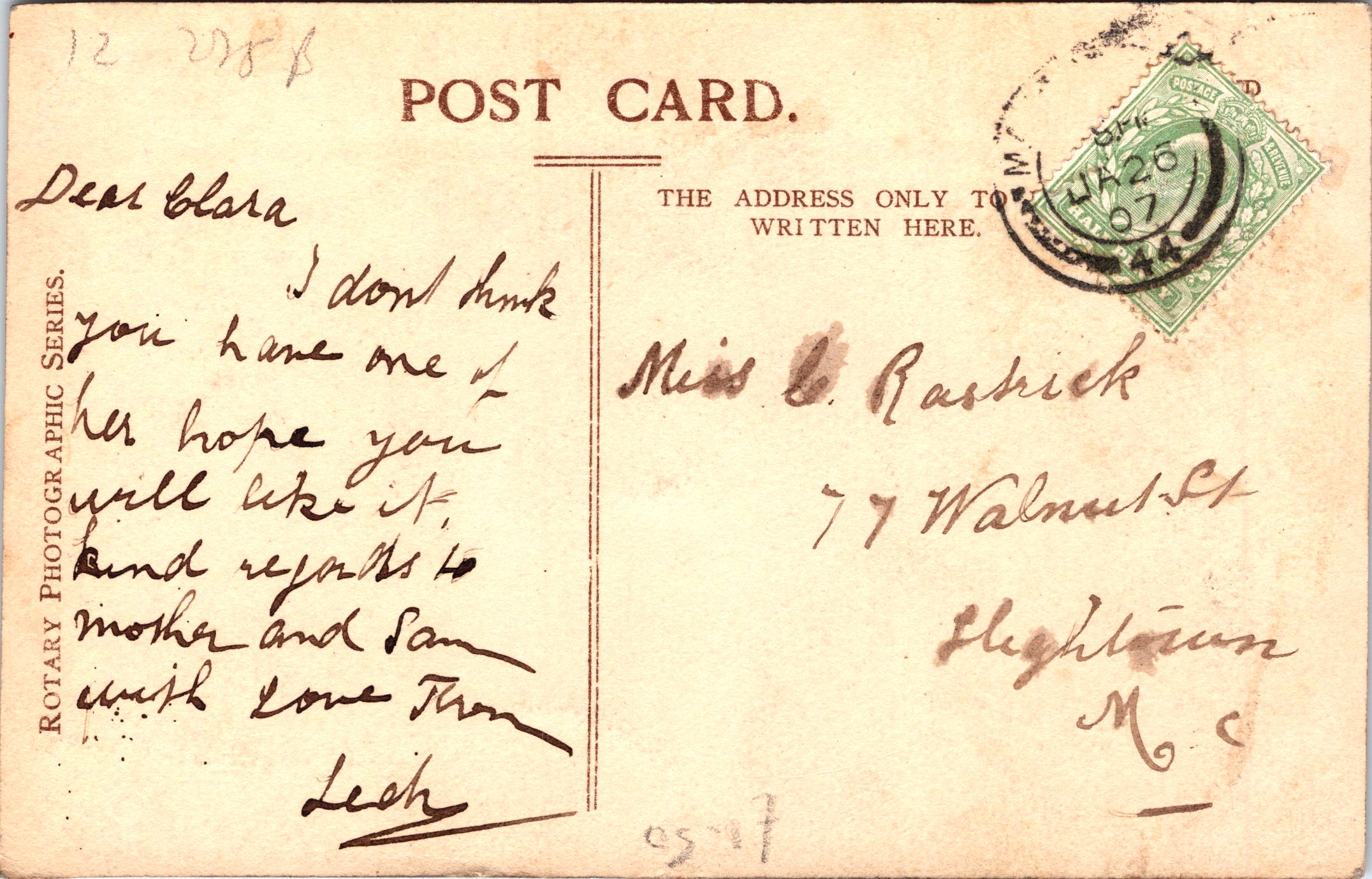
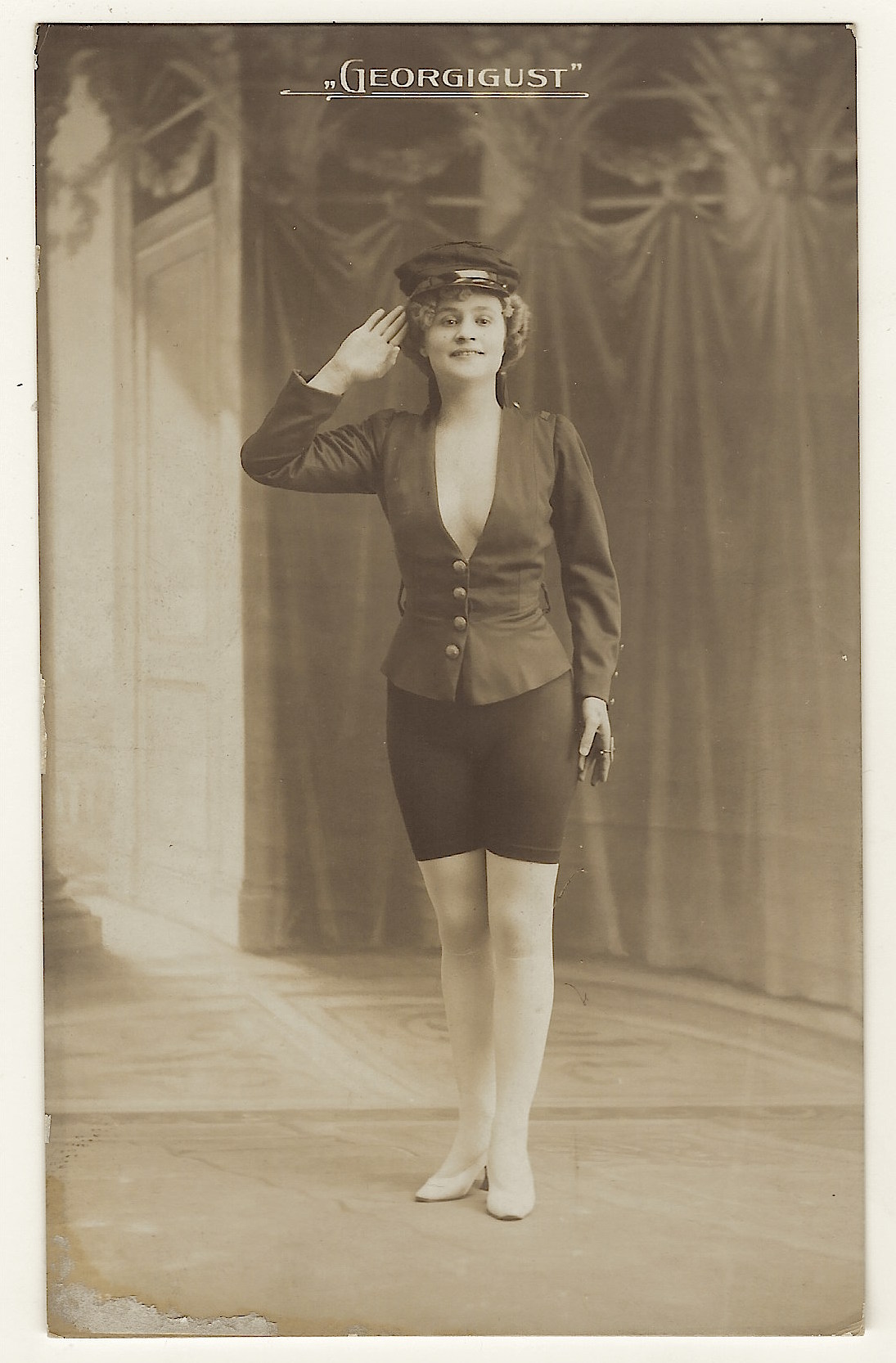
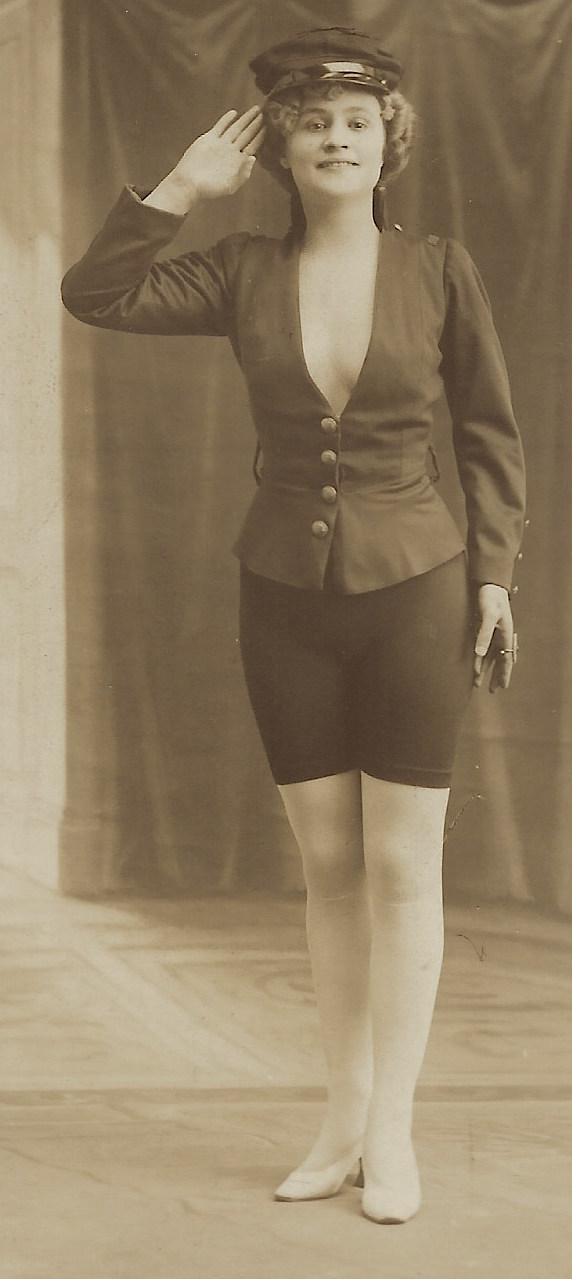
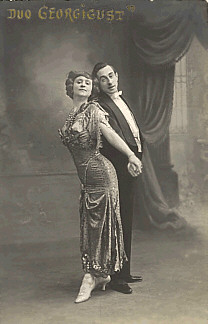
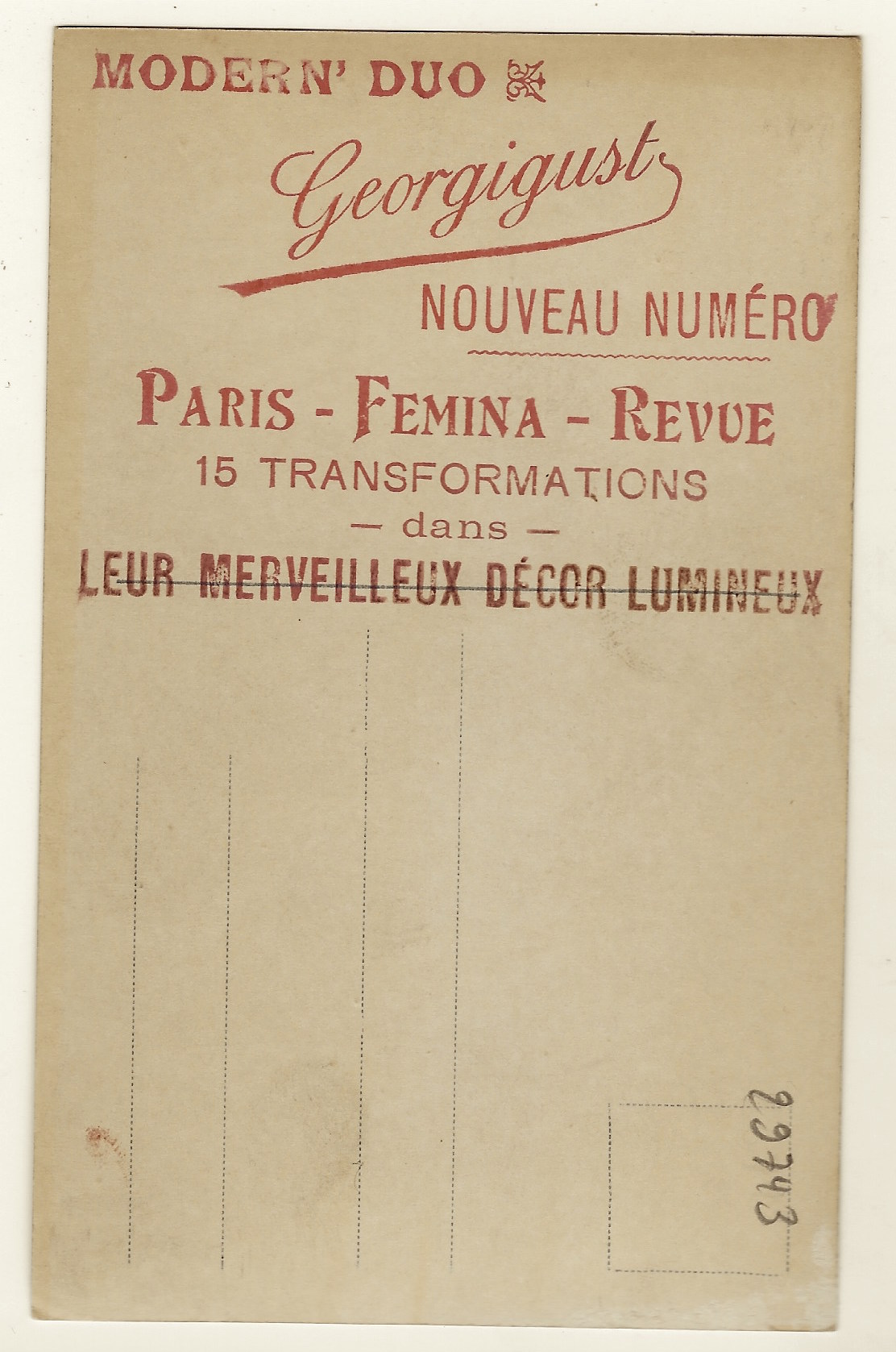
This vintage real photo postcard features one half of the dance partners from the “Duo Georgigust”. The pair were a popular dance couple during the 1910’s. Judging by the dancer’s tight clothing and revealing top, there must have been a sexual tone to her dance routine. This is a relatively risque photograph for it’s time. The reverse of this postcard is an advertisement for Georgigust’s act. Georgigust is described as a “modern duo” and promises that they will perform 15 transformations (different dances?, different acts?) and a “new number” in a wonderful bright decor. This postcard is an advertisement for the “Paris Female Revue”. The photo postcard below, shows the duo reunited and dancing together. SOLD
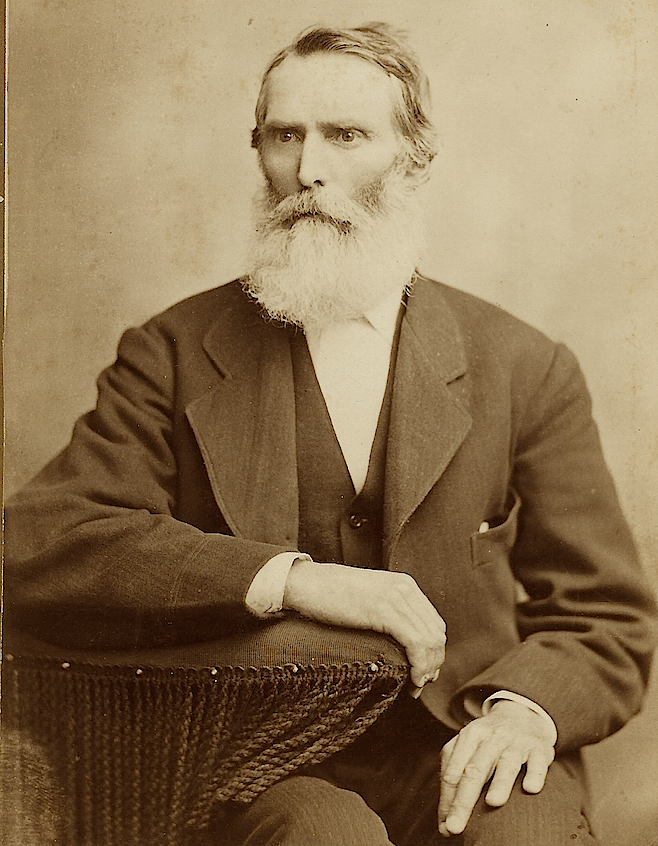
A distinguished looking older man with a white eard and mustache poses for his portrait at the Fenwick studio in Bloomington, Illinois. The man is dressed in his finest clothing for his day at the photographer but it seems he had no time to see a barber to tame his beard and longish hair. The photographer of this image is Richard Fenwick. He was born in England in 1845. He appears in the U.S. Census in 1870. He was living in a Bloomington boarding house and working as a laborer. The 1880 census finds Mr Fenwick (age 35) married to Alida Fenwick (age 30). The couple was married in 1875 and were living with their two children. Richard Fenwick had a 1 year-old daughter (Adda) and a 9 year-old step son (Rush Downey). Fenwick was working as a photographer. The 1900 census reveals that Fenwick still worked as a photographer and his step son, Rush, filled the manager role in the photography studio. Research reveals that between 1866 and 1875, Fenwick was associated with the Cook and Fenwick studio. This cabinet card is in good condition (see scans).
This Cabinet Card is available for purchase at my store, The History Peddler, for $22.00 or best offer
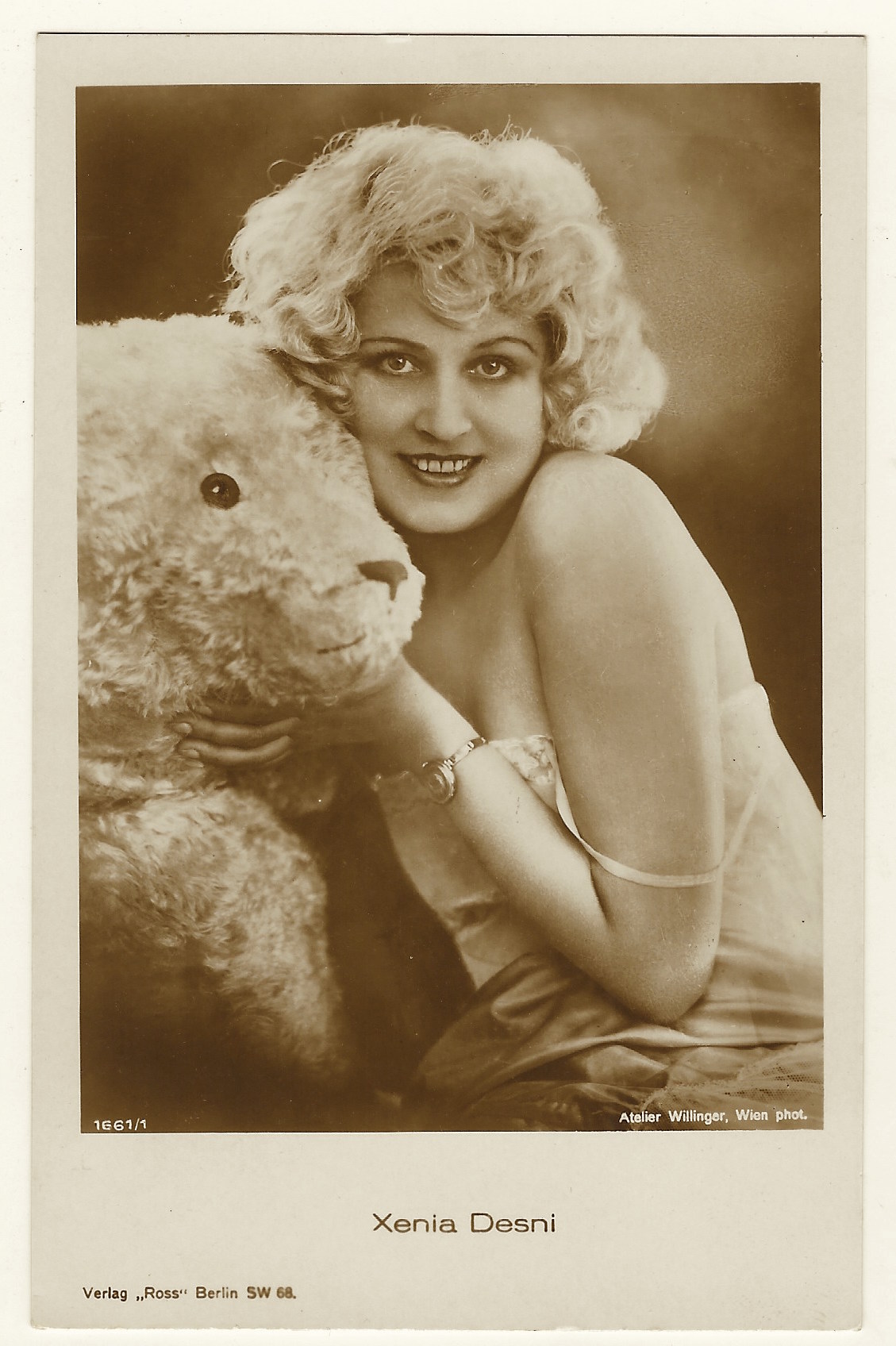
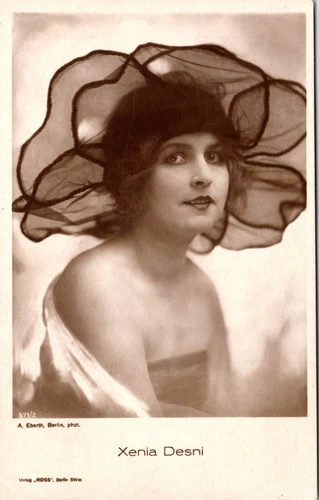
These three vintage real photo postcards feature actress Xenia Desni (1894-1962). She is seen in the first postcard, snuggling with a large teddy bear. Miss Desni is beautiful and this photograph is a bit risque for it’s era. She has pretty eyes and a wonderful smile. Miss Desni was born in the Russian Empire and she and her family fled the Russian Revolution to Constantinople, which was in the Ottoman Empire. She began acting and dancing in vaudeville there and than moved to Berlin where she became involved in films. She began her career by appearing in the movie “Sappho” (1921). This was followed by a number of other film successes. The IMDb credits her with 33 acting roles between 1921 and 1940. She is most identified with “Leap Into Life” (1924), “Der rosa Diamant” (1926) and “The Tower of Silence” (1925). The introduction of sound movies, (she only appeared in one) led to the death of her career. Xenia Desni was the mother of Tamara Desni, a star of British films in the 1930’s and 1940’s. The Cabinet Card Gallery has a photograph of Tamara Desni (1913-2008) which can be seen by placing her name in this blog’s search box. The photographer of this portrait is the Willinger studio which was located in Vienna. Laszlo Josef Willinger (1909=1989) was a Jewish-German photographer known for his portrait photography of movie stars and celebrities. This area of concentration began in 1937. His mother, Margaret Willinger was also a photographer. Her work included photographs of theatrical stars. Laszlo Willinger established studios in Paris (1929) and Berlin (1931). At the age of 23, he left Berlin (1933) with the rise of Adolf Hitler and relocated to Vienna, Austria. He began photographing celebrities including Hedy Lamarr, Josephine Baker, Marlene Dietrich, Sigmund Freud, and Carl Jung. Willinger was invited by studio photographer, Eugene Robert Richee to move to the United States and in 1937, he settled in Los Angeles, California. He then opened a photo studio in Hollywood and sold many of his photographs to magazines and other periodicals. He produced many magazine covers of popular stars. Among the stars he photographed were Clark Gable, Joan Crawford and Fred Astaire. Interestingly, toward the end of his career, he was accused of stalking some celebrities, including Charlie Chaplin. This postcard was published by Ross Verlag of Berlin, Germany and is part of a series (no. 1661/1). SOLD
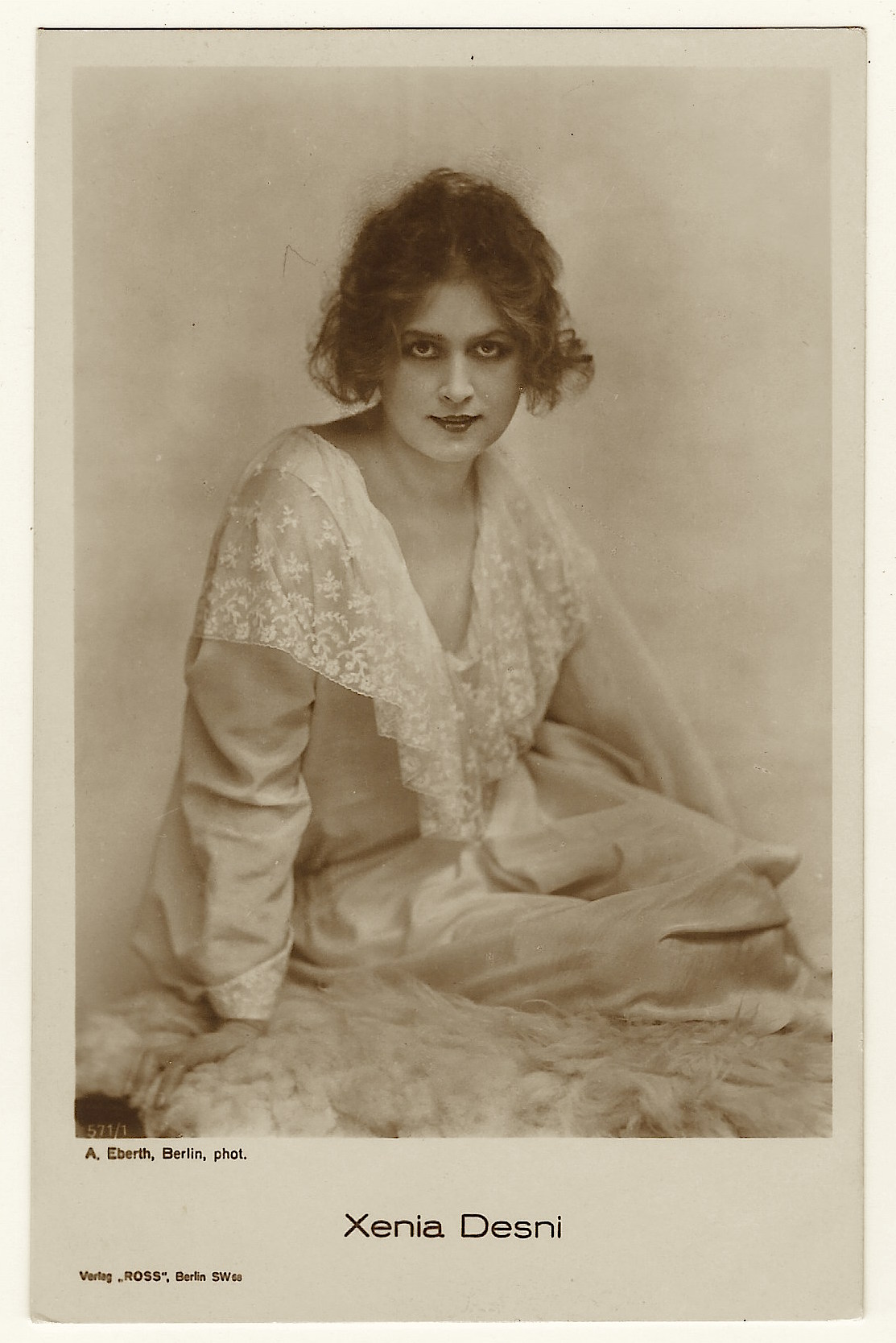
The second postcard highlights Miss Desnis’ beauty. Her dress’s “plunging” neckline makes this postcard a bit risque for it’s time. In fact, her clothing looks a lot like sleepwear. This photo portrait of Xenia Desni was taken by photographer A. Eberth of Berlin, Germany. In her Berlin studio, German photographer Anny Eberth photographed aristocratic ladies and elegant fashion models, but also film actors and expressionist dancers. During the 1910s and 1920s, she published her photos in major German magazines. Her photos were also used for film star postcards. The postcard was published by Ross Verlag and is part of a series (no. 571/1). SOLD
The third postcard features a photo portrait of Xenia Desni taken by photographer A. Eberth of Berlin, Germany. In her Berlin studio, German photographer Anny Eberth photographed aristocratic ladies and elegant fashion models, and also film actors and expressionist dancers. During the 1910s and 1920s, she published her photos in major German magazines. Her photos were also used for film star postcards. This postcard was published by Ross Verlag of Berlin, Germany and is part of a series (no. 571/2). (SOLD)
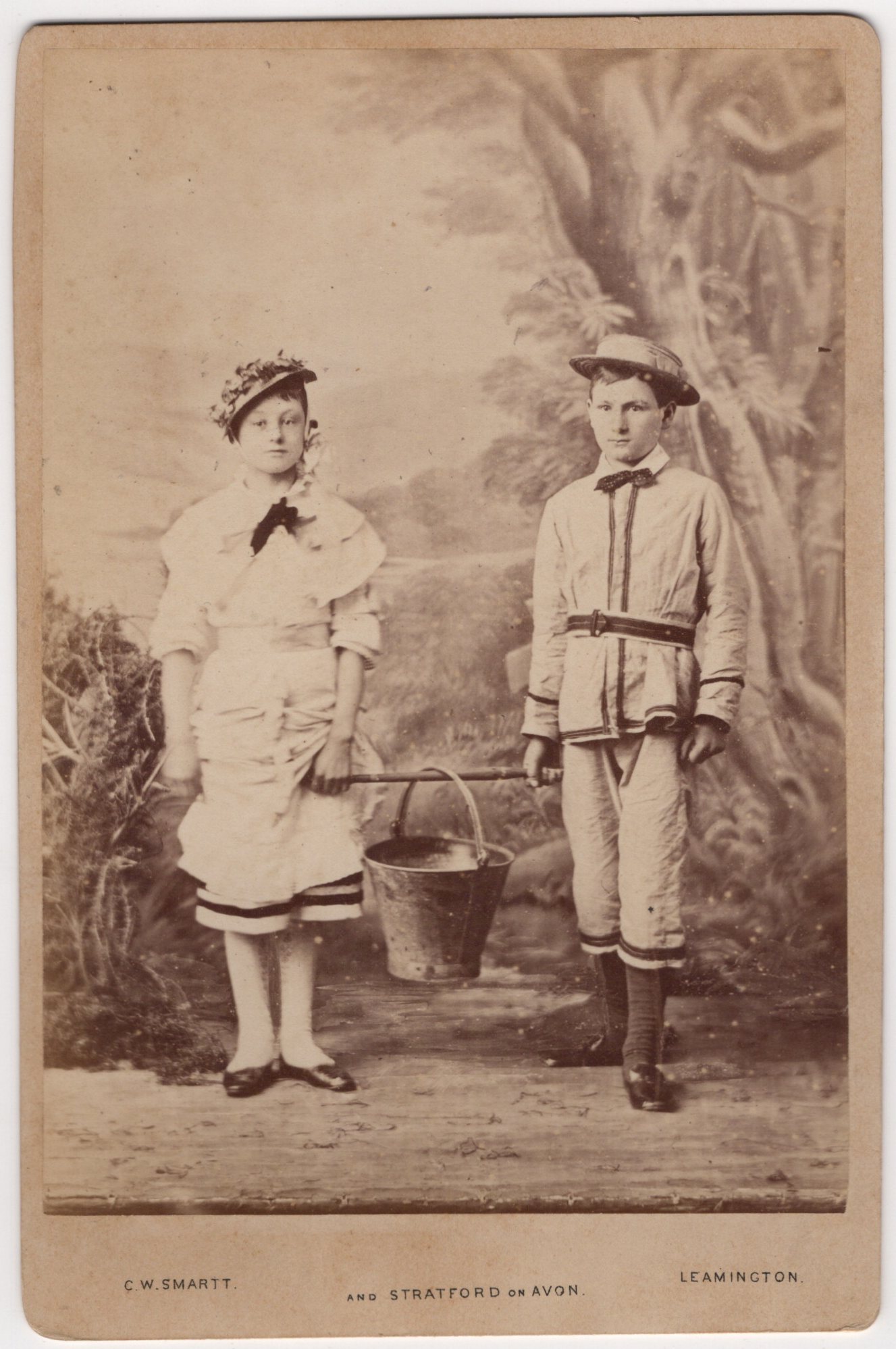
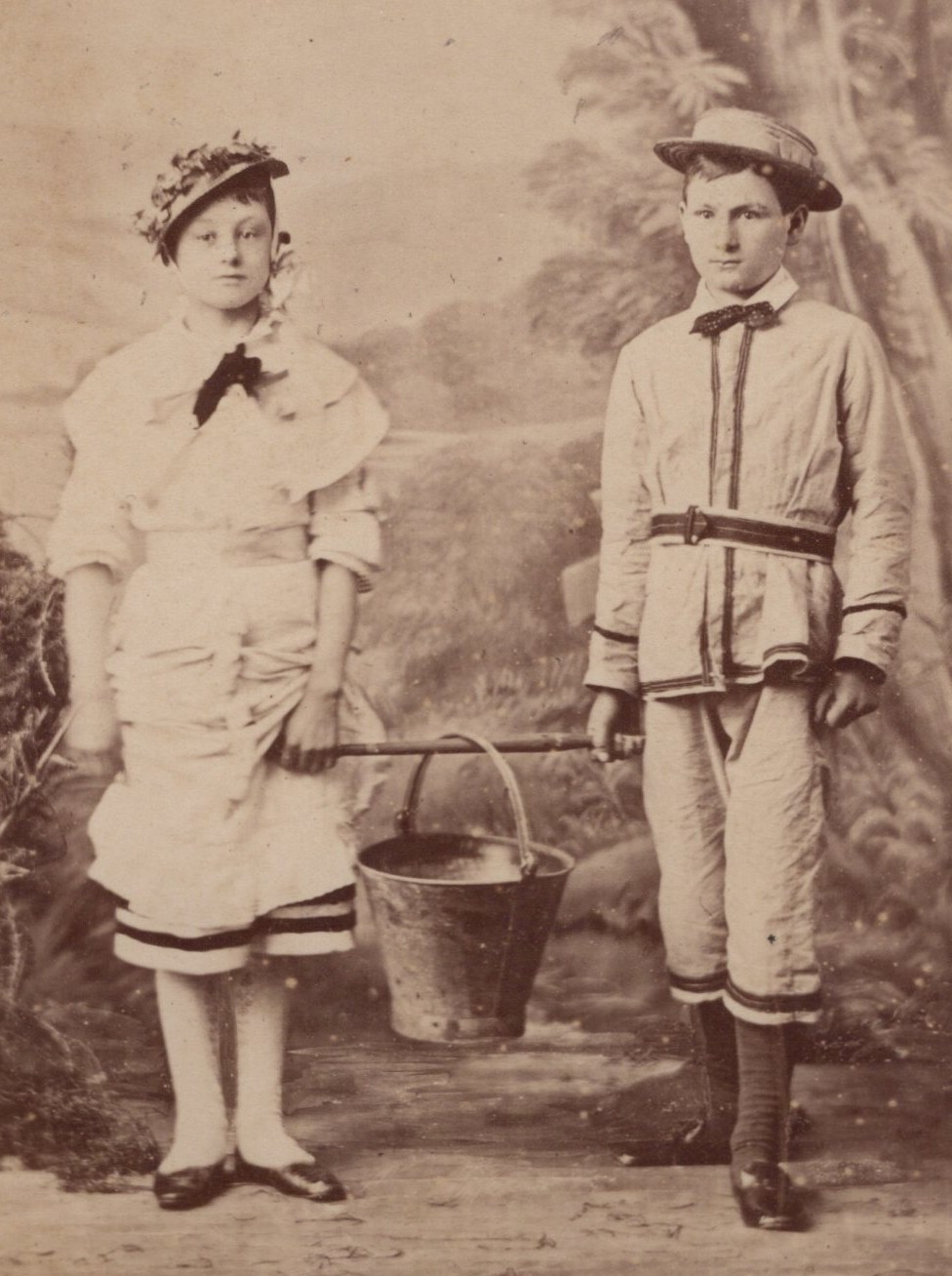
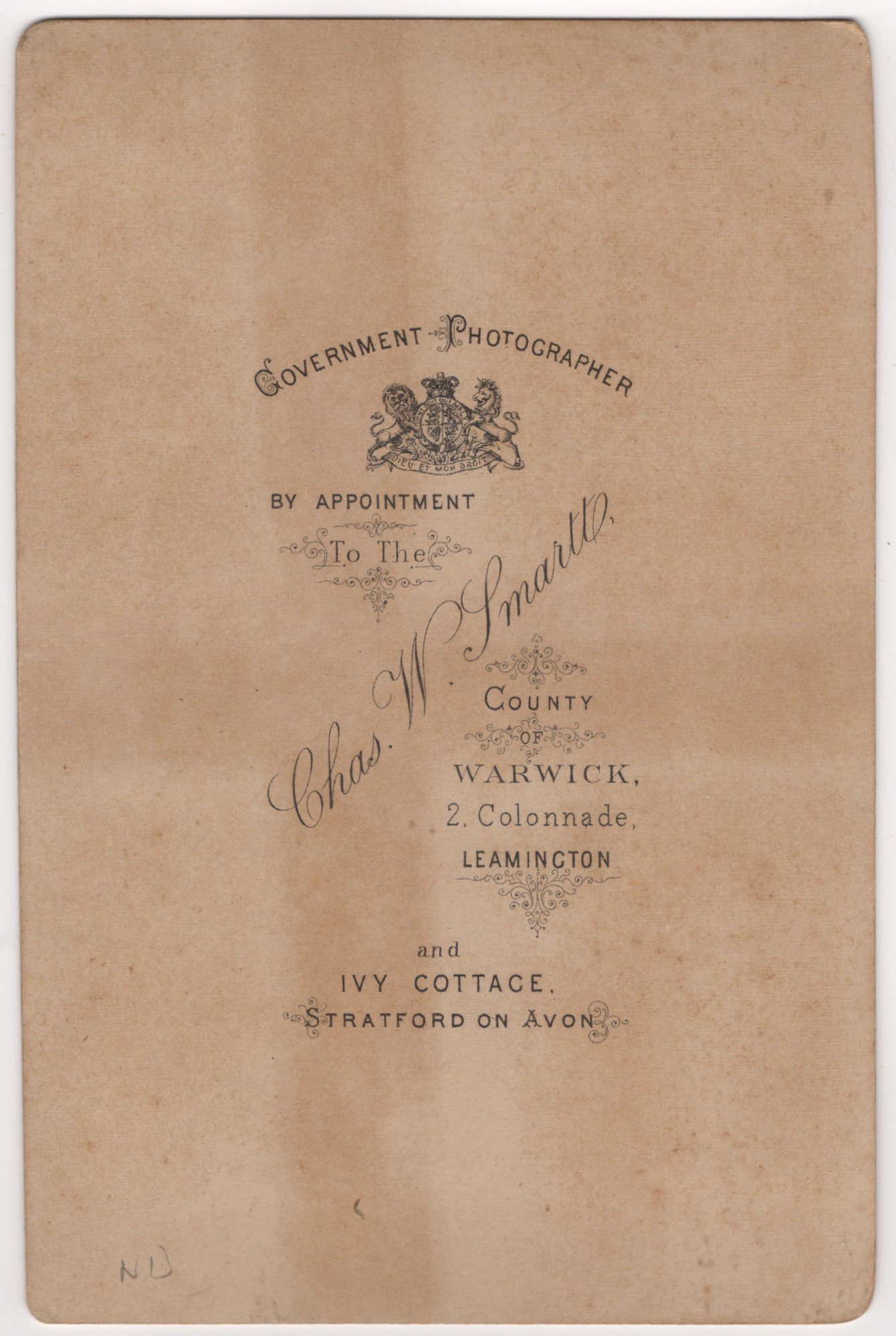
This charming Victorian cabinet card photograph shows two children posed in a theatrical studio scene, almost certainly intended to evoke the nursery rhyme “Jack and Jill went up the hill to fetch a pail of water.” The young girl and boy stand on either side of a metal pail, each holding the handle, with a painted woodland backdrop behind them. Their costuming adds to the theatrical quality of the image: the girl wears a light dress with a decorated hat, while the boy wears a belted outfit, high socks, and a brimmed hat. The composition has wonderful storybook appeal. The photograph was produced by C. W. Smartt who operated studios in Leamington and Stratford on Avon (United Kingdom). The cabinet card is in good antique condition overall, with typical age-related wear. The photograph has light fading and spotting. The reverse has general age toning and surface wear. The photographer’s backmark remains attractive and legible (see scans).
This Cabinet Card is available for purchase at my store, The History Peddler, for $32.00 at auction.





 THE CABINET CARD GALLERY