AMERICAN POW’s IN NORTH VIETNAM : COLLABORATORS & HEROES : PRESS PHOTO 1970

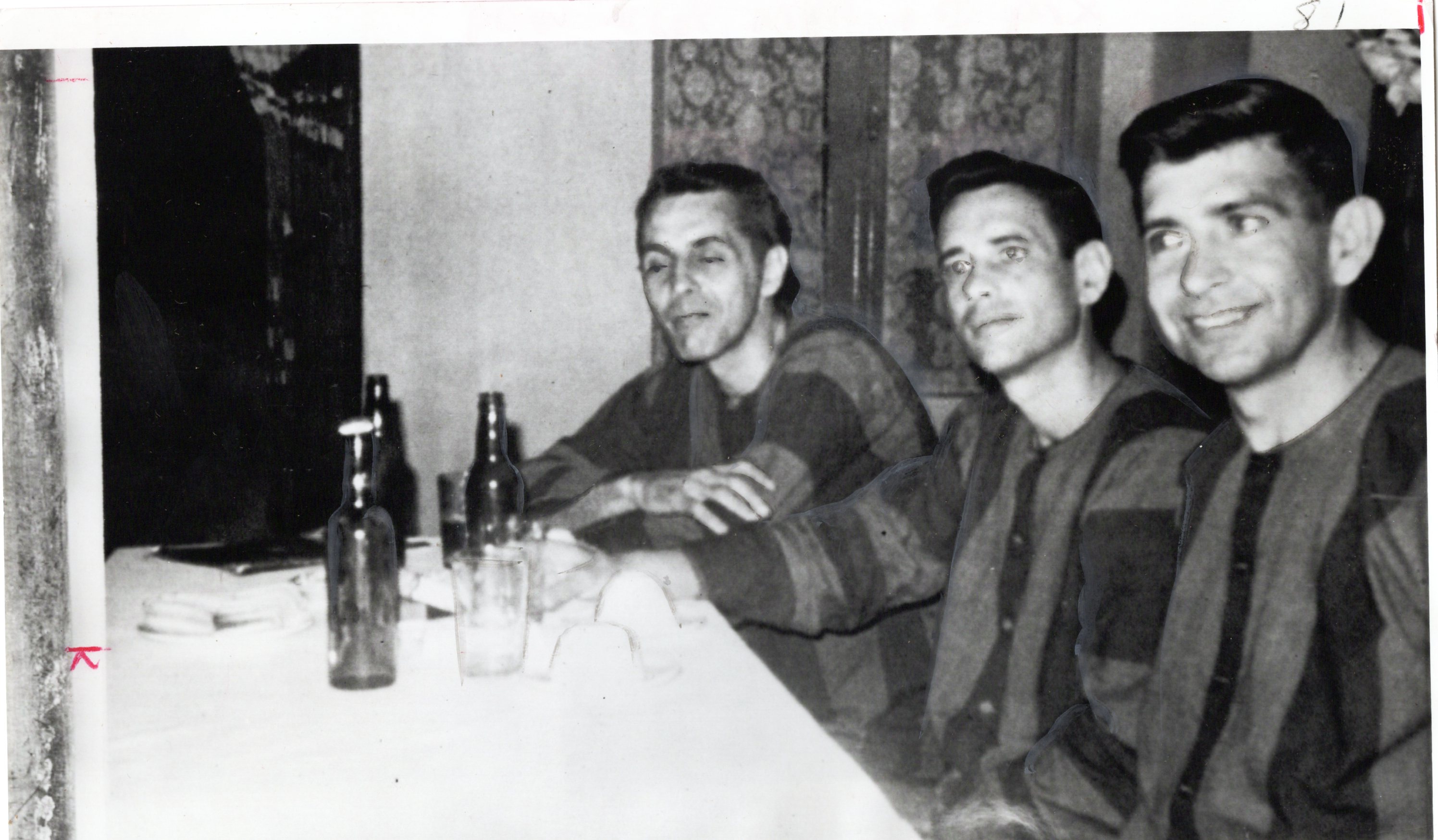
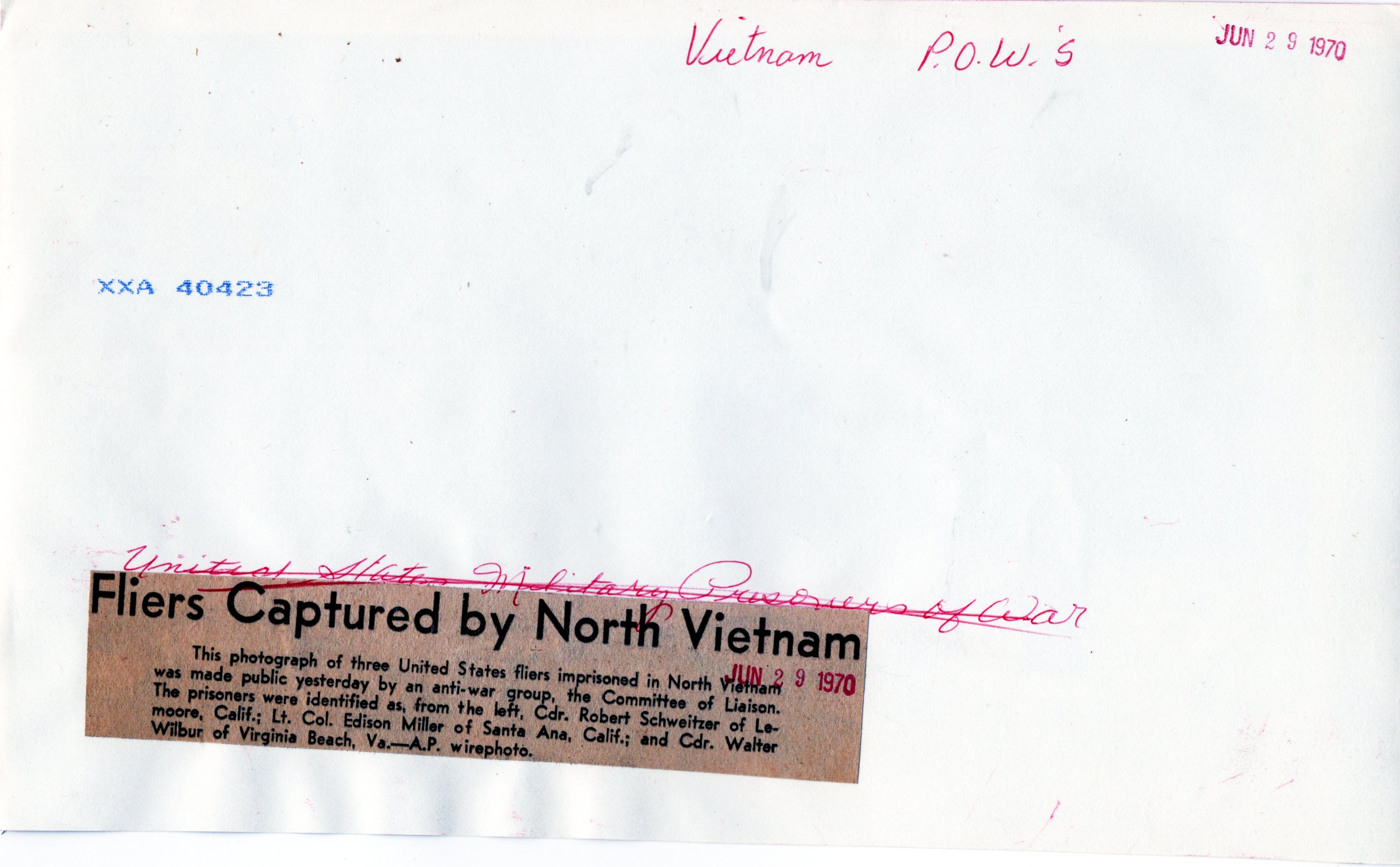
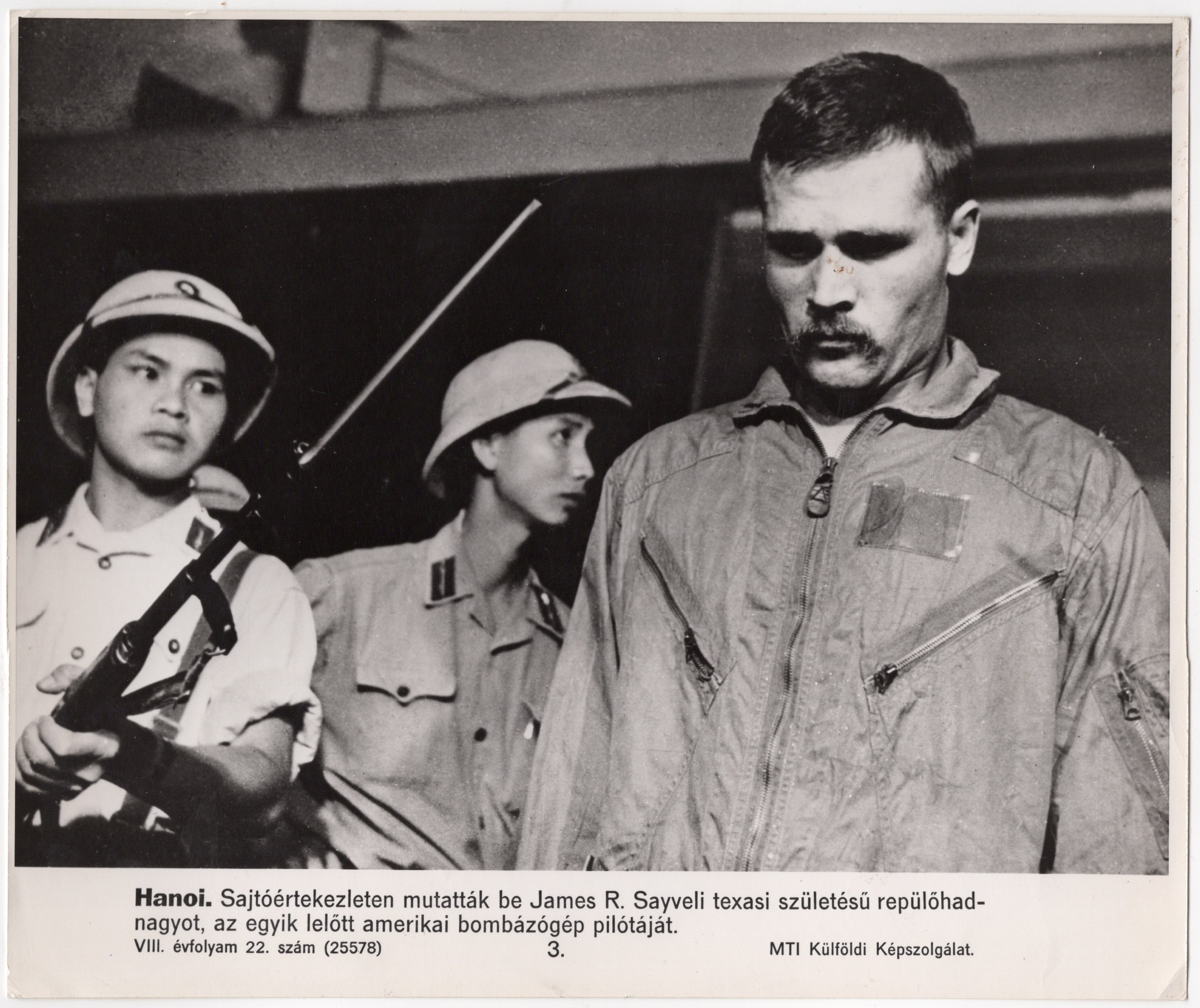
This black-and-white photograph shows three men sitting at a table wearing striped uniforms. The clothing is prison or POW (prisoner of war) attire. The men are American fliers held captive during the Vietnam War. They are seated around a table with bottles and glasses, possibly in a setting arranged for propaganda purposes. The expressions on their faces vary: one man on the right is smiling, while the other two appear more subdued or wary. The background includes a curtain or window covering, and the setting appears to be indoors. Given the historical context, this image likely originates from the Hanoi Hilton (Hoa Lo Prison). This type of image was often used for propaganda purposes by the North Vietnamese to show that prisoners were being treated well. However, many POWs later testified that such photographs were staged under coercion. This black-and-white photograph, dated June 29, 1970, was made public by an anti-war group, the Committee of Liaison, which sought to communicate between American POWs and their families. The prisoners are identified as, from left to right: Commander Robert Schweitzer of Lemoore, California, Lieutenant Colonel Edison Miller of Santa Ana, California, and Commander Walter Wilber of Virginia Beach, Virginia.​ The three American fliers depicted in the photograph were released as prisoners of war (POWs) in 1973, following the Paris Peace Accords. During their captivity, these men were involved in complex interactions with their fellow POWs and captors. Allegations arose that they provided uncoerced antiwar statements to the North Vietnamese, leading to tensions within the POW community. This situation resulted in their relief from certain military authorities during captivity. ​All three were among a small group of US prisoners who were accused of collaboration with their North Vietnamese captors. It was thought that the three men received less severe treatment than their fellow airmen due to their cooperation with the enemy. There is much written about the issue of collaboration between American POW’s held in Vietnam and their captors. One should not rush to judgement in condemning these men for their “disloyalty”. During their imprisonment, they were under extraordinary stress both physically and psychologically. All three men exhibited courage as combat pilots.  SOLD

PORTRAIT OF COLONIAL VIETNAMESE SOLDIERS: THE “TONKINESE RIFLES” (1905)

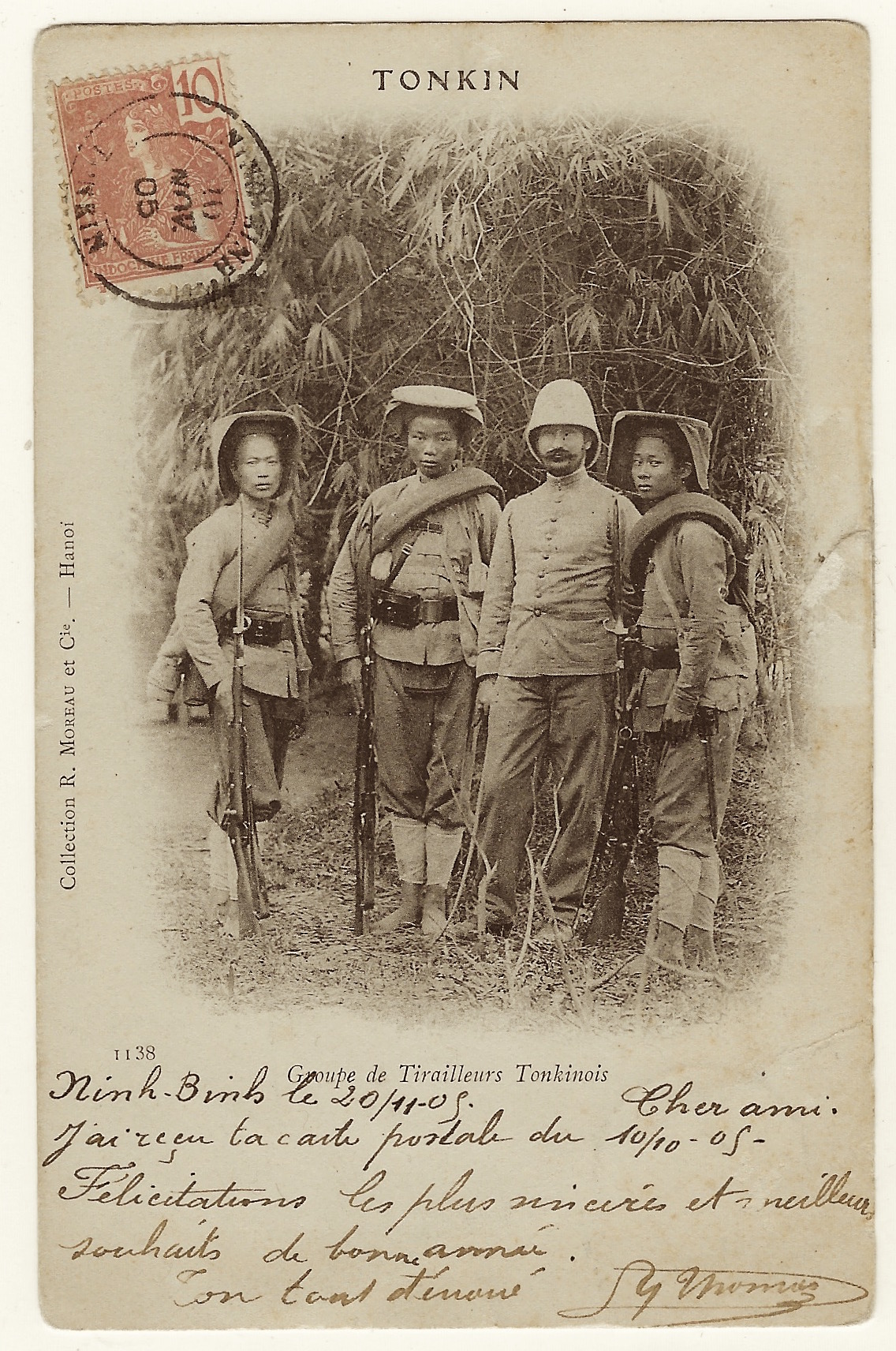
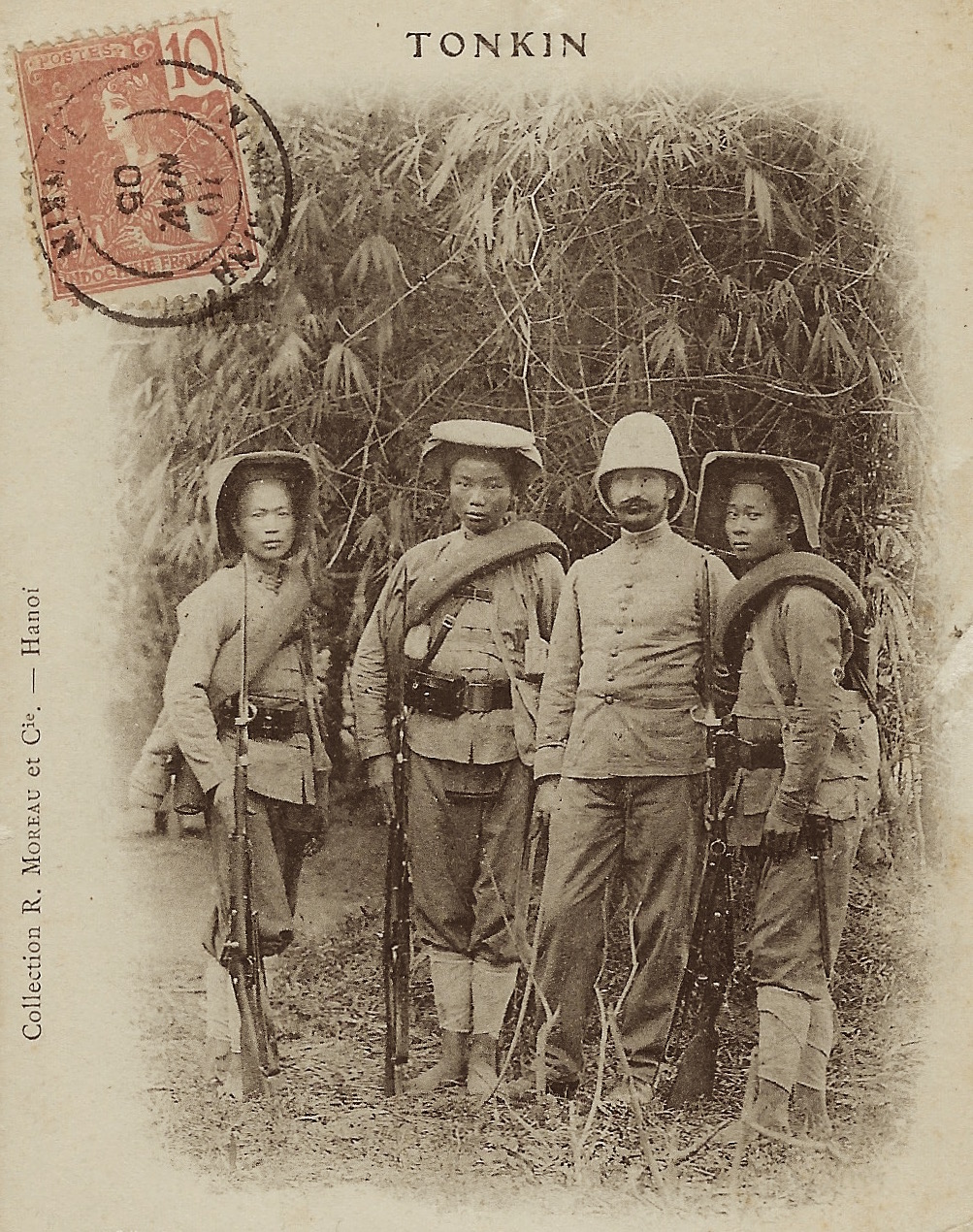
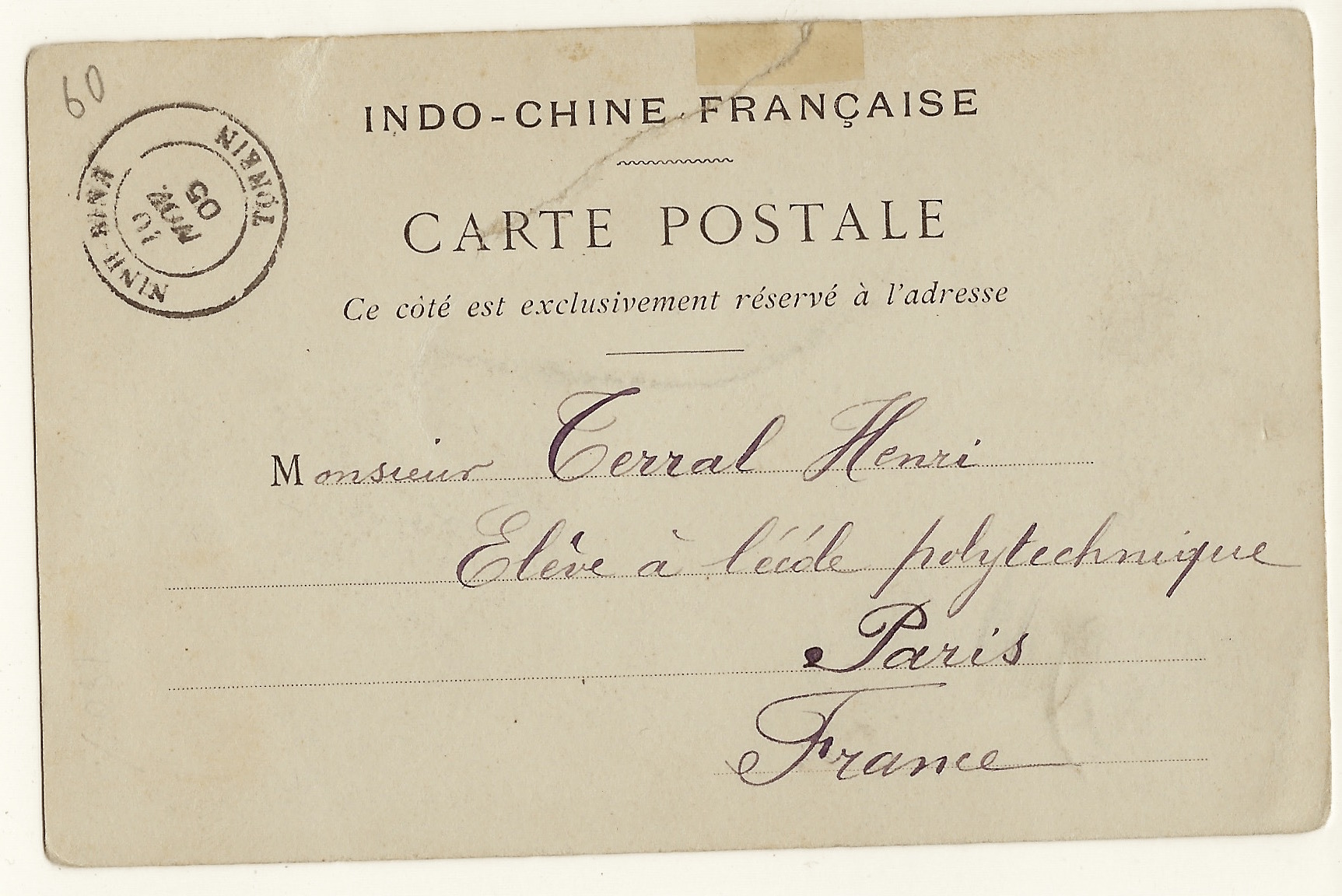
This vintage real photo postcard presents us with a glimpse of history in southeast Asia during colonial times. The postcard features a group of soldiers; three are Vietnmese and one is French. The caption under the photograph describes the group of soldiers as a  “Groupe de Tirailleurs Tonkinois”. The Tirailleurs were soldiers comprising several regiments of local ethnic indochinese infantry organized by the French colonial authorities.The Tirailleurs were originally established in Vietnam in 1880. The regiment members in this photograph came from the noted “Tonkinese Rifles”. Initially these regiments were known to have problems with a high rate of desertion. Eventually, with French marine officers, the Vietnamese force became effective. They were positioned to occupy France’s indochinese possessions, These troops also served in Indochina, China (Boxer Rebellion), Russia (1918-1919), Syria (1920-1921), and Morroco (1925-1926). They also participated in World War I. In 1945, some regiments rebelled against the occupation of Vietnam by Japan. Despite a fierce resistance, the Tirailleurs were nearly annihilated. The illustration below shows a soldier from a regiment (Annamite Tirailleur) that fought alongside the “Tonkinese Rifles”. This postcard was published by R. Moreau (Hanoi) and is part of a series (no. 1138). The postcard was postmarked at Ninh Binh in 1905 and has a French stamp. Ninh Bình is a province in North Vietnam’s Red River Delta.  SOLD