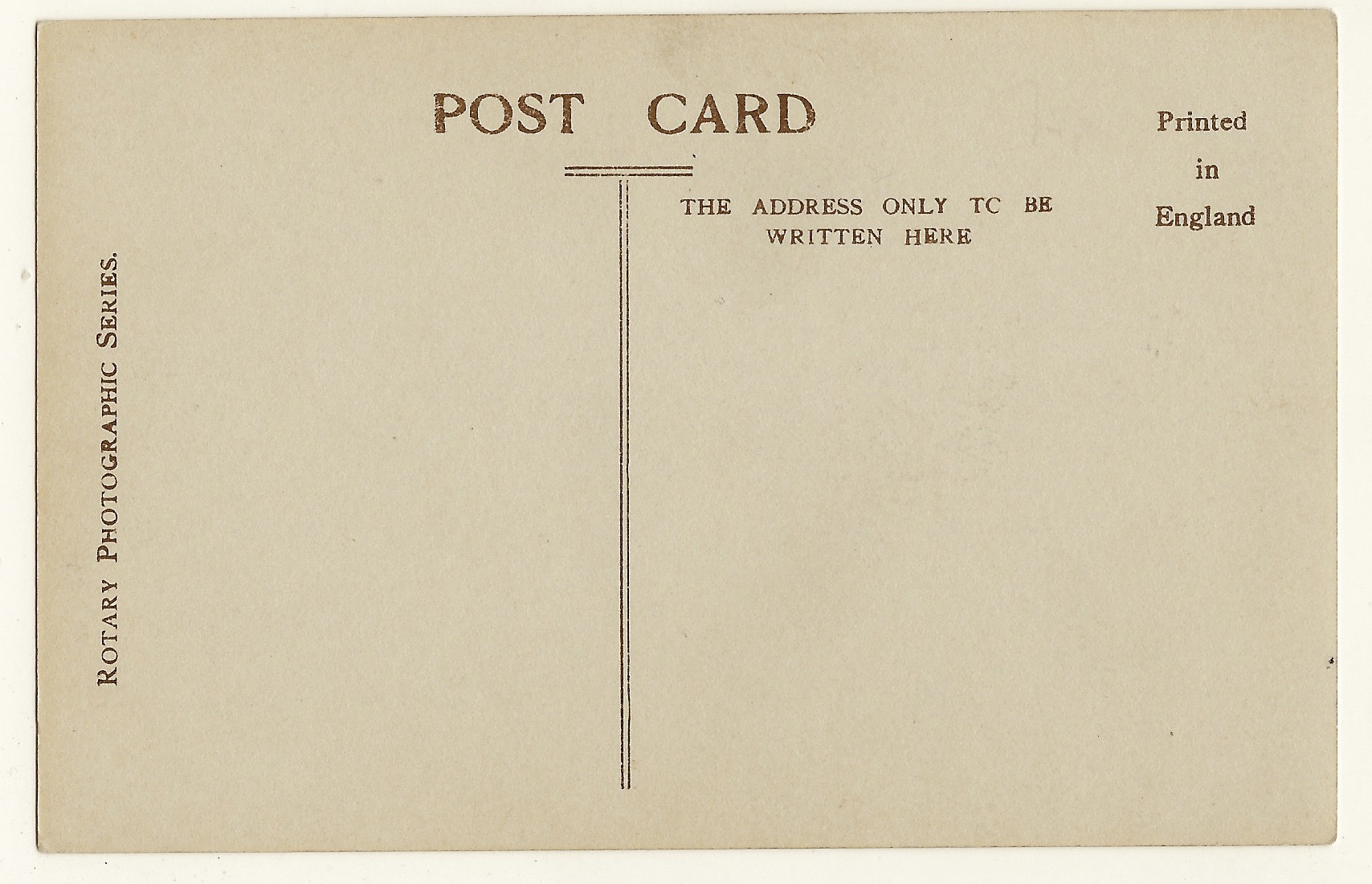
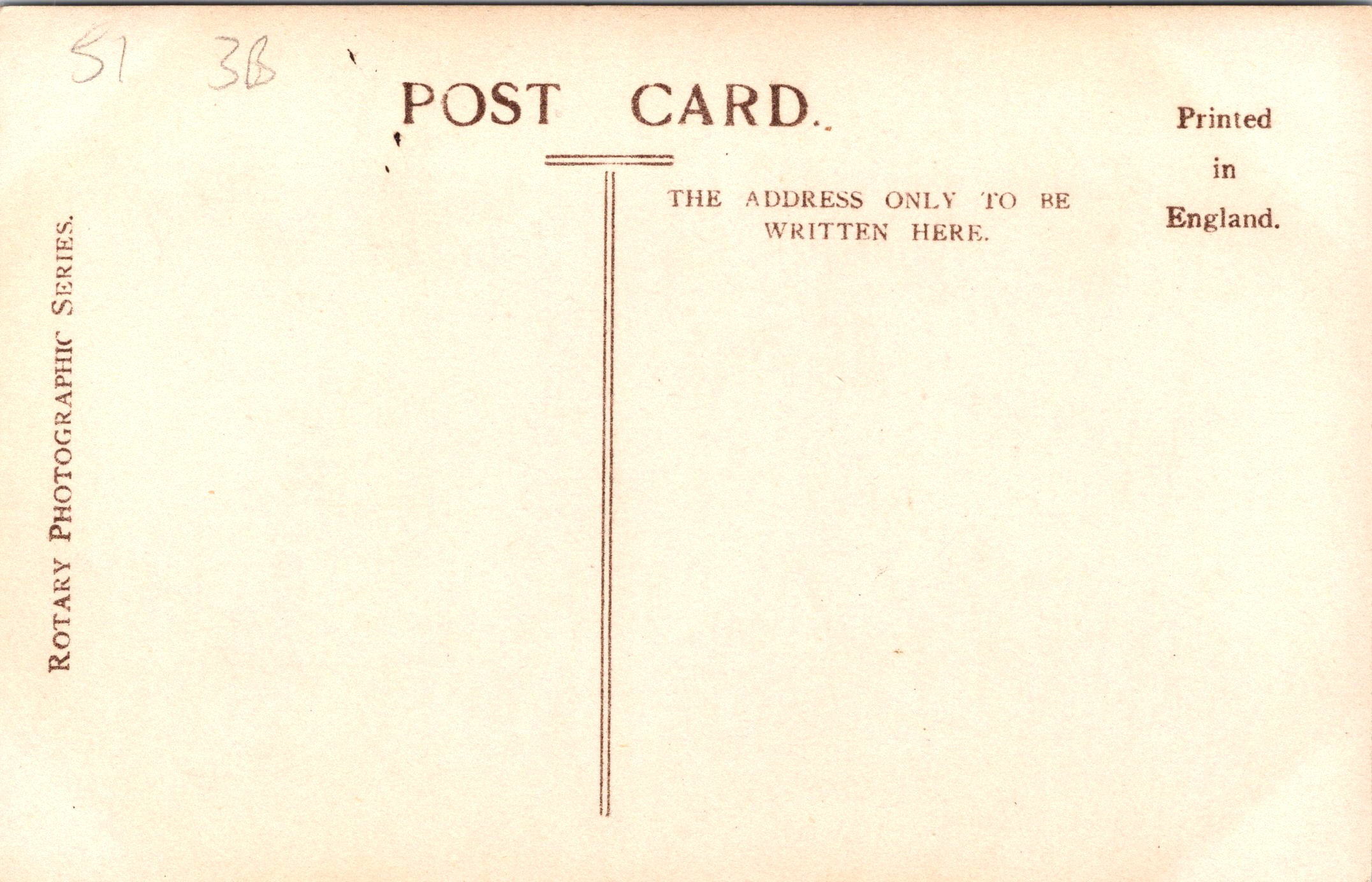
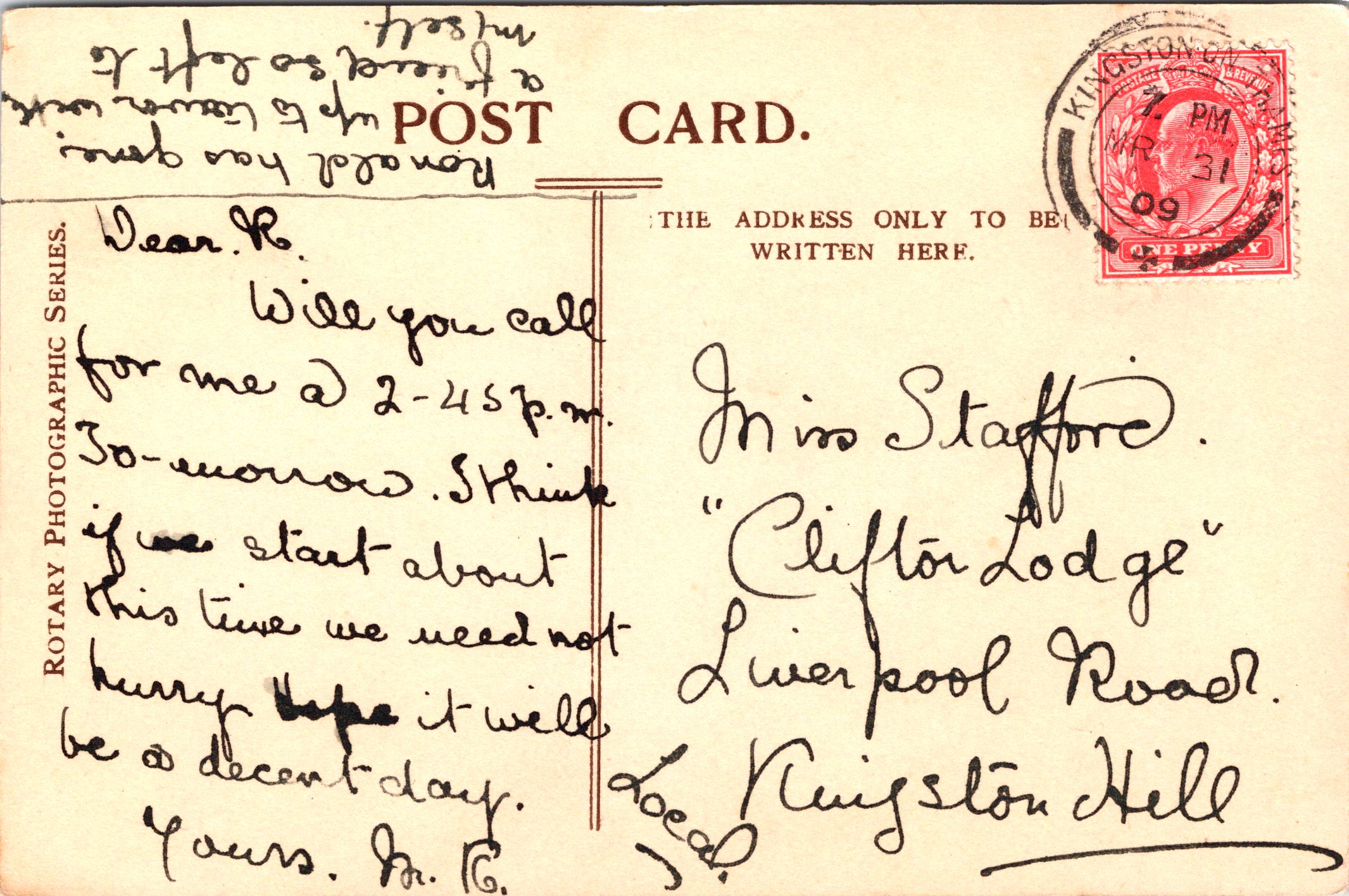
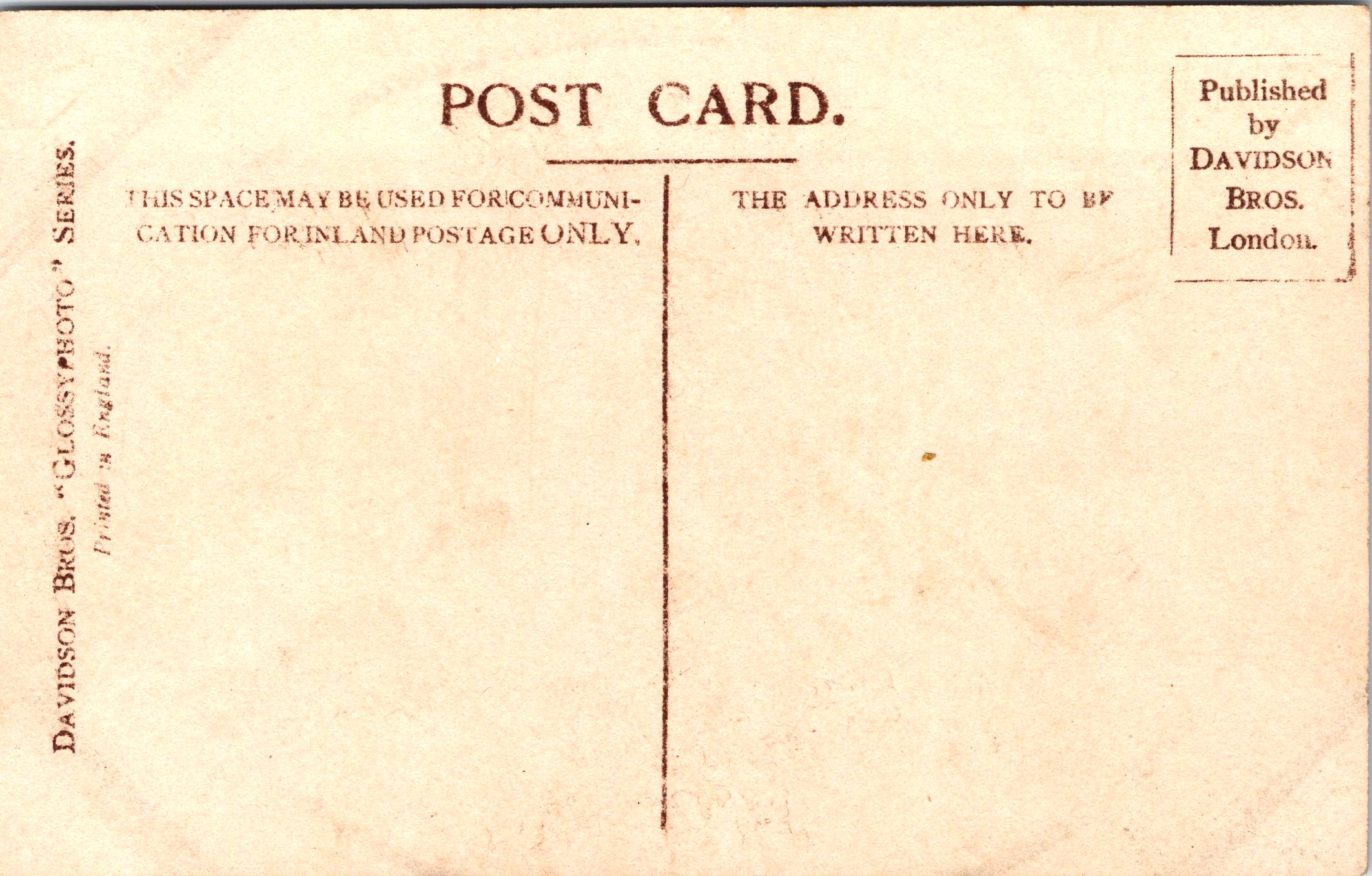
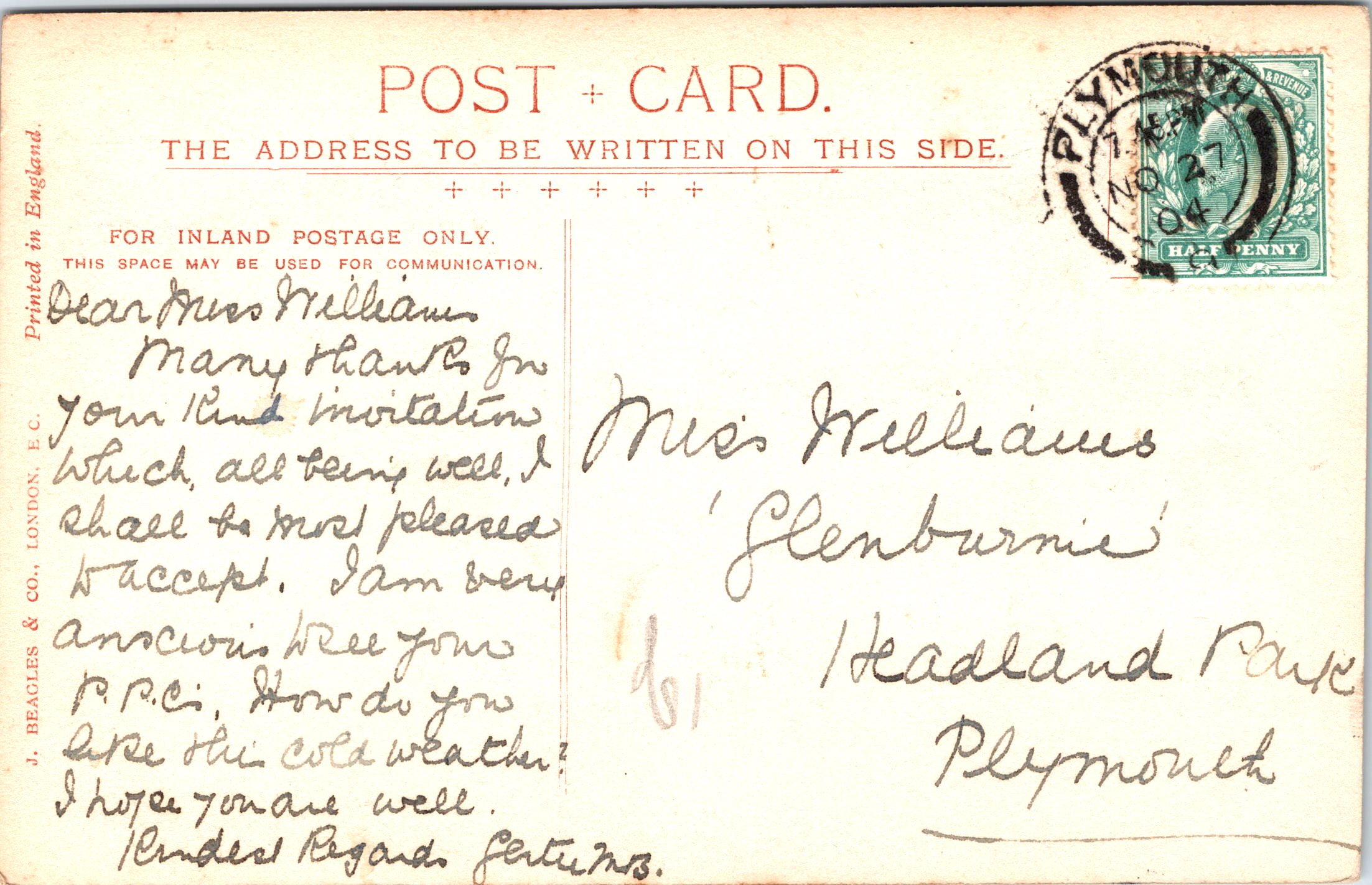
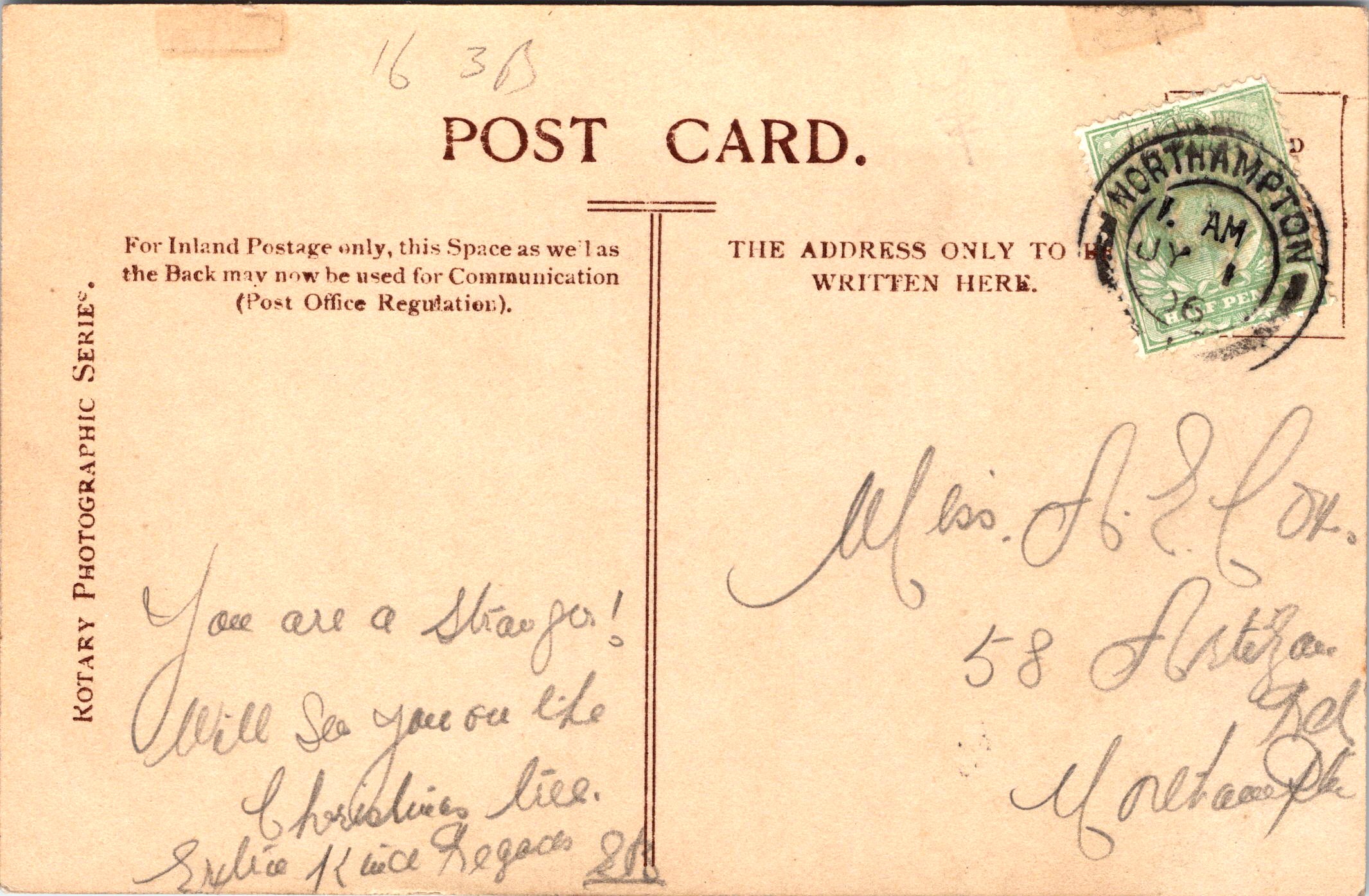
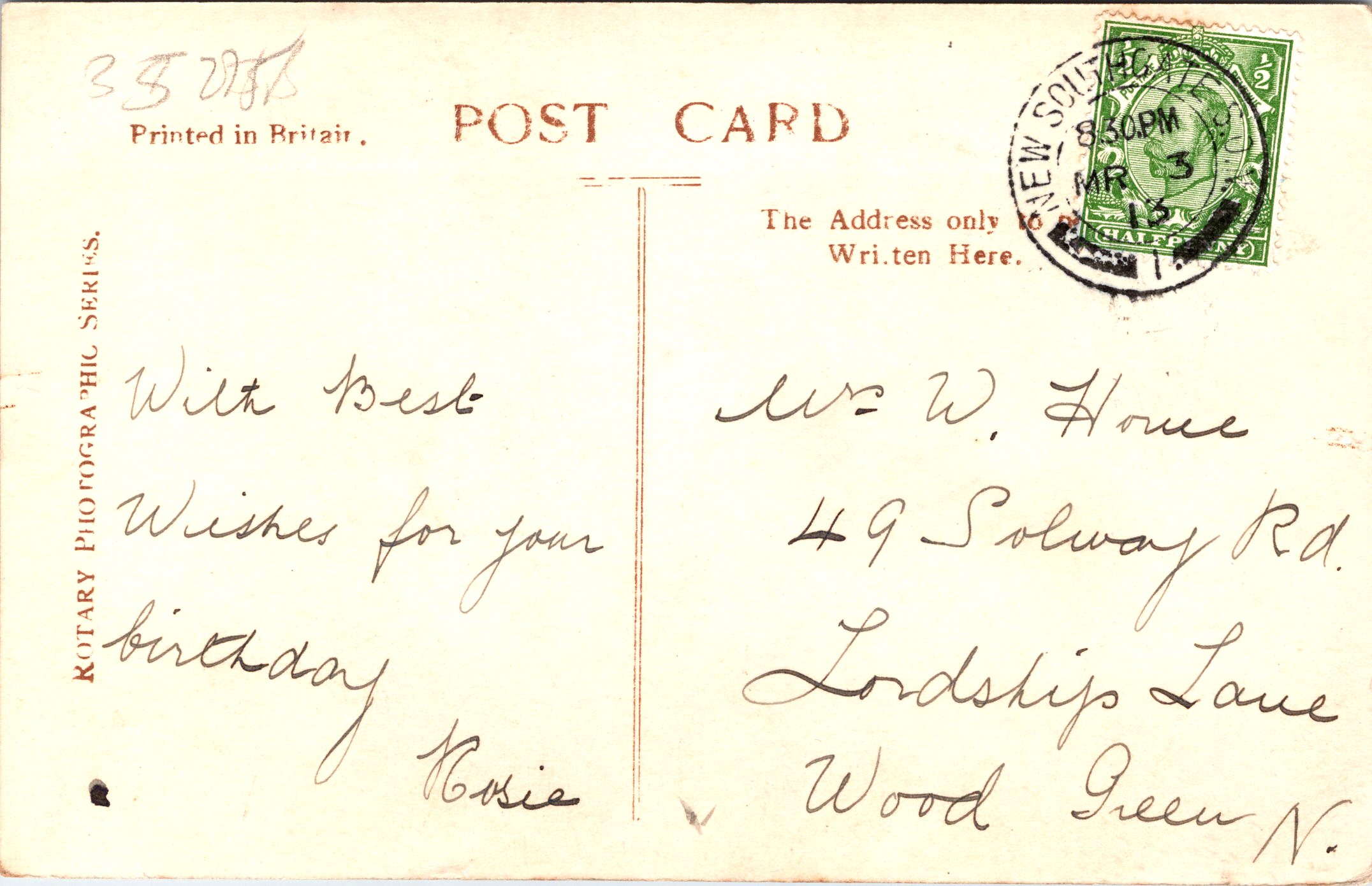
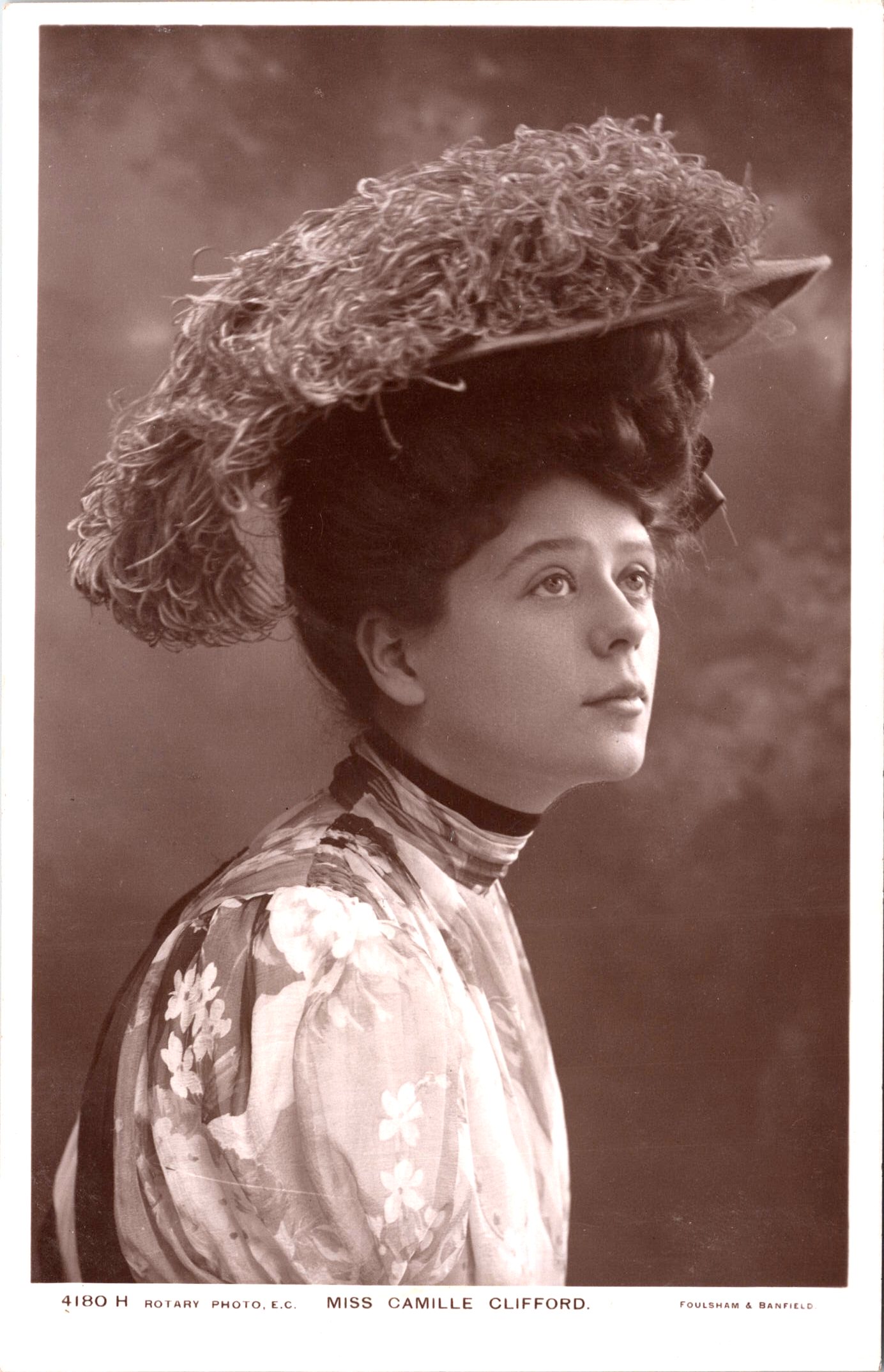
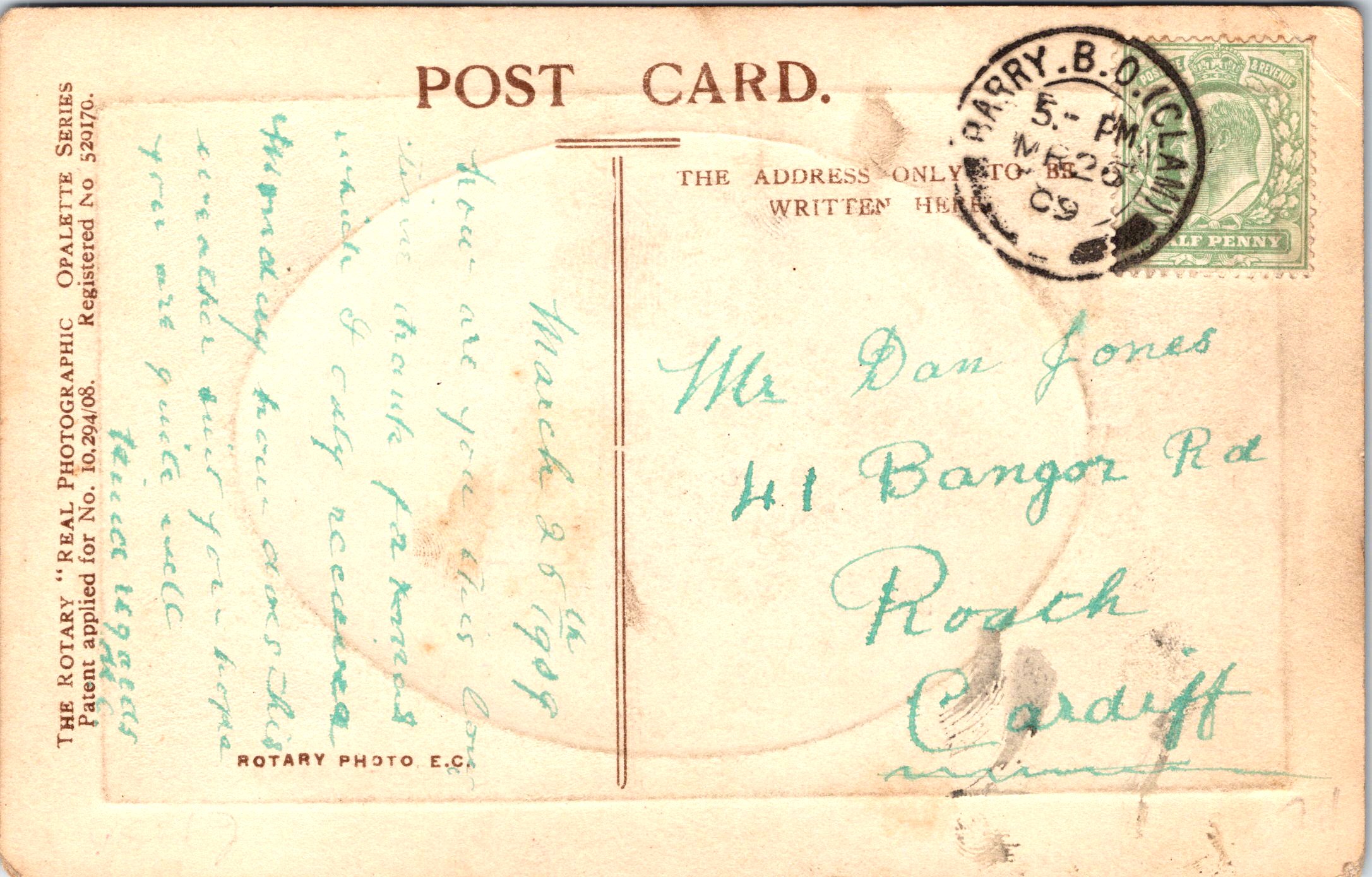
Camille Clifford (1885–1971) was a Belgian-born stage actress and fashion icon best known as the quintessential “Gibson Girl”, a feminine ideal created by American illustrator Charles Dana Gibson. Born in Antwerp, Belgium, she was raised in Sweden and later in Boston, Massachusetts. In 1902, she entered and won a contest sponsored by Gibson seeking the perfect embodiment of his Gibson Girl drawings, which rocketed her to fame. Clifford’s signature look — an hourglass figure, piled-high coiffure, and aristocratic bearing — made her an immediate sensation in Edwardian society. She soon transitioned to the London stage, where her statuesque beauty often overshadowed her acting roles. Her most famous performance was in the musical comedy The Catch of the Season (1904), where she appeared as the aristocratic Lady Crystal. In 1906, Clifford married the Hon. Henry Lyndhurst Bruce, son of the 2nd Baron Aberdare, and largely retired from the stage after marriage, though she made occasional returns in the 1910s and 1920s. After her husband’s death in World War I, she lived a quieter life but remained a symbol of Edwardian elegance. This is a striking Rotary Photographic Series real photo postcard featuring Miss Clifford, serial number (4180 H). It was published by Rotary Photo, one of the most prolific and respected postcard publishers in early 20th-century Britain. This striking real photo postcard portrays Camille Clifford, captured in one of the most graceful and refined portraits of the Edwardian era. This image, photographed by Foulsham & Banfield, presents Clifford in half-profile, gazing slightly upward with a soft, distant expression that conveys both poise and introspection. Her face is gently illuminated, the lighting accentuating her smooth complexion, delicate features, and the serene confidence that made her one of the most admired beauties of her time. Her hair, styled in the towering pompadour fashion that was so characteristic of the early 1900s, is crowned by an extravagant hat of remarkable size and texture. The hat is elaborately adorned with feathery plumes or straw embellishments that give it a light, almost cloud-like appearance. It sits dramatically atop her voluminous hairstyle, creating a sense of height and elegance that immediately draws the eye upward. Clifford’s dress is exquisitely detailed, made of a light, translucent fabric patterned with delicateblossoms. The floral design softens the overall composition, contrasting beautifully with the structural drama of her hat. The high collar, trimmed in a narrow dark band, elongates her neck and adds to the formality of her pose. The sheen of the fabric suggests silk or organza. Her shoulders are turned slightly away from the camera, allowing the folds of the dress to catch the light in subtle, graceful ways. The expression on her face is one of quiet thoughtfulness — a look that suggests reverie more than performance. Her lips are softly closed, and her eyes, directed slightly above the viewer’s gaze, convey a sense of calm aspiration. (SOLD)
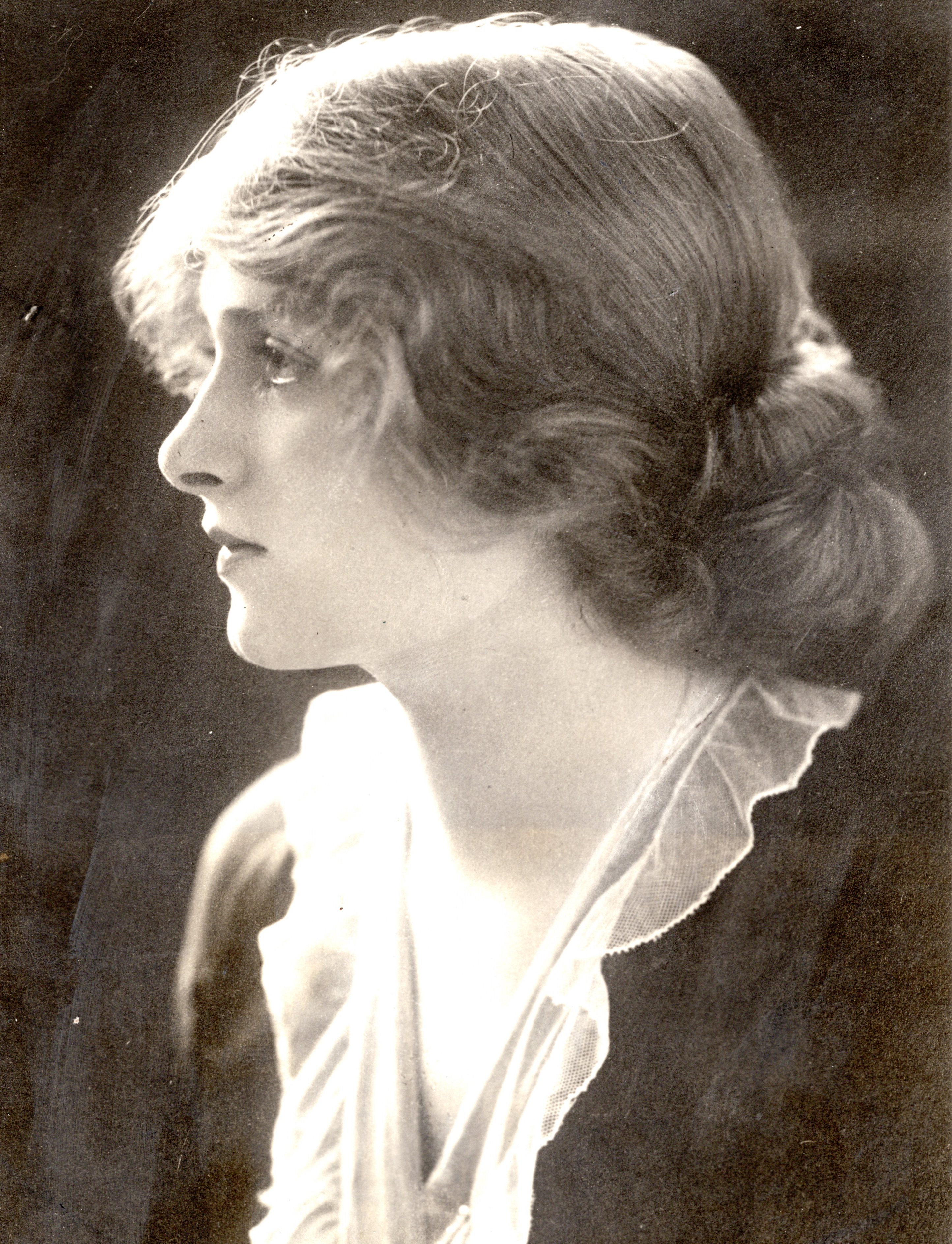
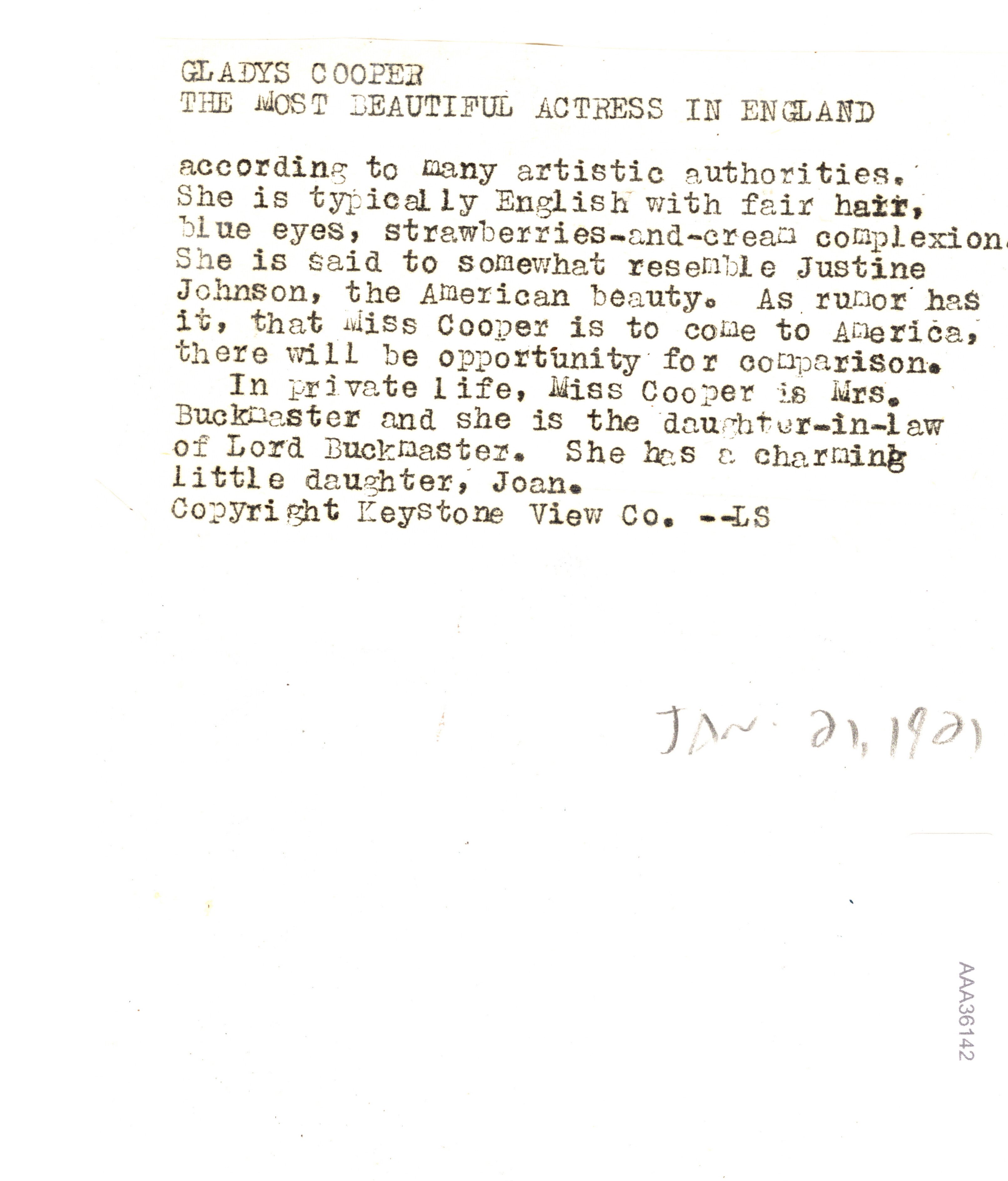
This 1921 press photo (Press Photo 1)features British actress, theatrical manager, and producer Gladys Cooper (1888-1971). Her career spanned over seven decades and she acted on stage, film, and television. She was a popular “pin-up” model for British troops during World War I. In 1967, she was awarded the coveted title of Dame of the Order of the British Empire. Cooper was known for both her talent and her beauty. This press photo focuses on her beauty. In fact the caption of the photograph states “Gladys Cooper : The Most Beautiful Actress In England”. This press photo was produced by the Keystone View Company. Cooper was about 33 years of age at the time this photograph was taken. (SOLD)
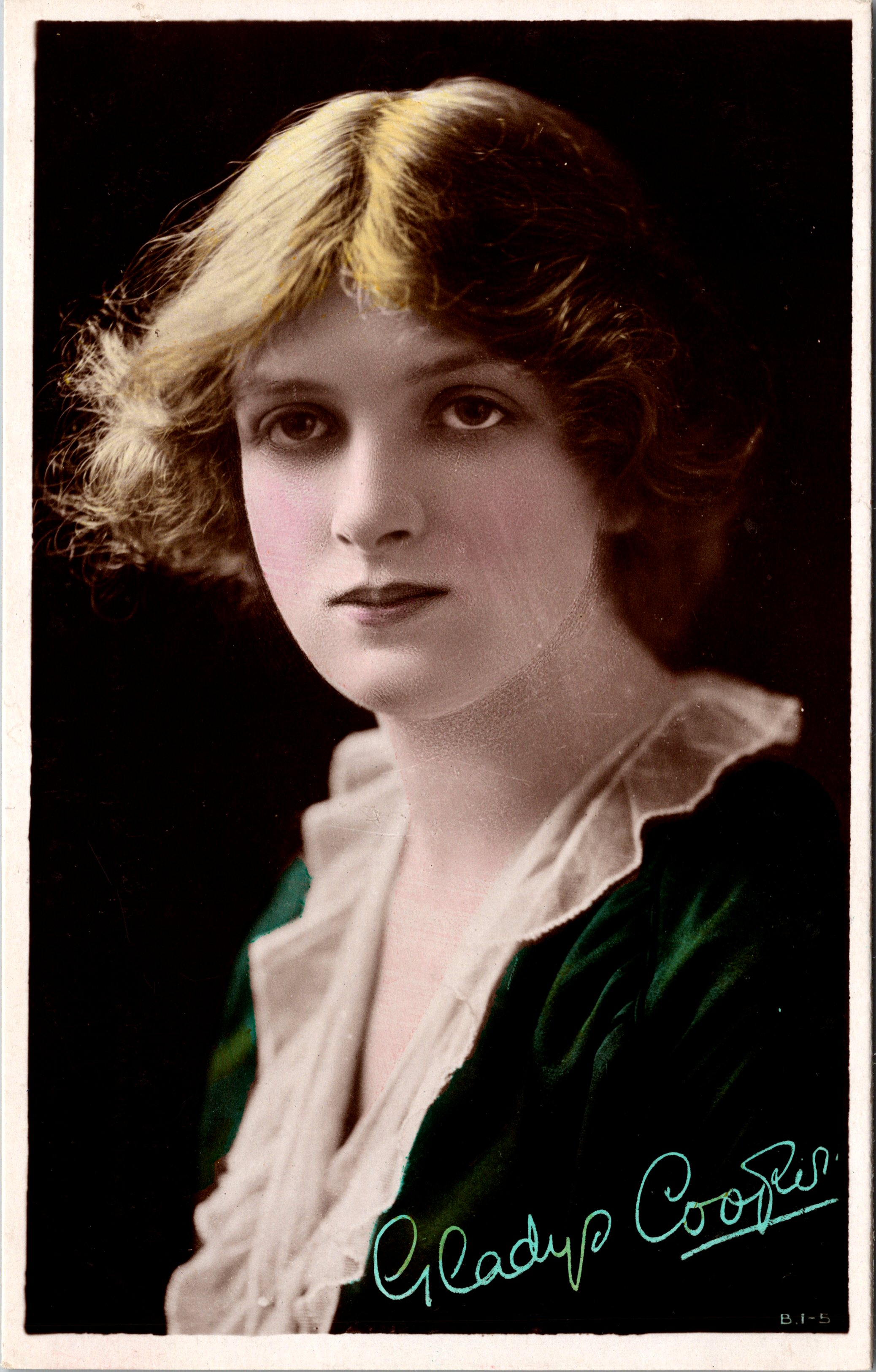
Postcard 1 features the Gladys Cooper’s fascimile autograph. This “hand-painted” postcard was published by Rotary Photo as part of the “British Beauty” series (B1-5). The firm was located in London. (SOLD)
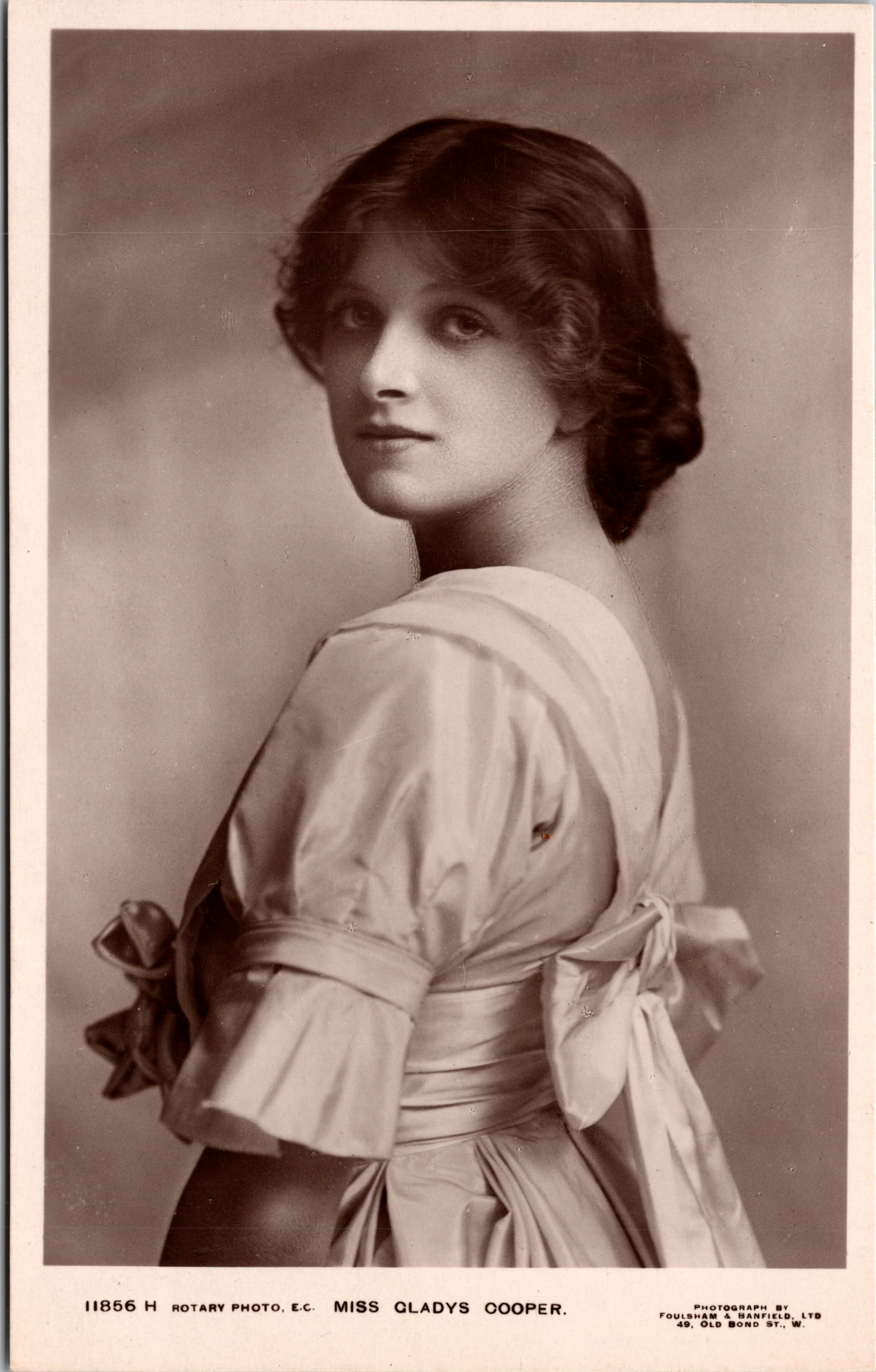
Postcard 2 was published by Rotary Photo as part of the “Rotary Photographic” series (11856H). The firm was located in London. (SOLD)
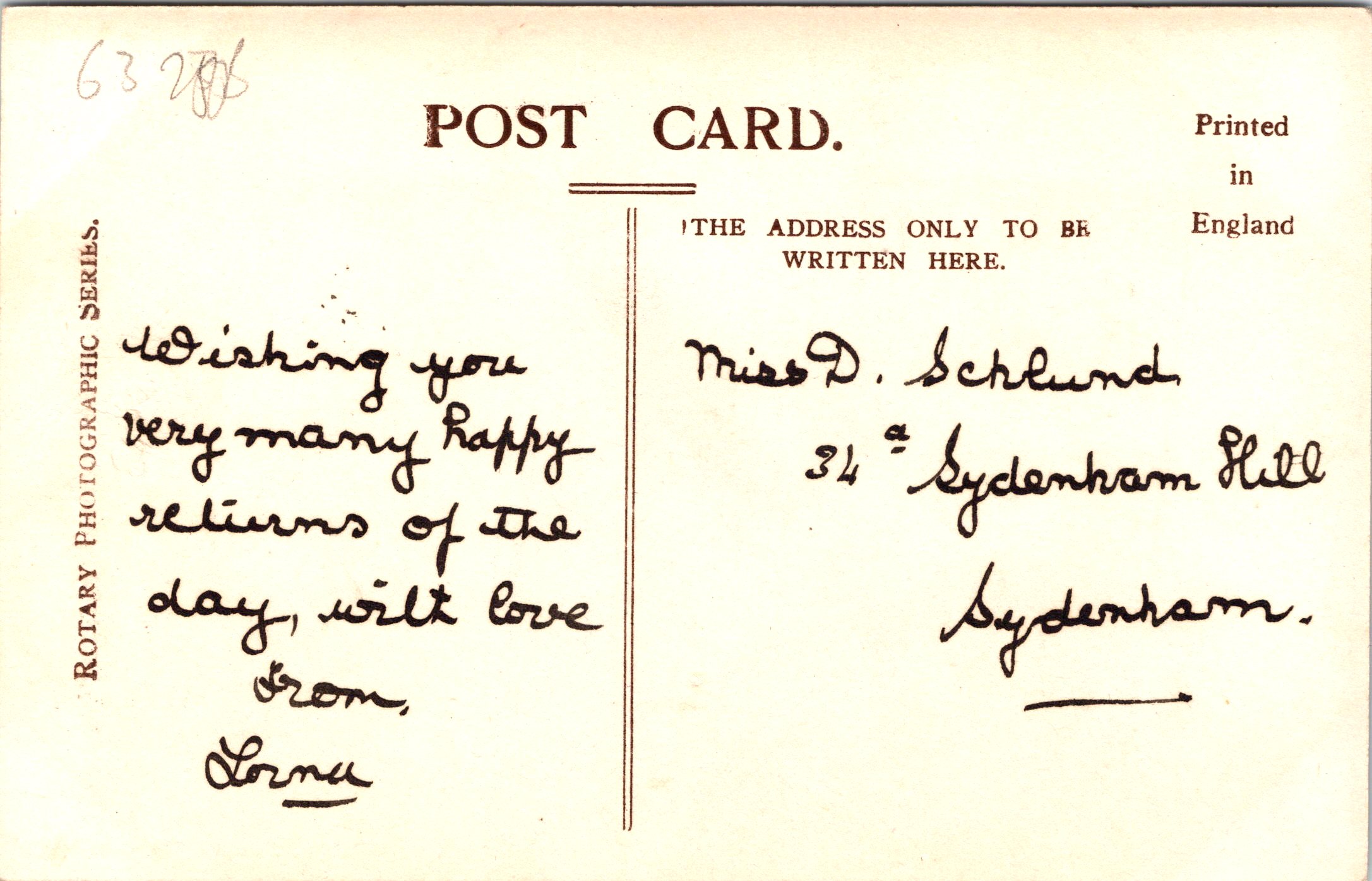
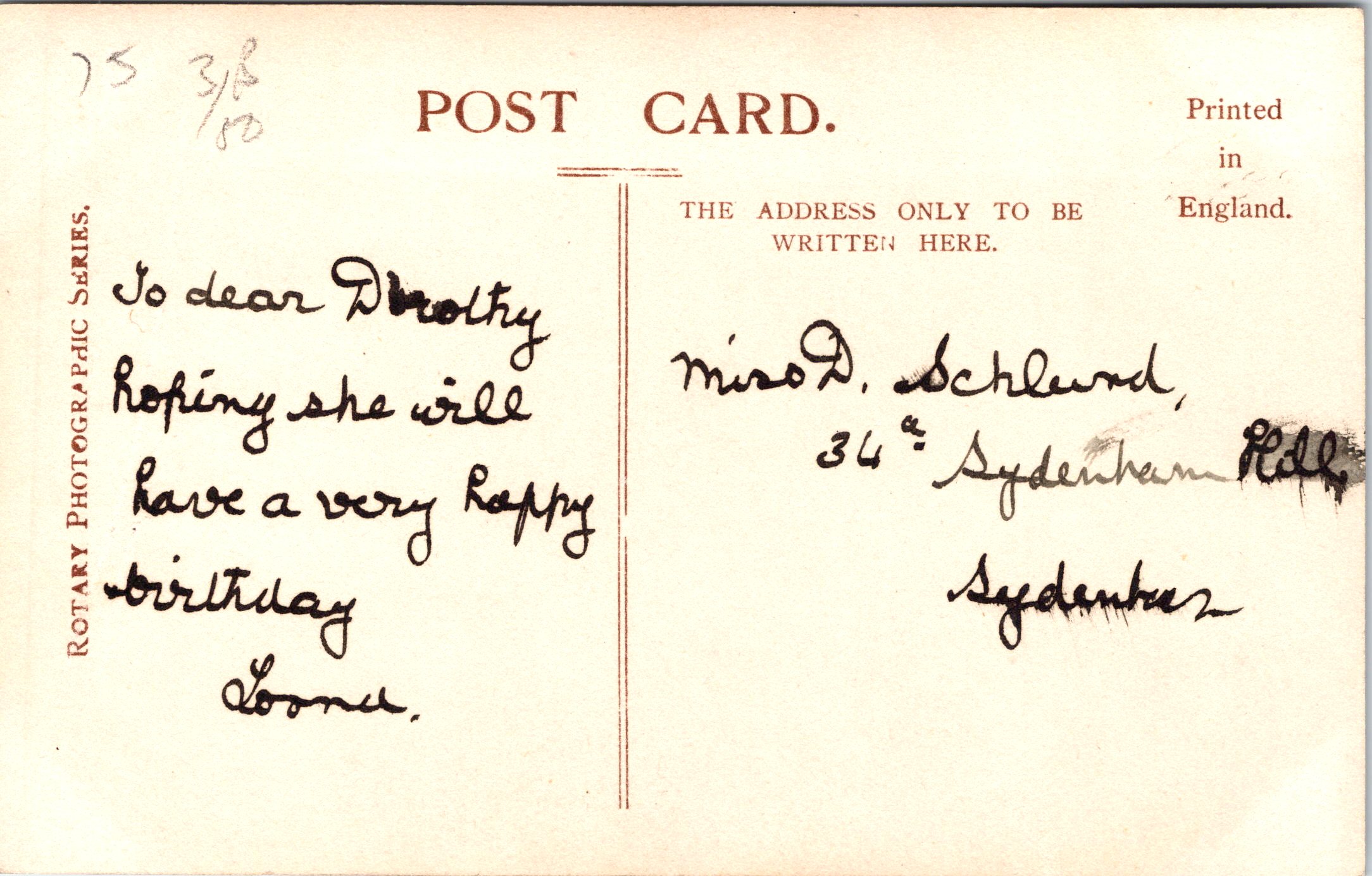
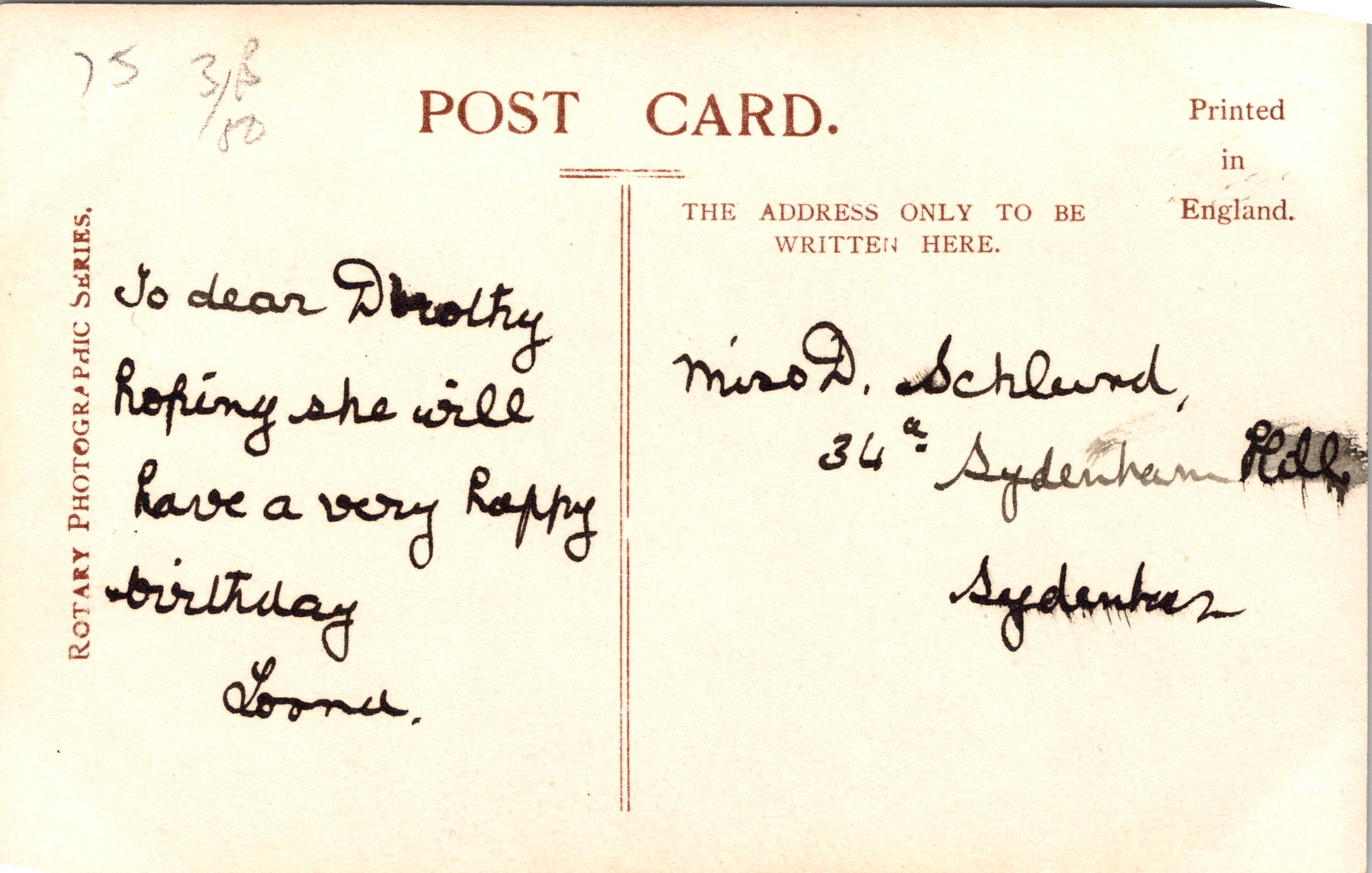
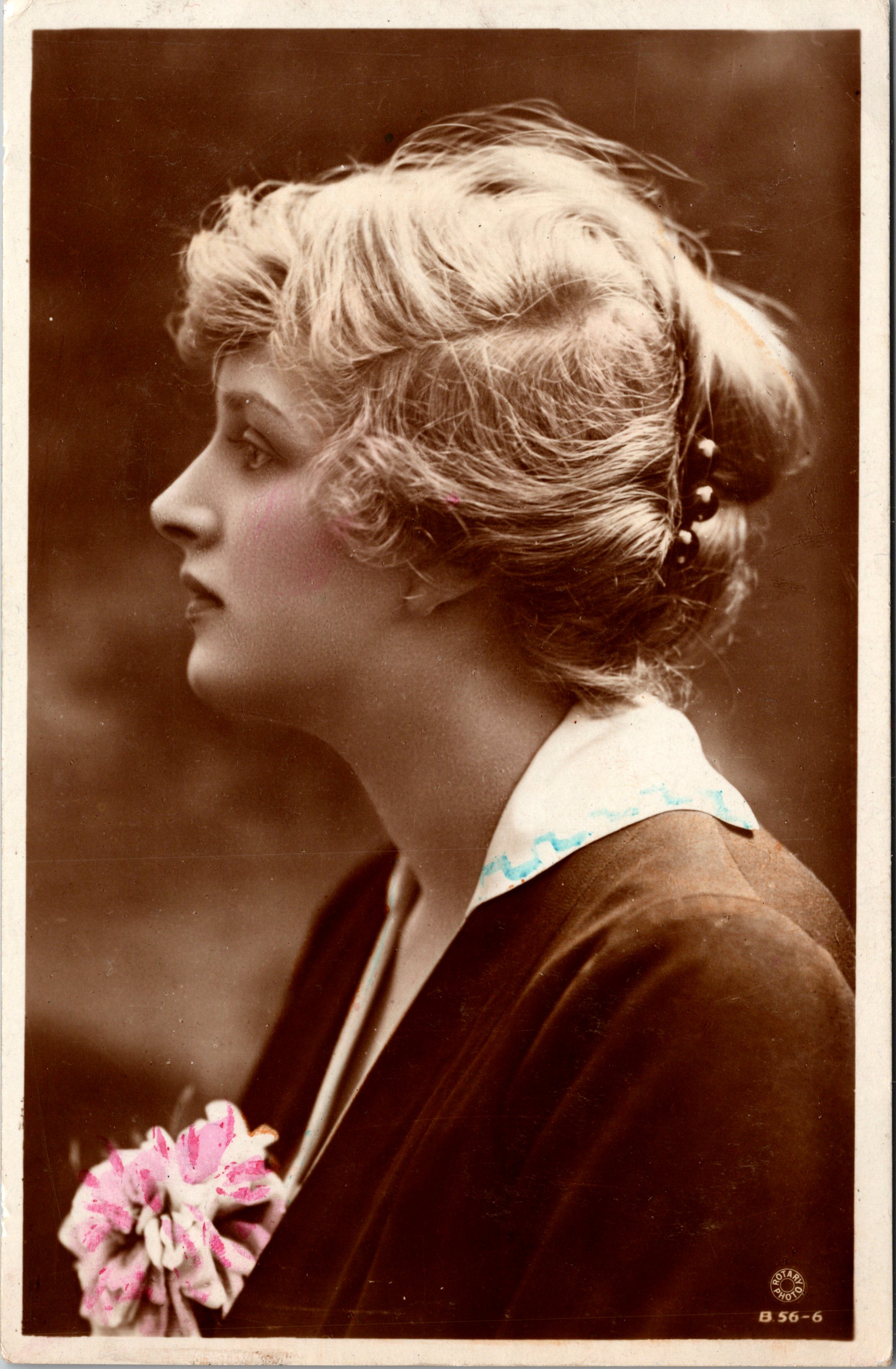
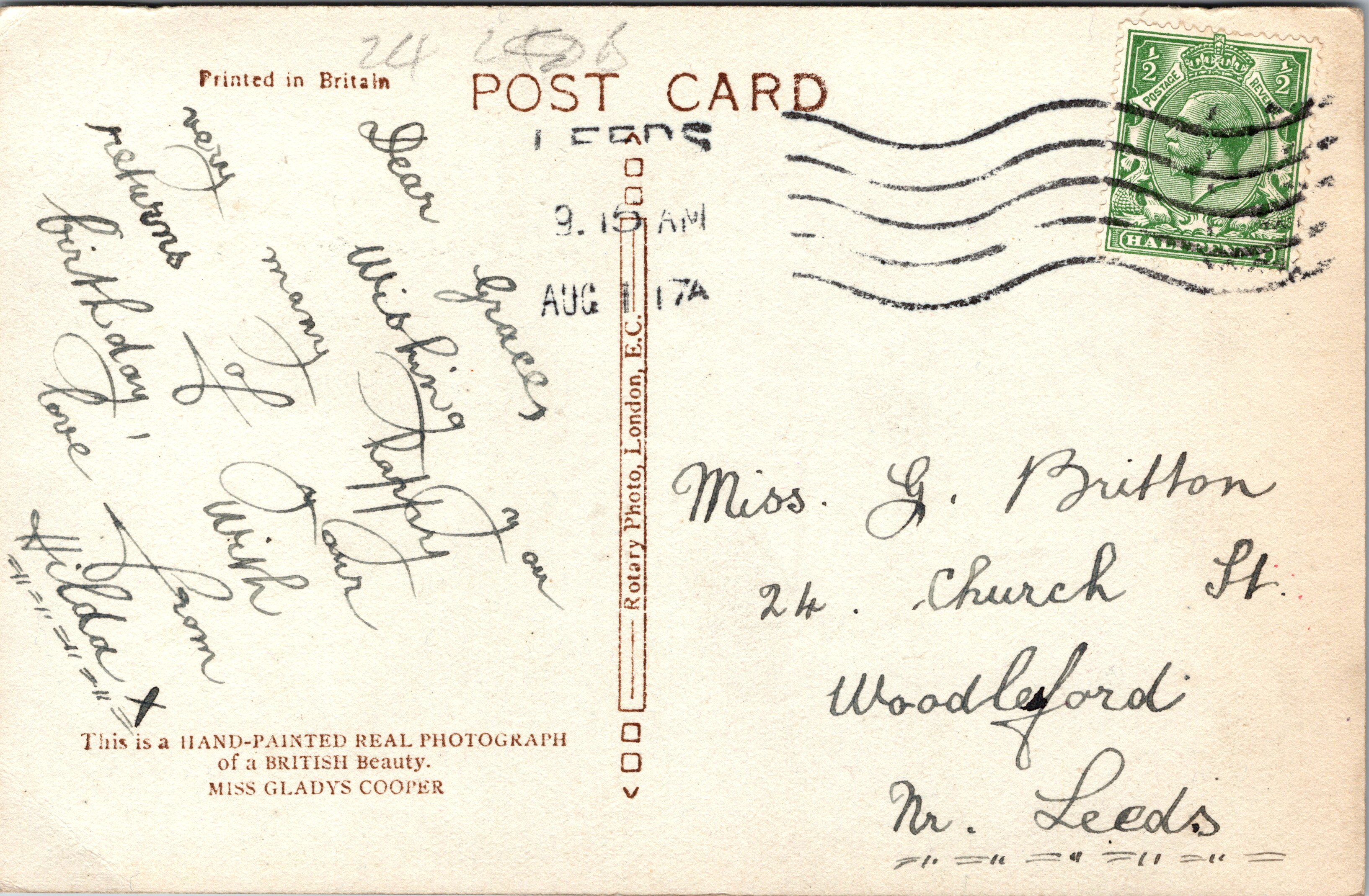
Postcard 3 is “hand-painted” and published by Rotary Photo as part of the “British Beauty” series (B56-6). The message on the card wishes the recipient many happy returns on her birthday. This postcard is in very good condition (see scans). (SOLD)
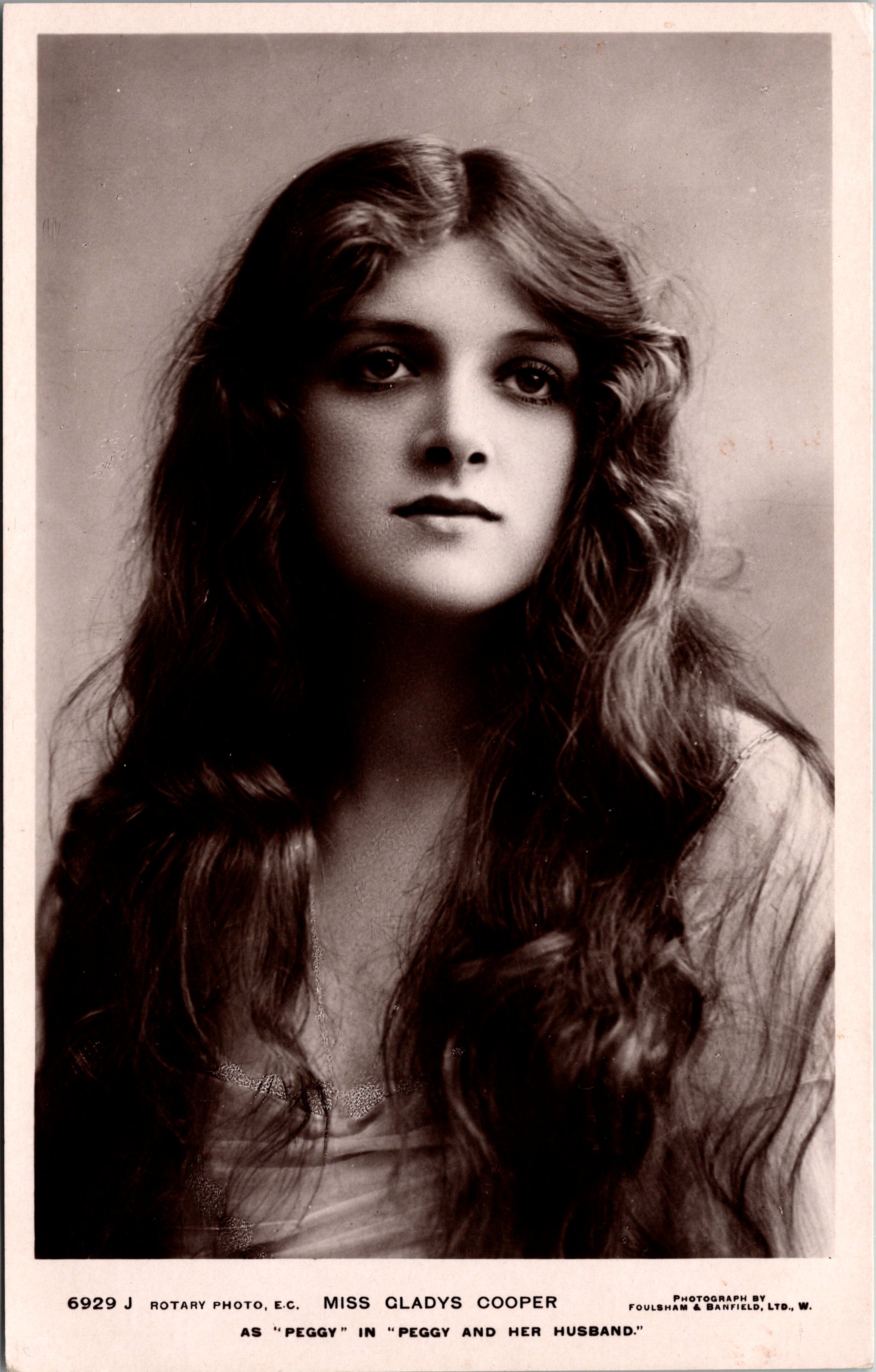
Postcard 4 captures Cooper in her role as “Peggy” in “Peggy And Her Husband” (1914). Cooper’s photograph on this card was taken by the Foulsham & Banfield studio. This postcard was published by Rotary Photo as part of a series (6929 J). The firm was located in London. (SOLD)
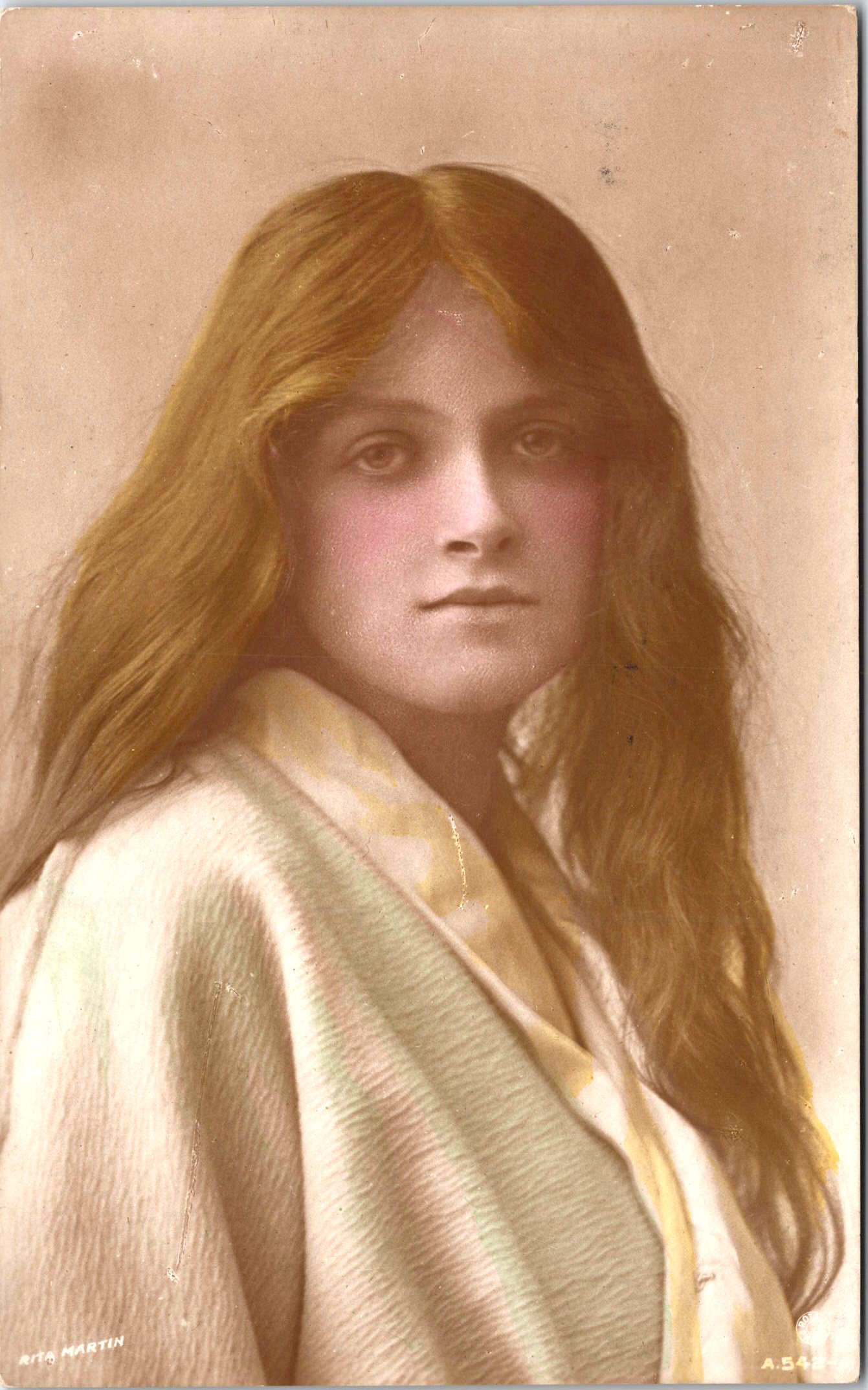
Postcard 5 features Cooper’s photograph taken by celebrated female photographer, Rita Martin. This uncommon postcard was published by Rotary Photo as part of the “British Beauty” series (A542). The firm was located in London. (SOLD)
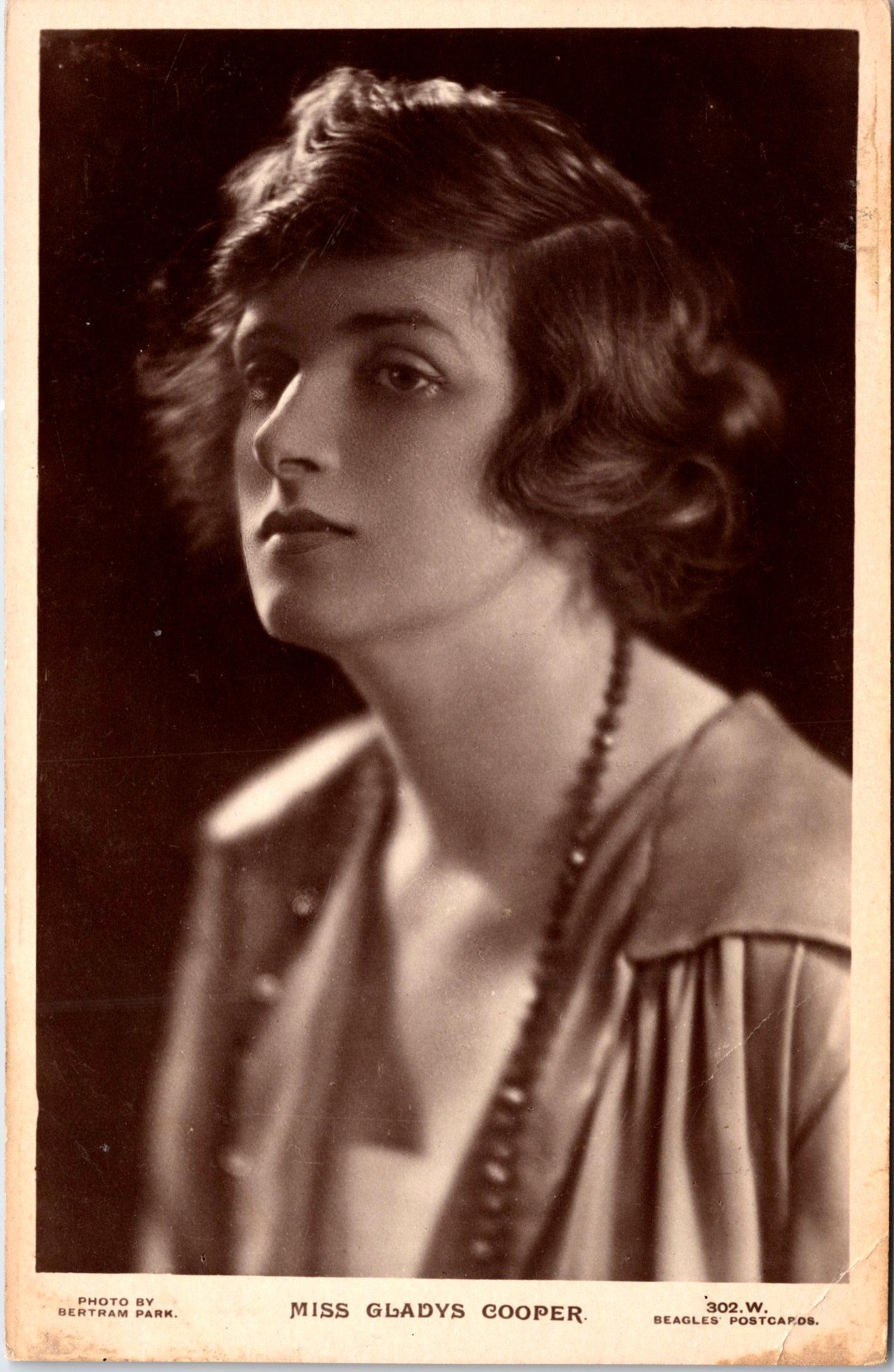
Postcard 6 features a portrait of Cooper that was taken by Bertram Park (1883-1972). He was an English portrait photographer. He photographed many celebrities including members of royalty. A number of engravings of his work were used on British and British Commonwealth stamps. Park was also very involved in producing theatrical photographs. His wife, Yvonne Gregory was also an esteemed photographer. In addition, she served as one of his models. The couple produced books on photographing nudes. Park was also an expert on rose cultivation. This postcard was published by J. Beagles & Co. as part of a series (302W). The firm was located in London. (SOLD)
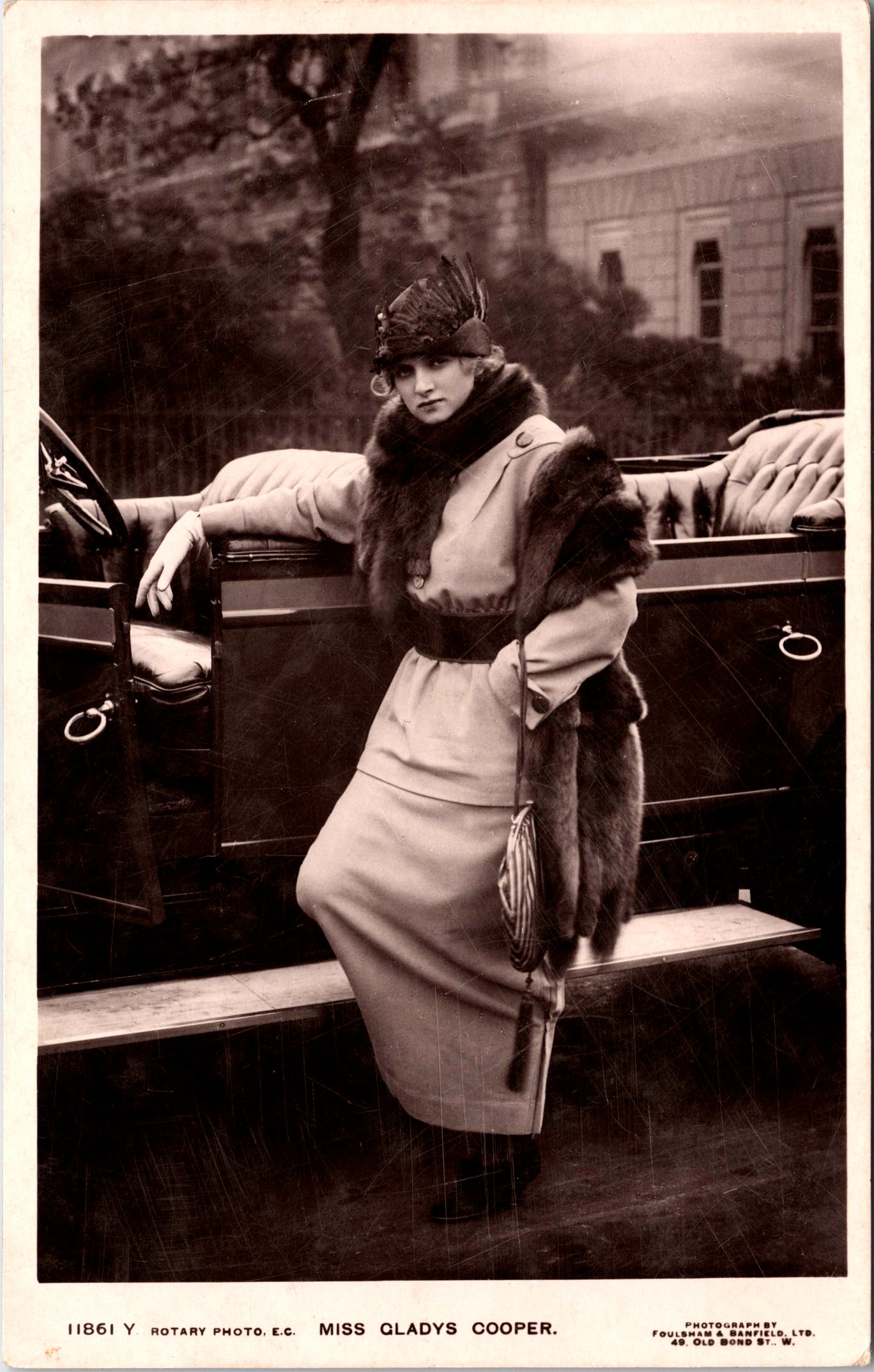
Postcard 7 captures a fashionable Miss Cooper standing next to a beautiful luxurious classic automobile. Cooper’s photograph on this card was taken by the Foulsham & Banfield studio. This postcard was published by Rotary Photo as part of a series (No11861Y). The firm was located in London. (SOLD)
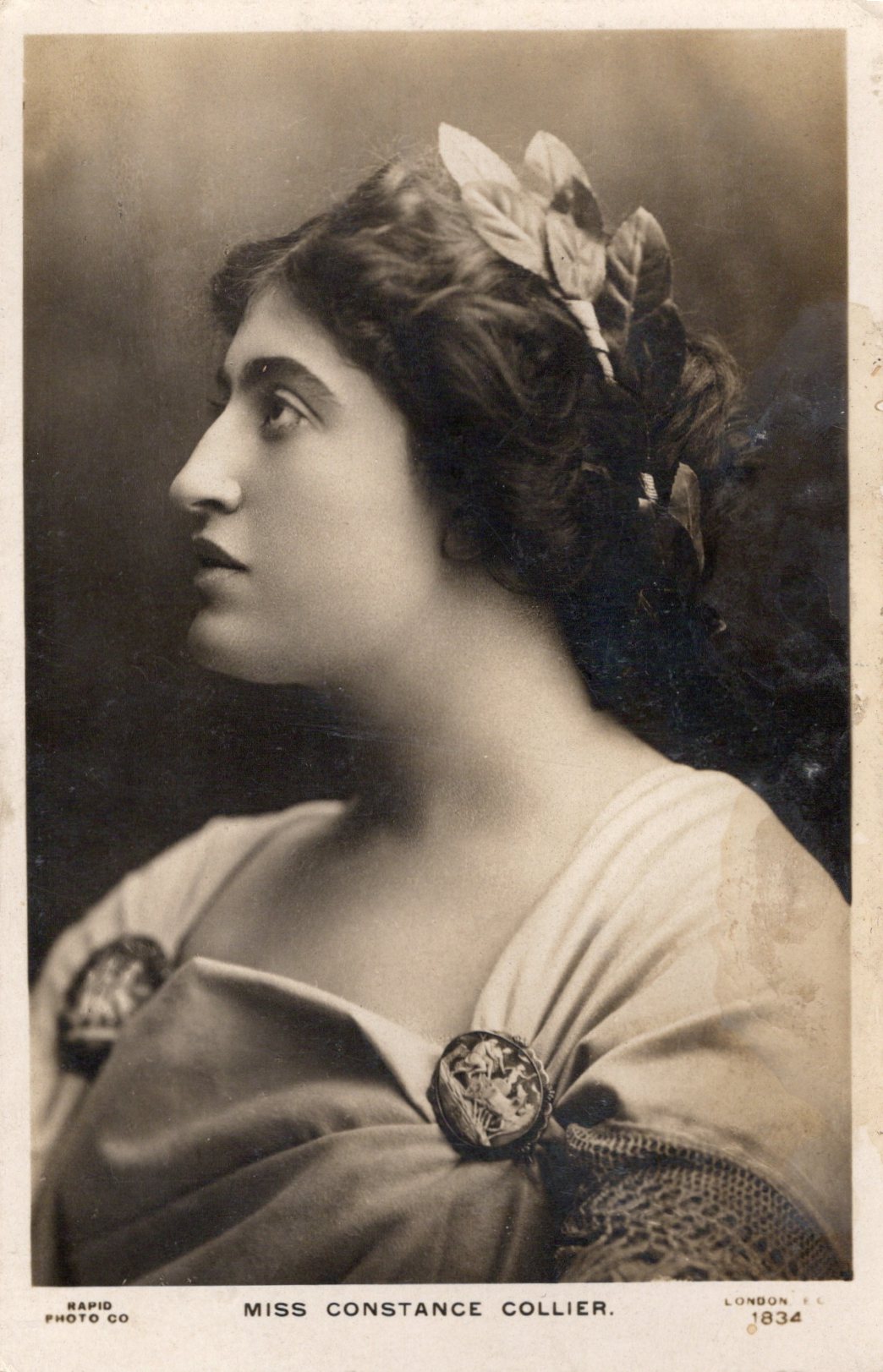
Postcard 1 is a vintage real photo postcard featuring English stage and film actress and acting coach, Constance Collier (1878-1955). She also wrote hit plays and films. She has another claim to fame. She was the first person to be treated with insulin in Europe. This postcard captures Miss Collier in costume for her role of Cleopatra in “Antony and Cleopatra” (1906). Marc Antony was played by Herbert Beerbohm Tree and the production’s venue was at “His Majesty’s Theatre”. Collier began her stage career at the age of three. She appeared in “A Midsummer Night’s Dream”. At the age of 15, she became one of the “Gaiety Girls”. This group was a famous dance troupe based in London’s Gaiety Theatre. In 1905, Collier married English actor, Julian Boyle. He was better known as the famous theatrical cross-dresser, Julian L’Estrange. After appearing in “Antony and Cleopatra”, Collier became very popular and seen as a distinguished actress. In 1908, she made the first of several tours of the United States. In her 1916 tour of the US, she made four silent films including in D. W Griffith’s, “Intolerance”. In 1918, her husband died from the Spanish flu while the pair were on a US tour. The influenza epidemic of 1918-1919 killed 650,000 Americans. It was the era’s version of Covid-19. In the early 1920’s, Collier became close friends with actor, Ivor Novello. They acted and co-wrote together. In the late 1920’s, Collier relocated to Hollywood where she became a voice coach. She filled a valuable role because talkies were beginning to replace silent films and many actors were in need of help with the transition. Her most famous students were actresses, Colleen Moore, Marilyn Monroe, Vivien Leigh, and the Hepburn sisters. While teaching, she still performed on Broadway and made films. The IBDb reports that Collier was in 21 Broadway shows between 1908 and 1939. These shows included Oliver Twist (1912), Othello (1914), Camile (1931), and Dinner at Eight (1933). According to IMDb, Collier performed in 29 films, wrote 7, and was in the crew of 4. She performed for Otto Preminger as well as Alfred Hitchcock. She was awarded an American Shakespeare Festival Theatre Award for distinguished service for training actors for Shakespearean roles. This postcard was published by Rotary Photo as part of a series (No.4039H). Miss Collier’s photographic portrait was taken by the Foulsham & Banfield studio. The National Portrait Gallery possesses this same card in their Constance Collier postcard collection. They possess 33 different photographs of Miss Collier. (SOLD)
Postcard 2 was published by Rapid Photo as part of a series (No.1834). Note the size of the buttons on her dress and her hair ornament composed of four leaves. (SOLD)
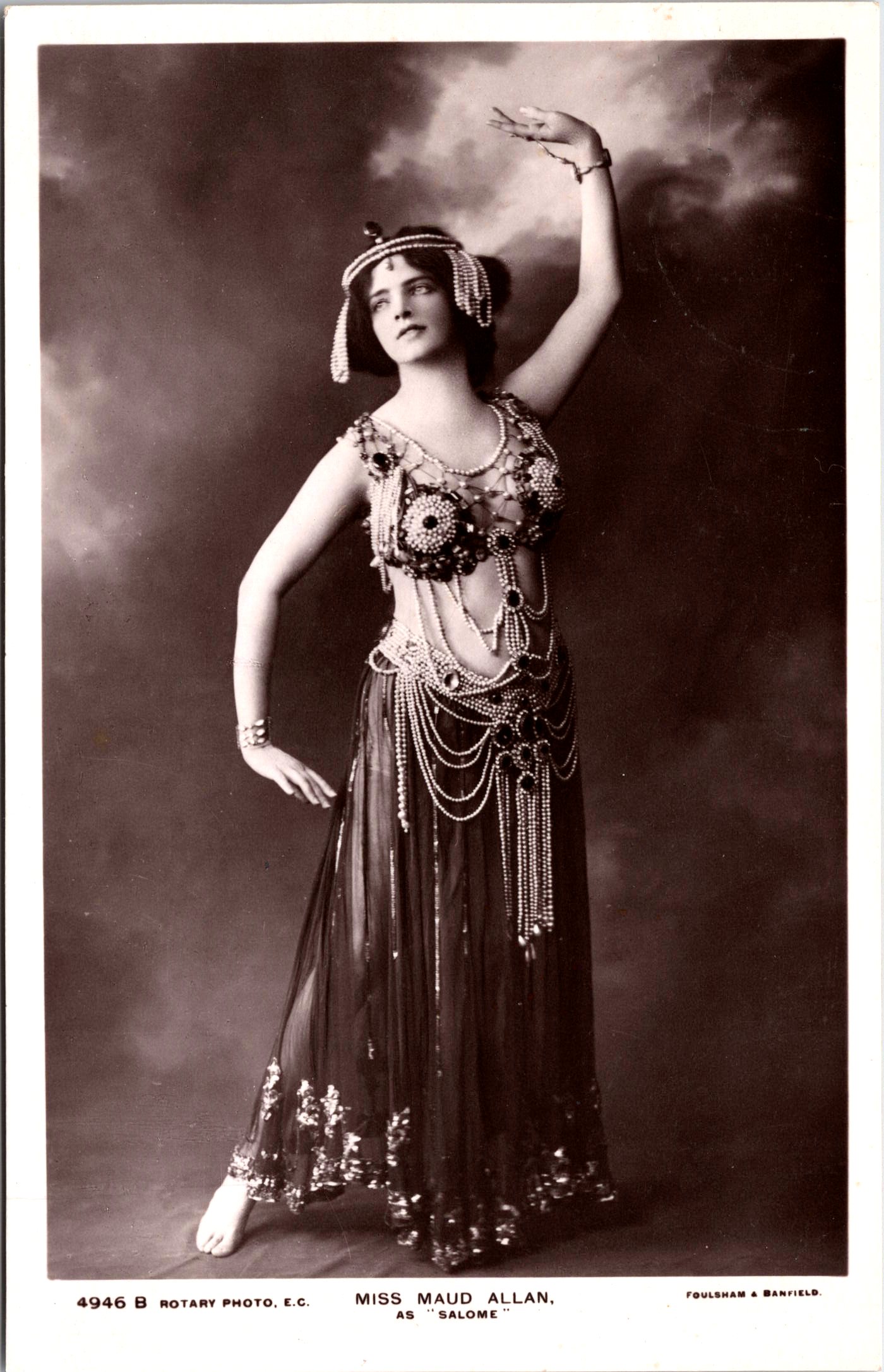
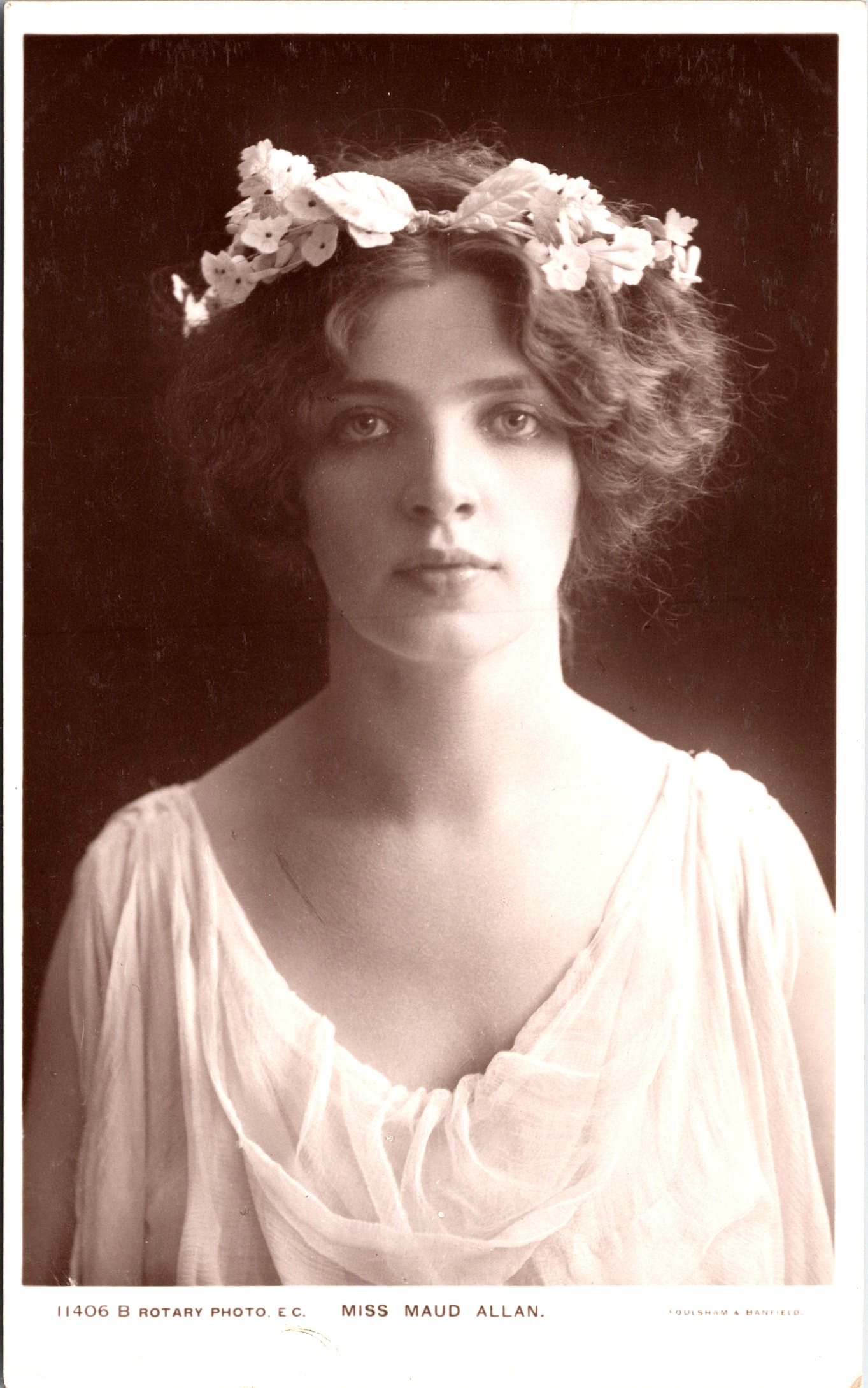
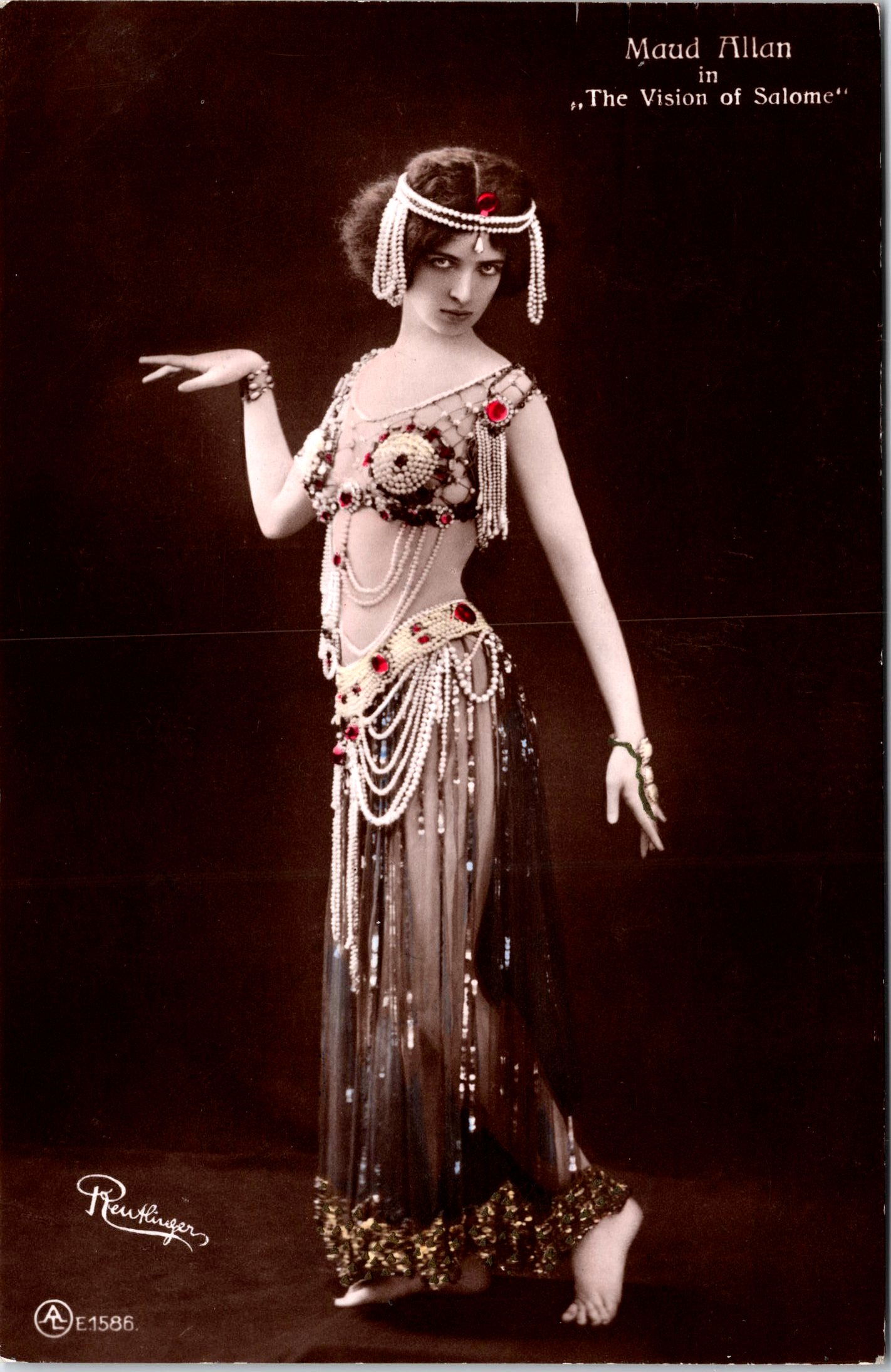
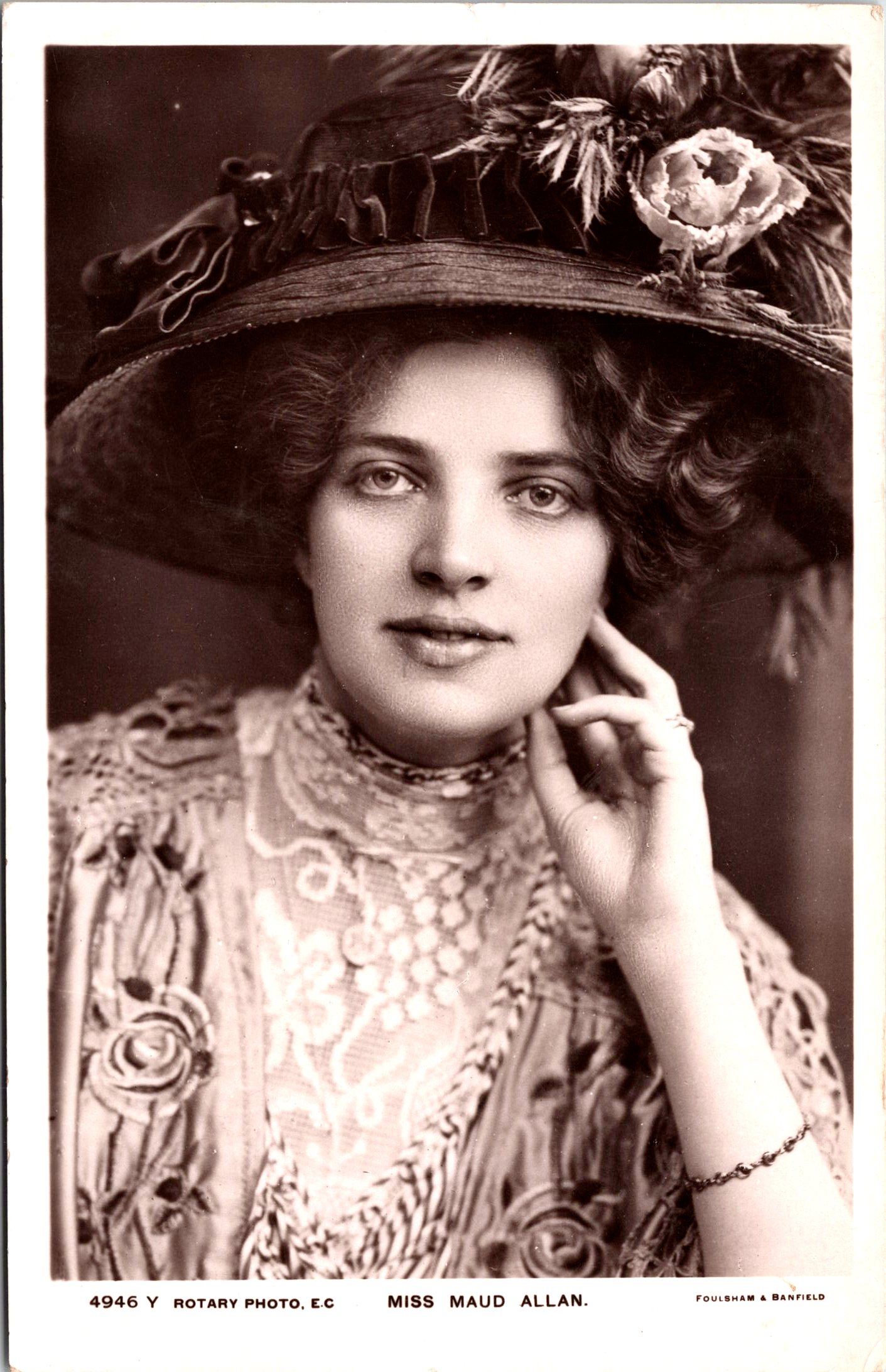
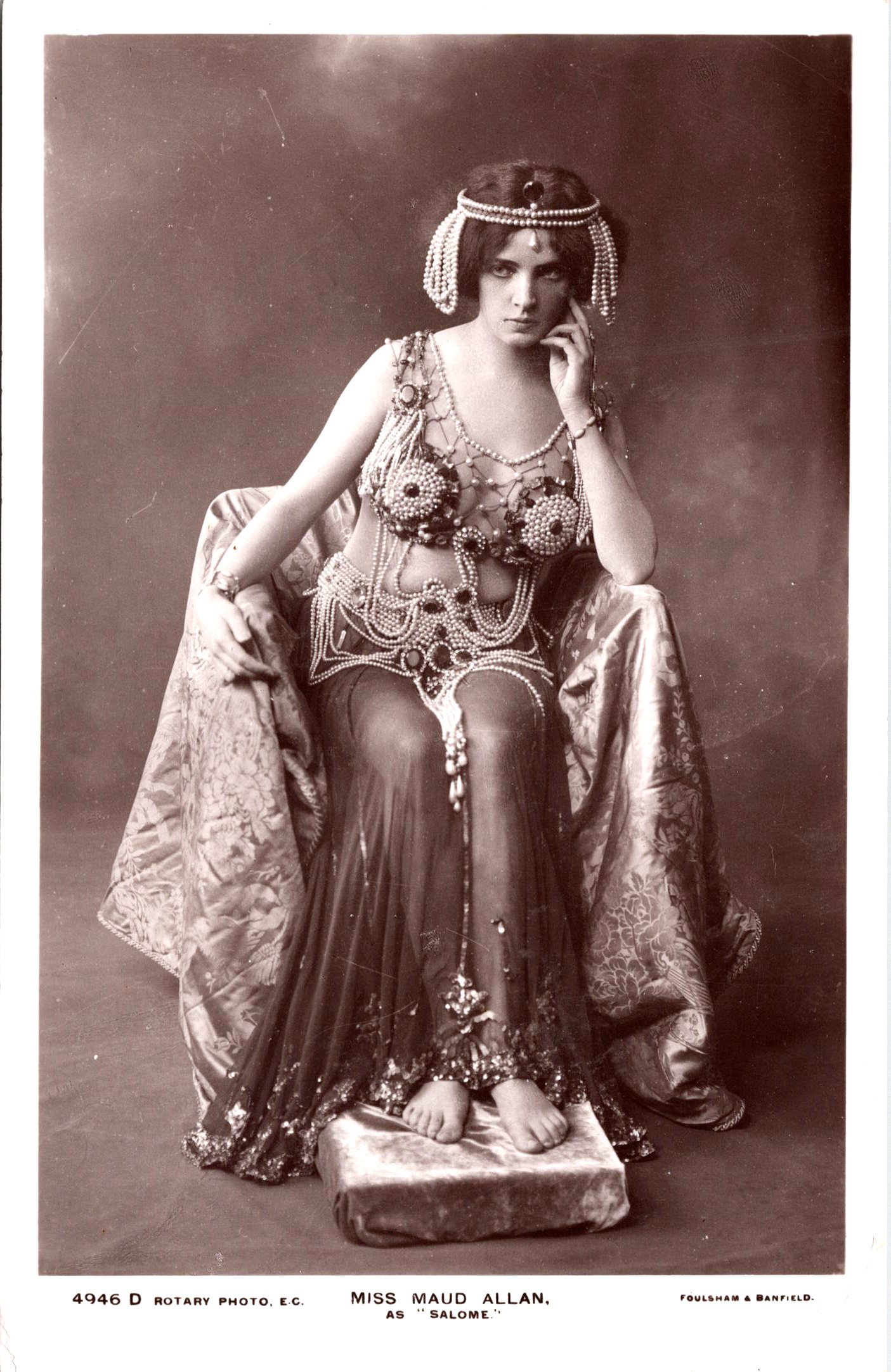
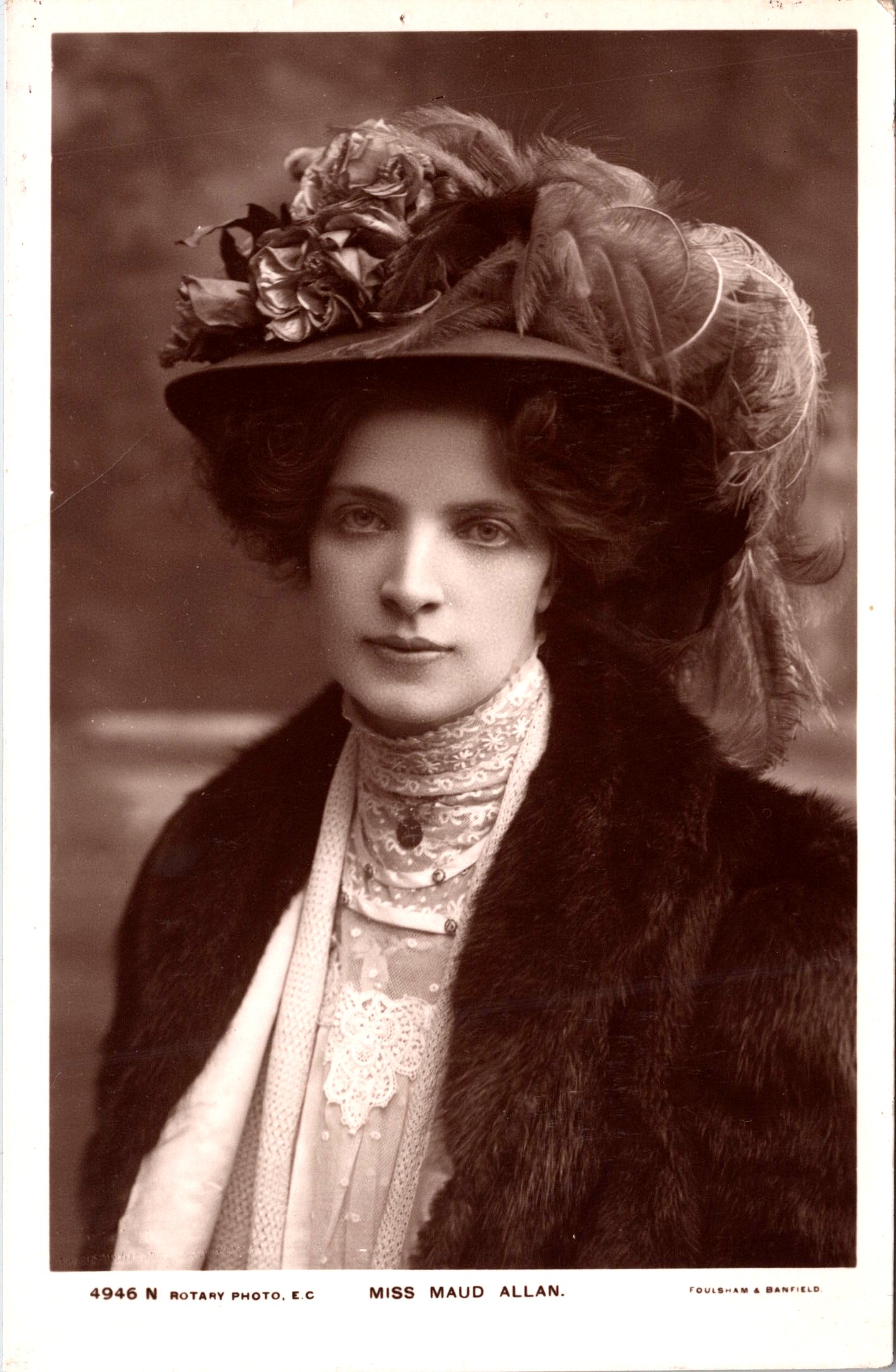
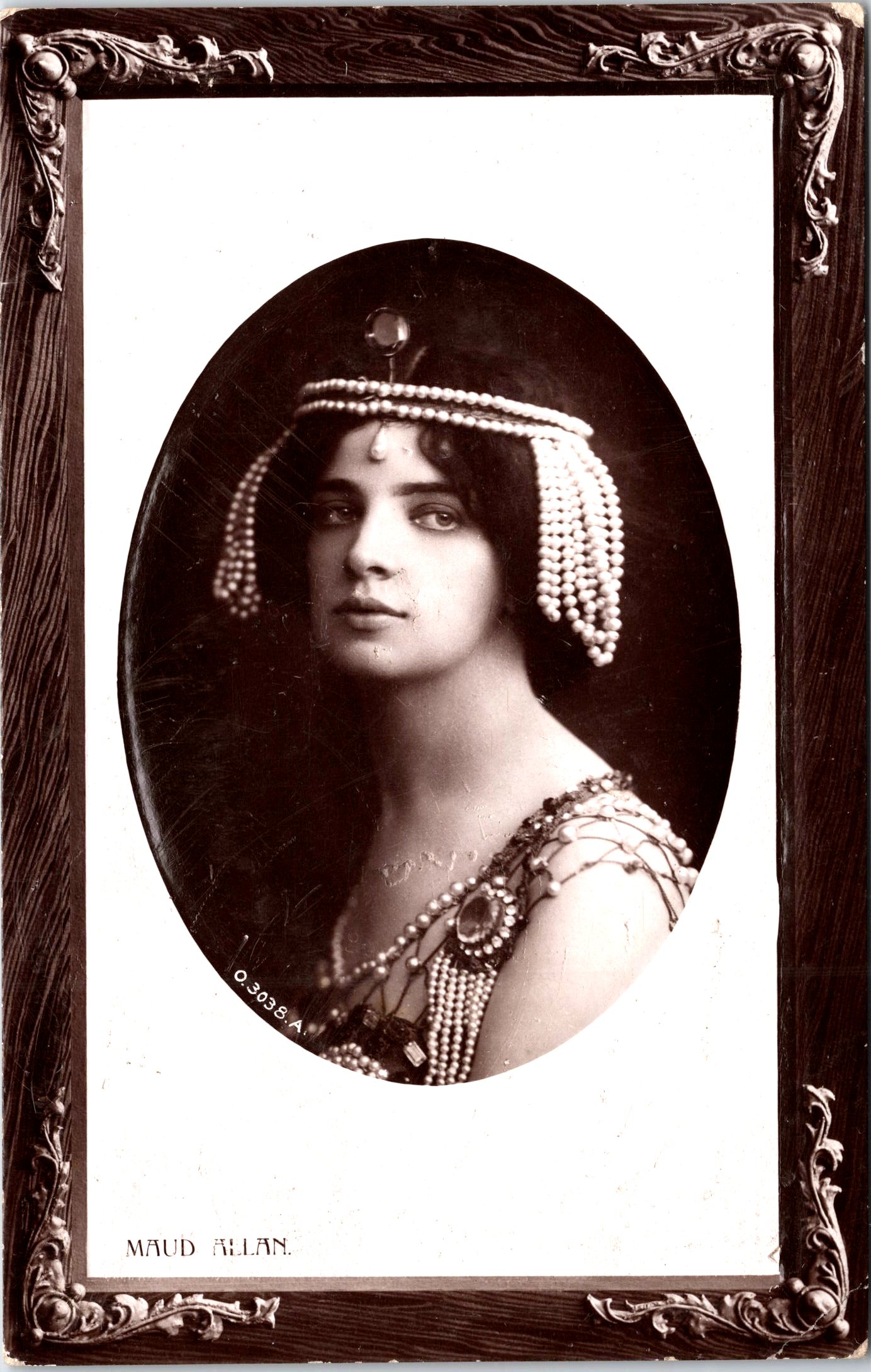
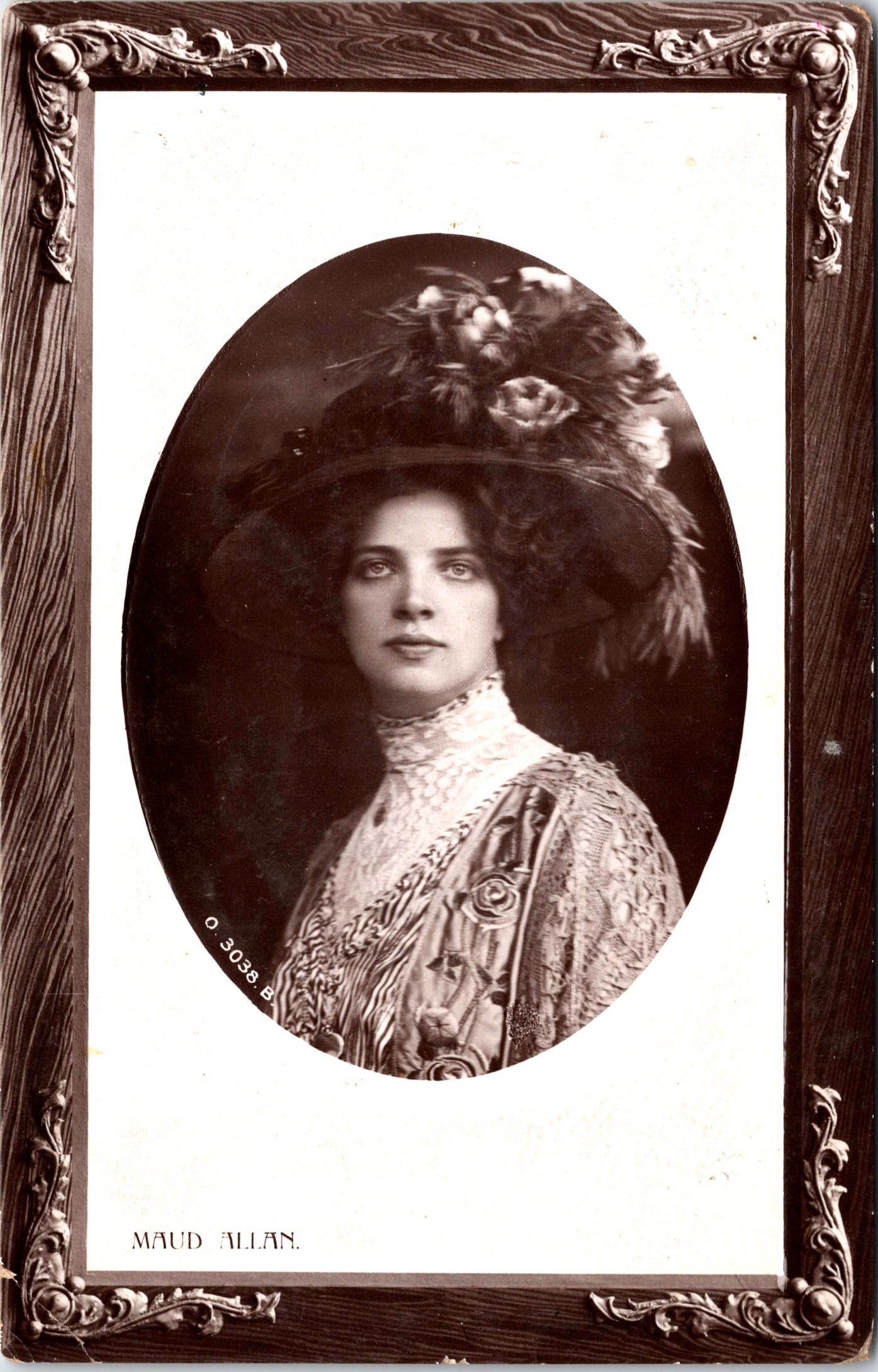
These risque vintage real photo postcards feature Maud Allan (1873-1956). She was a Canadian-born dancer, choreographer, and actress, who performed in the United States and Europe at the turn of the 20th century. She was known for her performances of the “Vision of Salome”, an interpretive dance based on the Oscar Wilde play “Salome”, in which she portrayed the title character. Allan’s performances were controversial and often drew criticism for their erotic content. She also was known for her court case in 1918 against a British newspaper, the Illustrated Times, who published an article accusing her of promoting immorality and lesbianism. She sued for libel and won. In regard to Allan’s sexual orientation, she was a lesbian and was involved with women her entire life. She had a long affair with Margot Asquith, the wife of Herbert Henry Asquith, the Prime Minister of the United Kingdom from 1908 through 1916. Allan also had a long affair with Verna Aldrich, her secretary.
Postcard 1 presents Allan dancing as “Salome”. She is wearing a sexually provocative costume. She is covered with jewelry. This postcard was published by Rotary Photo as part of a series (No.4946B). Miss Allan’s photograph was taken by the Foulsham & Banfield studio. An inscription on the card’s reverse reveals that the card is from 1908. (SOLD)
Postcard 2 This postcard also presents Allan dancing as “Salome”. Once again, she is wearing a sexually provocative costume and is covered with jewelry. This postcard was published by Rotary Photo as part of a series (No.4946Q). Miss Allan’s photograph was taken by the Foulsham & Banfield studio. This card is from circa 1908. (SOLD)
Postcard 3 is rare. The card captures Miss Allan wearing a sexually provocative costume. She is covered with jewelry. This postcard was published by Rotary Photo as part of a series (No.11406B). Miss Allan’s photograph was taken by the Foulsham & Banfield studio. This card is from circa 1908. (SOLD)
Postcard 4 is a risque vintage postcard that was published by Aristophot. Allan’s photograph was taken by Leopold Reutlinger as part of a series (no.E1586). This Salome postcard has a 1908 postmark. (SOLD)
Postcard 5: Most vintage postcards of Miss Allan, capture her in various risque poses during her performance in “Salome”. This uncommon postcard portrait captures her well dressed and elegant looking. This card is uncommon and was published by Rotary Photo as part of a series (No.4946Y). Miss Allan’s photograph was taken by the Foulsham & Banfield studio. This card has a 1906 postmark. (SOLD)
Postcard 6 features Maud Allan in an erotic costume as she plays “Salome”. This postcard was published by Rotary Photo as part of a series (No.4946D). Miss Allan’s photograph was taken by the Foulsham & Banfield studio. (SOLD)
Postcard 7 was published by Rotary Photo as part of a series (No.4946N). Miss Allan’s photograph was taken by the Foulsham & Banfield studio. This postcard features Allan radiating an aura of refined elegance and timeless beauty. Her attire is a masterful display of Edwardian fashion. She wears a high-necked lace blouse adorned with intricate detailing, lending her an air of sophistication and grace. Over this, she dons a luxurious fur coat that adds richness and depth to her ensemble. Around her neck, a delicate pendant peeks out, suggesting a taste for understated yet exquisite jewelry. Her hat is a work of art in itself, lavishly adorned with roses, feathers, and ornate embellishments. The elaborate design frames her face beautifully, complementing her delicate features. Her hair, arranged in soft, voluminous curls beneath the hat, enhances her classic femininity. Maud’s expression is serene yet captivating, her slightly parted lips and soft gaze conveying both intelligence and an enigmatic charm. Her eyes hold a quiet confidence, suggesting a woman of depth, creativity, and individuality. Altogether, Maud Allan’s appearance in this postcard speaks to her remarkable beauty, not only in her physical features but also in the grace and character she exudes. She appears as a woman who is elegant, enigmatic, and effortlessly captivating. (SOLD)
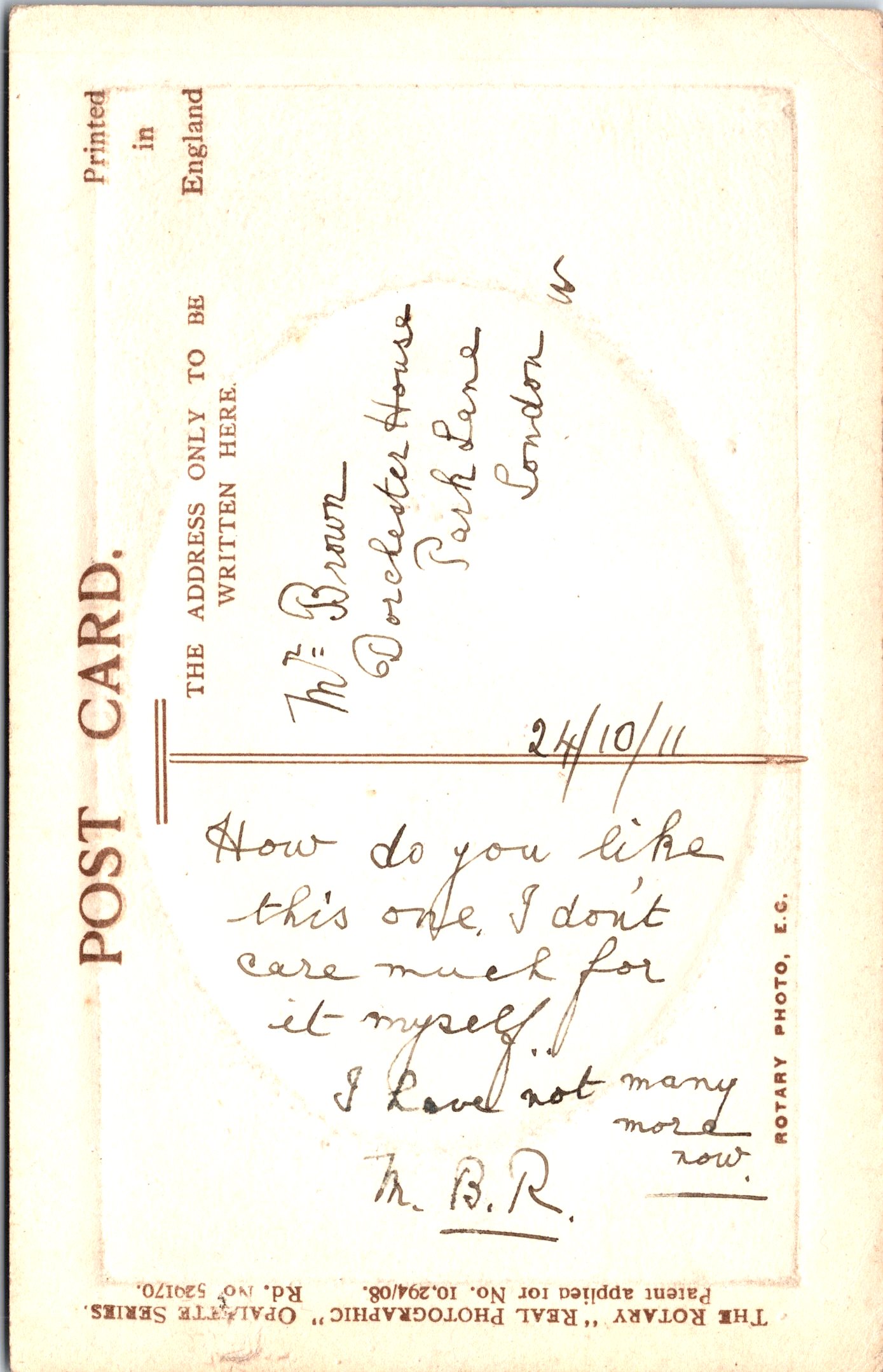
Postcard 8is a portrait of Allan wearing an elaborate costume: strands of pearls draped across her shoulders and chest, a large bejeweled ornament on her bodice, and a pearl headdress with a central jewel resting on her forehead. Her dark hair frames her face, and she gazes with a calm, slightly enigmatic expression. The overall mood of the image is both theatrical and regal, emphasizing her role as a stage performer who often blurred the line between classical dance and sensual spectacle. The postcard was published by Rotary Photo as part of their “Opalette” series. The ornate printed “frame” around the oval portrait adds an additional decorative touch. The postcard has a divided back and there is a handwritten note dated in 1911. The correspondence reads: “How do you like this one, I don’t care much for it myself. I have not many more now. Th. B.R.” It is addressed to a man located in London.(SOLD)
Postcard 9 was published by Rotary Photo and is part of the firm’s Opalette Series. this postcard has a postmark from 1909. (SOLD)
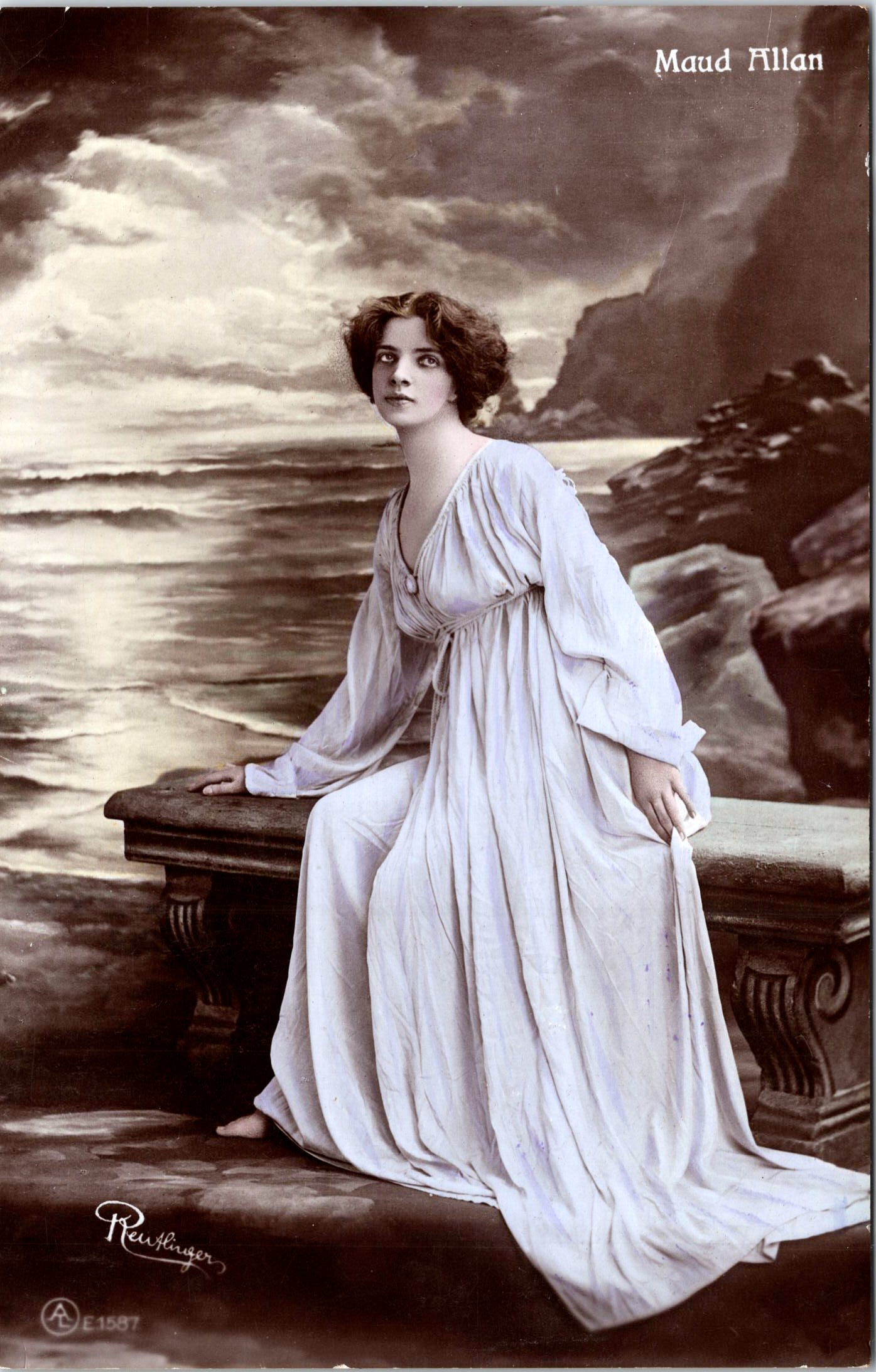
Postcard 10 is a striking Edwardian real photo postcard features Maud Allan, the celebrated dancer and stage performer whose career bridged classical, exotic, and highly sensual performance at the turn of the 20th century. Allan is shown seated in a flowing, classical-style gown, posed against a dramatic seaside backdrop of rocks, surf, and stormy skies. The pose is both poised and emotionally charged, with her gaze turned slightly upward, giving the image a dreamlike, almost mythic quality. She is dressed in a soft, empire-waist gown with loose sleeves and a long, flowing skirt. The styling deliberately evokes antiquity and romantic fantasy, which aligns perfectly with Allan’s reputation for expressive, sensuous dance interpretations rather than traditional ballet technique. Her bare foot and relaxed posture add to the quiet intimacy of the image. The photograph was taken by Leopold Reutlinger, one of the most important and accomplished theatrical photographers of the period. Reutlinger’s portraits of performers are widely collected and appear in museum collections; his work is especially prized for its technical quality and dramatic staging. His signature appears in the image, and the postcard carries the Reutlinger studio mark and serial number E1587, confirming it as part of his commercial theatrical series. This is an Aristophot Real Photo Postcard, as clearly indicated on the reverse. Aristophot Co. Ltd. was a London-based publisher, specializing in high-quality photographic postcards of actors, dancers, and performers. The reverse also notes “Printed in Saxony,” which was common for high-end photographic postcard production during this period. This specific image of Maud Allan is uncommon. The combination of Maud Allan + Reutlinger + Aristophot makes this a particularly desirable postcard. In fact, this photograph of Miss Allan can be found in Britain’s National Portrait Gallery. The postcard in their collection was postmarked in 1909. SOLD
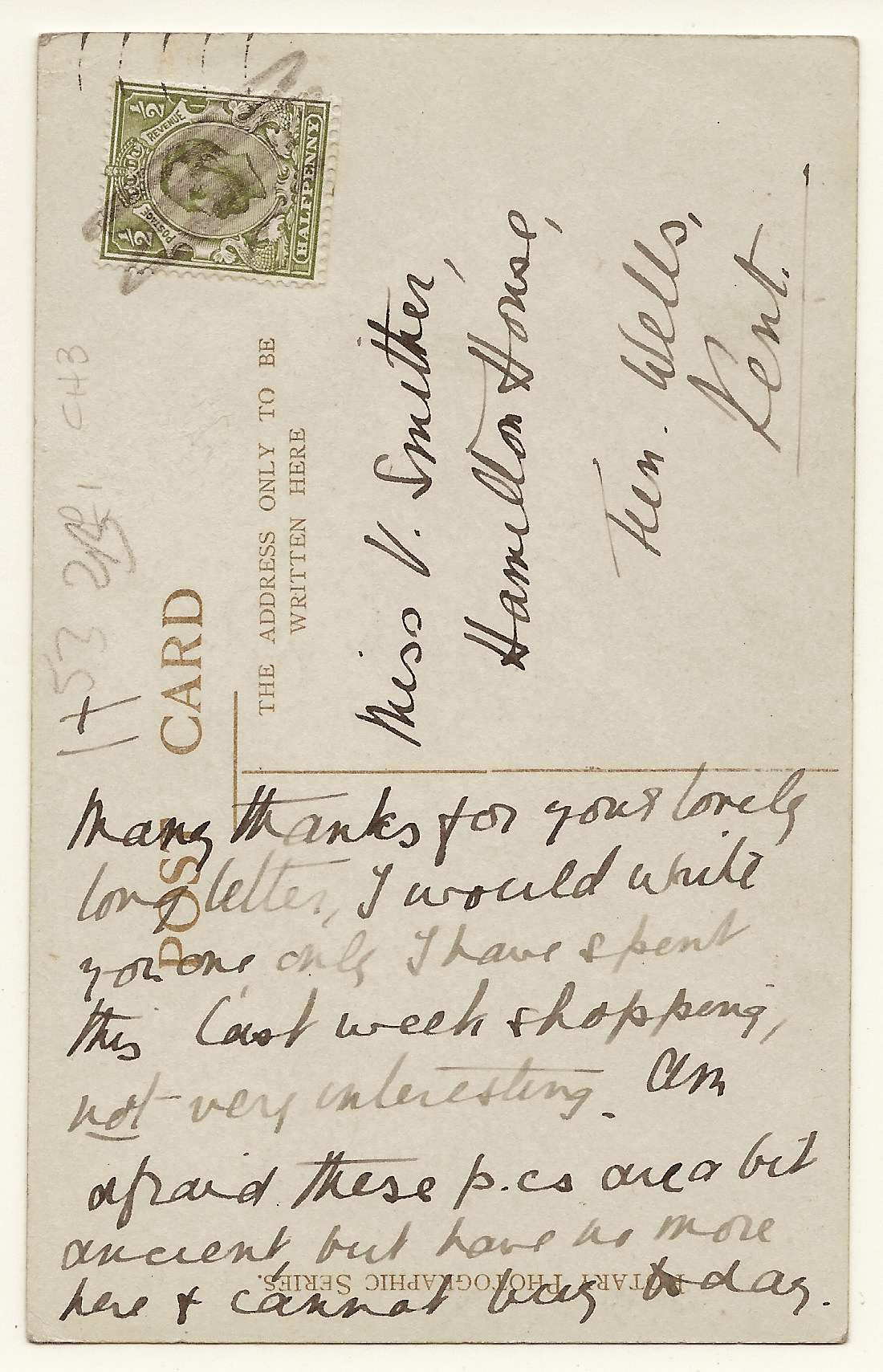
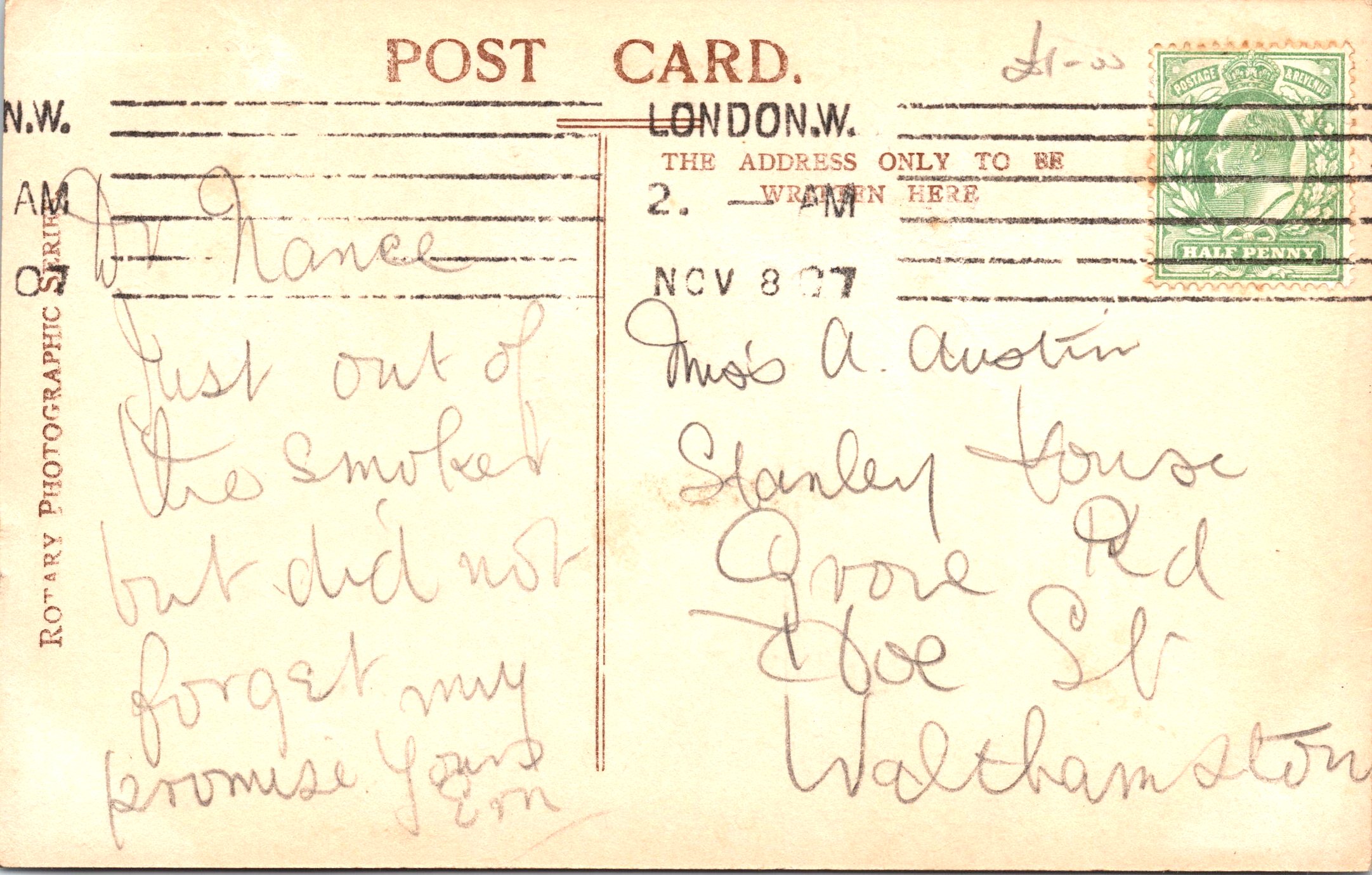
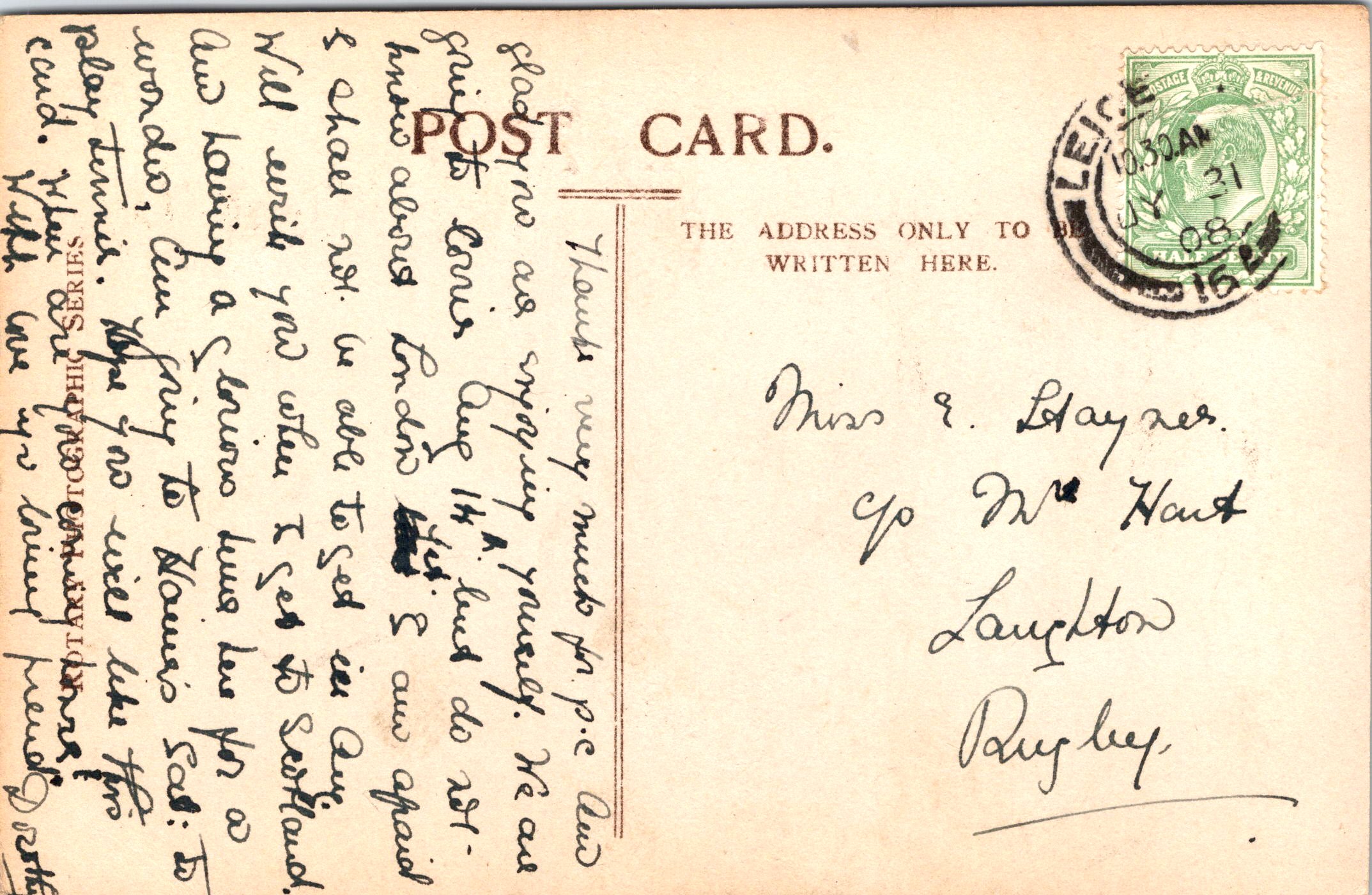
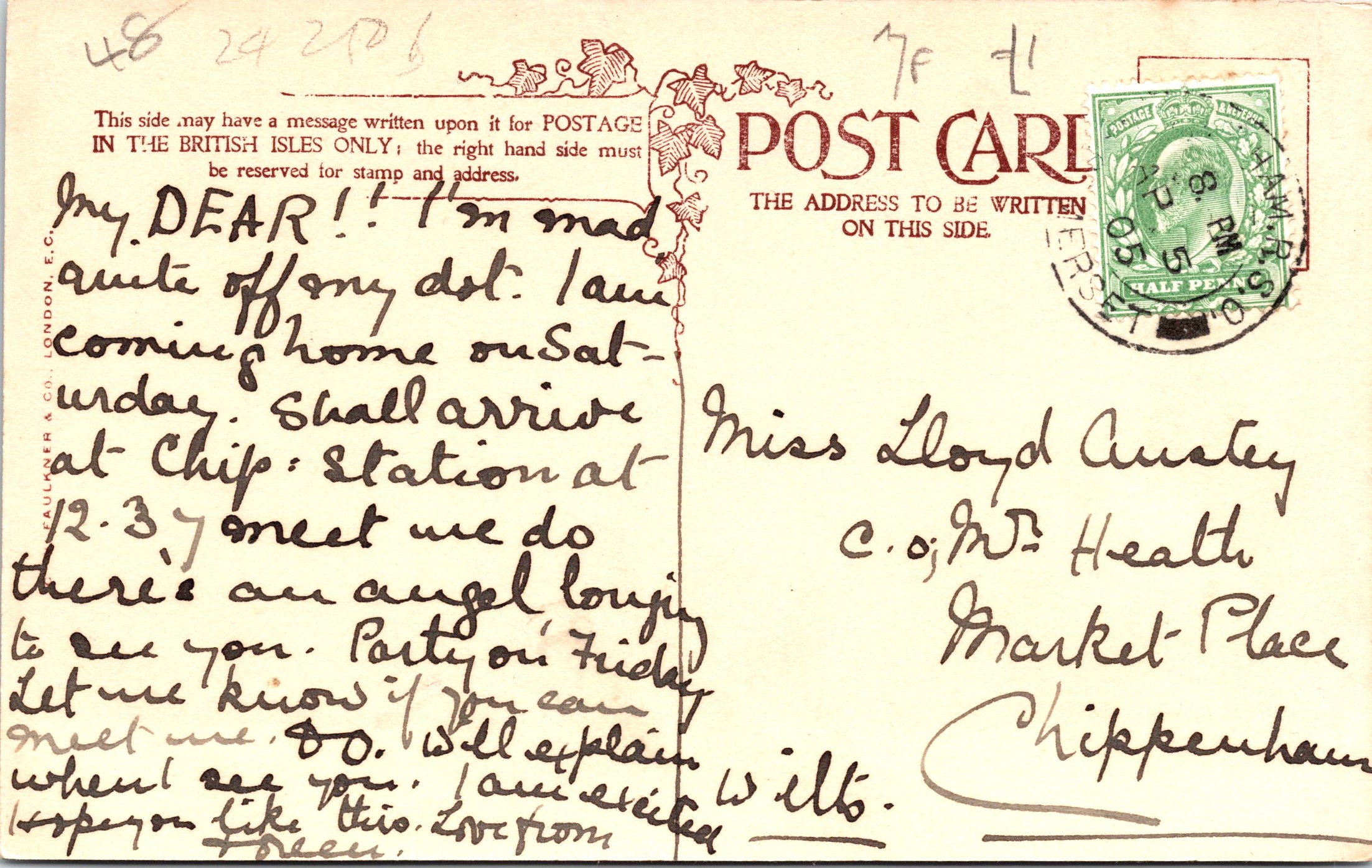
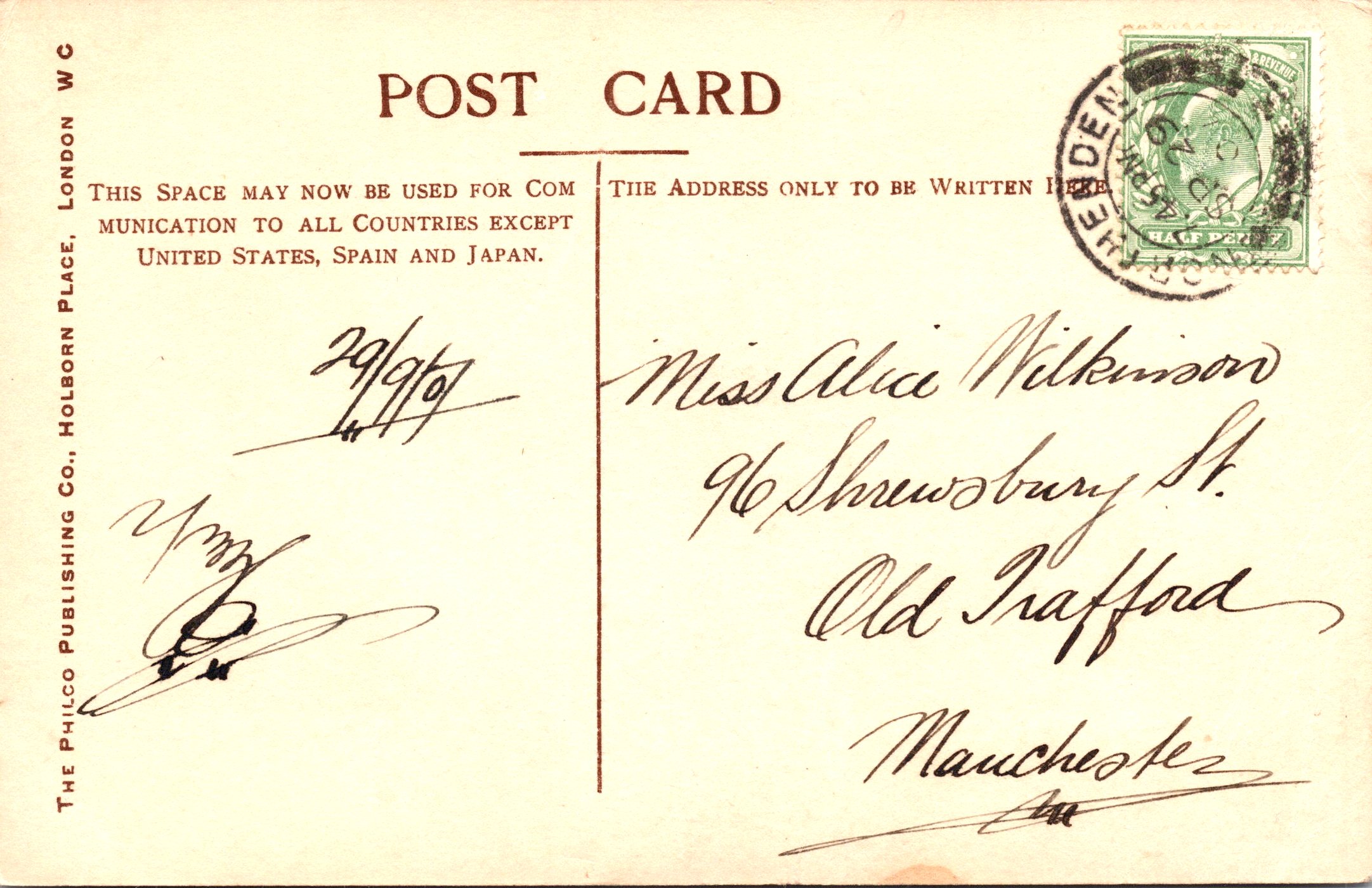
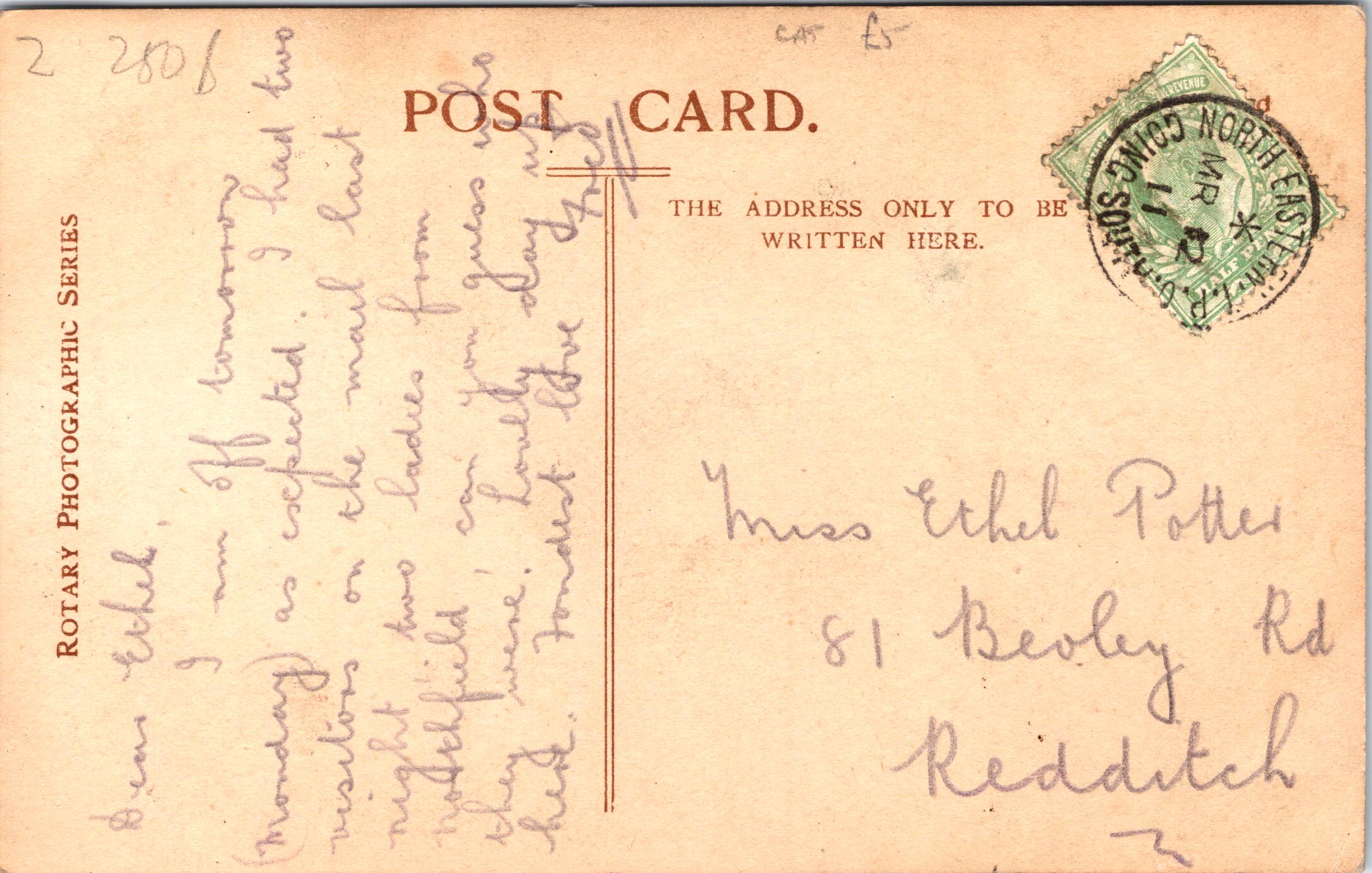
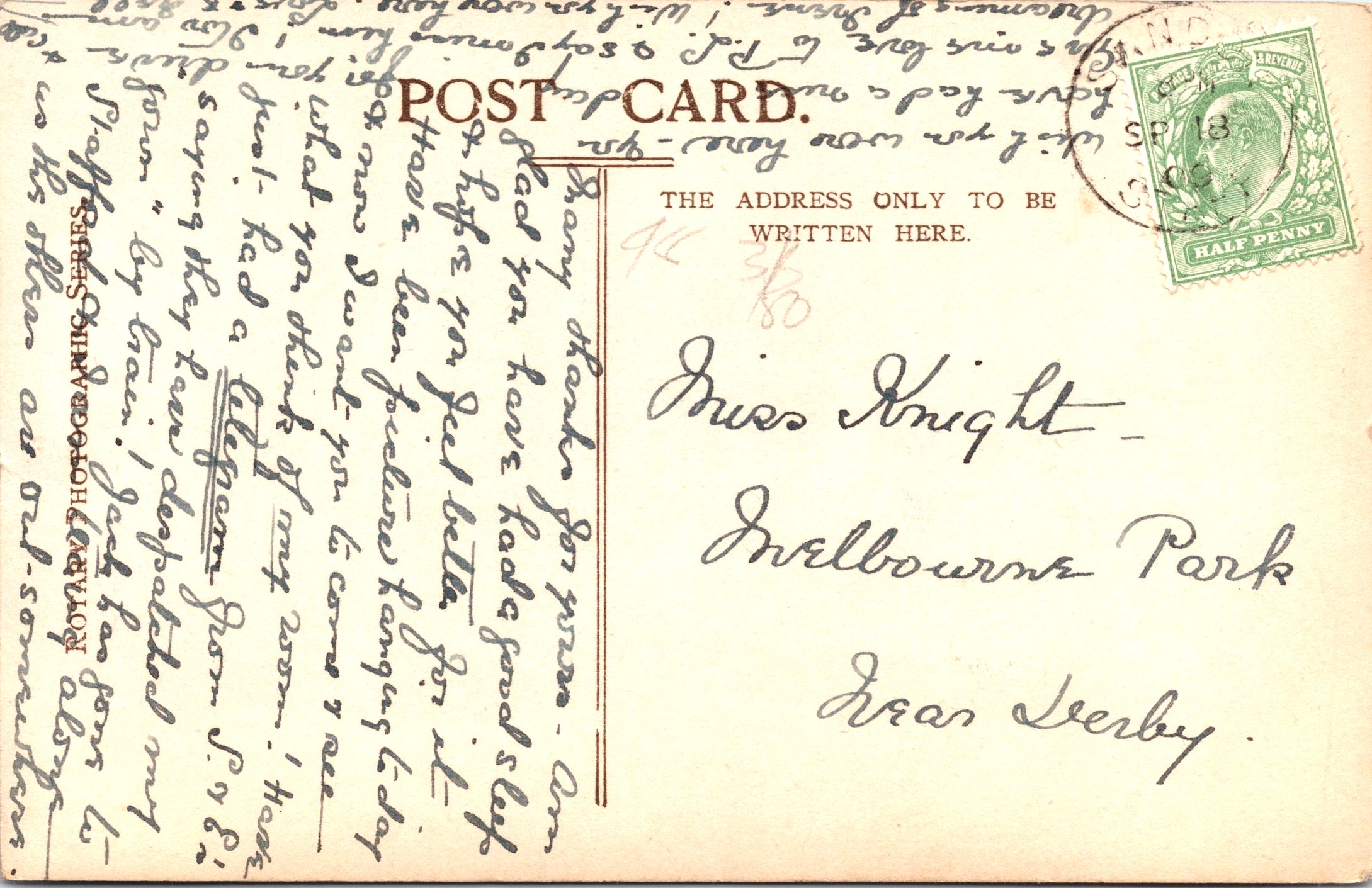
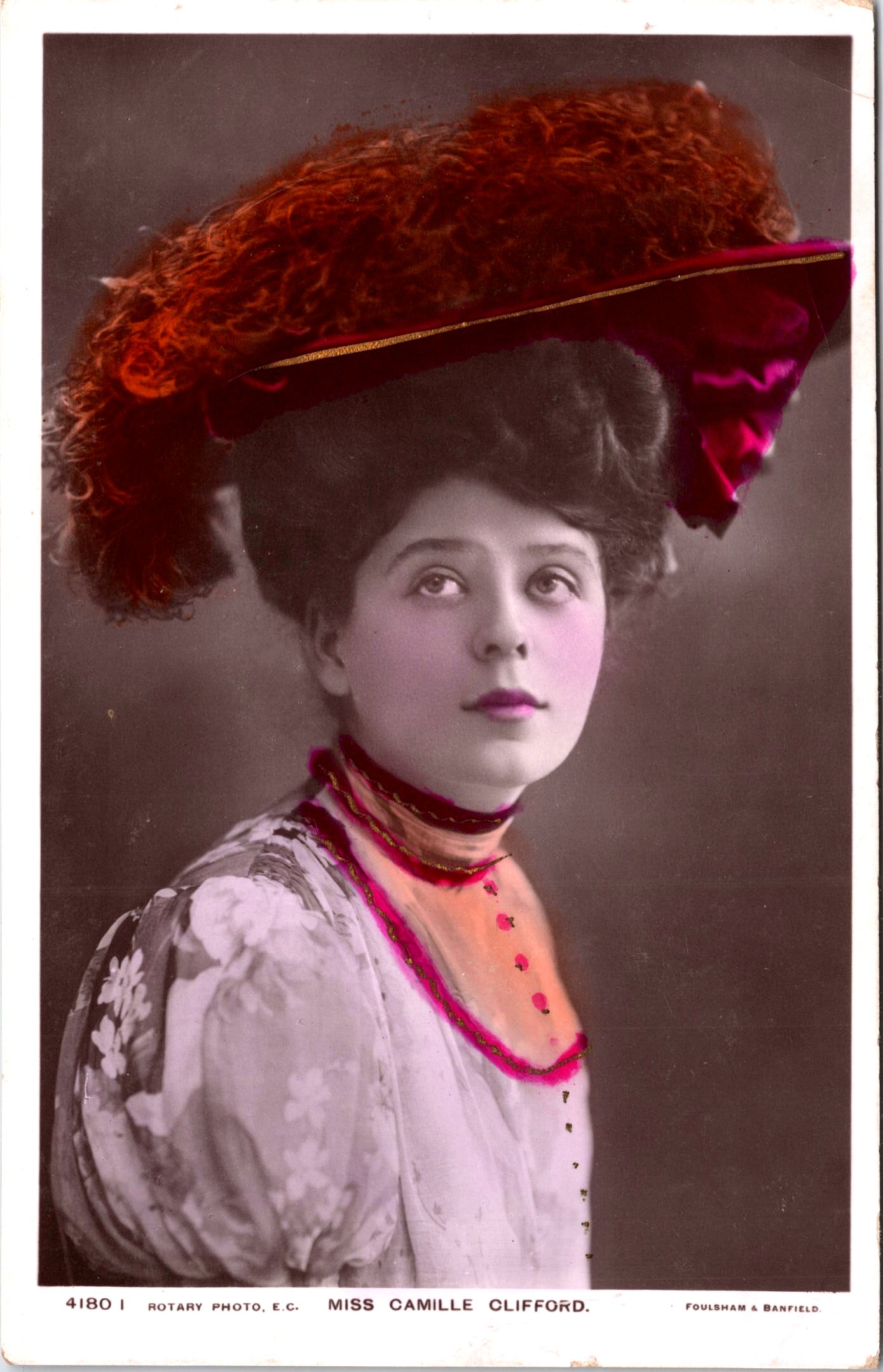
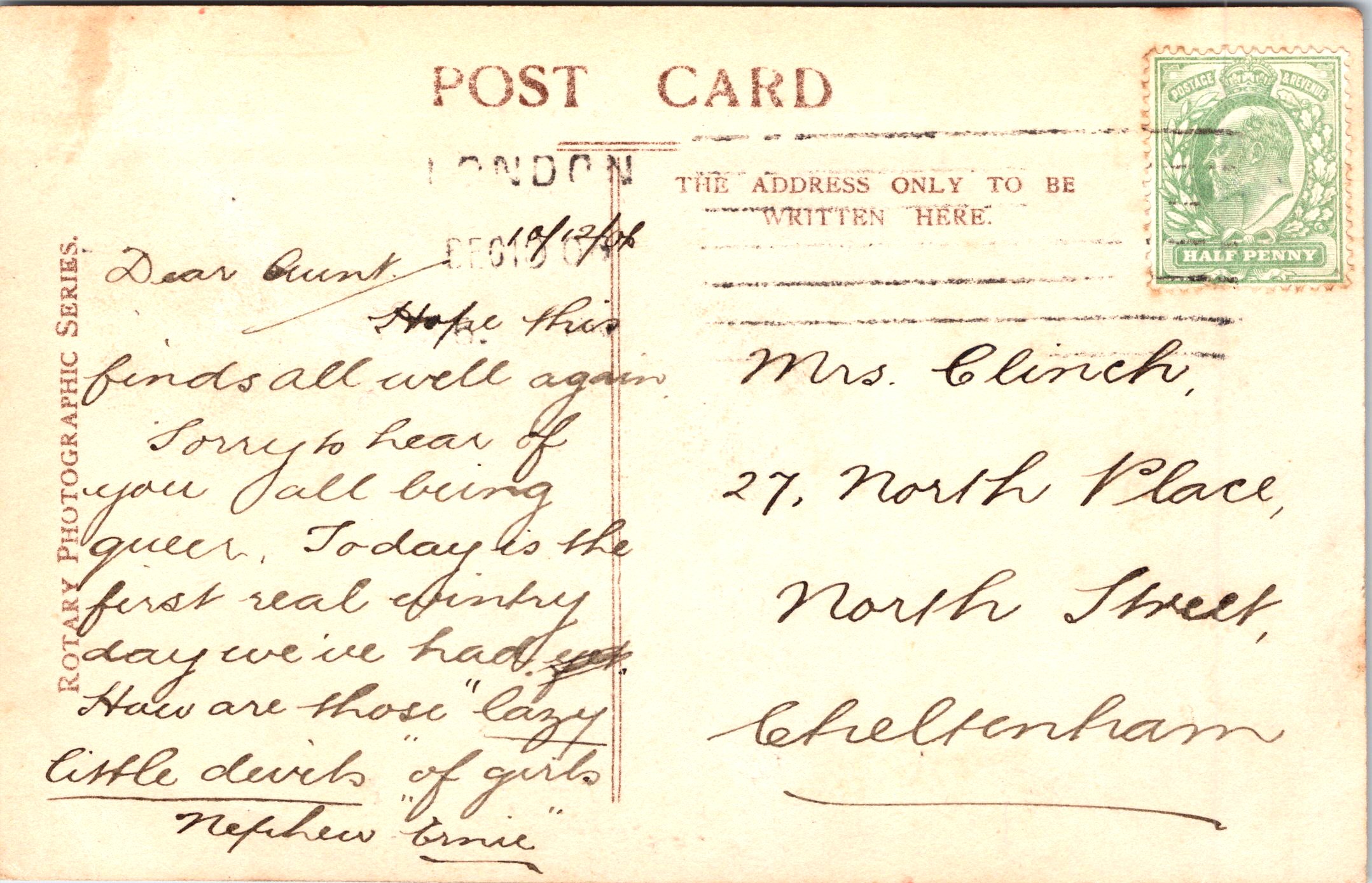
Camille Clifford (1885–1971) was a Belgian-born stage actress and fashion icon best known as the quintessential “Gibson Girl”, a feminine ideal created by American illustrator Charles Dana Gibson. Born in Antwerp, Belgium, she was raised in Sweden and later in Boston, Massachusetts. In 1902, she entered and won a contest sponsored by Gibson seeking the perfect embodiment of his Gibson Girl drawings, which rocketed her to fame. Clifford’s signature look — an hourglass figure, piled-high coiffure, and aristocratic bearing — made her an immediate sensation in Edwardian society. She soon transitioned to the London stage, where her statuesque beauty often overshadowed her acting roles. Her most famous performance was in the musical comedy The Catch of the Season (1904), where she appeared as the aristocratic Lady Crystal. In 1906, Clifford married the Hon. Henry Lyndhurst Bruce, son of the 2nd Baron Aberdare, and largely retired from the stage after marriage, though she made occasional returns in the 1910s and 1920s. After her husband’s death in World War I, she lived a quieter life but remained a symbol of Edwardian elegance. This is a striking hand tinted Rotary Photographic Series real photo postcard featuring Miss Clifford, serial number (4180 I). It was published by Rotary Photo, one of the most prolific and respected postcard publishers in early 20th-century Britain. In this image, Camille Clifford appears wearing an immense, lavishly plumed hat in rich tones of red and deep pink, its dramatic sweep perfectly framing her elaborately coiffed dark hair. Her gown, light and sheer with a delicate floral pattern, is accented by a high ruffled collar and ribbons tinted in shades of crimson and coral. The colorist has applied subtle blush to her cheeks and a soft rose tint to her lips, heightening her serene yet alluring expression. She gazes slightly upward and away from the camera, her eyes thoughtful and composed, embodying the calm confidence and refined beauty that made her one of the most photographed women of the early twentieth century. The reverse of the postcard is written and postally used, addressed to Mrs. Clinch, in Cheltenham. The message, written in ink, reads: Dear Aunt, Hope this finds all well again. Sorry to hear of your fall being queer. Today is the first real drizzly day we’ve had yet. How are those “lazy little devils” of girls? Nephew Ernie. The postcard bears a green half-penny King George V stamp, which was first issued in 1911. The postmark is partially legible but shows London, and appears to read 1912. This dating aligns perfectly with the height of Camille Clifford’s stage fame and with the active period of Rotary Photo, E.C. and Foulsham & Banfield, the photographers credited at the right. Together these details place the postcard firmly in the early 1910s, likely around 1912, when hand-colored photographic postcards of theatrical personalities such as Clifford were immensely popular with collectors throughout Britain. (SOLD)
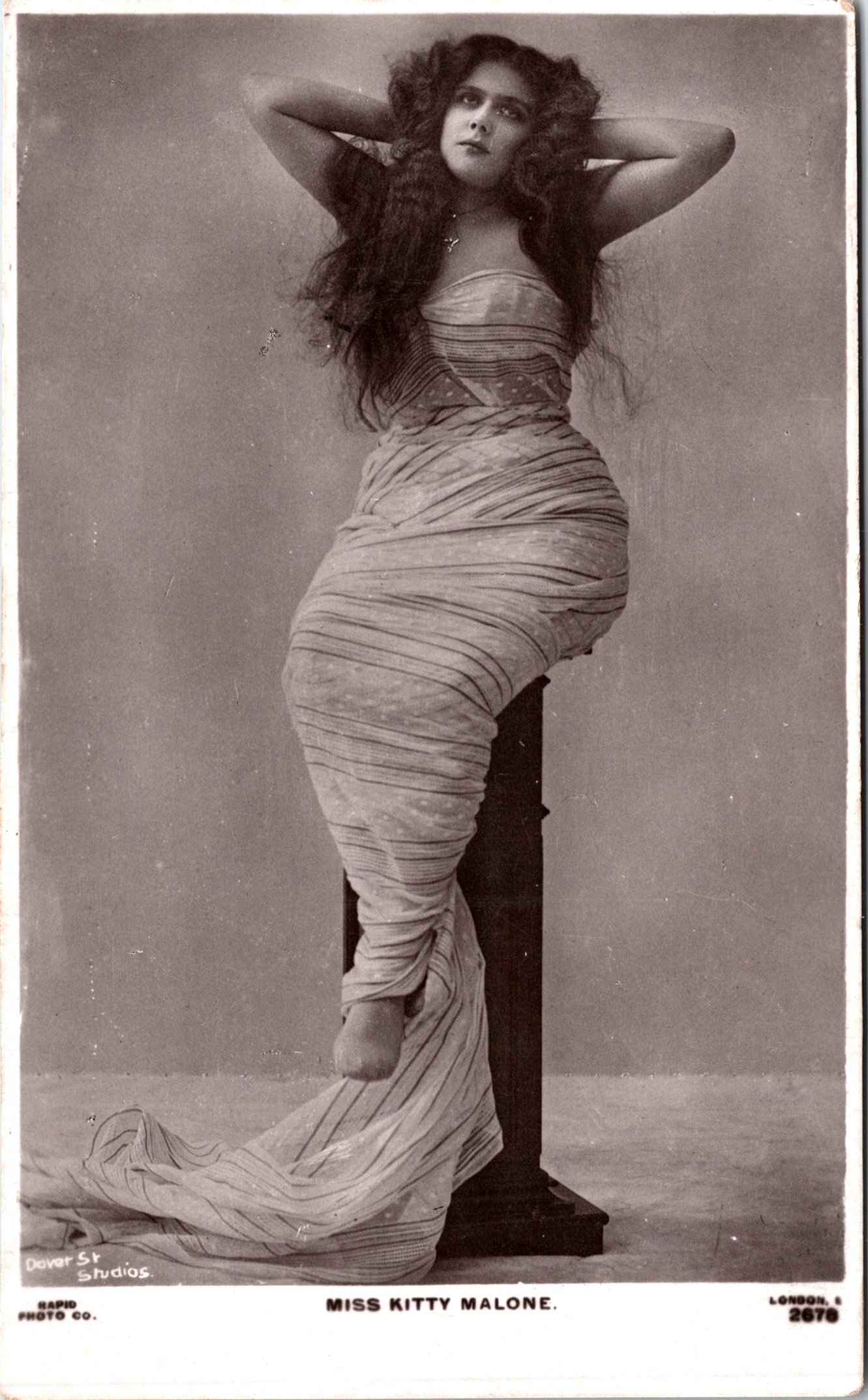
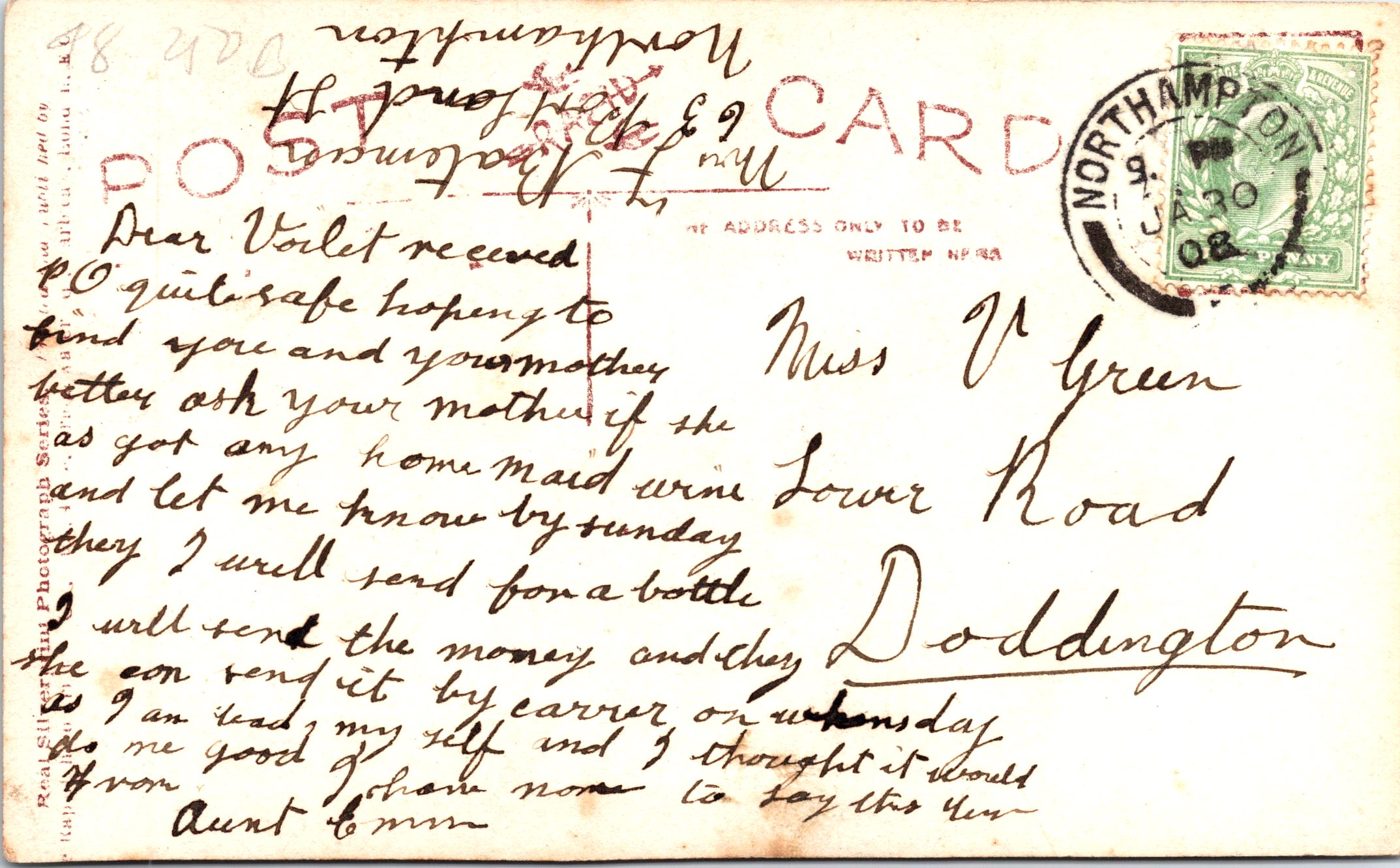
Postcard 1 is a risque original real photo postcard (RPPC) featuring Miss Kitty Malone, an early 20th-century stage performer or model. Malone is wrapped in a tight gown that accentuates all of her curves. The postcard was produced by Rapid Photo Co. in London, with the photograph taken at Dover St. Studios. In the image, Miss Kitty Malone strikes a dramatic pose, wrapped in a flowing, textured gown reminiscent of Grecian or theatrical costume styles. Her long, voluminous dark hair cascades down her shoulders, framing her striking face. She gazes directly at the camera with an intense and almost mysterious expression, her lips slightly parted. Her arms are lifted behind her head, adding to the dramatic, posed aesthetic that was characteristic of early Edwardian stage and artistic photography. This postcard is part of a series and numbered 2676 . This antique real photo postcard (RPPC) was postally used and sent in 1908. It features a green half-penny King Edward VII postage stamp, which was commonly used in the early 20th century for domestic postcards. The handwritten message is addressed to Miss V. Green and is written in black ink in elegant cursive handwriting. The sender, signed as “Aunt Emma”, writes to Violet, mentioning that she has received a postal order (P.O.) safely and hopes Violet and her mother are doing well. She asks if Violet’s mother has any homemade wine available and requests that she let her know by Sunday so she can send for a bottle. Aunt Emma also states that she will send money so it can be delivered by carrier on Wednesday, mentioning that she finds it beneficial for herself and thought Violet’s mother might feel the same. SOLD
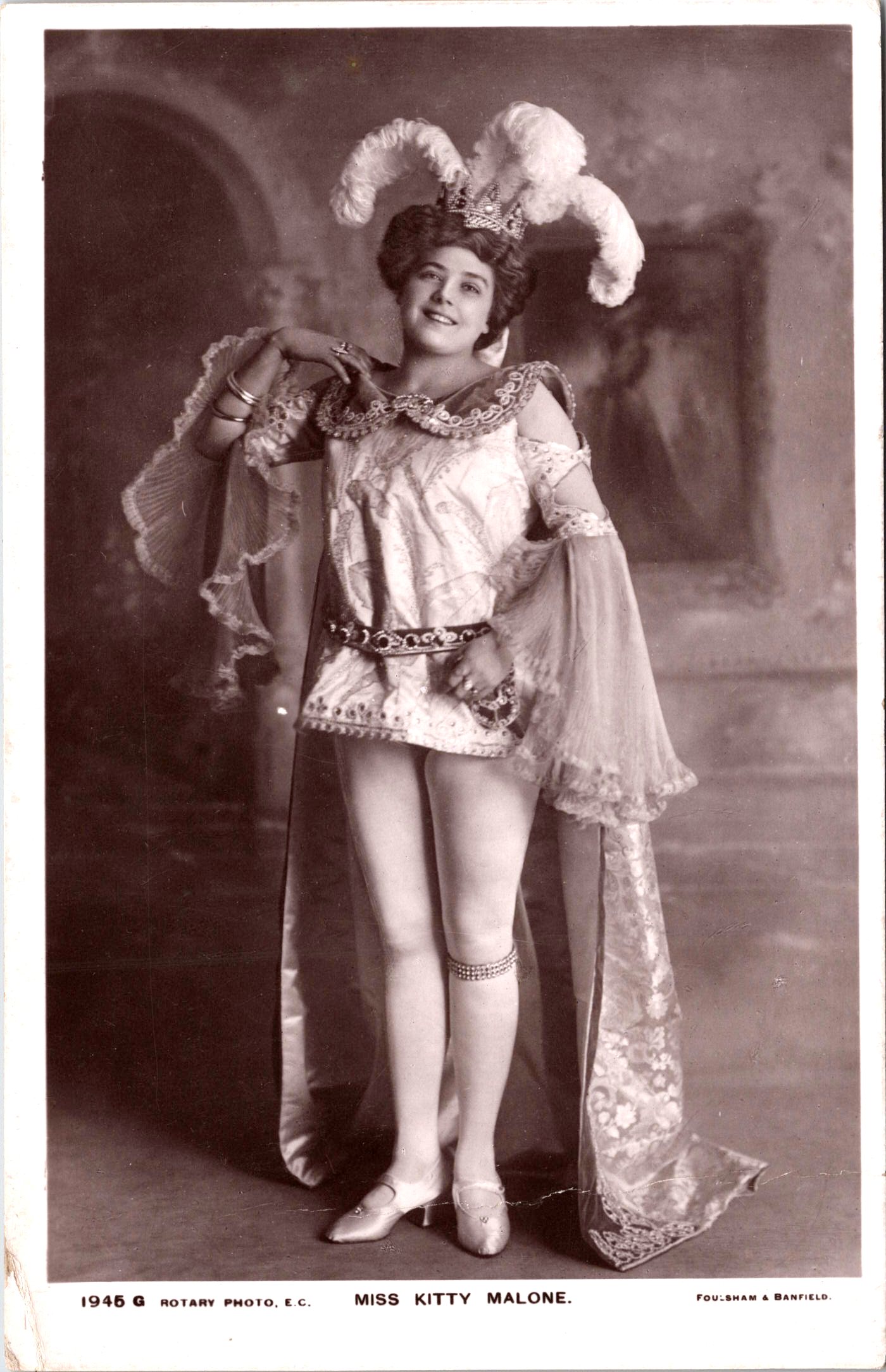
Postcard 2 is a risque vintage postcard, published by Rotary Photo and numbered 1945G in the series, features Miss Kitty Malone in an elaborate theatrical costume. This card earns the title of risque because Miss Malone’s top is exceedingly short, exposing much of her legs. The photograph was taken by the renowned Foulsham & Banfield studio. Miss Malone is dressed in an ornate, short tunic-style dress adorned with intricate embroidery and decorative trim. The outfit is cinched at the waist with a bejeweled belt, and she wears sheer, flowing sleeves that drape elegantly from her arms. She also sports shimmering stockings, one of which is embellished with a delicate garter, and dainty, pointed shoes. Her regal headpiece, topped with tall, white feathered plumes, adds to the opulent and theatrical nature of her attire. Her expression is warm and confident, with a slight smile and a poised demeanor. She gazes directly at the camera, her head tilted slightly to one side. Her dark, voluminous hair is styled in an elegant updo, framing her face beautifully. Her pose, with one hand resting on her hip and the other raised near her face, conveys a sense of grace and charisma, suggesting she was a performer or stage actress. The background of the image is softly blurred, allowing the intricate details of her costume and expression to stand out. The overall aesthetic of the postcard captures the glamour and theatrical style of the era. SOLD
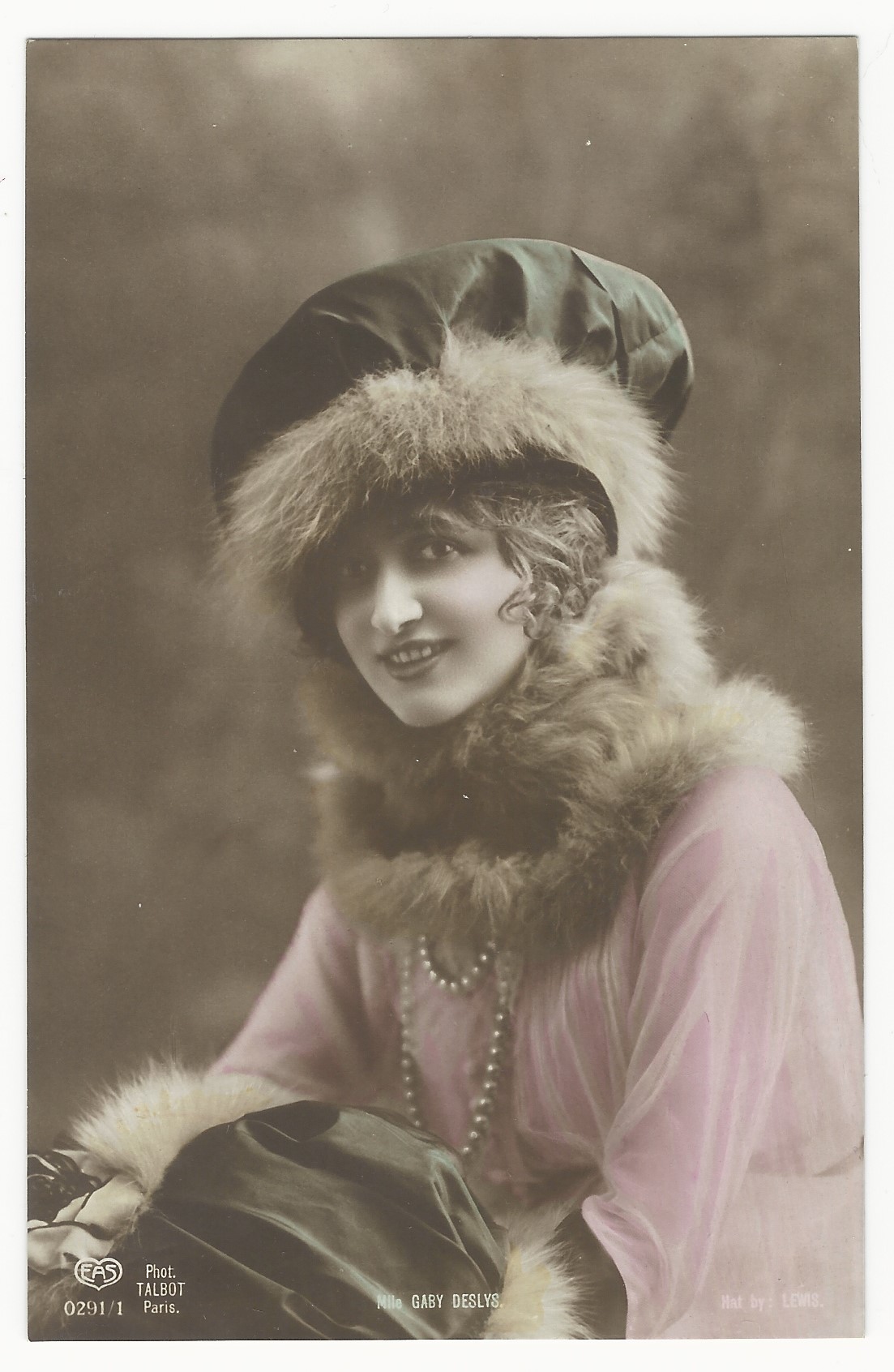
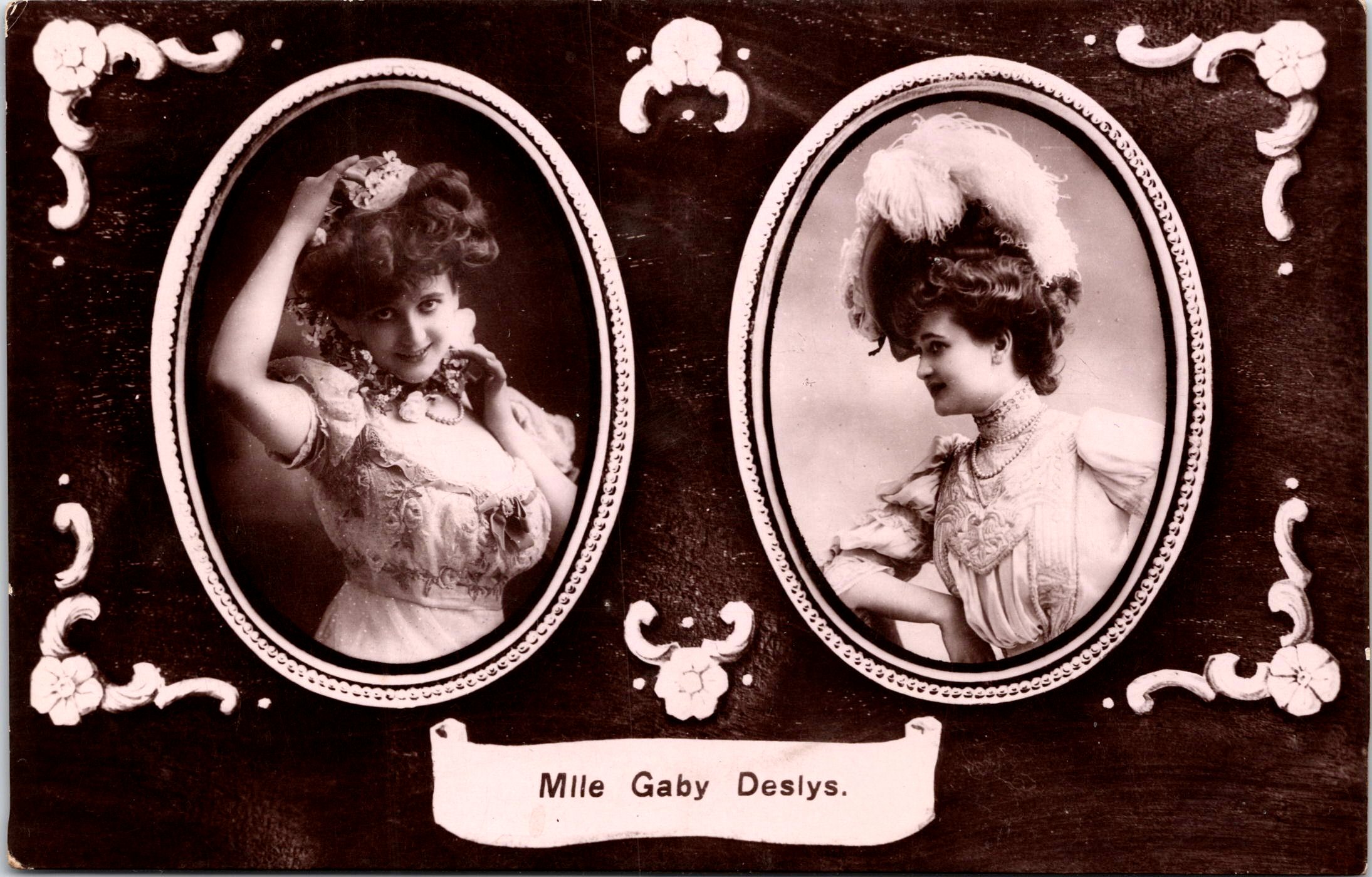
Vintage real photo Postcard 1 features a portrait of the multi talented actress, dancer, and singer, Gaby Deslys (1881-1920). Miss Deslys performed at the beginning of the twentieth century in both Europe and the United States. She was extremely popular worldwide. In fact, she was able to earn four thousand dollars a week when performing in the United States. She performed several times on Broadway. She had a dance named after her, “The Gaby Glide” (1911). You can find the sheet music, with Gaby on the cover, elsewhere on ebay. Her love life was the topic of much public gossip. She probably added to the sensationalism surrounding her by posing in a number of risque postcards. She was courted by many wealthy and powerful men, including the King of Portugal. Her life was cut short by the “Spanish” influenza. Postcard 1 is not at all common. It was published by E. A. Schwerdtfeger Company of London and printed in Berlin (no. 0291/1). The company also had an office in New York (opened in 1910). This publishing house printed many different types of real photo postcards but was known for its hand-colored real photo postcards of actresses and fashionable women in exotic costumes. The photographer was the Talbot studio. The creator of Miss Deslys’s hat is also credited (Lewis). This particular real photo postcard stands out because it offers a colorized and very clear view of this beautiful and talented performer. SOLD
Postcard 2 was photographed by Edouard Stebbing. He was active in Paris between 1890 and 1910. Stebbing taught at a University in Paris and invented the stebbing camera, and was known for his work with emulsions. It is reported that he was friends with the artist Monet. He died in 1914 and his wife (Celestine) died five years earlier. Stebbing was a prolific photographer during the Belle Epoque Paris. He appears to have been an expatriate from England. He published many articles in British Photographic journals. Stebbing photographed many theatrical stars. A frequent publisher of these postcards was Monsieur G.Piprot, of “Etoille” or “Star” publishing in Paris. The “Photographic Times and American Photographer” (1883) cited Stebbing as “one of the bright lights of the French Photographic Society. The card has a 1908 postmark. SOLD
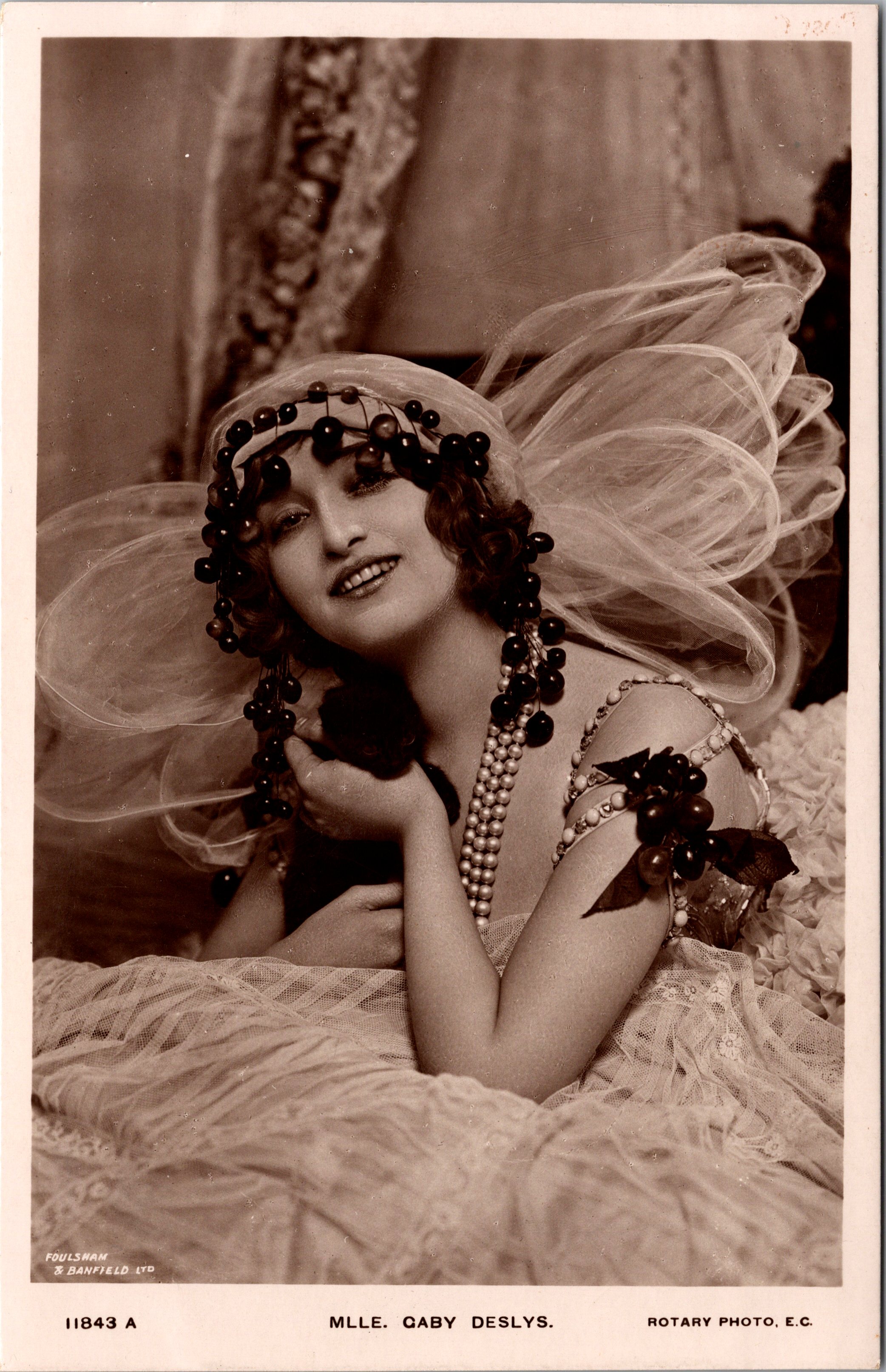
Postcard 3 is not common. It was published by Rotary Photo of Great Britain as part of a series (no.11843 A). This postcard portrait was taken by the Foulsham & Banfield studio. Gaby Deslys was certainly a beautiful and talented performer. SOLD
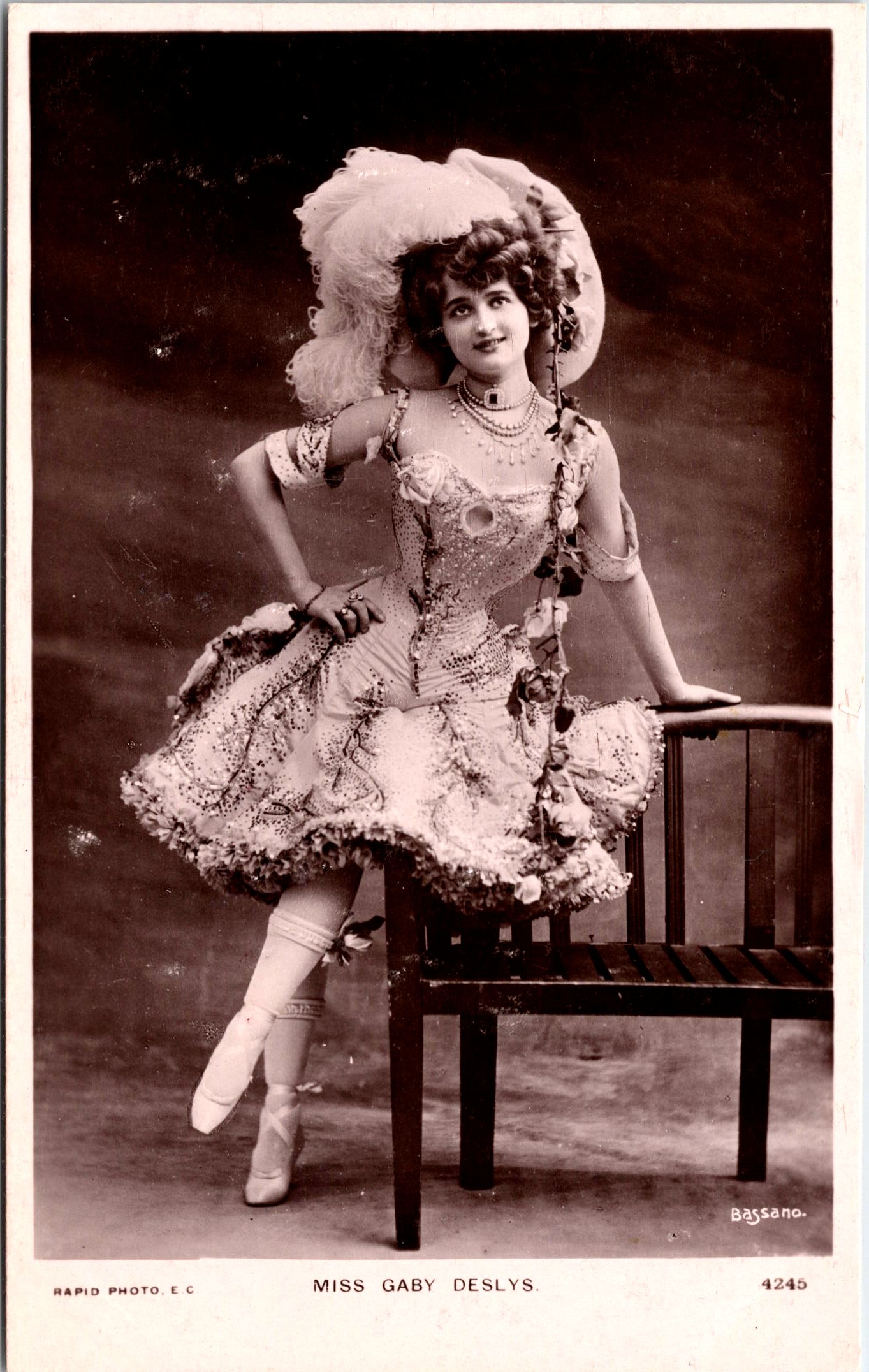
Postcard 4 was published by Rapid Photo of Great Britain as part of a series (no.4245). The company was active between 1901 and 1910. The firm specialized in taking theatrical portraits and was located in London. This postcard portrait was taken by the Bassano studio. SOLD
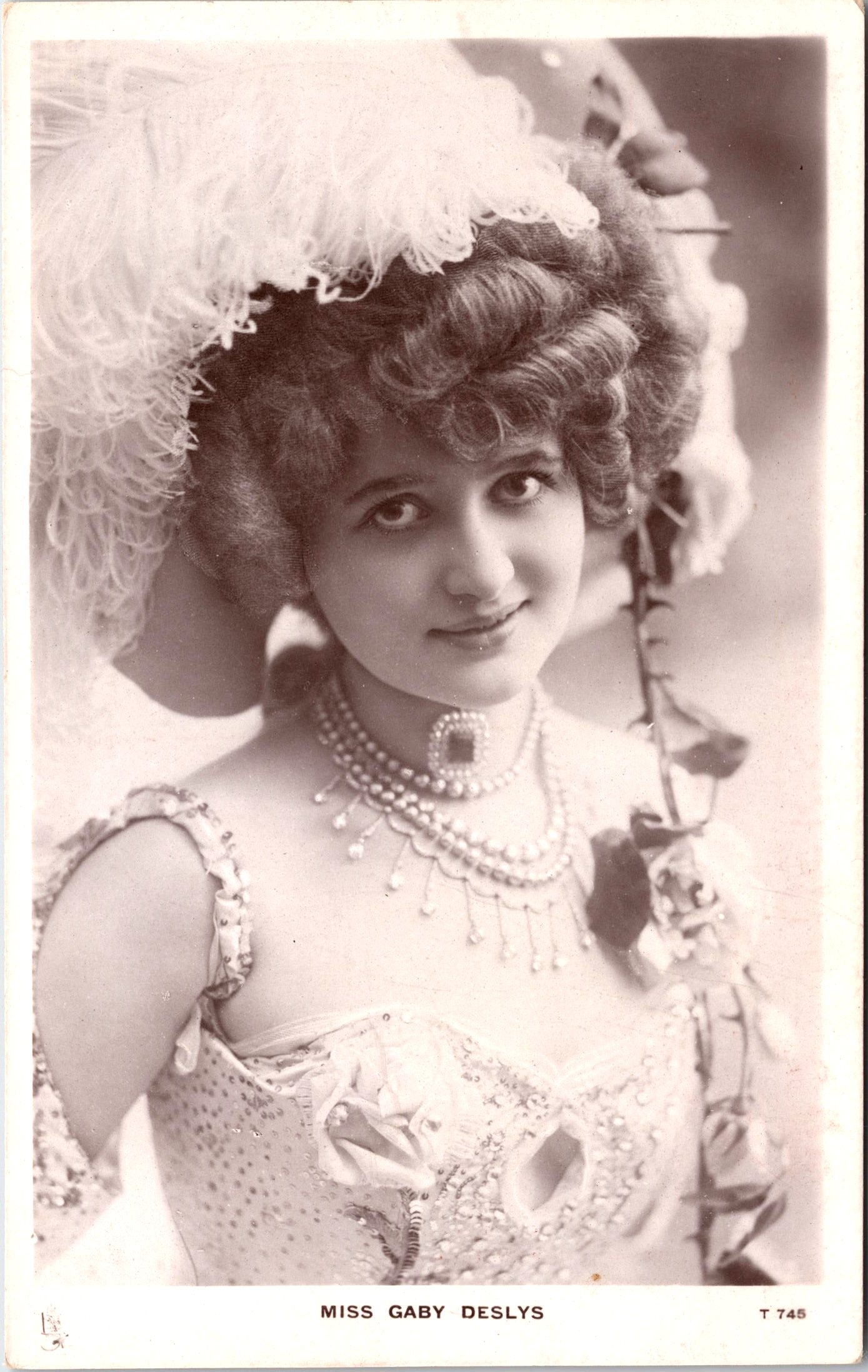
Postcard 5 was published by Raphael Tuck & Sons of Great Britain as part of the Celebrities of the Stage series (no.T745). The company produced a variety of postcards including an extensive catalog of celebrity (stage and screen) portrait postcards. The firm began publishing this Deslys postcard in 1903. Miss Deslys was photographed by Dover Street Studio for the portrait seen on this postcard. (SOLD)
Postcard 6 was published by J. Beagles of Great Britain as part of a series (no.70H). This real photo postcard is uncommon. This risque vintage real photo postcard features Deslys wearing a provocative costume for her time. She is flashing an infectious smile. Note her corset assisted wasp thin waist.
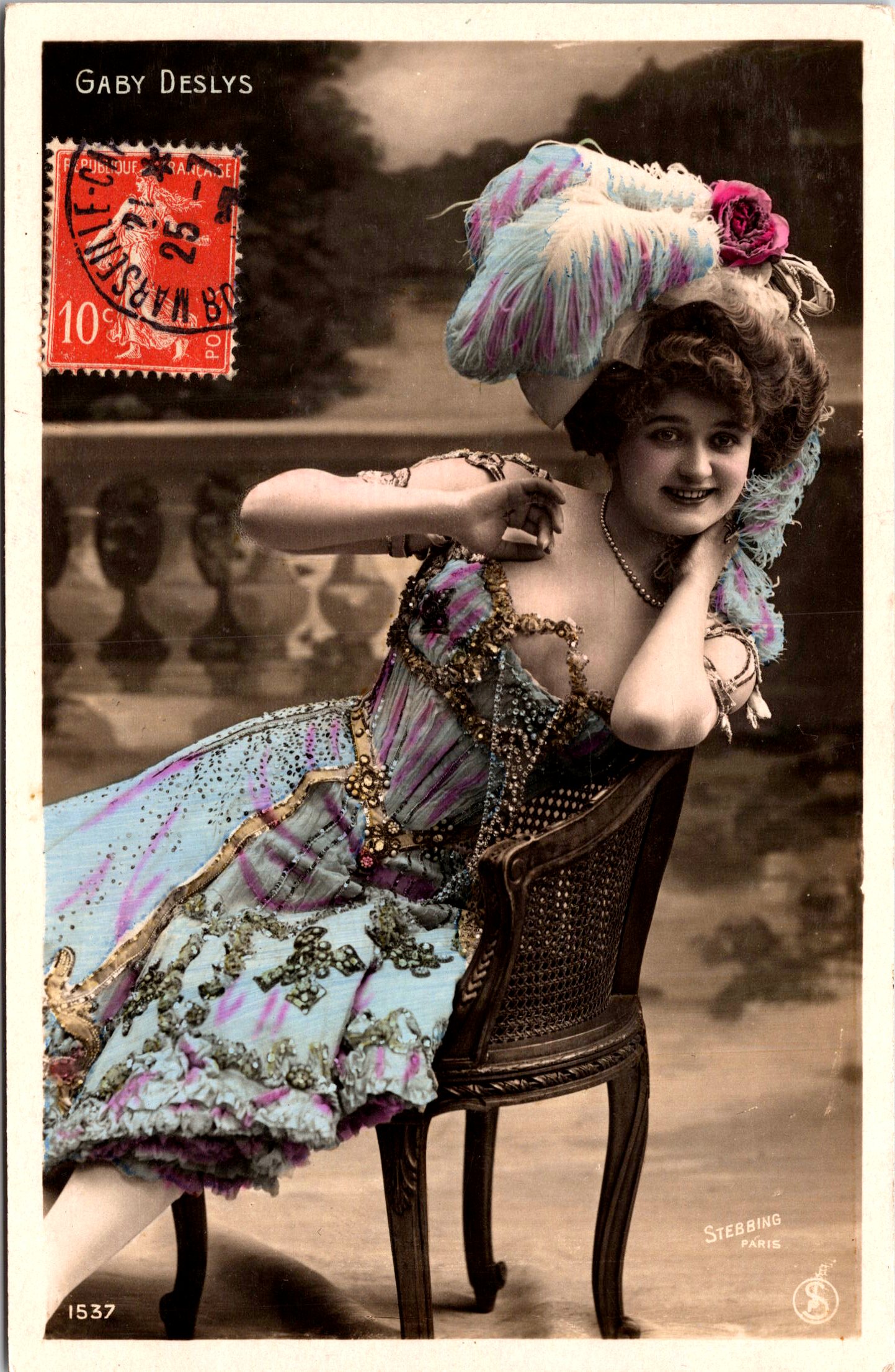
Postcard 7 was published by Societe Industrielle de Photograpie (SIP) of Rueil, France, and is part of a series (no.1537).The photographer was Edouard Stebbing who was active in Paris between 1890 and 1910. Stebbing taught at a University in Paris and invented the stebbing camera, and was known for his work with emulsions. It is reported that he was friends with the artist Monet. He died in 1914 and his wife (Celestine) died five years earlier. Stebbing was a prolific photographer during the Belle Epoque Paris. He appears to have been an expatriate from England. He published many articles in British Photographic journals. Stebbing photographed many theatrical stars. This real photo postcard is uncommon. (SOLD)
Postcard 8 is an uncommon vintage real photo postcard. It was published by Davidson Brothers of Great Britain. Davidson Brothers was located in both London and New York City. The firm operated between 1901 and 1911. (SOLD)
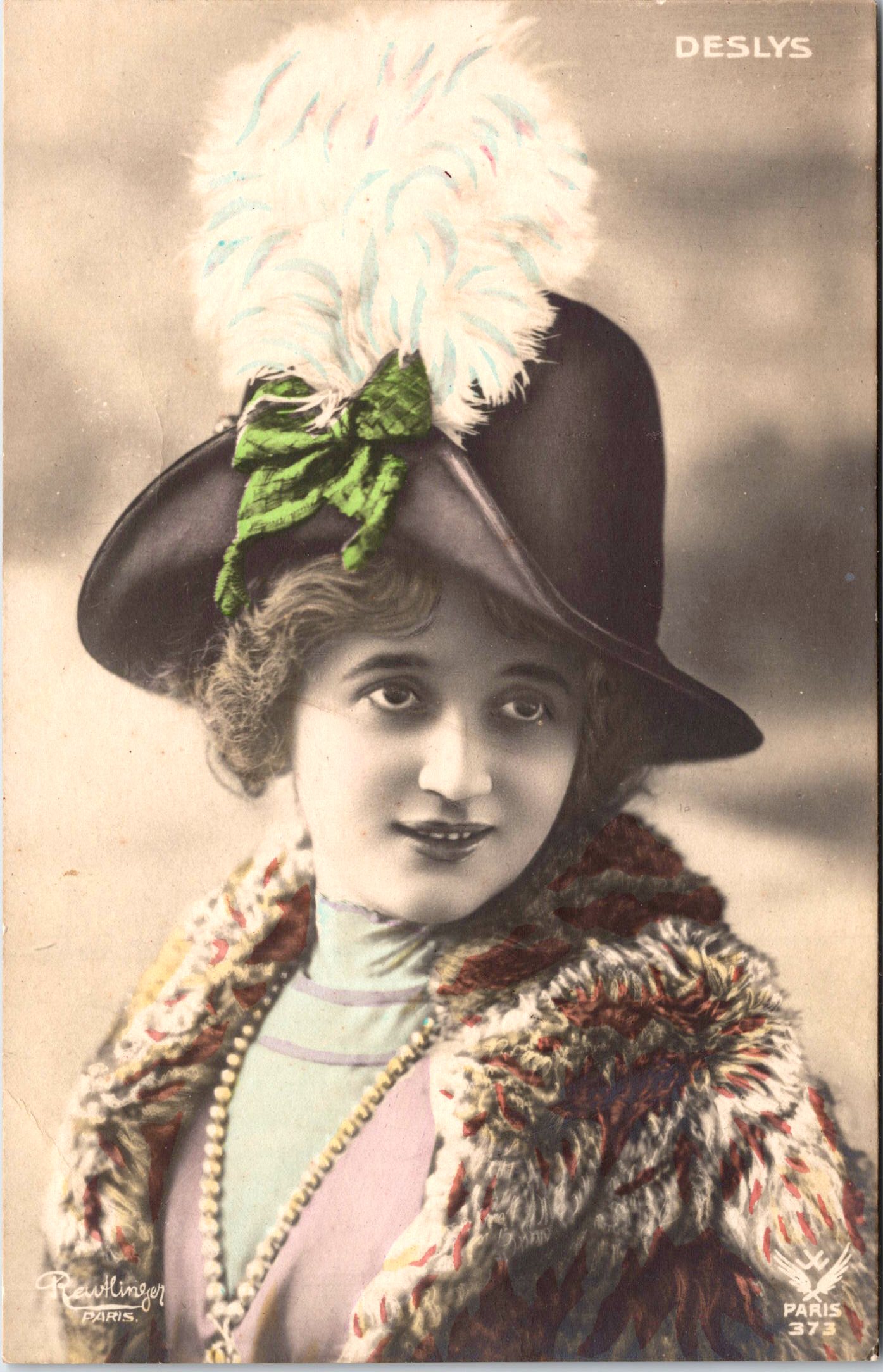
Postcard 9 has a portrait taken by esteemed celebrity photographer, Leopold Reutlinger. This real photo postcard is very uncommon. Gaby Deslys was certainly a beautiful and talented performer. (SOLD)
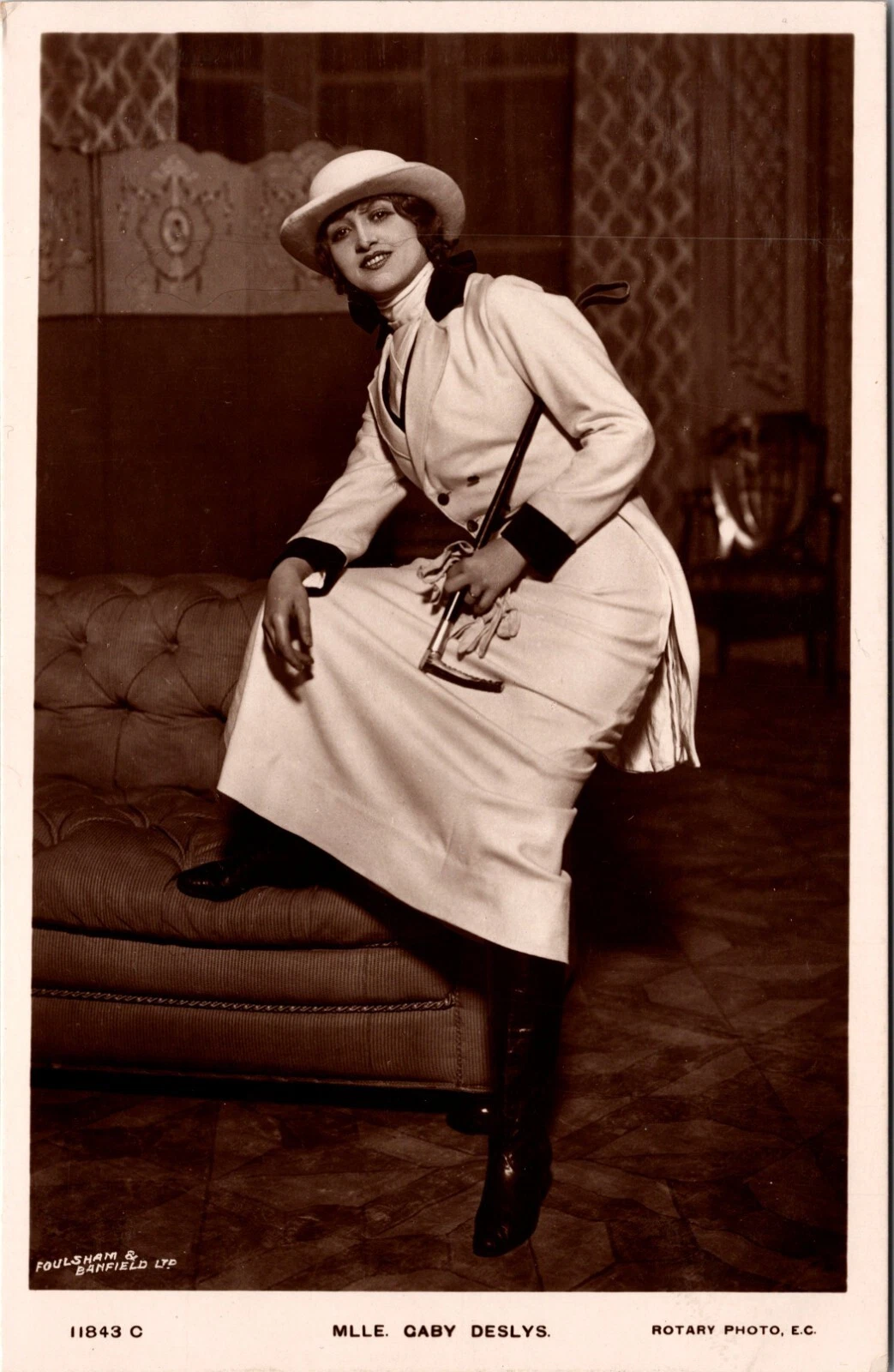
Postcard 10 is not at all common. It was published by Rotary Photo of Great Britain as part of a series (no.11843 C). This postcard portrait was taken by the Foulsham & Banfield studio. SOLD
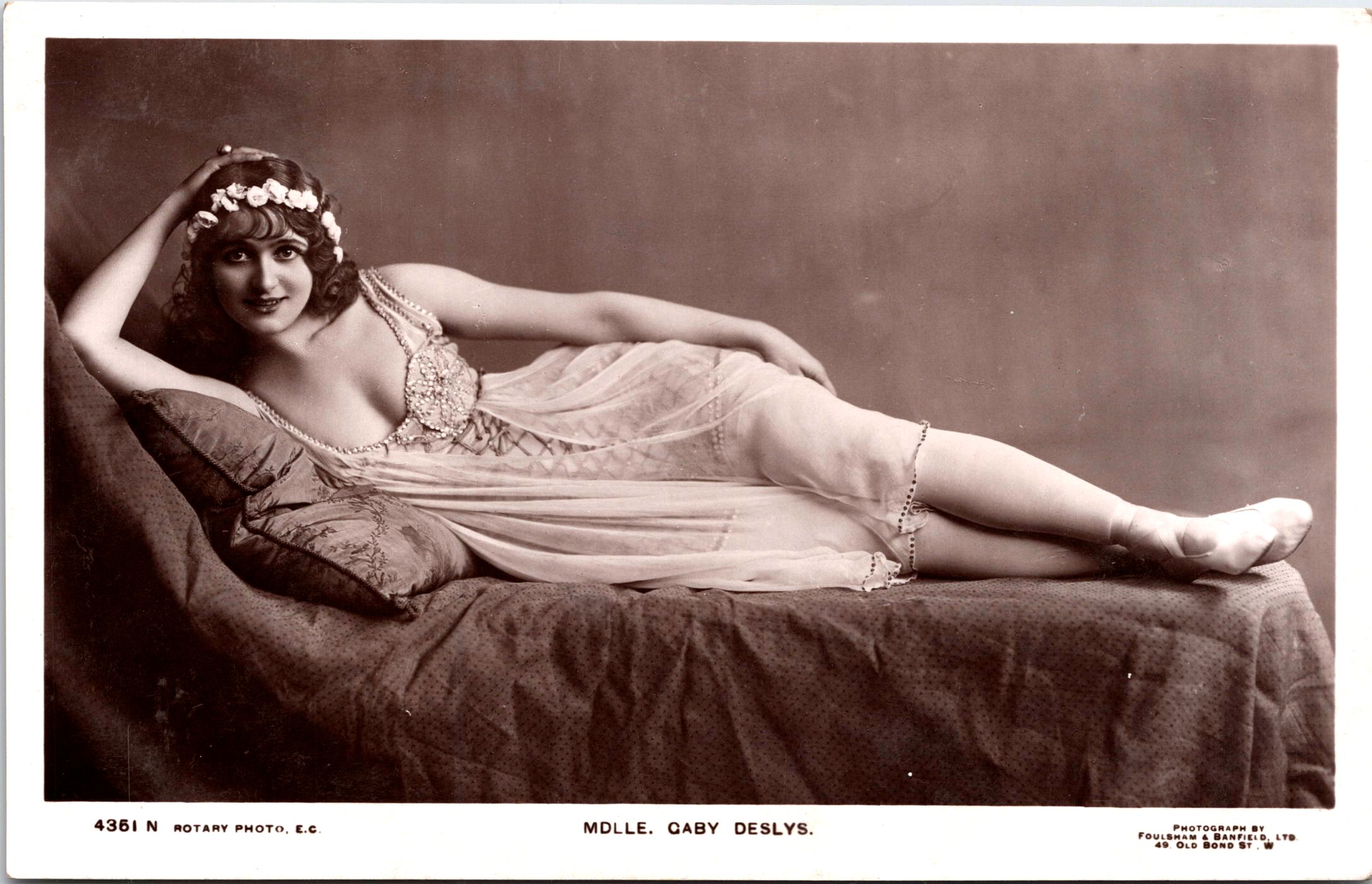
Postcard 11 captures Deslys in a pose that blends theatrical glamour with unabashed sensuality. Reclining languidly on a divan, Deslys gazes directly into the camera with a confident, coquettish smile. Her expression, both inviting and self-assured, evokes the knowing charm that made her a sensation on both sides of the Atlantic. She is dressed in a diaphanous, low-cut gown adorned with delicate lace and sparkling embellishments. The sheer fabric reveals the contours of her form beneath, and the bodice dips dramatically to showcase her décolletage. A garter peeks out from beneath the hem of her dress, holding up one of her stockings—a provocative detail that contributes to the postcard’s risqué nature. At a time when societal norms placed great emphasis on modesty, such a revealing pose and costume would have been seen as daring, bordering on scandalous. Her hair is crowned with a wreath of artificial flowers, emphasizing both her stage persona and the romanticized ideal of feminine beauty in the Belle Époque. Every detail of this image—from the suggestive pose to the luxurious styling—speaks to Deslys’ identity as a performer who captivated audiences not just with her talent, but also with her bold charisma and sex appeal. The card is numbered 4361 N and was published by Rotary Photo, E.C., a major British publisher known for high-quality celebrity postcards. The photograph itself was taken by Foulsham & Banfield, Ltd., a prominent London studio located at 49 Old Bond St. W, famed for its theatrical portraits.
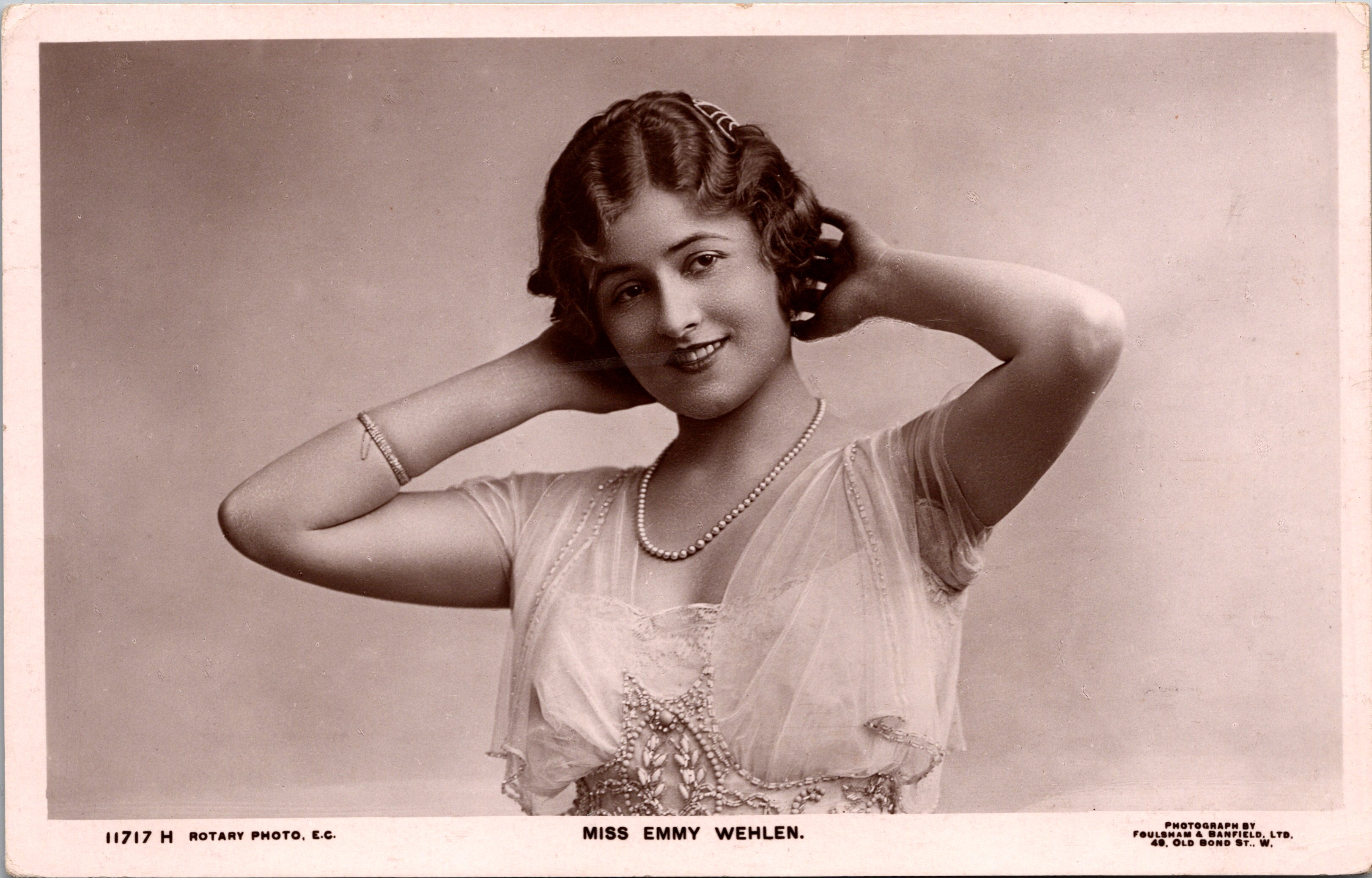
Postcard 1 features German actress, Emily “Emmy” Wehlen (1887-1977). She was a Edwardian musical comedy and silent film actress. She retired from acting at a young age (early 30’s), Wehlen received her musical training at the Mannheim Conservatory. She then joined the Thalia-Theatre and performed in musical comedies in several German cities. She was then invited to London and was considered as a possible successor to Lily Elsie. Wehlen played the lead role in “The Merry Widow” (1909). Later that year she appeared in the hit musical “The Dollar Princess” which ran for 428 performances. Next stop was New York, where she appeared in four Broadway plays between 1911 and 1915. Shortly after her last Broadway appearance, Wehlen left the stage and pursued a film career. She appeared in over twenty films between 1915 and 1920. “Everybody’s Magazine (1911) reported that Wehlen was very pretty and very graceful. Her acting and voice were also praised. In addition, the article stated that “she has the indescribable charm of personality” and that audiences liked her and wanted her to never leave the stage during a production. Miss Wehlen’s photograph on this postcard was taken by celebrity studio, Foulsham & Banfield. The card was published by Rotary Photo as part of a series (no.11717H).
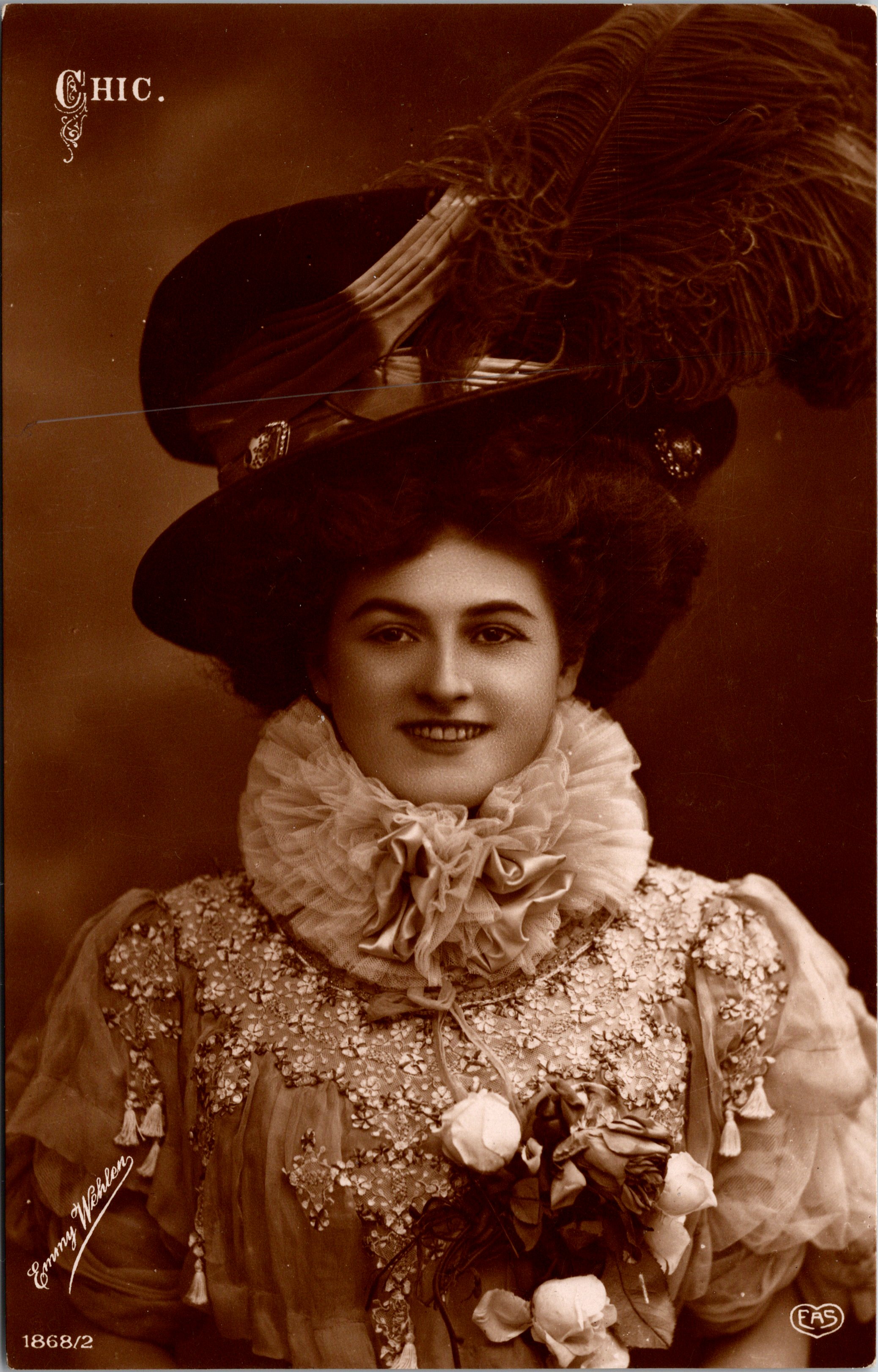
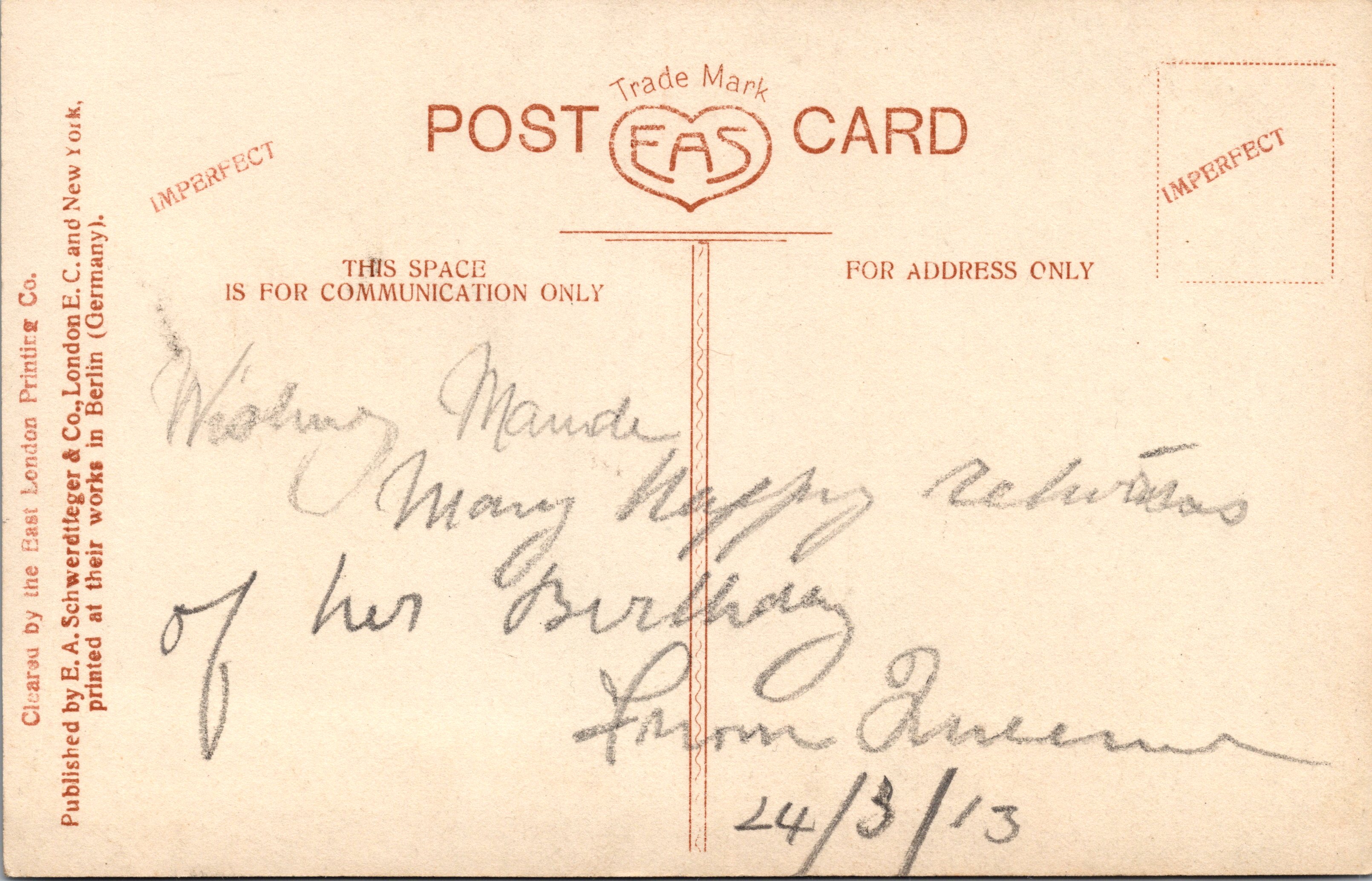
In Postcard 2, Wehlen is beautifully dressed for the portrait appearing on the postcard. She looks a bit clownish with her ruffled collar. There are flowers pinned to the front of her dress and she is wearing a jumbo feathered hat. She has a beautiful smile. The card was published by EAS as part of a series (no.1868/2). The firm was located in London and New York. The postcard was printed in Germany. Interestingly, the word “imperfect” is printed in two places on the front of the card. The word “chic” appears in the upper right hand corner of the image. Emmy Wehlen fits the bill. She is truly chic. The message on the postcard indicates that it was written in 1913. (SOLD)
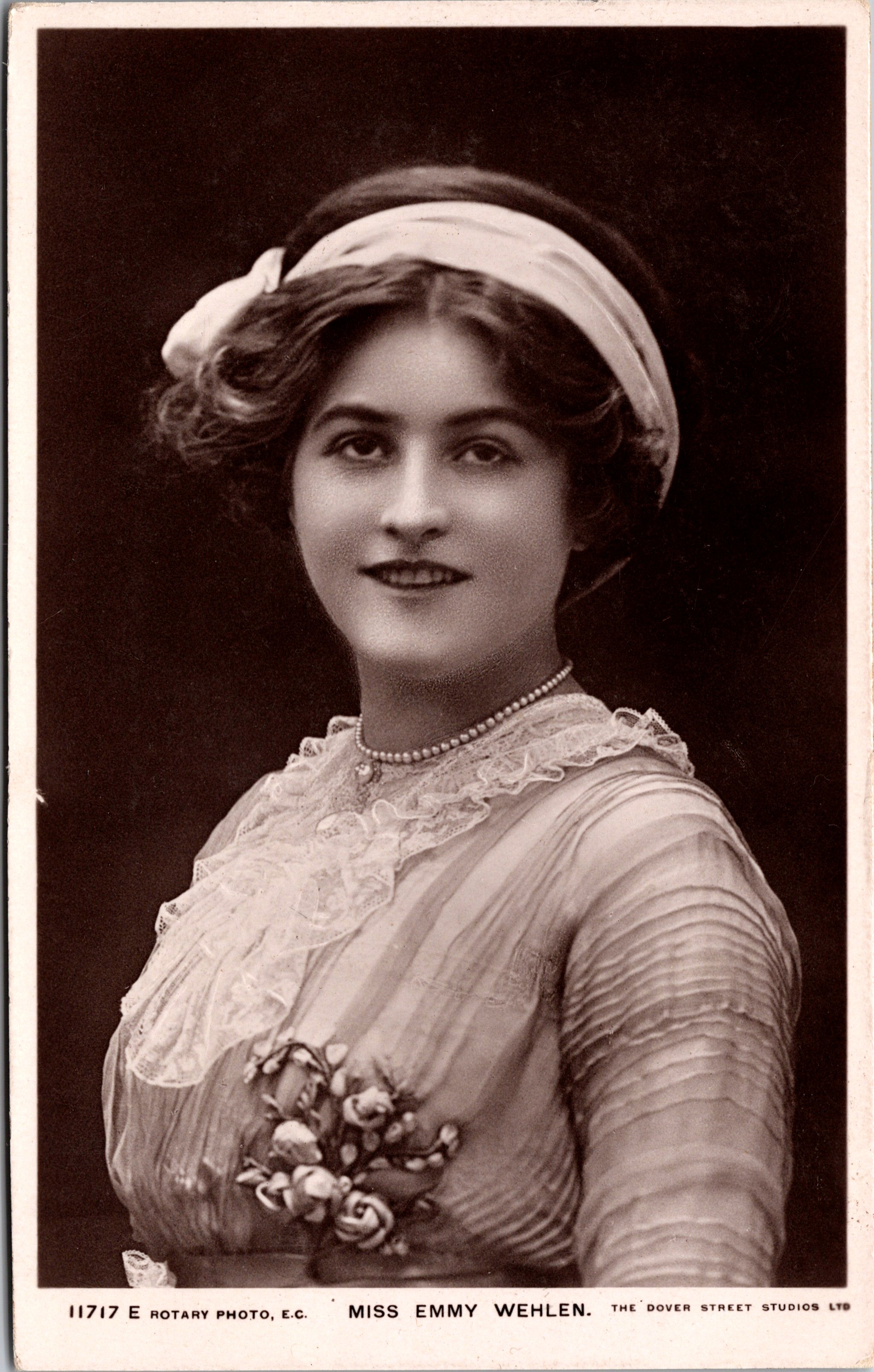
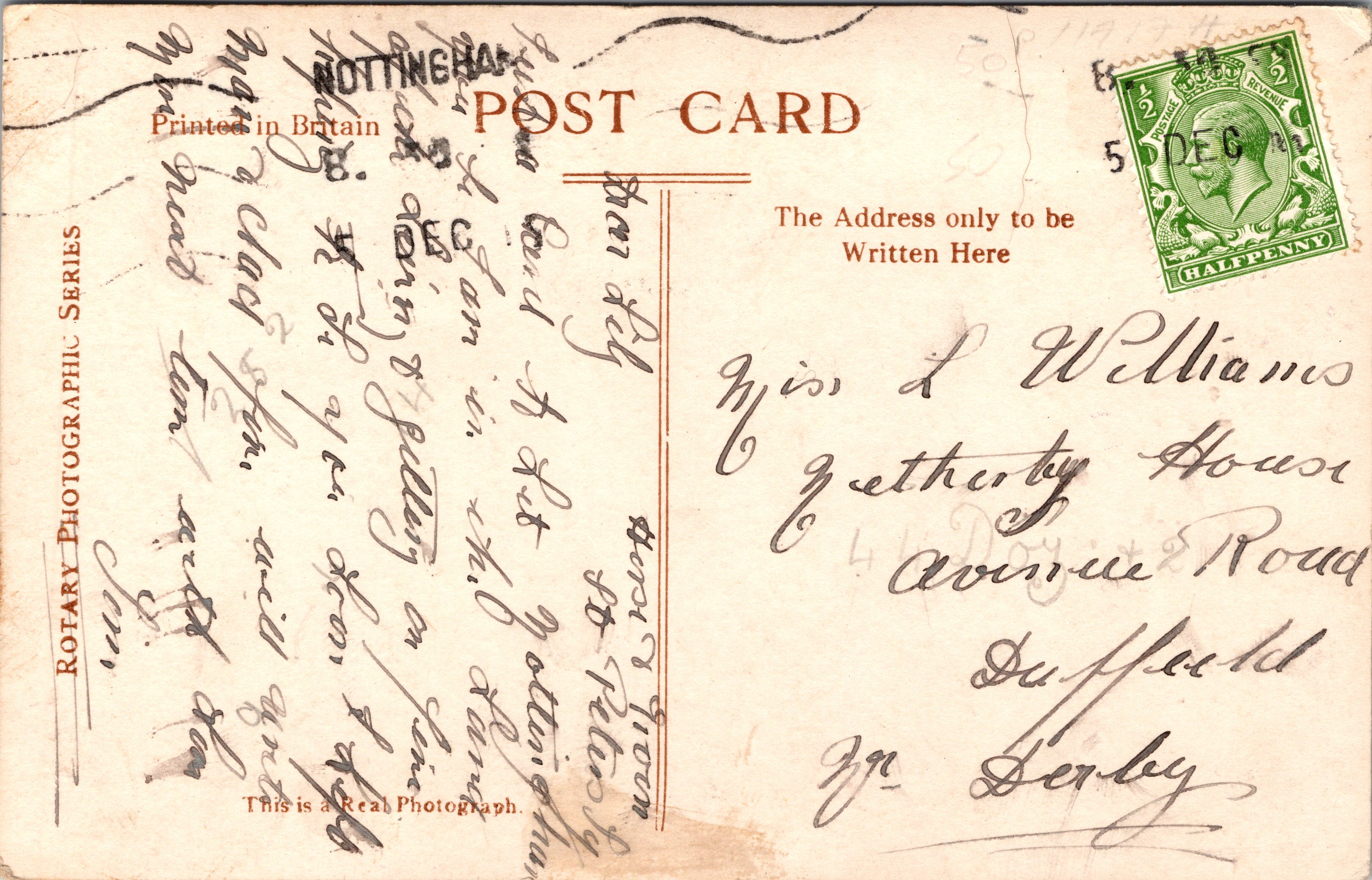
Postcard 3 features Miss Wehlen’s photograph taken by celebrity studio, Dover Street Studios. The card was published by Rotary Photo as part of a series (no.11717E). The message on the card indicates that the sender hoped that this photo postcard was meant to be an addition to the recipient’s postcard collection. (SOLD)
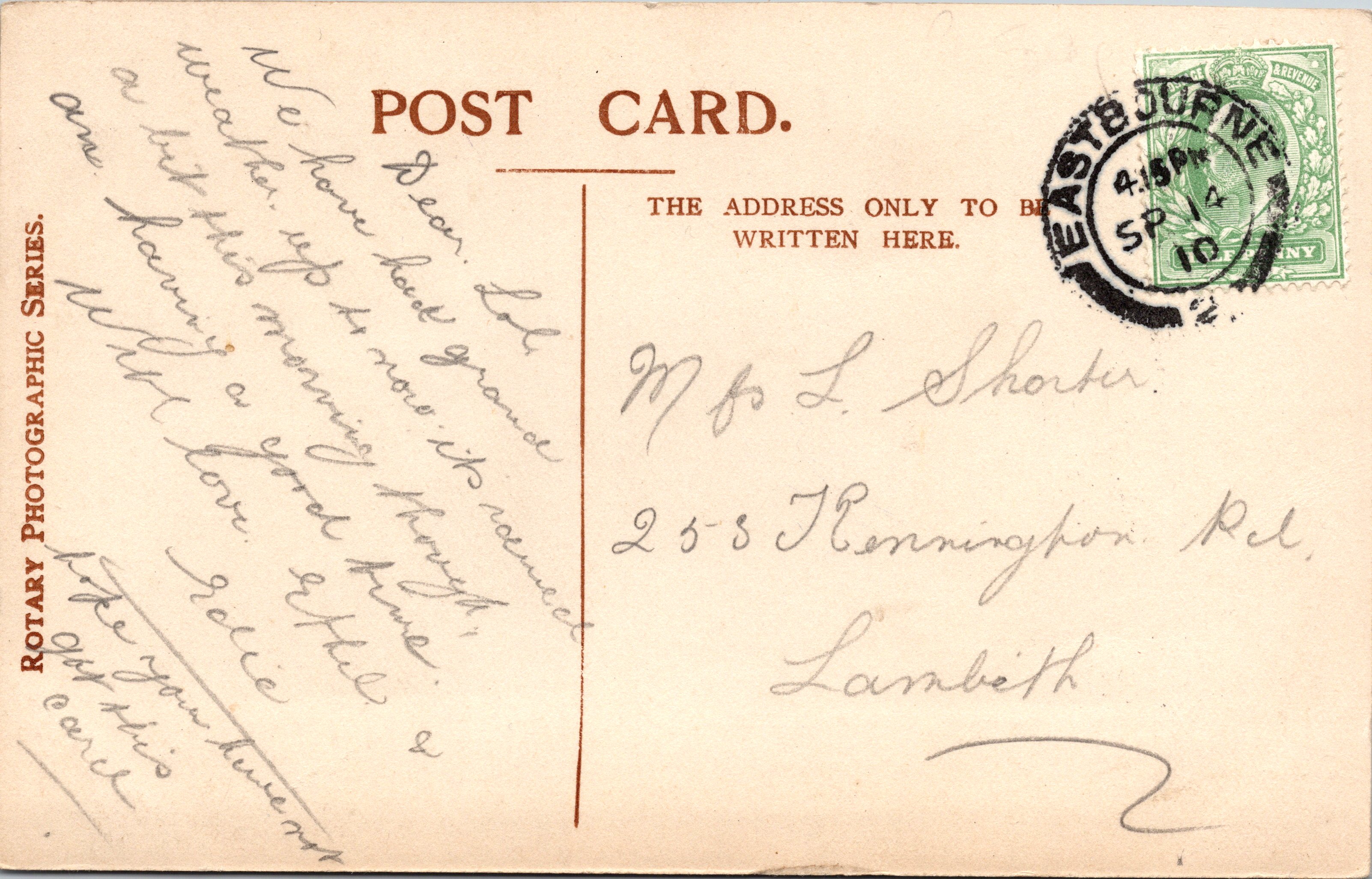
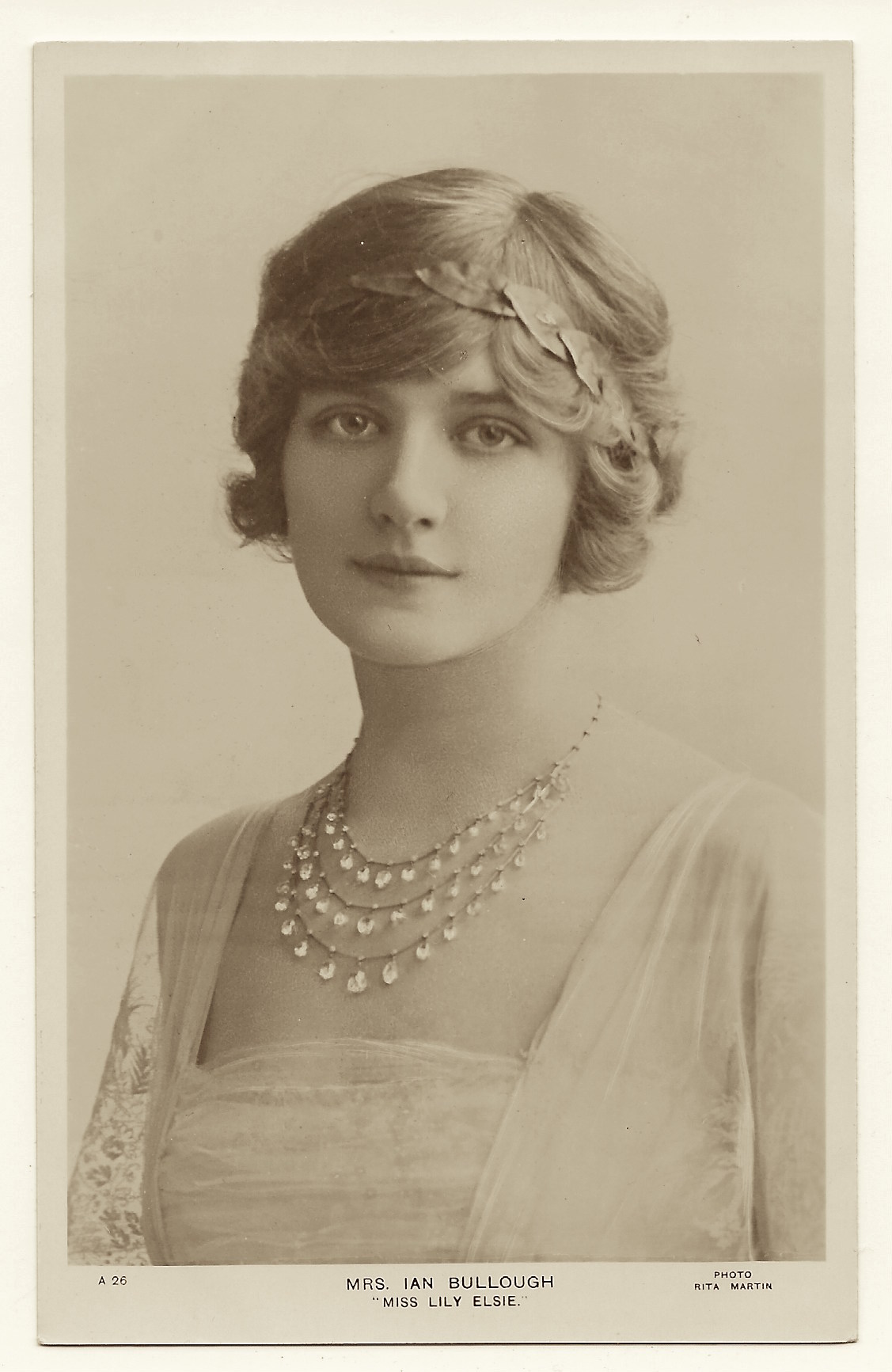
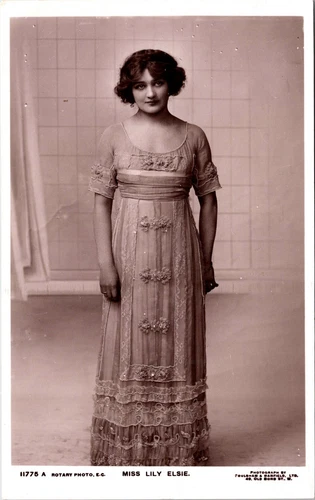
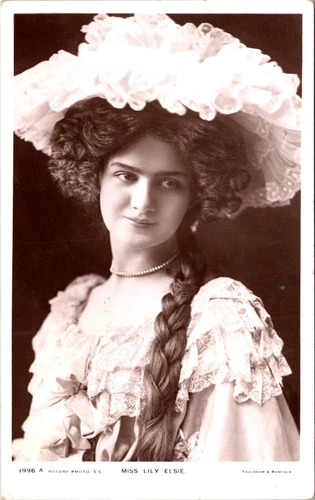
Postcard 1 features celebrated stage actress Miss Lily Elsie (1886-1962). At the time of her portrait sitting for this image, Miss Elsie was also known as “Mrs. Ian Bullugh”. More about that later. Lily Elsie was a very popular English actress and singer. She was most known for her starring role in the London production of “The Merry Widow (1907)”. The show ran for 778 performances. A critic for The Pelican (1907) wrote that “the youthfulness, the dainty charm and grace, the prettiness and the exquisite dancing with which Miss Elsie invests the part…. I share the opinion of most of the first-nighters, who considered it could not have been in better hands, and could not have been better handled…. The night was a genuine triumph for Miss Elsie, and she well deserved all the calls she received”. She began as a child actress and before her big break had appeared in a number of Edwardian musical comedies. She was charming and beautiful and became one of the most photographed actresses of her time. Lily Elsie’s dad was a theater worker and her aunt was well known actress Ada Reeve. Shortly after the turn of the century she joined George Edwardes’ company at the Daly Theater. Some of her early appearances included “A Chinese Honeymoon”, “Lady Madcap”, “The Little Michus (1905)”. In the years between 1900 and 1906 she appeared in 14 shows. After the “Merry Widow” she appeared in 26 more shows including “The Dollar Princess” (1909) and “A Waltz Dream” (1911). She clearly was an actress who was in demand. Men paid her much attention but apparently she did not enjoy the attention. Lucile, her costume designer for “The Merry Widow” stated that Elsie was “absolutely indifferent to men and had once said that she disliked “the male character”. She added that men would only behave well if a woman “treated them coldly”. Now, some words about her marriage. In 1911 she he left the cast of a play in which she was performing to marry Major John Ian Bullough (1885–1936). Major Bullough was the son of a wealthy textile manufacturer. He was formerly married to actress Maude Darrell who only survived one year after their 1909 marriage. The marriage between Elsie and Bullough was reported to be very unhappy. Elsie’s health began to deteriorate and her husband pressured her to quit the stage and she was ready to do so. She returned to the stage during the war years (World War I) and was active in fund raising for the war effort. She next took a ten year break from the stage only to return once again. Her final performance took place in the Daly Theater in the play “The Truth Game” (1929). In addition to her theater career, Elsie made recordings, and appeared in two films, including D. W. Griffith’s “The Great Love” (1918). Also appearing in that film was Lillian Gish. In 1930 Elsie’s marriage ended in divorce. Her health began to deteriorate more and she developed hypochondriasis causing her to spend much time in nursing homes and sanitariums. Due to her psychological problems she had brain surgery. Her final years were spent at St. Andrews hospital in London. This postcard is part of a series (Arcadian no. A 26). The photographer of this image of this beautiful actress is the well known celebrity photographer, Rita Martin. She was considered one of the best British photographers of her time. She opened her studio in 1906. Martin’s sister, Lallie Charles was an esteemed society photographer. Many of Rita’s photographs can be found in the National Portrait Gallery. To view more photographs by Rita Martin in the cabinet card gallery, click on the category “Photographer: Martin”.
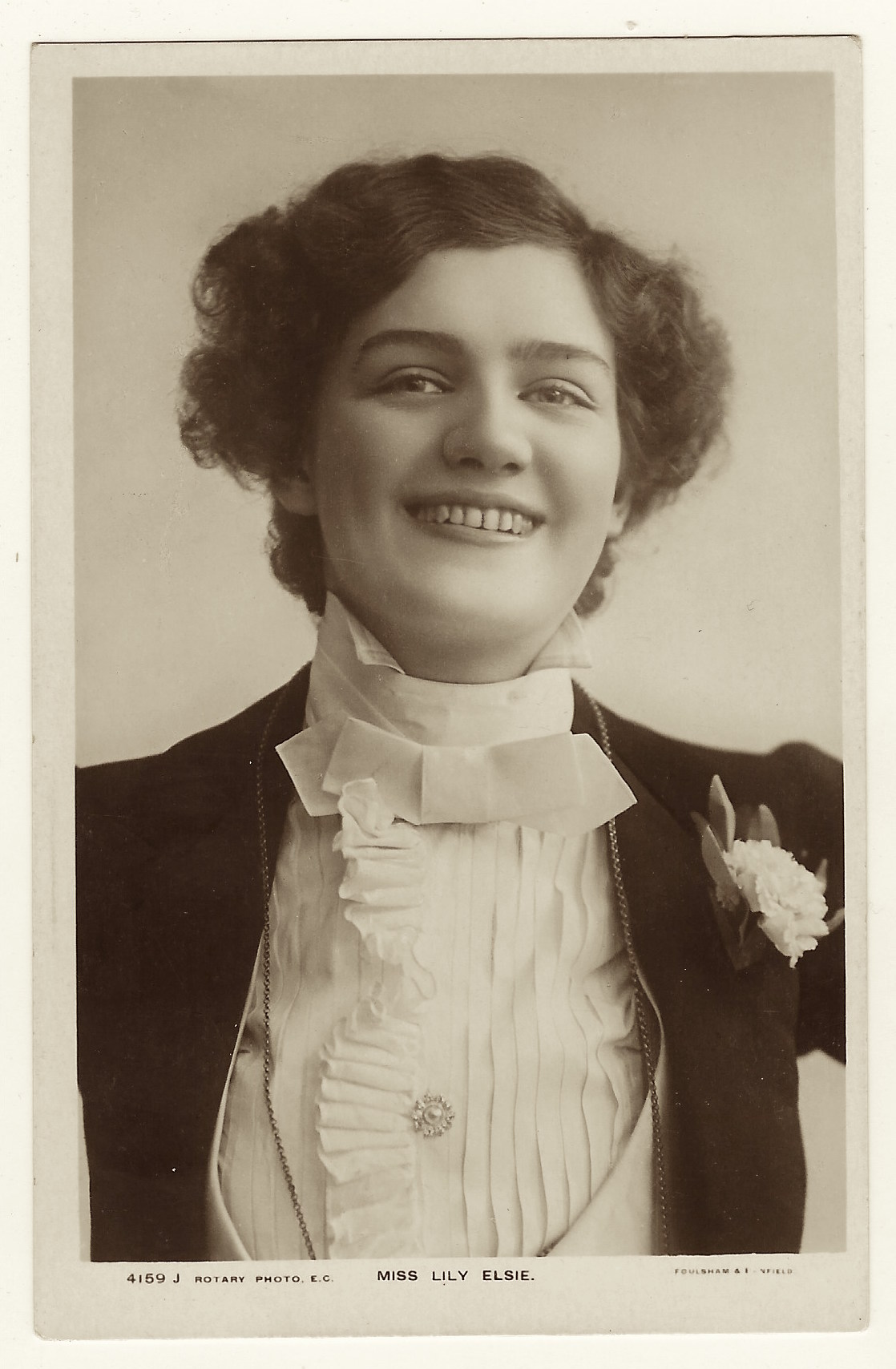
The second postcard of Miss Elsie provides a terrific close-up photograph of the beautiful Miss Elsie. She is wearing a dark jacket, a frilly high collared blouse and a ribbon bow tie. Her accessories include a long necklace, a pin low on her blouse, and a corsage. The postcard is part of the Rotary Photographic Series (no. 4159 J) published by Rotary Photo. The photograph was taken by the Foulsham & Banfield Studio. Foulsham & Banfield were well known celebrity photographers. Frank Foulsham and A. C. Banfield operated a studio in the 1900’s through the 1920’s.
The third postcard features Lily Elsie clutching a bouquet of flowers and glancing sideways at the photographer. She looks absolutely beautiful. She is wearing a fancy beaded dress and a bracelet. She stands in front of a window. This photograph, like the second postcard’s photo, was taken by the Foulsham & Banfield studio. The portrait postcard was published by Rotary Photo and is part of a series (11840 F). The postcard was printed in Britain.
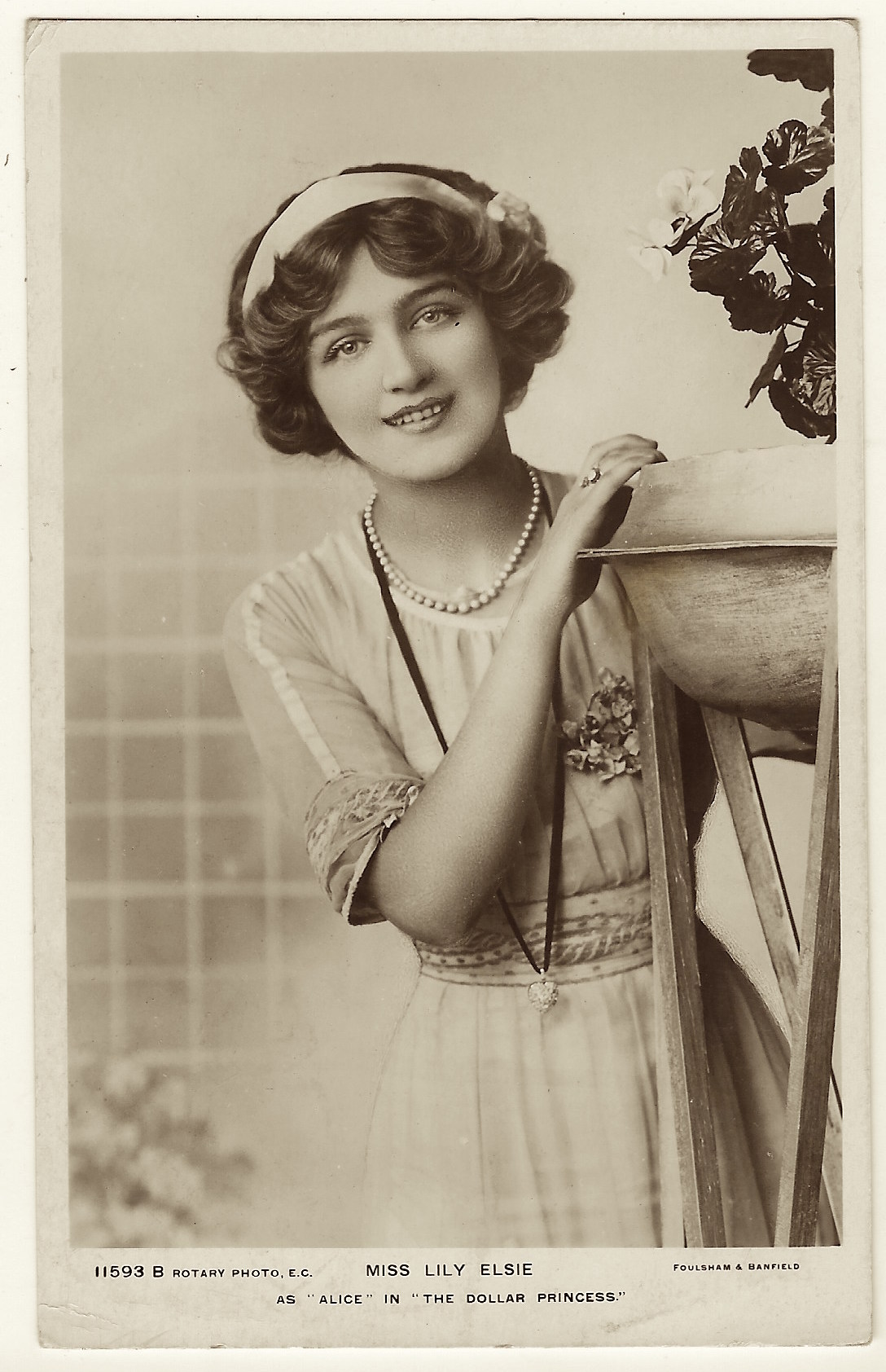
The fourth postcard is a portrait of a smiling Lily Elsie. She is wearing a flower, beads (pearls?), and a hairband. This photograph was taken by the Foulsham & Banfield studio. The portrait postcard was published by Rotary Photo and is part of a series (11593 B). This postcard captures Miss Elsie in her role as Alice in “The Dollar Princess” (1909). The venue for the play was Daly’s Theater in London and cast members included Joseph Coyne, Gabrielle Ray, Emmy Wehlen, and Gladys Cooper. (SOLD)
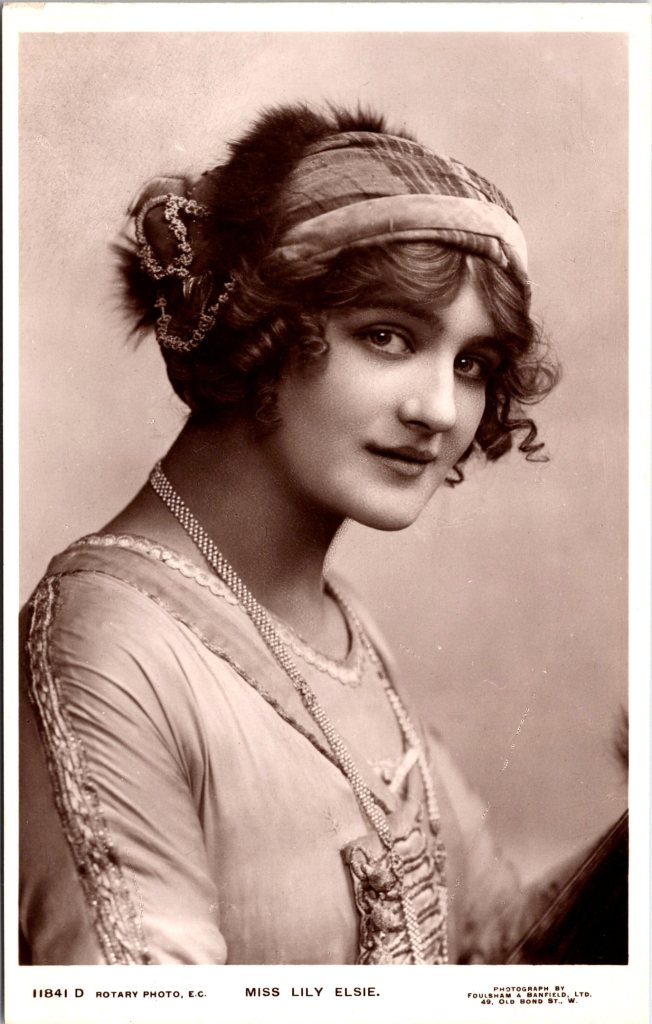
Postcard 5 is a portrait postcard of Miss Elsie that provides a terrific close-up photograph of the stage beauty. The postcard is part of the Rotary Photographic Series (no.11841D) published by Rotary Photo. The photograph was taken by the Foulsham & Banfield Studio. Foulsham & Banfield were well known celebrity photographers. Frank Foulsham and A. C. Banfield operated a studio in the 1900’s through the 1920’s. (SOLD)
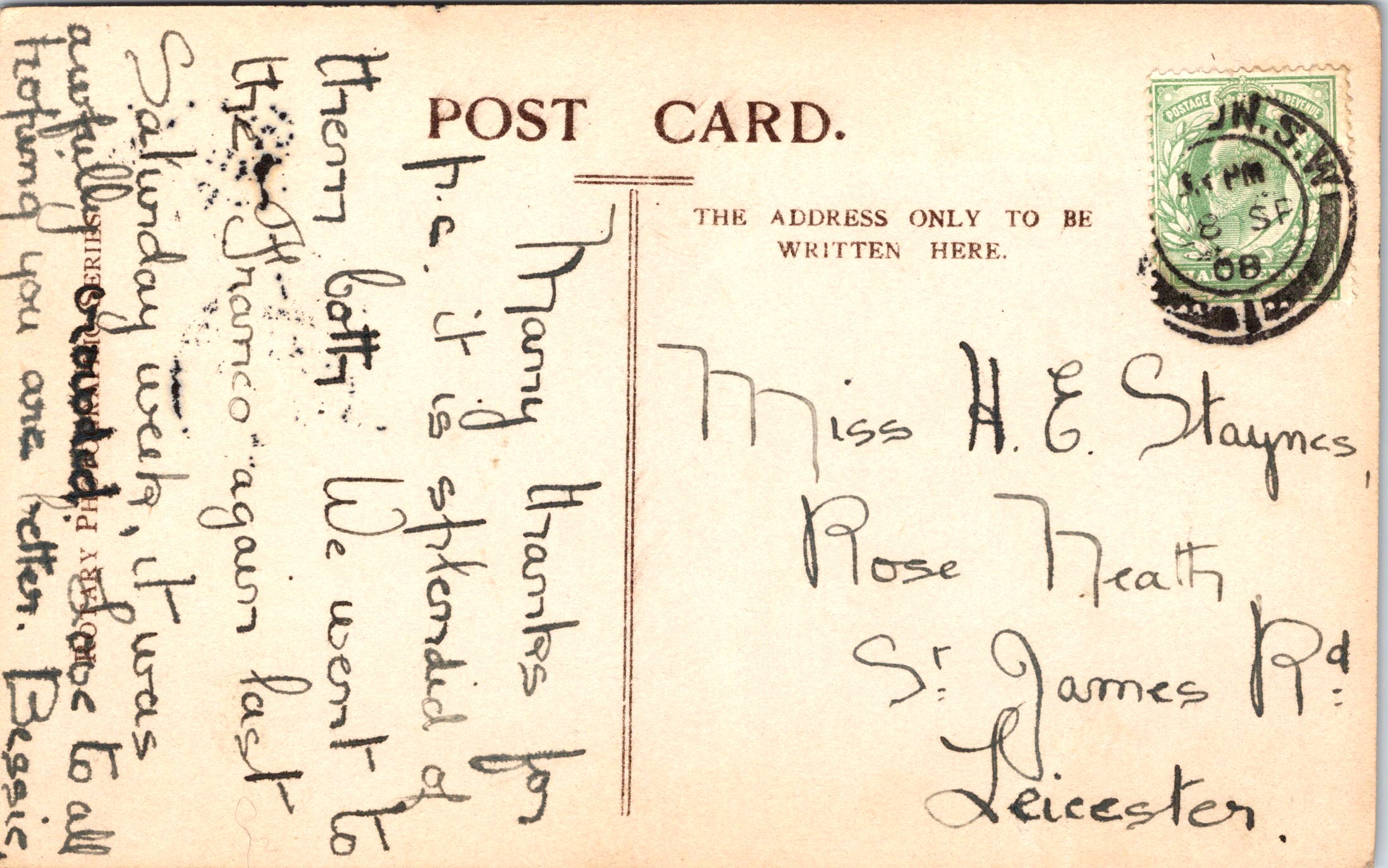
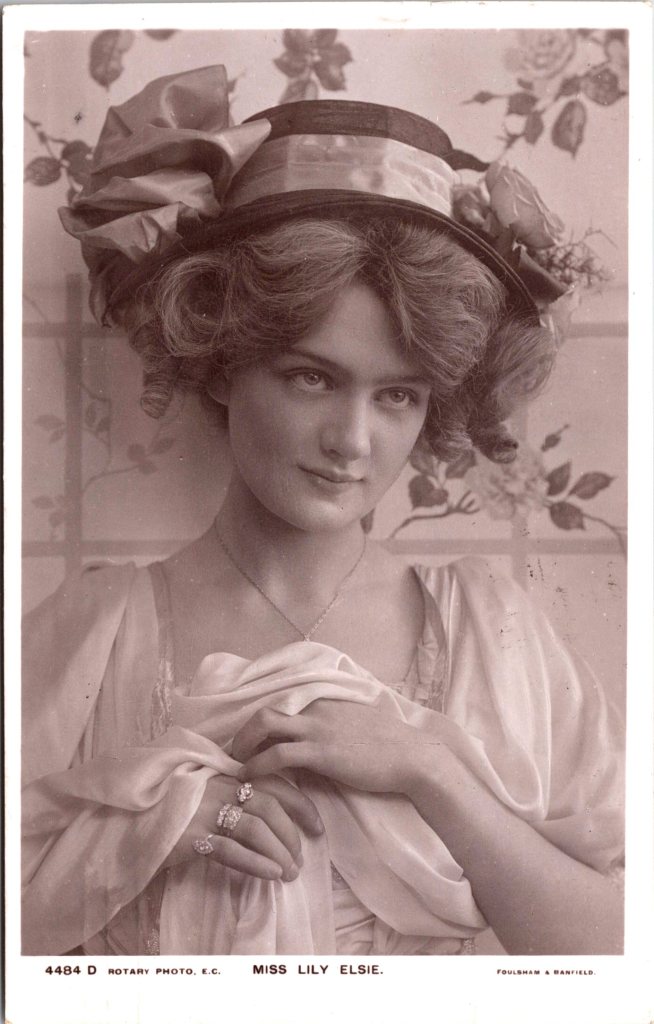
Postcard 6 was published by Rotary Photo and is part of a series (4484D). The photographer of this image of this beautiful actress are the well known celebrity photographers, Foulsham & Banfield. The card was postmarked in 1907. (SOLD)
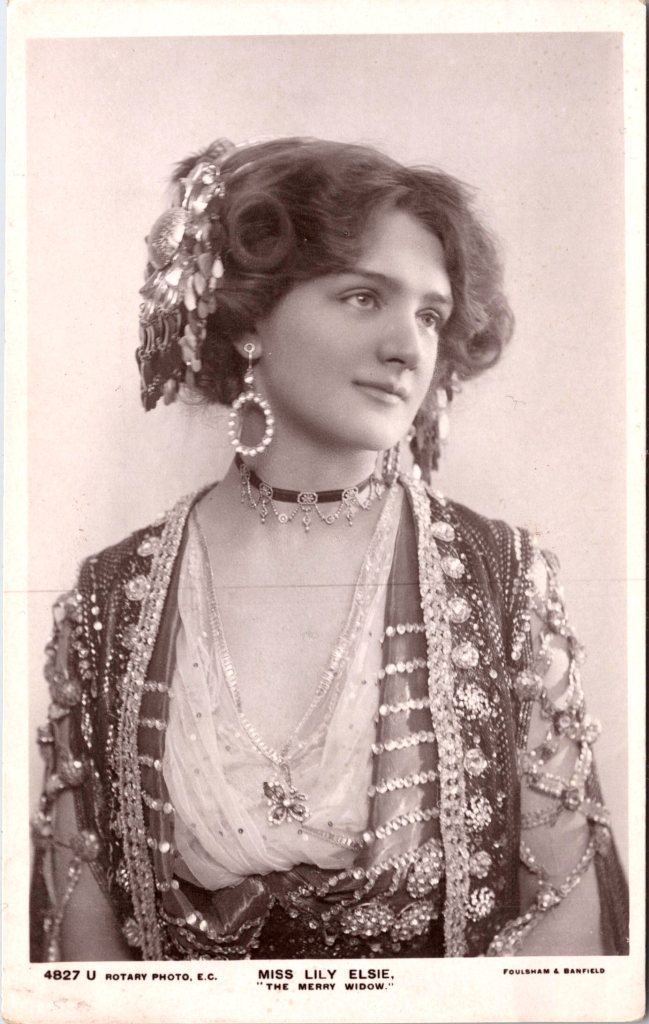
Postcard 7 is a vintage real photo postcard featuring celebrated stage actress Miss Lily Elsie (1886-1962) in costume for her role in “The Merry Widow” (1907). This postcard was published by Rotary Photo and is part of a series (4827U). The photographers of this image of this beautiful actress are the well known celebrity photographers, Foulsham & Banfield. The card was postmarked in 1908. (SOLD)
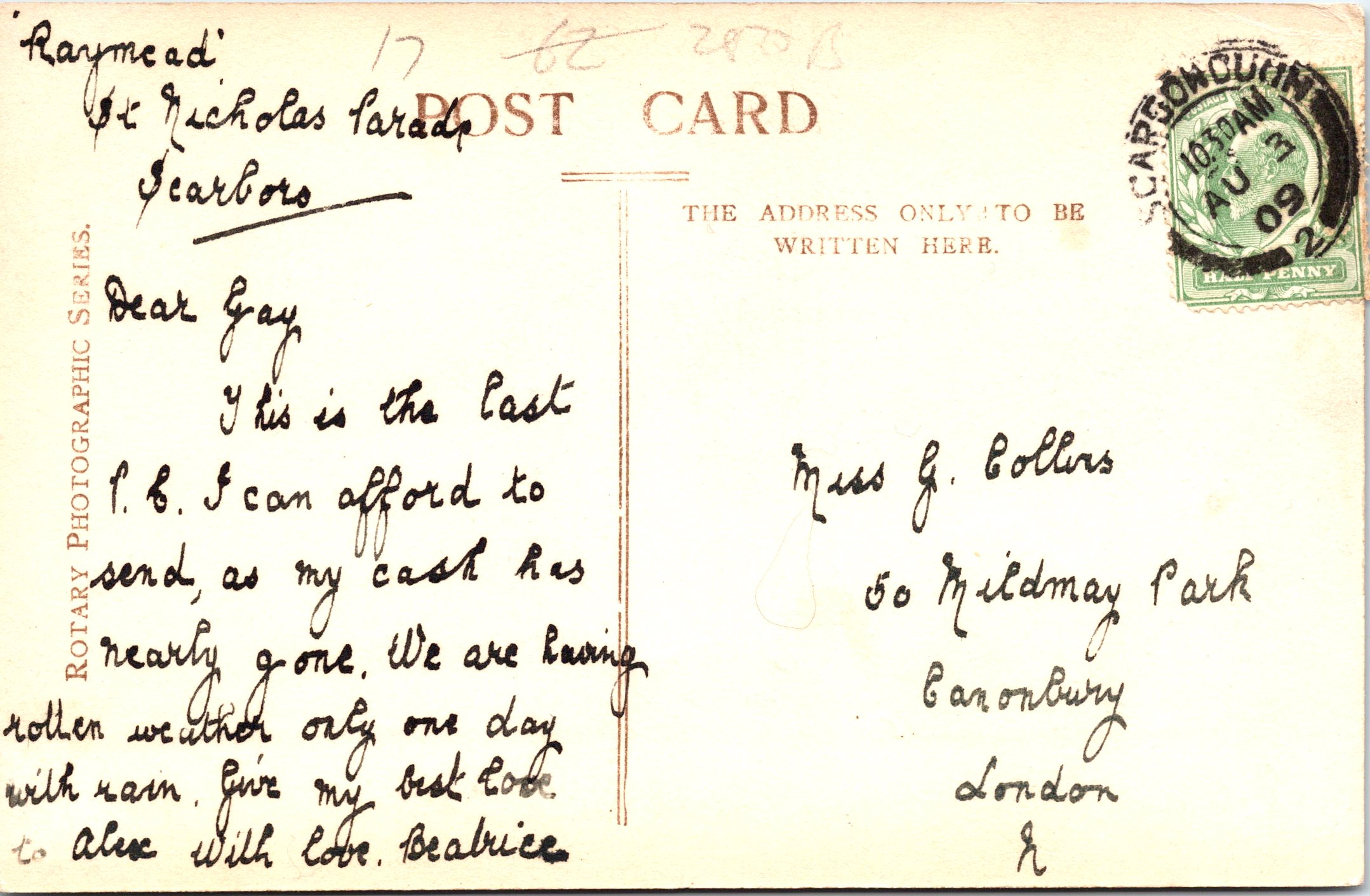
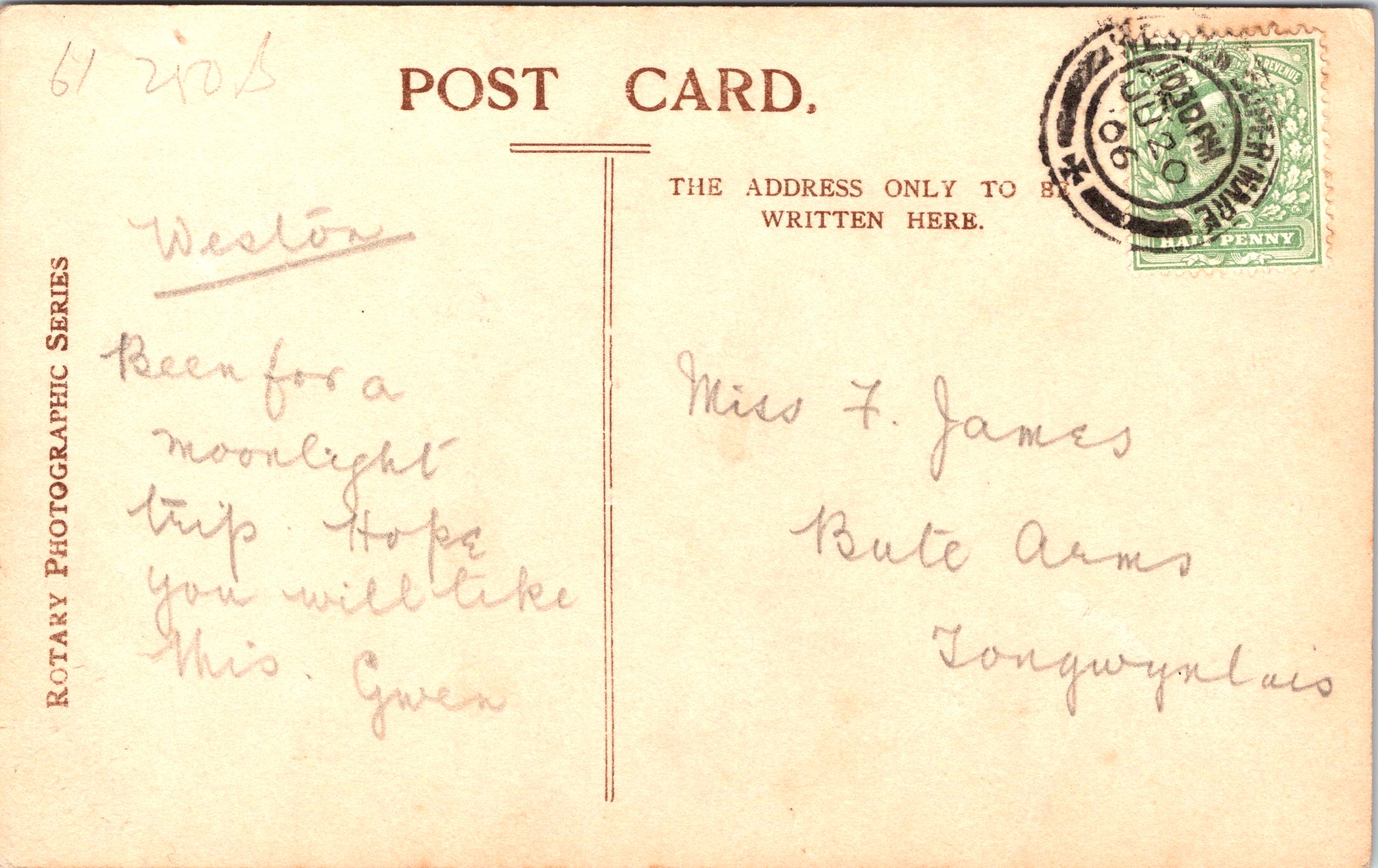
Postcard 8 features celebrated stage actress Miss Lily Elsie (1886-1962) in costume for her role in “The Merry Widow” (1907).This postcard was published by Rotary Photo and is part of a series (4827J). The photographers of this image of this beautiful actress are the well known celebrity photographers, Foulsham & Banfield. The card was postmarked in 1909. This postcard has an interesting message. The writer appears to be having difficult times. She opens the message with the announcement that she can’t afford to send anymore postcards because her “cash is nearly gone”. She also complains about the “rotten weather”. (SOLD)
Postcard 9 was published by Rotary Photo and is part of a series (no.4827S). The card is uncommon. The photographers of this image of this beautiful actress are the well known celebrity photographers, Foulsham & Banfield. (SOLD)
Postcard 10 was published by Rotary Photo and is part of a series (no.4827P). The photographers of this uncommon image of this beautiful actress are the well known celebrity photographers, Foulsham & Banfield. (SOLD)
Postcard 11 was published by Rotary Photo and is part of a series (no.4827V). The photographers of this image of this beautiful actress are the well known celebrity photographers, Foulsham & Banfield. (SOLD)
Postcard 12 This postcard captures Elsie in her role in “The Merry Widow”. The card was published by Rotary Photo and is part of a series (no.4827W). The photographers of this image of this beautiful actress are the well known celebrity photographers, Foulsham & Banfield. (SOLD)
Postcard 13 was published by Rotary Photo and is part of a series (no.4827M). The photographers of this image of this beautiful actress are the well known celebrity photographers, Foulsham & Banfield. The postcard is uncommon. (SOLD)
Postcard 14 was published by C.W.F. & Co. and is part of a series (no.457C). The photographers of this image of this beautiful actress are the well known celebrity photographers, Johnston & Hoffmann. The card was postmarked in 1905. (SOLD)
Postcard 15 was published by J. Beagles & Co. and is part of a series (no.179L). The photographer of this image of this beautiful actress is celebrated female photographer, Rita Martin. (SOLD)
Postcard 16 was published by Rapid Photo and is part of a series (no.1284). The photographer of this image is the Johnston & Hoffmann studio. (SOLD)
Postcard 17 was published by Rotary Photo and is part of a series (no.4124B). The photographers of this image of this beautiful actress are the well known studio of Foulsham & Banfield. The card was postmarked in 1907. (SOLD)
Postcard 18 was published by Philco Publishing and is part of a series (no.3381B). The card was written in 1907. (SOLD)
Postcard 19 was published by Rotary Photo and is part of a series (no.4827N). The photographers of this image of this beautiful actress are the well known celebrity photographers, Foulsham & Banfield. The card was postmarked in 1908. (SOLD)
Postcard 20 was published by Rotary Photo and is part of a series (no.11775A). The photographers of this image of this beautiful actress are the well known studio of Foulsham & Banfield. (SOLD)
Postcard 21 was published by Rotary Photo and is part of a series (no.1996A). The photographers of this image of this beautiful actress are the well known studio of Foulsham & Banfield. The postcard has a 1906 postmark and a British stamp. (SOLD)
Postcard 22 is uncommon and was published by Davidson Brothers and is part of a series (no.1479). The photographer of this image of this beautiful actress is Draycott Galleries . (SOLD)
Postcard 23 was published by J. Beagles and is part of a series (no.127A). The photography studio that took this image of this beautiful actress is Ellis and Walery. (SOLD)
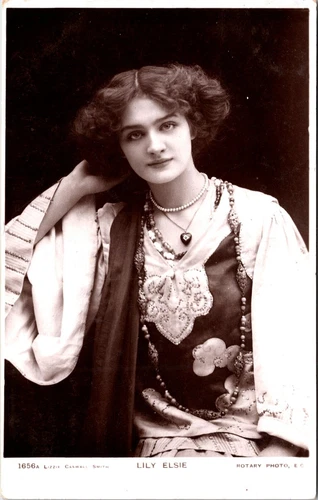
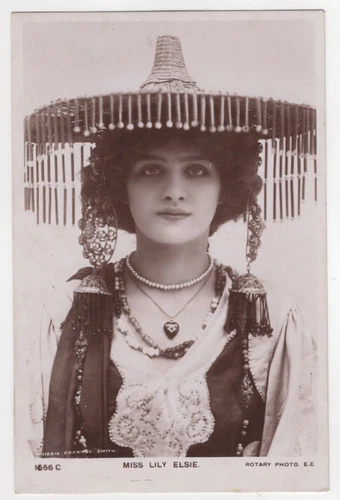
Postcard 24 captures Miss Elsie wearing a fantastic hat and a beautiful smile. Miss Elsie is seen in costume for her role in “A Chinese Honeymoon” (1903). The plot of the play concerns couples who honeymoon in China and unknowingly breaks the kissing laws. The show was the first musical to run over one thousand performances. This postcard was published by Rotary Photo and is part of a series (no.1656/C). The photographer of this image is celebrated female photographer, Lizzie Caswall Smith. The postcard has a 1906 postmark and a British stamp. (SOLD)
Postcard 25 was published by Rotary Photo and is part of a series (no.1656/C). The photographer of this image of this beautiful actress is celebrated female photographer, Rita Martin. The postcard has a 1913 postmark and a British stamp. (SOLD)
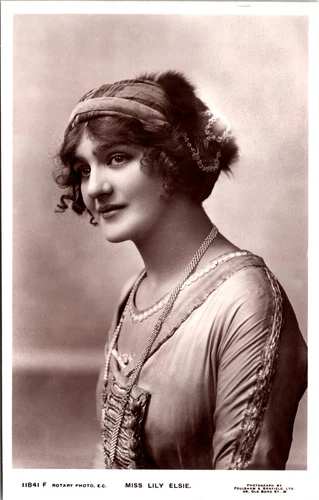
Postcard 26 captures Miss Elsie in this photo in her role as Franzi in the stage production of the operetta, “A Waltz Dream”. This postcard was published by Rotary Photo and is part of a series (no.11841/F). The photographer of this image of this beautiful actress is the Foulsham & Banfield studio. (SOLD)
Postcard 27 was published by Rotary Photo and is part of a series (no.11502/C). The photographer of this image of this beautiful actress is the Foulsham & Banfield studio. (SOLD)
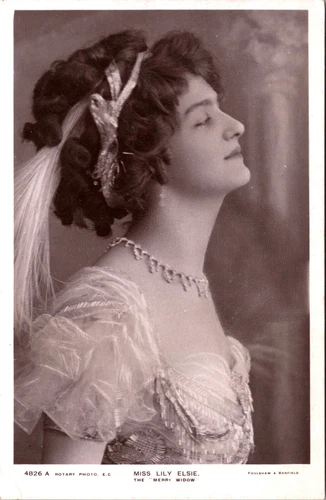
Postcard 28 captures Lily Elsie in her role in “The Merry Widow”. This uncommon postcard was published by Rotary Photo and is part of a series (no.4826A). The photographers of this image is the well known studio of Foulsham & Banfield. The card was postmarked in 1908. (SOLD)
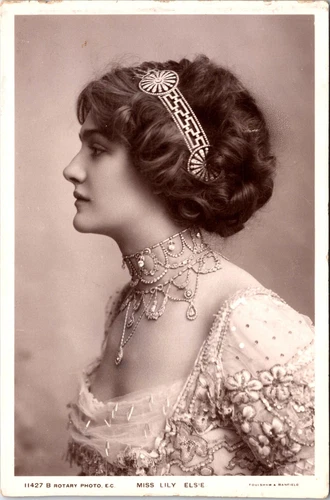
Postcard 29 was published by Rotary Photo and is part of a series (no.11427B). The photographers of this image is the well known studio of Foulsham & Banfield. (SOLD)
Postcard 30 was published by C.W.F. & Co. and is part of a series (no.457C). The photographers of this image of this beautiful actress are the well known female celebrity photographer, Lizzie Caswall Smith. The card was postmarked in 1904. (SOLD)
Postcard 31 was published by Rotary Photo and is part of a series (no.11594C). The photographer of this crisp image of this beautiful actress is the well known celebrity photographic studio, Foulsham & Banfield. This postcard captures Miss Elsie in her role as Alice in “The Dollar Princess” (1909). The venue for the play was Daly’s Theater in London and cast members included Joseph Coyne, Gabrielle Ray, Emmy Wehlen, and Gladys Cooper. (SOLD)
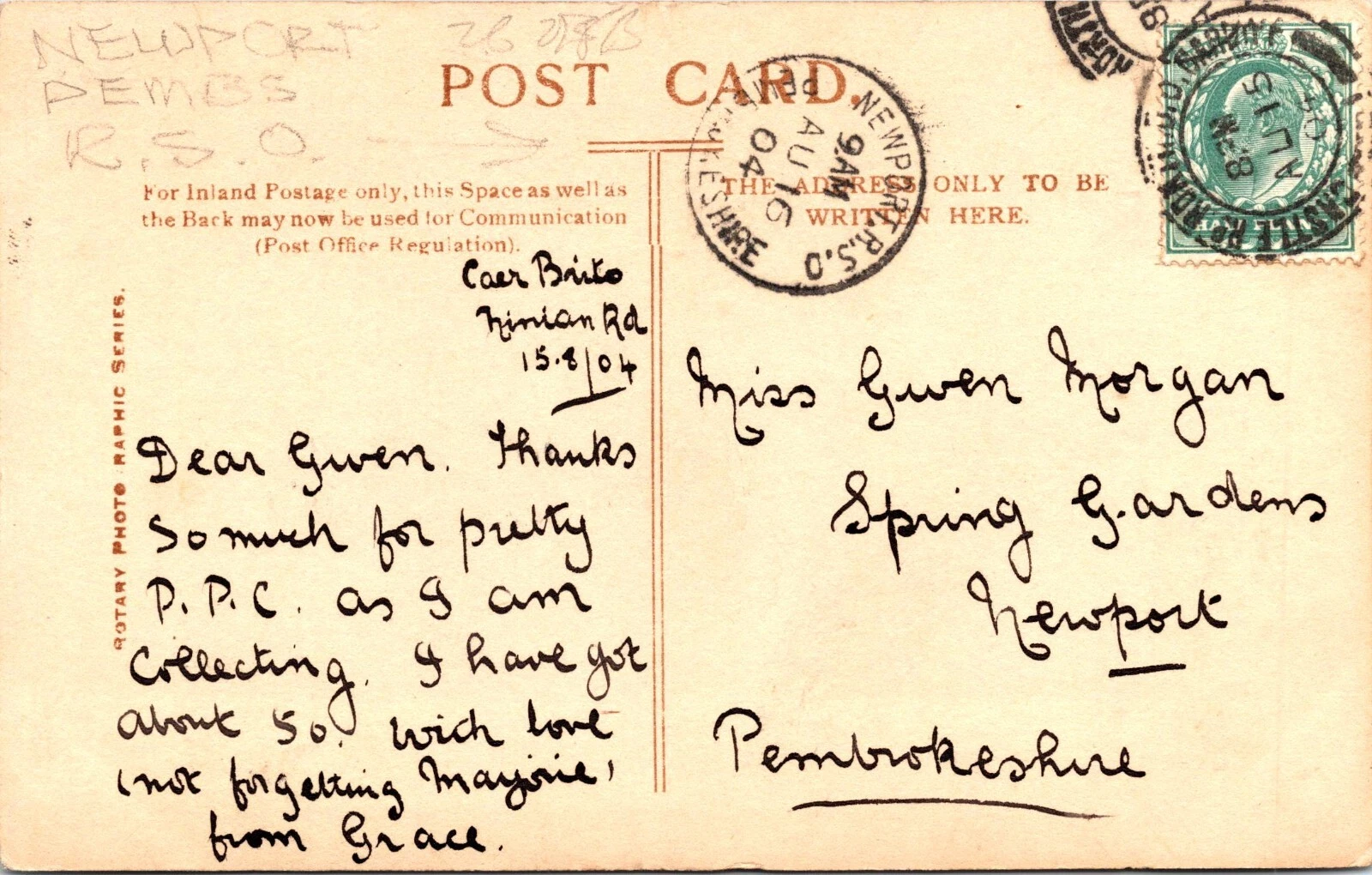
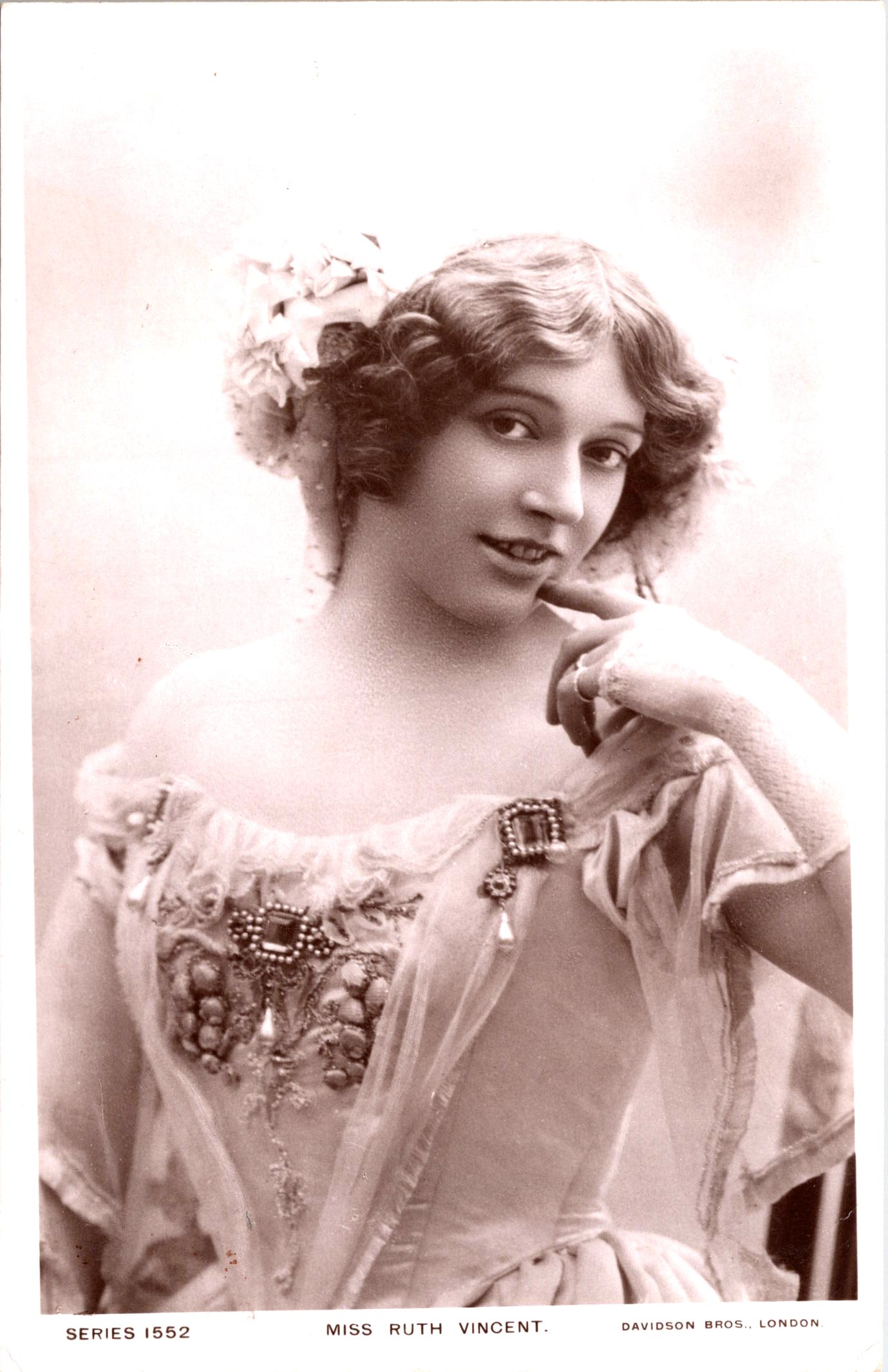
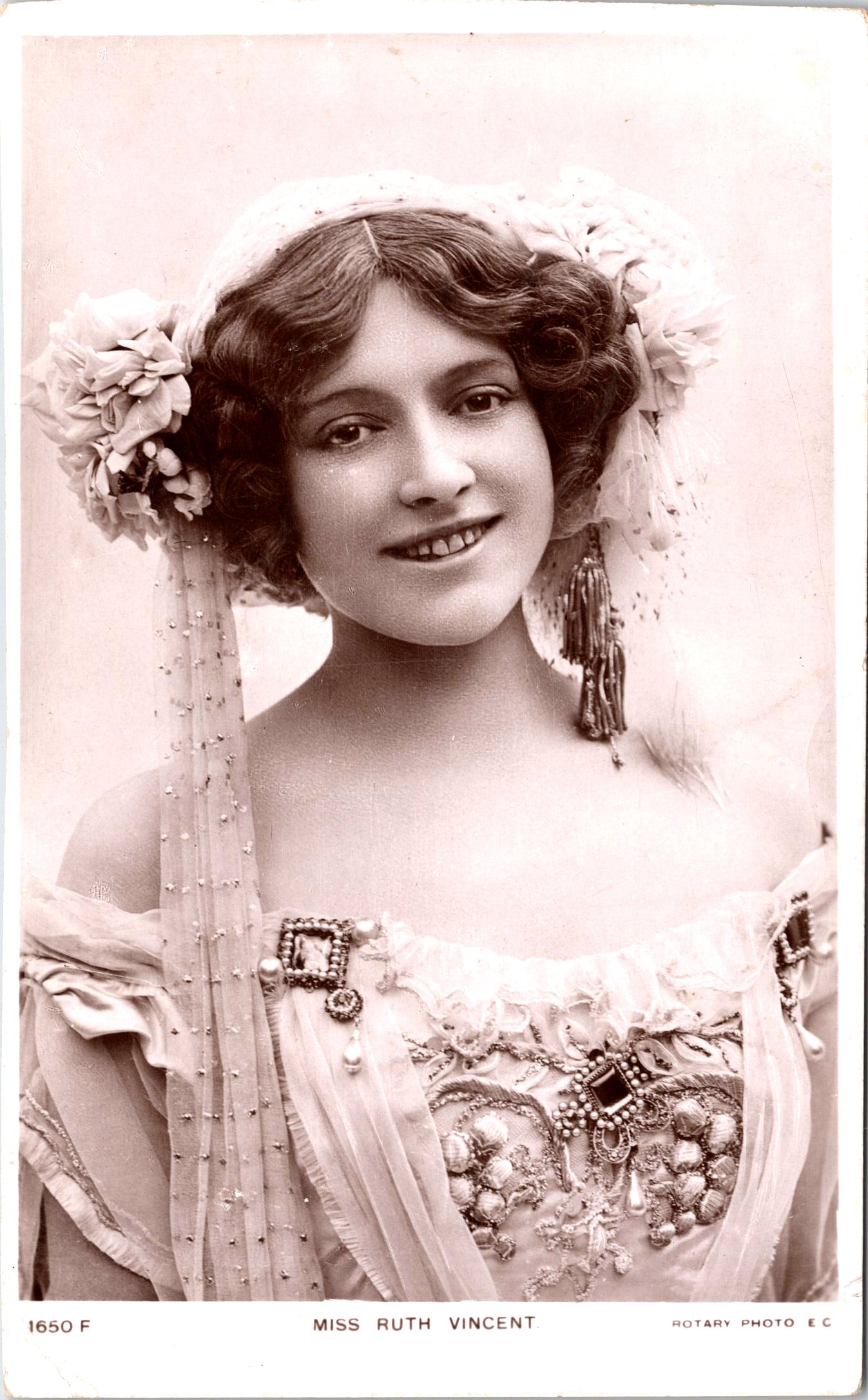
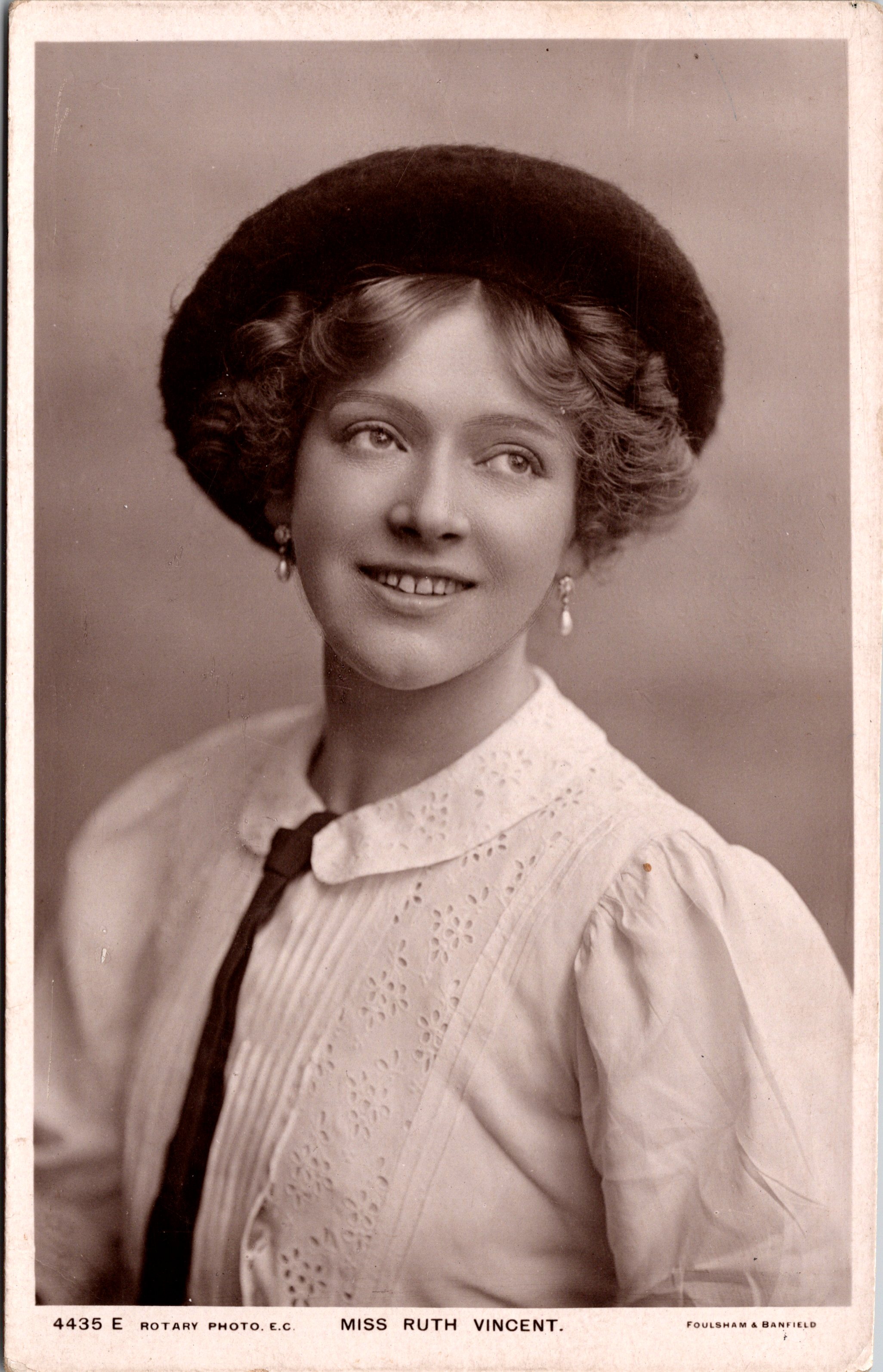
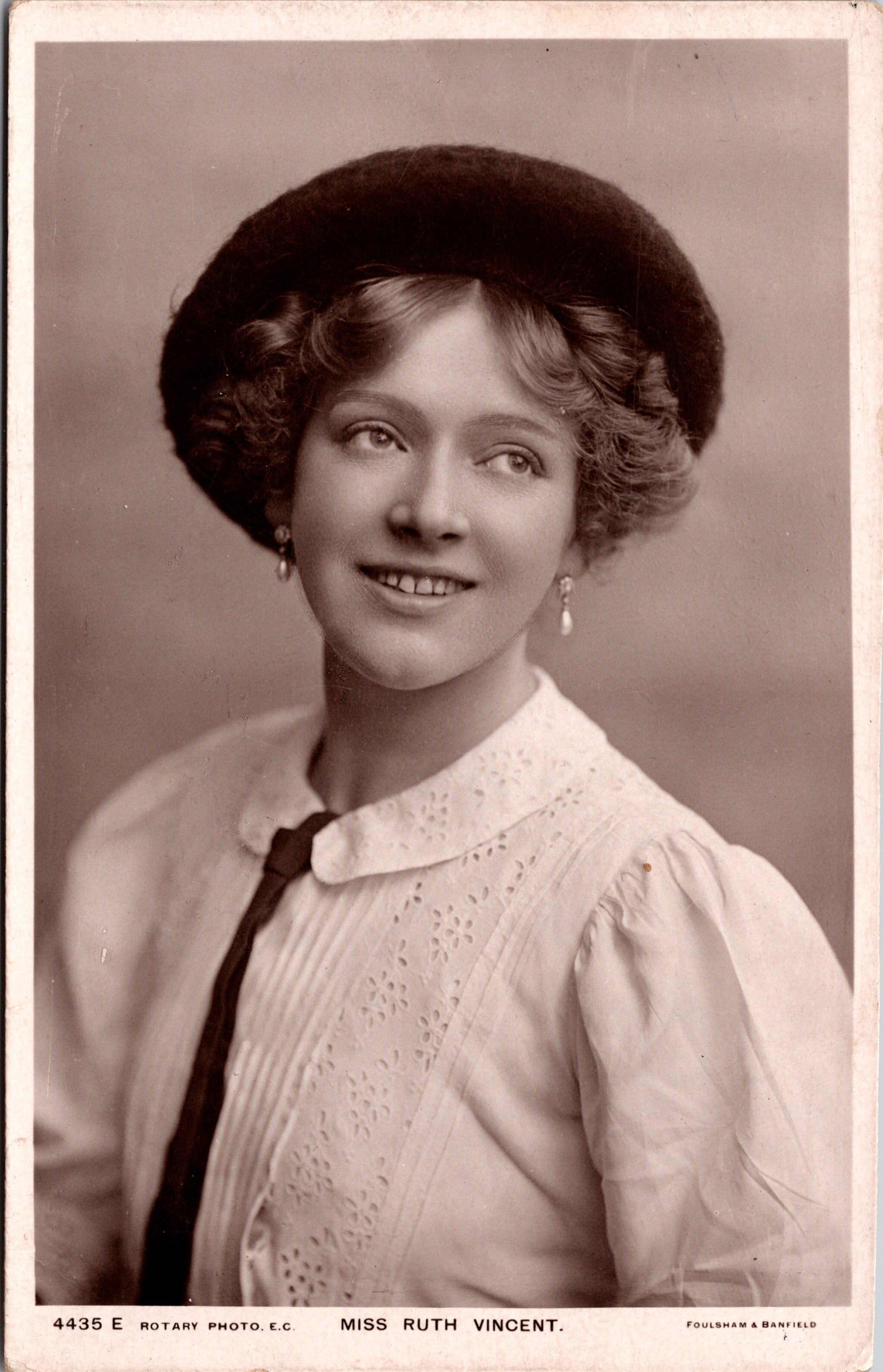
These vintage real photo postcards feature English opera singer and actress, Ruth Vincent (1873-1955). She is most well known for her soprano performances in the Savoy Operas with the D’Oyly Carte Opera Company in the 1890’s as well as in her roles in the West End (London) during the decade after 1900. Most notable was her performance in “Tom Jones”. She joined D’Oyly Carte in 1894, at age 17 as a chorus girl. By 1896, she was playing small roles and quickly was promoted to play leading roles. She left the company in 1899. Her career transitioned into appearing in Edwardian musical comedies, opera, and singing in concerts. Vincent also performed on Broadway. The IBDb reports that she had three Broadway appearances between 1900 and 1905. Vincent continued to sing and act until 1930.
Postcard 1 : Vincent’s photograph on this card was taken by the Foulsham & Banfield studio. This postcard was published by Rotary Photo as part of a series (4435 E). The firm was located in London. This postcard is in very good condition (see scans).
Postcard 2 : This postcard was published by Davidson Brothers as part of a series (no.1552). The firm was located in London, England.
Postcard 3 : This postcard was published by Rotary Photo as part of a series (1650F). The firm was located in London, England.
Buy this original Vintage Real Photo Postcard (includes shipping within the US) #5217
To purchase this item, click on the Pay with PayPal button below
$12.85
Buy this original Vintage Real Photo Postcard (includes International shipping outside the US) #5217
To purchase this item, click on the Pay with PayPal button below






 POSTCARD 1
 POSTCARD 2
 POSTCARD 7 (SOLD)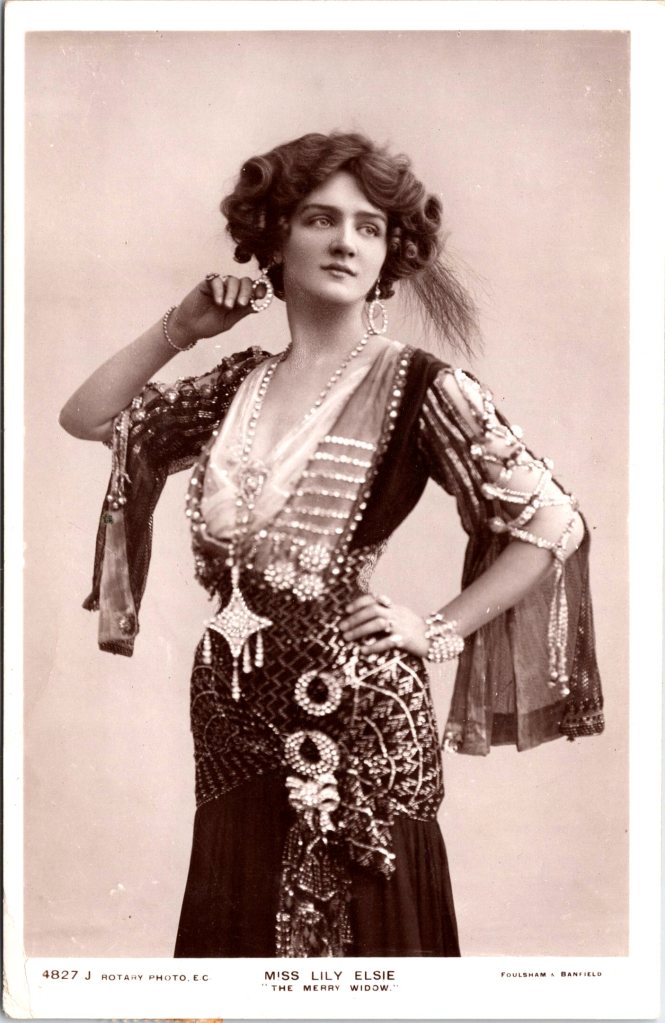

 POSTCARD 10 (SOLD)
 POSTCARD 11 (SOLD)

 POSTCARD 14 (SOLD)

 POSTCARD 17 (SOLD)
 POSTCARD 18 (SOLD)
 POSTCARD 21 (SOLD)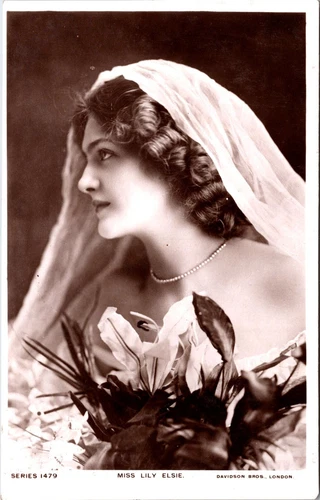
 POSTCARD 23 (SOLD)
 POSTCARD 24 (SOLD)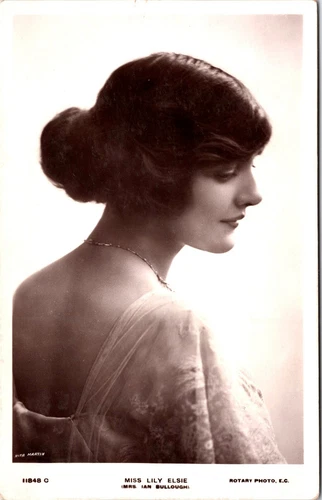
 POSTCARD 26 (SOLD)