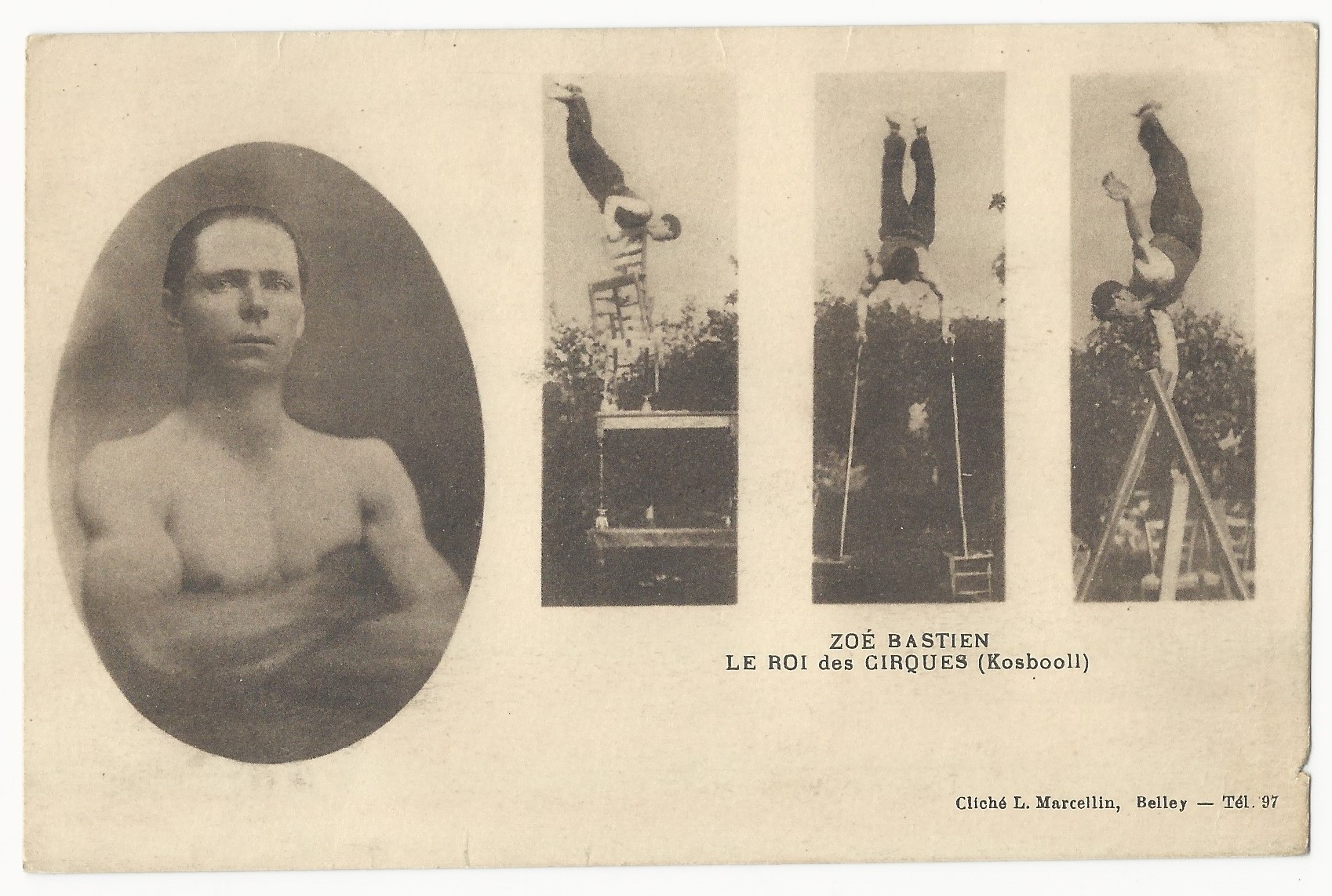
POSTCARD 1 (SOLD)
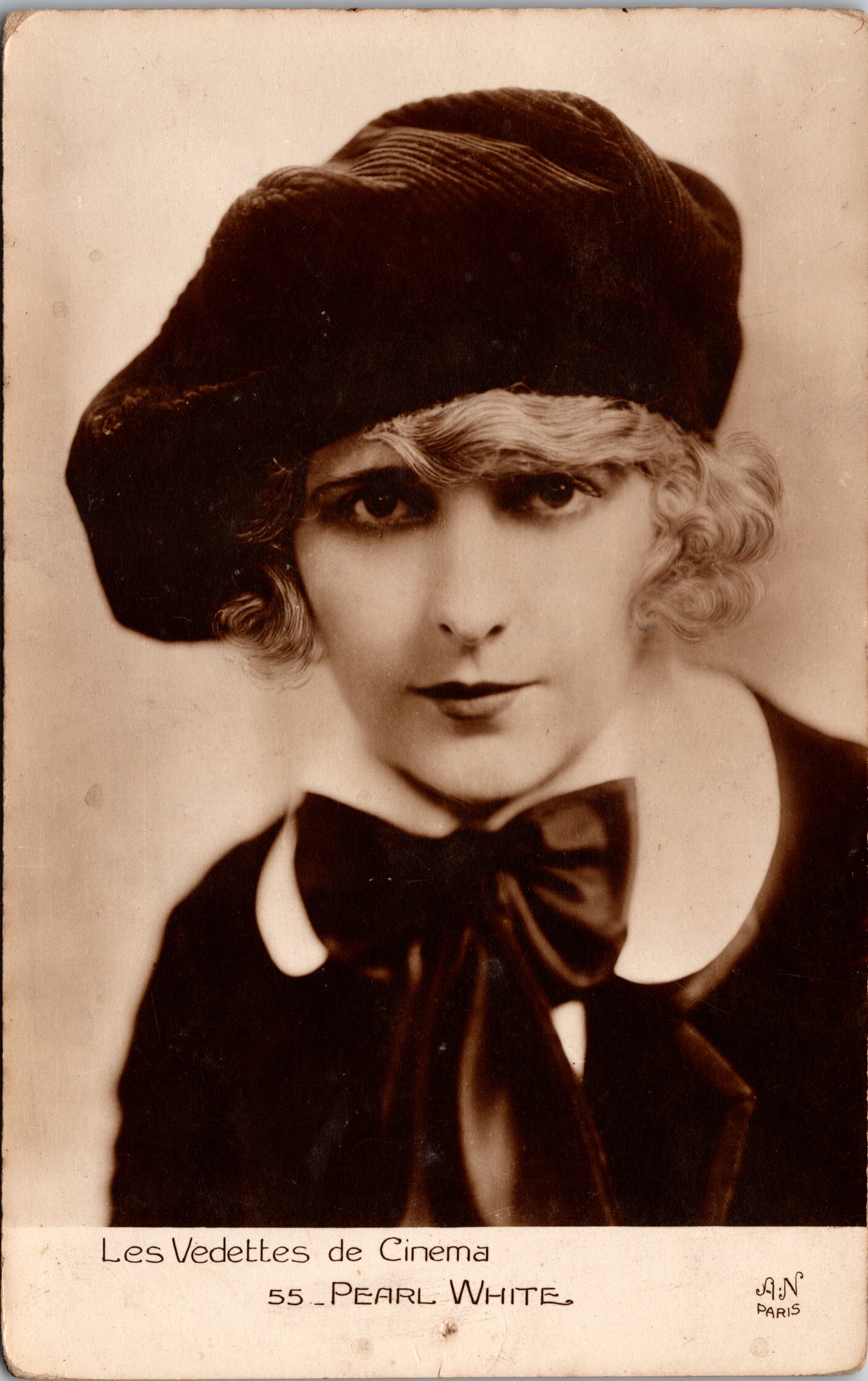
POSTCARD 2 (SOLD)
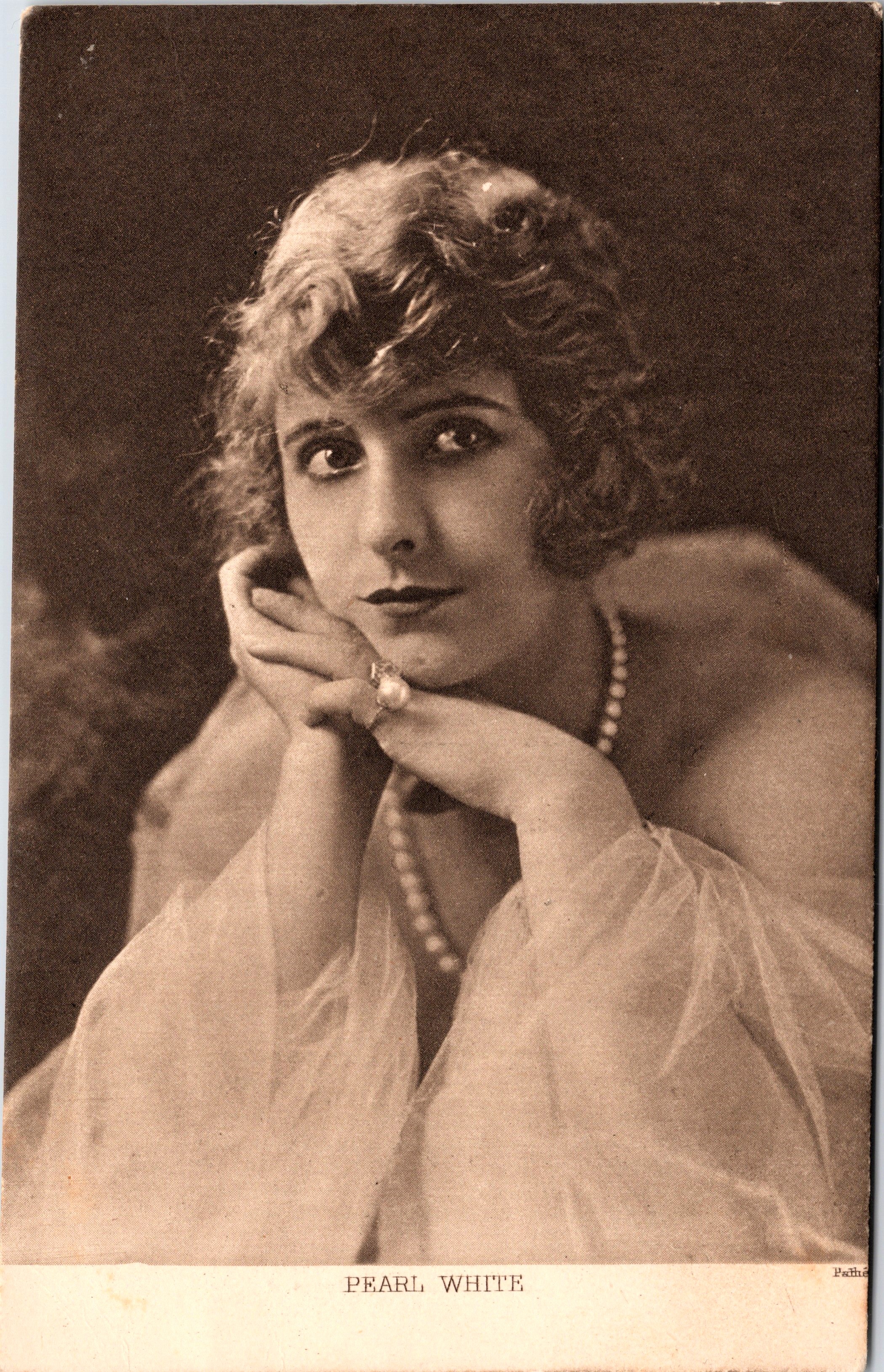
PEARL WHITE (SOLD)
Pearl White (1889-1938) was an American actress of film and stage. She started her career on the stage at just 6 years old in the play, “Uncle Tom’s Cabin”. At thirteen years of age she was a bareback rider for a circus. She dropped out of high school to join a touring stage company. Next she worked as a singer in Cuba and South America. She made her appearances in dance halls and casinos. In 1910, her voice began to fail and she began to appear in silent films, including many popular serials. Her nickname was “Queen of the Serials’. She did the majority of her own stunts in these film serials. She is known well for her role in “The Perils of Pauline”. She was often cast in the role of an athletic heroine, rather than the more typical, innocent young woman. As a result of her appearances in “The Perils of Pauline”, she was soon earning $1,750 per week. She increased her star power as she appeared in other serials. In these films she flew airplanes, raced cars, and did other action hero feats. By 1919 White moved on to more dramatic roles. She appeared in ten drama films for Fox Film Corporation. She finished her career by taking roles in European films, and finally, appearing on the European stage. While performing in London, she earned three thousand dollars a week. At the time of her retirement (1924), White had banked two million dollars. She then began investing. Her investments included a hotel, a night club, and a stable of race horses. White was married twice, each time, for short duration to actors. White died of liver failure, possibly due to her history of heavy drinking. Her drinking may have been attributable to her problems with pain stemming from a spinal injury occurring during her stunt days. The IMDb site credits white with 228 film appearances between 1910 and 1924.
Postcard 1 was published by Cinemagazine (Paris Edition). The card is part of the “Les Vedettes de Cinema” (Stars of the Cinema) series (No.,55). White’s postcard photo portrait was taken by the celebrated photographer, Alfred Noyer. (SOLD)
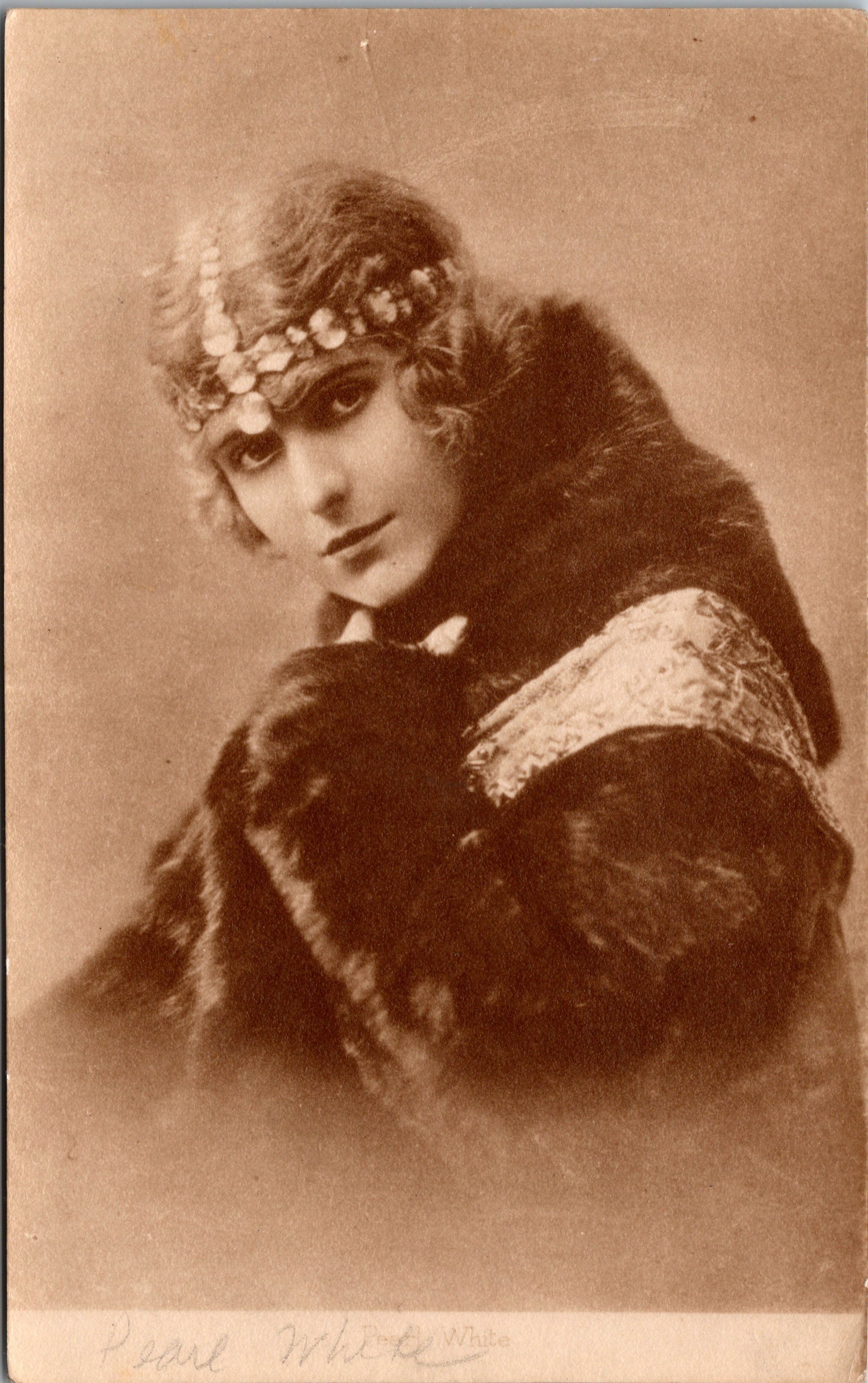
Postcard 2 features White’s beauty. She is wearing a fur. Note her pretty head band. Although this card is the size of a standard postcard, there is no printing on it’s reverse. (SOLD)
Postcard 3 This real photo film star photo was published by Pathe Freres Cinema. (SOLD)
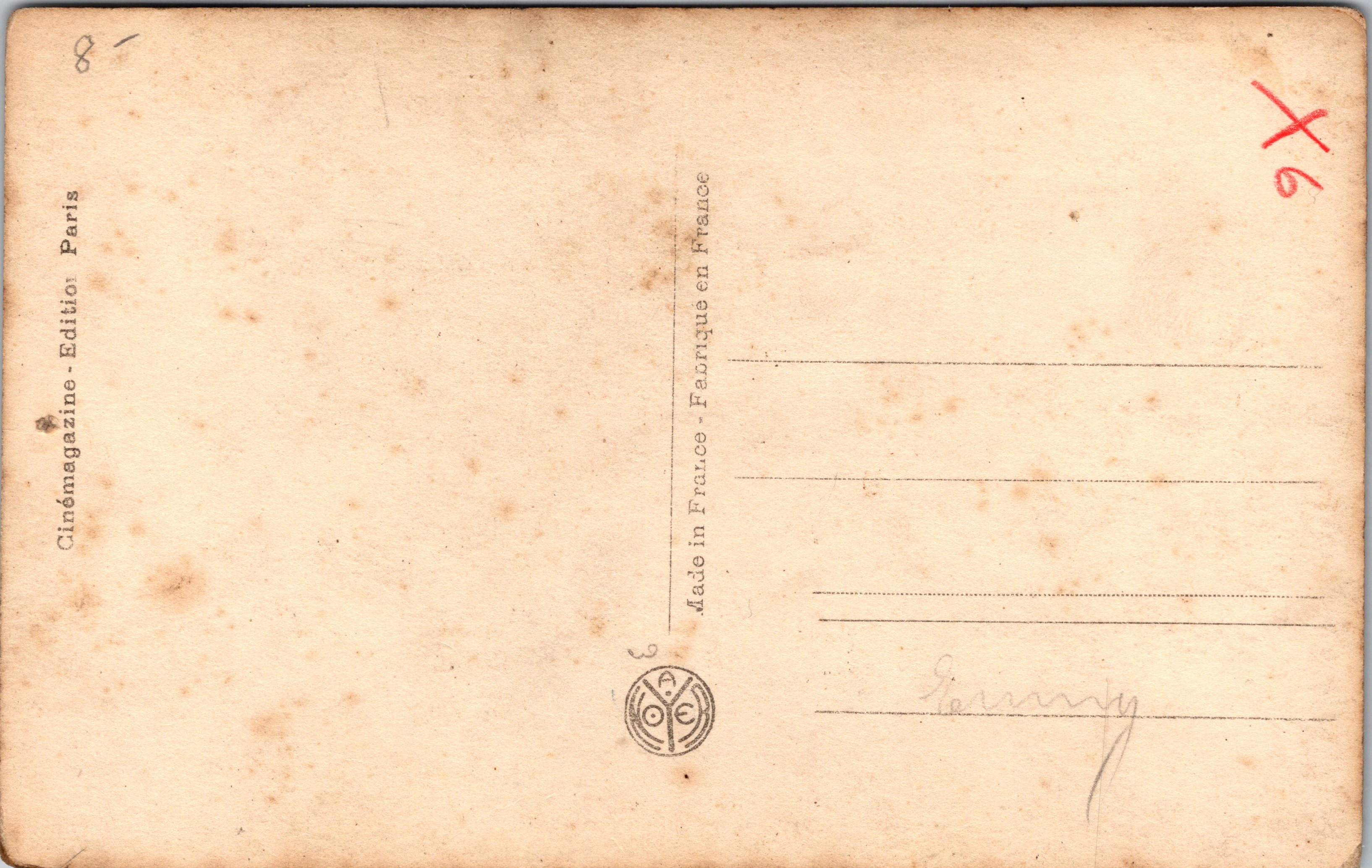
POSTCARD 1
POSTCARD 2
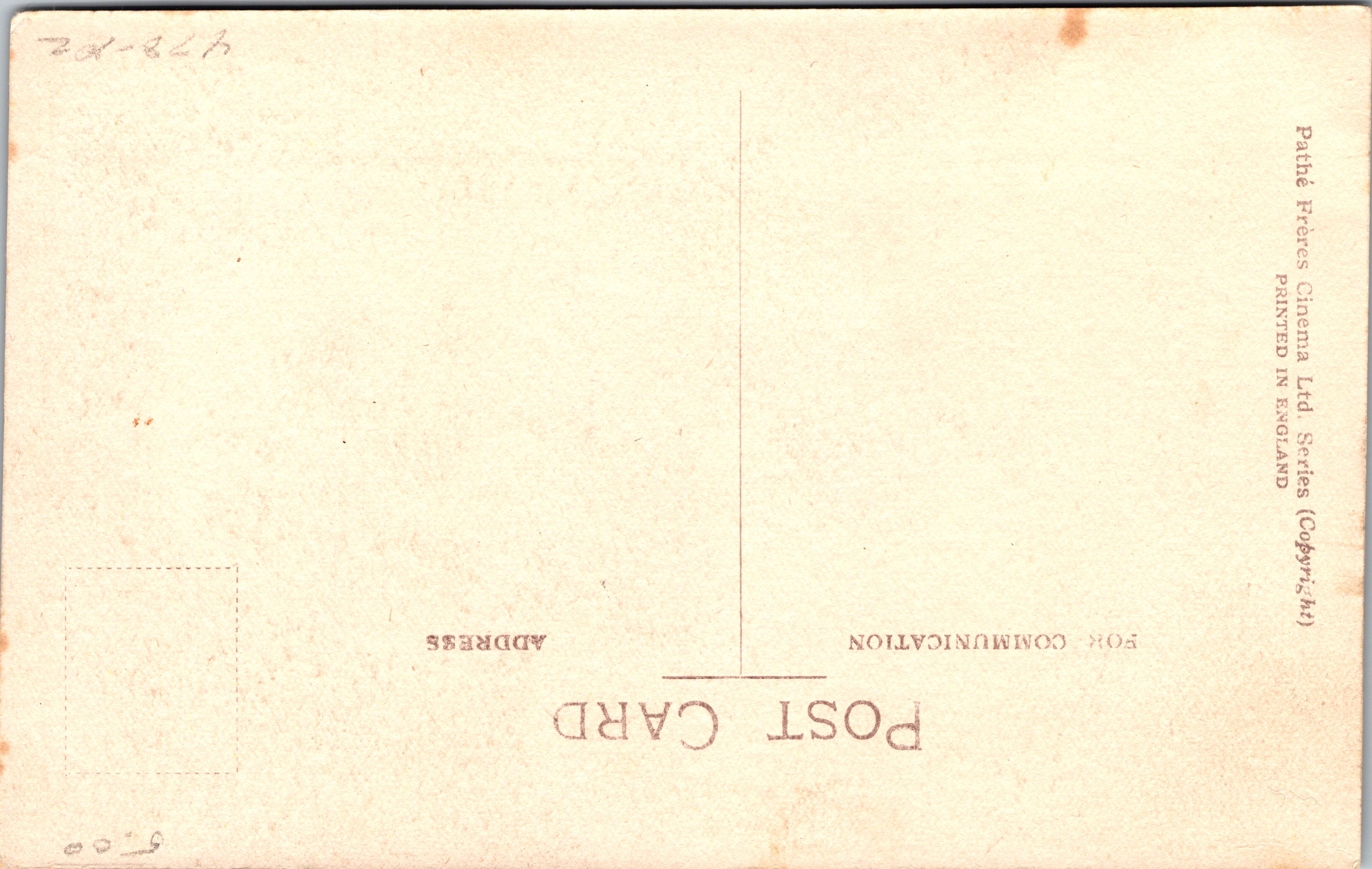
POSTCARD 3

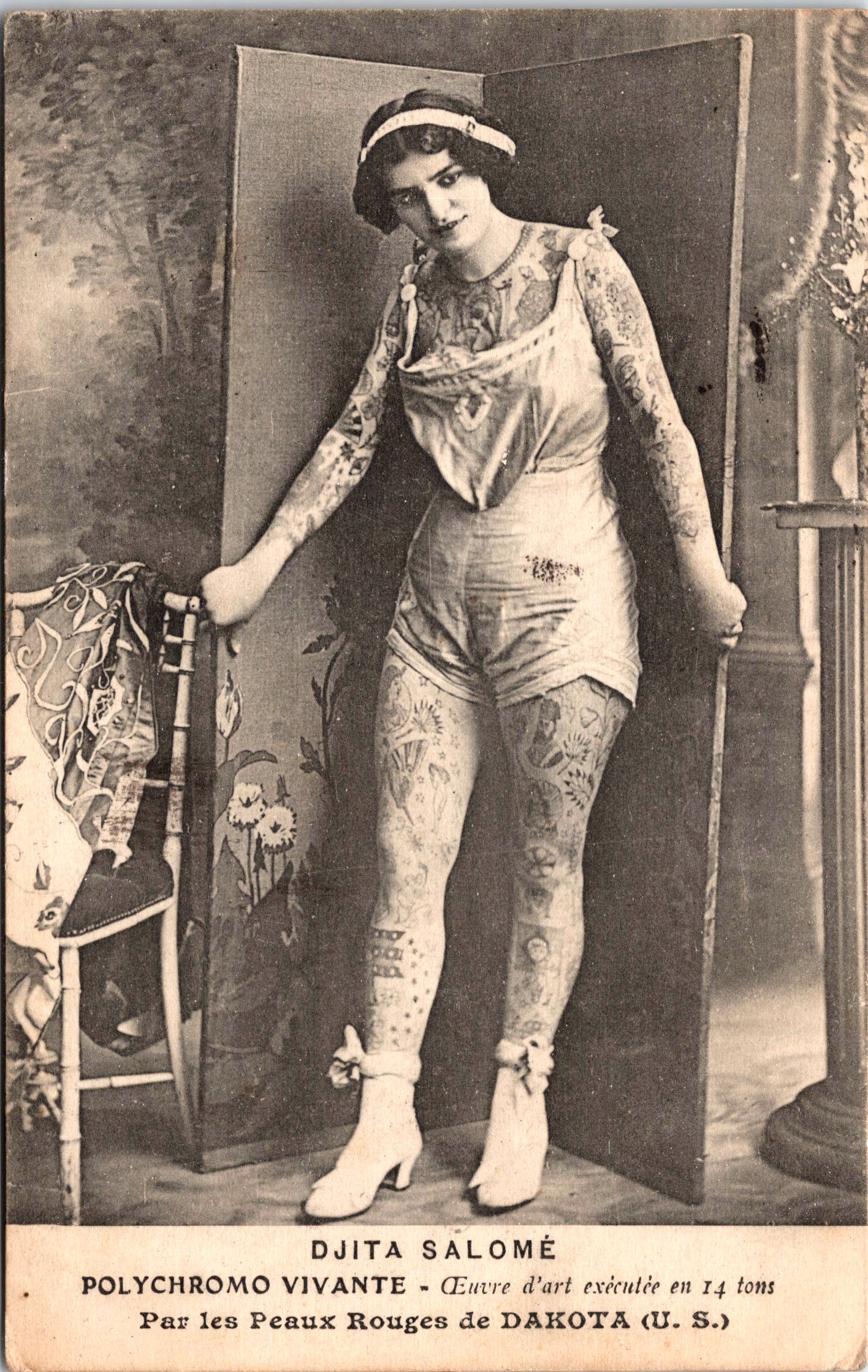
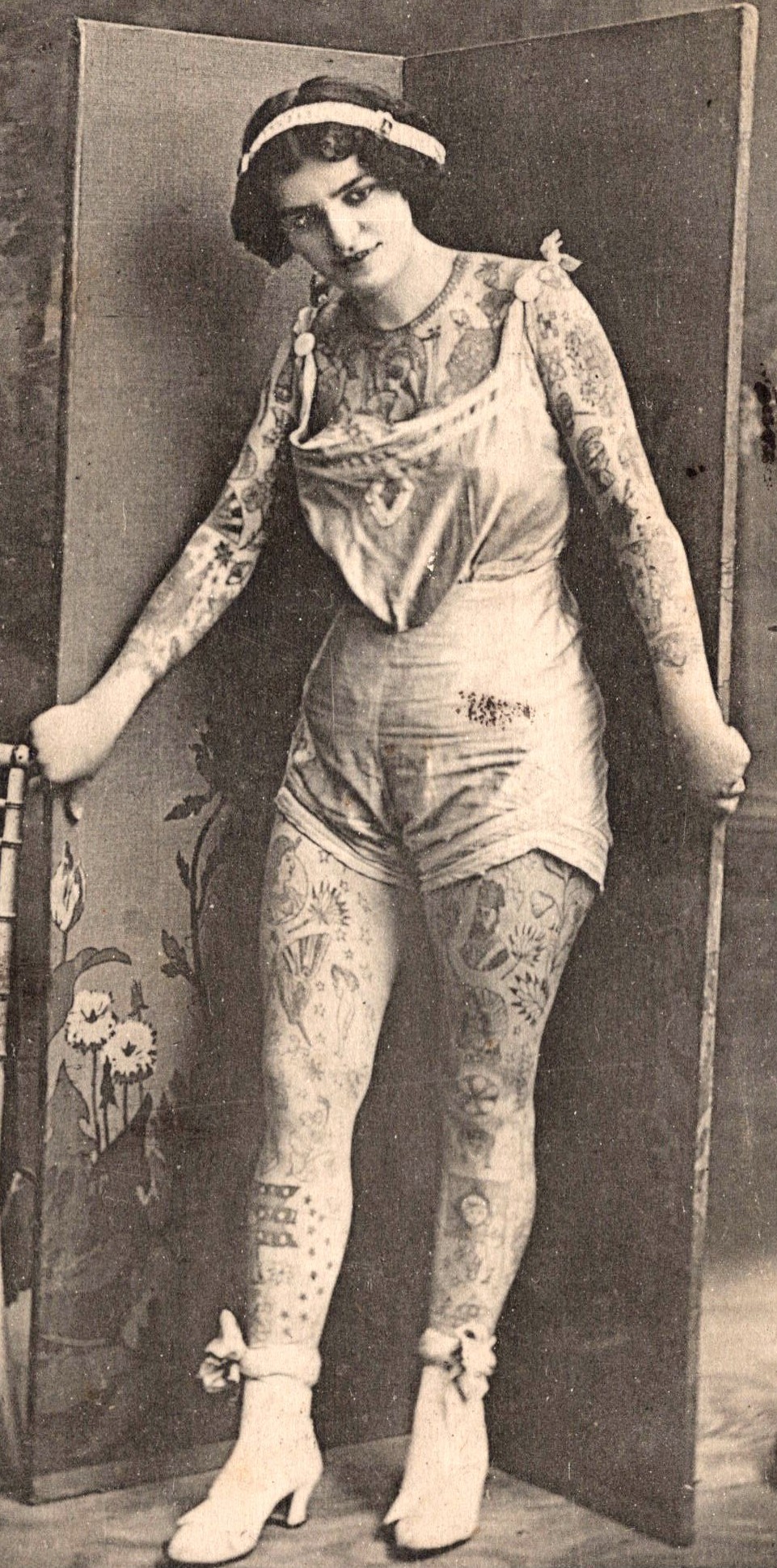
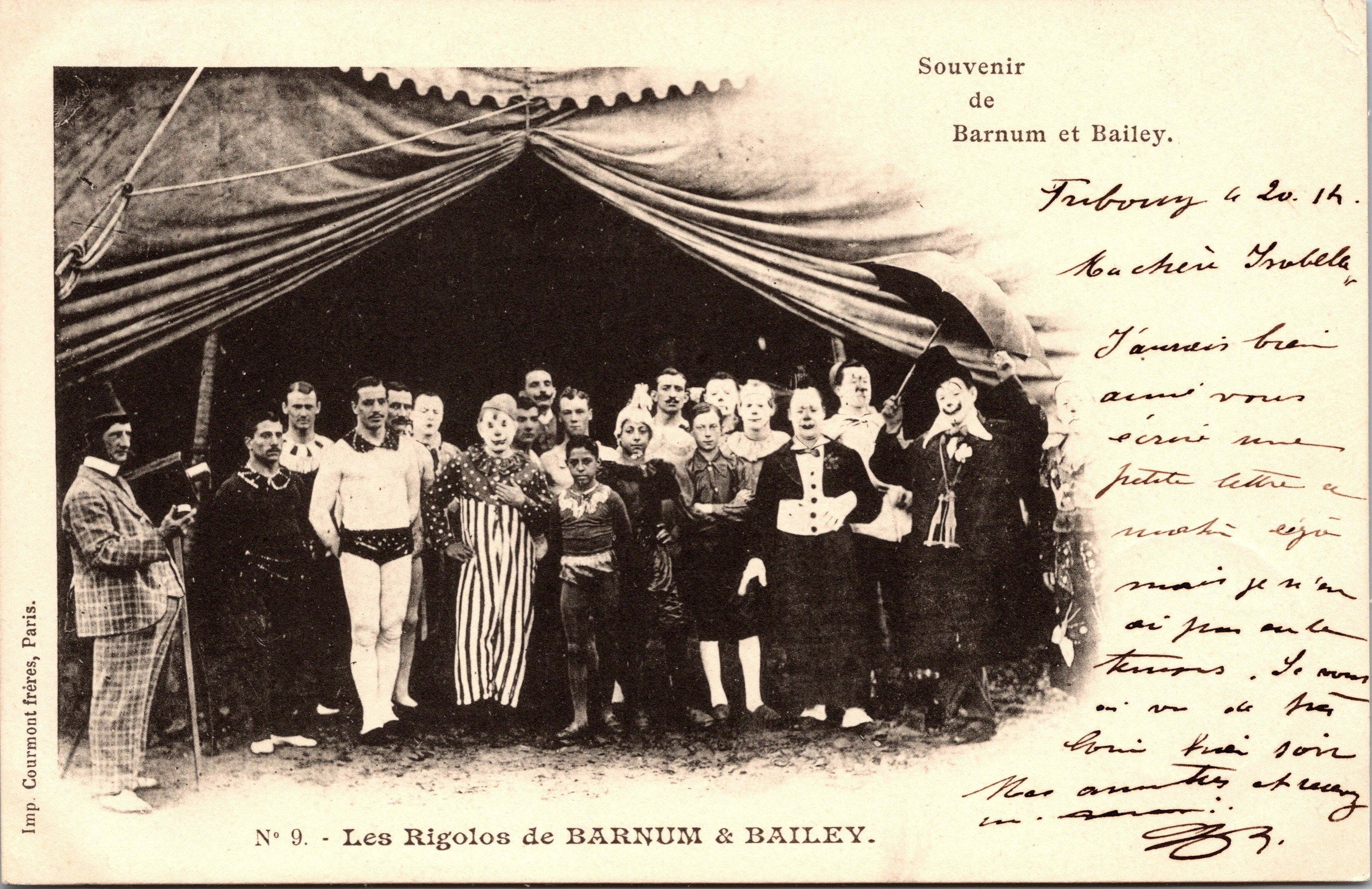


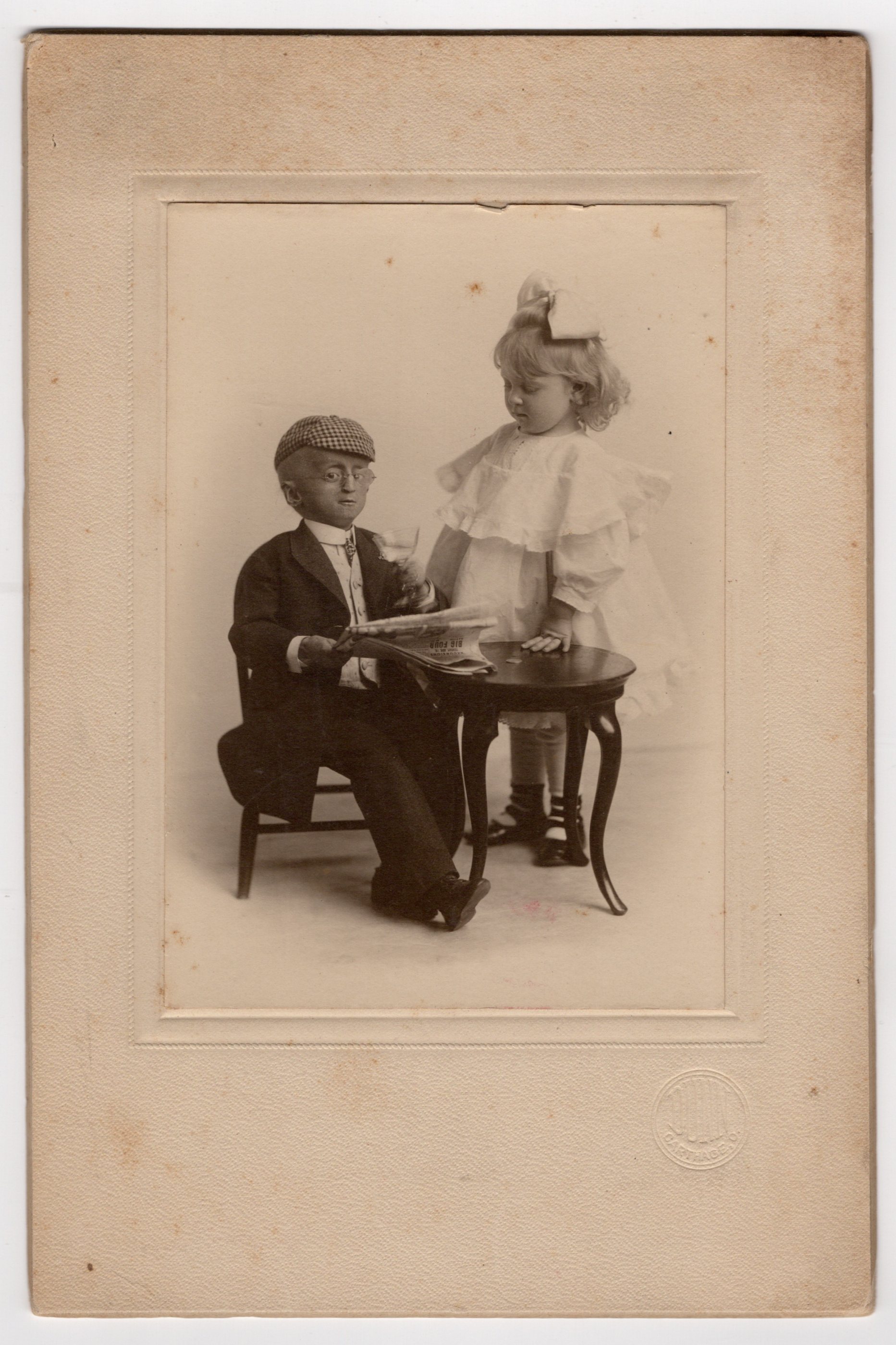
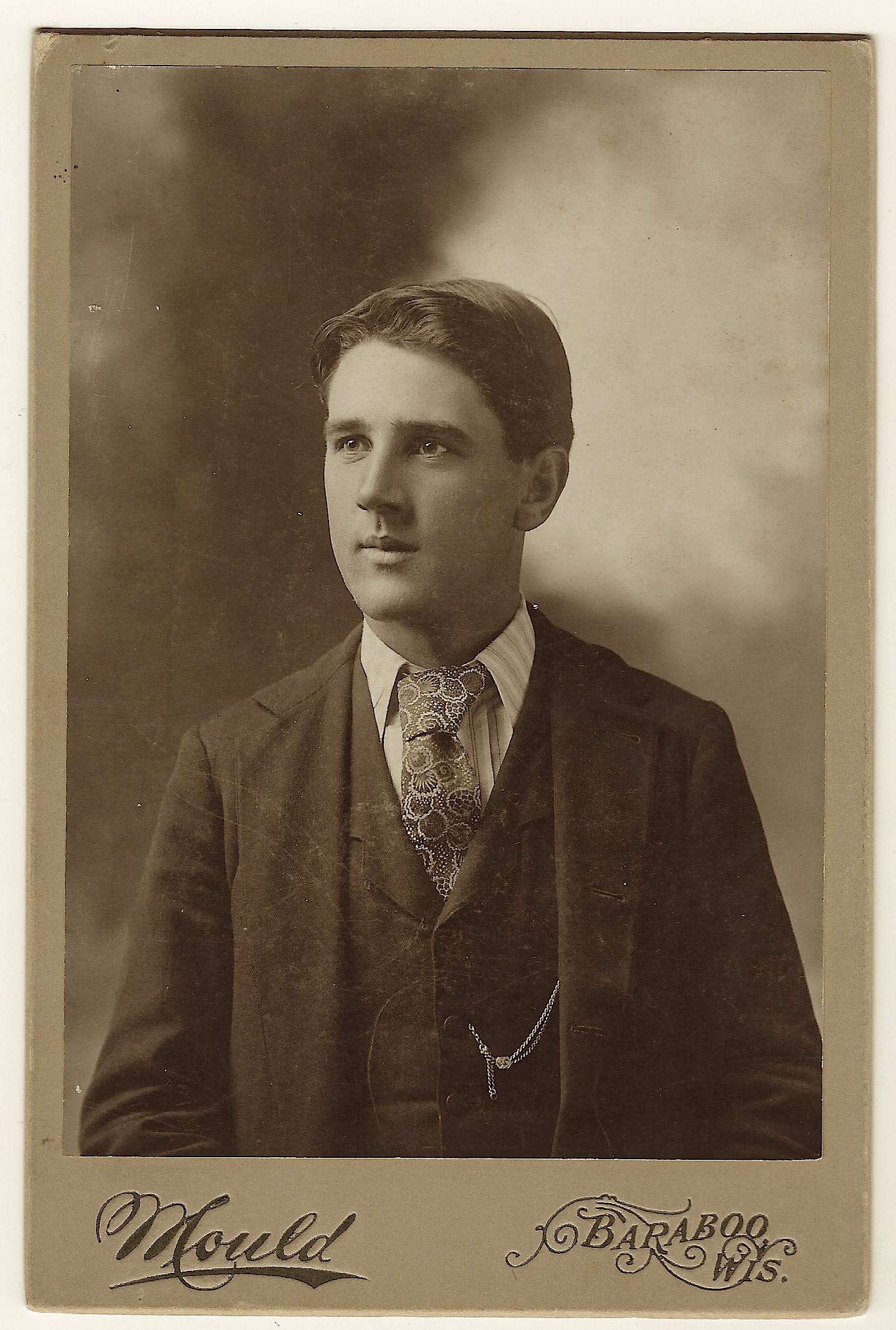
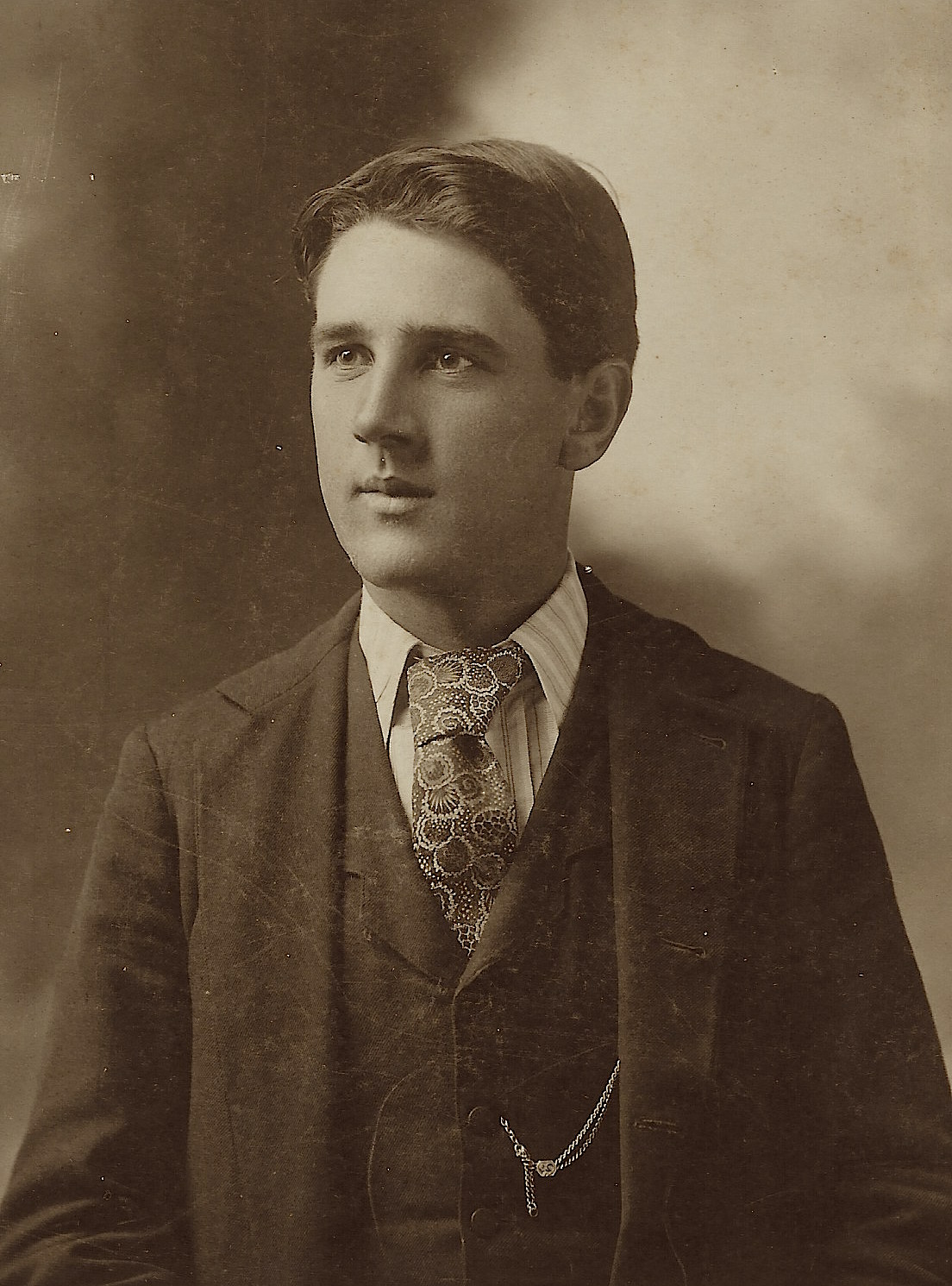 The handsome young man in this photograph is named Howard Briscoe. His name is inscribed on the reverse of this cabinet card photo. Briscoe lived in Baraboo, Wisconsin. He lived there all, or most of his life. Briscoe was born in 1878. His father was a miller by trade, Briscoe’s wife was named Julia Simon Briscoe. Howard Briscoe worked as a carpenter for a railroad company. The photographer of this image, Mr. Mould, is mentioned in a number of photographic journals. He placed an ad for his studio in a book about Sauk County, Wisconsin (1891). The Photographic Times (1898) reports on his appointment to a lobbying committee of the Photographers Association of Wisconsin. The Encyclopedia Dubuque (1911) reveals that Sim Mould operated a photographic studio at 107 Main Street in Dubuque, Iowa. The cabinet card gallery has other photographs by Mould, Place his name in the search box to view these other images. The town of Baraboo is situated on the Baraboo river. The town was settled by Abe Wood and originally called Adams. In 1852 it was renamed Baraboo. In the town’s early history it became the home of several sawmills. In the nineteenth century the town served as the headquarters of several circuses, including Ringling Brothers. Baraboo became known as “Circus City”. SOLD