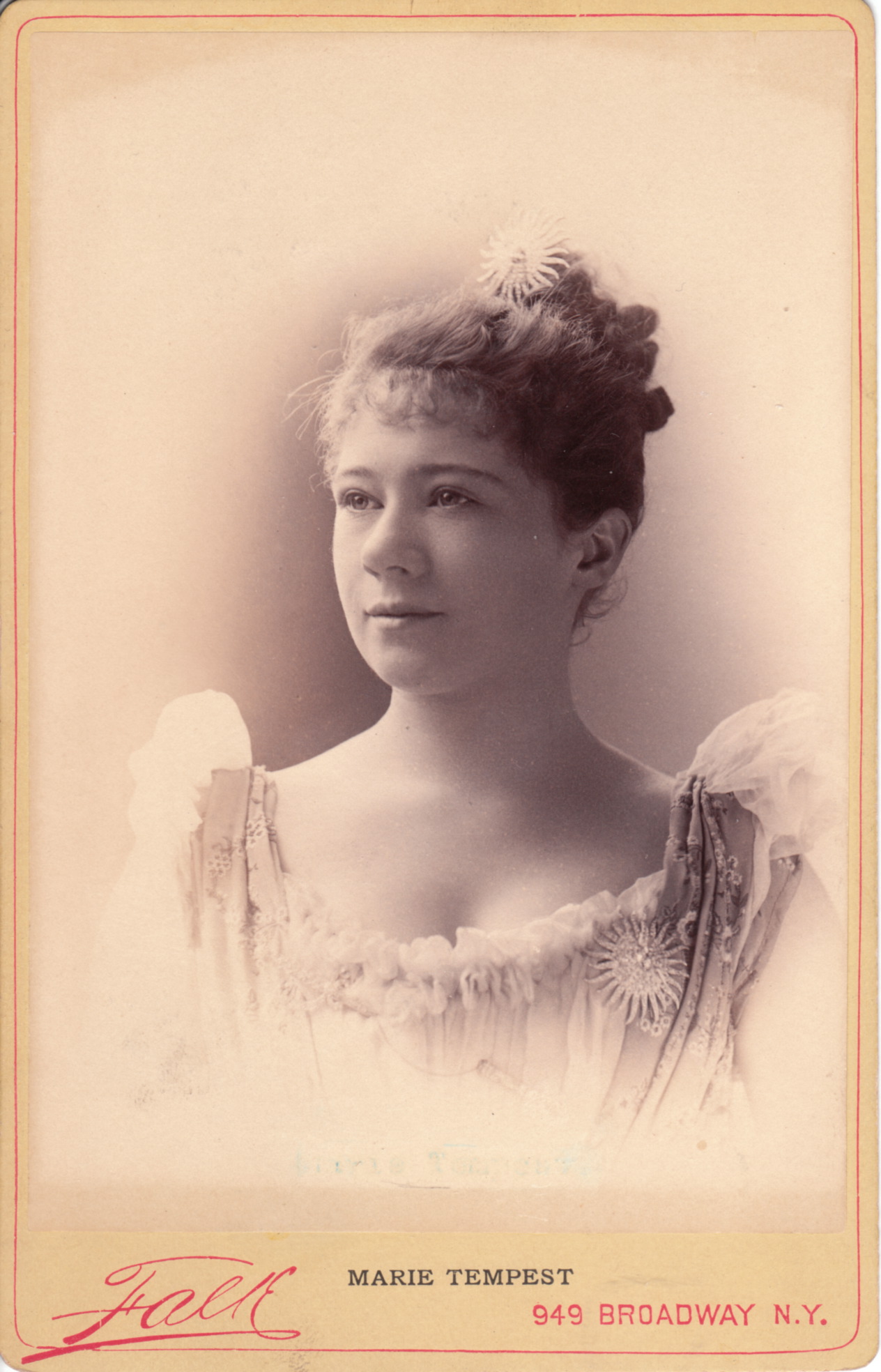
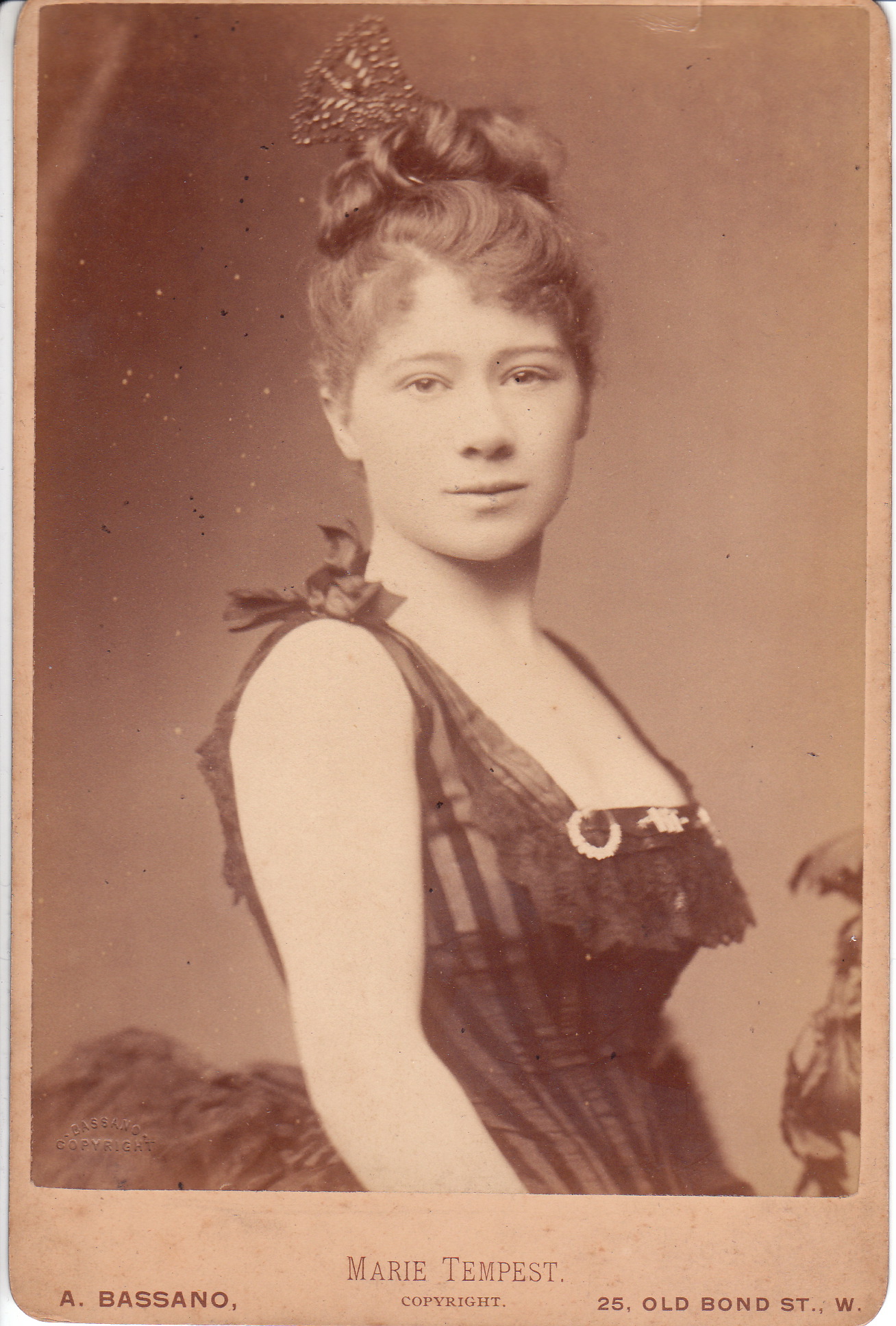
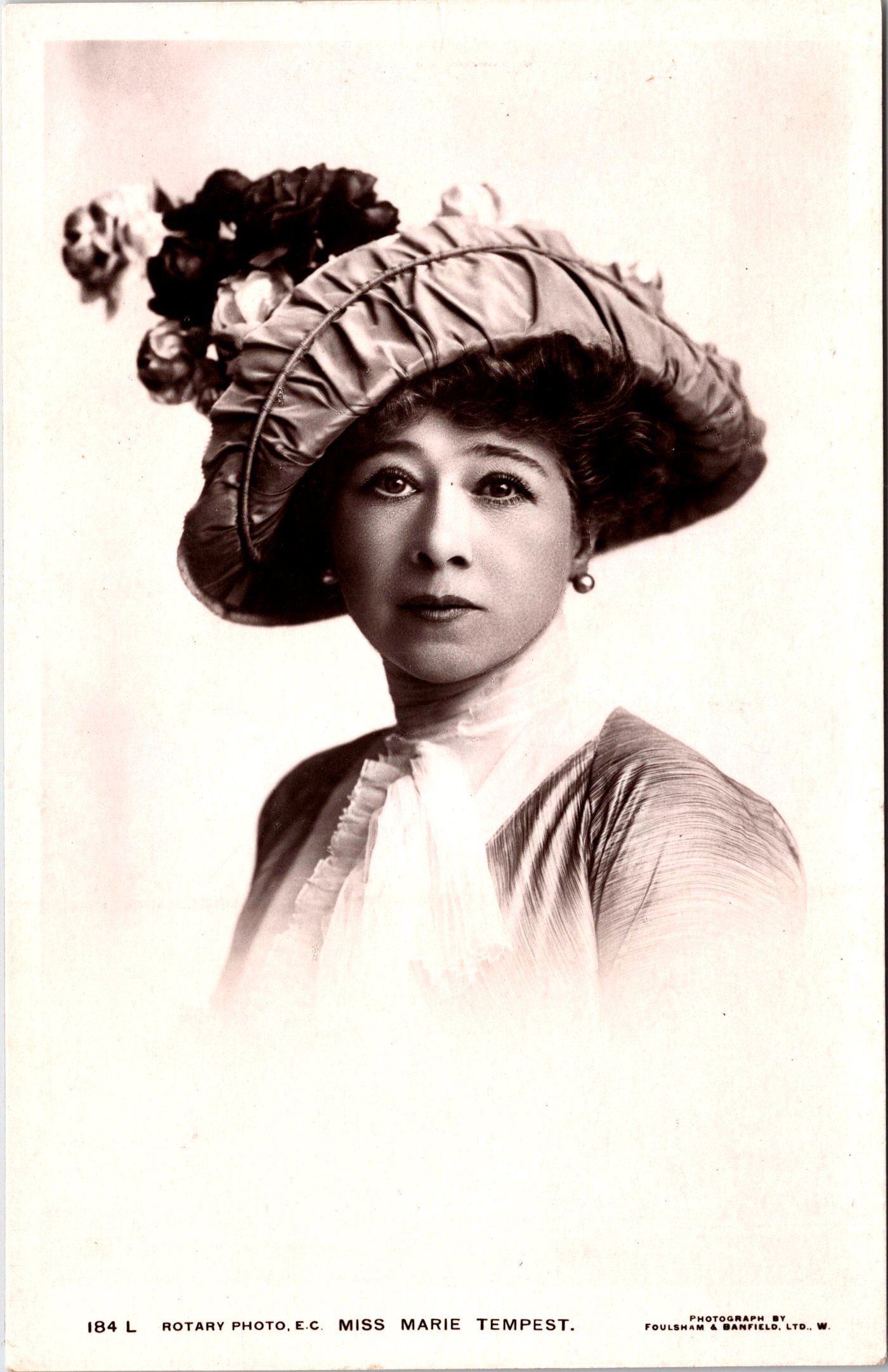
Marie Tempest (1864-1942) was a famous soprano in late Victorian light opera and Edwardian musical comedies. She later became a a leading comic actress. She toured in North America and other parts of the world. She was also a significant force behind the founding of the actors union Actors’ Equity in England. She was born in London, England and educated in Belgium. Her later musical education took place in Paris and London. She had her debut in 1885 in the operetta Boccaccio in London. After a few years in other performances, she performed on Broadway over a three year span. She was in numerous productions including The Tyrolean, and The Fencing Master. She was considered on the few rivals to Lillian Russell. Tempest was a difficult star but mellowed in middle age. She was a very active actress and performed in numerous productions over the years. She was created a Dame Commander of the British Empire in 1937.
Image 1 is a cabinet card that was photographed by famous celebrity photographer Falk, of New York City.
Image 2 is a cabinet card that was produced by A. Bassano of London, England.
Image 3 features the esteemed Edwardian stage actress and soprano, Miss Marie Tempest. This postcard presents Tempest nicely dressed and wearing a very elaborate hat. This postcard was published by Rotary Photo as part of a series (No.184L). Miss Tempest’s photo was taken by the Foulsham and Banfield photo studio. (SOLD)
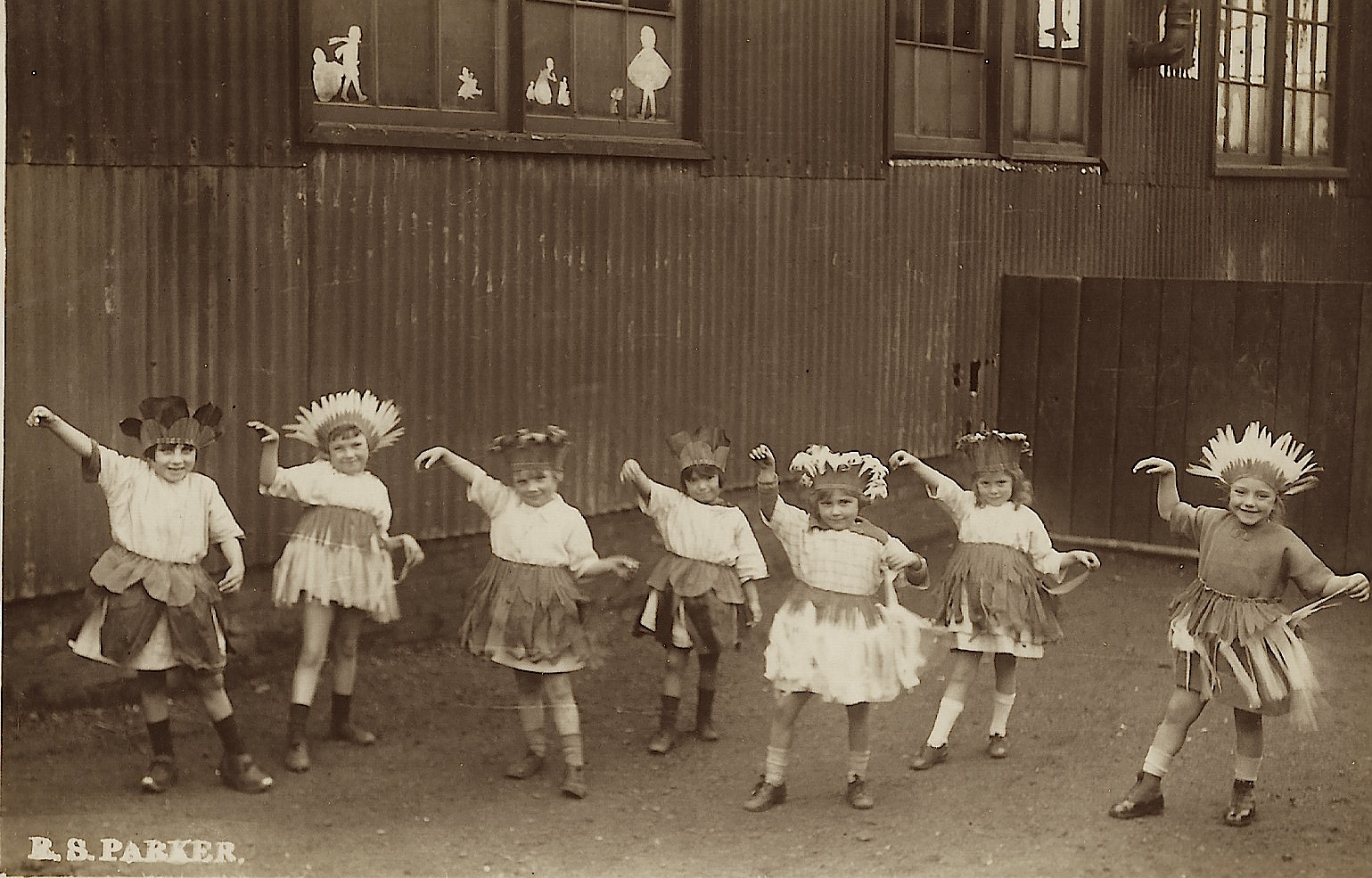
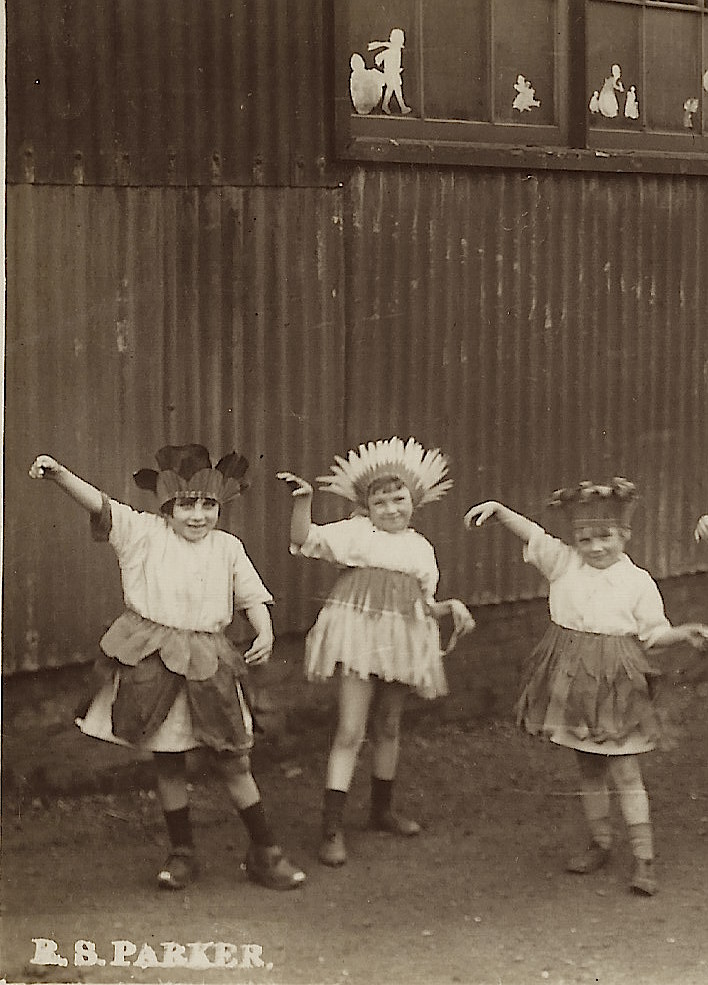
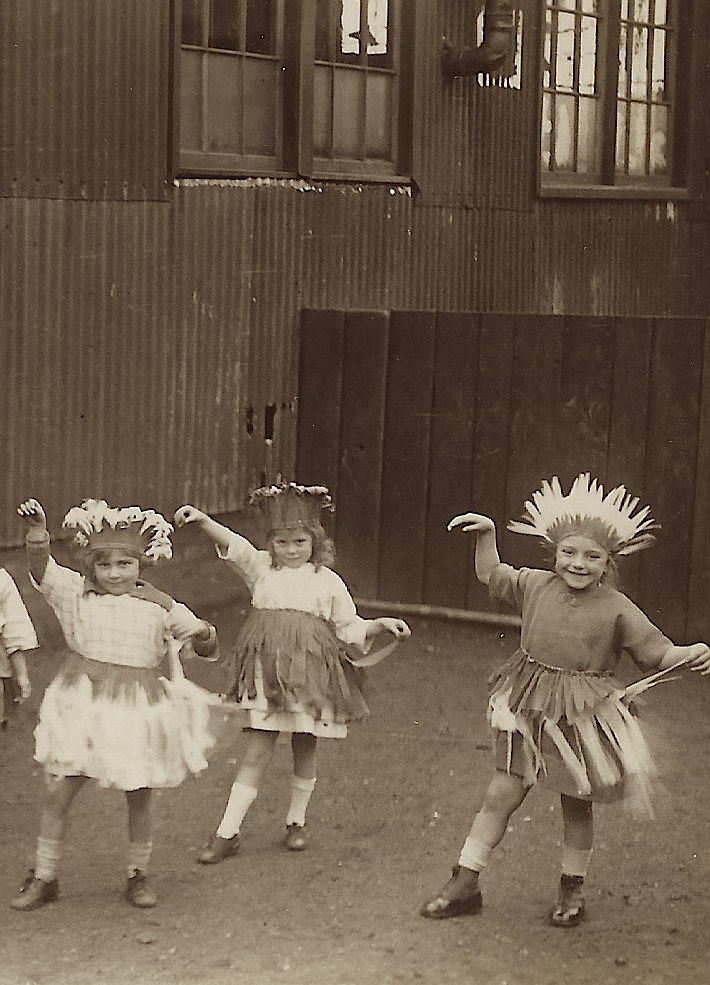
This vintage real photo postcard captures a “chorus line” of little girls during dance class. Perhaps they are performing in a recital. These costumed dance students are simply adorable. This photograph was taken by R. S. Parker. He operated a studio in Manchester, England. Some of his photographs are held by England’s National Archives, as well as by the Manchester Archives. During my research, I was able to find three of his photographs online. All the images were taken in schools. Perhaps, Parker’s niche was school photography. SOLD
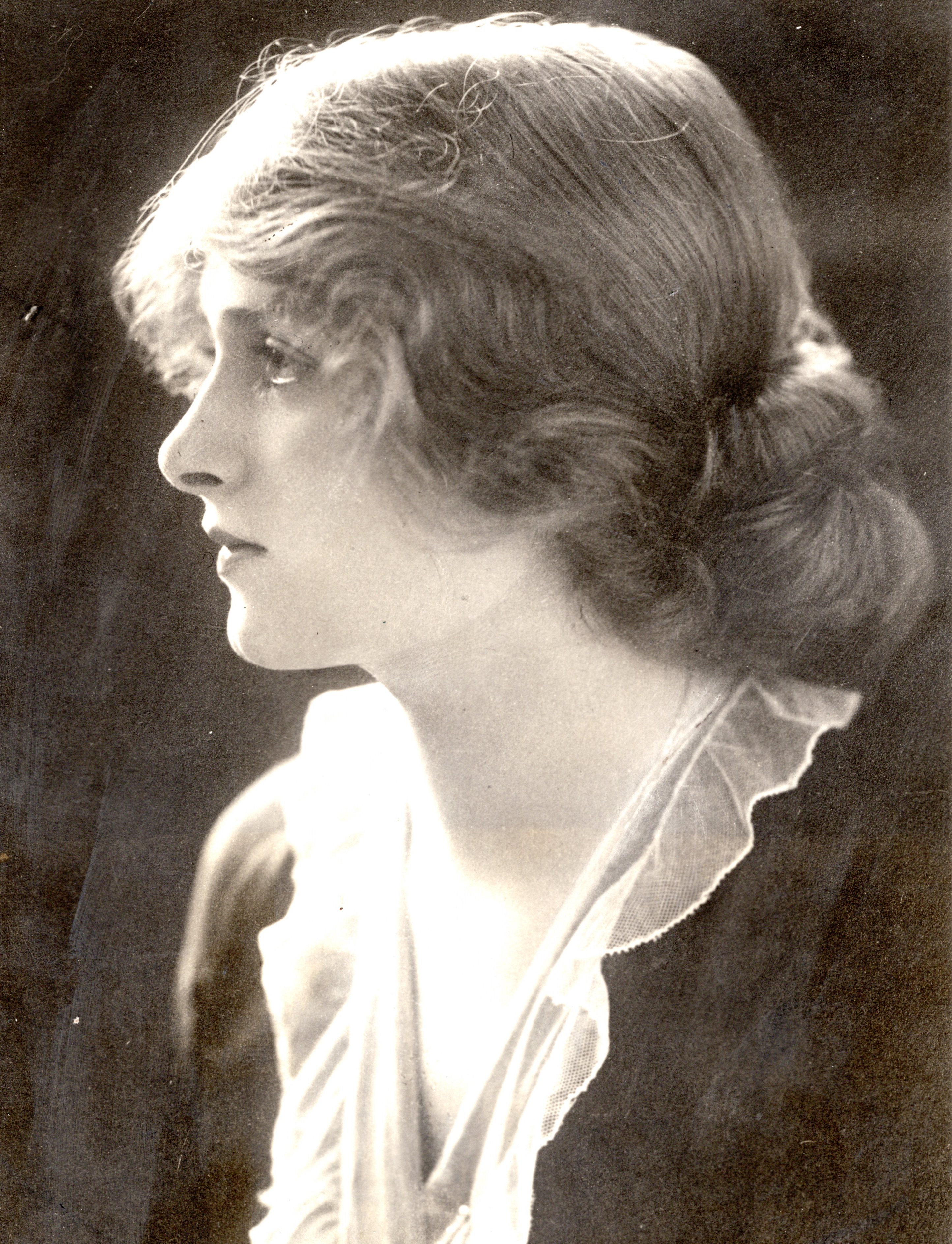
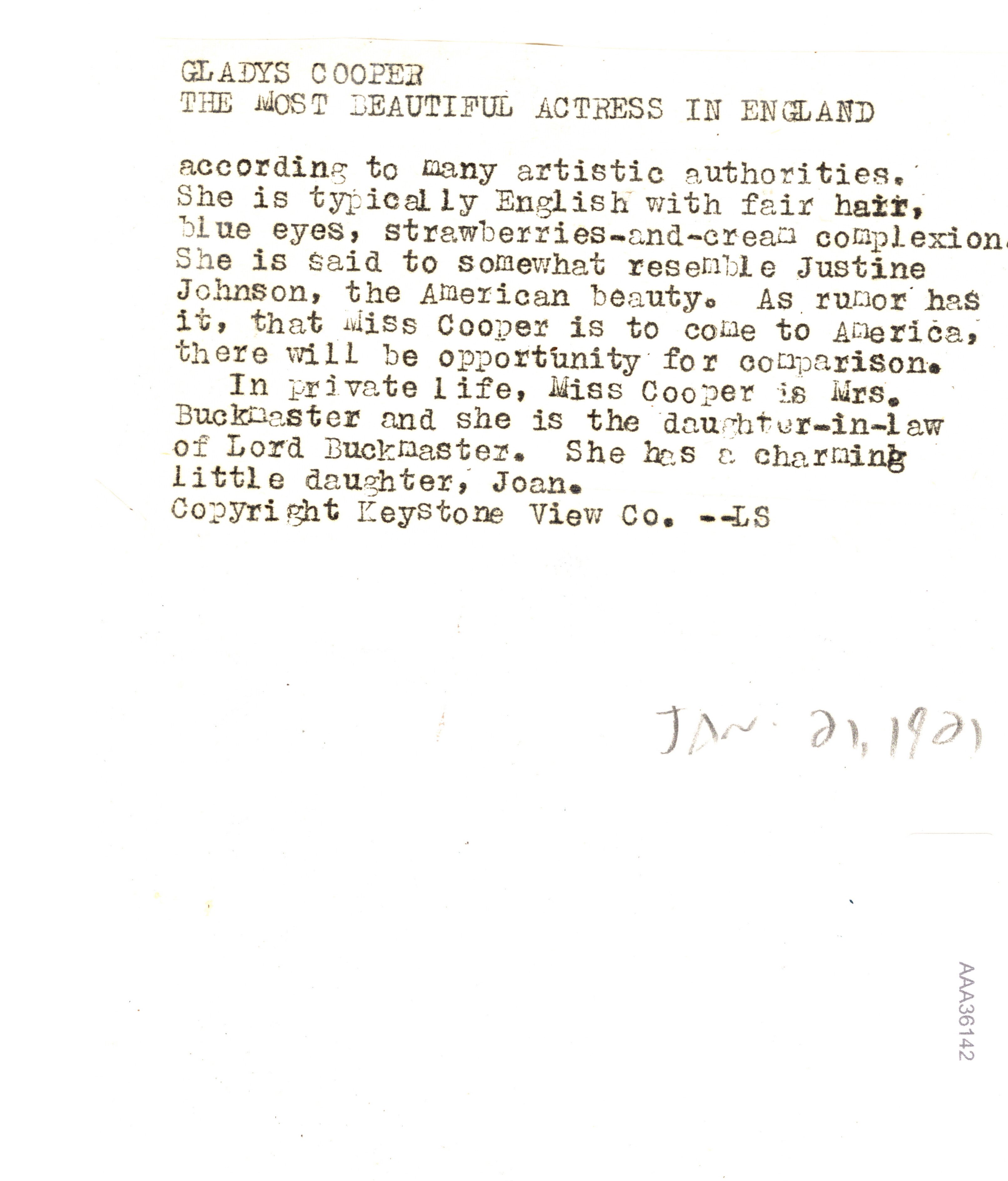
This 1921 press photo (Press Photo 1)features British actress, theatrical manager, and producer Gladys Cooper (1888-1971). Her career spanned over seven decades and she acted on stage, film, and television. She was a popular “pin-up” model for British troops during World War I. In 1967, she was awarded the coveted title of Dame of the Order of the British Empire. Cooper was known for both her talent and her beauty. This press photo focuses on her beauty. In fact the caption of the photograph states “Gladys Cooper : The Most Beautiful Actress In England”. This press photo was produced by the Keystone View Company. Cooper was about 33 years of age at the time this photograph was taken. (SOLD)
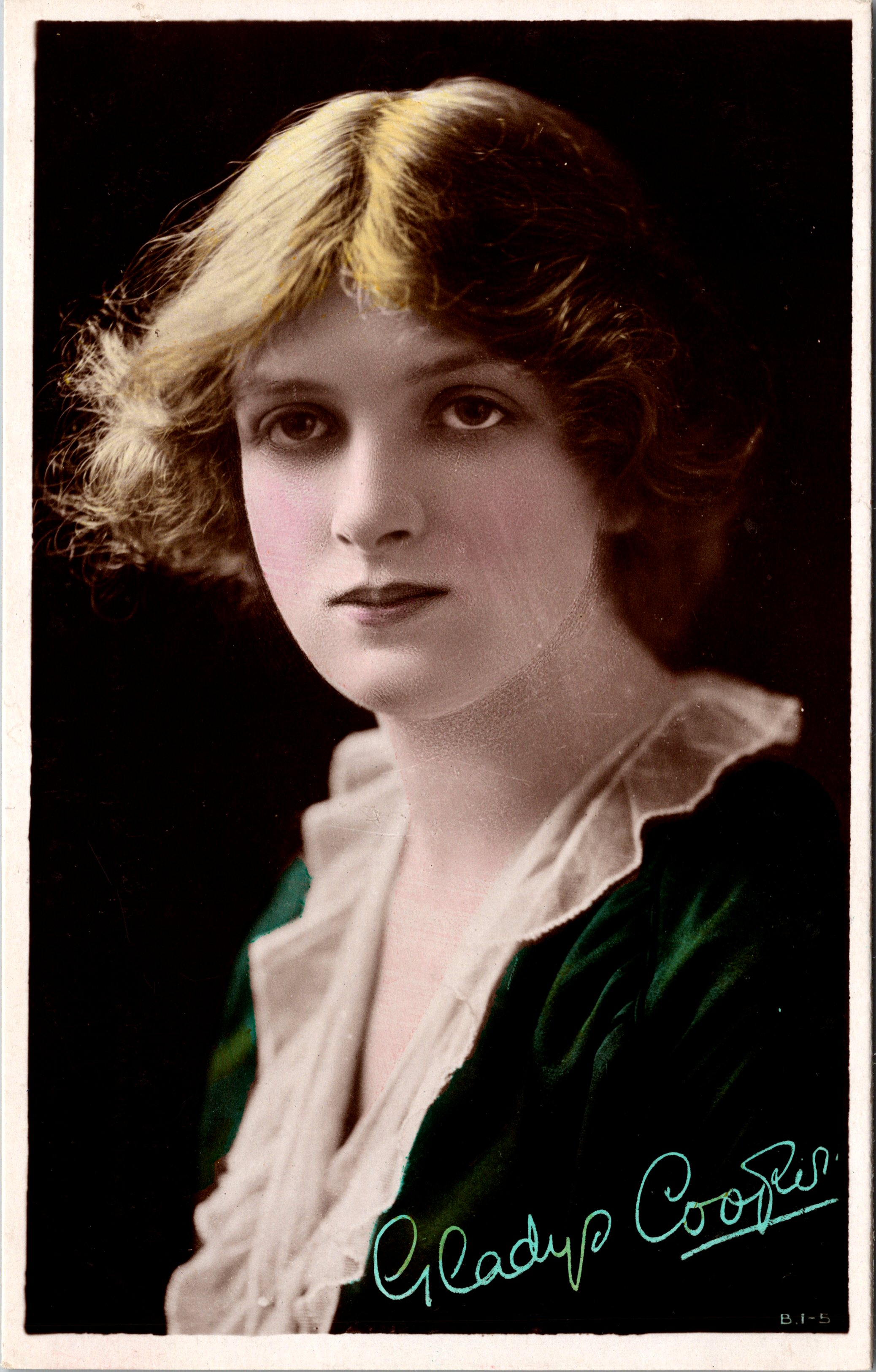
Postcard 1 features the Gladys Cooper’s fascimile autograph. This “hand-painted” postcard was published by Rotary Photo as part of the “British Beauty” series (B1-5). The firm was located in London. (SOLD)
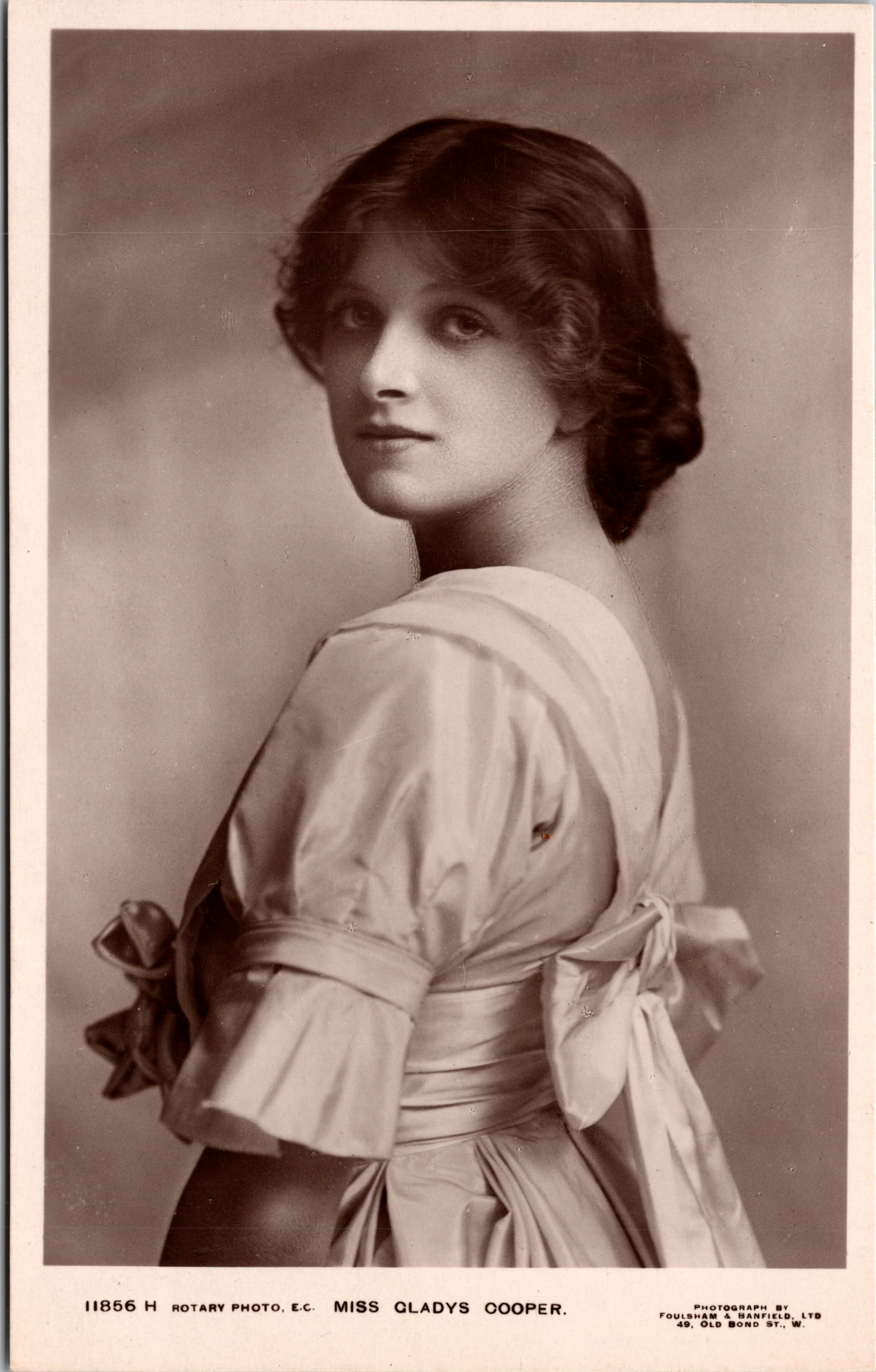
Postcard 2 was published by Rotary Photo as part of the “Rotary Photographic” series (11856H). The firm was located in London. (SOLD)
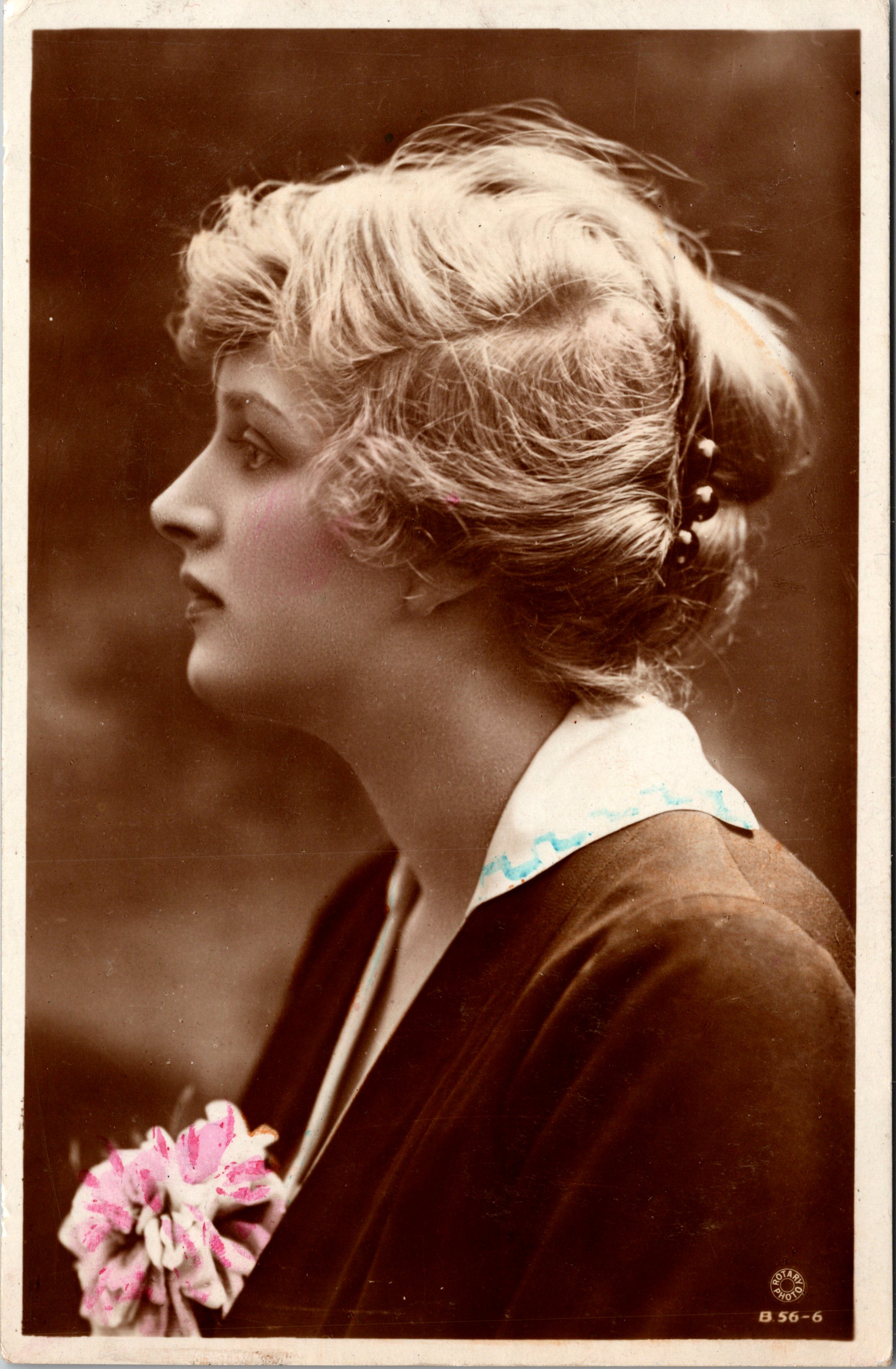
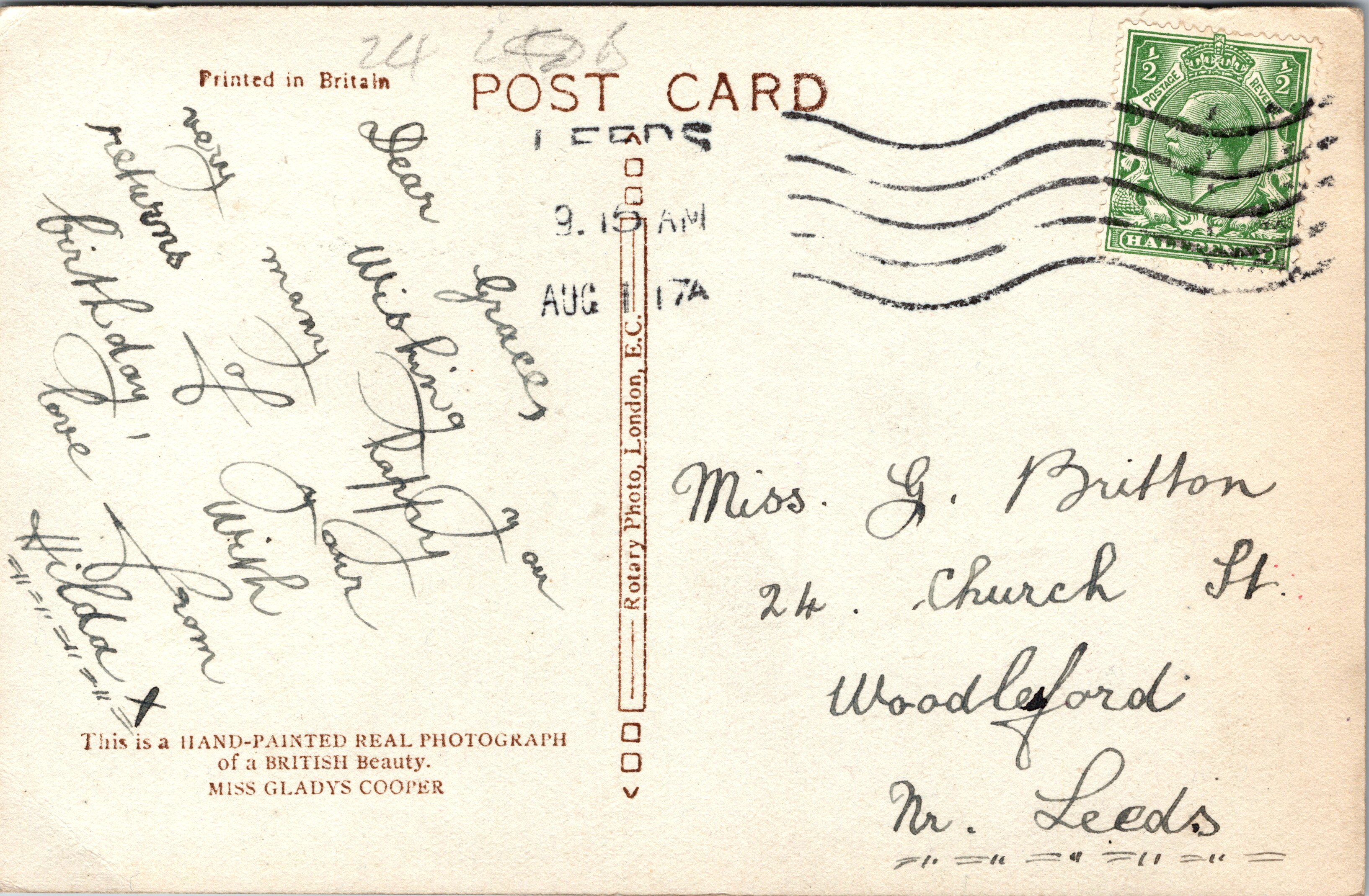
Postcard 3 is “hand-painted” and published by Rotary Photo as part of the “British Beauty” series (B56-6). The message on the card wishes the recipient many happy returns on her birthday. This postcard is in very good condition (see scans). (SOLD)
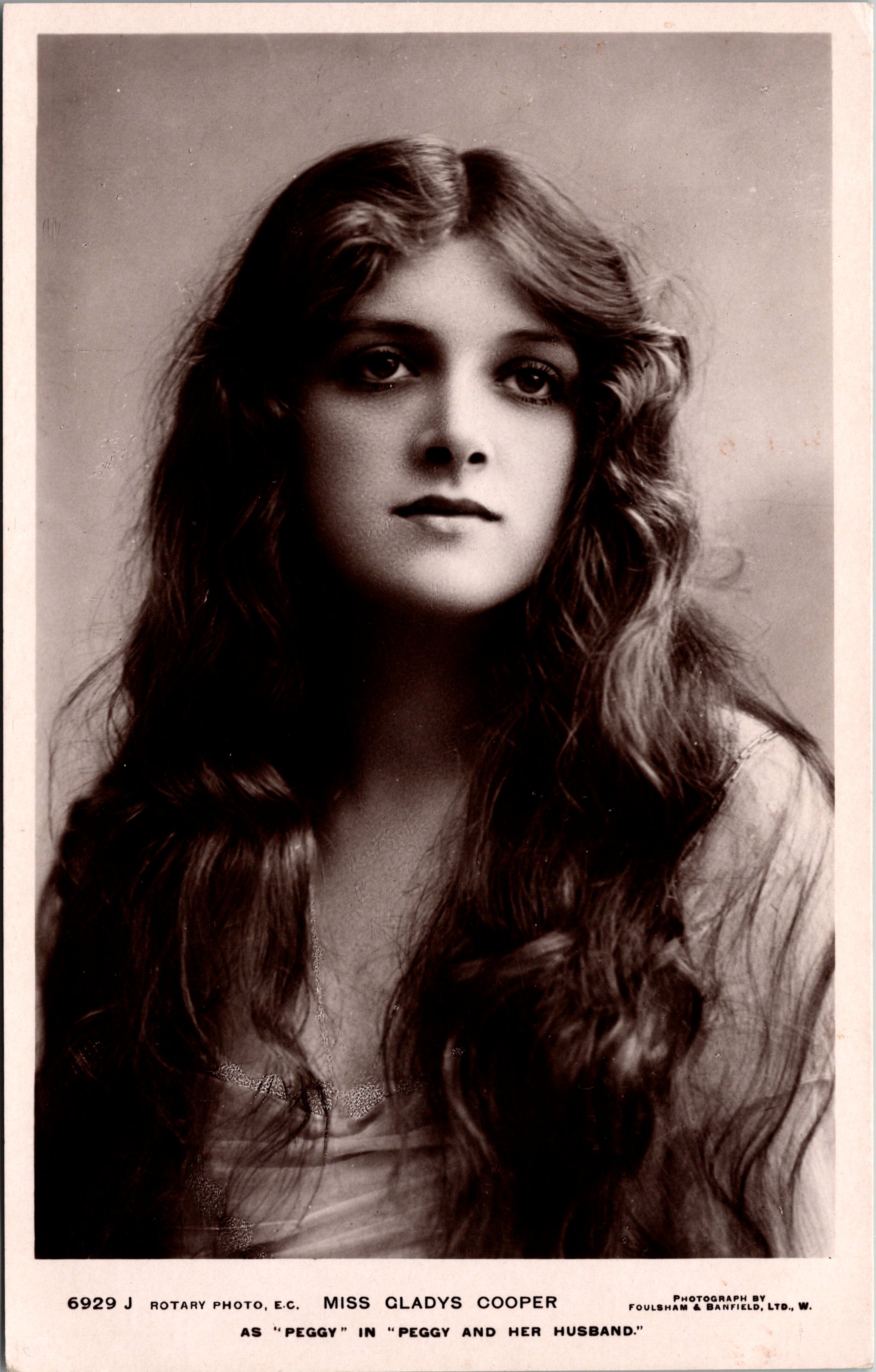
Postcard 4 captures Cooper in her role as “Peggy” in “Peggy And Her Husband” (1914). Cooper’s photograph on this card was taken by the Foulsham & Banfield studio. This postcard was published by Rotary Photo as part of a series (6929 J). The firm was located in London. (SOLD)
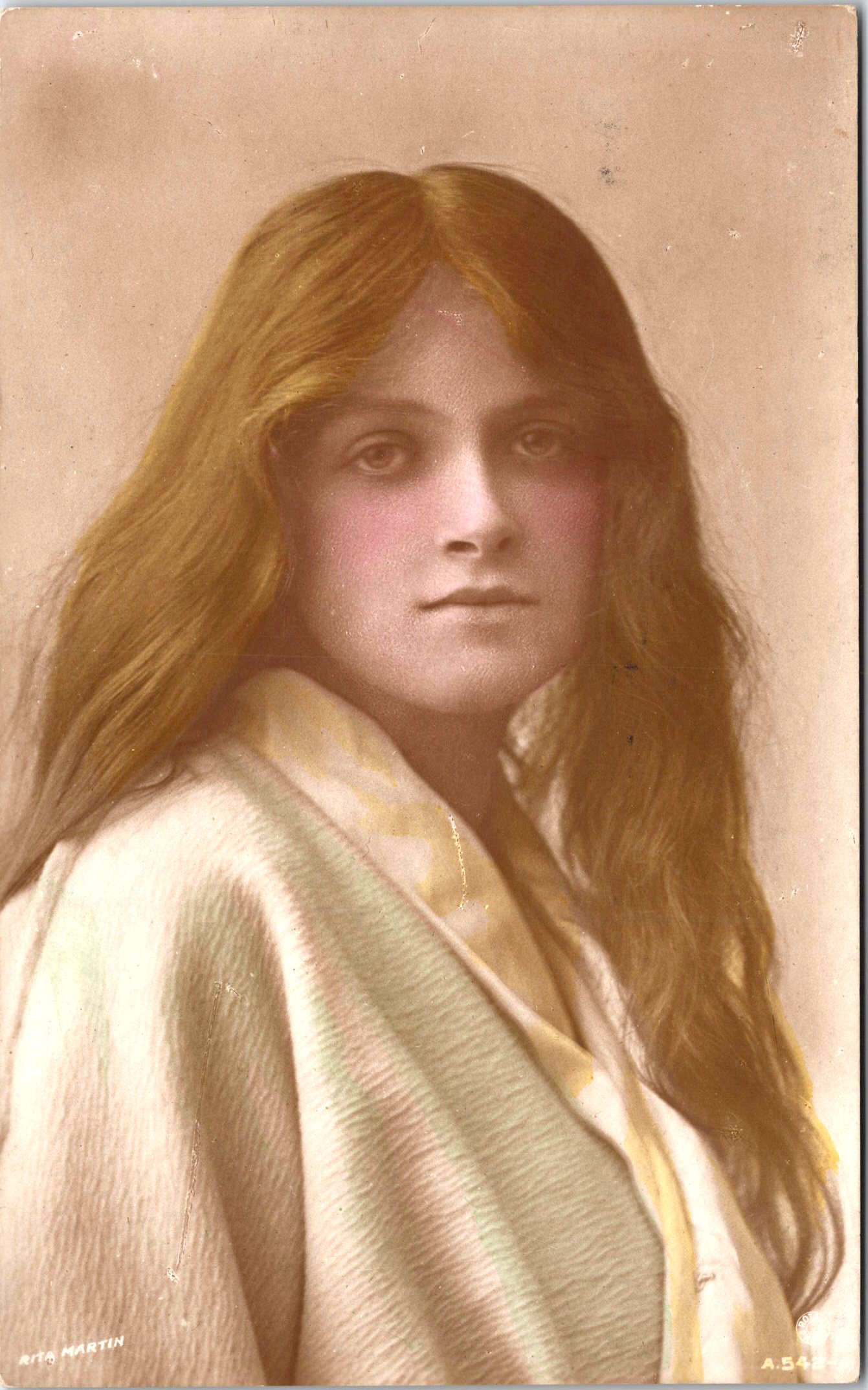
Postcard 5 features Cooper’s photograph taken by celebrated female photographer, Rita Martin. This uncommon postcard was published by Rotary Photo as part of the “British Beauty” series (A542). The firm was located in London. (SOLD)
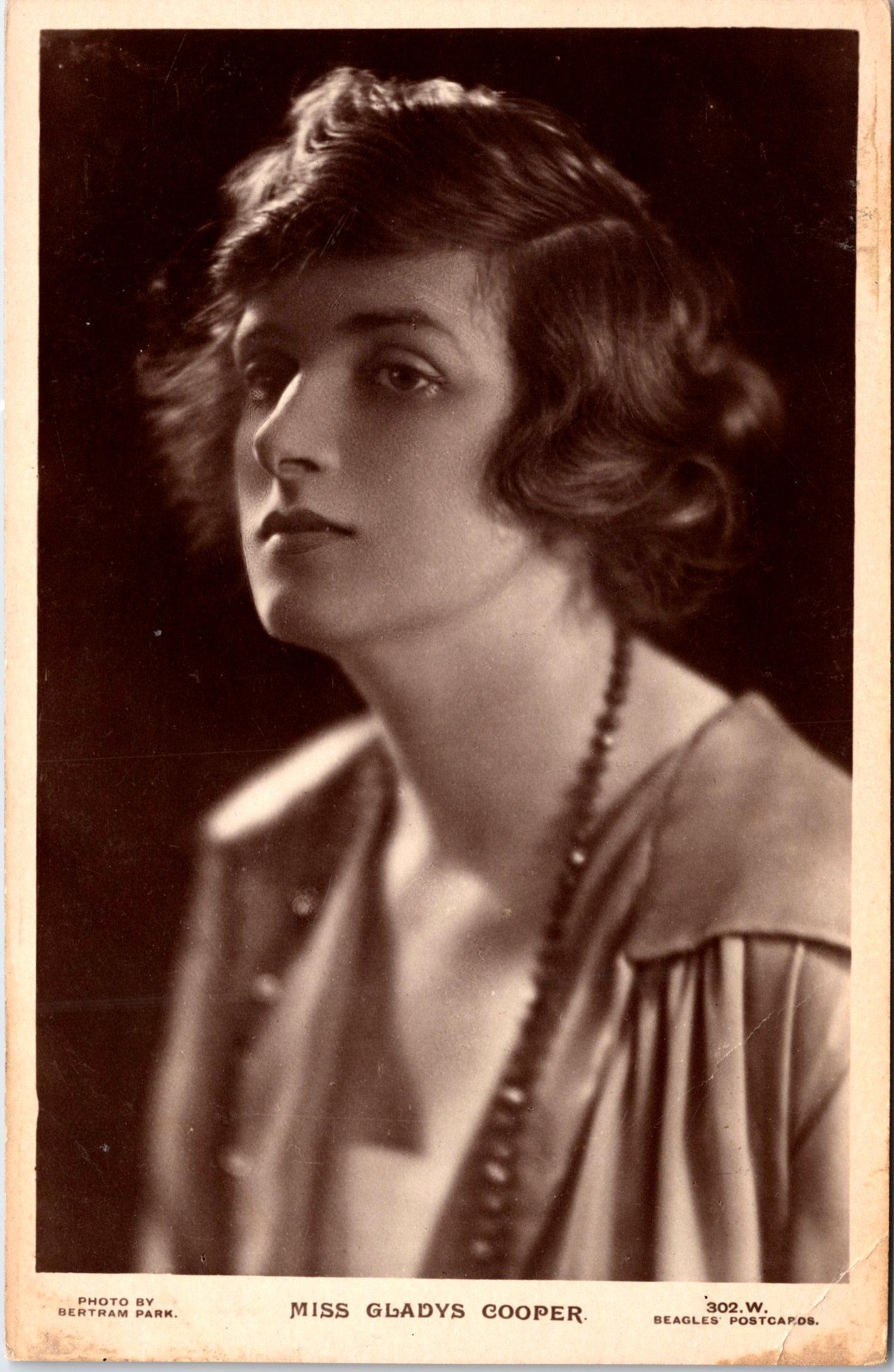
Postcard 6 features a portrait of Cooper that was taken by Bertram Park (1883-1972). He was an English portrait photographer. He photographed many celebrities including members of royalty. A number of engravings of his work were used on British and British Commonwealth stamps. Park was also very involved in producing theatrical photographs. His wife, Yvonne Gregory was also an esteemed photographer. In addition, she served as one of his models. The couple produced books on photographing nudes. Park was also an expert on rose cultivation. This postcard was published by J. Beagles & Co. as part of a series (302W). The firm was located in London. (SOLD)
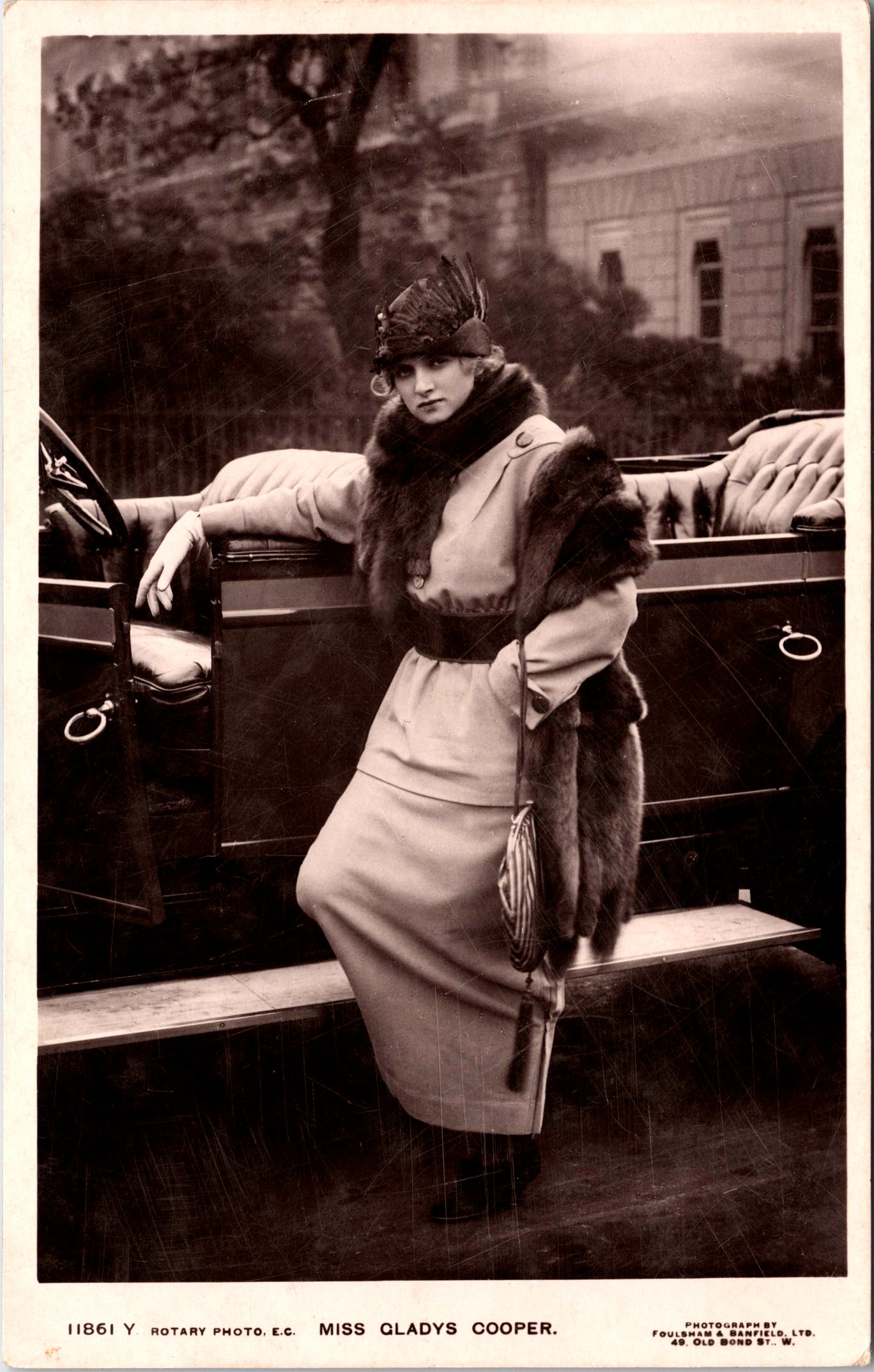
Postcard 7 captures a fashionable Miss Cooper standing next to a beautiful luxurious classic automobile. Cooper’s photograph on this card was taken by the Foulsham & Banfield studio. This postcard was published by Rotary Photo as part of a series (No11861Y). The firm was located in London. (SOLD)
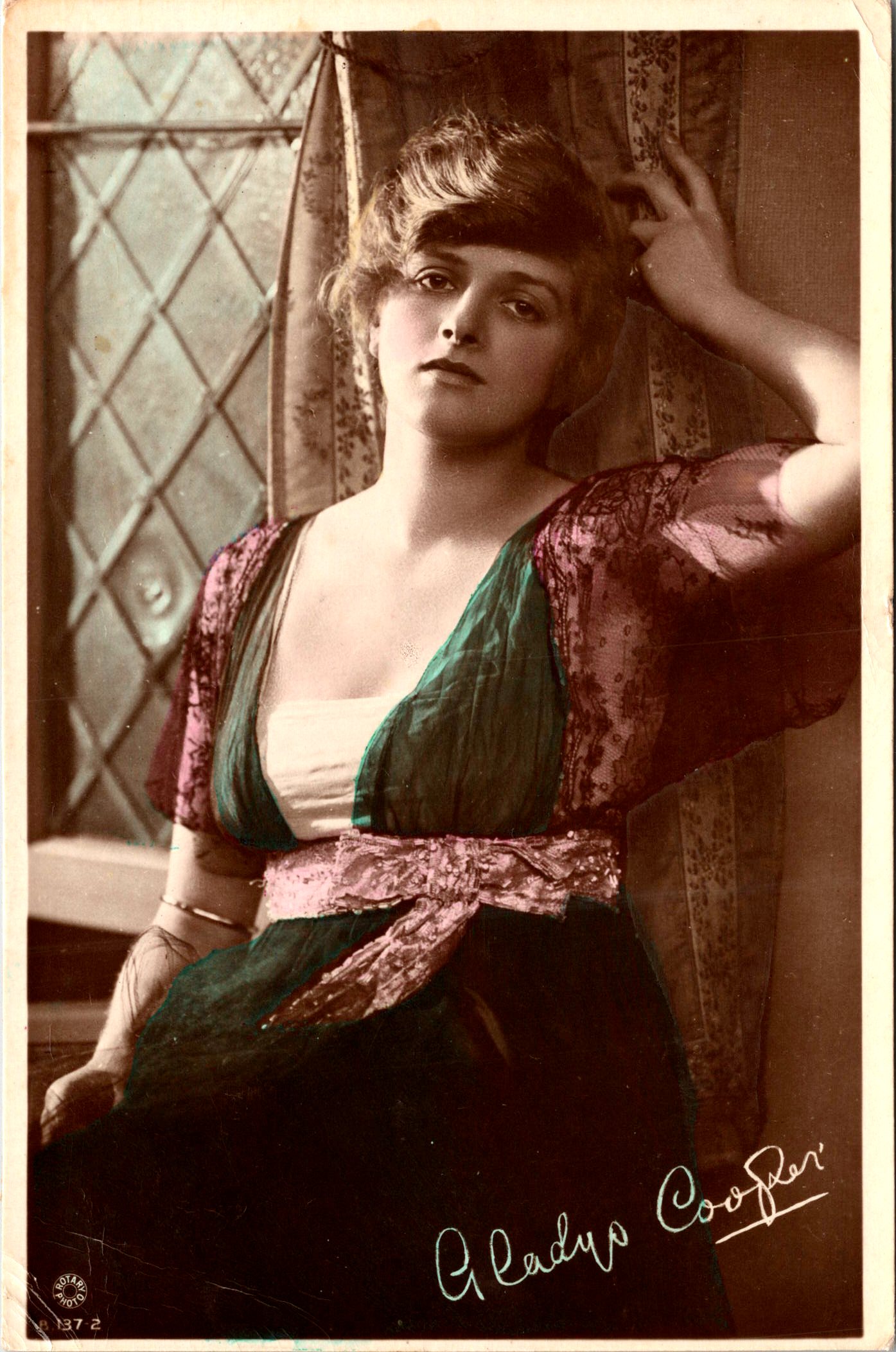
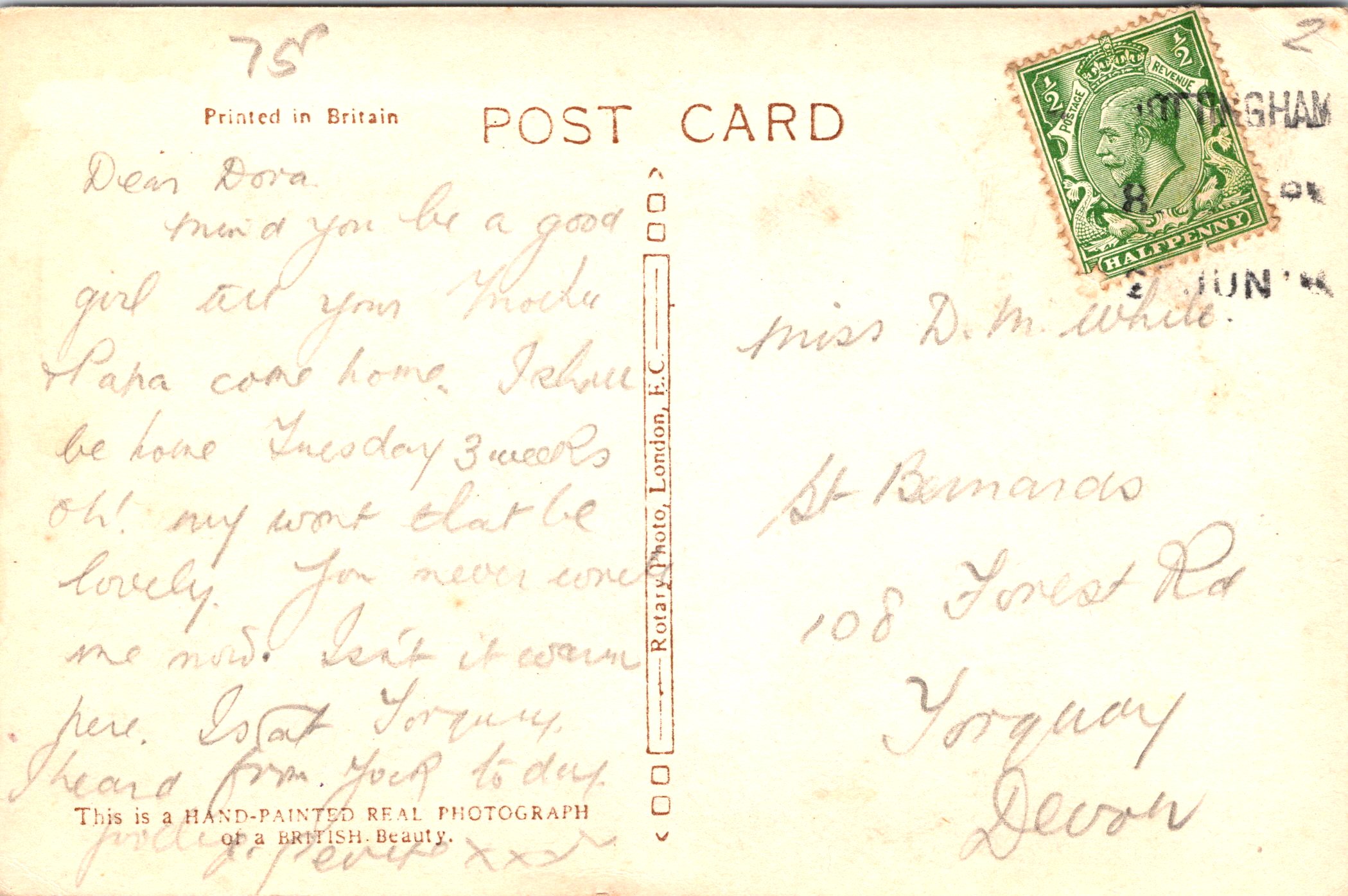
This vintage real photo hand tinted postcard features British actress, theatrical manager, and producer Gladys Cooper (1888-1971). Cooper’s career spanned over seven decades and she acted on stage, film, and television. She was a popular “pin-up” model for British troops during World War I. In 1967, she was awarded the coveted title of Dame of the Order of the British Empire. Cooper was known for both her talent and her beauty. This postcard portrait focuses on her beauty. In fact, she was considered by many to be the most beautiful actress in England. This postcard presents Miss Cooper posed sitting by a window deep in some emotional thought. Cooper’s facsimile autograph is located in the bottom right hand corner. This postcard was published by Rotary Photo as part of the “British Beauty” series (B137-2). The firm was located in London. SOLD
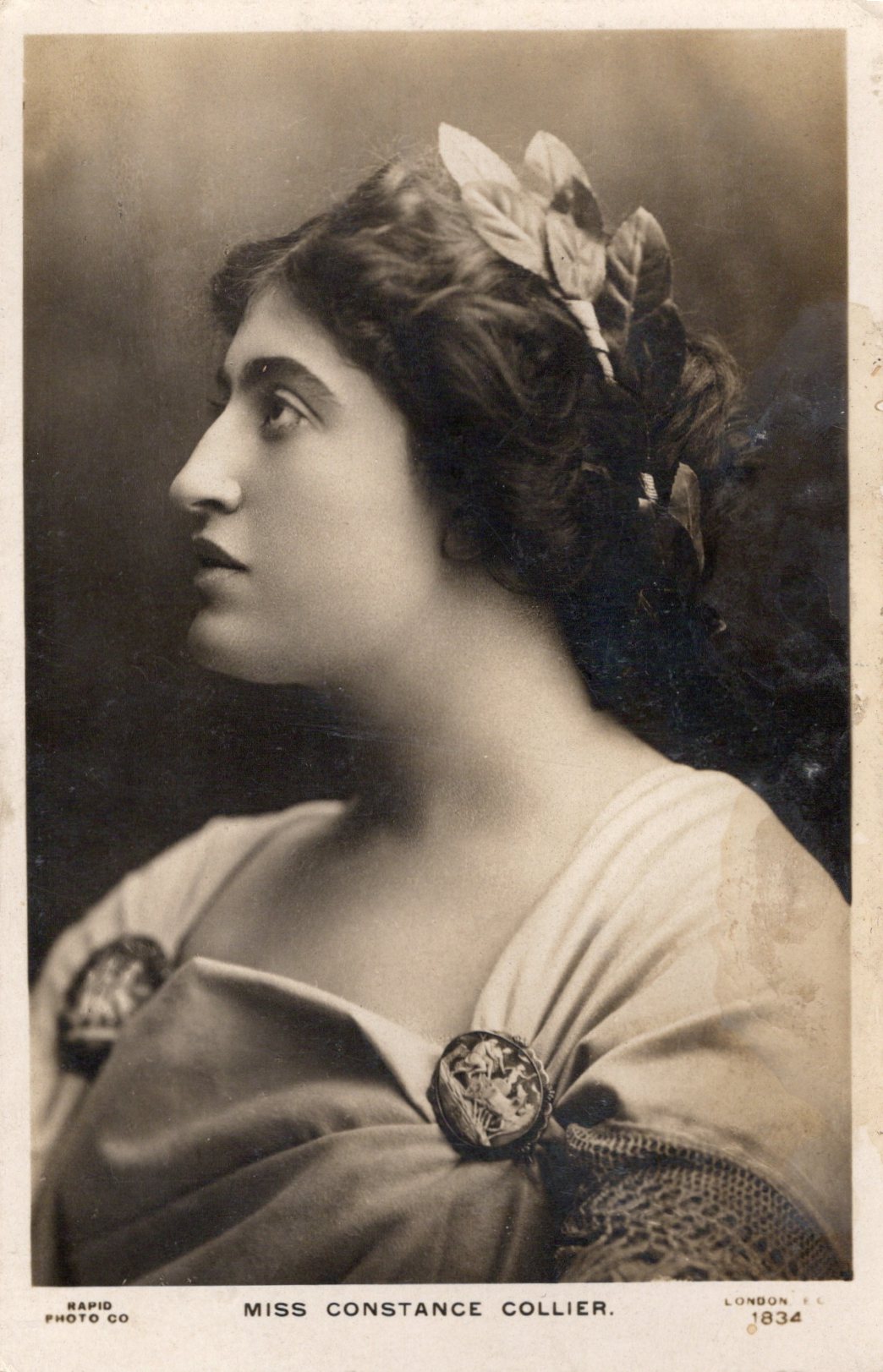
Postcard 1 is a vintage real photo postcard featuring English stage and film actress and acting coach, Constance Collier (1878-1955). She also wrote hit plays and films. She has another claim to fame. She was the first person to be treated with insulin in Europe. This postcard captures Miss Collier in costume for her role of Cleopatra in “Antony and Cleopatra” (1906). Marc Antony was played by Herbert Beerbohm Tree and the production’s venue was at “His Majesty’s Theatre”. Collier began her stage career at the age of three. She appeared in “A Midsummer Night’s Dream”. At the age of 15, she became one of the “Gaiety Girls”. This group was a famous dance troupe based in London’s Gaiety Theatre. In 1905, Collier married English actor, Julian Boyle. He was better known as the famous theatrical cross-dresser, Julian L’Estrange. After appearing in “Antony and Cleopatra”, Collier became very popular and seen as a distinguished actress. In 1908, she made the first of several tours of the United States. In her 1916 tour of the US, she made four silent films including in D. W Griffith’s, “Intolerance”. In 1918, her husband died from the Spanish flu while the pair were on a US tour. The influenza epidemic of 1918-1919 killed 650,000 Americans. It was the era’s version of Covid-19. In the early 1920’s, Collier became close friends with actor, Ivor Novello. They acted and co-wrote together. In the late 1920’s, Collier relocated to Hollywood where she became a voice coach. She filled a valuable role because talkies were beginning to replace silent films and many actors were in need of help with the transition. Her most famous students were actresses, Colleen Moore, Marilyn Monroe, Vivien Leigh, and the Hepburn sisters. While teaching, she still performed on Broadway and made films. The IBDb reports that Collier was in 21 Broadway shows between 1908 and 1939. These shows included Oliver Twist (1912), Othello (1914), Camile (1931), and Dinner at Eight (1933). According to IMDb, Collier performed in 29 films, wrote 7, and was in the crew of 4. She performed for Otto Preminger as well as Alfred Hitchcock. She was awarded an American Shakespeare Festival Theatre Award for distinguished service for training actors for Shakespearean roles. This postcard was published by Rotary Photo as part of a series (No.4039H). Miss Collier’s photographic portrait was taken by the Foulsham & Banfield studio. The National Portrait Gallery possesses this same card in their Constance Collier postcard collection. They possess 33 different photographs of Miss Collier. (SOLD)
Postcard 2 was published by Rapid Photo as part of a series (No.1834). Note the size of the buttons on her dress and her hair ornament composed of four leaves. (SOLD)
This vintage real photo postcard features a young woman posing in her winter jacket and her fur stole. Her winterized clothing also includes a cute hat and a giant muff. The fur muff will certainly keep her hands warm. In fact, these muffs are so large that they could probably keep three of her friends hands warm too. The woman in this photo, in my opinion, appears to be black or mulatto. This postcard was photographed by the USA studios which was located in London and the Provinces. USA Studios was a firm established in England during the Edwardian period. It was established in around 1907. The firmsfocus was portrait photography. The company was also known as the American Photographic Company. The firm was started by either photographer John Harry Woolfe (1880-1942) or by his parents, Henry Wolfe (1852-1927) and Mrs Fanny Wolfe (1854-?). John Harry Wolfe”s younger brother, William Swift Woolfe (1893-?), also became a photographer. John Harry became a photographer in the early 1900’s and bought an established London studio in 1907. The studios were very successful during World War I. The studios were all managed by Wolfe family members until World War II. John Harry’s mother, Mrs Fanny Woolfe, was listed as the proprietor of some of the USA studios. A list of the company’s studios indicates that there were at different times, fourteen studios in London and it’s nearby towns. These studios operated between 1907 and 1919. There were thirteen studios in the provinces and they were in operation cumulatively between 1907 and 1969. SOLD
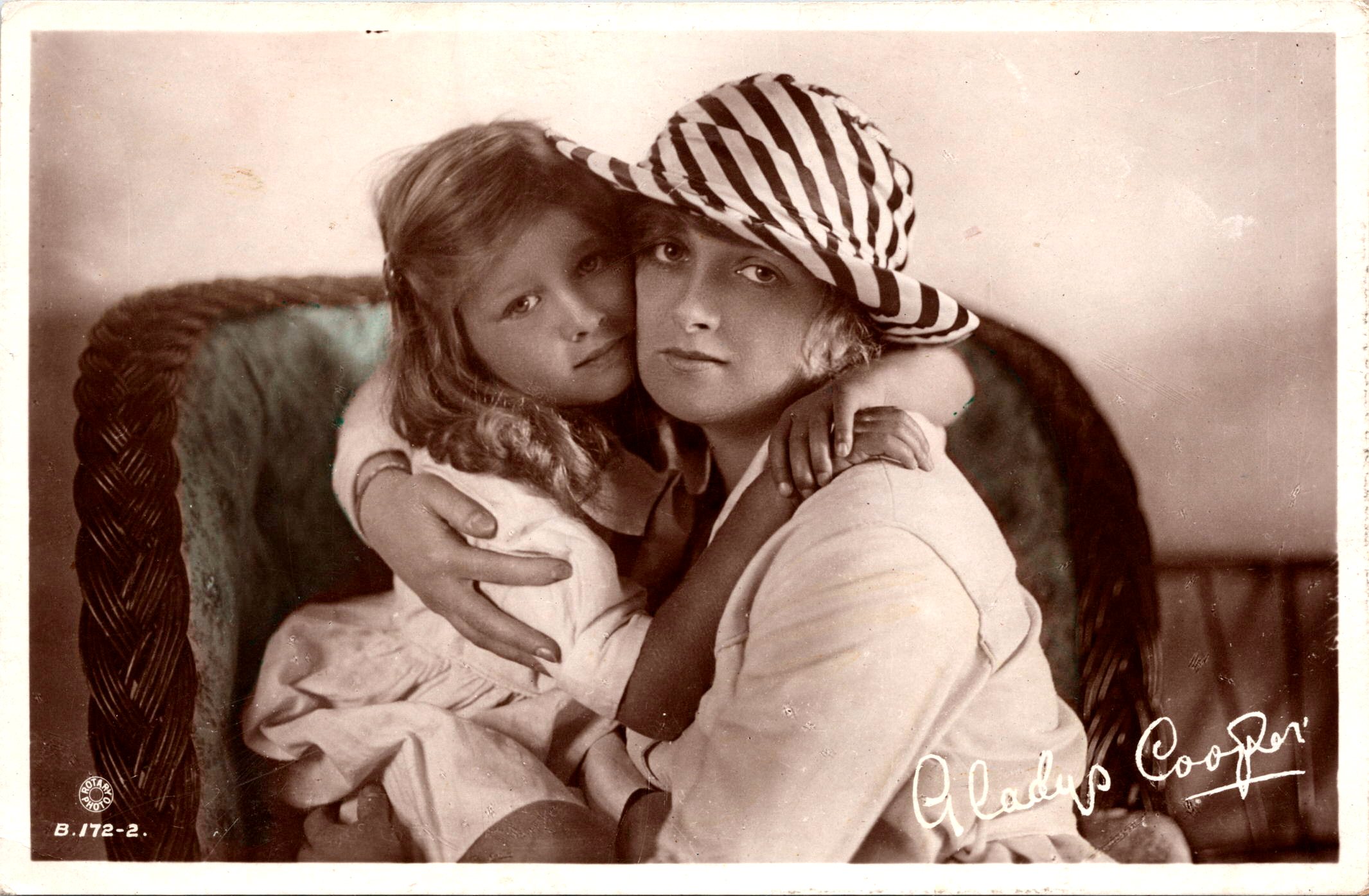
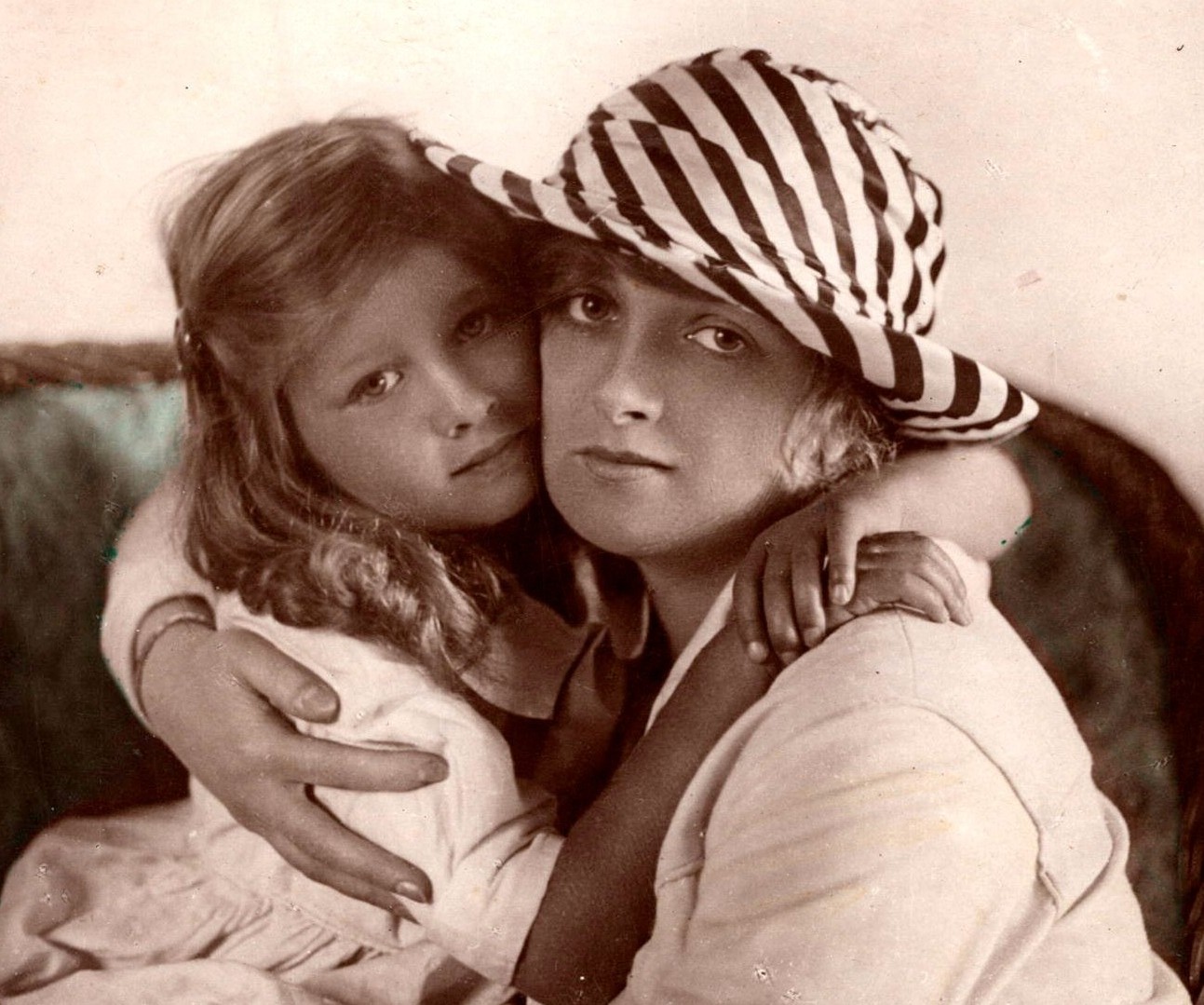
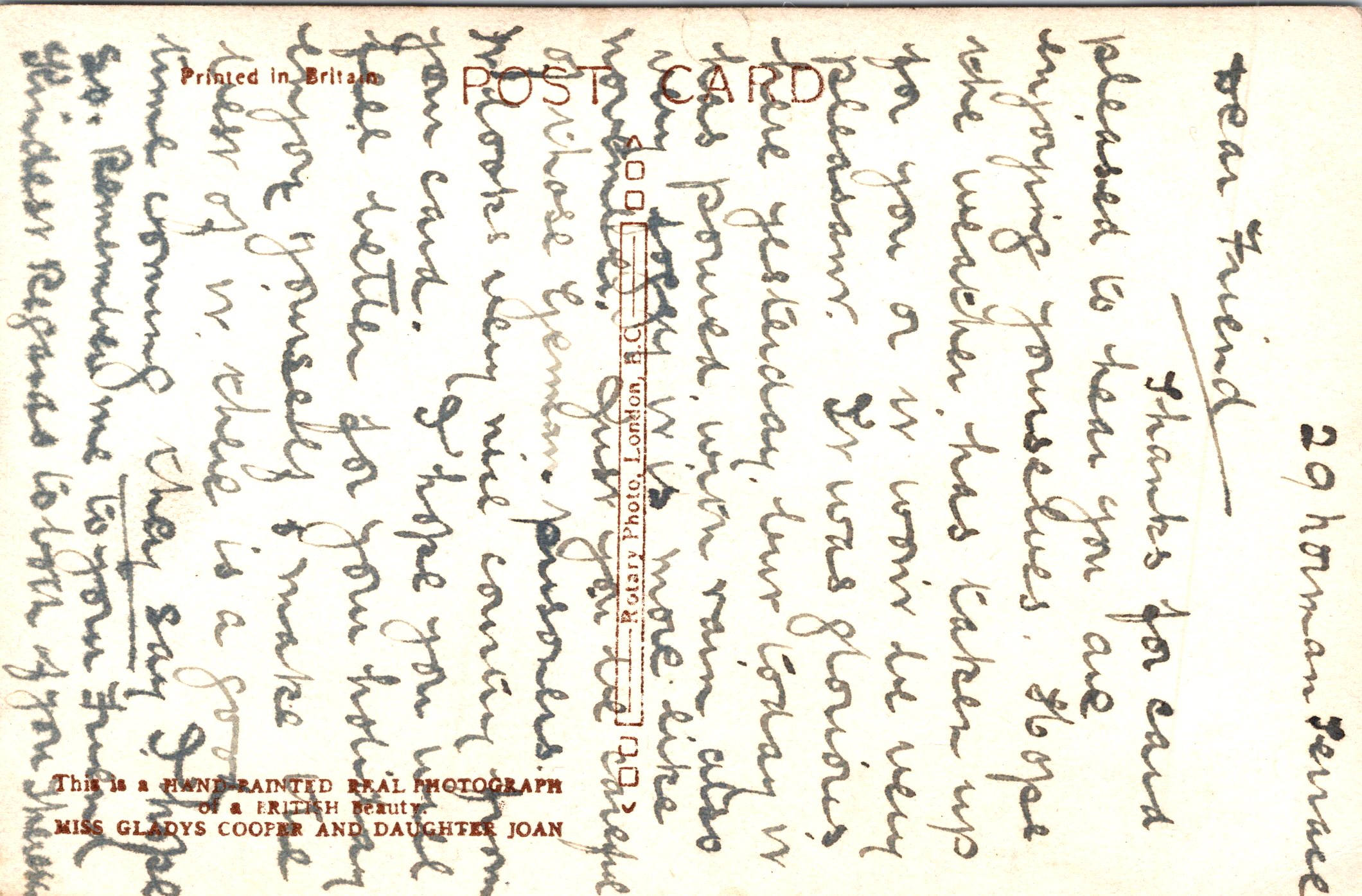
This rare vintage real photo hand-painted postcard features British actress, theatrical manager, and producer Gladys Cooper (1888-1971). Cooper’s career spanned over seven decades and she acted on stage, film, and television. She was a popular “pin-up” model for British troops during World War I. In 1967, she was awarded the coveted title of Dame of the Order of the British Empire. Cooper was known for both her talent and her beauty. In fact, she was considered by many to be the most beautiful actress in England. This is a real photo postcard featuring Gladys together with her daughter Joan. The postcard was published in Britain by Rotary Photo, this card is catalogued B.172-2. The postcard features Gladys seated in a wicker chair, dressed in a light coat and striking wide-brimmed hat with bold black and white stripes. Her expression is calm and direct, gazing steadily at the camera. Joan leans into her mother’s embrace, wearing a light dress, her long curls framing her face, and looking tenderly toward the viewer. The intimate pose conveys both warmth and strength. Cooper’s bold autograph facsimile appears at the bottom right. The reverse of the postcard is divided back and has a message. The following is an approximate transcription. “Dear Friend, Thanks for card, pleased to hear you are enjoying yourself. Jones’ leg is better I hope you have gone for good. Weather has taken up & it won’t be very long before you are more like yourself. Yesterday was glorious, but today is dull & very damp. Remember me to your mother. With kindest regards to you both.”(SOLD)
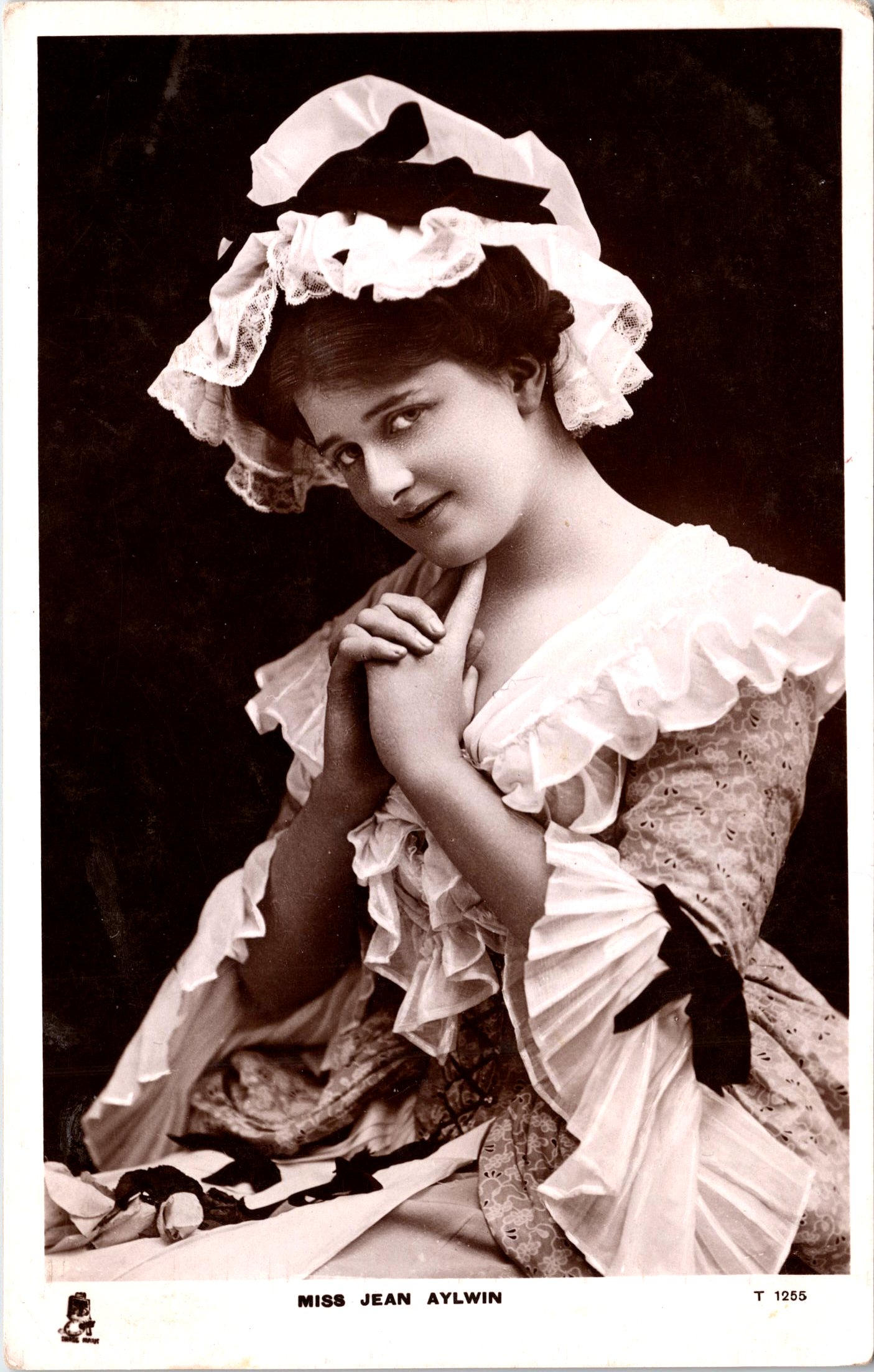
This vintage real photo postcard features a striking portrait of Jean Aylwin (1885-1964), a pretty British actress and singer from the early 20th century. She gained fame for her performances in musical comedies and plays in London and she also toured internationally. Aylwin was associated with the popular Gaiety Theater productions. She had notable performances in several successful productions including “The New Aladdin” (1906), “The Girls of Gottenberg” (1907) and “Our Miss Gibbs” (1909). Aylwin also appeared in two silent films. She married in 1913 but the marriage ended in divorce in 1924. She was accused of adultery with a noted composer of her time. After her divorce, her career declined. She later worked as a housekeeper. In 1926, she briefly worked as a BBC radio broadcaster. In this portrait, Jean Aylwin is presented with a soft, coquettish elegance that was typical of early 20th-century stage and postcard imagery. She is shown seated and slightly angled toward the camera, her head gently tilted, with her hands clasped at her chest in a demure, almost confessional pose. Her expression is warm and inviting—large, dark eyes looking directly at the viewer beneath delicately arched brows, with a faint, knowing smile that suggests charm rather than overt theatricality. She wears an ornate period costume with layers of lace and sheer fabric, the bodice trimmed with ruffles that frame her neckline and sleeves. Dark ribbon accents at the sleeves and waist provide contrast against the pale, airy textiles. Her hair is styled neatly and topped with a frilled cap or bonnet, finished with a prominent dark bow that adds visual drama and balance to the composition. Overall, the image emphasizes her youthful femininity, grace, and approachability, qualities that clearly made her well suited for popular theatrical and postcard circulation of the era. Jean’s career in the performing arts overlapped with the golden age of postcards, and her image frequently appeared on souvenir postcards like this one. The card is published by Raphael Tuck, a notable postcard company active in England during the early 20th century. The card is part of the series, numbered T1255, and was published and printed in England. (SOLD)
This vintage real photo postcard portrait feature British silent film actress, Marjorie Villis (1891-1981). Miss Villis is quite pretty and has a wonderful smile. This photograph captures her in a risque pose and a risque costume. What an amazing elaborate and busy costume. When I first saw this image, I immediately became motivated to find information about this provocative actress. I met little success in learning about Marjorie Villis. Photographs of her appear to be uncommon, and I could not find the postcard above anywhere online. I did learn that she sat for seven postcard portraits that can be found in the UK’s National Portrait Gallery, All of the portraits were taken by celebrated photographer, Alexander Bassano. The IMDb credits Villis with 15 film roles between 1915 and 1922. Villis was most noted for her roles in “The Rugged Path (1918), “A Romany Lass (1918)”, and “Brenda of the Barge (1920). She had a relatively short career. I wonder why her career ended so abruptly? The first talkie feature film did not get released until 1927, so we know that, unlike many other silent film stars, Villis was not shut out of the film industry because of an unsuitable voice or foreign accent. This postcard was published by J. Beagles & Company (London) as part of a series (no.142 J). The wonderful portrait of Miss Villis was taken by S. Ward. This vintage postcard is in very good condition (see scans)
This cabinet card is available for purchase at my store, The History Peddler, for $35.00 or best offer.
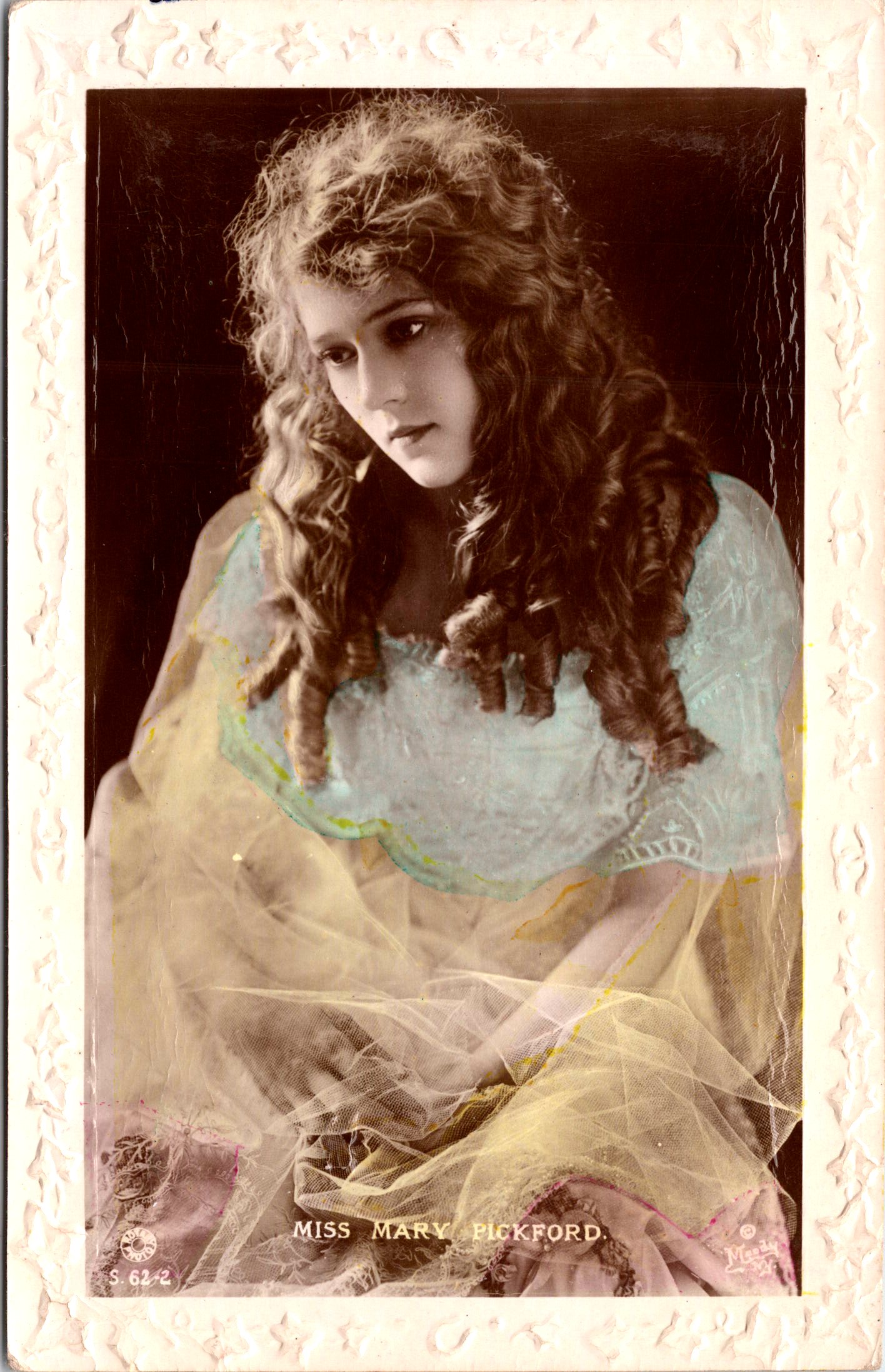
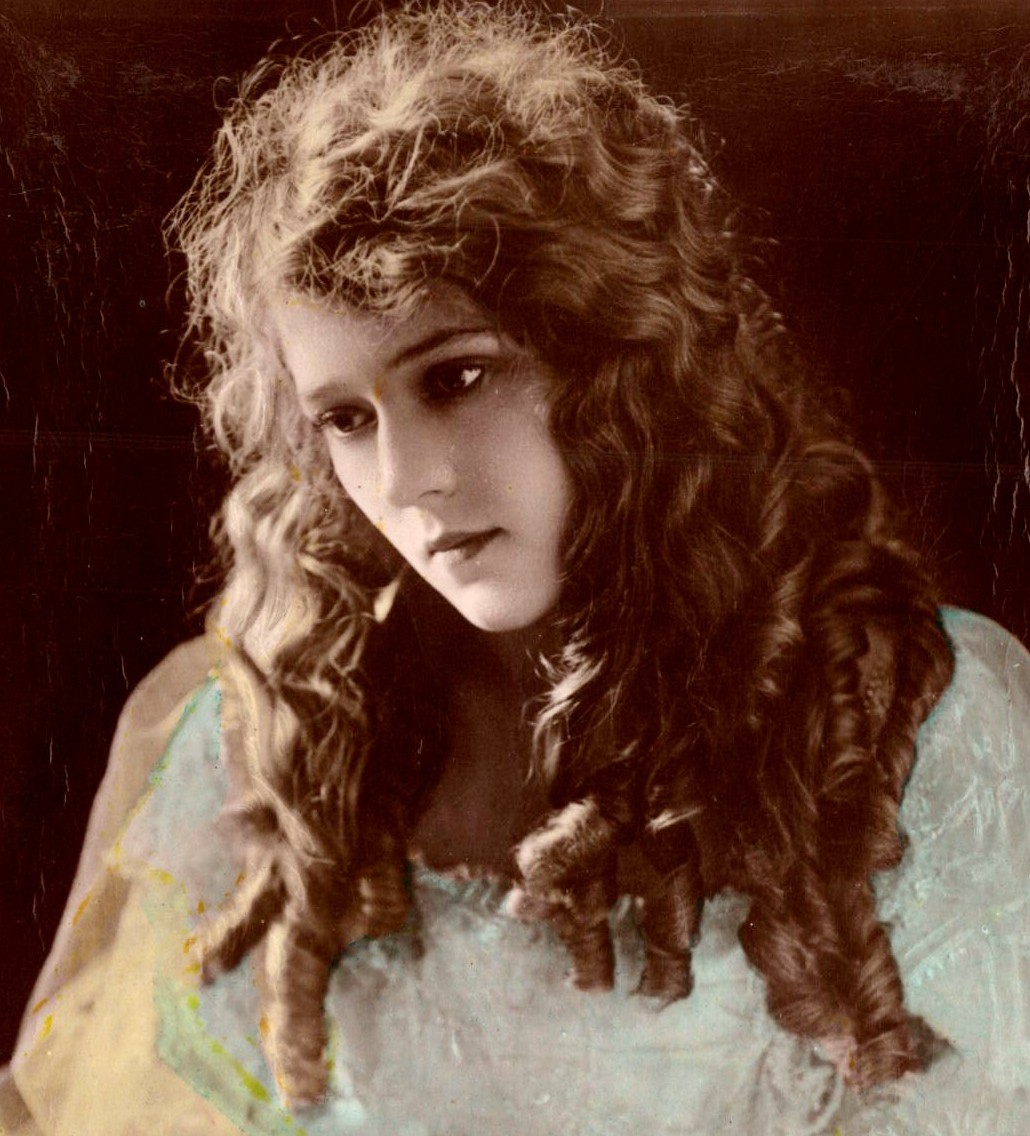
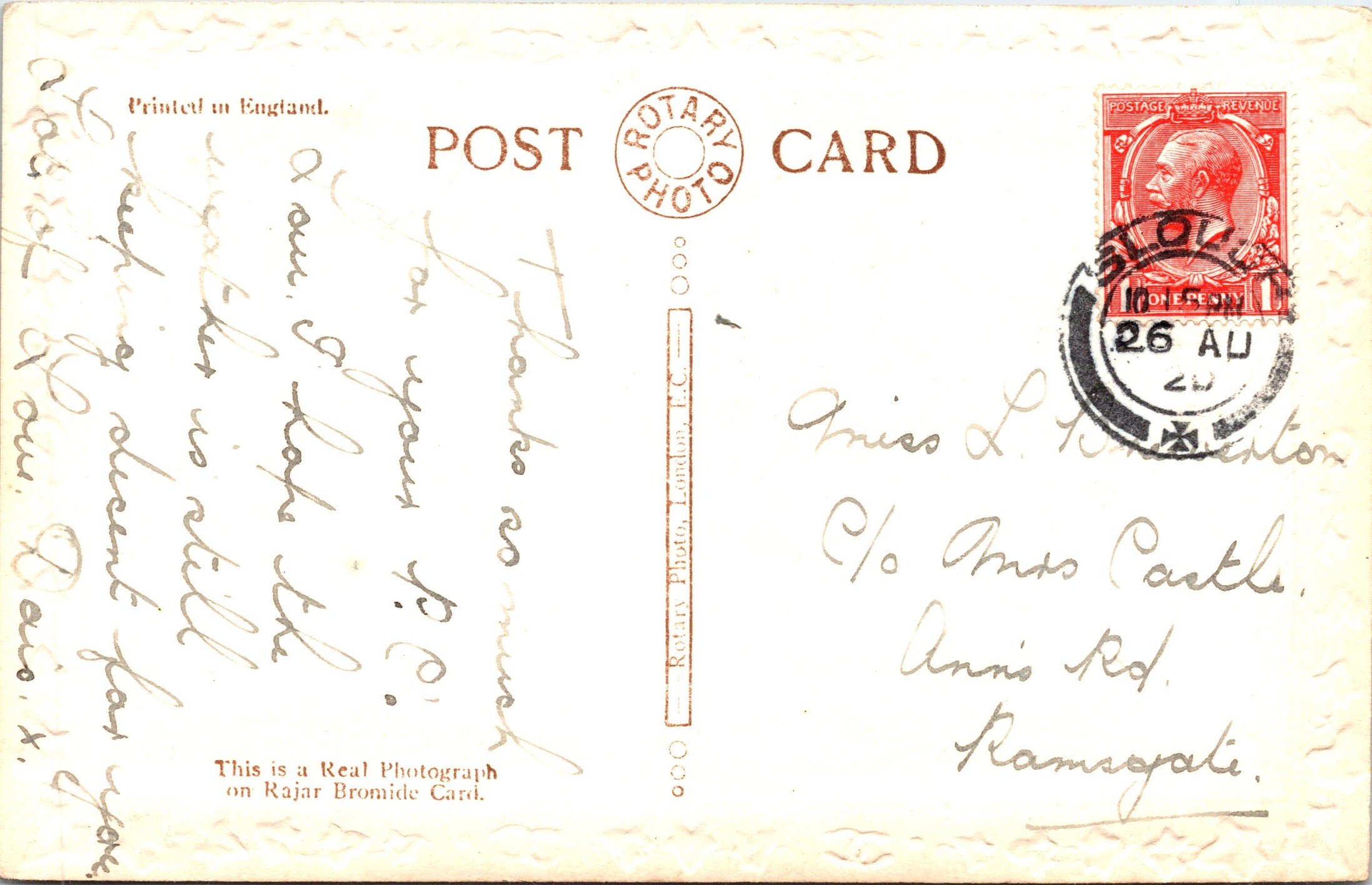
This beautiful vintage real photo postcard features Mary Pickford, shown here in a soft, introspective portrait that perfectly captures the romantic visual style of the early 1910s. Pickford is posed in three-quarter profile, her gaze cast downward, with her signature long curls cascading over her shoulders. She wears a delicate, flowing gown rendered in subtle hand-applied color, with pale blue and warm cream tones carefully brushed over the original photograph, lending the image a dreamy, ethereal quality. The overall effect is gentle and luminous, emphasizing her youthful features and expressive eyes. This postcard was produced by Rotary Photo, one of the most prolific and collectible publishers of celebrity real photo postcards in the early 20th century. The image is identified by the ID No. S.62-2, printed at the lower edge, and the reverse confirms it was printed in England via (Rajer Bromide). Mary Pickford needs little introduction; often called “America’s Sweetheart,” she was one of the most beloved and influential actresses of the silent film era, helping to define early Hollywood stardom. This particular image emphasizes her emotional subtlety and screen presence rather than theatrical glamour, making it especially appealing to collectors of classic film portraiture. The reverse reveals the postcard was postally used and that it is bearing a British King George V one-penny red stamp, postmarked in 1920. The card was mailed to someone in Harrogate, England. The handwritten message reads, in part “Just a card to let you know I am quite well. Hoping you are the same. Best love…”. (SOLD)


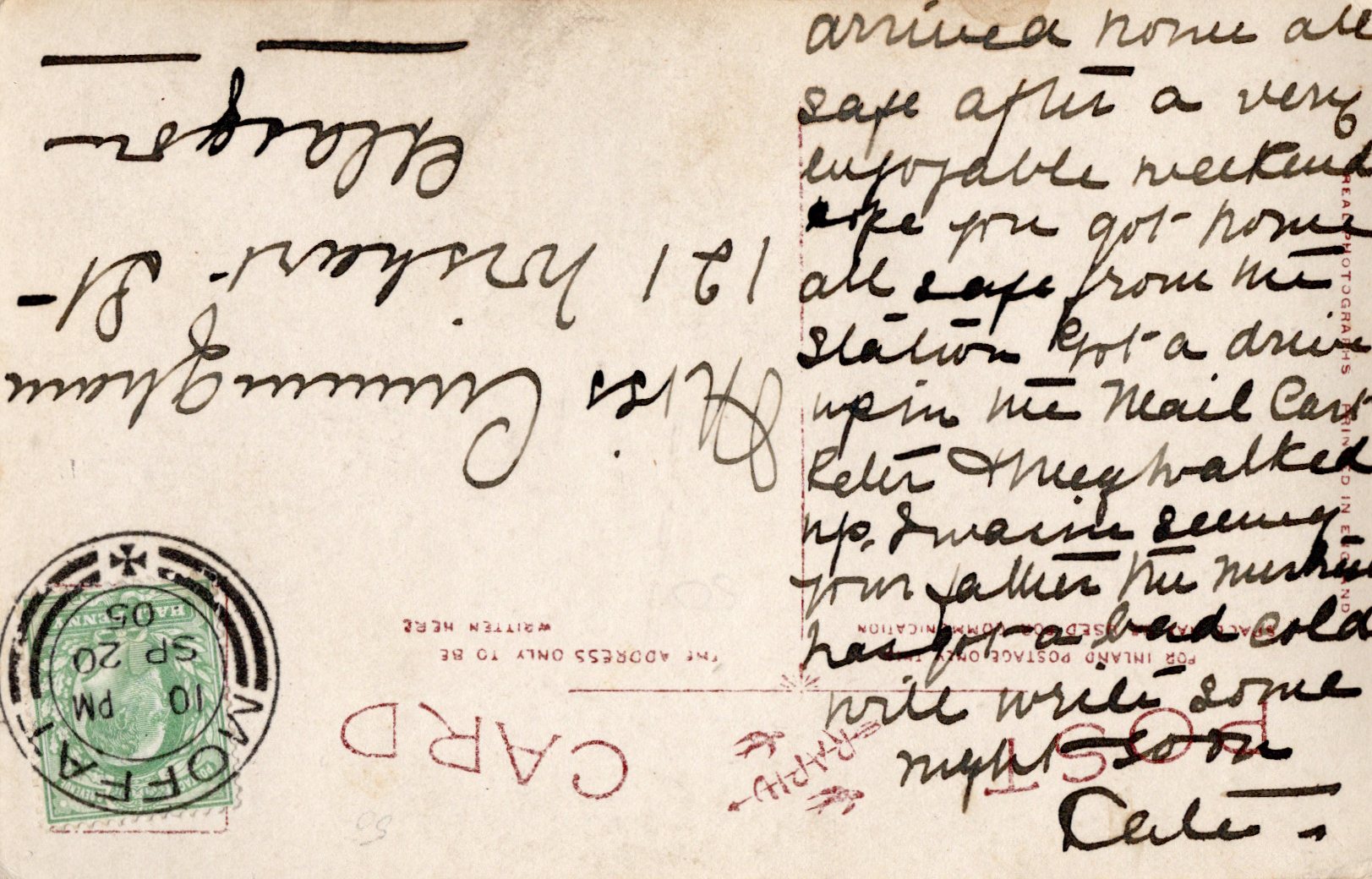
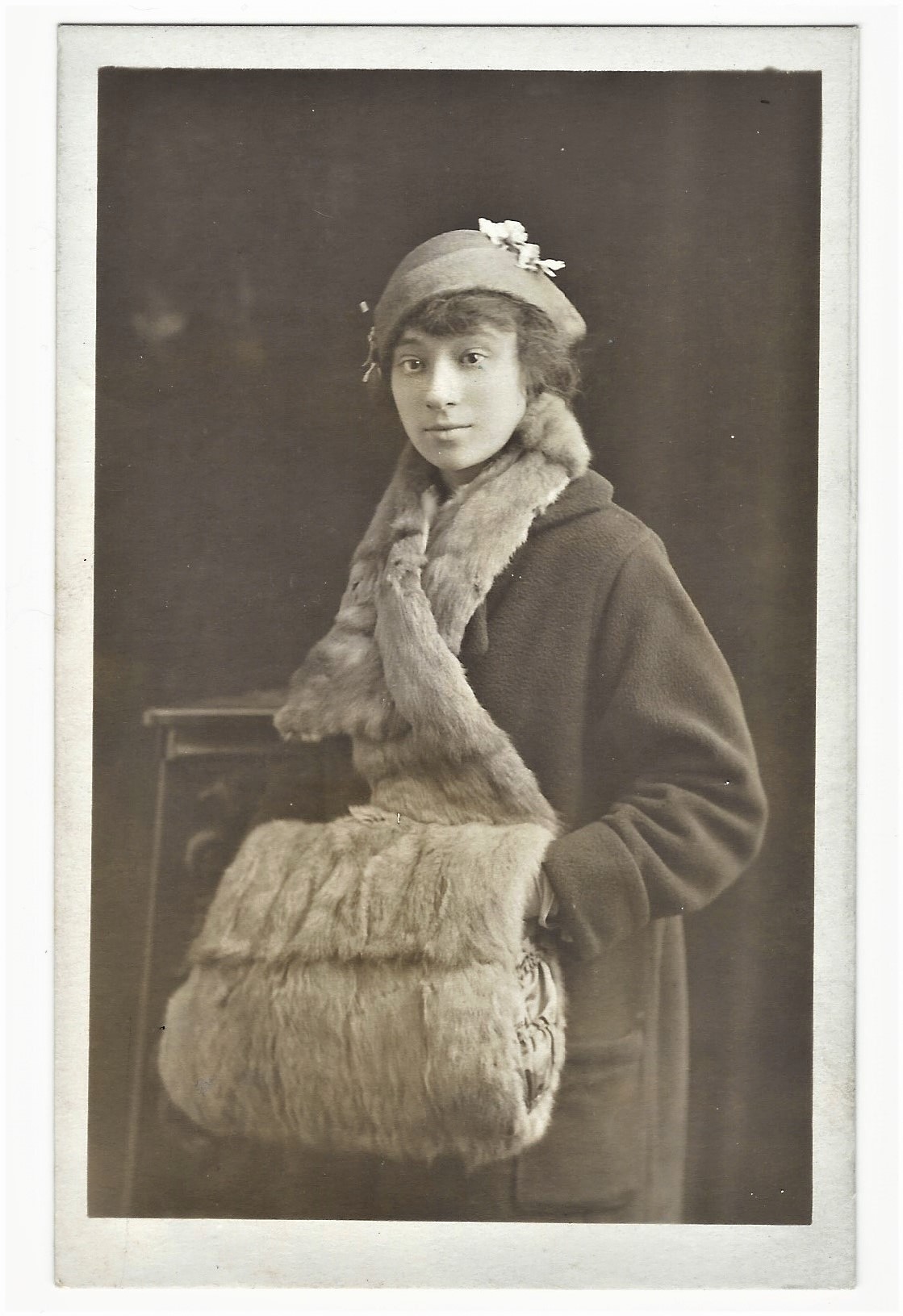
 This vintage real photo postcard features a young woman posing in her winter jacket and her fur stole. Her winterized clothing also includes a cute hat and a giant muff. The fur muff will certainly keep her hands warm. In fact, these muffs are so large that they could probably keep three of her friends hands warm too. The woman in this photo, in my opinion, appears to be black or mulatto. This postcard was photographed by the USA studios which was located in London and the Provinces. USA Studios was a firm established in England during the Edwardian period. It was established in around 1907. The firms
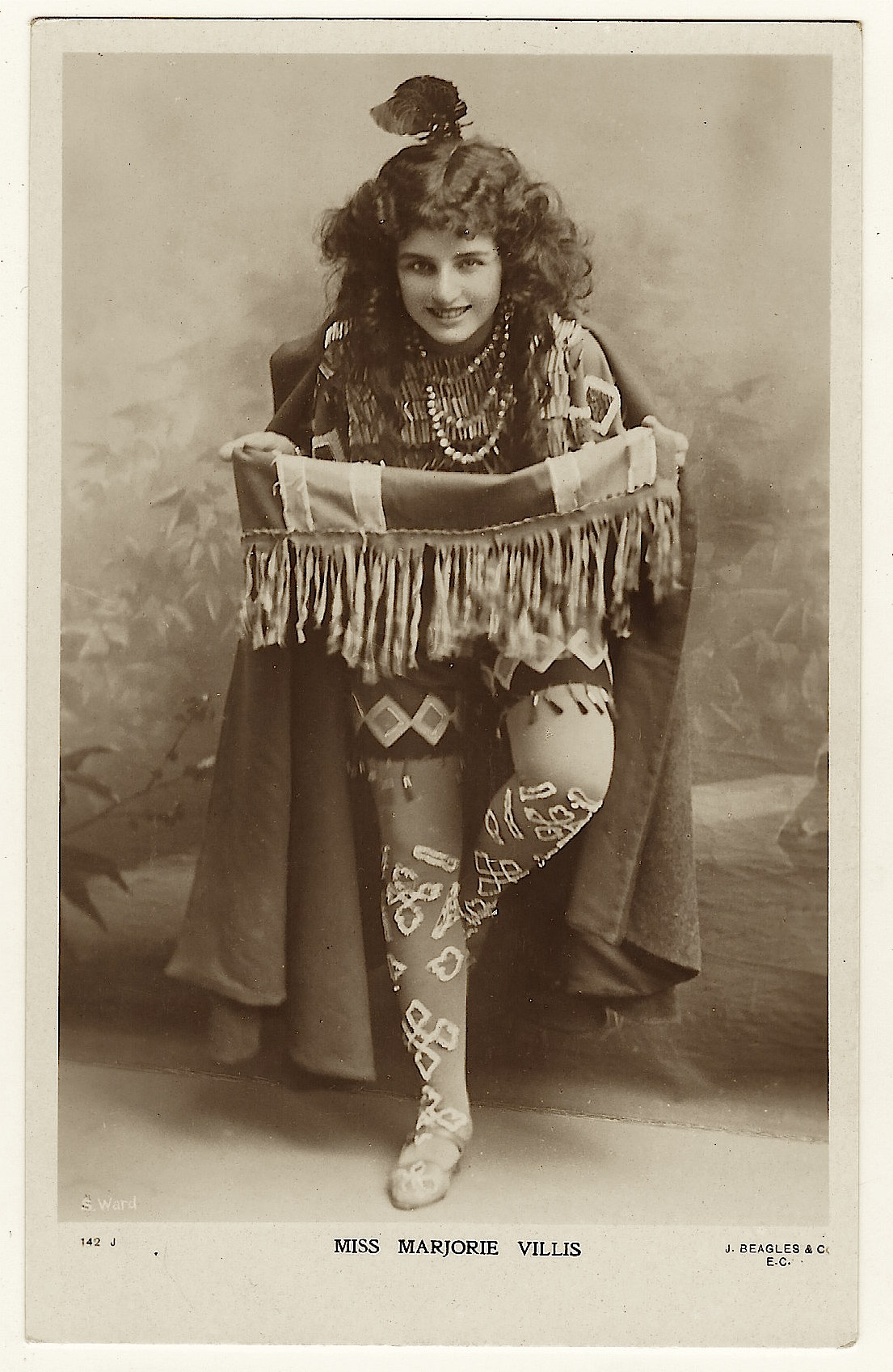
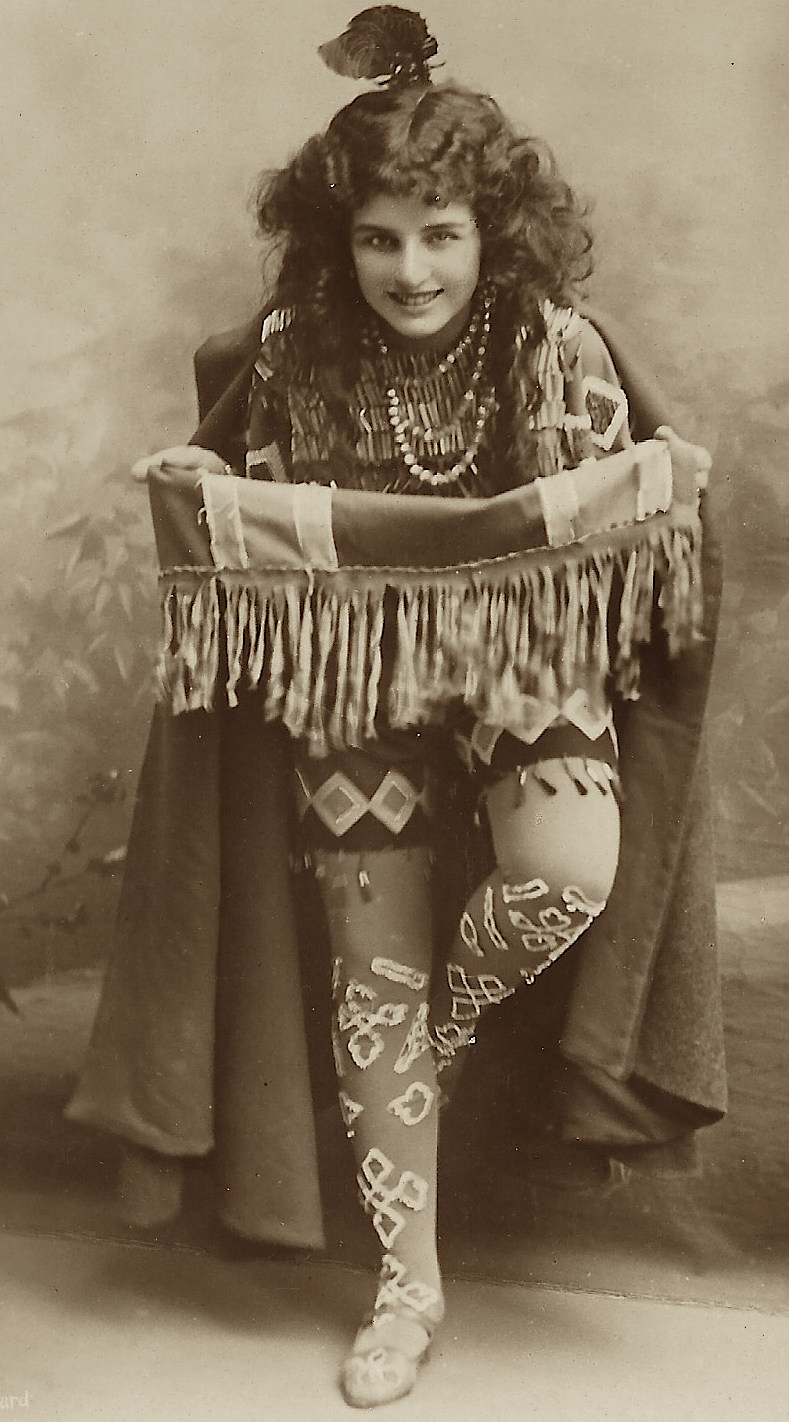 This vintage real photo postcard portrait feature British silent film actress, Marjorie Villis (1891-1981). Miss Villis is quite pretty and has a wonderful smile. This photograph captures her in a risque pose and a risque costume. What an amazing elaborate and busy costume. When I first saw this image, I immediately became motivated to find information about this provocative actress. I met little success in learning about Marjorie Villis. Photographs of her appear to be uncommon, and I could not find the postcard above anywhere online. I did learn that she sat for seven postcard portraits that can be found in the UK’s National Portrait Gallery, All of the portraits were taken by celebrated photographer, Alexander Bassano. The IMDb credits Villis with 15 film roles between 1915 and 1922. Villis was most noted for her roles in “The Rugged Path (1918), “A Romany Lass (1918)”, and “Brenda of the Barge (1920). She had a relatively short career. I wonder why her career ended so abruptly? The first talkie feature film did not get released until 1927, so we know that, unlike many other silent film stars, Villis was not shut out of the film industry because of an unsuitable voice or foreign accent. This postcard was published by J. Beagles & Company (London) as part of a series (no.142 J). The wonderful portrait of Miss Villis was taken by S. Ward. This vintage postcard is in very good condition (see scans)