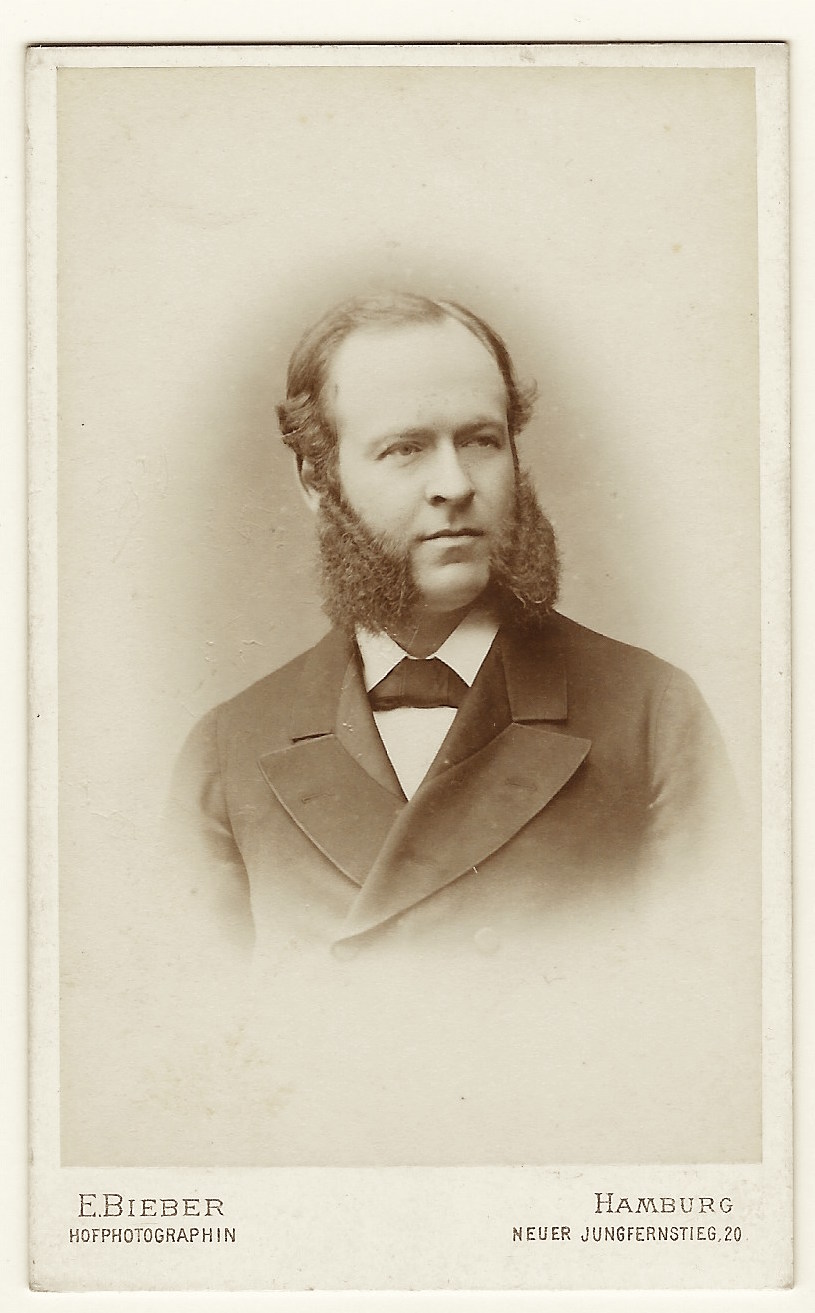
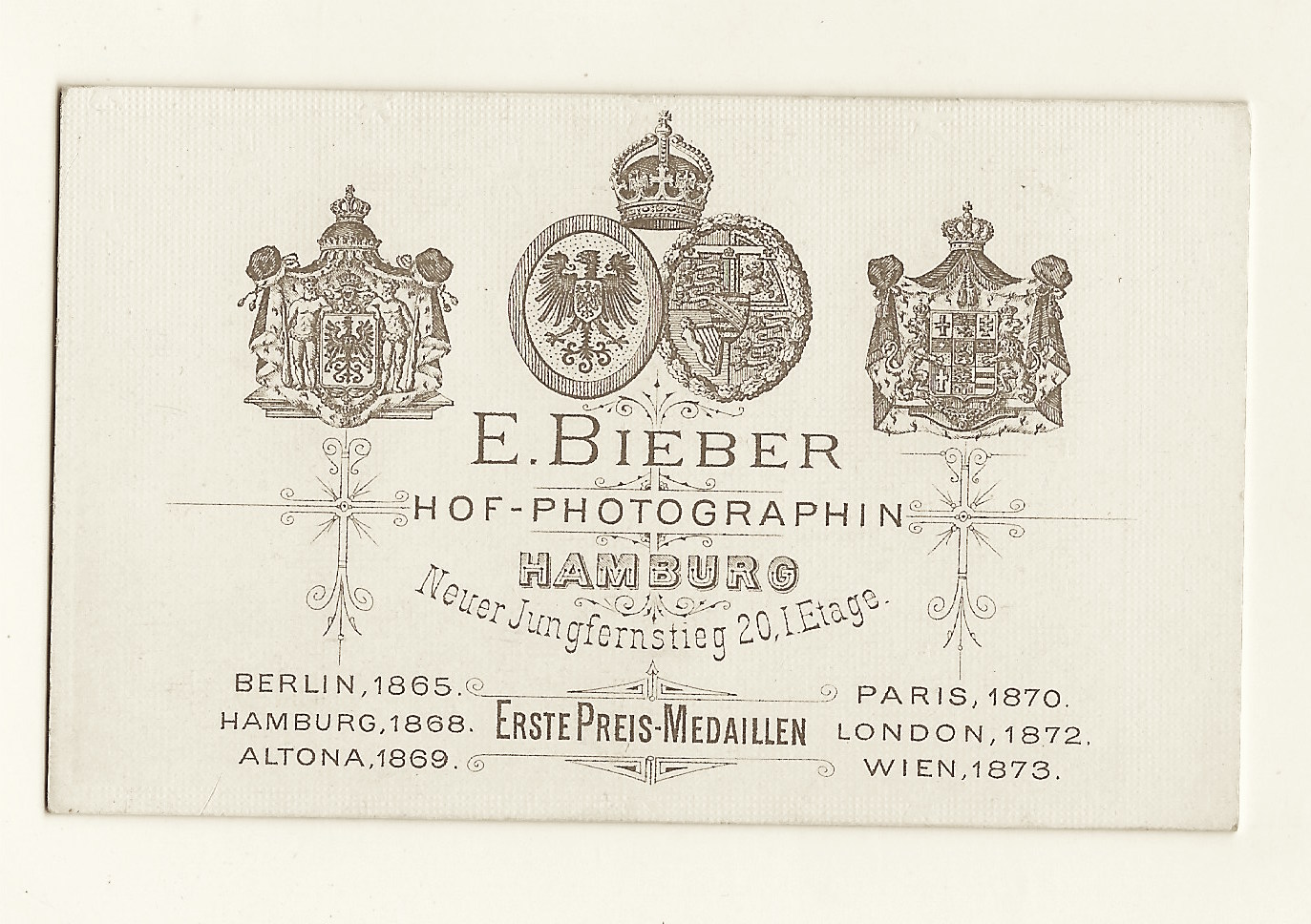
This carte de visite photograph is by celebrated photographer Emilie Bieber. She was a very successful and talented female photographer. Female photographers were uncommon in the cdv era. Bieber is definitely one of my favorite photographers. You may view additional photographs by Miss Bieber by typing her name in the cabinet card gallery’s search box. Bieber had two locations in Germany; Berlin and Hamburg. She ran her Hamburg studio from 1852 through 1872 when she was joined by her nephew, Leonard Berlin-Bieber. Emilie Bieber died in 1884. This cdv portrait features a well dressed gentleman with wonderful mutton chops. He is not wearing an accompanying mustache. Printing on the reverse of the carte de visite brags about the medals won by this studio. Awards were earned from exhibitions in Berlin (1865), Hamburg (1868), Paris (1870), Vienna (1873), as well as other photography competitions. This record of photographic honors informs us that this cdv was produced in 1873 or shortly afterward.
This carte de visite portrait is available for purchase at my store, The History Peddler, for $25.00 or best offer
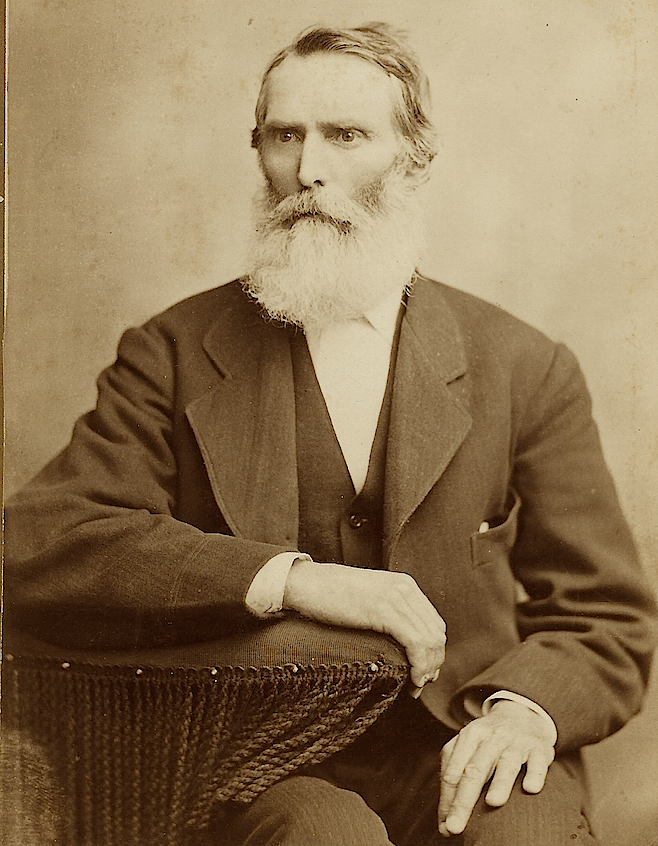
A distinguished looking older man with a white eard and mustache poses for his portrait at the Fenwick studio in Bloomington, Illinois. The man is dressed in his finest clothing for his day at the photographer but it seems he had no time to see a barber to tame his beard and longish hair. The photographer of this image is Richard Fenwick. He was born in England in 1845. He appears in the U.S. Census in 1870. He was living in a Bloomington boarding house and working as a laborer. The 1880 census finds Mr Fenwick (age 35) married to Alida Fenwick (age 30). The couple was married in 1875 and were living with their two children. Richard Fenwick had a 1 year-old daughter (Adda) and a 9 year-old step son (Rush Downey). Fenwick was working as a photographer. The 1900 census reveals that Fenwick still worked as a photographer and his step son, Rush, filled the manager role in the photography studio. Research reveals that between 1866 and 1875, Fenwick was associated with the Cook and Fenwick studio. This cabinet card is in good condition (see scans).
This Cabinet Card is available for purchase at my store, The History Peddler, for $22.00 or best offer
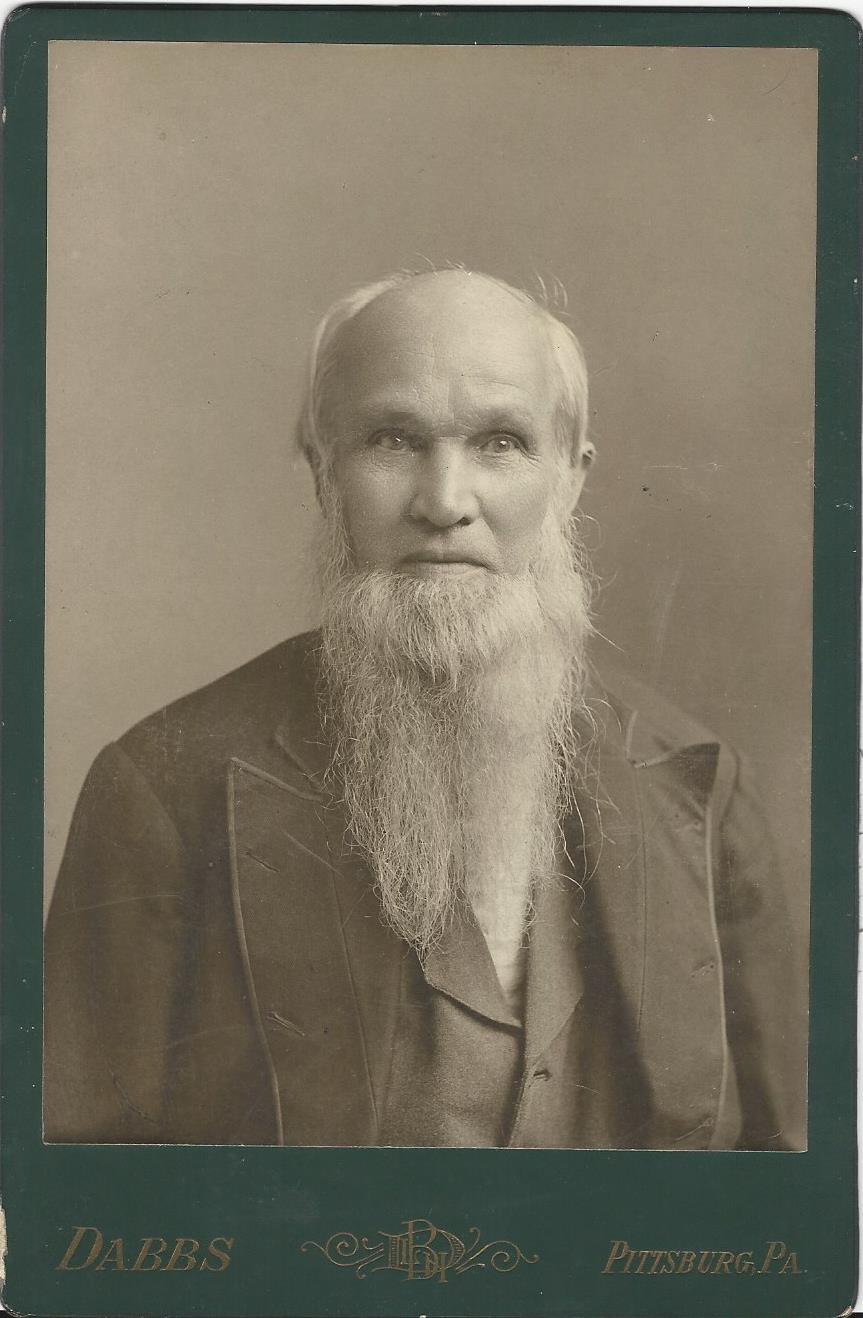
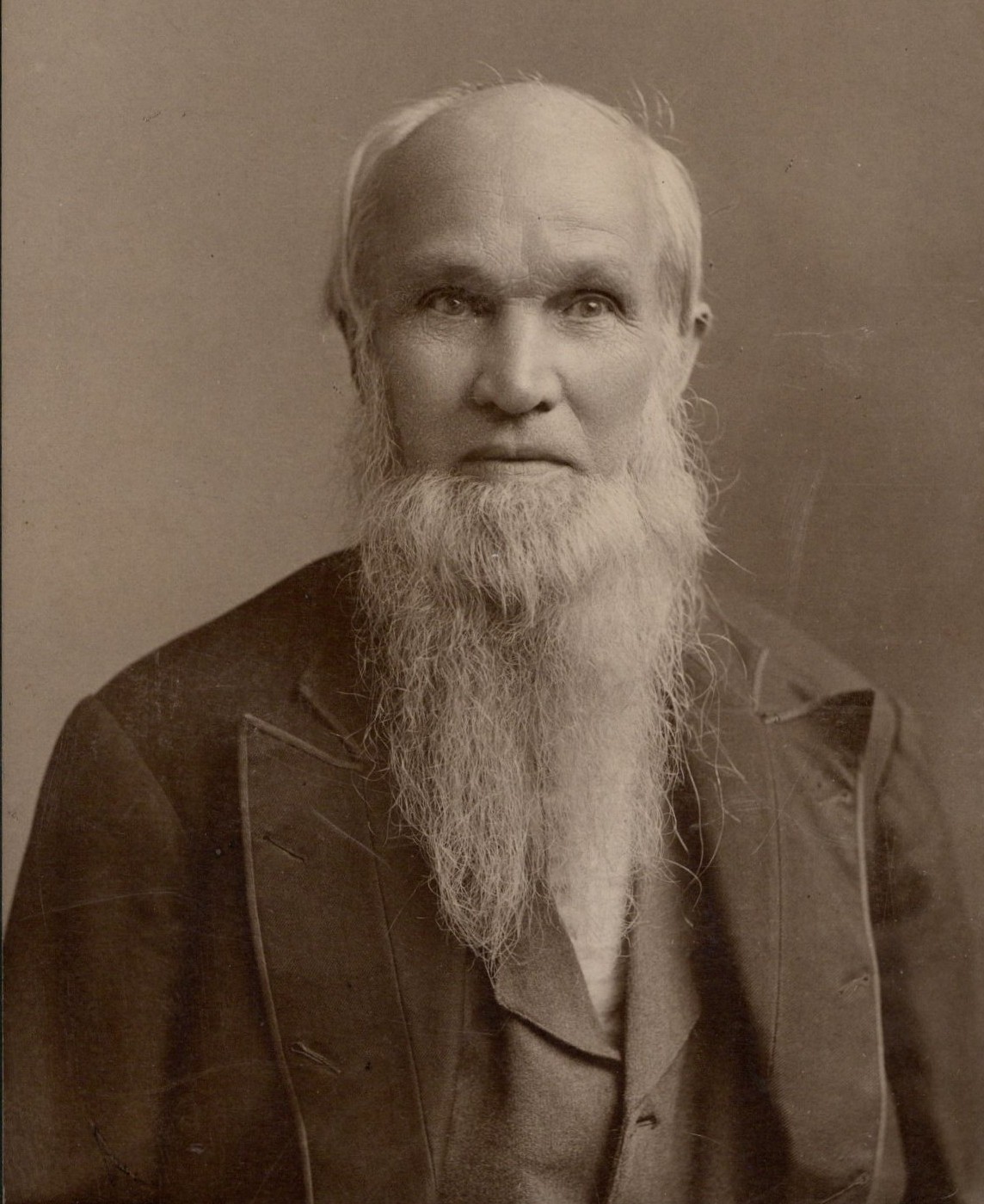
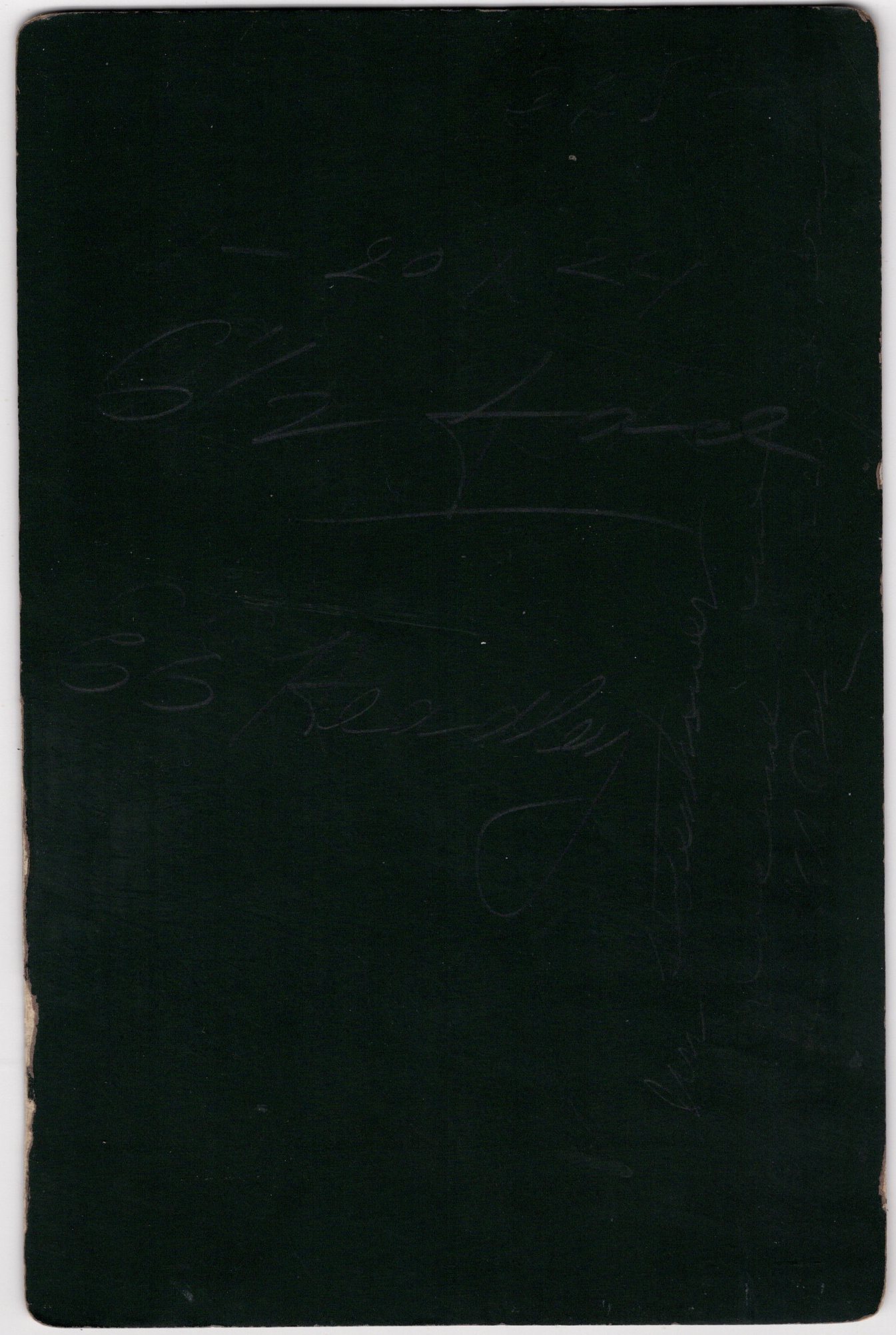
This cabinet card portrait features a well dressed handsome older gentleman with a wonderful long white beard. The man has striking eyes. They are bright and soft and he projects a certain sweetness and friendliness. This photograph was produced by the Dabbs gallery in Pittsburg, Pennsylvania. Benjamin Lomax Horsley Dabbs was born in London in 1839. He immigrated into the United States while still in his childhood. His father was a pioneer in the American photographic supply trade. Dabbs learned the photography field from his father, George Dabbs. Benjamin came to Pittsburgh in 1861 and opened a business selling photography supplies. That same year he also bought a gallery from a Mr. Rorah. He grew the business dramatically and in 1869 he sold his supply business to concentrate on being a photographer. During his tenure as a photographer in Pennsylvania, he was considered by many to be the best photographer in the state. In 1868 Dabbs married Sadie Dickson and the couple ultimately had nine children. Dabbs was a close personal friend of Abraham Lincoln and steel magnate Andrew Carnegie. Dabbs drew some attention for his stance on free resittings for customers who were not satisfied with the portraits taken by his studio. Unlike many other photographers, he refused free resittings because “the public do not value what they can get for nothing”. In his later years, Dabbs was debilitated by rheumatism and other illness. He died at age sixty in 1899. His celebrated portrait of Andrew Carnegie can be viewed today at Pittsburgh’s Carnegie Museum of Art. There is very light writing on the reverse of the cabinet card. The writing includes the name E. E. Headley. This cabinet card has minor edge and corner wear and is in overall good condition (see scans).
This Cabinet Card is available for purchase at my store, The History Peddler, for $36.00
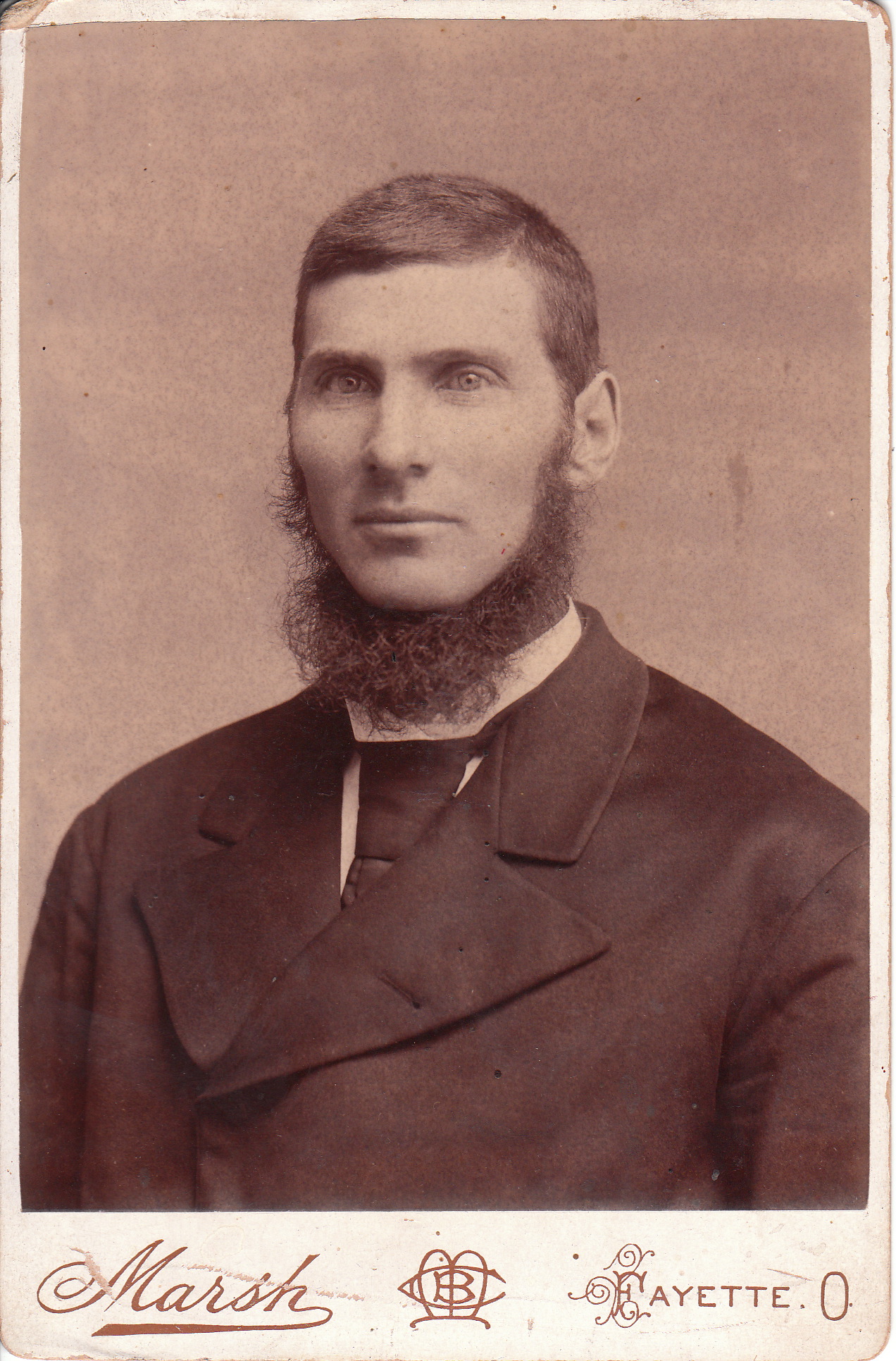
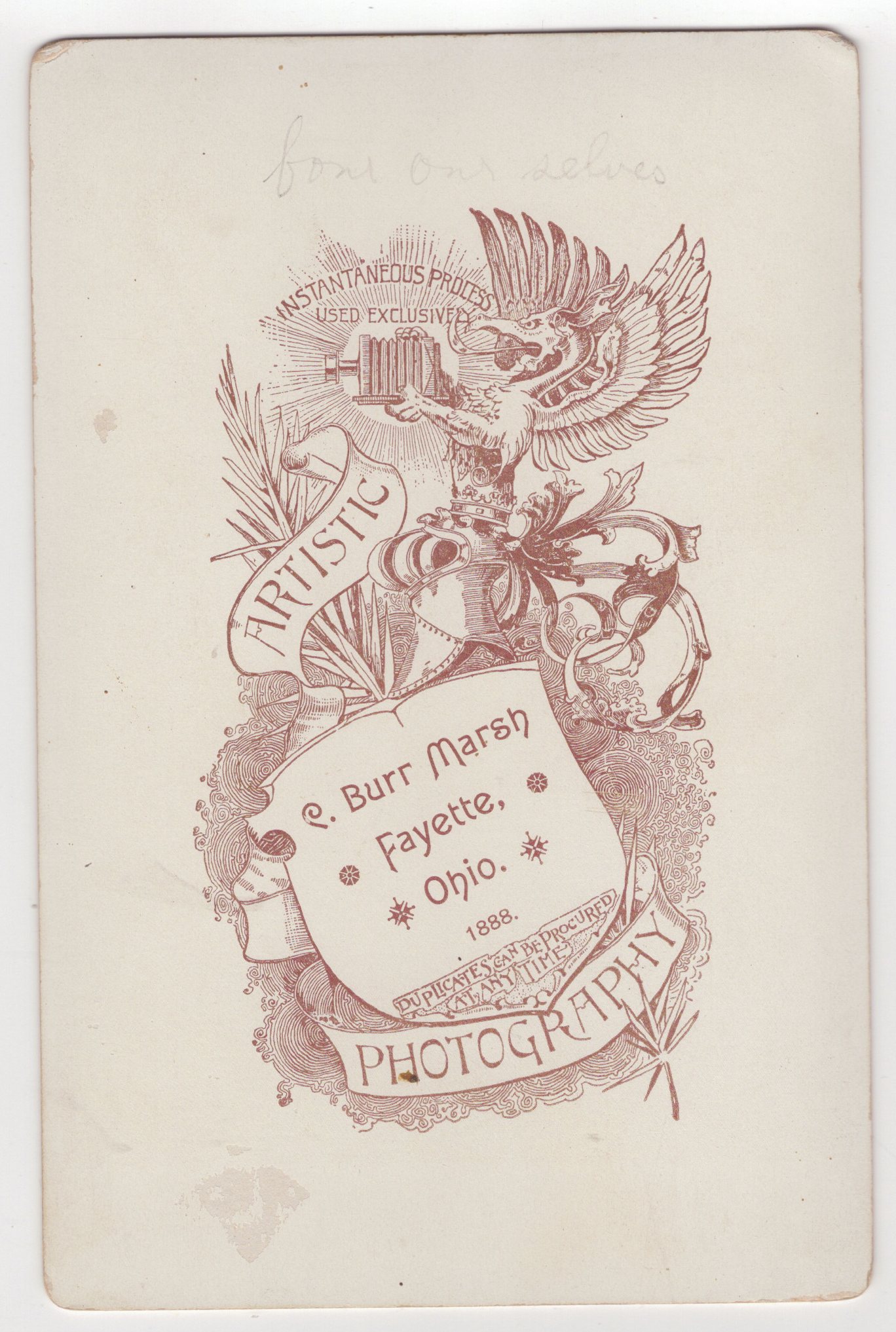
The gentleman in this cabinet card photograph sports a very unusual beard. One could call this beard a “neck beard” because there is virtually no facial hair populating the beard. This image was photographed in 1888 by C. Burr Marsh in Fayette, Ohio. Other photographs by Marsh, as well as biographical information about him, can be found by clicking on this site’s category “Photographer: Marsh”. (SOLD)
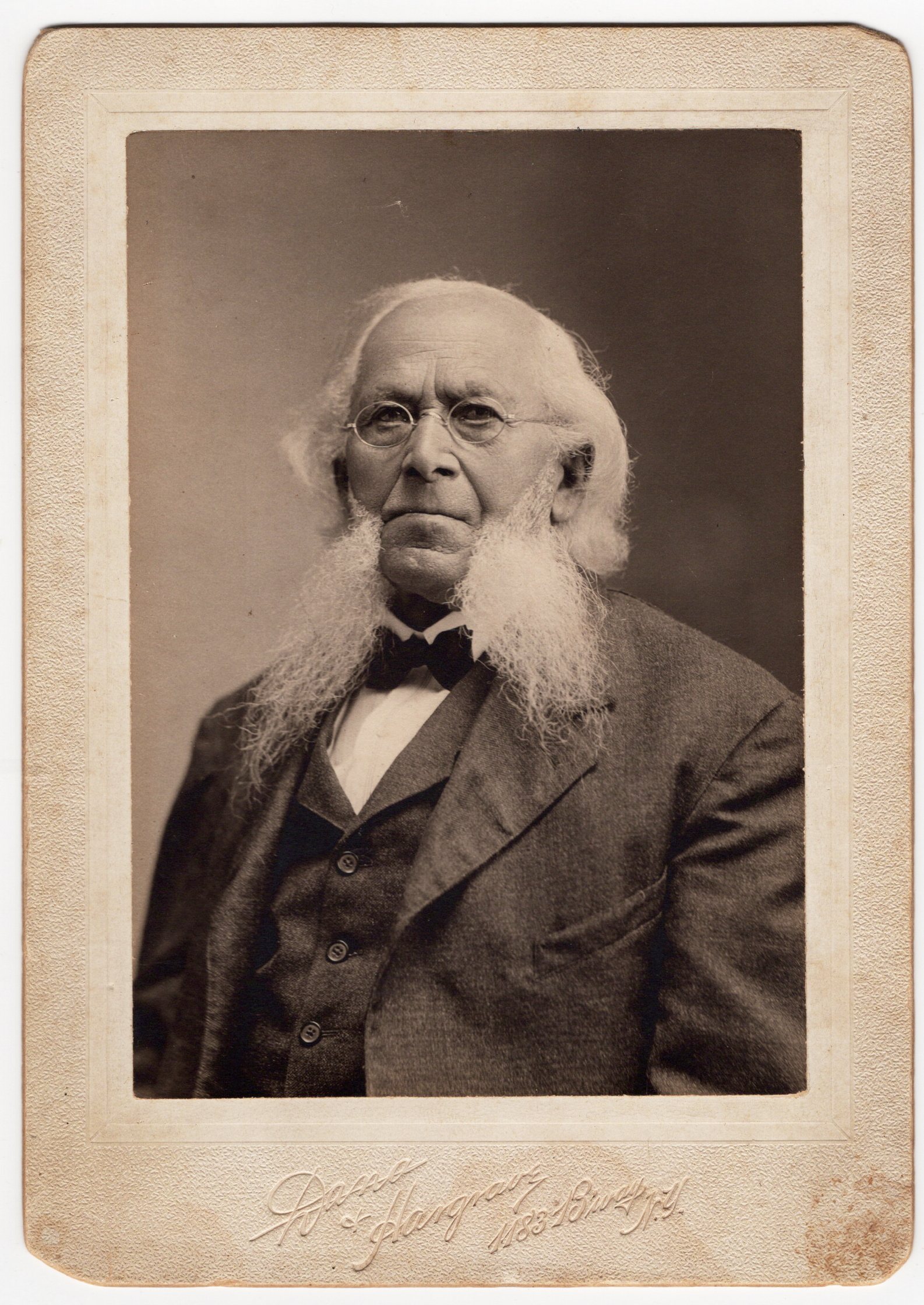
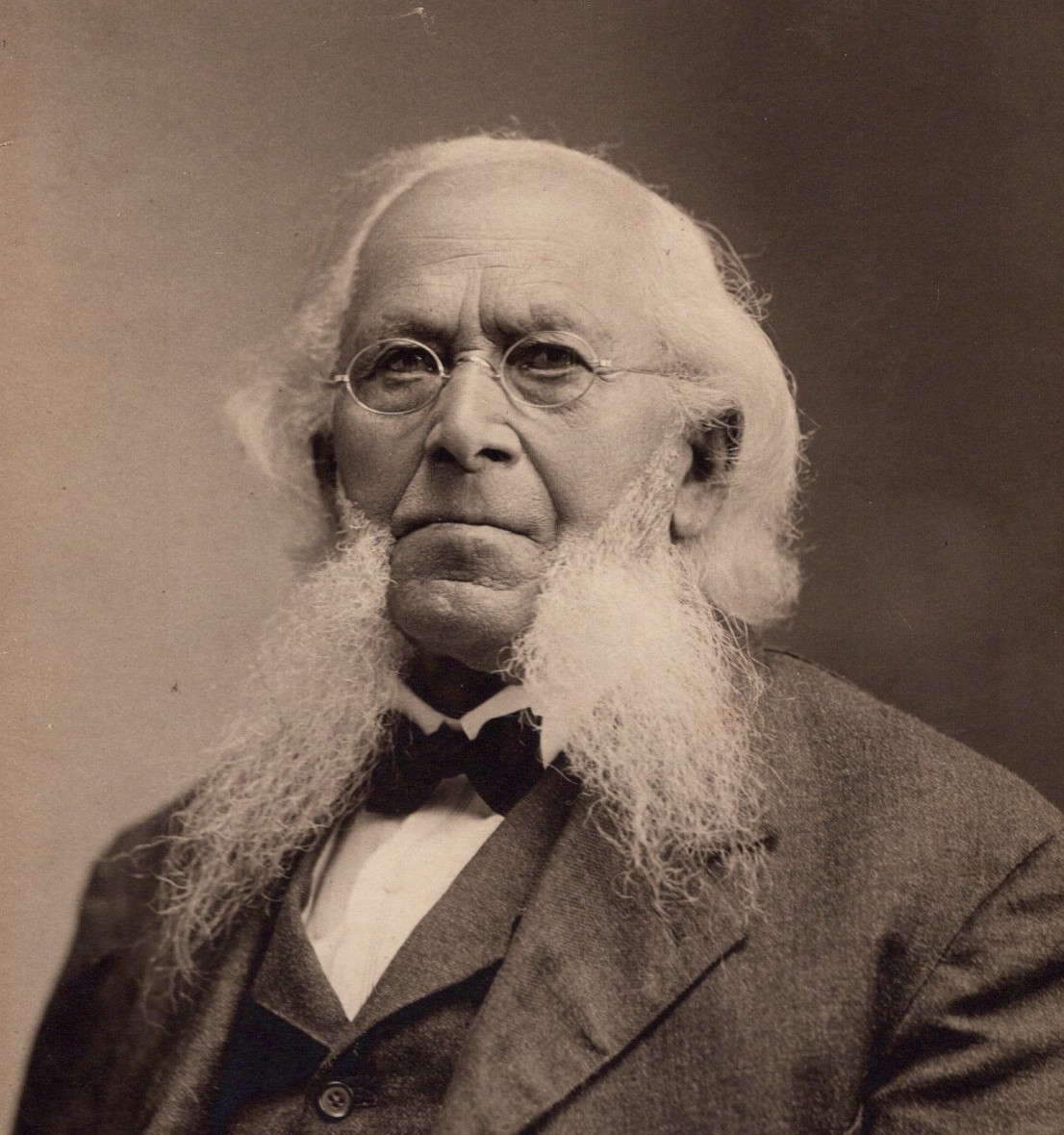
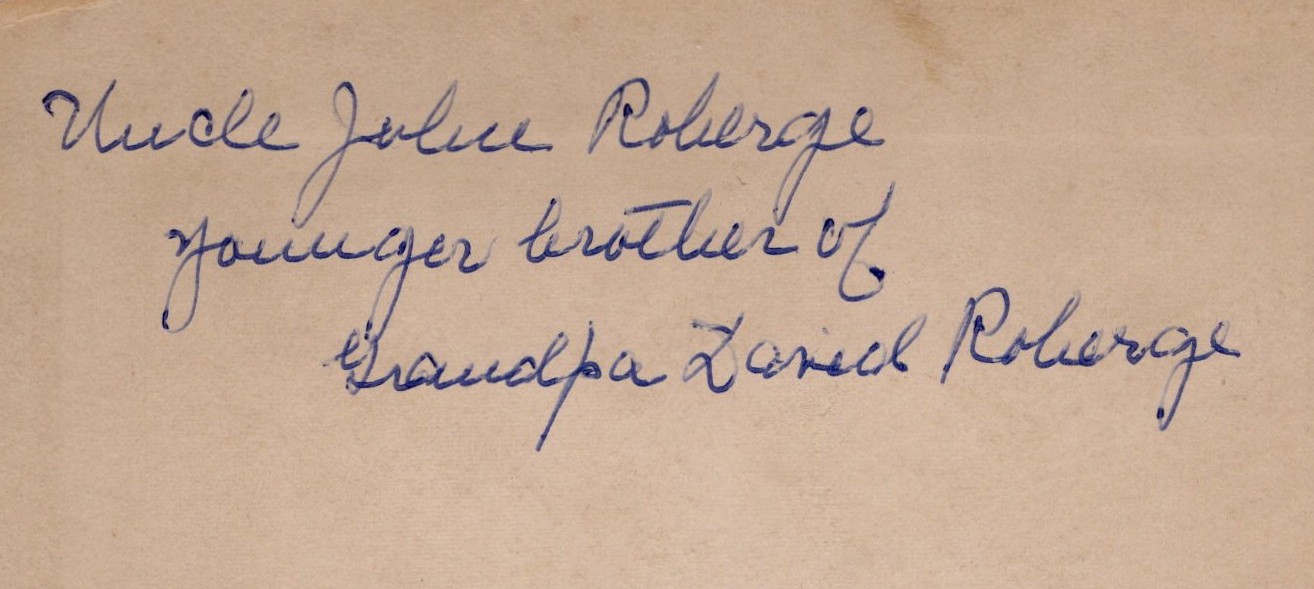
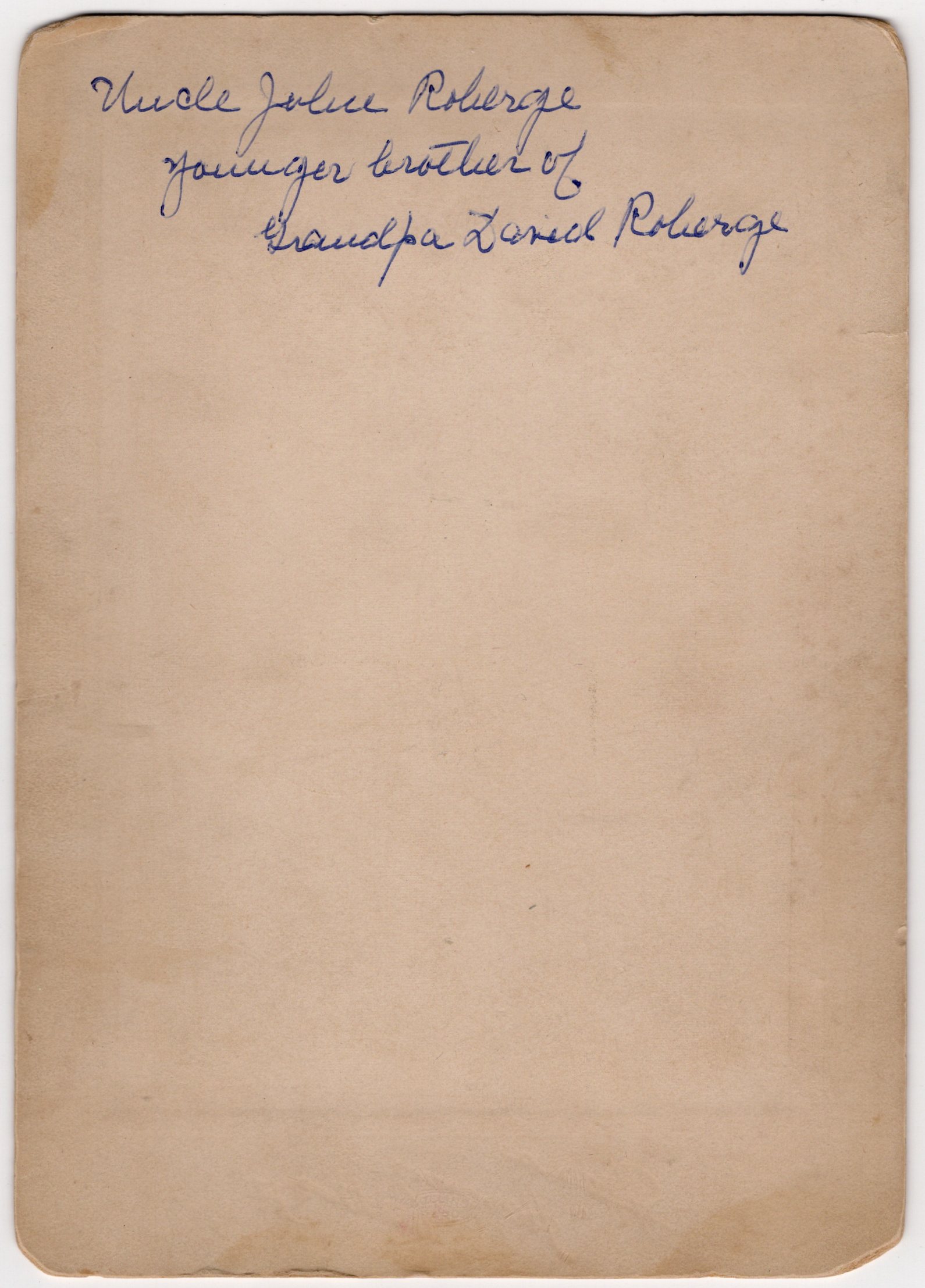
Offered here is a striking and highly detailed cabinet card photograph of a distinguished older gentleman, taken by the celebrated New York photographic firm Dana & Hargrave, located at 1183 Broadway, New York City. The image likely dates to the 1890s. The subject is dressed in formal 19th-century attire, wearing a three-piece wool suit with a buttoned vest, a high-collared white shirt, and a neatly tied bow tie. His long, full sideburns and clean-shaven chin—a style known as “friendly mutton chops”—are an impressive feature, accentuating his age, dignity, and gravitas. He wears round spectacles perched low on his nose, giving him a scholarly or ministerial air. His expression is serious and contemplative, with a quiet confidence that reflects the formality of the period. The photograph is crisp and beautifully lit, with sharp contrasts and soft tonal gradation typical of high-quality late 19th-century studio work. This portrait was taken by Dana & Hargrave, a respected photographic studio based at 1183 Broadway, New York, active in the 1880s–1890s. The primary name, Dana, refers to Edward C. Dana (1852-1897), a prominent 19th-century photographer who specialized in portraiture of the elite and artistic figures of New York society. Dana was well-known for his careful composition and the lifelike quality of his cabinet cards. He developed an interest in photography during the Civil War after seeing conflict images displayed publicly in Boston. He later trained with Boston photographer James W. Turner. In 1875, he opened his first studio in Brooklyn, eventually relocating to Manhattan, where he established a gallery at 14th Street and 6th Avenue. By the late 1880s, his innovative approach—particularly his rejection of painted backdrops—brought national attention and awards, including a Gold Medal in 1887. Further honors followed, such as a gold medal from the Photographers’ Association of America in 1891, an award at the 1893 World’s Columbian Exposition, and a bronze medal in 1894. With growing prestige, he moved to 872 Broadway. Embracing advancements in halftone printing, he worked closely with leading printers and shifted his business model from selling portraits directly to the public to licensing images to editors and publishers, often with financial backing from producers seeking publicity. There is an inscription on the reverse of the photograph. The inscription identifies the subject as “Uncle John Roberge, younger brother of Grandpa Lionel Roberge”. (SOLD)
This carte de visite portrait features a well-dressed and distinguished looking gentleman posing for his portrait at the Crosby studio in Lewiston, Maine. He has piercing eyes and a wiry beard and mustache. The photographer of this image is A B Crosby (1836-1879). Crosby worked alone during his career but he was also involved in two partnerships. He had a brief partnership with George W Barnes in Topsham, Maine. He also was in business in Lewiston with C W Curtis. Both of these business relationships occurred in the 1870’s. The earliest record I could find of Crosby working as a photographer was in an 1864 Lewiston business directory. Crosby’s life was cut short when he succumbed to brain disease at the age of 43. He was married at the time of his death. I have seen a number of Crosby’s photographs and it is clear that he was a talented lensman. SOLD
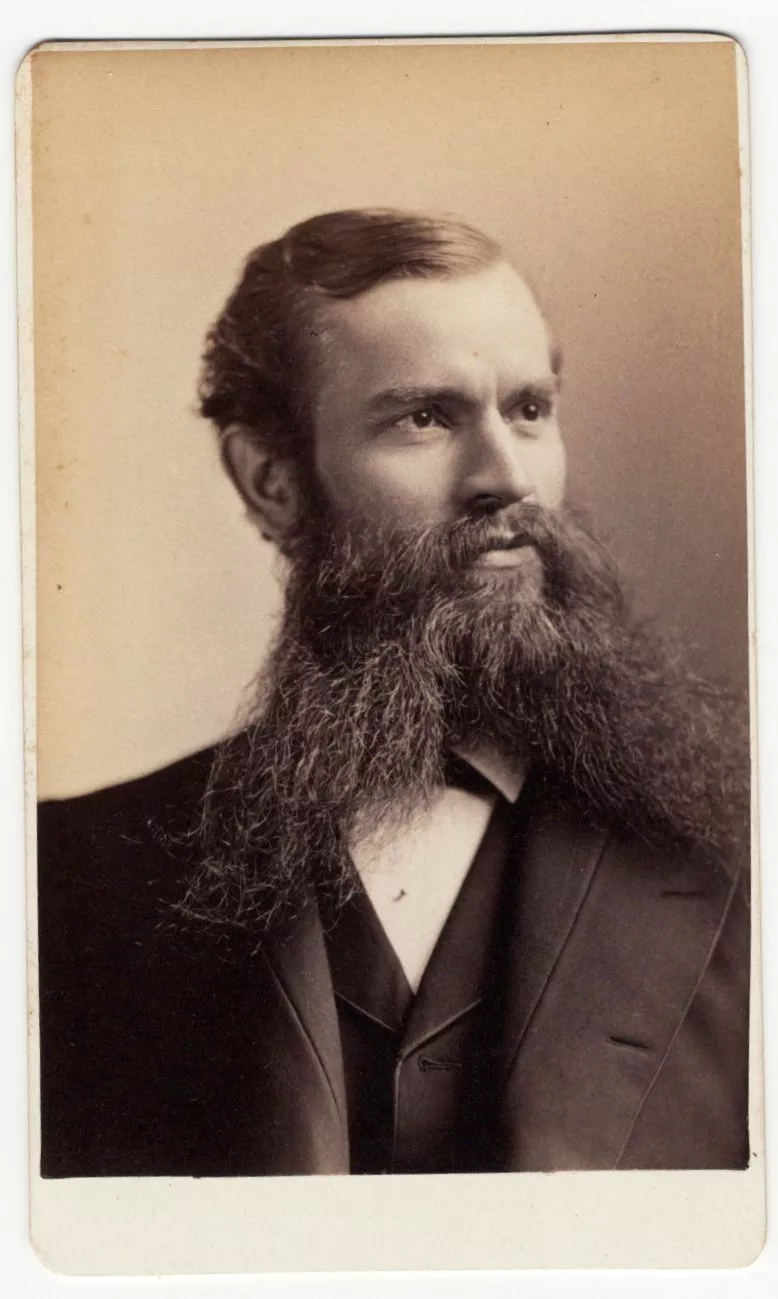
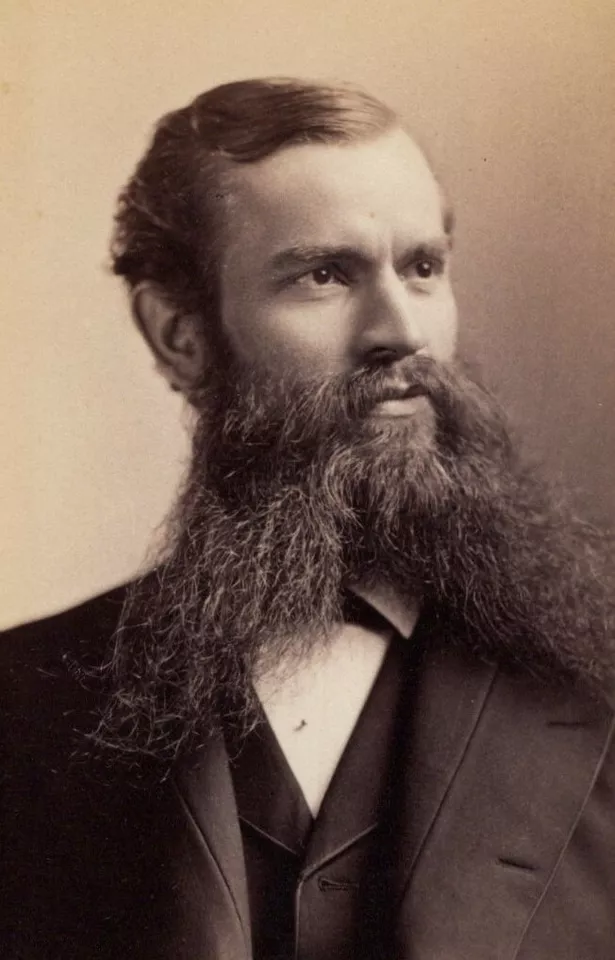
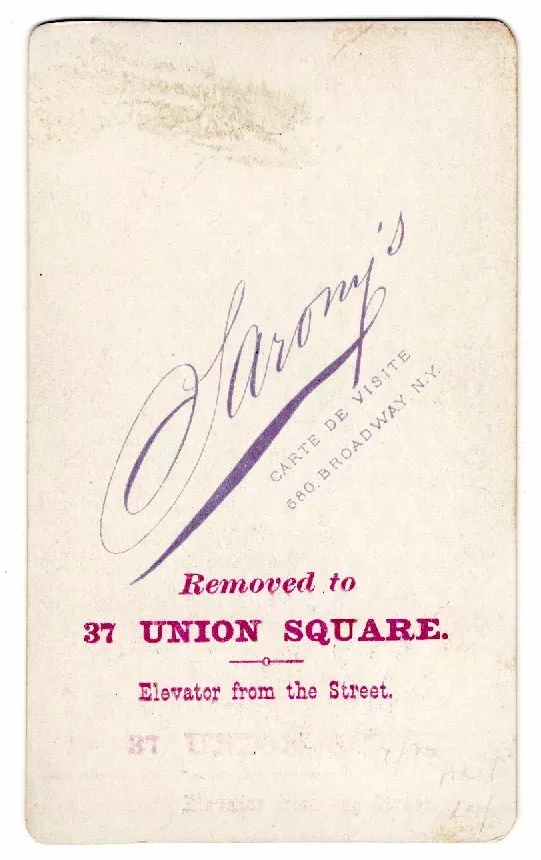
This carte de visite portrait features a handsome well dressed man with a wonderful beard and mustache. The cdv photograph was taken by celebrity photographer Napoleon Sarony. He operated a photo studio in the Union Square area of New York City. He was a famous photographer and was considered very talented and quite eccentric. SOLD
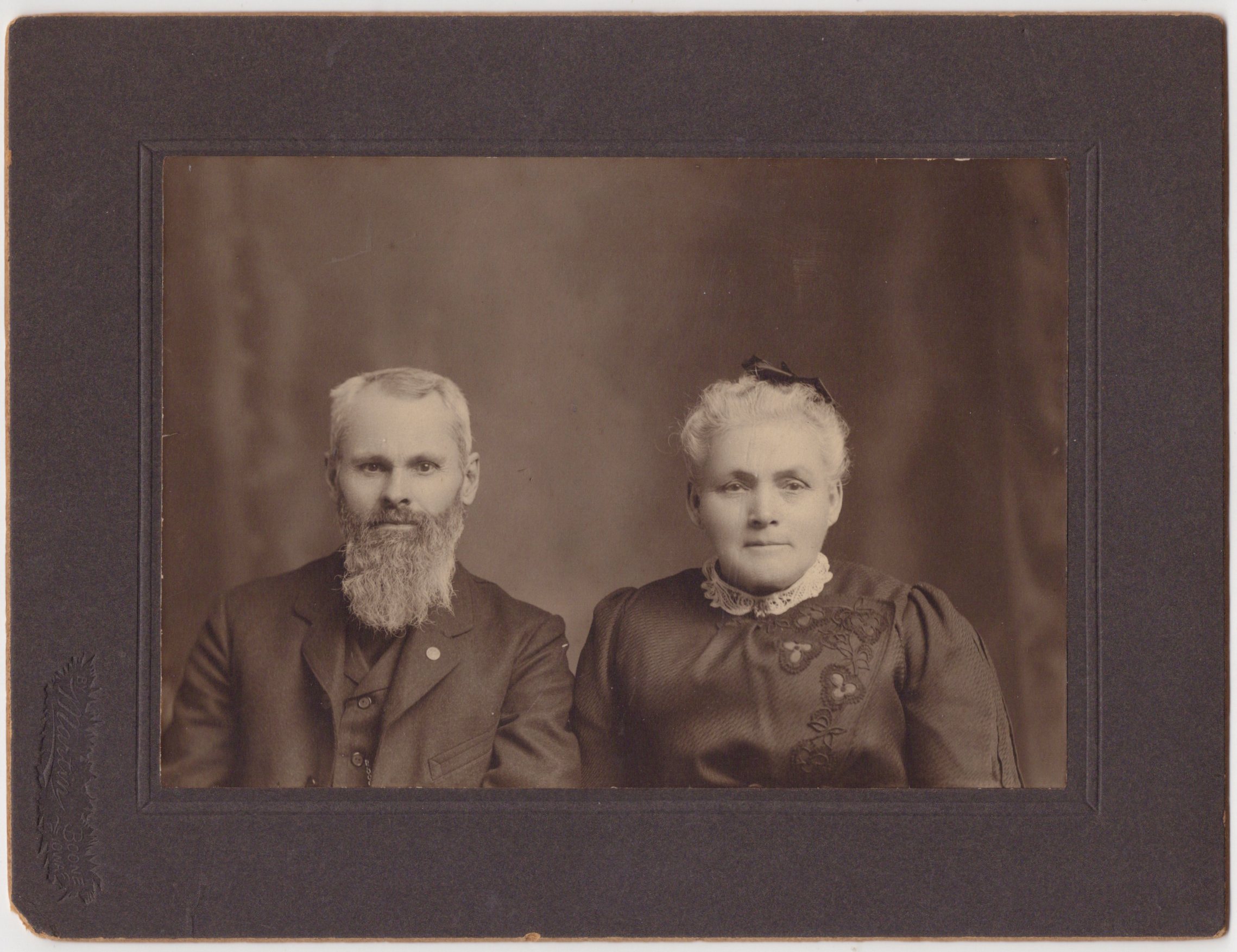
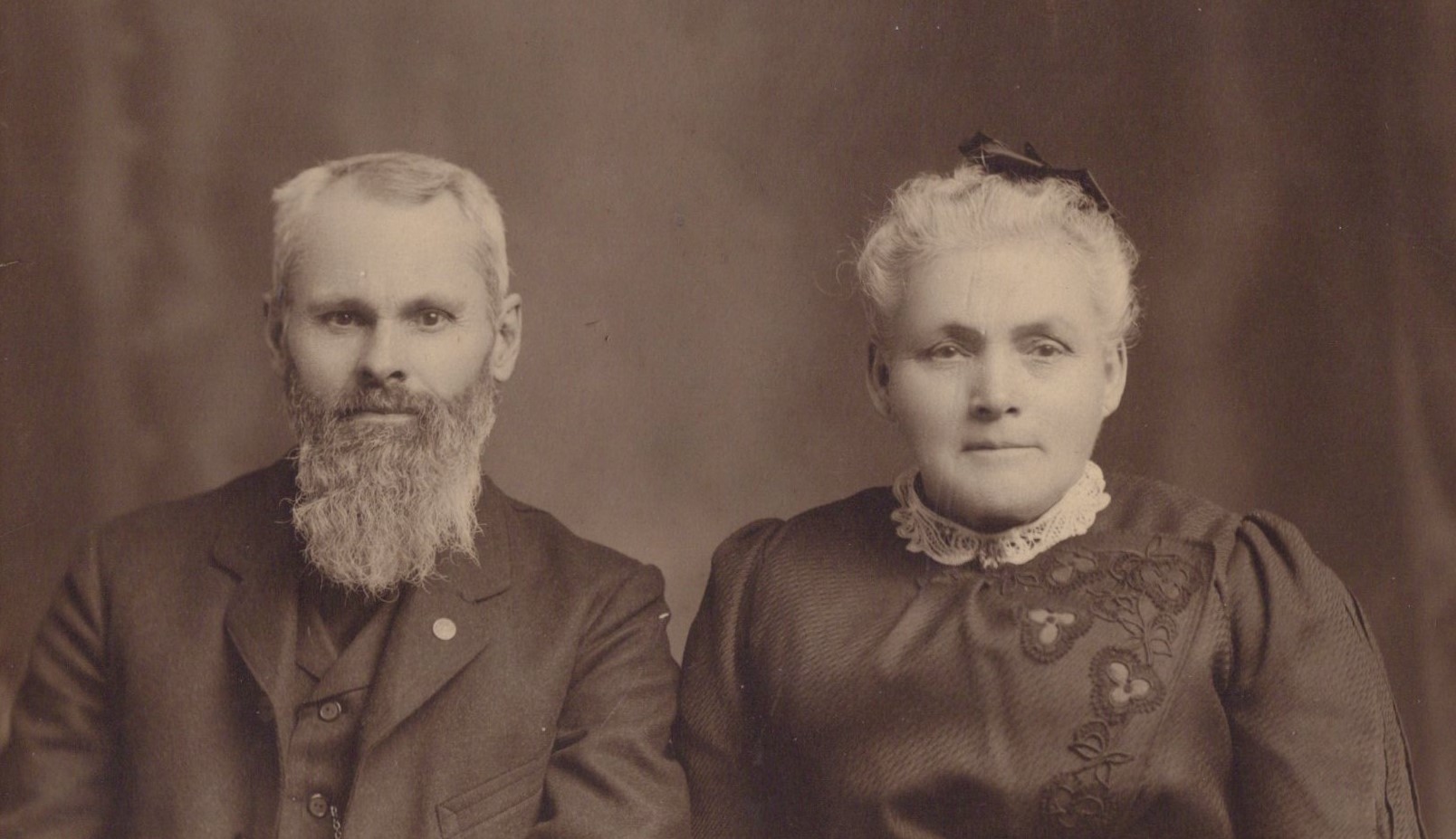
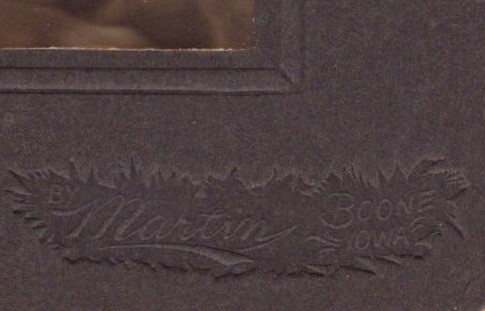
This vintage photograph features a formally dressed older couple posing at the J. Paul Martin studio in Boone, Iowa. The gentleman has some sort of button on the lapel of his three piece suit. A pocket watch chain can be seen resting against his vest. He also has a wiry mustache and beard as well as a sparkle in his eyes. The woman in the photograph has embroidery on her dress as well as a lace collar. This is a classic couples pose used by photographers of the era that this photo was taken. SOLD
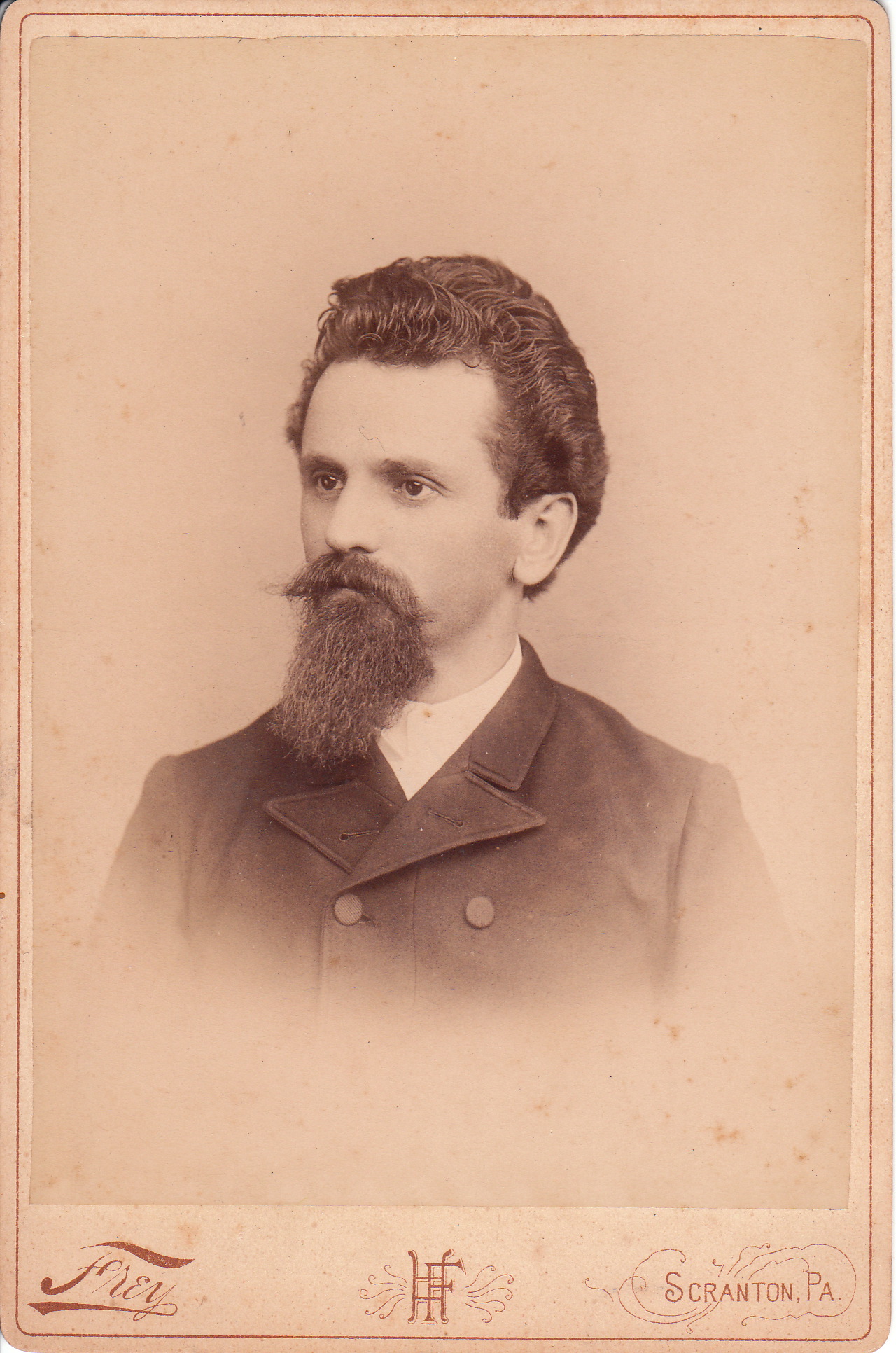
This cabinet card features a young man with an interesting beard and an abundance of hair atop his head. He isn’t the former President of the Hair Club for Men but his natural hair is styled in such a way to give an appearance of a hairpiece. The photographer is Henry Frey of Scranton, Pennsylvania. The studio was located at 121 Lackawanna Avenue. A second studio was located at 101 S. Main Avenue, in Hyde Park, Pennsylvania. To view other interesting beards, check out this site’s category of “Beards (Only the Best). SOLD
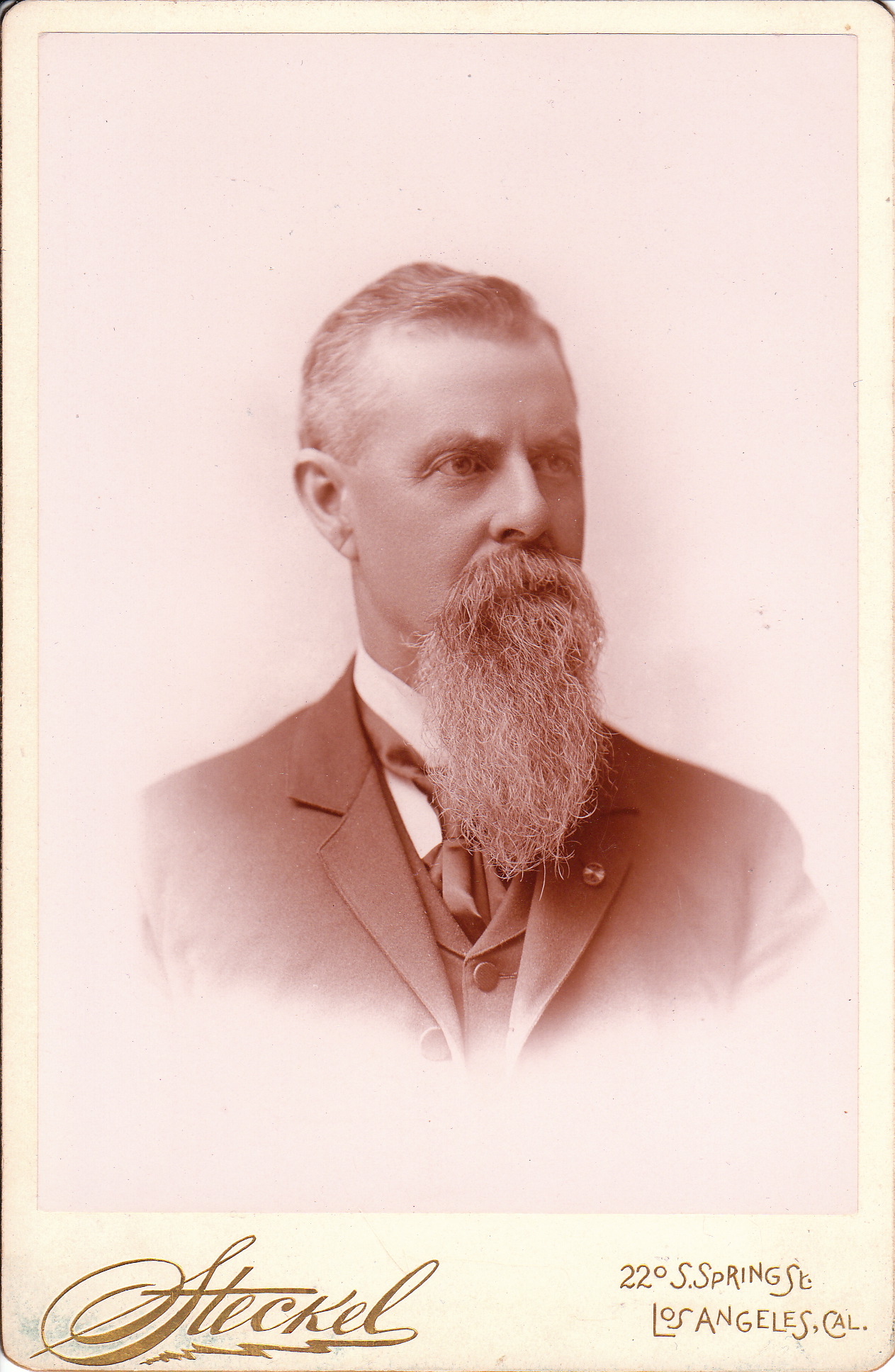
A distinguished looking older gentleman poses for his portrait at the Steckel studio in Los Angeles, California. The subject is very well dressed and has neatly cut hair, a walrus mustache, and a nicely shaped beard. The beard is shaped like the letter “V”. (To view other noteworthy beards, click on the category “Beards (Only the Best). Note that the gentleman is wearing a lapel pin which is probably representing a fraternal organization. George Steckel (1864-1938) was a highly skilled photographer and won many important awards for his work. In the book “Los Angeles from the Mountains to the Sea” (1921), author, John Steven McGroarty, provides some biographical informaion about the photographer. Stecker was born in Allentown, Pennsylvania and dropped out of public schools at age thirteen. He then worked for a photography studio for two years. He moved to Philadelphia and did photography work there. He then returned to Allentown and opened his own studio which was in business for three years. His next stop was Kansas City, where he worked in the Real Estate field until 1888. He then travelled to Los Angeles and opened a studio, partnering with Joseph H. Lamson (see images by Lamson by clicking on category “Photographer: Lamson”). The partnership eroded after two years, and Stecker opened his own studio in Las Angeles. It is interesting to note that posters made from his 1894 photograph of Eugen Sandow (1867-1925), nude, with the exception of strategically placed fig leaf, are available for sale today. Sandow was a Prussian pioneering body-builder who was a celebrity of his era. SOLD



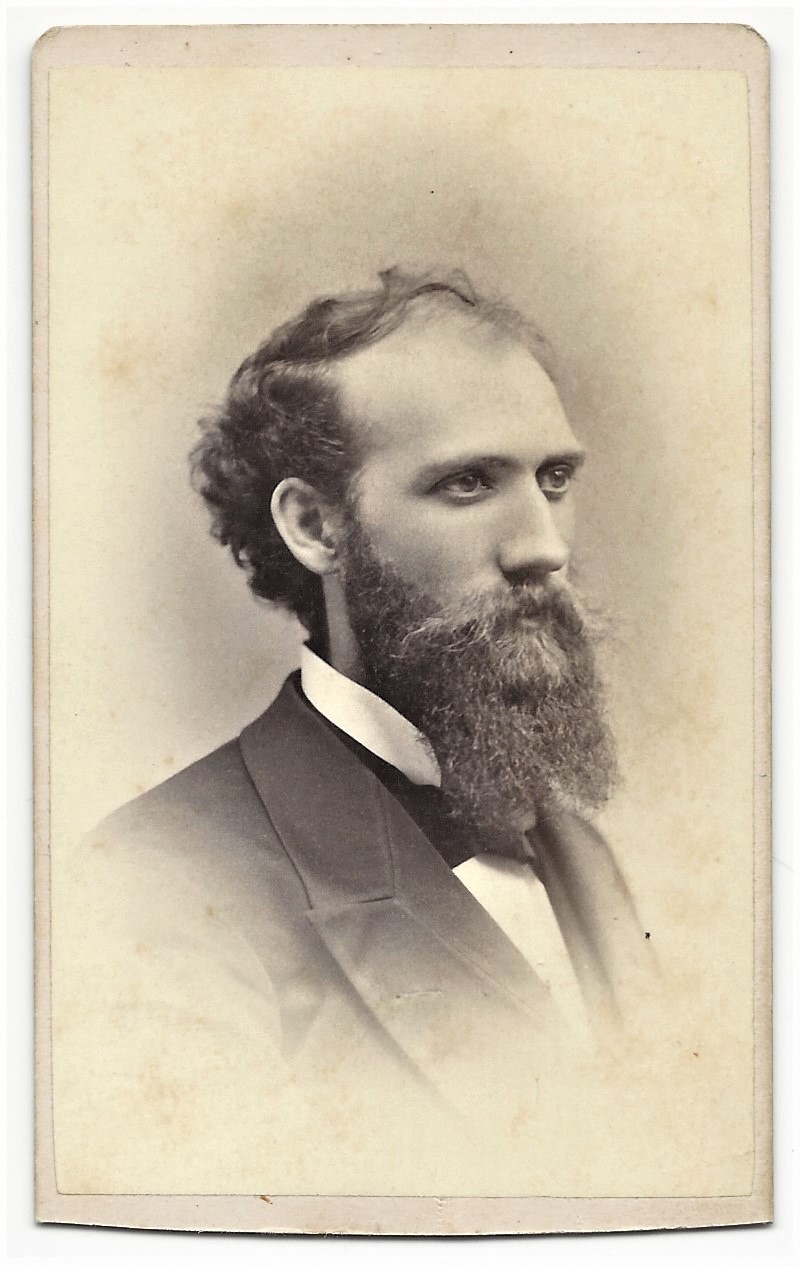 This carte de visite portrait features a well-dressed and distinguished looking gentleman posing for his portrait at the Crosby studio in Lewiston, Maine. He has piercing eyes and a wiry beard and mustache. The photographer of this image is A B Crosby (1836-1879). Crosby worked alone during his career but he was also involved in two partnerships. He had a brief partnership with George W Barnes in Topsham, Maine. He also was in business in Lewiston with C W Curtis. Both of these business relationships occurred in the 1870’s. The earliest record I could find of Crosby working as a photographer was in an 1864 Lewiston business directory. Crosby’s life was cut short when he succumbed to brain disease at the age of 43. He was married at the time of his death. I have seen a number of Crosby’s photographs and it is clear that he was a talented lensman. SOLD