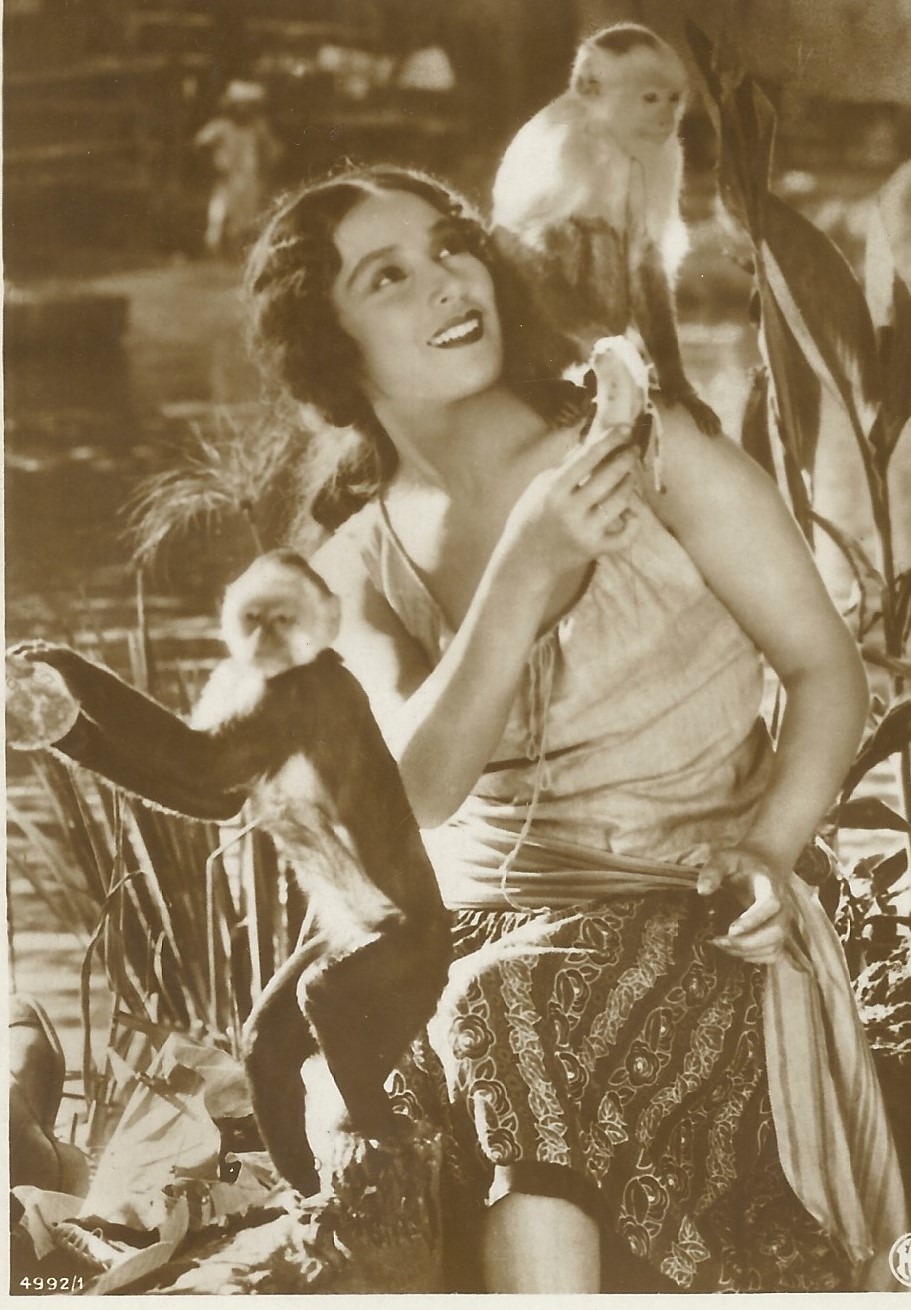
DOLORES DEL RIO : STAR ACTRESS OF AMERICAN AND MEXICAN CINEMA AND TWO CAPUCHIN MONKEYS

This vintage real photo postcard features Mexican actress, dancer, and singer; Dolores del Rio (1904-1983) and two unidentified capuchin monkeys. Del Rio’s performing career spanned more than half of a century. She was the first major Latin American actress to become an American film star (1920’s & 1930’s). Del Rio was also a major star in Mexican films. Dolores was known for her beauty as well as for her talent. She was discovered in Mexico and her Hollywood film career started in 1925. She began her career with a number of successful films, including “Ramona” (1928) and “Evangeline (1929). During the silent film era, she was considered the female version of “latin lover”, Rudolph Valentino. Del Rio was one of the fortunate actresses whose career was not destroyed by the advent of sound films. She acted in a wide range of film genres. “Bird of Paradise” (1932) and “Madame Du Barry” (1934) were among her successful films of the 1930’s. In the early 1940’s, her Hollywood career began to flounder sparking Del Rio to return to Mexico to become a major star of Mexican cinema. She continued acting in Mexican films through the 1950’s. Beginning 1960 she acted in both Mexican and Hollywood films. During the late 1950’s through the early 1970’s, Del Rio acted in theater and television. Dolores was born in Durango City, Mexico. Her parents were part of Mexican aristocracy whose lineage could be traced to Spain. Dolores was the cousin of actor Ramon Novarro (another silent film”latin lover”), and of Mexican cinema actress, Andrea Palma. During the Mexican Revolution (1910-1920), Dolores’s family lost its fortune. Her family felt threatened by Pancho Villa’s insurgence. It was time to “get out of town”. Her father fled to the United States while she and her mother escaped to Mexico City. Acting was an integral part of Dolores’s getaway. She and her mother felt compelled to dress as peasants to insure safe passage on the train to Mexico City. Her parents reunited there in 1912. Dolores attended a college in Mexico City operated by French nuns. After seeing Russian ballerina, Anna Pavlova perform; Dolores decided to become a dancer and took lessons from a well respected teacher. At age 17, Dolores married Jaime Martinez del Rio. He was from a wealthy family and was educated in England. The couple honeymooned in Europe for two years and Dolores formed close relationships with a number of members of European aristocracy. When the couple returned to Mexico, they settled in Mexico City. In 1925, Dolores met American filmmaker Edwin Carewe, and he was spellbound. He convinced Dolores and her husband to move to Hollywood where he promised to make Dolores a star. Her husband hoped to write screenplays there. When they arrived in Tinseltown, Carewe launched a public relations campaign to raise excitement about his beautiful find. He built up her aristocratic background by saying such gems as Dolores was “the first lady of high Mexican Society” and that she had come to Hollywood with a collection of shawls and combs valued at fifty thousand dollars. Dolores made her film debut in “Joanna” (1925), where she played a vamp of Spanish-Brazilian origin. Her first starring role was in the comedy “Pals First” (1926), directed by Carewe. That same year, Dolores appeared in the war film “What Price Glory?”. The movie was a huge financial success and helped Dolores become one of the “WAMPAS Baby Stars” of 1926. Other members of her “class” were Mary Astor, Joan Crawford, Janet Gaynor, and Fay Wray. By then, her film career was rocketing. Her role in Resurrection” (1927), a popular film based on a Tolstoy novel, further propelled her career. While her career was succeeding, her personal life was a “hot mess”. Her marriage to Del Rio ended in 1928. He had much difficulty being in the shadow of his famous and successful wife. Six months after Dolores filed for divorce, Del Rio died in Germany. While dealing with her grief, she had to deal with constant harassment from her discoverer, Edwin Carewe. He wanted to be more than her agent and her director since he had first launched her career. In 1929, Dolores announced to the press, that despite Carewe’s claims, the pair were just friends and business companions. She added that they had no plans for marriage. Soon thereafter, she cancelled her contract with him. The end result was a legal dispute that was settled out of court. Carewe’s anger did not end there. He disparaged her the press and refilmed “Resurrection” starring Lupe Velez, another popular Mexican film star. In 1930, Del Rio married MGM art director, Cedric Gibbons. They became one of Hollywood’s most followed couples of the early 1930’s. In 1932, the film, “Birds of Paradise”, was released to rave reviews. The film starred Del Rio and actor, Joel McCrea. The movie was a South Seas love story. A scandal arose from the film because of a scene featuring the pair swimming naked. Controversy continued in Del Rio’s appearance in “Flying Down to Rio” (1933). In this film, Del Rio was the first actress to wear a two piece bathing suit on screen. Fred Astaire and Ginger Rogers danced together for the first time on film, in this movie. Del Rio and Astaire also did an “intricate” dance number in the film. Del Rio found herself in political hot water when she and Ramona Novarro and Lupe Velez attended a special screening of a Mexican film which was accused of promoting Communism in California. Del Rio was accused of being a Communist for her attendance at the screening. In 1940, Del Rio began an affair with actor/filmmaker, Orson Welles. The dalliance resulted in Del Rio and Gibbons divorce. In 1954, Dolores was scheduled to co-star in a Spencer Tracy film, but the US government would not give her permission to work in the United States. The government believed she was sympathetic toward communism for attending the aforementioned film screening and for signing a petition supporting a world peace conference. After some time, she was able to remedy the problem by writing a persuasive letter to the US authorities. Later in life Del Rio did express some “political” beliefs. She stated that she wished she could play Mexican roles to show what life in Mexico was really like. She felt such an opportunity could help diminish the ugly stereotypes that existed about Mexicans in American society. She stated that it was her great wish to make fans realize the beauty, wonder, and greatness of Mexicans as a people. She asserted that the great majority of Americans view Mexicans as a “race of bandits, or laborers, dirty, unkempt, and uneducated”. Why do these false negative stereotypes sound so familiar? Del Rio wanted to show “the best that’s in my nation”. It has been pointed out by more than a few writers that Dolores del Rio was no “Latin bombshell”. Instead, she was noted for her elegance. The IMDb reports that Del Rio has 63 film credits ranging from 1925 through 1978. This vintage postcard was published by Ross Verlag as part of a series (no. 4992/1). The logo for Fox films can be seen in the lower right hand corner of the image. (SOLD)
PORTRAIT OF A YOUNG WOMAN : IS THAT A BABY BUMP?

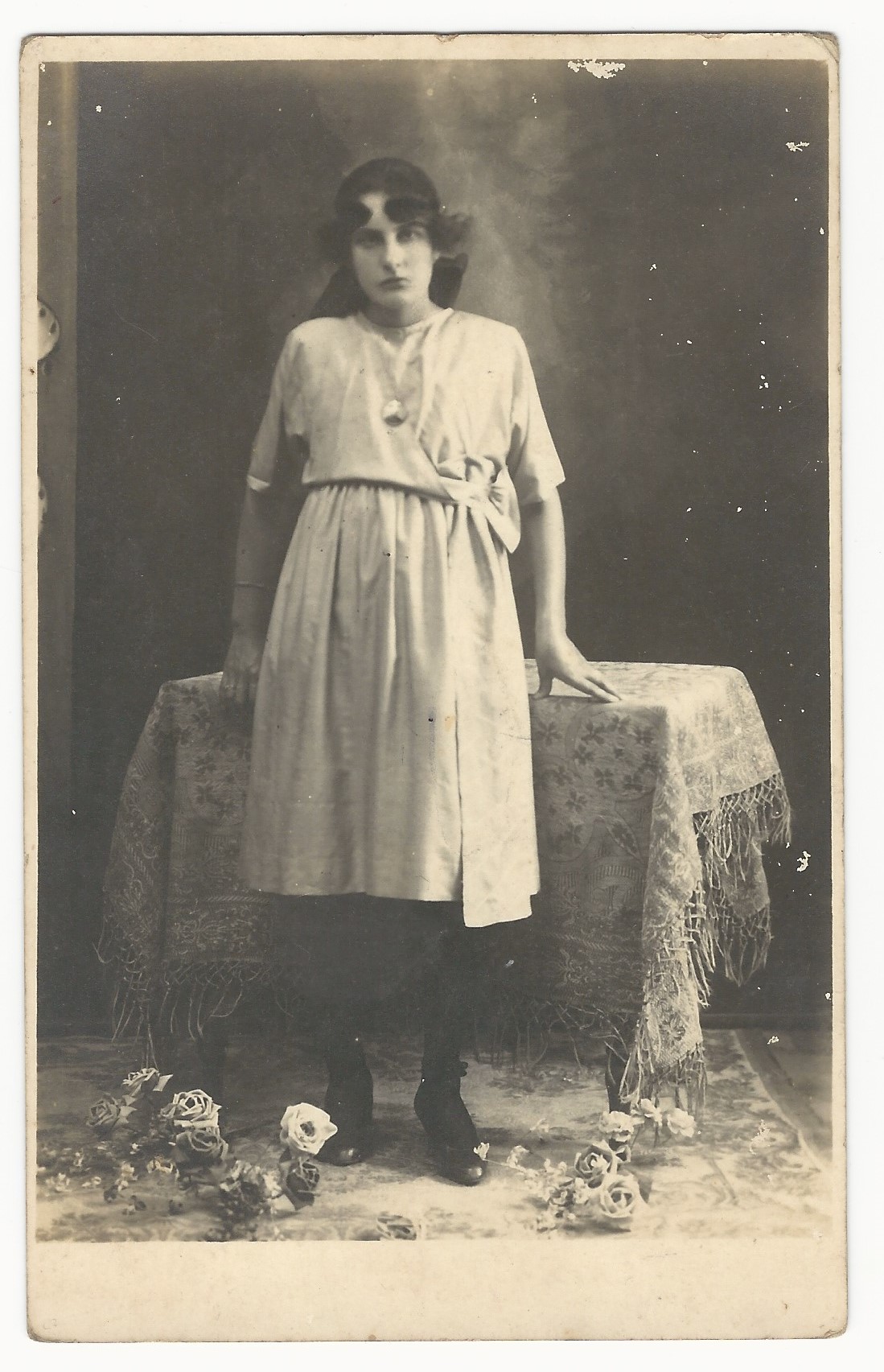
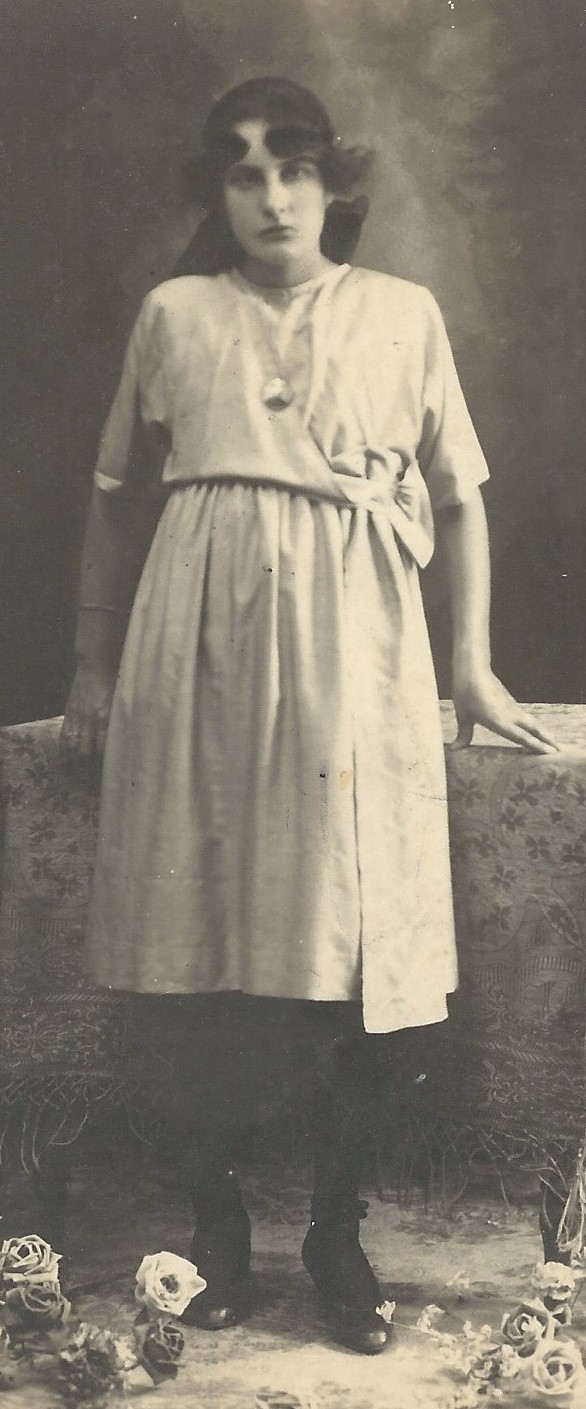
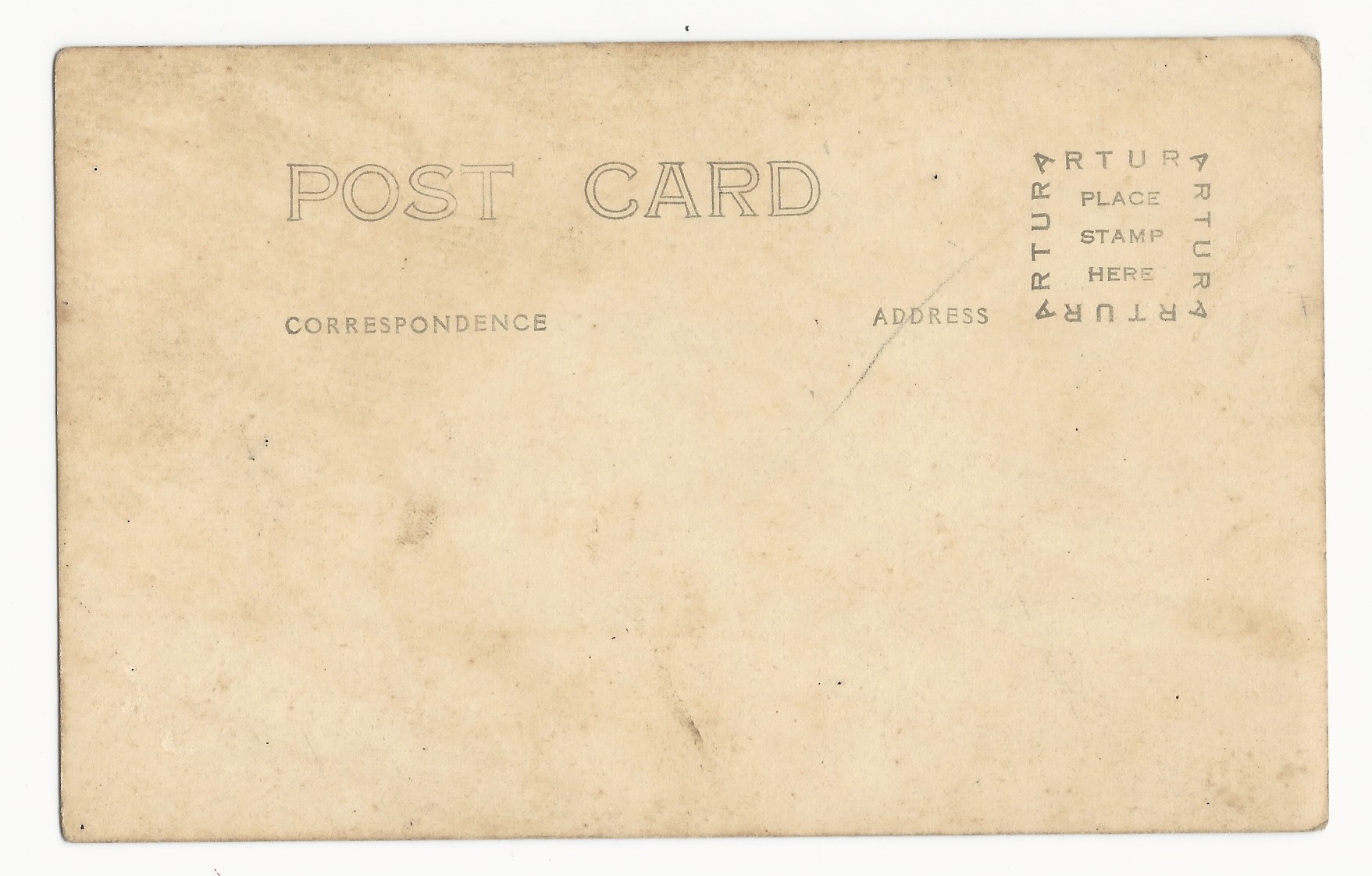
This vintage real photo postcard features a full view of a young woman leaning against a table positioned behind her. Is she showing a “baby bump”. I have seen few early photographs of pregnant woman. Were women reluctant to be photographed while pregnant? Did male photographers find pregnant women to appear unseemly? One should never ask a woman if she is pregnant, nor should one congratulate a woman before it is confirmed that she is pregnant. To ignore this “rule” creates the potential for a major faux pas. This portrait postcard has an Artura stamp box indicating it dates back to sometime between 1910 and 1924. The postcard is in good condition (see scans).

Buy this original Vintage Real Photo Postcard (includes shipping within the US) #3340

To purchase this item, click on the Pay with PayPal button below

$25.50

Buy this Vintage Real Photo Postcard (includes International shipping outside the US) 3340

To purchase this item, click on the Pay with PayPal button below

$34.50

Published in: on December 19, 2020 at 3:00 pm  Leave a Comment  
Tags: , ,

LISE FLEURON : FRENCH MUSIC HALL ARTIST : RISQUE RPPC

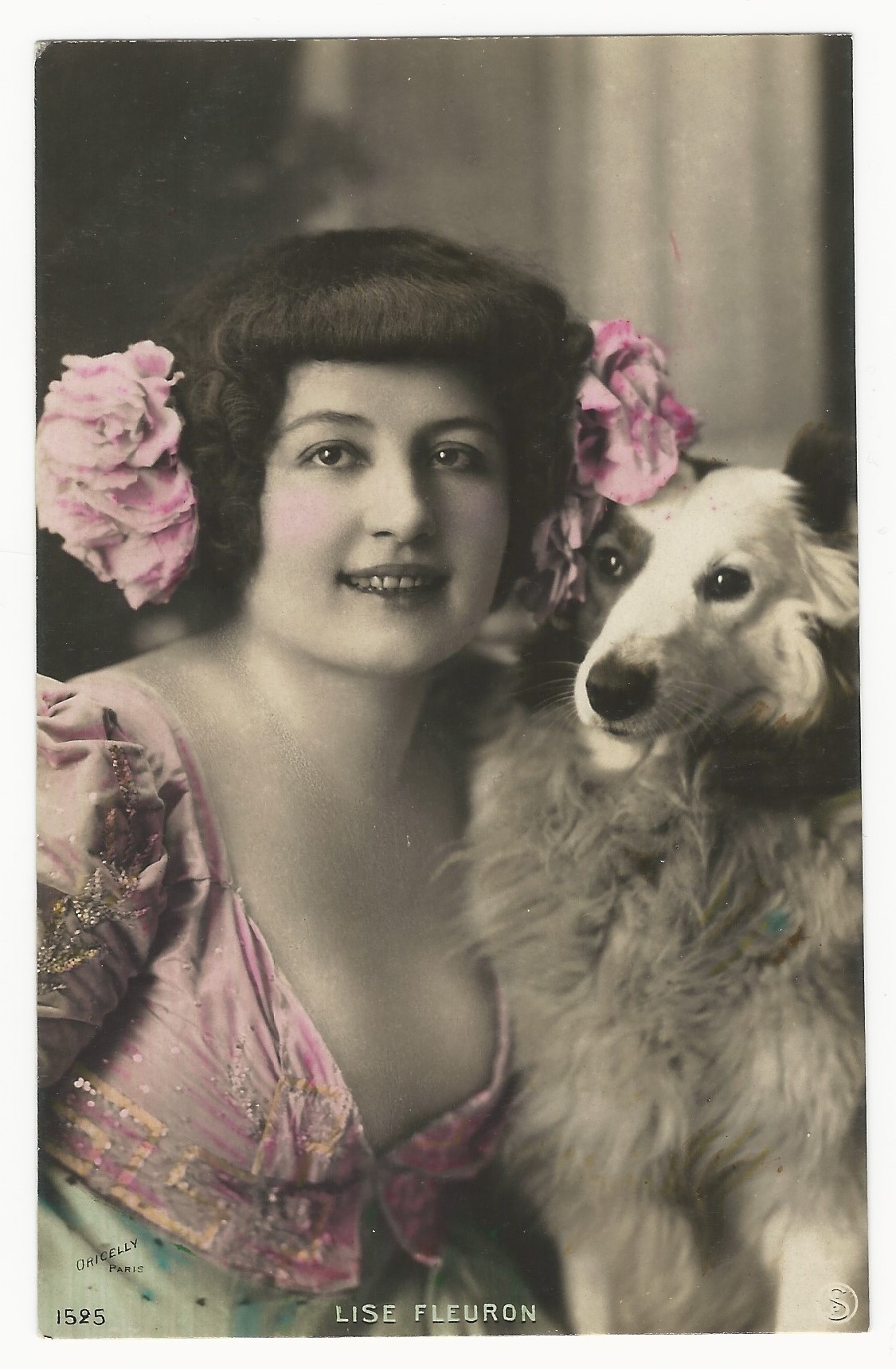
The subject of this vintage real photo postcard is French music hall artist, Lise Fleuron (1874-1960). She performed during the Belle Epoque. Miss Fleuron was known for her flowery dresses and their plunging necklines. This postcard image illustrates her willingness to pose for risque photographs. Lise is seen in this postcard image posing with a Borzoi (perhaps a Russian Wolfhound). This portrait is hand-tinted. Fleuron’s father was Alsatian and employed as a tailor. Her sister, Miati, toured with the French singer, Paulus in 1893. In that very same year, Lise had a son from an unknown father. The child died four months later. Lise was working as a milliner and lived with relatives. In 1895, she made her stage debut in Montmarte. She next appeared in a Paris music hall. This was followed by her performing in Operettas and her singing career took off. In 1898, she appeared in an illustrated book, “The Queens of Paris at Home”. She was in good company. Other models included Albany Debriege, Cleo de Merode, and Liane de Pougy. At this time she also worked as a model for erotic postcards. During 1898 she also appeared as a model, along with Mlle Dieterle in the photo novel “The Loves of Don Juan”. Lise was clearly quite busy. She continued to perform over the decade in such clubs as “Cafe des Ambassadeurs”, “Summer Alcazar”, and “La Scala”. In 1908, she married author and singer, Dufleuve. As a result, she became the sister-in-law of the singer Polaire. Photos of Polaire can be found elsewhere in the Cabinet Card Gallery. Use the search box. Miss Fleuron’s photo for this postcard was taken by the Oricelly studio in Paris. The card is part of a series (no.1525) and dates back to sometime between 1904 and 1910. SOLD

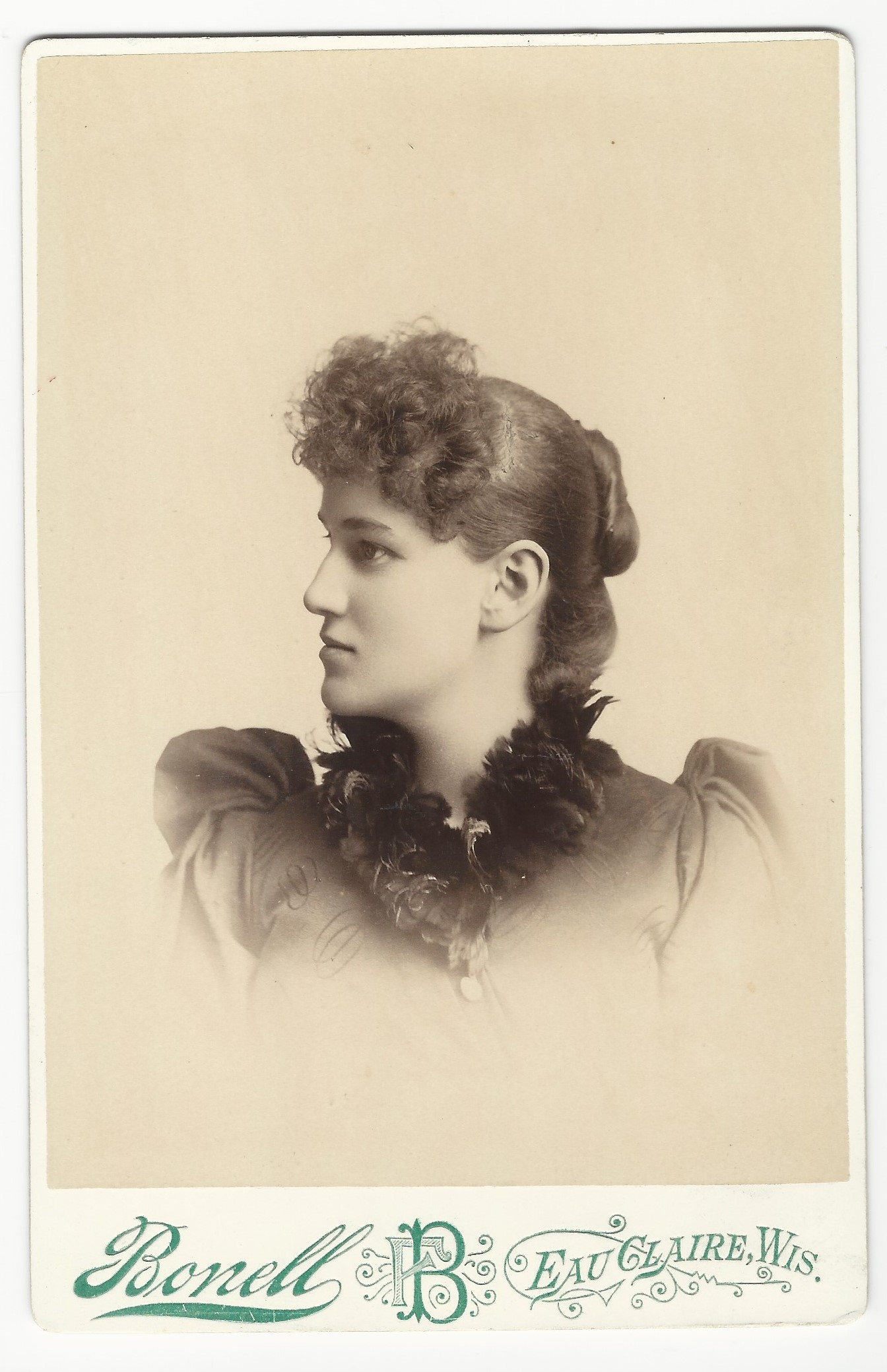
JENNIE HALL HUTCHINS: PROFILE PORTRAIT OF A PRETTY WOMAN FROM EAU CLAIRE, WISCONSIN

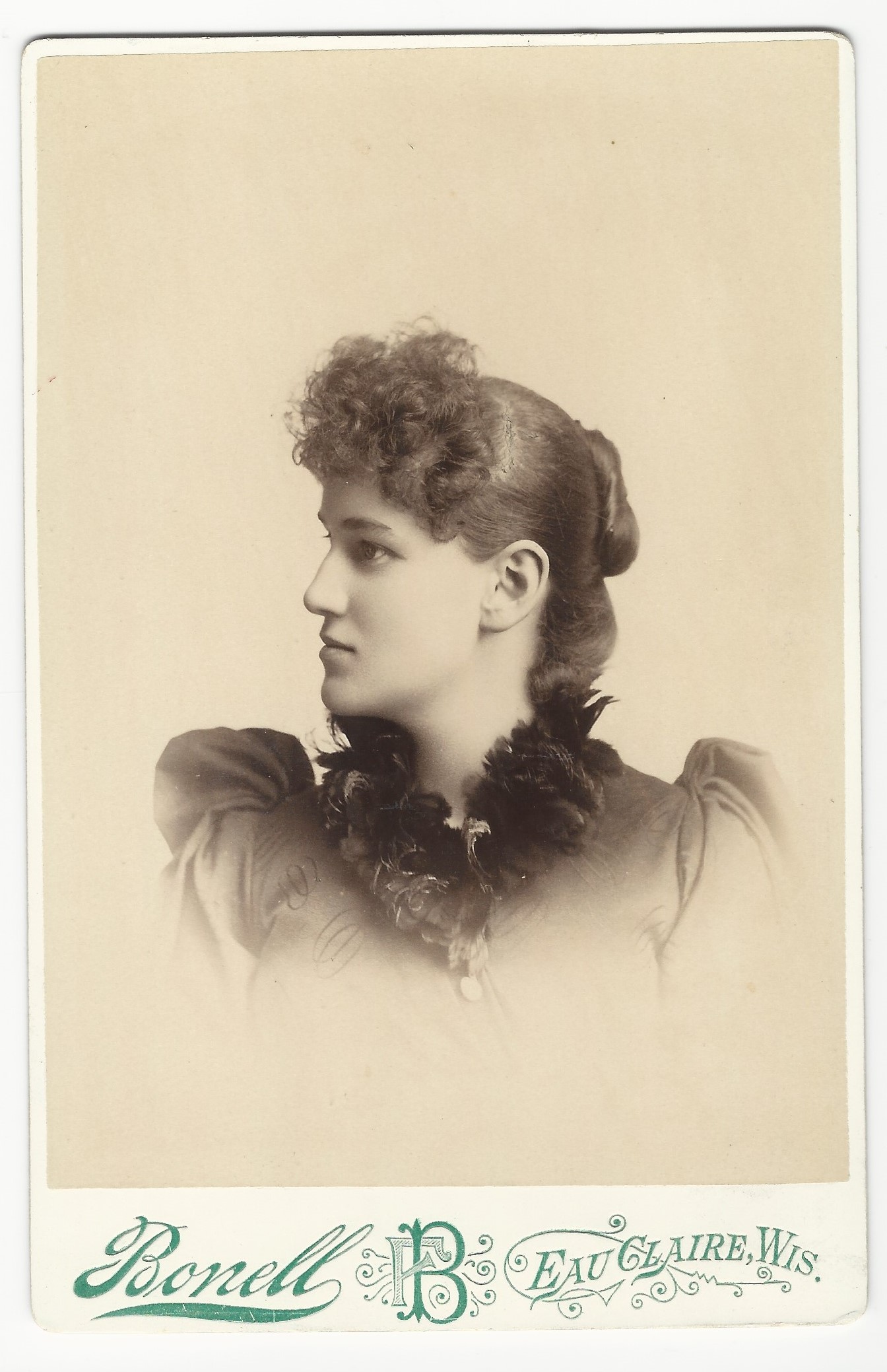
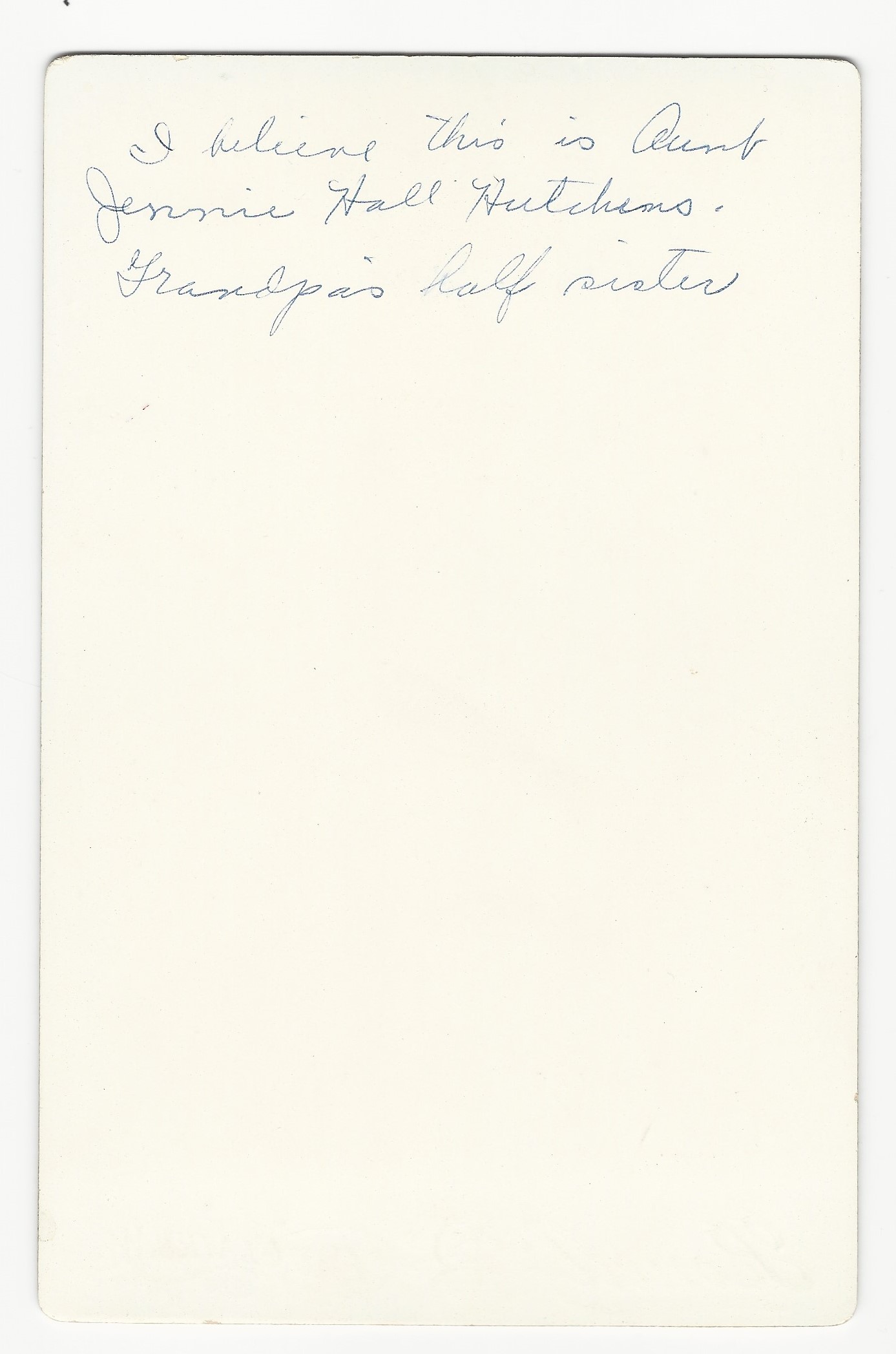
This cabinet card portrait features a pretty young woman named Jennie Hall Hutchins. The identification is made by an inscription on the reverse of the photograph. The inscriber describes her as “Grandpa’s half sister”. Preliminary research did not yield any further information about Miss Hutchins. The photographer of this image is no stranger to the Cabinet Card Gallery. At the time of this writing, the gallery has four other photographs by Frederick Bonell.  In addition to having a studio in Eau Claire (the location where this photograph was taken), he also conducted business in Chippewa Falls, Wisconsin. One source states that Bonell worked as a photographer between 1879 and 1890. To view other photographs by Bonell,  click on the category “Photographer: Bonell”. This cabinet card portrait is in very good condition (see scans). 


bonnel1-2

Buy this Vintage Cabinet Card (includes shipping within the US) #3327

To purchase this item, click on the Pay with PayPal button below

$21.50

bonnel1-1

Buy this Cabinet Card Photograph (includes International shipping outside the US) 3327

To purchase this item, click on the Pay with PayPal button below

$30.50

Published in: on December 17, 2020 at 12:00 pm  Comments (3)  
Tags:

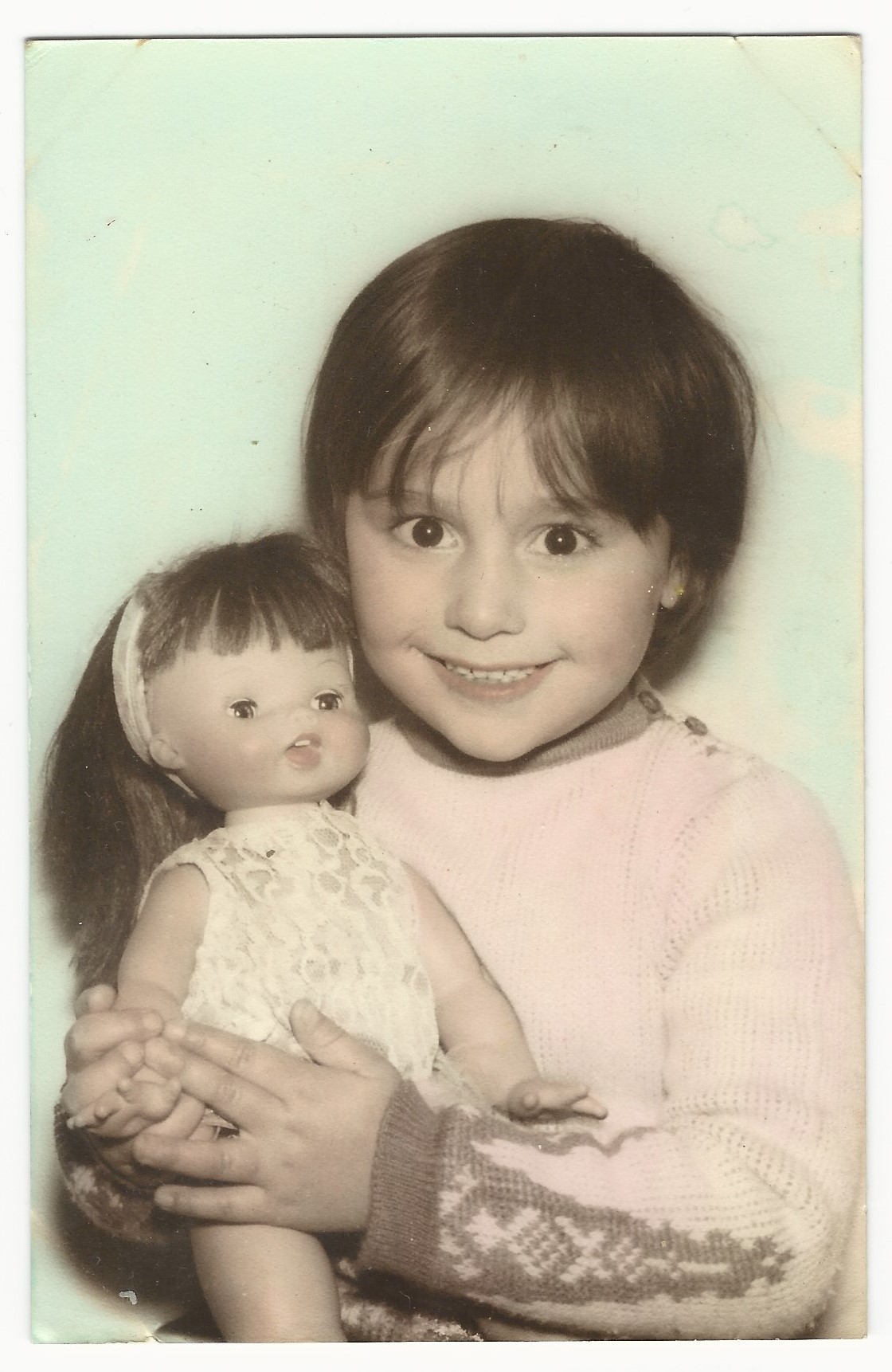
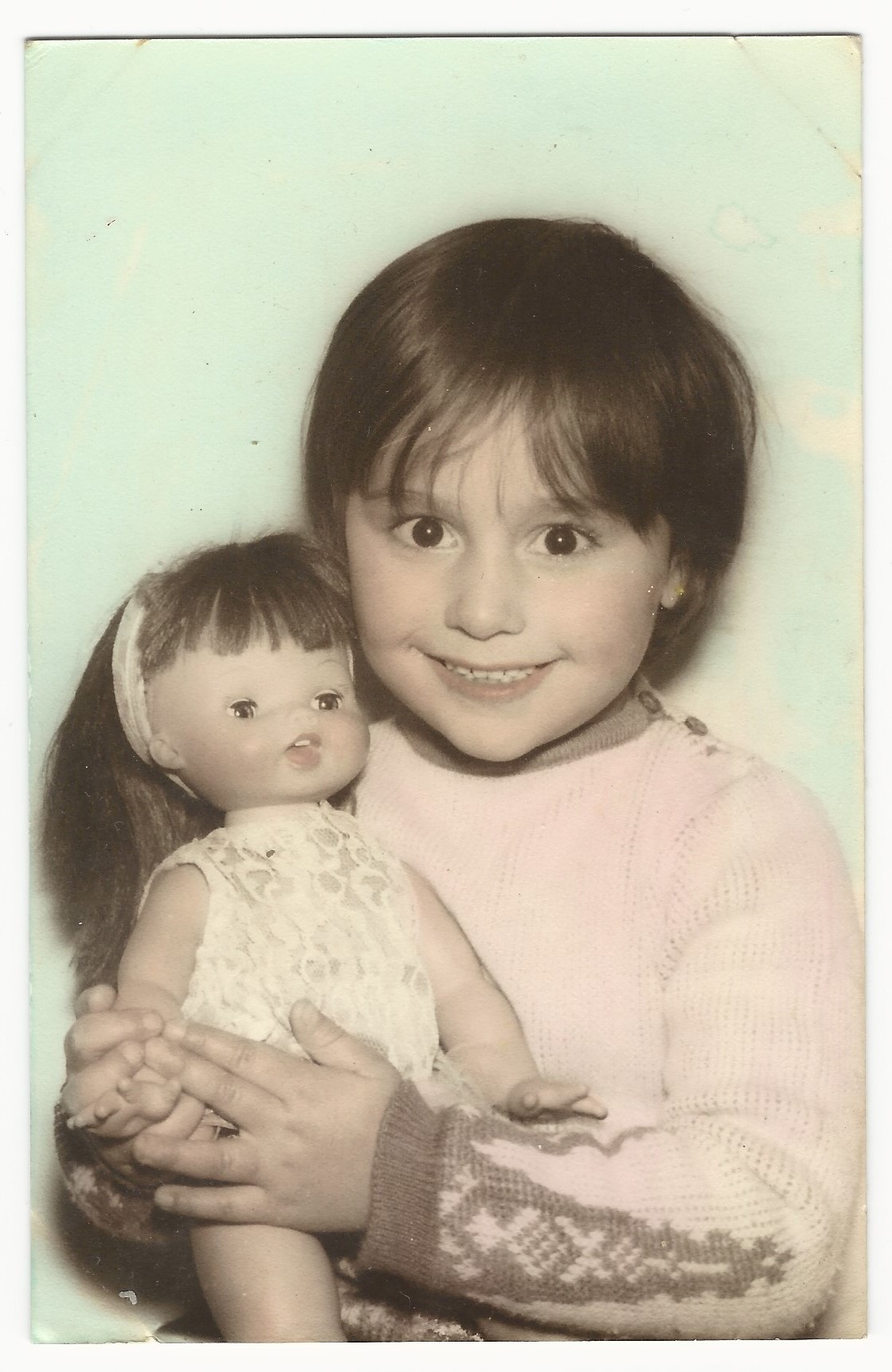
PORTRAIT OF AN ADORABLE LITTLE GIRL HUGGING HER DOLL (AIN’T SHE SWEET)

This vintage photograph is sweet. The photo features a young girl hugging her doll. The child has beautiful eyes and a wonderful smile. She looks so sweet. Interestingly, both she and her doll have bangs that look very much alike. The girl is wearing a pretty sweater. This color photograph is a former resident of a photo album. It is evident that the image was once held in place in an album by photo corners. This photograph found it’s way to me from Argentina. The photo measures about 3.5″ x 7.5″ and is in very good condition (see scans).

bangs1-1

Buy this Vintage Photograph (includes shipping within the US) #3338

To purchase this item, click on the Pay with PayPal button below

$28.50

bangs1-2

Buy this Vinatage Photograph (includes International shipping outside the US) 3338

To purchase this item, click on the Pay with PayPal button below

$37.50

Published in: on December 16, 2020 at 12:00 pm  Comments (2)  

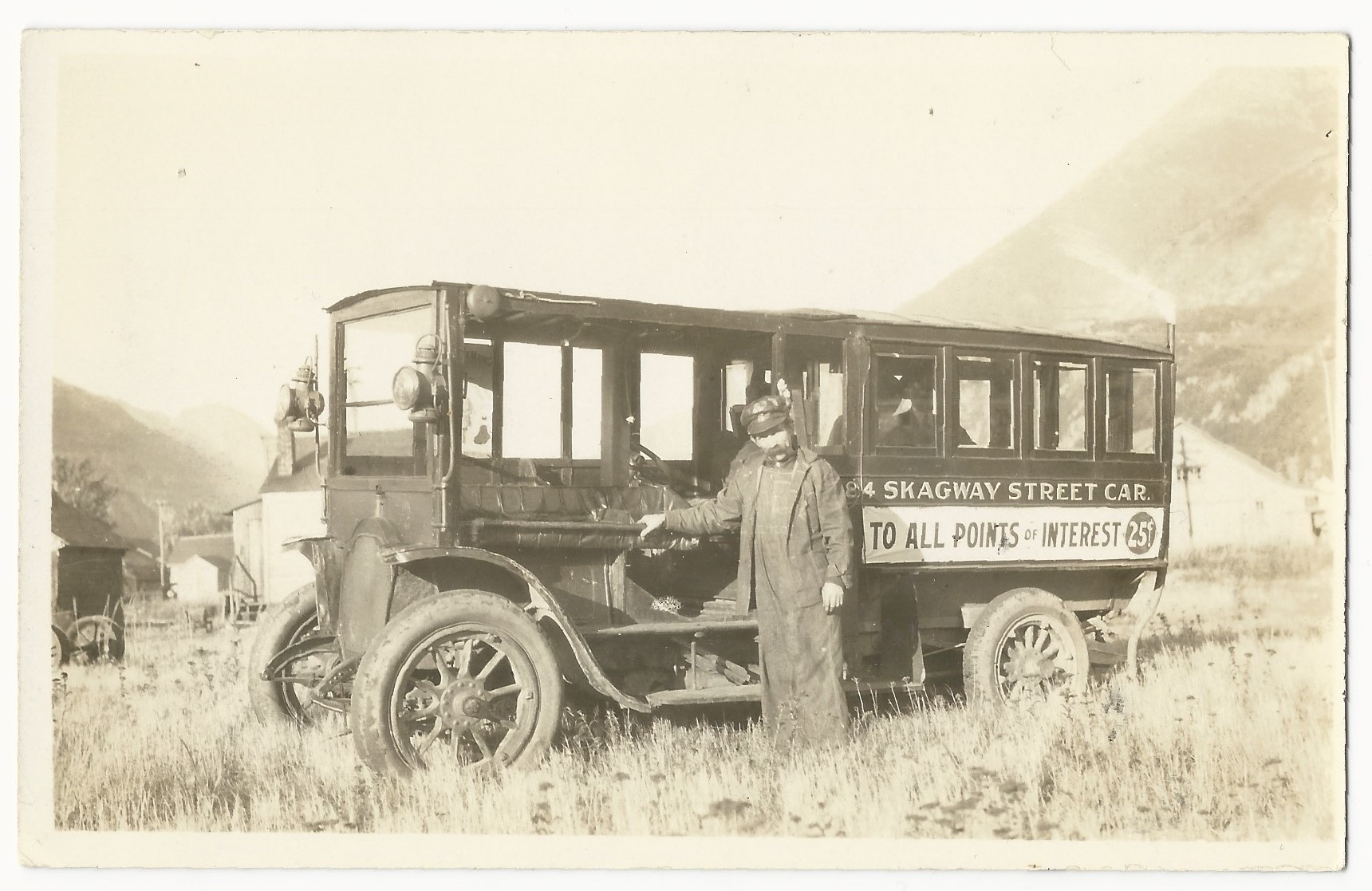
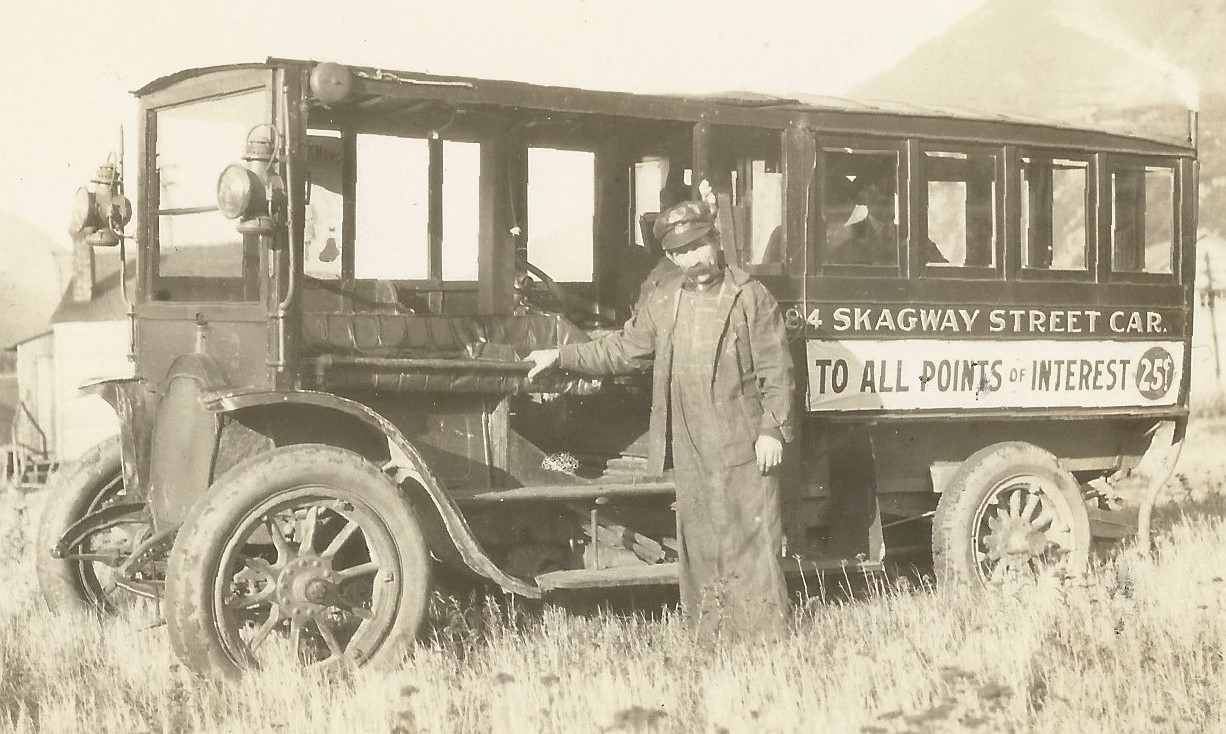
THE SKAGWAY STREET CAR (ALASKA) : PRESENTER AND COMPONENT OF LOCAL HISTORY (1928)

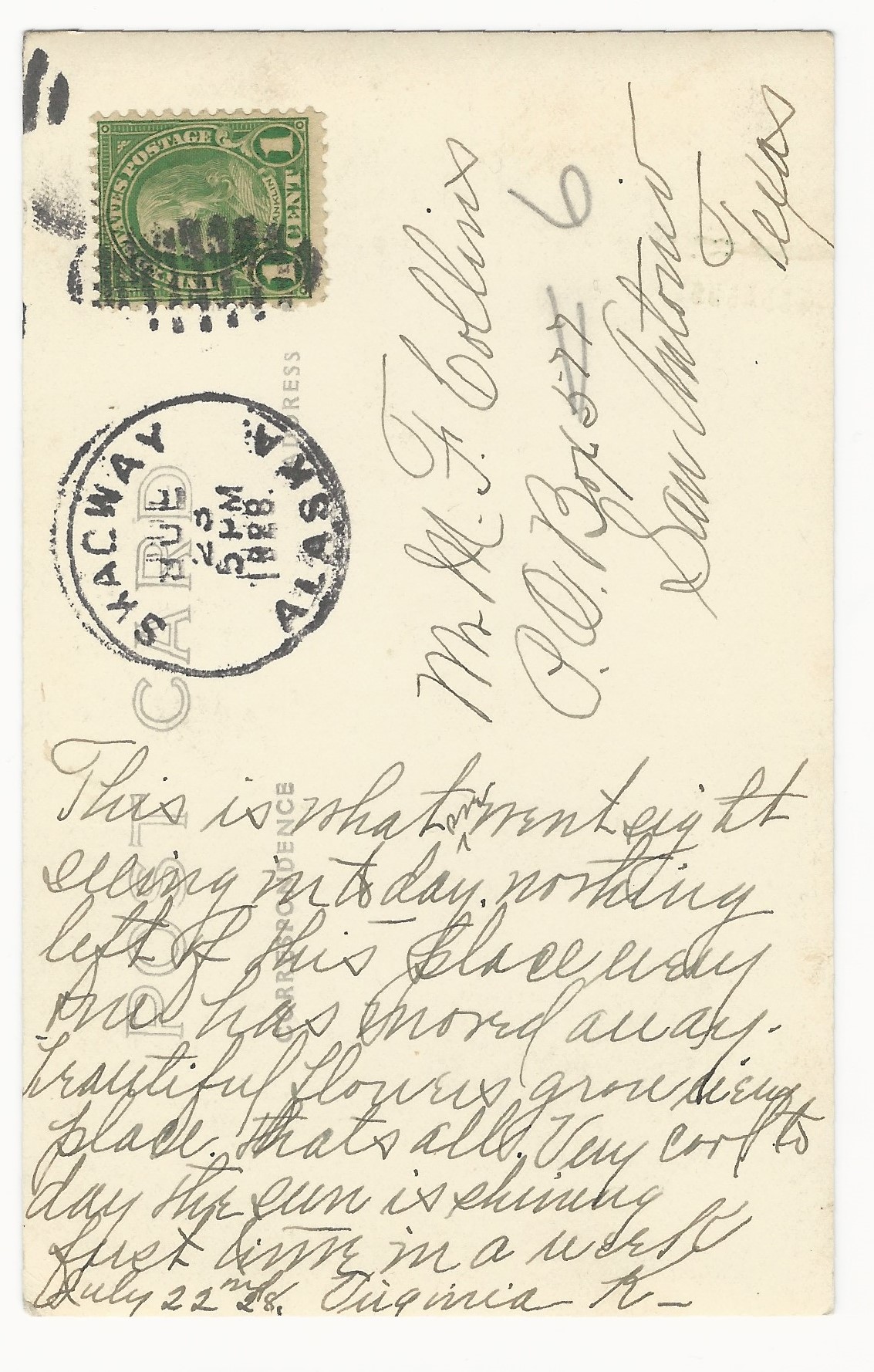
This vintage real photo postcard features a portrait of the “Skagway Street Car”. At least two passengers are inside the bus; and the driver poses outside the vehicle. For those who are wondering, Skagway is a port town located on Alaska’s panhandle. Jack London wrote about Skagway in his book, “The Call of the Wild”. This postcard was postmarked in Skagway in 1928. The growth and history of Skagway is very much related to the Klondike gold rush. In 1896, gold was discovered in the Klondike region of Canada’s Yukon territory. Thousands of miners travelled there through the town of Skagway. A number of new arrivals stayed in Skagway and opened up businesses to serve the miners. The town rapidly became the largest city in Alaska. A narrow gage railroad was completed by 1900. After a short time, Skagway became under the control of corrupt individuals, including con man “Soapy Smith”. By 1897 and 1898, the town became, basically, lawless. Drunkeness, fighting, and prostitution were rampant. Among Soapy Smith’s criminal enterprises was a telegraph office that charged five dollars to send a message anywhere in the world. Unfortunately, for people paying for these telegrams; there was no way to send telegrams from Skagway until years later. Skagway’s economy began to collapse in 1899 as the “gold rush” came to an end. Some of the early residents of Skagway were committed to saving the history of the town. One such resident was Martin Itjen (1870-1942), who ran a tour bus in the history rich town. Itjen saved the historic gold-rush cemetery (Boot Hill, purchased Soapy Smith’s saloon, and opened Skagway’s first museum. President Warren Harding, while holding office, visited Skagway in 1923. Thanks to Itjen’s efforts, and others like him, Skagway is a tourist destination today. It’s historical district has more than one hundred building dating back to the gold rush era. Martin Itjen came to Skagway in 1898 with the purpose of seeking gold. His life went another direction. Instead, he became the town’s undertaker, Ford dealer, coal deliveryman, tour director, and the unofficial town storyteller (historian). In fact, he gave President Harding a sight seeing tour of Skagway in his brightly painted motorized coal truck. He called the vehicle his “streetcar” and he continued these tours for decades. His tours were actually theatrical productions. They included mechanical actors, poetry, and comedy; all incorportated to present the history of Skagway and its residents. In 1935, in order to promote tourism for Skagway, Itjen and his “street car” visited Hollywood. When appearing with screen star, Mae West, he quipped she should “come up and visit him sometime”. These historical tours continue today. SOLD

Published in: on December 15, 2020 at 12:00 pm  Leave a Comment  
Tags: , , , , , , , ,

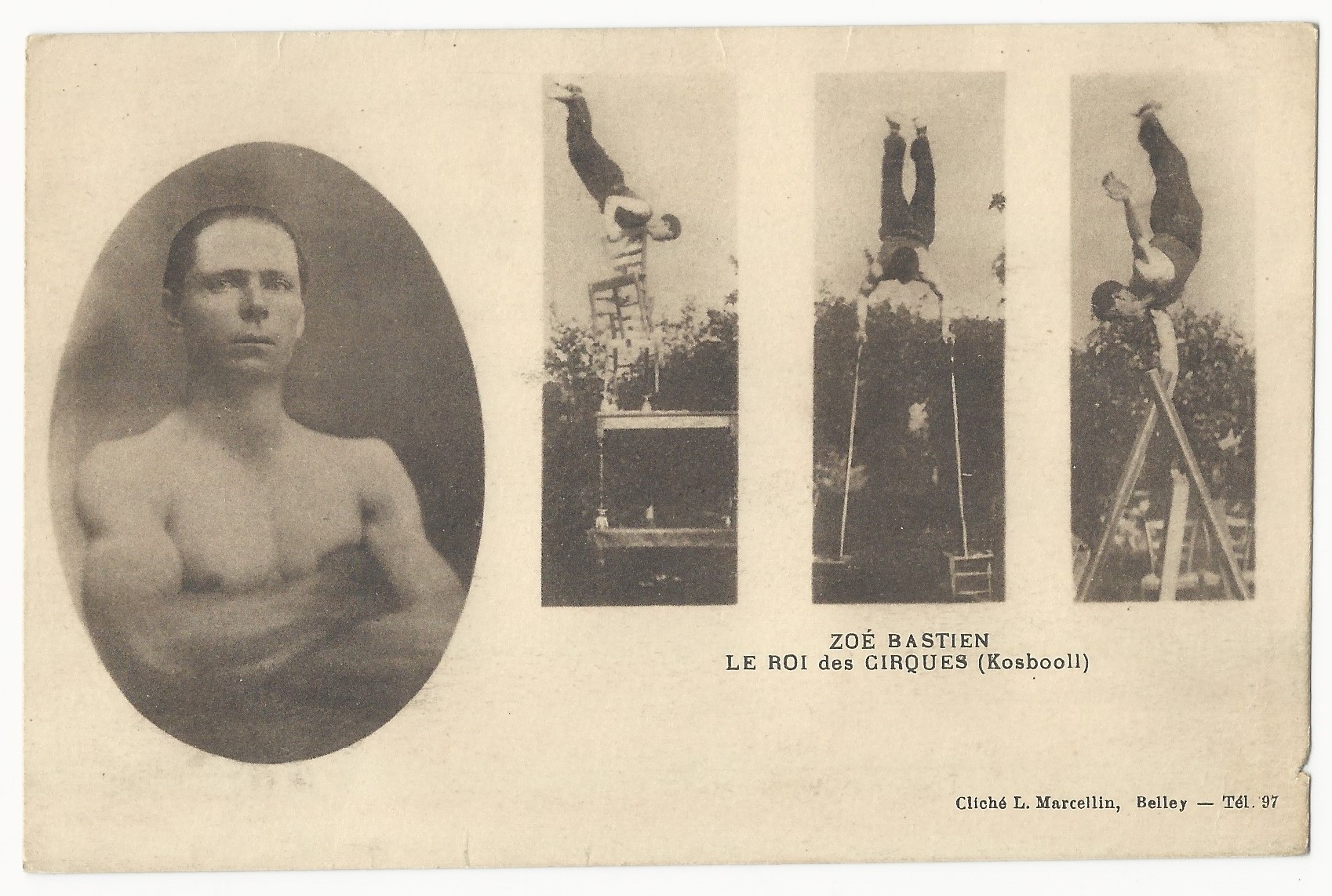
ZOE BASTIEN LE ROI des CIRQUES (KOSBOOLI) (CIRCUS RPPC)

This vintage real photo postcard is an advertisement for a circus. Translated, the title states Zoe Bastien: King of the Circus. I do not know if “Zoe Bastien” is the name of the circus or if it is the name of the pictured acrobat. I am guessing that it is the name of the acrobat but I can not find confirmation. The photographs seen on this postcard were taken by L Marcellin. He operated a studio in Belley, a community in eastern France. The postcard has a tiny chip on the bottom right edge portion of the card. SOLD

Published in: on December 14, 2020 at 12:00 pm  Leave a Comment  
Tags: , , , ,

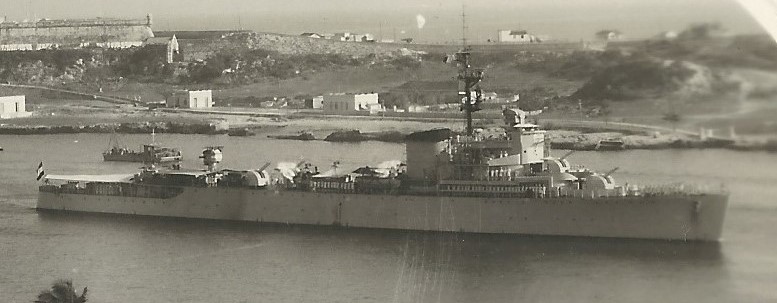
THE J. HEEMSKEREK SAILS INTO CUBA’S HAVANA HARBOR (PHOTOGRAPH)

This vintage real photo postcard features a photograph of the “J. Heemskerek” sailing into Cuba’s Havana Harbor. The postcard is labeled a “Souvenir of Cuba”. The “HNLMS Jacob van Heemskerck” was launched in 1939. The ship was a Tromp-class light cruiser that sailed for Netherland’s navy. It was decommissioned in 1969 and sold for scrap in 1970. The cruiser was named after Admiral Jacob van Heemskerk (1567-1607). The ship was designed to be a torpedo cruiser. The ship had not yet been armed when Germany invaded the Netherlands in 1940. She escaped to Great Britain where she was completed as an air defense cruiser. Winston Churchill visited the ship in 1940 and 1941. She was used to protect convoys and the ship seemed to be charmed because it never lost a ship under her protection. In 1942 she was assigned to the Dutch East Indies to reinforce the defense fleet. After another reassignment, in 1942, the ship took part in an operation to retake Madagascar. She then joined allied navy forces in Australia and resumed convoy duty. Toward the end of 1942, accompanied by an Australian cruiser, she attacked and damaged a German supply vessel/blockade runner. The damaged ship eventually had to be scuttled by her own crew. At the end of 1943, the “J. van Heemskerk” worked in the Mediterranean doing convoy duty. In 1945, the ship was the first Dutch warship to arrive in Amsterdam post liberation. After the war, the ship served as a barracks ship for naval trainees. In 1069, after decades of service, the “J van Heemskerck” was decommissioned. SOLD

Published in: on December 13, 2020 at 12:00 pm  Leave a Comment  
Tags:

PORTRAIT OF A WOMAN LEANING AGAINST A COLUMN (1952)

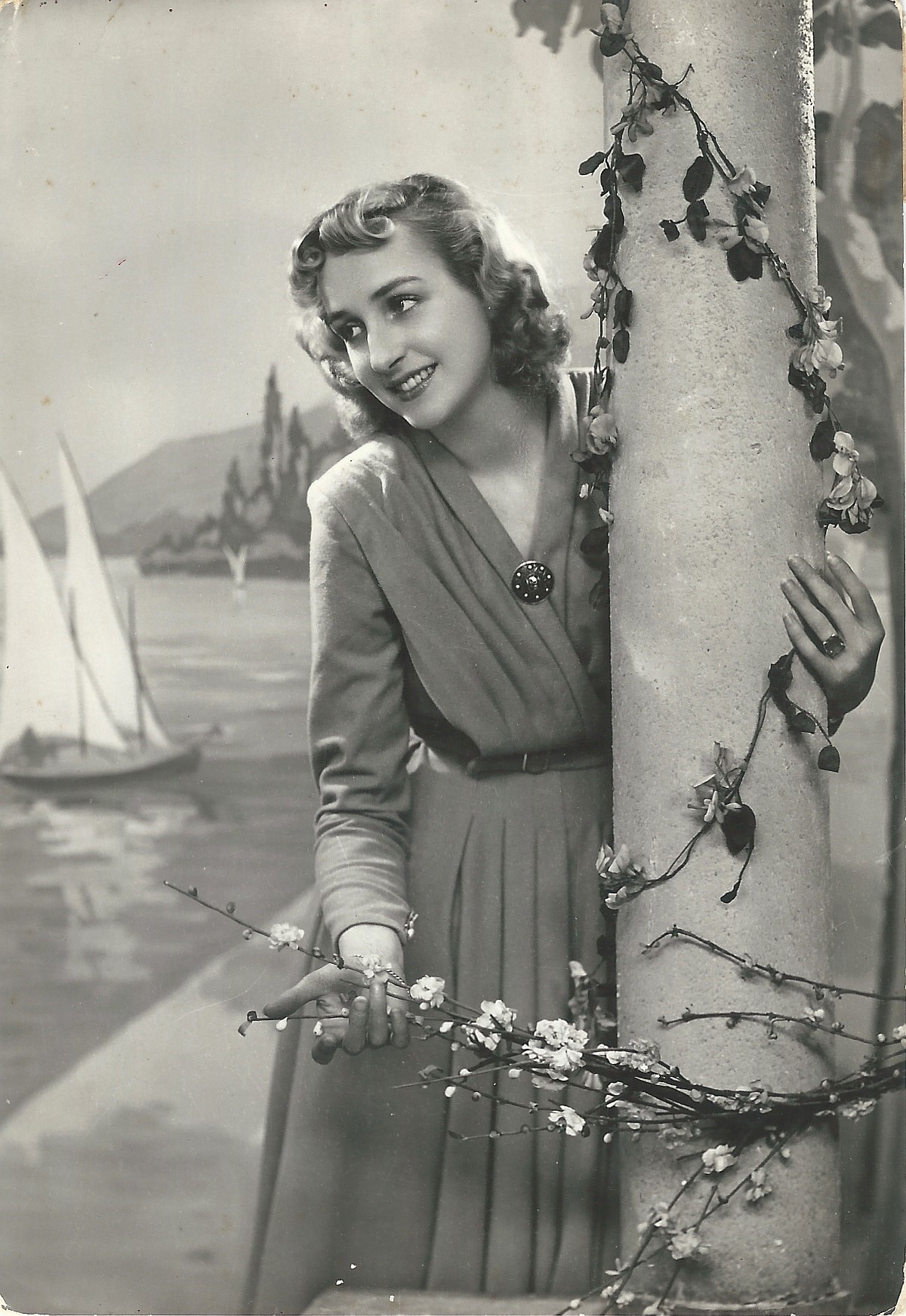
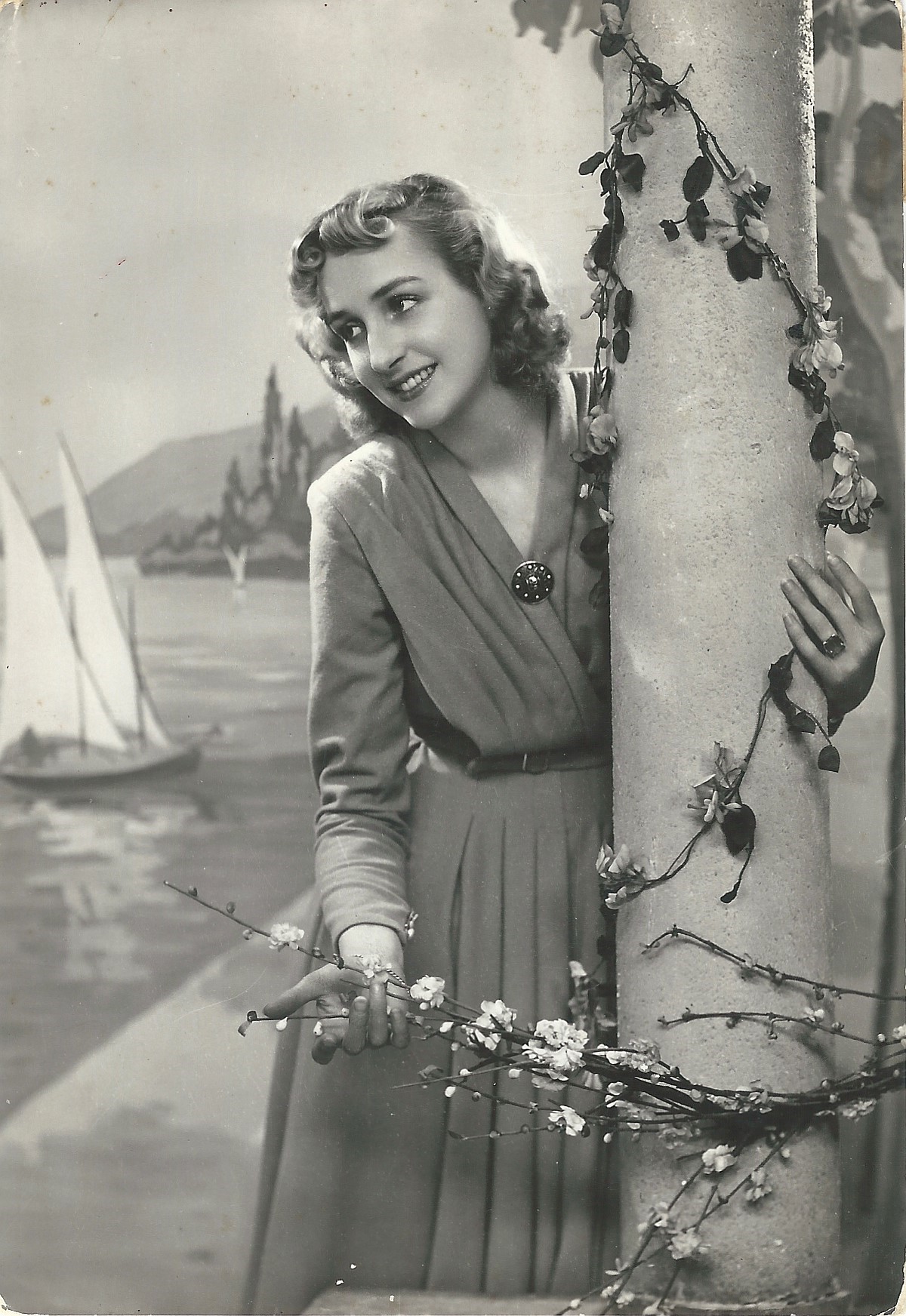
This vintage real photo postcard captures an attractive young woman leaning against a column. This pose was likely borrowed from the art world. There are a number of paintings from the last century and before, that feature woman near, or leaning on columns. This photograph was taken in front of a studio seaside backdrop. The woman in this photo is flashing a somewhat sheepish smile. This postcard was mailed in 1952 between two Italian towns. The card was published by Bromofoto which was located in Milan. This postcard measures about 4″ x 6″ and is in very good condition.

Buy this original Vintage Real Photo Postcard (includes shipping within the US) #3318

To purchase this item, click on the Pay with PayPal button below

$21.50

Buy this original Vintage Real Photo Postcard (includes International shipping outside the US) 3318

To purchase this item, click on the Pay with PayPal button below

$30.50

Published in: on December 12, 2020 at 12:00 pm  Leave a Comment  

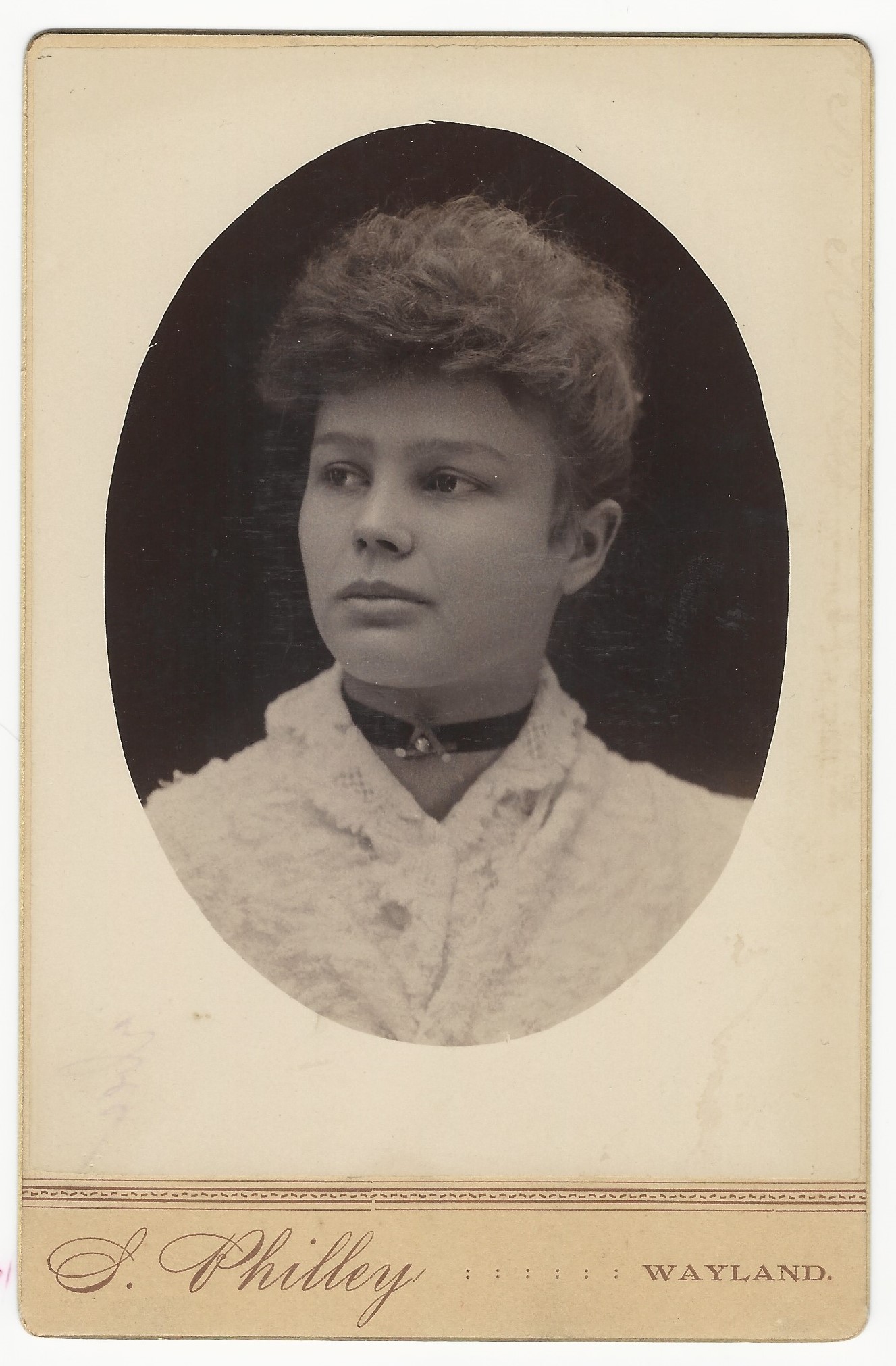
PRETTY WOMAN WEARING A CHOKER IN WAYLAND, MICHIGAN

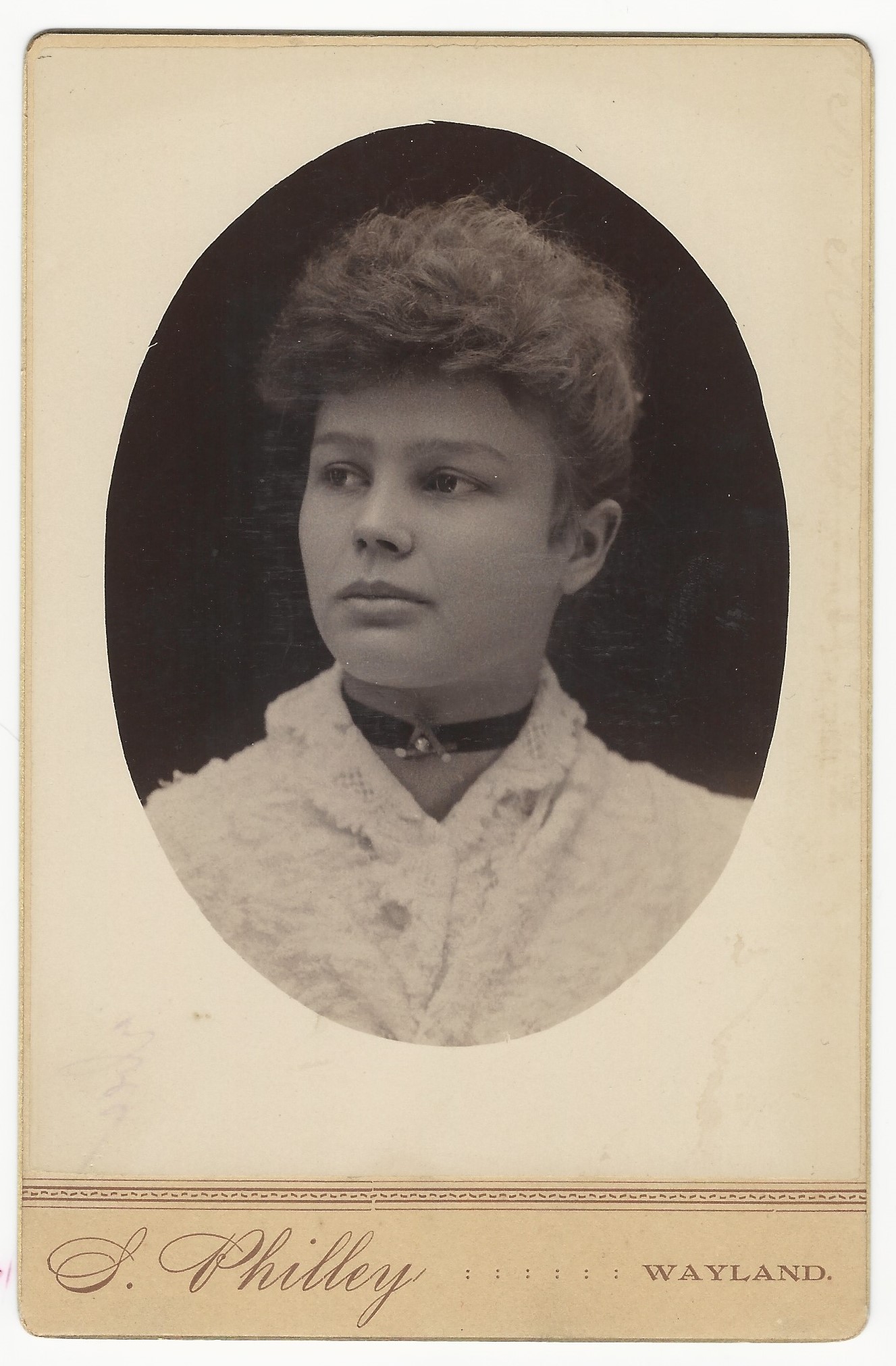
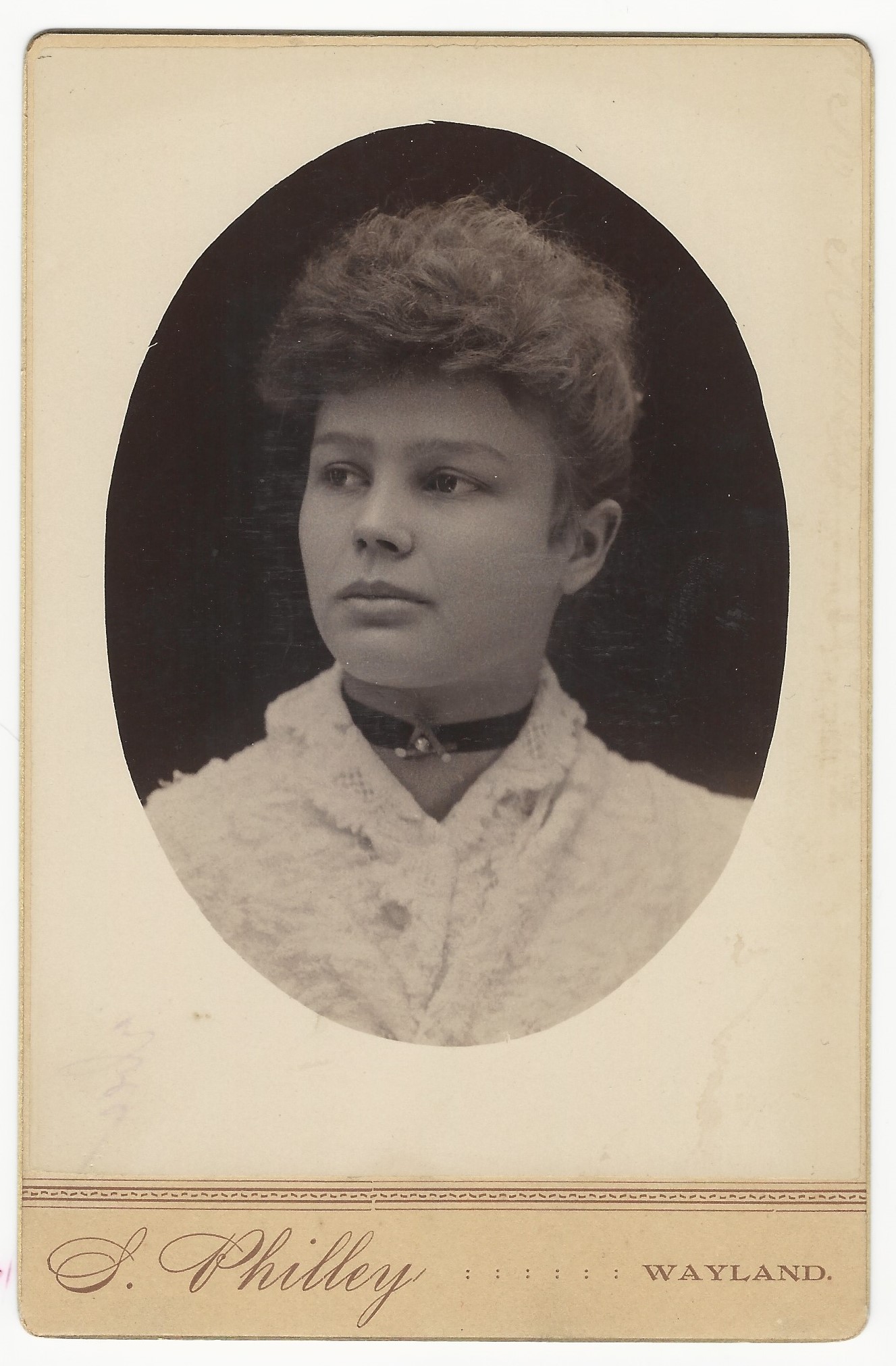
A pretty young woman poses for her portrait at the Philley photographic studio in Wayland, Michigan. She is wearing a frilly dress and a dark choker. She is posed to look away from the photographer and has a somewhat aloof expression. The photographer, Silas Philley (1845- 1926) is listed in “The Directory of Early Michigan Photographers” (2014). He operated in Wayland between 1888 and 1894. Philley was raised in Steuben County, New York. His early jobs included working as a laborer and shoemaker. He began his photography career in Wayland but also worked as a photographer in Kalamazoo  and Bloomingdale, Michigan. For part of his later photography career he worked in a partnership  (Evans & Philley). Philley was married twice. He outlived both of his wives, Thirza (11 years his junior), and Lizzie. In 1920 he was working again with shoes; this time as a shoe repairer. Philley did an excellent job creating this image. The subject is well posed and the close-up perspective enhances the portrait.

Buy this Vintage Cabinet Card (includes shipping within the US) #3321

To purchase this item, click on the Pay with PayPal button below

$18.50

Buy this Cabinet Card Photograph (includes International shipping outside the US) 3321

To purchase this item, click on the Pay with PayPal button below

$27.50

Published in: on December 11, 2020 at 12:00 pm  Comments (1)  
Tags: , , , ,