WOMAN FINDS DISILLUSIONMENT IN TRINIDAD, CUBA

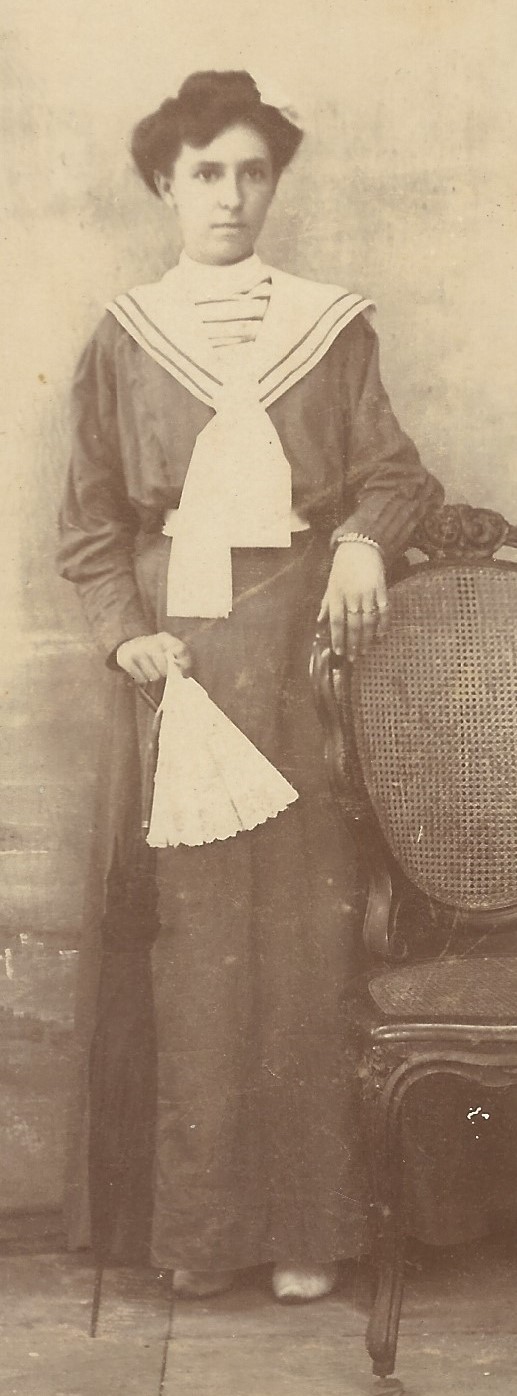
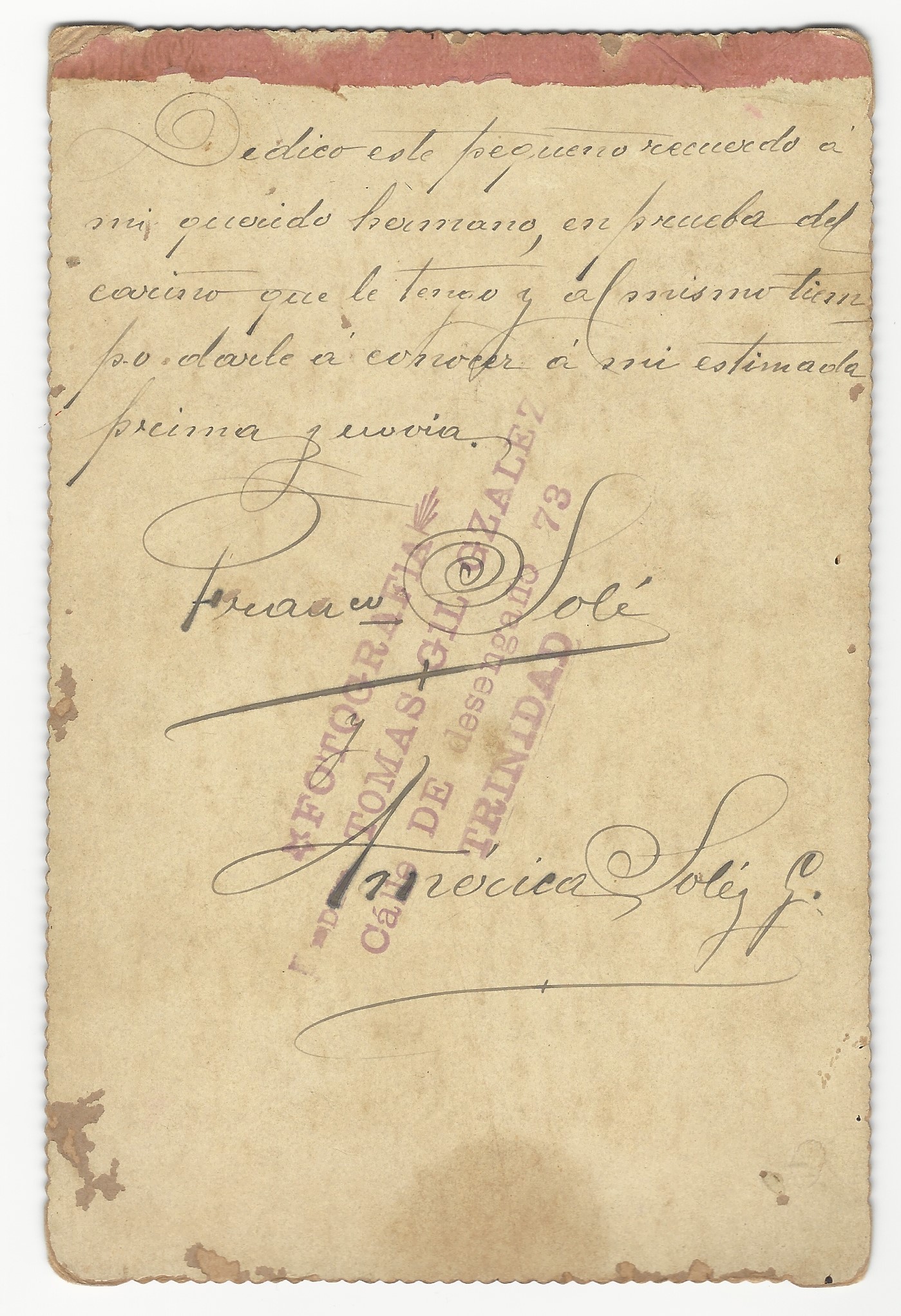
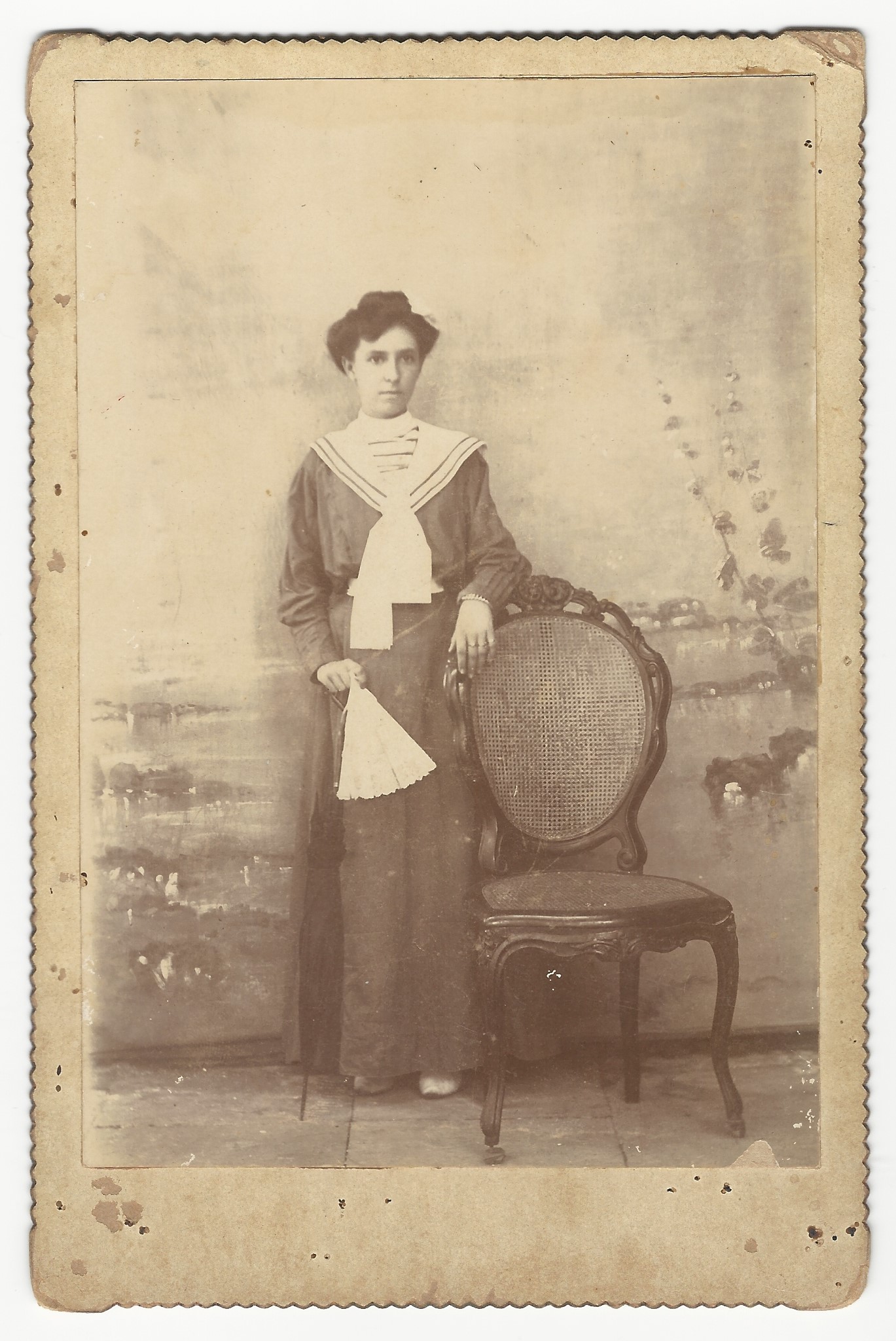
This cabinet card portrait of a young to middle aged woman was taken at a photographic studio located in Trinidad, Cuba. She poses next to generic chair and in front of a poorly painted backdrop. She holds a small hand fan. The photographers name, according to a stamp on the reverse of the image, is Tomas Gil Gzalez. The street address of his studio was Calle De Desengano 73. Interestingly, “Desengano” translated to English means disillusionment or disenchantment. Most of us, at some time in our lives, have found our way to Disillusionment Street.  SOLD

Published in: on October 16, 2020 at 12:01 pm  Comments (3)  
Tags: , , ,

VEILED WOMAN IN HAVANA, CUBA

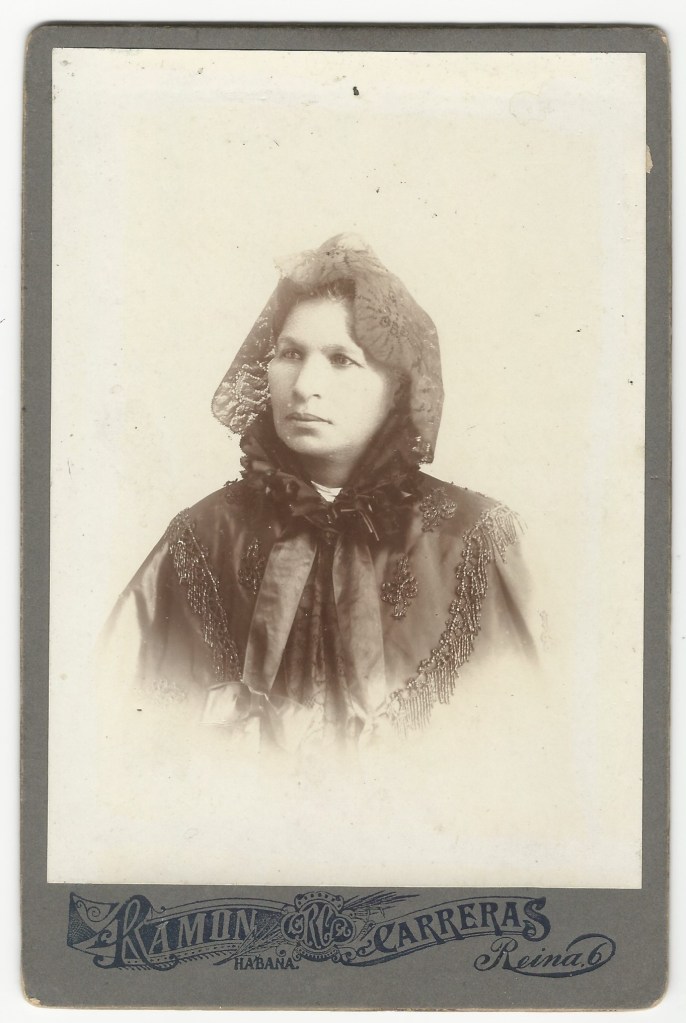
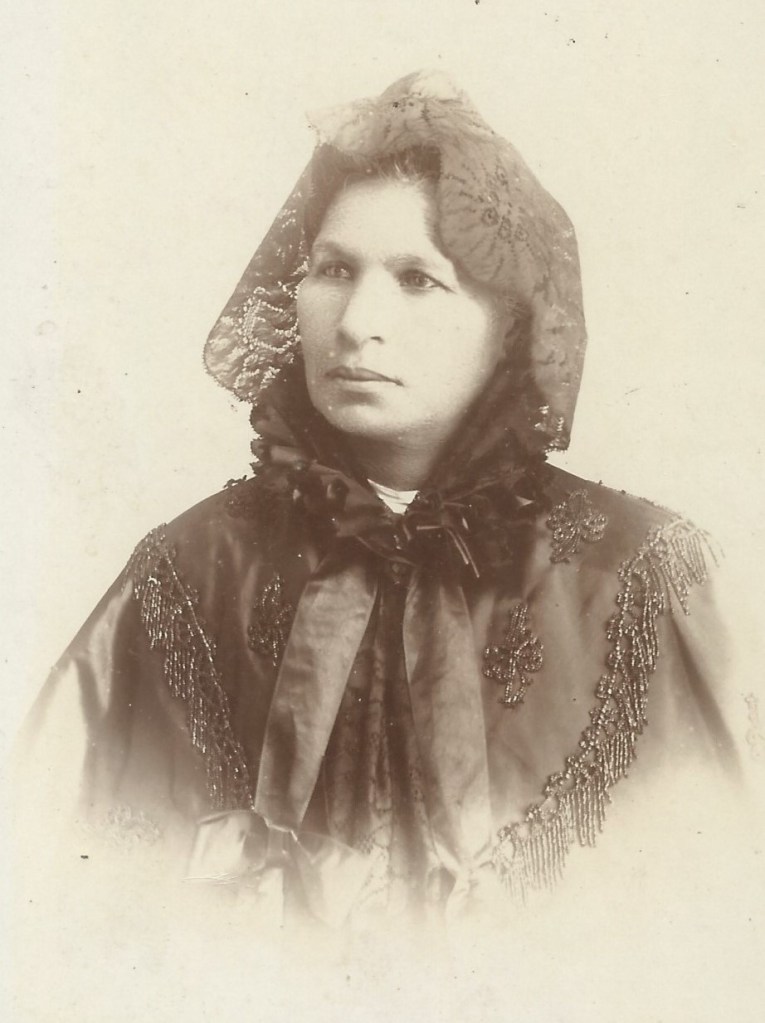
A woman wearing an ornate veil poses for her portrait at the studio of Ramon Carreras in Havana, Cuba. Hopefully a visitor to the cabinet card gallery can leave a comment about the subject’s attire. What does the woman’s clothing tell us about her? Research yielded little information about the photographer of this cabinet card. The Encyclopedia of Nineteenth Century Photography (2007) states that the war between Cuba and Spain (1895-1898) was documented by a number of photographers including Carreras.  (SOLD)

Published in: on September 22, 2020 at 12:01 pm  Comments (4)  
Tags: , ,

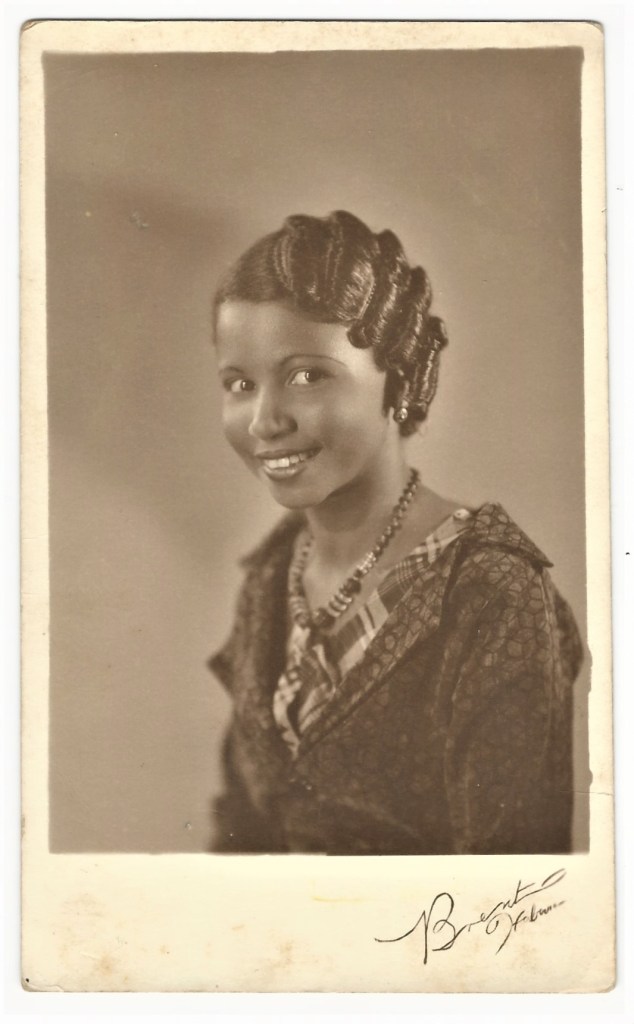
STUDIO PORTRAIT OF A PRETTY YOUNG WOMAN IN HAVANA, CUBA

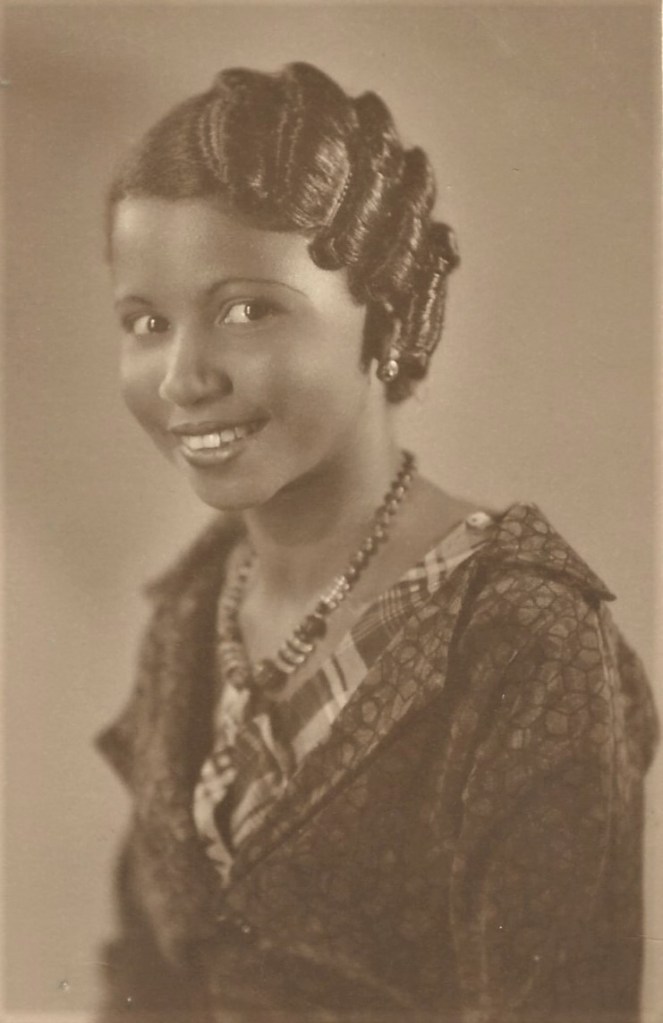
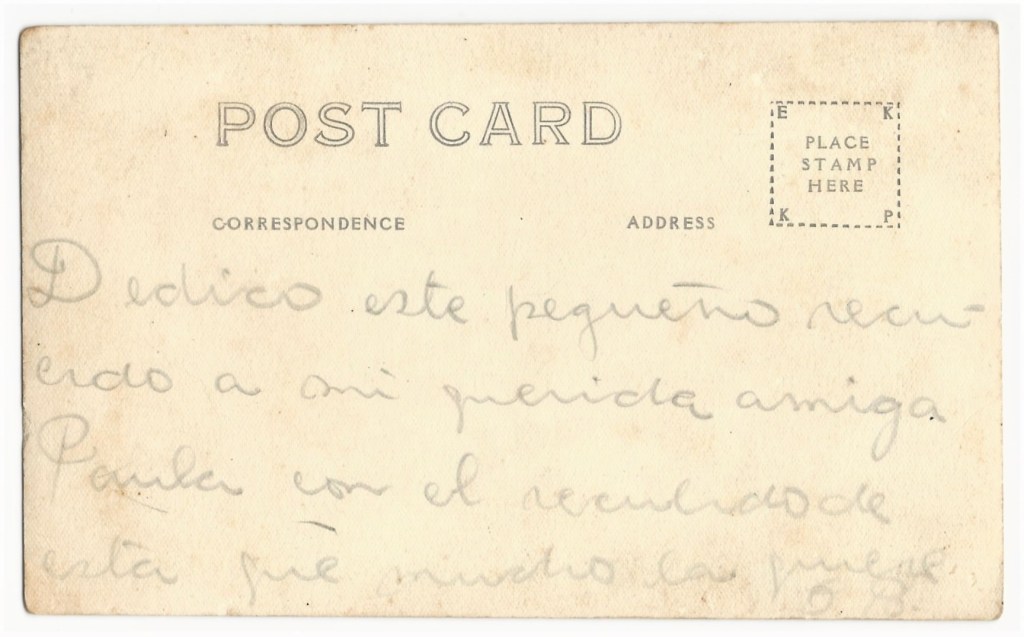
This vintage real photo postcard features a pretty young Black woman photographed at the Brent Studio in Havana, Cuba. She has a beautiful smile. There is an inscription written in Spanish on the reverse of the postcard. The stamp box on the card indicates that it was published by EKKP, a firm that existed between 1904 and 1950.   SOLD

Published in: on August 25, 2020 at 9:43 am  Leave a Comment  
Tags: ,

THE TYPICAL RUMBA: HAVANA, CUBA: COMPARSA: SOCIAL, MUSIC AND DANCE HISTORY


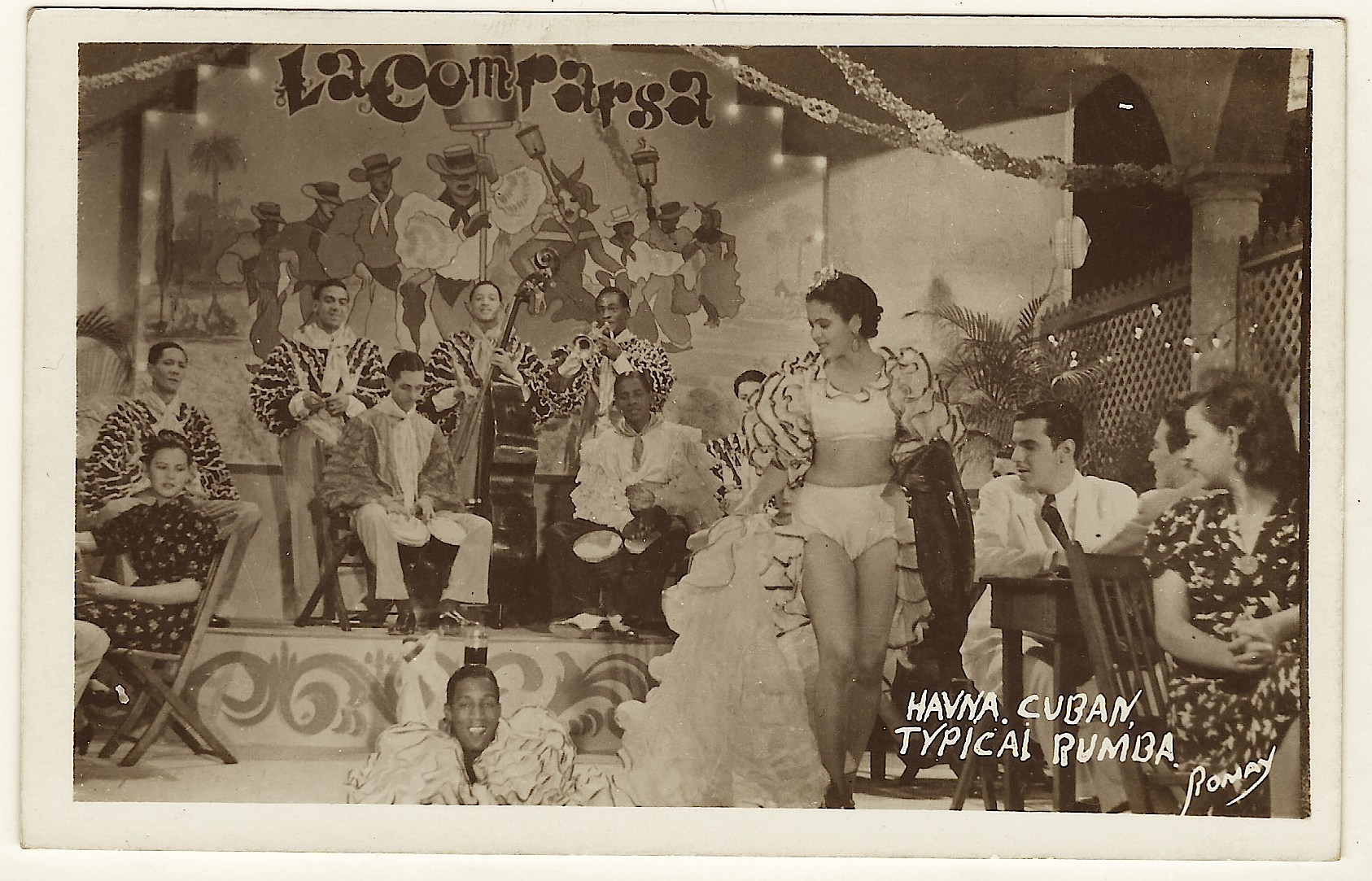
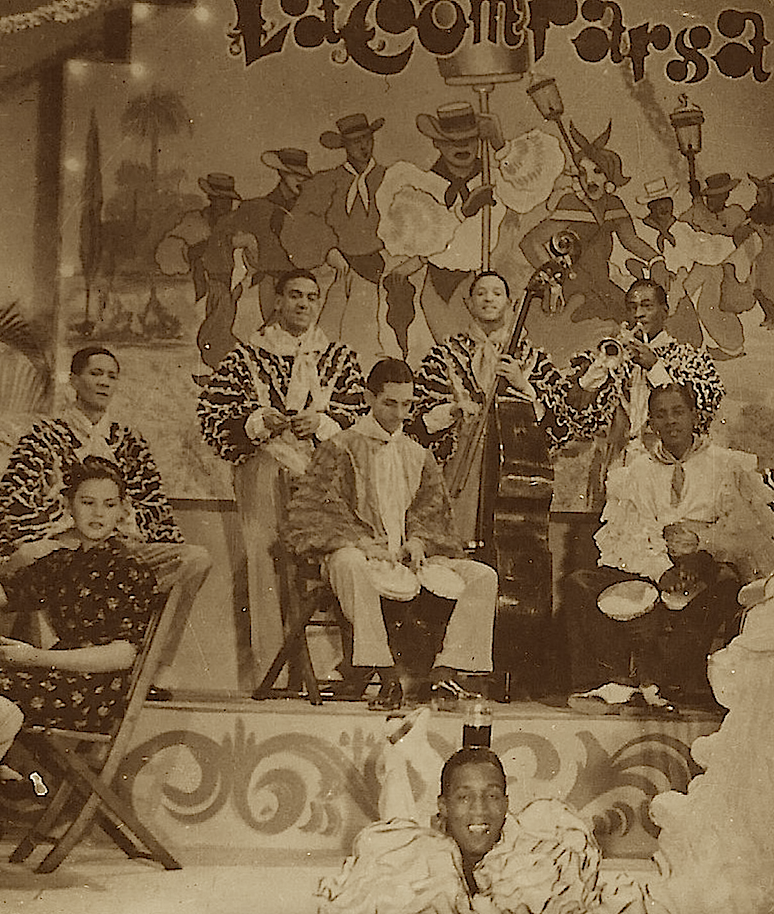
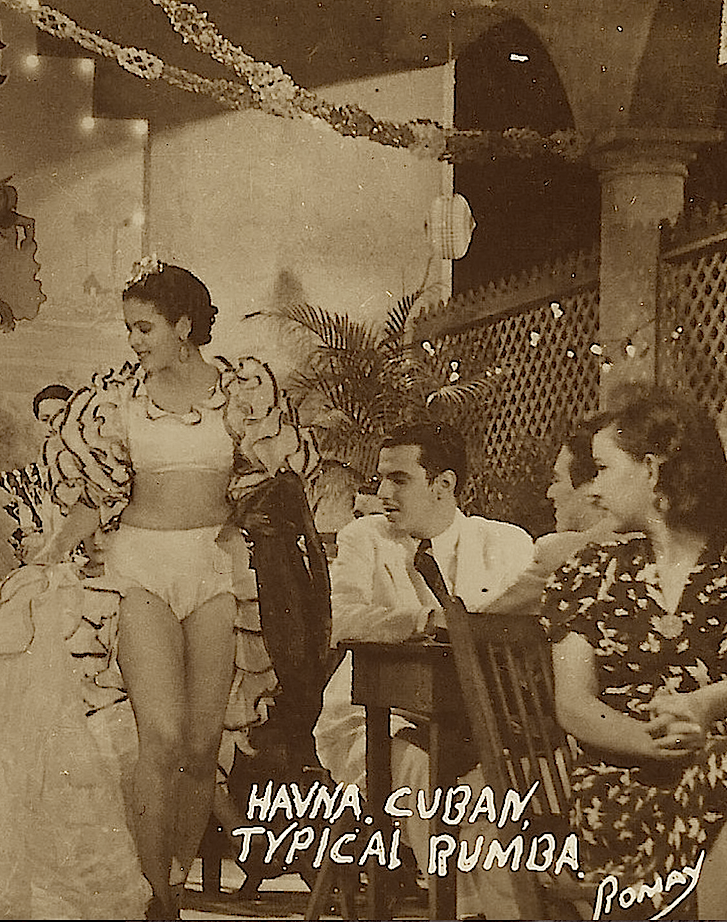
This vintage real photo postcard captures a glimpse of latin social and dance history. This is a photograph of a Havana, Cuba, nightclub in which the patrons participate in a festival of music and dance. The featured dance is the rumba. I have seen two other postcards in this “Typical Rumba” series. This postcard is by far the nicest of the three. The photographer has signed the photo with the name “Ronay”. A sign on the wall states “La Comparsa”. A comparsa is a group of dancers, singers, and musicians that perform in carnival and other festivities in Latin America and Spain. The most well known comparsas are the ones that take part in the “Carnival of Santiago de Cuba”. Does the United States have Comparsas? The most similar carnival held in the United States, according to some writers, is Mardi Gras in New Orleans. Cuban comparsas originate in the eastern part of the island, specifically the city of Santiago de Cuba. The singers, musicians and dancers form the “conga”, the ensemble that performs the canrival music, Havana has it’s own version of carnival. Each city has specific comparsas that tend to perform there. The term “rumba” refers to a style of music and dance. The rumba was exported by Cuba to North America, much like it’s replacement, salsa. The history of the rumba, as well as Comparsas, is much too complex and detailed to be adequately presented in this description. This postcard is from circa 1950 and it is in excellent condition. (see scans).  (SOLD)


Published in: on November 26, 2019 at 12:00 pm  Comments (2)  
Tags: , , , , , , , ,

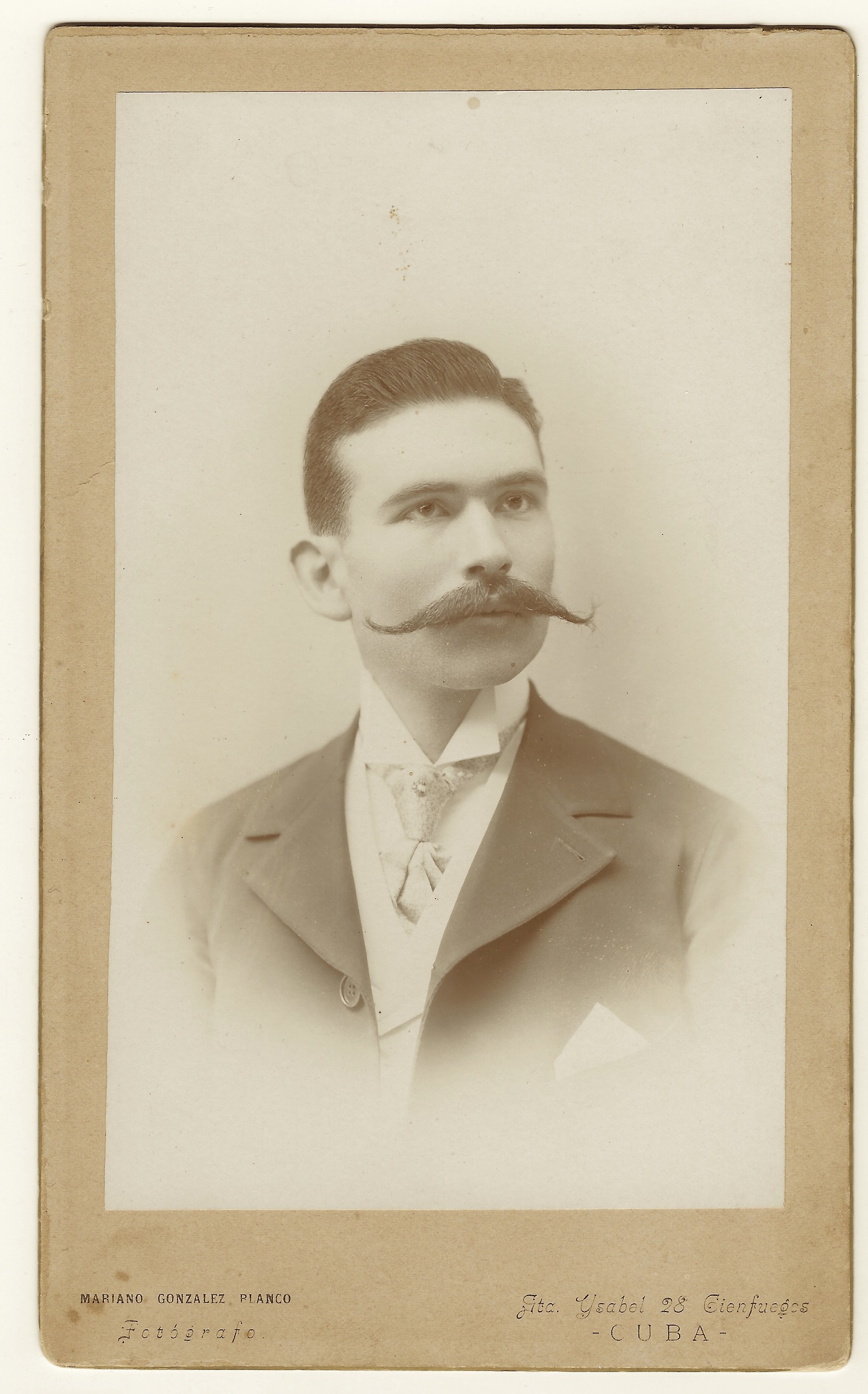
CUBAN GENTLEMAN WITH A GLORIOUS MUSTACHE IN CIENFUEGOS, CUBA

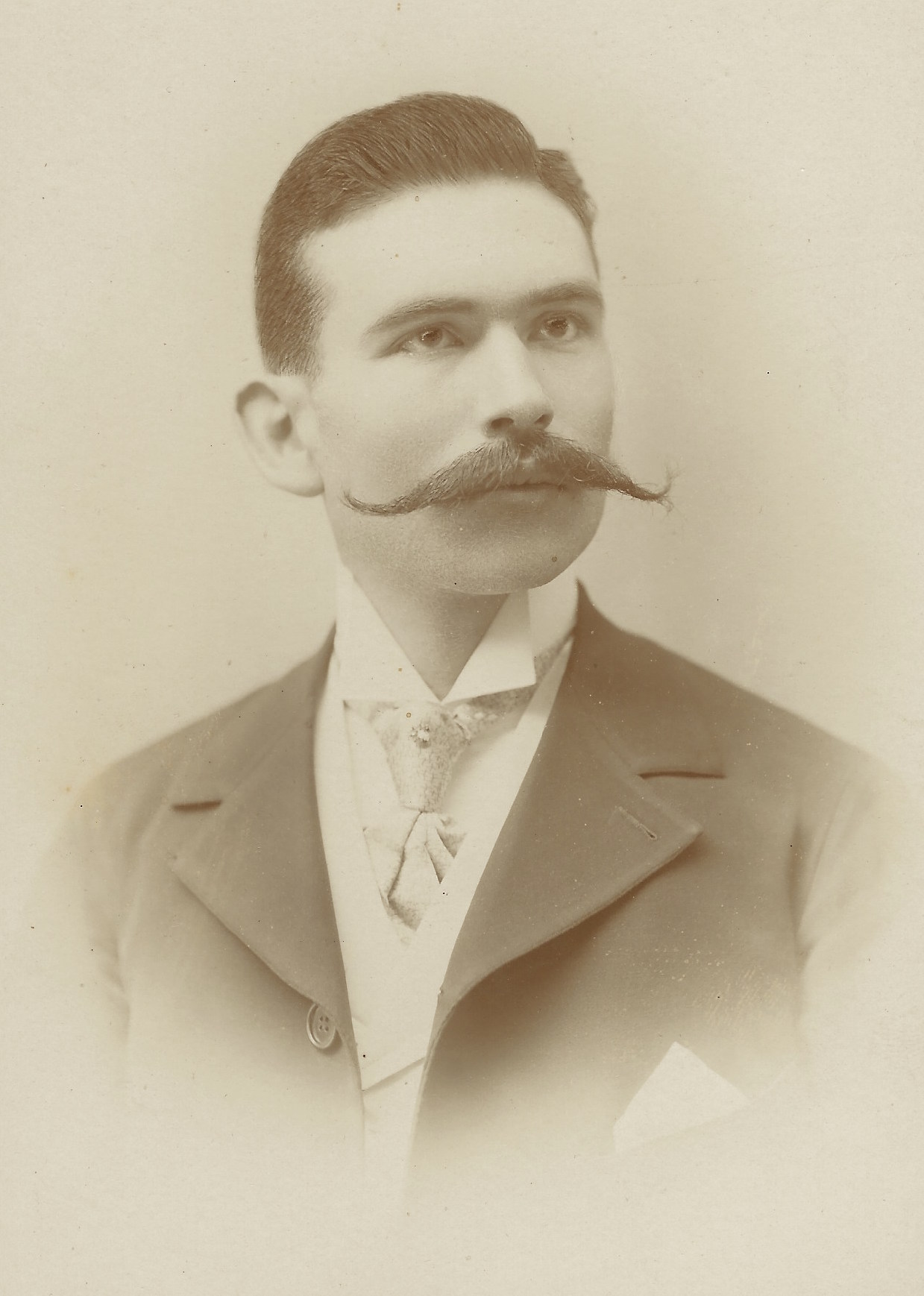
A handsome Cuban gentleman with a handlebar mustache poses for his portrait at the Mariano, Gonzalez, and Blanco studio in Cienfuegos, Cuba. Cienfuegos is a city on the southern coast of Cuba and is about 160 miles from Havana. The man is well dressed and wears an intensely serious expression. The photo studio belonging to Mariano, Gonzalez, and Blanco exhibited at the Exposition of Pan America (1901) that was held in Buffalo, New York. The exposition was basically a Worlds Fair. The exposition was very much in the news after President William McKinley was shot there at the “Temple of Music”. McKinley died eight days later from effects of his gun shot wound. The assassin was Leon Czolgosz, an anarchist. McKinley was succeeded by Theodore Roosevelt. This photograph measures about 8 1/2″ x 5″ and is in very good condition (see scans).

SOLD

Published in: on May 24, 2018 at 5:25 pm  Leave a Comment  

TWO GANGSTERS AND THEIR MOLLS ENJOY DINNER ON THE BEACH IN HAVANA, CUBA

CUBA FRONT


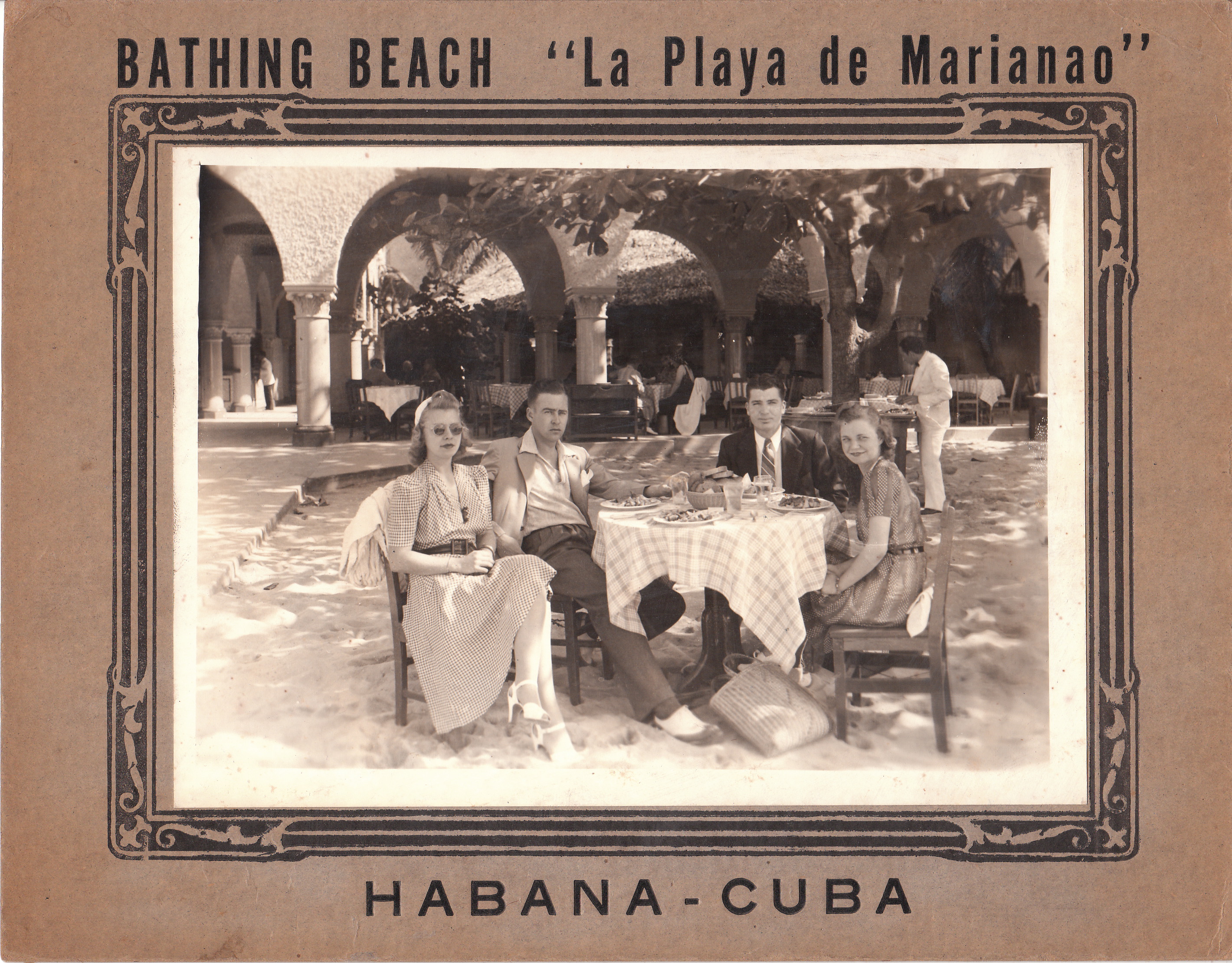
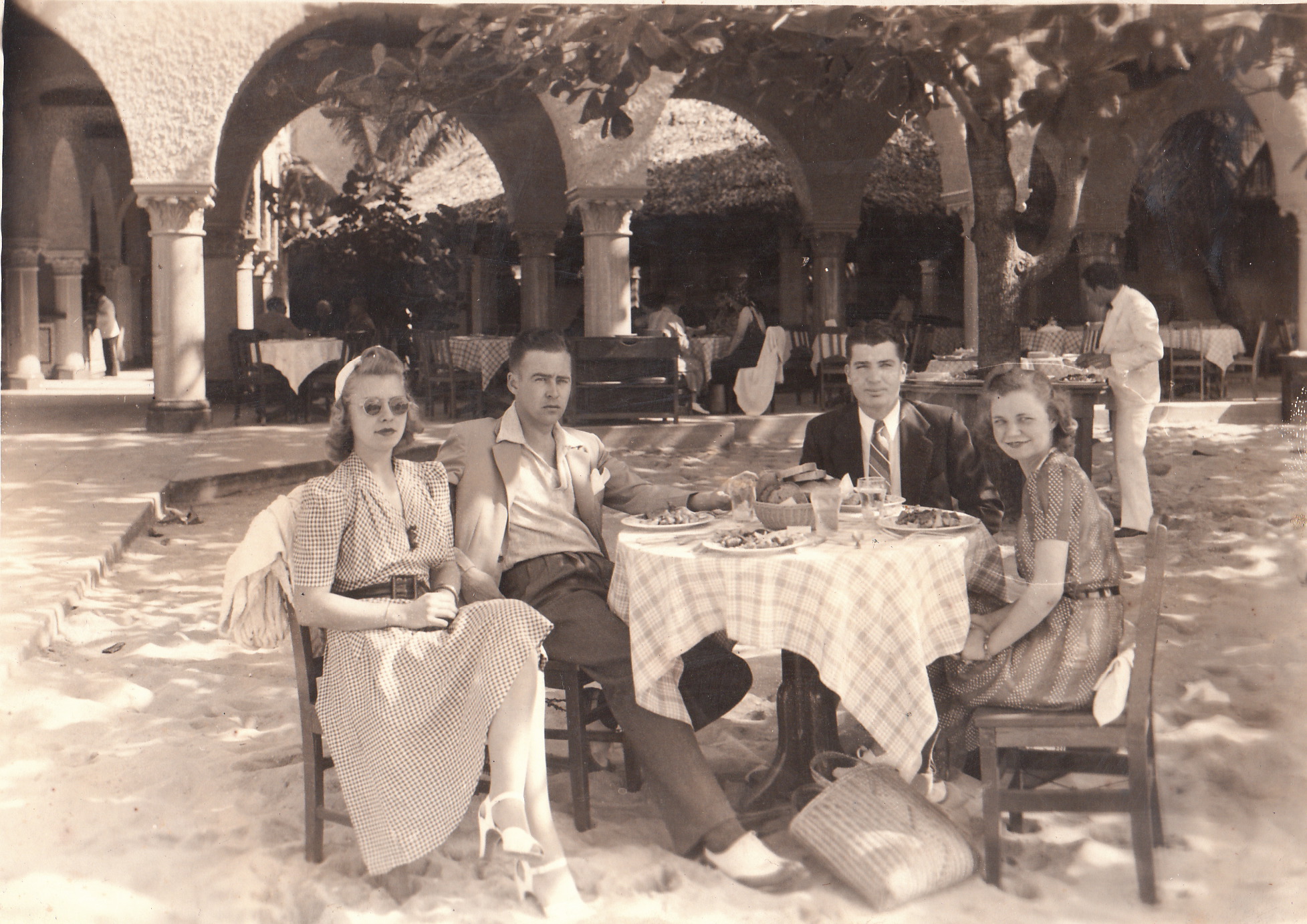
This photograph features a couple of gangsters and their molls enjoying their dinner on the beach in Havana, Cuba. In reality, these gangsters are probably just law abiding tourists, but I like the gangster story better. This is a souvenir photograph from “La Playa de Marianao” (The Beach of Marianao).  Marianao is one of 15 municipalities in the city of Havana. It is the home of the famous Tropicana Club which opened in 1939 and still operates today. However, it can be safely said that this photograph was not taken at the Tropicana. An inscription on the reverse of the photo asserts that the picture was taken in 1937 and one of the subjects is named Dagmar. Dagmar is generally a feminine name and originates from Scandanavia or Germany. This photograph has a number of interesting features. The image captures two couples eating a restaurant meal on the beach. If you magnify the photograph you can see their meal quite clearly. In fact, seeing the bread on the table made me hungry. Other diners and servers can be seen in the background. The appearance of the four individuals at the table spark speculation. The very pretty blonde woman is wearing shades and sitting in a manner in which she can show off her shapely legs (did I just say “shapely legs”?…..sort of creepy!). Her companion is informally dressed with an open shirt and jacket compared to the other man who is wearing a suit. The woman with the sun glasses and the informally dressed man are a cool looking couple. Maybe she’s Dagmar. The second woman is seated at the table with her handbag secured behind her on the chair she is sitting on. On the ground, under the table, is a large straw bag which likely contained beach supplies or the days haul from a day of shopping. To view other Cuban photographs, click on the category “Cuba”.


CUBA CLOSE_0001

Published in: on May 24, 2014 at 11:40 am  Comments (3)  
Tags: , , , , , ,

A TISKET A TASKET: A GIRL AND HER BASKET IN MATANZAS, CUBA

castro front

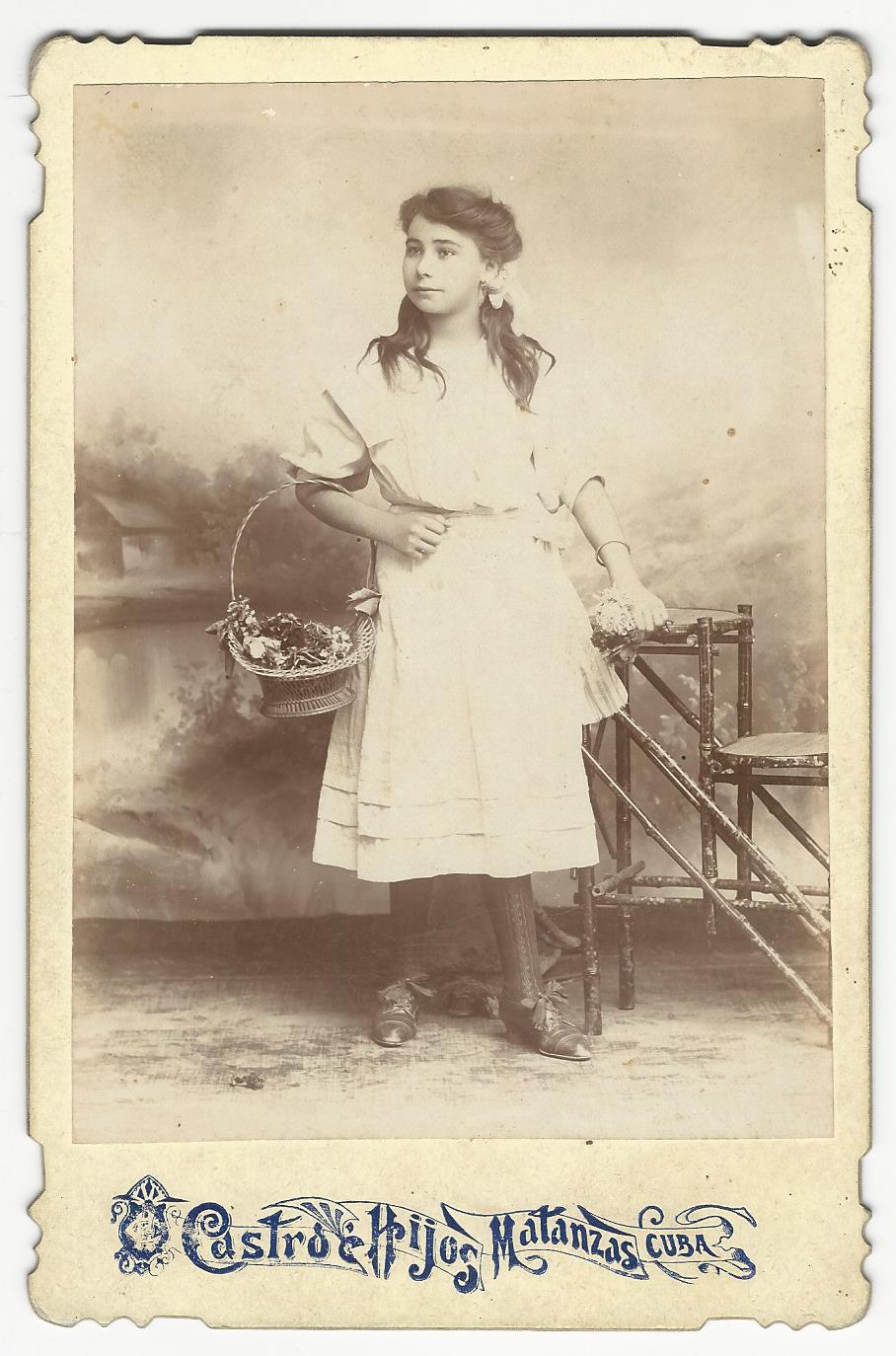
An adolescent girl, holding a basket of flowers, poses for her portrait at Castro Brothers studio in Matanzas, Cuba. The girl is wearing a bracelet and clutches flowers in her left hand. Interestingly, the Cabinet Card Gallery has a cabinet card in its collection taken by a Matanzas photographer named C. Ruiz de Castro. It is unknown whether C. Ruiz de Castro is one of the Castro brothers who created the cabinet card above. To view other Cuban cabinet cards, click on the category “Cuba”.    SOLD

Published in: on April 20, 2014 at 12:19 pm  Comments (2)  
Tags: , ,

PRETTY YOUNG WOMAN WINS THE LOTTERY IN NEW YORK CITY

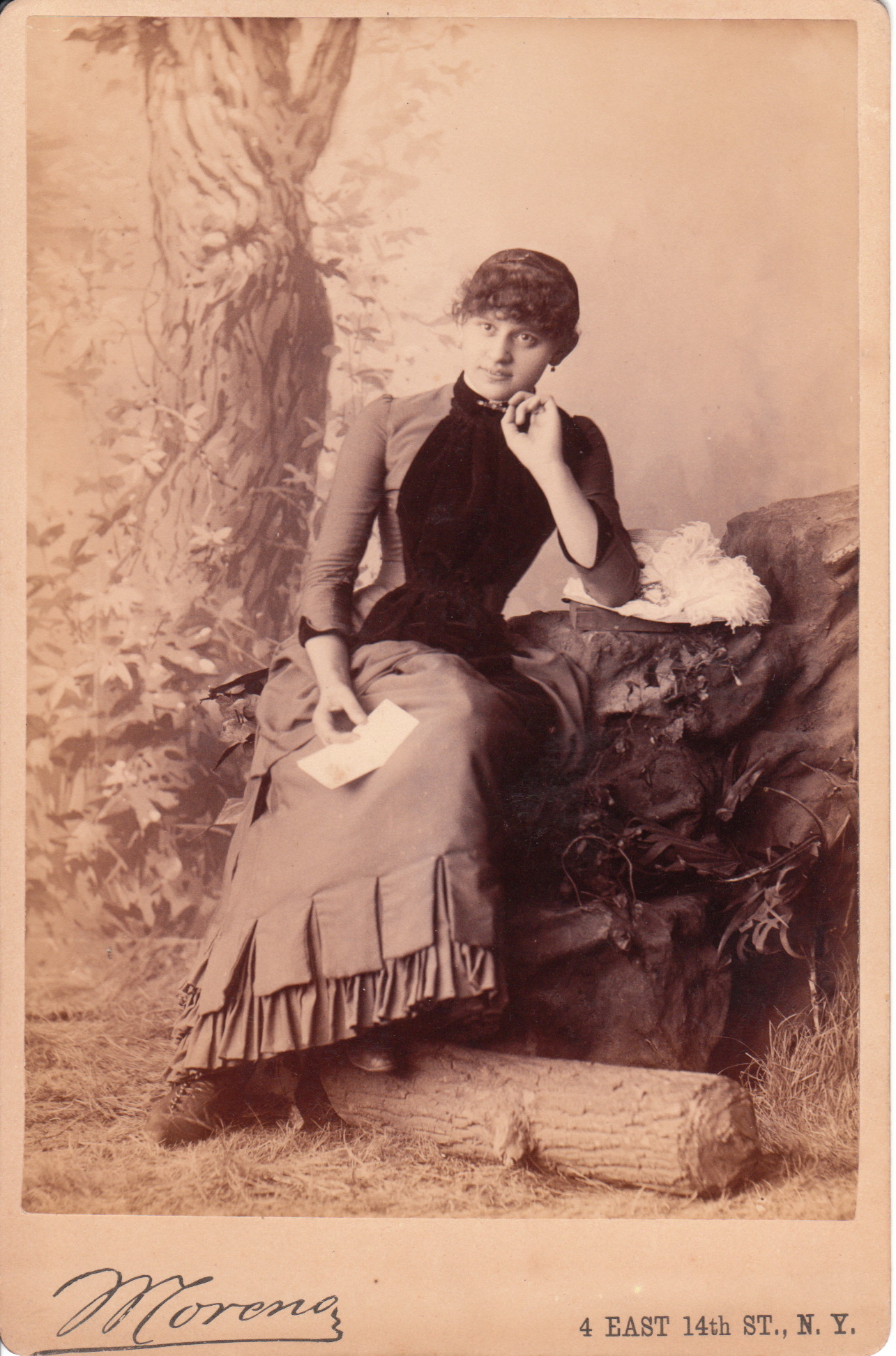
MORENOA pretty young woman sits on a faux rock as she poses at the Moreno studio in New York City. She is holding what appears to be an envelope in her hand but at first glance looks like bank check. This fashionable subject is very thin waisted and present herself in what the photographs previous owner called “a fetching pose”.  Antonio E. Moreno was a Cuban painter and graphic artist who became a photographer after seeing the success of his New York based countryman, Jose Maria Mora (see category “Photographer: Mora”). In 1881, Moreno took over a failing New York City photographic studio. The business end of the studio was run by his co-director, Jose Lopez. Moreno developed the business into a great success due to his great talent as a photographer, developer and innovator. He became noted in photographic circles and received much acclaim from his participation in photographic expositions. He surrounded himself with talented co-workers. Much of his staff came from Mexico. Spanish cameraman Antonio Urda was considered to be excellent at his craft but was a fiery man who eventually committed suicide by drinking development fluid after failing to murder printer Domingo Costello. After this incident, Moreno preferred to hire English speaking Europeans to work at his studio. One of his hires was printer Nahum Lubosh whom he snared from celebrated photographer B. J. Falk (see category “Photographer: Falk”).  Another employee, cameraman A. L. Simpson pioneered the use of slides utilized in theater sing-alongs. In 1890 Moreno partnered with the Taber Art Company in publishing photographs of beautiful female models in what has been described as “genre scenes and allegories”. The photographs were well posed, precisely lit and very tasteful. Moreno’s gallery was in business for a quarter of a century and was a center for performing arts portraiture. One wonders if the subject of this cabinet card portrait was in fact a theater actress. To view other photographs by Moreno, click on the category “Photographer: Moreno”.

CUBAN CLASS PHOTOGRAPH (1936-1937)

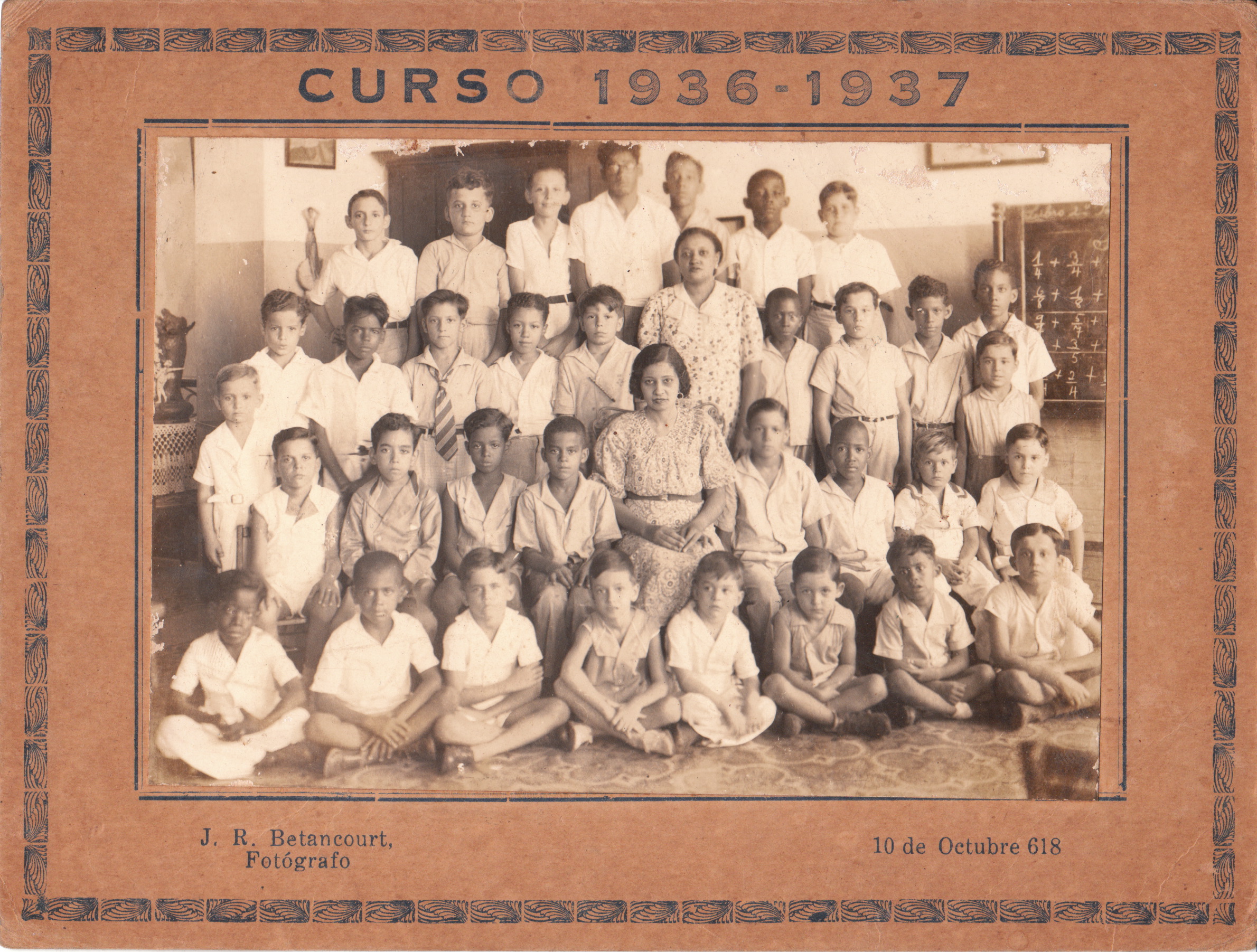
CLASS 1936This non cabinet card photograph features a portrait of a class from a Cuban school. The photograph was taken during the 1936-1937 school year. The children are multi racial and all boys. There are three teachers evident in the photograph. Note the math problems written on the blackboard. The photographer is J. R. Betancourt. I do not know where in Cuba Betancourt operated his studio. “10 de Octubre 618” is likely the street address of the studio. “10 de Octurbre” is a national holiday in Cuba. The day is known as “Grito de Yara” and it commemorates the 10 Years War (1868-1878). The war was fought to gain freedom and independence from Spain.

Published in: on March 25, 2013 at 12:01 am  Leave a Comment  
Tags: , , , , ,