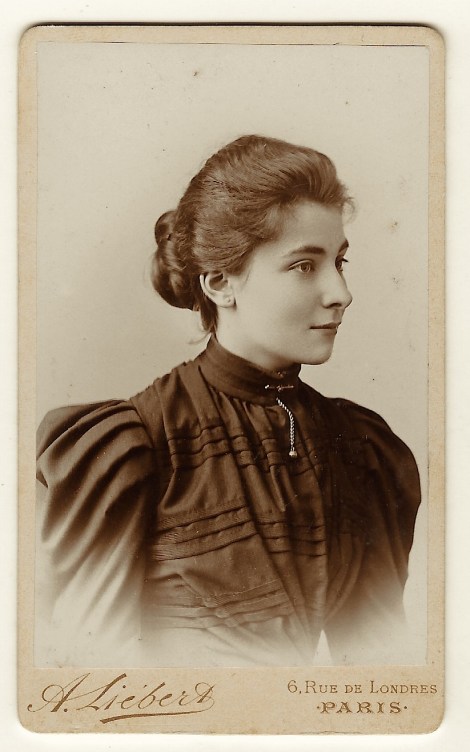
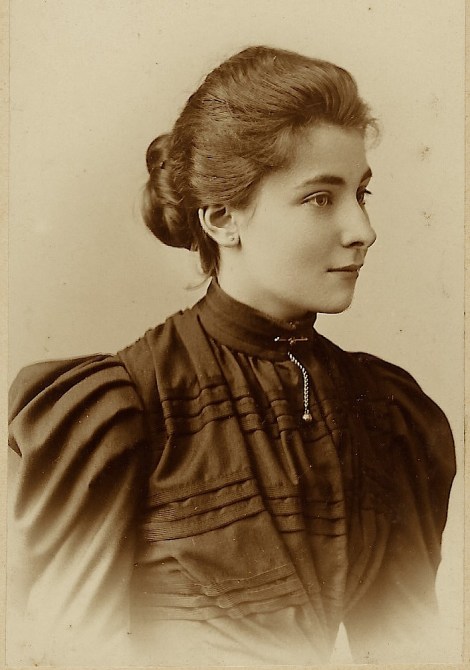
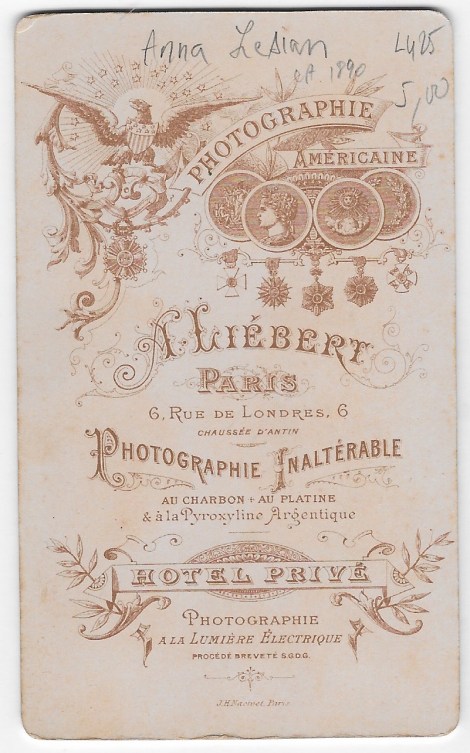
 The pretty young woman seen in this carte de visite portrait, is named Anna Lesian. An inscription on the reverse of the cdv reveals her name and the year (1890) that the photograph was taken. The photo was taken at the studio of A. Liebert, in Paris, France. The Getty Museum, located in Los Angeles, California, as well as other fine museums, have photographs in their collections by Paris photographer, Alphonse J. Liebert (1827-1913). Many of his Parisian subjects were actresses. Perhaps Miss Lesian is one of those actresses. Mr. Liebert has an interesting story. He was a photographer in Nevada City, California (1857-1862), and later, operated in Paris (1863-1890’s). He was born in France. He became an officer in the French Navy. He left the navy in 1848 to study daguerreotypy. He must have reenlisted in the navy because In 1851, he arrived in San Francisco, as a Lieutenant on a French ship. This was a time when there was much excitement about Gold mining. As a result, there was a mass desertion of the ship’s crew. The sailors joined the rush for gold. Liebert had in mind, his own venture. He and two partners decided to take on the project of refurbishing a steamship. They sought investors and hired workers to transform the ship. However, due to the partners inexperience, the venture failed. Liebert than tried gold mining but met little success. In 1857 he opened a photo gallery in Nevada City. He lost thousands of dollars after a fire in 1858. In 1859 Liebert ridiculed a former photography pupil of his, named Louis Celarie, in the press. This started a bitter professional feud. Soon after, Liebert announced that he had won a medal at the state fair. Unfortunately, there was no evidence to confirm this claim. The competition between Liebert and Celarie was fierce. Each offered special promotions to best the other. By 1861, Liebert triumphed, evidenced by the sale of Celarie’s studio. About a year later, Liebert sold his photo gallery. By 1863, he had returned to France and opened a gallery specializing in tintypes. Liebert closely identified with his photography experience in America, and as a result, he named his Paris gallery “Photographie Americaine”. That very name can be seen on the reverse of this CDV. Liebert began to write photography articles and books, and ultimately, invented a prototype solar camera. In 1867, Liebert had a problem with the law. He was sentence to two months in prison and levied a fine of 200 francs. He was charged for the intent to distribute banned post mortem photographs. These were not photos of some random person. Instead, they were images of Emperor Maximillian, who had been executed in Mexico. Liebert ultimately did exhibit these photos. Liebert was becoming more and more successful. His photo gallery was so lavish that a reviewer for the British Journal of Photography wrote that it was “worthy of the smiles of the ‘God of Light’, and a repository for some of the best productions of the photographic art”. In 1879, Liebert’s gallery was the first studio to utilize electric light. By 1880, he was considered to have the most impressive photo studio in Paris. This carte de visite portrait has excellent clarity and is in very good condition (see scans). (SOLD)
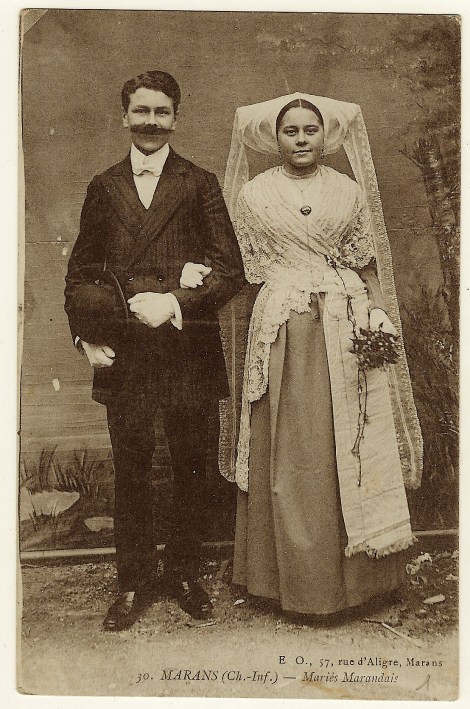
 This vintage postcard features a wedding couple posing in a studio located in Marans, France. Marans is a community in southwestern France. Inhabitants of Marans are known as marandais. The word “marandais” can be seen in the caption of this card. Marans is the home of the “Marans Chicken”. In the world of gourmet cooking, their eggs are considered exceptional. This couple is off to a promising start, as indicated by the fact that both are smiling on their wedding day. Note the bride’s traditional veil and wedding dress. This postcard is in very good condition (see scans).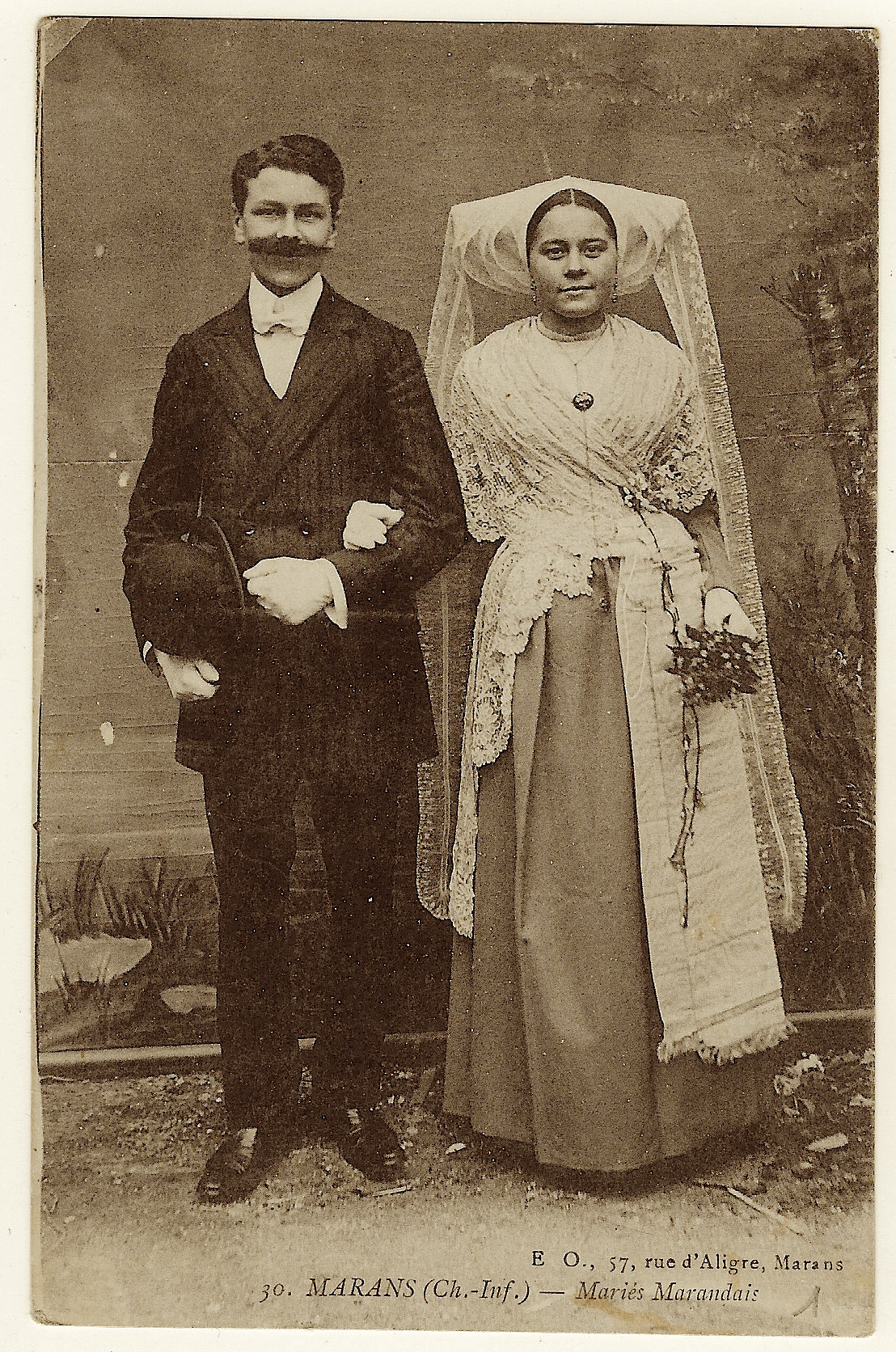
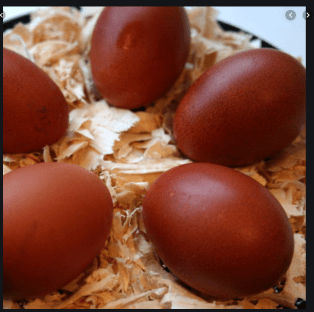 Maran Chicken Eggs (dark brown)

 POSTCARD 1 (SOLD)
 POSTCARD 2
  POSTCARD 2
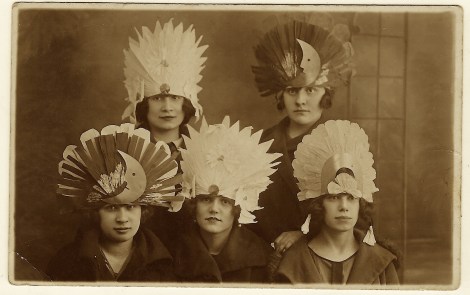
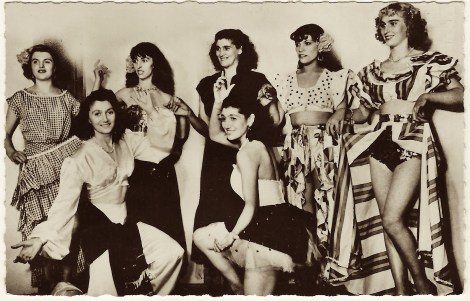
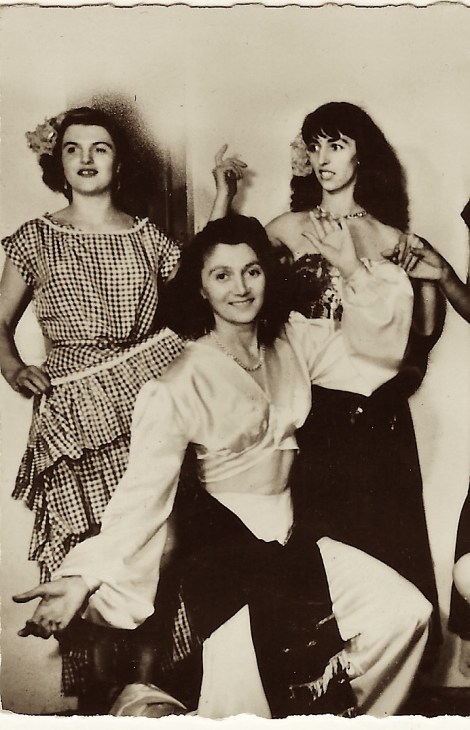
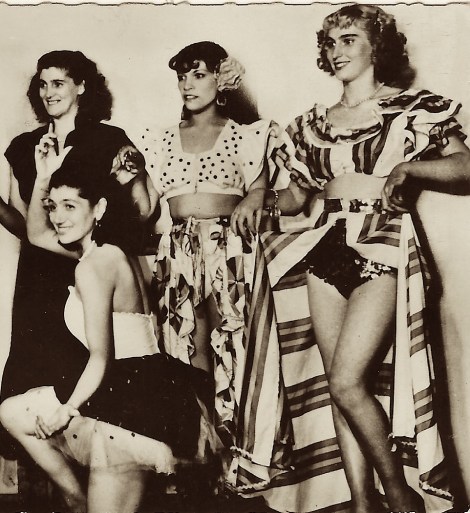
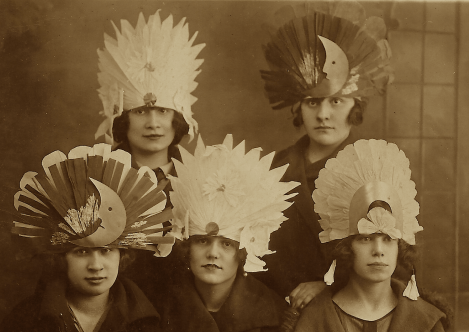 Postcard collectors sometimes encounter photo postcards that heighten curiosity but defy explanation. This vintage real photo postcard is a perfect example of such a card. The image is comprised of five pretty young women wearing unusual hats. Perhaps I should say “bizarre” rather than “unusual”. I believe their hats are made of paper, although they are designed to look like feathers. Two of the hats have a design that includes a cr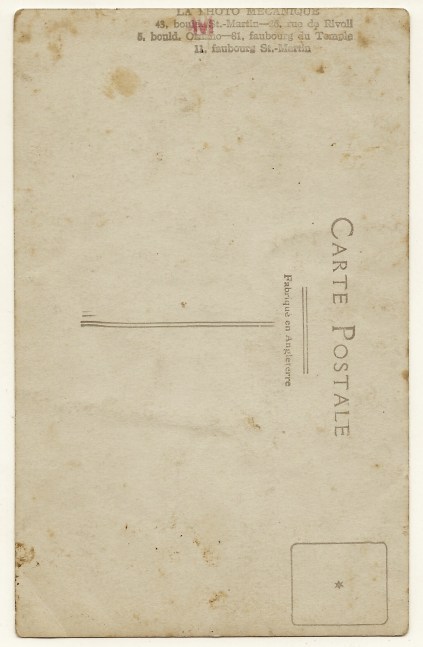
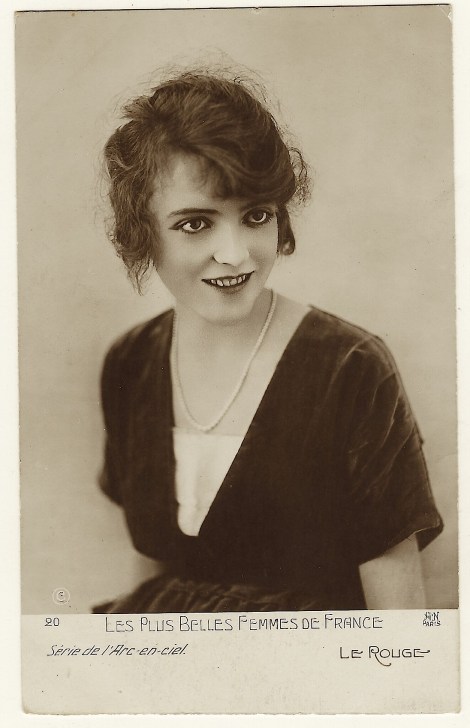
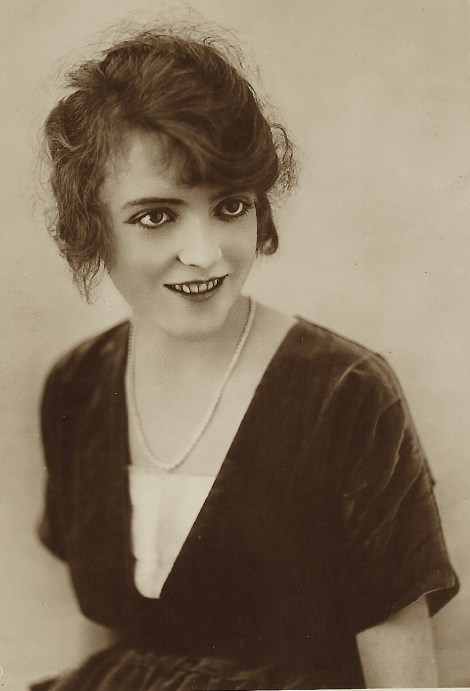 This vintage real photo postcard provides a portrait of a very pretty woman. She has a wonderful smile and beautiful eyes. The photographer/publisher of this postcard is Alfred Noyer. The celebrated photographer supervised a large photo studio in Paris. The Noyer Studio operated from 1910 until the 1940’s. Many of the postcards he produced of women were nudes or risque images. Some of his postcards list his name while others are simply marked “AN”. Noyer did a number of series of postcards concerning the prettiest women of France. He did a set of postcards that presented pretty women from each province of France. He also did a series of cards that presented women representing different precious stones. This postcard is part of a series (no. 20) in which the prettiest women of France represent a color of the rainbow. The young woman subject of this postcard is repping the color red. This vintage postcard is in very good condition and has excellent clarity.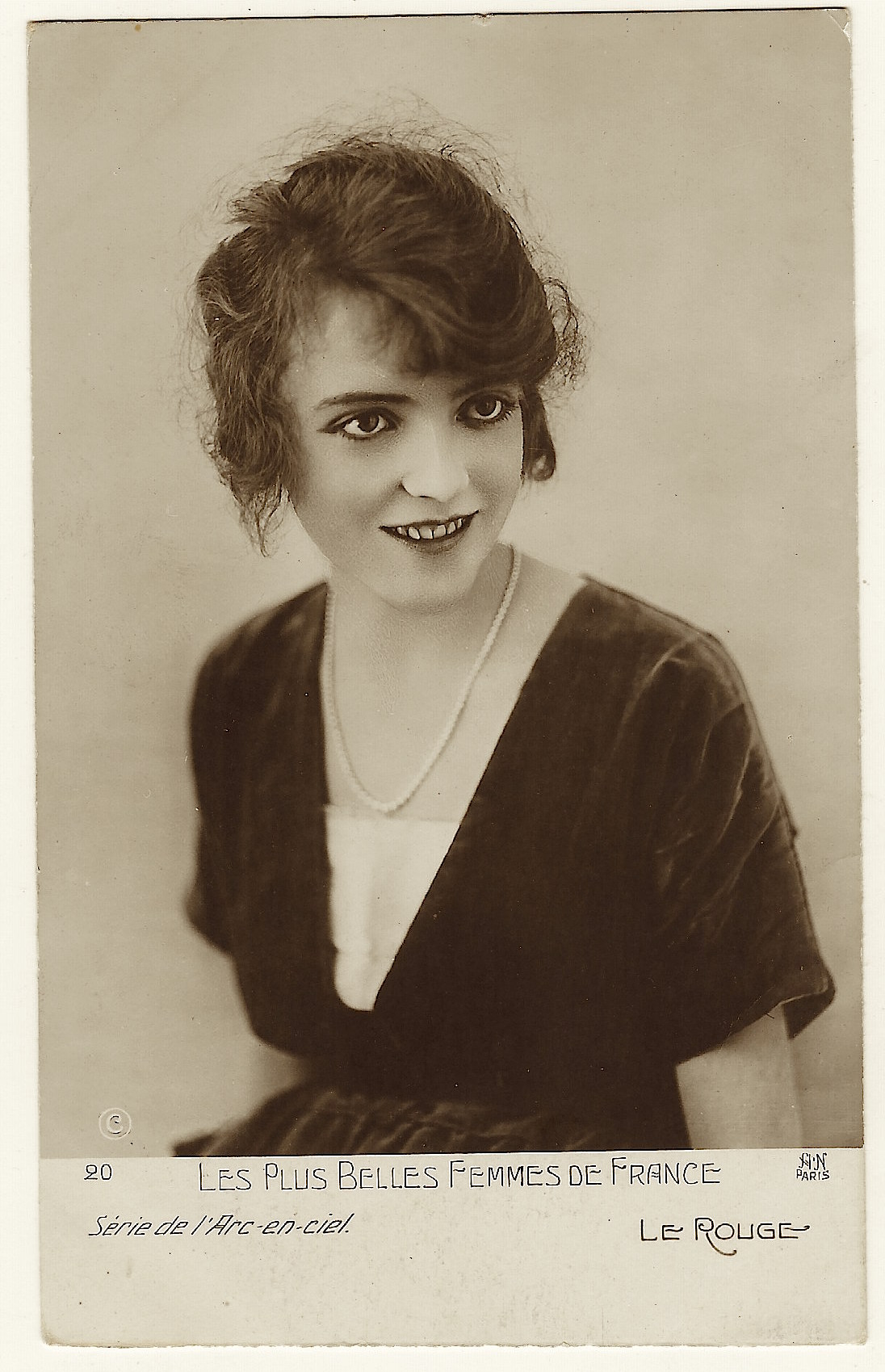

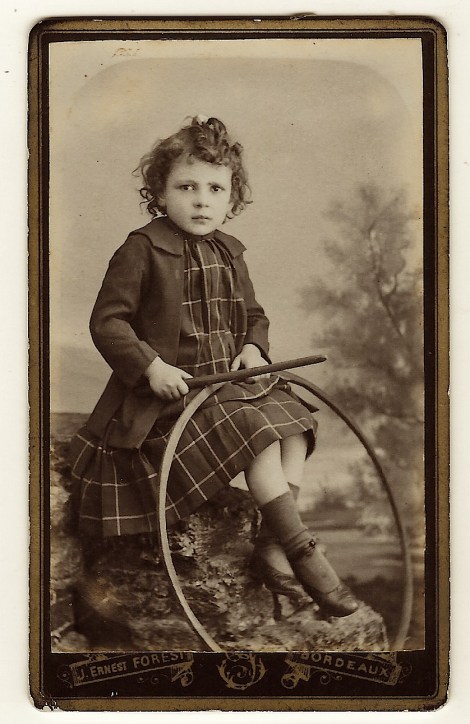
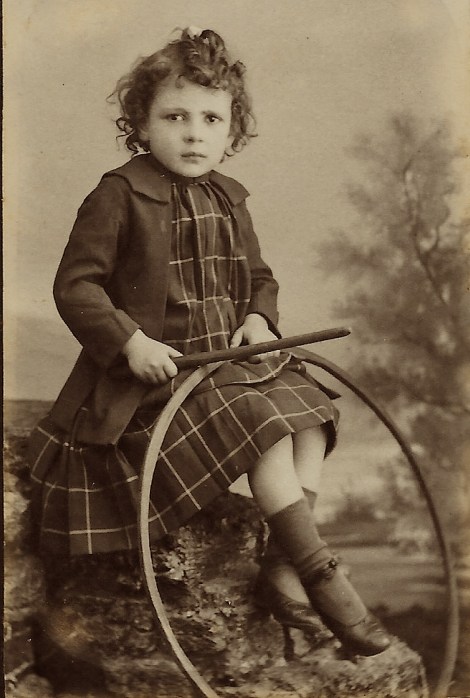 This carte de visite portrait features a young girl wearing a plaid dress and holding a hoop and stick toy. The photographer of this photo is J. Ernest Forest and he operated a studio in Bordeaux, France. Advertising on the reverse of the cdv indicates that the studio won prizes at exhibitions in Bordeaux and Paris.This photograph is in good condition (see scans). A look at the top of the backside of the cdv reveals that this photo is likely a former resident of a photo album or picture frame.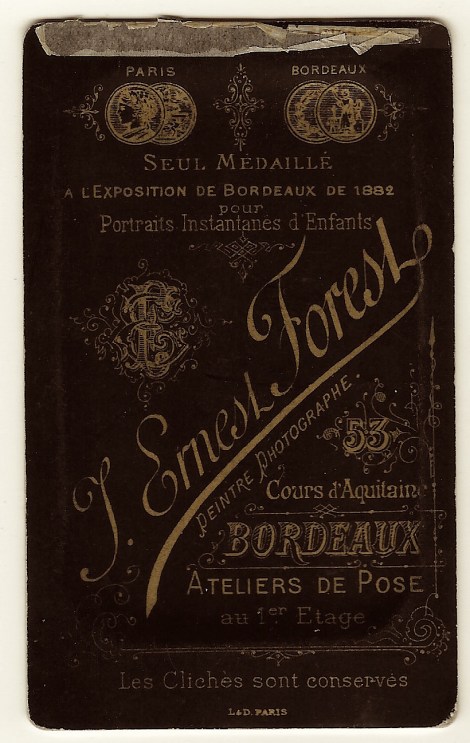
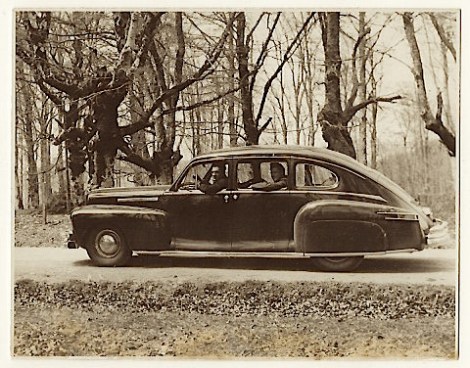
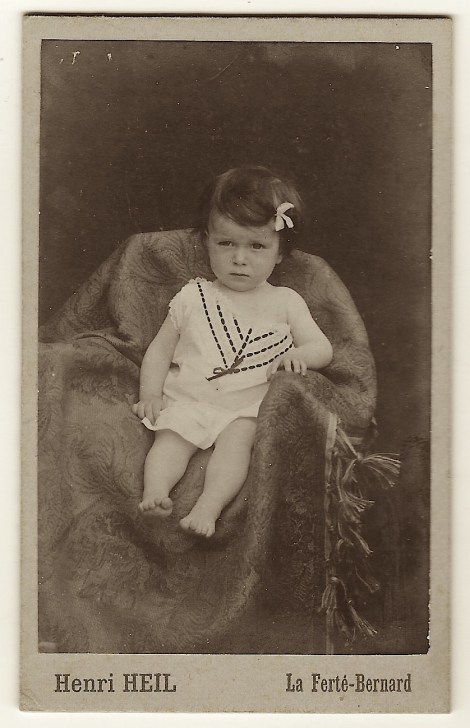
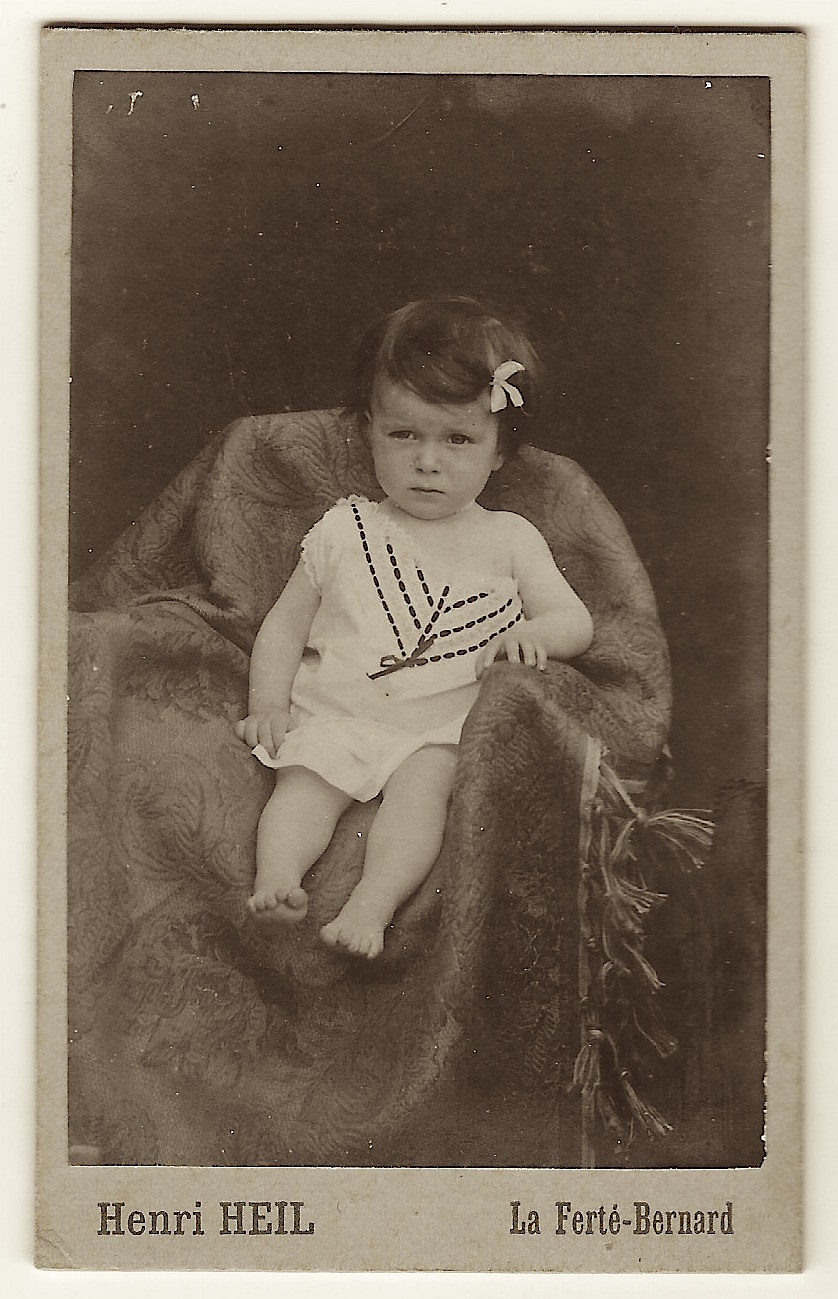
 This original carte de visite photograph features a cute little girl sitting on a fur covered chair. Judging by the expression on her face, she is not sure how to interpret the situation she finds herself in. The photographer of this cdv image is Henri Heil. He operated a studio in La Ferte-Bernard, France. This carte de visite is slightly bowed but in overall good condition (see scans).