This vintage real photo postcard features a lovely young couple. The husband is a French non-commissioned officer of the the 156th infantry regiment. The pin on his hat reveals his specific regiment. The soldiers pretty wife apparently likes ruffles. Her long sleeve dress is riddled with ruffles. I’m certainly no fashionista, but I think her dress is lovely as well as interesting. SOLD
This interesting oversized cabinet card was photographed by L. Grillich in Vienna, Austria. The subjects are two very interesting looking young men. One man is wearing a tuxedo and top hat. He is holding a cane and wearing eyeglasses. The second young man appears to be wearing a formal military uniform. He is holding white gloves and wearing a sword. There is likely an interesting story attached to this photograph but that story is lost to history. The photographer of this image was Ludwig Grillich (1855-1926). Grillich was a portrait photographer located in Vienna and in Franzensbad. Included in the list of famous subjects of his portraits, are Johann Strauss, Johannes Brahms and Sigmud Freud. Grillich is also known for a series of postcards he published that displayed many of Vienna’s famous buildings of that era. SOLD
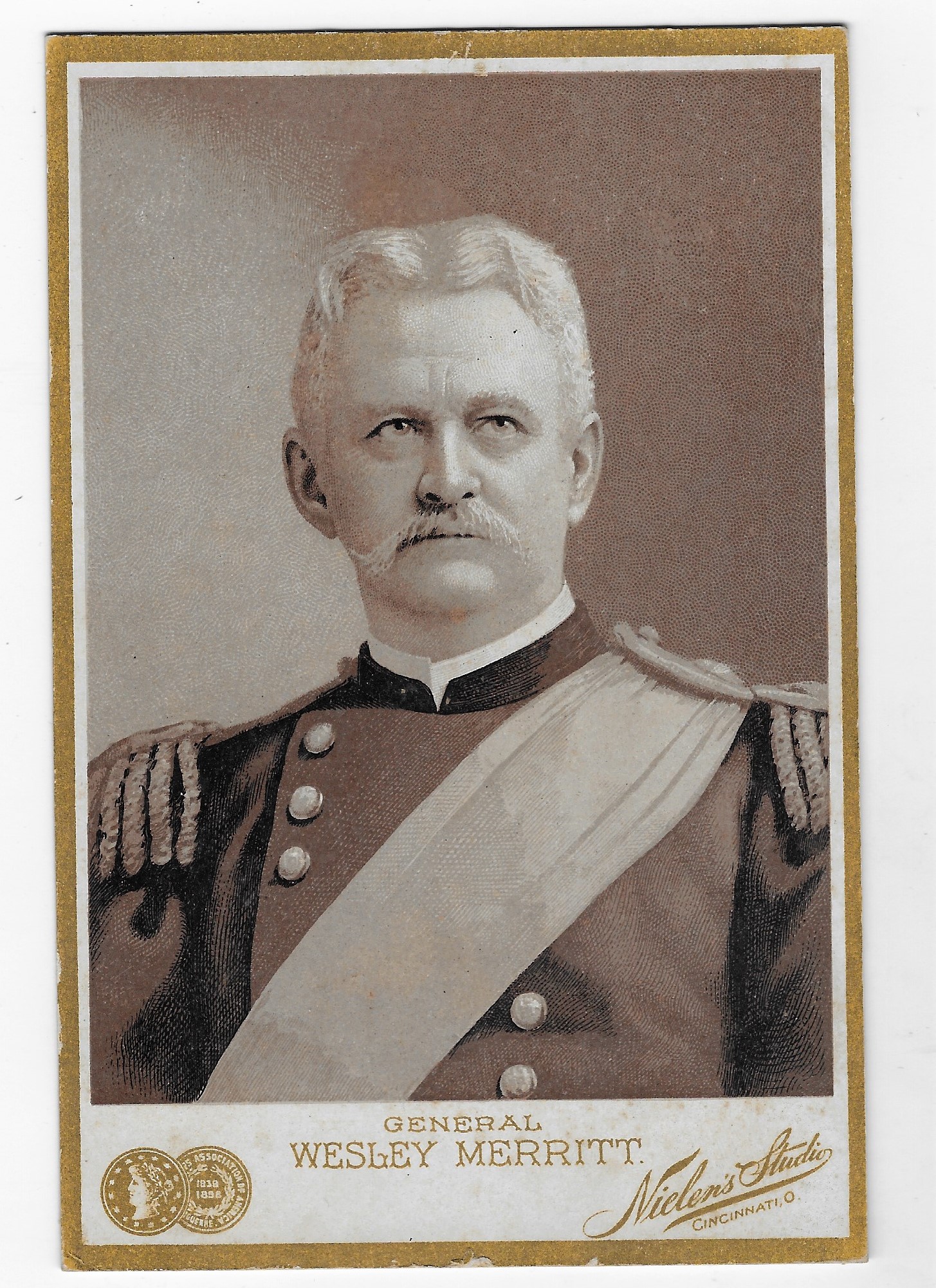
This cabinet card features a portrait of civil war General Wesley Merritt (1836-1910). During the war, he served on the side of the Union. Merritt graduated from West Point in 1860. Initially, as a second lieutenant, he served under John Buford in Utah. In 1862, he was named a Captain in the 2nd Cavalry and participated in the defense of Washington D.C.. In 1863, he was appointed adjutant for Major General George Stoneman. Merritt participated in Stoneman’s Raid in the Battle of Chancellorsville. He participated in the Gettysburg campaign as commander of the Reserve Brigade, 1st Division, Cavalry Corps of the Army of the Potomac. He saw no real action until the third day of the battle. He took part in the attack, led by Brig Gen Judson Kilpatrick on the Confederate right. He sustained a slight wound in the Battle of Brandy Station. His actions at Brandy Station contributed to his promotion to Brigadier General. Upon the death of John Buford, Merritt took over command of the 1st Division of the Cavalry Corps. He led the division during Grant’s Overland Campaign in 1864. Merritt later became the commander of the 1st Division Cavalry Corps of the Army of the Shenandoah, under Major Gen. Phillip Sheridan. He participated in Sheridan’s Valley Campaigns of 1864. His division routed the confederates in the Third Battle of Winchester. He was second to command under General Sheridan during the Appomattox Campaign and was present for the Confederate surrender at Appomattox. He had a long and accomplished career in the military, after the civil war. He commanded the Cavalry in the Southwest and participated in the Indian Wars. After serving on the frontier, he spent five years as superintendent of West Point. In 1895 he was promoted to major general in the regular army. In 1898, he commanded the Eighth Army Corp in the Spanish American War. After the victory, Merritt became the first American military governor of the Philippines. Merritt retired from the army in 1900. His military career had a 40 year duration. This cabinet card appropriately shows General Merritt in military uniform. Nielen’s Studio, in Cincinnati, Ohio is credited just below Merritt’s image. Andries Nielen (1850-1940) was born in Holland. He emigrated to the United States and in time, became the head of a tea and spice firm in Cincinnati. He retired in 1905 and he travelled around the world. He began a new career as a photographer and postcard publisher. He also was an amateur philosopher. He ran a publication espousing his philosophy as well as published the “wisdom” of others. SOLD
A uniformed soldier sits against a fence and he is holding two adorable lambs on his lap. This is a study in contrast. A military warrior represents battle and lethality, while the young lambs represent peace and calm. Before anyone gets “up in arms”, I want to state that I know that soldiers can represent peace and protection. Note the soldier’s high boots. They appear to be for weather protection rather than for long marches. SOLD
This vintage photograph features a military woman in uniform. She is from a European nation and it’s my hypotheses that she is from Russia. Her branch of service is not identified. There is an inscription on the reverse of the photograph but I can not decipher it. The inscription indicates that the photograph was taken in 1947, two years after the end of World War II. Hopefully, a Cabinet Card Gallery visitor will be able to provide a translation. SOLD
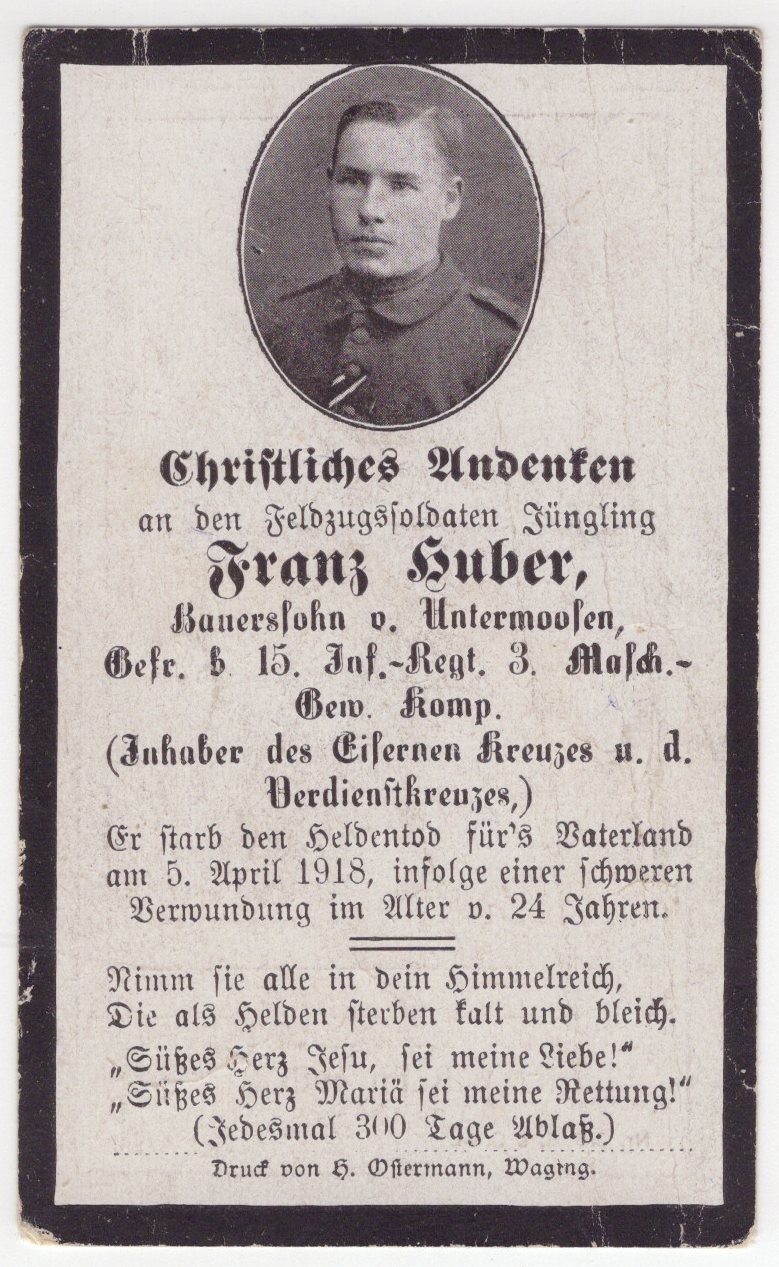
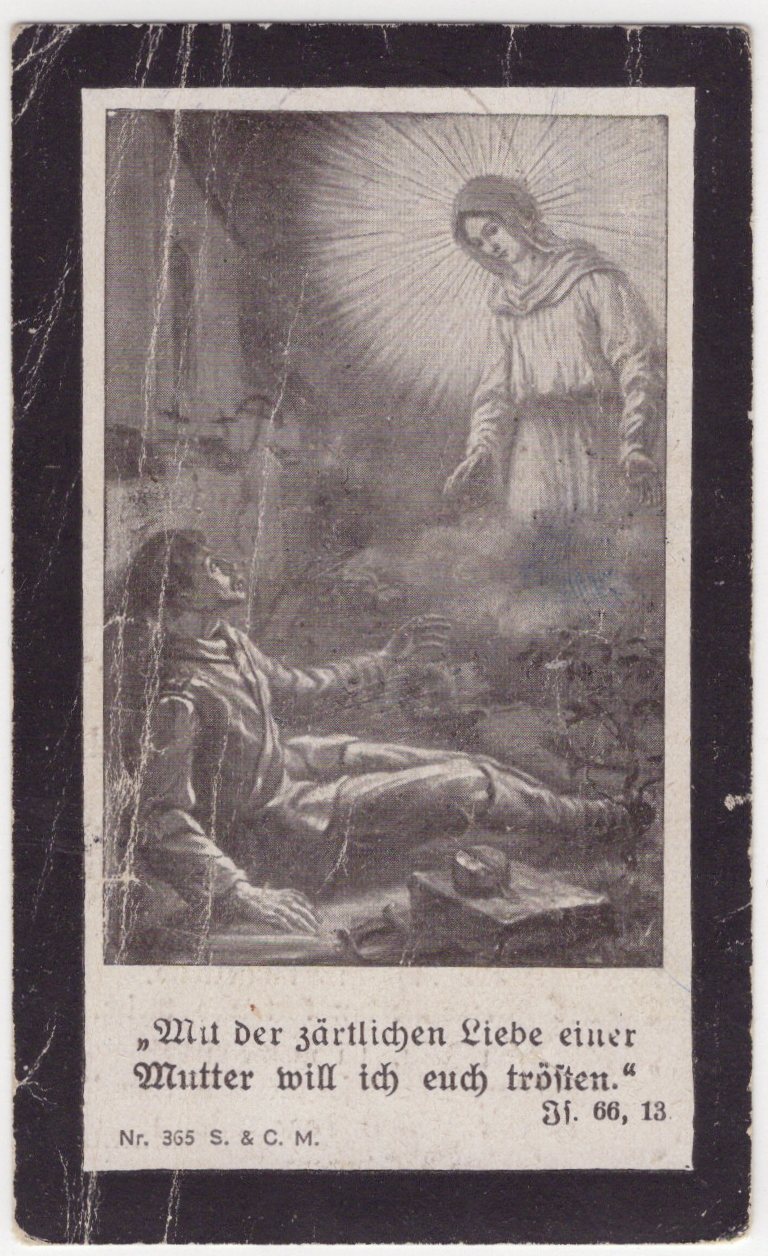
This item is a World War I death card. It was customary to issue a card for fallen soldiers of the German army, navy and air force. The front of the card states that it is a Christian commemoration of the campaign soldier youth, Franz Huber. Information about his regiment and overall unit is provided. It is stated that the soldier was awarded the Cross of Merit. Furthermore, it states that Huber died a heroic death for his country on April 5, 1918. He died as the result of a serious injury at the young age of 24. A prayer is at the bottom of the card and there is a notation that the card was printed by H. Ostermann of Waging, Germany. The reverse of the card has a touching quote. “With the tender love of a mother I want to comfort you. SOLD
This photograph is enigmatic. Who are these soldiers? What nation’s army do they serve in? I know that a number of Russian Army helmets have similar stars. What do the rectangular insignias mean that appear on both sides of the helmet’s star? What is the translation of the inscription on the reverse of the photo and what language is it written in? Note the men’s weapons slung over their shoulders. SOLD
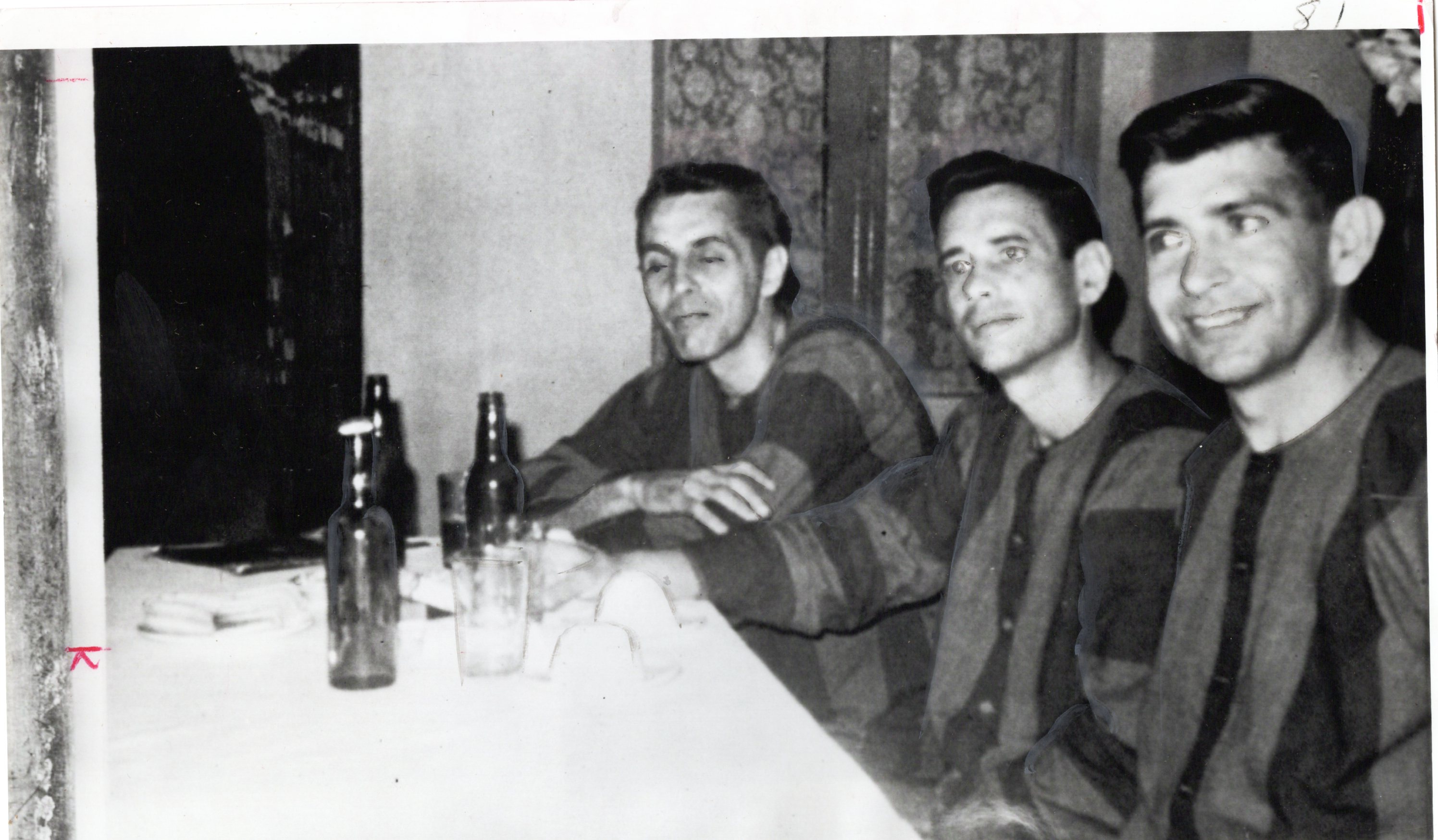
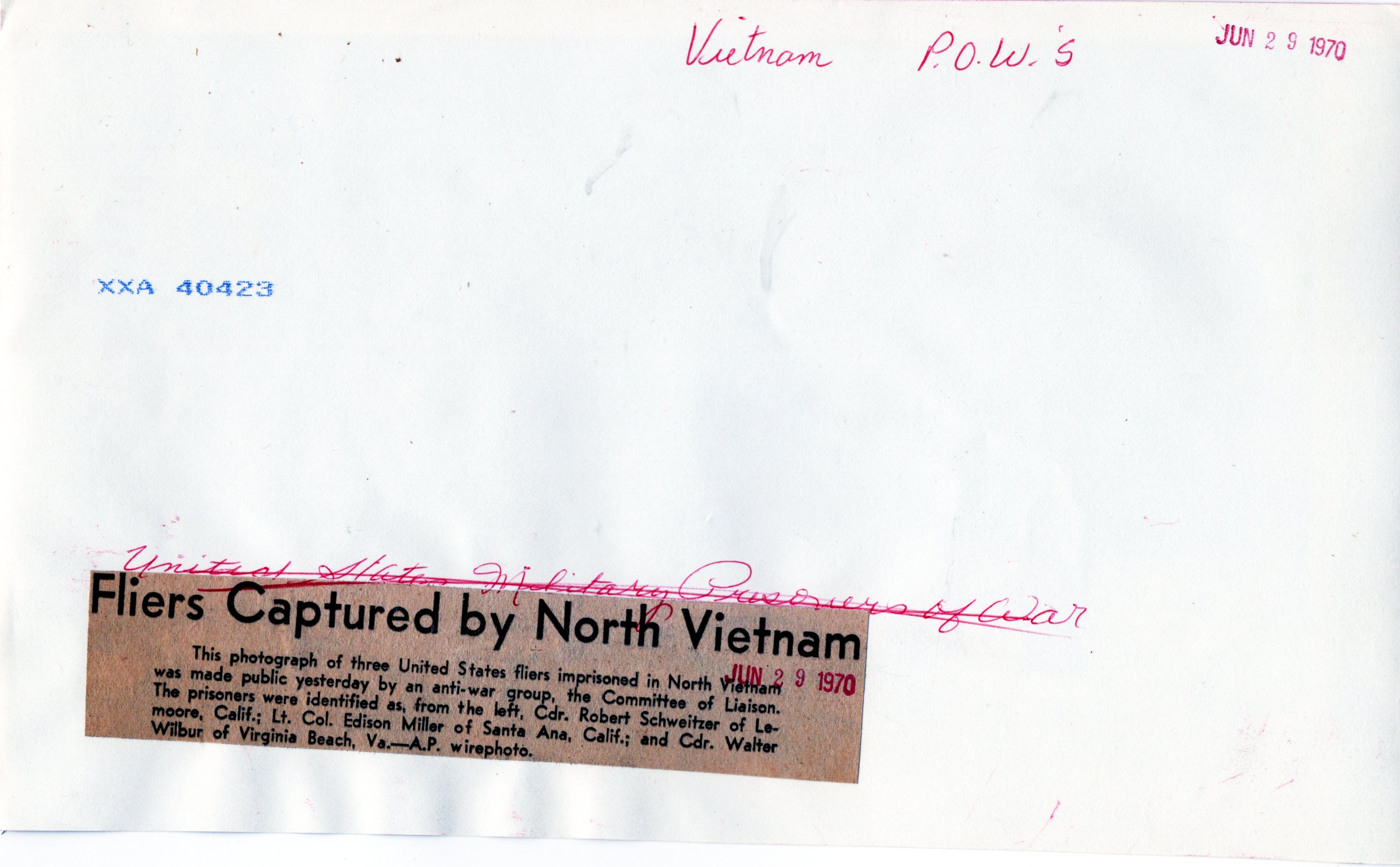
This black-and-white photograph shows three men sitting at a table wearing striped uniforms. The clothing is prison or POW (prisoner of war) attire. The men are American fliers held captive during the Vietnam War. They are seated around a table with bottles and glasses, possibly in a setting arranged for propaganda purposes. The expressions on their faces vary: one man on the right is smiling, while the other two appear more subdued or wary. The background includes a curtain or window covering, and the setting appears to be indoors. Given the historical context, this image likely originates from the Hanoi Hilton (Hoa Lo Prison). This type of image was often used for propaganda purposes by the North Vietnamese to show that prisoners were being treated well. However, many POWs later testified that such photographs were staged under coercion. This black-and-white photograph, dated June 29, 1970, was made public by an anti-war group, the Committee of Liaison, which sought to communicate between American POWs and their families. The prisoners are identified as, from left to right: Commander Robert Schweitzer of Lemoore, California, Lieutenant Colonel Edison Miller of Santa Ana, California, and Commander Walter Wilber of Virginia Beach, Virginia. The three American fliers depicted in the photograph were released as prisoners of war (POWs) in 1973, following the Paris Peace Accords. During their captivity, these men were involved in complex interactions with their fellow POWs and captors. Allegations arose that they provided uncoerced antiwar statements to the North Vietnamese, leading to tensions within the POW community. This situation resulted in their relief from certain military authorities during captivity. All three were among a small group of US prisoners who were accused of collaboration with their North Vietnamese captors. It was thought that the three men received less severe treatment than their fellow airmen due to their cooperation with the enemy. There is much written about the issue of collaboration between American POW’s held in Vietnam and their captors. One should not rush to judgement in condemning these men for their “disloyalty”. During their imprisonment, they were under extraordinary stress both physically and psychologically. All three men exhibited courage as combat pilots. SOLD
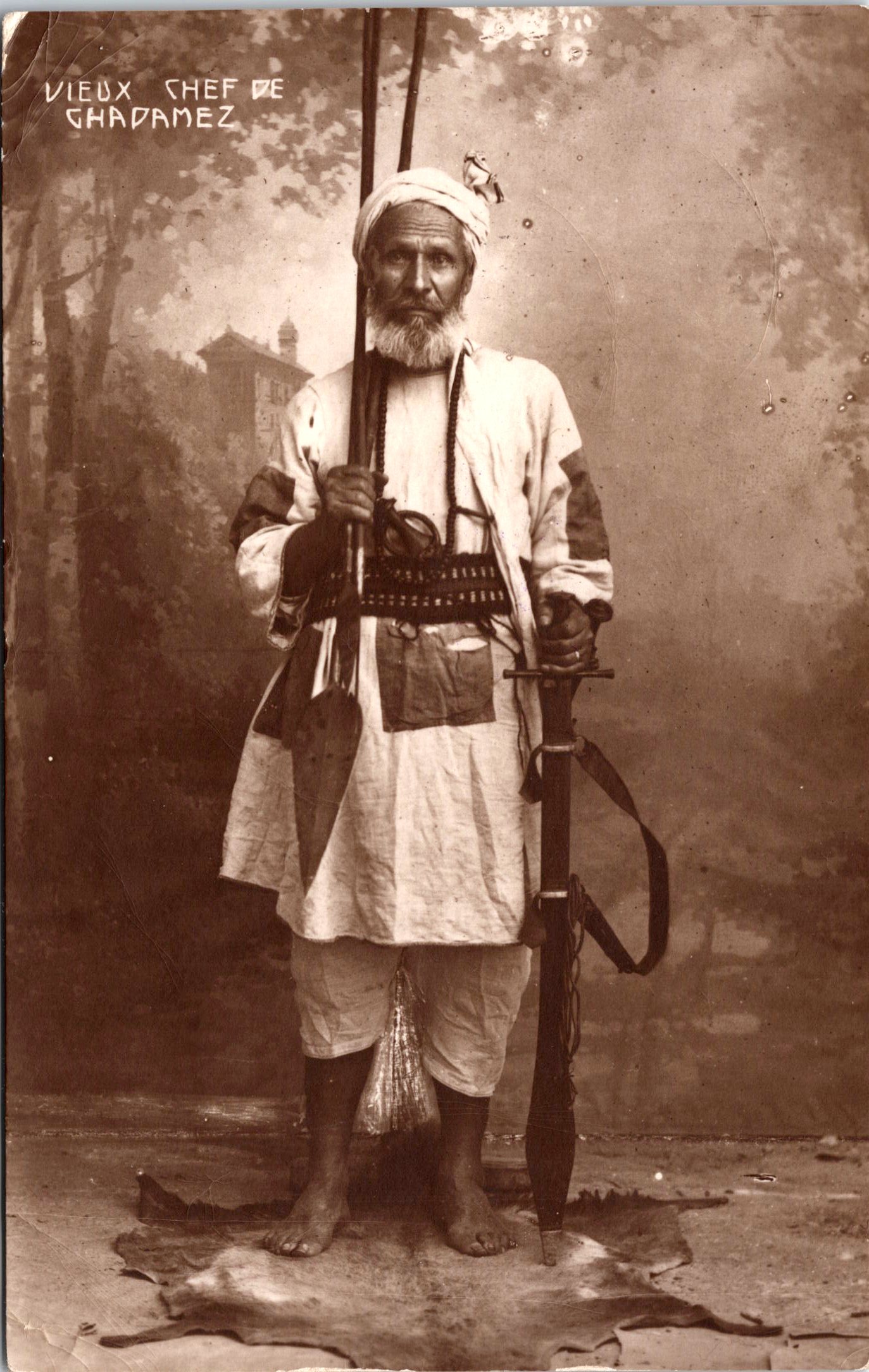
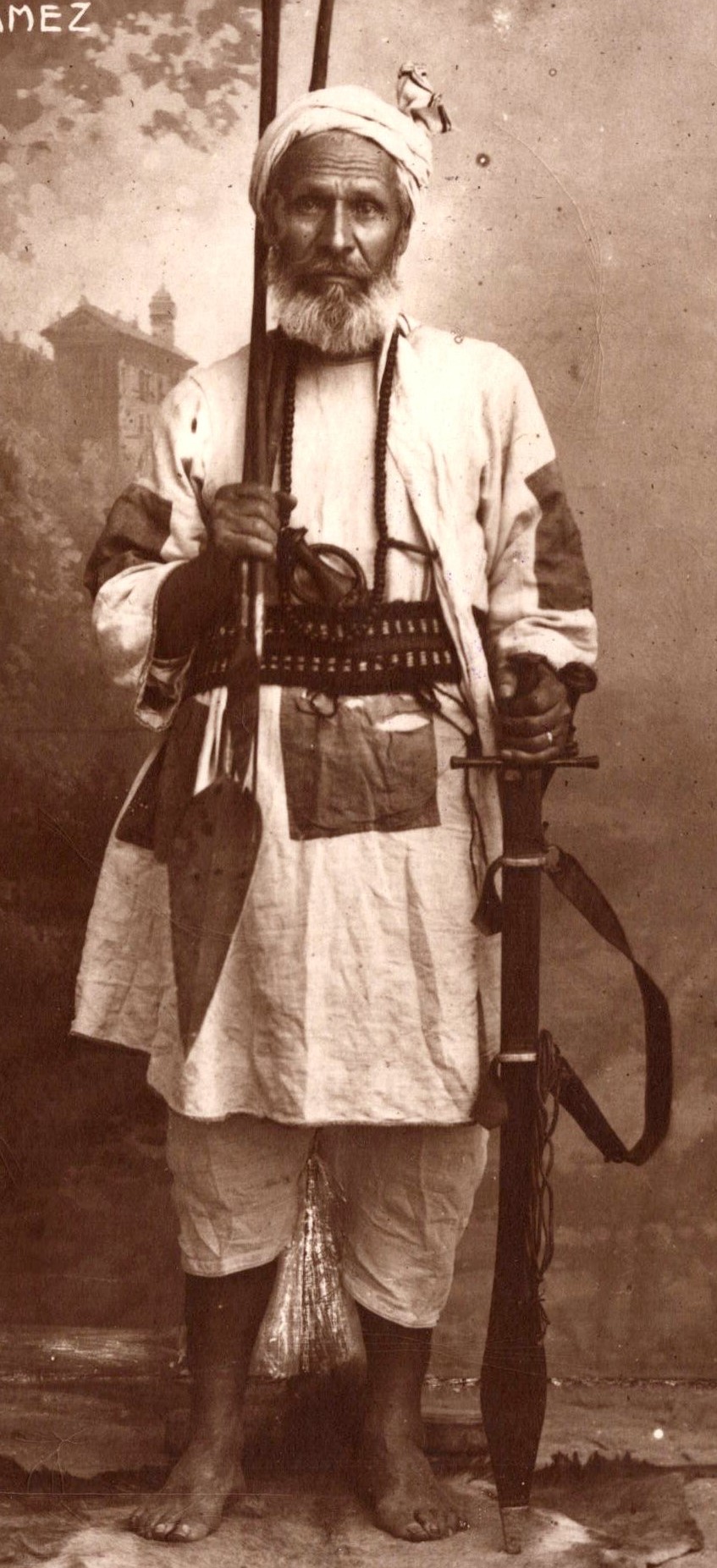
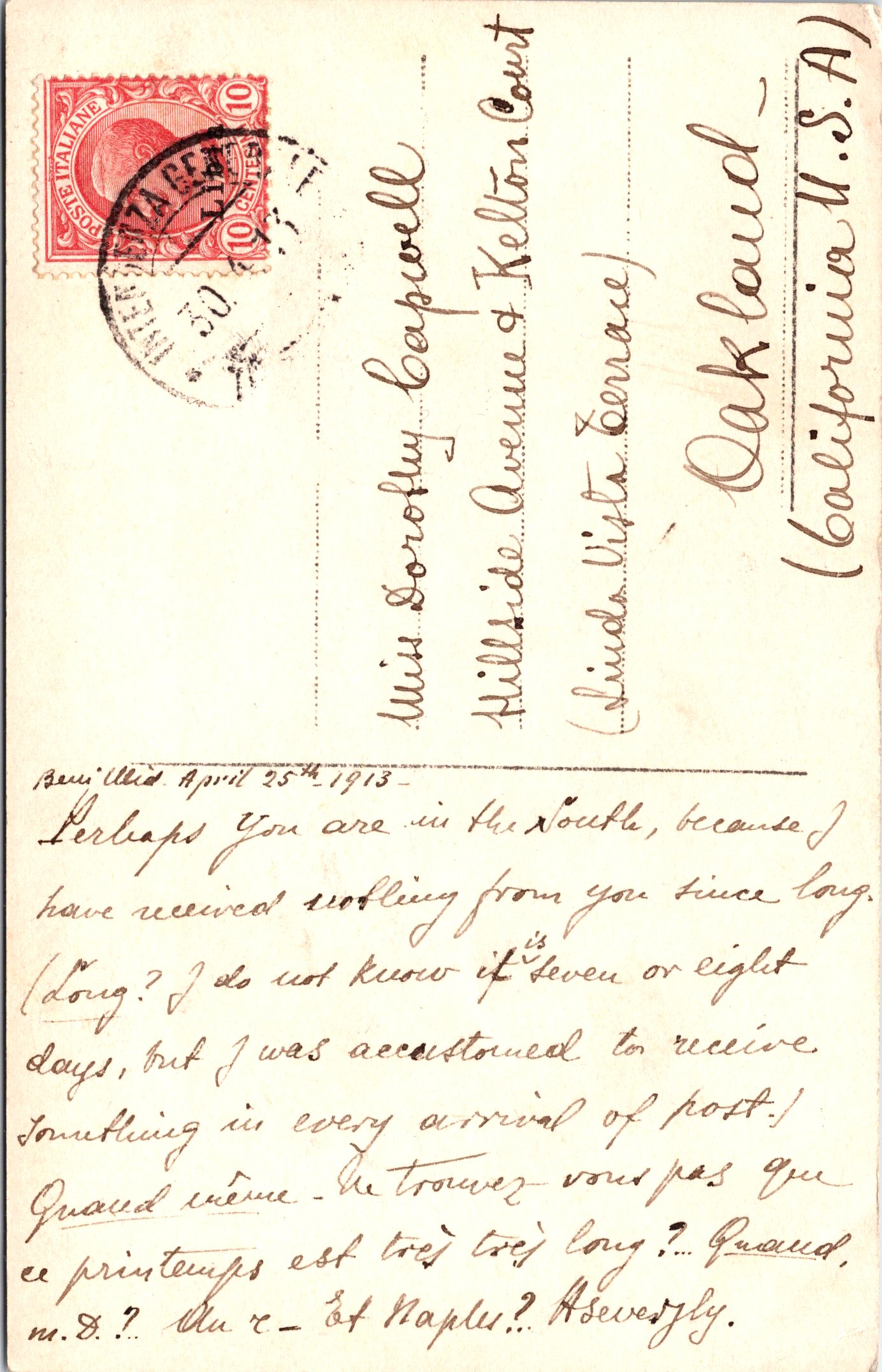
This vintage real photo postcard features a portrait captioned “The Old Chief of Ghadanez”. The chief is well armed in this photo. He is holding a rifle and a sword. The modern spelling of Ghadanez is “Ghadames” or “Ghadamis”. Ghadames is an oasis Berber town in the Tripolitania region of northwestern Libya. The town is 287 miles southwest of Tripoli and lies near the borders with Tunisia and Algeria. Ghadames is known as “the pearl of the desert”. The town is mainly inhabited by Berbers. This postcard was postmarked in 1913. The card was sent during turbulent times in Ghadames. In 1911, soon after the Italo-Turkish War had begun, the town was occupied by Italian troops. The town changed hands a number of times until 1915, when a general rebellion caused the Italian soldiers to retreat to Tripoli. This postcard has an Italian stamp and a 1913 postmark. Interestingly, it is addressed to someone in Oakland, California. The message on the card is written in two languages, English and Italian. SOLD
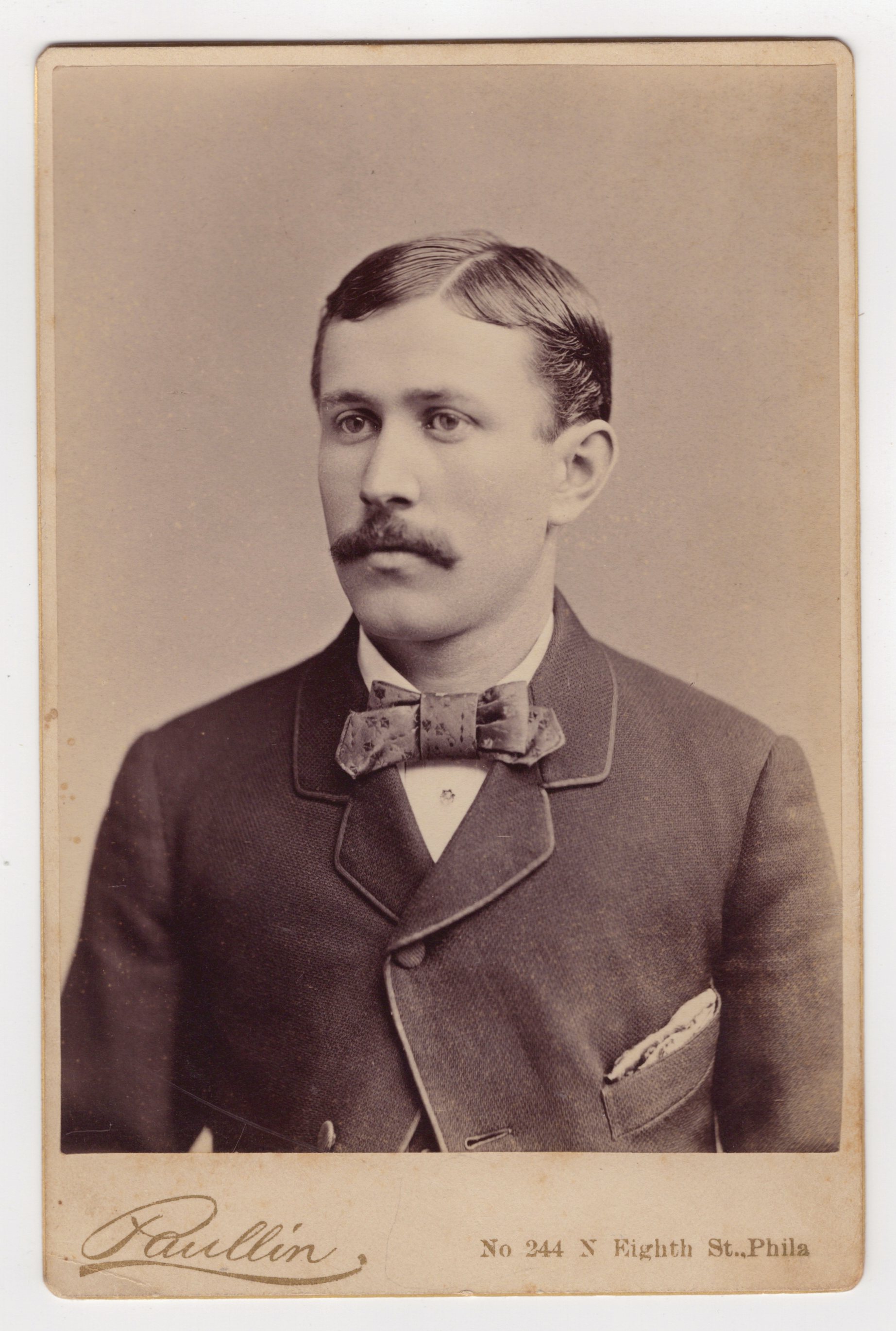
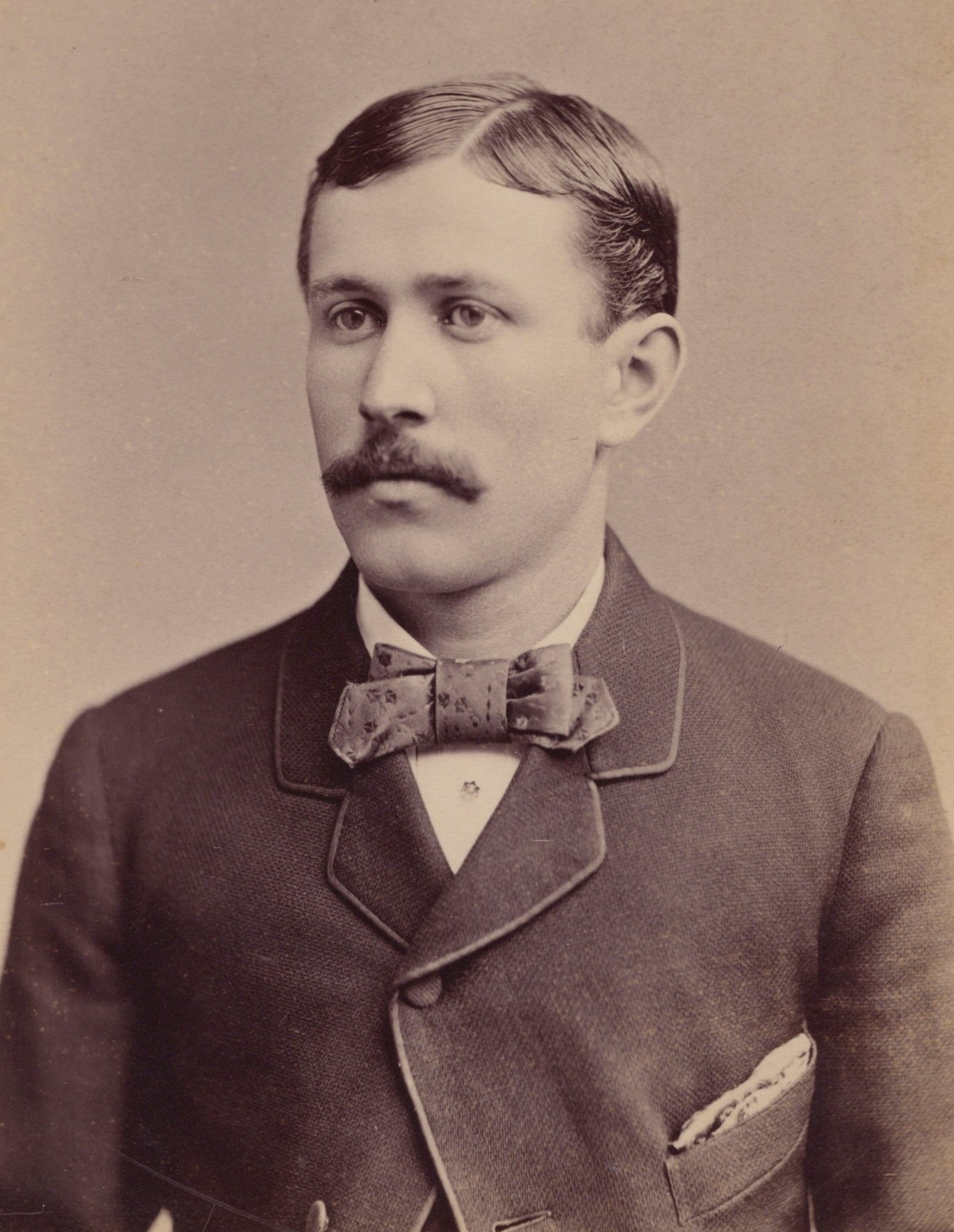
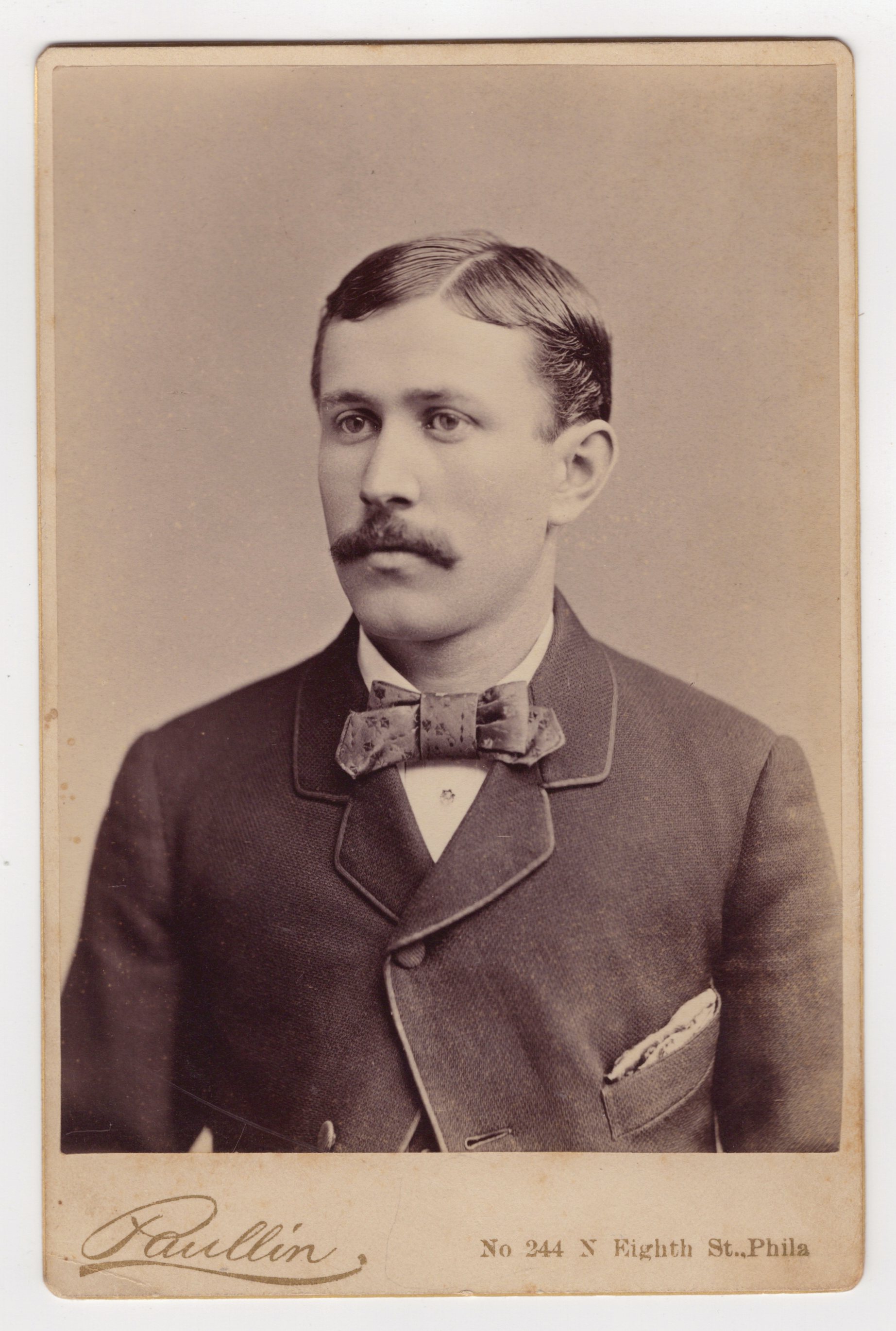
This cabinet card is a portrait of a well dressed gentleman sporting a bow tie. Cabinet card portraits of men with bow ties are not common place. The photographer is Paullin, of Philadelphia, Pennsylvania. Further investigation is required, but this photographic studio may likely be the studio of William Paullin. W. F. Paullin (1812-1871) was an aeronaut who built his first balloon at the age of 21. He flew balloons in Philadelphia and other parts of the world including South America, Cuba, Haiti, Puerto Rico, and Mexico. During the civil war he was in the service of the balloon corps of the Army of the Potomac. His final ascension was under the command of General Joseph Hooker. After resigning from the Army, he became a photographer. This cabinet card was most likely produced after the death of Paullin. Perhaps a family member, or someone else continued the studio under the Paullin name. Further fact checking is needed. This cabinet card portrait is in good condition (see scans).
Buy this Cabinet Card Photograph (includes shipping within the US) #6341
To purchase this item, click on the Pay with Paypal button below
$36.00
Buy this Vintage Original Cabinet Card (includes International shipping outside the US) #6341
To purchase this item, click on the Pay with Paypal button below




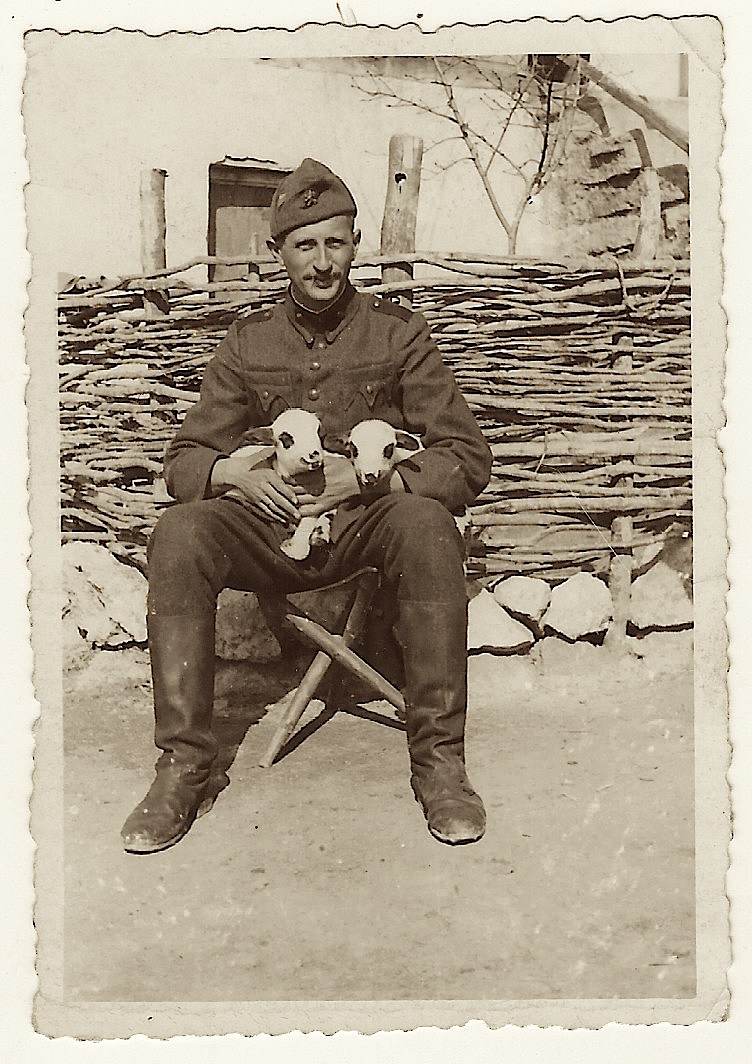
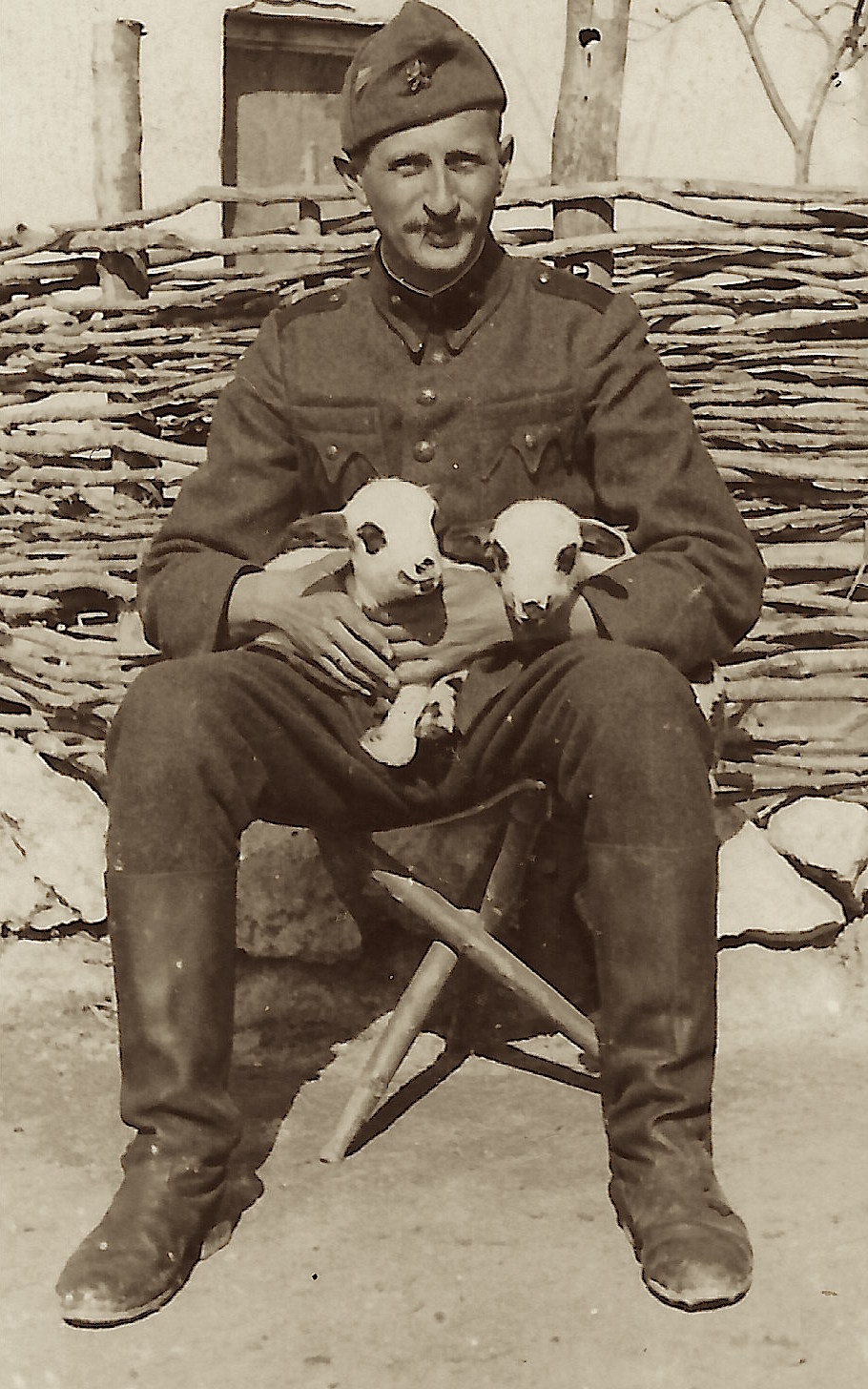 A uniformed soldier sits against a fence and he is holding two adorable lambs on his lap. This is a study in contrast. A military warrior represents battle and lethality, while the young lambs represent peace and calm. Before anyone gets “up in arms”, I want to state that I know that soldiers can represent peace and protection. Note the soldier’s high boots. They appear to be for weather protection rather than for long marches. SOLD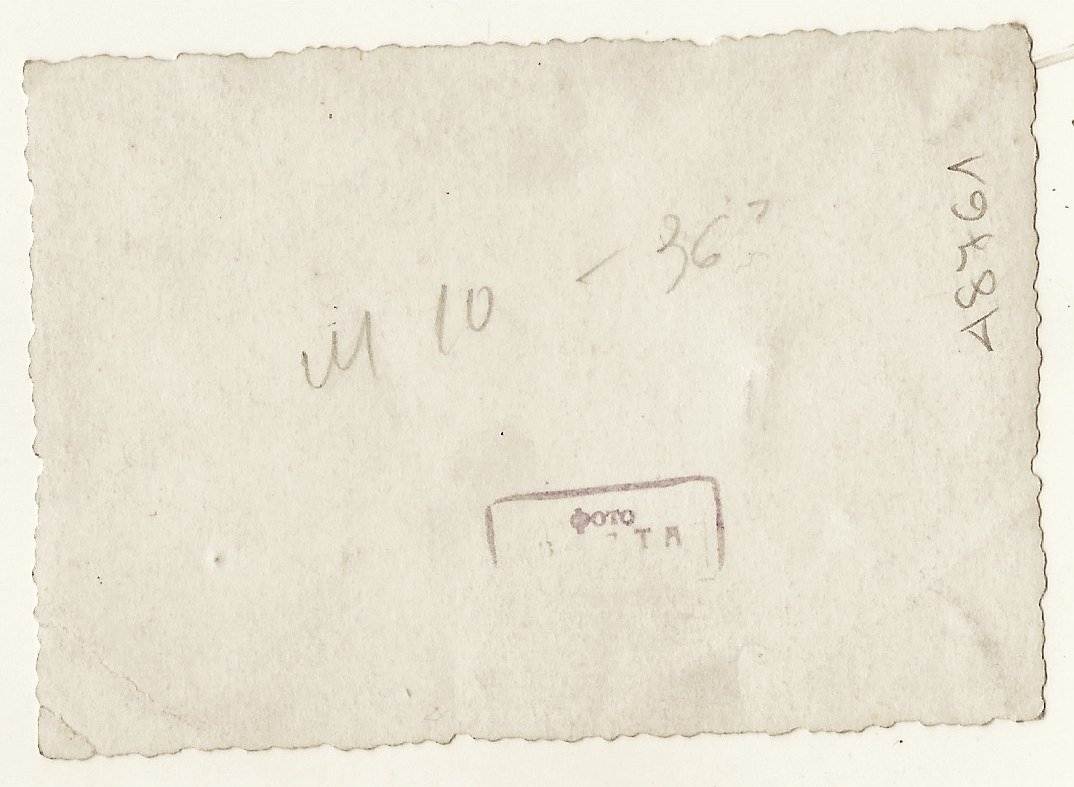
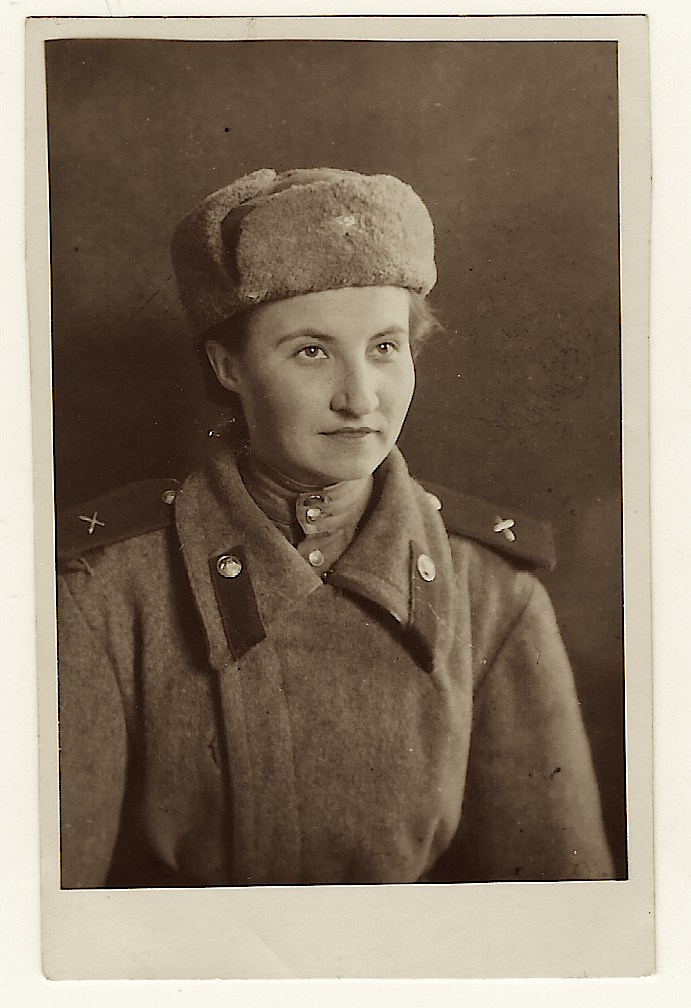
 This vintage photograph features a military woman in uniform. She is from a European nation and it’s my hypotheses that she is from Russia. Her branch of service is not identified. There is an inscription on the reverse of the photograph but I can not decipher it. The inscription indicates that the photograph was taken in 1947, two years after the end of World War II. Hopefully, a Cabinet Card Gallery visitor will be able to provide a translation. SOLD
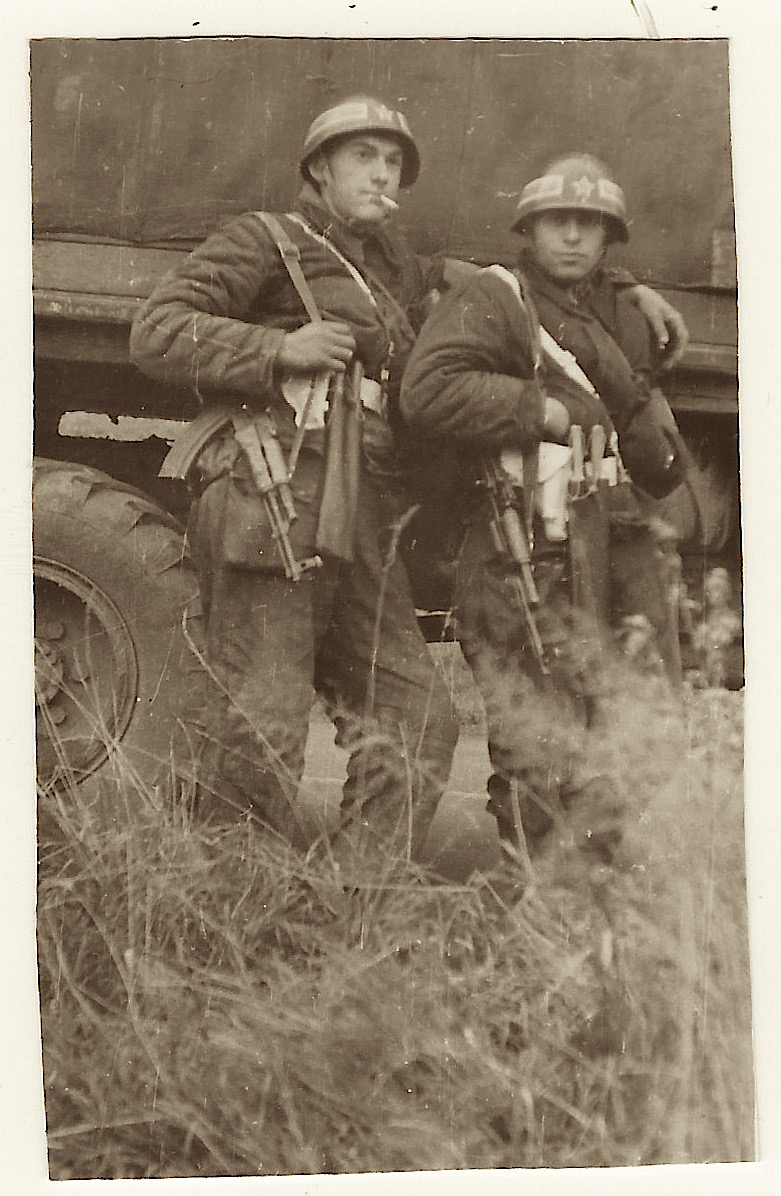
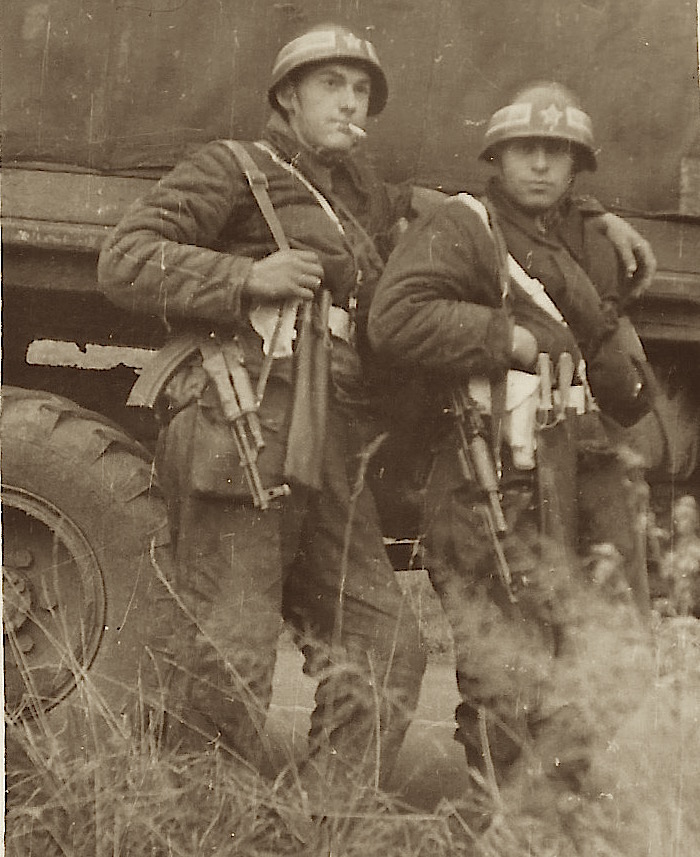
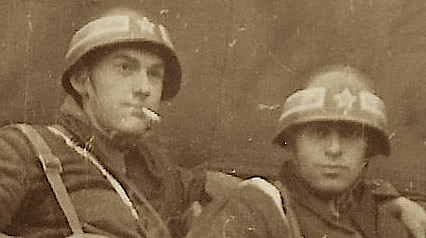 This photograph is enigmatic. Who are these soldiers? What nation’s army do they serve in? I know that a number of Russian Army helmets have similar stars. What do the rectangular insignias mean that appear on both sides of the helmet’s star? What is the translation of the inscription on the reverse of the photo and what language is it written in? Note the men’s weapons slung over their shoulders. SOLD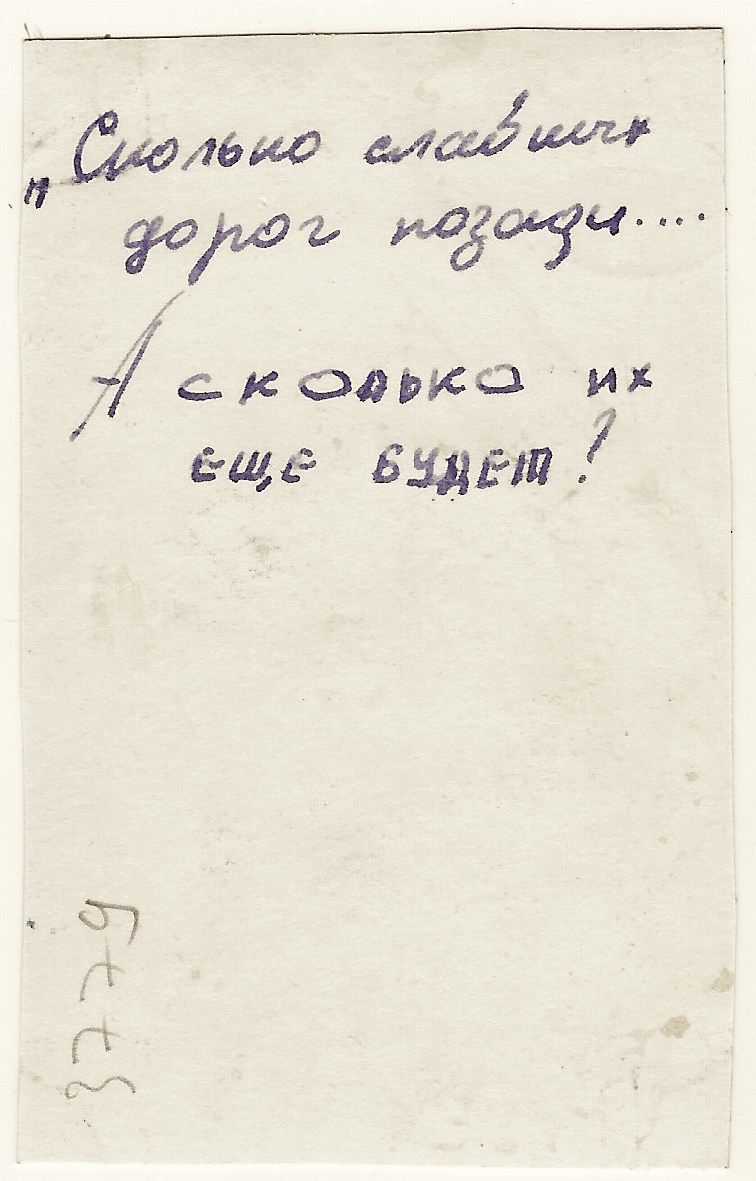


 THE CABINET CARD GALLERY