ANNIE DUNSCOMBE : BURLESQUE ACTRESS : UNCOMMON CABINET CARD

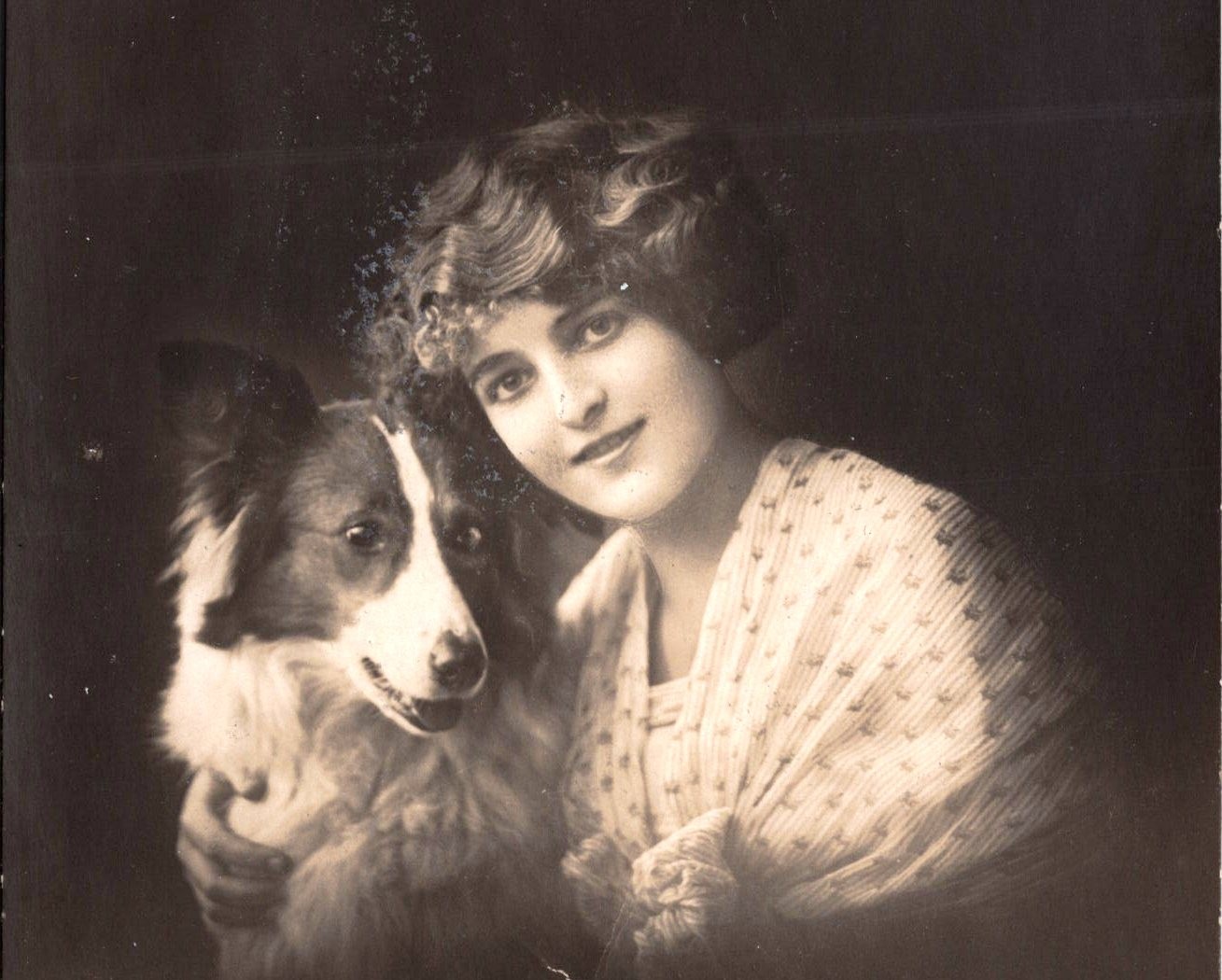
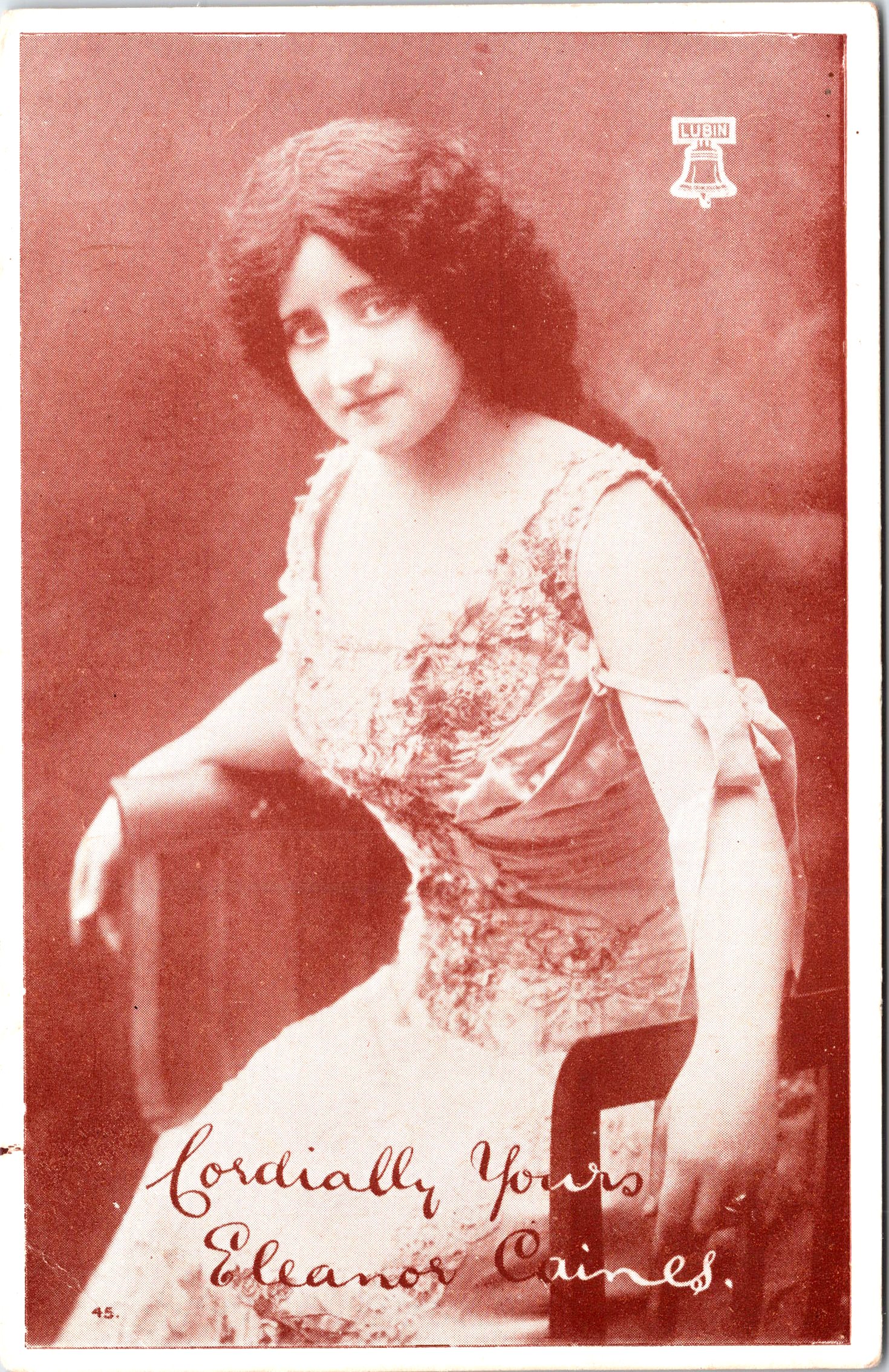
This cabinet card features early theatre actress, Annie Dunscombe. She was certainly a beautiful young woman. Unfortunately, biographical information concerning Miss Dunscombe appears to be sparse, and further research is necessary. Dunscombe is mentioned in Michael Bennett Leavitt’s book, “Fifty Years of Theatrical Management” (1912). Leavitt writes of a theatrical season where many of the young actresses he worked with, were wed. Annie Dunscombe, then, a member of the chorus, married comedian, J. W. Bradbury.  This cabinet card portrait is by celebrated photographer, Marc Gambier (1838-1900). This image captures Miss Dunscombe in costume. Gambier was born and educated in Paris, France. At the age of 19, he came to America for a very short stint of time. He returned to France and became a student of the great painter, Le Creton. Subsequently, he became a student of another great painter, Camino. He then returned to America and for five years, studied and worked under esteemed photographer, Napoleon Sarony. He then launched his own photography business in New York City. He divided his time between his first love, painting, and his business of taking and selling photographs. Gambier was known as a great historical painter. He was a veteran of the French Army and while in the service, he sketched and painted several important battles. Research reveals that Gambier was listed in the 1880 US census. He was forty-one years old and living in New York City with his family. He is listed as living with his wife Emilie (age 28), daughters Louise (age 10) and Emilie (age 7), and son M. L. (age 2). Also in the residence was a young woman (age 25) who worked as a servant. Gambier was known for the many theatrical photographs he produced as well as for selling postage stamp sized portrait photographs, that people attached to their letters and postcards. This cabinet card has an extremely minor curl and is in veriy good condition (see scans). Annie Dunscombe portraits are uncommon.

This cabinet card is available for purchase at The History Peddler for $40.00 or Best Offer.   

Interested collectors may view the listing here:

https://www.ebay.com/itm/336245539368

Published in: on December 14, 2025 at 12:00 pm  Comments (2)  

PORTRAIT OF TWO ADORABLE LITTLE GIRLS : FANCY HATS : PC PARIS : RPPC

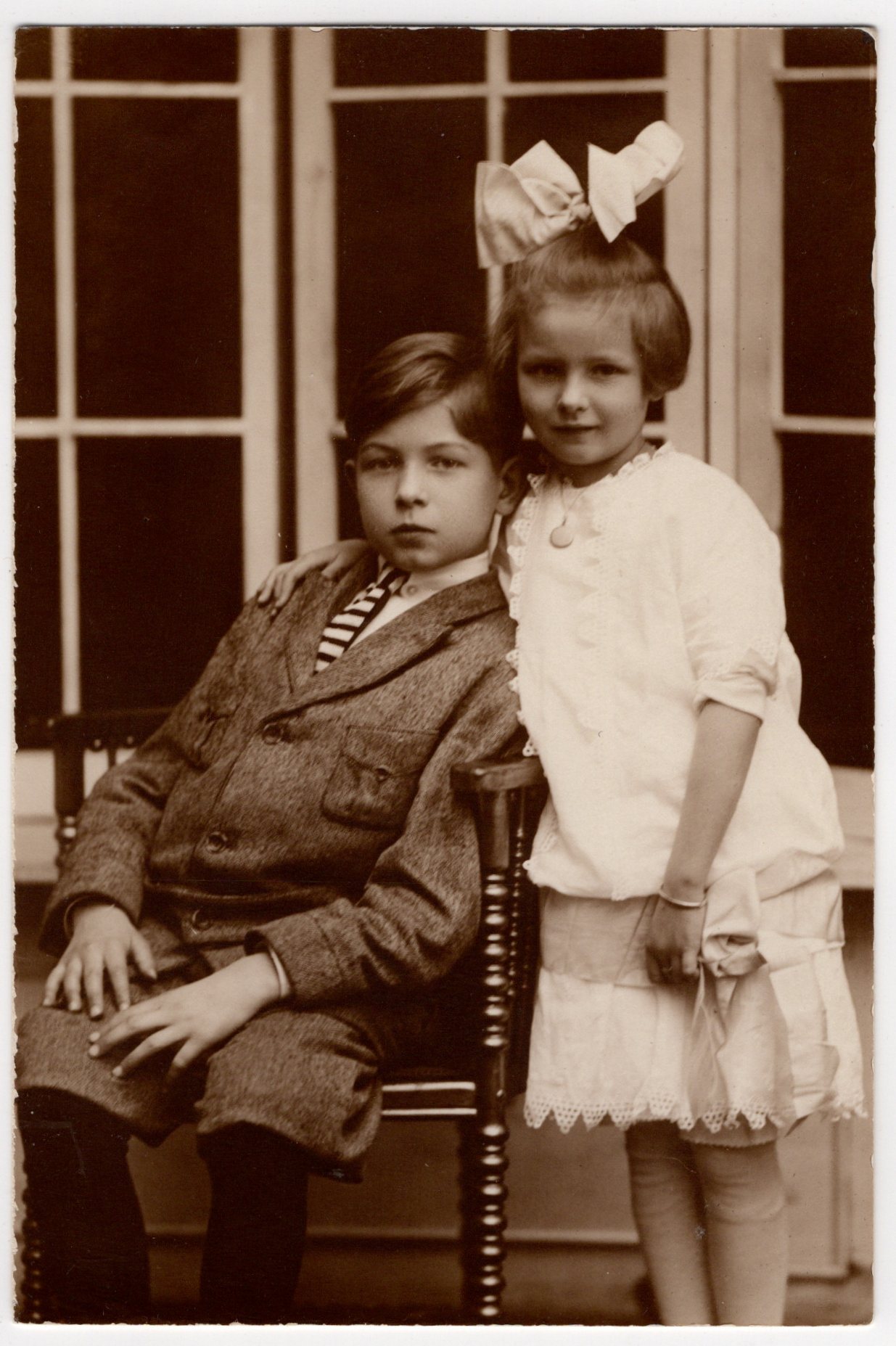
This vintage real photo postcard captures two very adorable and beautifully dressed little girls. They have magnificent smiles and sparkling eyes. This postcard was produced by PC Parisas part of a series (No.1510). The P.C logo is an abbreviation for Papeteries d Levallois-Clichy. The firm published a variety of real photo postcard topics including portraits of pretty models, nudes, views, and holiday cards. The company was active in the 1920’s. SOLD

Published in: on November 3, 2025 at 10:49 am  Leave a Comment  

FASHIONABLE WOMAN : HISTORIC MINING TOWN : LEADVILLE, COLORADO : CABINET CARD

This vintage Cabinet Card features a fashionable woman. She is wearing a fancy dress and is well accessorized. Whe is wearing a large necklace, a collar pin, and what appears to be, a flower with streaming ribbons. The photographer of this image was the Bennett Studio. Bennett operated a studio in Leadville, Colorado. Alfred E. Bennett’s (1862-1942) foray into photography may have been a brief one. He is listed in the 1900 US Census as a photographer but held other occupations in other decade census’s. When this photo was taken, Leadville was a booming mining town. Leadville is located at an altitude of 10,152 feet and in the late 1800’s was the second most populated city in Colorado. Denver was number one in population. Leadville was one of the worlds largest Silver camps and was the home of Doc Holliday shortly after the gunfight at the OK Corral.  SOLD

Published in: on October 22, 2025 at 12:00 pm  Leave a Comment  
Tags: , , , , , , ,

THE STATUE AND IT’S MODEL : TONI SEVEN : AMERICAN COVER GIRL AND ACTRESS

The photographer of this press photo must have been in a playful and creative mood at the time that this photograph was taken. The image features a statue and its model, side by side, in identical poses. The caption of the photograph, affixed to the reverse, indicates that the model is “beautiful” Hollywood star, Toni Seven. It also states that she was the fiance of Senator Warren G Magnuson of Washington state. The photograph was taken in 1949. Toni Seven (1922-1991) was born as June Elizabeth Millarde. Her mother was noted stage and silent film actress, June Caprice. Caprice also worked as a model. Toni’s father, Harry F Millarde, was a film director. Toni’s father died when she was just 8 years old. She was orphaned at age 13 when her mother died. Her grandparents took on the responsibility of raising young Toni. She was raised in the town of Great Neck, located on Long Island in New York state. An article in Time Magazine (1949) indicates that she was financially secure. It was reported that she was a heiress to a fortune worth 3 million dollars. It appears that Toni Seven was genetically loaded to become a performer. As Toni Seven, she was a popular American cover girl and actress, In the early 1940’s she played minor roles in three films. One of these films was the well known “Yankee Doodle Dandy” (1942). She later appeared in two more films. When World War II began, she became a volunteer at the “Hollywood Canteen”, The canteen offered food, dancing and entertainment to servicemen, many of whom were preparing to go overseas. Everything at the canteen was free for uniformed servicemen and servicewomen, She was named pin-up of the year by US soldiers in the European theater in 1945. In 1944, she changed her name to Toni Seven. She thought it would be fun to sign her name “Toni 7”. When the first pin-up exhibition in the United States was held in 1944, Toni Seven was featured along with many other beautiful models, including Jane Russell. In 1946, Seven reclaimed her original name. In 1949, newspapers ran articles asserting that Toni was romantically involved with Washington US Senator, Warren Magnuson. Although the caption of this press photo states that she and Magnuson were engaged, the pair never married. However, the couple dated on and off between 1948 and 1953. Looking at Toni Seven’s biographical data, it is clear that her acting career was unremarkable. Toni appeared in only five films. Stellarstar writes in the blog “Those Obscure Objects of Desire” that “Toni Sevin is proof that a girl who lands in Hollywood, has money to burn, a great press agent and more than enough beauty, can still end up a complete unknown”. Toni was successful in other areas of her life. She was a great horsewoman, and also excelled at swimming and tennis. She despised gossip but created some when she dated Errol Flynn and other celebrities. This press photo belonged to the Intercontinental agency, located in Paris, France. An additional photograph of Miss Seven can be found below.  SOLD

PHOTO OF TONI SEVEN (NOT FOR SALE)

REVERSE OF PRESS PHOTO

ETHEL ERSKINE IN “QUAKER SONG” : PERFORMED IN LEEDS, ENGLAND : J. GARRATT : RPPC

The postcard features a photograph of actress Ethel Erskine in a scene from the play “Quaker Song,” performed in Leeds, England. The image captures Erskine alongside her fellow cast members, each embodying their respective characters with period-appropriate attire and expressive demeanors. The photograph was taken by J. Garratt, a photographer who operated a studio in Leeds.​ Ethel Erskine was a prominent actress in the early 20th century, known for her performances in various theatrical productions. One notable role was Ilona in the operetta “Gipsy Love,” which played at venues such as the Carltheater in Vienna (1910), the Globe Theatre on Broadway (1911), and Daly’s Theatre in London (1912). Despite her evident talent and presence on stage, detailed records of her personal life and broader career remain limited. This scarcity of information adds an element of intrigue to her legacy. Specific details about the play “Quaker Song” are scarce, suggesting it may have been a lesser-known or perhaps a localized production during its time. Erskine is positioned prominently in this postcard photograph. She exudes poise and confidence. She is dressed in attire reflecting the Quaker aesthetic—simple yet elegant, with modest designs and muted colors. Her expression is serene, capturing the essence of her character’s introspective and gentle nature.​ The accompanying actors are arranged thoughtfully around Erskine, each contributing to the scene’s narrative. They are similarly dressed in period costumes that reflect the Quaker ethos, characterized by plain fabrics and unadorned styles. Their expressions range from contemplative to earnest, suggesting a moment of communal decision or reflection within the play.​ The photograph is credited to J. Garratt, who operated a photography studio in Leeds.  SOLD

Published in: on September 28, 2025 at 12:00 pm  Leave a Comment  

MEMORIES OF GONZAGA, BRAZIL : A COUPLE & THEIR VINTAGE AUTOMOBILE : WOMAN DRIVING

This vintage real photo postcard features a well dressed couple and their convertible automobile. The woman is in the drivers seat while the man is leaning against the outside of the car. He is holding a cigarette in his hand. The caption on the card states “Memories of Gonzaga”. Gonzaga is a municipality in Brazil. SOLD

Published in: on September 26, 2025 at 12:24 am  Leave a Comment  
Tags:

PATRIOTIC COUPLE CELEBRATES THE FOURTH OF JULY

This vintage real photo postcard exudes a form of patriotism that is seldom seen today. The AZO stamp box indicates that this photo was taken sometime between 1918 and 1930. This was an era when it was relatively common for individuals to include flags when having their picture taken. We tend to see a resurgence of exhibiting American flags for short stints during the time of national threat or crisis (ie 9/11). When people chose to pose with flags during the 1910’s and 1920’s, it wasn’t to tout a particular cause. They were just expressing their love and fidelity toward their country. There is faint writing in pencil on the reverse of this postcard. The text states “With love from Mr. and Mrs. Chester McCrumb (?), To our sister Mrs. Jennie Hubbard”. This photo postcard has excellent clarity and is in good condition (See Scans and note bottom right of image).   SOLD

MATTIE OLESON : 18 YEARS-OLD : KERSTING STUDIO : CHICAGO, ILLINOIS : CABINET CARD

This antique cabinet card photograph features a young woman identified on the reverse inscription as Mattie Oleson, aged 18. She is posed in a traditional 1890s studio portrait style, seated and gazing slightly to the side with a composed and serene expression. Her face is oval-shaped with soft features and clear eyes, conveying a quiet dignity. Her hair is neatly pulled back and arranged in a modest style, typical of the time. Mattie is dressed in a high-collared dress of dark fabric, possibly wool or a heavy cotton, reflecting everyday or Sunday-best attire from the late Victorian period. The dress features leg-of-mutton sleeves, a popular fashion during the 1890s, which puff dramatically at the shoulders before tapering tightly down the arms. At the base of her collar, she wears a small round brooch or collar pin, possibly gold or brass, that adds a delicate decorative touch to her ensemble. The brooch is decorated with a portrait of a man and woman. Perhaps the portrait is of her parents or grandparents. The cabinet card was produced by the Kersting studio, located at 730 Milwaukee Avenue, in Chicago, Illinois. The studio imprint is elegantly embossed on the card’s bottom front, accompanied by a decorative border design that was typical for quality studios of the era. The photographer was known as H. C. Kersting.  Henry C. Kersting was a notable photographer in late 19th-century Chicago. He operated his studio from approximately 1883 to 1892.  On the reverse of the card is a handwritten inscription in period script: “Mattie Oleson, 18 years old.” This personal note adds historical and emotional value and creates an opportunity for genealogical research to learn more about Miss Oleson.  (SOLD)


Published in: on June 3, 2025 at 12:00 pm  Leave a Comment  
Tags: , , , ,

PORTRAIT OF THE CHIEF YEMENITE RABBI IN JERUSALEM IN PALESTINE

This vintage real postcard features a fascinating portrait of “a Yemenite Jew Chief in Jerusalem”. It is my belief that rather than this being a “Yemenite Jew Chief”, this gentleman is the chief rabbi of the Yemenite Jews in Palestine. Arabic and Hebrew text can be found on the reverse of the postcard. The hebrew word on the postcard is “Teimanim” which translates to “Yemenite Jew”.  “Palestine”, not Israel, is printed on the reverse of the postcard.  “Palestine” is used because Israel was not established until 1948, long after this postcard was printed. The photographer of this portrait is Shlomo Narinsky and the card was published in 1921 by the Jamal Brothers (located in Jerusalem). This postcard portrait is included in the collection of the US Library of Congress. Shlomo Narinsky (1885-1960) was born in Southern Russia (Ukraine). In 1904/1905, he studied photography in Paris and Berlin. He returned to Russia only briefly before immigrating to Palestine. He opened a photography studio in Jerusalem. He produced many postcards focusing on Palestine. He was known for his use of light and shadow in order to give his images a soft and romantic air. Shlomo’s wife, Sonja, was also a very talented and highly esteemed photographer. This postcard has excellent clarity and is in excellent condition (see scans).  SOLD

CLINTON PRISON : WARDEN’S RESIDENCE : DANNEMORA, NY : VINTAGE POSTCARD

This vintage lithographic postcard captures the Warden’s Residence of Clinton Prison, located in Dannemora, New York. The imposing Victorian-era building features intricate architectural details, including steep gabled roofs, dormer windows, and a central tower that conveys a sense of authority and grandeur. The multi-story structure is surrounded by a wrought iron fence and a landscaped yard with trees, reflecting a stark contrast to the austere purpose of the adjacent Clinton Prison, one of New York State’s most infamous correctional facilities. A classic 1950s automobile is parked near the entrance gate, giving the image a sense of time and place. To the rear, parts of the prison’s foreboding walls and other structures are visible, reinforcing its presence as a maximum-security penitentiary. The postcard’s monochromatic tones enhance the historic feel of the scene. Clinton Prison, also known as Dannemora State Prison, opened in 1845. Located in the remote Adirondack Mountains of northern New York, this maximum-security facility earned the nickname “Little Siberia” due to the area’s frigid winters. Initially constructed to house inmates working in nearby iron mines, it became one of the most secure and storied prisons in the state. Throughout its history, Clinton Prison has housed some of New York’s most notorious criminals. In 2015, it gained national attention for a dramatic daring and well-publicized prison break involving two inmates. Dannemora is a small village in Clinton County, situated near the Canadian border in upstate New York. Nestled in the Adirondack Mountains, the village is characterized by its rugged natural beauty and isolation. This postcard was produced by the Merrimack Post Card Company, based in Haverhill, Massachusetts.  (SOLD)