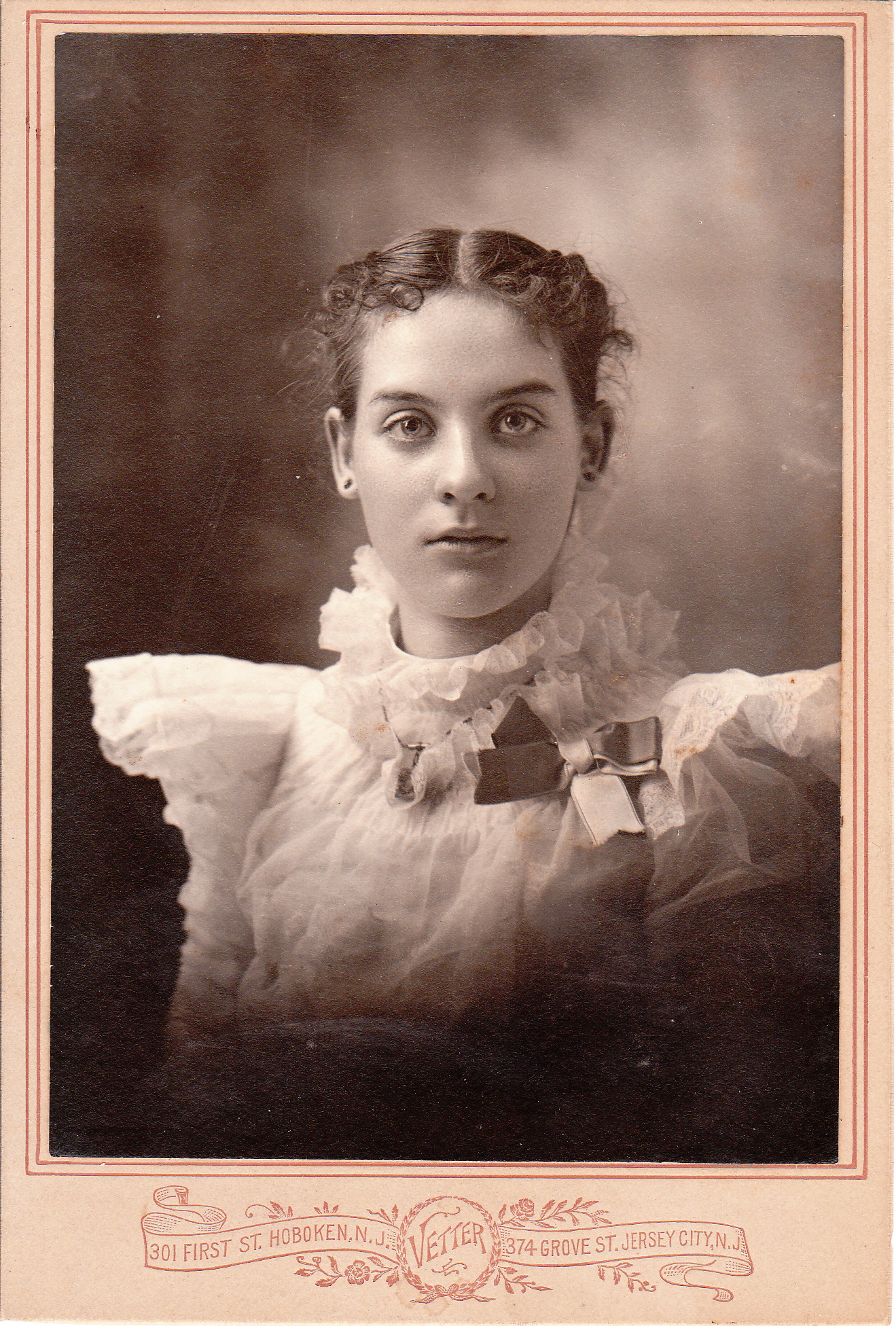
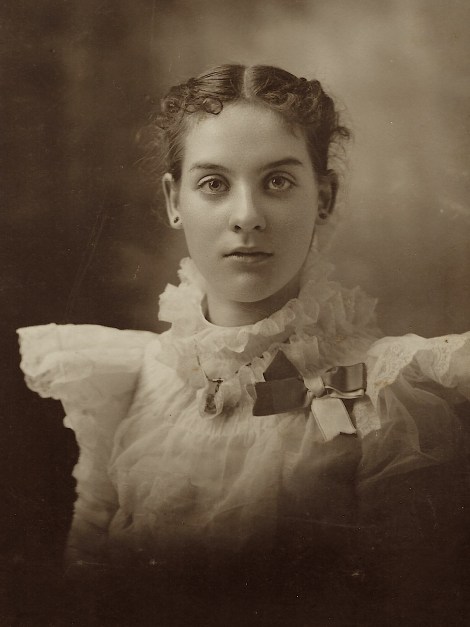
 A pretty girl poses for photographer Albert Vetter in either Hoboken or Jersey City, New Jersey. This “Jersey Girl’s” portrait is captured in a crisp and clear image. She is wearing a frilly dress and a ribbon pinned near her shoulder. In addition, she is wearing a necklace with a pendant, and she is wearing it over the collar of her dress where it is hardly visible. The photographer, Albert Vetter, was quite an interesting character. Apparently, he was a vengeful man. The magazine, The Camera and the Darkroom ( 1904) reported that Vetter was at odds with the family that lived in the house that was also the home of his studio. Vetter got a picture of the head of the family, who recently died. He enlarged the picture and fastened a rope around it at the neck, and hung it out the window. The daughter of the late man, got a step ladder and removed the photograph. A “war of words” followed and Vetter was arrested. He was arraigned in front of a judge for disorderly conduct and he was put up for bond to maintain the peace. The magazine used a humorous headline to describe this incident; “New Idea in Picture Hanging”. (SOLD)


 The pretty young woman seen in this vintage real photo postcards is a contestant in the 1931 Miss Europe beauty contest. She represented Spain in the competition. Her name was Ermelina Carreno (1912-1999). She became Miss Spain when she won the competition representing the region Castilla-La Mancha. A book about her was written by Enrique Sanchez Lubian and published in 2009. The book was entitled “Ermelin: The Beauty That Gave Birth To The Republic: Origins Of The Misses Contests In Spain, 1929-1932”. The Miss Europe contest was established by a French journalist in 1927. Most of the women in this event had won their own country’s national beauty contest, and used the Miss Europe contest as a warm-up for the Miss World pageant. This postcard was published by the well known and acclaimed photographer, Alfred Noyer. His Paris studio operated between 1910 and the 1940’s. Miss Carreno’s portrait was photographed by St Mano studio. This vintage postcard is in very good condition (see scans)..

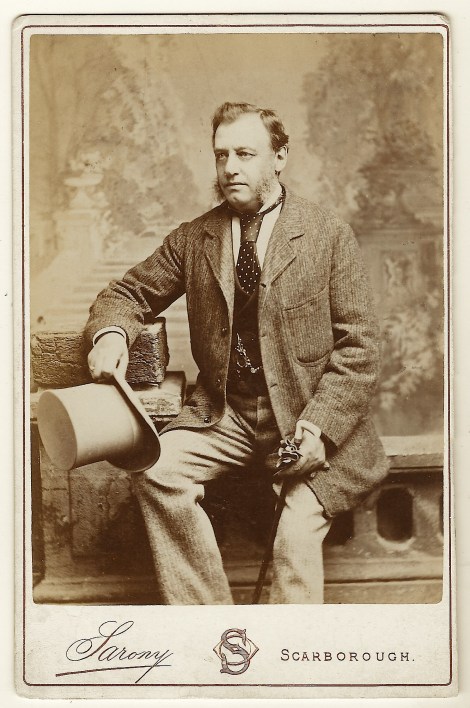
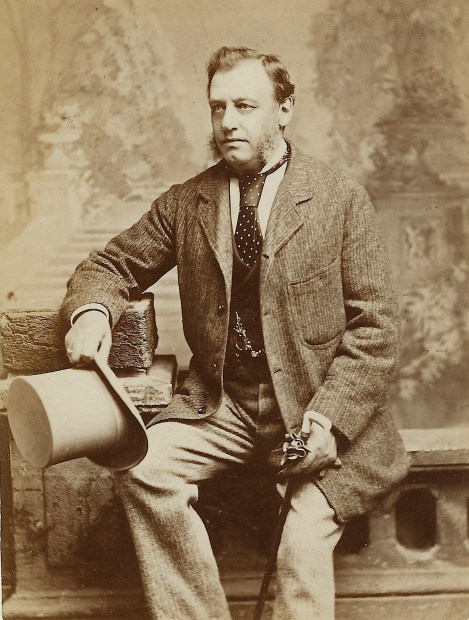 This cabinet card portrait features an elegant gentleman. He is holding his top hat in one hand and a cane in the other. He ill well dressed and judging by his attire, he was a man of means. This photograph was taken in Scarborough, a town in North Yorkshire, England. The photo is from the studio of Oliver Sarony, a well known and commercially successful photographer. His studio had 98 rooms and at one point he had 110 employees. He was born in Quebec in 1820 and he came to England in 1843. He worked as a photographer in several English towns until he settled in Scarborough in 1857. He died in 1879. The business continued into the 20th century under the name Sarony & Co. The business was initially managed by Samuel Waind Fisher the husband of Oliver’s niece, Jennie. Interestingly Jennie was the daughter of Napoleon Sarony, the talented and well known celebrity photographer located in New York City. Note the inscription on the reverse of the photograph. The name of the signee appears to be “Tillis” and the inscription is dated “1877”. This cabinet card is in very good condition (see scans).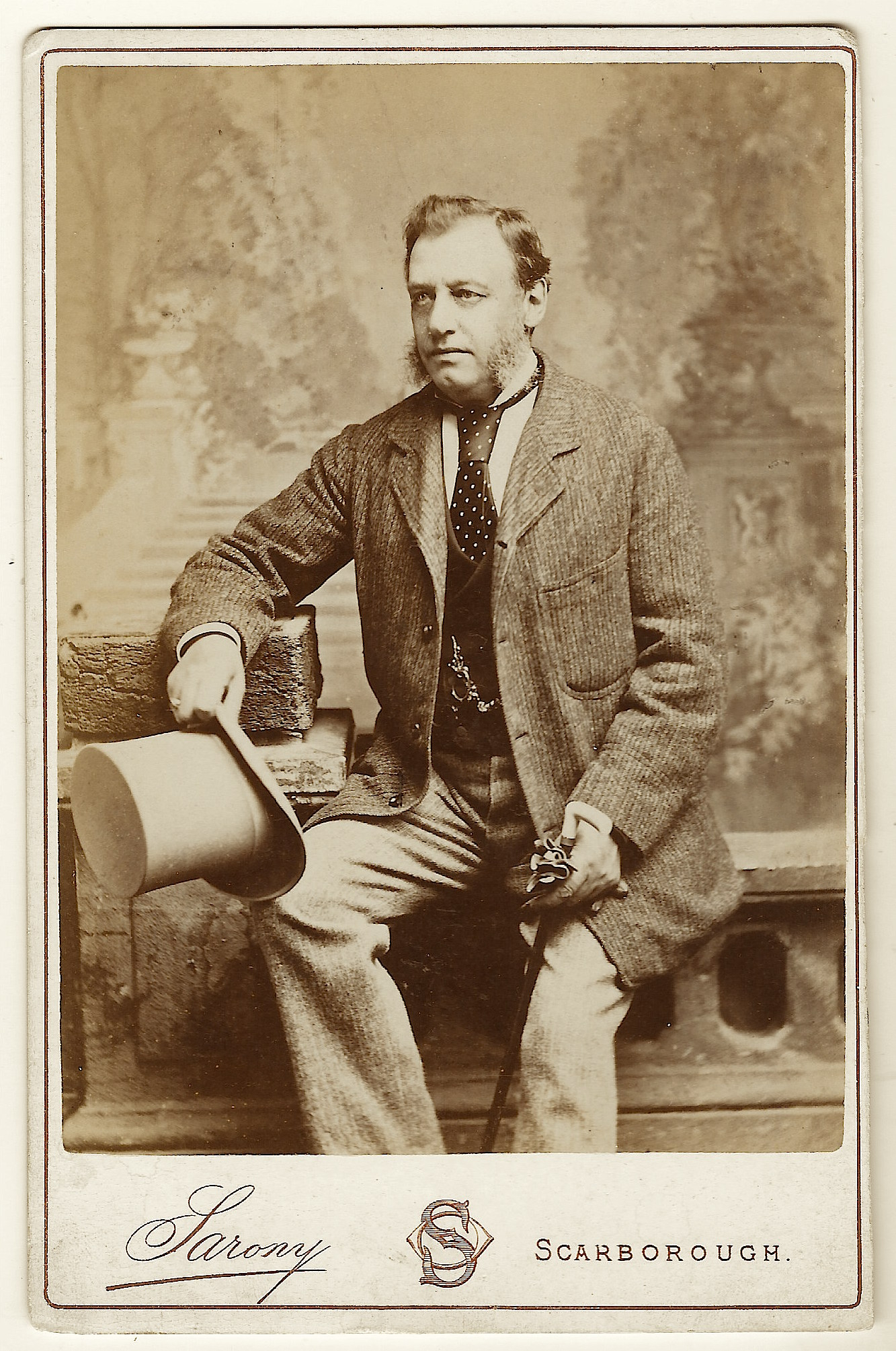

 POSTCARD 1 (SOLD)
 POSTCARD 2
 POSTCARD 2
 POSTCARD 1 (SOLD)
 POSTCARD 2
 This vintage postcard features a adorable little boy, or possibly a girl, sitting on a wooden tricycle. The photograph was likely taken on the front porch of the child’s home. Note that there are two figures of a child on a trike either drawn on, or part of, the child’s shirt. The two figures seem to be similar to the stitching on the child’s sleeve cuffs and collar. The AZO stamp box on the reverse of this photo postcard indicates that it was printed between 1910 and 1930. This vintage postcard is in good condition (see scans). (SOLD)

 This vintage real photo postcard features Russian ballerina, choreographer, and silent film star, Vera Karalli (1889-1972). She was born in Moscow. Her father was an entrepreneur and her mother was an actress. Karalli was active between 1914 and 1921. Karalli was a graduate of the Moscow Theatre School in 1906. She performed in the Ballets Russes company in 1909, and then again, in 1919 and 1920. She was a soloist with the Bolshoi Theater and after two years became a ballerina in 1915. She often danced with ballet star, Mikhail Mordkin. Karalli becan acting in 1914 and she became one of Russia’s most celebrated film actresses. From 1914 to 1919, Karalli appeared in about sixteen Russian silent films. One of these films was an adaptation of Tolstoy’s “War and Peace”. Her last film was a German drama released in 1921. Karalli was a mistress of the Grand Duke Dmitri Pavlovich of Russia. He was the cousin of Nicholas II. It was reported that she was a co-conspirator in the 1916 murder of Grigori Rasputin. After the October Revolution, she fled to the West. Between In the 1920’s she taught dance in Lithuania. Between 1930 and 1935 she was ballet mistress of the Romanian opera in Bucharest. She lived in Paris between 1938 and 1941. She later settled in Baden, Austria. (SOLD)
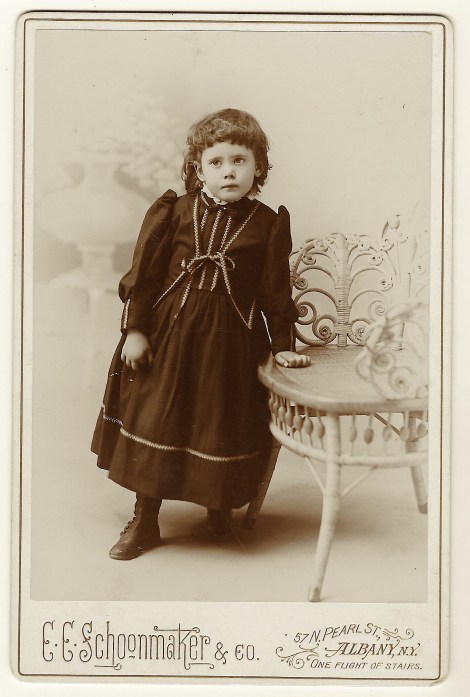

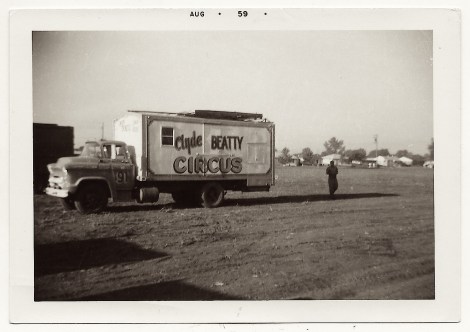
 This vintage snapshot photograph features a Clyde Beatty Circus Truck. It appears that the circus has come to town. The photo was taken in 1959. The date is printed on the top border of the photograph. Clyde Beatty (1903-1965) was an animal trainer and zoo owner in Florida. His first job at a circus was as a cage cleaner. He rose in status as he became an animal trainer. He was known for his lion taming acts. Eventually, in 1945, he became a circus owner and later merged with the Cole Brothers Circus.Beatty was famous for his “fighting act”. He would enter a cage with wild animals with a whip and a pistol strapped to his side. He demonstrated his courage by facing a cage full of animals including lions, tigers and cougars. At the peak of his career, Beatty’s act featured 40 lions and tigers. Beatty was so popular that he appeared in films between the 1930’s and the 1950’s. He appeared on television in the 1960’s.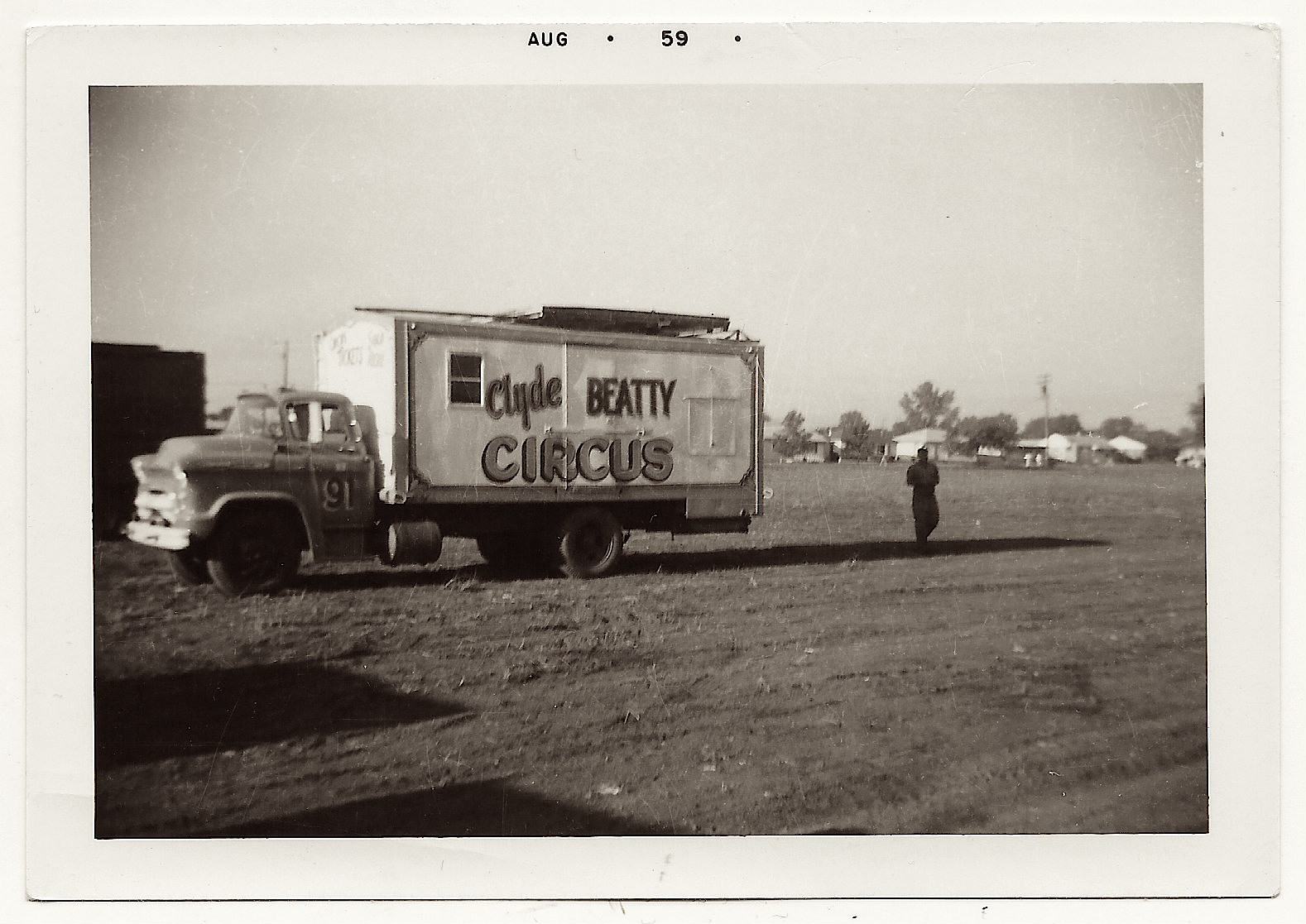


 This vintage real photo postcard presents an interesting ethnological portrait of a Romanian couple dressed in traditional garb. It is notable that this couple was not concerned about public displays of affection. The young man has his right arm wrapped around the woman’s shoulder/back. The young lady’s hand is resting on the gentleman’s shoulder. The pair give an appearance of a proud loving couple. Could this be a wedding portrait? Note the woman’s purse. It has a design that includes someone holding a leash attatched to a dog. An inscription on the reverse of this postcard reveals that the photograph was taken in 1937. The postcard is in very good condition.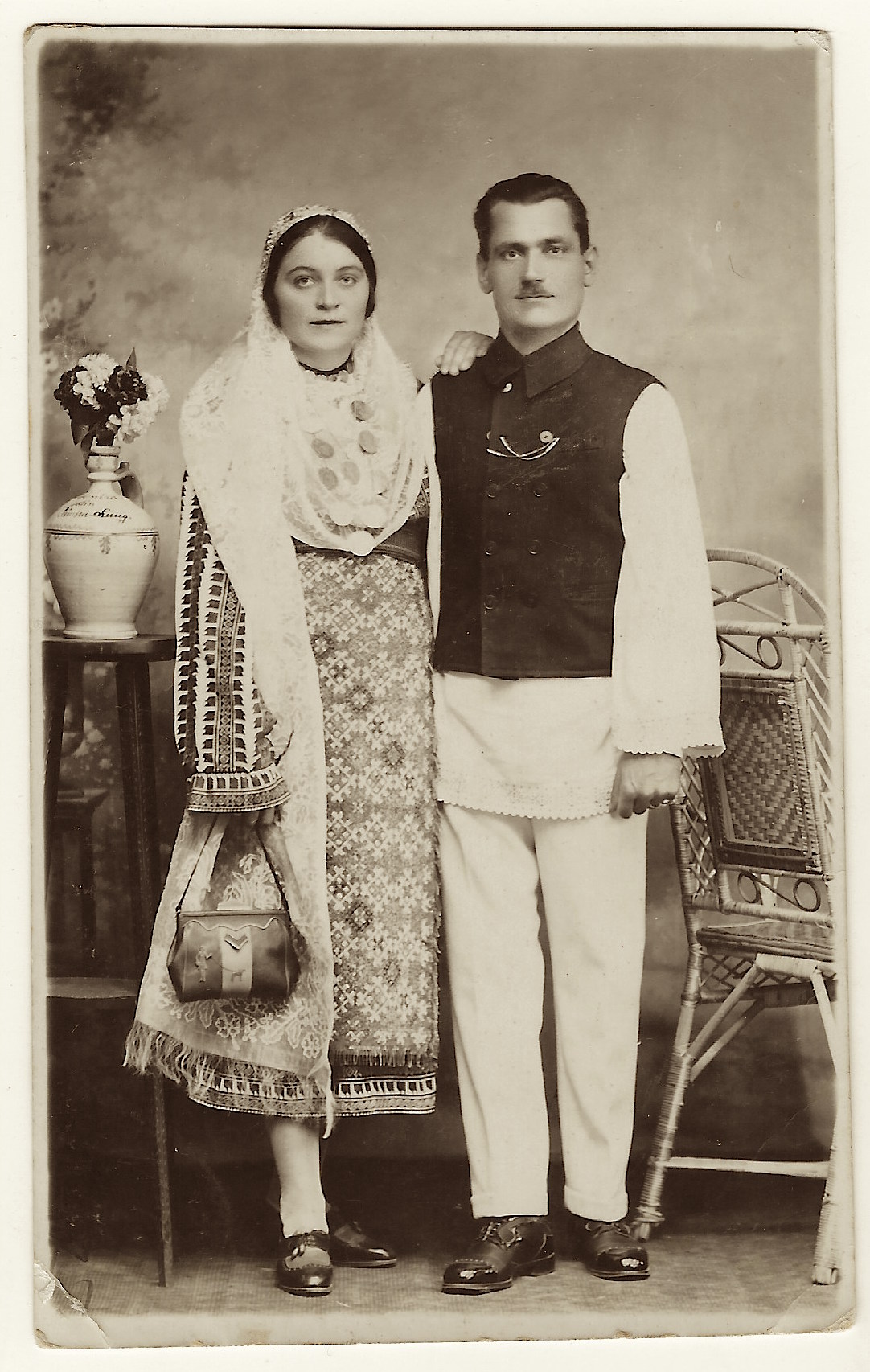



 THE CABINET CARD GALLERY