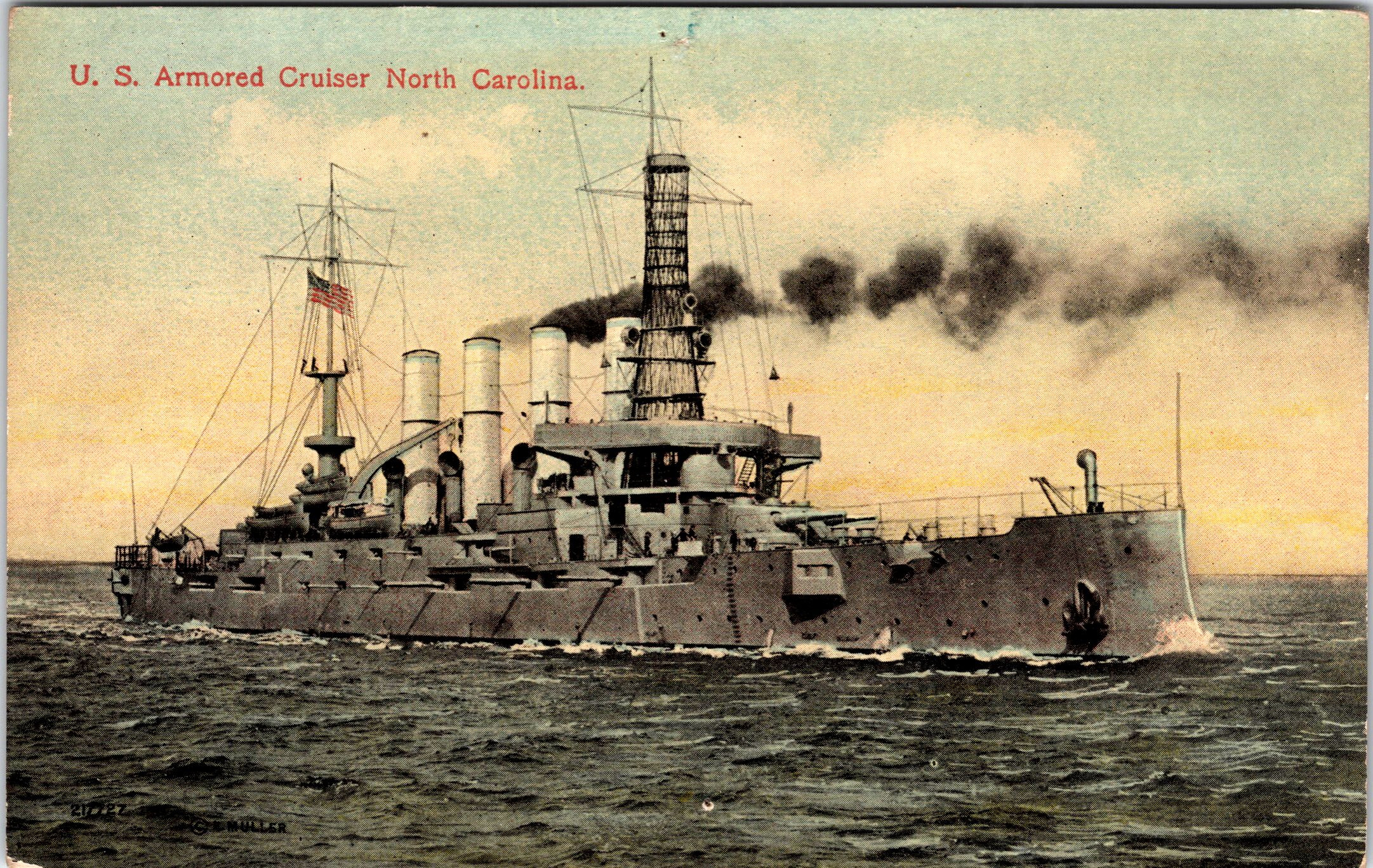
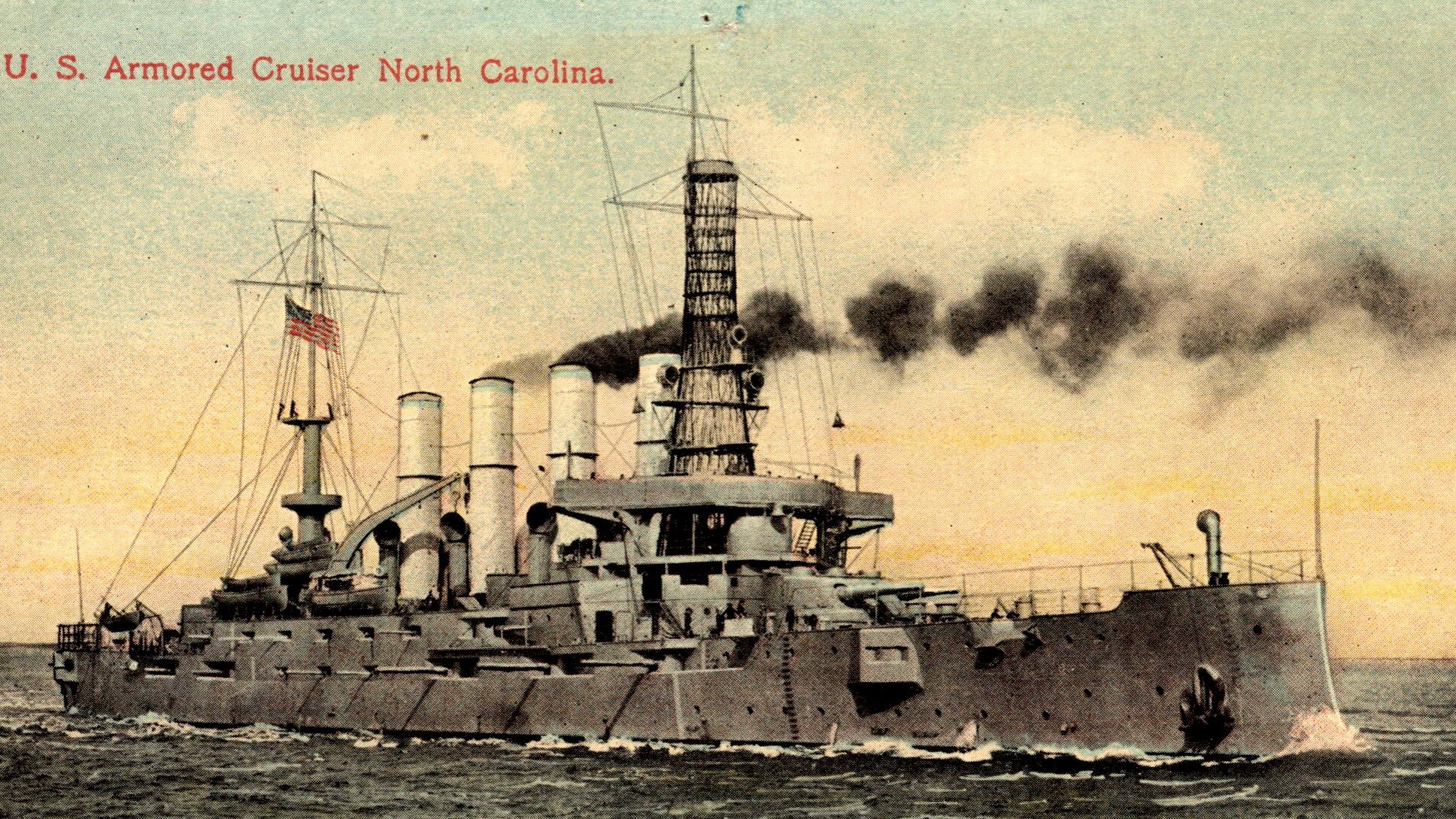
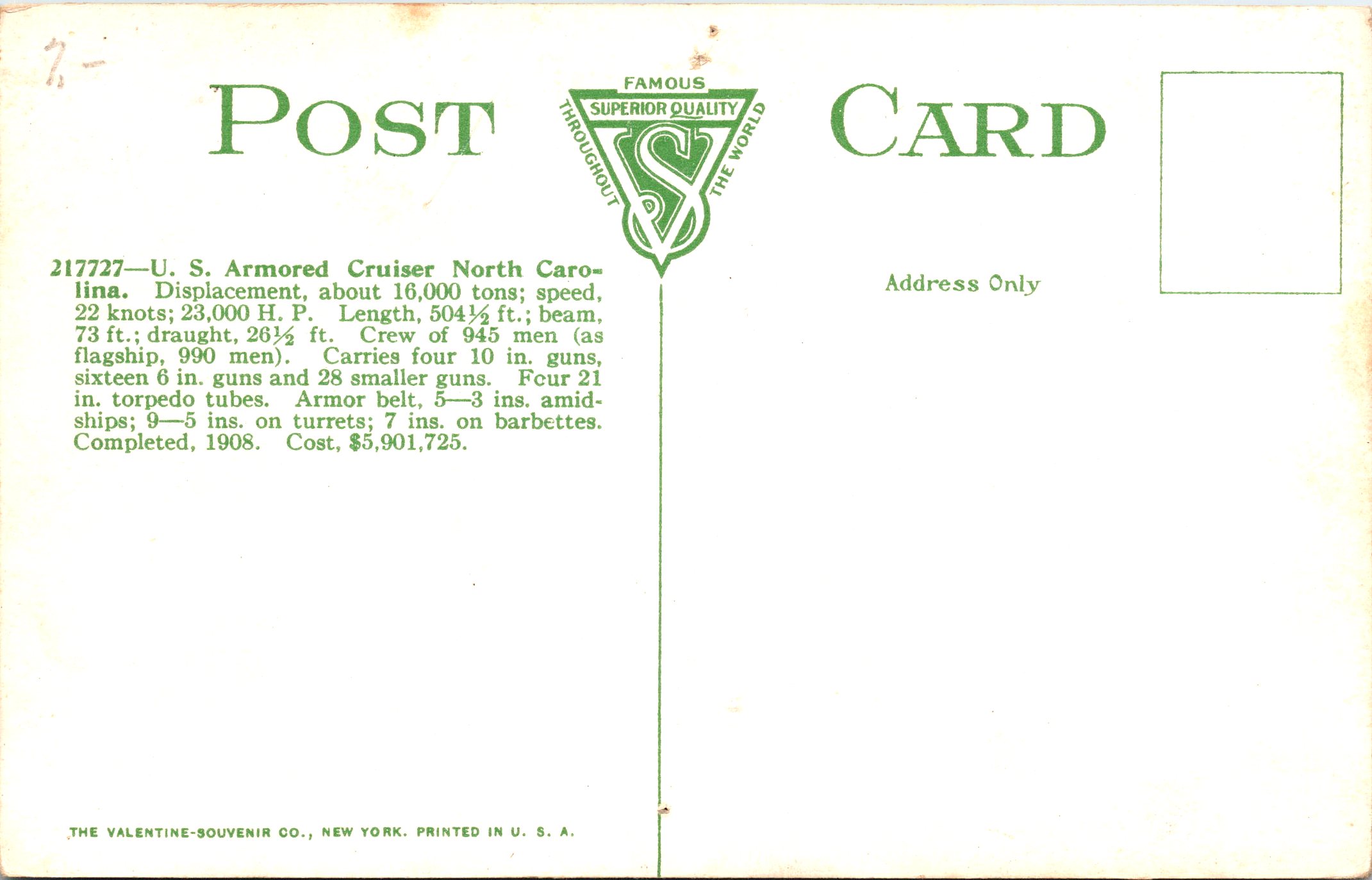
This vintage real photo postcard features the U. S. Armored Cruiser North Carolina. The ship was a Tennessee class armored Cruiser of the United States Navy. The ship was built by Newport News Shipbuilding and launched in 1906. It was commissioned in 1908. The ship had a crew of 945 men. Much of the ship’s career was spent in the Atlantic Ocean and the Caribbean Sea. It conducted training and visited foreign ports. The ship was deployed to the Mediterranean Sea twice. The first time its mission was to protect Americans in the Ottoman Empire (1909) and it’s second mission was also to protect Americans during World War I. The ship was later used to bring American soldiers back from France following the war. In 1920, she was renamed “Charlotte: and she was decommissioned the following year. This postcard was published in 1908 by The Valentine Souvenir Company (New York). SOLD
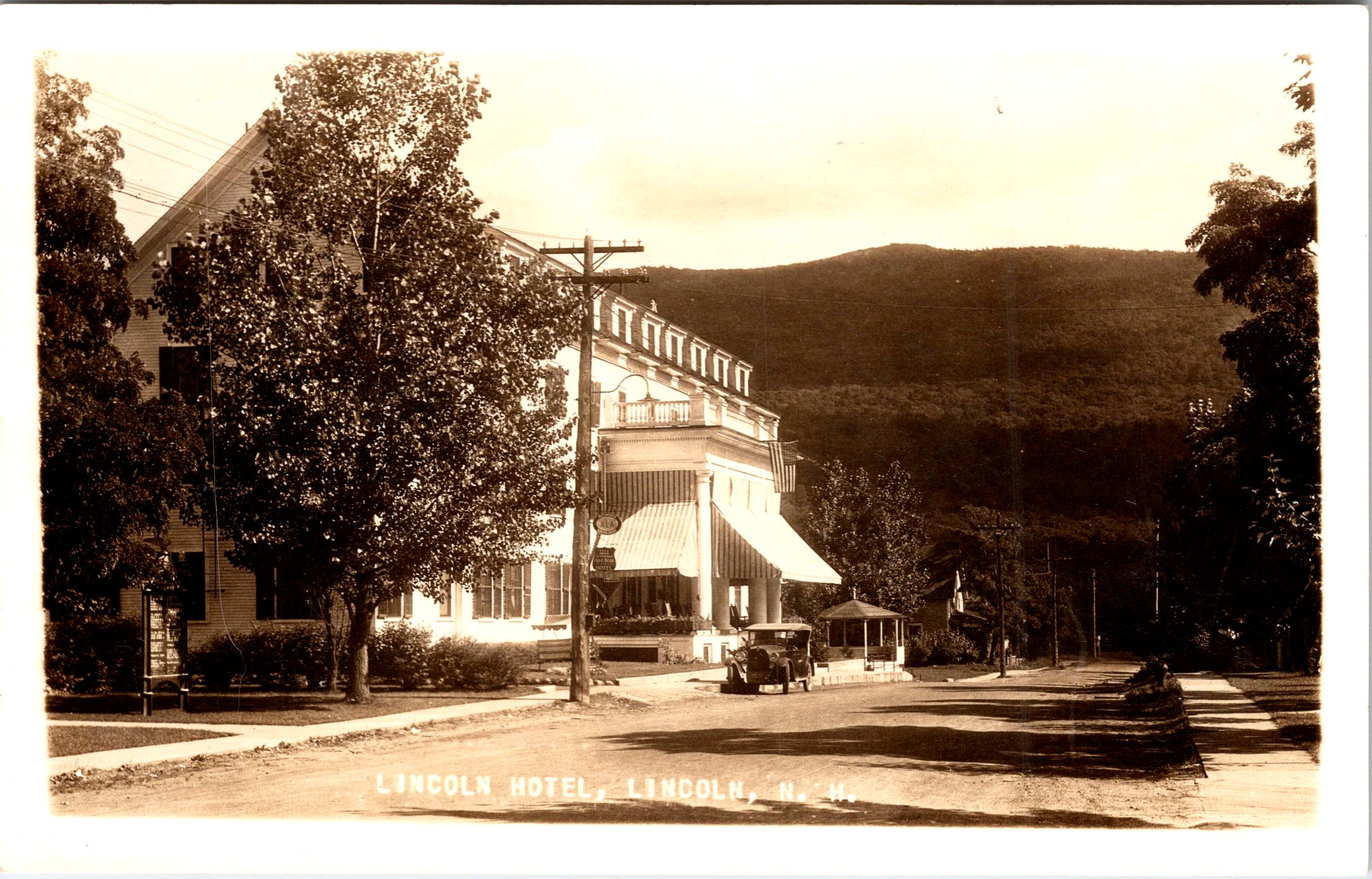
This vintage real photo postcard features a street view of the Lincoln Hotel, located in Lincoln, New Hampshire. The hotel appears to be a luxury hotel. Note the old car parked in front of the hotel. Also note the hotel’s awnings and gazebo type structure near the hotel’s entrance. Lincoln, New Hampshire is set in the White Mountains. The Appalachian trail passes through the town. This postcard photo was taken by E. D. Putnam & Son (Antrim, New Hampshire). The “Defender” stamp box on the reverse of this postcard indicates that it was produced between 1920 and 1945. SOLD
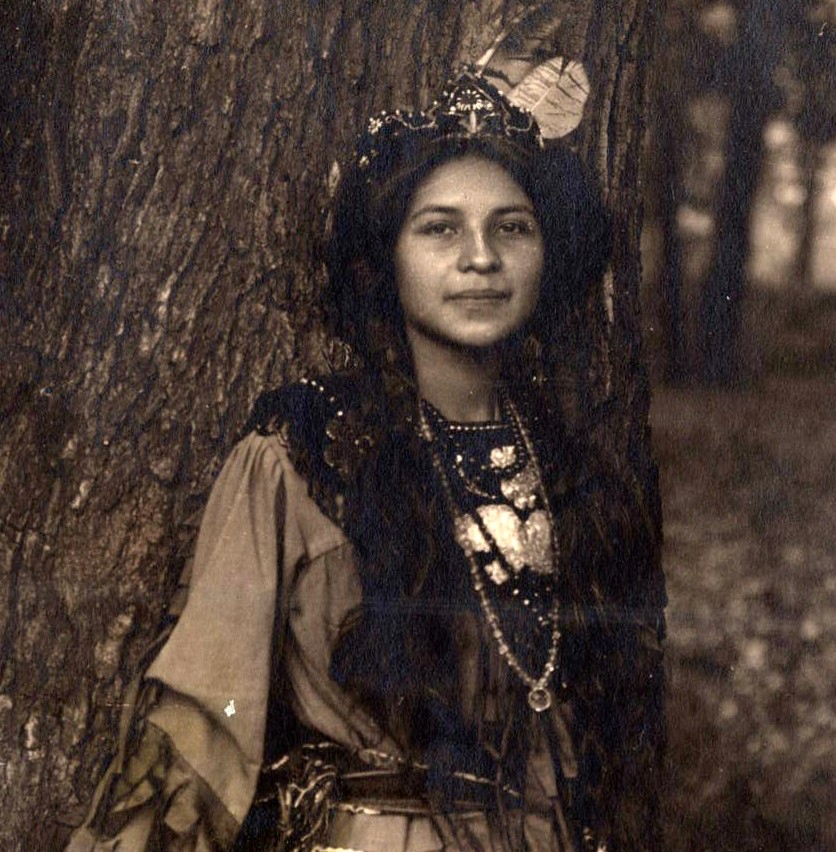
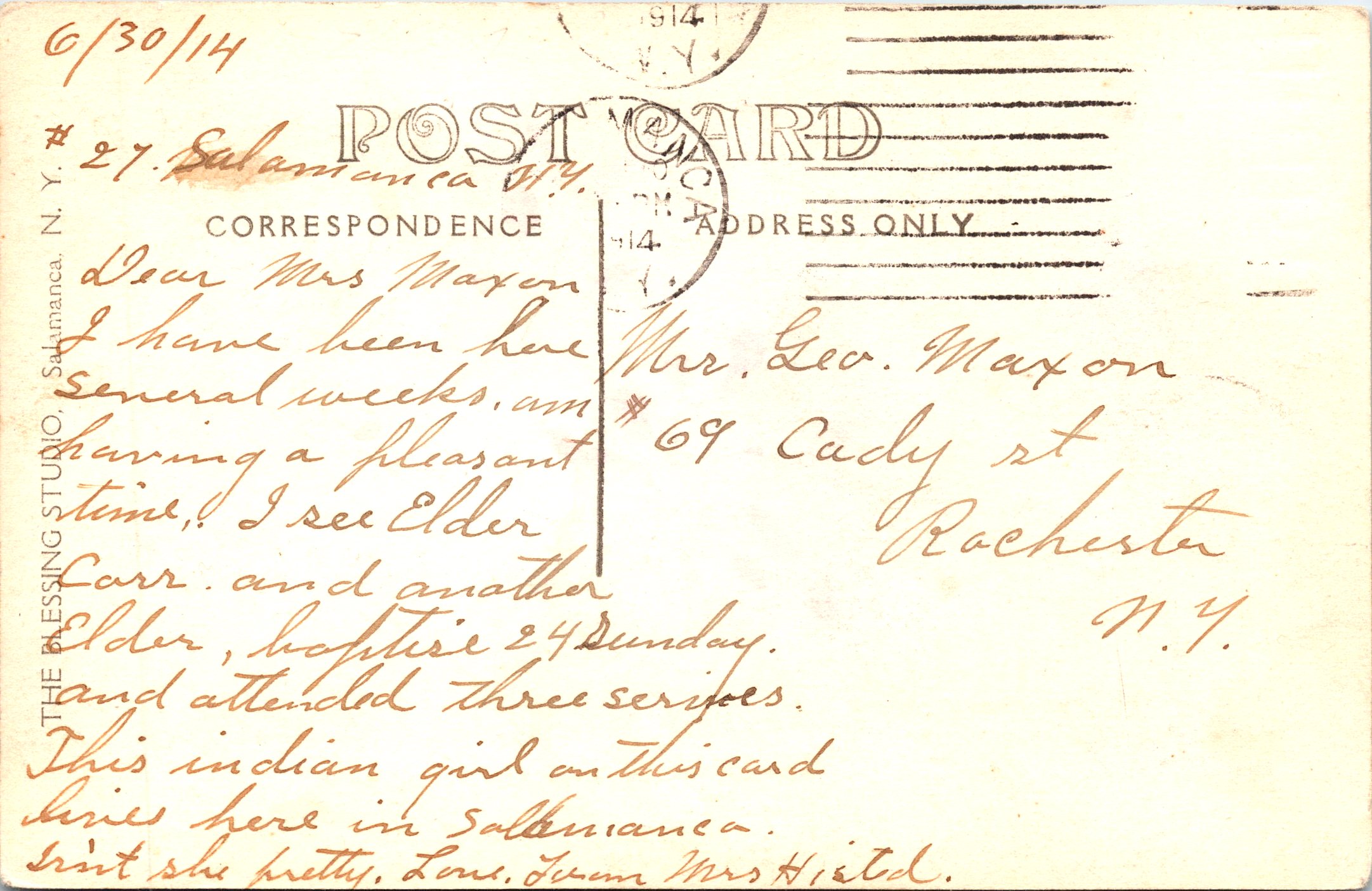
This vintage real photo postcard is striking. The photograph features a young attractive Native American woman. This photograph was taken by J. L. Blessing. His studio was located in Salamanca, New York. Blessing was no amateur, as is apparent in this 1908 photograph of the Native American woman seen below. She is from the Seneca tribe and her name is Ah-Weh-Eyu (translation: Pretty Flower). Her English name was Goldie Jamison Conklin and she was from the Allegany Reservation in Western New York. She was born in Salamanca in 1892 and died in 1974. She was quite beautiful and worked as a model for the Cattarugus Cutlery Company of Little Valley, New York. She helped advertise the company’s line of “Indian Brand” knives. She was often photographed by Jesse Lynn Blessing who operated the Blessing Studio in Salamanca. His father was J. H. Blessing (1851-1920) who started the studio. According to an entry on geneology.com by J. L. Blessing’s grandaughter, Mr Blessing “was asked to work with Disney Studios by Walt Disney but decided to take over his father’s studio instead”. The woman who wrote the message on this postcard could not help but comment about the Native American beauty appearing on this postcard. The writer states “The Indian girl on this card lives here in Salamanca. Isn’t she pretty?” SOLD
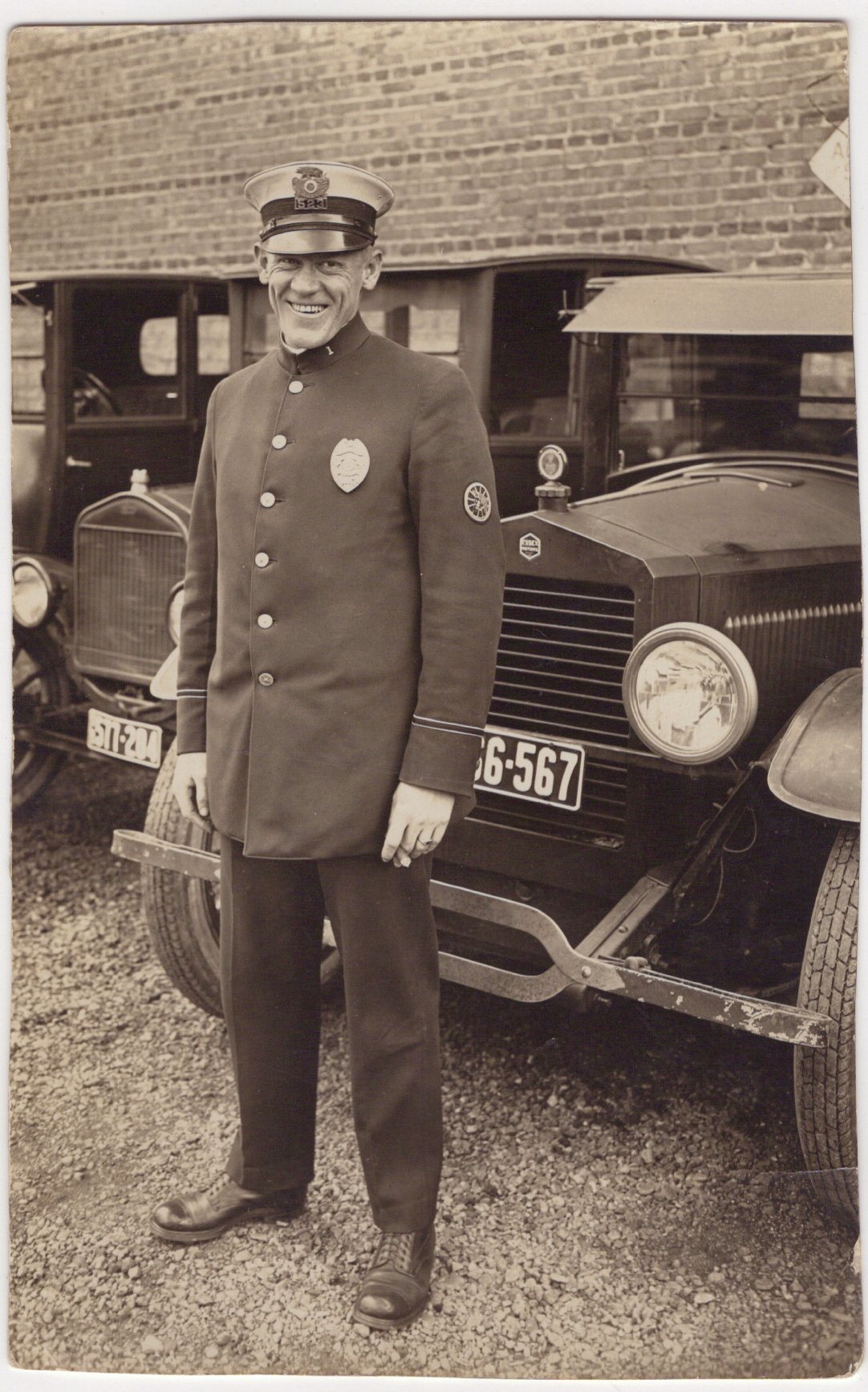
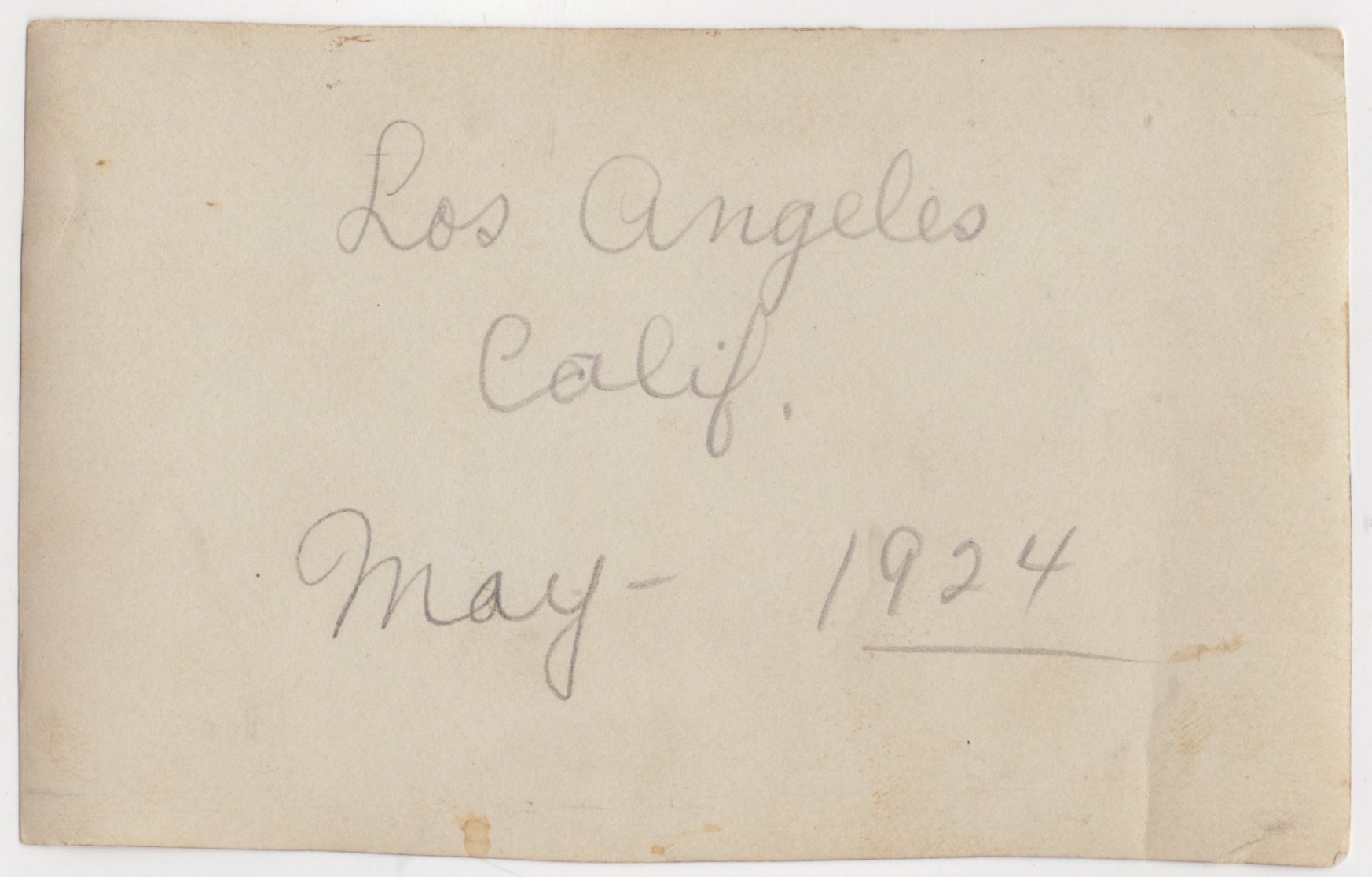
This vintage photograph features a smiling uniformed policeman posing in front of a row of police cars. An inscription on the reverse of the photo reveals that the policeman is on the Los Angeles Police Force and this photograph was taken in 1924 when no one ever heard of SWAT or Tasers. SOLD
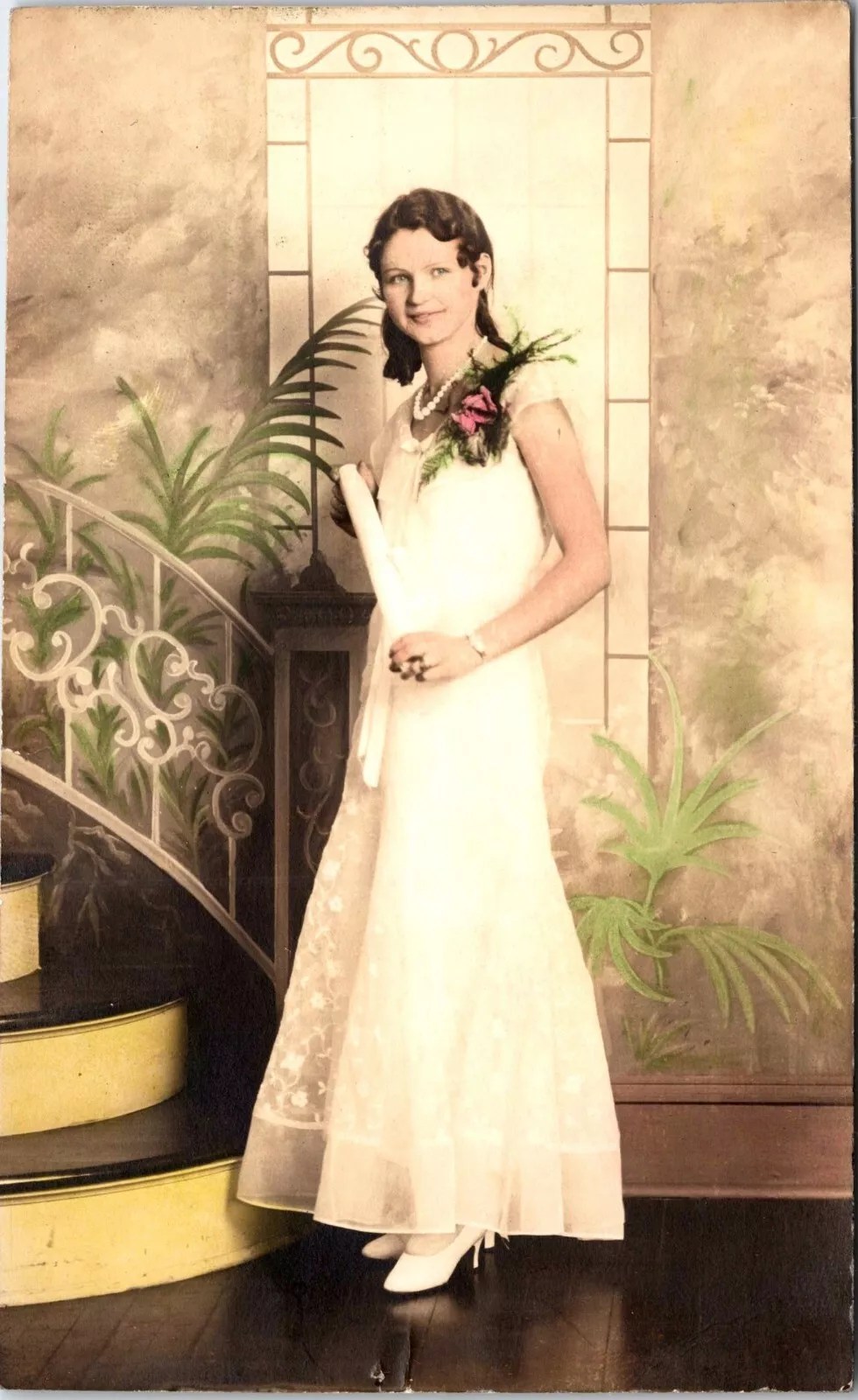
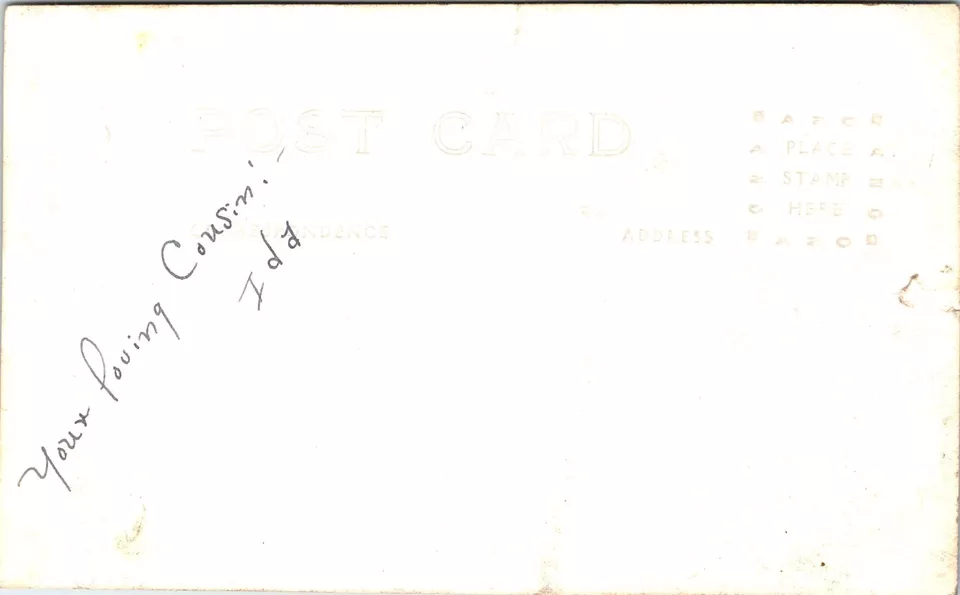
This vintage real photo postcard features a pretty young woman formally dressed and flashing a lovely smile. She is holding a rolled up scroll and it is likely a degree from her high school or college. This is probably her graduation photograph. She is wearing high heels. This photo appears to have been taken in a photo studio. SOLD
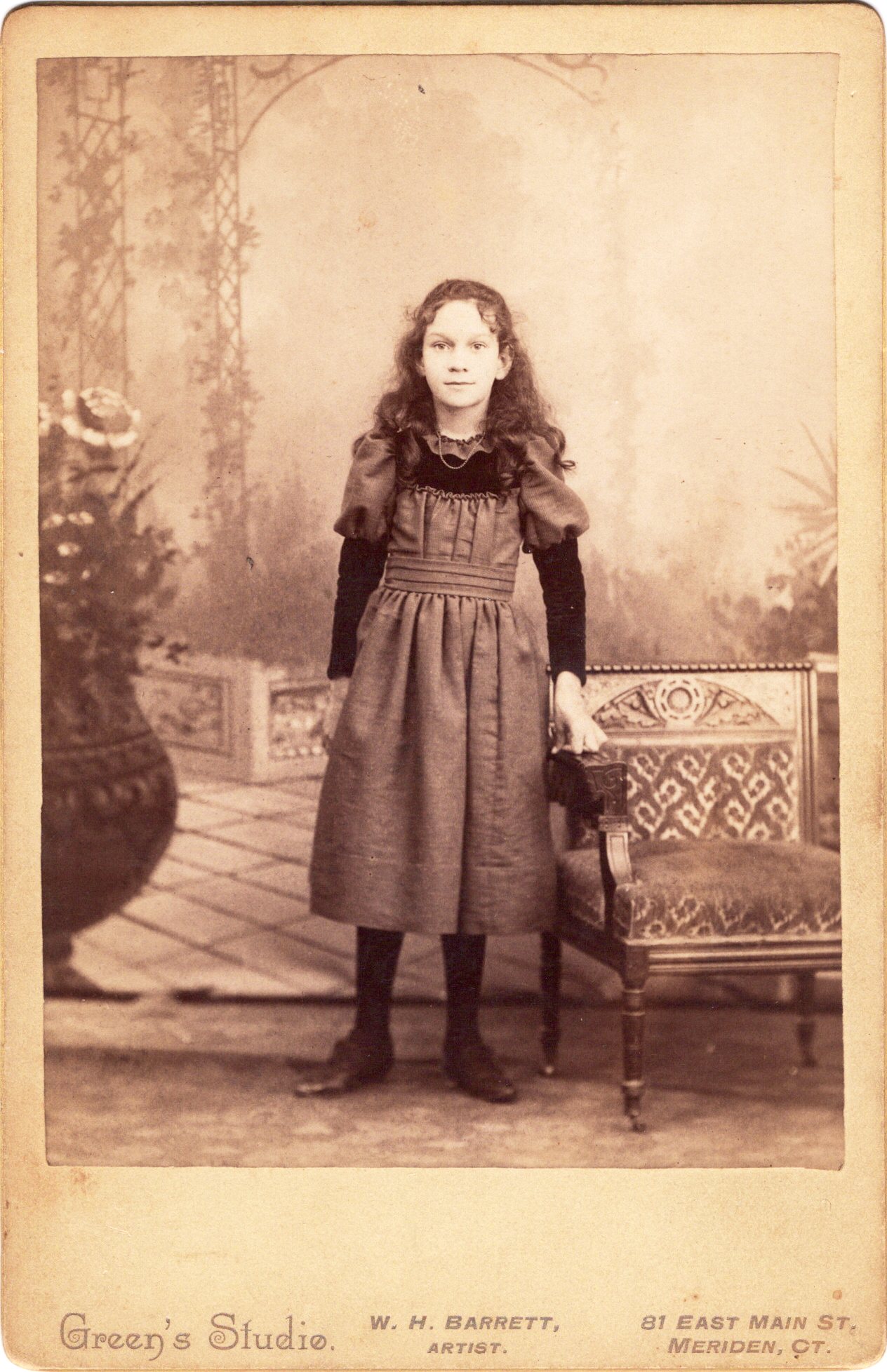
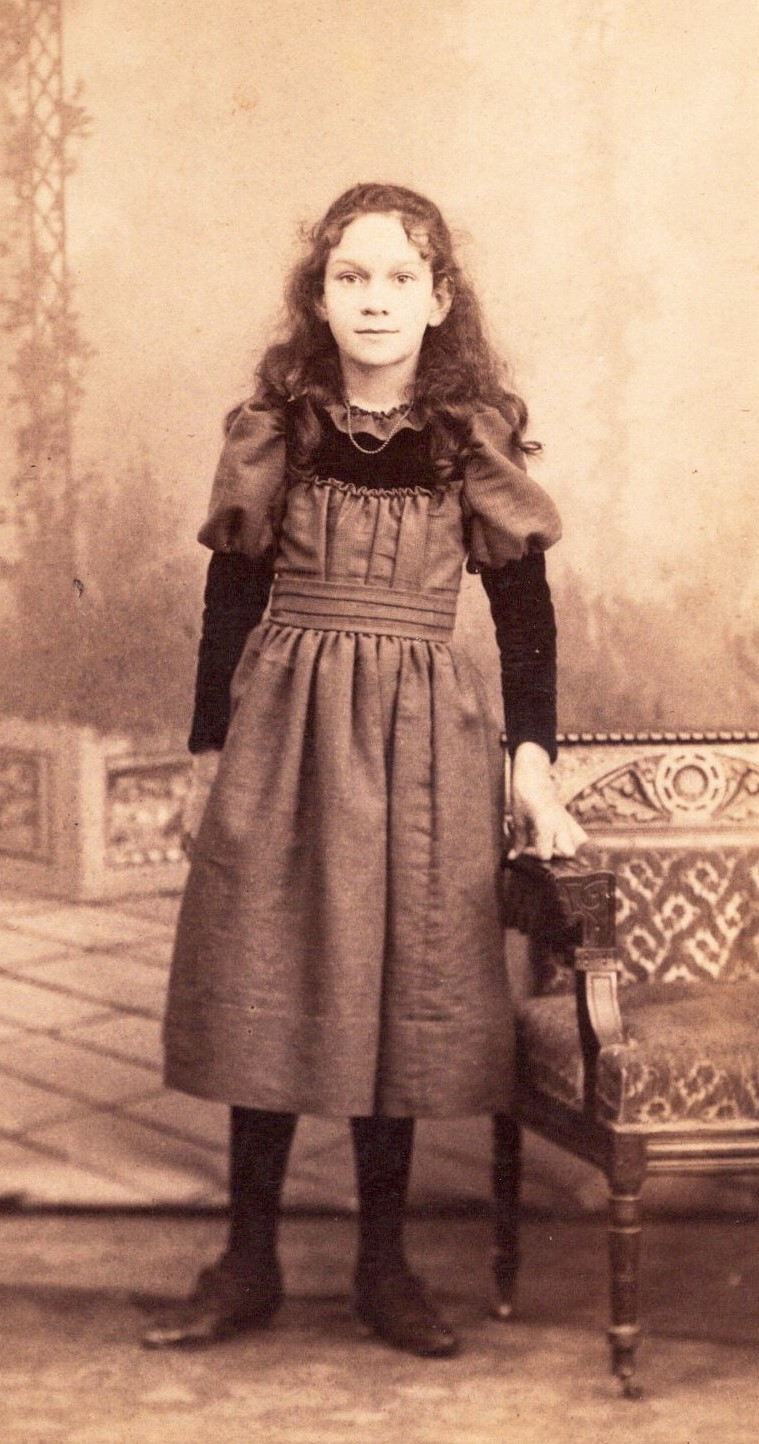
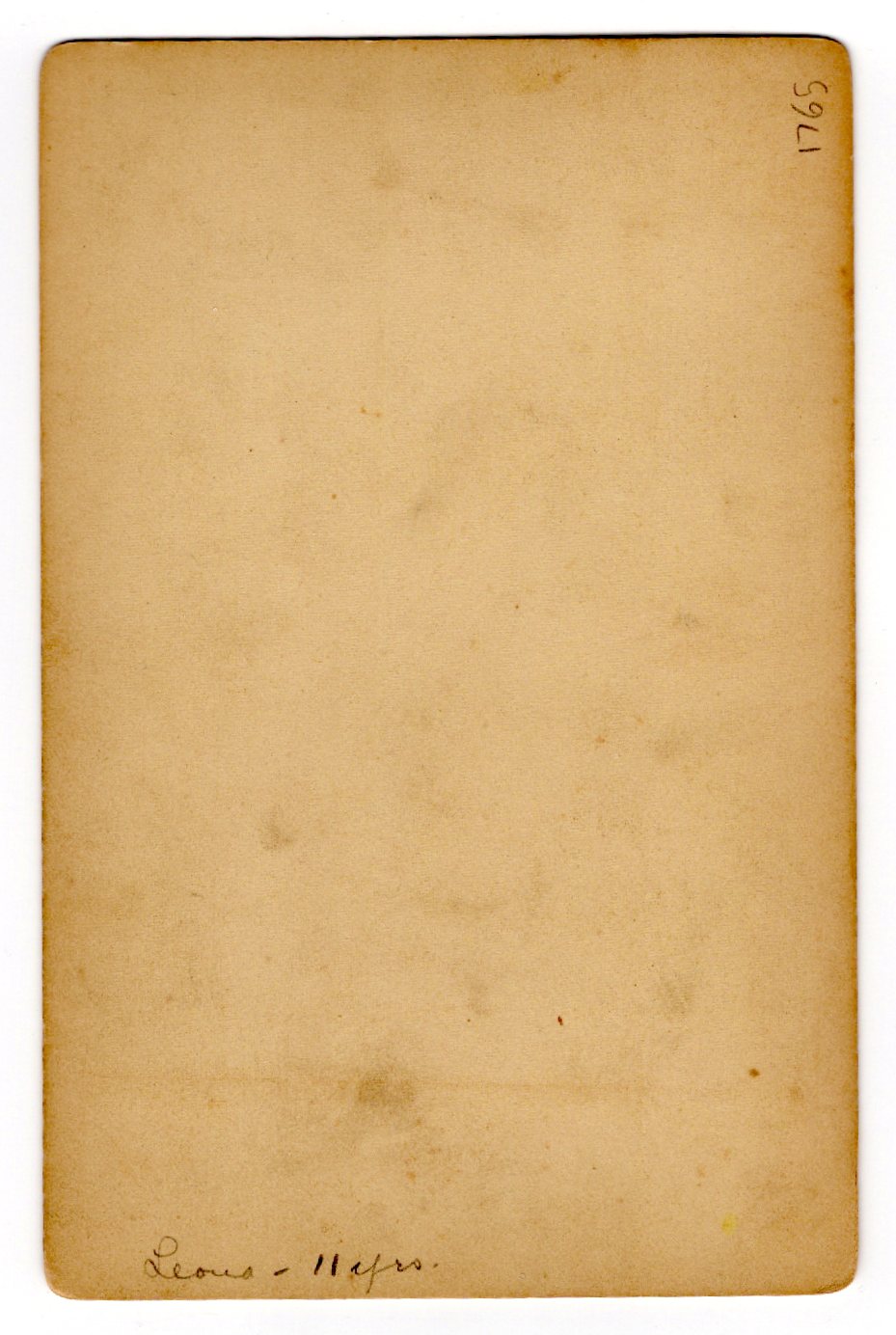
This cabinet card portrait features a full portrait of an adorable little girl. She is smartly dressed and has a wonderful smile. An inscription on the reverse of the photograph indicates that the girl’s name is Leona (?) and she is eleven years old.This photo was taken at J. F. Green’s Studio, located in Meriden Connecticut. The touch-up artist was W. H. Barrett. SOLD
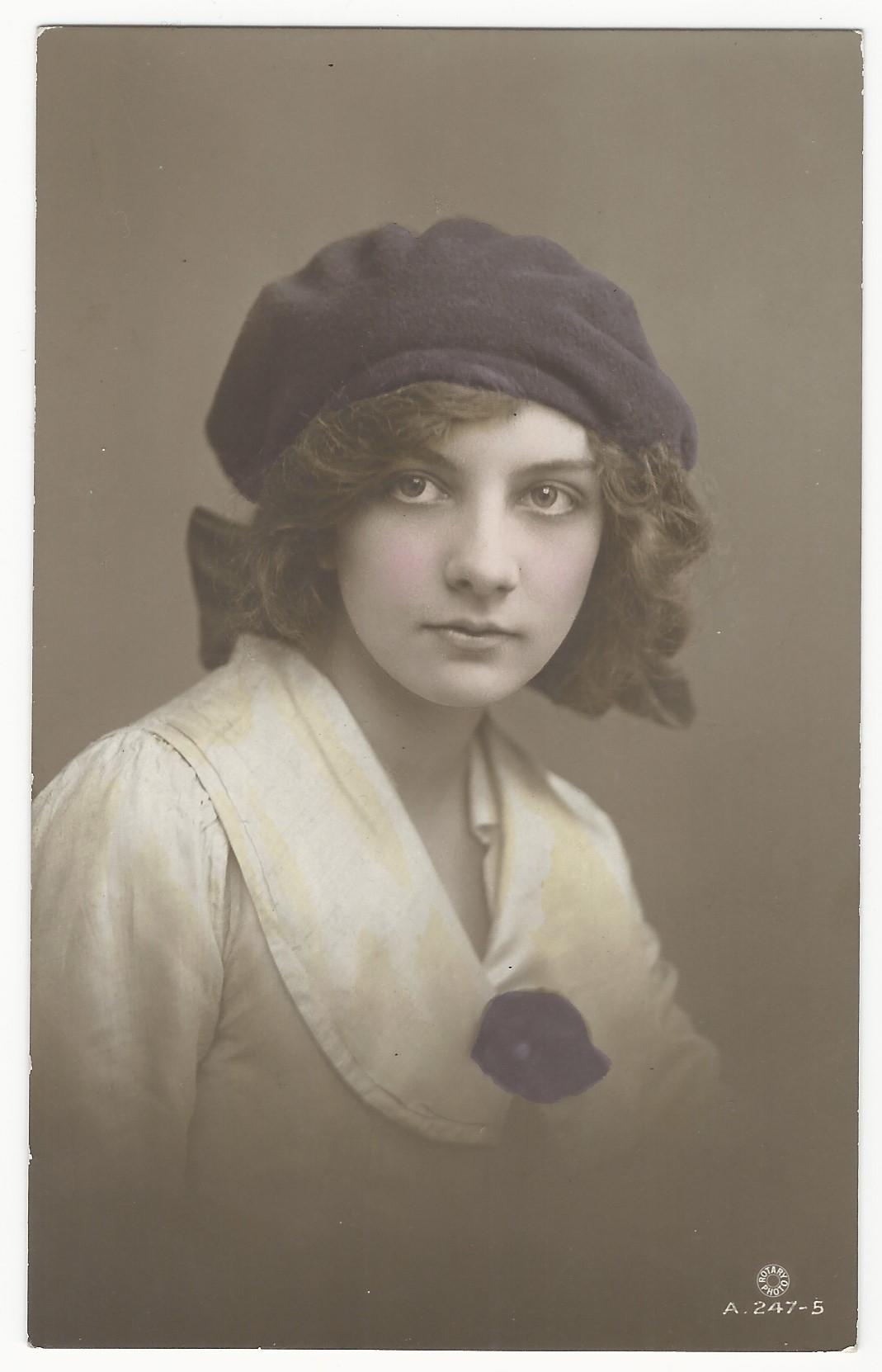
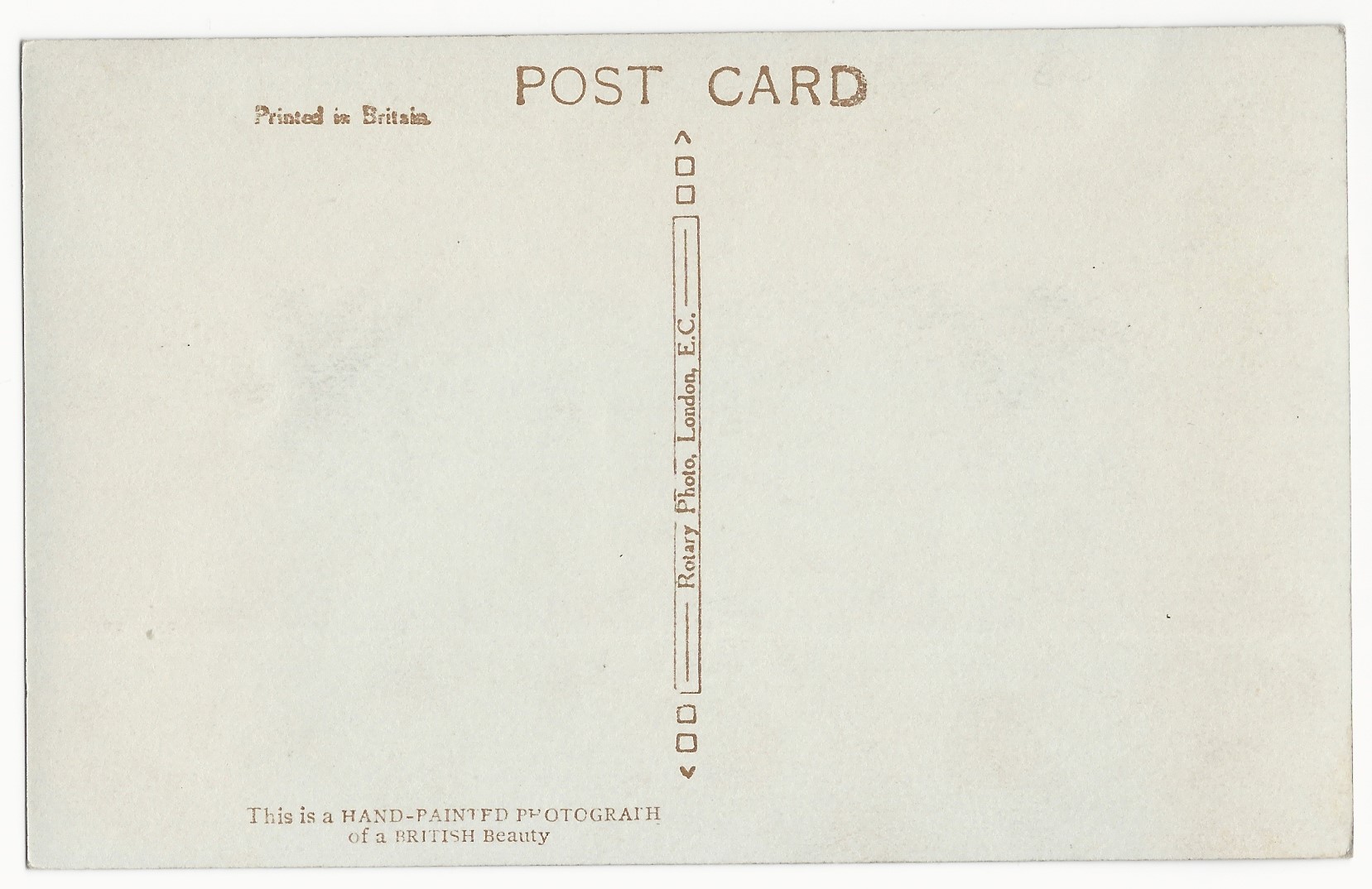
This vintage real photo postcard features a portrait of a “British Beauty”. A caption on the reverse of the card reveals that the photo is “hand-painted”. The young lady in this photograph is wearing a wonderful hat. The postcard was published by Rotary Photo as part of a series (no.A247-5). The firm was located in London, England. SOLD
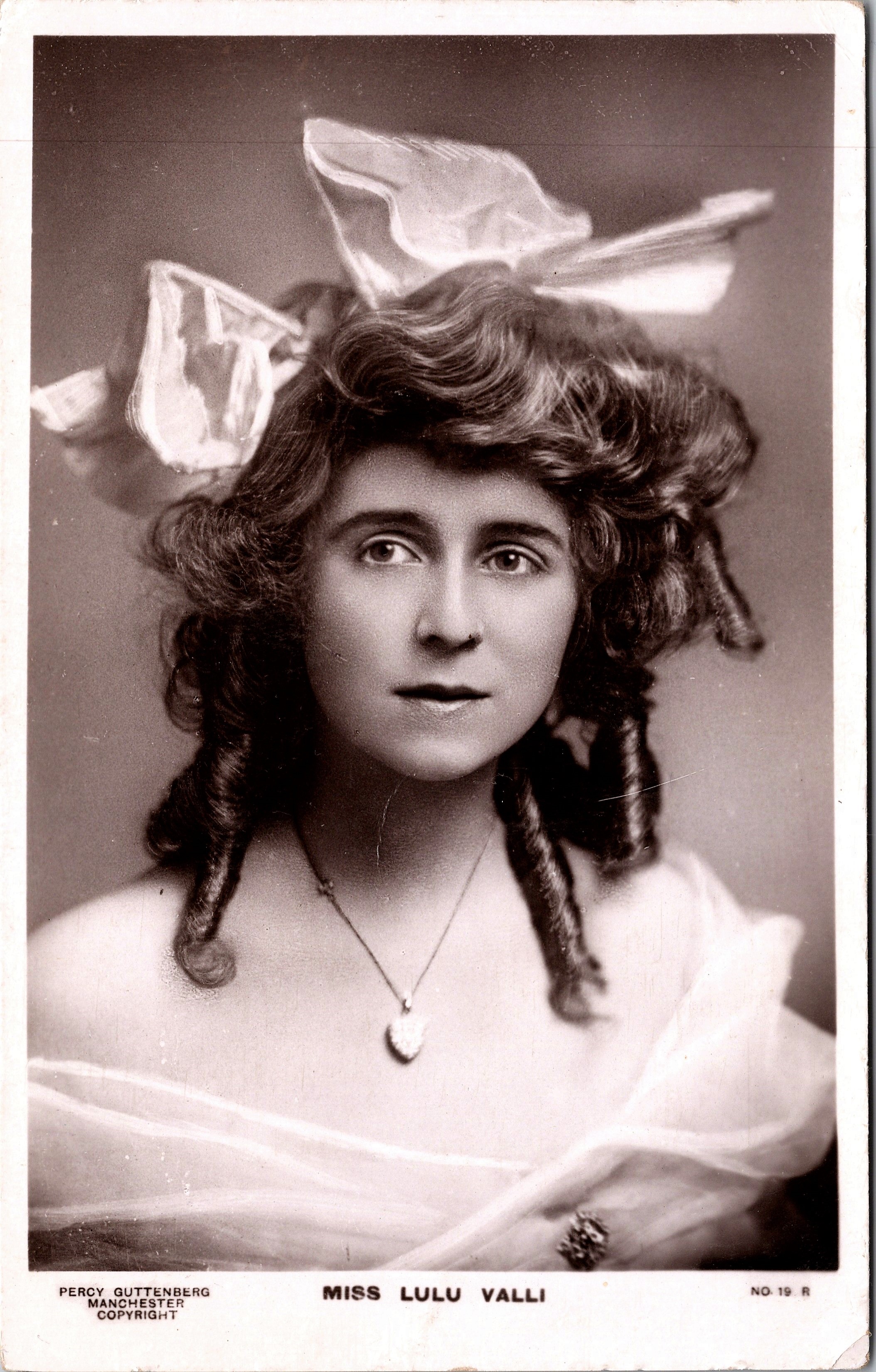
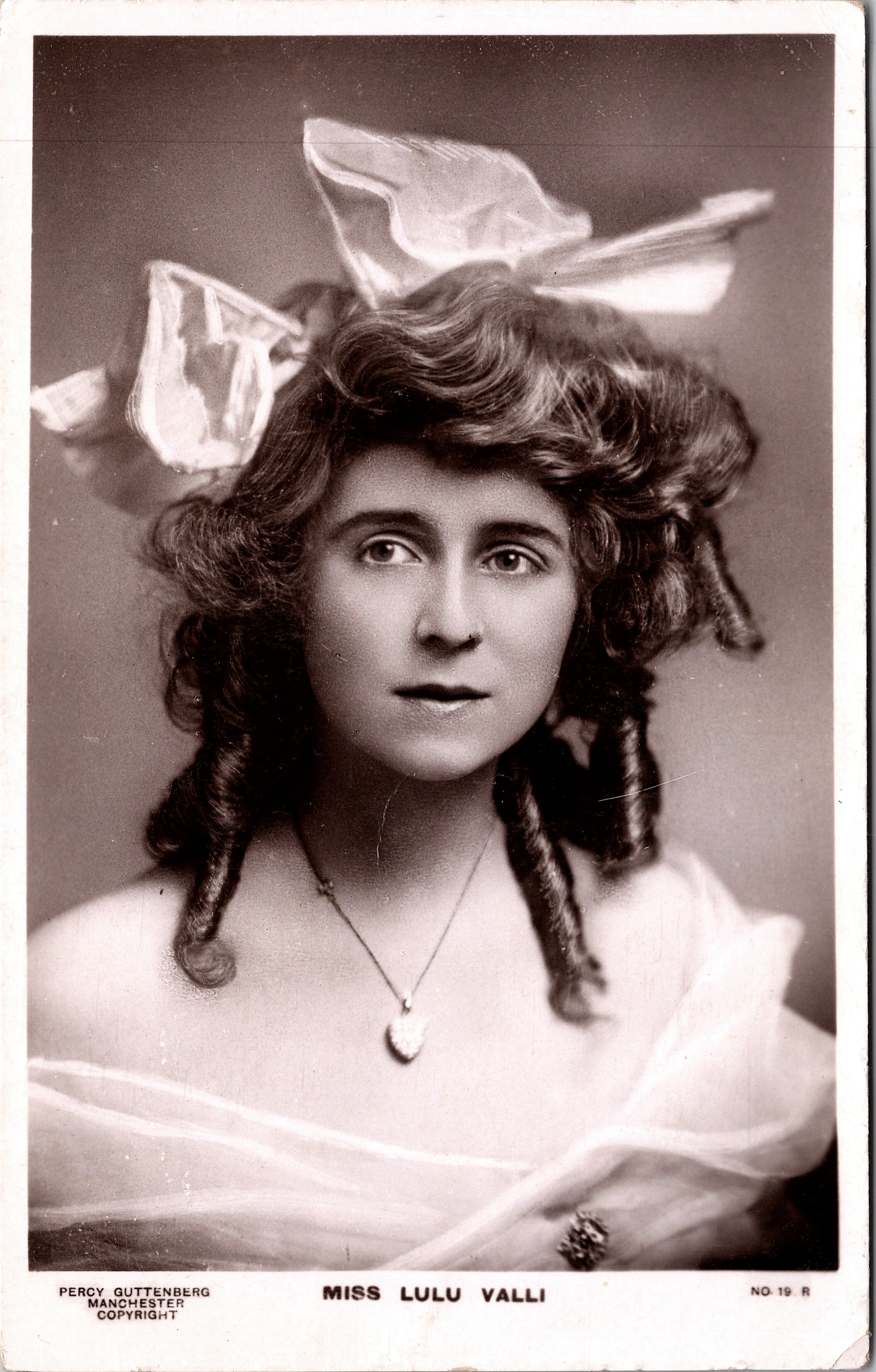
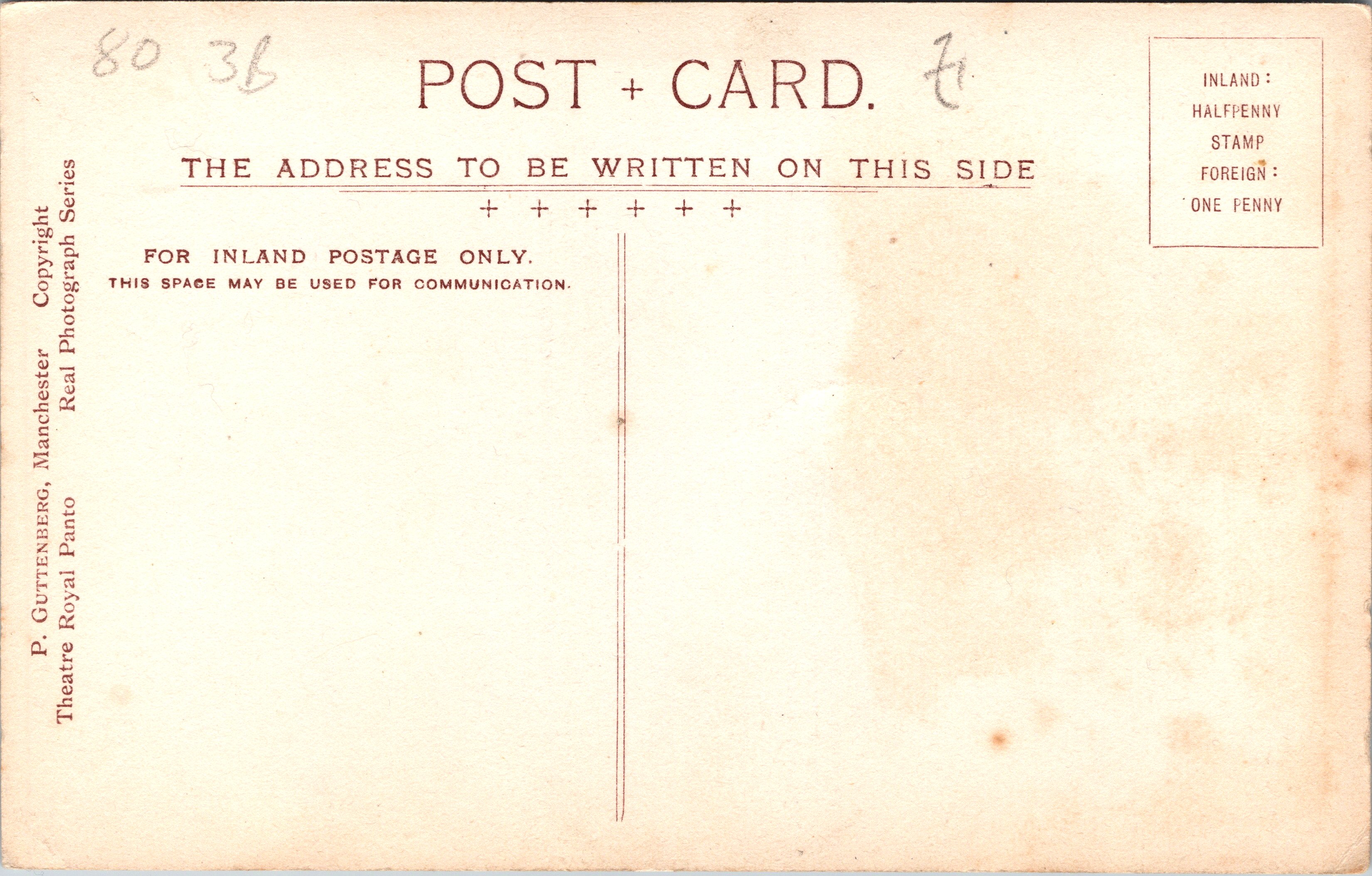
This vintage real photo postcard features British actress, Lulu Valli (1887-1964). She was active in the 1890’s through the1900’s. She began acting as a child. Two of her sisters (Ida and Valli) were also actresses. She was married to hotelier, Edward Parsons. A photograph of Lulu Valli can be found in the collection of England’s National Portrait Gallery. This antique postcard was published by Percy Guttenberg of Manchester, England. The card is part of a series (No.19 R). Printing on the reverse of the postcard mentions “Theatre Royal Panto”. Panto is short for pantomime. This vintage postcard portrait is in good condition (see scans).
Buy this original Vintage Real Photo Postcard (includes shipping within the US) #5307
To purchase this item, click on the Pay with PayPal button below
$22.00
Buy this original Vintage Real Photo Postcard (includes International shipping outside the US) #5307
To purchase this item, click on the Pay with PayPal button below
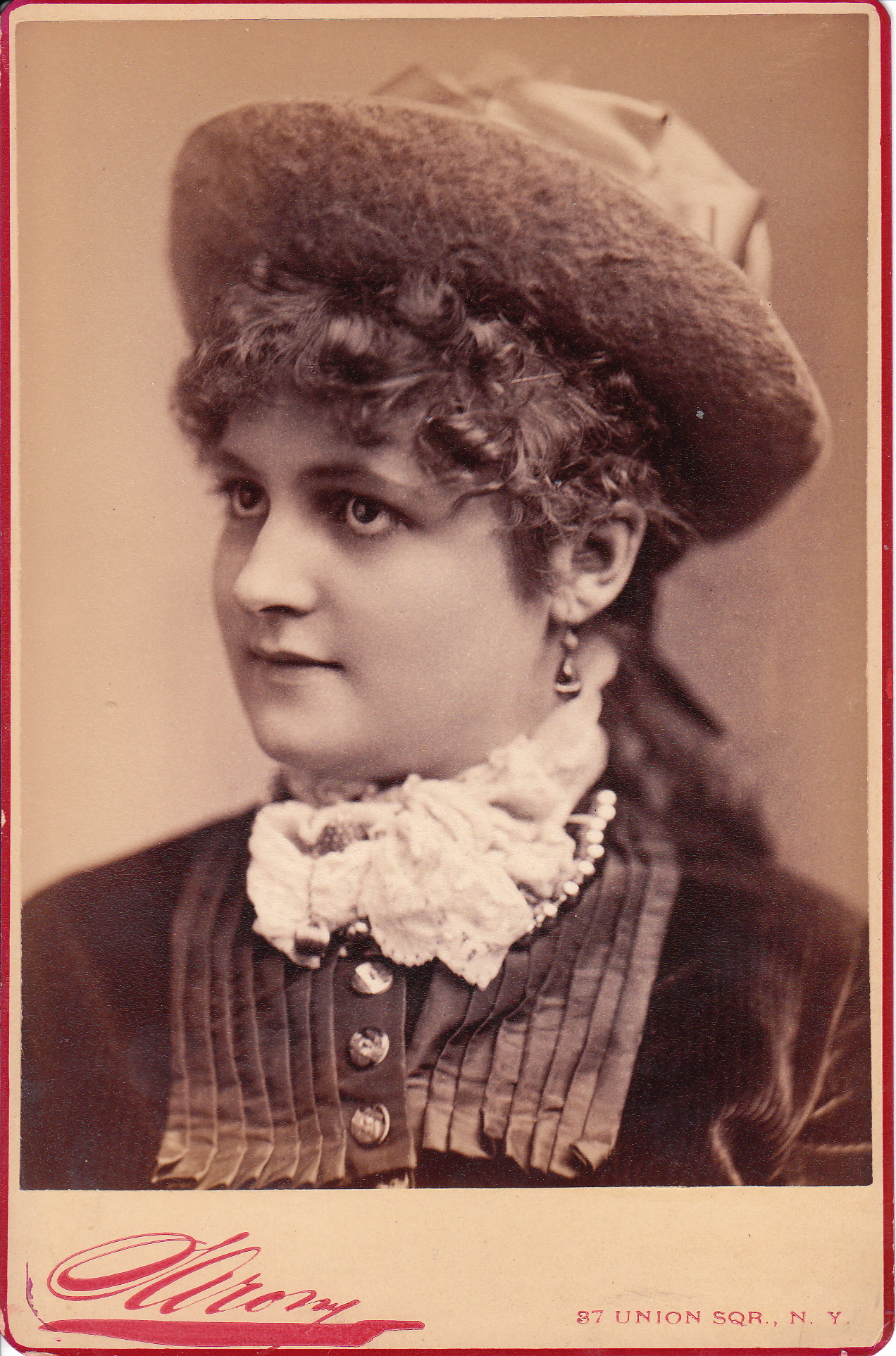
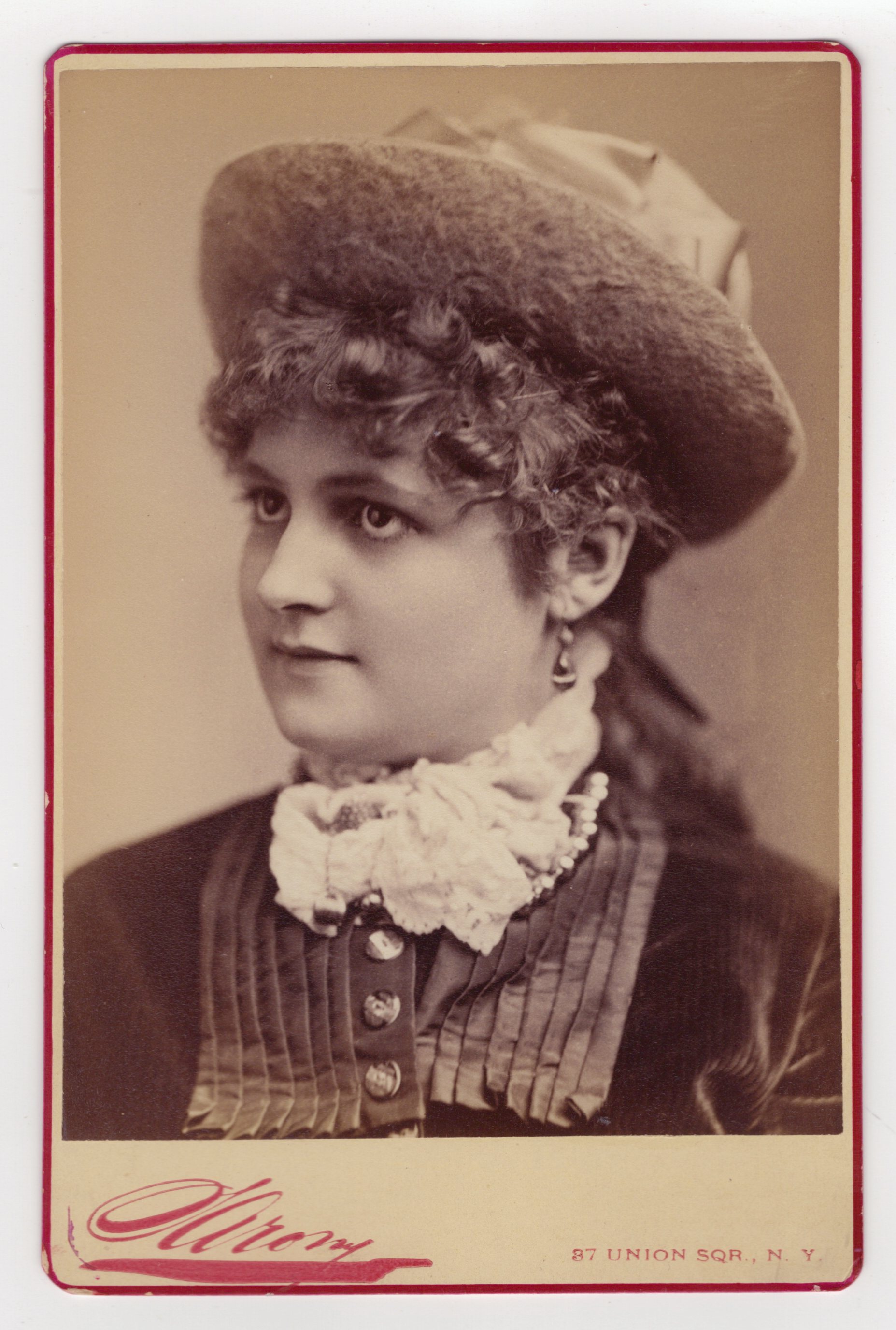
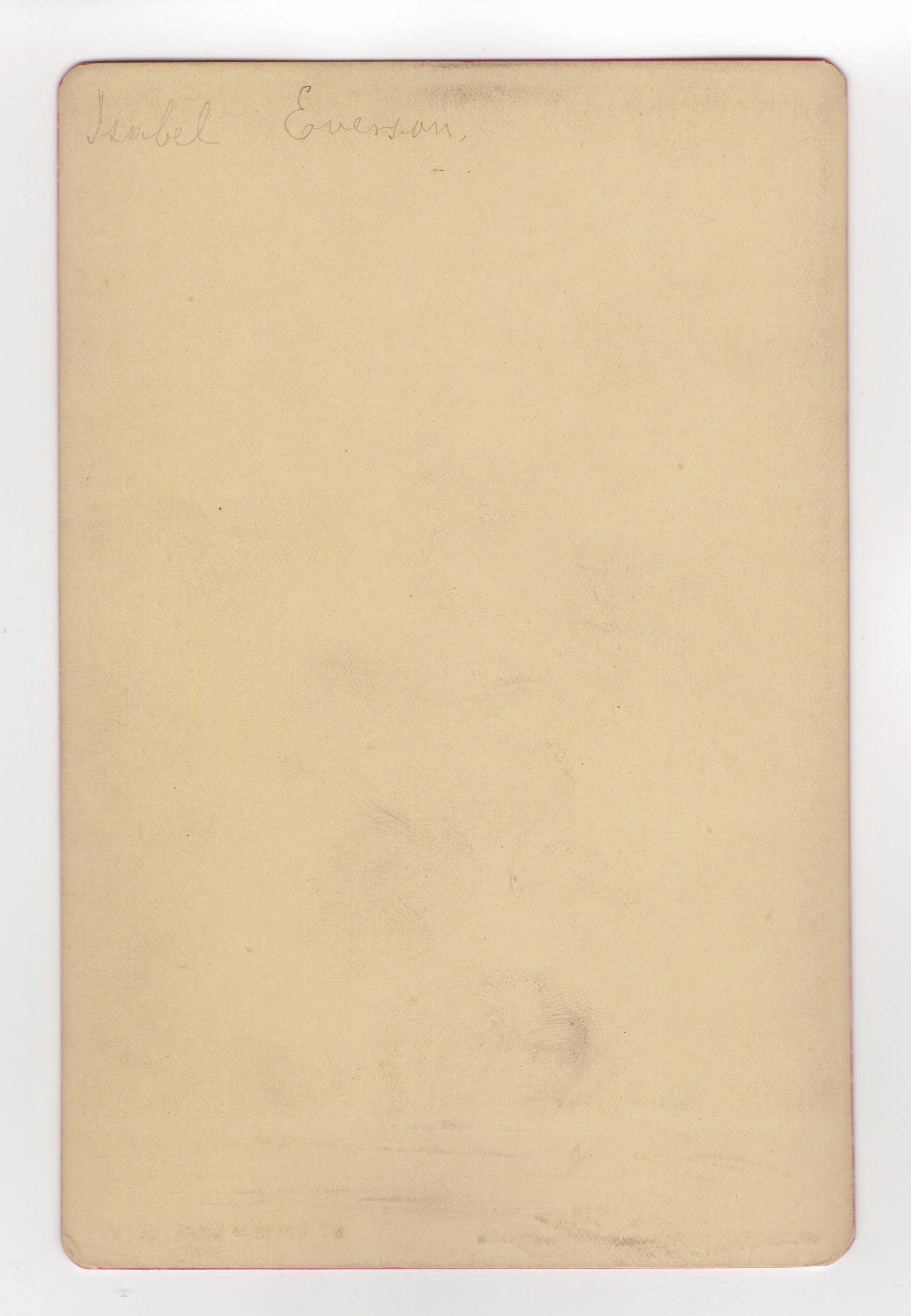
Penciled on the reverse of Cabinet Card 1 is the name Isabel Everson. Preliminary research reveals little information about this actress other than an existence of a tobacco card premium published by Sweet Caporal which has her portrait. In addition, some newspaper articles were found that announce her appearance in various theater production. Further research is required. This cabinet card is by Sarony, famed celebrity photographer located in New York City. To see other examples of Sarony’s photographs; click on the Photographer: Sarony category on this site.
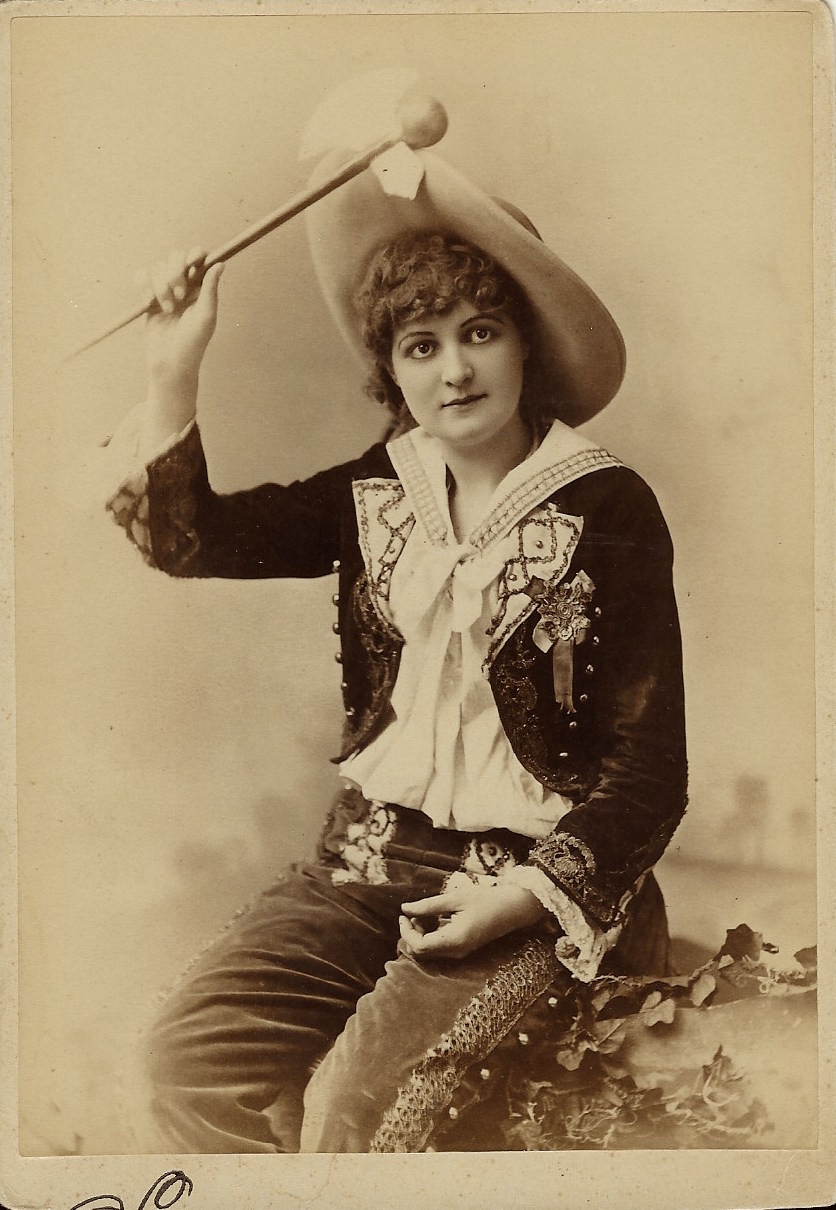
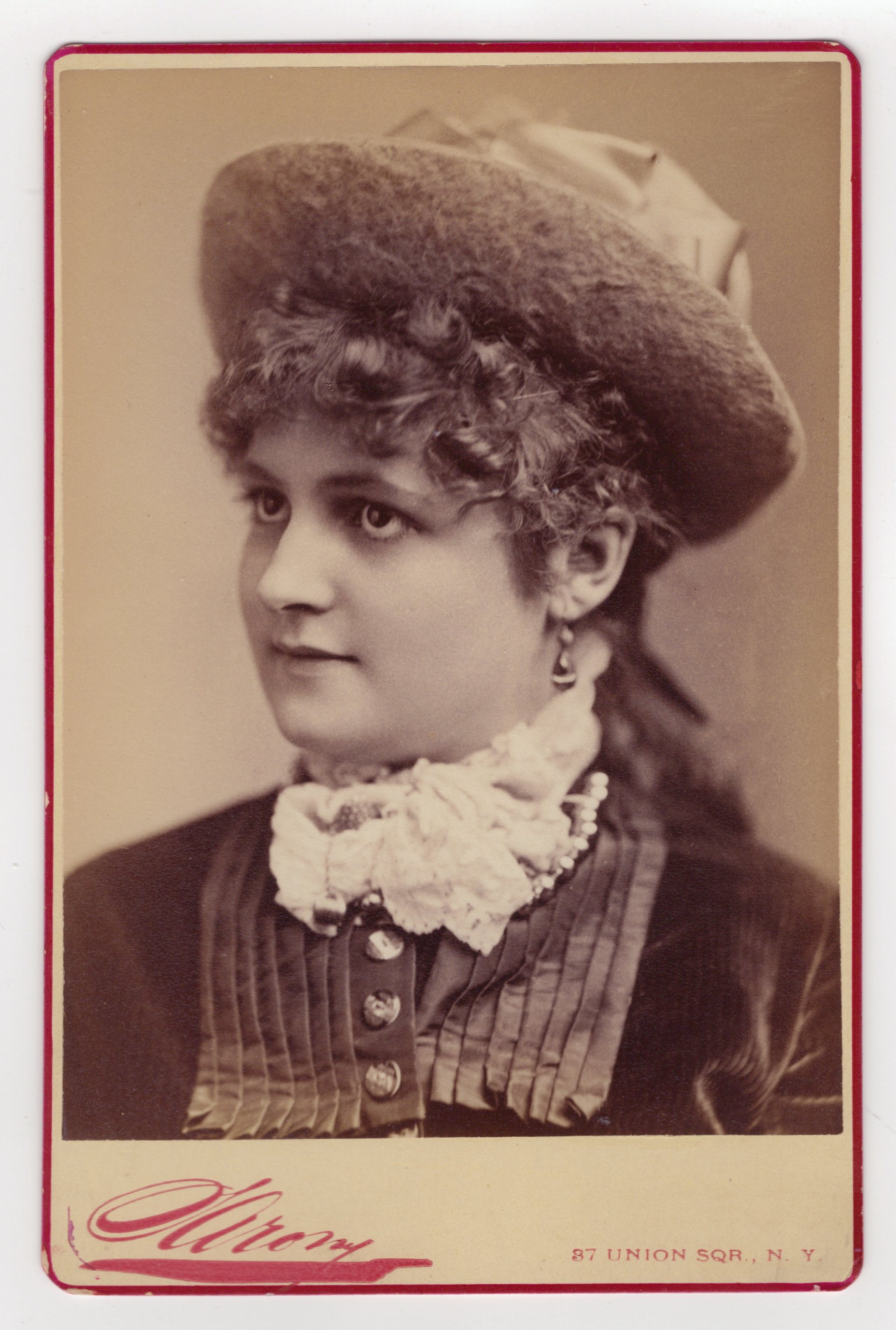
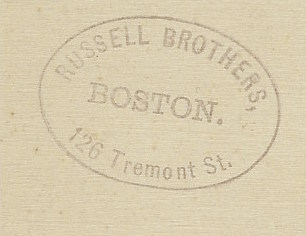
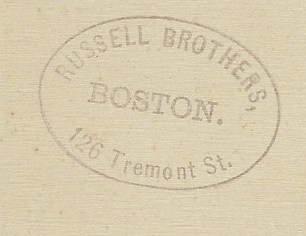
Cabinet Card 2 is a portrait of Everson by an unknown photographer. Unfortunately, the bottom of the cabinet card has been trimmed to fit into a frame or album, making it difficult but not impossible to identify the photographer. I attempted to identify the photographer by matching the script on the bottom of the photo with other photographer logos in the cabinet card collection. Unfortunately, I had no luck. Perhaps a cabinet card gallery visitor will be able to accomplish the detective work necessary to make the identification. Note the images found below that identifies Miss Everson as well as the image of the Russell Brothers stamp. Both the inscription and the stamp were located on the reverse of the cabinet card. Miss Everson is wearing a very interesting costume in this cabinet card photograph. It is probably something that she was wearing in a play in which she was appearing. I wonder what the object is that she is holding in her right hand. Does the object relate to her costume? I seem to have more questions than answers about this portrait of Isabel Everson. This cabinet card has an extremely slight curl. Extremely slight. The cabinet card has excerllent clarity and is in overall Very Good condition (see scans).
Buy this Cabinet Card Photograph (includes shipping within the US) #6400
To purchase this item, click on the Pay with Paypal button below
$64.00
Buy this Vintage Original Cabinet Card (includes International shipping outside the US) #6400
To purchase this item, click on the Pay with Paypal button below
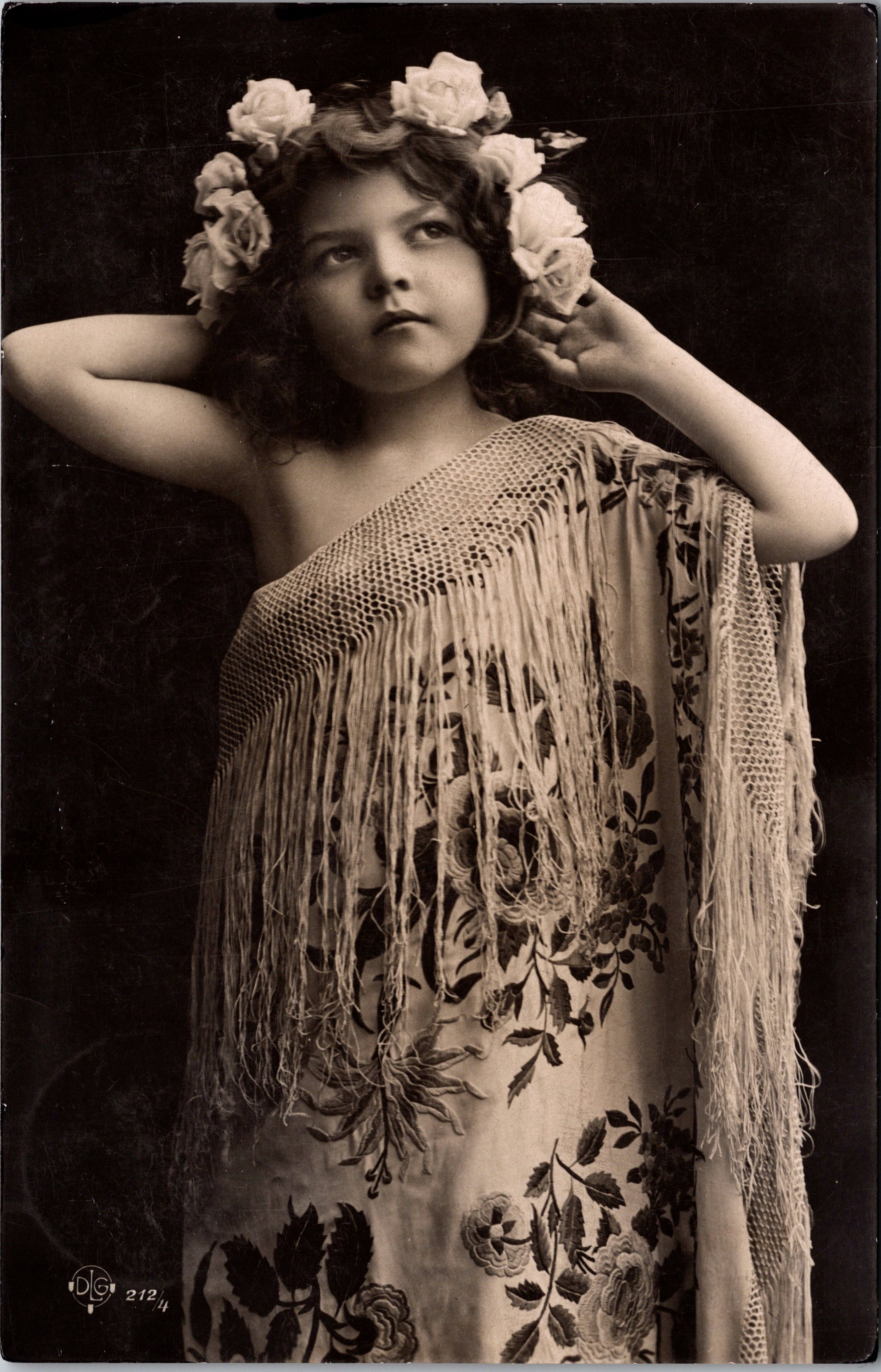
This German vintage real photo postcard features an adorable little girl wearing a fringed dress and roses in her hair. The postcard was published by DLG (Deutsche Lichtbild-GmbH) as part of a series (No. 212/4). The firm is located in Berlin, Germany. This postcard is in very good condition (See Scans).
Buy this original Vintage Real Photo Postcard (includes shipping within the US) #5333
To purchase this item, click on the Pay with PayPal button below
$32.00
Buy this original Vintage Real Photo Postcard (includes International shipping outside the US) #5333
To purchase this item, click on the Pay with PayPal button below






 THE CABINET CARD GALLERY