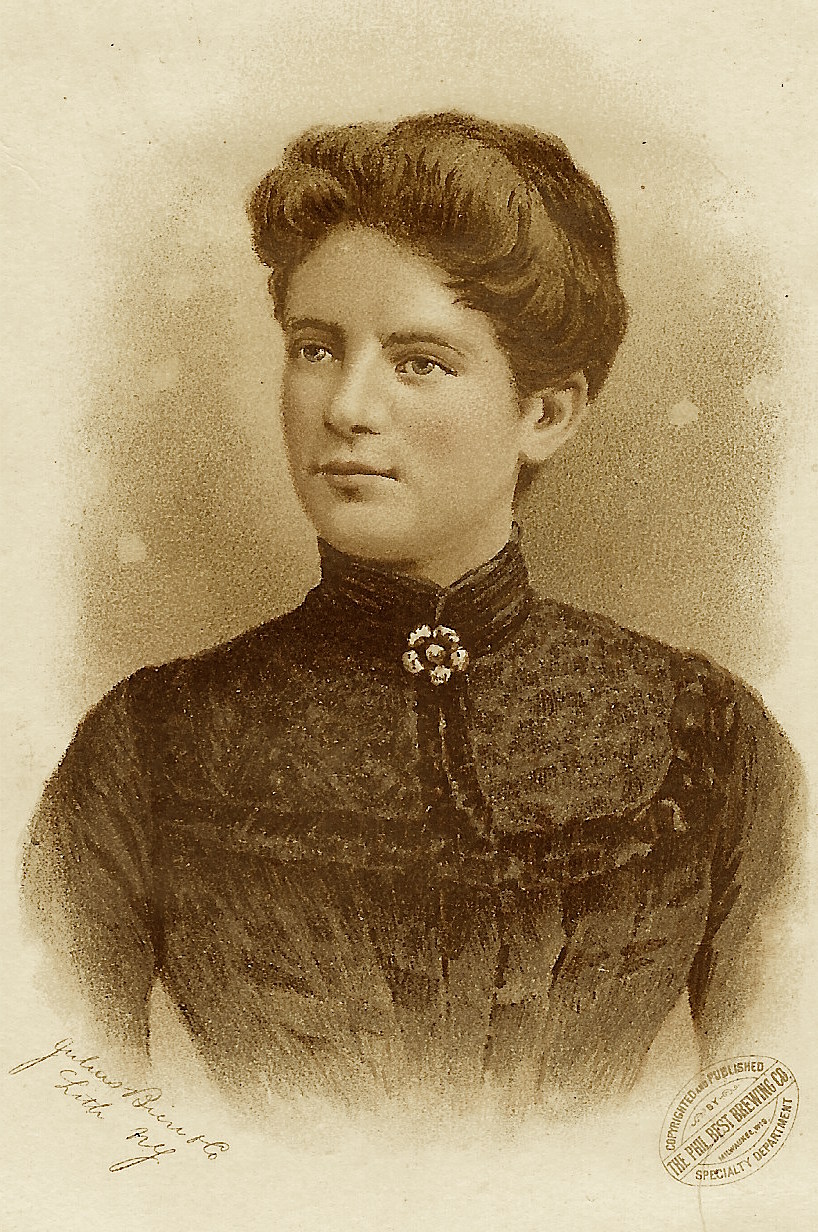
MRS PRESIDENT FRANCES CLEVELAND : TRADE CARD : ADVERTISING “THE BEST BREWING COMPANY” (IMAGE 1) and CABINET CARD PORTRAIT OF THE YOUNGEST FIRST LADY IN US HISTORY : BY C. M. BELL (IMAGE 2)

IMAGE 1

MRS PRESIDENT FRANCES CLEVELAND :YOUNGEST FIRST LADY :BY C M BELL : CABINET CARD 1 of 3IMAGE 2

Meet “Mrs President Cleveland”. In the era of Grover Cleveland’s Presidencies, wives were just extensions of their husbands and their names, were at times, irrelevant. Mrs President Cleveland was actually Frances Cleveland (1864-1947). Grover Cleveland served two terms as President. He was the 22nd and 24th President and the only President to serve non consecutive terms. He began his terms in 1885 and 1893. Enough about Grover, there is plenty to say about Frances. She was born in Buffalo, New York. Her given first name was “Frank”, but she feminized it later. She was named after an uncle. Her father was an attorney and was a close friend of Grover Cleveland. Cleveland met Frances when she was a baby and he was twenty-seven years old. He watched Frances grow up and showed a caring interest in her. When Frances lost her father in a carriage accident, she was only eleven years-old. Cleveland became the administrator of her father’s estate and this position put him in more contact with her. While Frances was in college, Cleveland developed romantic feeling toward her and in 1885, he proposed to her. At age 21, she was the youngest wife of a President. Frances received much attention from the newspapers and magazines of the time. Her wedding was widely covered. John Phillip Sousa led the Marine band at her wedding. Throughout her husband’s terms, many American women imitated her hairstyle and her fashion taste. The Women’s Christian Temperance Union was very critical of the way Frances dressed. They did not appreciate her baring her shoulders and wearing low cut dresses. They prepared a petition of protest which the first lady ignored. Grover and Frances had five children, three daughters and two sons. She was first first lady to give birth while her husband was President. Her first born, Ruth, died at age twelve of diphtheria. The “Baby Ruth” candy bar was named after her. Grover Cleveland died in 1908. About four years later, Frances married a professor of archaeology at her alma mater, Wells College. When World War I started, she joined the pro-war National Security League and became an officer of the organization. She created much controversy with the league when she claimed that a large segment of the American population was unassimilated and preventing the country from working together efficiently. Adding to the stir was that she recommended that school children should be psychologically indoctrinated to be in favor of the war. All this self initiated commotion caused her to resign in 1919. Frances Cleveland was no friend of the Women’s Suffrage movement. She cemented the disfavor of the movement when she said that “women weren’t yet intelligent enough to vote”. In 1913, she was elected as vice president of the “New Jersey Association Opposed to Woman’s Suffrage”. On a more politically correct note, during the Great Depression she led the “Needlework Guild of America’s clothing drive for the poor. Immediately after her wedding, the facial image of Mrs Cleveland began appearing in advertising aimed at selling various products such as sewing kits, cigars, and women’s perfume. Frances was a perfect model for companies looking to advertise. She was young, pretty, and vivacious.

Image 1 is an example of one form of advertising employing Mrs Cleveland’s image to sell products, was trade cards, such as the one seen above. This trade card aims to sell “The ‘Best’ Tonic” which was produced by “The Philadelphia Best Brewing Company”. Advertising on this trade card declares that the brewing company will send a 19″ x 25″ portrait of Frances Cleveland to customers that send in twelve coupons from their “Best Tonic”product.  This trade card was printed by the Julius Bien (1826-1909) Lithograph Company of New York. This vintage trade card is in good condition (see scans).   (SOLD)

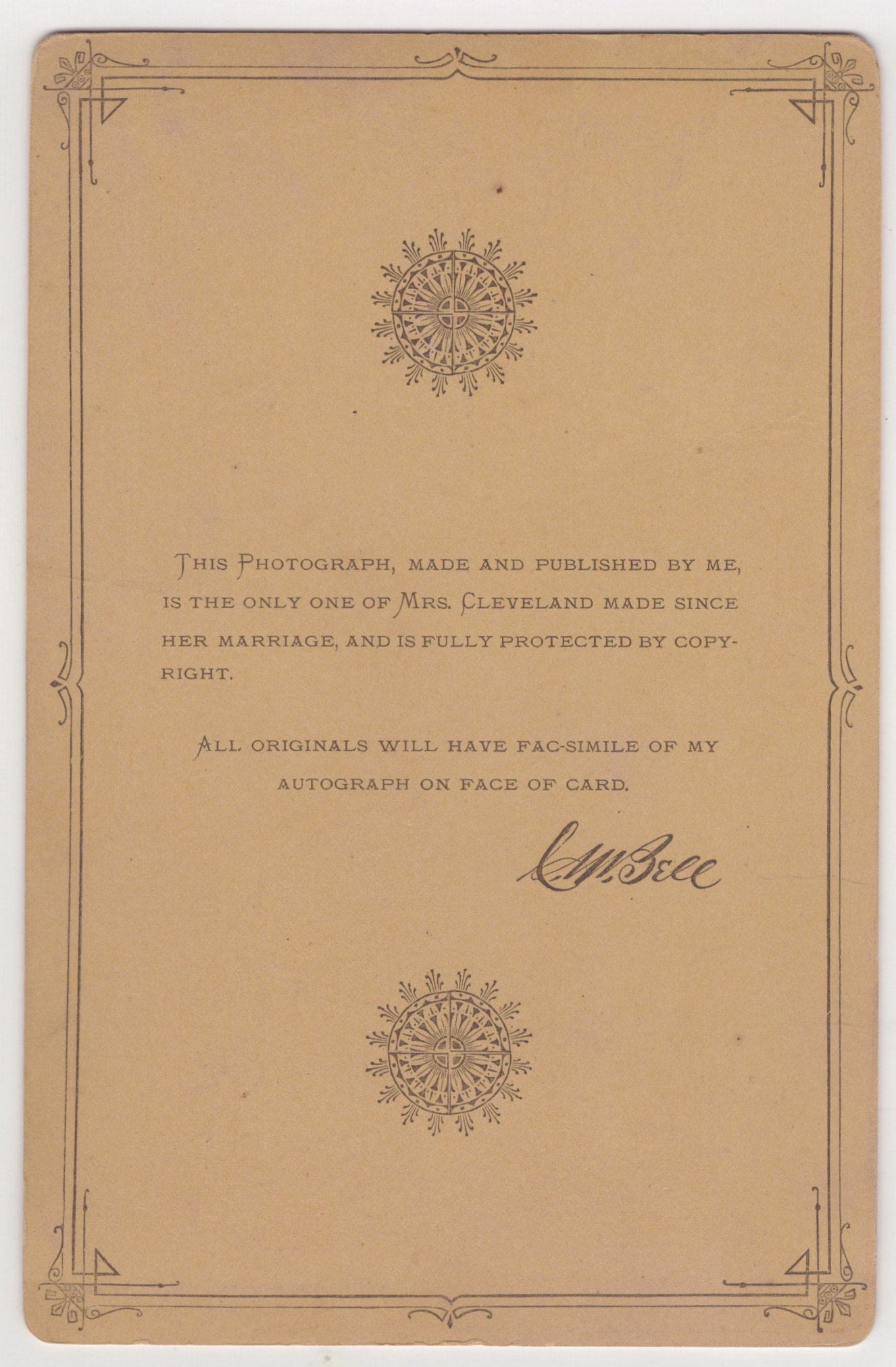
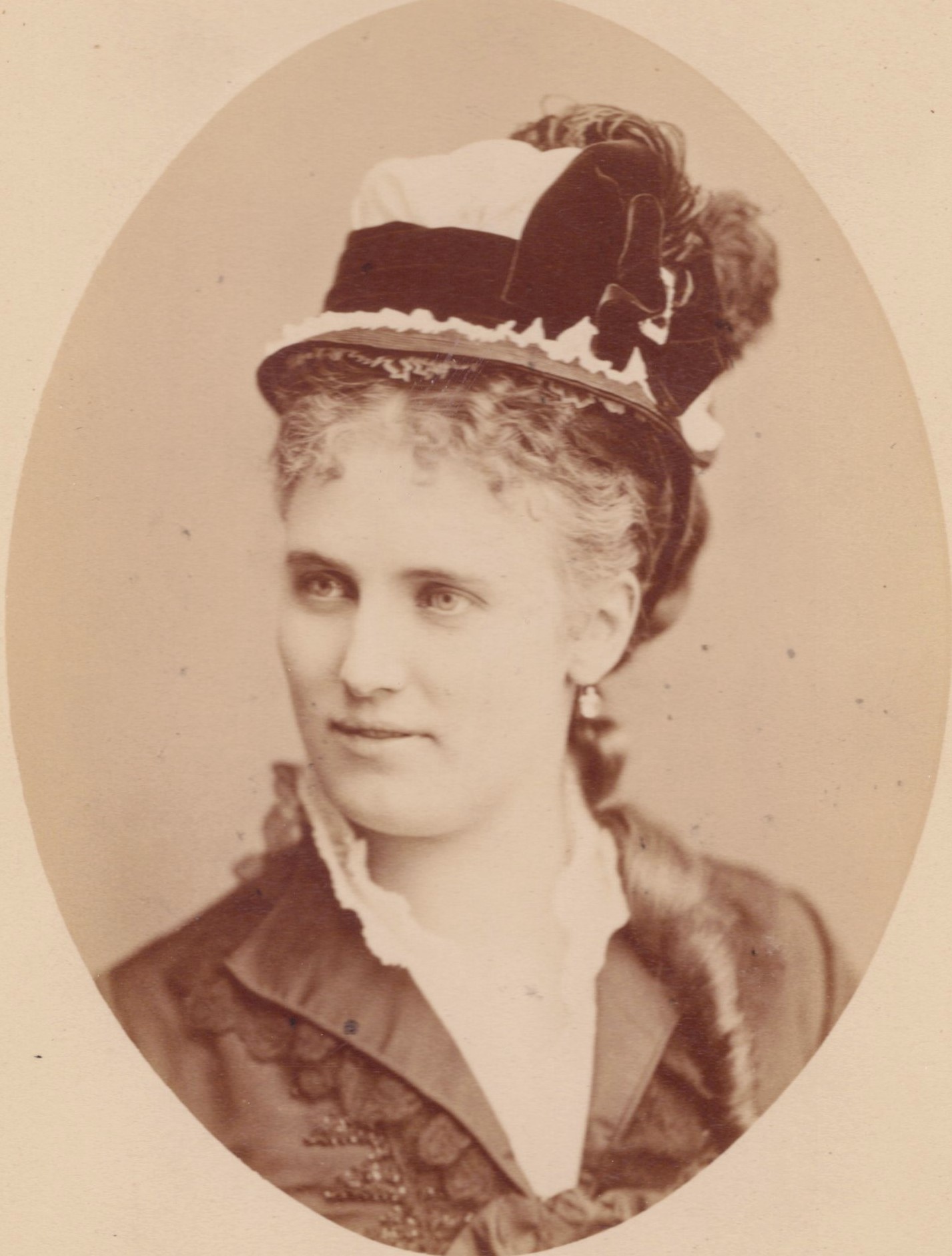
Image 2 is a cabinet card photographed by C. M. Bell.  Charles Milton Bell (1848-1893) was an accomplished man. He was the youngest member of a family of photographers that operated a studio in Washington DC from around 1860 until 1874. He established his own studio on Pennsylvania Avenue in 1873. He quickly became one of the most successful photographers in the city. He was noted for his portraits of Native Americans as well as political figures and celebrities. His subjects included President Chester Arthur, Chief Yellow Bull, and Helen Keller. His photographs can be found in many prestigious institutions including The Library of Congress, Harvard University, Dartmouth University, and the Smithsonian. Bell is also known for his photographs of President Garfield’s assassin, Charles J. Guiteau. He was the only photographer authorized by Guiteau and the Government to take photographs of Guiteau and other people playing roles in his trial. Bell also took medical photographs relating to the assassination and assassin. This cabinet card has a message from C. M. Bell. It is signed with a fascimile autograph.  (SOLD)
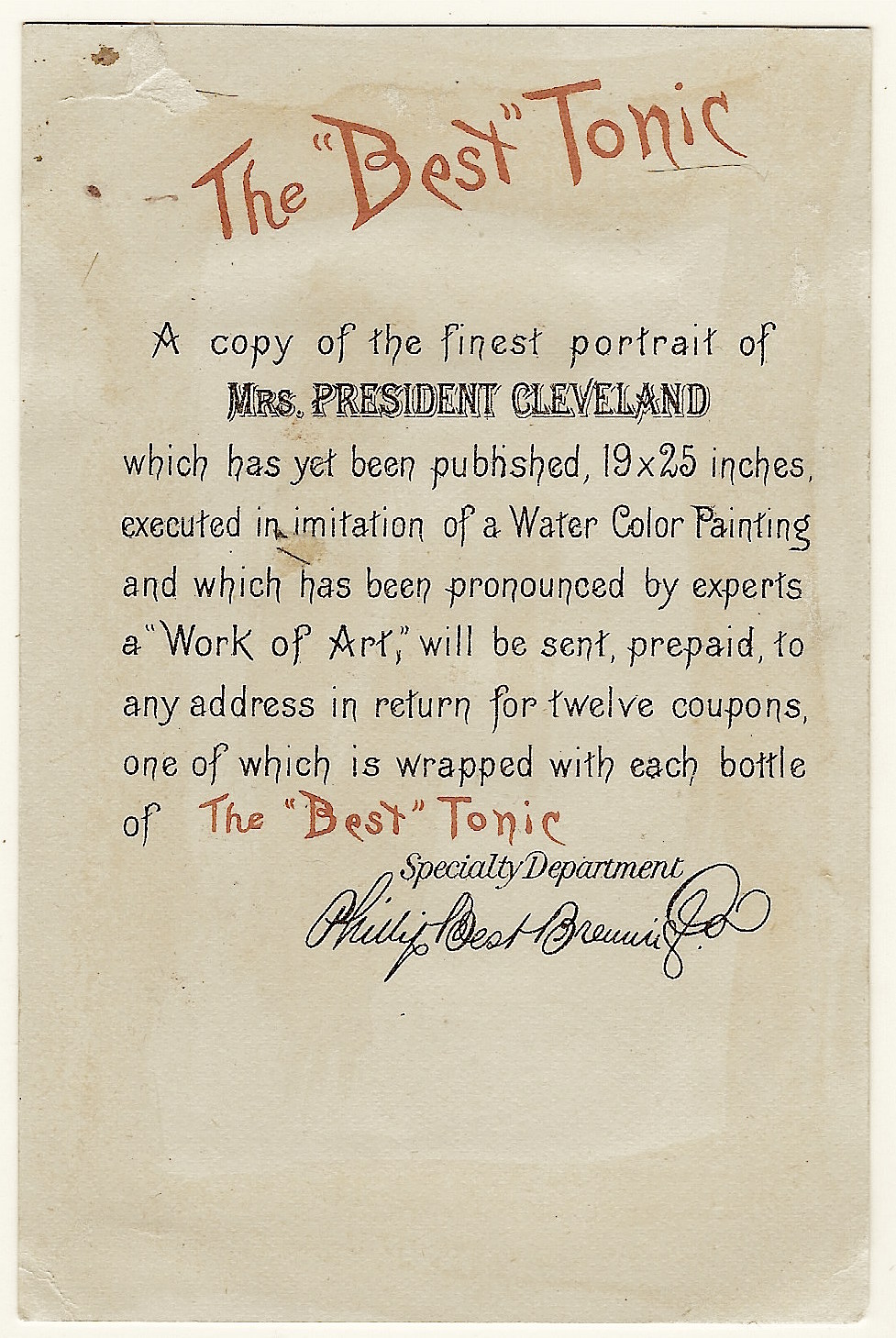
IMAGE 1 (REVERSE)

IMAGE 2 (REVERSE)

CHRISTINE NILSSON : SWEDISH OPERA STAR : CABINET CARD PORTRAIT

This cabinet card features Swedish opera star, Christine Nilsson (1943-1921). She was known for her pure voice, graceful appearance and her stage presence. She was a leading international singer during her twenty year career. She retired in 1888. Some believe that she and diva, Adelina Pattie, were rivals. Nilsson was the youngest of seven children belonging to a very poor family. She showed musical talent when she was young but her family lacked the funds to get her proper training. She would perform at local fairs to make extra money. At age 14, she was “discovered” at a market fair by a wealthy judge. He became her sponsor and bankrolled her professional vocal training as well as music theory, foreign language, and musical instrument instruction. At age 17, she made her professional debut in concerts in Stockholm. She then received further training in Paris and began performing there. Her London debut occurred in 1867 and she had her American debut in 1871. An American tour brought her much financial success and acclaim. In 1883. she performed in “Faust” at the opening of the Metropolitan Opera House (New York City). That same year, she sang at the White House in front of President Chester A  Arthur. Her final US appearance was in 1884. She returned to Europe and performed and toured there. Nilsson never made a recording. When technology would have allowed her to make a record, she thought her voice had started it’s decline so she had no interest in making a recording.  SOLD

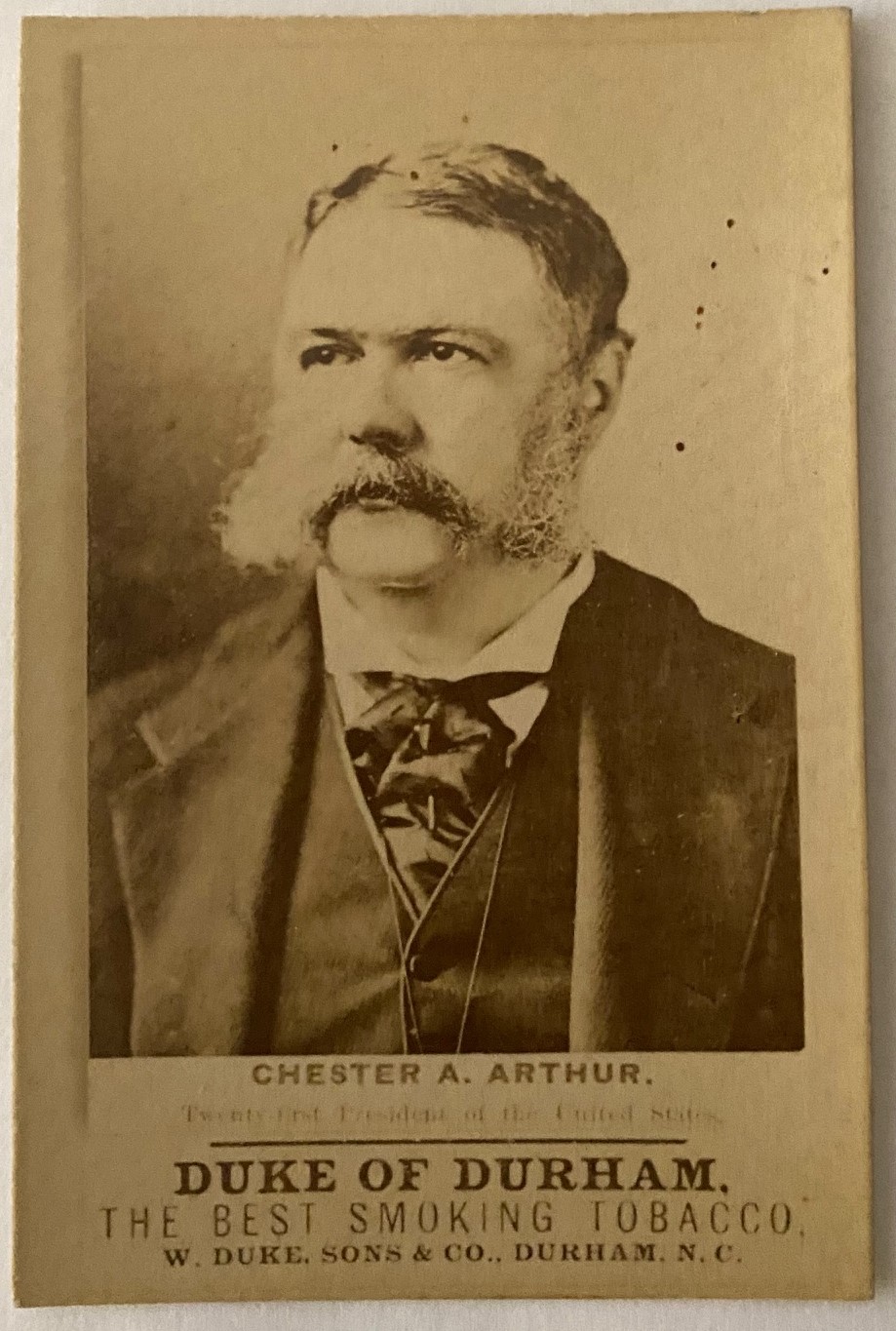
CHESTER ARTHUR : TRADE CARD : DUKE OF DURHAM : THE BEST SMOKING TOBACCO

This item is a vintage cigarette card featuring a portrait of the 21st President of the United States, Chester Arthur. The card is advertising the W. Duke Sons & Company of Durham, North Carolina. More specifically, the card advertises one of their brands, Duke of Durham. The company states that this brand is “The Best Smoking Tobacco”. Cigarette cards are trading cards issued by tobacco manufacturers. They served the dual purpose of stiffening cigarette packages as well as providing effective advertising of cigarette brands. they were issued between 1875 and the 1940’s. They were distributed as premiums inside of packages of tobacco or cigarettes. These cards became popular with collectors of the era. They are still collected today because they document past popular cultures. They depict actresses, athletes, and other examples of historic popular culture. W. Duke Sons & Company was established by Washington Duke in 1878. He was succeeded by his son, James Duke (1856-1925). James was a visionary and became very successful in growing the company. In fact, he was too successful. He took over the nation’s five major cigarette manufacturers and controlled 80 percent of the domestic tobacco industry. In 1904, James reorganized his company, calling it, the American Tobacco Company. To repeat, James was too successful. His monopoly caught the attention of Federal Court and the company was found guilty of violating the Sherman Antitrust Act. The case went to the Supreme Court and the ruling was that American Tobacco had to jettison Liggett and Myers, P. Lorillard and the R J Reynolds Tobacco Company. James Duke was a multimillionaire and he donated much money to Trinity College. The school later became Duke University, They were issued between 1875 and the 1940’s. They were distributed as premiums inside of packages of tobacco or cigarettes. These cards became popular with collectors of the era. They are still collected today because they document past popular cultures. They depict actresses, athletes, and other examples of historic popular culture. This vintage cigarette trade card measures about 2 1/2″ x 3 5/8″.  SOLD

CHARLES J. FOLGER: SECRETARY OF THE TREASURY UNDER PRESIDENT CHESTER ARTHUR

UThis cabinet card features Charles James Folger (1818-1884) who was an American lawyer and politician. He served as Secretary of the Treasury under President Chester Arthur. Folger was born in Nantucket, Massachusetts but lived most of his life in Geneva, New York. He attended Hobart College. His political career includes judgeships and some terms in the New York State Senate (1862-1869). While in the state senate, he served four years as President Pro Tempore. In 1869 he left state government after being appointed by President Ulysses Grant as the Assistant U.S. Treasurer. In 1870, he became a judge of the New York Court of Appeals and eventually became the Chief Judge. H eft the judgeship in 1881  to serve as Secretary of the Treasury, and during that tenure, he ran for Governor in New York against future U.S. President, Grover Cleveland. Folger had many accomplishments and he has just added a new honor to his legacy. Folger’s wonderful muttonchops, qualifies him to join the facial hair elite in the category of “Beards (Only the Best)”. Click on the category to view unusual styles of facial hair. This portrait was photographed by Falk, a well known New York City, celebrity photographer. To view other photographs by Falk, click on the category “Photographer: Falk”. A stamp on the reverse of  this cabinet card reveals that it was formerly owned by Culver Pictures of New York City, New York. Culver Pictures has been collecting photographs and illustrations from the 19th and first half of the 20th century, since 1926. These pictures are used in books, films, and other forms of media. At the time that this cabinet card was stamped by the company, Culver Pictures was located in New York City.