VESTA TILLY : FAMOUS MUSIC HALL STAR & MALE IMPERSONATOR : VINTAGE RPPC POSTCARD

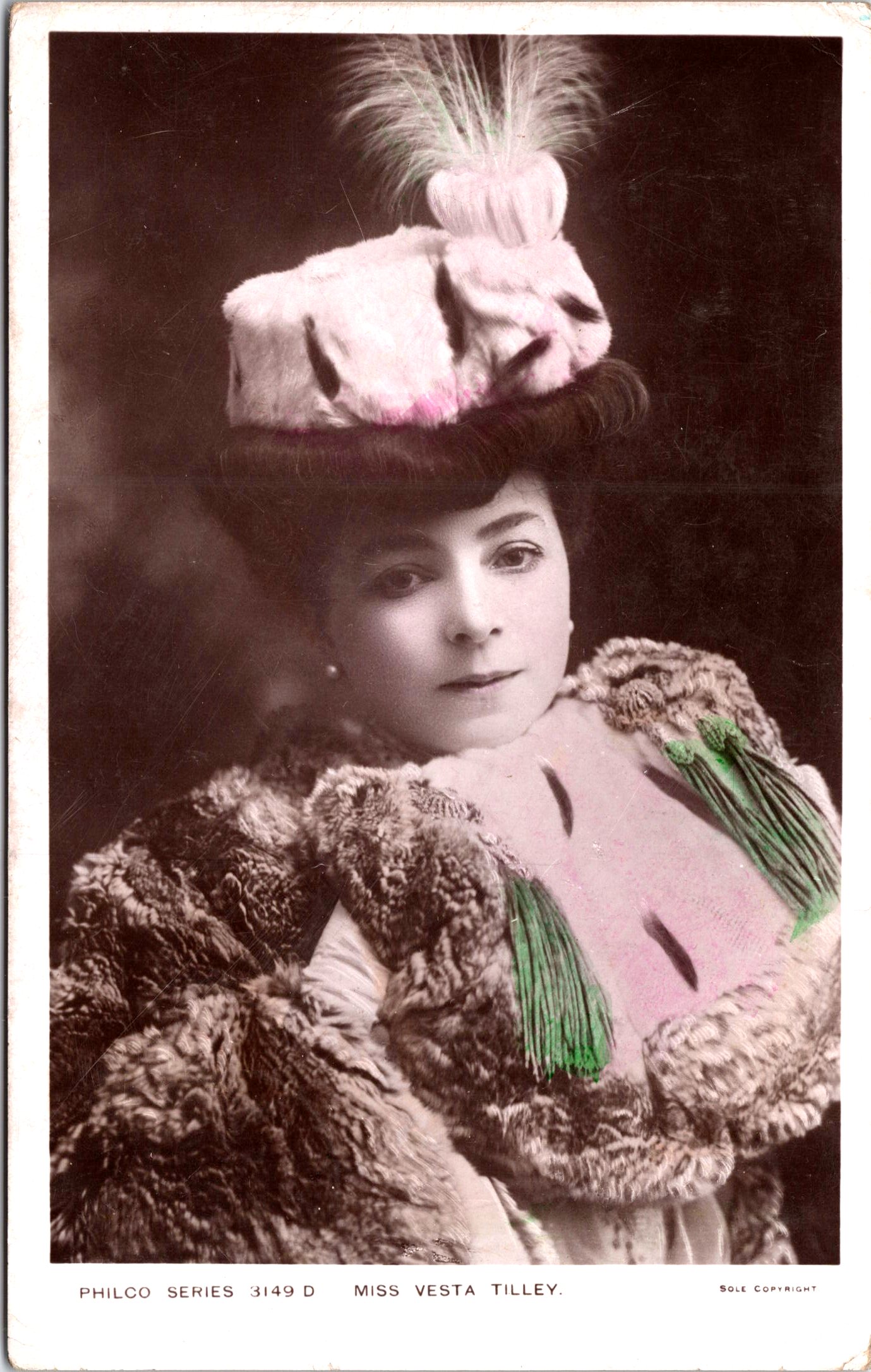
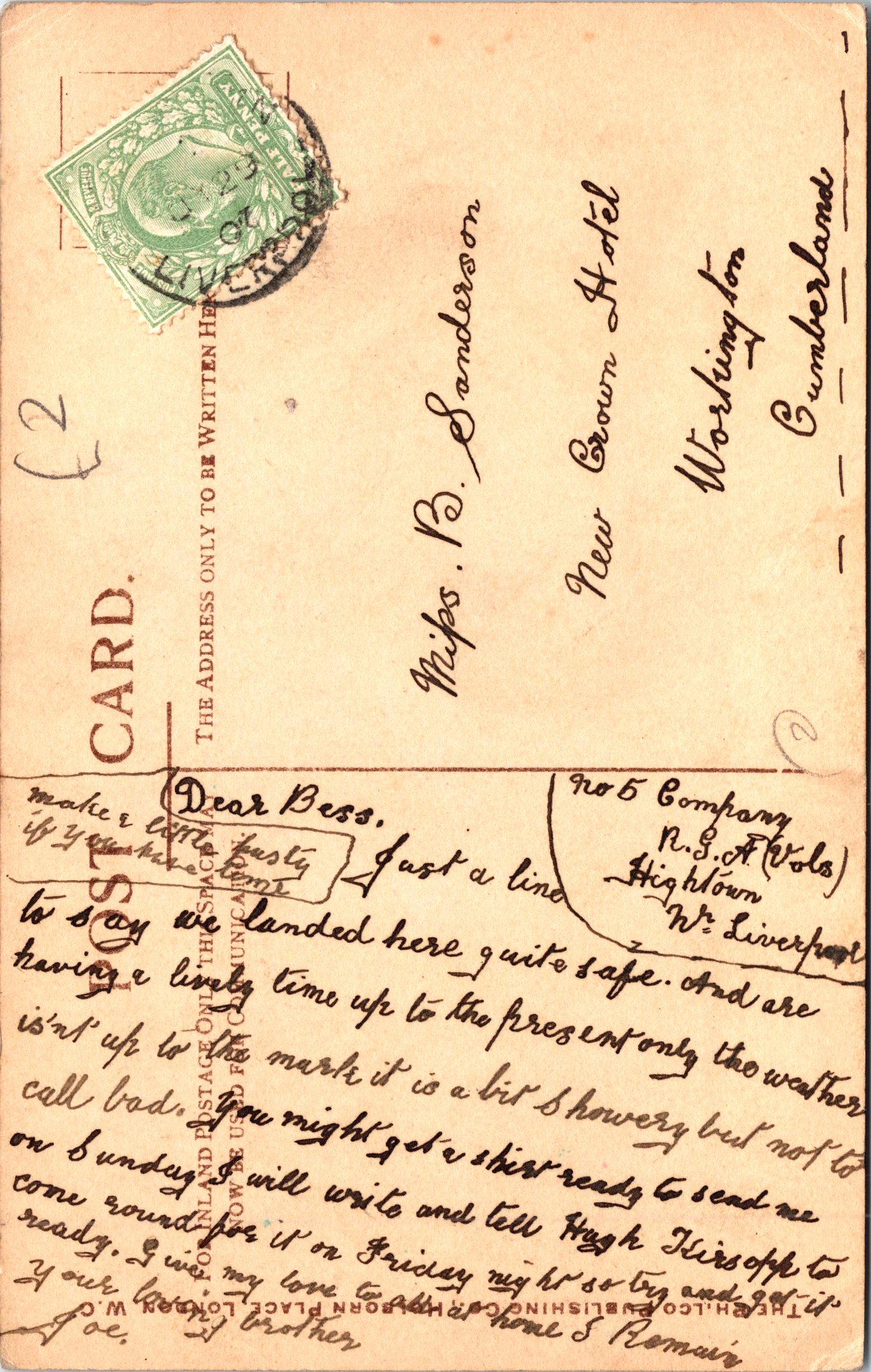
Vesta Tilly (1858-1952) was one of the most beloved and influential performers of the British music hall era. She was a groundbreaking male impersonator who captivated audiences for decades with her wit, charm, and powerful stage presence. Born into modest beginnings, she rose to become a symbol of British patriotism and a pioneer for women on the stage. Tilly was born in Worcester, England. She was the second of thirteen children born to Henry Powles, a self-employed musician and fiddler, and Matilda Powles. Her father, deeply involved in local musical performances, recognized Matilda’s precocious talent at an early age and began showcasing her on stage by the time she was just three years old. The Powles family moved to London when Matilda was a child, in pursuit of more lucrative theatrical opportunities. With her father acting as her manager, she began performing under the stage name “Little Tilly” in pantomimes and variety shows. Matilda’s first male impersonation was at the tender age of six. By her teenage years, she had taken the stage name Vesta Tilly, inspired by the Roman goddess of the hearth (Vesta) and a common nickname (Tilly). Her success as a “principal boy” in pantomime was soon eclipsed by her signature act: portraying men with startling authenticity and satirical flair. What set Tilly apart was her command of the stage and her uncanny ability to adopt male gestures, mannerisms, and vocal inflections. She didn’t just mimic men—she portrayed them with intelligence, humor, and often, social critique. She frequently played dapper young men, military officers, or swells (wealthy young men), sometimes poking fun at political figures or addressing social issues. She became one of the most highly paid and respected performers in the British music hall scene during the late Victorian and Edwardian periods. Her stage appearances were so convincing that many audience members did not initially realize she was a woman. Vesta Tilly’s career spanned over four decades, and she performed in countless popular songs and sketches. Some of her most iconic performances included: “Following in Father’s Footsteps”, “Burlington Berlie”, and “The Boy in the Gallery”. She was particularly popular among working-class audiences and soldiers. During World War I, Tilly took on a new patriotic role, performing in uniform to recruit young men to the military. She was so effective that she earned the nickname “England’s Greatest Recruiting Sergeant.” In 1890, Vesta Tilly married Walter de Frece, a theatrical impresario and songwriter. Their relationship was both romantic and professional—Walter became her manager and guided much of her career. He was instrumental in helping shape her brand and ensuring her continued success on the music hall circuit. After World War I, Walter was knighted and later became a Member of Parliament. This new political role brought Vesta into a more socially prominent world, and she gradually withdrew from the stage. Vesta Tilly gave her final performance in 1920 at the London Coliseum. Her retirement was widely publicized and emotional for her devoted fan base. After stepping away from the stage, she became Lady de Frece, supporting her husband’s political ambitions and engaging in charity work. The couple eventually moved to Monte Carlo, where they lived a quieter life. Walter de Frece died in 1935, and Vesta lived on until 1952. The postcard’s image shows Tilley in a fur-trimmed coat, accessorized with a hat adorned with feathers. The card has been hand-tinted, with touches of pink on her costume and hat and green on the tassels. The following is a transcription of the letter: “Dear Bess, Just a line to say we landed here quite safe. And are having a lovely time up to the present, only the weather isn’t up to the mark, it is a bit showery but not too bad. You might get a skirt ready to send me on Sunday. Will write and tell Hugh this aft to come round for it on Friday night so try and get it ready. Give my love to [all at home]. Joe” (Writer’s details also appear: No. 5 Company R.S. of Vols, Hightown, Nr. Liverpool.) This postcard was published by Philco as part of a series (No.3149D). (SOLD)
VESTA TILLY : FAMOUS MUSIC HALL STAR & MALE IMPERSONATOR : VINTAGE RPPC POSTCARD

POSTCARD 1

POSTCARD 2

Vesta Tilly (1858-1952) was one of the most beloved and influential performers of the British music hall era. She was a groundbreaking male impersonator who captivated audiences for decades with her wit, charm, and powerful stage presence. Born into modest beginnings, she rose to become a symbol of British patriotism and a pioneer for women on the stage. Tilly was born in Worcester, England. She was the second of thirteen children born to Henry Powles, a self-employed musician and fiddler, and Matilda Powles. Her father, deeply involved in local musical performances, recognized Matilda’s precocious talent at an early age and began showcasing her on stage by the time she was just three years old. The Powles family moved to London when Matilda was a child, in pursuit of more lucrative theatrical opportunities. With her father acting as her manager, she began performing under the stage name “Little Tilly” in pantomimes and variety shows. Matilda’s first male impersonation was at the tender age of six. By her teenage years, she had taken the stage name Vesta Tilly, inspired by the Roman goddess of the hearth (Vesta) and a common nickname (Tilly). Her success as a “principal boy” in pantomime was soon eclipsed by her signature act: portraying men with startling authenticity and satirical flair. What set Tilly apart was her command of the stage and her uncanny ability to adopt male gestures, mannerisms, and vocal inflections. She didn’t just mimic men—she portrayed them with intelligence, humor, and often, social critique. She frequently played dapper young men, military officers, or swells (wealthy young men), sometimes poking fun at political figures or addressing social issues. She became one of the most highly paid and respected performers in the British music hall scene during the late Victorian and Edwardian periods. Her stage appearances were so convincing that many audience members did not initially realize she was a woman. Vesta Tilly’s career spanned over four decades, and she performed in countless popular songs and sketches. Some of her most iconic performances included: “Following in Father’s Footsteps”, “Burlington Berlie”, and “The Boy in the Gallery”. She was particularly popular among working-class audiences and soldiers. During World War I, Tilly took on a new patriotic role, performing in uniform to recruit young men to the military. She was so effective that she earned the nickname “England’s Greatest Recruiting Sergeant.” In 1890, Vesta Tilly married Walter de Frece, a theatrical impresario and songwriter. Their relationship was both romantic and professional—Walter became her manager and guided much of her career. He was instrumental in helping shape her brand and ensuring her continued success on the music hall circuit. After World War I, Walter was knighted and later became a Member of Parliament. This new political role brought Vesta into a more socially prominent world, and she gradually withdrew from the stage. Vesta Tilly gave her final performance in 1920 at the London Coliseum. Her retirement was widely publicized and emotional for her devoted fan base. After stepping away from the stage, she became Lady de Frece, supporting her husband’s political ambitions and engaging in charity work. The couple eventually moved to Monte Carlo, where they lived a quieter life. Walter de Frece died in 1935, and Vesta lived on until 1952.

Postcard 1 was published by Rotary Photo as part of a series (No.2007A).  (SOLD)

Postcard 2 captures Tilley in one of her male impersonator roles.

SHIRTLESS MSTR. MERINO : MUSCLE AND STRENGTH PHENOMENON : STRONGMAN : RPPC

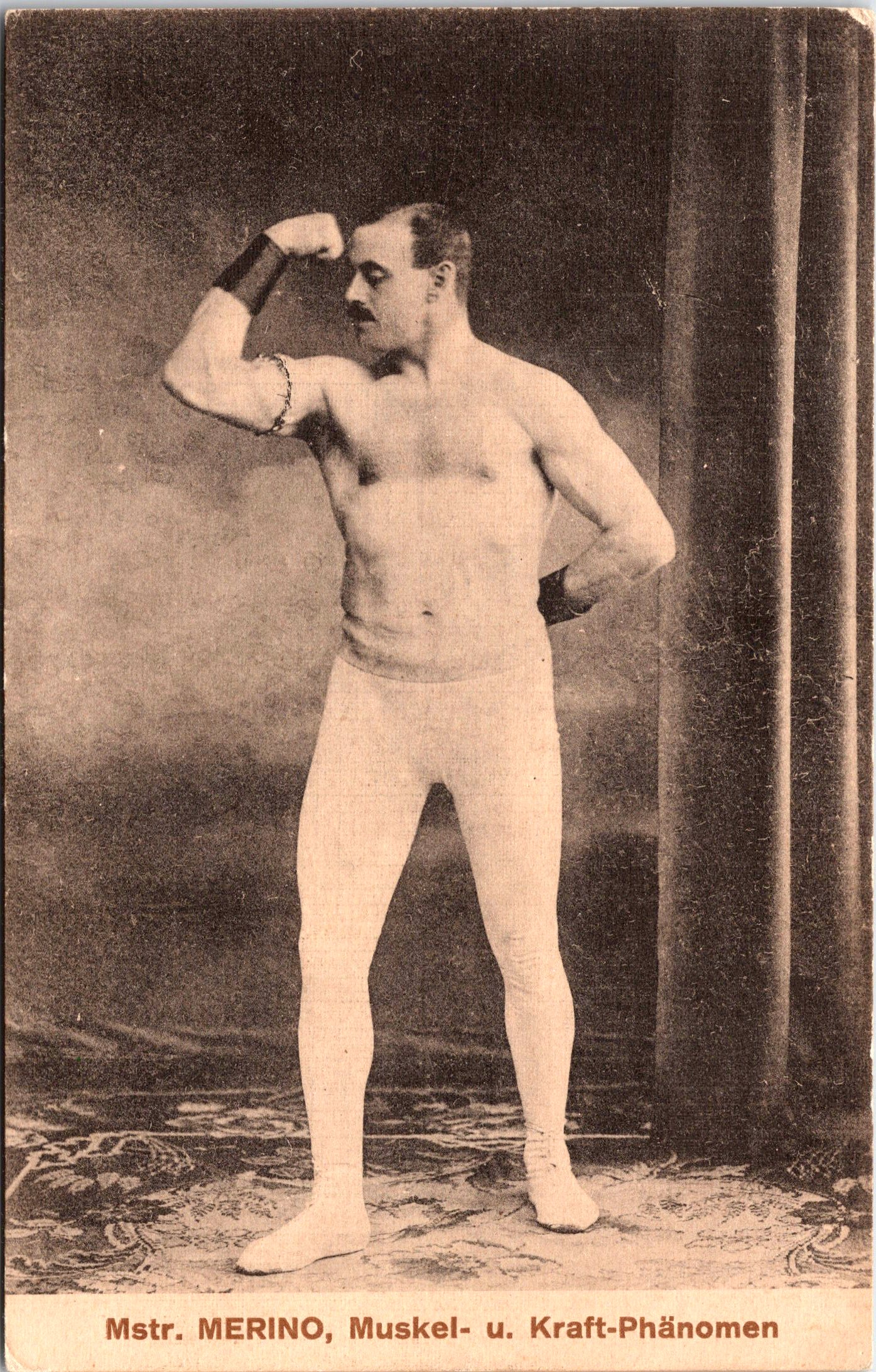
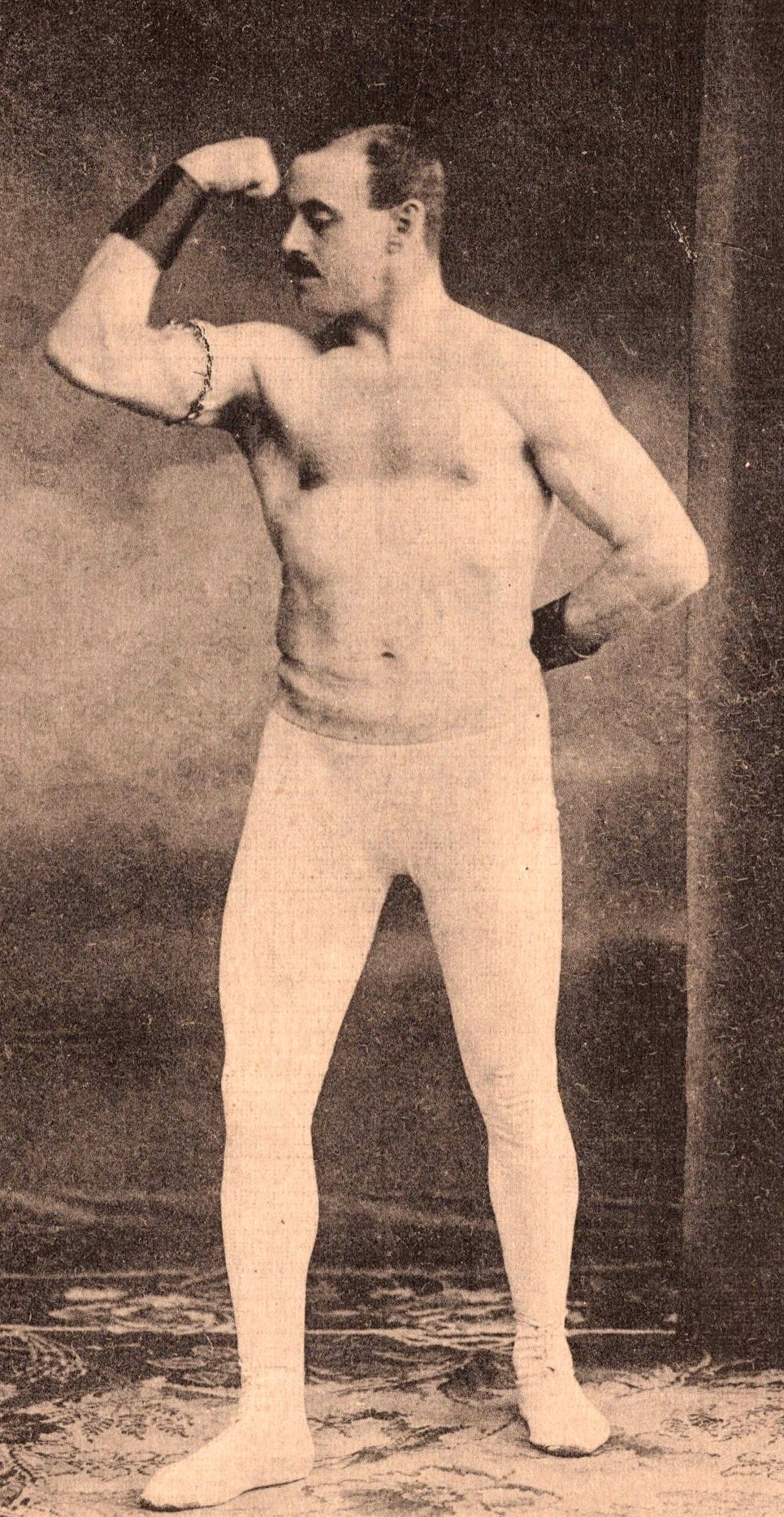
This uncommon vintage real photo postcard features a shirtless body builder named Mstr. Merino. The caption on the postcard states “Mstr. Merino, Muscle & Strength Phenomenon”. The  body builder’s muscles have muscles. Note his right bicept. It appears that he has barbed wire looped around his right upper arm. Merino has something wrapped around his wrists. The wraps purpose is unknown to me. This postcard was published by Ernst Schneider & Company. The firm was located in Lubeck, Germany and was known for publishing a collection of postcards with portraits of male and female impersonators and cross dressers. These cards were produced between 1900 and 1930.  SOLD

KATHLEEN CLIFFORD : FRED HARTSOOK : MALE IMPERSONATOR : VAUDEVILLE : VINTAGE PHOTO

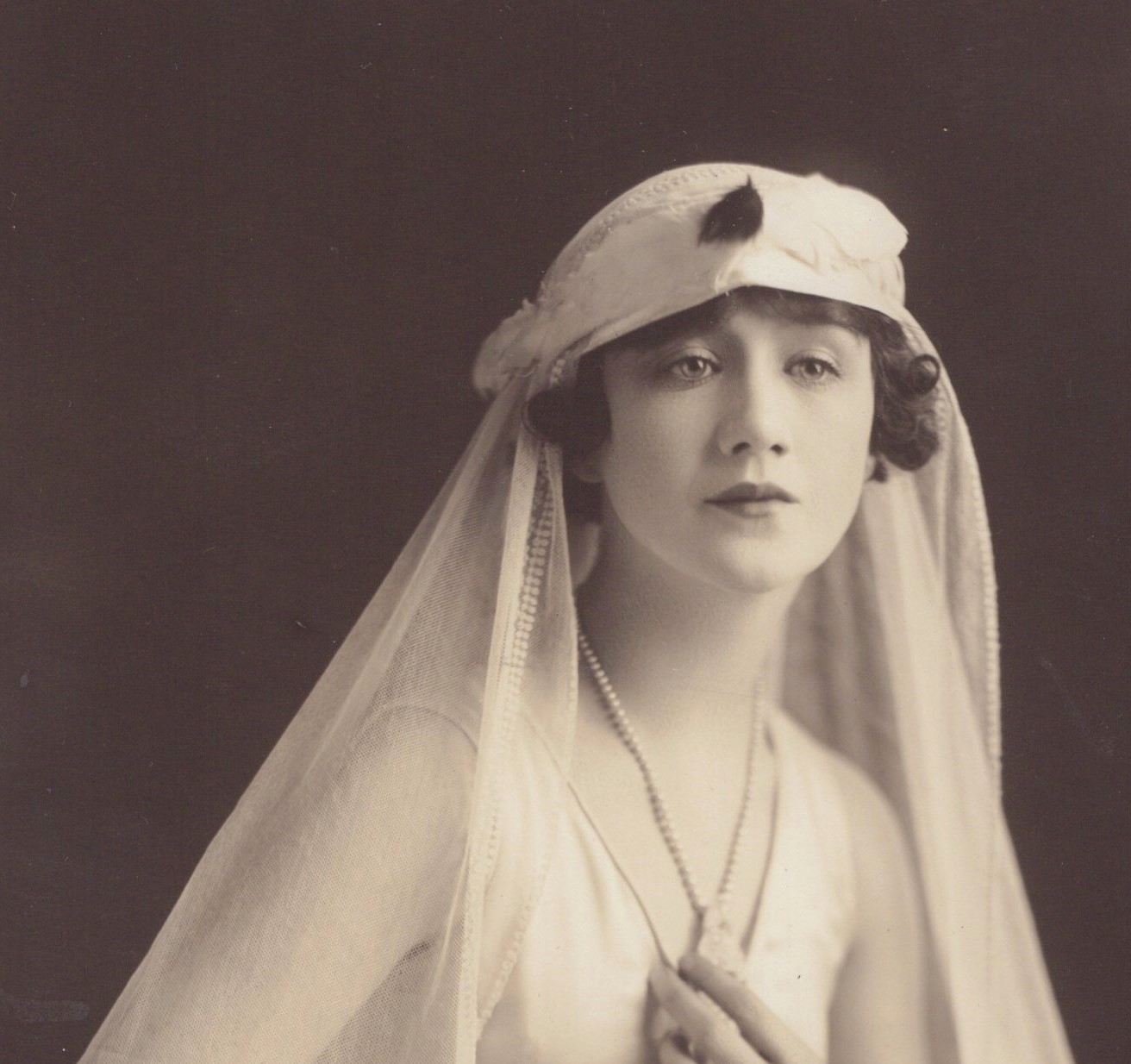
This vintage photograph features American stage and film actress, Kathleen Clifford (1887-1962). The IMDb credits her with 14 film credits between 1917 and 1932. She is known for “Richard the Lion-Hearted (1923)”, When the Clouds Roll by (1919)”, and “Who is Number One? (1917)”. She often played leading roles in her films for Paramount. During her film career, she worked alongside Douglas Fairbanks Sr., Betty Compson, and Wallace Beery. She appeared on the Broadway stage six times between 1909 and 1916. Clifford was famous as a Vaudeville comedienne and male impersonator. She was billed as “The Smartest Chap in Town”. At one point in her vaudeville career, she worked as a duo with female impersonator, Bothwell Browne. Like many movie performers, she left acting with the advent of sound films. During the early years of World War I, she served as a Red Cross Nurse with the British Army in France. Upon retirement, she became a business woman and owned “Broadway Florist” in Hollywood. Clifford also wrote a novel about her time in Hollywood. She was married to Miomir Peter Illitch for over 35 years. He was a banker. This original photographic portrait of Kathleen Clifford was taken by a highly talented and esteemed American photographer, Fred Hartsook (1876-1930). He owned a California studio chain that, at that time, was considered to be the largest photographic business in the world. His celebrity clients included President Woodrow Wilson, Henry Ford, Mary Pickford, and Charles Lindbergh. He also owned a resort and two ranches in Southern California where he raised Holstein cattle. He was married to Bess Hesby, queen of the San Francisco Pan-Pacific Exposition of 1915.  SOLD

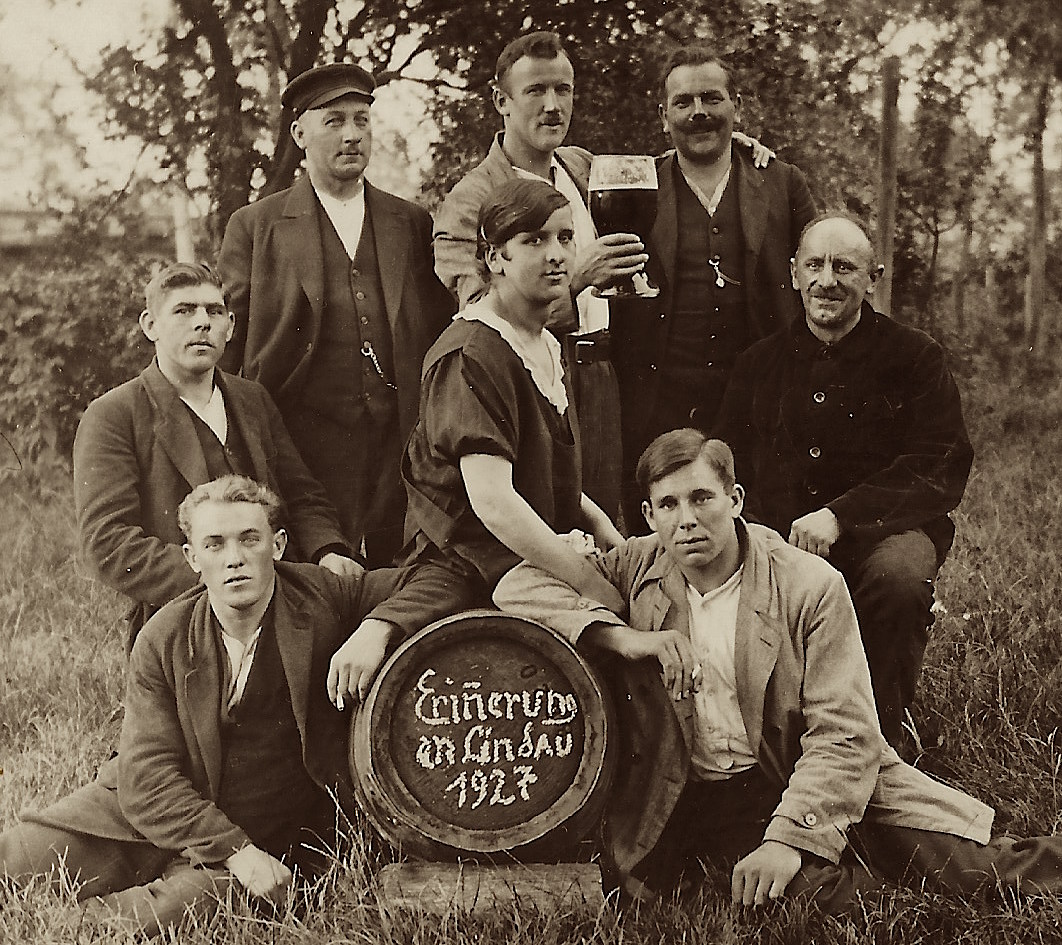
PORTRAIT OF EIGHT MEN IN THE GERMAN COUNTRYSIDE DRINKING BEER; ONE IS WEARING A DRESS (1927)

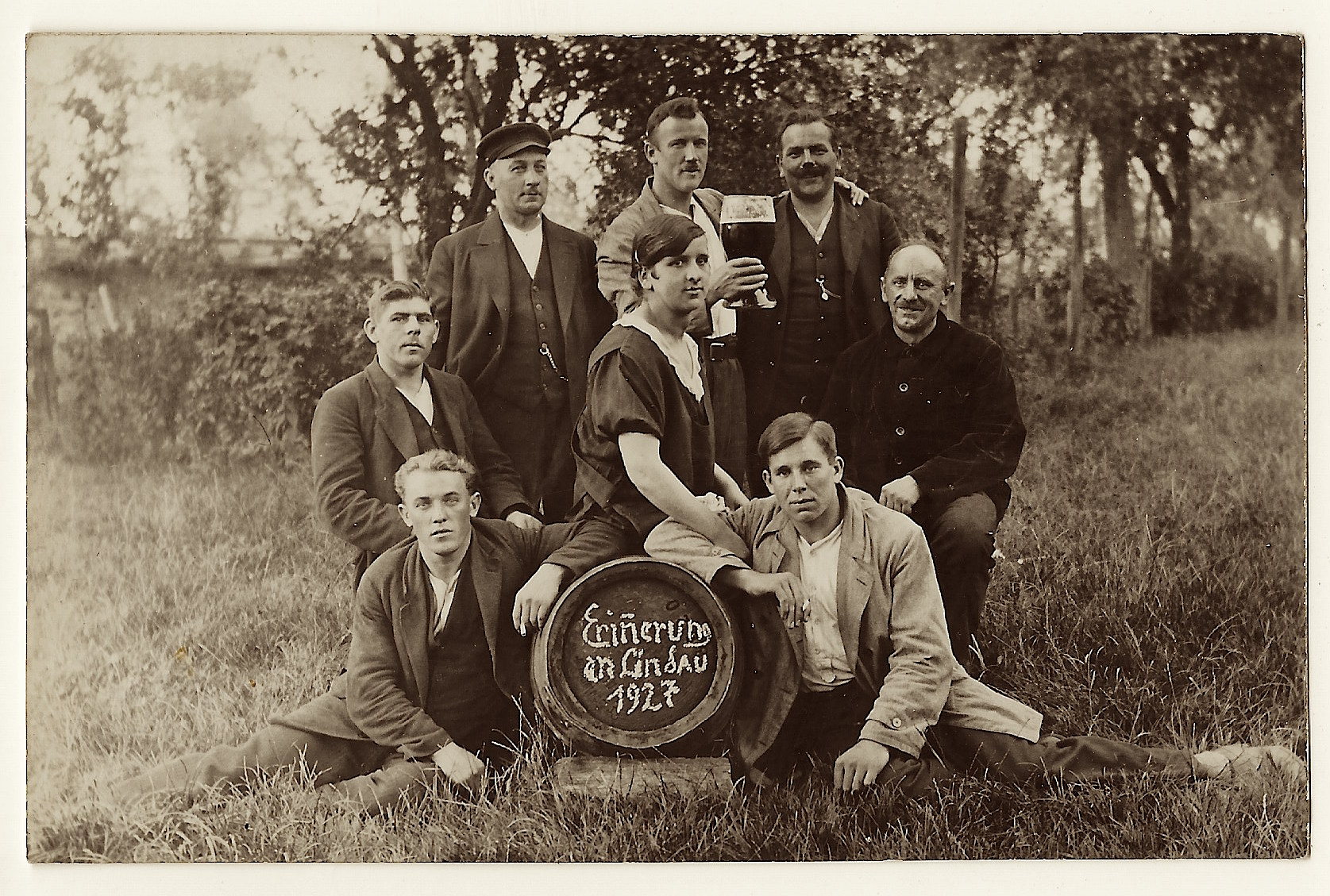
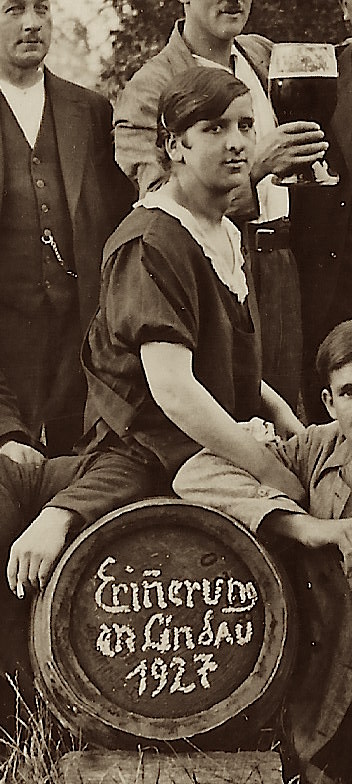
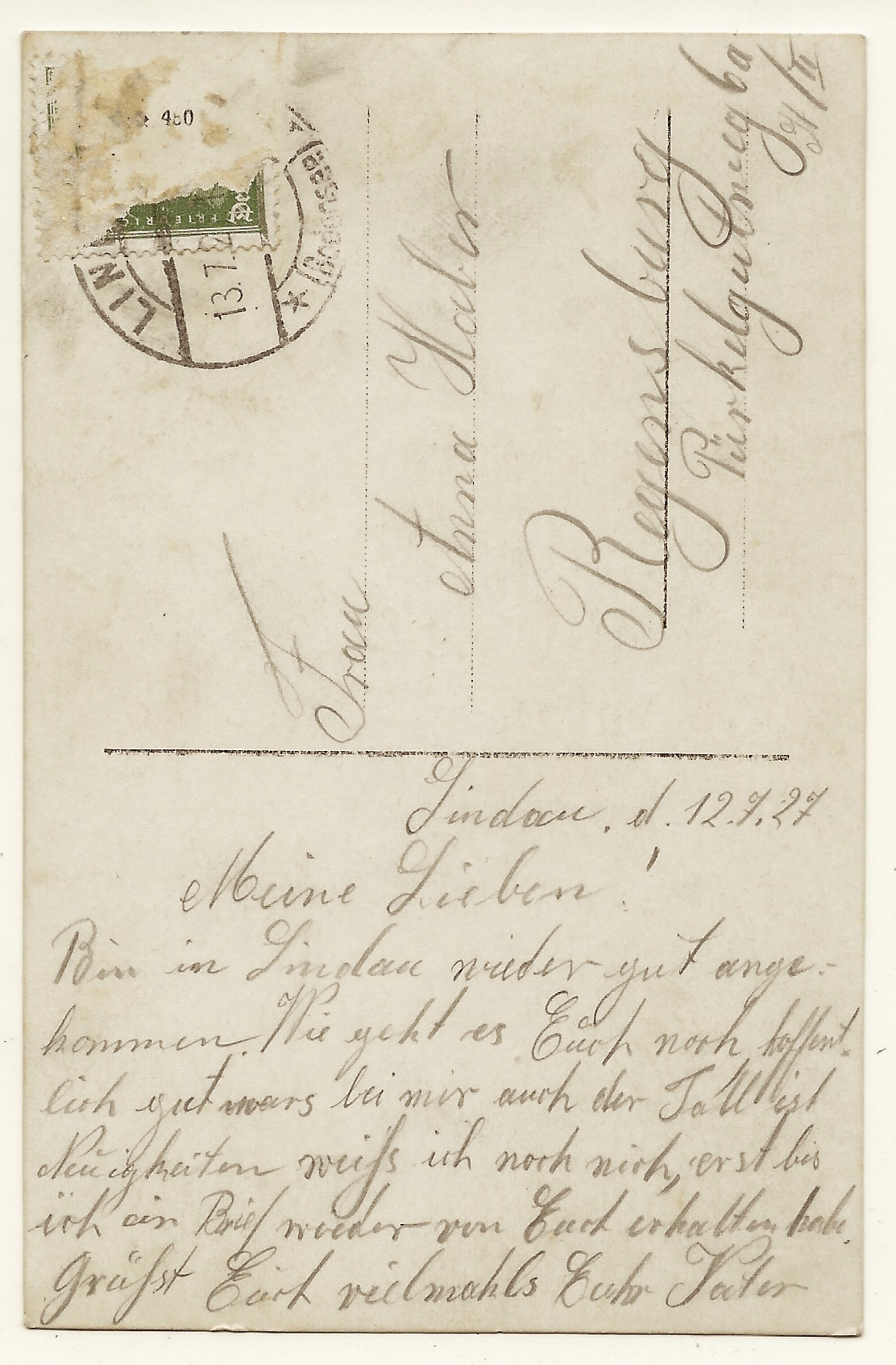
This vintage real photo postcard features a group of German beer lovers gathered around a keg in a country-side setting. This photograph is a treasure trove of interesting elements. First, the keg of beer is labelled with the title “Memories in Lindau 1927” (translated from German). Second,the bruiser in the center of the back row is holding a beer mug on steroids. It is likely that no one will challenge or fight him for the huge glass of dark beer. Finally, what is the story about the gentleman/lady in the center of the middle row. To quote the Kinks, “Girls will be boys, and boys will be girls”. It is likely that the man wearing the dress, seen in this postcard, did so for fun. It is not unusual to see cross dressing in photographs from this era. Generally, wearing opposite sex clothing in these images was done for entertainment, rather than for sexuality reasons. Women also dressed as men in photographs. Vesta Tilley (1864-1952) was an English music hall performer who was one of the most famous male impersonators of her time. She was a star in both Britain and the United States for over three decades (see her photo below). Returning to the subject of the beer drinking celebrants, we learn from the writing on the keg, that they are partying in Lindau, Germany. Lindau is a major town and an island in Bavaria. It is located on the eastern side of Lake Constance (Bodensee in German). The origin of Lindau’s name is thought to be the “linden tree”. Lindau is known for being near the Austrian, German, and Swiss borders. This vintage postcard has excellent clarity and is in very good condition (see scans).

Buy this original Real Photo Postcard (includes shipping within the US) #2577

To purchase this item, click on the Pay with PayPal button below

$40.00

Buy this original Real Photo Postcard (includes International shipping outside the US) #2577

To purchase this item, click on the Pay with PayPal button below

$48.00