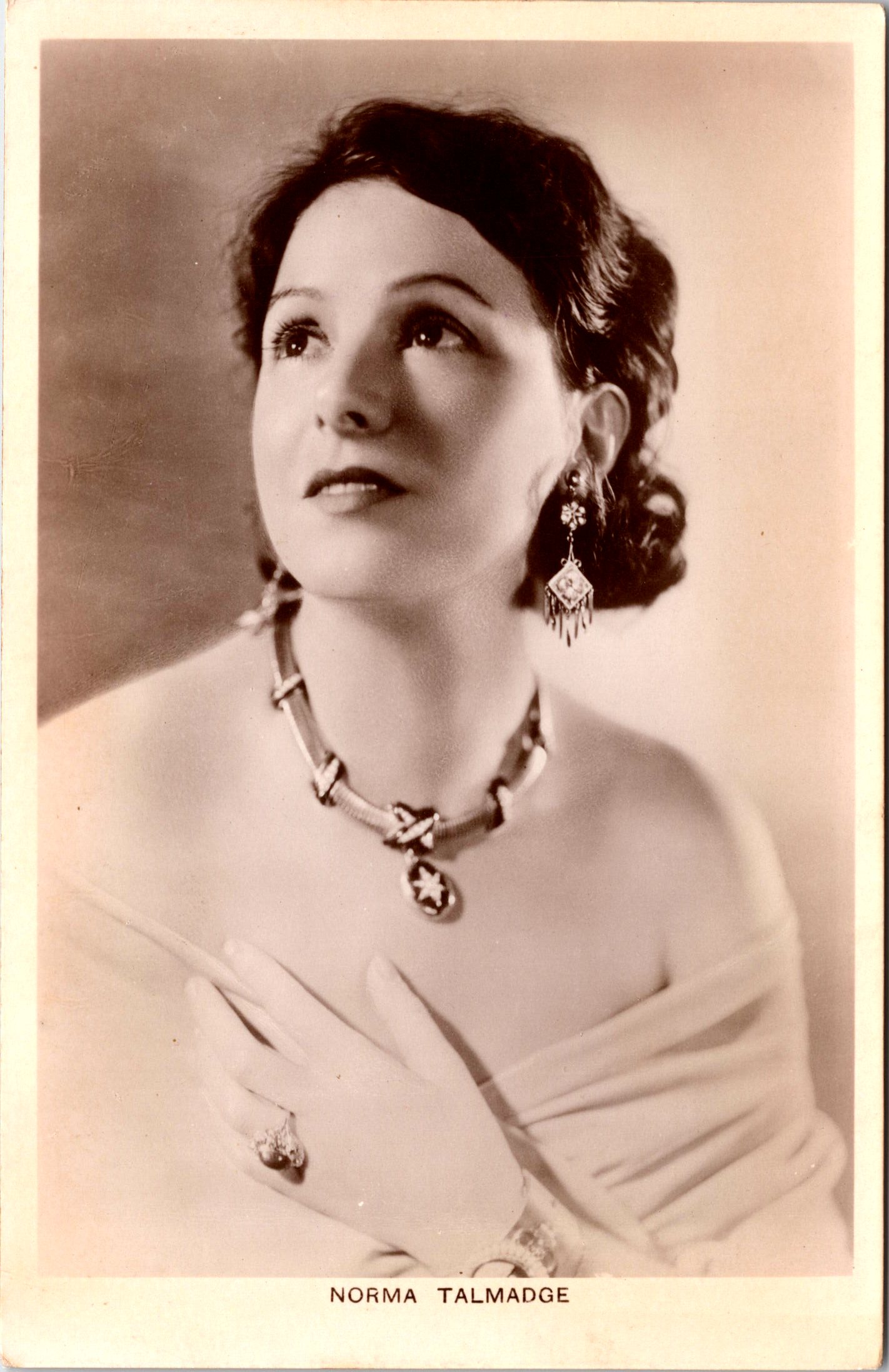
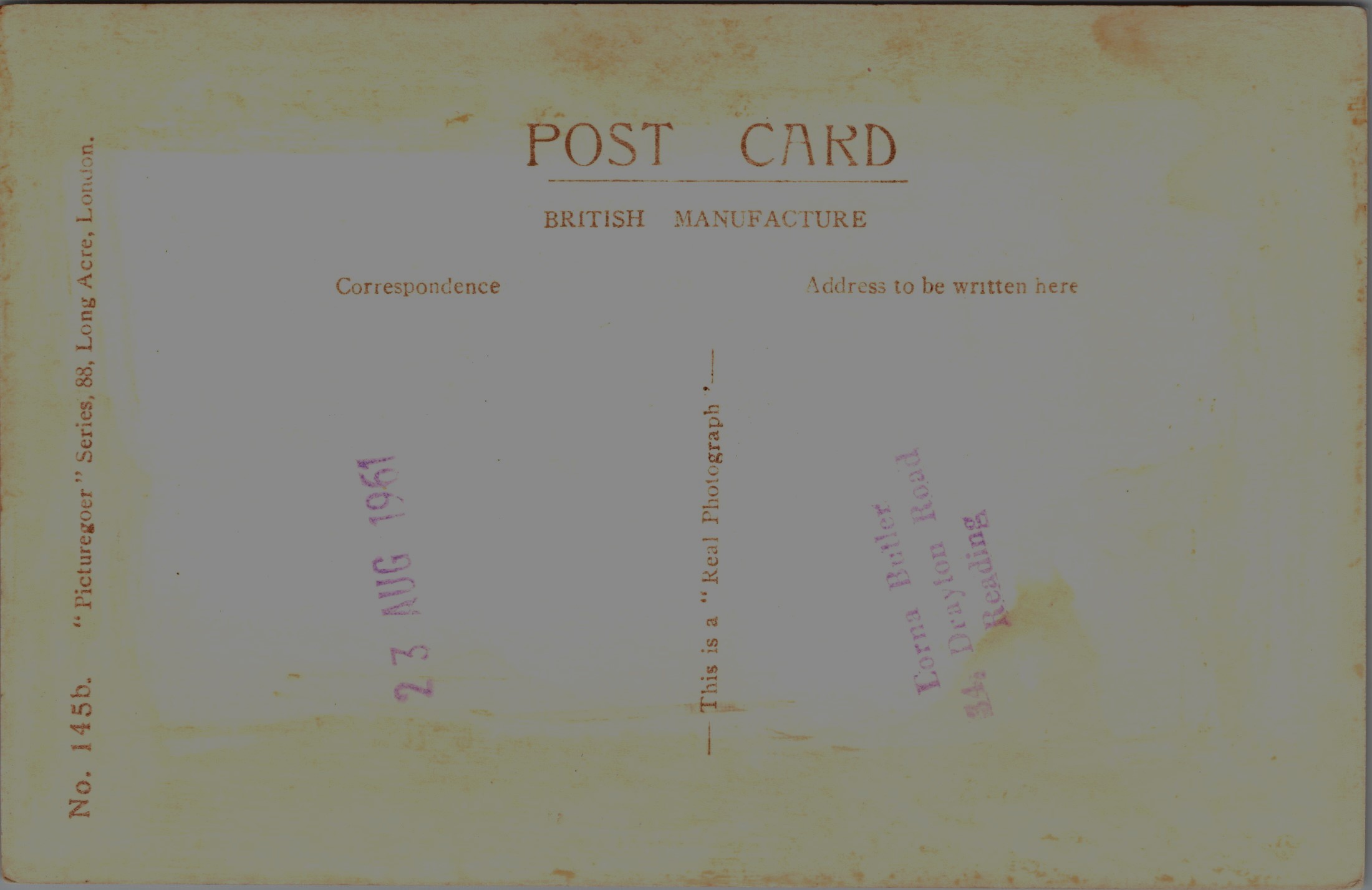
This vintage real photo postcard features American silent film actress, Norma Talmadge (1894-1957). She was noted for her dramatic and emotionally intense performances. She was one of the most popular and highly paid actresses of her era. She starred in over 200 films during her career. Raised in a show business family, Norma and her sisters Constance and Natalie Talmadge all became successful actresses. Norma began her acting career on the stage, performing in vaudeville and musical comedies. Initially, Talmadge worked for Vitagraph Studios before signing with D.W. Griffith’s Triangle Film Corporation, where she gained recognition for her talent. In the 1910s and 1920s, Talmadge became a major star, known for her ability to portray a wide range of characters. She excelled in dramatic roles, often playing heroines with complex emotions. Some of her notable films include “The Probation Wife” (1919), Smilin Through (1922), Camille (1926), and “New York Nights” (1929). Norma Talmadge was one of the few silent film stars who successfully made the transition to talkies. However, as the era of sound films emerged, her popularity waned. After her last film in 1930, Talmadge retired from acting and focused on her personal life. She married the film producer Joseph M. Schenck in 1916, and together they founded the Norma Talmadge Film Corporation. The company produced several successful films, contributing to Talmadge’s financial success and status as one of the highest-paid actresses of her time. However, her marriage to Schenck eventually ended in divorce in 1934. After her retirement from acting, Talmadge lived a private life, seldom making public appearances. She remarried in 1946 to Carvel James, a wealthy oil broker, and they remained together until her death. This vintage postcard is part of the “Picturegoer” series (No. 145B). SOLD

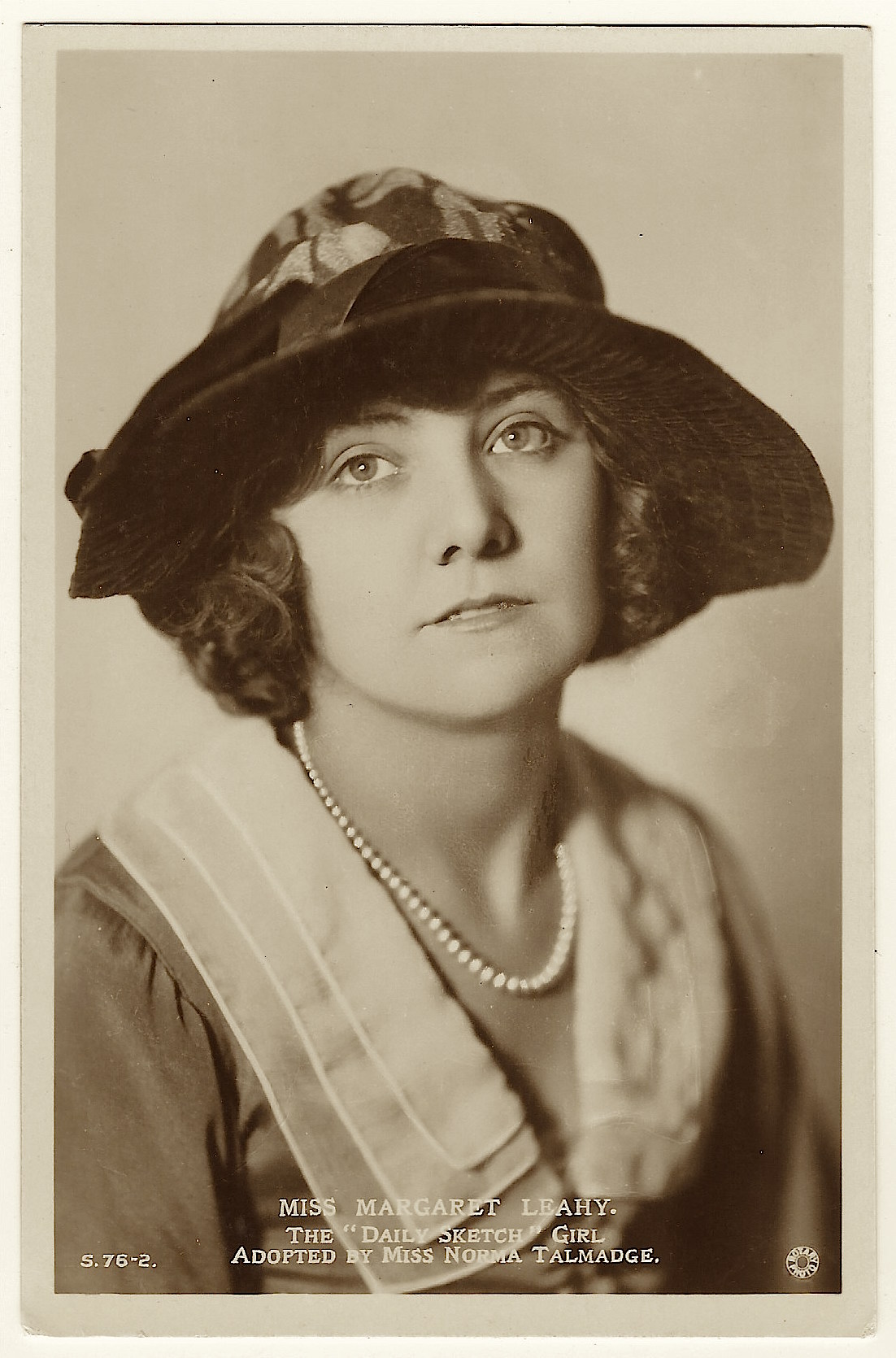 Margaret Leahy (1902-1967) was a British actress. She was born in London. At the age of eighteen, she set up a costume shop and designed women’s clothing. She also modeled her designs for her customers. The story of how she got her start in acting is an interesting one. After winning a beauty contest, she seemed destined for stardom. Unfortunately, despite her rapid launch into filmdom, her career quickly crashed. She made only one film in her short-lived career. The beauty competition occurred in 1922. Actresses, Constance and Norma Talmadge, Joseph Schenck (film studio executive), and Edward Jose (film director) held a beauty contest in England. It’s purpose was to find a new leading lady. The “Daily Sketch”, an English newspaper, offered a starring role in a major Hollywood film to the winner of the contest. Eighty thousand women entered the contest and three girls were chosen to the final competition. The finals were held in Hollywood and Miss Leahy was the winner. Norma Talmadge described Leahy as “the most ravishing girl in England”. Leahy’s start in films was a disaster. She was dismissed from “Within the Law” (1923). The film’s director found her acting talent was nearly non-existent. He threatened to quit unless Leahy was terminated. The year 1923 wasn’t all bad for Miss Leahy. She was named one of thirteen WAMPAS Baby Stars. Evelyn Brent, Eleanor Boardman, and Laura La Plante were among the thirteen. All but Leahy became successful film actresses. Between 1922 and 1934, WAMPAS association supported a promotional campaign that named thirteen young actresses thought to be destined to become stars. Margaret’s next stop was an appearance in a Buster Keaton comedy, “Three Ages” (1923). Leahy received little attention for her role in the movie and her career was stopped in it’s tracks. Leahy did not return to England. Instead she got married and remained in California. She became an interior decorator and was known to despise the movie industry. In fact, she burned all her movie related scrap books. Sadly, Leahy committed suicide at the age of sixty-four in California. This vintage postcard was published by Rotary Photo and printed in England. The postcard is part of a series (no. 5.76.2). The postcard is in very good condition (see scans). SOLD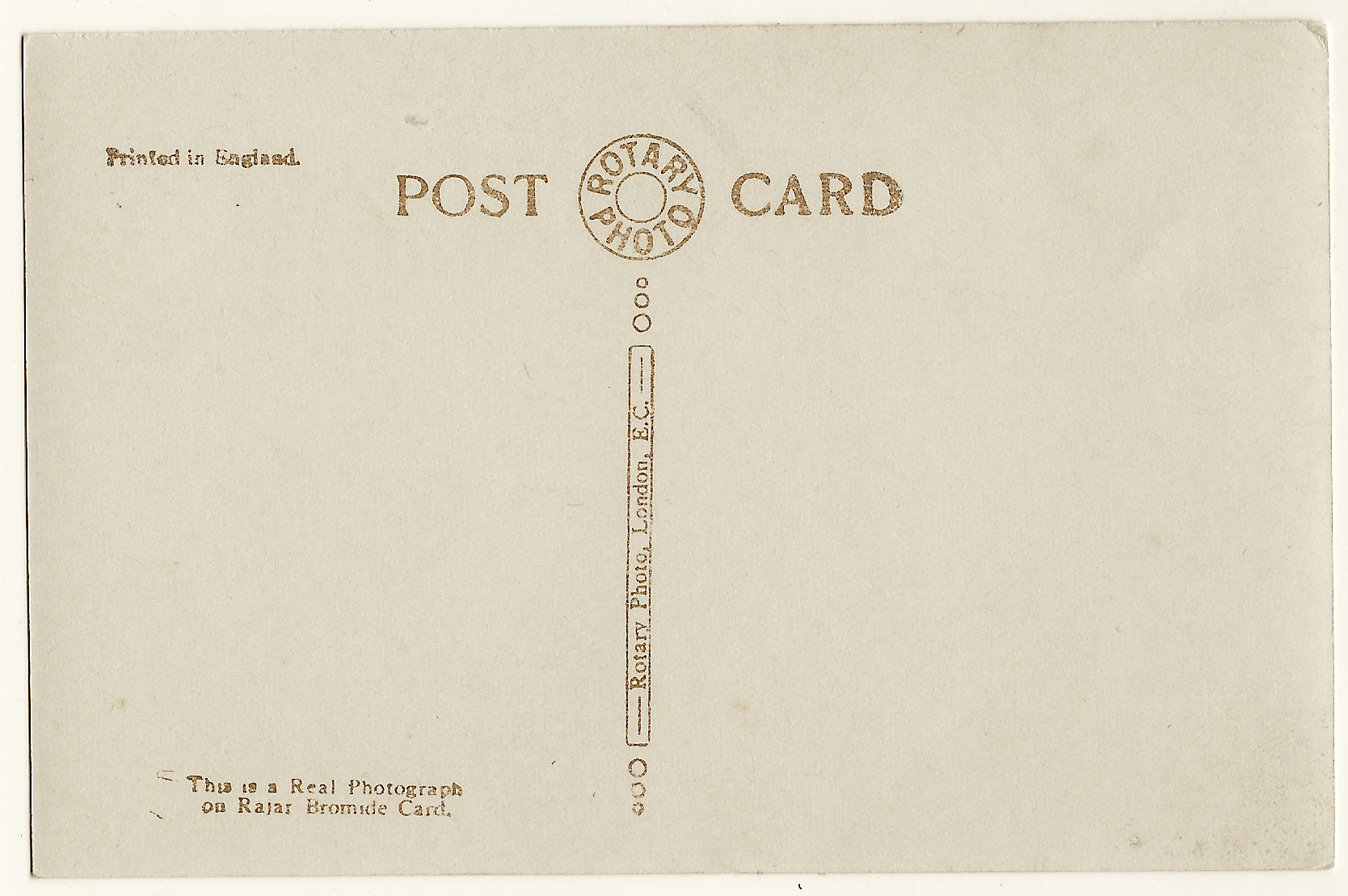


 THE CABINET CARD GALLERY