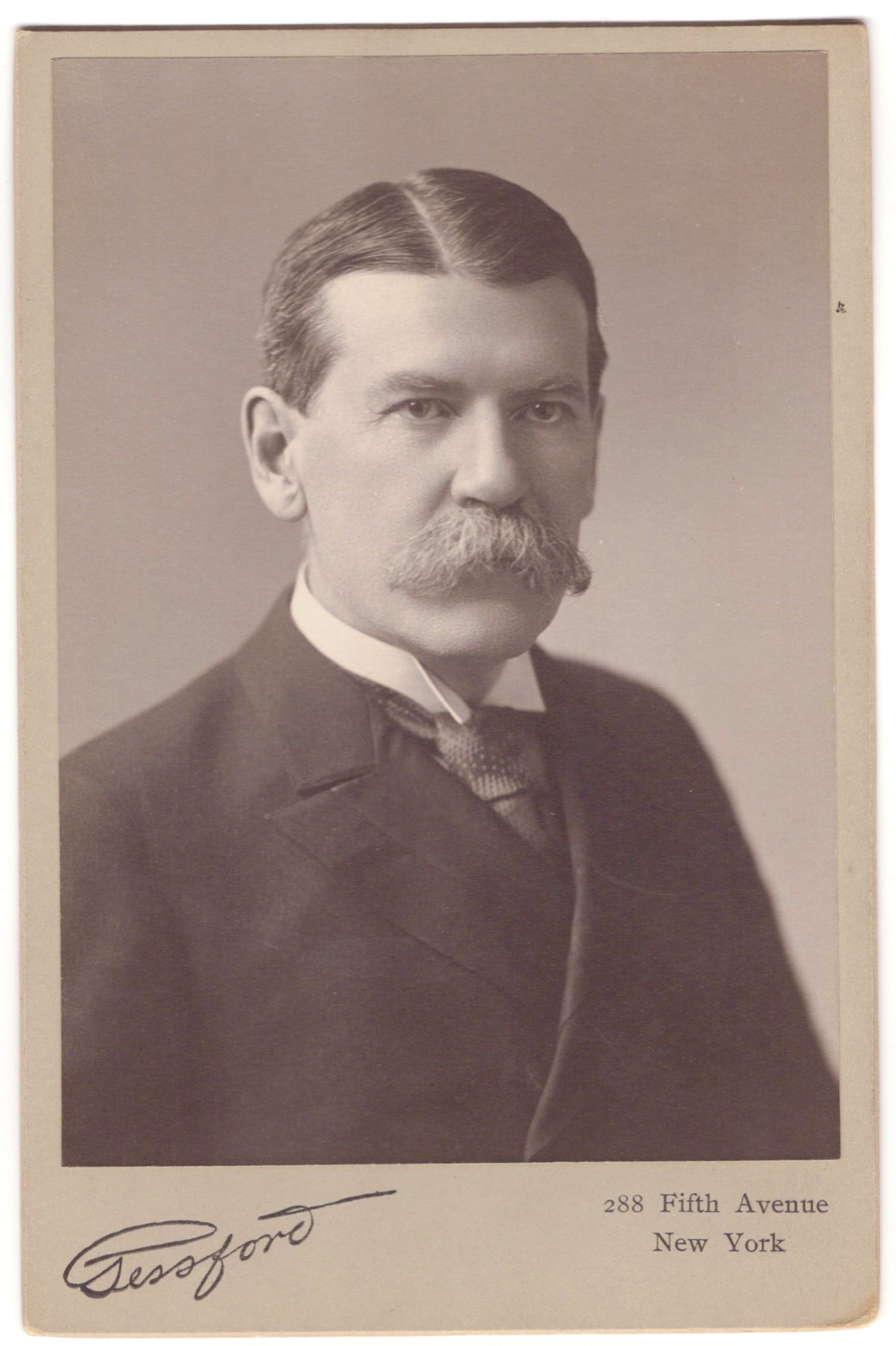
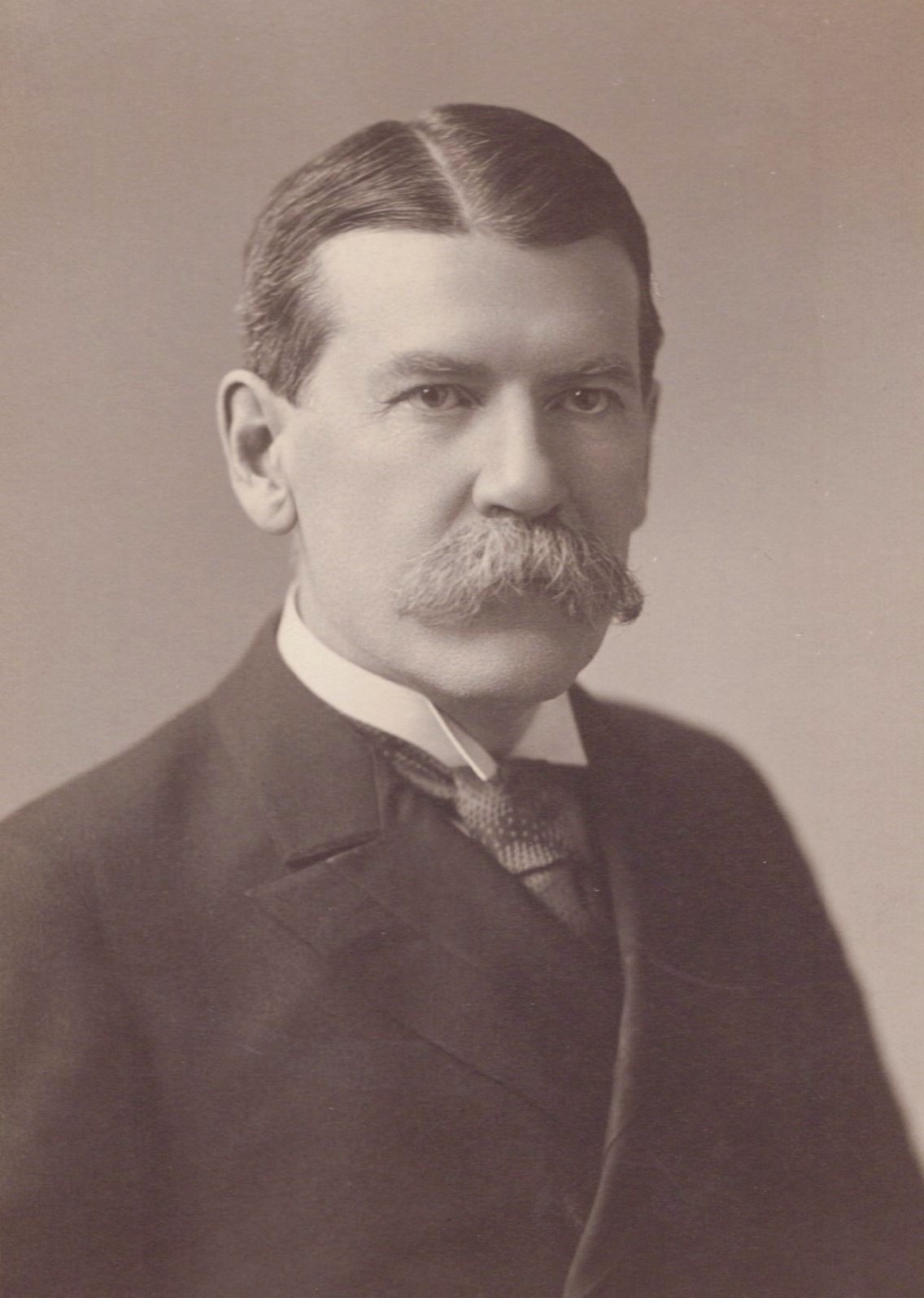
The subject of the photograph is Horace Porter, who was quite an accomplished man who played an integral part in American history. Horace Porter (1837-1921) is most well known for his activities during the civil war. He served as a Lieutenant Colonel, Ordnance Officer, and Staff Officer in the Union Army. In 1866 he was appointed brevet Brigadier General in the U. S. Army. He was also personal secretary to General and President Ulysses S. Grant and to General William Sherman. Later, he was the Vice President of the Pullman Palace Car Company and the United States ambassador to France (1897-1905). Horace Porter was born in Huntingdon, Pennsylvania. He was the son of David R. Porter who who served as Pennsylvania’s Governor. His cousin, Andrew Porter was a Mexican-American War veteran and Union Army Brigadier General. Horace Porter was educated at Harvard University and graduated from West Point in 1860. He was distinguished in the Battle of Fort Pulaski (Georgia), Chickamauga, the Battle of the Wilderness, and New Market Heights. He received the Medal of Honor for his efforts at Chickamauga. He later wrote a memoir “Campaigning With Grant” (1897). The photographer of this cabinet card portrait is Joseph G. Gessford. Gessford (1875-1925) operated a prominent New York City studio located at 288 Fifth Avenue. Gessford was best known as a photographer of celebrities and socialites during the first two decades of the twentieth century. He photographed Mark Twain in 1904, and when the author requested gratis copies of the portraits, Gessford famously replied, “I could no more afford to give you these pictures than you can afford to write books for free.” SOLD


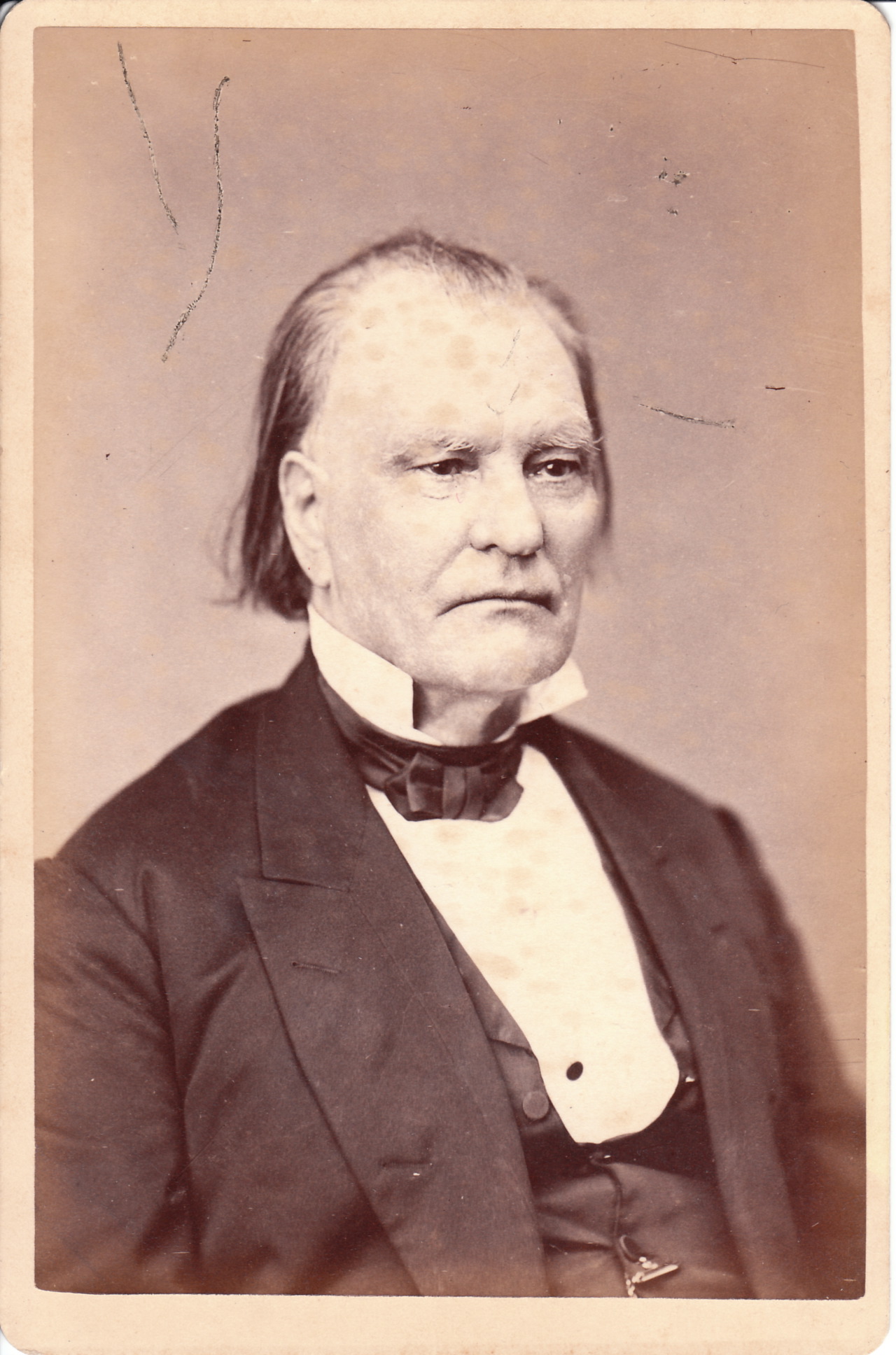 Benjamin Wade (1800-1878)) was born in Massachusetts. He worked as a laborer on the Erie Canal, taught school and then studied and practiced law in Ohio. As a member of the Whig Party he was elected to the Ohio State Senate and served two terms. He later became an Ohio court judge. Wade joined the Republican Party and in 1851 was elected to the US Senate. He became a Radical Republican along with Thaddeus Stevens and Charles Sumner. He fouhgt against the Fugitive Slave Act and the Kansas-Nebraska Act. He was very radical and supported women suffrage, trade union rights and equality for African Americans. In 1861 as chairman of the Committee on Territories he witnessed the defeat of the Union Army at the First Bull Run and was nearly captured by the confederates. During the American Civil War, Wade was extremely critical of Lincoln. After the war he pushed for African American units in the Regular Army. He was also instrumental in the impeachment of American President Andrew Johnson. Wade was considered by some as a good choice for Ulysses S Grant’s running mate but Grant refused. This cabinet card is from Matthew Brady’s National Portrait Gallery in Washington, D.C..


 THE CABINET CARD GALLERY