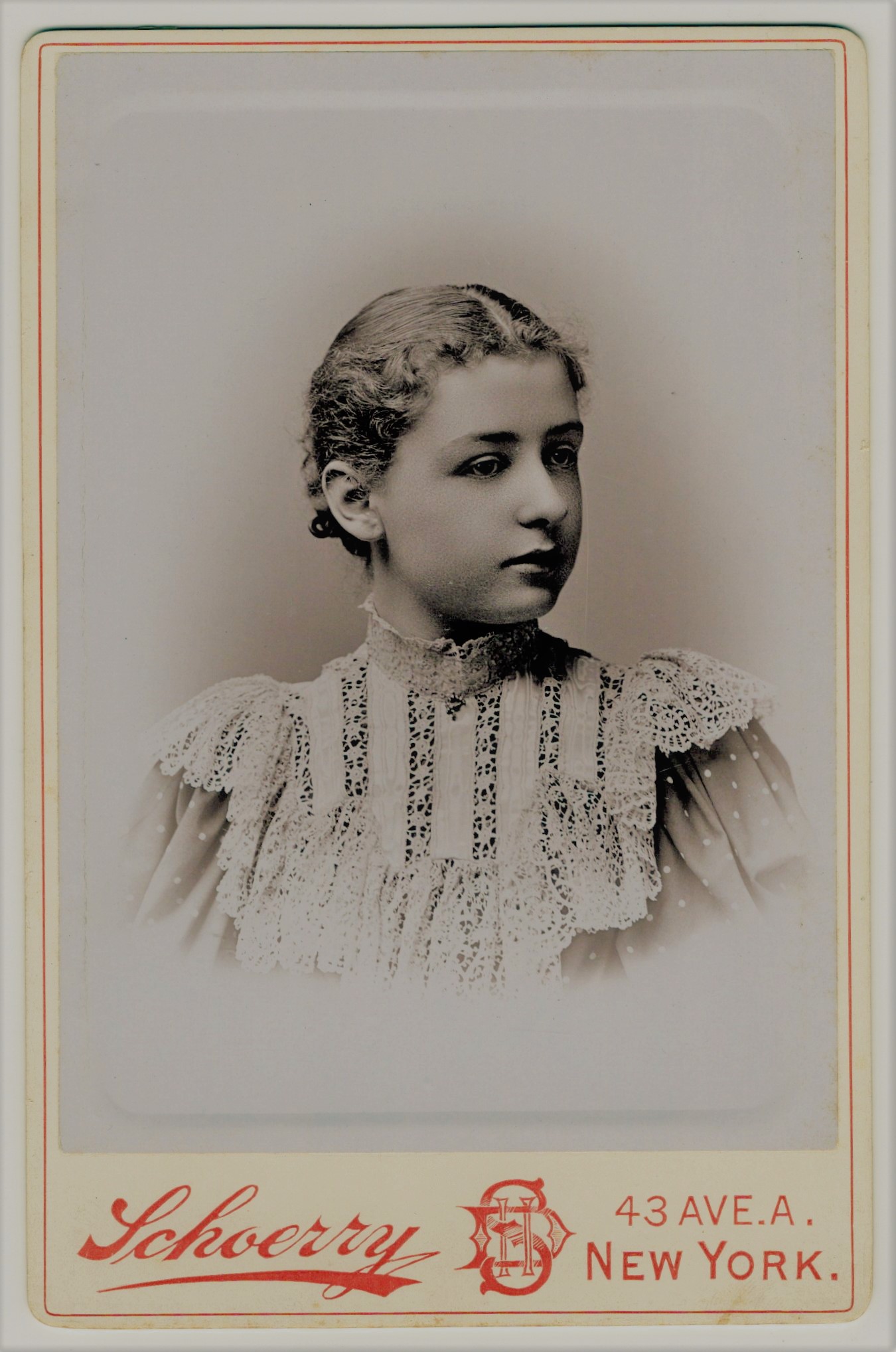
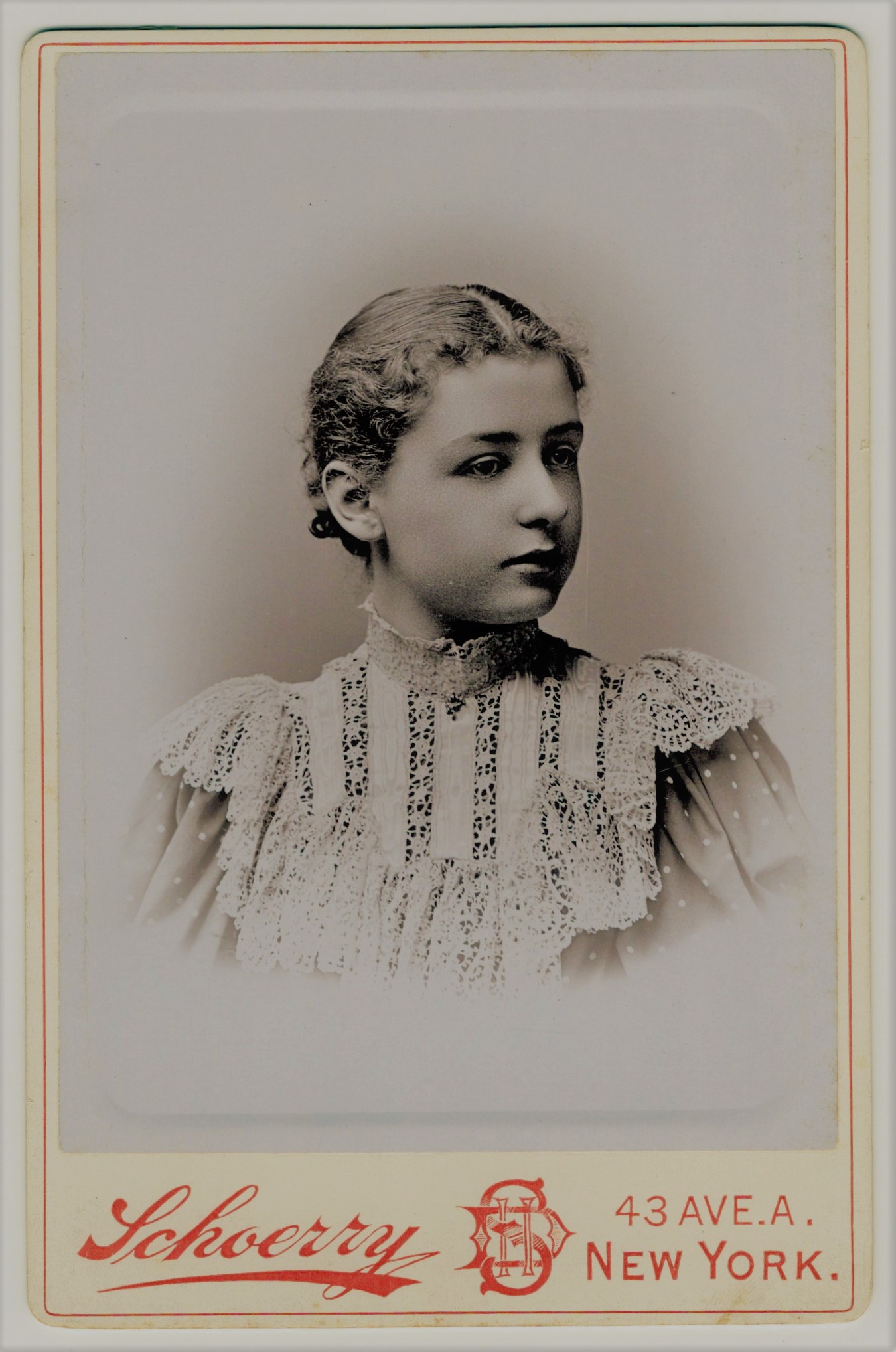
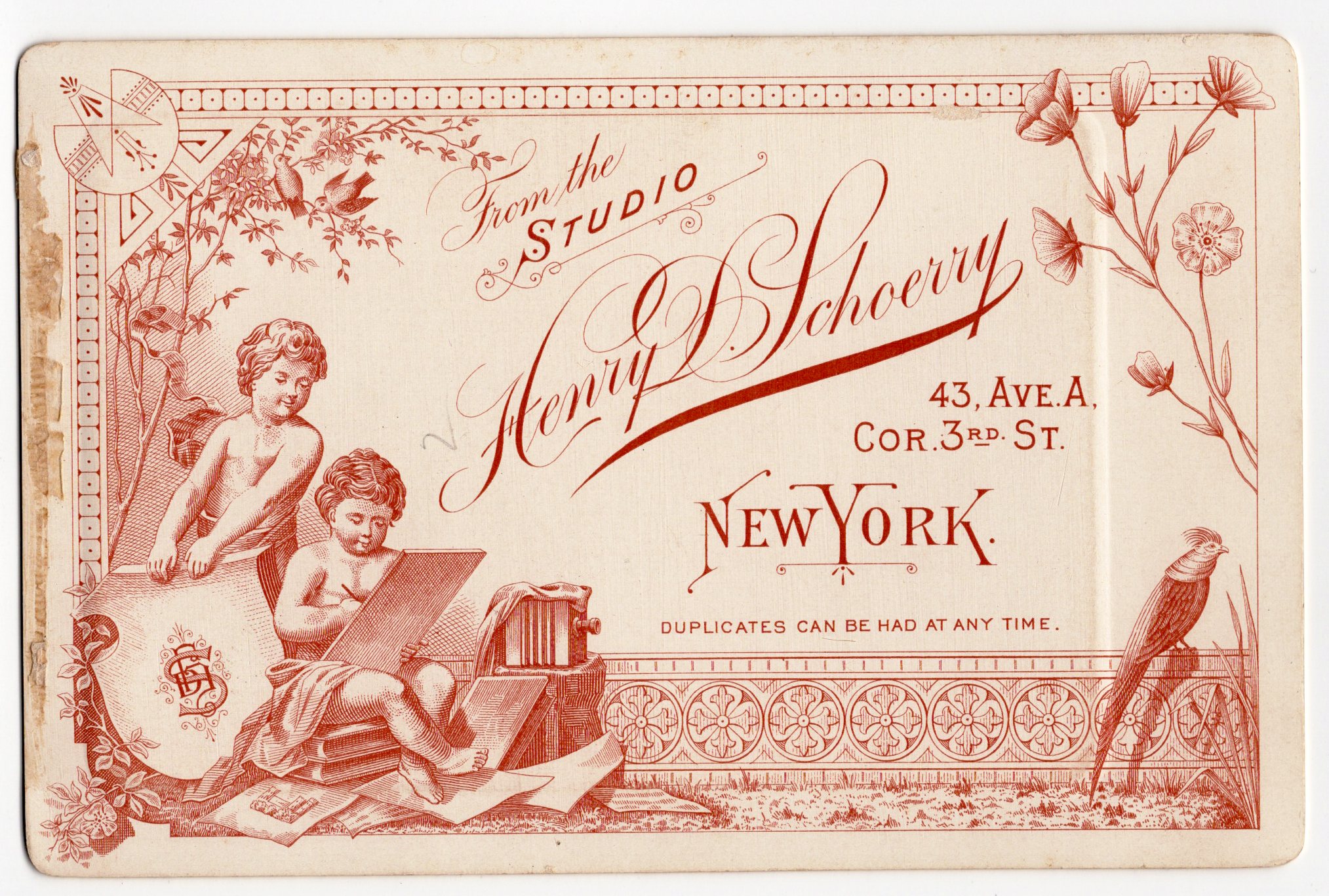
A well dressed and pretty young teenage girl poses for her portrait at the studio of Henry D. Schoerry in New York City, New York. The girl is wearing a lacey dress with a high collar. The photographer posed the teen in a manner in which he could take a partial profile photograph. Henry Schoerry was born in Germany in 1854 and emigrated to America in 1870. He began his career as a photographer in the 1880’s. This cabinet card portrait has a lovely backstamp. Note that this postcard has a bas relief feature and that accounts for any “outlines” you see on the image or the reverse of the card. This photograph is in very good condition (see scans).
Buy this Vintage Cabinet Card photograph (includes shipping within the US) #5140
To purchase this item, click on the Pay with PayPal button below
$35.85
Buy this Vintage Cabinet Card (includes International shipping outside the US) 5140
To purchase this item, click on the Pay with PayPal button below
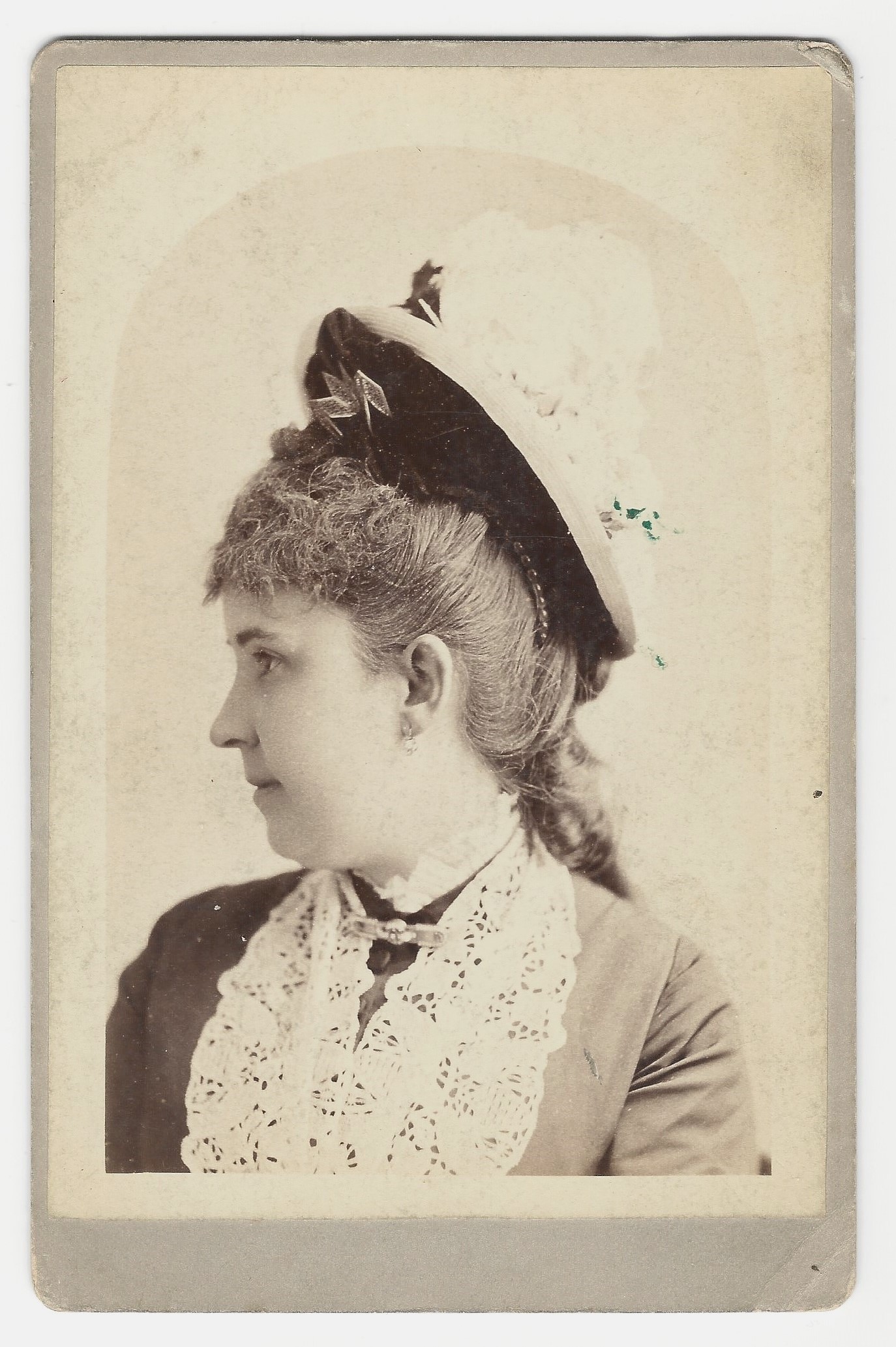
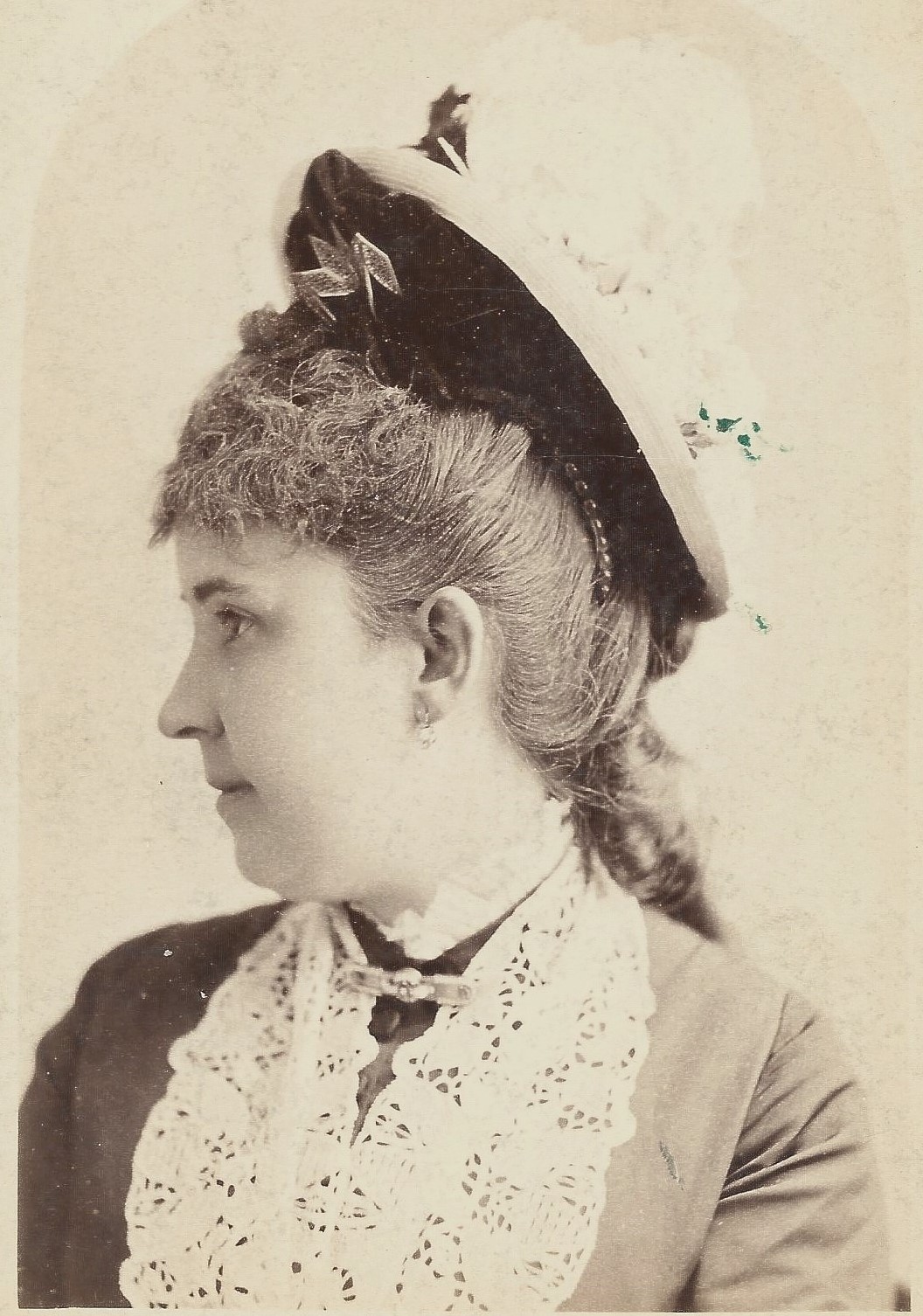
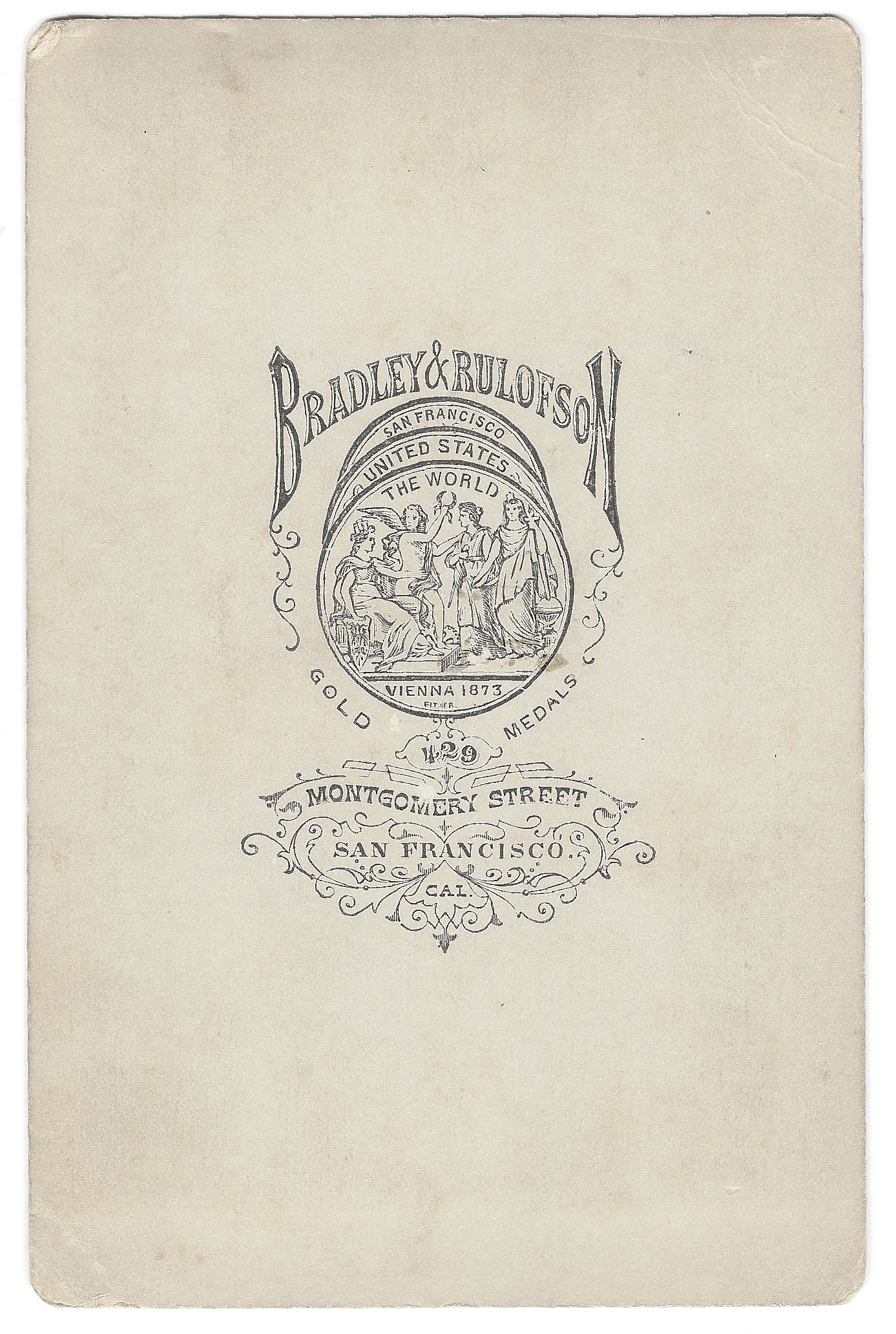
This cabinet card photograph features a pretty young actress. At least, this is likely a stage beauty rather than a “civilian”. This photo was taken by the San Francisco gallery belonging to well respected photographers “Bradley & Rulofson. Their studio took many photographs of stage actresses when they came to San Francisco. Henry William Bradley (1813-1891) and his partner William Rulofson (1826-1876) were partners in a photographic studio that photographed many notable Californians. Bradley was born in Wilmington, North Carolina, and grew up in New Orleans, Louisiana. He opened his San Francisco studio in 1850 and took in his partner in 1860. When he retired in 1878 his studio was considered the best on the west coast and won first prize at the Centennial Exposition at Philadelphia in 1876. Mr Rulofson had quite a controversial and interesting life and associated with many famous people including Ambrose Bierce. Rulofson died in a fall from the roof of his studio and was heard to say during the descent, “I am killed”. (SOLD)
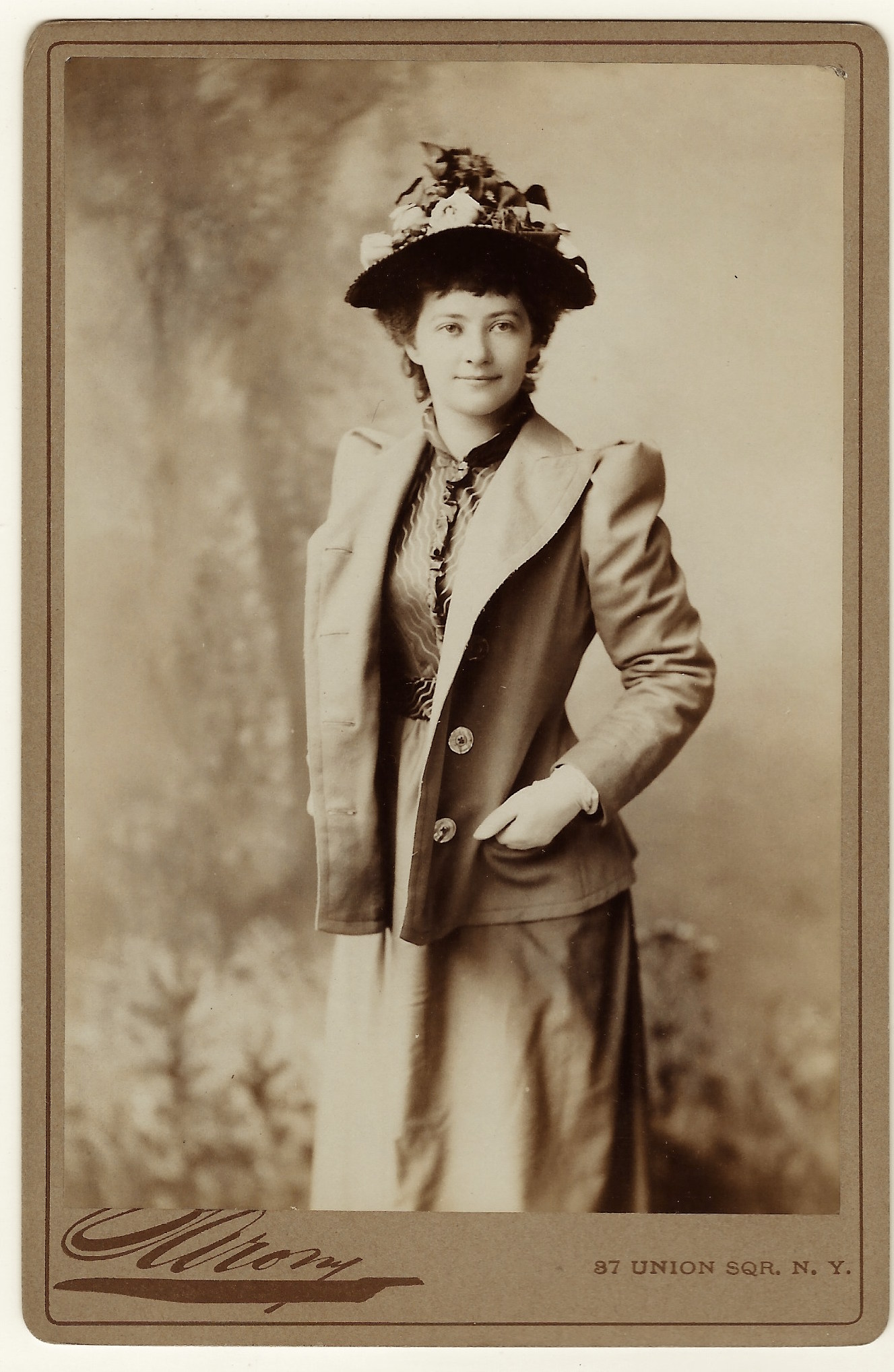
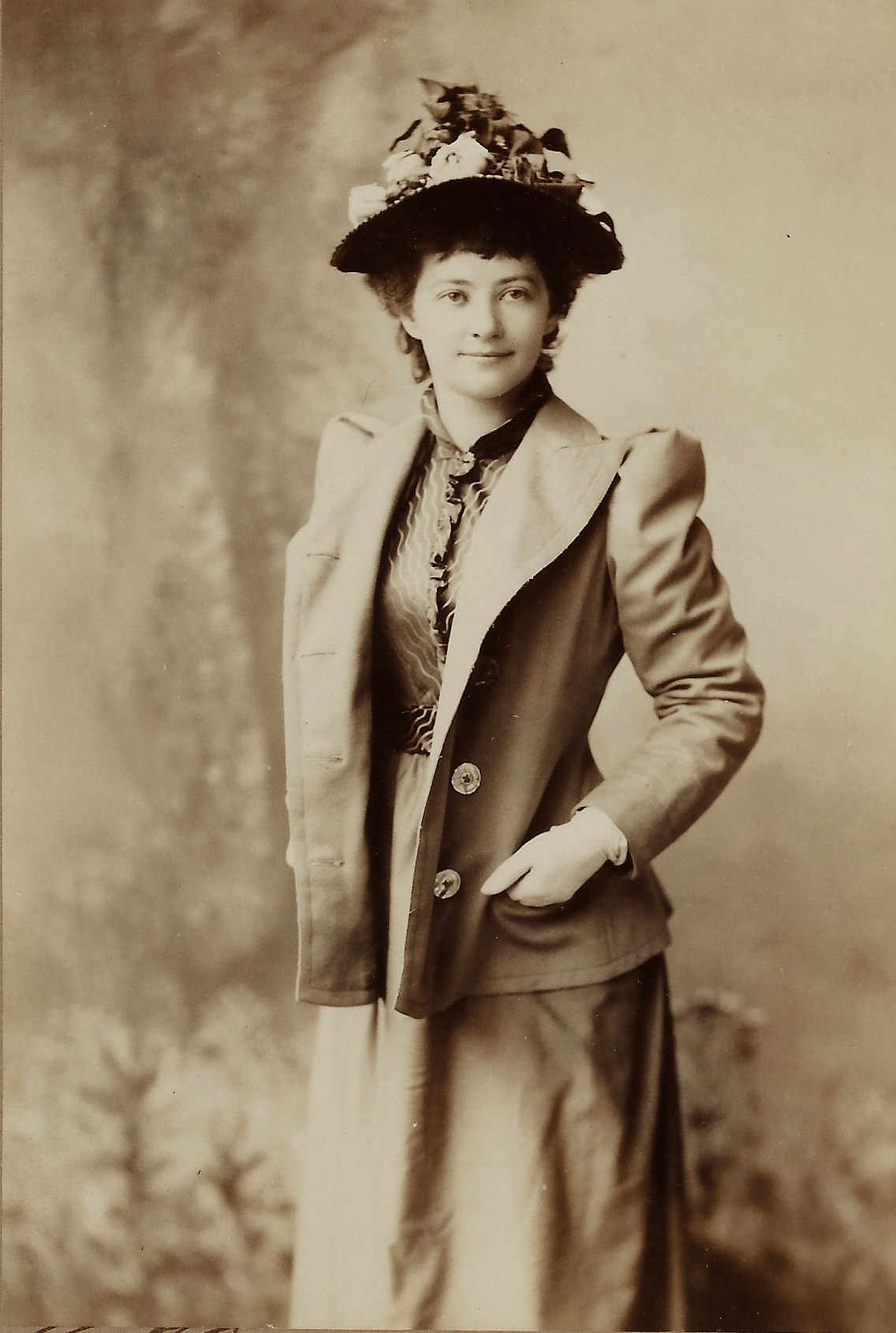
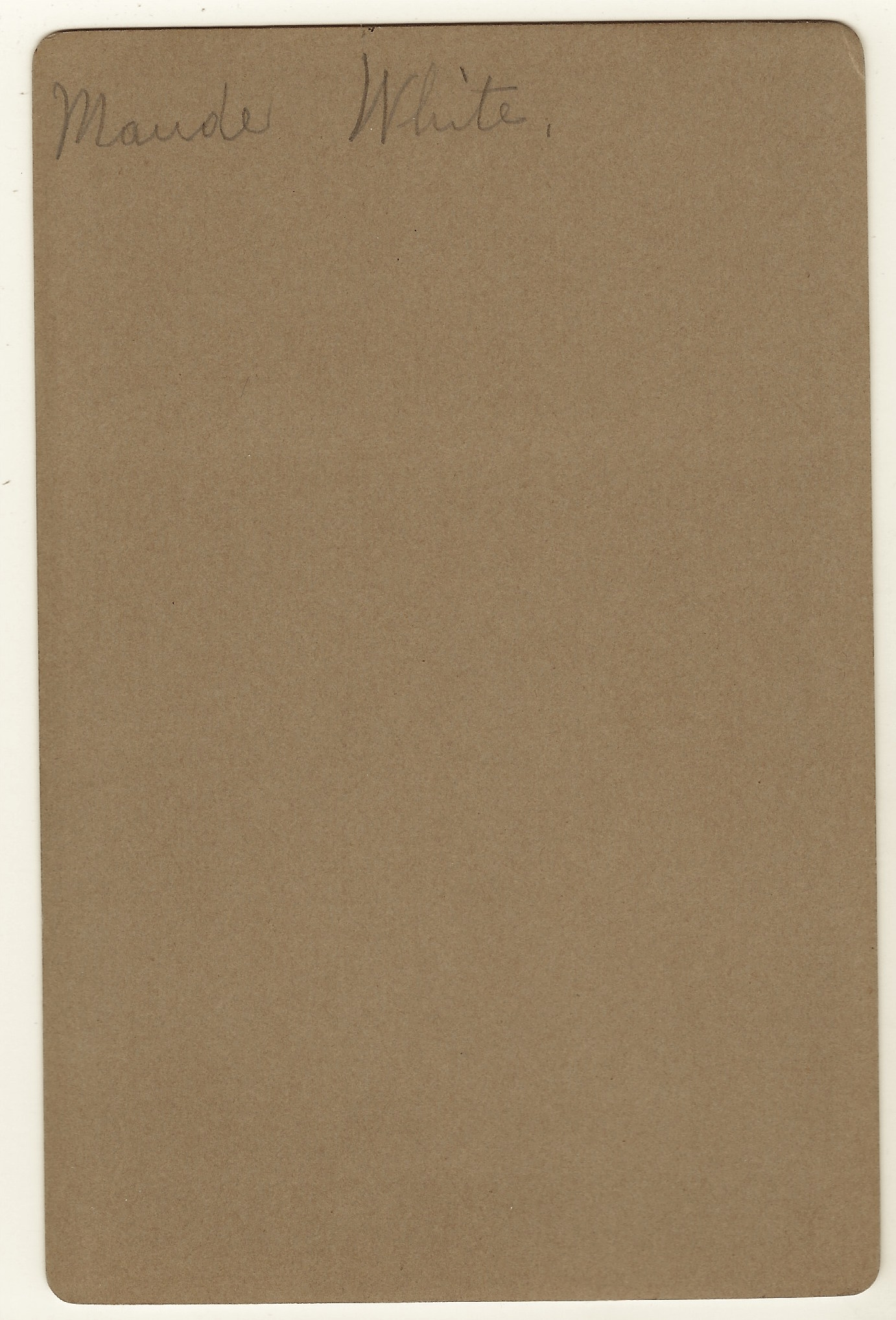
This is an unusual cabinet card portrait for two reasons. First, the pretty young woman who is the subject of this photograph is a New York city actress and certainly does not look the part. She is well dressed, but she is wearing conservative and “boring” attire. Overall, she looks more like the “woman next door” than a Broadway actress. She exudes a sweet and innocent disposition and she has a twinkle in her eyes. She doesn’t give the appearance of a professional actress of that time. Where’s the histrionic flamboyance? Where’s the drama? Secondly, what’s wrong with the photographer, Napoleon Sarony. The fantastic celebrity photographer was not showing his usual bombastic flair when he posed and shot this photograph. Unlike many of his theatrical portraits, there is no fancy clothing or abundance of props in this portrait. The young lady in this image is named Maude White. Her name is written on the reverse of the photograph. However, there is a caveat worth mentioning. I encountered a problem while I was researching Maude White. I discovered that there was also an actress named Maud White who was performing during the same era. This became an issue because, despite the inscription on the back of the cabinet card, I could not be sure if the woman photographed was Maude White or Maud White. I attempted to find other photographs of both actresses but met no success. Due to the fogginess of the identification issue, I decided to research both Maude and Maud. The Internet Broadway Data Base reveals that Maude White appeared in one Broadway production, “The Ruling Power” (1904). However, Maud White made three appearances on Broadway (“Lost-24 Hours”(1895), “A Stranger in a Strange Land” (1899), and “There and Back” (1903). First, I will present some information gleaned from researching Maude. The New York Times (NYT) (1888) published an article about a soon to open play entitled “A Parisian Romance”. The star of the show was Mr Richard Mansfield and the supporting cast included Miss Maude White. The NYT (1888) later reviewed the play and made special mention of Maude. The review described her as “the danceuse (female ballet dancer) of the Opera” and reported that she played her role in a charming, pert, and clever manner. The NYT (1898) announced the soon to open comedy, “A Stranger in a Strange Land”, and that it would include both Mansfield and Maude. An article in the NYT (1900) stated that Maude would appear in Stuart Robson’s company that year. The NYT (1903) heralded the opening of a farcical comedy called “There and Back” and added that Maude would be a principal in the cast. An interesting story about Maude appeared in the NYT in 1905. The issue at hand was plagiarism. Maude had written a playlet called “Locked Out At Three AM” and she complained to the United States circuit court that the author of another play used some of her material. Maude had asked for an injunction and sued for damages. The NYT (1906) stated that Maude would be starring in the play “Nobody’s Fault”. Now lets focus on Maud, rather than Maude. In 1890, Maud was involved in some controversy and it was reported in the NYT. The title of the article was “Fritz Emmet Sobering Up”. Emmet was an established comedian who had a relationship with “John Barleycorn” that had produced many newspaper articles focussing on his drunken behavior. The article stated that there was “a stormy sea” on the stage of the Hammerstein’s Harlem Opera House. Emmet had been drinking heavily for two weeks and creating much drama. His professional and personal life had become badly damaged. In his previous engagement in Philadelphia, Emmet had reached the point that he could no longer perform. The theater had to close the show, and fortunately for the theater, Emmet compensated them for their losses. Next stop was Harlem, but Emmet kept drinking excessively until the dramatic incident occurred on stage. At a Saturday night performance he “murdered his play”. While onstage he made many “Bacchanalian references” and exhibited other inappropriate words and actions.. Emmet’s adult son decided to put an end to his father’s out-of-control behavior. Just as the curtain went down on the last act of the play, Fritz’s son went on the stage where his father and Maud were standing. The son informed Maud that she would have to leave the theater company. Maud objected in a “vigorous manner” spurring the young Mr. Emmet to have her forcibly removed from the theater. Worse yet, he had her confined to a little storm house over the stage door. Basically, she was temporarily kidnapped. Maud cried and screamed “various better words” and even though Fritz tried to intervene, she was imprisoned until the police arrived. The police were called by the younger Mr Emmet and they promptly took Fritz to Manhattan Hospital where he was confined overnight. Maud was released and put in a carriage to go wherever she wanted to go. The story got worse for Fritz. Directly after this incident, his wife of 27 years, sued him for divorce on grounds of infidelity. They ultimately divorced and the settlement was costly for Fritz. Maud continued to perform and the NYT (1891) announced that Maud would be appearing in a play directed by Charles Frohman called “Mr. Wilkinson’s Widows”. That same year, she appeared in a Frohman production entitled “The Solicitor”. The NYT (1892) has an article reporting that Maud appeared in another Frohman production (“The Lost Paradise”). An 1895 NYT article states that maud was appearing with the Robert Hilliard Company in “Lost- 24 Hours” at the Hoyt Theater. The NYT (1897) has an article reporting her appearance in “The Wrong Mr Wright”. Maud received a complimentary review from the NYT (1903) concerning her performance in the role of the “seductive Marie Antoinette” in the play “There and Back”. (SOLD)
This vintage real postcard features a portrait of a Native American woman. She is carrying her young child on her back. She is dressed in Native American traditional clothing. Printing on the reverse of the card reveals that her name is Oue-ta-chu-hah and she is from the Maesquakie (Meskwaki) tribe. The tribe was located in Tam, Iowa. They are also known as the Fox tribe and are closely linked to the Sauk people. The message on this postcard is disturbing and racist. The writer tells the addressee that the Native Americans “take life easy, seldom working”. There is no mention of the impactful oppression and discrimination experienced by the tribes. This postcard was postmarked in 1909. (SOLD)
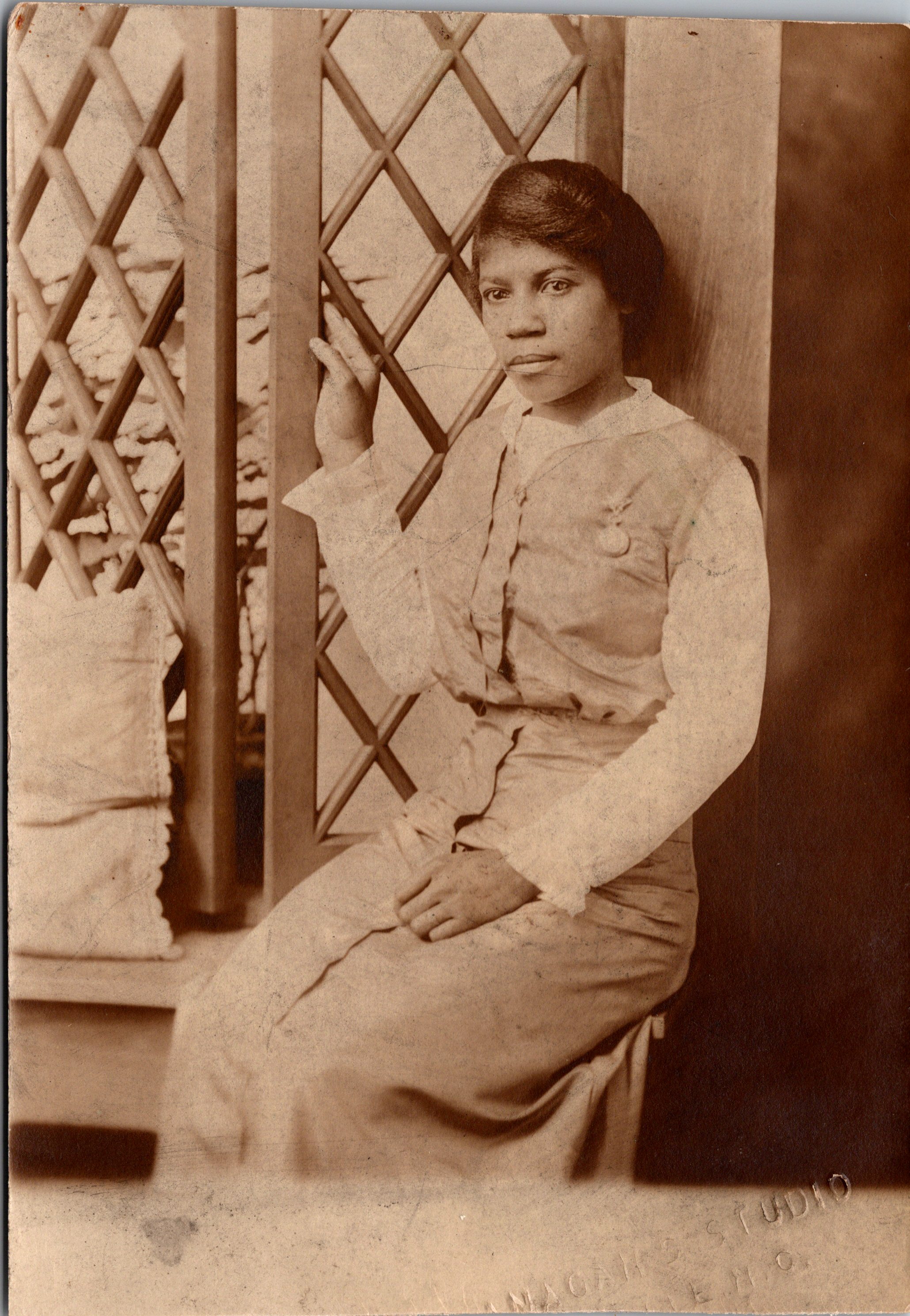
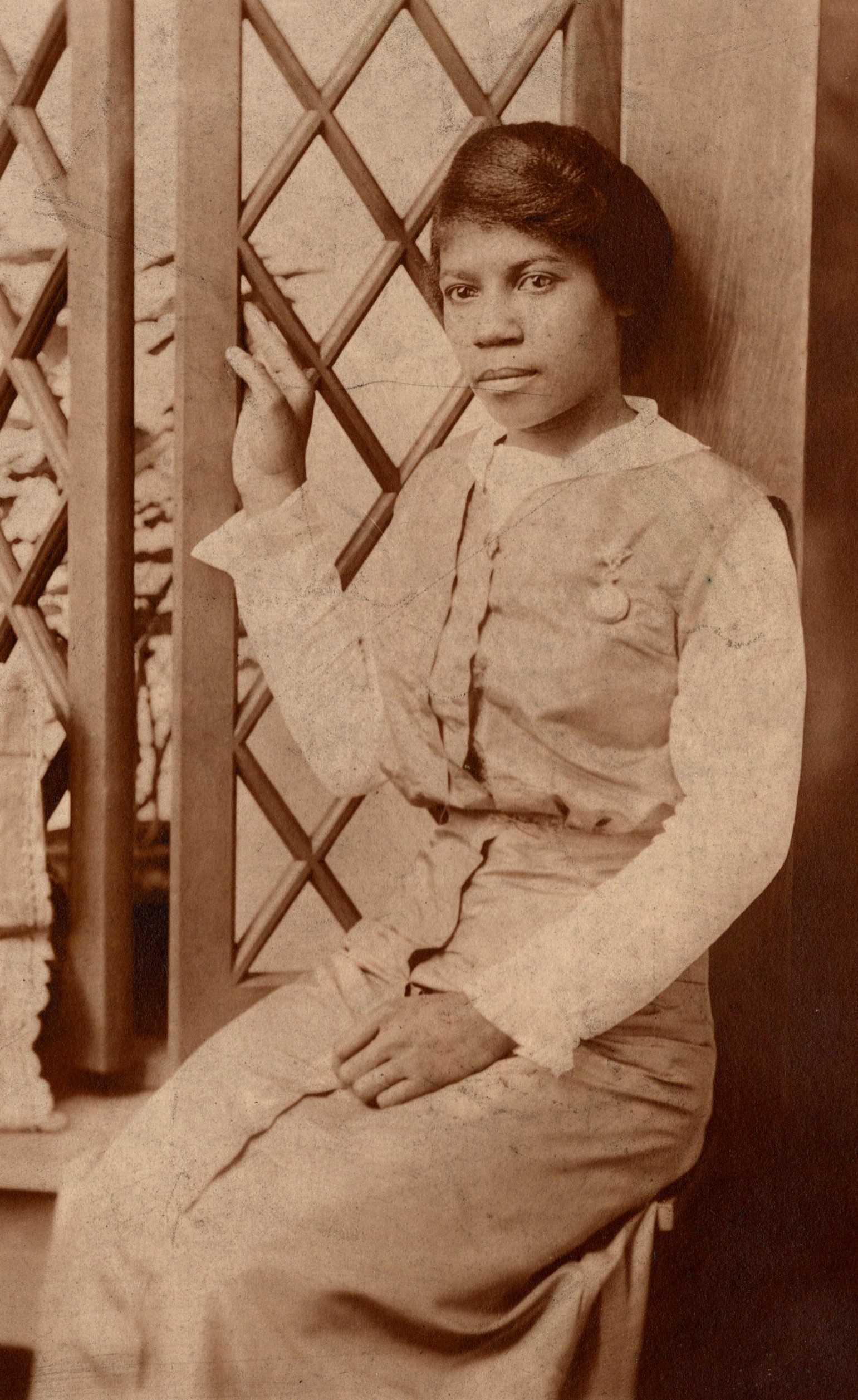
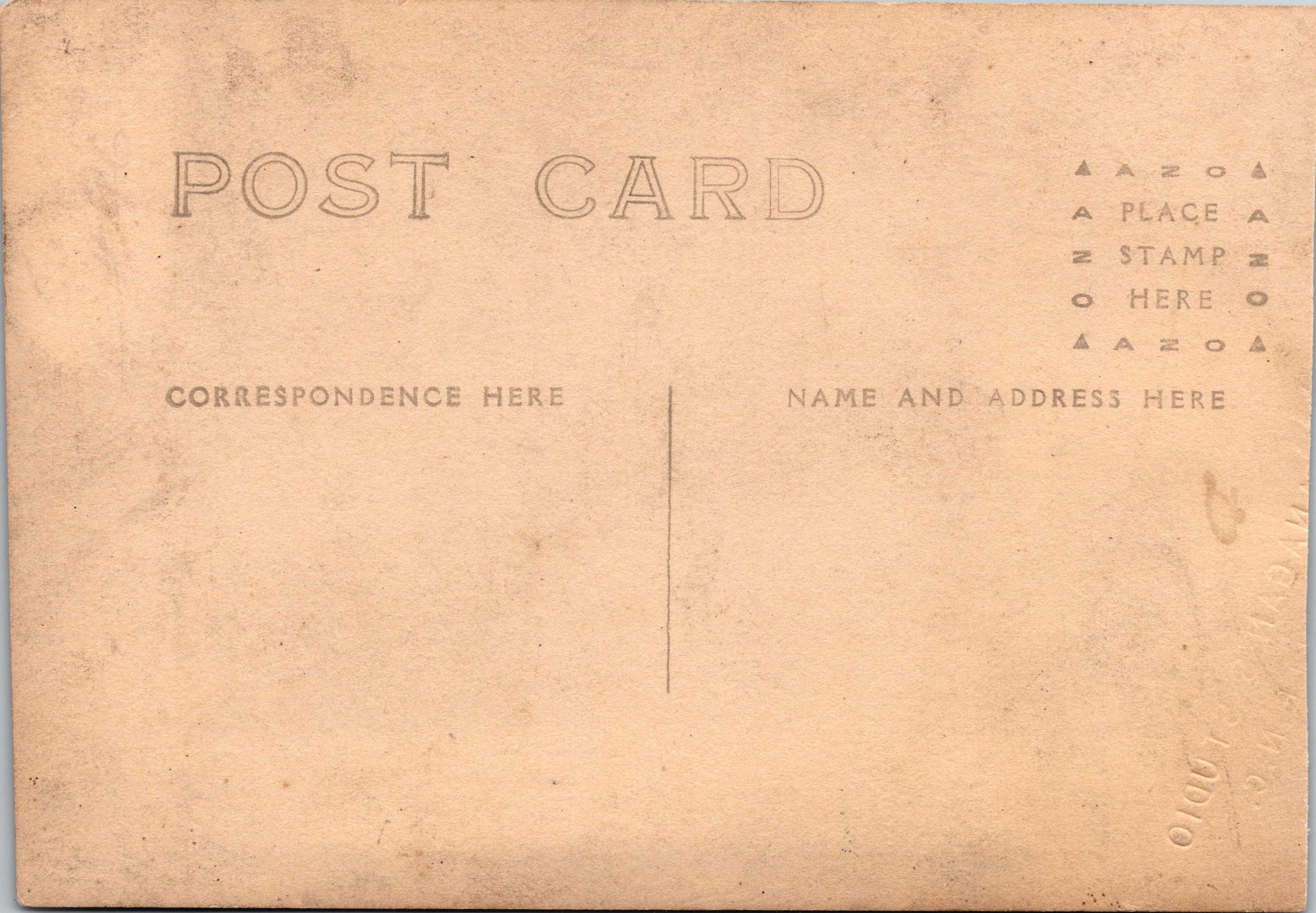
This vintage real photo postcard features a lovely African American young woman sitting on a window sill. The window is open. Note the lace covered pillow by her side. This is a studio photo. The name of the studio is embossed on the bottom right hand corned of the card. It is difficult to decipher but I believe the studio was located somewhere in Ohio. The AZO stamp box on this card indicates that it was published sometime between 1904 and 1918. (SOLD)
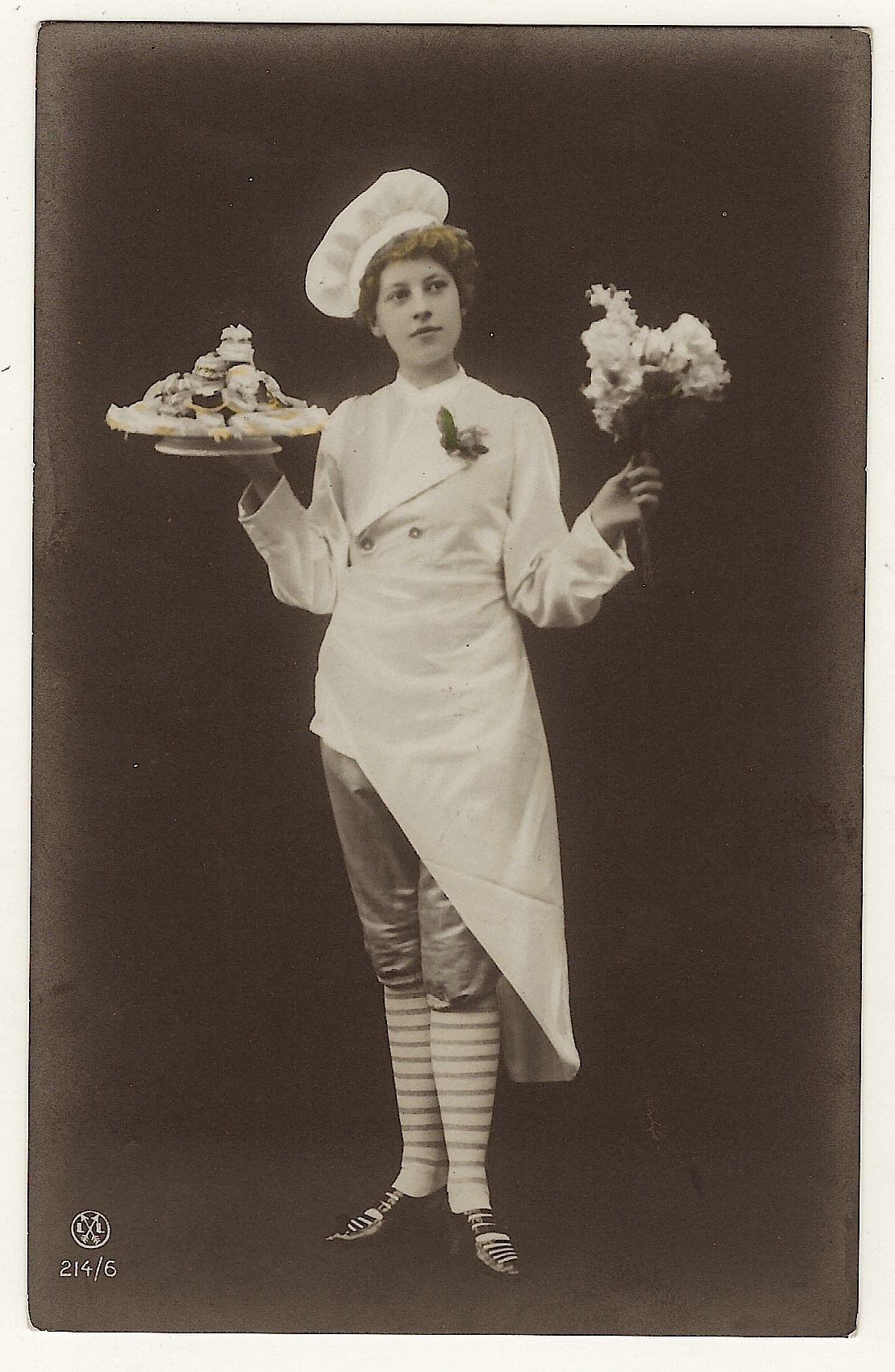
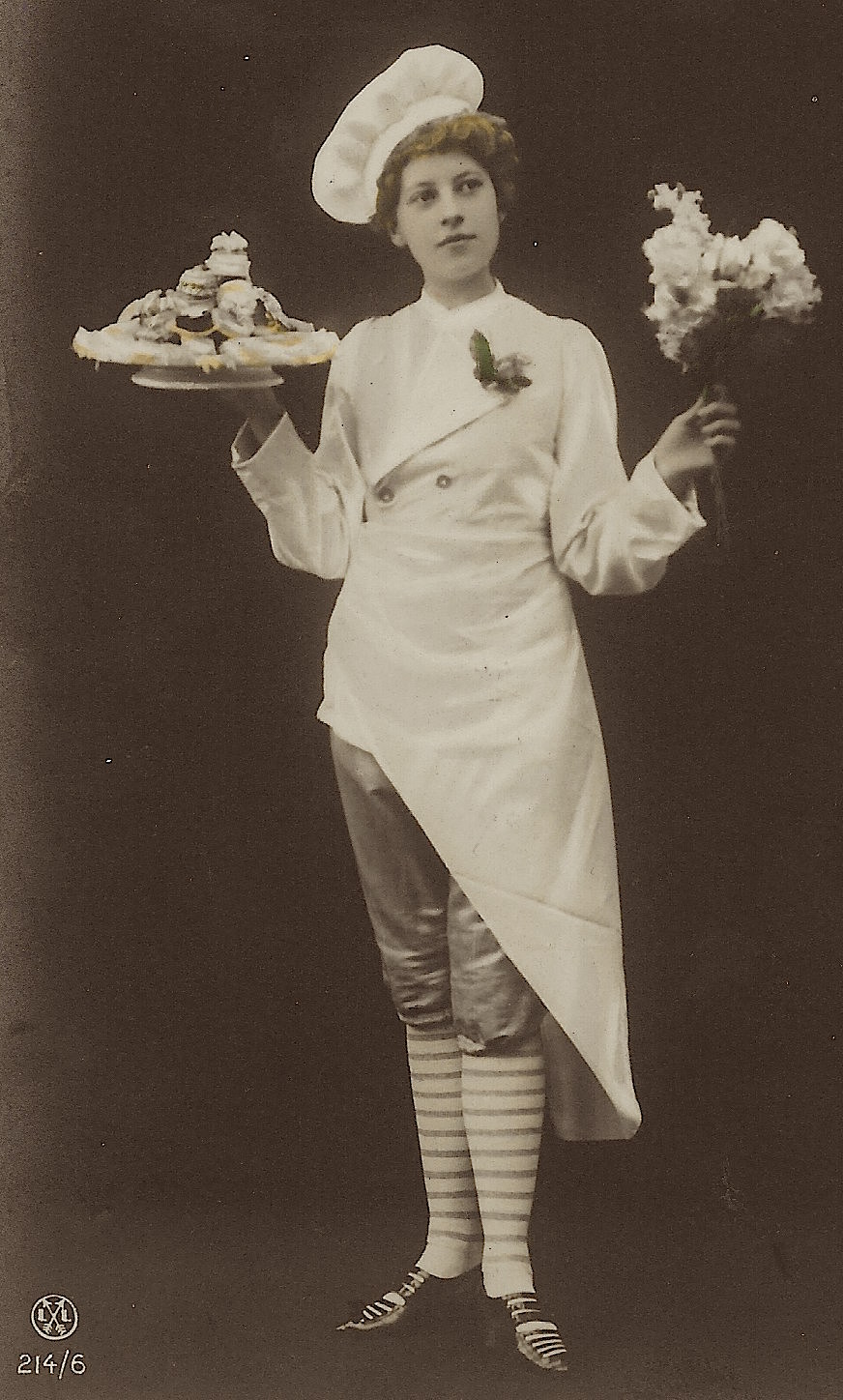
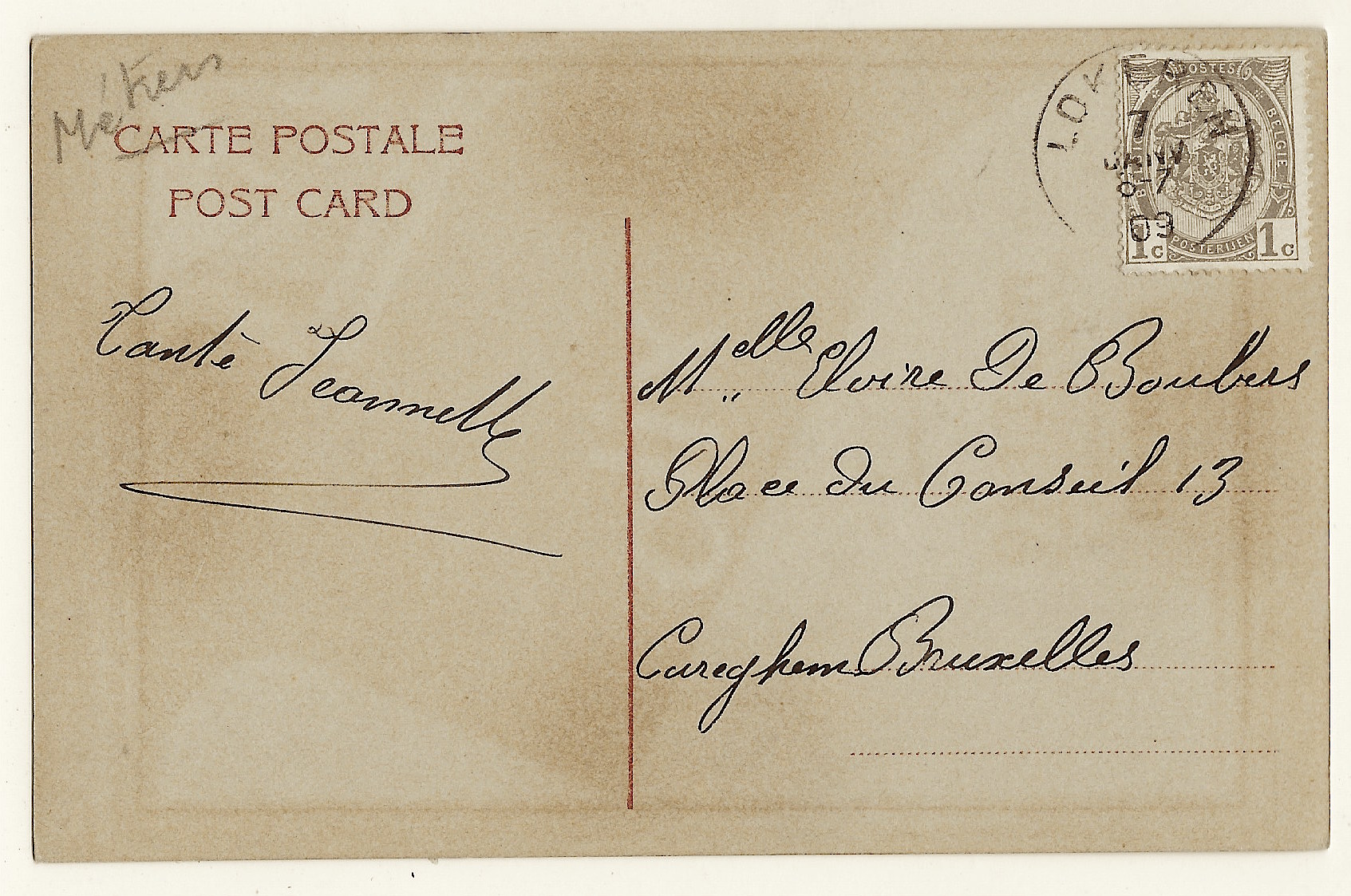
This vintage real photo postcard features a young and pretty pastry chef holding a tray of delectable desserts in one hand and a bouquet of flowers in the other hand. She is wearing a chef uniform, including her hat. Note her sporty shoes and high socks. The postcard has a Belgian stamp and a postmark from Lokoren, Belgium. The postcard was mailed in 1909. (SOLD)
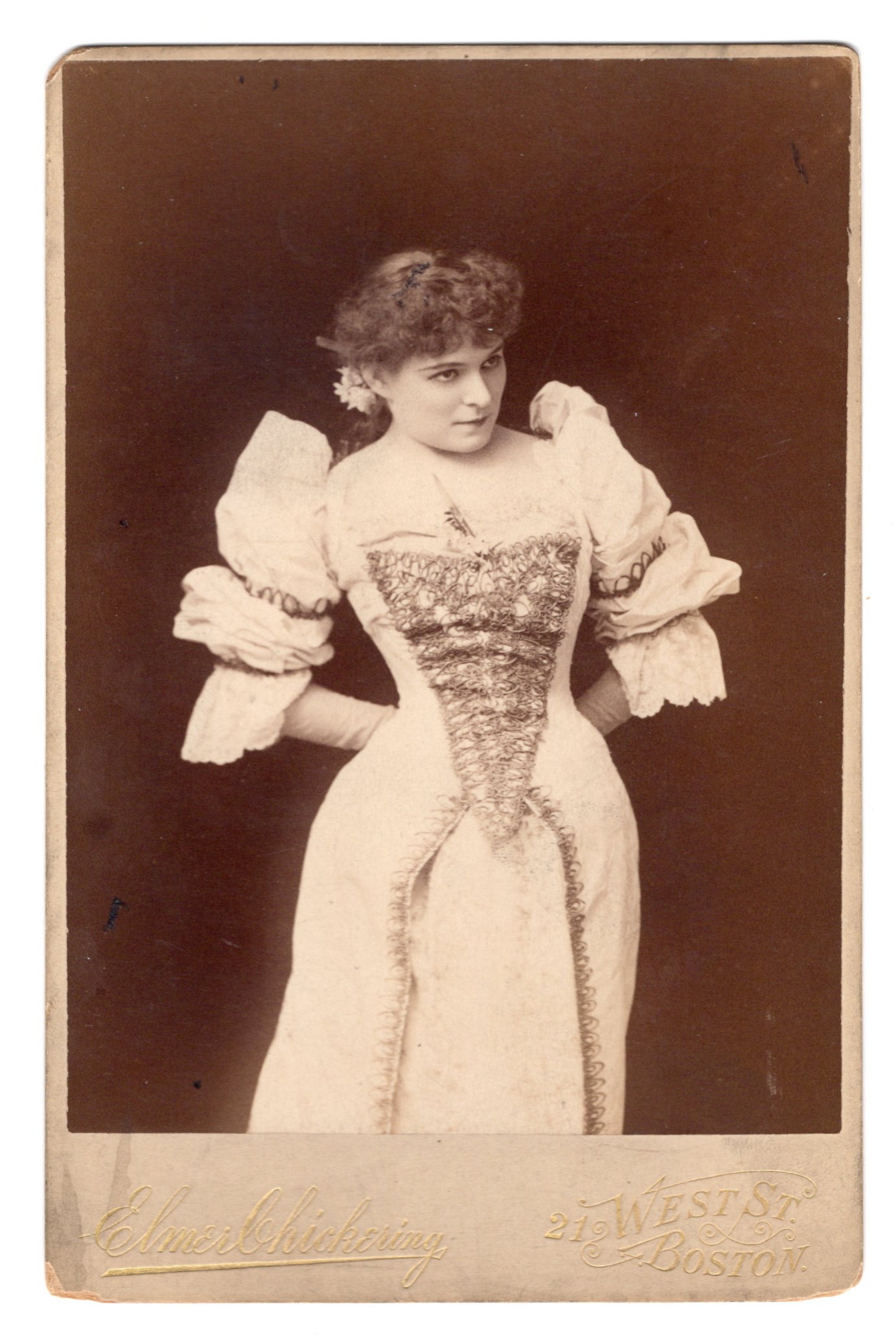
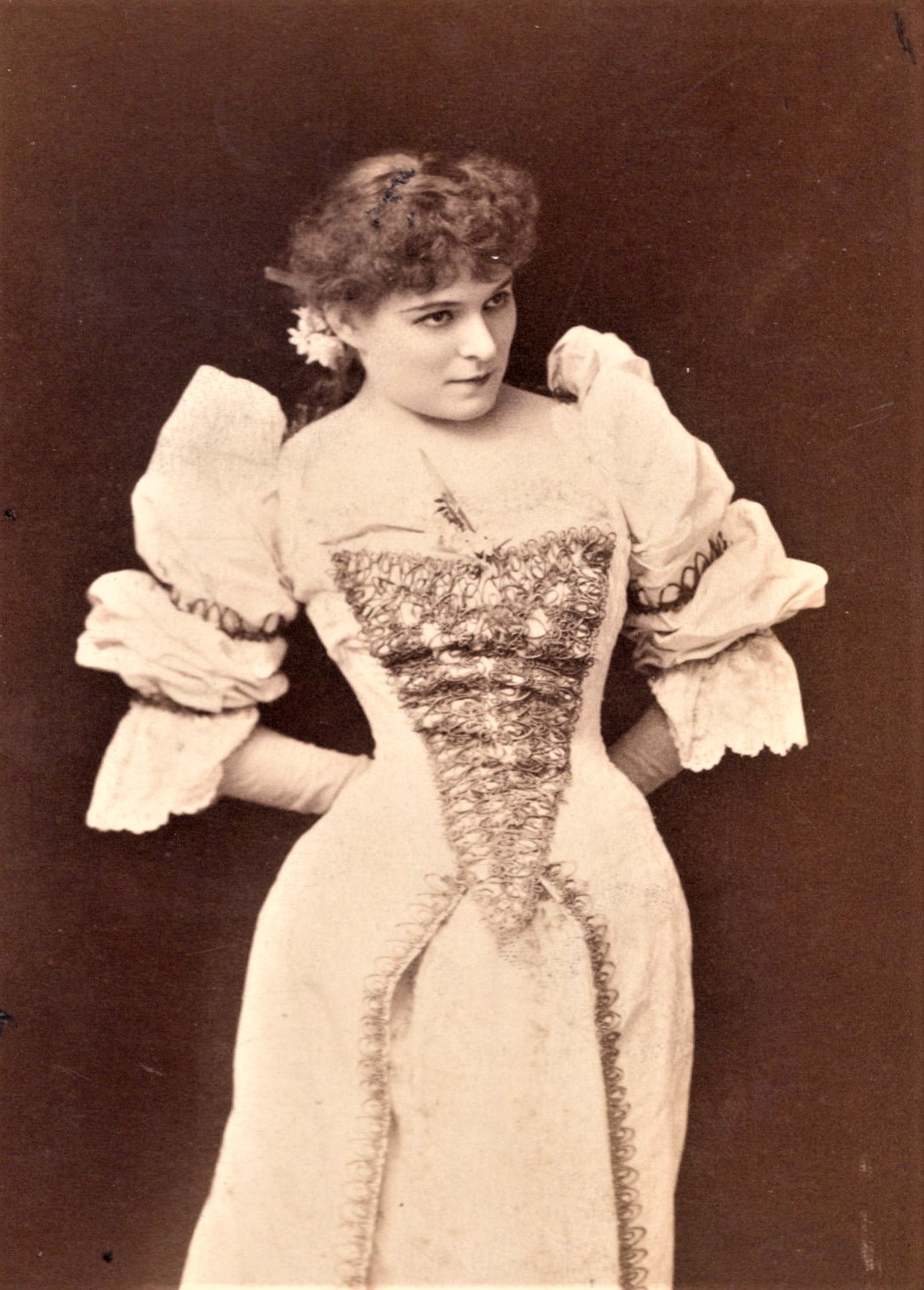
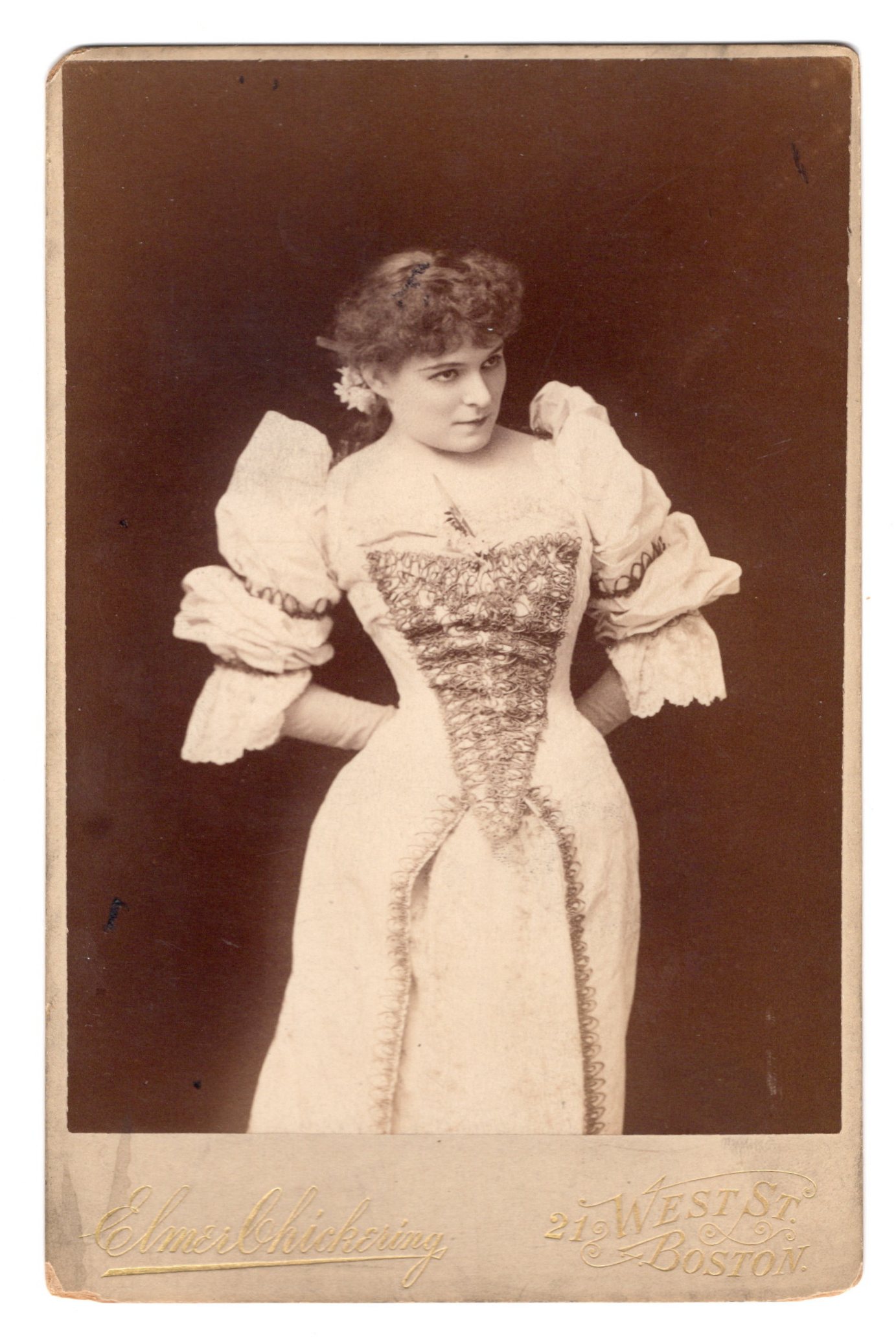
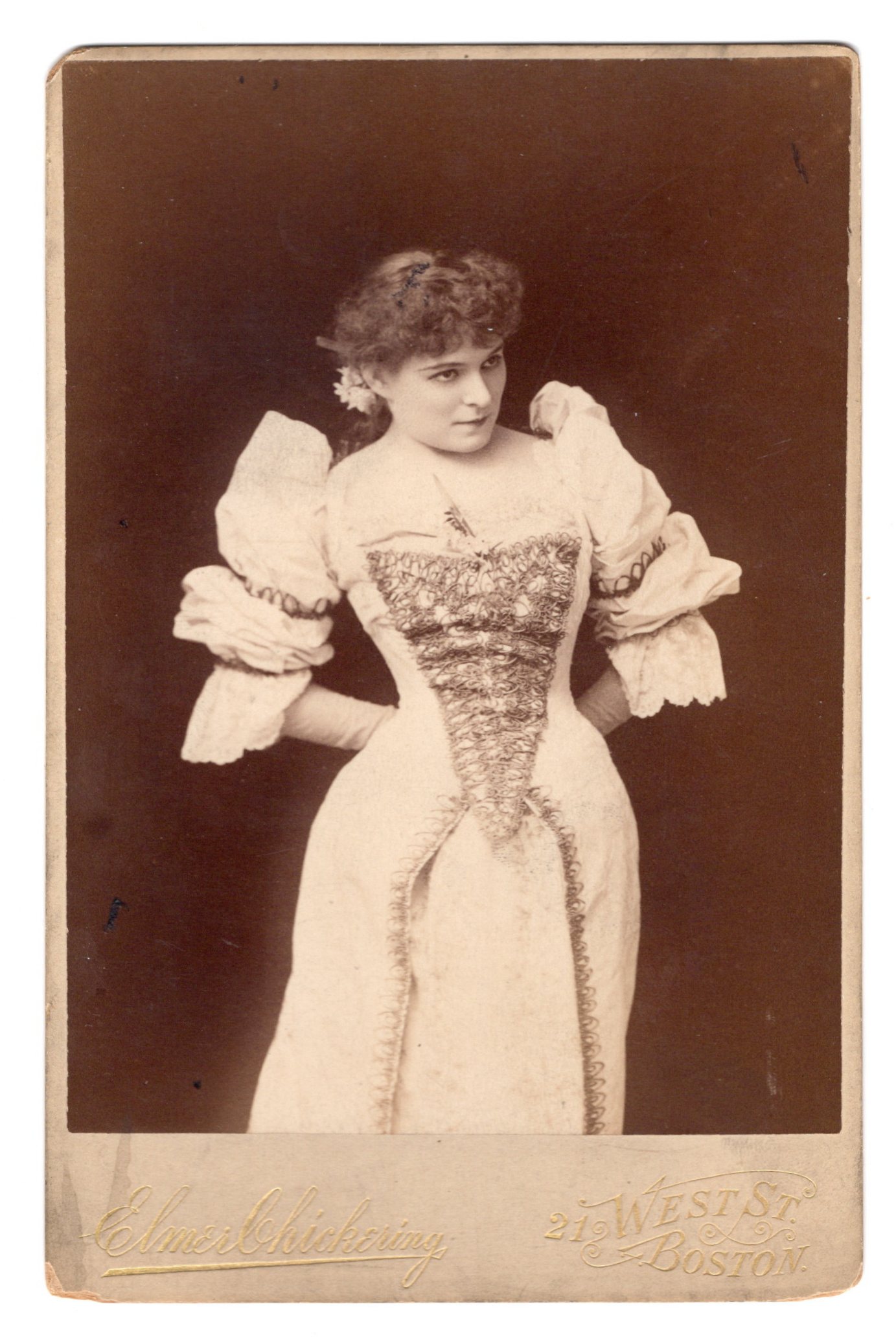
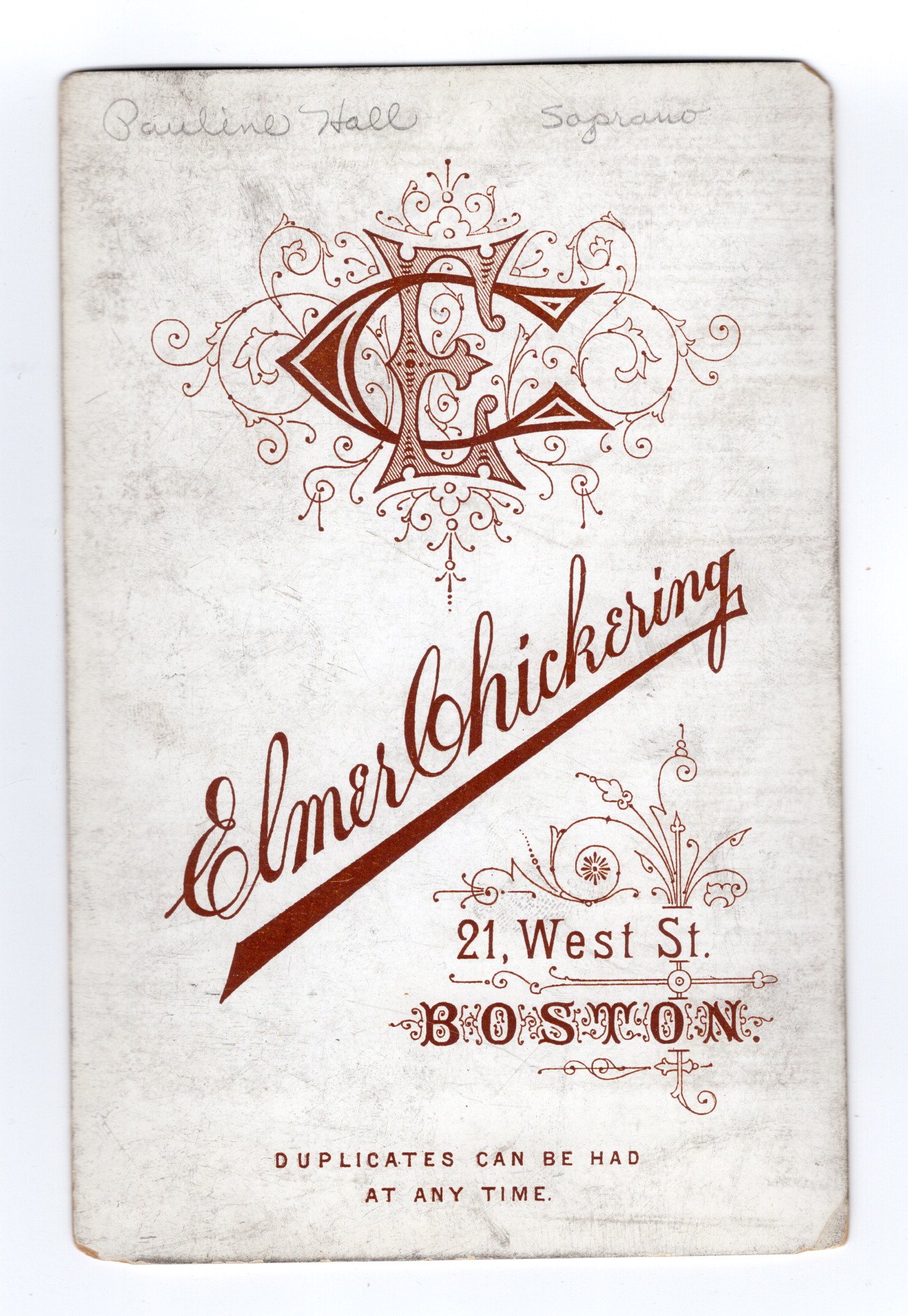
This cabinet card features Pauline Hall (1860-1919), one of the most popular turn of the century prima donnas. She began her career as a dancer in Cincinnati, Ohio at age 15. She joined the Alice Oats Opera Company but left to tour in plays with famed actress Mary Anderson. By 1880, she worked for well known producer Edward Everett Rice in musical productions. Early in their association, he gave her a role in “Evangeline”. Her shapely figure allowed her to take male roles as she did in “Ixion” (1885). Her greatest success came in the title role of the first American production of “Erminie” (1886). She played in more than two dozen Broadway operettas. Her final role was in the “Gold Diggers” (1919). This photograph was taken by famed celebrity photographer, Elmer Chickering of Boston, Massachusetts. The cabinet card has wear in it’s lower right hand corner and has a very slight curl. It is in overall good condition *see scans.
Buy this Vintage Cabinet Card photograph (includes shipping within the US) #5013
To purchase this item, click on the Pay with PayPal button below
$58.85
Buy this Vintage Cabinet Card (includes International shipping outside the US) 5013
To purchase this item, click on the Pay with PayPal button below
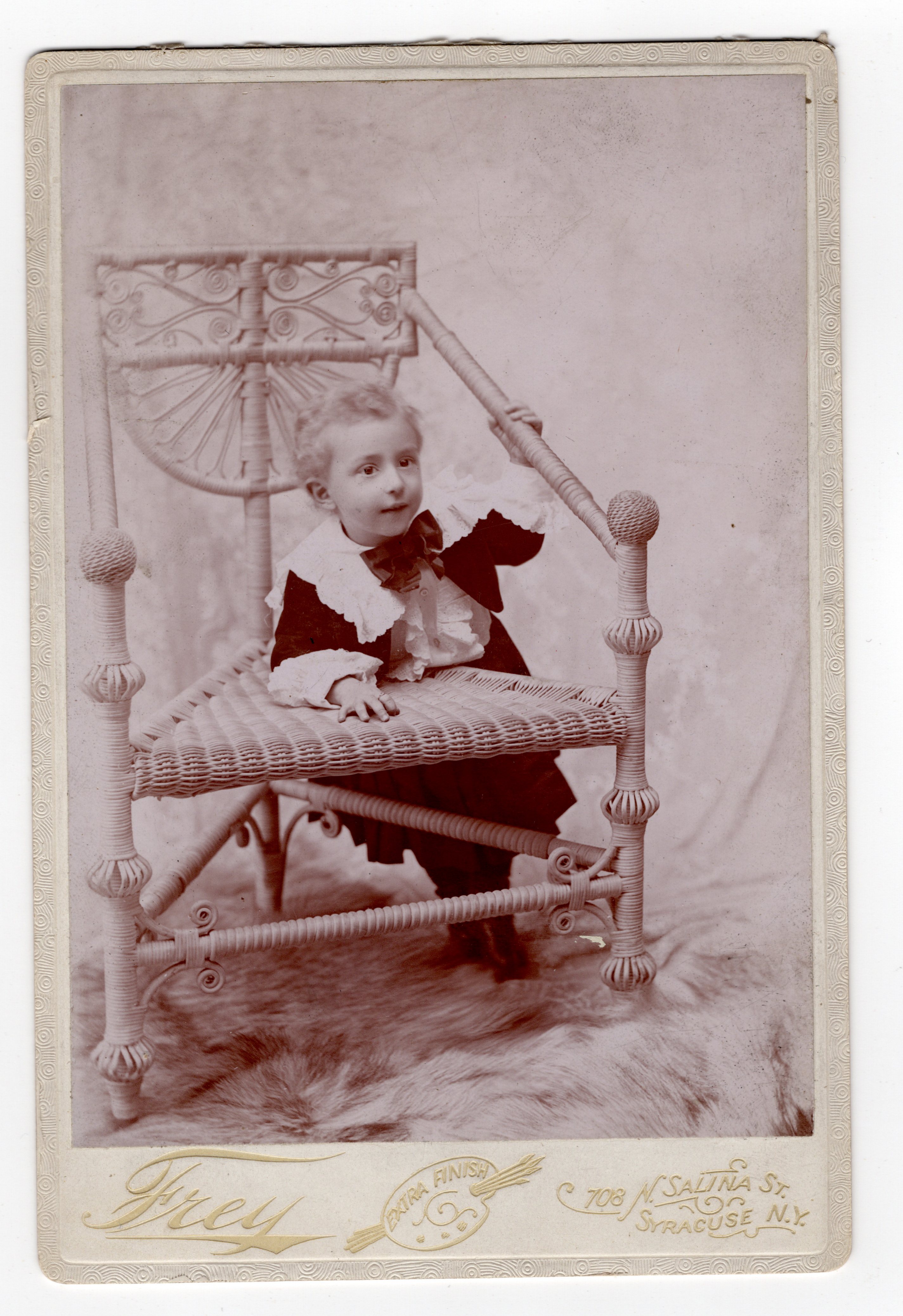
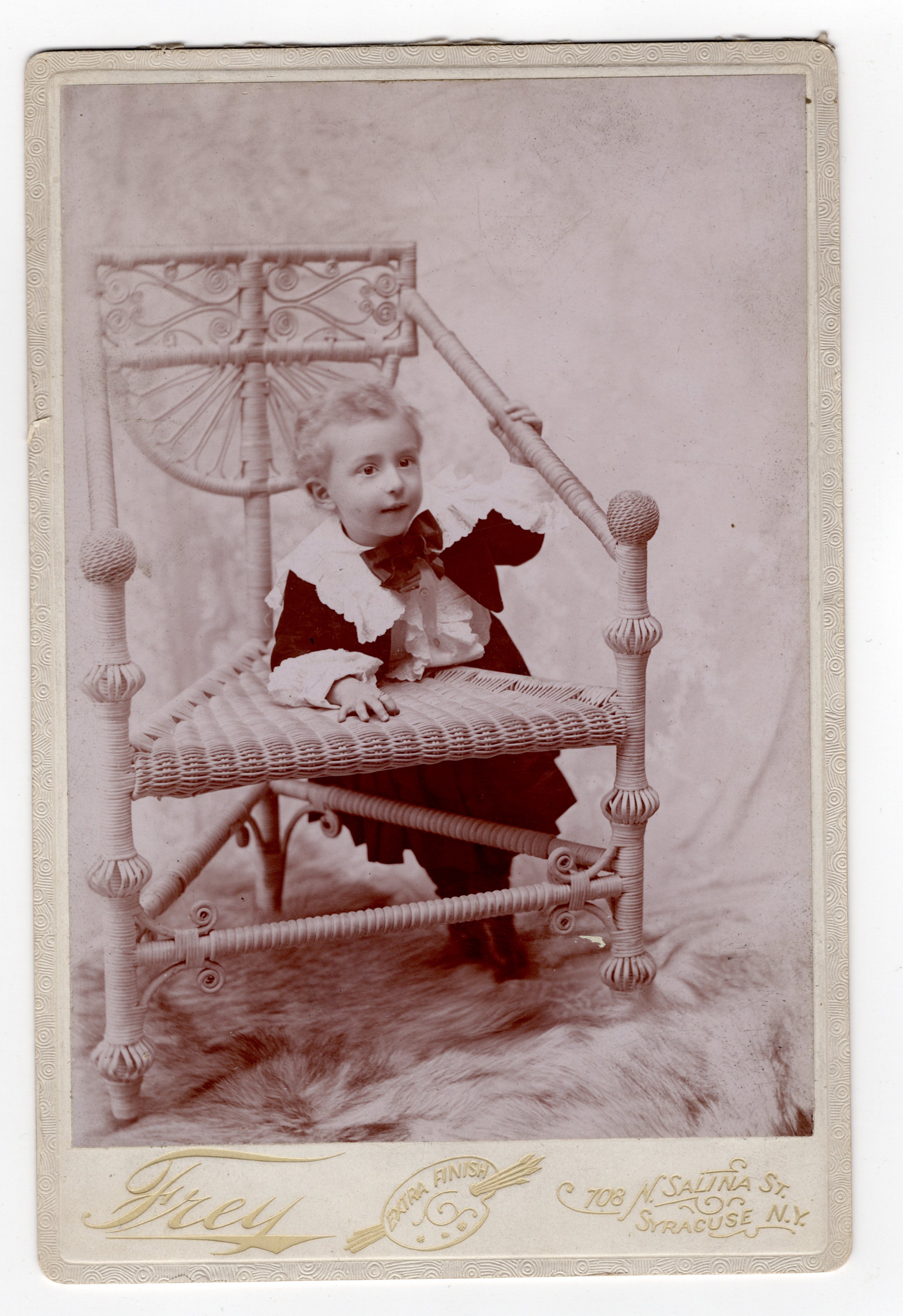
A child dressed in fashionable clothing poses for his photograph at the Frey studio in Syracuse, New York. The child is displaying a smile. He is leaning against a wicker chair. Vincent Frey (1837-1916), the photographer, was born in Germany and died in Syracuse. He was a photographer in Syracuse for more than 30 years. The cabinet card is in overall Good Condition (see scans).
Buy this Vintage Cabinet Card photograph (includes shipping within the US) #5118
To purchase this item, click on the Pay with PayPal button below
$18.50
Buy this Vintage Cabinet Card (includes International shipping outside the US) 5118
To purchase this item, click on the Pay with PayPal button below
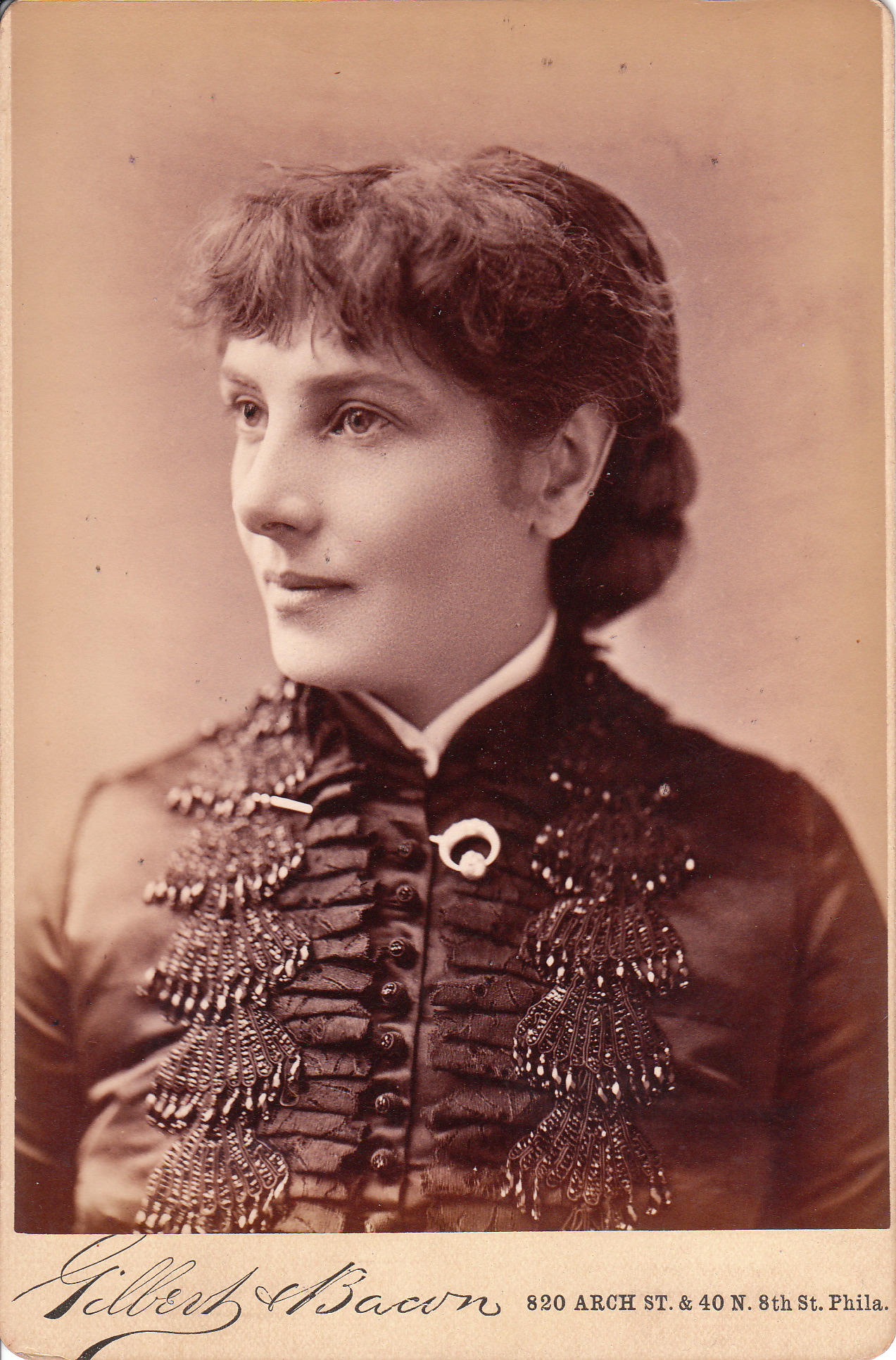
Cabinet Card 1 features early theatre actress, Jennie Winston. Unfortunately, biographical information concerning Ms. Winston appears to be sparse, and further research is necessary. An 1881 publication reveals that Jennie Winston was a native of Scotland and moved to Australia to join W. S. Lyster’s Italian Opera company. Her tenure with this company was seven years. She next went ot America under engagement to “Mr Maguire”, for whom she worked for one season’s duration. She then formed her own traveling opera company which journeyed to the western United States and British Columbia. The “Dramatic News” described Winston as “unsurpassed as a comic-opera artist by anyone in this country”. The photographer of this portrait was the studio belonging to Gilbert & Bacon. This studio was well known for their quality work as well as their work with local and visiting celebrities. To view other photographs by this studio, click on the category of “Photographer: Gilbert & Bacon”.
Cabinet Card 2 also by Gilbert & Bacon, captures a costumed Jennie Winston playing the mandolin. Note the backdrop used in this photograph. The backdrop was an excellent choice for the photograph as it is compatible with Ms. Winston’s costume. It was also a good choice technically; the actress does realistically appear to be standing on a winding stone road. (SOLD)
Cabinet Card 3 presents a portrait featuring a sultry looking Jennie Winston. The photograph is by celebrated photographer, Marc Gambier (1838-1900). (SOLD)
Cabinet Card 4 was also photographed by Gambier. Miss Winston is in costume for an unnamed theatrical performance. She is acting in the portrait. Note her provocative and coy appearance. Gambier was born and educated in Paris, France. At the age of 19, he came to America for a very short stint of time. He returned to France and became a student of the great painter, Le Creton. Subsequently, he became a student of another great painter, Camino. He then returned to America and for five years, studied and worked under esteemed photographer, Sarony (view Sarony’s photographs by clicking on the category “Photographer: Sarony”). He then launched his own photography business in New York City. He divided his time between his first love, painting, and his business of taking and selling photographs. Gambier was known as a great historical painter. He was a veteran of the French Army and while in the service, he sketched and painted several important battles. Research reveals that Gambier was listed in the 1880 US census. He was forty-one years old and living in New York City with his family. He is listed as living with his wife Emilie (age 28), daughters Louise (age 10) and Emilie (age 7), and son M. L. (age 2). Also in the residence was a young woman (age 25) who worked as a servant. Gambier was known for the many theatrical photographs he produced as well as for selling postage stamp sized portrait photographs, that people attached to their letters and postcards. (SOLD)
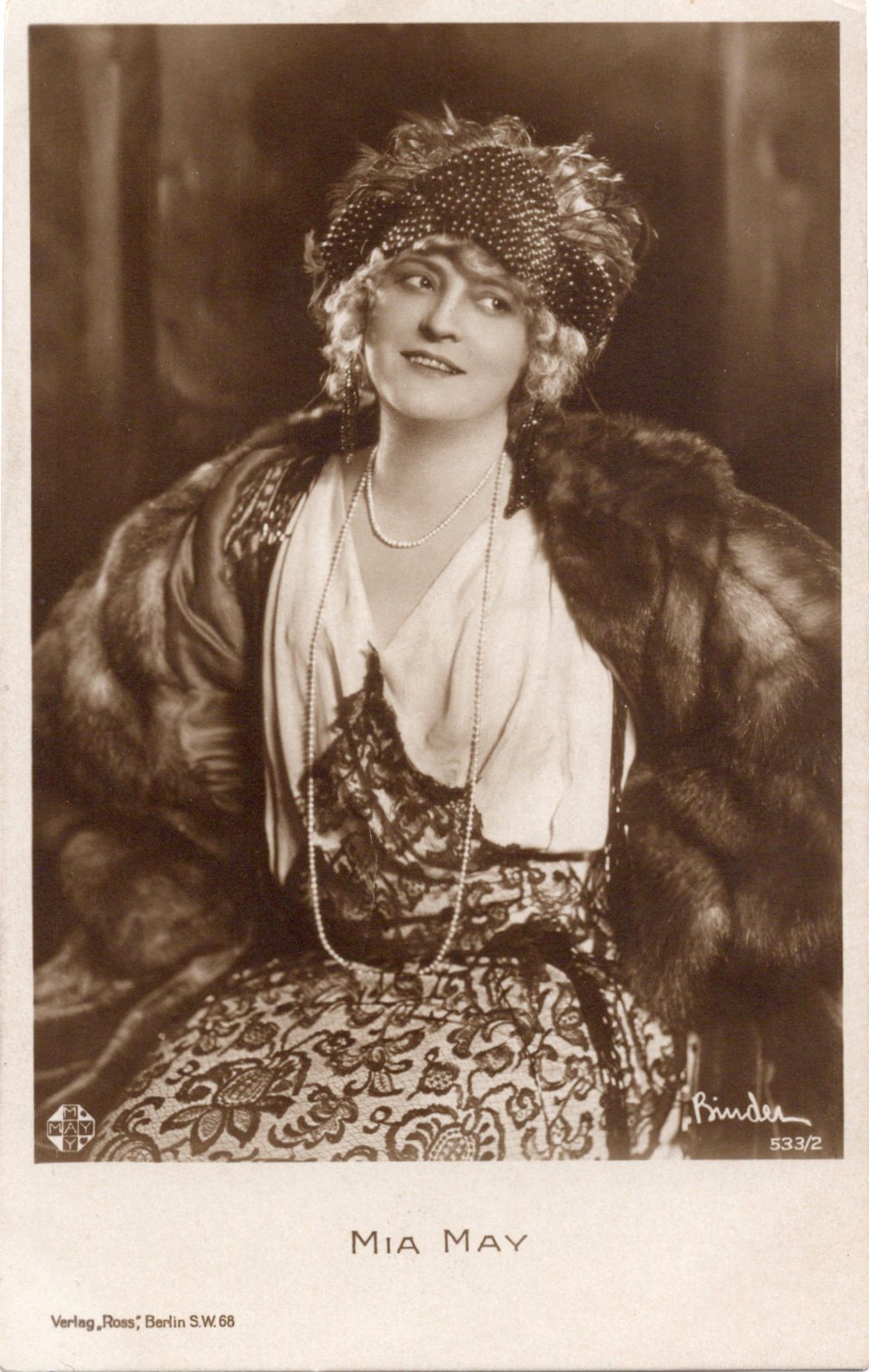
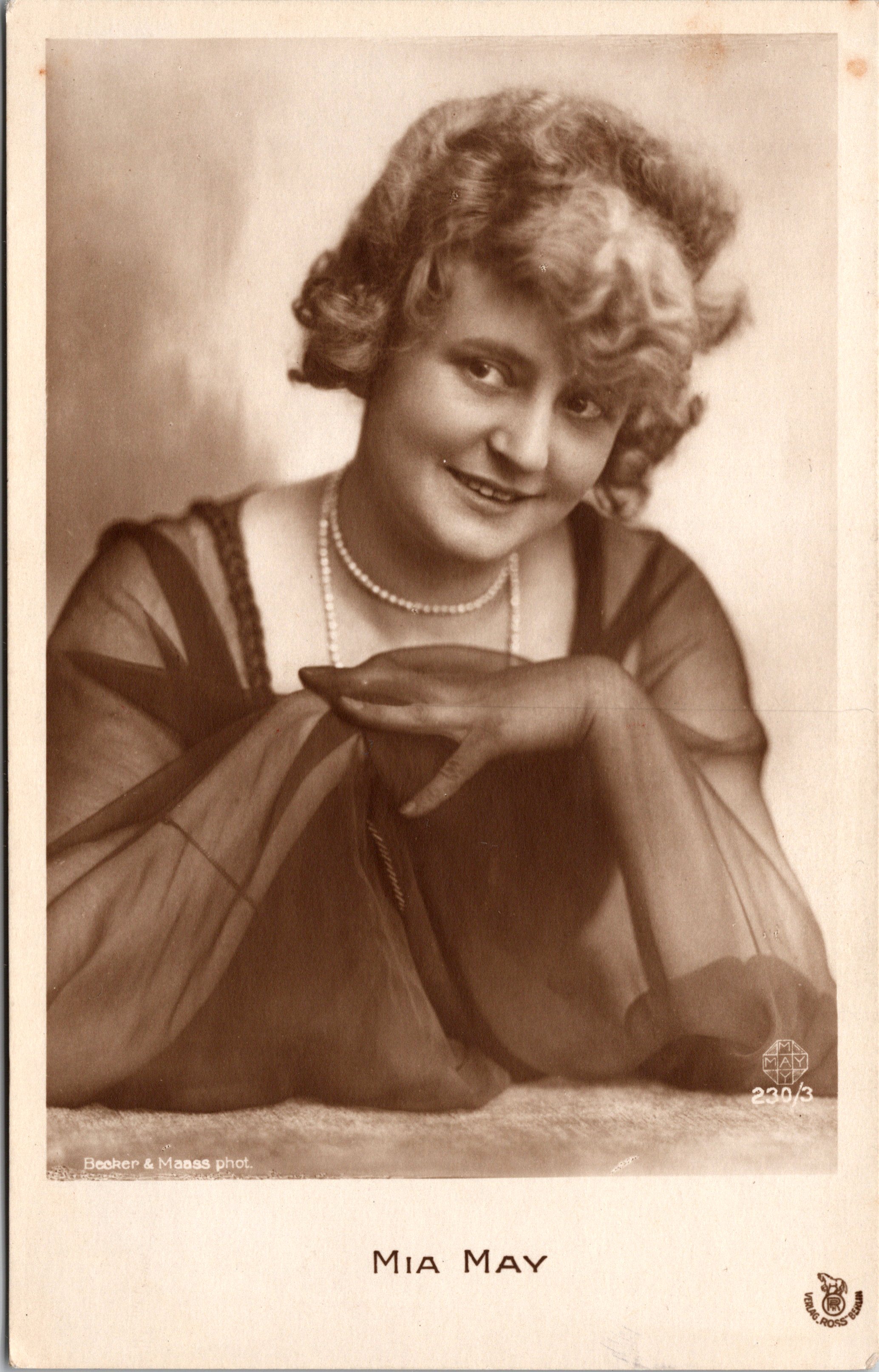
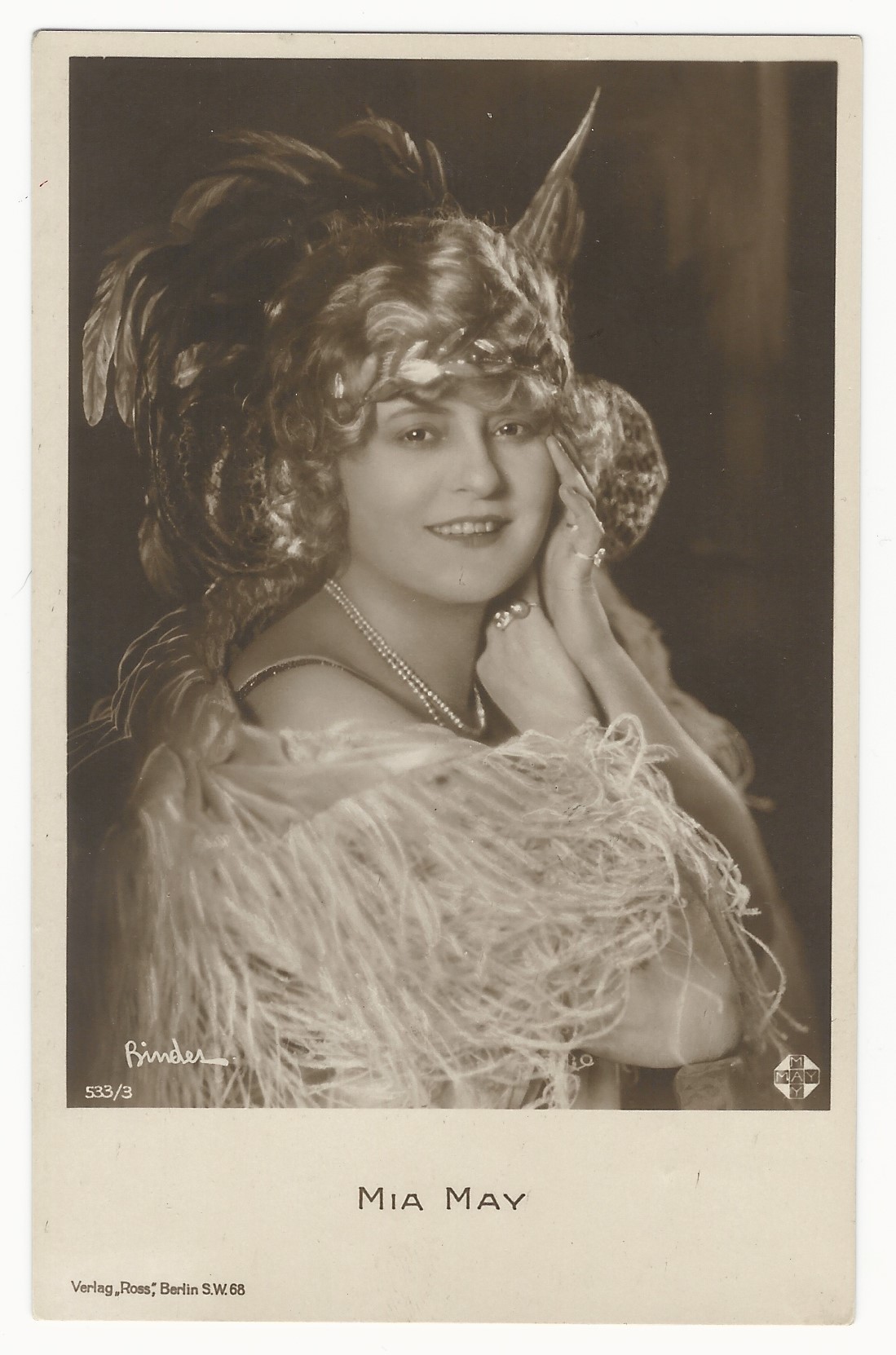
These vintage real photo postcards feature pretty Austrian actress Mia May (1884-1980). She was born in Vienna, the daughter of a baker. Her older sister was Mitzi Telmont (1879-1958), also an actress. Mia’s stage debut was when she was five years old. She played child roles until reaching age fourteen. As a teenager she appeared as Herma Angelot and performed as an actress and singer. While a high school student, she took ballet lessons. At age 18, she married Austrian, Julius Otto Mandl. The couple’s baby (Eva Maria Mandl) was born seven weeks later. Mia’s husband changed his name to Joe May, upon his entry into the film business. He became a successful film producer and director. This is how Eva adopted her performer name. She appeared in 44 films between 1912 and 1924. Mia’s daughter, Eva May, also became an actress. In 1912, Joe, Mia, and Eva moved to Berlin, where Joe worked as a film director. In 1912 he directed Mia in a film that launched her acting career. By 1914, little Eva May made her screen debut. Joe began his own film company, May-Film Gmb, in 1915. Mia took the position of Managing Director. In 1918, Mia wrote a screen play for “Your Big Secret”. Her movie career flourished in the 1910’s and early 1920’s. From 1919 to 1920 she was the star of an eight part film series (serial) called “Mistress of the World”. Mia reached a level of popularity equivalant to Asta Nielsen, Pola Negri, and Henny Porten. In 1923, she appeared in a film with a young Marlene Dietrich. Mia stated that Marlene Dietrich was “funny and engaging, attractive and original.” She added, “no man could resist her”. Mia May’s last film appearance was in “The Love Letters of Baroness S” (1924). She retired that same year after her daughter Eva committed suicide. In 1933, after seeing the Nazis gaining power, Mia and Joe May fled to America. The couple opened a restaurant (Blue Danube) in Los Angeles but it failed.
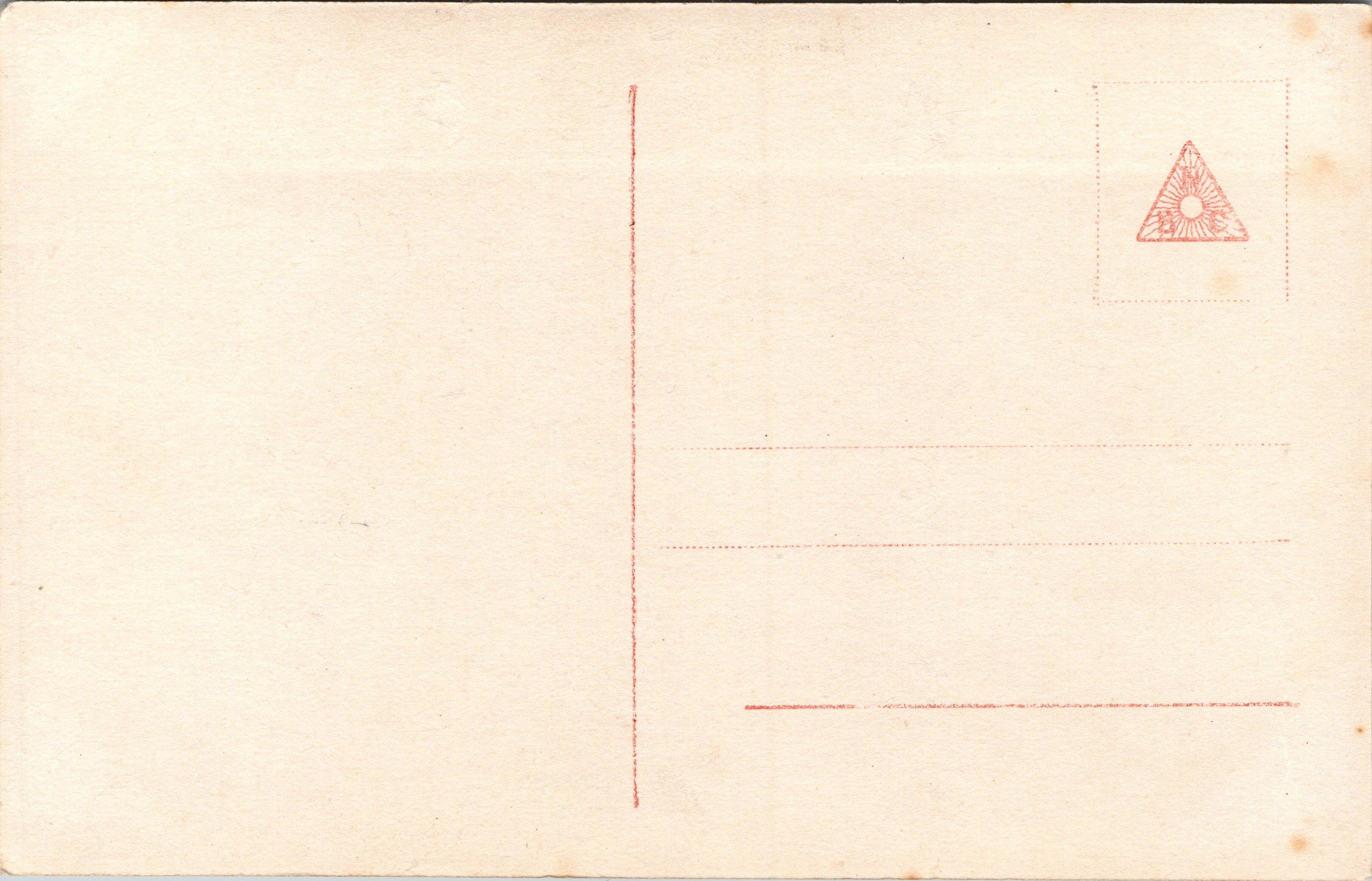
The photo portrait of Eva May seen Postcard 1 was taken by Alexander Binder. The photographer of this terrific image was Alexander Binder (1888-1929). He had the largest photo studio in Europe during the late 1920’s and the 1930’s. Many of his entertainment star portraits appear on Ross Verlag postards. It is thought that Binder was of Swiss origin. He was of the Jewish faith. He studied engineering but did not complete his studies. From 1908 to 1910 he studied photography at a school in Munich, Germany. After the completion of his photography studies, he went to Berlin and in 1913 opened his first photography studio. Before long, he became one of the premier photographers in Berlin. He primarily focused on fashion and celebrity photography. Since Berlin was the capital of the European film industry, Binder photographed all the stars of the European film industry including, Lilian Harvey, Conrad Veidt, and Lya De Putti. Many of his images were used in popular film portrait postcards. His photographs could be seen in postcards published by Ross Verlag and Photochemie. Binder died in 1929 but new photo cards bearing his signature continued to be published until 1937. It is thought that the real photographer of these new postcards was Hubs Floeter (1910-1974) who was employed at the studio as an operator. The studio continued to be owned by Binder’s widow, Mrs. Binder Alleman and their two daughters. The studio was managed by the Jewish Elisabeth Baroness Vonhedlis Stengel who was later deported to the Theresienstadt concentration camp. In 1938 the Nazi’s closed Binder’s studio and it was later taken over by an Aryan photographer, Karl Ludwig Haenchen . The postcard was published by Ross Verlag (Berlin) as part of a series (no533/3). Note the “May” logo in the lower right corner of the image. Miss May was working for May-Film at the time this photograph was taken. The stamp box seen on the reverse of this postcard has an interesting story attached to it. “NBC” (Neue Bromsilber Convention) was a price cartel established in 1909 that continued until the 1930’s. The purpose of the cartel was to ensure that the minimum price charged for postcards was kept at a sufficiently profitable level. A number of postcard publishing companies joined the cartel in an effort to stave off the effect of competition on the pricing of postcards. This vintage real photo portrait postcard has excellent clarity and is in very good condition (see scans).
Postcard 2 was also published by Ross Verlag. Once again, the photographer is Alex Binder. The postcard is part of the same series (533/2) as Postcard 1. The “May” logo can be seen on the bottom left corner of the image. This unposted postcard is in good condition (see scans).
Postcard 3 was published by Ross Verlag (Berlin) as part of a series (no230/3). Note the “May” logo in the lower right corner of the image. Miss May was working for May-Film at the time this photograph was taken. This vintage real photo portrait postcard has excellent clarity. The postcard has small stains in it’s top right corner. Overall, the postcard is in Good Condition (see scans)
Buy this original Vintage Real Photo Postcard (includes shipping within the US) #3356
To purchase this item, click on the Pay with PayPal button below
$20.00
Buy this Vintage Real Photo Postcard (includes International shipping outside the US) 3356
To purchase this item, click on the Pay with PayPal button below
$29.00
Buy this Vintage Real Photo Postcard (includes shipping within the US) #3715
To purchase this item, click on the Pay with PayPal button below
$13.39
Buy this Vintage Real Photo Postcard (includes International shipping outside the US) 3715
To purchase this item, click on the Pay with PayPal button below
$22.39
Buy this Vintage Real Photo Postcard (includes shipping within the US) #5113
To purchase this item, click on the Pay with PayPal button below
$13.74
Buy this Vintage Real Photo Postcard (includes International shipping outside the US) 5113
To purchase this item, click on the Pay with PayPal button below








 CABINET CARD 1
 CABINET CARD 3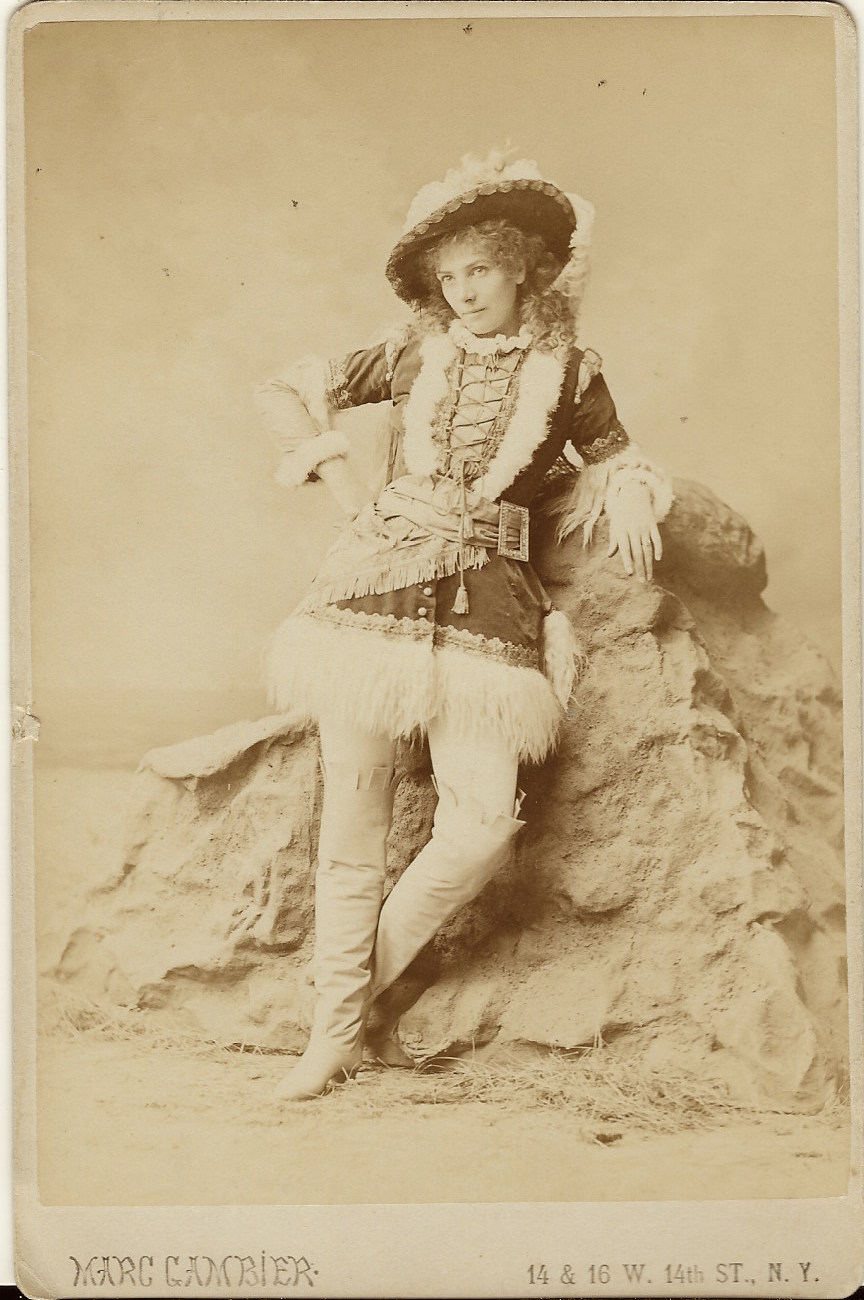





 THE CABINET CARD GALLERY