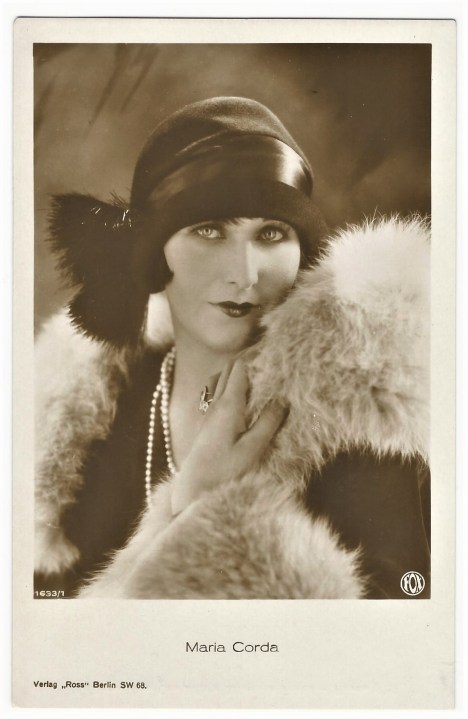
 POSTCARD 1 (SOLD)
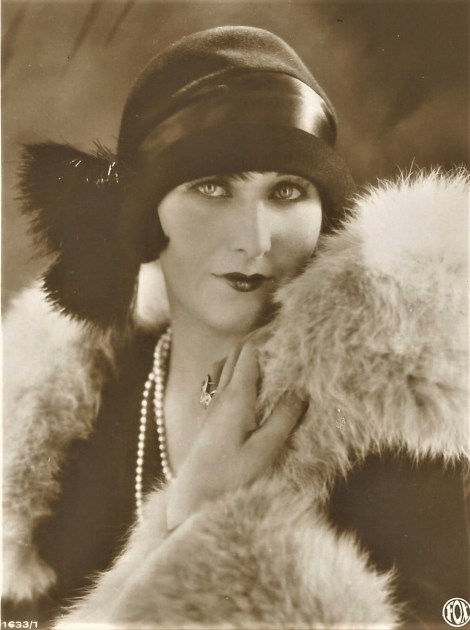 POSTCARD 1 (CLOSE-UP) (SOLD)
 POSTCARD 2 (SOLD)
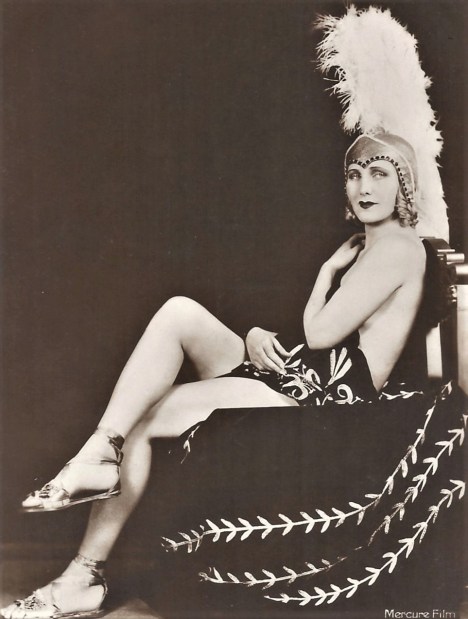 POSTCARD 2 (CLOSE-UP) (SOLD)
Maria Corda (1898-1976) was a Hungarian actress and a star during the silent film era in German and Austria. She began her career in acting in the theaters of Budapest during the beginning period of World War I. One of her gigs was working as a dancer with the Royal Opera in Budapest. When the Austria-Hungary Empire fell apart, she began working in the film industry. She appeared in her first film in 1919 ;under the direction of Hungarian, Korda Sandor, who later changed his name to Alexander Korda. Korda was the leading movie director in Hungary and he featured her in three of his films in 1919. Maria became the most famous actress in Hungary. Hungary’s leader had Alexander seized by the secret police. Maria and her brother-in-law exerted pressure on the British Military consulate and was able to get her husband freed. The couple fled Hungary and settled in Vienna, Austria. It was in Vienna that the pair changed their names. He became Alexander Korda and she, for some unknown reason, became Maria Corda. In 1920, Alexander began directing films in Austria and Maria became an Austrian silent screen star. Alexander directed Maria in a number of films including “Samson and Delila” (1923). In 1926, the couple moved to Germany the couple teamed up again and were able to continue their film career success. The caught the attention of First National, a Hollywood movie studio. Alexander and Maria were offered a package deal to come to American and make movies. They settled in Beverly Hills. Maria did not encounter the success that she had in Europe. Her Hollywood career aspirations were crushed in 1928 by the advent of sound pictures. She knew little English and had a thick accent. In addition to her movie career, her turbulent marriage also came to an end. They divorced in 1930. Her husband returned to Europe where he had a long successful career in British filmmaking. Maria moved to New York and wrote a number of novels. She spent her later years in Switzerland. In 1942, her husband was knighted and she insisted upon being called “Lady Korda”, even though Alexander was remarried. When Alexander died in 1956, he was onto his third marriage, but that did not stop Maria from trying to claim an inheritance. Maria had an interesting personality. Writers have asserted that she was temperamental and ambitious. She had a tendency to embellish her background. She often described herself as the “Hungarian Garbo”, an opinion reflecting aggrandizement. The IMDb reports that Maria had 28 film credits between 1919 and 1929. —–Postcard 1 was published by Ross Verlag (Berlin), The card was part of a series (no.1633/1). Note the “Fox” logo on the bottom right hand corner of the image. Maria starred in a Korda film for a Berlin based subsidiary of Fox in 1926. Therefore, this postcard is likely from 1926. The film was entitled “Madame Wants No Children”. The postcard was sold exclusively by Ballerini & Fratini of Florence, Italy. SOLD —–Postcard 2 was published by “Europe” which I believe was based in France. It is part of a series (no.315). This photograph of Corda is risque. She is barely covering herself with what appears to be a blanket. Only her strategically placed arm shields her from crossing the risque border. At the time that this photograph was taken, Maria Corda was under contract with Mercure Film. The logo of the company can be seen in the lower right corner of the card. This photo postcard features Corda in costume for her starring role in “The Private Life of Helen of Troy (1927). The film was directed by her husband, Alexander Korda. (SOLD)
 POSTCARD 1 (REVERSE)
 POSTCARD 2 (REVERSE)


 This carte de visite photograph features an impeccably dressed adolescent boy. He is decked out in a three piece suit and has a pocket watch, walking stick, and long coat. This fashionista fellow looks like he walked off the pages of “Gentleman’s Quarterly”. The photographer of this exceptional CDV is Heinrich E. Herkner. He operated a studio in the city of Gablonz, which is the German name for a city located in present day Czechoslovakia. The city is now named Jablonec. SOLD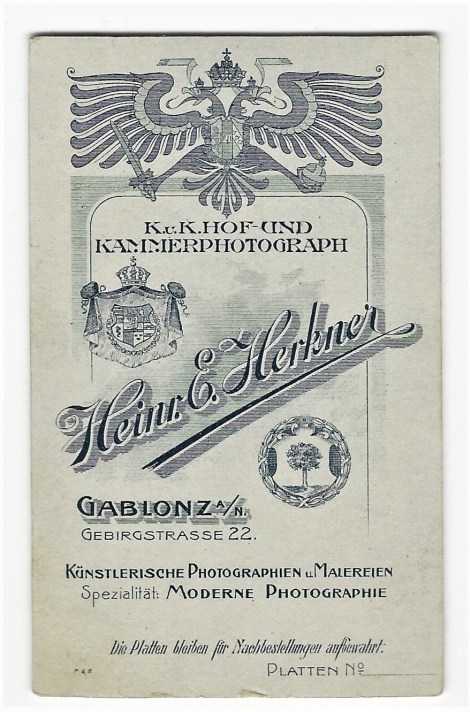

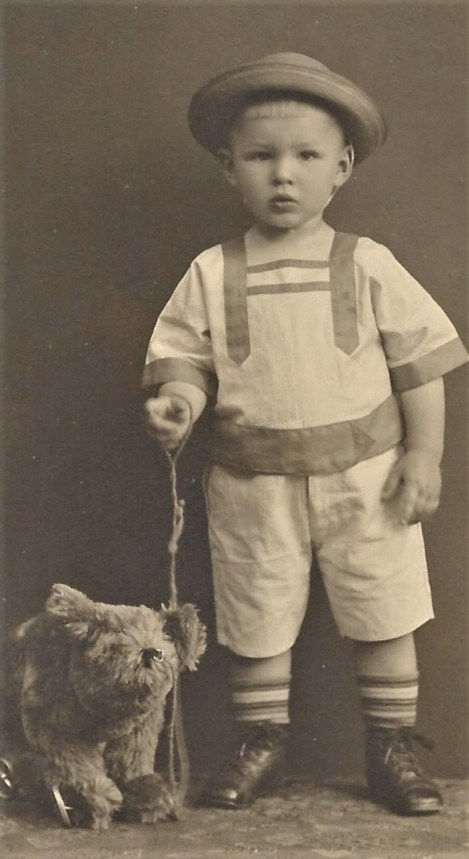 This fantastic carte de visite features an adorable little boy and his toy teddy bear. The toy bear is on a string leash and on four wheels for easy walking. The child’s outfit, including his matching socks, are very stylish. The photograph was taken at the studio of Adolf Bruns in Hamburg, Germany. This larger than usual cdv measures about 2 1/4″ x 4 1/2″ and is in excellent condition.




 POSTCARD 1 (SOLD)
 POSTCARD 1 (CLOSE-UP) (SOLD)
 POSTCARD 2 (SOLD)
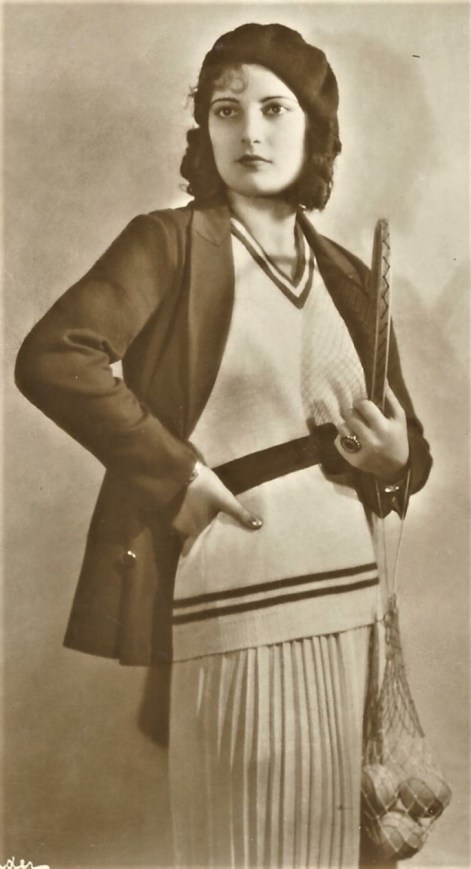 POSTCARD 2 (CLOSE-UP) (SOLD)
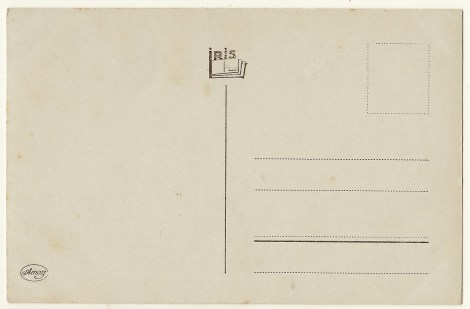 POSTCARD 1
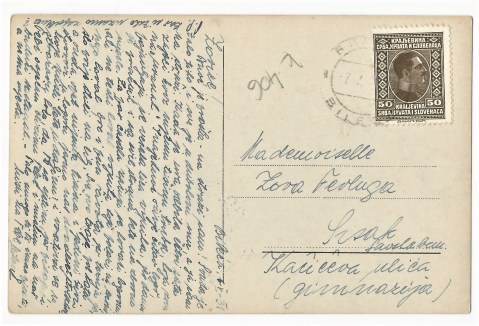 POSTCARD 2
 This vintage real photo postcard features an attractive couple posing for their wedding photo. Both bride and groom appear happy on their special day. Note their half smiles. The groom is wearing his German Luftwaffe dress uniform. The Luftwaffe was the German Air Force. This photograph was taken either pre World War II or during the conflict. This vintage portrait postcard is in very good condition (see scans).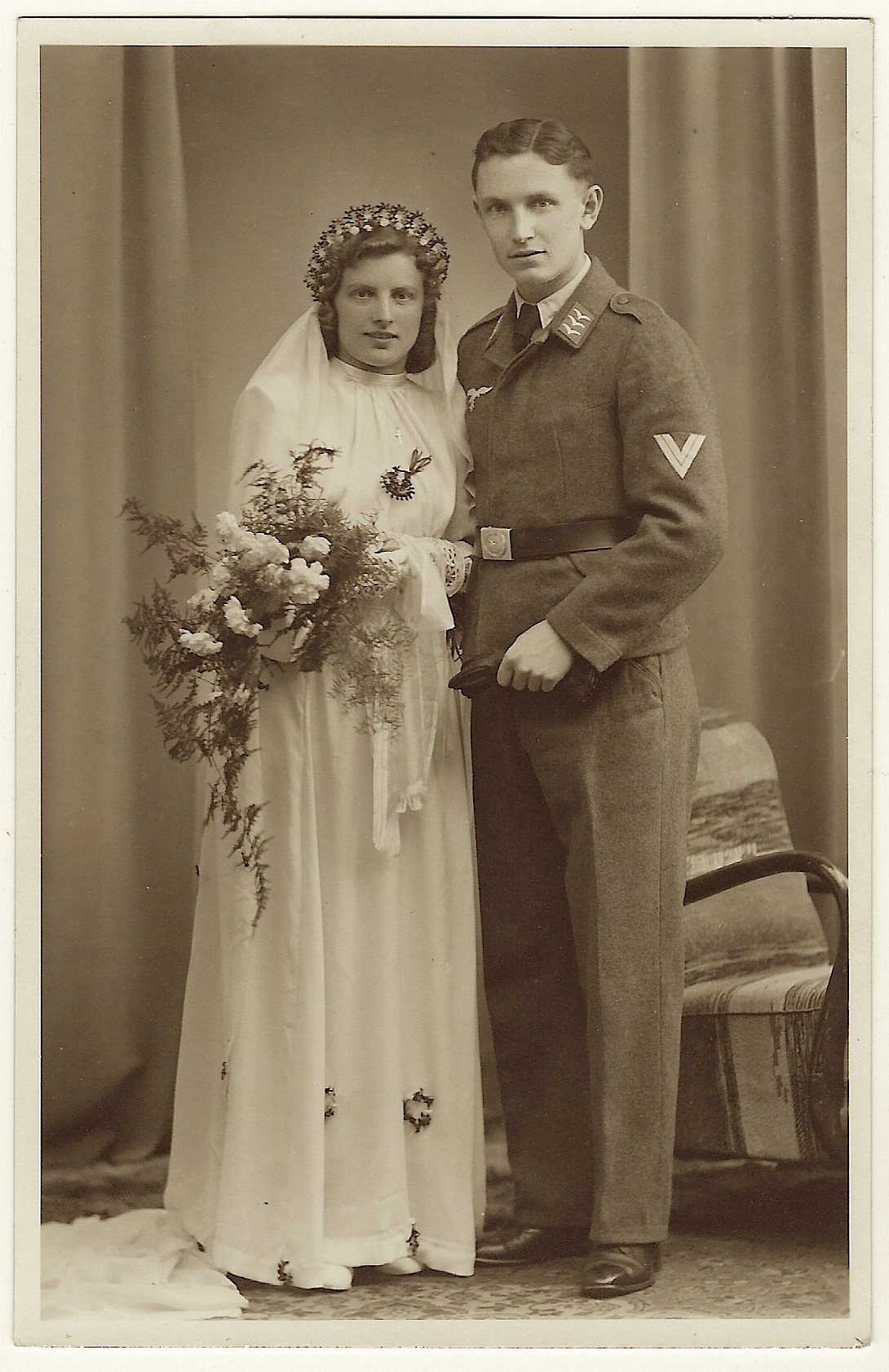

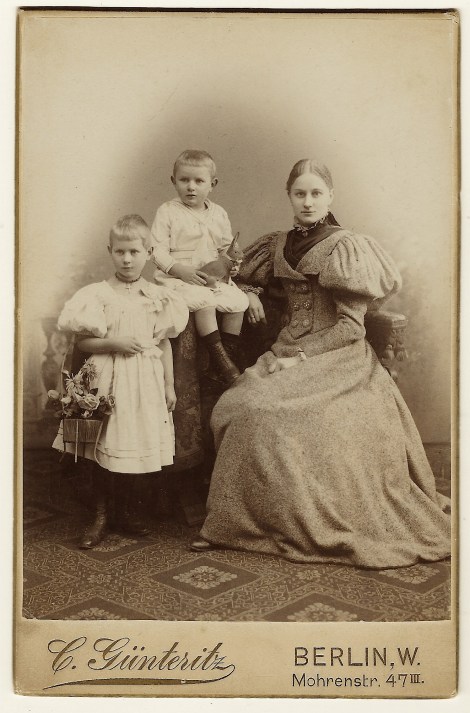
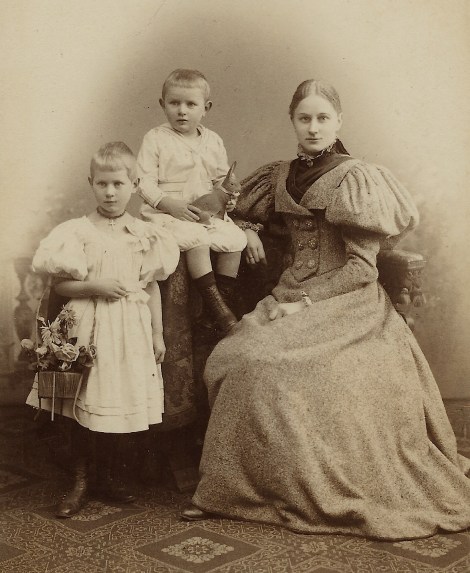 A beautifully dressed young woman and two children pose for a family portrait at the studio of C. Gunteritz, in Berlin, Germany. The young woman is likely the mother of the two children, although it is possible that she could be their older sister. The little girl is holding a basket of flowers and her younger brother has a toy rabbit on his lap. The young woman’s dress is made of material that is not commonly seen in cabinet card photographs. Hopefully, a visitor to the Cabinet Card Gallery will be able to identify the dress’s material. This cabinet card portrait is in very good condition (see scans).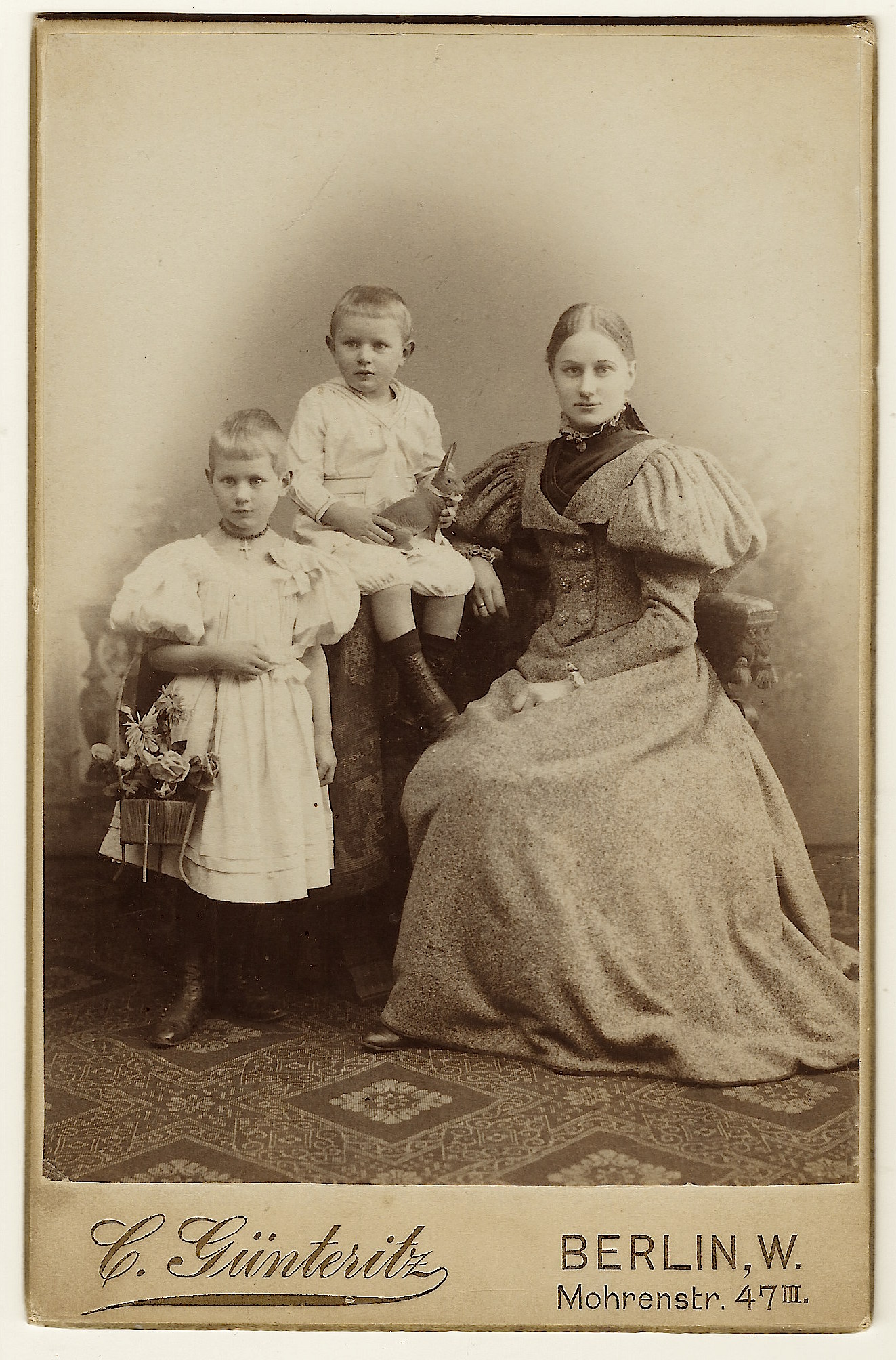





 THE CABINET CARD GALLERY