This vintage real photo postcard features a photo of aviator Charles A. Lindbergh (1902-1974) and his airplane, The Spirit of St. Louis. He flew the plane on his famous 1927 flight between New York and Paris. Lindbergh’s solo nonstop flight covered 3600 miles in 33 1/2 hours. Lindbergh was also well known for the tragic kidnapping and murder of his son in 1932, his anti semitic views, and his non interventionist stance before World War II. This card was published by P & A. The postcard is in fair condition. SOLD
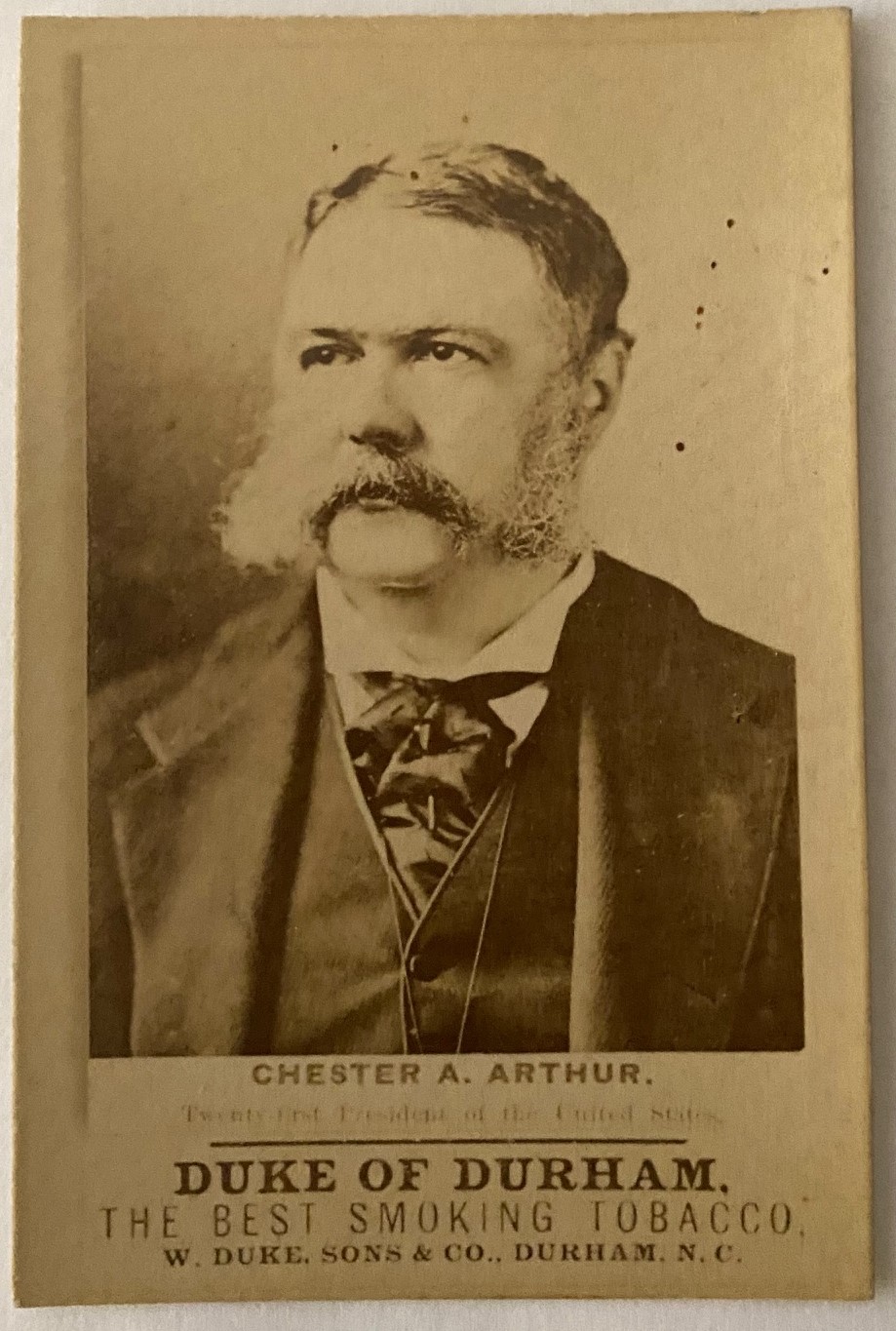
CHESTER ARTHUR : TRADE CARD : DUKE OF DURHAM : THE BEST SMOKING TOBACCO
This item is a vintage cigarette card featuring a portrait of the 21st President of the United States, Chester Arthur. The card is advertising the W. Duke Sons & Company of Durham, North Carolina. More specifically, the card advertises one of their brands, Duke of Durham. The company states that this brand is “The Best Smoking Tobacco”. Cigarette cards are trading cards issued by tobacco manufacturers. They served the dual purpose of stiffening cigarette packages as well as providing effective advertising of cigarette brands. they were issued between 1875 and the 1940’s. They were distributed as premiums inside of packages of tobacco or cigarettes. These cards became popular with collectors of the era. They are still collected today because they document past popular cultures. They depict actresses, athletes, and other examples of historic popular culture. W. Duke Sons & Company was established by Washington Duke in 1878. He was succeeded by his son, James Duke (1856-1925). James was a visionary and became very successful in growing the company. In fact, he was too successful. He took over the nation’s five major cigarette manufacturers and controlled 80 percent of the domestic tobacco industry. In 1904, James reorganized his company, calling it, the American Tobacco Company. To repeat, James was too successful. His monopoly caught the attention of Federal Court and the company was found guilty of violating the Sherman Antitrust Act. The case went to the Supreme Court and the ruling was that American Tobacco had to jettison Liggett and Myers, P. Lorillard and the R J Reynolds Tobacco Company. James Duke was a multimillionaire and he donated much money to Trinity College. The school later became Duke University, They were issued between 1875 and the 1940’s. They were distributed as premiums inside of packages of tobacco or cigarettes. These cards became popular with collectors of the era. They are still collected today because they document past popular cultures. They depict actresses, athletes, and other examples of historic popular culture. This vintage cigarette trade card measures about 2 1/2″ x 3 5/8″. SOLD
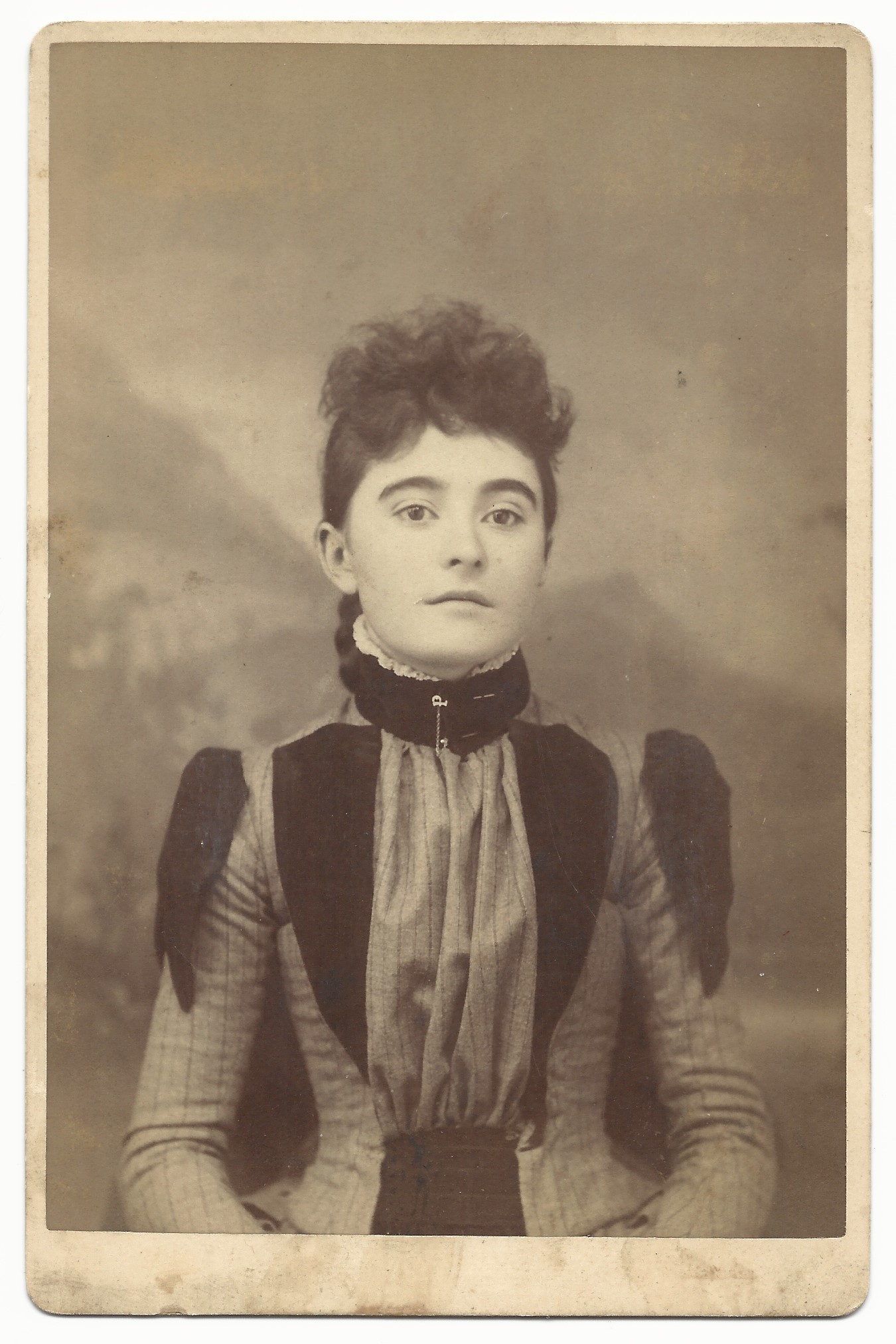
PORTRAIT OF A LOVELY YOUNG WOMAN IN MT. LAKE, MINNESOTA
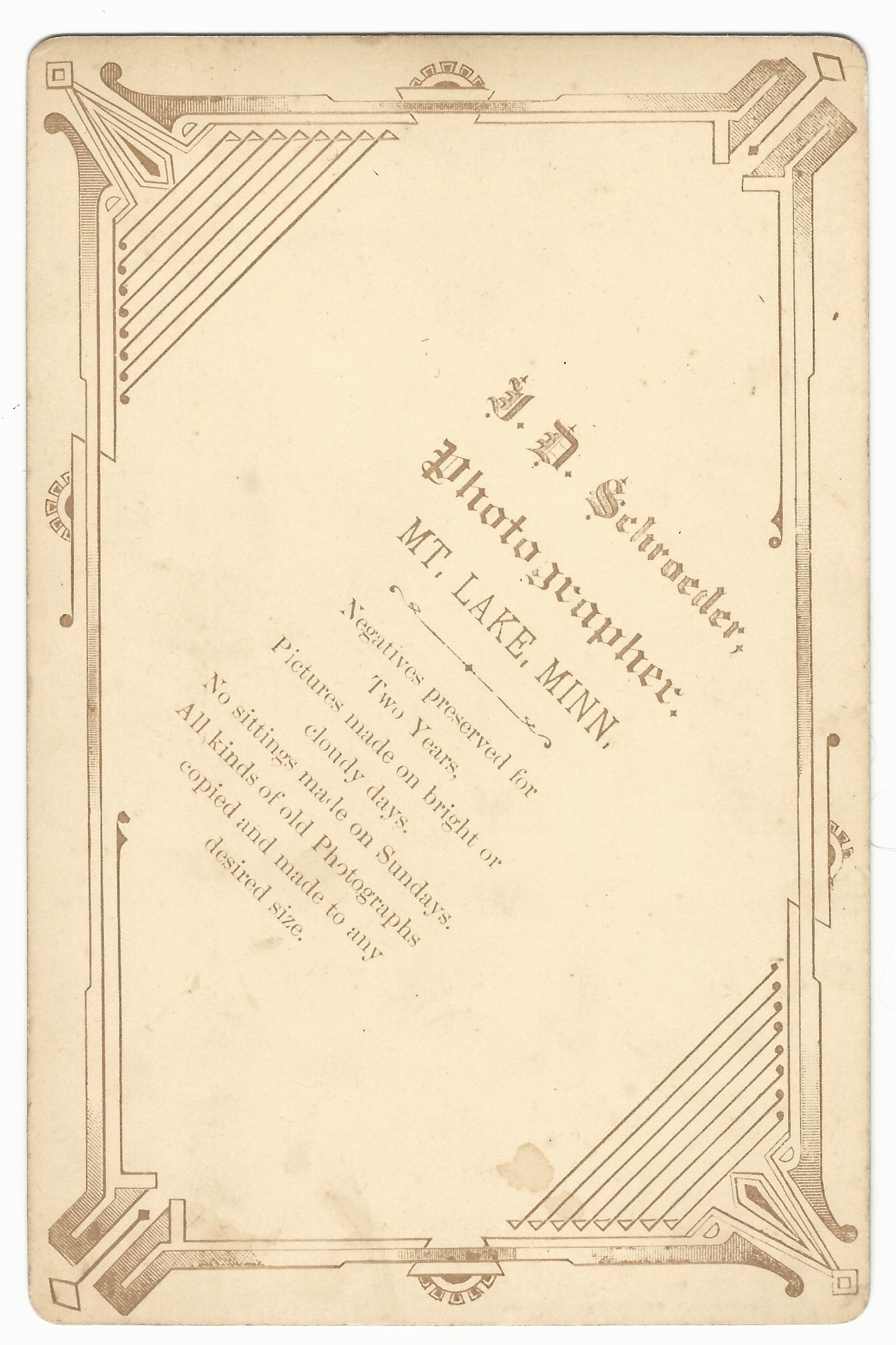
This cabinet card portrait features a lovely sweet young woman with beautiful dark eyes. She is wearing what I consider to be an unusual dress. Note the black pennant shaped pieces of fabric attached to her dress. The photographer of this image is Jacob D. Schroeder of Mt. Lake, Minnesota. Schroeder was born in Russia in 1858 and arrived in Minnesota in 1873. He was a photographer for ten years and then became a manager of a telephone company in Mountain Lake. In 1903, he became a representative in the legislature. Other government experience included holding office as Justice of the Peace, School Board Secretary, and Postmaster. SOLD
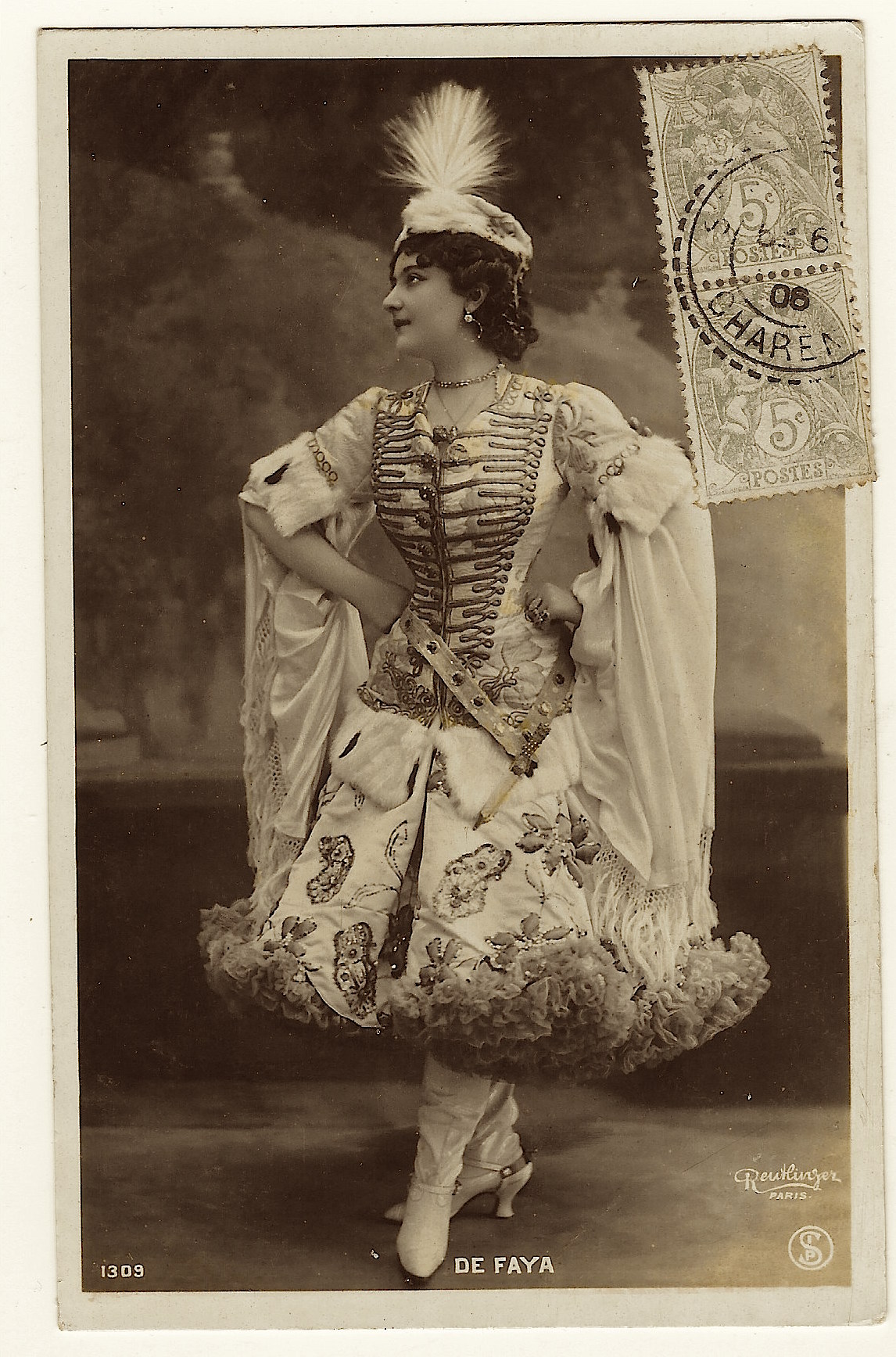
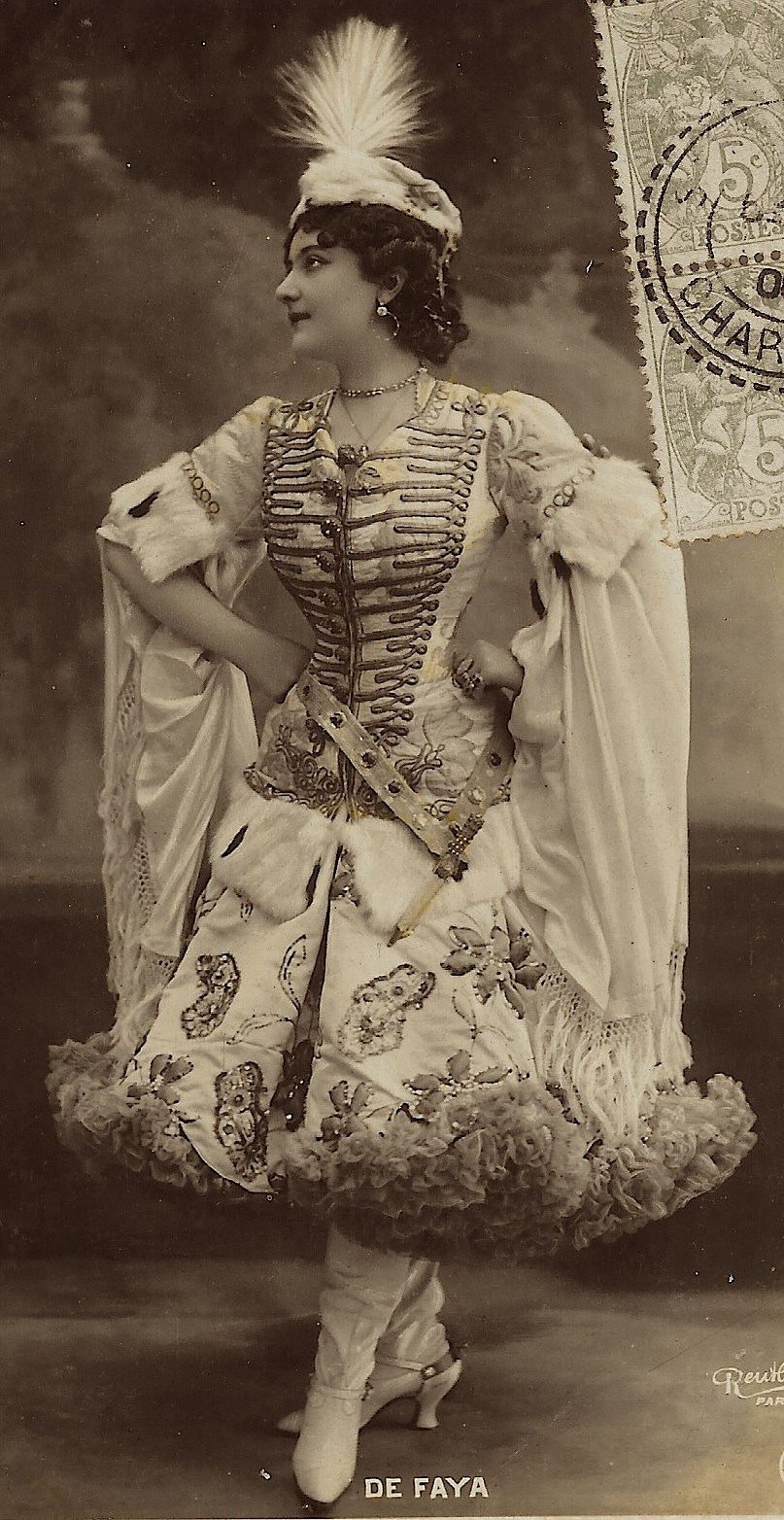
CARMEN DE FOYA : PRETTY SPANISH DANCER : COURTED BY A KING (1906)

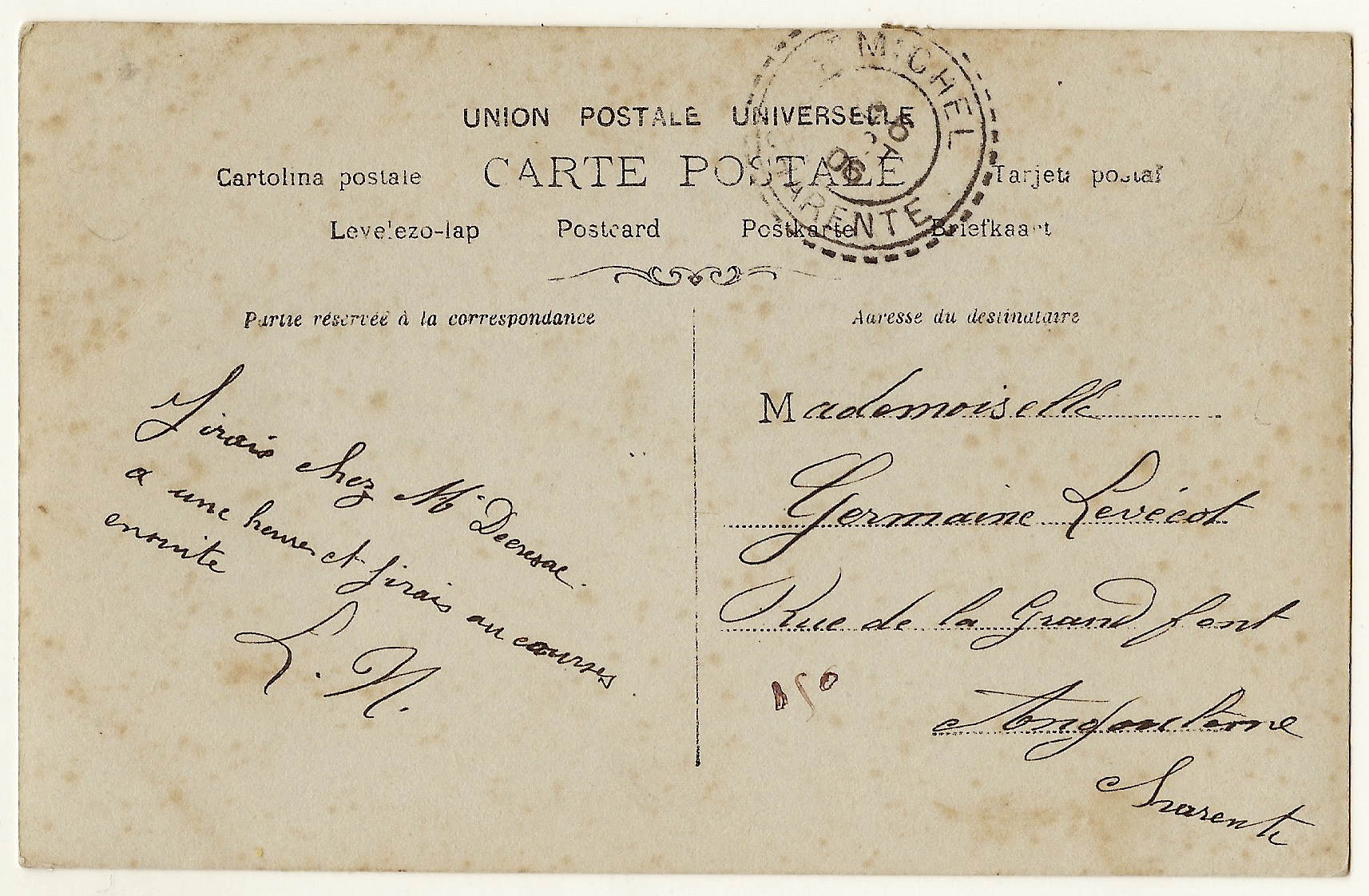
The pretty woman in this vintage real photo postcard is the Spanish dancer, Carmen De Foya. “The Sketch: A Journal of Art and Activity (1905) reported on the De Foyas “consderable grace and skill” when she performed at the Alhambra theater in London, England. Her photo accompanied the article. “The San Francisco Call” (1905) labelled her a “famous Spanish Dancer” and announced her London appearance. The newspaper also added that when De Foya performed in Berlin, she danced at a function attended by the Kaiser. The German leader not only complimented De Foya, but also gave her diamond earrings. It is reported that the pair had an interesting exchange about marriage. When De Foya stated she wanted to get married, the Kaiser suggested that she marry an Englishman because they make the best husbands. “The Illustrated Sporting and Dramatic News” (1905) described De Foya’s act as “poetry in motion”. “The Esoteric Curiosa” (2014) tells a racy story about Miss De Foya. It seems Spain’s King Alfonso XIII nearly went to “the limit of foolishness” over “little Carmen de Foya”. She “knew how to make eyes at a King without getting into trouble”. One night at the Madrid Opera, she kicked her satin toes right at him. The next day King Alfonso sent her flowers and a card. The card said “The loveliest flowers of Spain, to Spain’s loveliest” The King was a known womanizer and he often acted on impulse. In an effort to avoid scandal, Defoya left the next day for Paris. Another version of this story has the two romantically linked. The photograph of Miss De Foya seen on this postcard, was taken by Leopold Reutlinger, a very well respected talented photographer based in Paris. One of his specialties was theatrical photography. The postcard was published by Societe Industrielle de Photograpie (SIP) of Rueil, France. The card is part of a series (no. 1309). The postmark indicates it was stamped in Arente (Italy) in the year 1906. (SOLD)

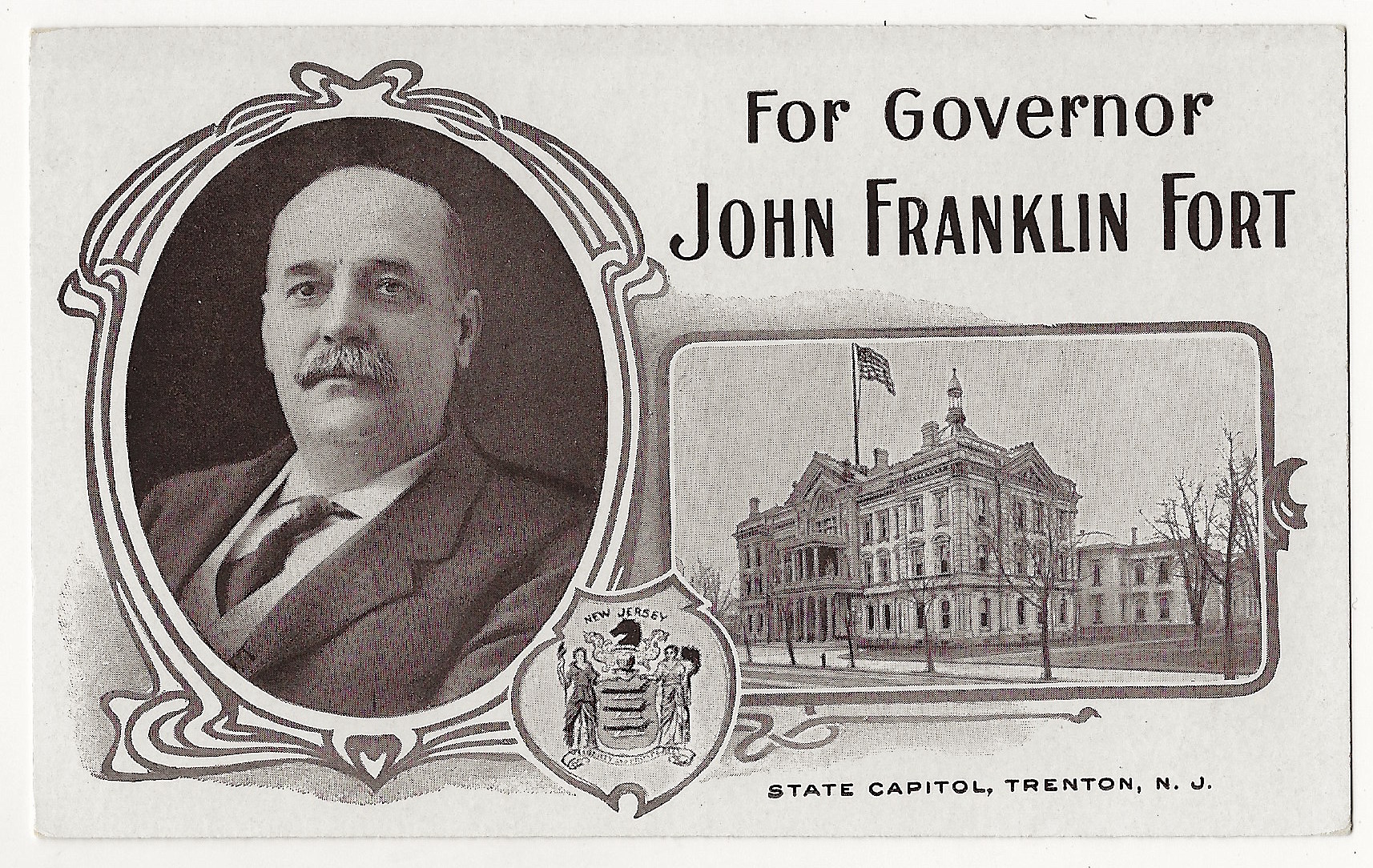
JOHN FRANKLIN FORT FOR GOVERNOR OF NEW JERSEY : CAMPAIGN POSTCARD (1907)

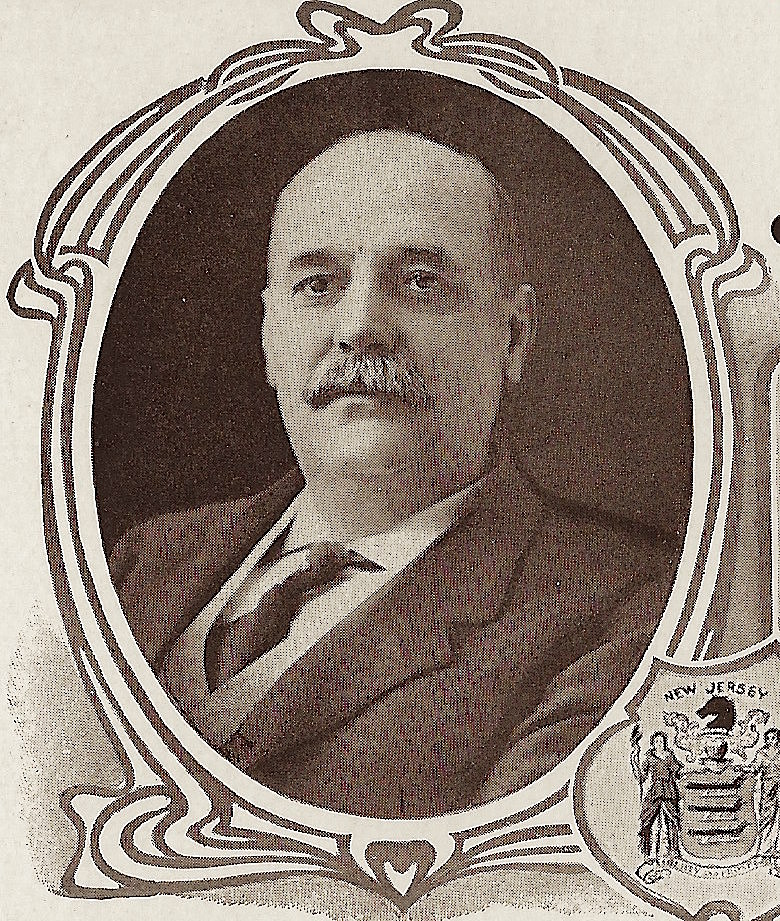
This vintage postcard was employed as advertising for New Jersey Governor candidate, John Franklin Fort (1852-1920). Fort was a Republican and won his race to become the 33rd Governor of New Jersey. He served between 1908 and 1911. He defeated Democrat, Frank S. Katzenbach. In 1908, Fort participated in New Jersey’s first radio broadcast. In 1910 he established New Jersey’s first Department of Education. Fort was followed by Woodrow Wilson in the position of Governor. Wilson went on to become the President of the United States. Fort was a lawyer. He obtained his law degree at the Albany Law School. Governor and ex civil war General, George B. McClellan, appointed Fort to serve as a judge in a Newark district court. In 1884, 1896, and 1912 he served as a delegate to the Republican National Convention. In 1900, he was appointed to the New Jersey Supreme Court. In 1915, Wilson, now President, appointed Fort to the Federal Trade Commission. He held the position for about four years but was forced to resign due to failing health. At one point,Wilson appointed Fort to act as US Ambassador to Haiti and the Dominican Republic. Besides featuring a portrait of John Franklin Fort, the postcard also displays a drawing of the state capital building in Trenton. It is interesting to note that John Franklin Fort’s uncle, George Franklin Fort, was the Democratic Governor of New Jersey from 1851 to 1854. This postcard was published by the Whitehead & Hoag Company of Newark, New Jersey. Benjamin Whitehead (1858-1940) was born in Newark. He received his technical information from the Cooper Union Institute in New York City. He became a printer and some of his printing samples were exhibited at the 1876 Centennial Exposition in Philadelphia. In 1876, he opened his own firm in Newark. The business was named Whitehead & Clark. Whitehead liked to travel domestically and abroad (he visited 22 nations) and he took many photographs as well as gathered ideas for novelties for his business to produce. Whitehouse was joined in business by Chester R. Hoag (1860-1935). They incorporated their business in 1892. Whitehead & Hoag manufactured over 5,000 different novelty advertising items. They were considered the largest business in the nation that manufactured advertising novelties. They were particularly well known for their efforts producing advertising buttons. The company opened offices around the U.S. and in some international cities. In 1959, the company was sold and shuttered it’s doors. This would be nice addition to any New Jersey politics collection. The postcard is from about 1907. (SOLD)
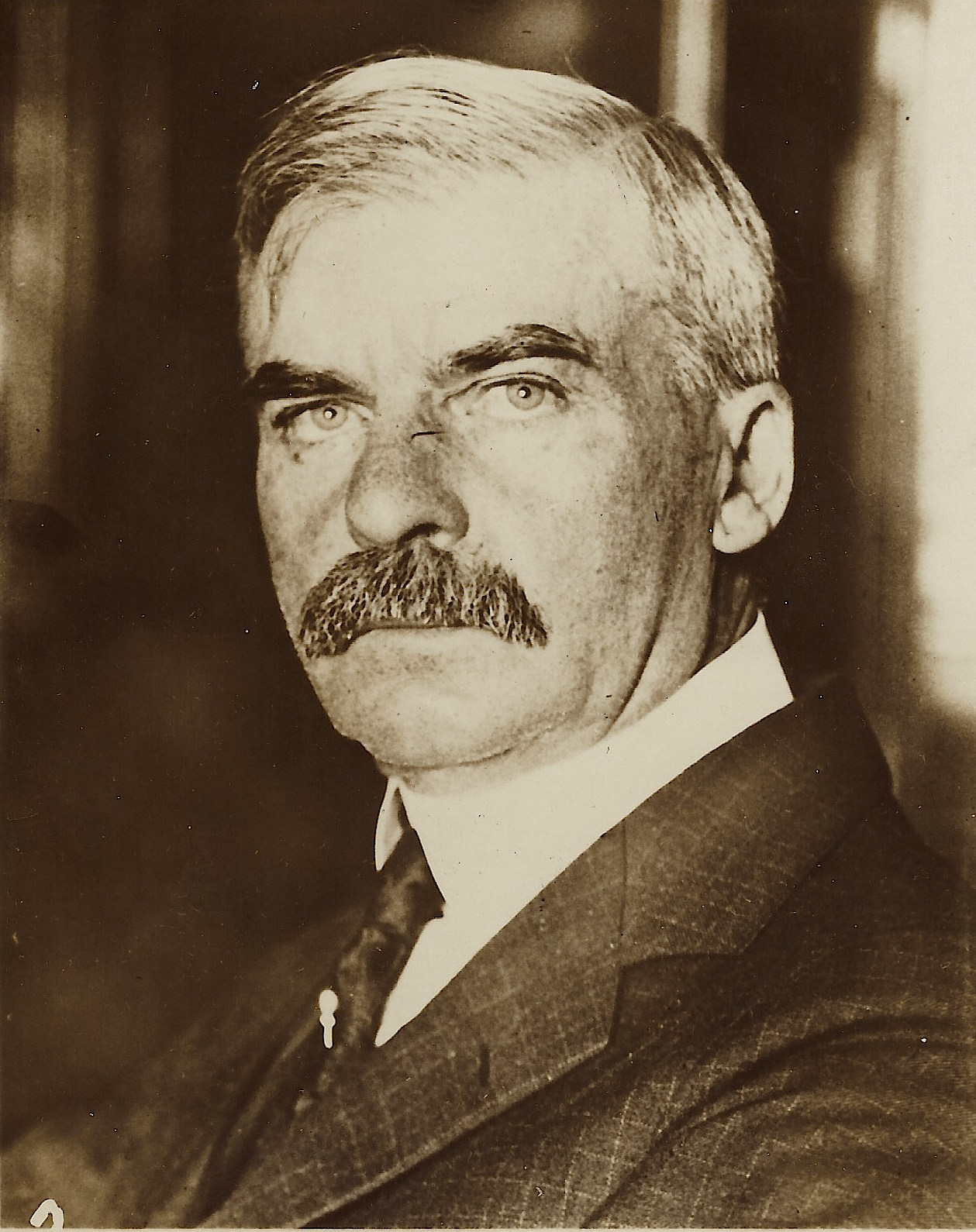
PORTRAIT OF MONTANA SENATOR THOMAS J. WALSH : MAJOR CONTRIBUTOR TO U.S. HISTORY


The year is 1928. The race is on for the Democratic nomination. This press photo (3/3/28) features U.S. Senator Thomas J. Walsh (1859-1933). At the time of the photo, he was vying for the nomination to represent the Democrats in the 1928 election. Walsh lost the nomination to New York Governor Al Smith. Smith subsequently lost the election to Republican Secretary of Commerce, Herbert Hoover. Walsh had sought the nomination as a “dry” candidate. In other words, he was a supporter of Prohibition. He also was noted as a Senate prosecutor of the oil industry. Walsh was a lawyer politician who represented the state of Montana from 1913 to 1933. He was considered to be a liberal but that did not stop Franklin D. Roosevelt from selecting him to be the United States Attorney General. Unfortunately, Walsh died on a train as he headed to Roosevelt’s inauguration and never served in that role. If you are interested, I would suggest researching the details of the Senator’s demise. Was he murdered? You will find more than one conspiracy theory, and it’s an interesting story. Here are more biographical details about the Senator. During his career he had been a spokesman for President Woodrow Wilson in the Senate. He also was a supporter of Women’s suffrage, farm loans, the League of Nations, and the graduated income tax. During the 1920’s Walsh headed the Senate investigation into the Teapot Dome scandal (involved top officials of the Harding administration). In 1924 and 1932, he was the chairman of the Democratic Convention. Senator Thomas J. Walsh clearly played a major role in the US Senate and had significant impact on the nation. This vintage press photograph measures 5″ x 7″ and is in very good condition (see scans). If you think Senator Walsh appears intense in this photo, you are correct. Bob Brown, a Montana politician, states that there is no known photograph showing Walsh smiling. Brown’s comment appeared in an article he wrote for the Missoulian (1919).

Buy this Vintage Press Photo (includes shipping within the US) #2861
To purchase this item, click on the Pay with PayPal button below
$35.50

Buy this Vintage Real Photo Postcard (includes International shipping outside the US) #2860
To purchase this item, click on the Pay with PayPal button below
$44.00

PORTRAIT OF AN ADORABLE YOUNG BOY BY A PHOTOGRAPHER / MAYOR IN MARION, OHIO


This vintage photograph features an adorable young boy dressed in a sailor styled outfit. He seems to be holding back a smile. The photograph was taken by the Wark studio in Marion, Ohio. James Wark was born in Ireland in 1847. At age 19 he immigrated to the United States and apprenticed for photographer George W Manly (Akron, Ohio). He then worked as a photographer in Kent, Ohio (1871-1891).He is known to have moved to Marion about 1895 and was an active photographer until about 1901. Wark was a busy man in Kent. In the mid 1880’s he he served three terms as Franklin Township’s clerk. He served as mayor of the town between 1886 and 1887. As mayor, Wark had complicated and controversial issues to manage. These controversies included the construction of a municipal waterworks and a resolution to ban saloon traffic in Kent. He relocated to Marion in the Mid 1890’s. He was a popular resident there and picked up the nickname of “Daddy” Wark. He photographed four generations of clients over his more than sixty year career. He closed his studio in 1933 at 86 years of age. He died in 1934. This photograph measures about 5 1/4″ x 7 3/4″.

FAMOUS PHOTOGRAPHER SHOOTS FAMOUS POLITICIAN: PORTRAIT OF THEODOR TANTZEN BY CHARLES REUTLINGER (CARTE DE VISITE)

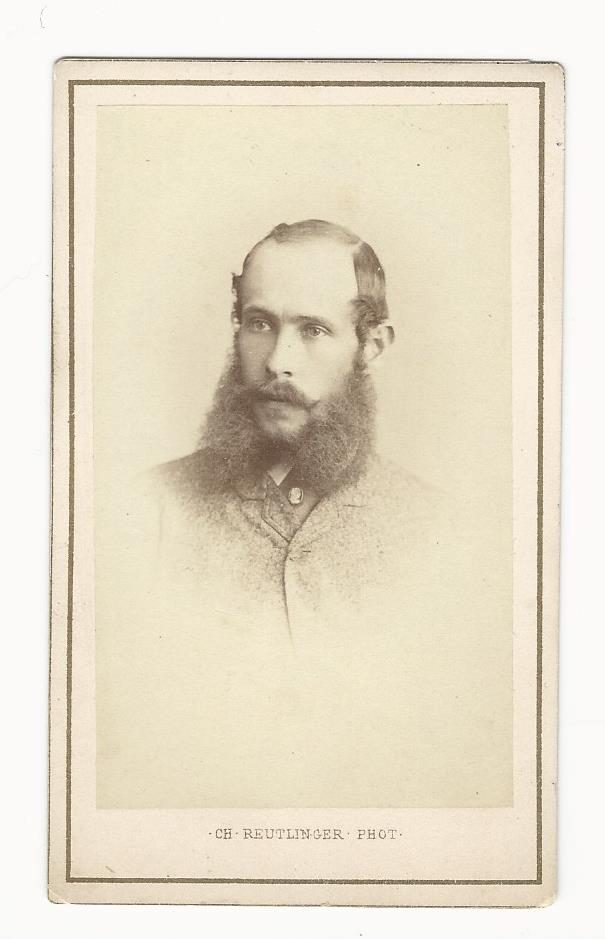
This carte de visite image features German politician Theodor Johann Tantzen. The photographer who took this portrait of Mr. Tantzen was the celebrated photographer, Charles Reutlinger (1816-1881). Theodor Johann Tantzen (1834-1893) was from a political family in the Oldenburg State. His father was a member of parliament. Two of Theodor’s children became important political figures. His son, also named Theodor, became Prime Minister of Oldenburg. Tantzen’s grandson was philosopher Karl Jaspers (1883-1969). Theodor Tantzen grew up in Heering and at age twenty-one, he took over his fathers farm. In 1866 he was elected to the Oldenburg parliament. He remained in parliament for several terms and in fact died while still a parliament member. While in parliament he served in a number of other political roles. Now some words about the photographer. Charles Reutlinger was also part of a prominent and talented family. Charles Reutlinger was of German descent and founded the Reutlinger Photography Studio in Paris in 1850. The studio took photographs of many of the city’s rich and famous residents and visitors until 1937. The British Journal of Photography (1867) provides a wonderful description of Reutlinger’s studio. Charles’s brother Emile took over the studio in 1880 and he ran it until 1890. Emile’s son, Leopold took over in 1890 and among his accomplishments was that he developed the company’s esteemed and economically successful postcard business. The studio became known for it’s unusual art nouveau style of postcard designs. These were very notable in it’s portraits of actresses. Leopold also introduced risque/erotic postcards. He operated the business until losing an eye in an accident with a champagne cork in 1930. He died seven years later.

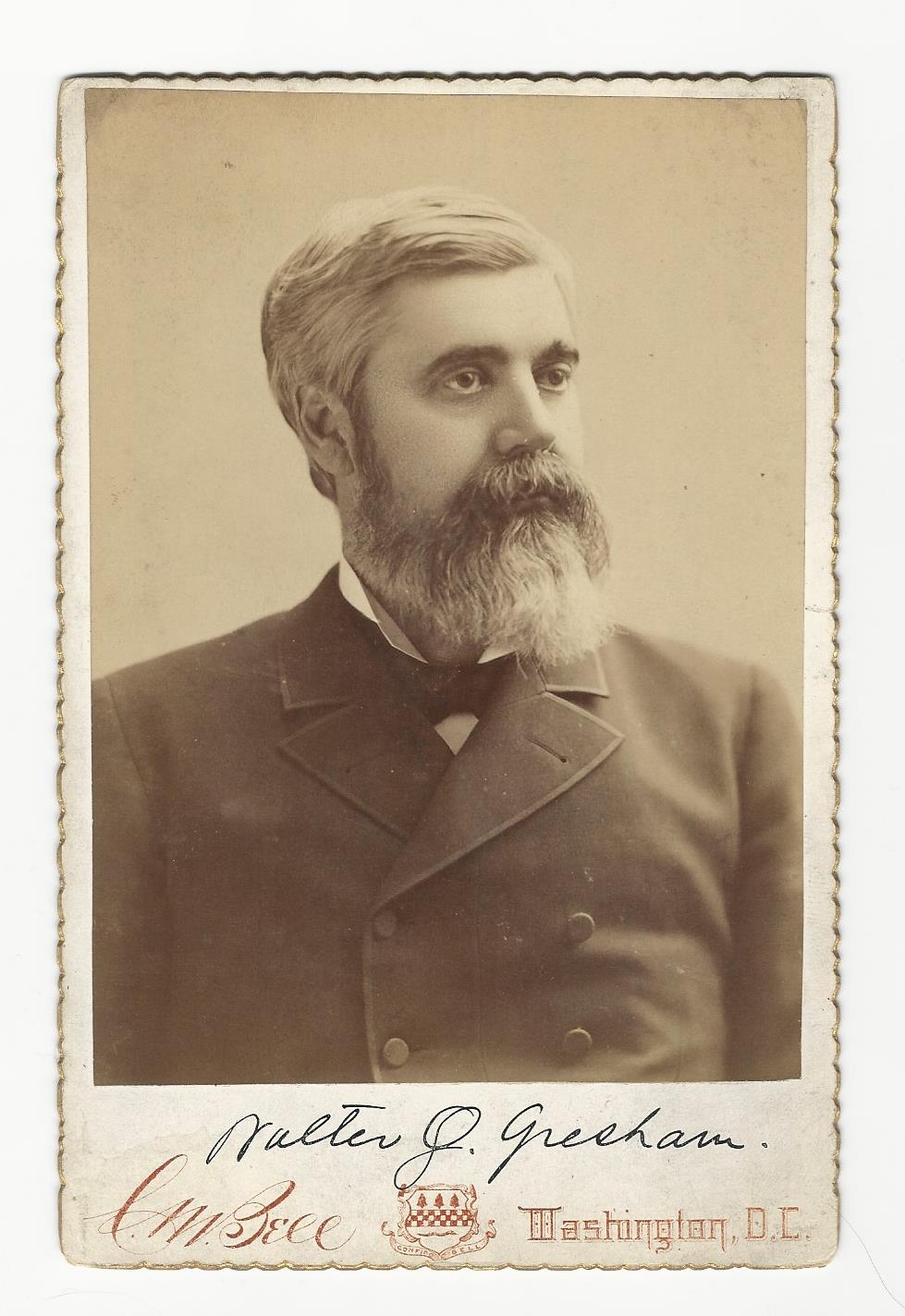
WALTER Q. GRESHAM: CIVIL WAR HERO AND HOLDER OF TWO US GOVERNMENT CABINET POSITIONS (PHOTOGRAPH BY CELEBRATED PHOTOGRAPHER C. M. BELL)
Walter Q. Gresham (1832-1895) was quite an accomplished man in both his military and his political careers. He was an American statesman and jurist. He held offices that included US Postmaster General, Judge on the US Court of Appeals, Secretary of State, and the Secretary of Treasury. He was a two time candidate for the Republican nomination for President (1884 and 1888). He also served as a Union officer in the American Civil War. He entered the army as a Lieutenant Colonel of the the 38th Indiana Volunteer Infantry. He was promoted to full Colonel and led the 53rd Indiana Infantry and took part in the fight for Vicksburg as well as other battles. In 1863 he was appointed Brigadier General and commanded Federal forces in Natchez, Mississippi. In 1864 he became a division commander under General Sherman during the Atlanta campaign. He was forced to leave the army after being shot in his knee; an injury that left him lame for the remainder of his life. He was married to Matilda McGrain in 1858. Gresham is buried in Arlington National Cemetery. The photographer of this historic cabinet card is C. M. Bell. Charles Milton Bell (1848-1893) was also an accomplished man. He was the youngest member of a family of photographers that operated a studio in Washington DC from around 1860 until 1874. He established his own studio on Pennsylvania Avenue in 1873. He quickly became one of the most successful photographers in the city. He was noted for his portraits of Native Americans as well as political figures and celebrities. His subjects included President Chester Arthur, Chief Yellow Bull, and Helen Keller. His photographs can be found in many prestigious institutions including The Library of Congress, Harvard University, Dartmouth University, and the Smithsonian. Bell is also known for his photographs of President Garfield’s assassin, Charles J. Guiteau. He was the only photographer authorized by Guiteau and the Government to take photographs of Guiteau and other people playing roles in his trial. Bell also took medical photographs relating to the assassination and assassin.


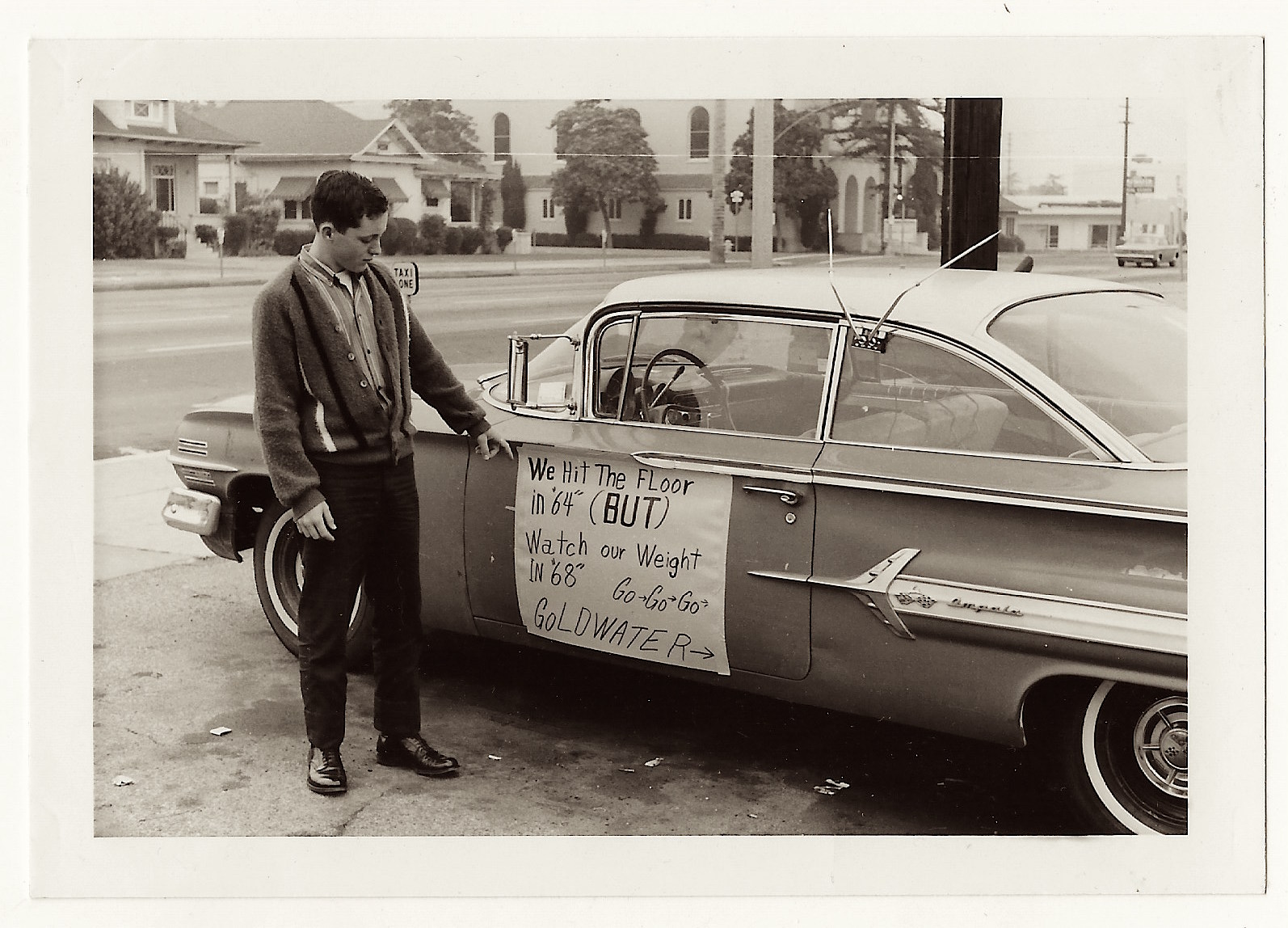
This snapshot photograph is an excellent piece of American social history. The image shows a young man pointing to a political poster affixed to the side of a 1959, or 1960 Chevy Impala. The sign is supporting the 1968 US Senate campaign of Barry Goldwater (1909-1988). Goldwater was a conservative republican from Arizona. The sign states that Goldwater “hit the floor in ’64”. Hitting the floor is a reference to the fact that Goldwater lost the Presidential election to Lyndon B Johnson in 1964. Johnson won a landslide victory. Goldwater only won six states. The sign maker wrote “Watch our weight in ’68”, referring to Goldwater’s Senate race that year. The sign maker was predicting victory and victory is exactly what occurred. Note the car’s radio antenna. Also take note of the “Taxi” sign behind the boys left shoulder. It is interesting to note the John McCain succeeded Goldwater in the US Senate. This photograph is a perfect illustration of life in the late 1960’s. The Chevy and the boy’s attire (love the cardigan sweater), take me back to a simpler time. (SOLD)