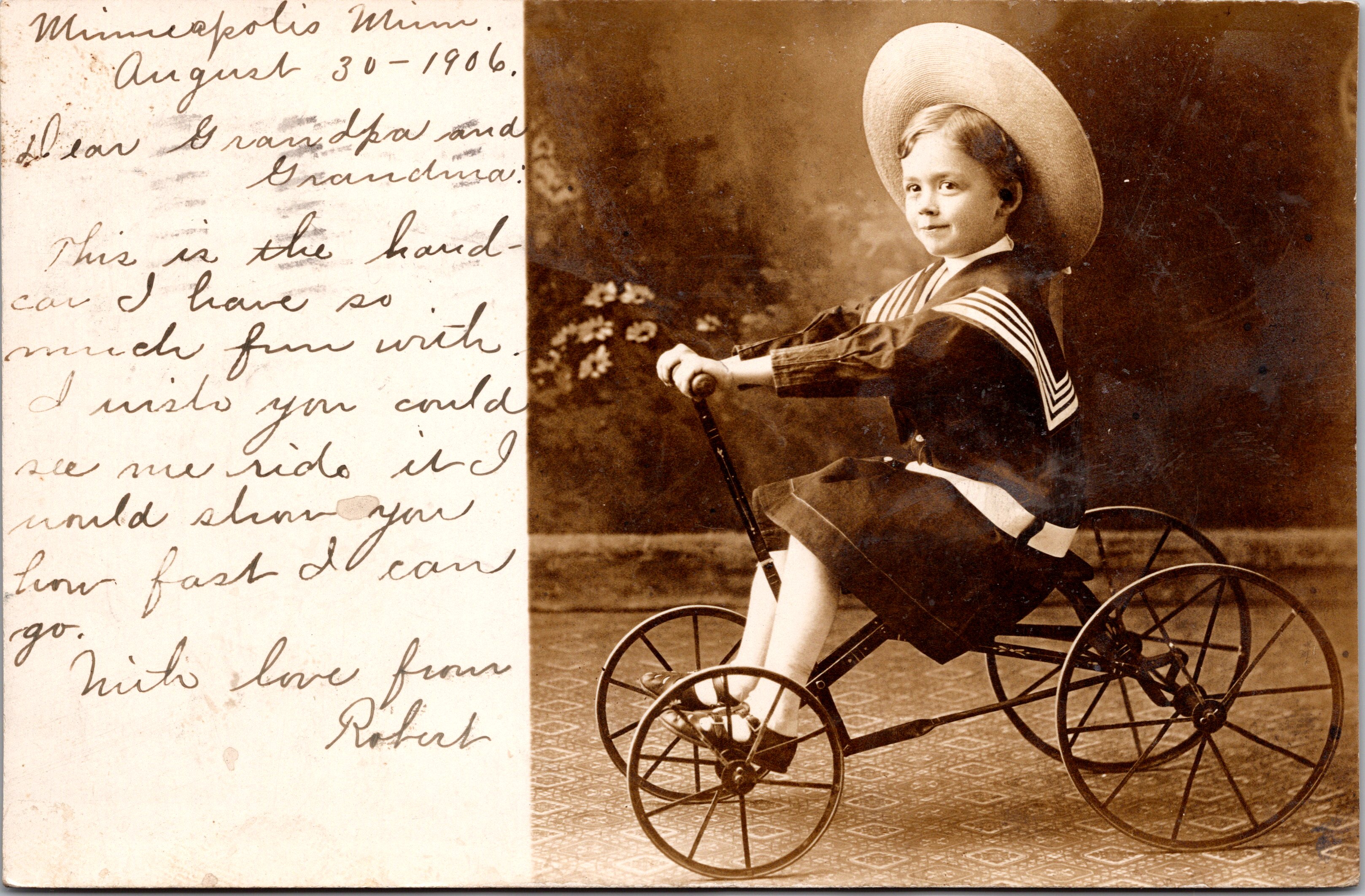
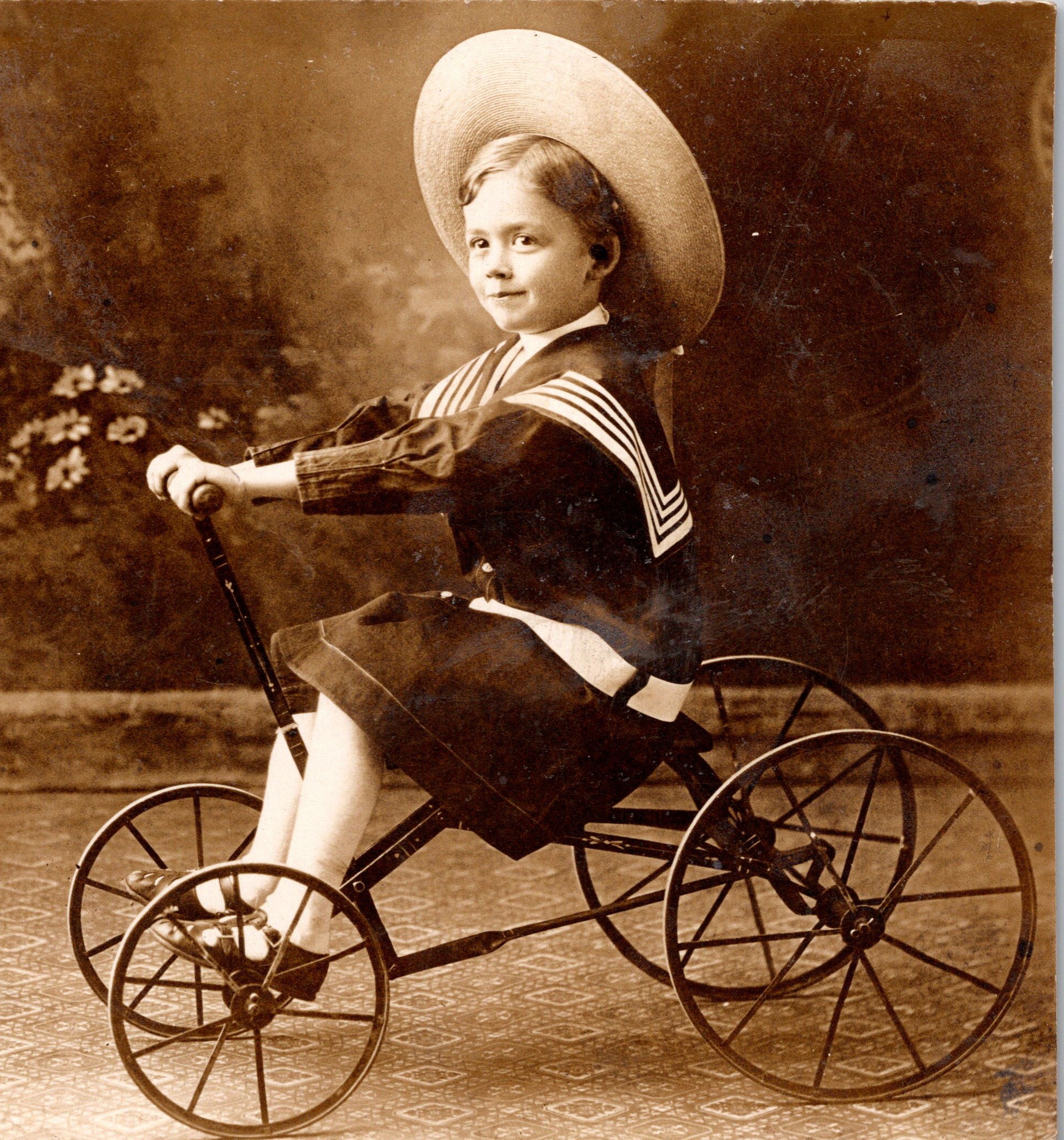
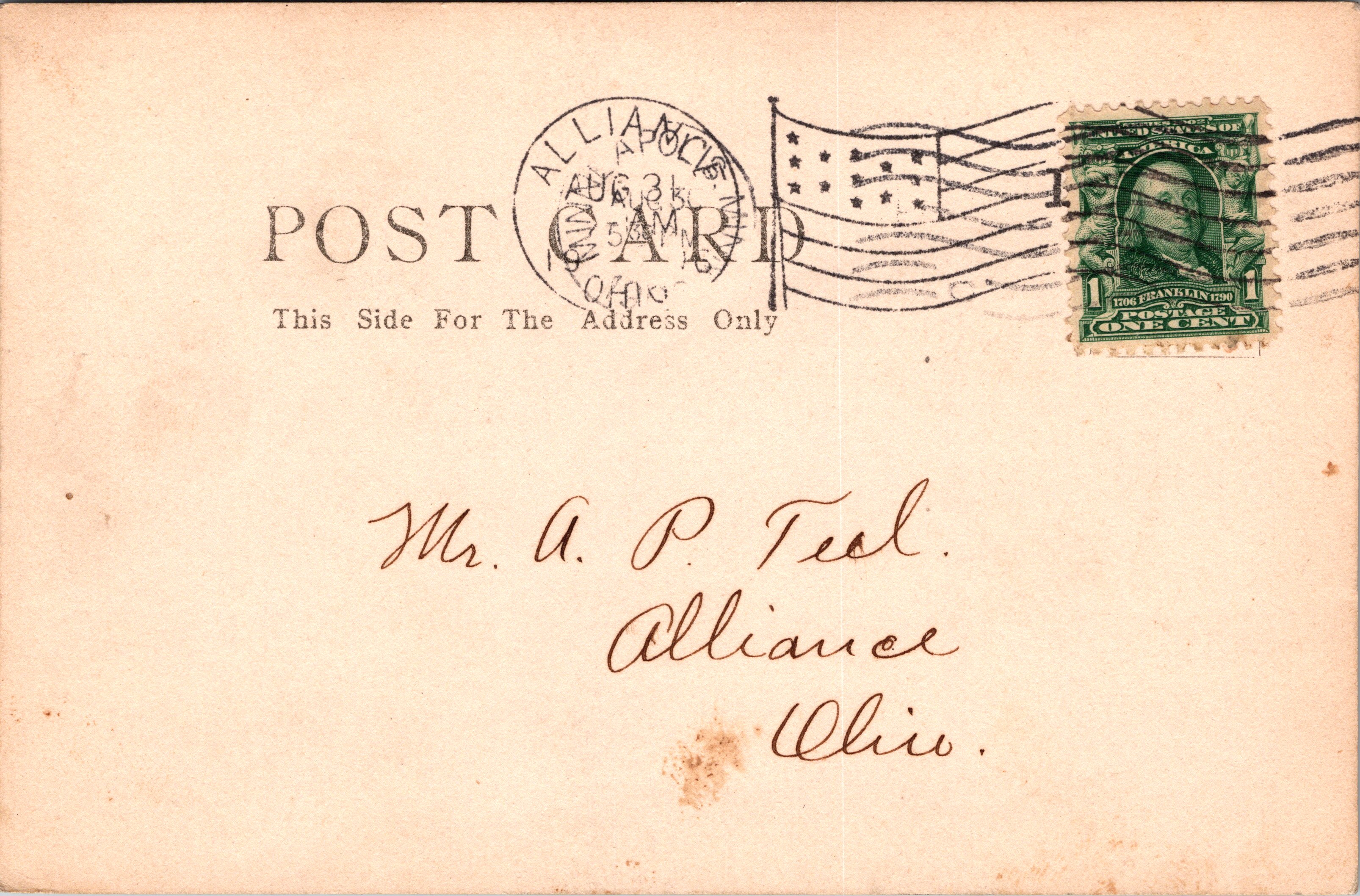
This vintage undivided back real photo postcard features a sweet little boy riding a handcar. The message on the reverse of the card reveals that the boys name is Robert and the card was mailed to his grandparents in Alliance, Ohio. The message is written by the boy’s parents in wording as if the boy himself wrote the card. Robert tells his grandparents that he has much fun on the handcar and that he wishes that they could see how fast he can ride. The message also reveals that the postcard was written in 1906 and that Robert and his family resided in Minneapolis, Minnesota. Typically, a hand car is a railroad car that is powered by it’s passengers. They were used by the railroads as well as in mines. (SOLD)
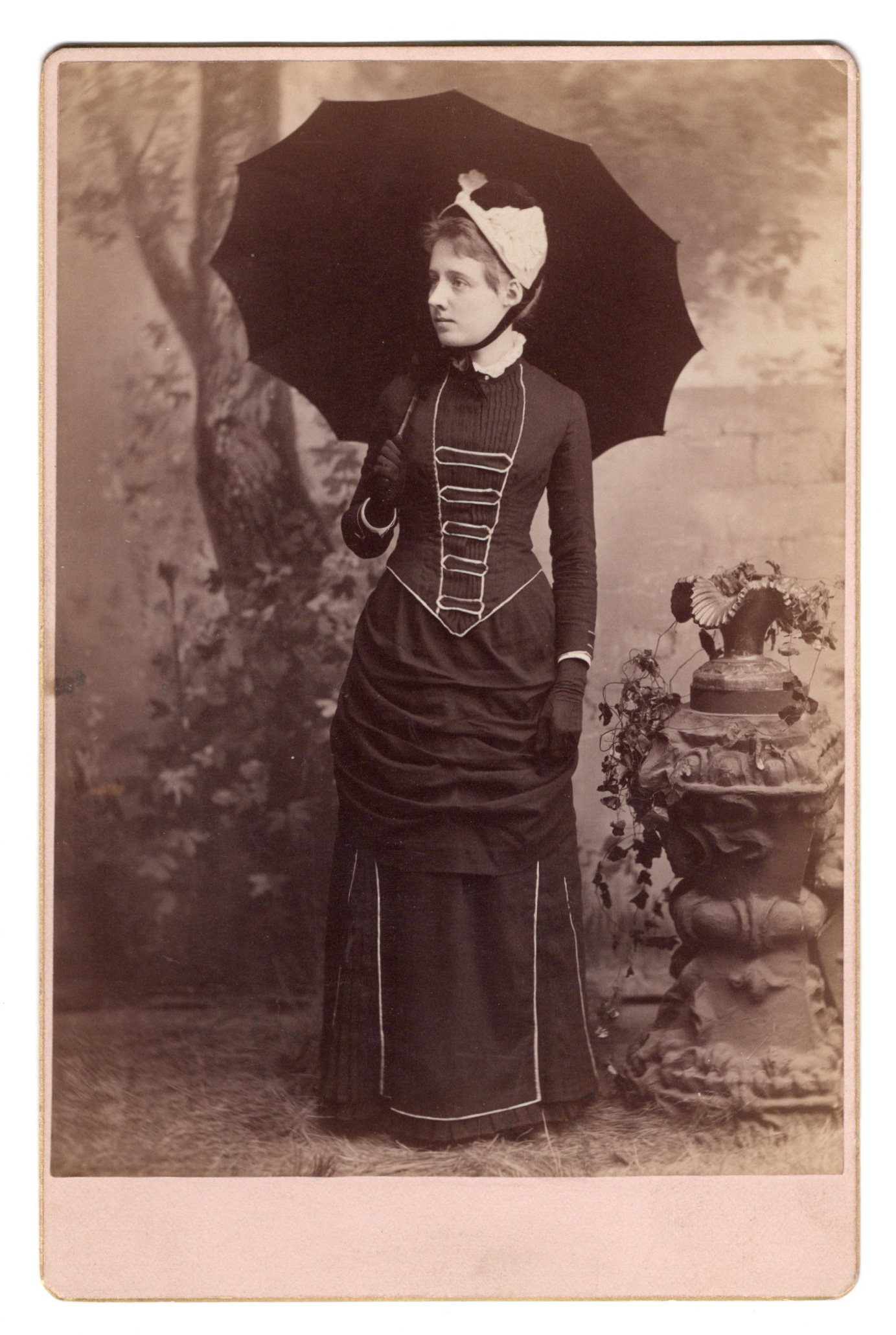
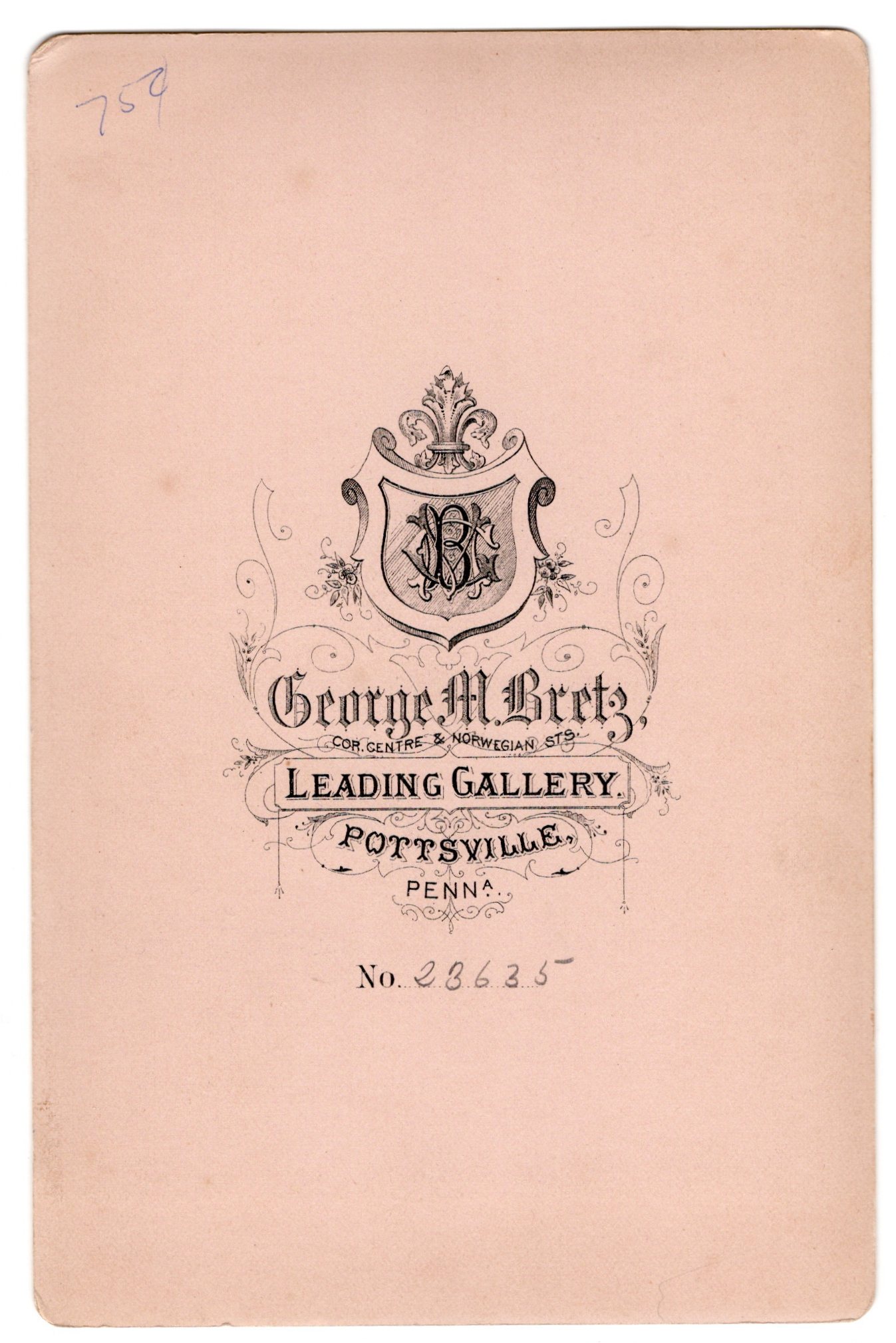
A pretty young lady poses for her portrait at the George M. Bretz gallery in Pottsville, Pennsylvania.The woman has a serious facial expression. She is beautifully dressed. She is wearing a dark dress, dark gloves, and is holding an umbrella. She is certainly a fashionista. Her dark manner of dress may indicate that she is wearing a mourning dress. George M. Bretz (1842-1895) is a well known and acclaimed American photographer. He is best known for his photographs of the Northeastern Pennsylvania Coal region as well as for his portraits of coal miners. This cabinet card is in very good condition (see scans). The Smithsonian’s National Museum of American History and the University of Maryland both have collections of his photographs. His images were displayed at the World Expositions of 1884 and 1993. Bretz built the reputation of his being an authority about coal mining. Many articles about his photography were published. SOLD
This vintage real photo postcard portrait (Postcard 1) features American actress Mary Philbin (1902-1993). She was active in film between 1918 and 1930. One of her most noted film roles was in “The Phantom of the Opera” (1925). She co-starred with Lon Chaney. A number of her roles involved playing the “beauty” in “Beauty and the Beast” type stories . Mary was born in Chicago, Illinois. Her parents were middle-class and of Irish descent. Her mother was convivial but controlling and domineering. She pushed her strong religious beliefs onto Mary. She adored her father who was “quiet, shy, and reserved”. She was very similar, personality-wise, to her dad. She would accompany him to the theater and there she developed a passion for the stage. She pursued dance and played the pipe organ and piano. She lacked a singing voice, and surprisingly, never received training in acting. Mary’s acting career was launched after she won a beauty contest sponsored by Universal Pictures. The motion picture company promptly signed her to a contract. Her screen debut was in 1921 and during the following year she was named a WAMPAS Baby Star. This prestigious annual award, given by an association of film advertisers, was awarded to thirteen young women each year. These women were predicted to be on the verge of becoming major movie stars. During the 1920’s, Mary’s film career blossomed and she starred in a number of successful films, including “Drums of Love (1920), directed by D. W. Griffith. When “talkies” arrived, she played in a few films and even dubbed her own voice for the sound version of “Phantom of the Opera”. Unfortunately, her voice was considered too “girlish” to be suitable for talking pictures. She retired from the screen in the early 1930’s in order to become a caretaker for her elderly parents. She lived the rest of her life as a recluse. She never married and seldom made public appearances. An exception occurred when she attended the Los Angeles opening of Andrew Lloyd Webber’s musical version of “Phantom of the Opera”. She died of pneumonia at the age of ninety and is buried in Los Angeles, California. The IMDb reports that Mary appeared in 34 film between 1921 and 1929. She never married. In 1926 she became engaged to Universal producer, Paul Kohner. When her family learned of the engagement, they were infuriated. They demanded a meeting with Kohner and all went reasonably well until the subject of religion arose. Kohner was Jewish and Mary’s family was Catholic. Mary’s mother was adamant in her belief that Kohner would attempt to convert Mary to Judaism. Paul and Mary informed her parents that no such thing would happen. An argument developed between Paul and Mary’s parents. She was told by her parents that she would be disowned if she proceeded with her wedding plans. Mary was ambivalent but, in the end, despite still loving Paul, she returned her engagement ring to him. A biographer contends that this traumaticrd experience is the reason Mary never married. This vintage postcard was published by Ross Verlag, of Berlin, Germany. It is part of a series (no. 968/1). The name of the film distribution company (Filmhaus Bruckmann) can be seen on the bottom right corner of the image. A stamp on the reverse of the postcard indicates that it once was part of a collection belonging to Herman Overeem, of Utrecht, the Netherlands. (SOLD)
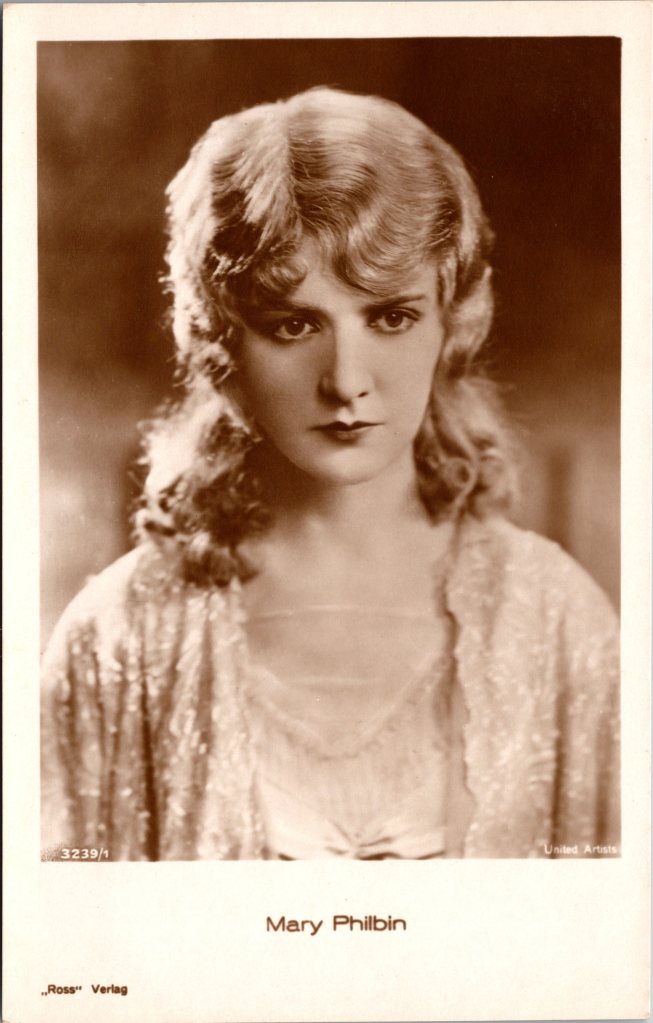
Postcard 2 was published by Ross Verlag, of Berlin, Germany. It is part of a series (no. 3239/1). The name of the film company (United Artists) can be seen on the bottom left corner of the image. (SOLD)
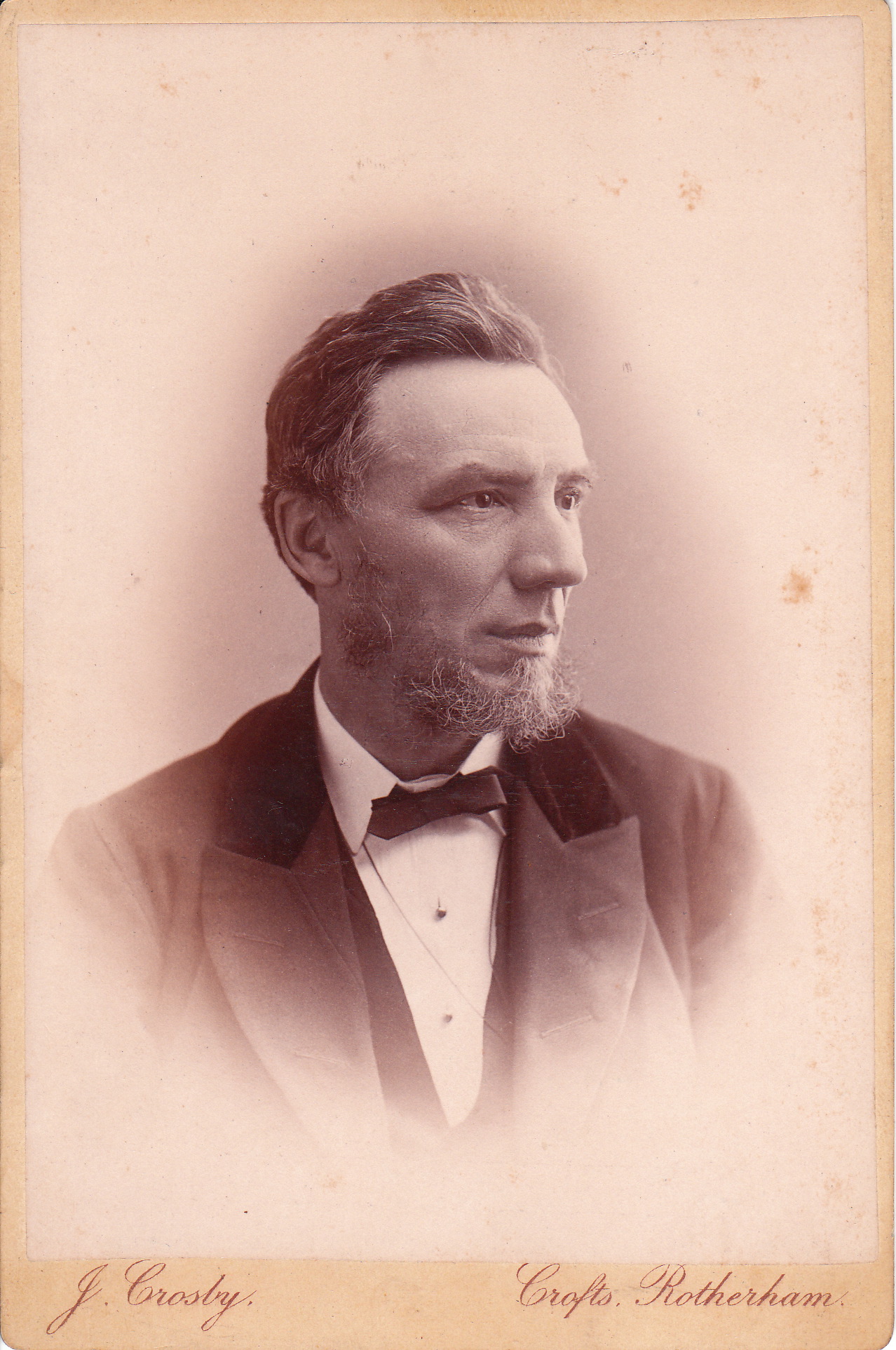
This Cabinet card is an image of Sir Charles Skelton. Research about this interesting man reveals that his name shows up in all sorts of places. He was a busy man with many interests. He died in 1913 after suffering a stroke. He was considered a modern puritan. He was very engaged in and financially supportive of the Methodist New Connexion Body in Sheffield, England. He was also very active in the big spending highway committee of the Sheffield City Council. He was a major proponent of the use of granite in highway and transportation construction. This was a controversial issue and a anti-granite association was formed to oppose him. In 1895, he became Mayor of Sheffield. In 1897, during a visit from Queen Victoria, Skelton was knighted. Sir Charles Skelton is cited in many varied publications. In 1897, he was mentioned by the British Medical Journal as active in advocating the study and eradication of Tuberculosis. In 1904, The Zoophilist and Animals Defender, reports that Skelton was an active advocate of the antivivisection organization. (Vivisection is conducting surgery on animals for simply experimental purposes). Skelton was a man before his time; if alive today he would be anti animal testing and a member of PETA. It is written that “he was one of the really big men of the City” who was known for his integrity, thoroughness, and “unswerving honesty of purpose”. The man was a non conformist; he opposed militarism (the boer war), and was a teetotaller and opposed liquor traffic. The photographer of this image is J. Crosby of Rotherham, England. Rotherham is a town in South Yorkshire. Rotherham and Sheffield are about four miles apart. The reverse of this card has an inscription stating “Uncle Sir Charles Skelton”. (SOLD)
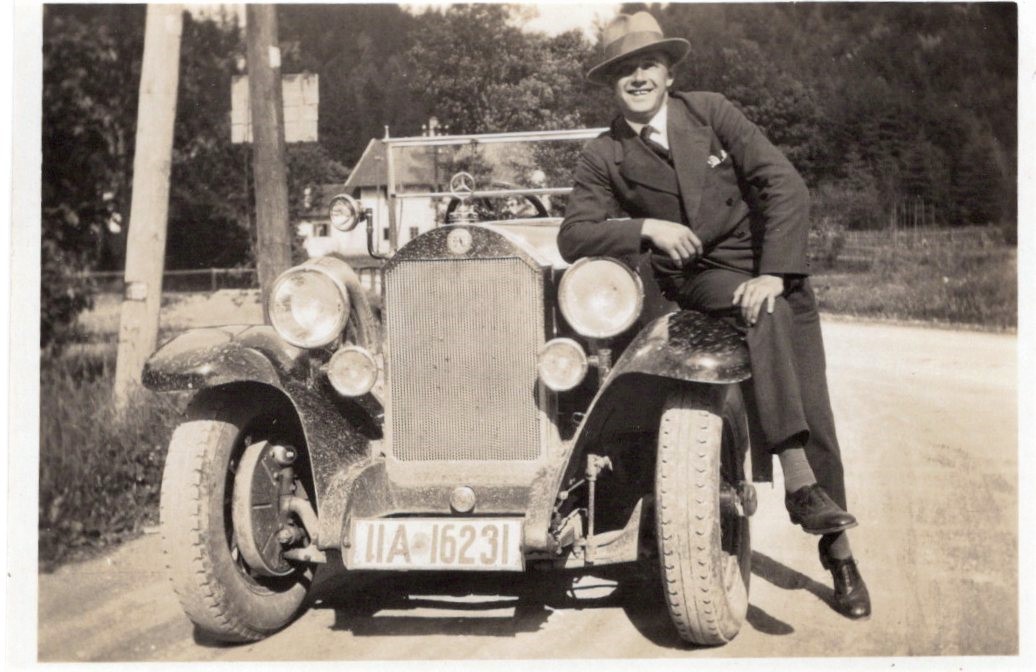
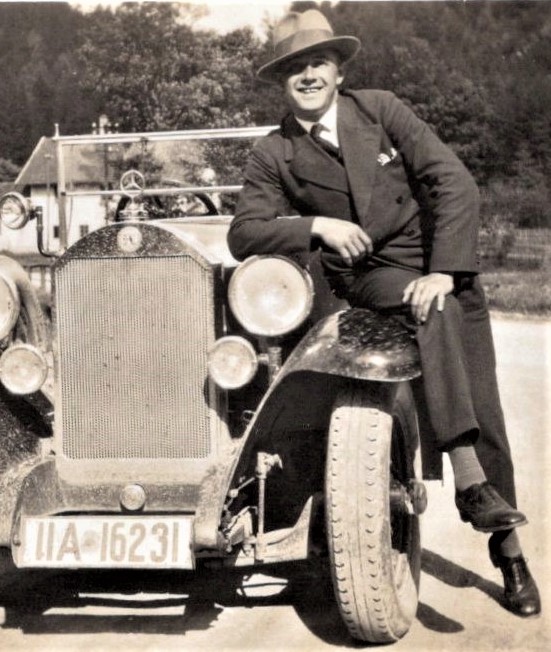
This snapshot photograph features an outstanding view of an antique Mercedes and it’s sell dressed owner. He has a nice smile for the camera, and who can blame him? He owns a beautiful automobile. Note the European (German) license plate and the Mercedes hood ornament. (SOLD)
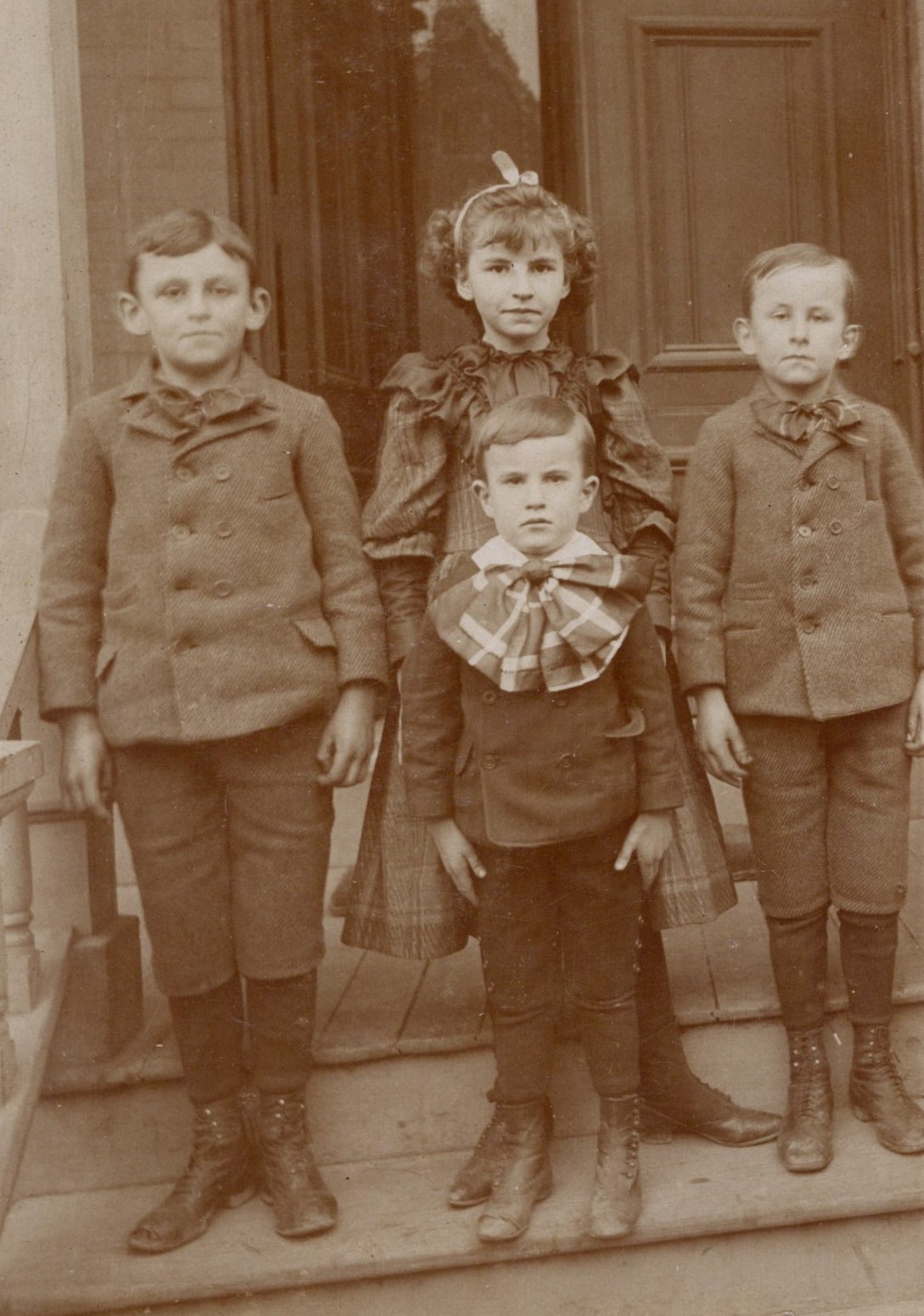
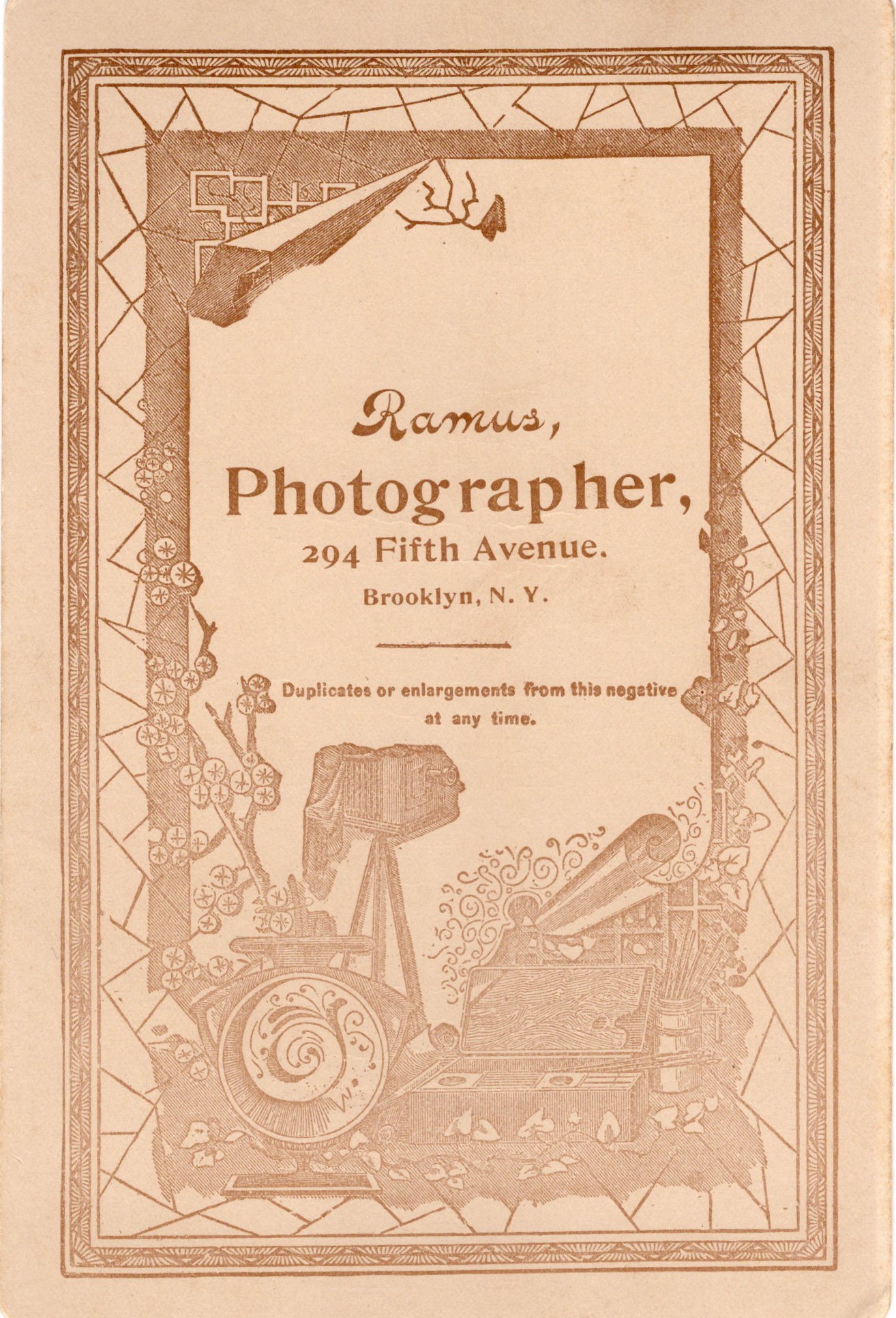
This cabinet card portrait features three young boys and a young girl. They are presumably siblings. Note the youngest boy’s plaid bow.. Large enough? The children are standing on a stoop. The photographer of this image is the Ramus studio of Brooklyn, New York. There is nice art on the reverse of the card. (SOLD)
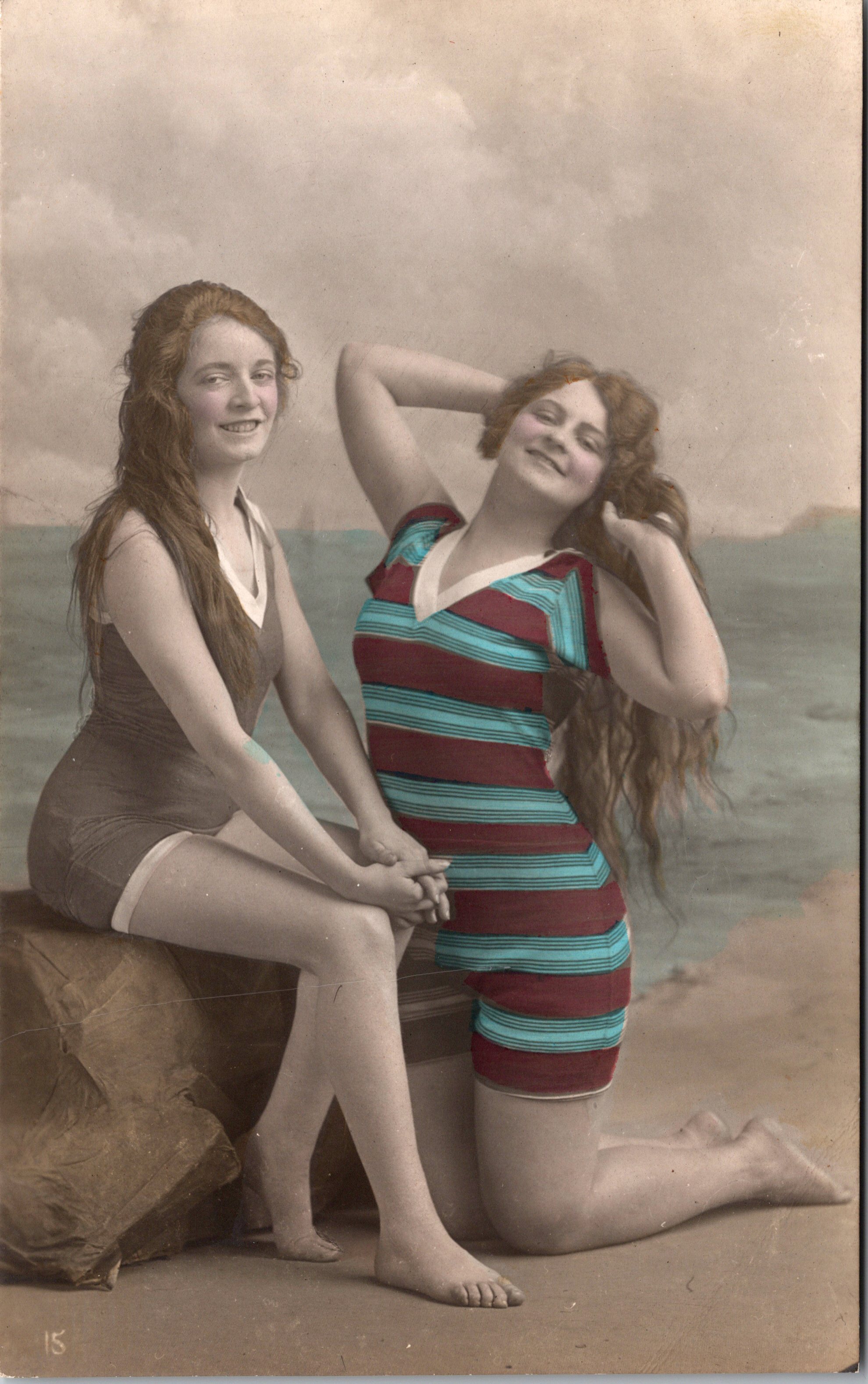
This vintage real photo postcard features two smiling bathing beauties posing at the beach. This photograph is risque for it’s era. The photographer and publisher are unidentified. This photo portrait postcard is in very good condition (see scans).
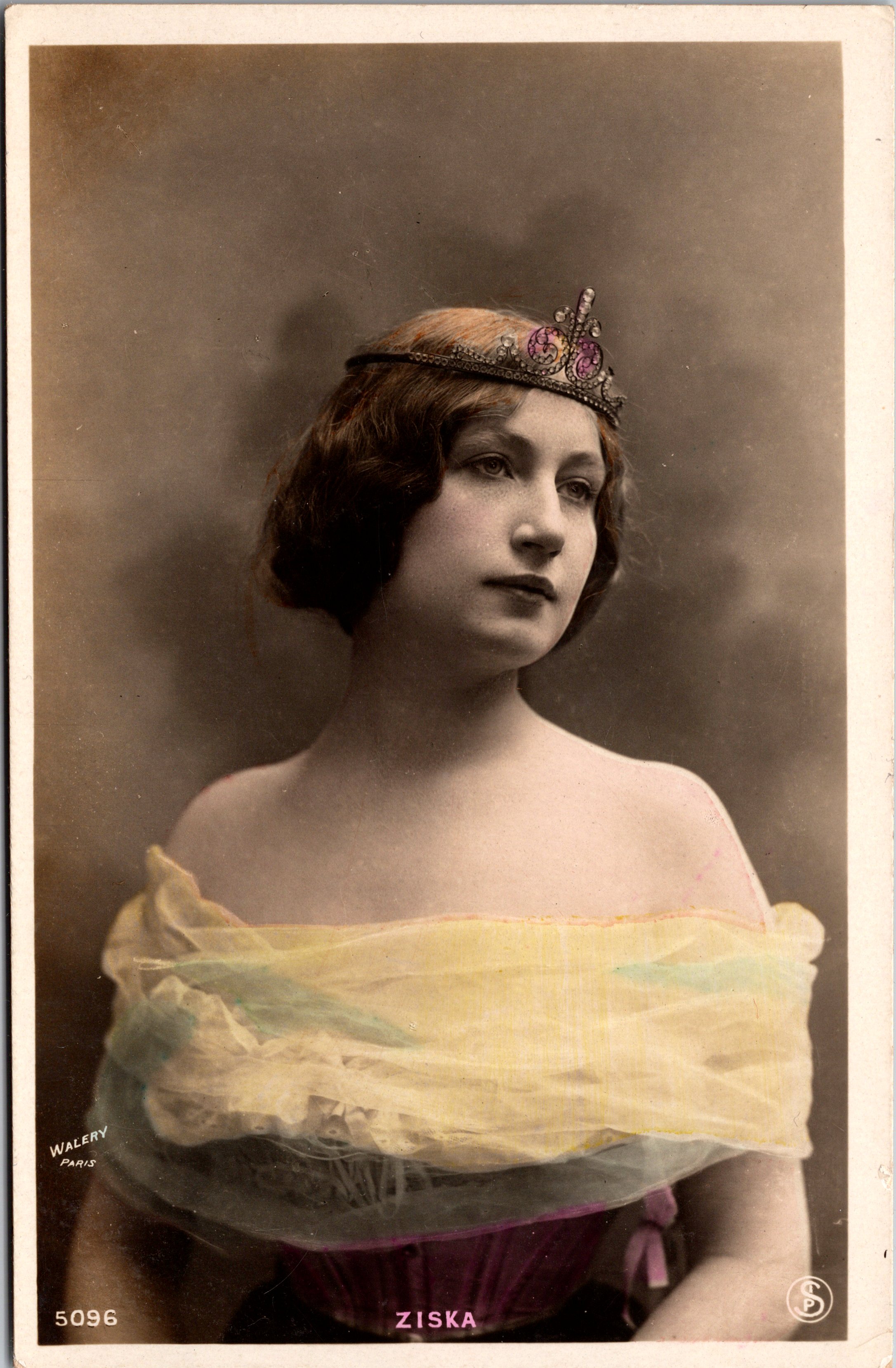
This vintage real photo postcard features French stage actress Mlle. Ziska. Preliminary research found little information about this actress. There are a few postcard views of Mlle. Ziska that can be seen online. One of the cards is a photograph of her appearing in “Salome”. However, I could not find her first name or any other biographical information.This postcard close-up portrait of Miss Ziska highlights her beauty. The photograph was taken by Walery. He was a well known and talented celebrity photographer who operated out of Paris, France. The postcard is hand colored. The card was published by SIP as part of a series (no.5096). (SOLD)
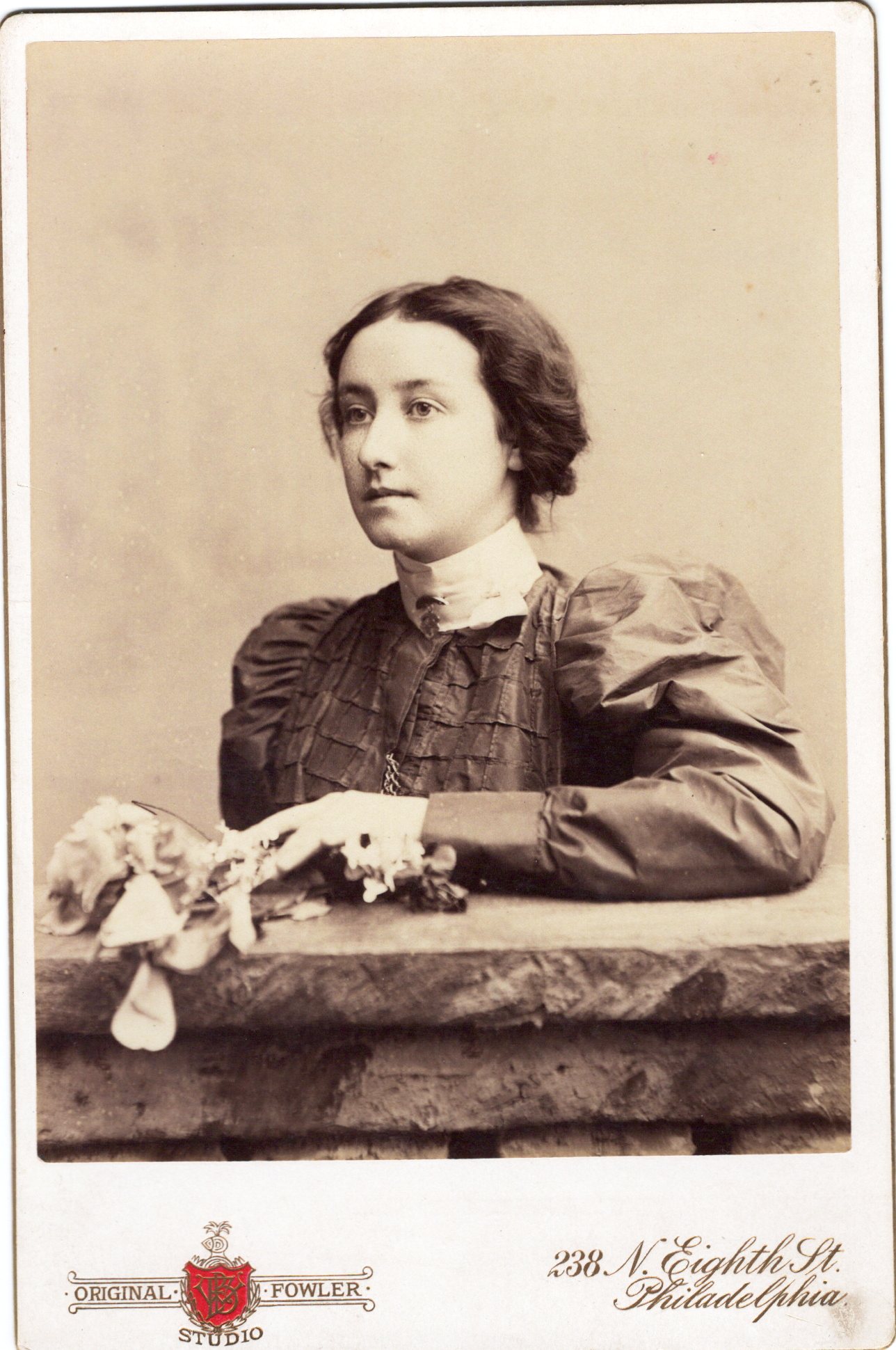
This cabinet card portrait features a pretty young young woman fashionably dressed. Note the pin that she is wearing on her collar. The manner in she is dressed strongly suggests that she is from an affluent family. This photograph was taken at the original Fowler Studio in Philadelphia, Pennsylvania. (SOLD)
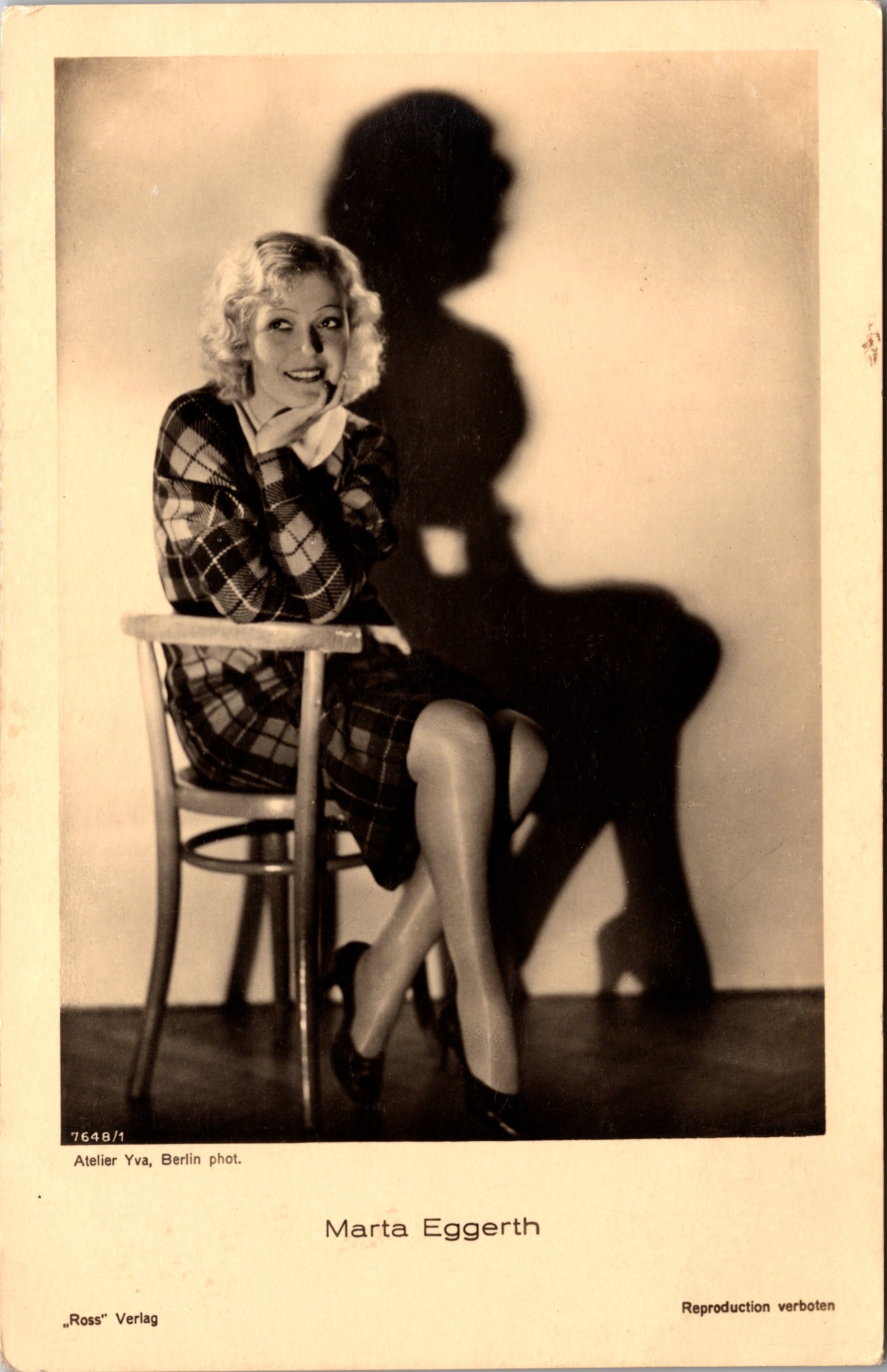
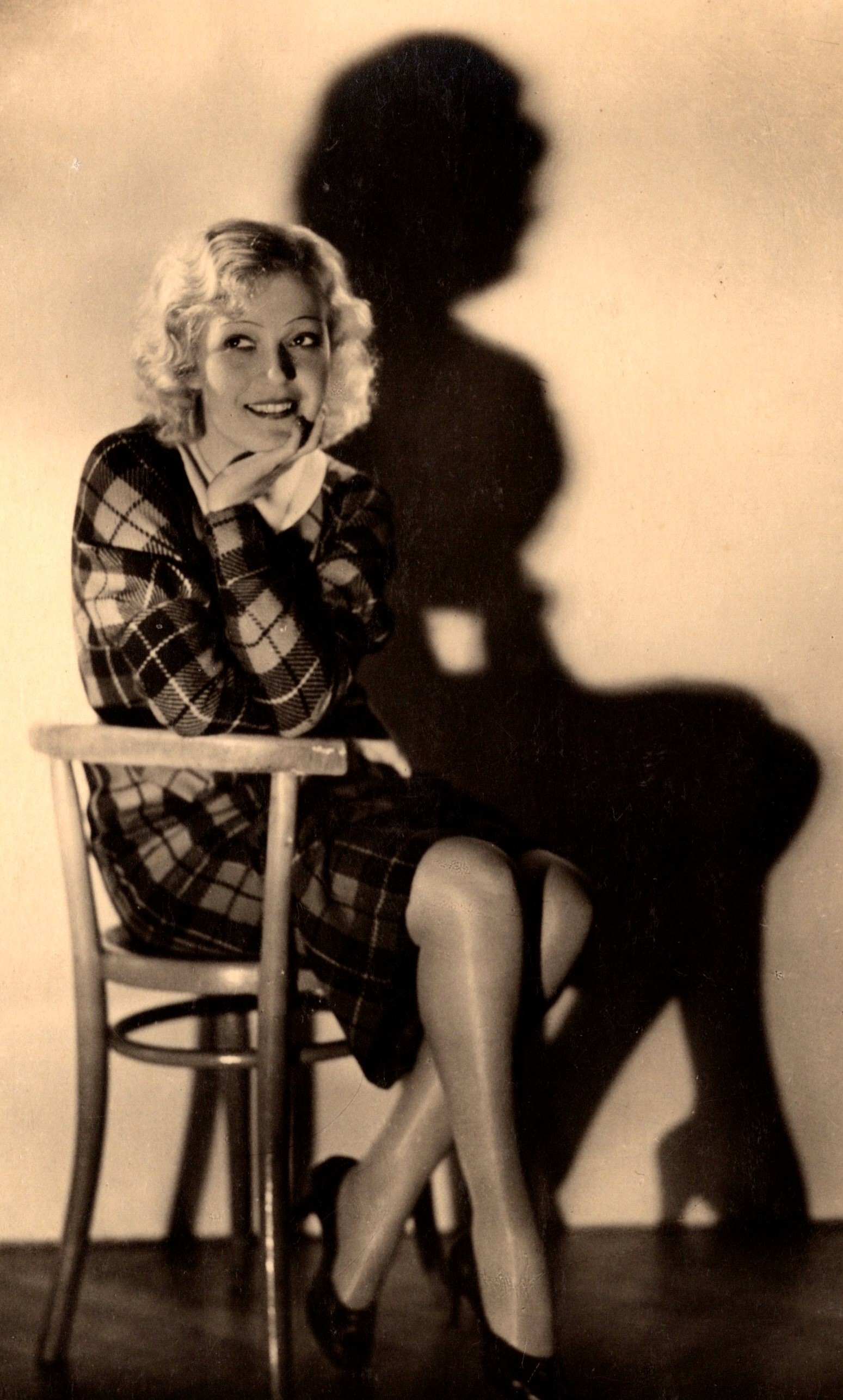
This vintage real photo postcard features Hungarian actress and singer, Marta Eggerth (1912-2013). She was a popular operetta star and many of the most famous composers of operettas, composed operetta works specifically for her. She was born in Budapest. Her mother was a dramatic operatic soprano. Eggerth began singing as a child and her mother devoted herself to developing Eggerth’s acting and singing talent. She made her theatrical debut at age eleven and while a teenager, toured internationally performing operatic works. By the early 1930’s, Eggerth achieved international fame acting in film. She made films in five languages. While making a film she met Polish tenor, Jan Kiepura and they married in 1936. The pair were an international sensation. Eggerth appeared in a Richard Rodgers production on Broadway. Eggerth and her husband starred in the Broadway production of “The Merry Widow”. She was in three different Broadway plays, all of them between 1940 and 1945. In addition, Eggerth signed with MGM made two films with Judy Garland. Throughout her career, Eggerth continued to perform operettas internationally. Her last stage appearance occurred when she was 99 years old. The IMDb gives Eggerth 39 acting credits between 1930 and 1999. This postcard was published by Ross Verlag as part of a series (No.7648/1). Eggerth’s portrait was taken by the Yva studio in Berlin, Germany. The name Yva is a pseudonym. The photographer was actually a woman named Else Ernestine Neulander-Simon (1900-1944). She was a German Jewish photographer and was well known for her “dreamlike, multiple exposed images”. She was a leading Berlin photographer during the Weimar Republic years of Germany. She specialized in fashion, nudes, and portraiture. Later, she became involved in the early days of producing photographs for advertising. Many of her photographs were published in magazines or were shown in international exhibitions. After the Nazis took power, she was forced to work as a radioagrapher (ie x-ray technician). In 1936 she was offered a job by Life Magazine, but her husband convinced her that life for German Jews would improve over time. He did not want to move and start a new life in a country where he did not speak the language. Unfortunately, she complied with his wishes. In 1938, Nazi regulations prohibited her from working as a photographer. In 1942, the Gestapo deported her and her husband to a death camp (probably Majdanek) where they were murdered. (SOLD)



 POSTCARD 2 (SOLD)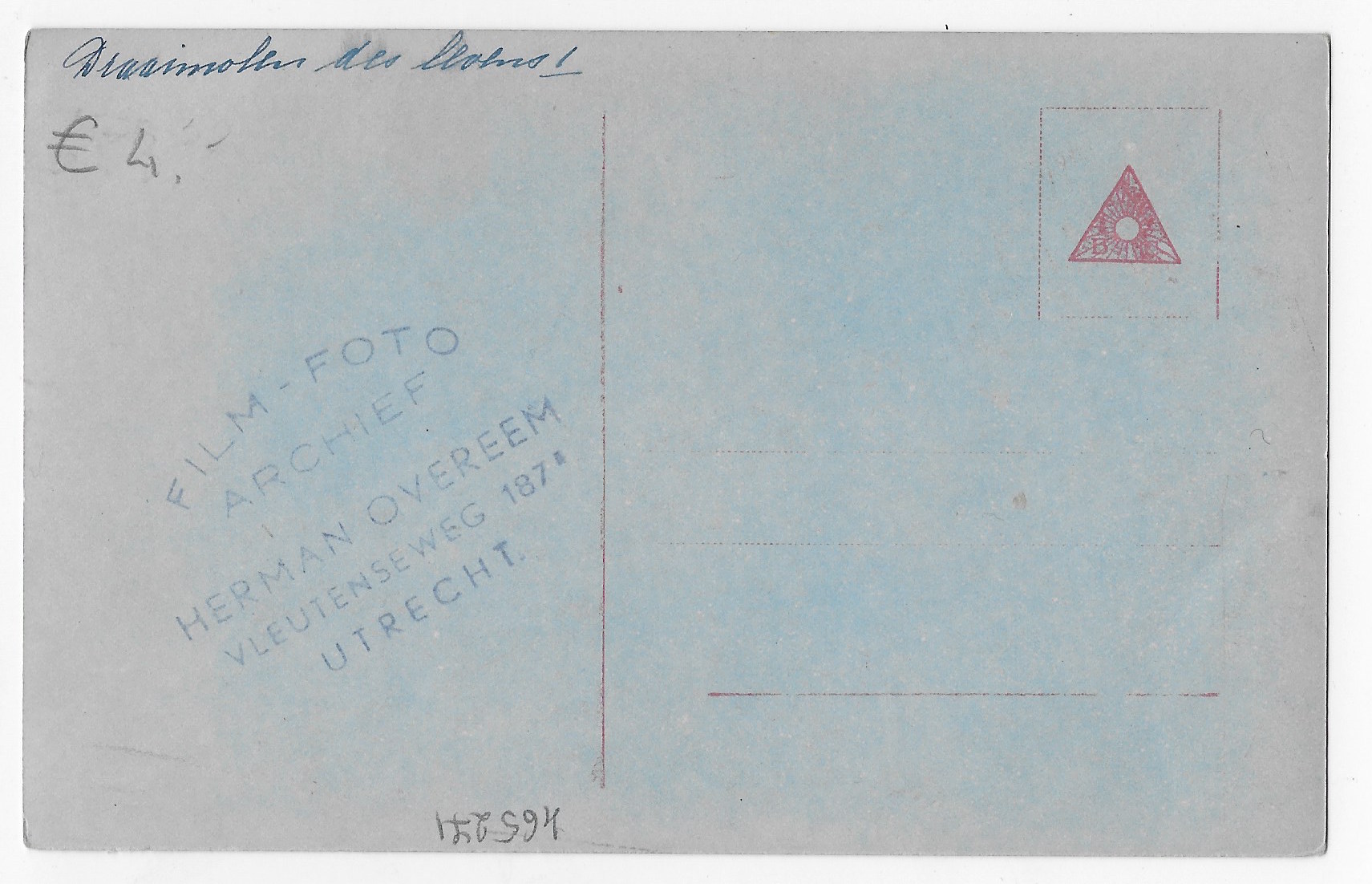




 THE CABINET CARD GALLERY