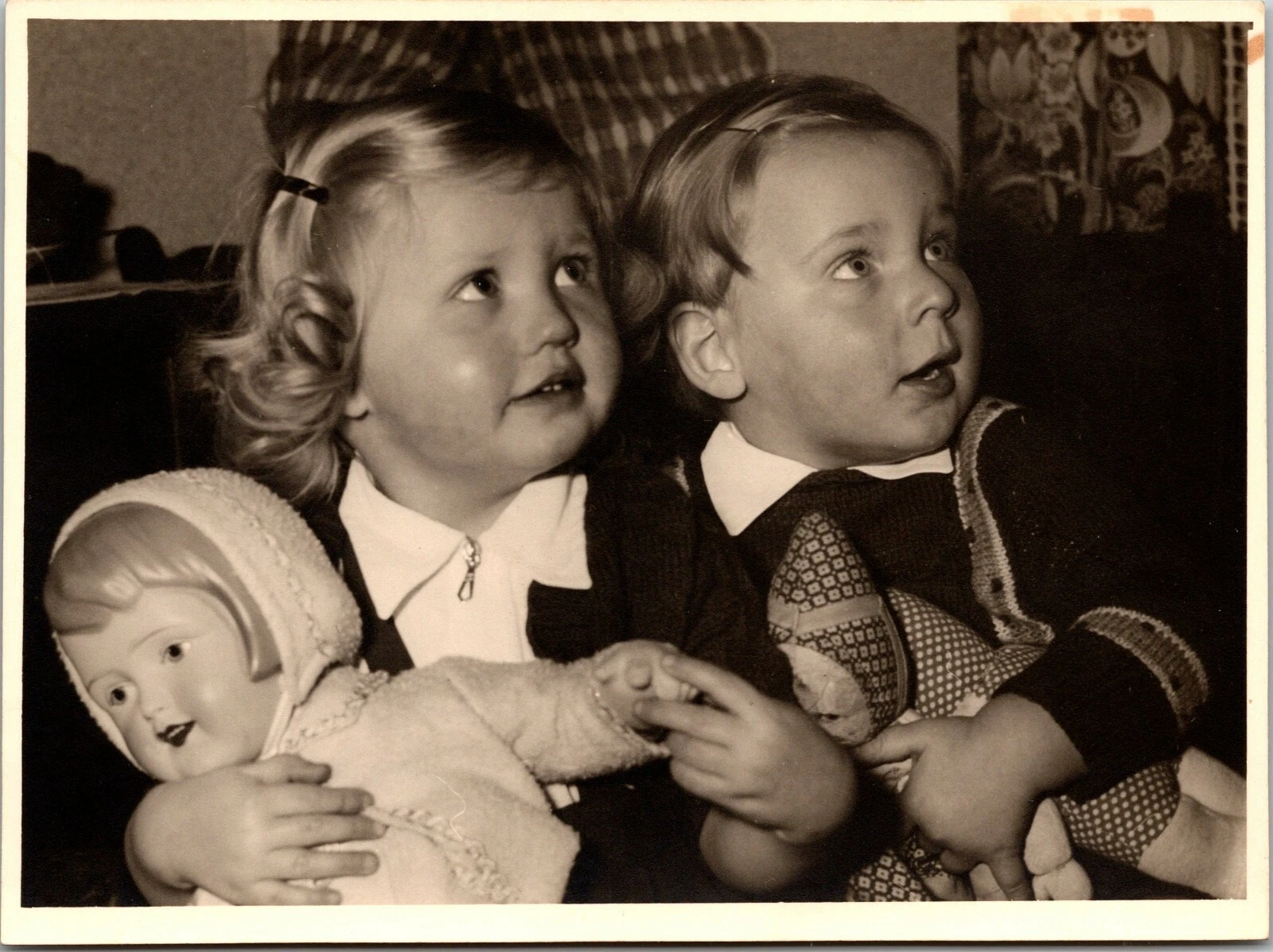
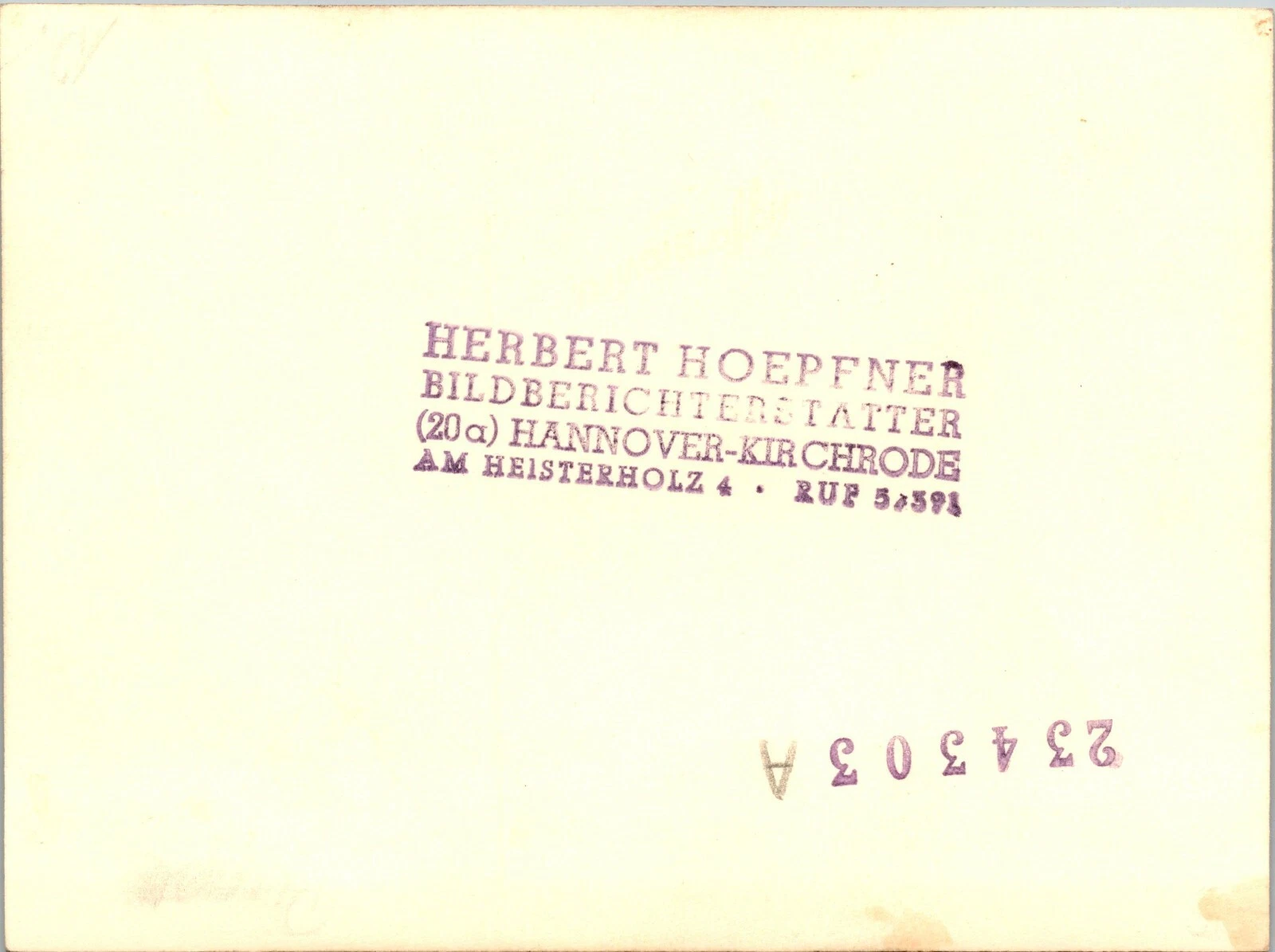
This vintage photo features a well-dressed little boy and girl. The boy is wearing a cute cardigan sweater. The girl and boy are holding dolls. These children are absolutely adorable. They appear to be siblings, perhaps even twins. The stamp on the reverse of this photograph indicates that the image is a press photo. I wouldn’t have guessed that it is a press photo because the quality of the image and the entire photograph is so excellent. It absolutely has the look and feel (to the touch) of a studio photograph.The photographer of this photo is Herbert Hoepfner and his studio was located in Hannover, Germany. This vintage photo measures about 4 1/2″ x 3 3/8″ and is in very good condition, The photo has excellent clarity.
This Vintage Photograph is available for purchase at my store, The History Peddler, for $24.00 or best offer
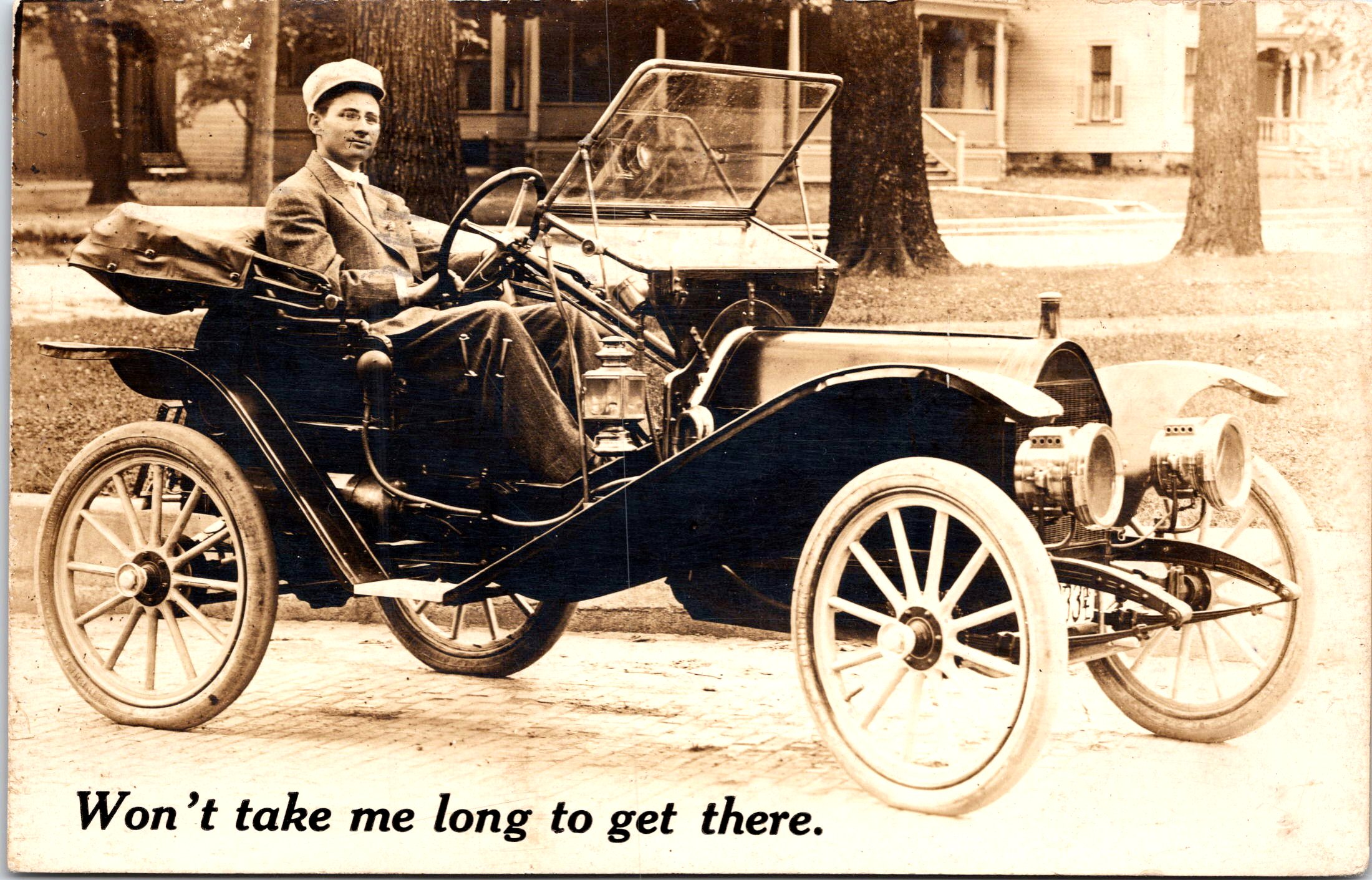
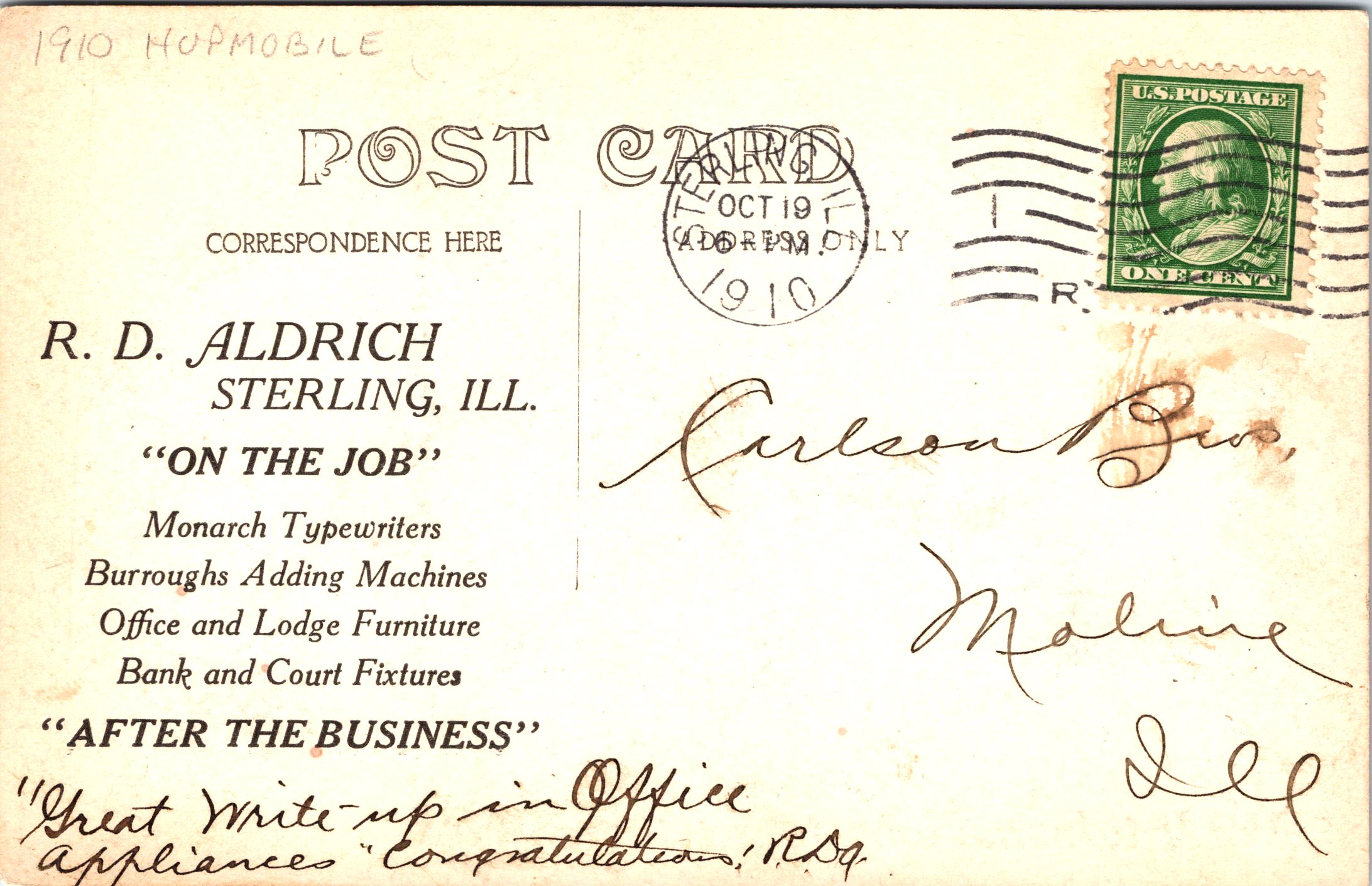
This vintage real photo postcard advertises “R. D. Aldrich”, an office supply store in Sterling, Illinois. The advertising on the card indicates that the firm sold Monarch Typewriters, Burroughs Adding Machines, Office Furniture, and more. The postcard was aimed at a retailer and it announces that a salesman from the company would be stopping by the retail store. The photograph on the front of the card is shows a salesman on his way to make a sales call. The caption states that the salesman will drop by soon. Writing on the reverse of the postcard indicates that the automobile in the photo is a Hupmobile. Comparing the car on the card to other photos of hupmobiles confirms that it is in fact a Hupmobile. Hupmobile started selling its cars in 1909. The office supply salesman who sent this card added a personal messageon the back of the card. This postcard has a 1910 postmark. SOLD
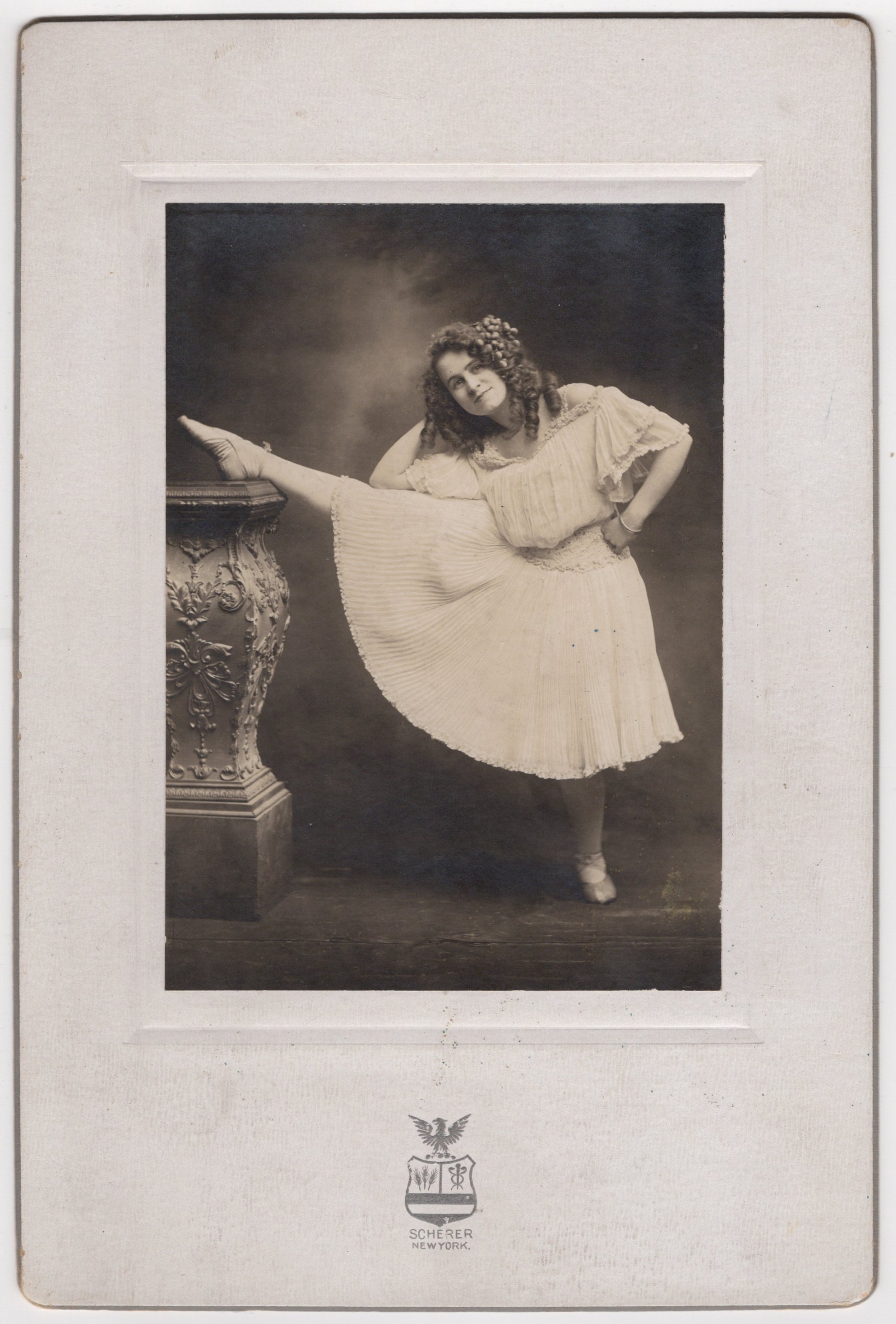
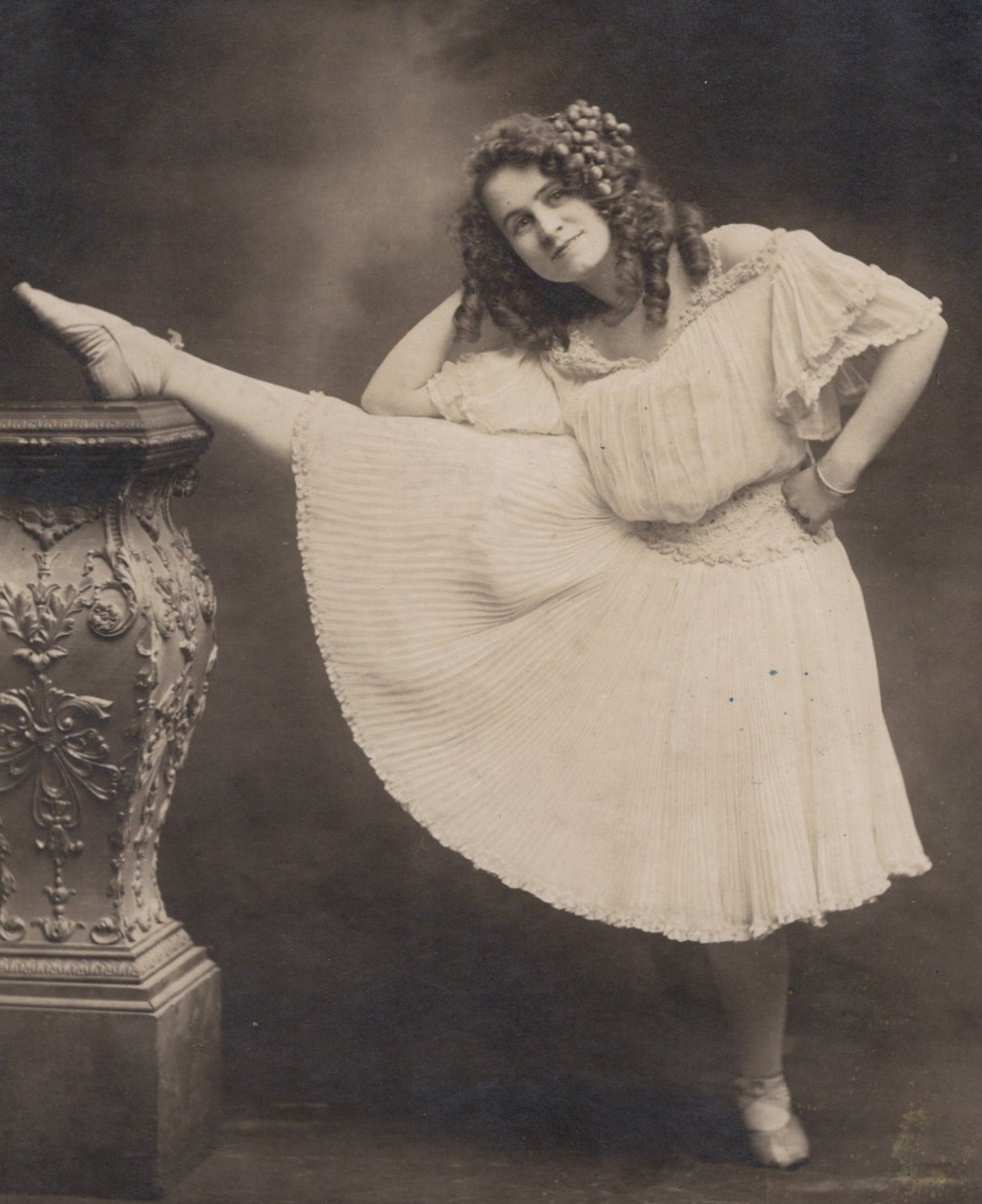
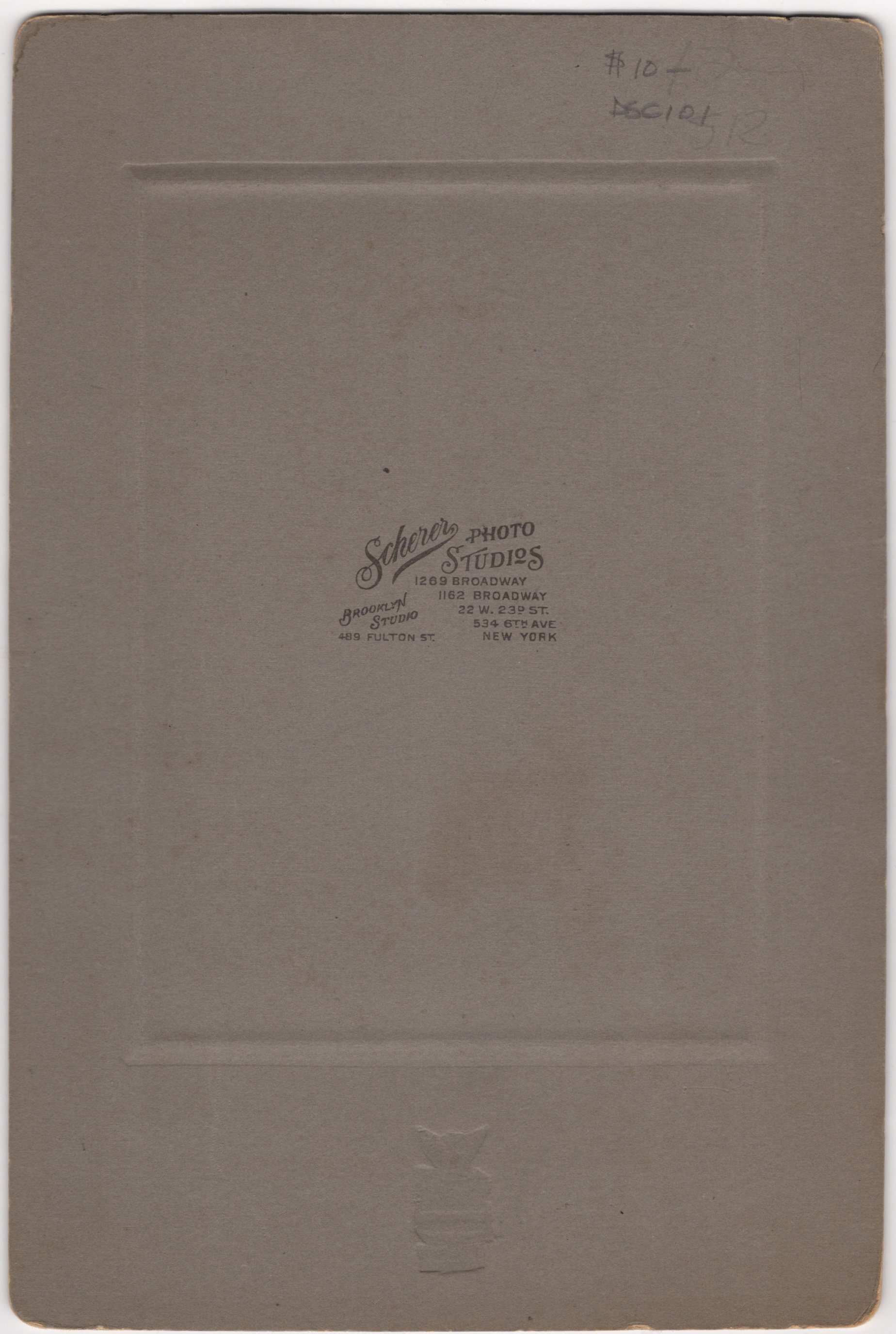
This is an original antique mounted studio photograph by Scherer Photo Studios of New York and Brooklyn, showing an unidentified female dancer or theatrical performer in a dramatic early 20th-century pose. The sitter wears a light-colored pleated dance costume with lace trim, dance shoes, and a floral or berry headpiece, while posing with one leg extended onto an ornate studio pedestal. The result is a wonderful theatrical image with strong appeal for collectors of dance, ballet, or vaudeville. The photograph has a strong show-business quality. This does not appear to be a simple family portrait; the costume, raised-leg pose, studio prop, and expressive presentation suggest a dancer, vaudeville performer, theatrical student, or stage entertainer posing for a professional studio image. The loose, flowing white costume also gives the image a Grecian or aesthetic-dance feeling, consistent with early 1900s theatrical and dance portrait styles. This photograph dates to circa 1905-1912, which fits the Scherer studio period of operation. The studio was operated by Stephen J. Scherer Jr. (1857-1923) as an American photographer. SOLD
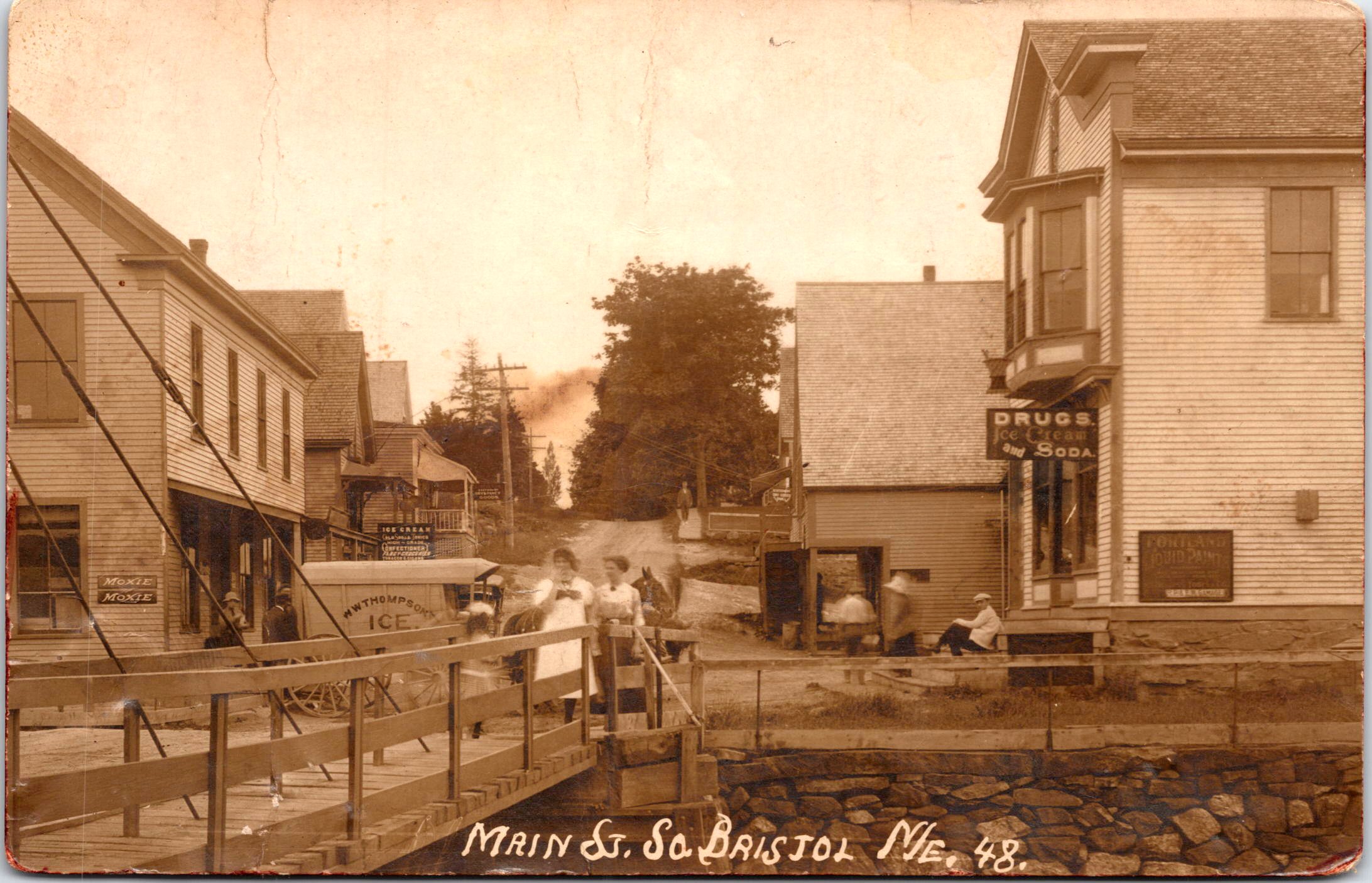
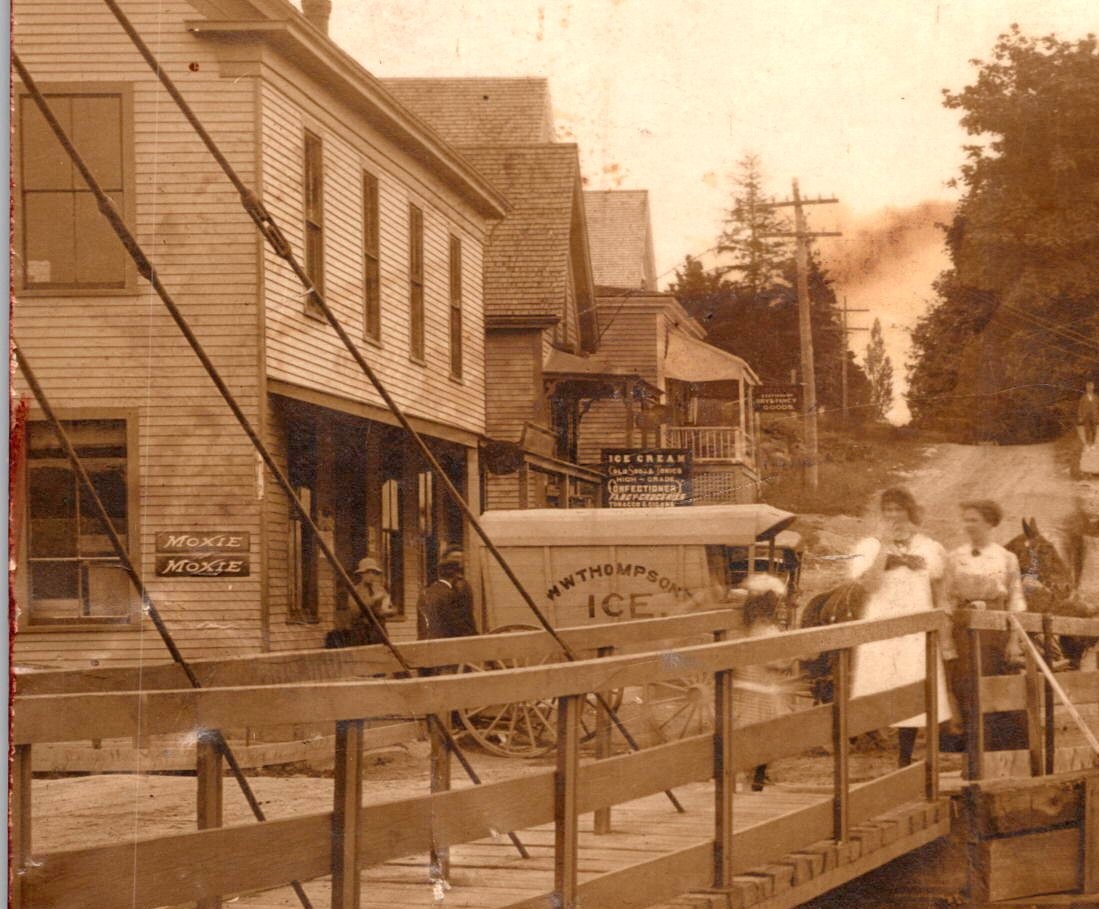
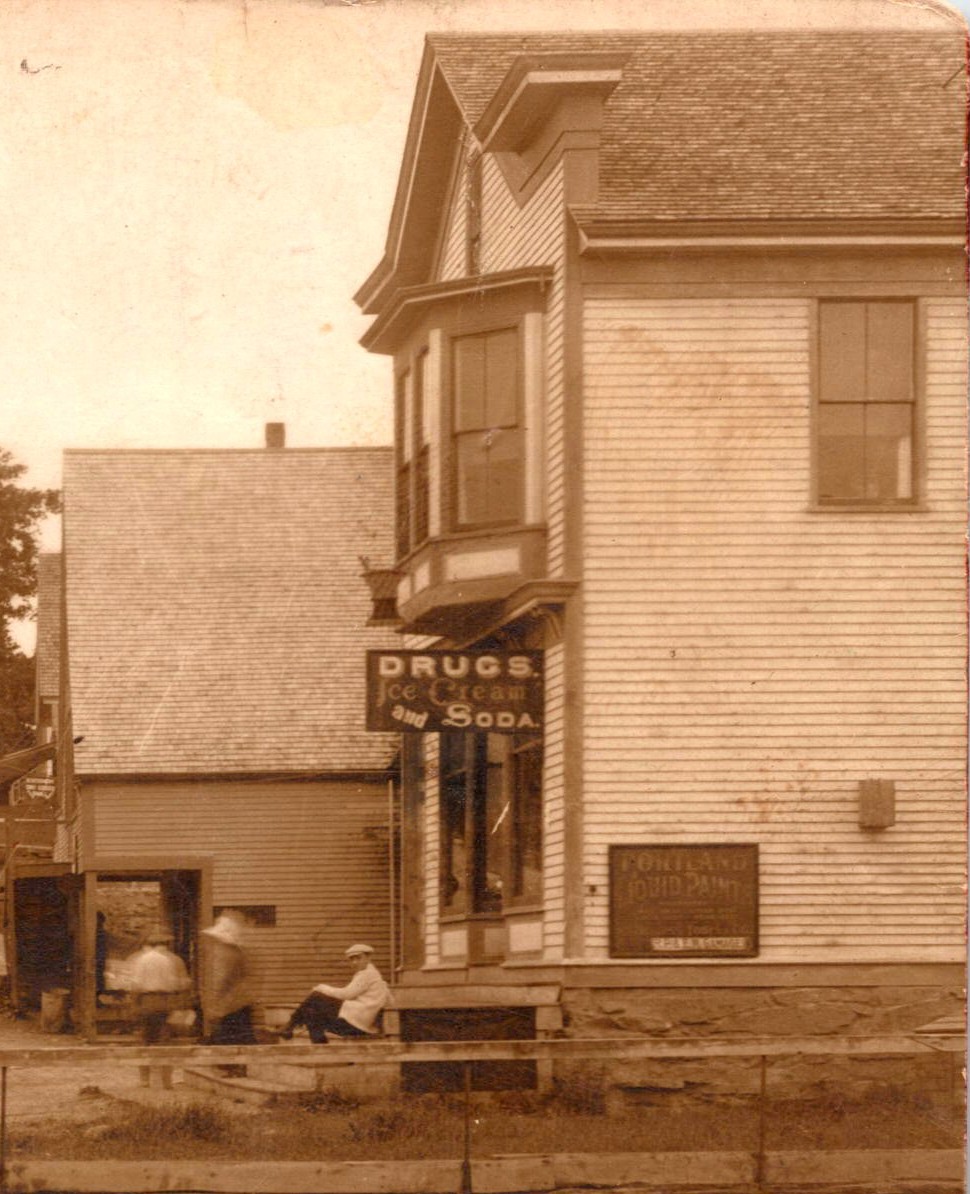
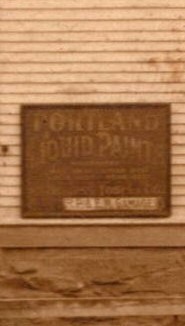
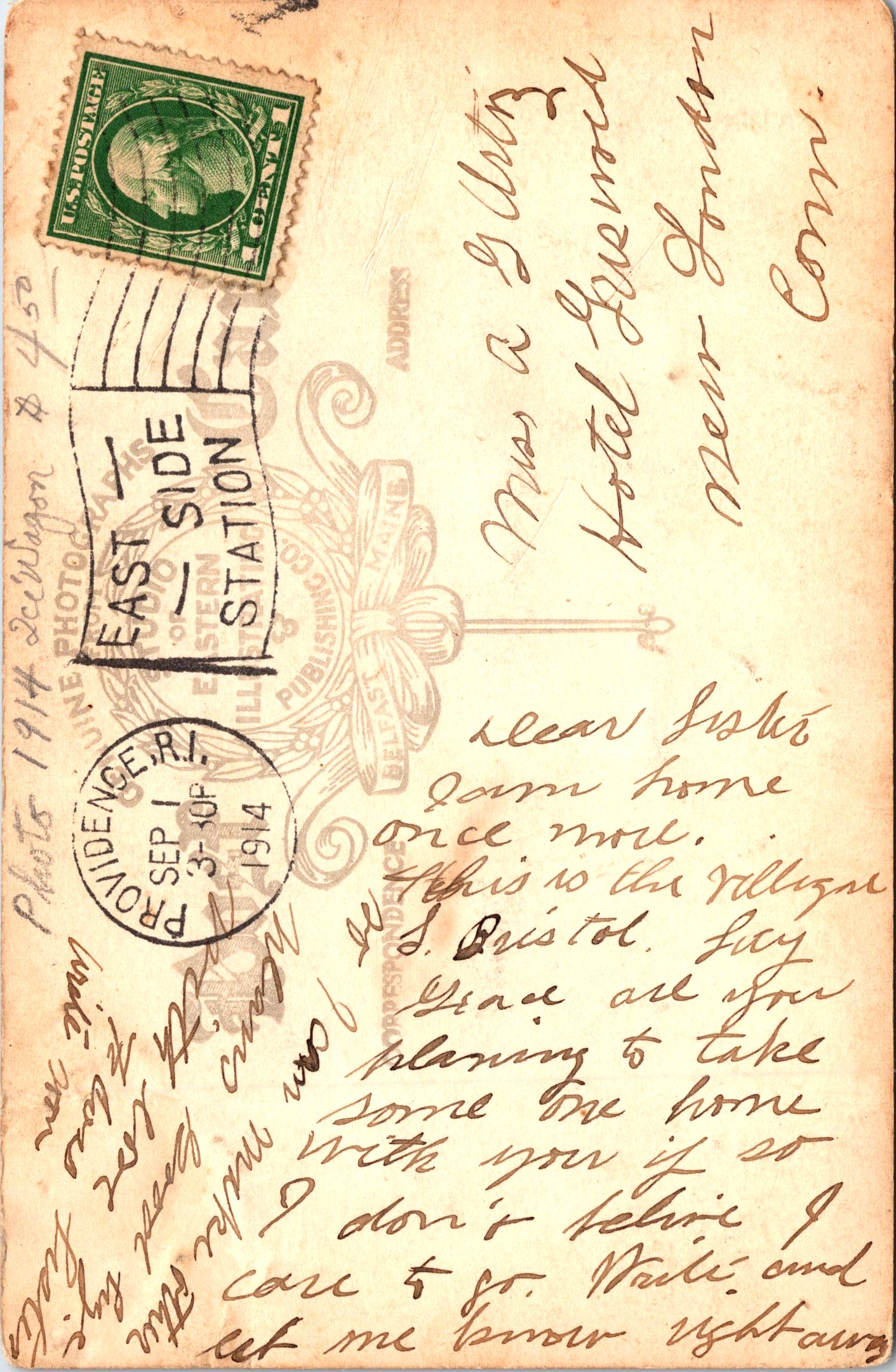
This genuine real photo postcard (RPPC) captures a lively small-town street scene in South Bristol, Maine, postmarked 1914. The view shows Main Street, with wooden commercial buildings, early signage, townspeople, and an ice delivery wagon—all beautifully preserved in sepia tones. At the center of the image is a wooden pedestrian bridge spanning a narrow tidal inlet or wharf channel. It likely served as a footbridge and local crossing connecting the town’s waterfront businesses. The bridge is flanked by stone retaining walls and wooden railings. Two women and a young girl stand near the far end, their blurred movements suggesting the long exposure typical of early photography. The women appear to be chatting, while a man seated nearby watches the scene. Behind them, an ice wagon labeled “M.W. Thompson’s ICE” is clearly visible, drawn by a horse. “M.W. Thompson” was probably a local merchant delivering ice—an essential trade in Maine’s coastal villages before home refrigeration. Several advertising signs enliven the storefronts: A “MOXIE” sign on the left advertises the famous New England soft drink; Another building features a large “Drugs – Ice Cream and Soda” sign projecting from a bay-windowed corner shop, suggesting it was a combined druggist and soda fountain; A painted wall sign for “Portland Liquid Paint” appears below the drug store window, marking a popular brand of early house paint; A hanging sign further up the hill advertises “Ice Cream – Confectionery – Cigars – Tobacco – Soft Drinks.” Together, these elements vividly convey the look and rhythm of a working coastal village in early-20th-century Maine—complete with townsfolk, wagons, and turn-of-the-century advertising. South Bristol, Maine, located on the Pemaquid Peninsula, was (and still is) a fishing and shipbuilding community. Around 1914, it was a thriving village centered around its harbor, with small stores, icehouses, and wharves supporting the local maritime economy. The wooden buildings seen here—typical New England architecture with clapboard siding and overhanging upper windows—reflect a prosperous, tight-knit coastal town just before World War I. The card is postmarked Providence, Rhode Island, in 1914, with a green 1¢ George Washington stamp from the Washington-Franklin series (used 1908–1922). The postcard is addressed to a woman at the Hotel Griswold, New London, Conn. The message reads: “Dear Sister, I am home once more. This is the village of S. Bristol. Lucy & Grace – are you planning to take some one home with you? If so, I don’t believe I care to go. Write and let me know right away.” The note, in a neat cursive hand, is informal and familiar—a quick communication between sisters during an era when postcards were the text messages of the day. (SOLD)
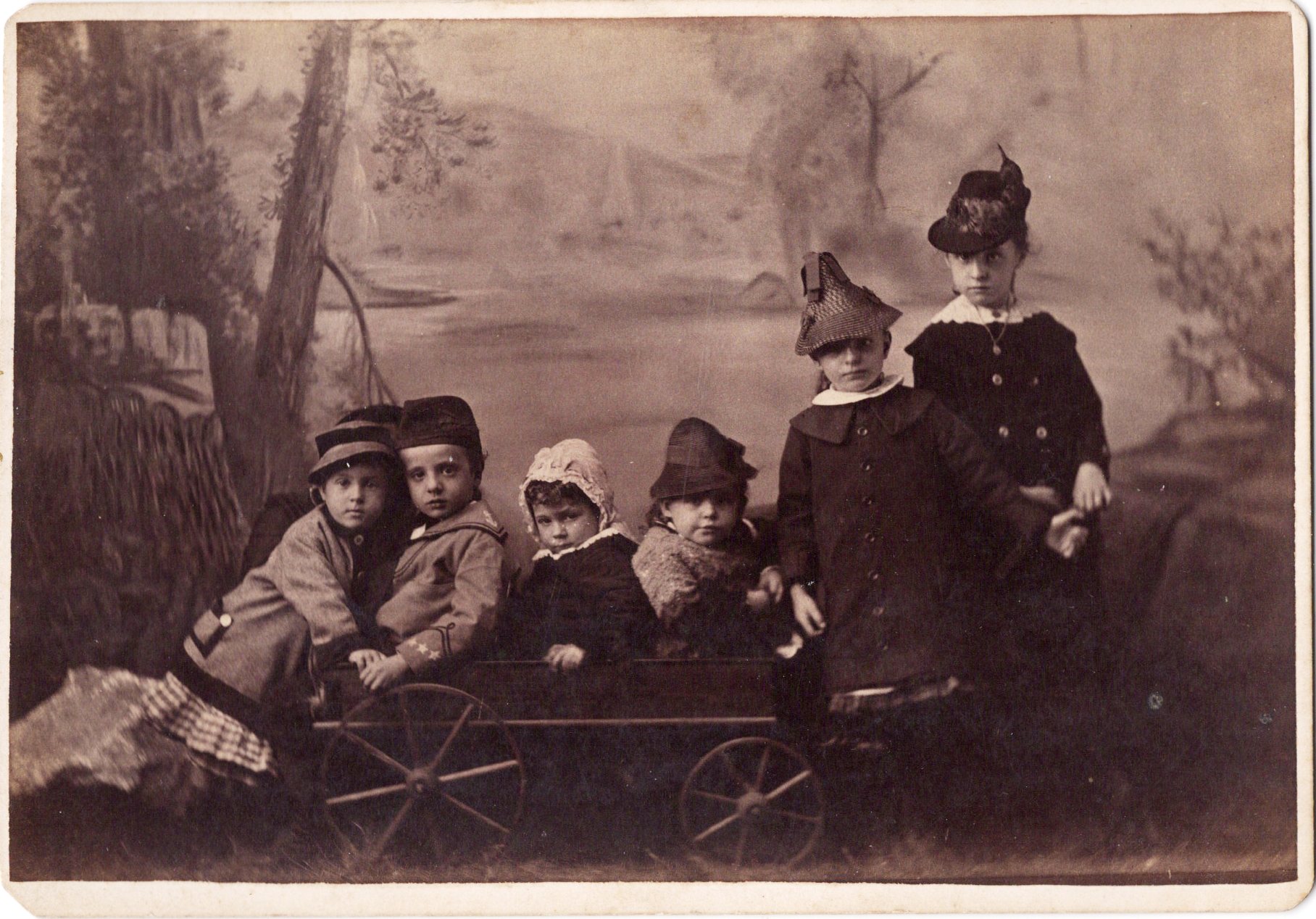
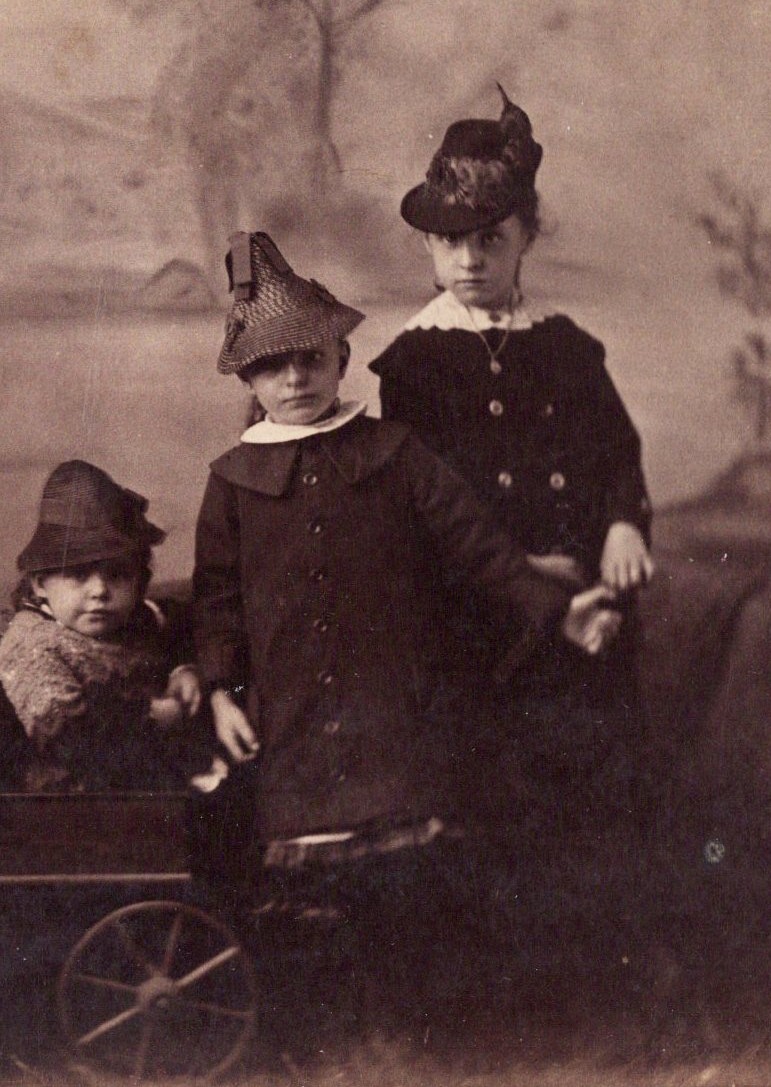
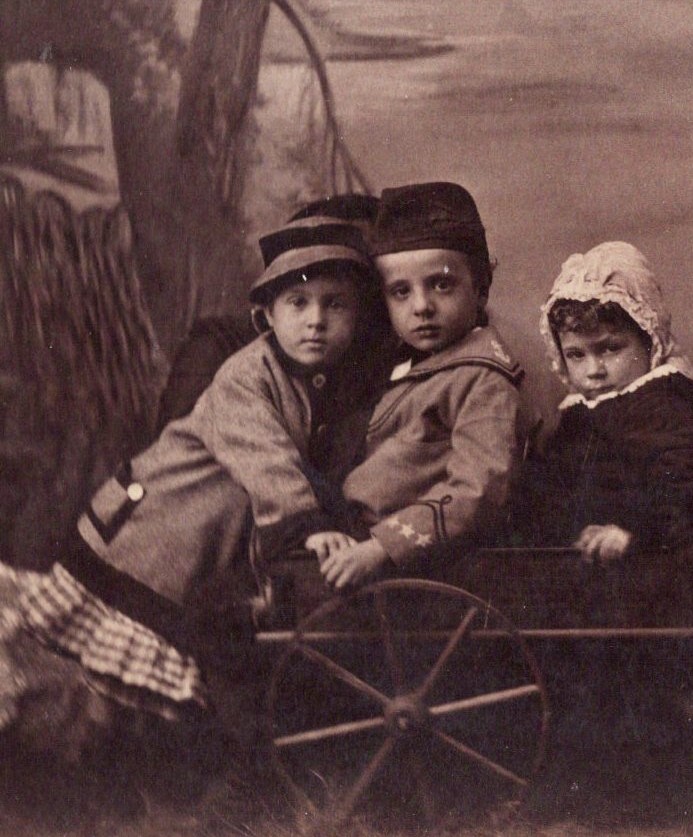
This is a wonderfully engaging Victorian photograph featuring six children gathered around and inside a small wooden wagon, posed against a painted pastoral studio backdrop. The scene feels almost cinematic: three boys in the wagon lean forward as if ready to set off on an adventure, while the two girls standing to the right appear to supervise the expedition with a sense of earnest importance. Each child is dressed in period-appropriate winter wear—woolen coats, charming hats, and, for one youngster, a beautifully detailed lace bonnet. The image is rich with personality: the little girl on the right side of the wagon, bundled in a textured sweater and soft cap, looks directly at the camera with gentle seriousness; the older girl in the back wears a jaunty hat adorned with a plume. The photographer also employed a textured faux-outdoor “ground” and a beautifully painted backdrop depicting trees, water, and hazy hills—classic of high-quality 1880s–1890s studio work. One of the appealing features of this piece is its pink card mount, a style that enjoyed brief popularity in the late 19th century. These colored mounts were often used by studios looking to stand out, and today they are collected enthusiastically.(SOLD)
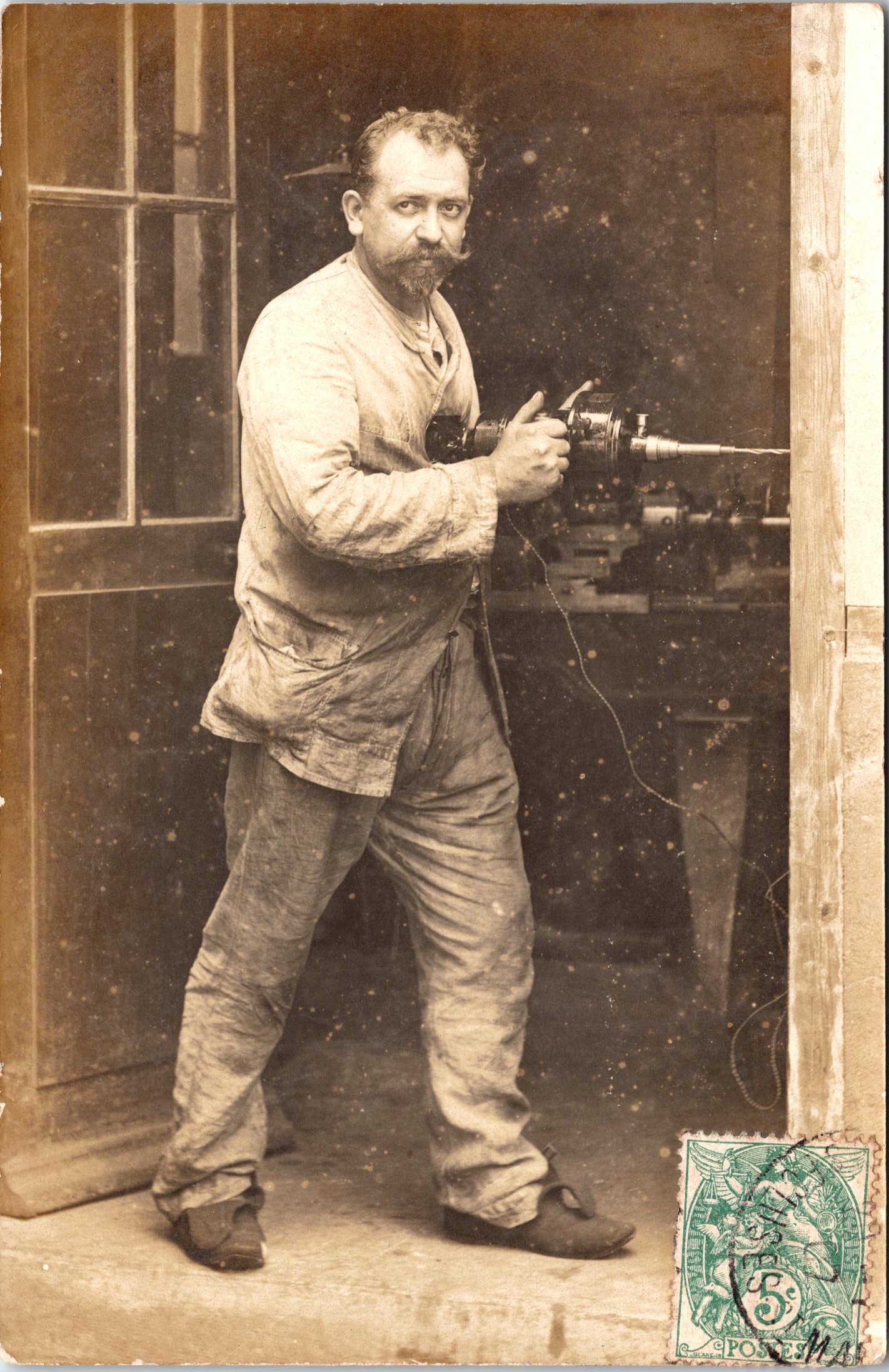
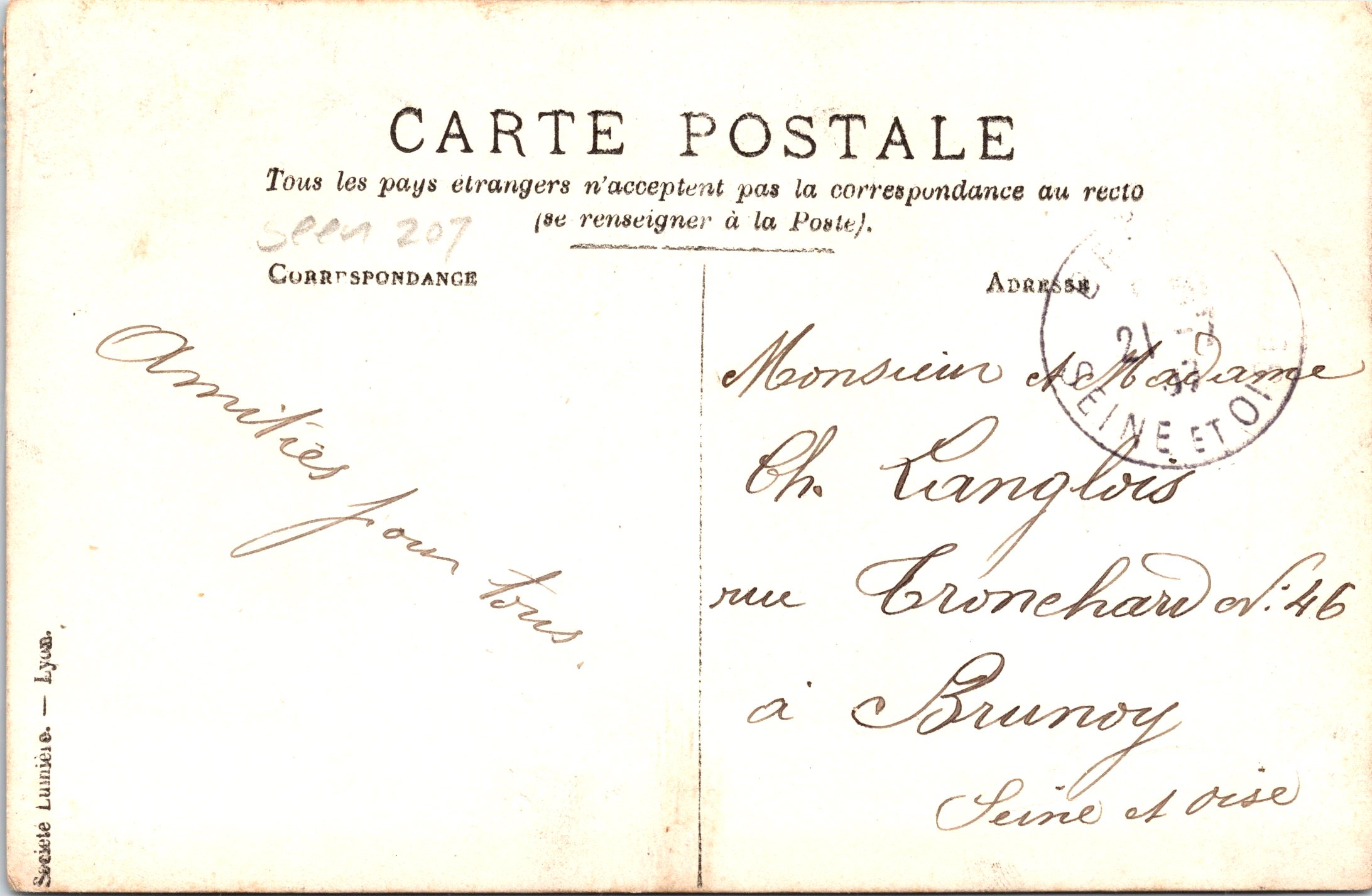
This is a compelling real photo postcard (RPPC) capturing a French industrial laborer hard at work, likely in the 1910s. The image shows a mustachioed workman standing in a workshop doorway, dressed in heavy, worn work clothes, holding an early electric drill or industrial boring tool. His direct gaze toward the camera gives the photograph an unusually intimate and documentary quality. The workshop interior behind him contains benches and machinery, giving insight into early 20th-century industrial life in France. This postcard offers an excellent example of occupational photography. A French 5-centimes stamp (Sower type) remains attached on the front, postmarked. The reverse of the postcard includes a brief handwritten message and a neatly addressed recipient, along with publication information printed by the maker. the handwritten message on the reverse translates to ““Friendship to all.”. The publisher of this postcard is “Societe Lumiere (Lyon, France)”. The firm was a well known photographic and film company. Based on the stamp type, the style of industrial clothing, and the Lumière company’s postcard production, this RPPC dates to circa 1905–1915. (SOLD)
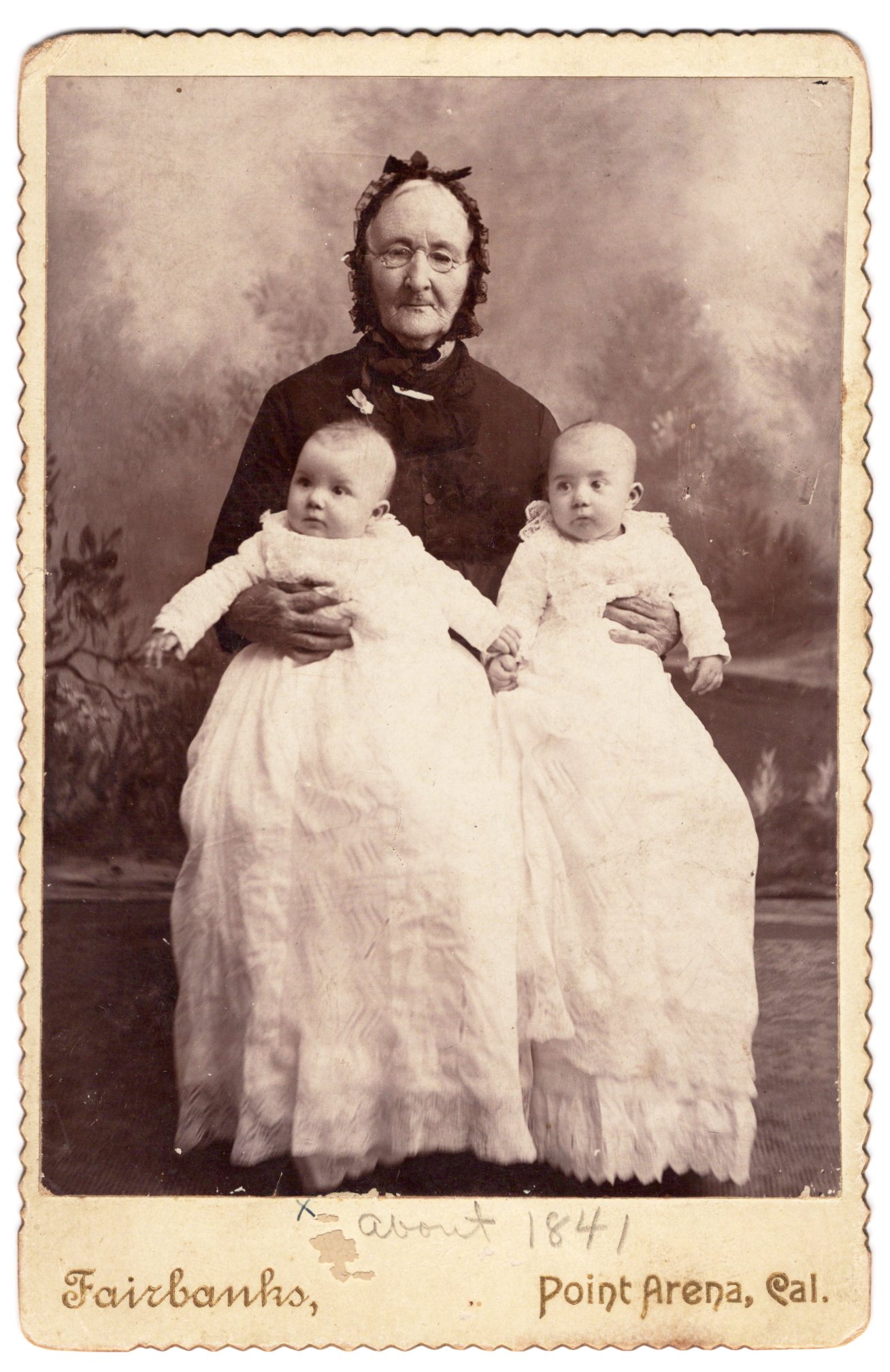
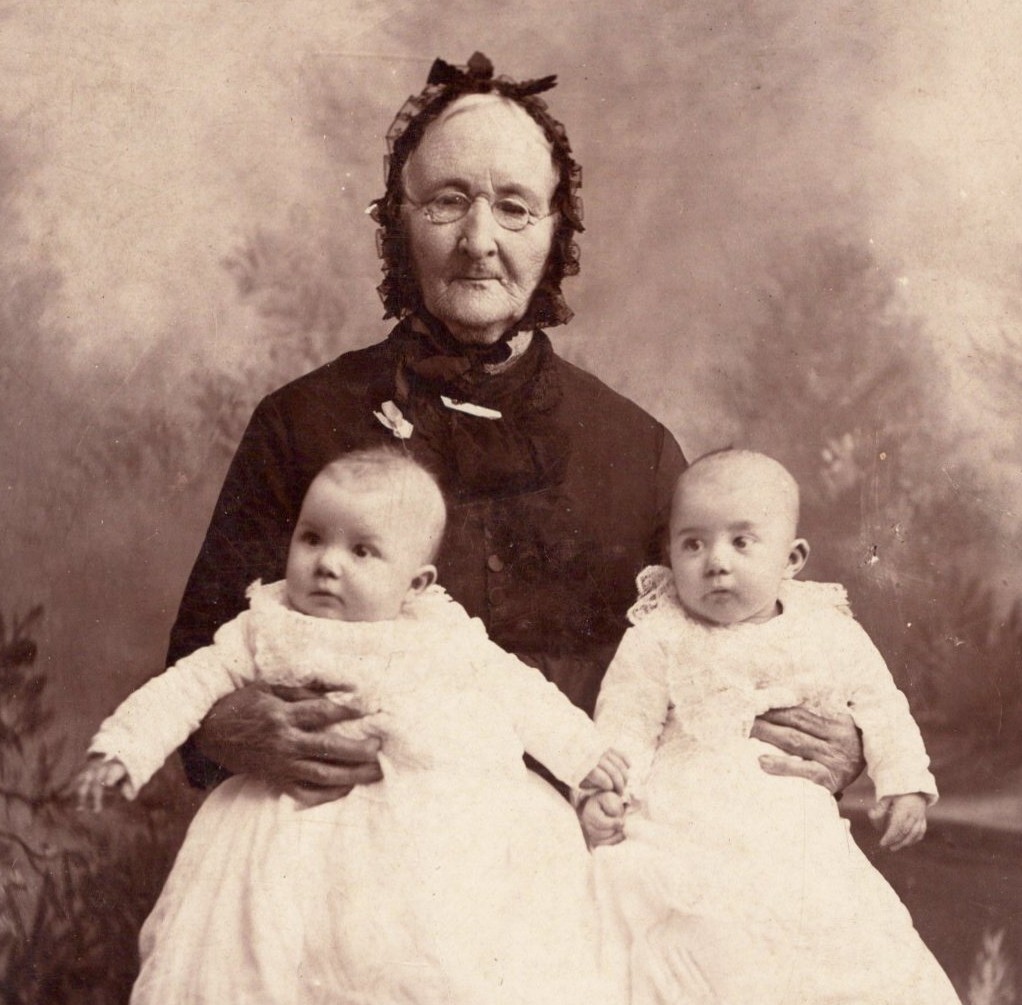
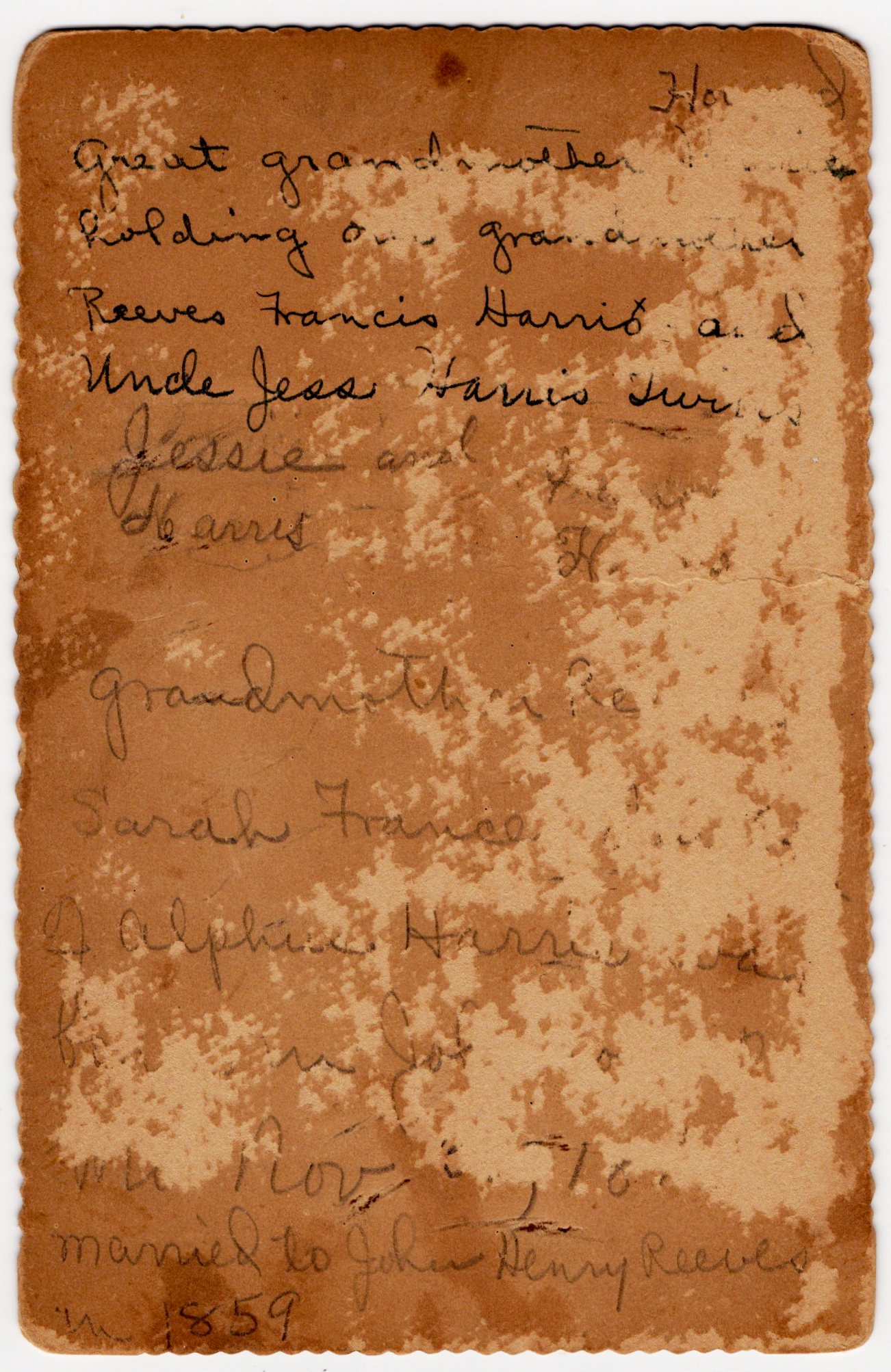
This captivating Cabinet Card portrait, produced by Fairbanks Studio in Point Arena, California, beautifully captures a tender intergenerational family moment. The photograph shows an elderly woman seated and gently holding two adorable babies who very much appear to be twins due to their matching elaborate christening gowns and similar sizes and ages. The woman, presumably their great-grandmother, has a serene and composed expression on her face, accented by round glasses and a lace-trimmed bonnet tied neatly beneath her chin. Her simple, dark-colored dress complements the intricate white lace dresses worn by the infants, highlighting the generational contrast in attire. The twin babies have bright, alert expressions, looking with curiosity toward the photographer. Both infants appear healthy and comfortable in the arms of their elderly caretaker, who embraces them securely. Their delicate gowns are long and beautifully embroidered, typical of the Victorian era. Handwritten in pencil beneath the image is the notation “about 1841,” which is clearly incorrect given that cabinet cards were not introduced until the 1870s. A more accurate dating places this portrait between approximately 1870 and 1899. Actually, it is likely that this cabinet card is from the 1890’s because that was when scalloped edge cabinet cards were popular. The reverse of the card bears a handwritten inscription describing the individuals depicted. The elderly woman is identified as the great-grandmother of the twins. The twins are identified but due fading and wear on the reverse of the cabinet card, I can not reliably decipher the names of the children, or the other information inscripted on the verso. SOLD
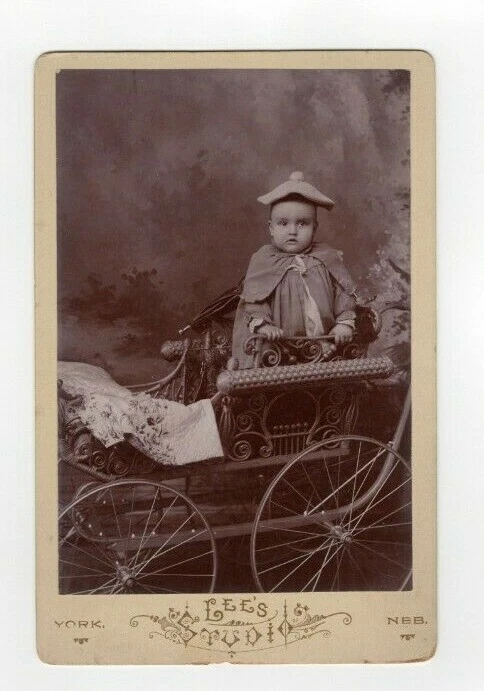
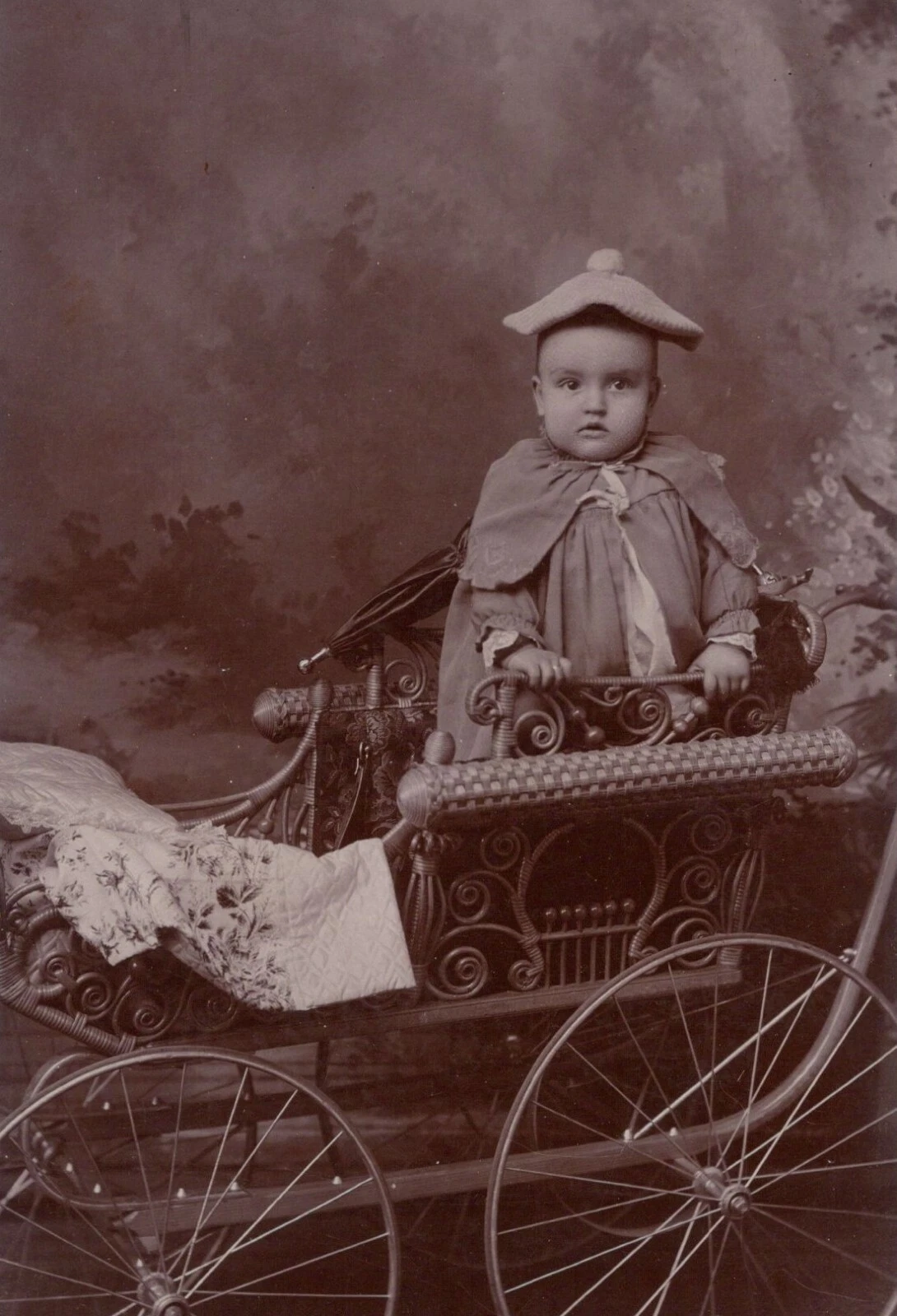
This vintage cabinet card photograph is extra special. The photo features a baby fashionista. The child is dressed in unusual clothing. The ensemble includes a cape and an adorable cap. The photo also includes a wonderful view of an antique baby carriage. The pram is beautifully made. Note the large wheels of the carriage. The child is standing next to a blanket (quilt) and in front of an umbrella. This photograph was taken at Lee’s Studio in York, Nebraska. SOLD
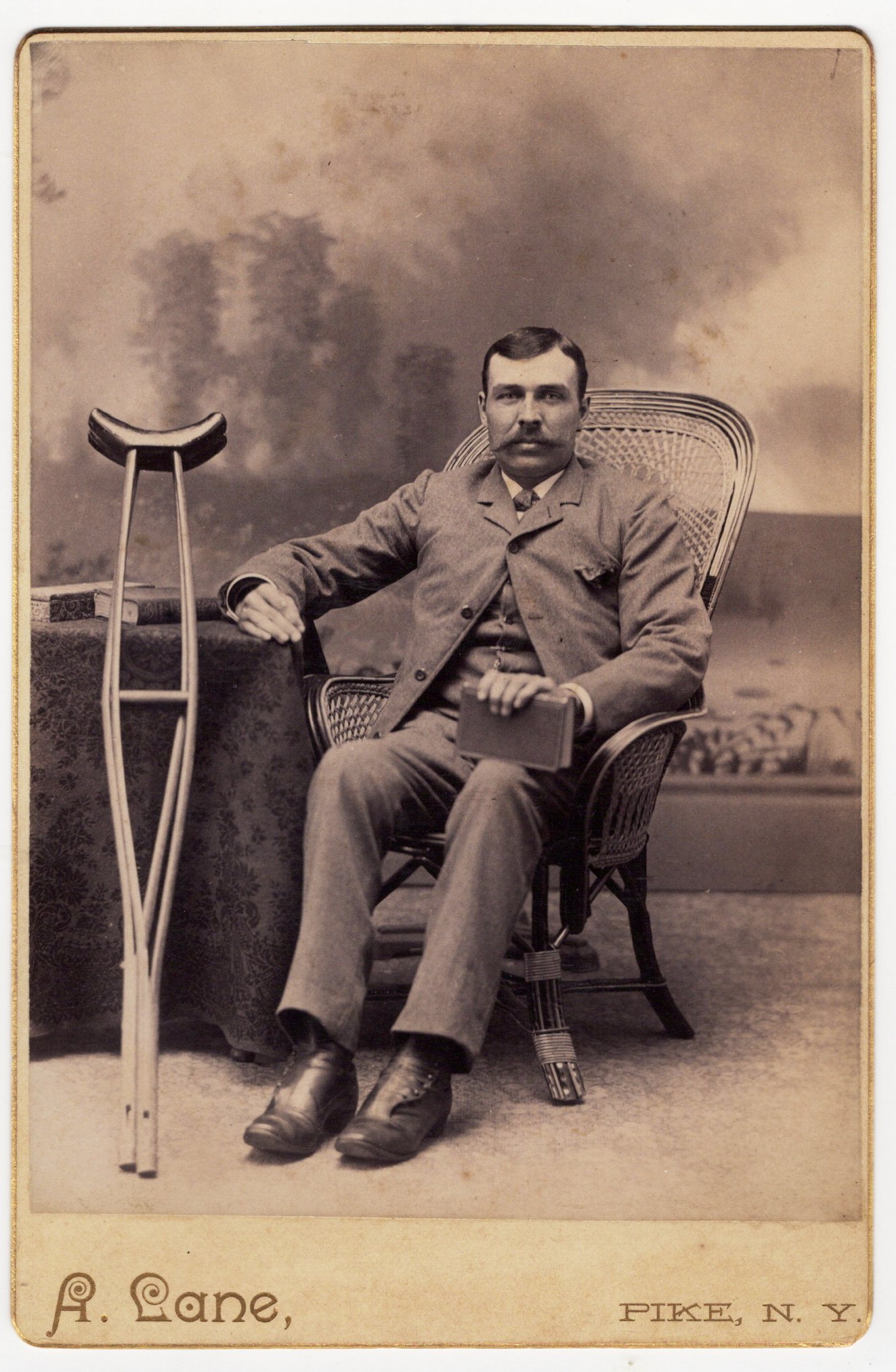
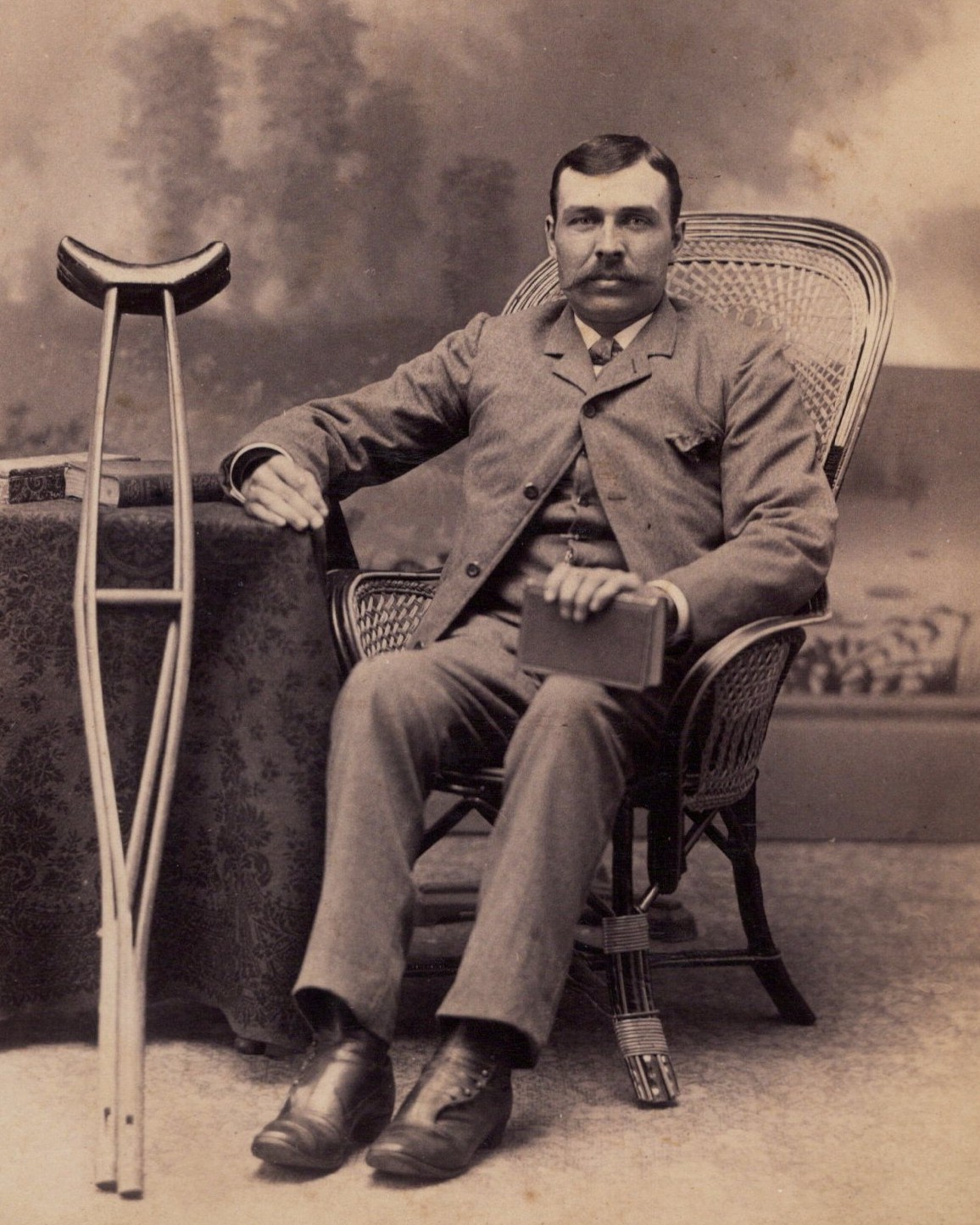
This rare and compelling cabinet card features a seated gentleman captured in a studio portrait by A. Lane of Pike, New York. Dressed in a neatly tailored three-piece suit typical of the late 19th century, the man appears dignified and composed. His hair is neatly parted, and his mustache is groomed in the popular style of the 1880s–1890s. He gazes directly at the camera with a calm, steady expression that conveys quiet strength and perhaps a touch of solemnity. What makes this image especially unusual—and visually and historically significant—is the clear presence of a pair of wooden crutches, propped deliberately beside him. One of his pant legs seems to be pinned up or tucked under, and the seat of the chair appears reinforced to support his position. This inclusion was not an accident; it signals either a permanent injury or disability, and it is an uncommon—though not unheard of—subject for studio portraiture of the era. While the vast majority of cabinet card portraits aimed to present subjects in idealized, able-bodied form, this portrait stands out for its honest, unflinching portrayal of physical limitation. The man holds a small book or journal in one hand, resting it on his knee, adding a sense of intellect or introspection. The studio backdrop is a hand-painted forest landscape, softly blurred, which was typical for the period and intended to lend a genteel, artistic tone to the portrait. The photograph is credited to Alonzo Lane of Pike, N.Y.—a small-town photographer whose surviving work suggests a practiced hand in capturing both traditional and occasionally unconventional portraiture. Although detailed biographical records of Lane are scarce, photographers in small rural towns often wore multiple hats, acting as documentarians of local families,businesses, and important events. Alonzo Lane truly wore multiple hats. In addition to being a photographer; he was also a dentist. One source states that Lane moved to Pike in the late 1880’s, Pike, New York, located in Wyoming County in western New York, was a small rural village in the late 19th century. In the 1890s and early 1900s, Pike was a quiet agricultural community, primarily composed of farmers, tradespeople, and small-town professionals. It had a modest population and relied heavily on local commerce and farming. Pike is 55 miles west of Buffalo, NY. It is unusual to see crutches in cabinet card photographs. Most subjects and photographers at the time sought to present individuals in their best light, often omitting or hiding physical impairments. When mobility aids like crutches, canes, or prosthetics are visible, it typically signifies a deliberate choice by the subject or photographer and is valued by collectors for its historical honesty and rarity. (SOLD)
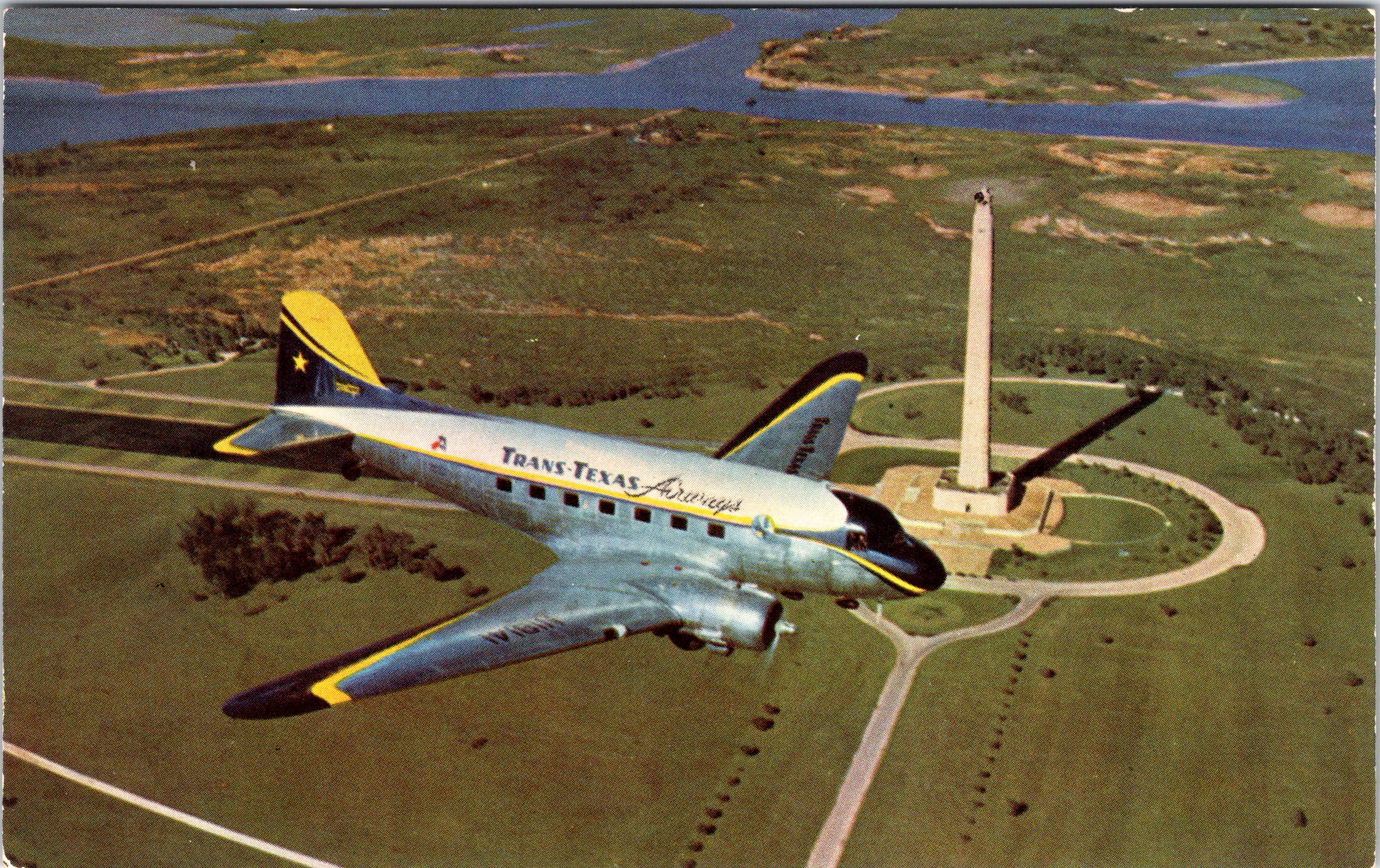
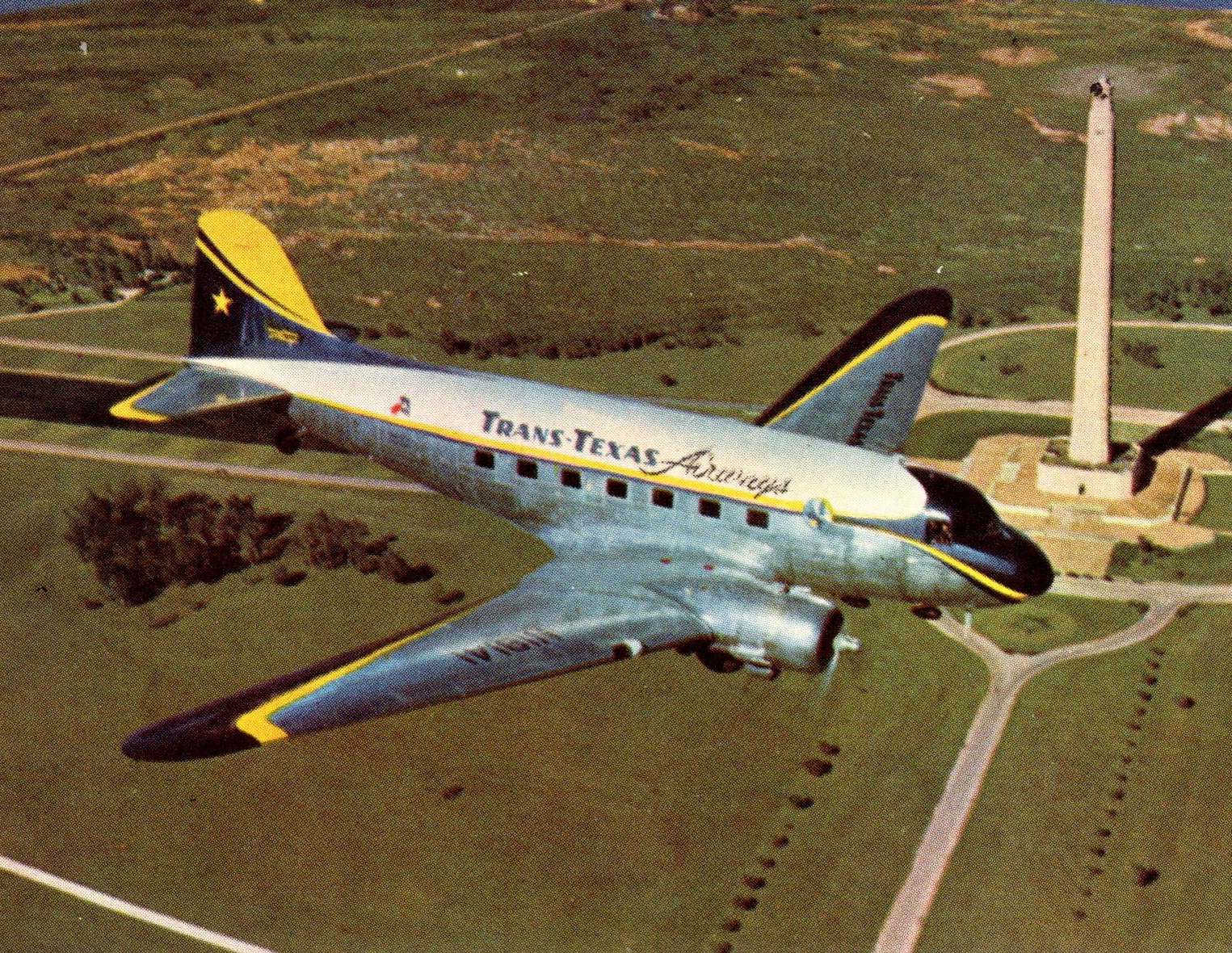
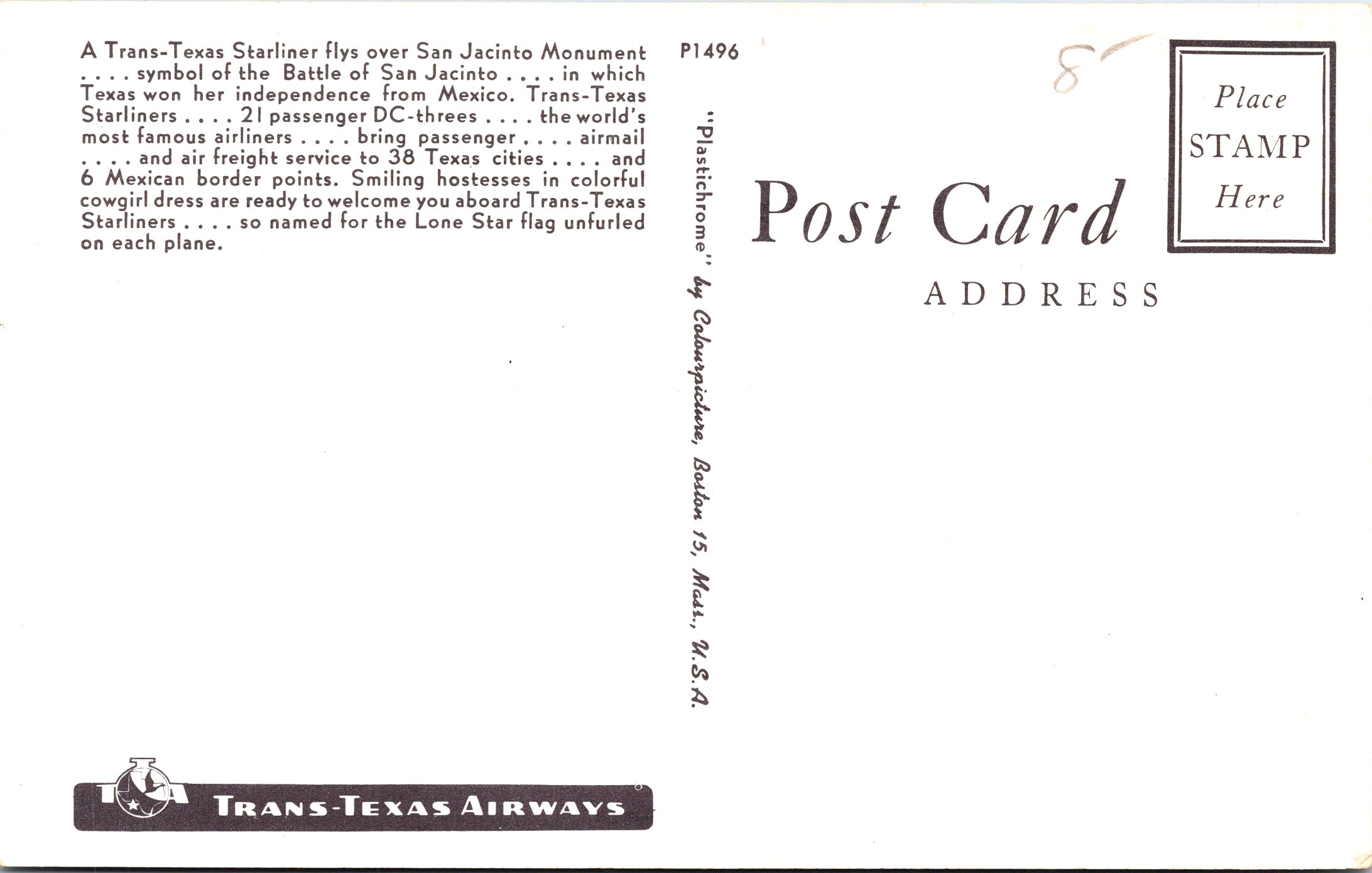
This colorful mid-century postcard features a Trans-Texas Airways Starliner flying low over the San Jacinto Monument, one of the most important historical landmarks in Texas. The dramatic aerial view shows the aircraft banking gracefully above the monument and surrounding parkland, with waterways and open terrain stretching into the distance—an image that perfectly captures the optimism and romance of early commercial aviation. The airplane depicted is a Douglas DC-3, one of the most influential passenger aircraft ever built. Introduced in the 1930s, the DC-3 revolutionized air travel by making it reliable, comfortable, and economically viable for airlines. By the 1940s and 1950s, the DC-3 had become the backbone of domestic air service in the United States, admired for its durability and distinctive silhouette. The airline shown, Trans-Texas Airways, began operations in the 1940s as a regional carrier serving cities throughout Texas and neighboring areas. Known for its friendly branding and Lone Star imagery, the airline played an important role in connecting smaller communities before the rise of major jet carriers. Trans-Texas Airways later evolved into Texas International Airlines, becoming a significant part of American aviation history. The postcard’s printed caption on the reverse explains that the San Jacinto Monument commemorates the Battle of San Jacinto (1836), where Texas secured its independence from Mexico. The pairing of the monument with a modern airliner reflects a mid-20th-century theme frequently used in postcards: blending historical pride with contemporary technological progress. The postcard was produced using Plastichrome printing, a high-quality color process known for its saturation and sharp detail. The card was published by Colourpicture Publishers (Boston), a major American postcard publisher active from the 1940s through the 1960s. The reverse includes Trans-Texas Airways branding and the postcard number P1496. SOLD