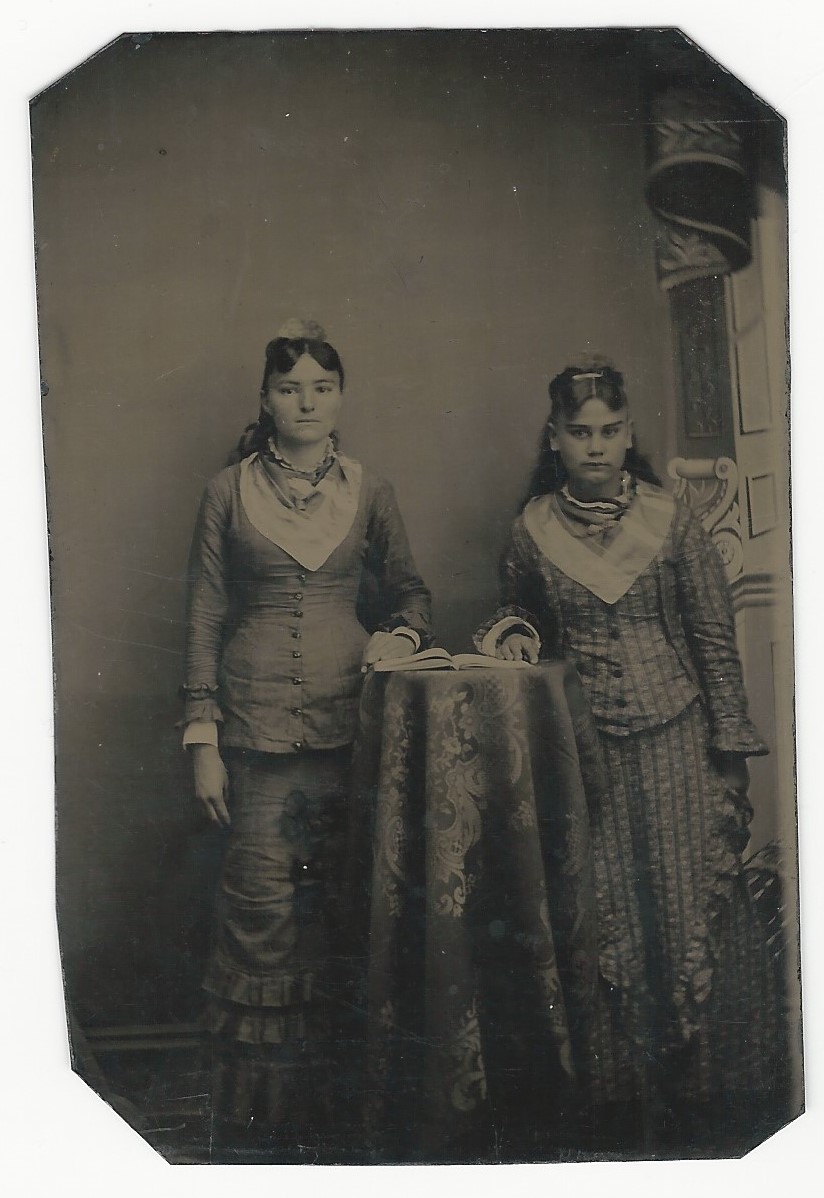
This tintype features two lovely fashionable young ladies. The photo is highly detailed. You can see the wrinkles on their beautiful dresses. The tintype also has excellent clarity, which can be noted by how easy it is to read the expressions on the young women’s faces. Tintypes were popular in the 1860’s and 1870’s. Over time, they were replaced by Carte de Visites and Cabinet Cards This tintype image measures about 2 1/2″ x 3 7/8″.
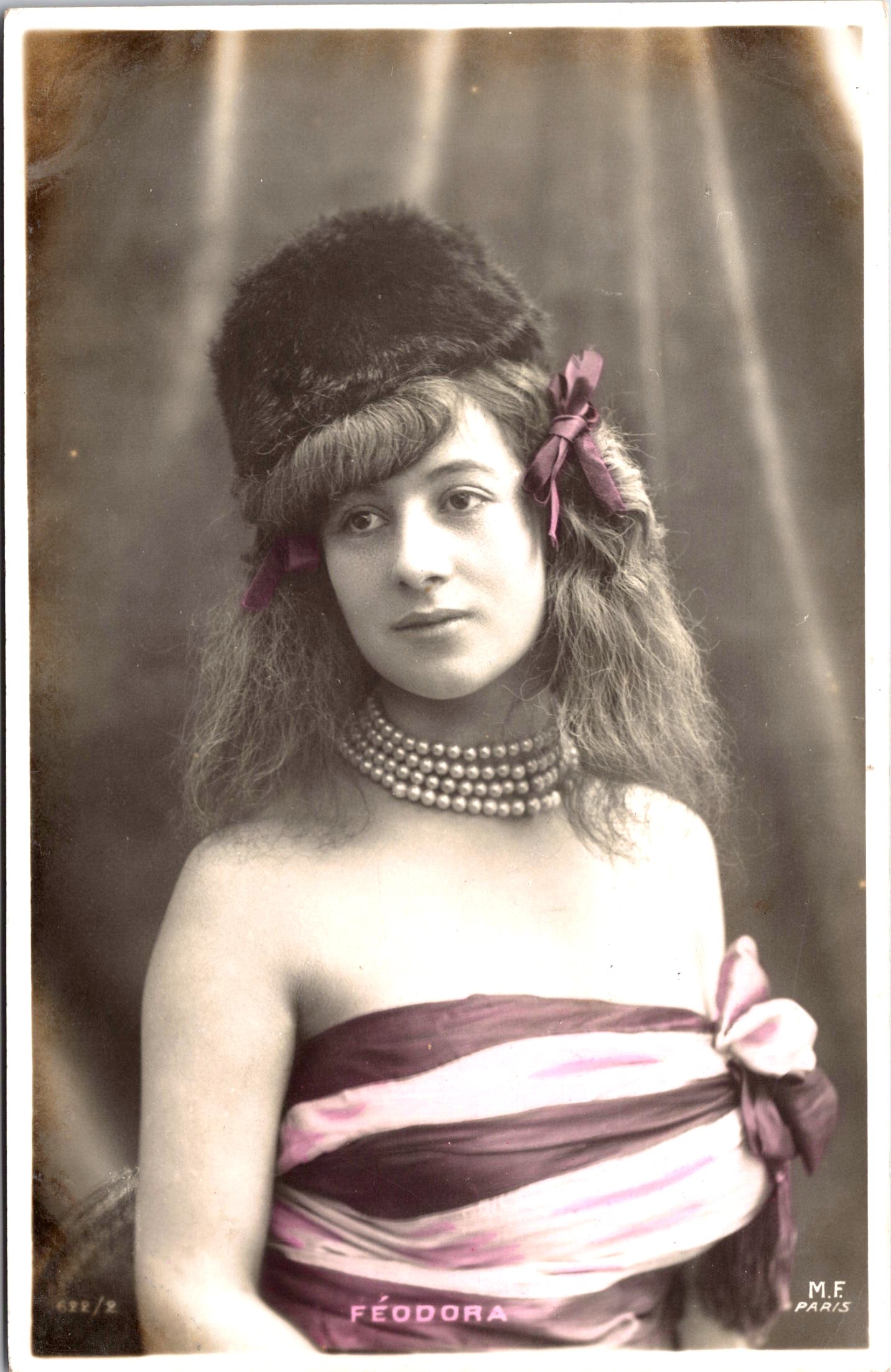
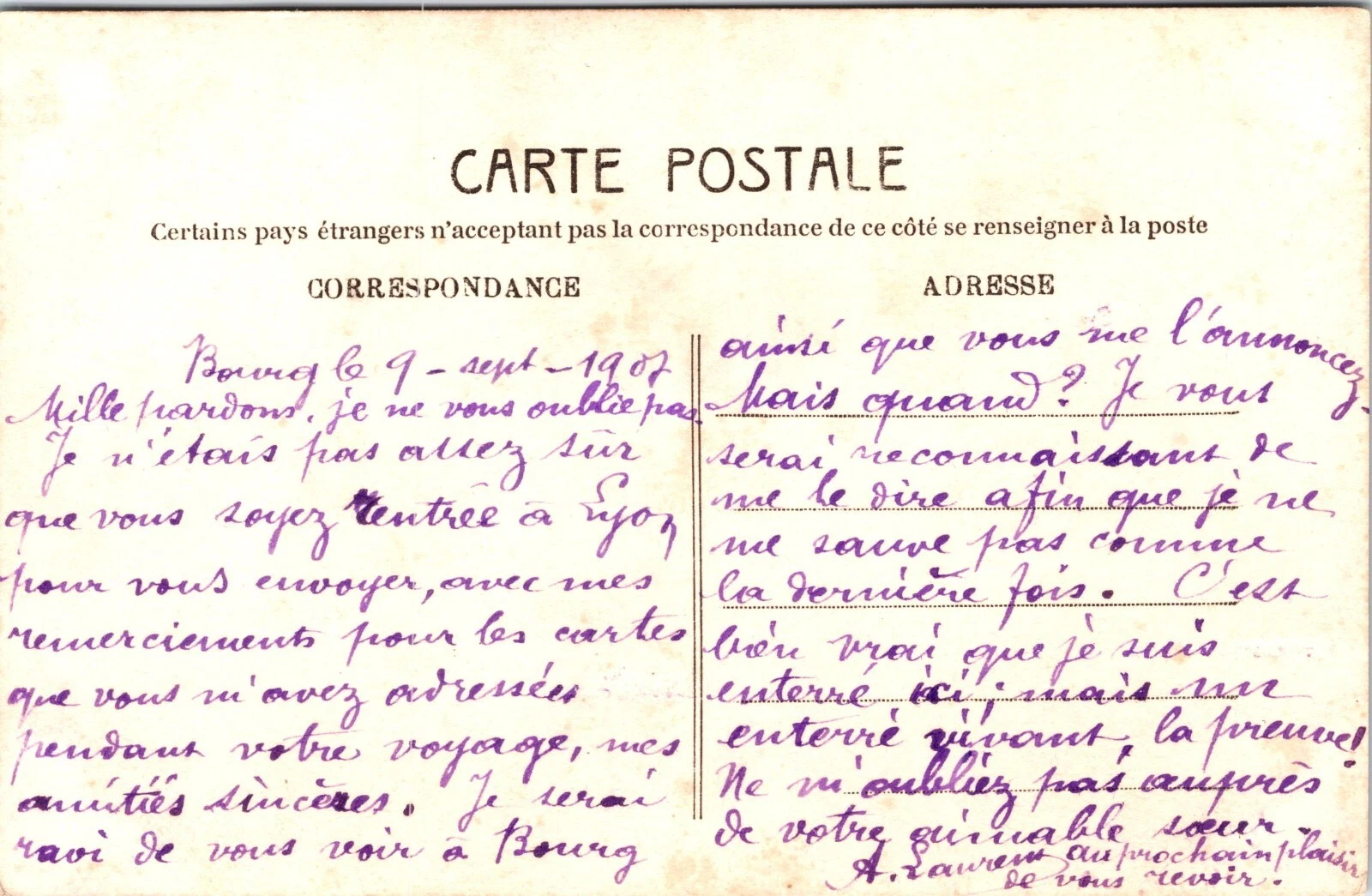
This vintage real photo postcard features pretty performer, Feodora. This postcard is a bit risque for it’s era. She is showing a lot of bare skin. Feodora is wearing pearls, a hairbow, and a fur hat. The initals of the photographer (M.F.) appear in the lower right hand corner. The photographer’s studio was in Paris. The message on the reverse of the postcard indicate that it was written in 1907. SOLD
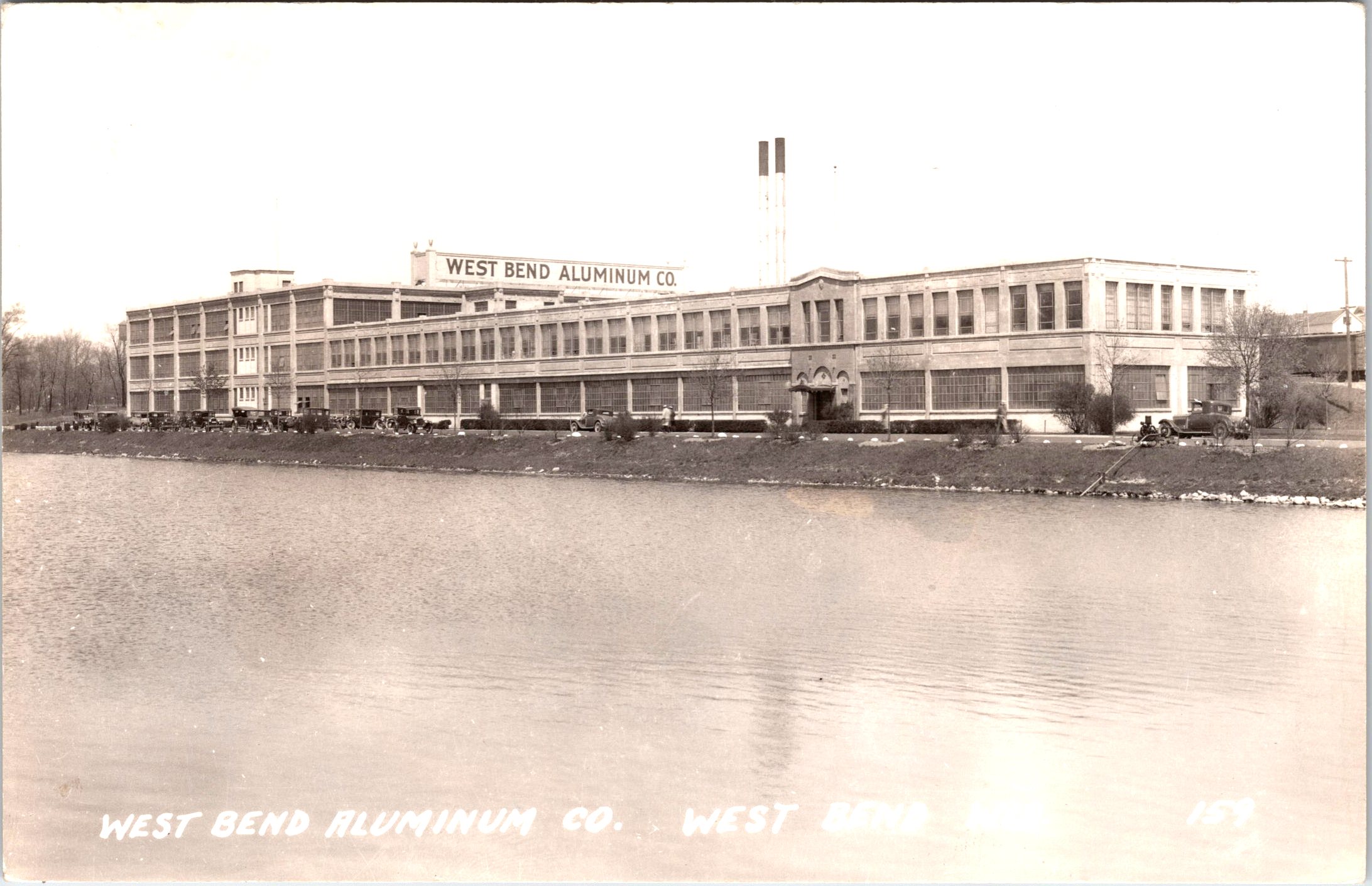
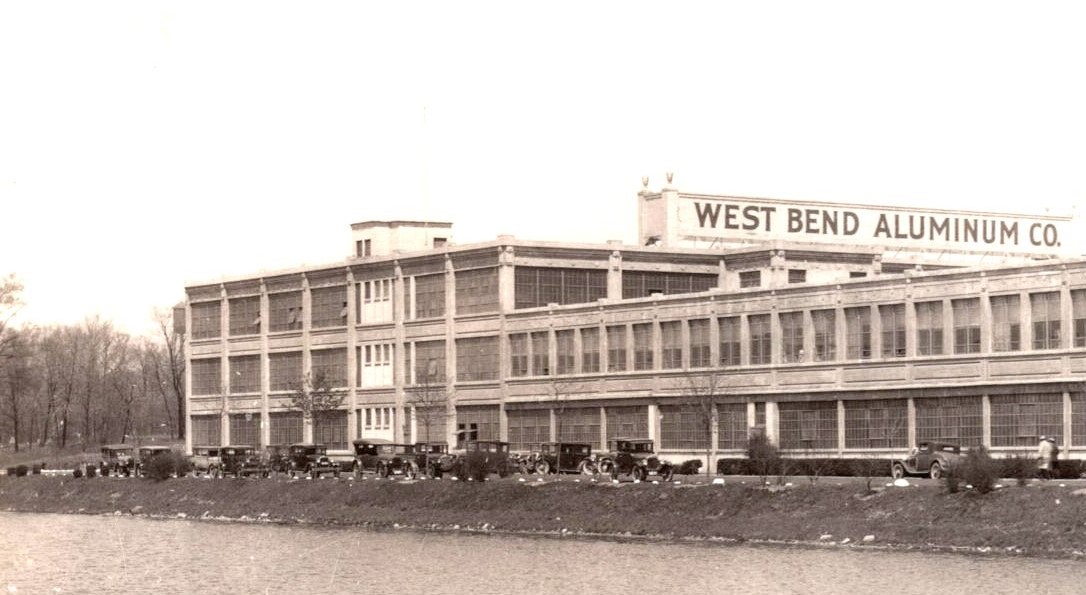
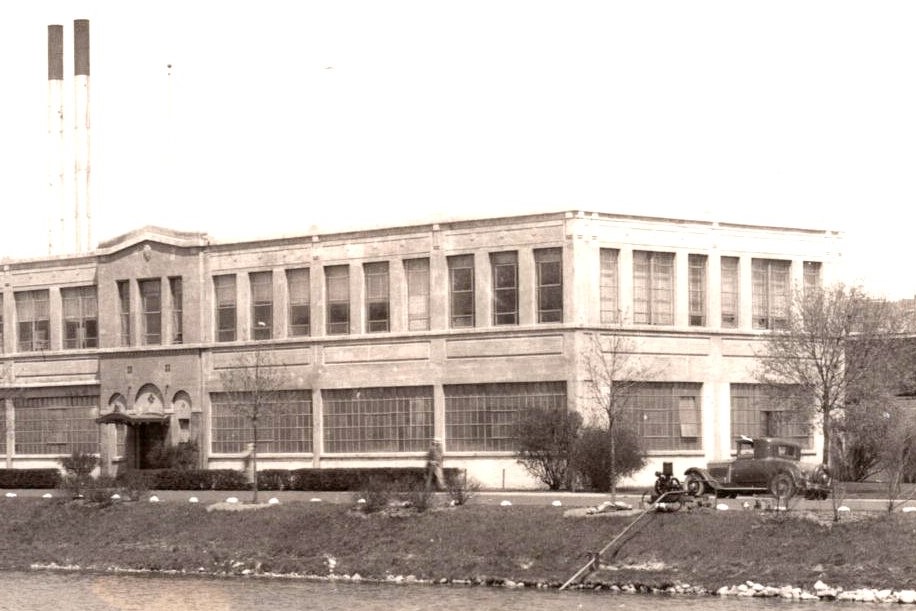
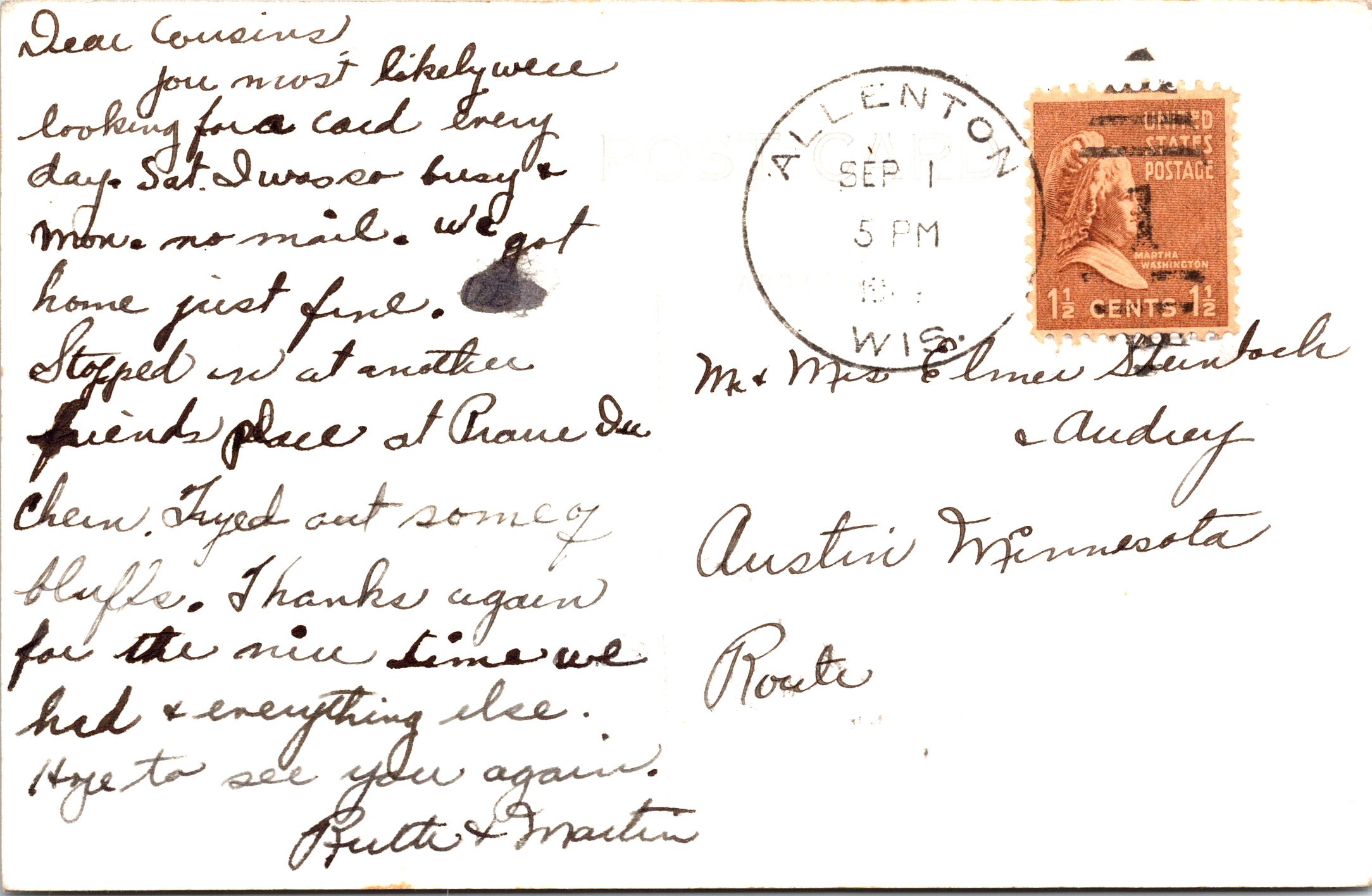
This vintage photo postcard features the West Bend Aluminum Company, located in West Bend, Wisconsin. In the closeup photo, note the old cars and the workers on property. Most of us associate Wisconsin with cheese, not aluminum cookware. However, in 1920, the state had 50% of the nation’s aluminum cookware market share. Bernhard C. Ziegler (1884-1946) started the company in 1911. The company’s first products were saucepans, a frying pan, and pie pans. Sears accounted for 90% of the company’s sales. In 1921, the company introduced a crockpot, one of their most successful products. In 1922, the company introduced a drip coffeemaker which didn’t require filter paper. During World War II the company transitioned to supplying war materials. The company was purchased by Rexall Drug and Chemical Company in 1968. The company was dissolved in 2002. SOLD
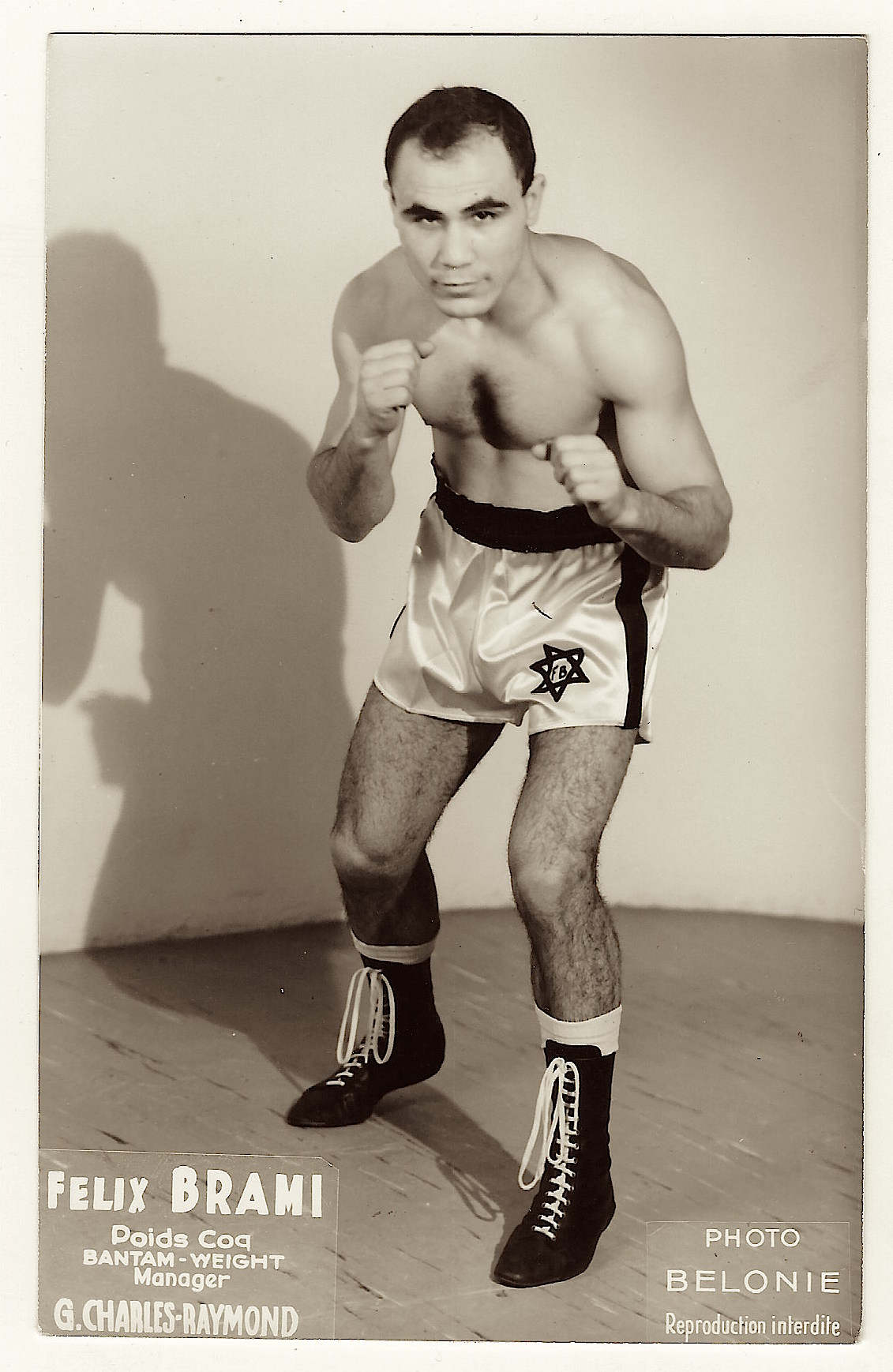
This vintage photograph features French bantam-weight boxer, Felix Said Brami (1940-2018). He was born in Tunis, Tunisia and was of Jewish descent. His boxing career spanned from 1961 through 1975. The website BoxRec states that he was in the super fly-weight division. Brami had an impressive record of 44 wins, 10 losses, and 3 draws. Twenty-two of his victories were by knockout. Brami won his first 20 fights. He was ranked as high as #6 bantamweight in the world by The Ring magazine in 1964, He was ranked in the top ten bantamweights in the world between 1963 and 1966. He held the French junior lightweight title from 1971 through 1975. Note the Star of David on Brami’s boxing shorts. I imagine that the star represents Brami’s heritage. Note the Star of David embroidered on his boxing trunks. Brami may have developed the idea in imitation of Max Baer. Baer was Jewish and a national hero after he won a bout against German boxer, Max Schmeling, in 1933. This photo indicates that Brami’s manager was G. Charles Raymond. The card’s portrait was photographed by the Belonie studio. SOLD
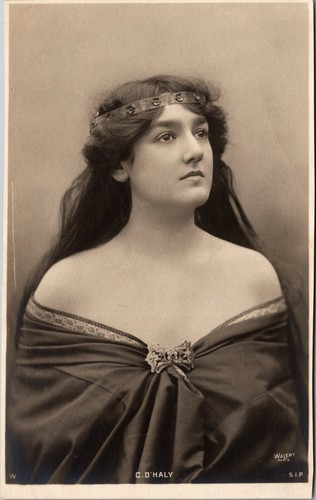
This postcard features pretty theatrical performer, Clo D’Haly. She possessed great beauty. This photograph was taken by esteemed photographer Lucien Walery. He was a celebrated Paris photographer known for his portraits of artists and cabaret dancers from the city’s music halls. He is well known for his portraits of Mata Hari and Josephine Baker. Walery did a great deal of work in the genre of nude/erotic photography. He photographed the beautiful women of Paris between the early 1900’s and the 1920’s. This photo postcard is a bit risque for it’s era. The postcard was published by SIP . SOLD
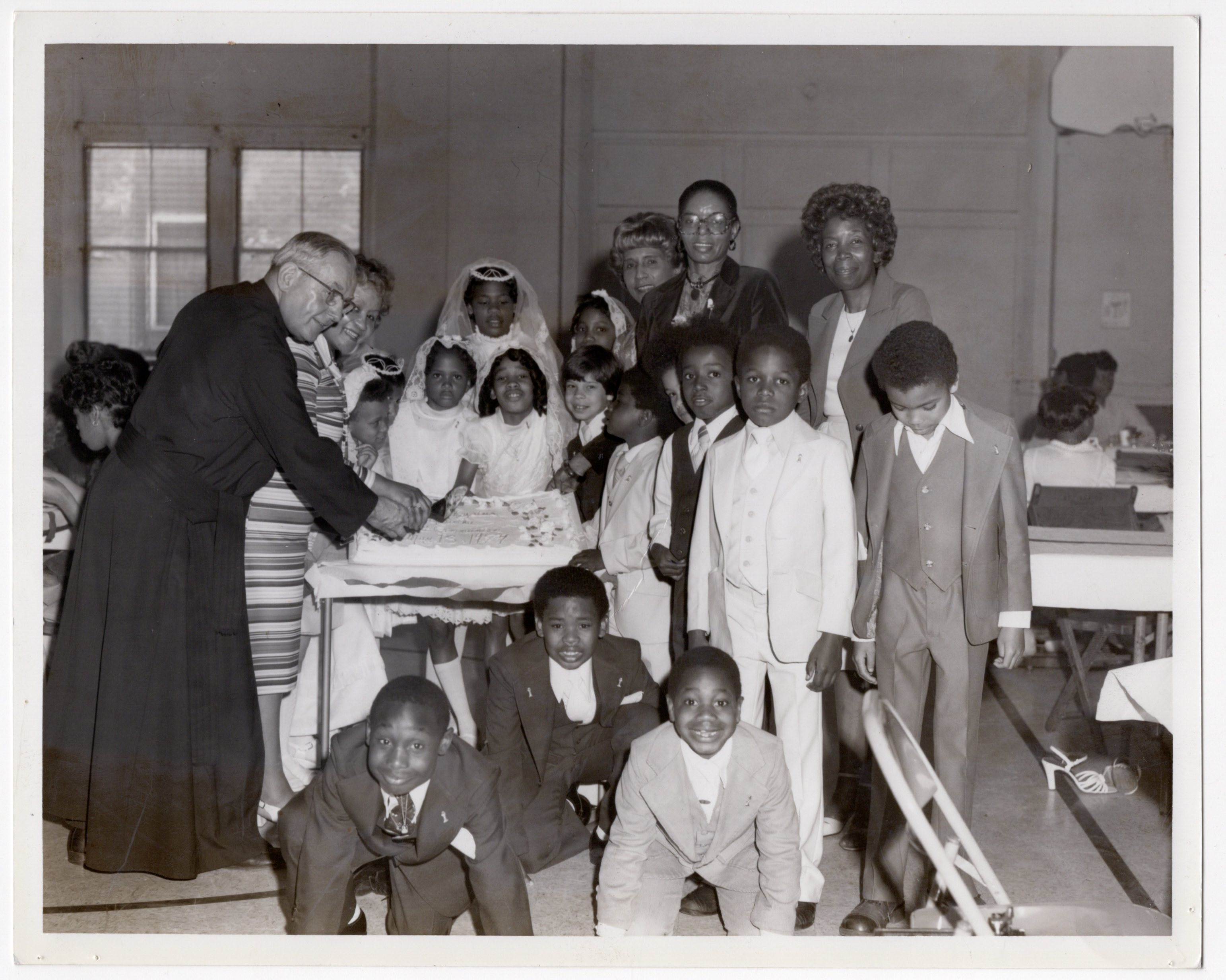
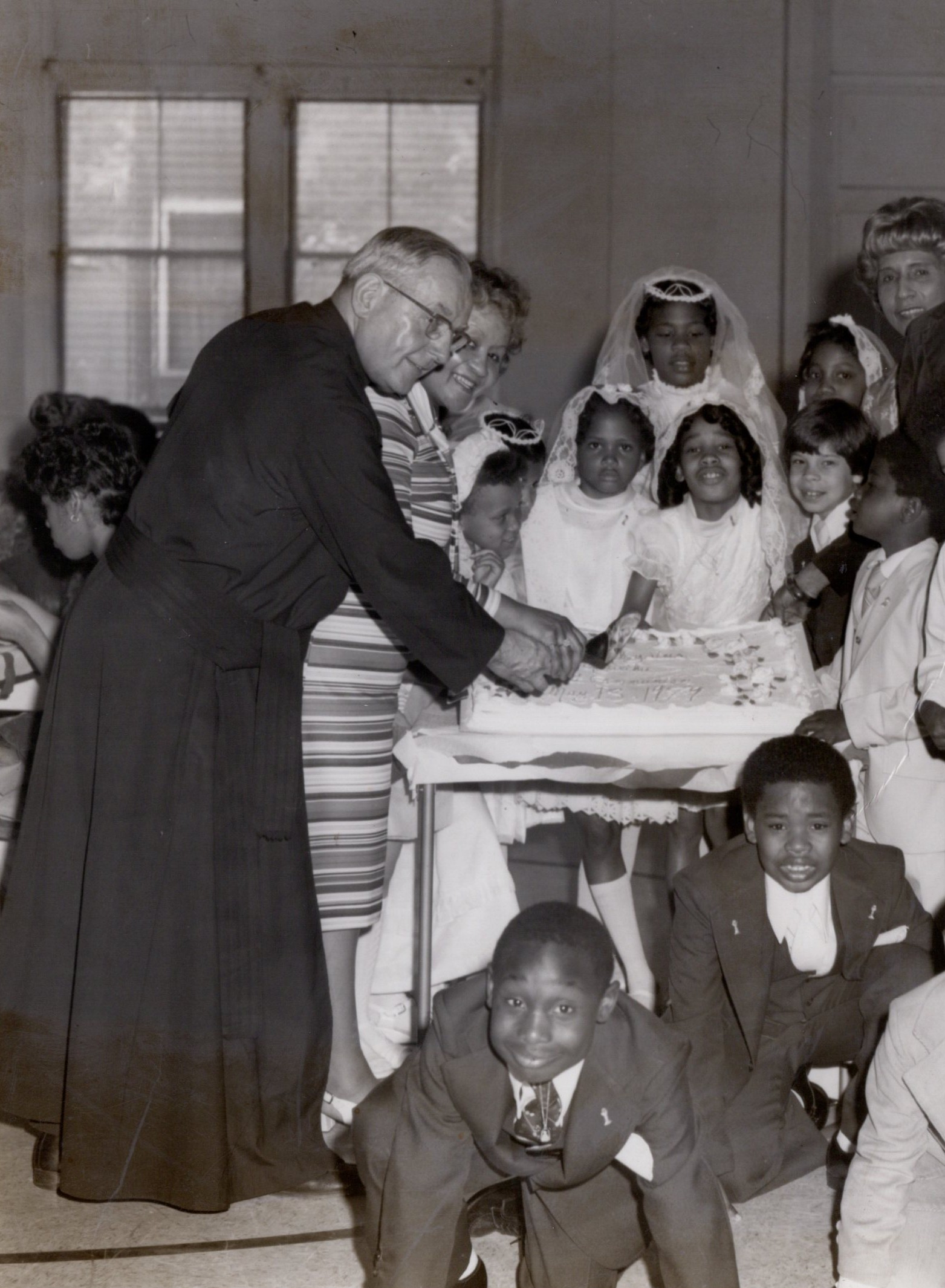
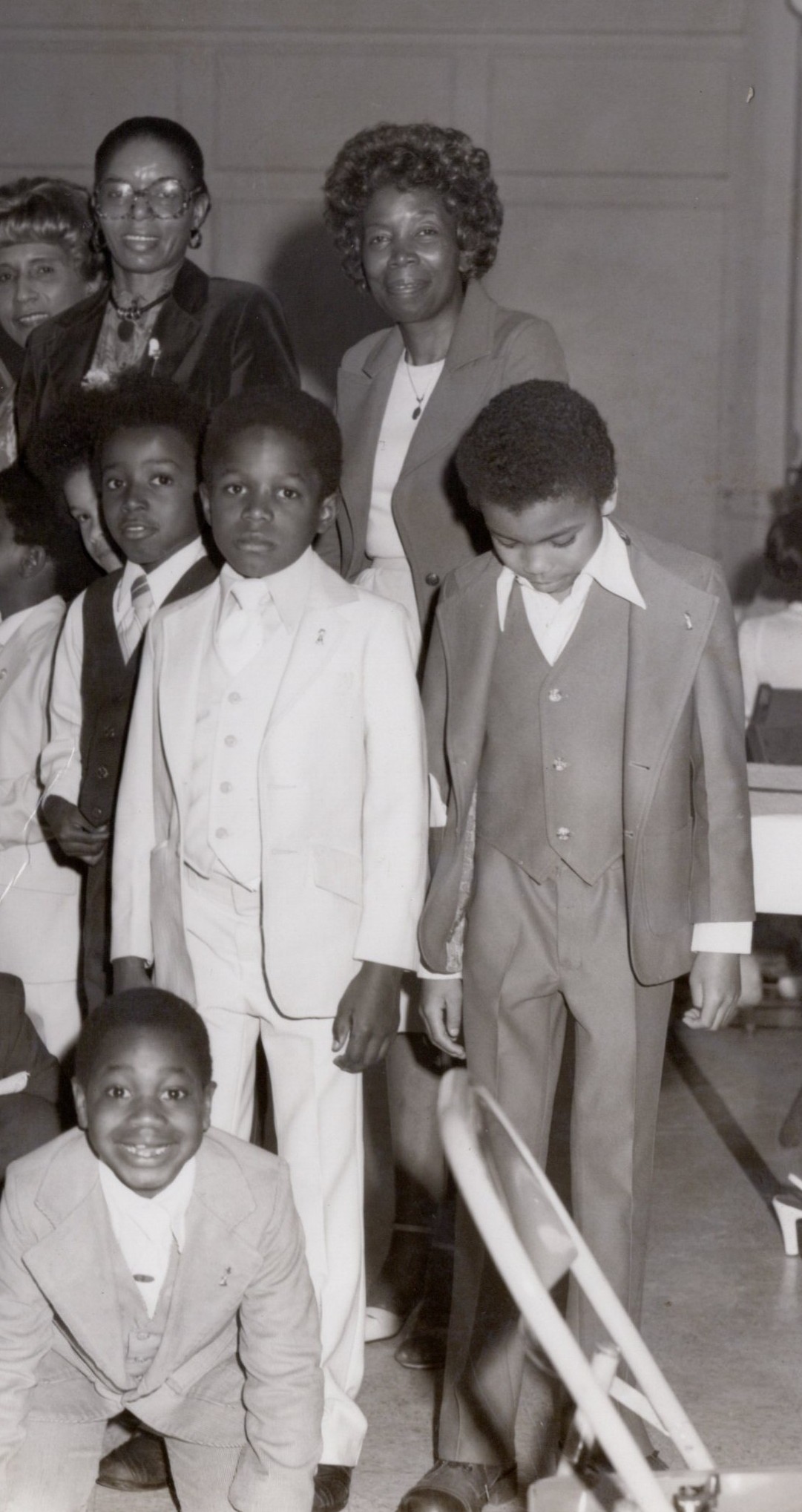
This original vintage press photograph (measuring approximately 8 by 10 inches) beautifully captures a celebratory moment in a church or parish hall, taken by noted African-American Cleveland photographer Jimmy Baynes. The scene shows a priest, dressed in his clerical robes, cutting a large frosted cake surrounded by children and adults. The children are dressed formally, with several girls wearing white communion dresses and veils, suggesting this may be a First Communion or confirmation celebration. The boys wear smart suits in both light and dark colors, complete with ties or bow ties. Their attire reflects both the solemnity of the religious occasion and the joy of the gathering. Some children smile brightly toward the camera, while others look on with curiosity and seriousness, lending authenticity and personality to the scene. Behind the children stand several women, elegantly dressed, who appear to be family members or parishioners sharing in the celebration. The priest’s presence at the cake table underscores the ceremonial importance of the event, blending sacred tradition with communal joy. The composition is lively and warm, with details like the children crouched at the front grinning toward the photographer, the ornate veils of the girls, and the cutting of the cake all contributing to a vivid record of mid-20th century African-American community life. The photographer of this photograph, Jimmy Baynes was known for his ability to capture the essence of African American life, culture, and entertainment from the 1950s through the 1980s. Originally a postal worker, Baynes pursued photography as a passion, ultimately founding Baynes Foto Service. His work chronicled the vibrancy of mid-century African American social life, from intimate gatherings and beauty contests to the pulsating energy of live music performances and political events. Baynes photographed some of the most iconic figures in entertainment history, including Aretha Franklin, Louis Armstrong, Count Basie, Mahalia Jackson, Louis Jordan, Jerry Lee Lewis, the Platters, and the Drifters. His ability to capture both candid and staged moments gave his work a lasting impact, preserving the rich history of Cleveland’s African American community. His legacy is recognized today by institutions such as the Rock and Roll Hall of Fame and Museum Library and Archives in Cleveland, which houses a collection of his photographs, primarily focusing on music and entertainment. In 2010, shortly before his passing, his work was featured in the “Polaroid: Instant Joy” exhibition in Brooklyn, New York, reaffirming his role as a visual storyteller of African American life in the mid-20th century. This photograph was taken in the 1950’s. This is a powerful image not only for its documentary value but also for its warmth and charm, preserving a moment of community, faith, and celebration.(SOLD)
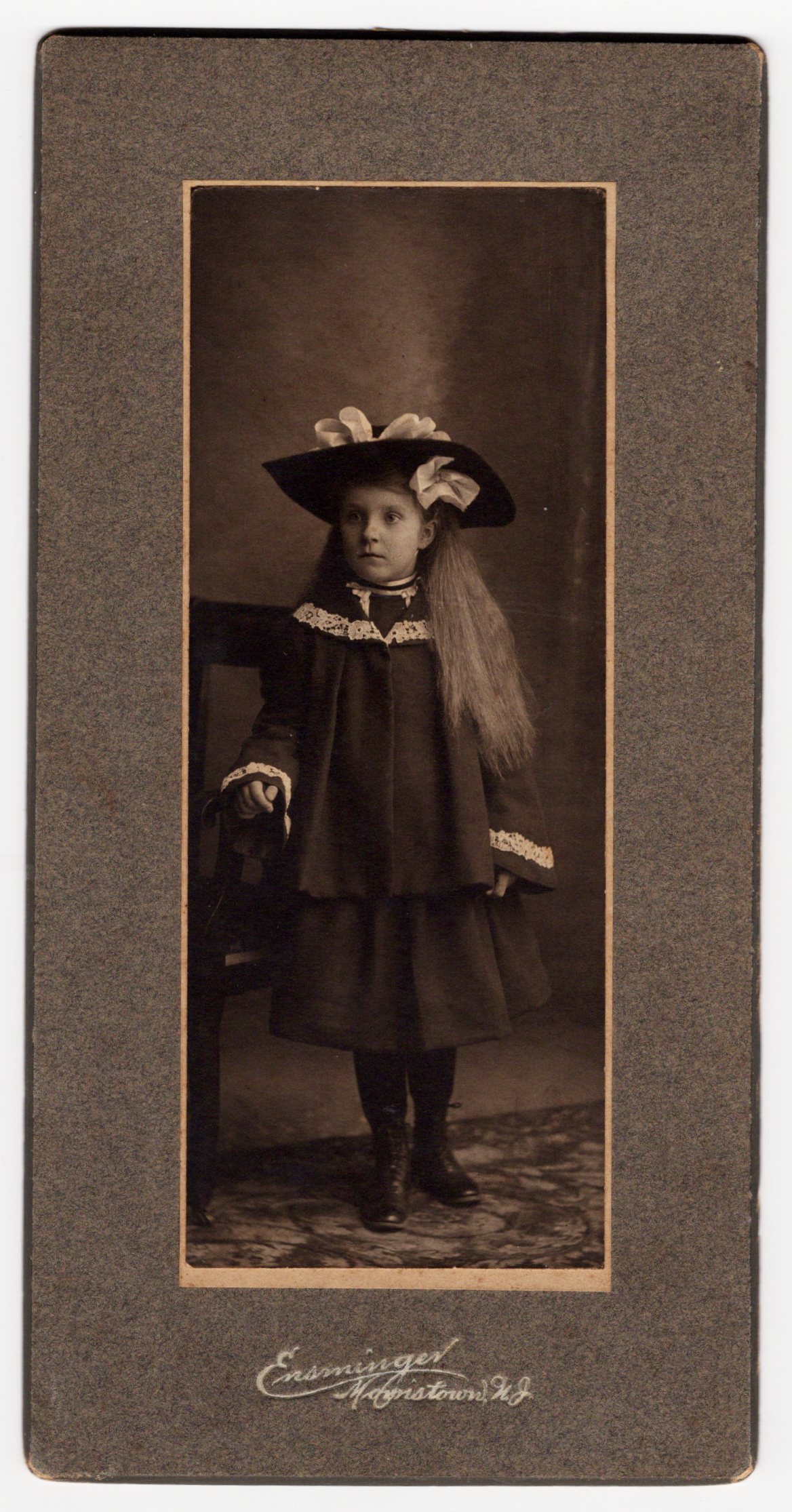
This cabinet card features a full-length studio portrait of a young girl posed beside a chair. The photographer’s mark at the bottom reads “Ensminger, Morristown, New Jersey”. The girl appears to be around 5 to 7 years old. She is dressed in a dark, heavy dress or coat with prominent white lace trim at the collar and cuffs, characteristic of children’s fashion around the 1895–1905 period. Her long hair, possibly a wig or enhanced with hairpieces for the photo session, is styled to one side and adorned with two large ribbon bows, adding a touch of charm and formality. She wears a wide-brimmed hat tilted forward, which also features oversized decorative bows—this style was quite popular in Edwardian children’s portraiture. Her high-button black boots are visible under the hem of her dress, and she rests one hand on a wooden chair, adding a subtle compositional balance to the portrait. Her expression is solemn, yet alert—typical of long-exposure portrait photography of the era. The neutral studio backdrop and ornate rug on the floor enhance the formality and timelessness of the portrait. The reverse of the card is marked simply in ink with the handwritten notation: “Mrs. M. S.” This may be a clue to the identity of the child’s mother or the recipient of the photograph—perhaps a keepsake. Henry Ensminger was a notable photographer based in Morristown, New Jersey, during the late 19th and early 20th centuries. He operated a photography studio in Morristown from approximately 1894 to 1922, producing a variety of portrait photographs. (SOLD)
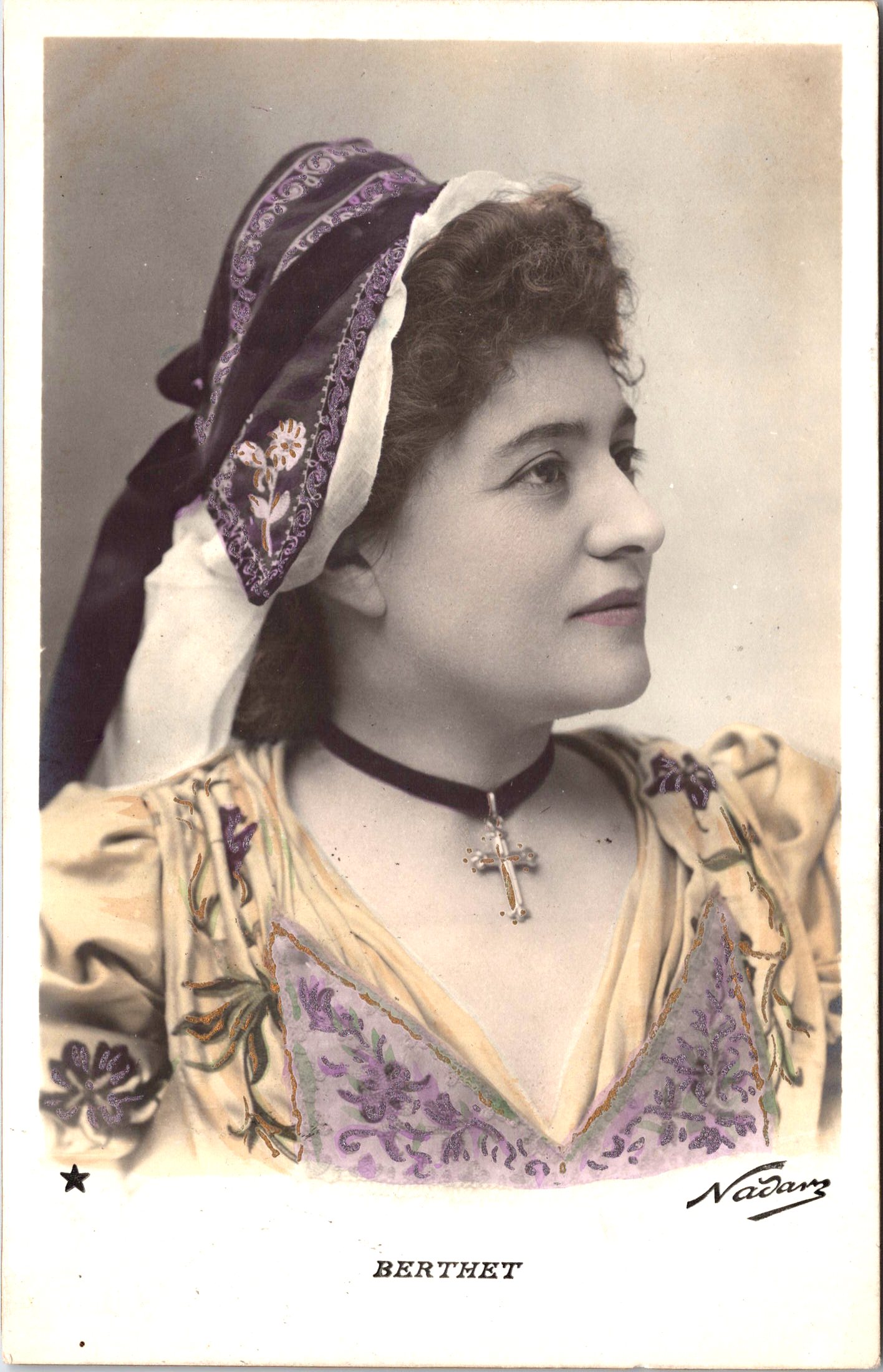
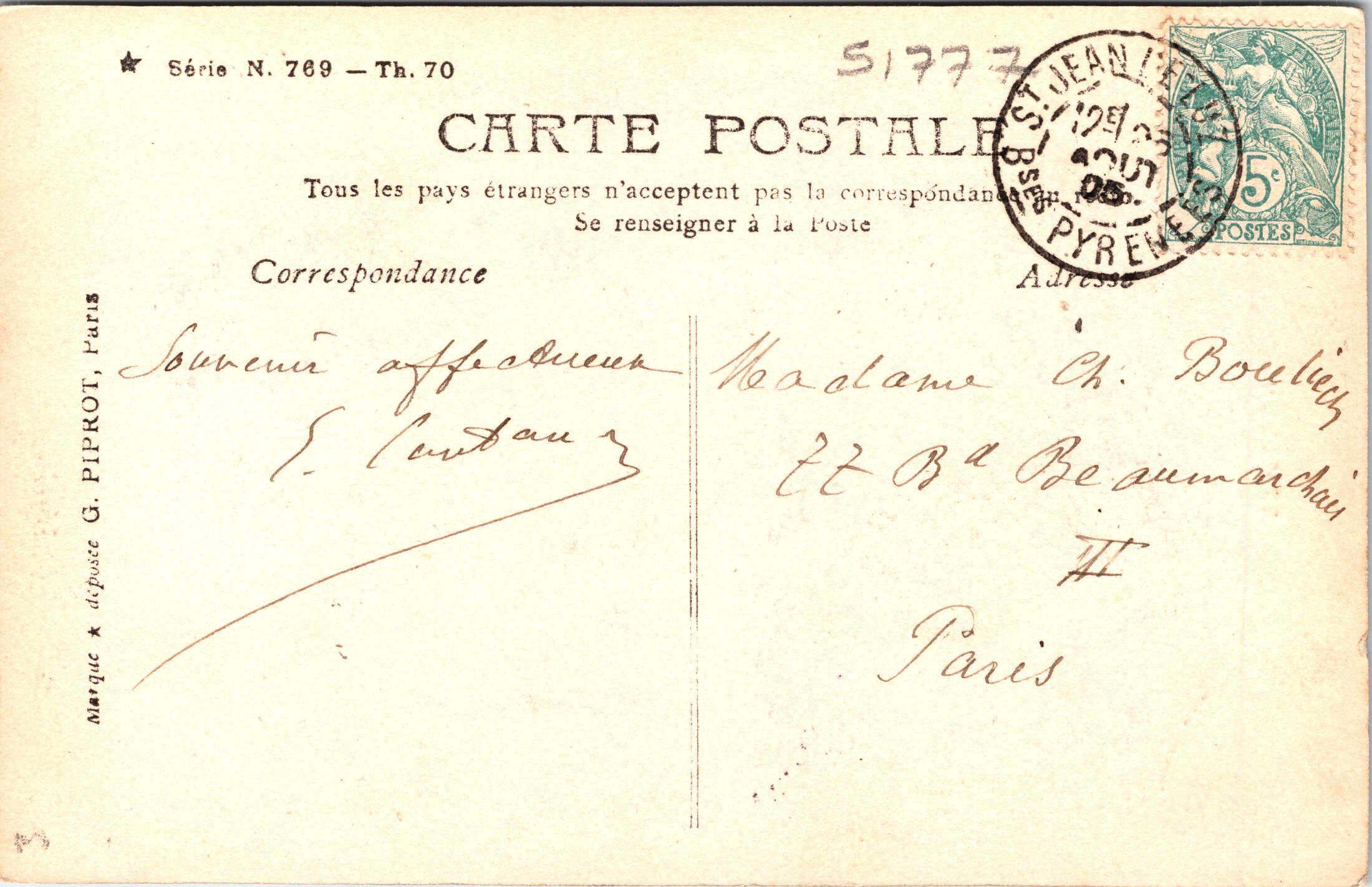
This exquisite early 20th-century hand‑tinted portrait postcard features the renowned Belgian‑born opera soprano Lucy Berthet (1866–1941), captured in profile by the eminent French studio Nadar. Gaspard‑Félix Tournachon, known as Nadar, was born 6 April 1820 and died 23 March 1910. His son, Paul Nadar (8 February 1856 – 1 September 1939), took over the studio. It’s believed this card is by Paul Nadar, as he is known to have photographed Lucy Berthet. Lucy trained at the Conservatoire de Paris , where she won the First Prize in opera singing in 1892. She debuted at the Paris Opera (Académie Nationale de Musique) in 1892 as Ophélie in Hamlet. She went on to perform major soprano roles: Juliette in Roméo et Juliette, Gilda in Rigoletto, Elsa in Lohengrin, Ortlinde in a French version of Die Walküre, Marguerite in Faust, Thaïs in Thaïs, and more through 1899. She was renowned as a long‑standing pensionnaire (resident artist) of the Paris Opera during the 1890s. This postcard features Lucy Berthet in a lavish embroidered costume, hand‑tinted with pastel purples and soft yellows, wearing a velvet choker with a jewel‑inset cross and matching headscarf. The publisher of this postcard was G. Piprot. He operated a studio in Paris. This card is part of a series (N. 769 – Th. 70). This postcard is in very good condition. It offers a crisp vignette with rich coloring. It has minor age toning and mild edge wear. The card was mailed in 1907 from St‑Jean‑de‑Luz (Basses‑Pyrénées, France) to Madame Ch. Boulliez in Paris. The postcard has a 5c green French stamp and a brief message, “Souvenir affectueux (affectionate remembrance),” The postcard is signed by E. Coutan,”. This card is part of the Belle Époque tradition of theatrical portrait postcards by top photographers. Paul Nadar frequently captured prominent performers—including Lucy Berthet. (SOLD)
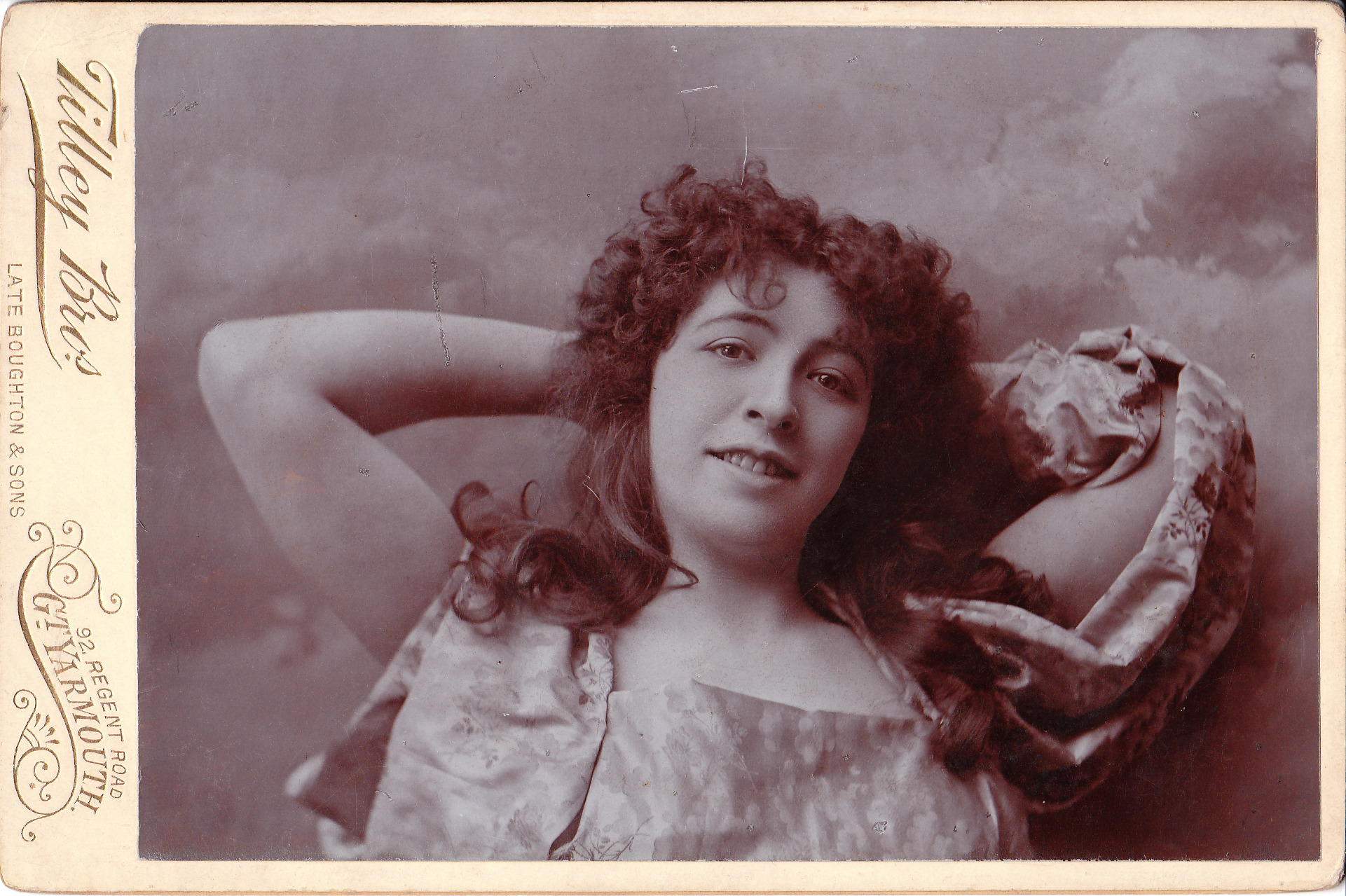
A Victorian beauty poses for her portrait in Great Yarmouth, England. She certainly has chosen a provocative pose. The young woman may be a stage actress or dancer. She is not helping the stereotypical image of female stage performers who were viewed by much of the public as equivalent to prostitutes. This risqué (for the era) image was photographed by Tilley Brothers studio. The photographers were successors to Boughton and Sons. Great Yarmouth is a coastal town in Norfolk, England. It has been a seaside resort since 1760. SOLD
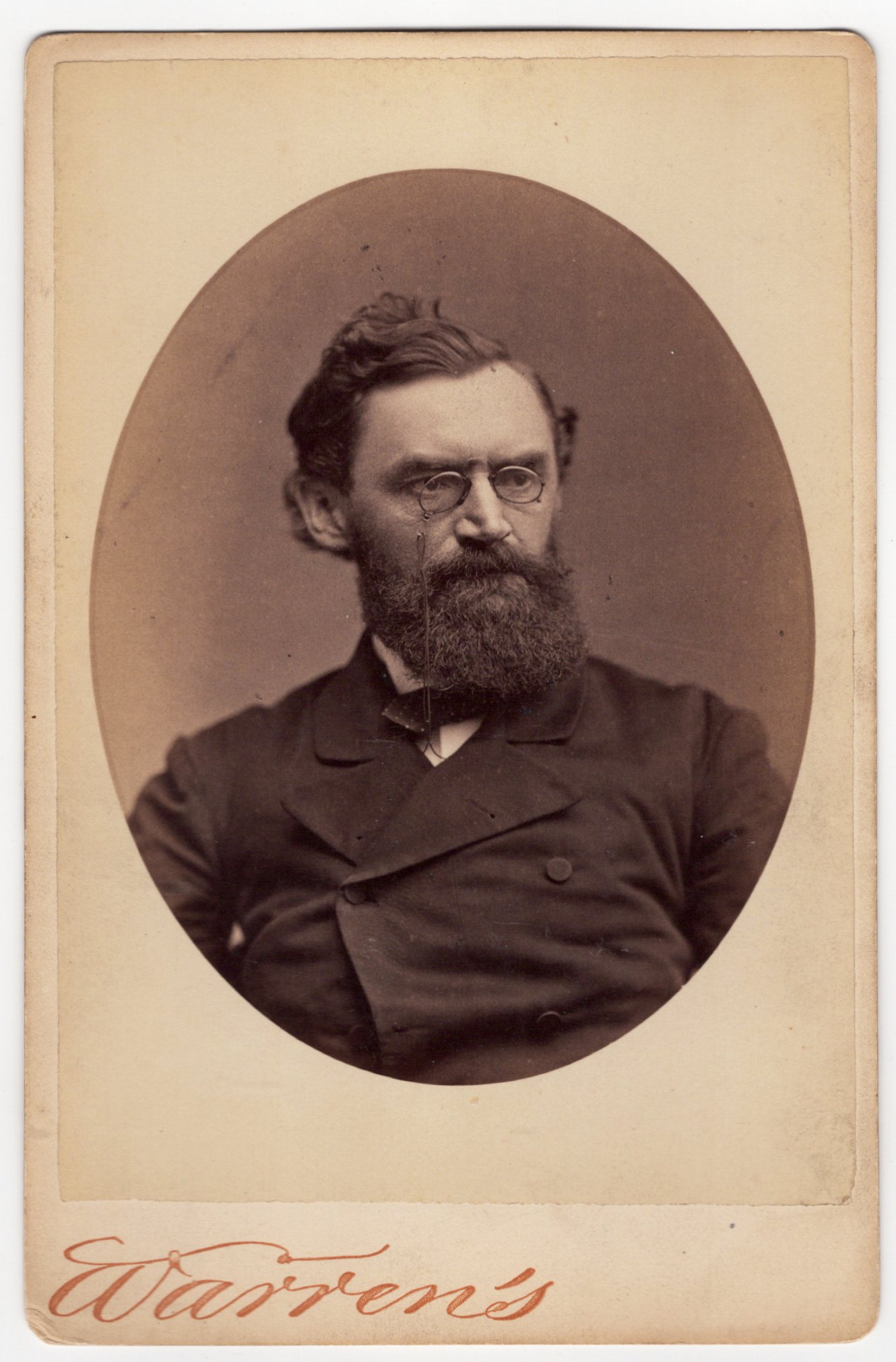
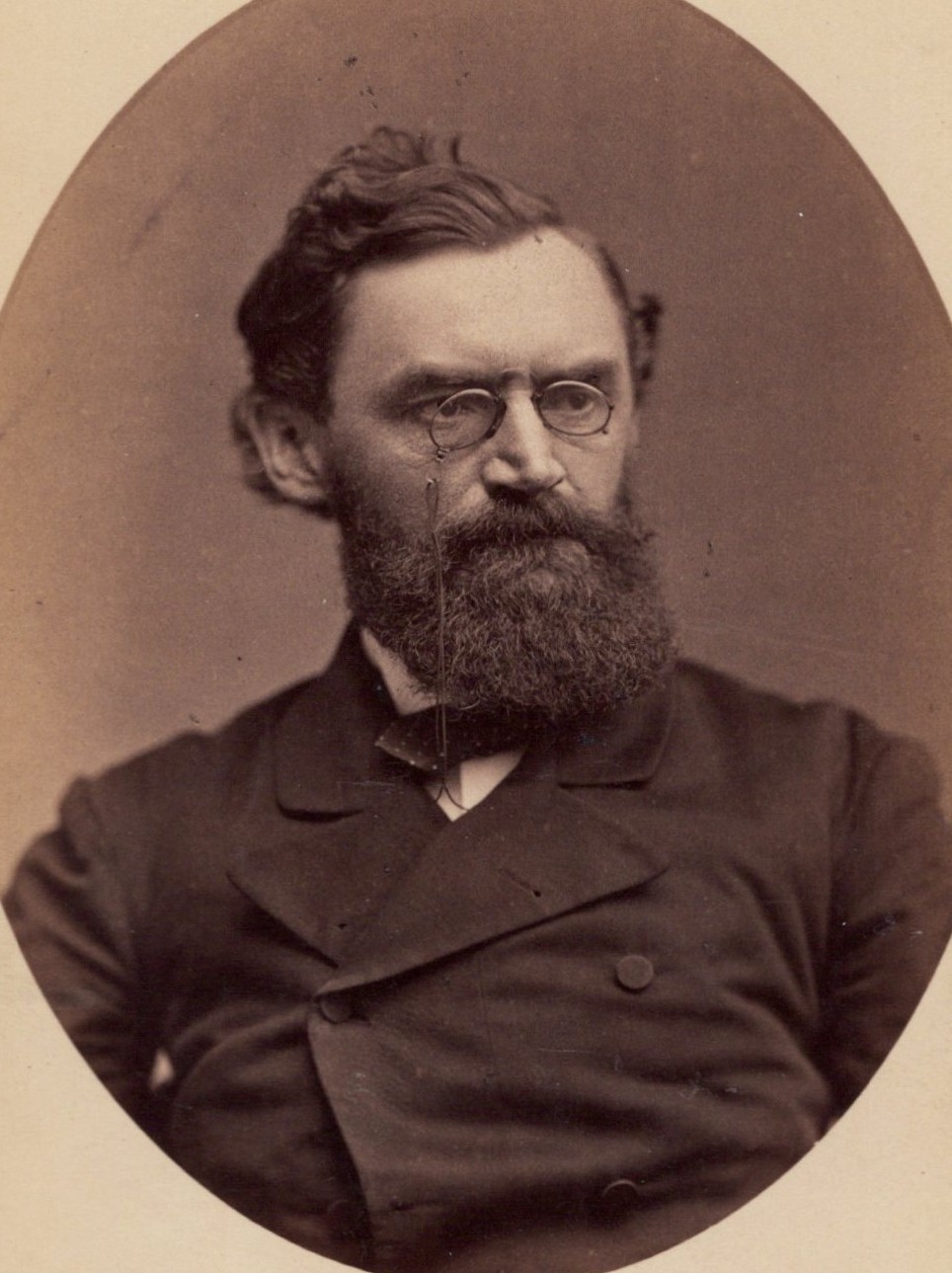
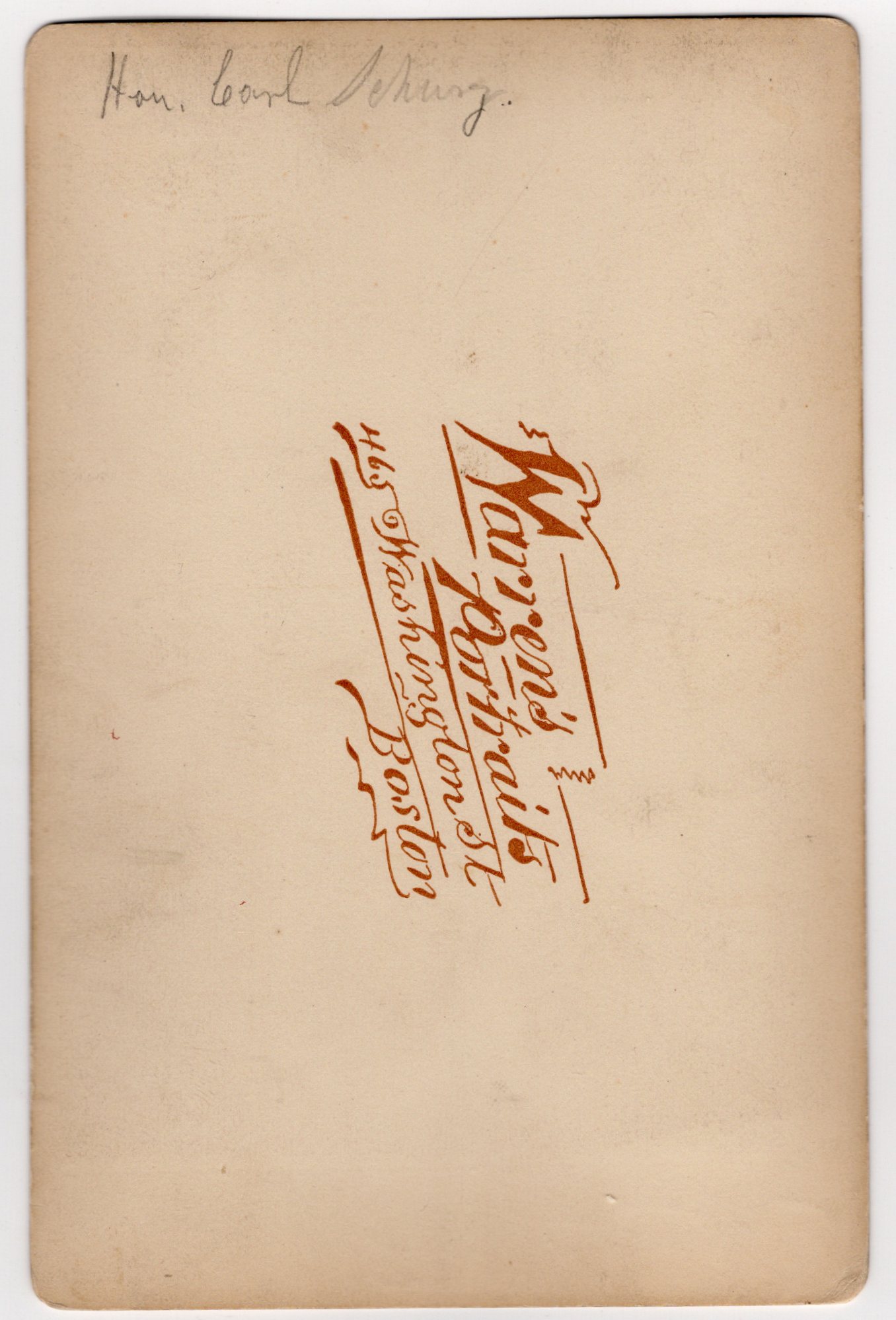
This striking 19th-century cabinet card features The Honorable Carl Schurz (1829-1906), a distinguished Civil War general, U.S. Senator, and reform-minded statesman. The photograph was taken at Warren’s Portraits, a prestigious Boston studio located at 465 Washington Street and renowned for its elegant images of notable figures during the late 1800s. In this formal portrait, Schurz is captured in a three-quarter view, seated in a dark, double-breasted coat with a subtle bow tie at his collar. His thick, well-kept beard and wavy hair give him a scholarly yet commanding presence. He gazes slightly to his left, a monocle suspended at his eye—projecting a look of intellectual rigor and seriousness. The background is a simple studio gradient, helping focus all attention on Schurz’s intense expression and refined appearance. On the reverse, the card is elegantly marked with the Warren’s Portraits logo. In pencil is written: “Hon. Carl Schurz,” affirming the identity of the sitter. Carl Schurz was born in Liblar, Prussia (modern-day Germany) in 1829. A revolutionary in his youth, he fought in the 1848 German uprisings, which ultimately failed, forcing him to flee Europe. He emigrated to the United States in 1852, where he quickly became involved in politics and the anti-slavery movement. During the American Civil War, Schurz was appointed brigadier general of Union volunteers by President Lincoln in 1862. He eventually rose to the rank of major general. Though courageous and respected, his battlefield performance received mixed reviews. He fought in key engagements including: the Second Battle of Bull Run (1862), the Battle of Chancellorsville (1863), and the Battle of Gettysburg (1863), where his XI Corps was flanked on the first day. While he was not a professional military man, Schurz’s service was notable for his efforts to advocate for German-American troops and his commitment to the Union cause. He did not have prior military experience in Europe before serving in the U.S. Army. After the war, Schurz enjoyed a long and prominent career in politics. He served as a U.S. Senator from Missouri (1869–1875) and later as Secretary of the Interior under President Rutherford B. Hayes (1877–1881). A staunch advocate of civil service reform and anti-corruption measures, he became one of the leading voices of the Liberal Republican movement. This cabinet card was produced by Warren’s Portraits, one of Boston’s most prominent photography studios in the 19th century. Operated by William Shaw Warren, the studio specialized in elegant, high-quality portraits and was especially known for photographing celebrities, politicians, military figures, and distinguished members of Boston society. Warren’s operated primarily during the 1860s through the 1890s. Warren’s images often feature clean studio backdrops, strong lighting, and detailed retouching, emphasizing refinement and dignity—qualities clearly present in this cabinet card of Carl Schurz. (SOLD)






 THE CABINET CARD GALLERY