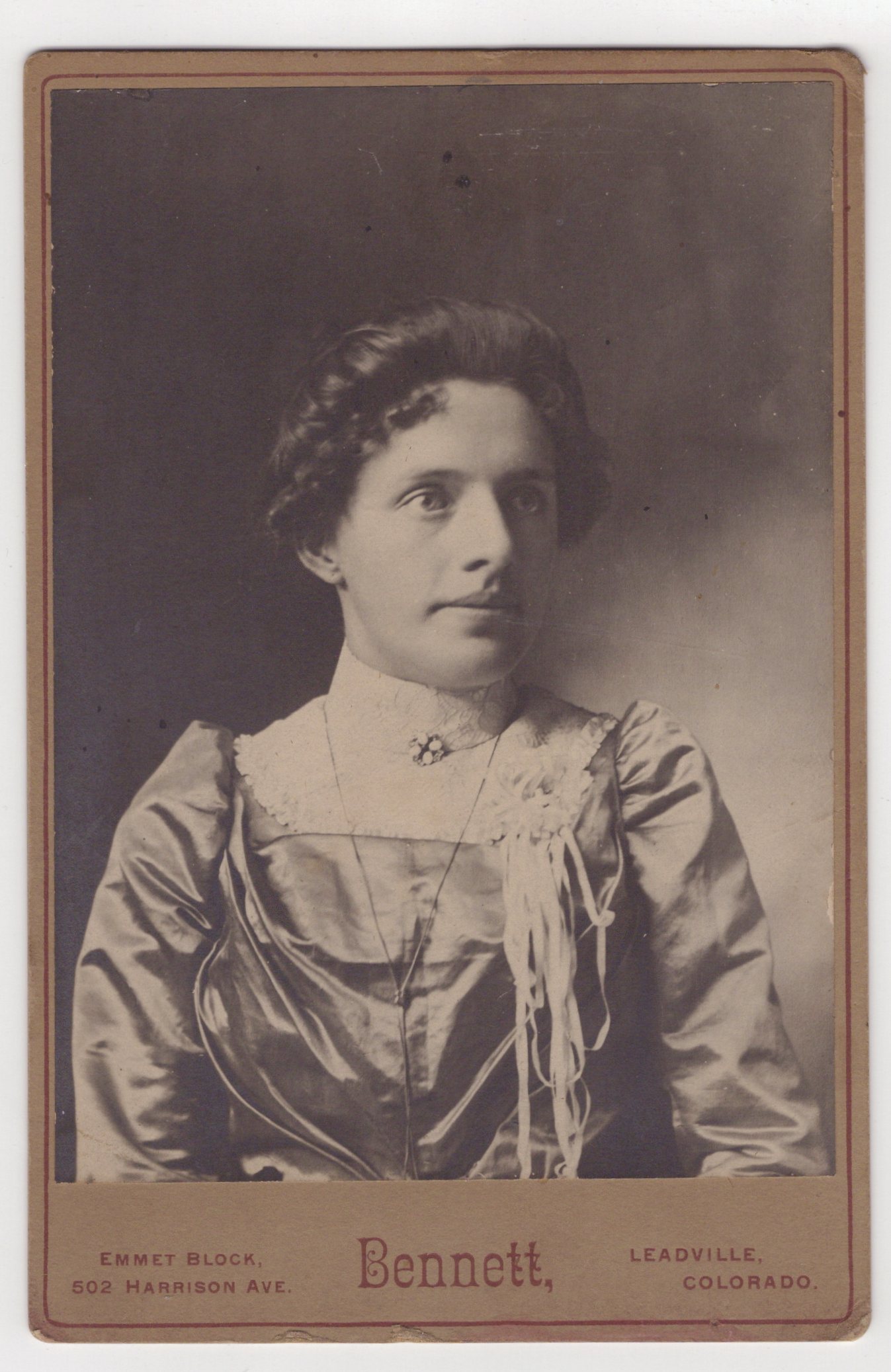
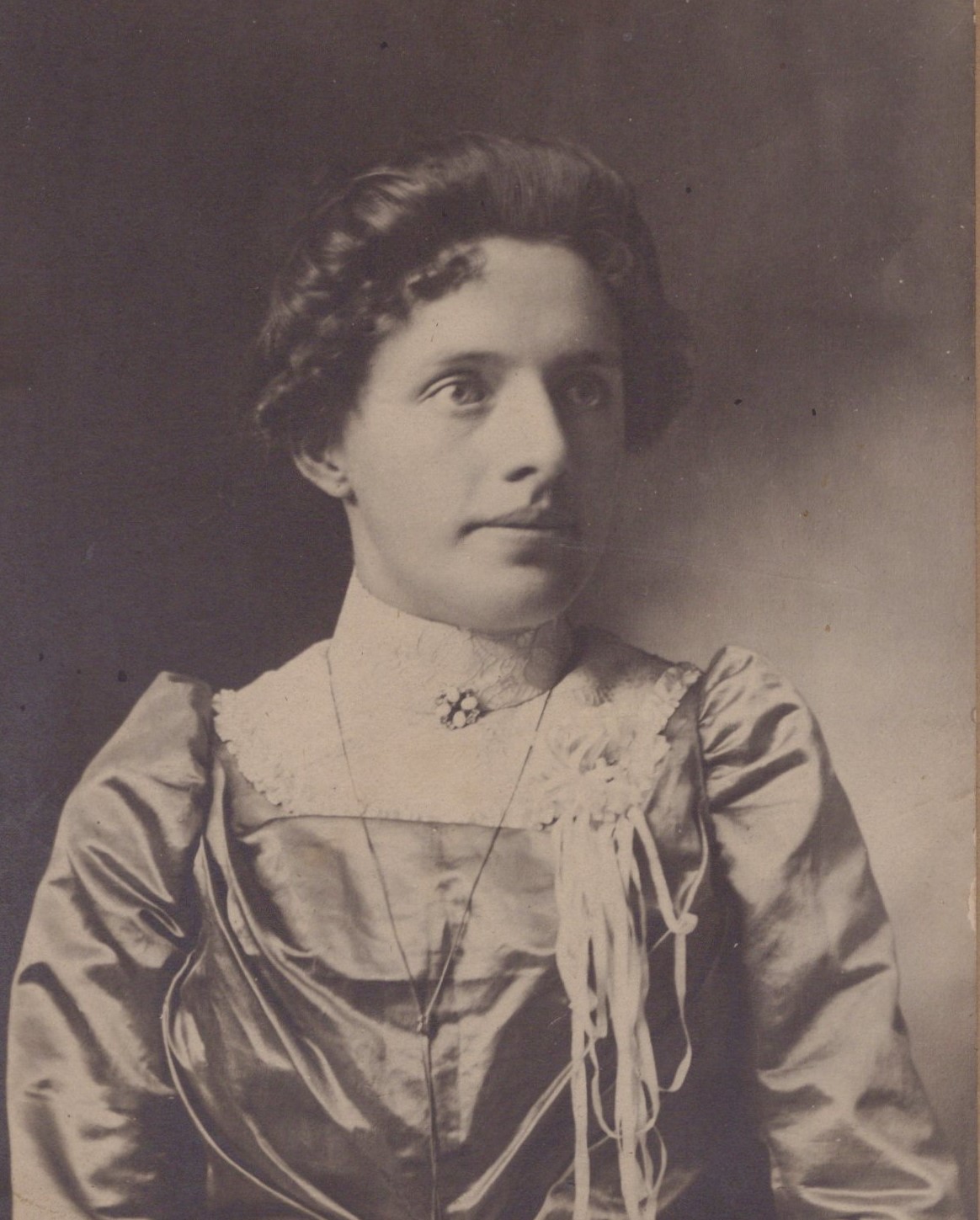
This vintage Cabinet Card features a fashionable woman. She is wearing a fancy dress and is well accessorized. Whe is wearing a large necklace, a collar pin, and what appears to be, a flower with streaming ribbons. The photographer of this image was the Bennett Studio. Bennett operated a studio in Leadville, Colorado. Alfred E. Bennett’s (1862-1942) foray into photography may have been a brief one. He is listed in the 1900 US Census as a photographer but held other occupations in other decade census’s. When this photo was taken, Leadville was a booming mining town. Leadville is located at an altitude of 10,152 feet and in the late 1800’s was the second most populated city in Colorado. Denver was number one in population. Leadville was one of the worlds largest Silver camps and was the home of Doc Holliday shortly after the gunfight at the OK Corral. SOLD
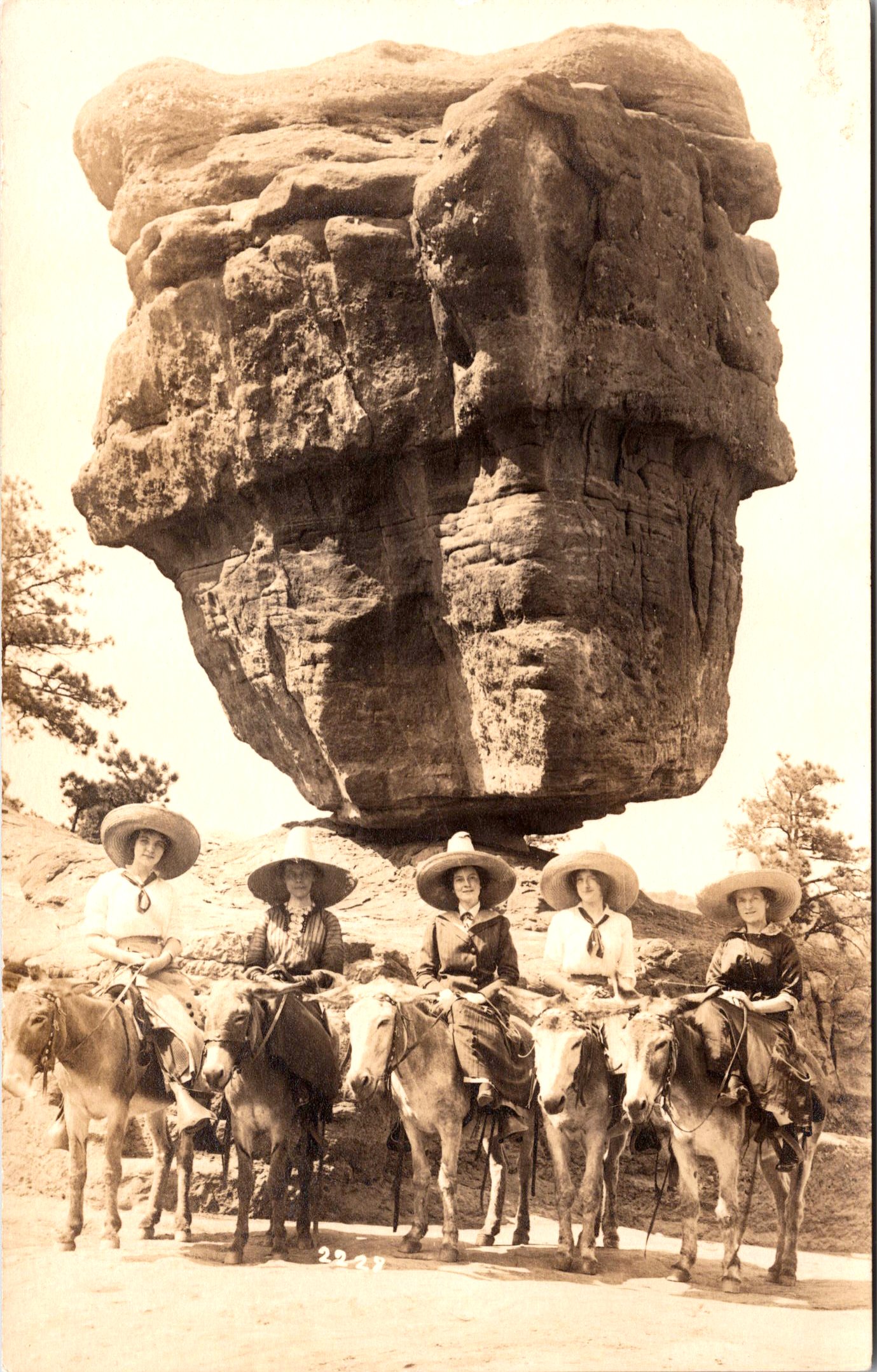
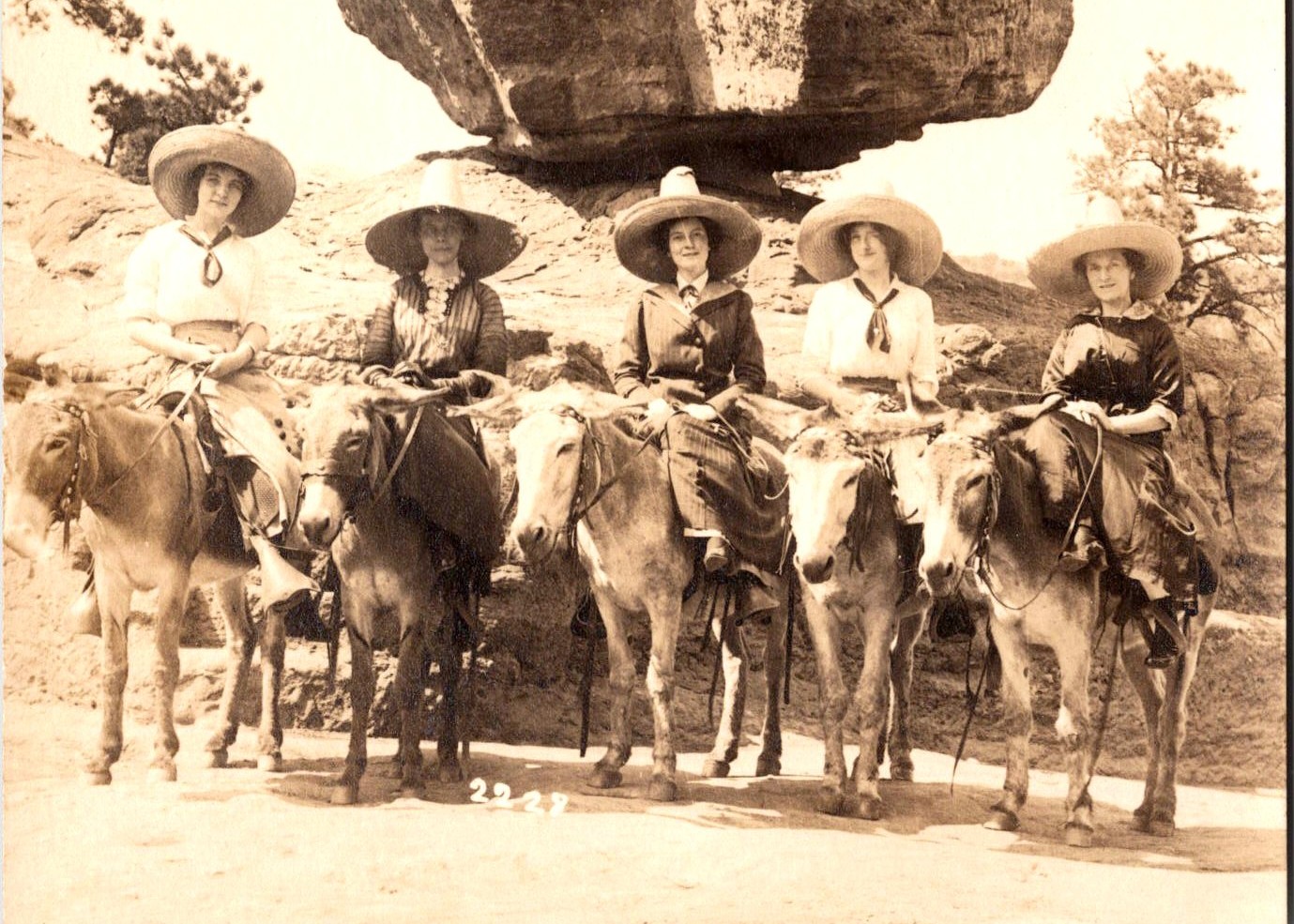
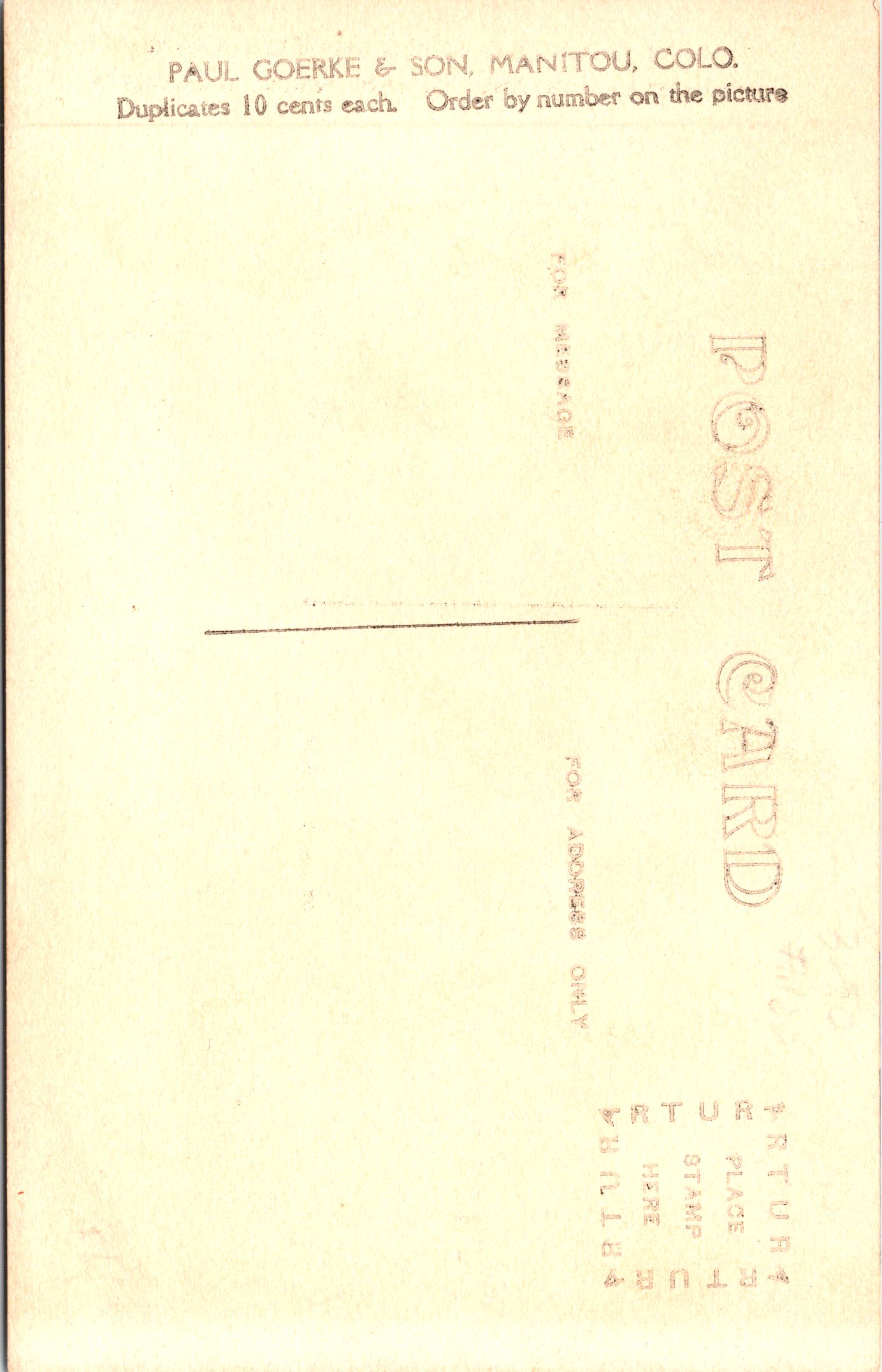
You’re looking at a charming early 20th-century real photo postcard taken at one of Colorado’s most iconic natural landmarks—Balanced Rock, located in the stunning Garden of the Gods park just outside Colorado Springs. This novelty photograph captures a group of five women posing proudly on donkeys in front of the massive, gravity-defying sandstone formation. The photograph radiates the playful spirit of early Western tourism. Five women sit astride small donkeys, all lined up neatly in front of the looming shadow of Balanced Rock. Their expressions vary from reserved amusement to open cheerfulness, suggesting they are enjoying a once-in-a-lifetime travel experience in the American West. Each woman wears a wide-brimmed sombrero-style hat, likely provided by the concession for a touch of “Wild West” flair. Their clothing is modest but stylish for the era—ankle-length skirts, blouses with sailor collars or lace trim, and fitted jackets give them a slightly adventurous, yet feminine look appropriate for tourists of the 1910s or early 1920s. Despite riding donkeys—often considered humble beasts of burden—the women’s confident postures and bemused smiles give the impression that they’re enjoying their frontier fantasy. Their donkeys stand calmly, reins held loosely in the women’s hands, adding to the relaxed, posed nature of the scene. The back of the card identifies the photographer as Paul Goerke & Son, who operated a thriving photography business in Manitou, Colorado. This firm set up a concession at Balanced Rock, one of the most photographed natural features in the West. Tourists could ride donkeys or burros up to the site, don hats, and pose for a souvenir photograph, which Goerke’s team would develop and print on postcard stock. (SOLD)
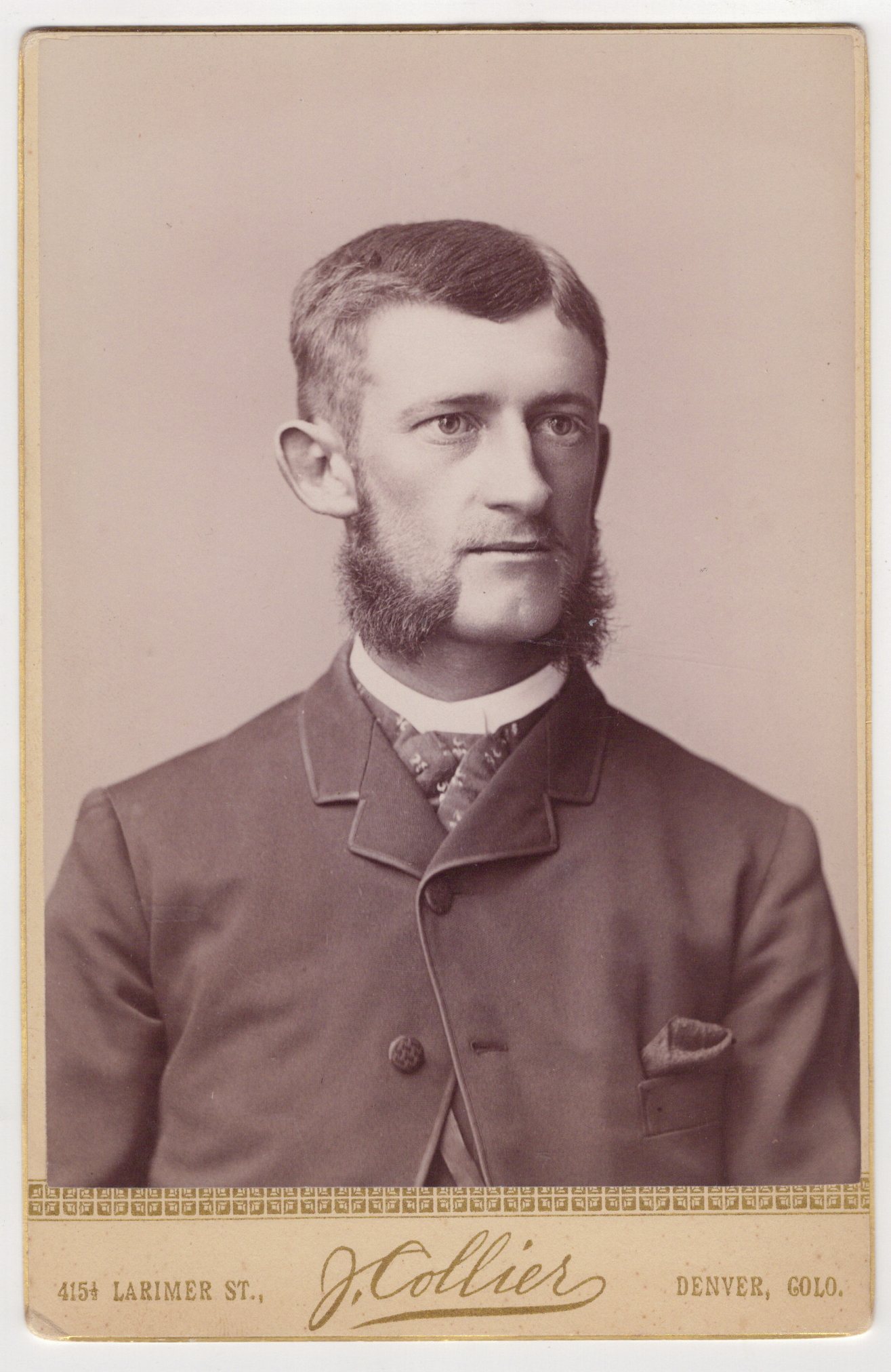
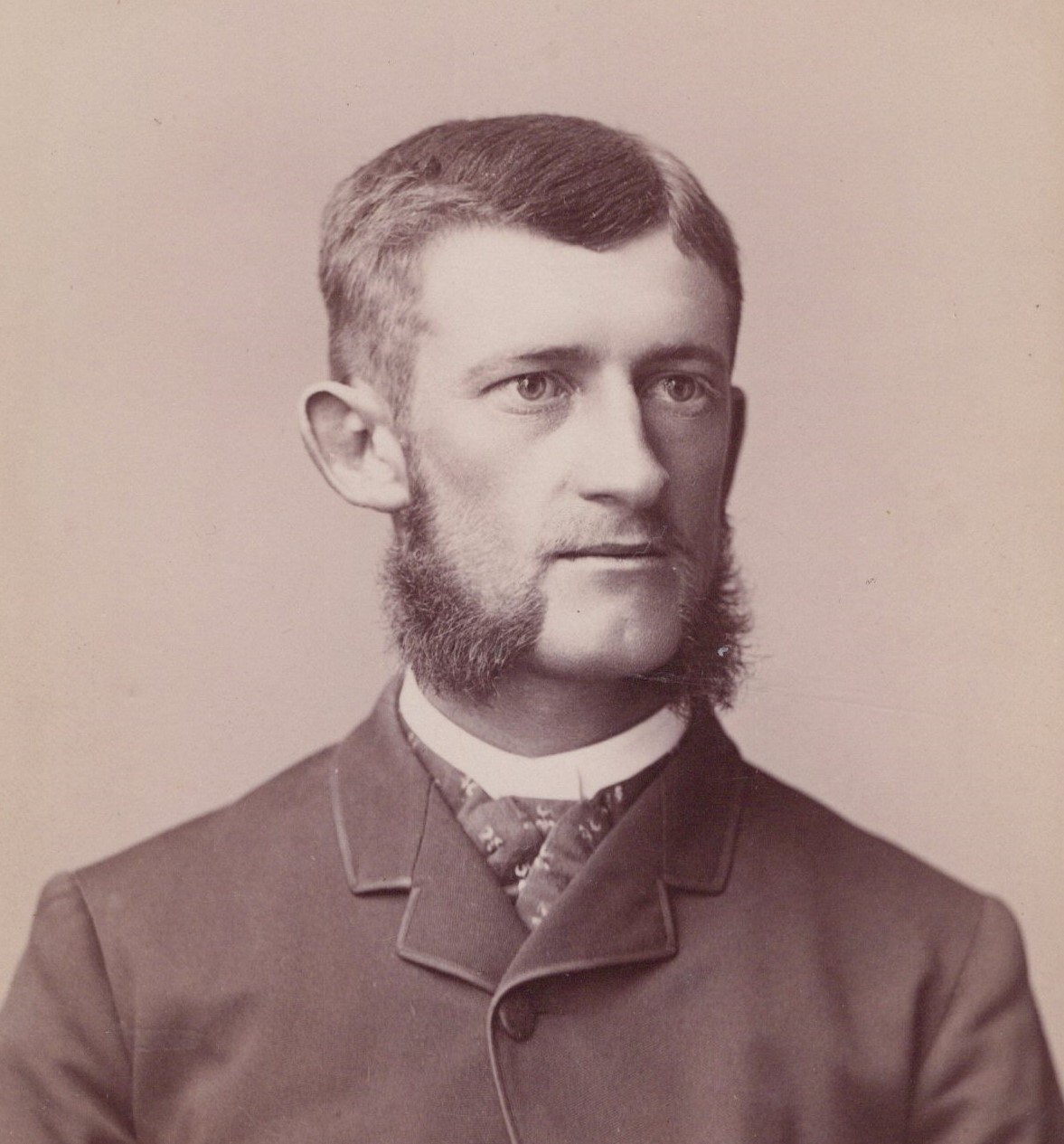
This cabinet card portrait features a handsome man with interesting styled side burns. He is dressed fashionably. The gentleman was photographed by a famous Colorado photographer, Joseph Collier (1836-1910), at his Denver studio. Collier was born in Scotland, where he began his career as a photographer. When he first came to Colorado, he produced stereographic images. He gained fame in the late 1800’s for his images of Colorado. His subjects included the downtowns of Telluride, Golden, and Denver. He also photographed the Garden of the Gods (Colorado Springs) and many mountain sites. After Collier immigrated to the United States, in 1871 he came to Central City Colorado. He was invited there by his cousin who owned the local newspaper. Collier opened his first studio in the backroom of the newspaper. He immediately began making photographic trips through the Rocky Mountains of Colorado. In 1873, Collier gave a set of his Colorado stereoviews to Julia Grant, the wife of President Ulysses Grant. In 1877, Collier moved to Denver opening a studio on Larimer Street. He practiced photograph there and retired by the turn of the century. In 1874, Collier provided the photographs for a book entitled “Summering in Colorado”. In addition, a book was published in 1983 focused on displaying Collier’s photos. The book was entitled “The Photography of Joseph Collier. Colorado. 1871-1910”. Some of Collier’s photos can be found at the Getty museum in Los Angeles, California.
Three men, dressed in western fashion, pose for photographer D. W. Carpenter, in La Junta, Colorado. The men may be ranchers or businessmen, judging by their clothing. They seem less likely to be cowpokes. The men are dressed in their finest clothing and wearing three different types of neckwear. A standard necktie, a bandana type tie, and a bow tie, are all represented. To of the men are wearing pins. The gentleman standing on the left in the image has a pin with a portrait of a woman. The seated man’s pin has words on it but they are not decipherable with available magnification. The two standing men are displaying some affection, not commonly seen among males on cabinet cards of this era. La Junta, Colorado, is located on the Arkansas River, in southeast Colorado. The town was formed in 1881 and was a railroad town (Santa Fe Railroad) that became a center of trade. It is interesting to note that this photograph was taken not long after the formation of La Junta. SOLD
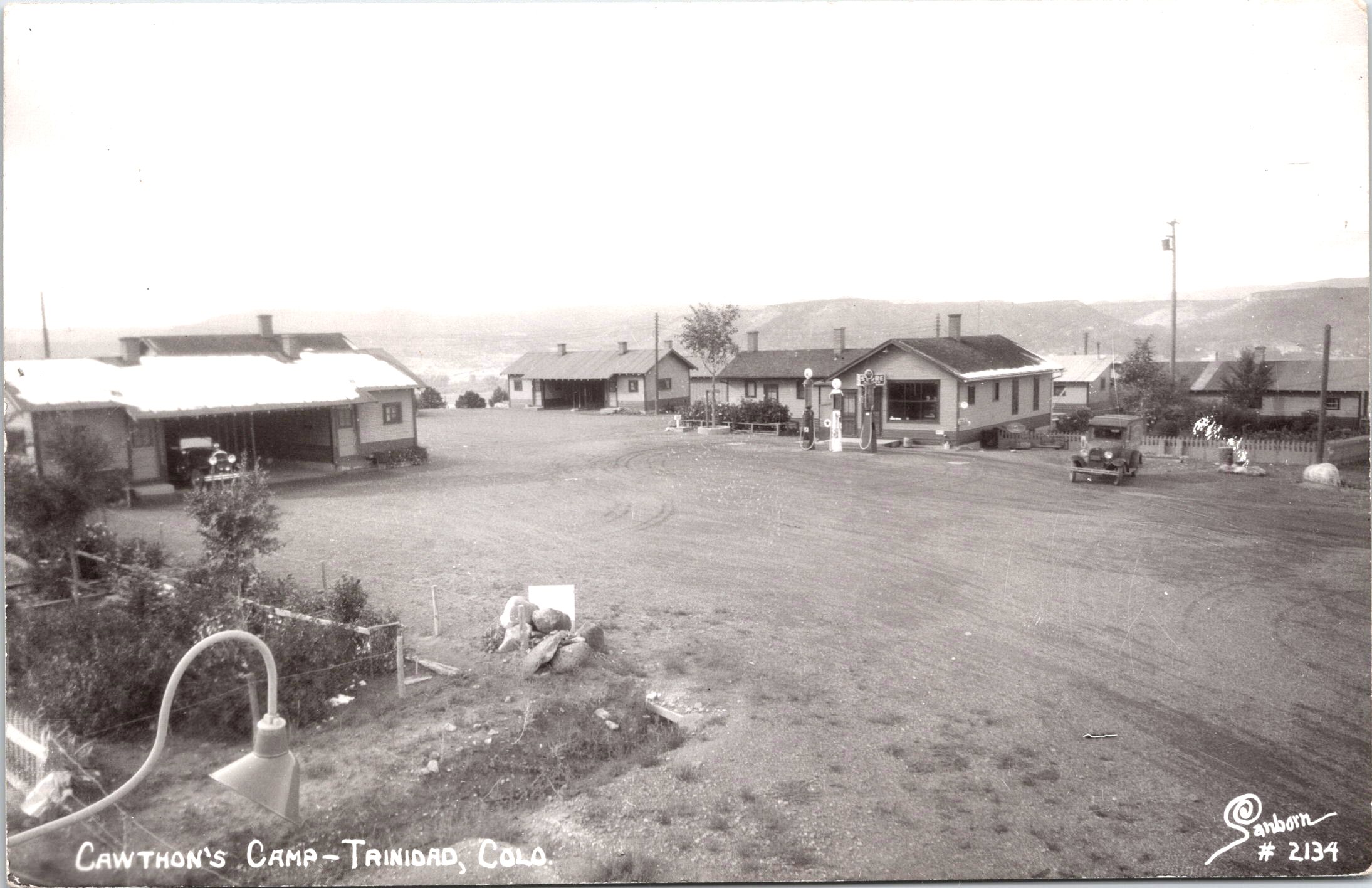
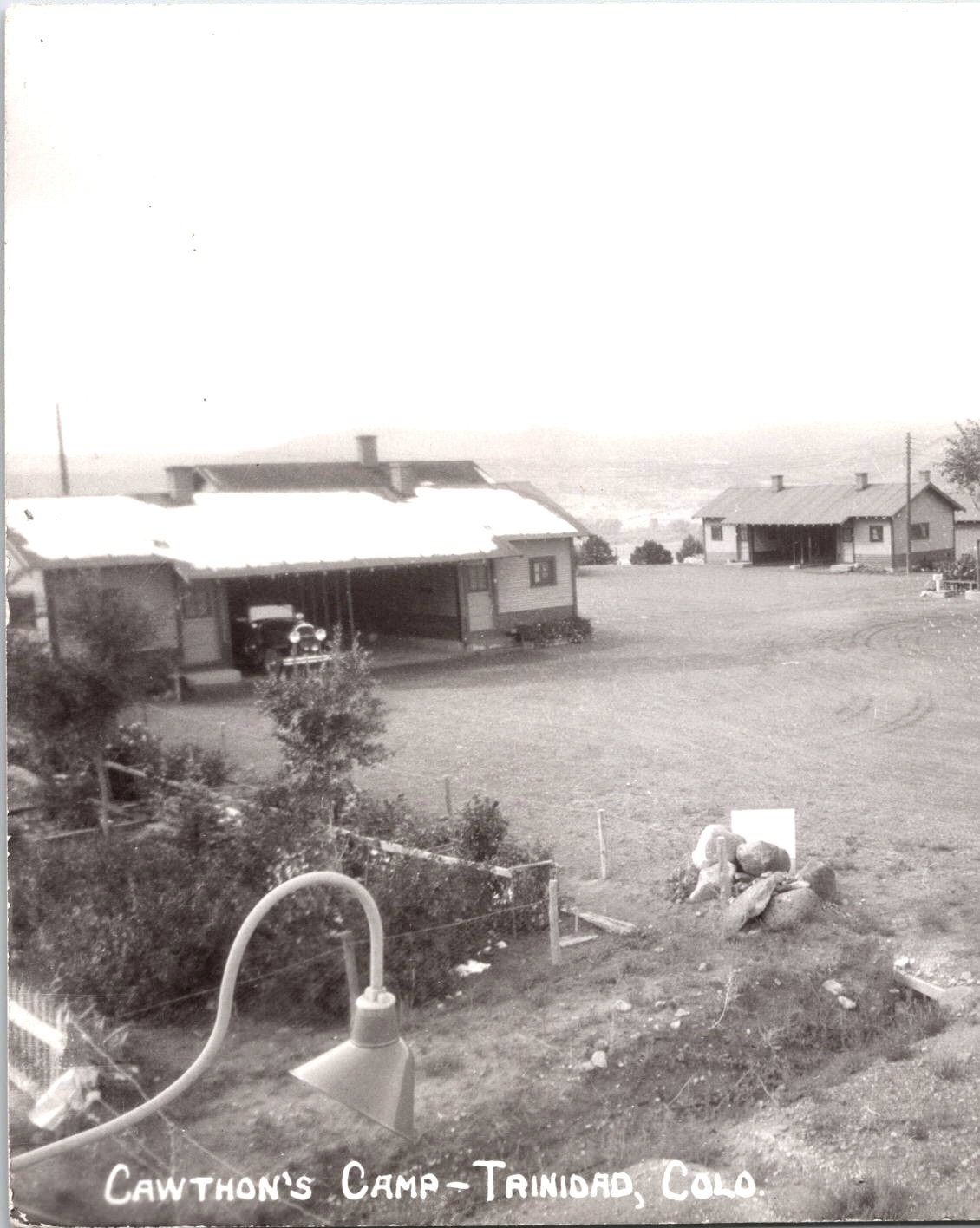
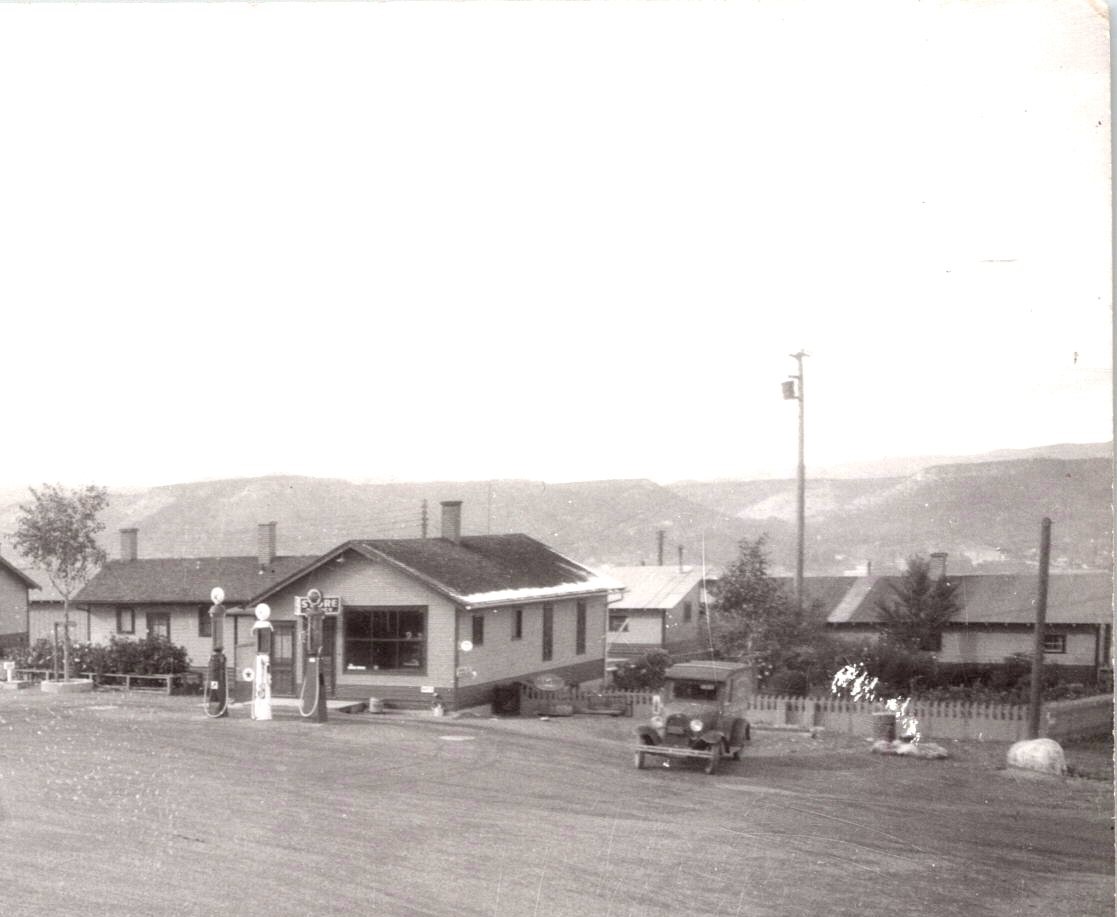
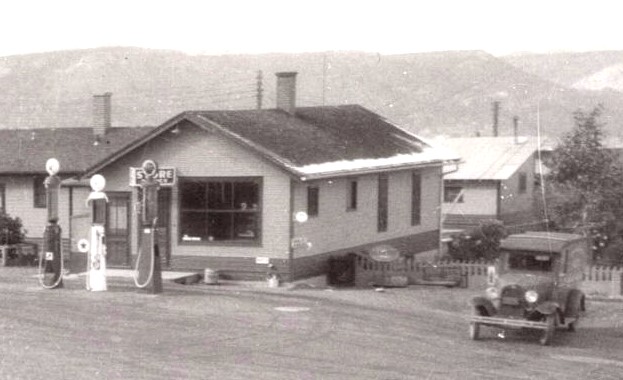
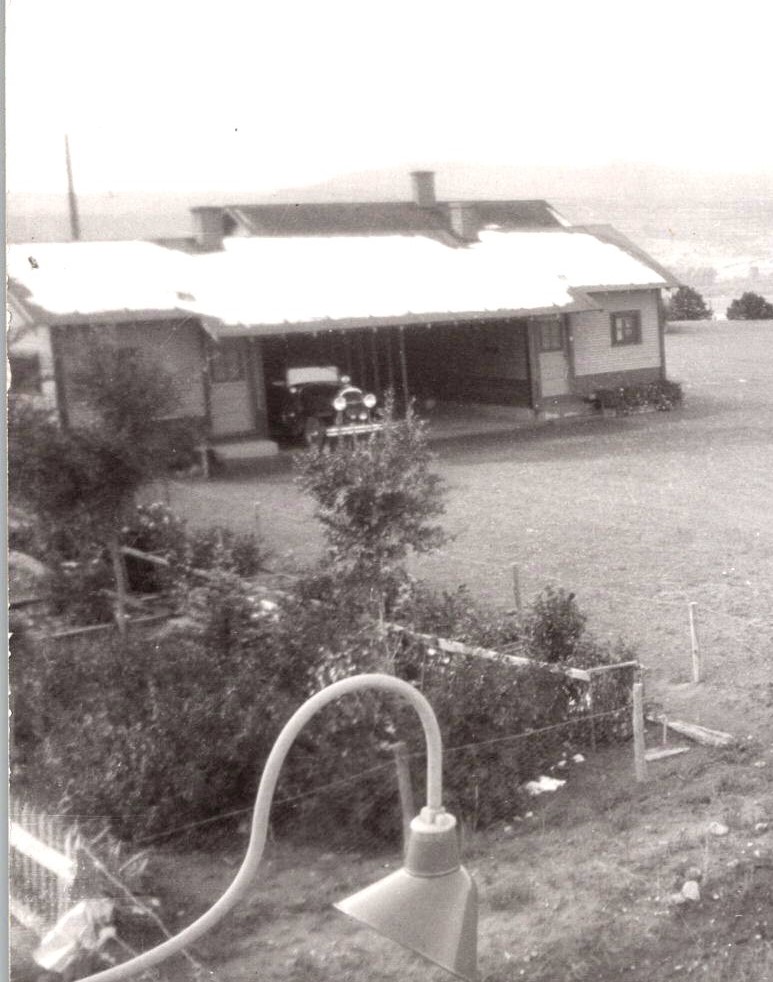
This vintage real photo postcard features a view of Cawthon’s Camp in Trinidad, Colorado. Trinidad was a mining town with a colorful history. Cawthon’s Camp was an auto camp. A place for automobile tourists to stay during their trips. There are two old automobiles as well as old gas pumps seen in this photograph. There are also two large garages evident. This postcard was published by Sanborn as part of a series (No.2134). The Sanborn Souvenir Company was a major postcard publisher in Colorado. They were known for their real photo postcards. The firm was founded by Harold Sanborn who travelled throughout Colorado, Wyoming, and parts of Nebraska taking black and white shots of the western landscape, cityscapes, and landmarks. Harold’s son, William Sanborn joined him in the endeavor. The Sanborn company produced postcards from 1925 to 1957. SOLD
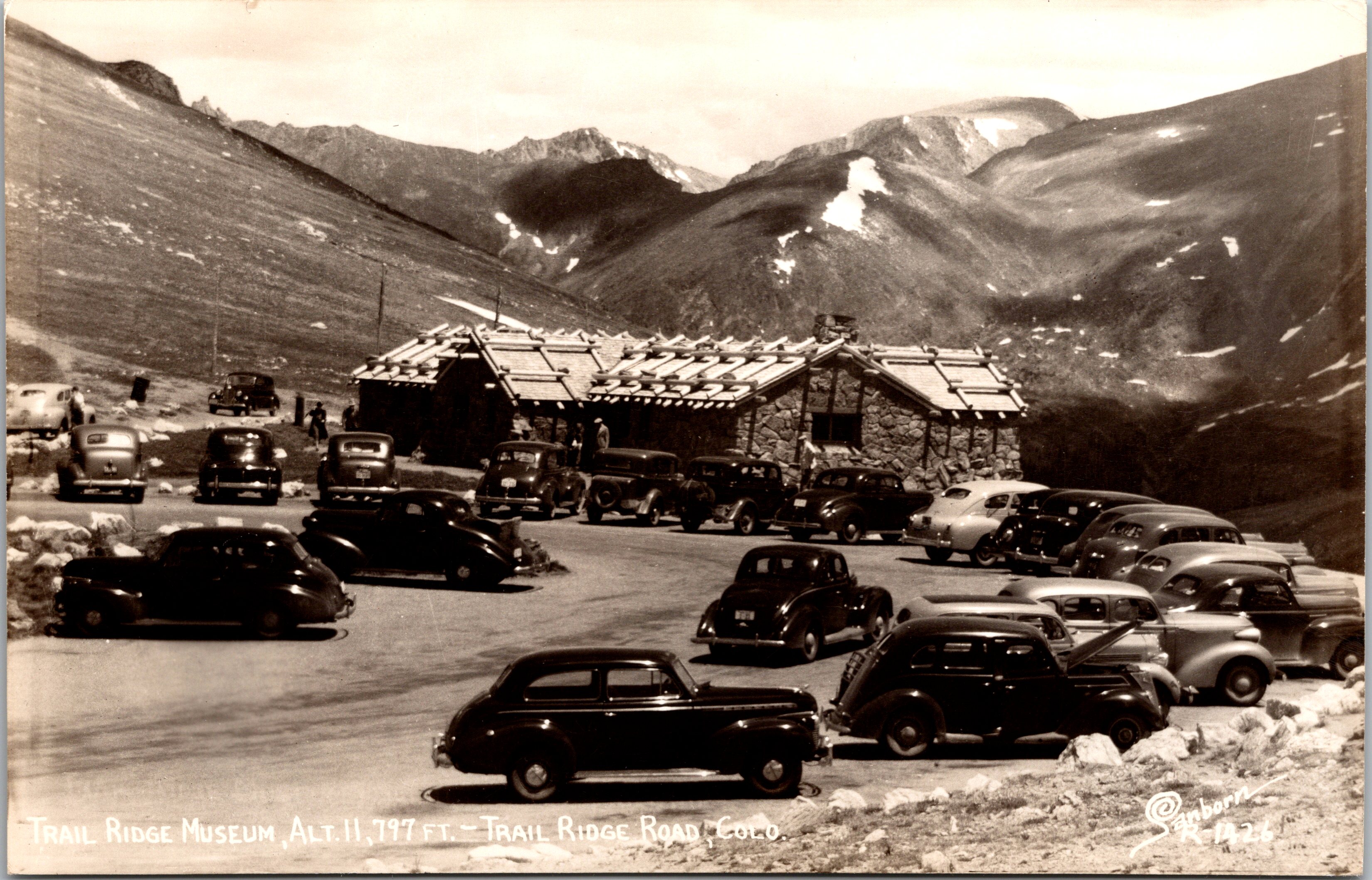
This vintage real photo postcard features the Trail Ridge Museum at Fall River Pass, in Rocky Mountain National Park, Colorado. The site is at an elevation of 11,797 feet. Note the many 1940’s cars in this photograph. The mountains in the background are majestic and I wonder if those are glaciers on the mountain behind the museum. This photo was taken by Harold Sanborn. The Sanborn Souvenir Company was a leading Colorado postcard publisher. The company sold real photo postcards at stores across Colorado until the 1970’s. Sanborn photographed beautiful natural vistas and iconic landmarks. He also photographed busy street scenes and cityscapes. Harold’ son, William Sanborn joined his father in the business. (SOLD)
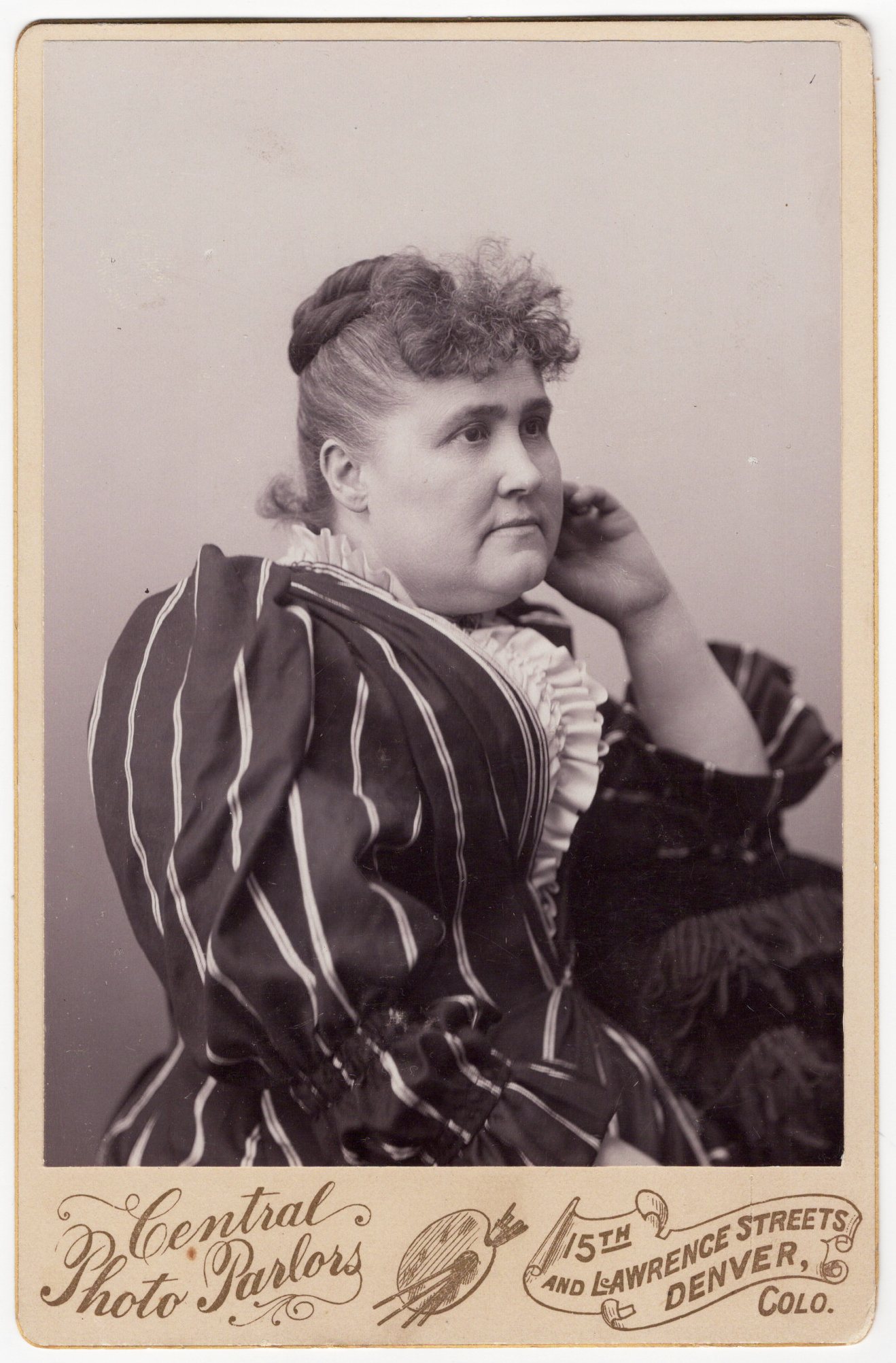
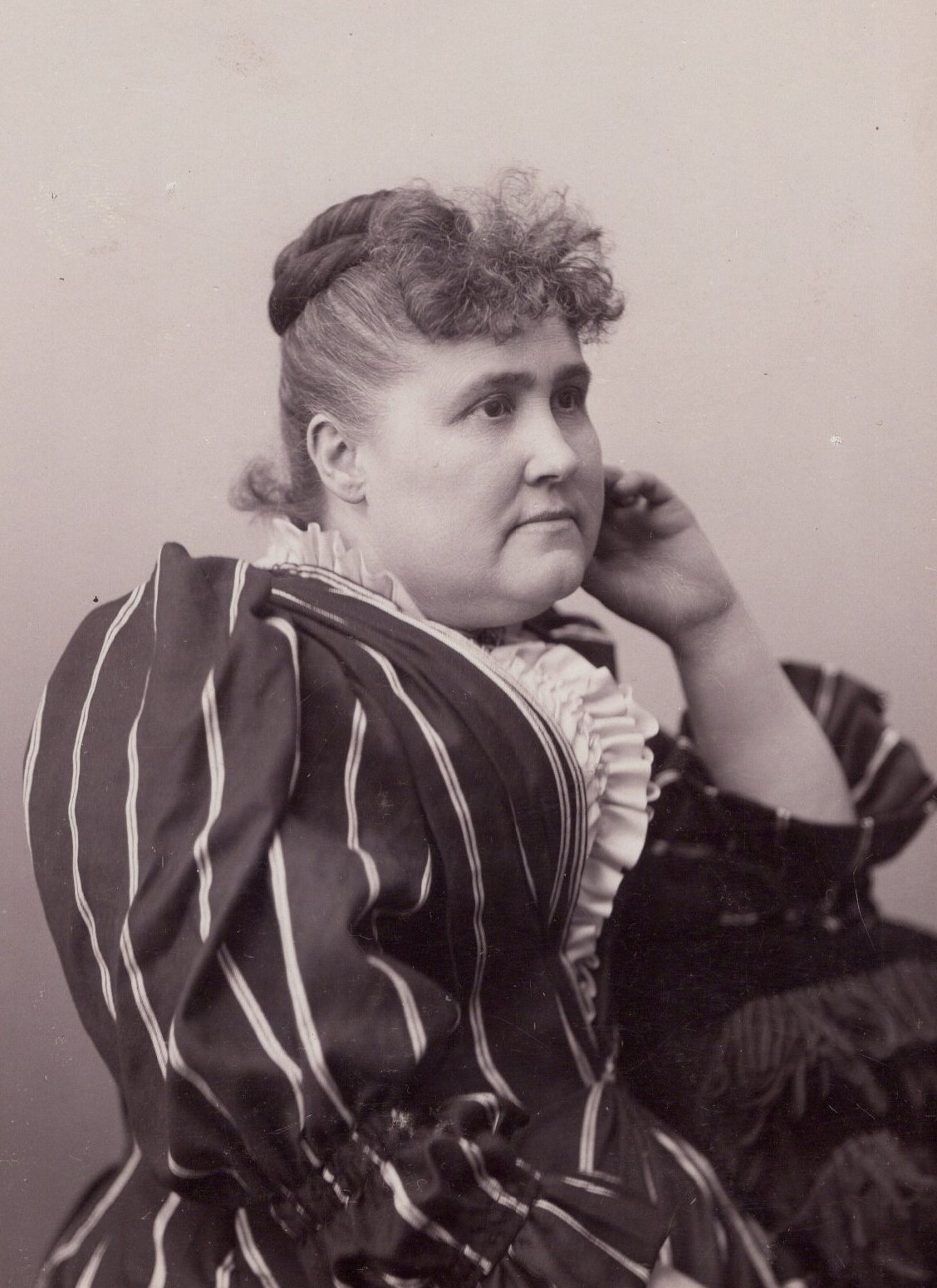
This cabinet card portrait features a large woman wearing a vertically striped dress. Her hair is in a bun. She was poorly posed by the photographer. The woman’s photograph was taken by Central Photo Parlors, located in Denver, Colorado. Note the corner wear on the reverse (top left hand corner). This photograph has excellent clarity. SOLD
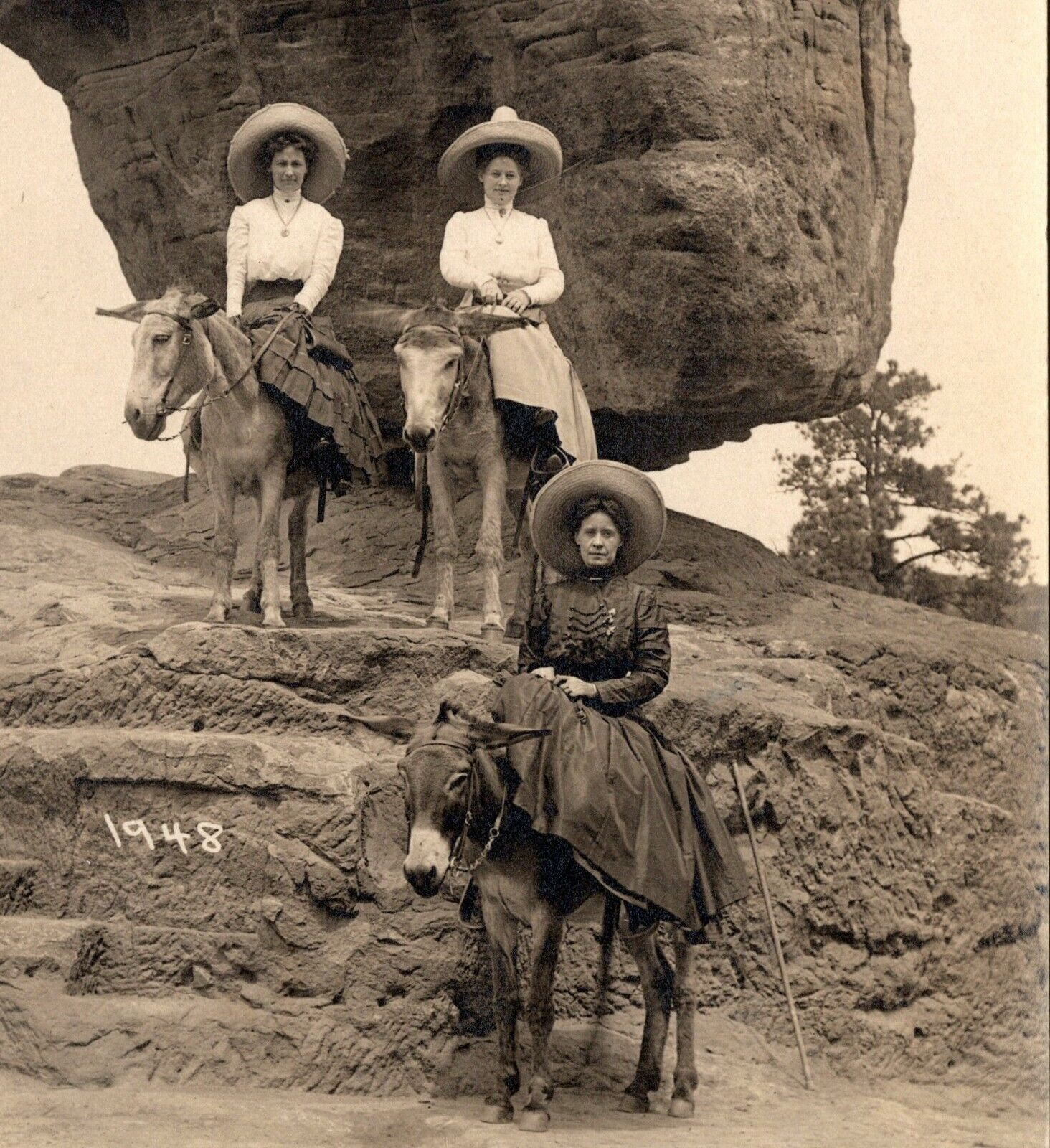
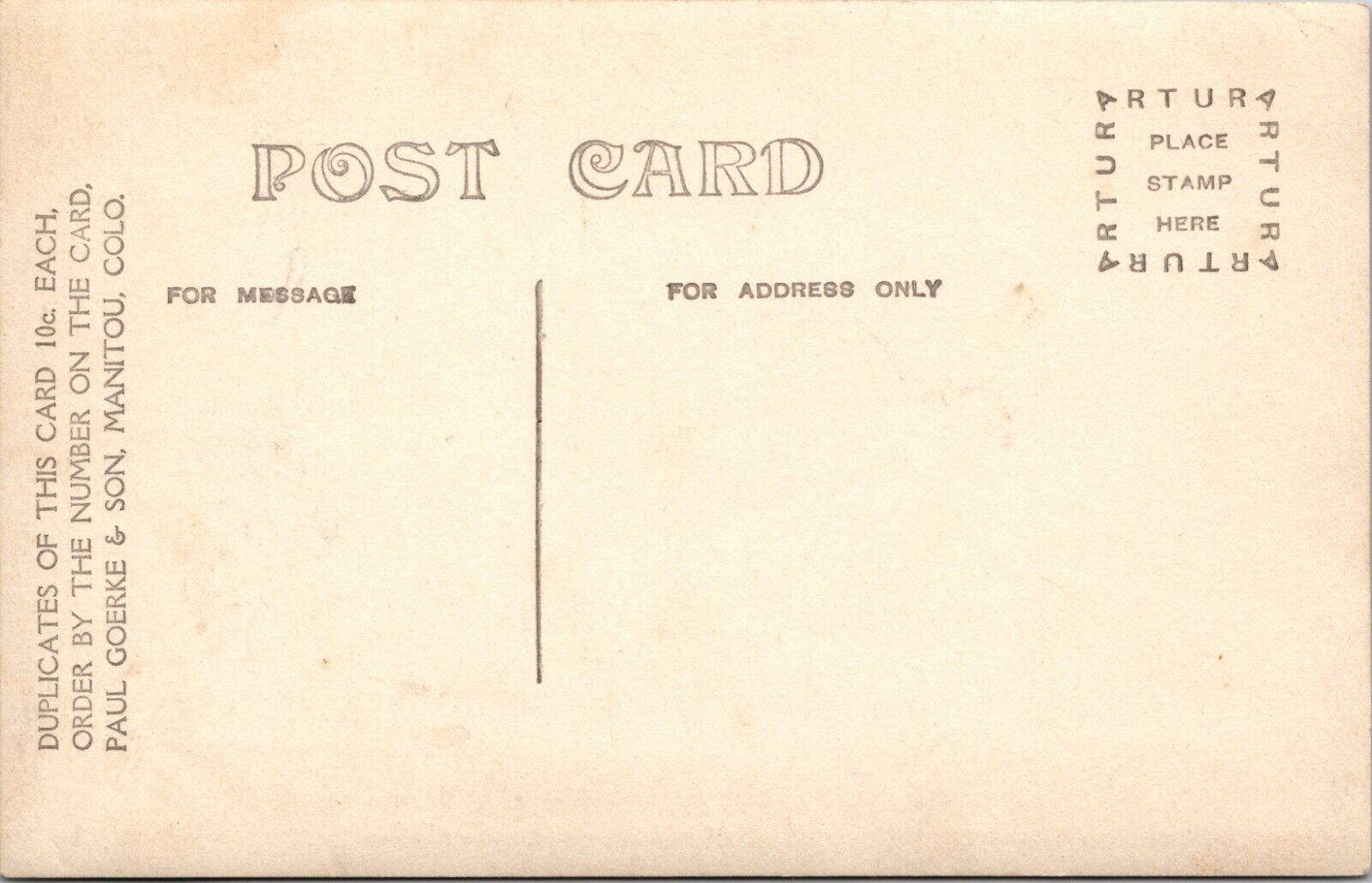
This vintage real photo postcard features three women on riding burros, posing in front of Balanced Rock. The natural wonder is located within The Garden of the Gods. The photographer of this image is the Paul Goerke and Son studio, located in Manitou, Colorado. In the 1890’s, Goerke purchased the land around Balanced Rock. Goerke and his son, Curt, took photographs of tourists by the rock and sold them for 25 cents apiece. At the beginning of Goerke’s business there was no charge to view Balanced Rock. They made their money by charging for the portraits. Burros were among the props supplied by Goerke. This postcard has an Artura stamp box. The photo was taken sometime between 1908 and 1924. (SOLD)
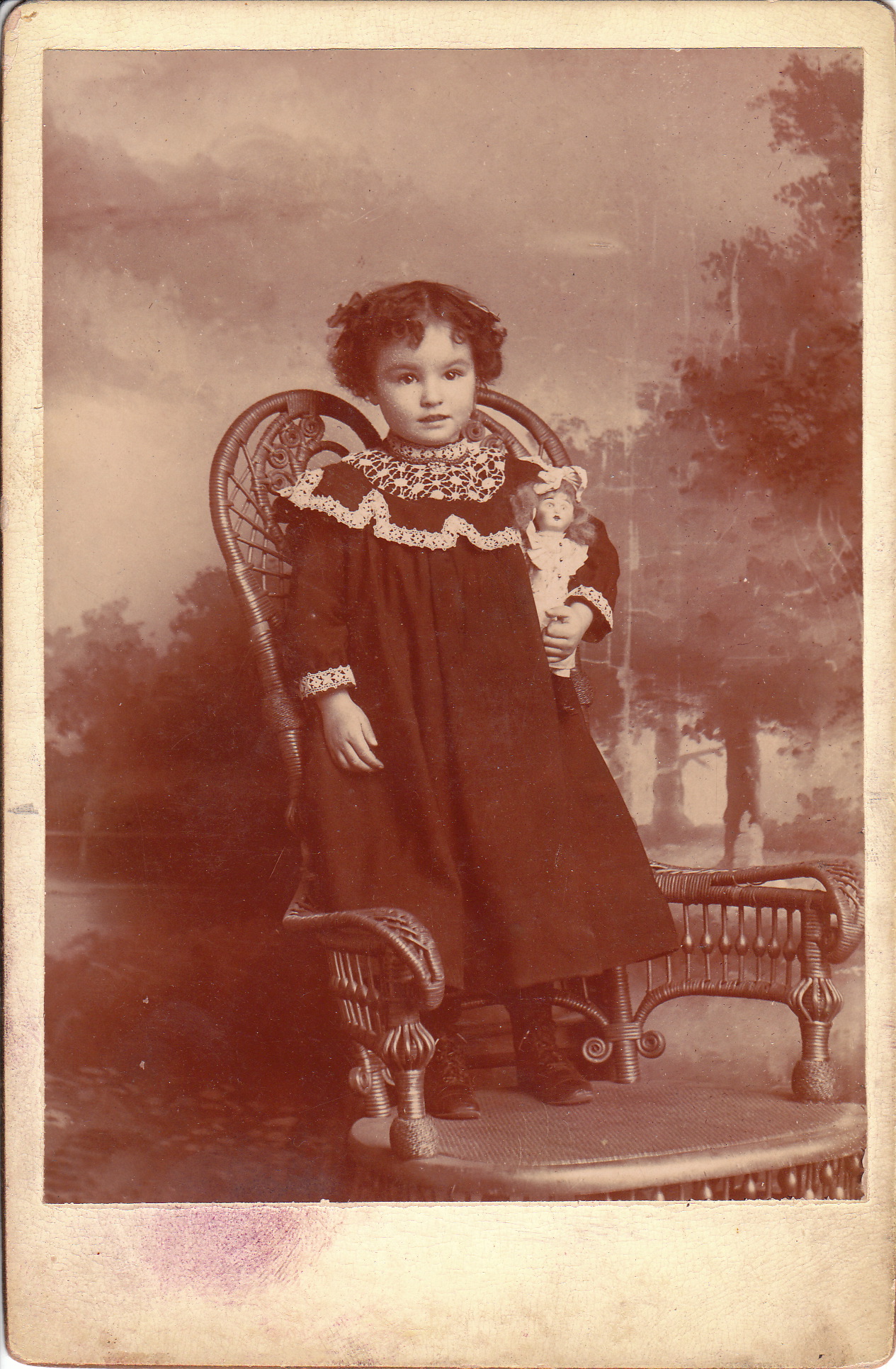
This cabinet card features a very cute, curly haired, little girl standing on a chair. She is clutching her doll and carefully posing the doll for the photograph. She is wearing an adorable dress. The fabric at her collar matches the fabric on the cuffs of her sleeves. The little girl is identified on the reverse of the card as “Mrs. J. J. Joseph”. A faded back stamp identifies the photographer as L. McLean, and his studio as being located in Idaho Springs, Colorado. Lachlan McLean was listed in the Clear Creek County Business Directory (1890). His work was well respected and a biography has been written about his life, Secure the Shadow: Lachlan McLean, Colorado Mining Photographer (1980). This cabinet photograph was taken only a few decades after the founding of Idaho Springs. The town was established by prospectors in the early days of the Pikes Peak Gold Rush. Idaho Springs was the site of the first significant gold discovery in Colorado. (SOLD)
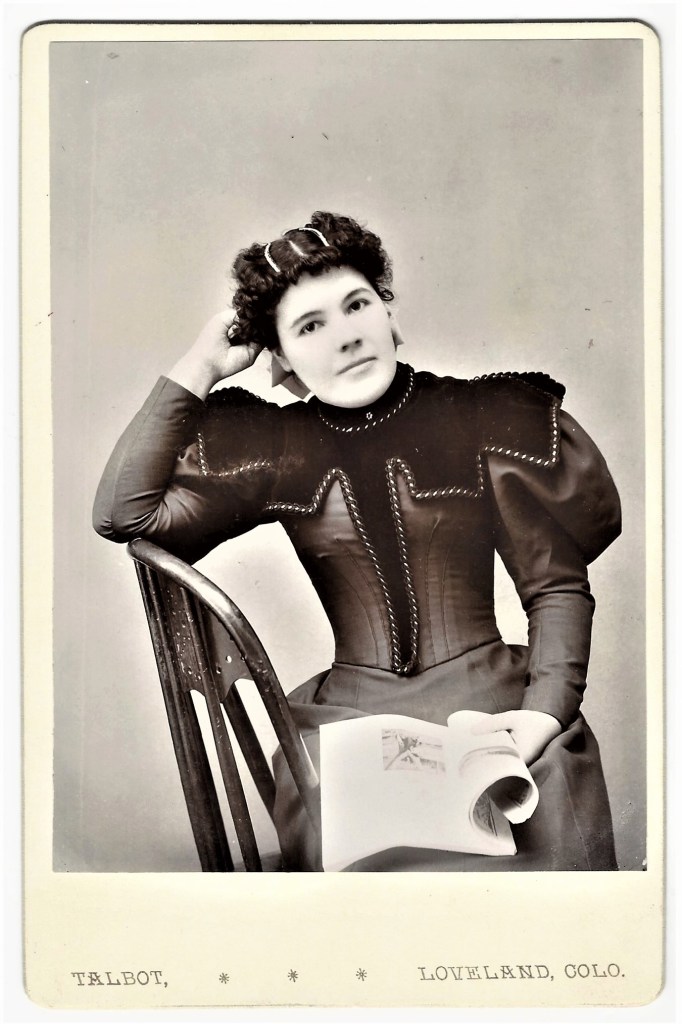
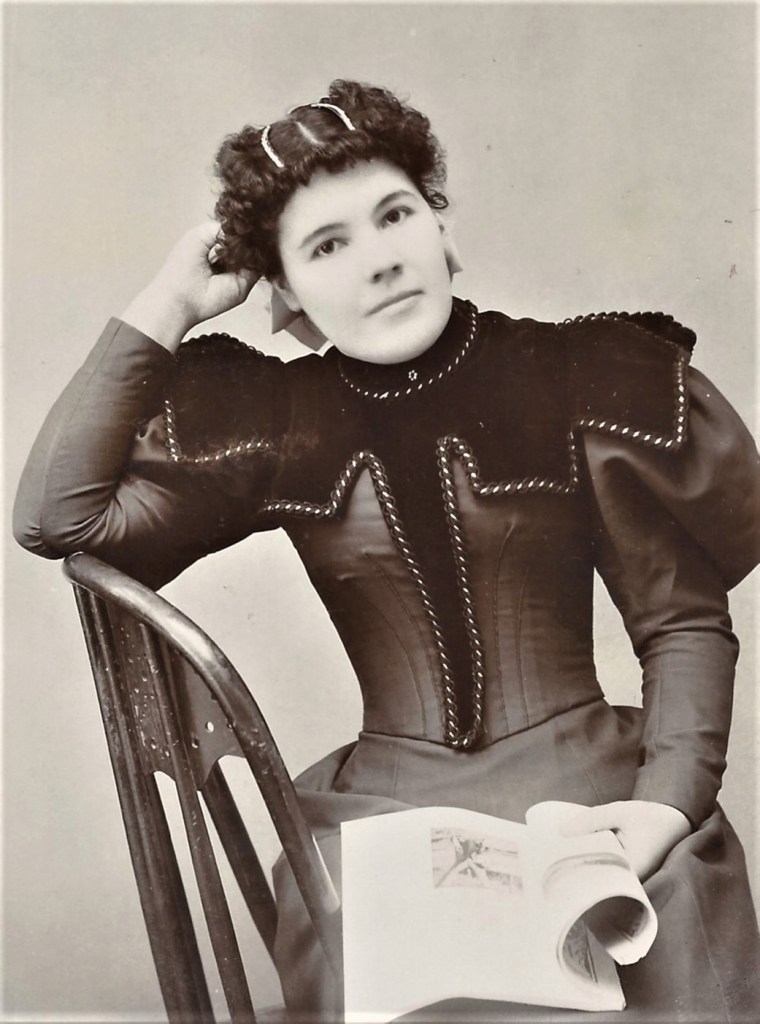
A pretty young woman sits sideways on a chair and holds an open magazine as she poses for her portrait at the Talbot studio in Loveland, Colorado. If she is indeed sitting sidesaddle on the chair; it is an unusual pose. She is wearing an interesting and uncommon dress. Perhaps a visitor to the cabinet card gallery can tell us something about the dress. What kind of material is this dress made from? What is the material of the fabric that is sewn over parts of the dress? What kind of hair accessory is she wearing atop her head? Note that she is also wearing a ribbon which can be partially seen behind her head. Are you wondering about the “Mammoth Potato Hoax” yet? I’ll get right to that intriguing story after a brief description of the town where the Talbot studio was located. In the early seventies (the nineteen, not the eighteen seventies) I used to ski Loveland’s slopes and mail valentine day cards from the Loveland post office. It was considered extra romantic to have a Loveland postmark on your Valentines Day cards. I enjoyed the town, but never knew the story of how Loveland got it’s name. Research reveals that Loveland was founded in 1877 and was named in honor of William A. H. Loveland, the President of the Colorado Central Railroad. Not many years later, Adam H. Talbot operated a photography studio in Loveland. In 1894, he was recognized nationally and internationally for his involvement in the “Mammoth Potato Hoax of Loveland, Colorado”. The hoax actually started very innocently. The editor of the Loveland Reporter wanted to help a local potato farmer, Joseph B. Swan, promote his spud sales at a Loveland street fair. The farmer was well respected for his potato production. He had grown 26,000 pounds of potatoes on one acre of land over a years period. He had claimed to have grown a giant potato weighing 13 lbs, 8 ozs. In an effort to create a humorous advertisement for farmer Swan, the newspaper editor recruited photographer Talbot to use trick photography to create a photograph of Swan holding a massive potato over his shoulder. Printing below the image stated that the potato weighed over 86 pounds. Unfortunately, or fortunately, depending on the participants point of view, many people believed that this attempt at humor was actually reality. Word spread about this amazing potato. Eventually, a New York City attorney sent the photograph to the editors of the Scientific American. The attorney included a note that stated that the actual potato had been on exhibit at the Loveland Reporter offices. The editors ordered an engraving of the photograph to be made and than published it as real news in an 1895 issue. Eventually, the editors became aware of the truth about the photograph and published an angry retraction. The magazine reported it was victim of a “gross fraud” and stated unkind opinions about photographer Talbot. They asserted that “An artist who lends himself to such methods of deception may be ranked as a thoroughbred knave, to be shunned by everybody”. The story of the “mammoth potato hoax” went viral, 1890’s style. It was widely reported but still many were not aware that the giant potato never existed. Farmer Swan was besieged by letters asking for information and offering to buy his amazing potato seeds. Swan would try to explain that the famous potato never existed, but people did not believe him. Eventually, Swan just told inquirers that the potato had been stolen. Incredibly, the story of the huge potato appeared in The Strand Magazine (1897), and it was reported as true news. After some years had passed, Talbot finally received some positive acclaim in the St. Louis and Canadian Photographer (1902). Talbot was recognized for producing photographs for a book named “Loveland, Colorado Illustrated”. SOLD






 THE CABINET CARD GALLERY