BILLIE DOVE: BEAUTIFUL FILM ACTRESS, GIRLFRIEND OF FLORENZ ZIEGFELD : RPPC

POSTCARD 1 (SOLD)

POSTCARD 2 (SOLD)

POSTCARD 3 (SOLD)

These vintage real photo postcards feature actress Billie Dove. Billie Dove (1903-1997) was an American actress. Her parents were Swiss immigrants. During her teenage years, she worked as a model to support her family. Florenz Ziegfeld hired her as a teenager to appear in the Ziegfeld Follies Revue. She was not a particularly talented dancer or singer, her beauty and acting ability were her major assets. In the early 1920’s she moved to Hollywood and began appearing in silent films. It has been written that Ziegfeld’s wife, actress Billie Burke, helped facilitate Dove’s transition to films. Apparently, Burke was trying to separate Dove from her husband because the pair were having an affair. It did not take long for her to become one of the more popular actresses of the 1920’s. Among her better known films was “The Black Pirate” (1926) with Douglas Fairbanks, and “The American Beauty” (1927). Dove was a ravishing beauty and was very photogenic. She married director, Irvin Willat, in 1923. The marriage had a six year duration. She then had a three year romance with Howard Hughes. Dove’s other interests included being a pilot, painter, and poet. After her last film, “Blondie of the Follies” (1932), Dove retired from films. It is thought that she retired because she was distraught about her role in her last film being “trimmed” by her co-star’s (Marion Davies) influential boyfriend (William Randloph Hearst). Hearst was upset because Miss Davise’s acting was overshadowed by Dove’s acting. Mr Hearst owned Cosmopolitan Productions which produced the movie. After retirement, Dove married oil executive Robert Kenaston in 1933 and the couple remained together until Kenaston’s death in 1970. She had a brief third marriage to an architect. It is interesting to note that jazz singer, Billie Holiday, borrowed Billie Dove’s first name when picking out her own stage name. Miss Holiday was an admirer of Miss Dove. The IMDb lists 50 movie credits for Billie Dove between 1921 and 1962.

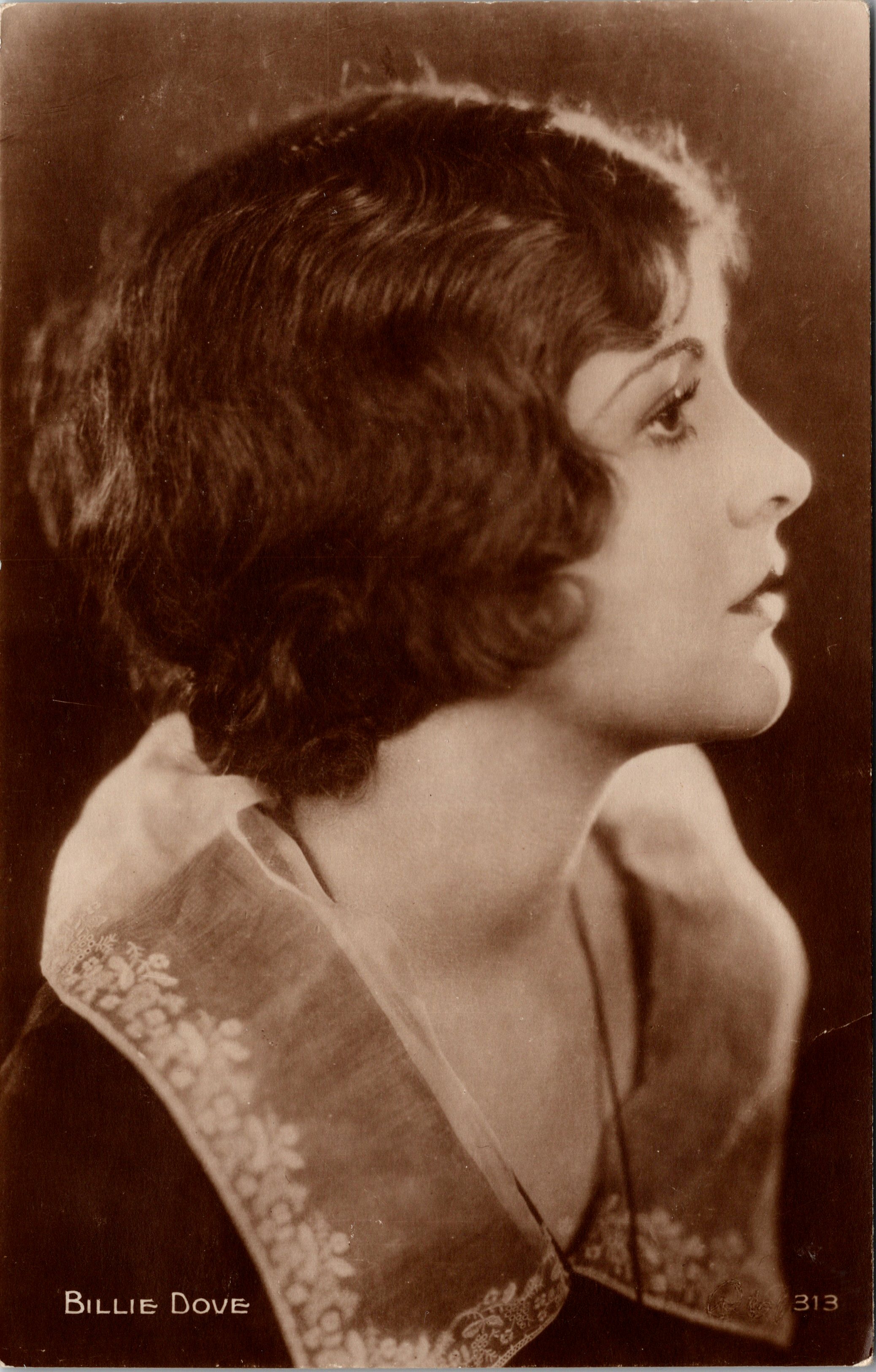
Postcard 1 is a profile portrait was published by Cinemagazine – Paris Edition (no.313). (SOLD)

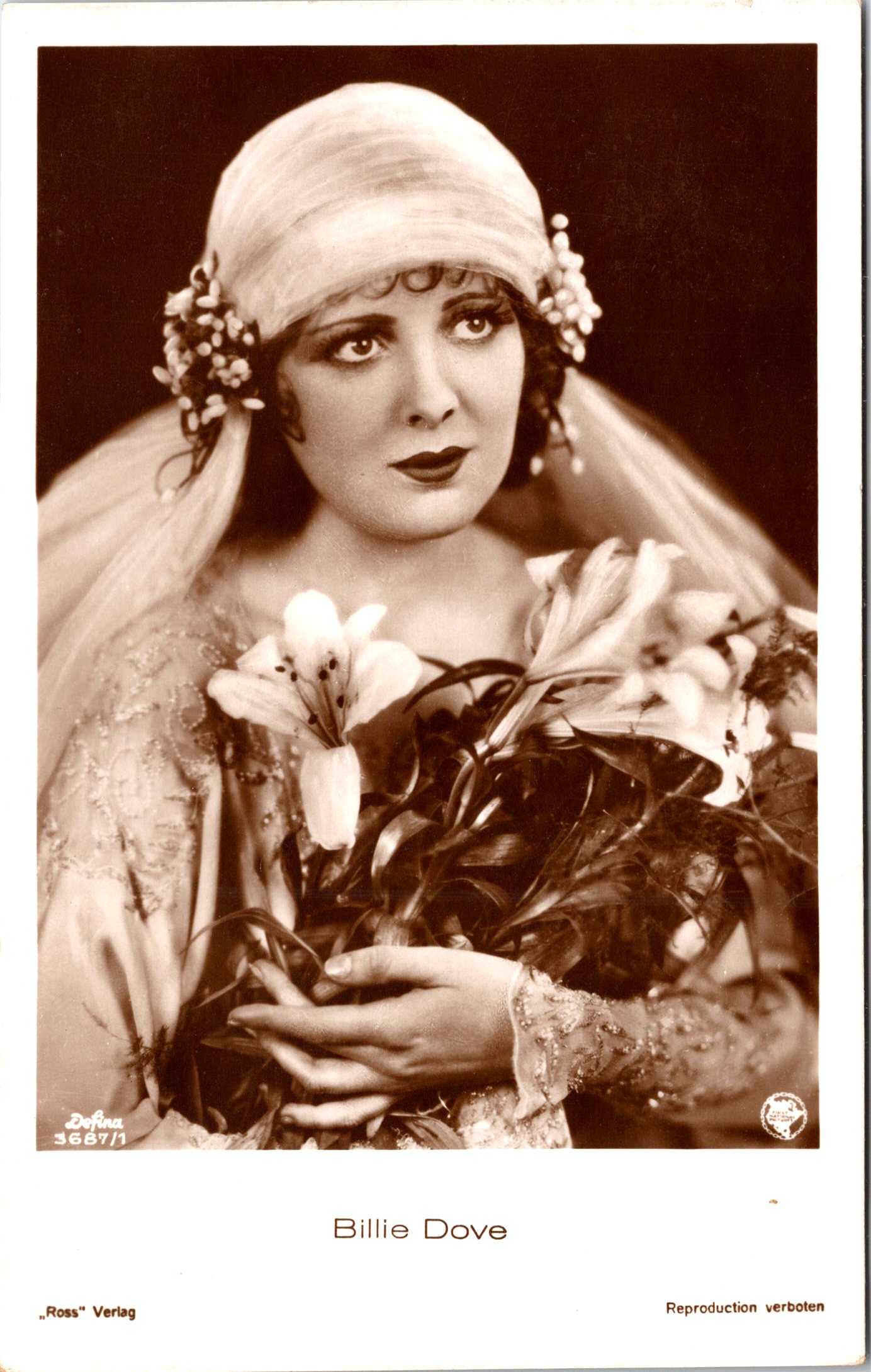
Postcard 2 was published as by Ross Verlag as part of a series (No.3687/1).  Billie Dove looks beautiful in this portrait taken by Defina. The logo for First National Pictures can be seen in the image’s lower right corner.  (SOLD)

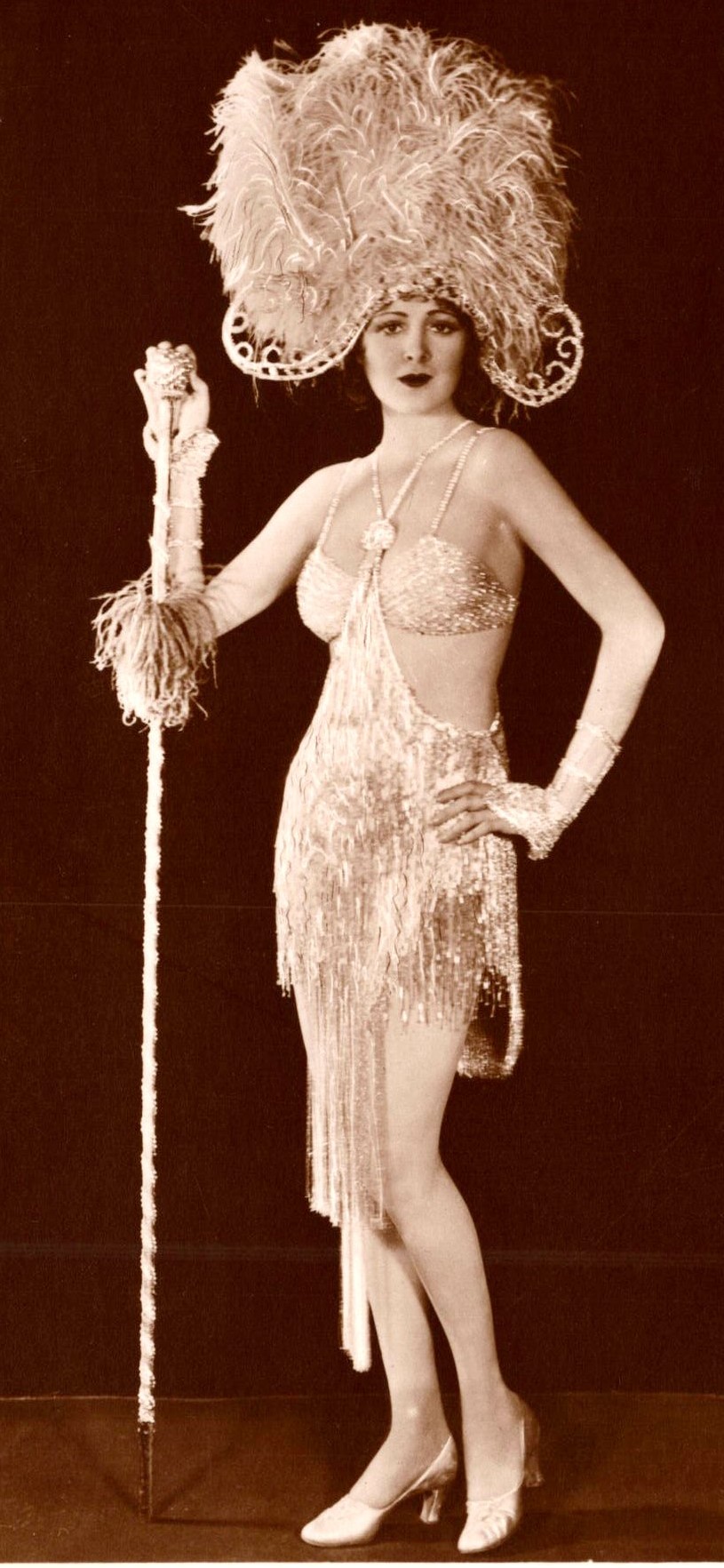
Postcard 3 features Billie Dove looking beautiful in this provocative portrait. The card is risque, considering Dove’s pose and revealing tight dress. Billie Doves portrait seen on this postcard was taken by Defina. This card was published by Ross Verlag’s Italian Edition (Bellerini & Fratini, Florence, Italy). Casa Editrice Bellerini & Fratini was one of the most renowned Italian publishers. The firm began publishing film postcards in the early 1920’s and later became a distributor for Ross Verlag. As of 1918, the firm was still in existence.  (SOLD)
POSTCARD 1
POSTCARD 2 (SOLD)
POSTCARD 3

MARIE PREVOST: SILENT FILM STAR AND UPSETTING SUBJECT OF A SONG BY NICK LOWE

prevost

POSTCARD 1  (SOLD)

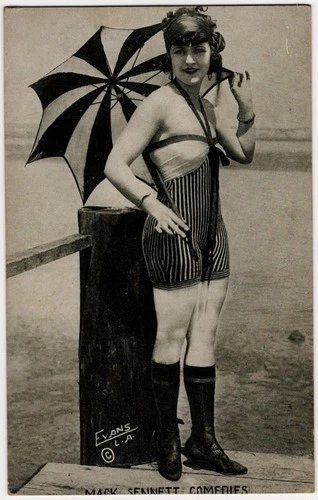
MARIE PREVOST : BATHING BEAUTY : MACK SENNETT COMEDIES : BY EVANS : ARCADE CARD - Picture 1 of 3ARCADE CARD 1  (SOLD)

The pretty actress featured in this vintage real photo postcard is film actress Marie Prevost (1896-1937). She was born in Canada and during her twenty-year career, she made 121 silent and talking movies. She was originally “discovered” by Mack Sennett who inked her to a film contract after she played a bit part in one of his movies. She was only on the set (Keystone Studios) because she was running an errand for the law firm where she was employed as a secretary. She became one of his Bathing Beauties in the late 1910’s. She appeared in dozens of Sennett’s short comedy films. Her first lead role was for Sennett in “Yankee Doodle in Berlin” (1919). She than began to make feature length films for Universal Studios, where she signed for $1,000.00 a week. In 1922 she moved to Warner Brothers where she became one of the studio’s leading ladies (her contract was for $1,500.00 per week). Her movie roles at Warner included “The Beautiful and Damned” (1922), “The Marriage Circle” (1924), and “Kiss Me Again” (1925). Warner Brothers dropped her in 1926 and her career began to diminish as she was offered primarily secondary roles. Her personal life also began to decline, if not plummet. Her mother died in 1926 and her second marriage, to actor Kenneth Harlan, fell apart in 1927. She became very depressed and her symptoms included alcohol abuse and binge eating. In 1928 she was cast in “The Racket” which was directed by Howard Hughes. The pair had a brief affair and when it ended, Prevost fell into an even deeper depression. It became increasingly difficult for her to obtain parts in films and her last film role was in 1936. At the age of 38, Marie Prevost died from acute alcoholism and malnutrition. Her estate was worth just three hundred dollars and her death helped prompt the creation of the Motion Picture & Television Country House and Hospital. The details of Prevost’s death have become a bit of Hollywood legend. She was found in her apartment two days after her death. Also at death scene were empty bottles of alcohol, a promissory note to Joan Crawford, and Prevost’s pet dachshund. She was discovered because neighbors had complained about her dog’s continued barking. The legend claims that by the time she was found, her corpse was half-eaten by Maxie, her dog. It was asserted that this of course was only because the dog was trying to awaken his deceased master. This story is not true, but it appeared in Kenneth Anger’s book “Hollywood Babylon” (1959) and in Nick Lowe’s song “Marie Provost” (1978). The lyrics from Lowe’s song include “She was the winner, That became the doggie’s dinner, She never meant that much to me, Woe, poor Marie”.

Postcard 1 was published by A.N. of Paris for Universal Films. It is part of as series entitled “Les Vedettes de Cinema” (The Stars of Cinema). This postcard is the first in the series (No. 1).  SOLD

Arcade Card 1 This striking vintage arcade card features silent film star Marie Prevost, posed in an eye-catching beach setting as part of a Mack Sennett Comedies publicity series. The card is marked “Evans – L.A.”, identifying the work of a notable Hollywood photographer known for capturing many silent-era stars in playful and glamorous portraits that were mass-produced as postcards and arcade cards during the 1920s. Marie Prevost stands confidently on a wooden dock or boardwalk, with the sea or beach receding into the background. She is dressed in a bold, striped one-piece bathing costume, typical of the early 1920s, with black knee socks and classic lace-up shoes. She holds a whimsically oversized parasol — black and white with a bold pinwheel pattern — behind her shoulder, adding a splash of theatrical flair to the scene. Her expression is flirtatious and relaxed, with a subtle smile and a slight tilt of the head. A ribbon wraps around her short, styled hair, in keeping with the flapper aesthetic of the Jazz Age. At the bottom of the image, the words “Mack Sennett Comedies” are clearly printed, linking this photo to the famed Keystone-style slapstick studio that helped launch the careers of many silent film legends — including Marie Prevost. The signature “Evans – L.A.” refers to a Los Angeles-based photography studio active in the 1920s and 1930s that produced portraits of film stars for promotional use. Though not as well-documented as some Hollywood photographers, Evans specialized in theatrical and beach-themed photos of actresses for use in arcade cards, penny cards, and other mass-market prints that were sold in coin-operated machines or five-and-dime stores. These cards remain highly collectible today. This is a lithographed arcade card.  SOLD

prevost-1POSTCARD 1

MARIE PREVOST : BATHING BEAUTY : MACK SENNETT COMEDIES : BY EVANS : ARCADE CARD - Picture 3 of 3

POSTCARD 2

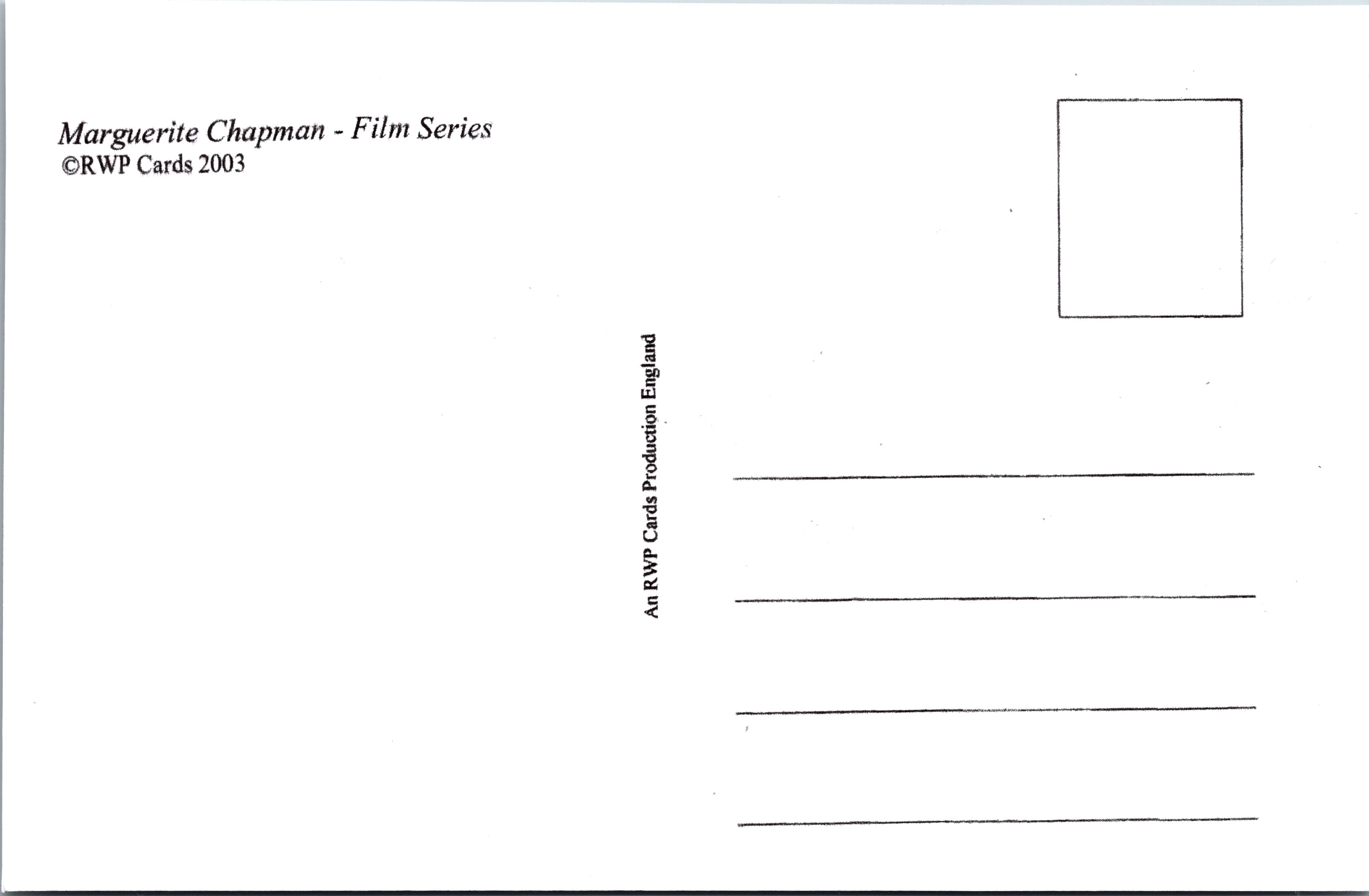
MARGUERITE CHAPMAN : FILM SERIES : ACTRESS : BIKINI : RISQUE ; RWP CARDS : 2003

This vintage real photo postcard features American actress, Marguerite Chapman (1918-1999). She was born in New York. While working as a telephone switchboard operator, she began to pursue a career in modelling. She was involved in national advertising campaigns. She approached Howard Hughes about appearing in one of his films. The film was never made but he showed her screen test to some Hollywood people and in 1939, she was signed by 20th Century Fox. In 1941 she did a brief stint with Warner Brothers and between 1942 and 1948, she worked for Columbia Pictures. Her film debut was in 1940 and for a couple of years she appeared in small roles of various films. Her 1942, she was signed for a lead role in a Republic Pictures in a twelve part adventure series. More leading roles followed. During World War II she entertained the troops and sold war bonds. In the 1950’s her work mostly included supporting film roles and in the 1960’s she appeared on many television shows. Chapman was married and divorced twice. The IMDb gives her 76 credits in her filmography between 1940 and 1977. She is credited with originating the concept of traveling autograph conventions. This postcard was published by RWP in 2003. SOLD

BILLIE DOVE: BEAUTIFUL FILM ACTRESS, GIRL FRIEND OF FLORENZ ZIEGFELD AND HOWARD HUGHES

POSTCARD 1  (SOLD)

POSTCARD 1 (CLOSE-UP)  (SOLD)

This image has an empty alt attribute; its file name is billiedove_20210520_0001-1.jpgPOSTCARD 2

This image has an empty alt attribute; its file name is billiedove_20210520_0003.jpgPOSTCARD 2 (CLOSE-UP)

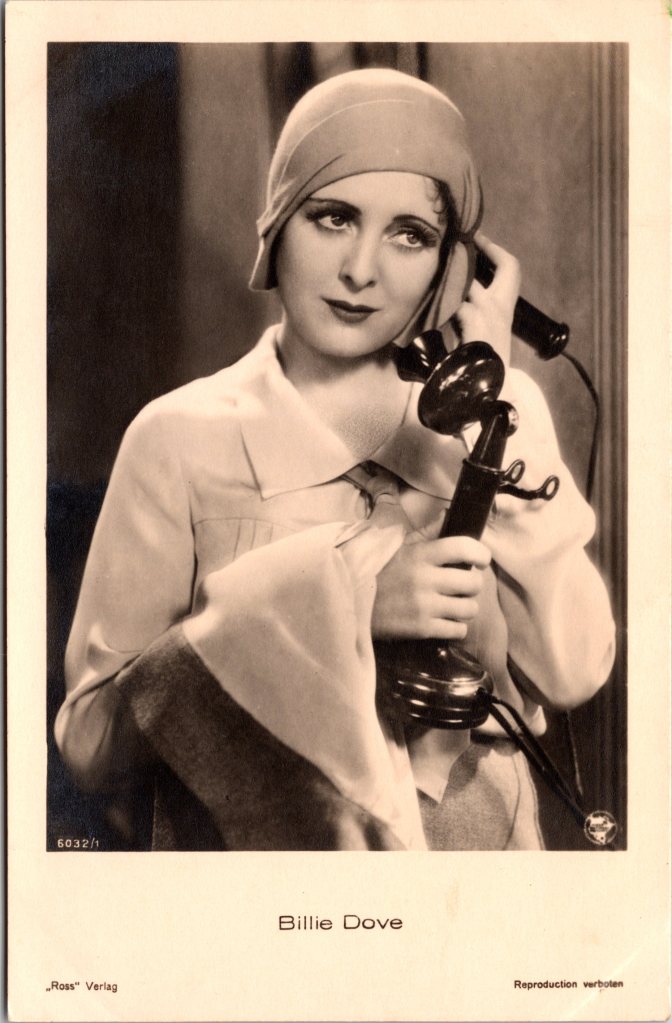
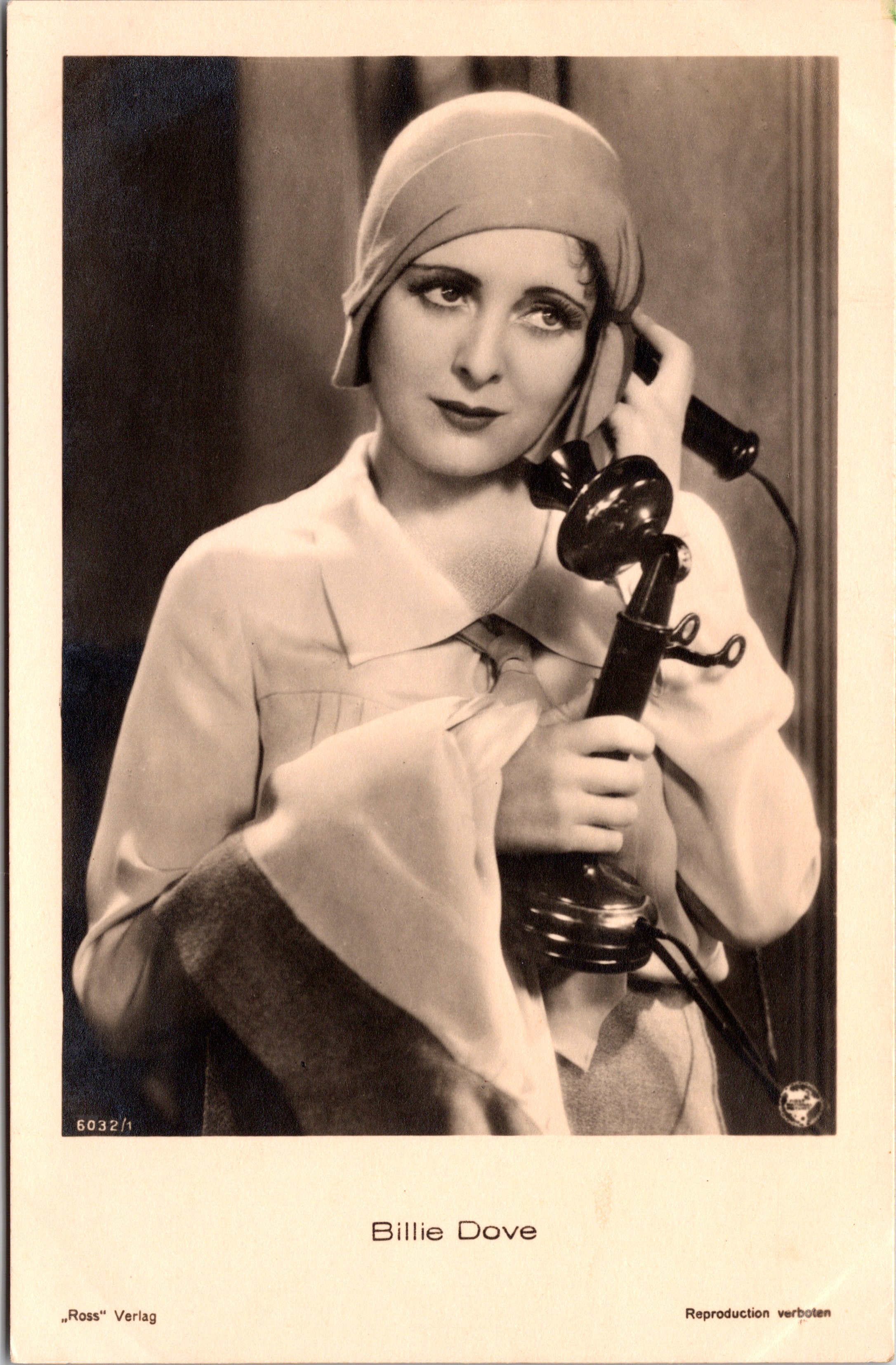
Billie Dove (1903-1997) was an American actress. Her parents were Swiss immigrants. During her teenage years, she worked as a model to support her family. Florenz Ziegfeld hired her as a teenager to appear in the Ziegfeld Follies Revue. She was not a particularly talented dancer or singer, her beauty and acting ability were her major assets. In the early 1920’s she moved to Hollywood and began appearing in silent films. It has been written that Ziegfield’s wife, actress Billie Burke, helped facilitate Dove’s transition to films. Apparently, Burke was trying to separate Dove from her husband because the pair were having an affair. It did not take long for her to become one of the more popular actresses of the 1920’s. Among her better known films was “The Black Pirate” (1926) with Douglas Fairbanks, and “The American Beauty” (1927). Dove was a ravishing beauty and was very photogenic. She married director, Irvin Willat, in 1923. The marriage had a six year duration. She then had a three year romance with Howard Hughes. Dove’s other interests included being a pilot, painter, and poet. After her last film, “Blondie of the Follies” (1932), Dove retired from films. It is thought that she retired because she was distraught about her role in her last film being “trimmed” by her co-star’s (Marion Davis) influential boyfriend (William Randloph Hearst). Hearst was upset because Miss Davis’s acting was overshadowed by Dove’s acting. Mr Hearst owned Cosmopolitan Productions which produced the movie. After retirement, Dove married oil executive Robert Kenaston in 1933 and the couple remained together until Kenaston’s death in 1970. She had a brief third marriage to an architect. It is interesting to note that jazz singer, Billie Holiday, borrowed Billie Dove’s first name when picking out her own stage name. Miss Holiday was an admirer of Miss Dove. The IMDb lists 50 movie credits for Billie Dove between 1921 and 1962.

Postcard 1 was published by “Ross Verlag”, The photographer of Miss Dove’s portrait was Defina of First National Pictures.  (SOLD)

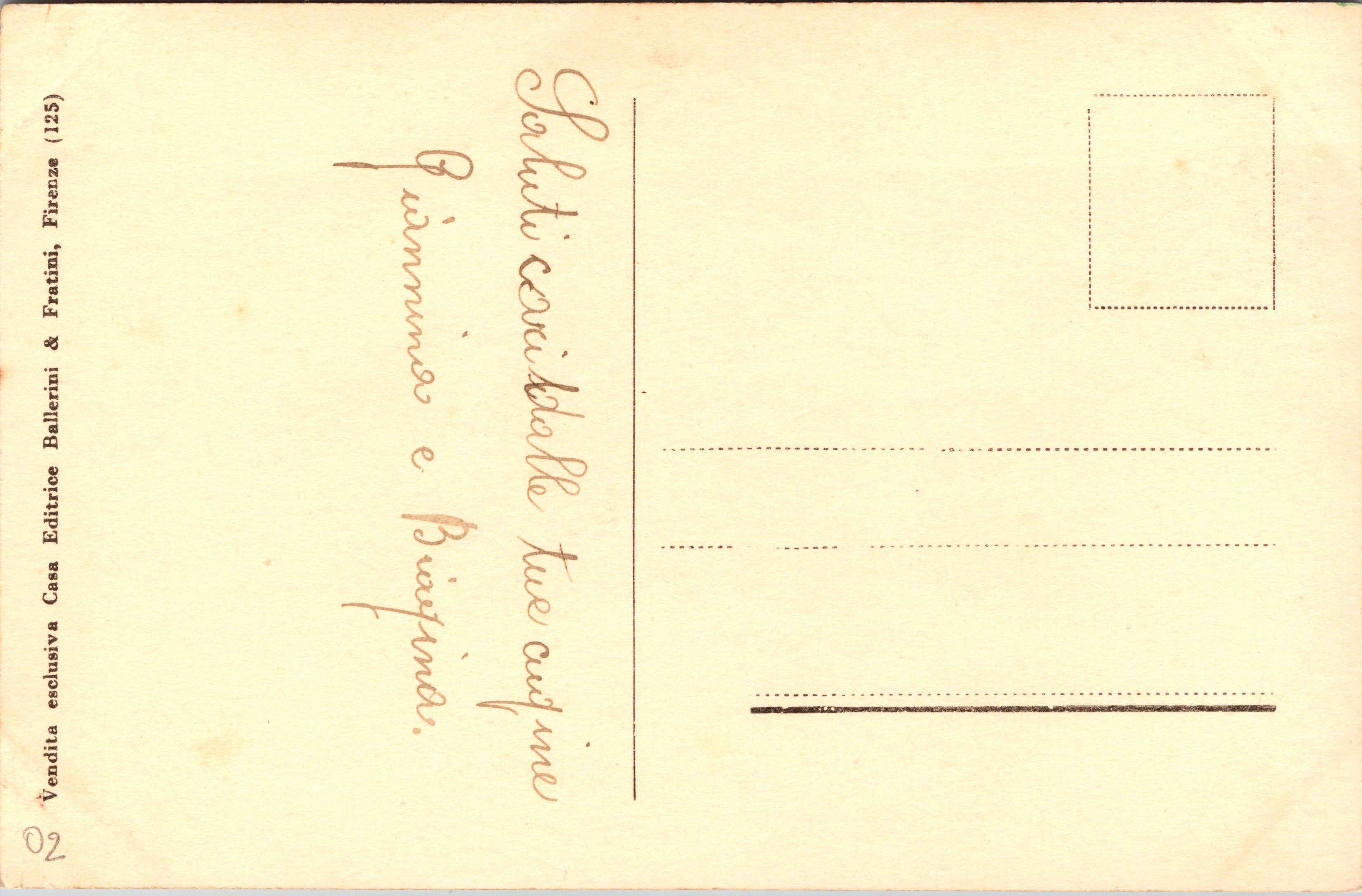
Postcard 2 was also published by “Ross Verlag”.  Billie Dove looks beautiful in this portrait. Note the old style phone she is using. The postcard was sold exclusively by Ballerini & Fratini of Florence, Italy. The firm was known for producing a large number of postcards, including film stars of the 1920’s. I do not know why there were two publishing firms involved in producing this postcard. Perhaps there was a distribution agreement of some kind between the two companies. This vintage postcard is in very good condition (see scans).

Buy this Vintage Real Photo Postcard (includes shipping within the US) #3545

To purchase this item, click on the Pay with PayPal button below

$25.50

Buy this Vintage Real Photo Postcard (includes International shipping outside the US) 3545

To purchase this item, click on the Pay with PayPal button below

$34.50

POSTCARD 1
POSTCARD 2