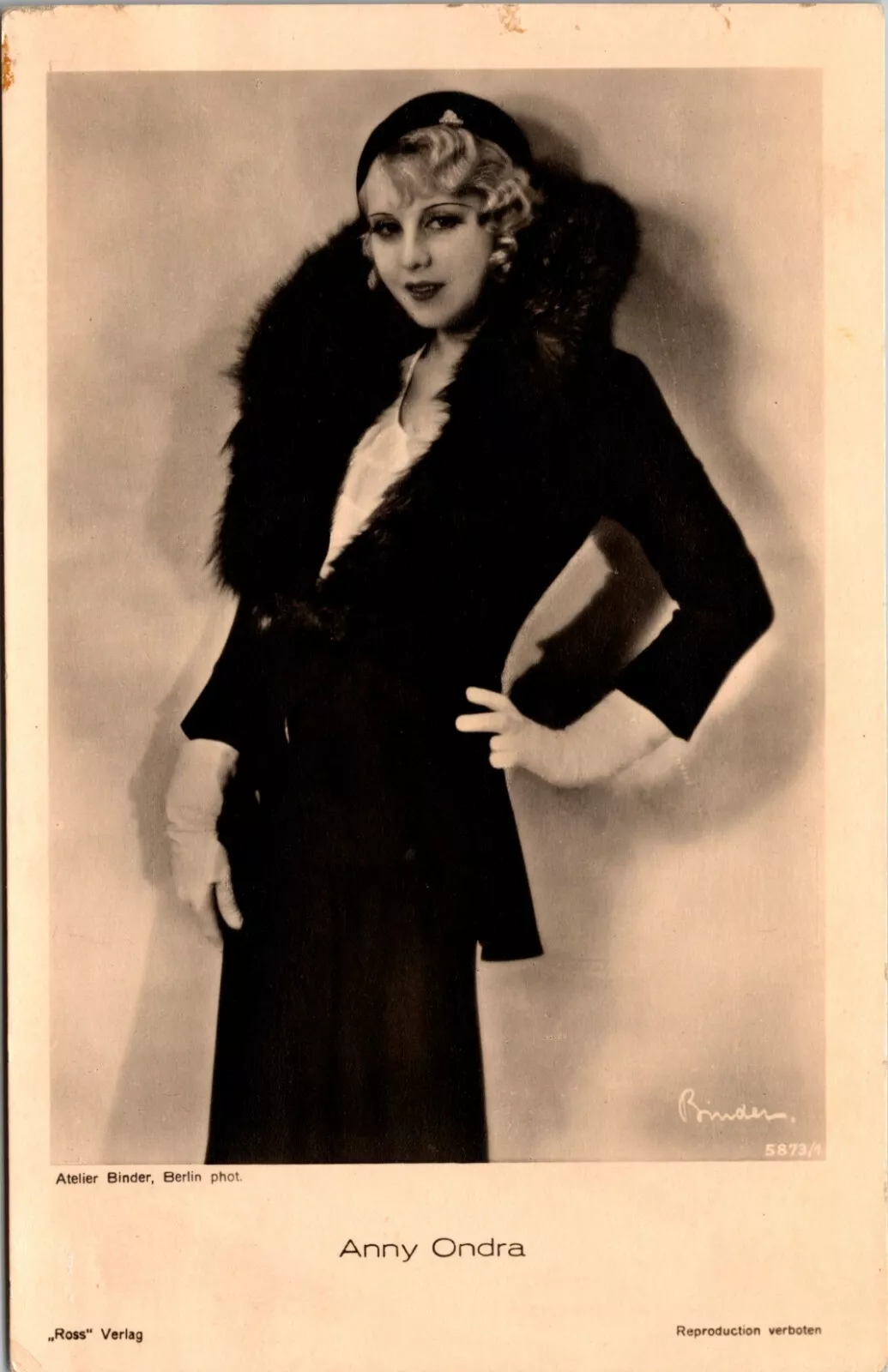
ANNY ONDRA: BEAUTIFUL TALENTED ACTRESS : WIFE OF BOXING CHAMPION MAX SCHMELING : RPPC

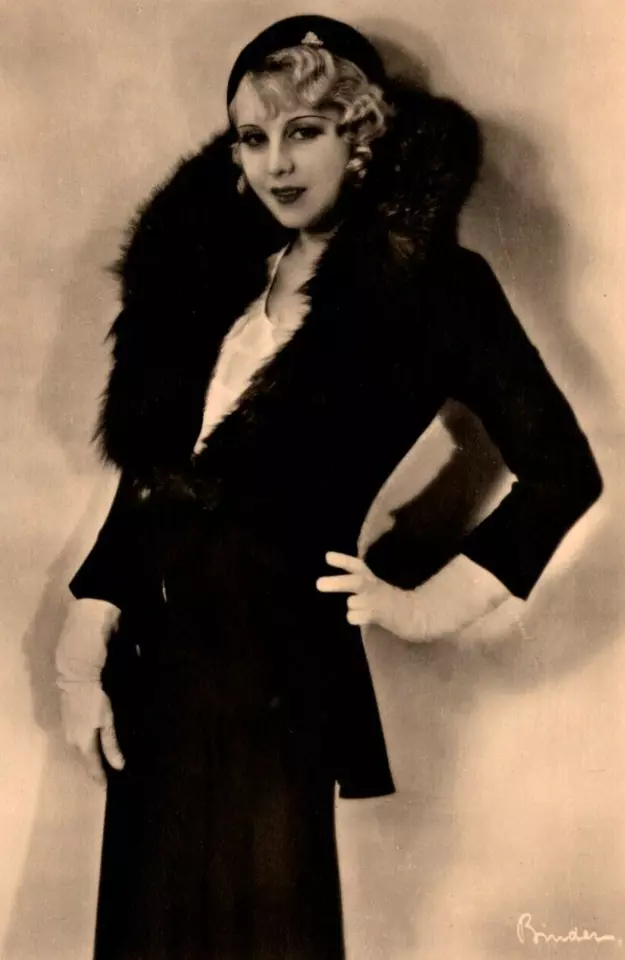
This vintage real photo postcard features actress Anny Ondra. The postcard was published by Ross Verlag. The photograph is by Alexander Binder. The postcard is part of a series (no. 5873/1). Anny Ondra (1903-1987) was a Czech film actress. She was born in Tarnow, Galicia, Austria-Hungary (now Poland). She was active in the movie industry between 1914 and 1957. She acted in Czech, Austrian, and German films in the 1920’s. She appeared in some British dramas, most notably, Alfred Hitchcock’s “The Manxman” (1929) and “Blackmail” (1929). The IMDb credits Ondra with over 90 acting credits between 1914 and 1957. She appeared in more than 40 films in the sound era. However, her career in British films was hurt by her thick accent. Check out the youtube video below. In this “test film”, Hitchcock “interviews” Ondra and makes her visibly uncomfortable and embarrassed by asking her very personal questions. She was married to German boxing champion Max Schmeling between 1933 and 1987. Schmeling was the world champion between 1930 and 1932. He is  well known for his fights with African American fighter, Joe Lewis. Ondra’s father was a Czech, Austro-Hungarian military officer and she grew up in Tarnow, Pula, and Prague. At the early age of seventeen, she acted in the theater as well as in a film. When her family learned that she had acted in a film, they were extremely angry. In fact, she reported that she was given a beating by her father. Post World War I was a time, for many people, that being an actress was akin to being a prostitute. Ondra began to live with her boyfriend (her debut film’s director) but after some time, the relationship ended because she wanted a family and he wanted nothing to do with marriage. In 1933, after a three year romance, Anny married Max Schmeling. She had been in a film with the boxer (“Knock-Out”, 1935). It was a “happy” marriage and the couple remained together until her death in 1987. Ondra and Schmeling were hot names in Nazi Germany. German fascists tried to exploit them in order to popularize their movement. Schmeling was seen as a German superman while Ondra represented the blonde Aryan type. The two celebrities refused to collaborate. Schmeling turned down honors and even helped hide two Jewish children, saving their lives. However, because of Nazi propoganda, many believed that the couple had collaborated. As a result, Schmeling and Ondra suffered financially for their fictional cooperation with the Nazis. Ondra was portrayed in two modern day movies, “Ring of Passion” (1978) and Joe and Max (2002). Miss Ondra appears quite thin in this postcards’s photo. Note her fur collared jacket. SOLD
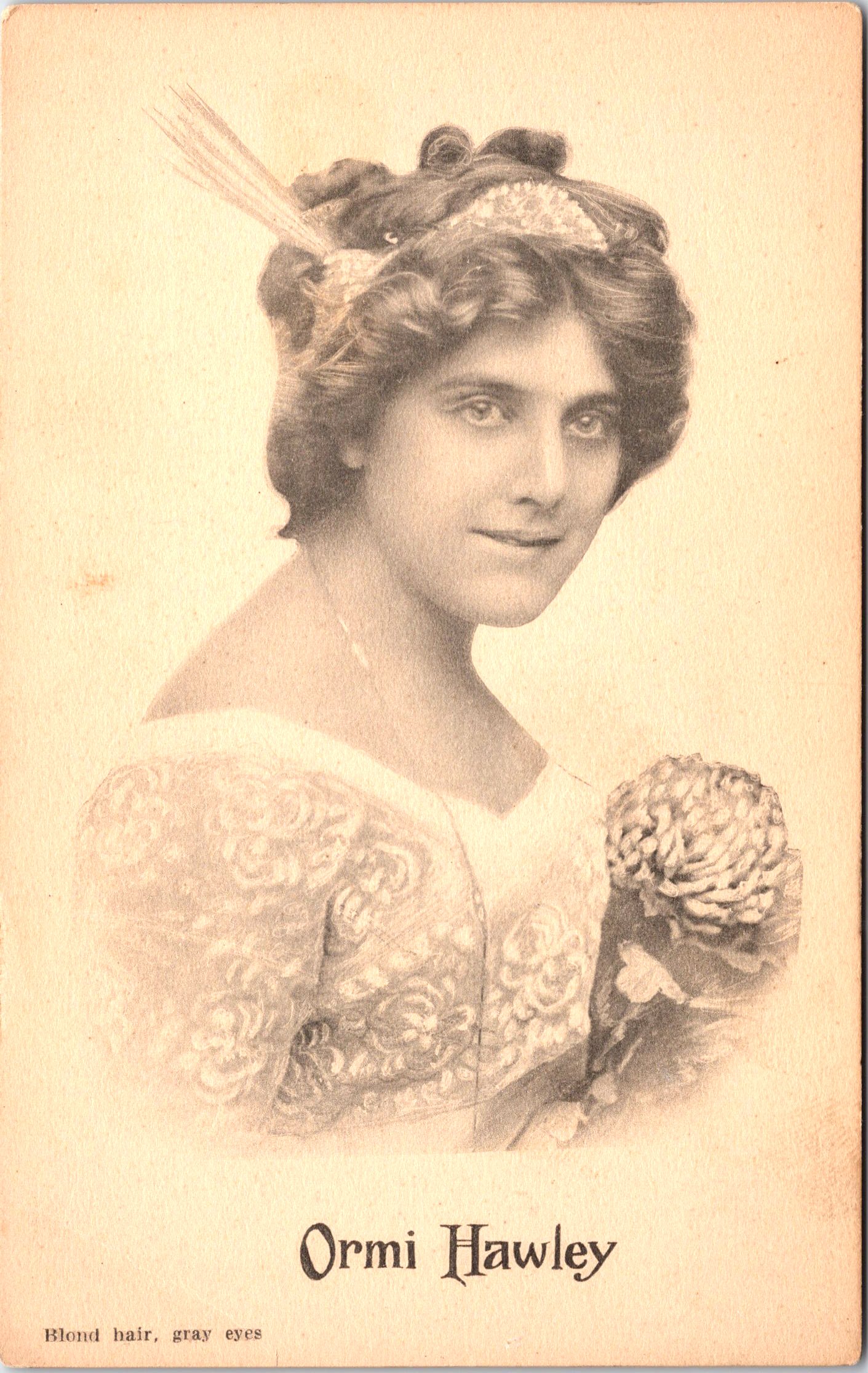
ORMI HAWLEY : AMERICAN SILENT FILM ACTRESS : OPULENT ORMI : REAL PHOTO POSTCARD

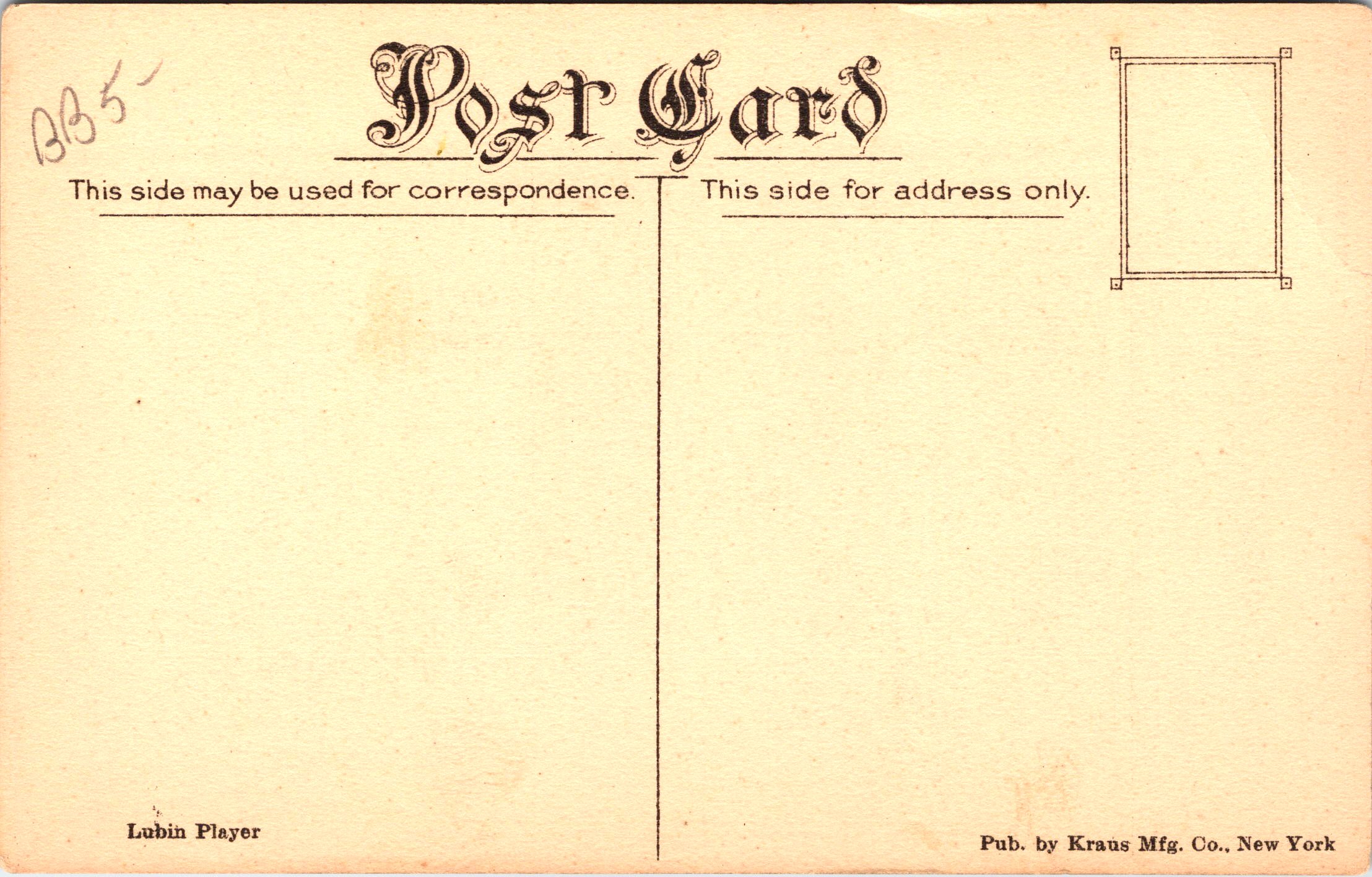
Ormi Hawley (1889-1942) was a pretty and popular American silent film actress. The IMDb reports that she has 129 film credits between 1911 and 1919. She must have garnered a significant amount of money because her nickname was “Opulent Ormi”. She also earned the nickname of “The Lillian Russell of the Pictures” because she frequently played society or aristocratic roles. Like many silent film actresses, she began her career as a teen on the stage. In 1911, she joined the Lubin Stock Company and over the next five years, she starred in dozens of short films. In 1918, she was the leading lady with opera legend Enrico Caruso. Later in her career, she managed the All-American Girls Symphony Orchestra. Upon marriage, she retired to her farm where she painted portraits and wrote children’s stories. This card was published by Kraus Manufacturing Company (New York) for the Lubin film company. Interestingly, the caption on the front of the card describes Hawley’s appearance. She is said to have blonde hair and gray eyes. (SOLD)

SWEET BEJEWELED LASS : AUCKLAND, NEW ZEALAND : FASHION : CABINET CARD

The F. W. Edwards studio produced this cabinet card portrait of a pretty Victorian woman. She is wearing a beautiful dress with a lace collar and lace sleeves. She is also wearing a lot of jewelry including a lovely necklace, ring and bracelet. Frederick William Edwards was well known in Auckland for more than his photographic skills. He was also a gifted athlete. According to the Observer (1888), Edwards was one of the best and most popular athletes in and around Auckland. he was “best known in aquatic and gymnastic circles” but he also had an impressive sports career in rowing. In addition, he was  a noted rugby player. This vintage portrait cabinet card has cornerwear on it’s reverse top left corner. SOLD

Published in: on December 29, 2024 at 12:00 pm  Leave a Comment  
Tags: , ,

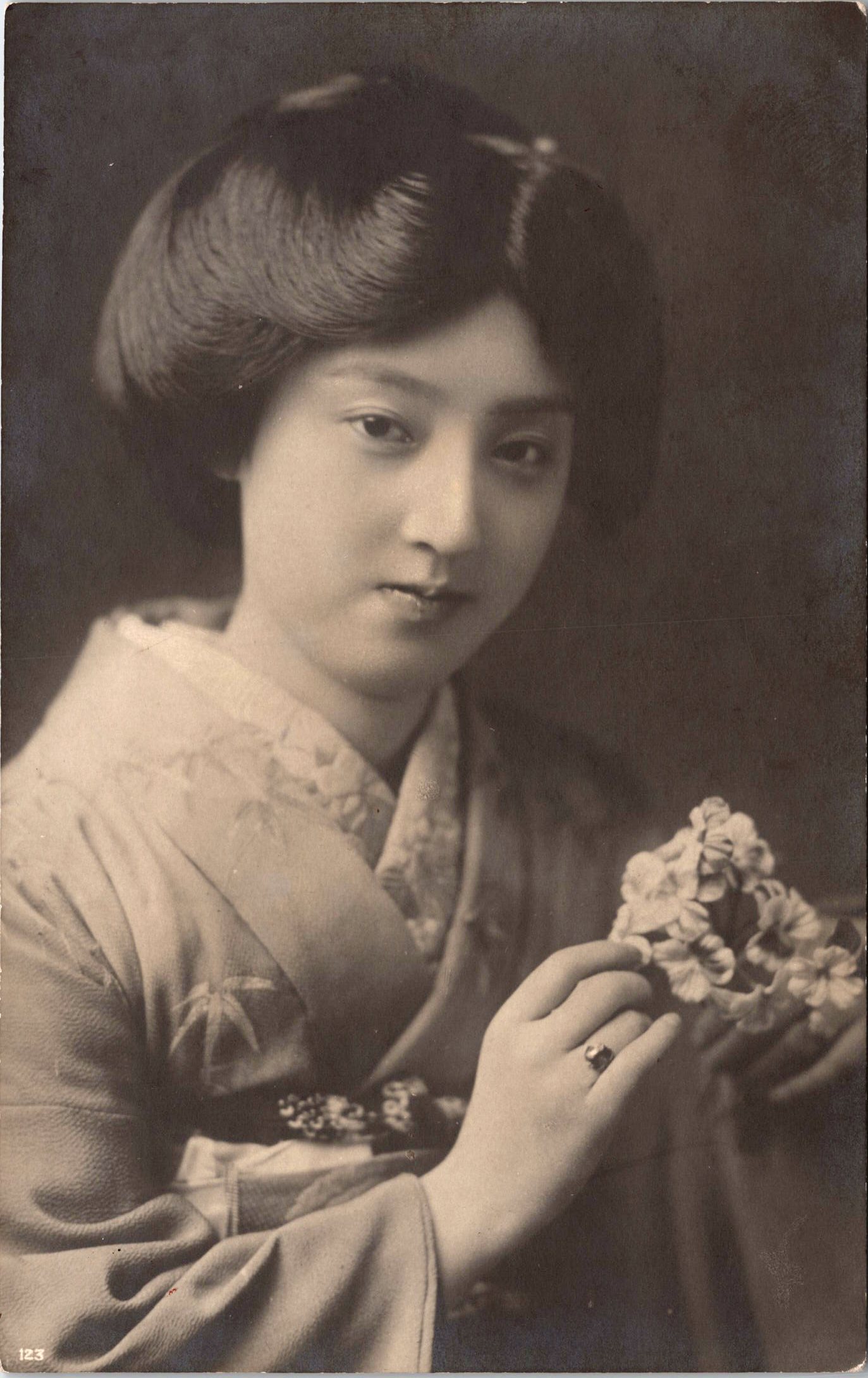
PRETTY GEISHA GIRL : WEARING KIMONO : COY EXPRESSION : RPPC

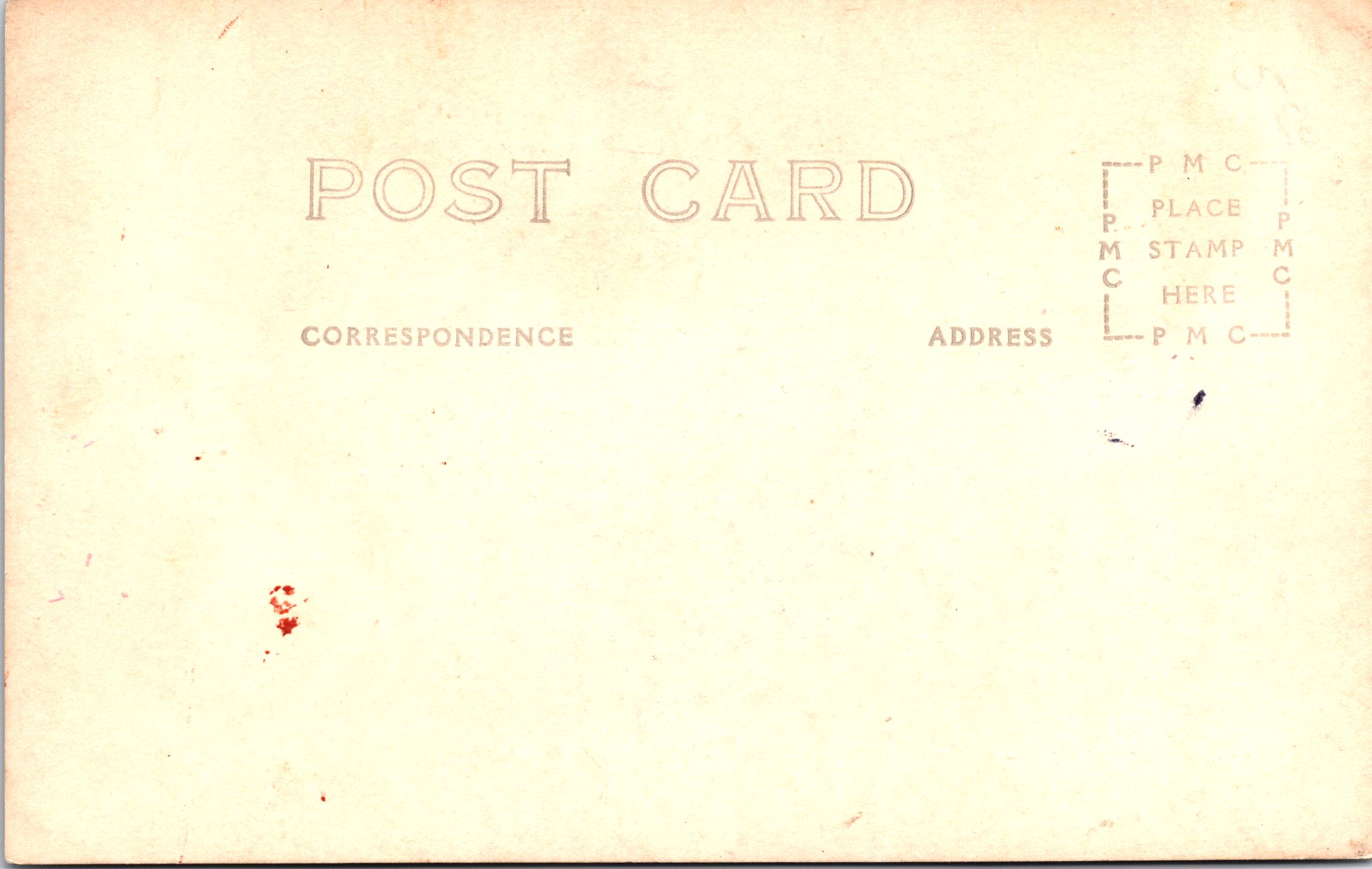
This vintage real photo postcard features a beautiful Geisha Girl dressed in a kimono and clutching flowers. She is wearing a coy expression. This postcard was published by PMC. The PMC stamp box on the reverse of this postcard indicates that it dates back to sometime between 1920 and 1935.  SOLD

Published in: on December 28, 2024 at 12:00 pm  Leave a Comment  
Tags: , , ,

1968 CORVETTE STING RAY CONVERTIBLE : CHEVROLET : VINTAGE ADVERTISING POSTCARD

This vintage advertising lithographic postcard features a 1968 corvette sting ray convertible. Chevrolet produced 28,586 1968 vettes. The production include 9,936 coupes and 18,630 convertibles. SOLD

Published in: on December 27, 2024 at 12:00 pm  Leave a Comment  
Tags: , ,

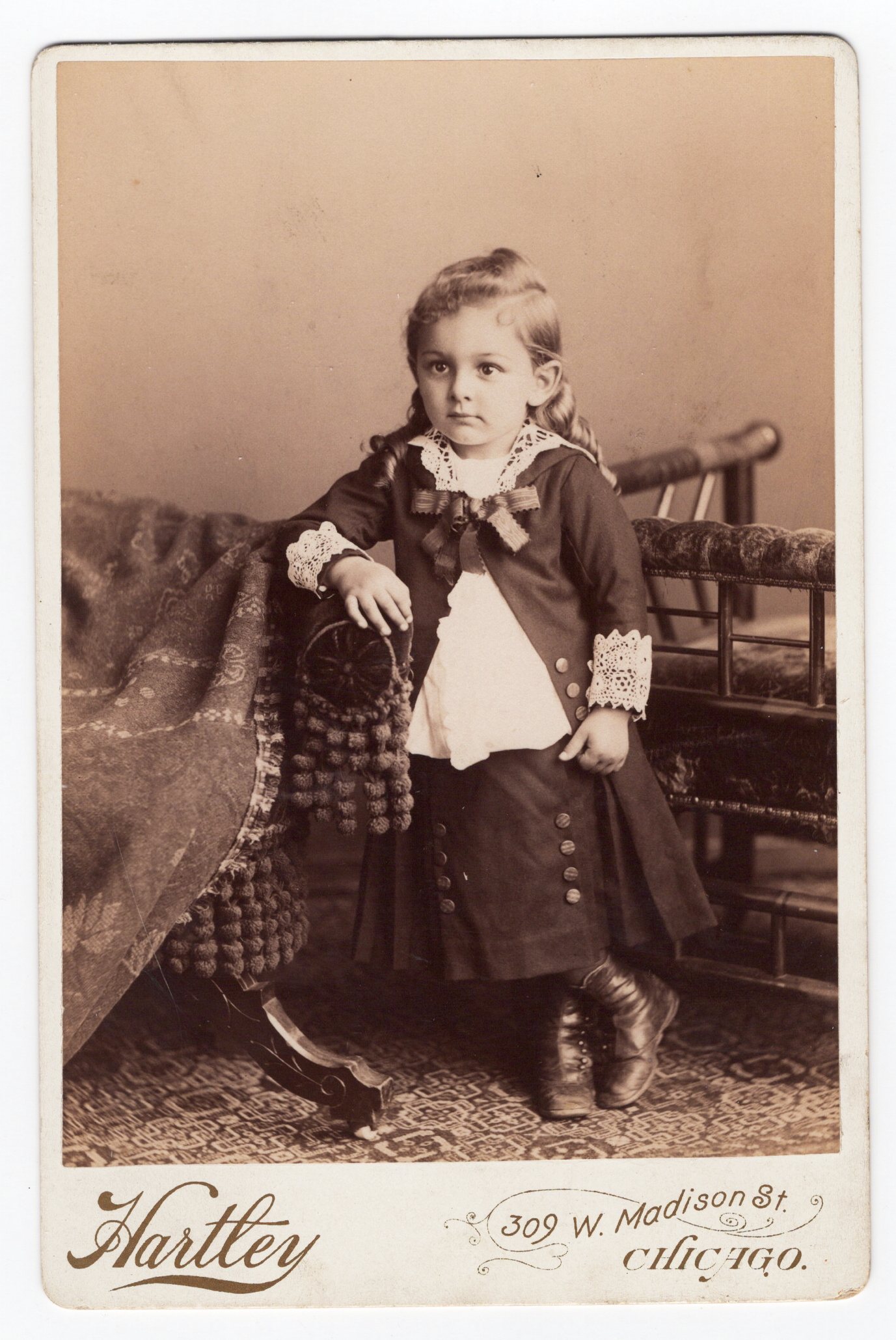
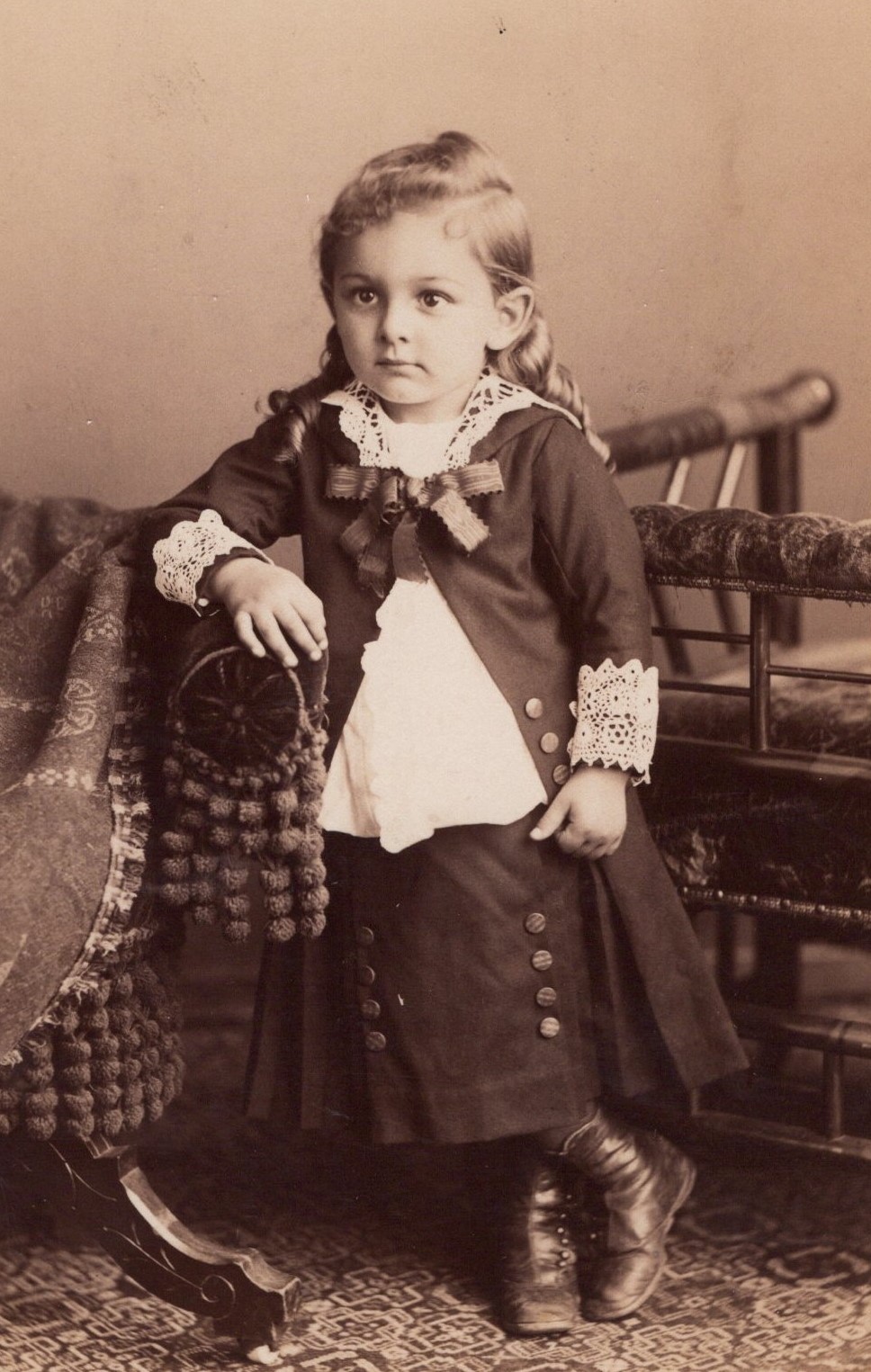
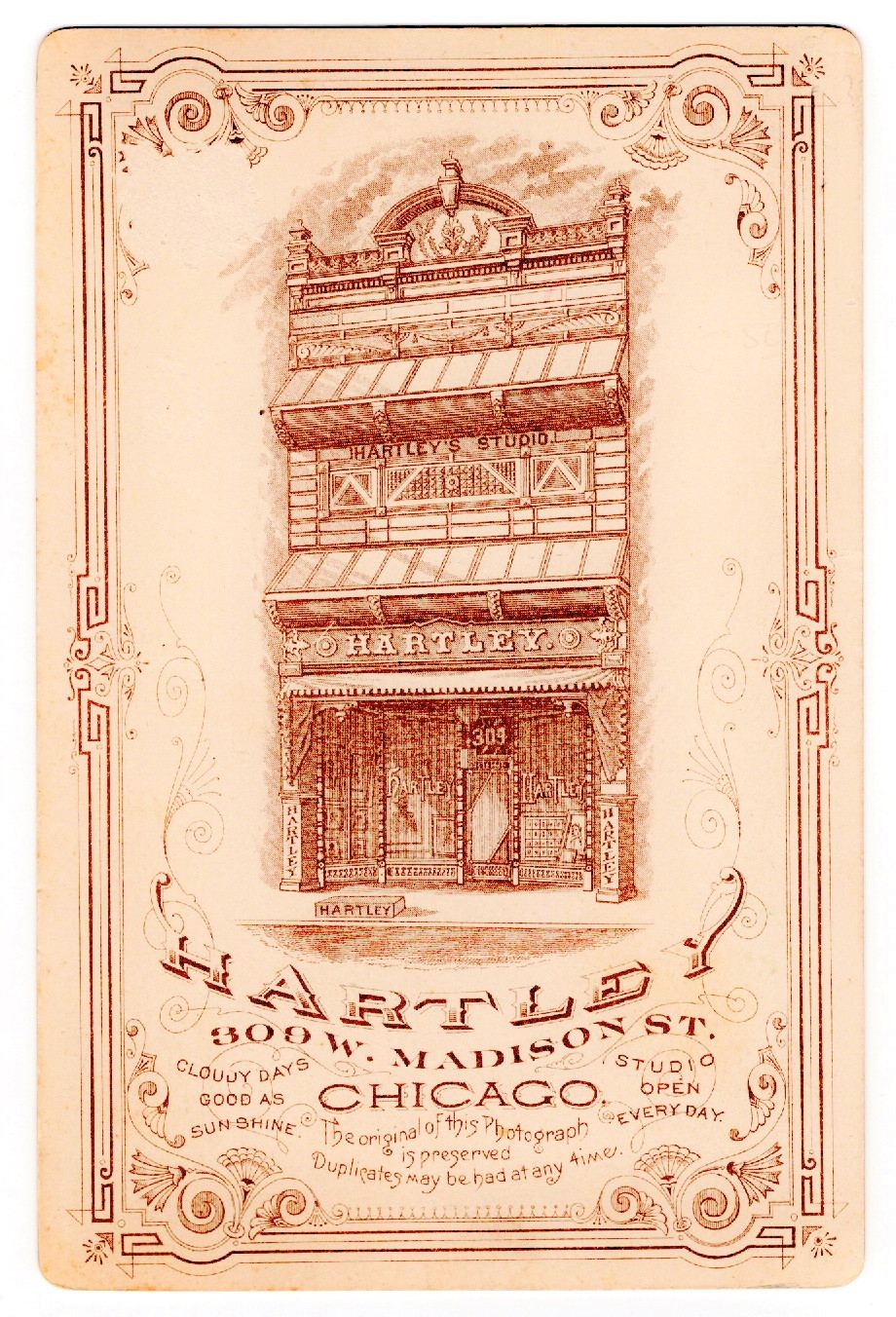
ADORABLE FASHIONABLE CHILD : FANTASTIC CARD BACK : CHICAGO : CABINET CARD

This cabinet card portrait features an adorable and fashionable child. The child is very poised and is bright eyed and is flashing a half smile. This photograph was produced by the Hartley Studio. Edward Hartley operated his studio in Chicago, Illinois (309 Madison Street). The studio was the” largest and finest equipped photographic gallery in the world”, and was “alive with the best photographic talent possible to procure”. These accolades are attributable to Hartley. The self promoting statements were printed on the reverse of the photograph. The artwork on the reverse of the card is very well done. SOLD

Published in: on December 26, 2024 at 12:00 pm  Comments (1)  
Tags: , ,

MRS PRESIDENT FRANCES CLEVELAND : TRADE CARD : ADVERTISING “THE BEST BREWING COMPANY” (IMAGE 1) and CABINET CARD PORTRAIT OF THE YOUNGEST FIRST LADY IN US HISTORY : BY C. M. BELL (IMAGE 2)

IMAGE 1

MRS PRESIDENT FRANCES CLEVELAND :YOUNGEST FIRST LADY :BY C M BELL : CABINET CARD 1 of 3IMAGE 2

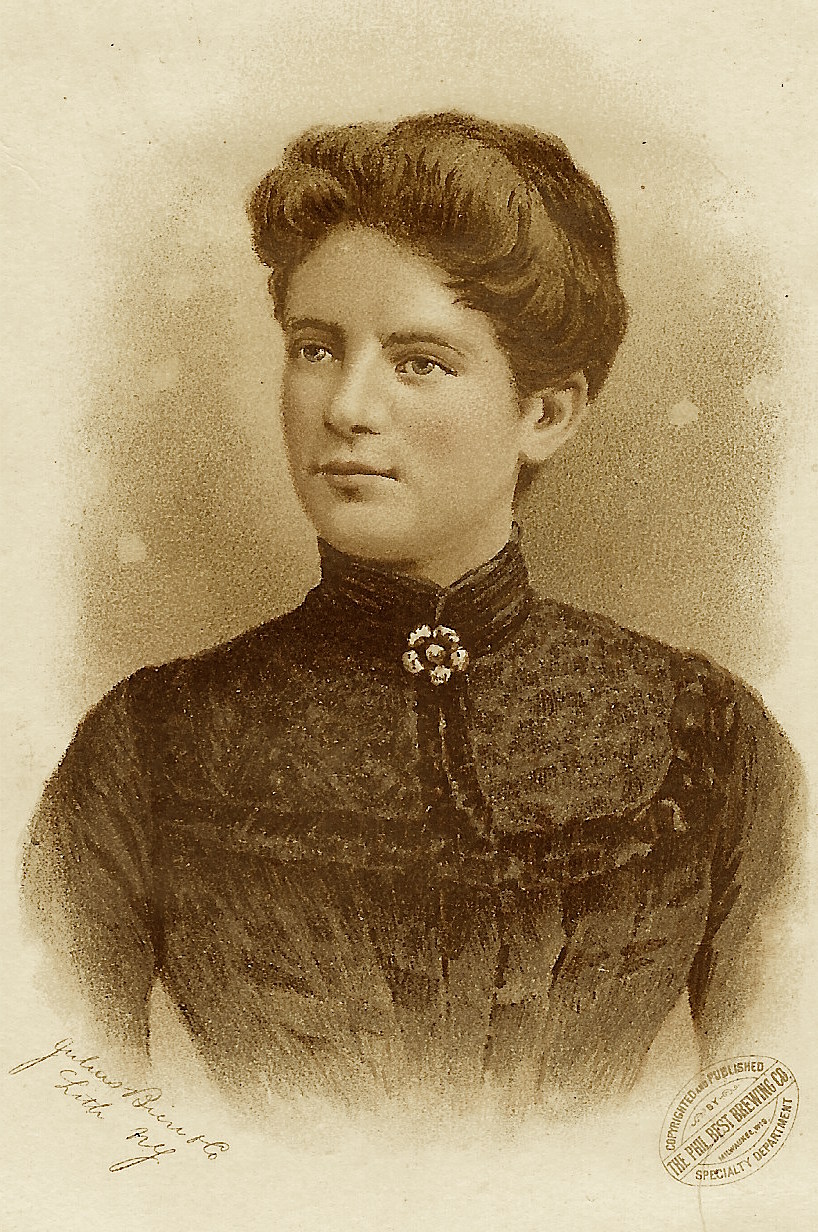
Meet “Mrs President Cleveland”. In the era of Grover Cleveland’s Presidencies, wives were just extensions of their husbands and their names, were at times, irrelevant. Mrs President Cleveland was actually Frances Cleveland (1864-1947). Grover Cleveland served two terms as President. He was the 22nd and 24th President and the only President to serve non consecutive terms. He began his terms in 1885 and 1893. Enough about Grover, there is plenty to say about Frances. She was born in Buffalo, New York. Her given first name was “Frank”, but she feminized it later. She was named after an uncle. Her father was an attorney and was a close friend of Grover Cleveland. Cleveland met Frances when she was a baby and he was twenty-seven years old. He watched Frances grow up and showed a caring interest in her. When Frances lost her father in a carriage accident, she was only eleven years-old. Cleveland became the administrator of her father’s estate and this position put him in more contact with her. While Frances was in college, Cleveland developed romantic feeling toward her and in 1885, he proposed to her. At age 21, she was the youngest wife of a President. Frances received much attention from the newspapers and magazines of the time. Her wedding was widely covered. John Phillip Sousa led the Marine band at her wedding. Throughout her husband’s terms, many American women imitated her hairstyle and her fashion taste. The Women’s Christian Temperance Union was very critical of the way Frances dressed. They did not appreciate her baring her shoulders and wearing low cut dresses. They prepared a petition of protest which the first lady ignored. Grover and Frances had five children, three daughters and two sons. She was first first lady to give birth while her husband was President. Her first born, Ruth, died at age twelve of diphtheria. The “Baby Ruth” candy bar was named after her. Grover Cleveland died in 1908. About four years later, Frances married a professor of archaeology at her alma mater, Wells College. When World War I started, she joined the pro-war National Security League and became an officer of the organization. She created much controversy with the league when she claimed that a large segment of the American population was unassimilated and preventing the country from working together efficiently. Adding to the stir was that she recommended that school children should be psychologically indoctrinated to be in favor of the war. All this self initiated commotion caused her to resign in 1919. Frances Cleveland was no friend of the Women’s Suffrage movement. She cemented the disfavor of the movement when she said that “women weren’t yet intelligent enough to vote”. In 1913, she was elected as vice president of the “New Jersey Association Opposed to Woman’s Suffrage”. On a more politically correct note, during the Great Depression she led the “Needlework Guild of America’s clothing drive for the poor. Immediately after her wedding, the facial image of Mrs Cleveland began appearing in advertising aimed at selling various products such as sewing kits, cigars, and women’s perfume. Frances was a perfect model for companies looking to advertise. She was young, pretty, and vivacious.

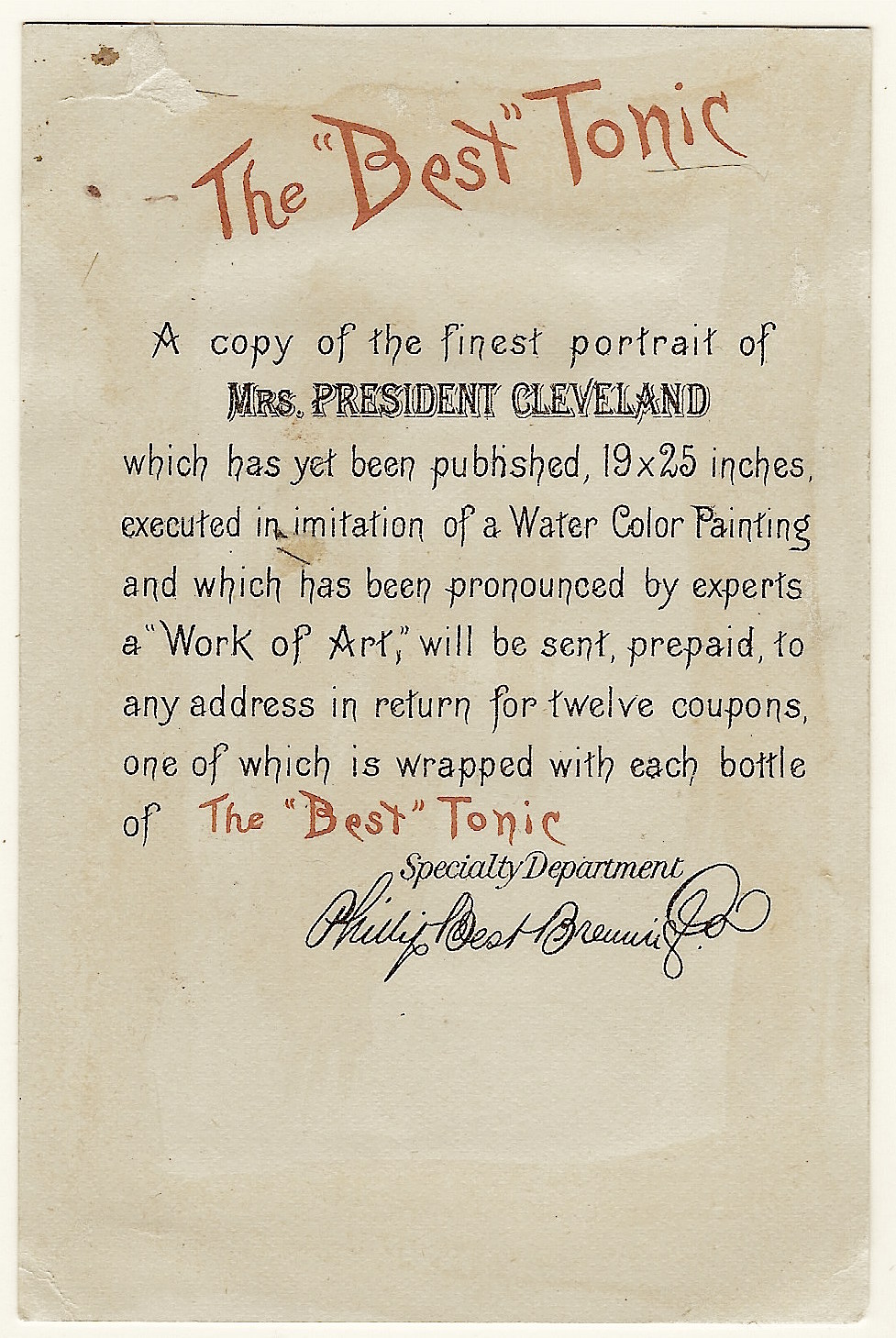
Image 1 is an example of one form of advertising employing Mrs Cleveland’s image to sell products, was trade cards, such as the one seen above. This trade card aims to sell “The ‘Best’ Tonic” which was produced by “The Philadelphia Best Brewing Company”. Advertising on this trade card declares that the brewing company will send a 19″ x 25″ portrait of Frances Cleveland to customers that send in twelve coupons from their “Best Tonic”product.  This trade card was printed by the Julius Bien (1826-1909) Lithograph Company of New York. This vintage trade card is in good condition (see scans).   (SOLD)

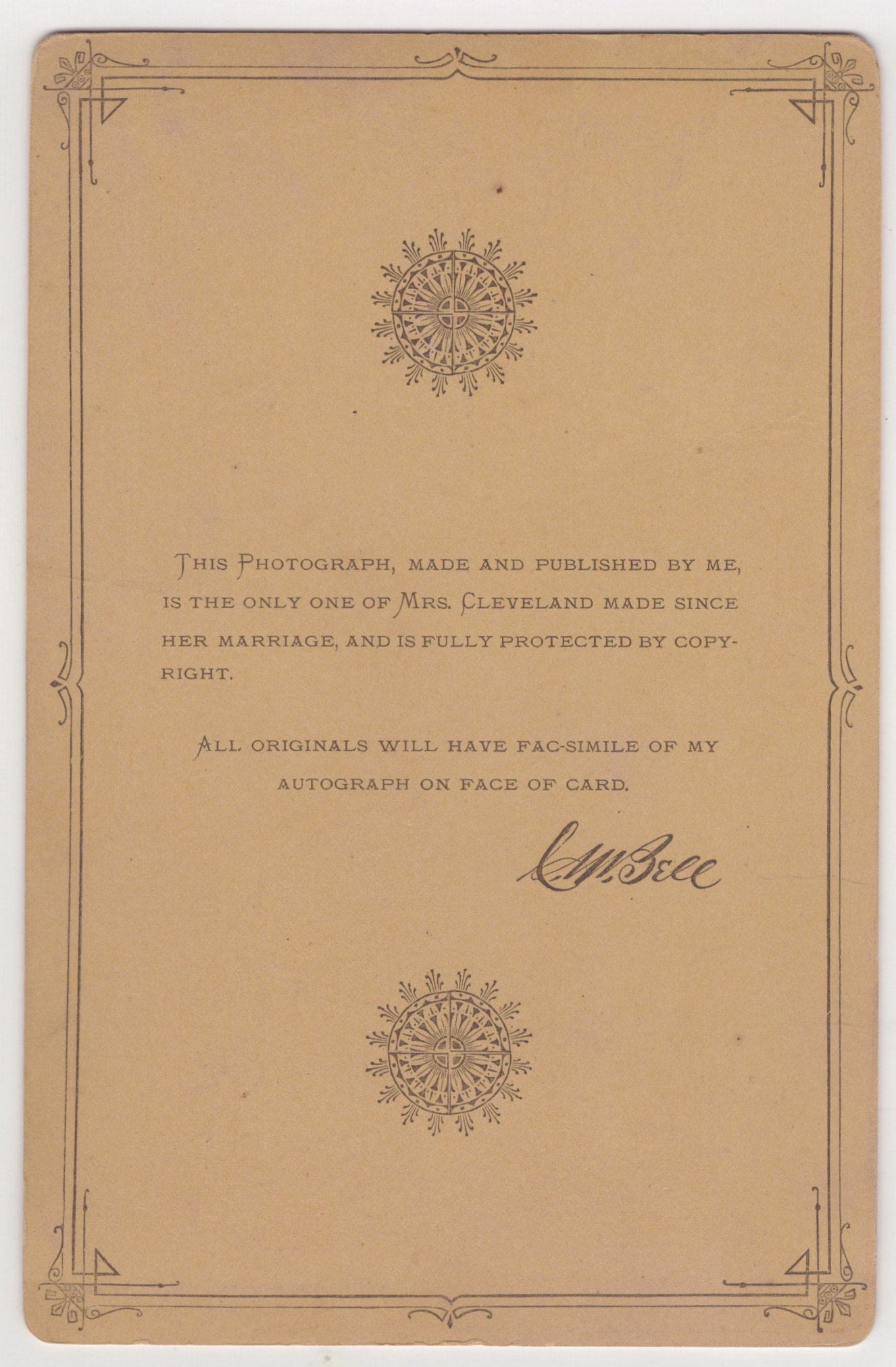
Image 2 is a cabinet card photographed by C. M. Bell.  Charles Milton Bell (1848-1893) was an accomplished man. He was the youngest member of a family of photographers that operated a studio in Washington DC from around 1860 until 1874. He established his own studio on Pennsylvania Avenue in 1873. He quickly became one of the most successful photographers in the city. He was noted for his portraits of Native Americans as well as political figures and celebrities. His subjects included President Chester Arthur, Chief Yellow Bull, and Helen Keller. His photographs can be found in many prestigious institutions including The Library of Congress, Harvard University, Dartmouth University, and the Smithsonian. Bell is also known for his photographs of President Garfield’s assassin, Charles J. Guiteau. He was the only photographer authorized by Guiteau and the Government to take photographs of Guiteau and other people playing roles in his trial. Bell also took medical photographs relating to the assassination and assassin. This cabinet card has a message from C. M. Bell. It is signed with a fascimile autograph.  (SOLD)

IMAGE 1 (REVERSE)

IMAGE 2 (REVERSE)

THE U.S. ARMORED CRUISER NORTH CAROLINA : WORLD WAR l : RPPC : (1908)

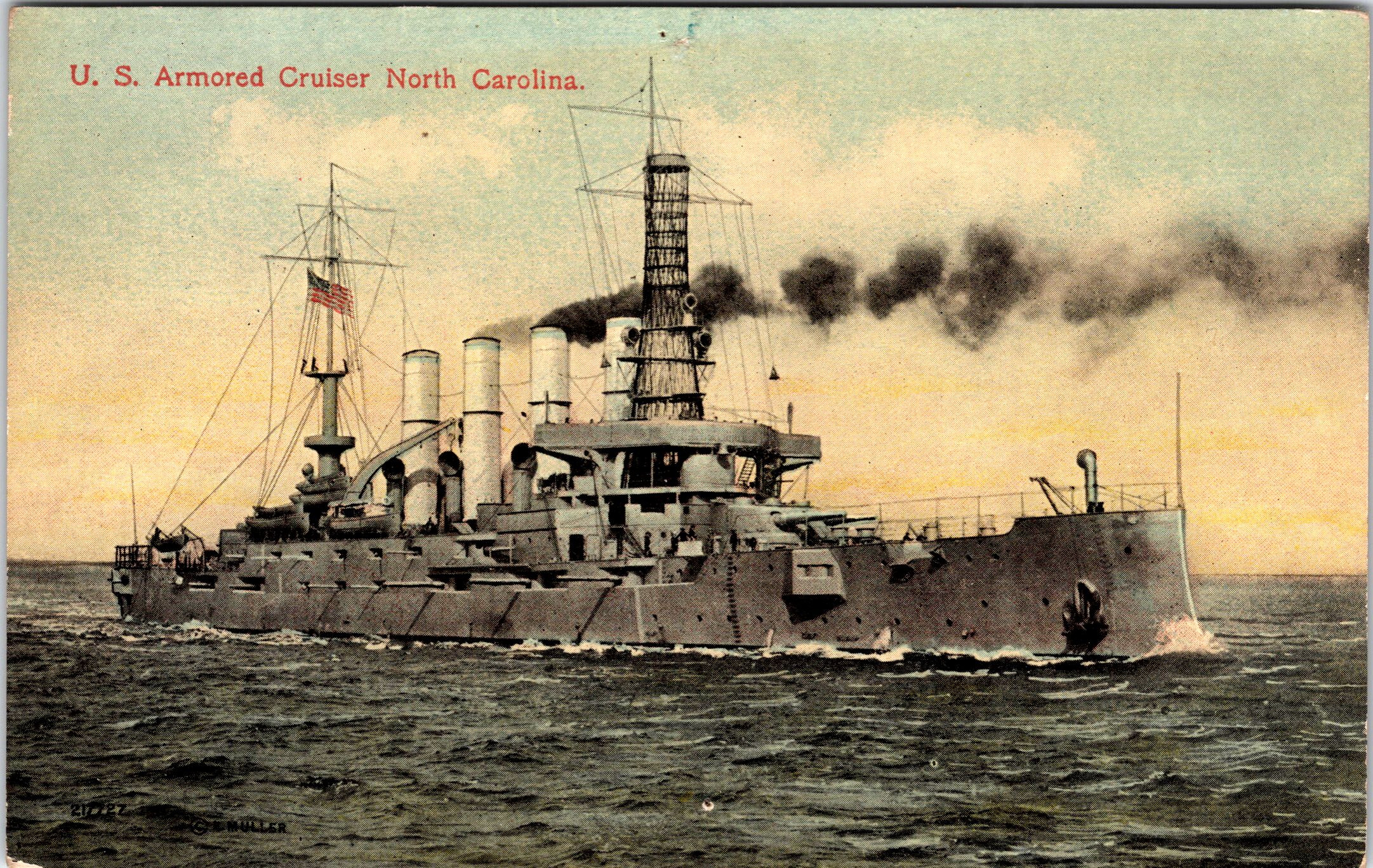
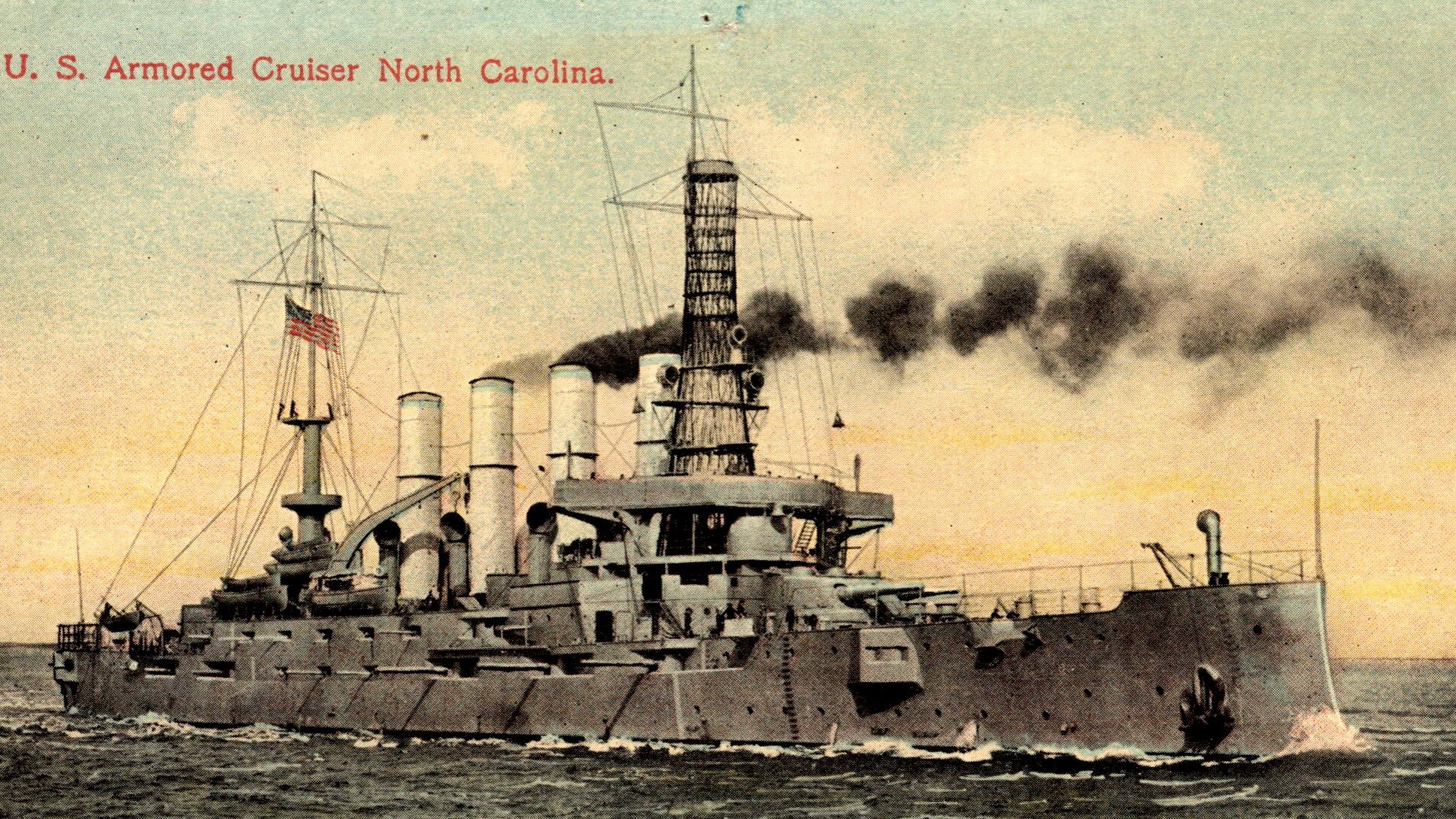
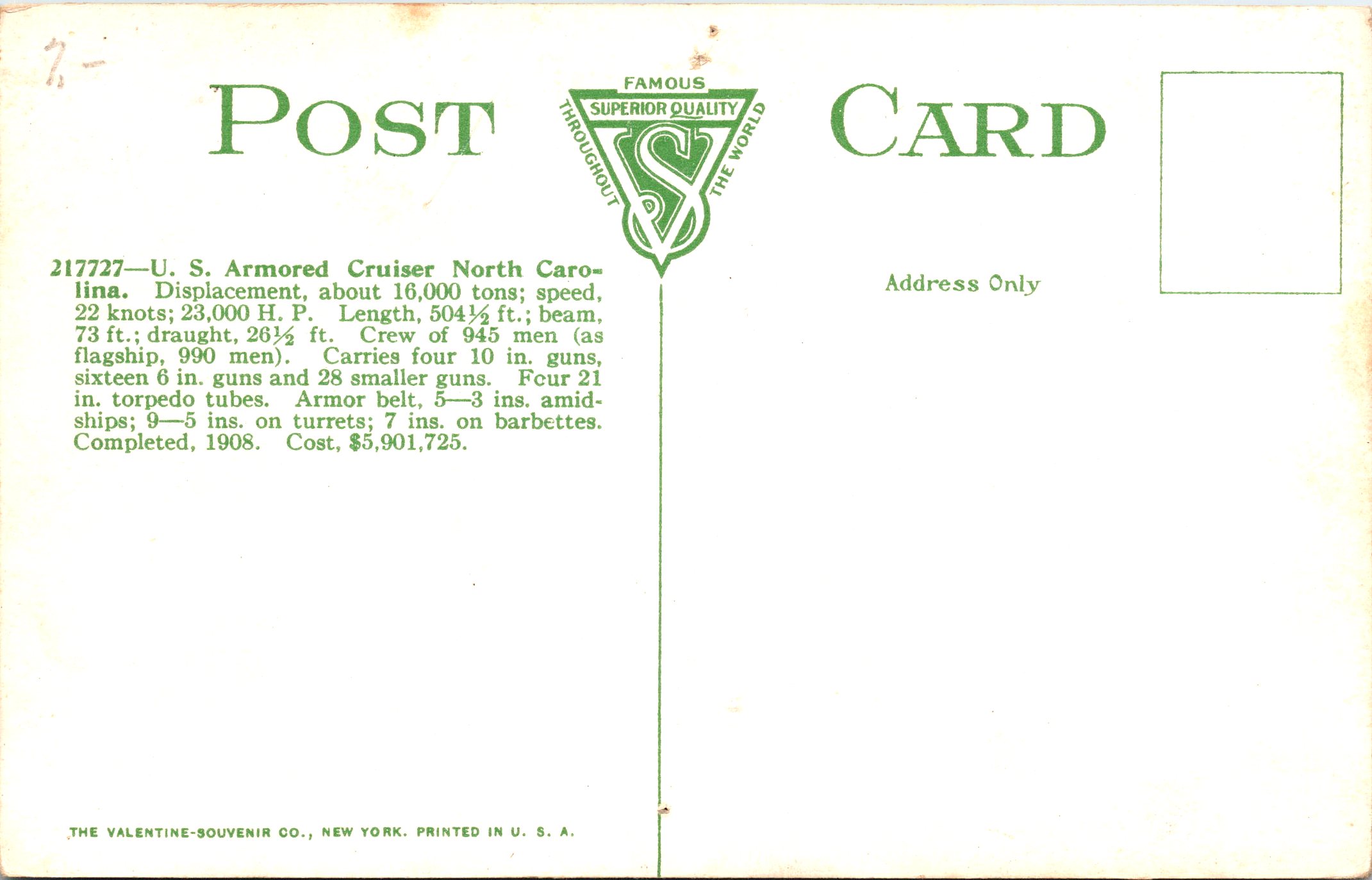
This vintage real photo postcard features the U. S. Armored Cruiser North Carolina. The ship was a Tennessee class armored Cruiser of the United States Navy. The ship was built by Newport News Shipbuilding and launched in 1906. It was commissioned in 1908. The ship had a crew of 945 men. Much of the ship’s career was spent in the Atlantic Ocean and the Caribbean Sea. It conducted training and visited foreign ports. The ship was deployed to the Mediterranean Sea twice. The first time its mission was to protect Americans in the Ottoman Empire (1909) and it’s second mission was also to protect Americans during World War I. The ship was later used to bring American soldiers back from France following the war. In 1920, she was renamed “Charlotte: and she was decommissioned the following year. This postcard was published in 1908 by The Valentine Souvenir Company (New York).  SOLD

LINCOLN HOTEL : LINCOLN, NEW HAMPSHIRE : OLD CAR, US FLAG, MOUNTAINS : RPPC

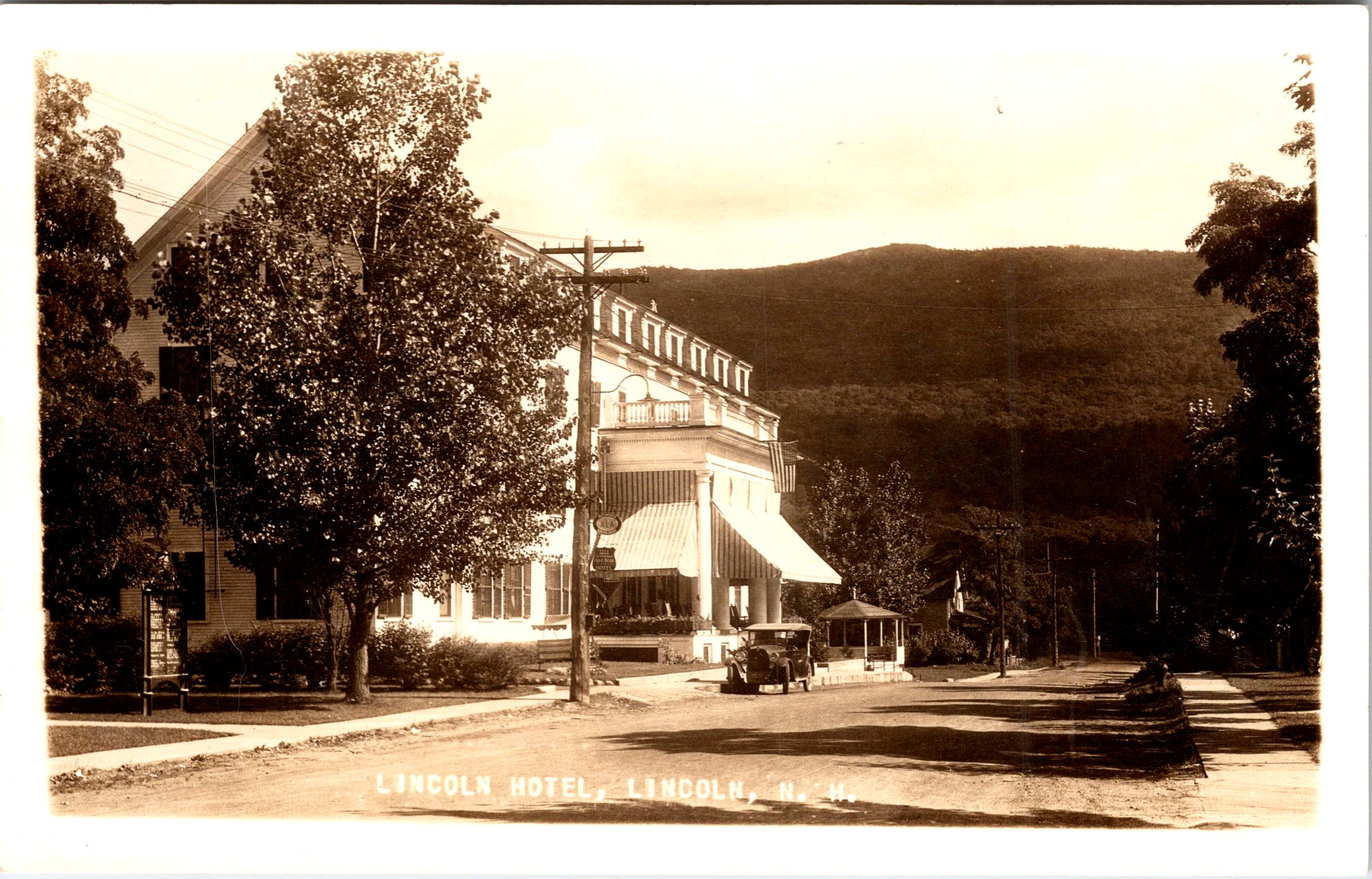
This vintage real photo postcard features a street view of the Lincoln Hotel, located in Lincoln, New Hampshire. The hotel appears to be a luxury hotel. Note the old car parked in front of the hotel. Also note the hotel’s awnings and gazebo type structure near the hotel’s entrance. Lincoln, New Hampshire is set in the White Mountains. The Appalachian trail passes through the town. This postcard photo was taken by E. D. Putnam & Son (Antrim, New Hampshire). The “Defender” stamp box on the reverse of this postcard indicates that it was produced between 1920 and 1945. SOLD

STRIKINGLY PRETTY SENECA NATIVE AMERICAN WOMAN : SALAMANCA, NEW YORK : 1914

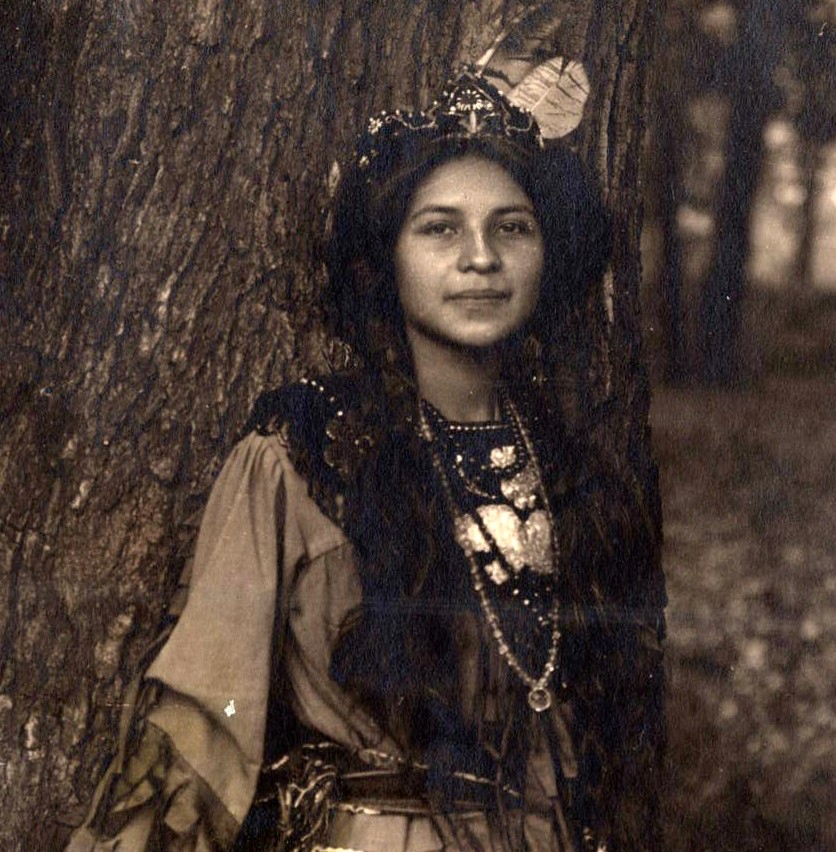
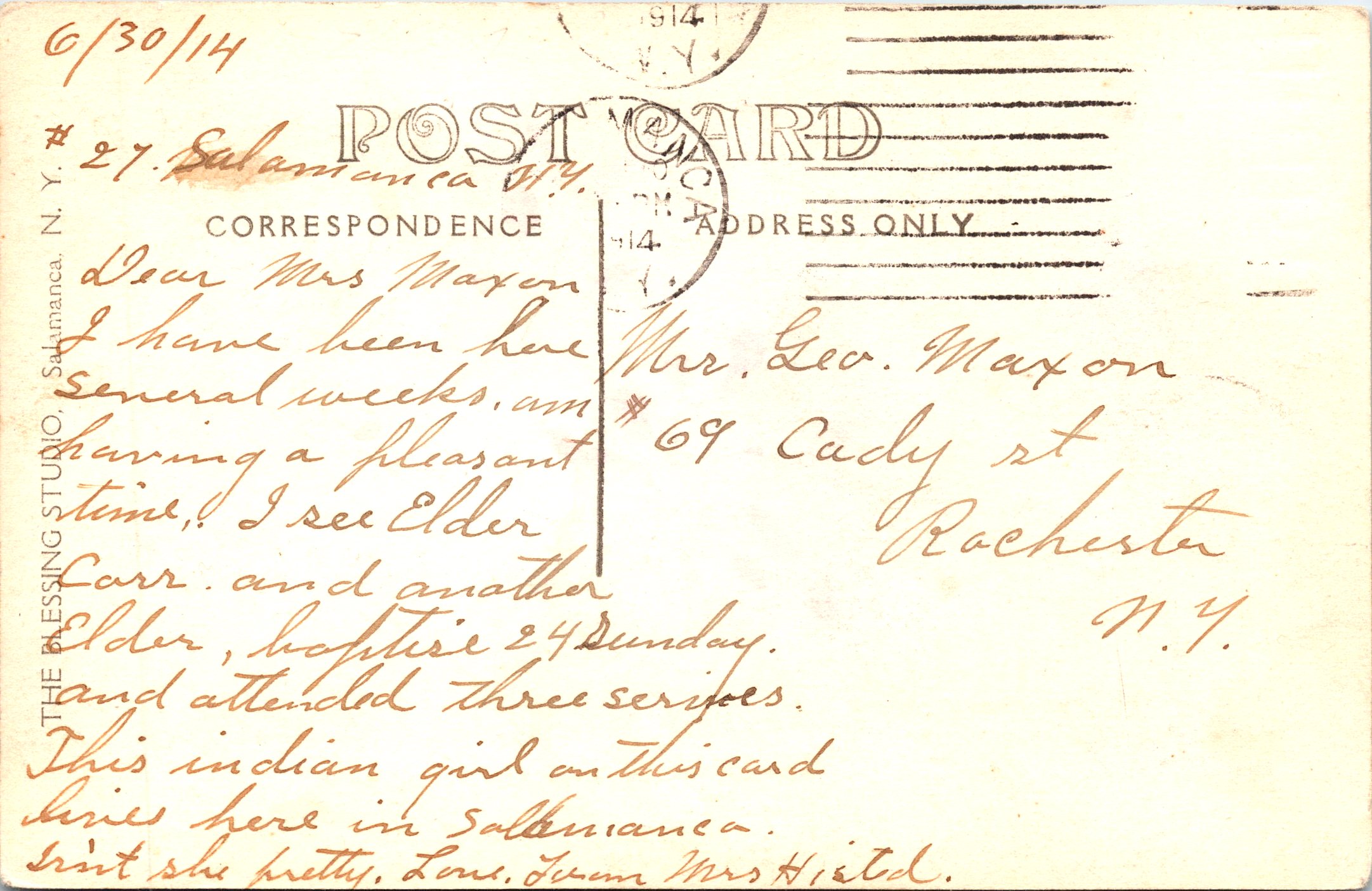
This vintage real photo postcard is striking. The photograph features a young attractive Native American woman. This photograph was taken by J. L. Blessing. His studio was located in Salamanca, New York. Blessing was no amateur, as is apparent in this 1908 photograph of the Native American woman seen below. She is from the Seneca tribe and her name is Ah-Weh-Eyu (translation: Pretty Flower). Her English name was Goldie Jamison Conklin and she was from the Allegany Reservation in Western New York. She was born in Salamanca in 1892 and died in 1974. She was quite beautiful and worked as a model for the Cattarugus Cutlery Company of Little Valley, New York. She helped advertise the company’s line of “Indian Brand” knives. She was often photographed by Jesse Lynn Blessing who operated the Blessing Studio in Salamanca. His father was J. H. Blessing (1851-1920) who started the studio. According to an entry on geneology.com by J. L. Blessing’s grandaughter, Mr Blessing “was asked to work with Disney Studios by Walt Disney but decided to take over his father’s studio instead”. The woman who wrote the message on this postcard could not help but comment about the Native American beauty appearing on this postcard. The writer states “The Indian girl on this card lives here in Salamanca. Isn’t she pretty?” SOLD