CARMEL MYERS : JEWISH AMERICAN FILM ACTRESS : BEN HUR : RPPC

IMAGE 1 (SOLD)

IMAGE 2 (SOLD)
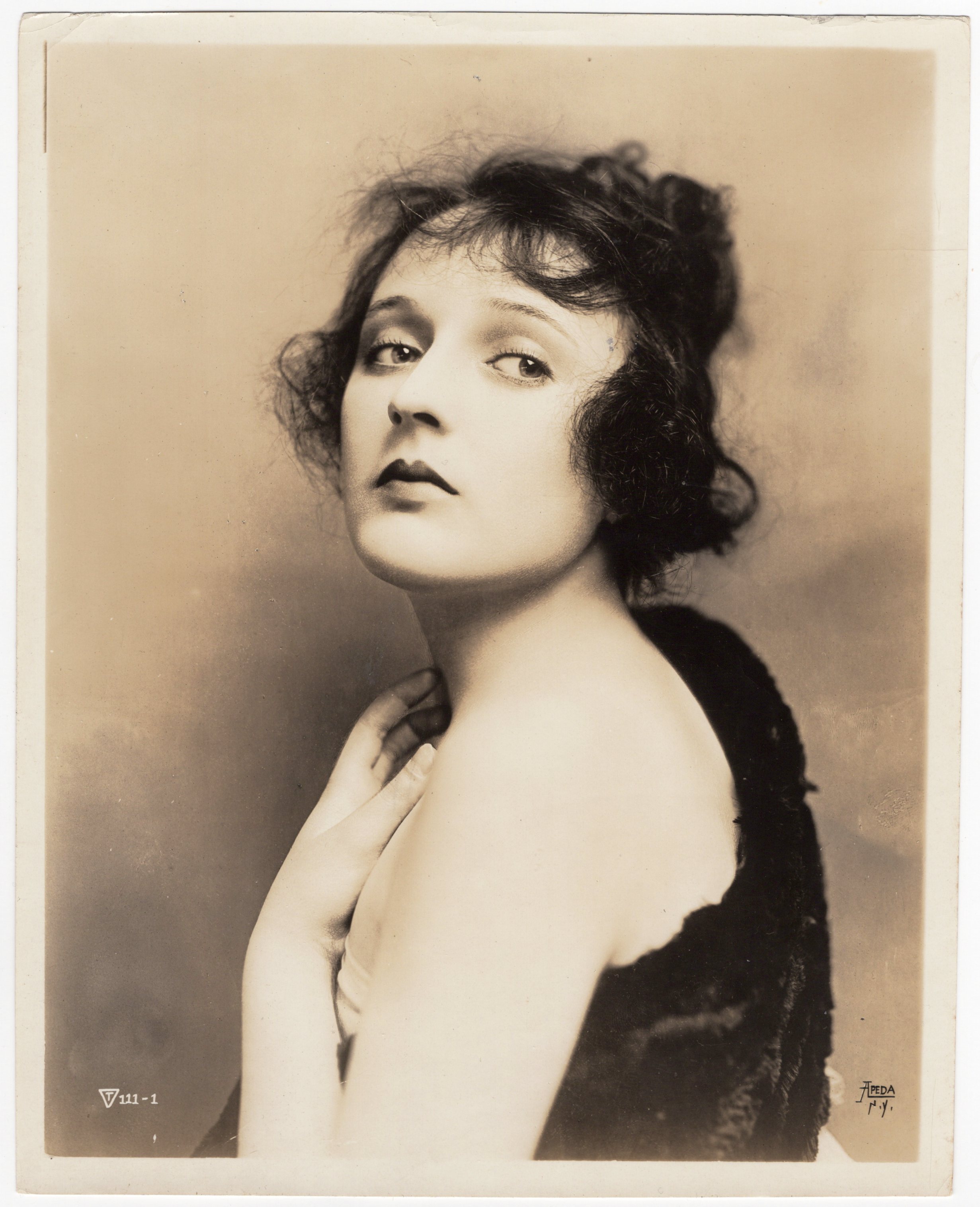
IMAGE 3

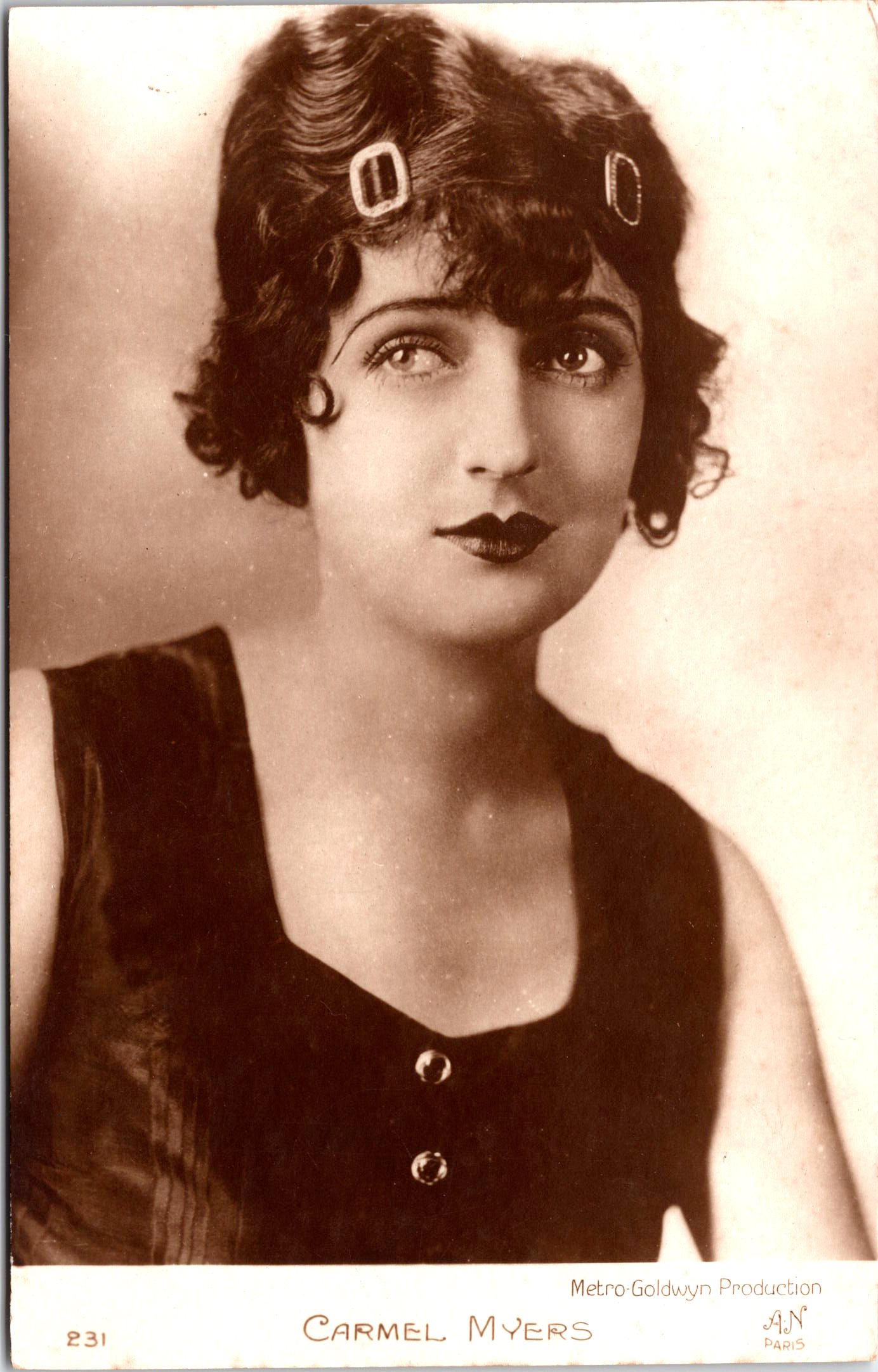
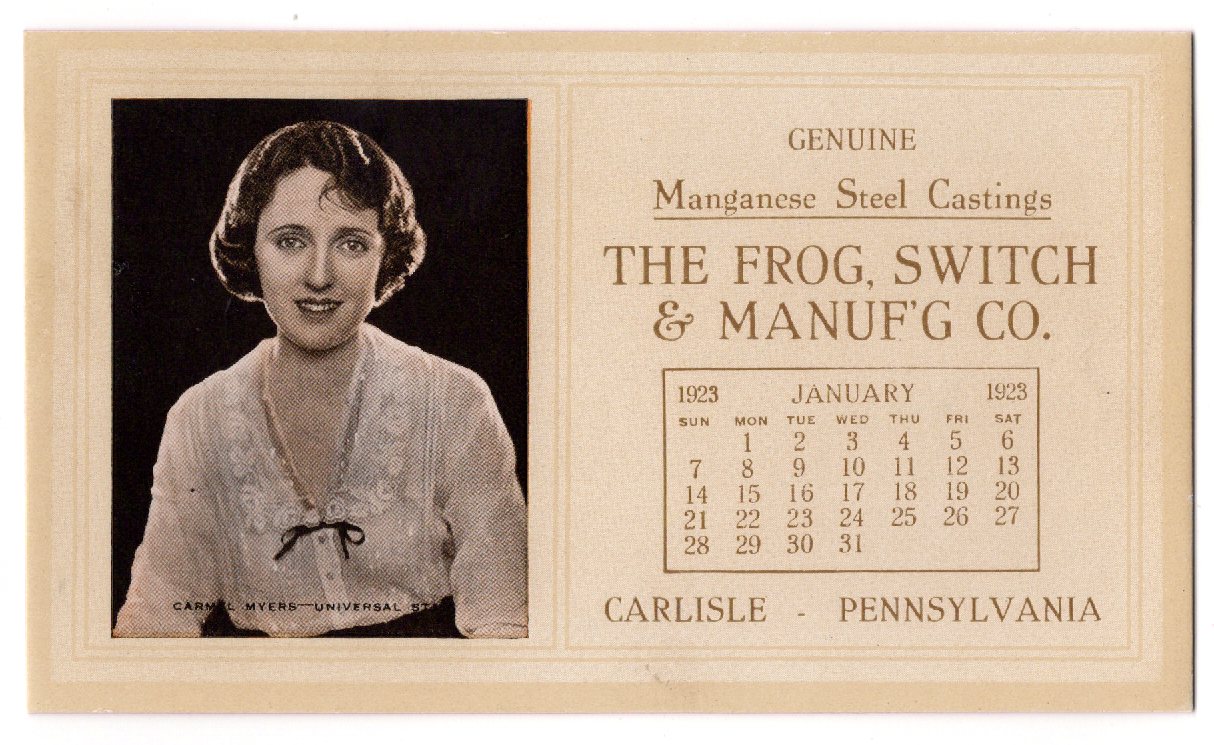
These images feature American silent and sound film actress, Carmel Myers (1899-1980). Carmel Myers was an extraordinary actress who captivated audiences during the early years of Hollywood. She had striking beauty, magnetic screen presence, and versatile talent. Myers was born in San Francisco to Jewish immigrants. Her father was a Rabbi from Russian and her mother was from Austria-Hungary. She grew up in a theatrical household and was exposed to the performing arts from a young age. She participated in both school plays and local theater productions. At the age of 16, Carmel Myers made her professional debut on stage, impressing both critics and audiences with her natural talent. It wasn’t long before she gained the attention of film producers. In 1916 she made her screen debut in the silent film “The House of Mystery”. This was the start of a more than twenty year career in the film business. During the silent film era, Carmel Myers became one of the most sought-after actresses in Hollywood. Known for her expressive eyes, graceful movements, and remarkable versatility, she effortlessly transitioned between comedic and dramatic roles. Her notable films during this period include “Ben-Hur” (1925), where she portrayed the seductive courtesan Iras. Many of her early roles were playing a “vamp”. Carmel Myers was also an early advocate for actors’ rights and was instrumental in establishing the Motion Picture Artists Association. She fought for fair wages, better working conditions, and creative control for performers, contributing to the formation of movie industry unions. With the advent of sound in films, Carmel Myers smoothly made the transition from silent movies to “talkies.” Her resonant voice and impeccable timing added another dimension to her performances. She starred in a range of films throughout the 1930s, including comedies, dramas, and musicals, collaborating with renowned directors and actors of the time. her most popular sound films were “Svengali” (1931) and “The Mad Genius” (1931). Her final film appearance was in the 1945 production of “Blonde Ransom,” marking the end of her illustrious acting career. However, Myers remained involved with both radio and television. Carmel Myers lived a private life outside of the spotlight, rarely divulging details about her personal affairs. She was married three times, first to an attorney and song writer in 1919, in 1929, she married a second attorney, and thirdly, she married a Paramount Pictures executive in 1951. Her first two marriages ended in divorce, and her third marriage ended with her husband’s death. After her husband’s death, she wrote a book about handling grief effectively. After retiring from acting, Carmel Myers devoted herself to philanthropy and community work. She supported various charitable organizations and advocated for social causes.

Image 1 was published by A. Noyer and is of French origin. The card has the MGM logo on it’s front. (SOLD)

Image 2 is a vintage ink blotter that advertises the Frog Switch & Manufacturing Company, located in Carlisle, Pennsylvania. The blotter has a calendar for January, 1923. The blotter also features a photograph (litho) of Carmel Myers. (SOLD)

Image 3 This press photo shows Myers in a classic glamour pose, her head turned slightly with a dramatic upward gaze that conveys both elegance and intensity. Her dark hair is softly styled with curls around her face, and she is draped in a fur wrap that slips over her shoulder, adding to the sense of sophistication and allure. In the lower left corner appears the photo’s numbering “V111-1”, while the lower right bears the imprint AFEDA, N.Y., the New York studio known for high-quality publicity portraits of stage and film stars of the era. Apeda was a photography studio in New York City. It was founded in 1906 by Alexander W. Dreyfoos, Sr. (1876–1951) and Henry Obstfield.  The studio was known for pursuing two business strategies: shooting original portraiture and reproducing uncopyrighted images by other photographers of newsworthy scenes or celebrities under its own trade name. The second strategy resulted in them being brought to court for copyright infringement. They won the case. Dreyfoos was the head photographer and his focus was on sports, theatre and celebrity portraiture.  (SOLD)
IMAGE 1

IMAGE 2
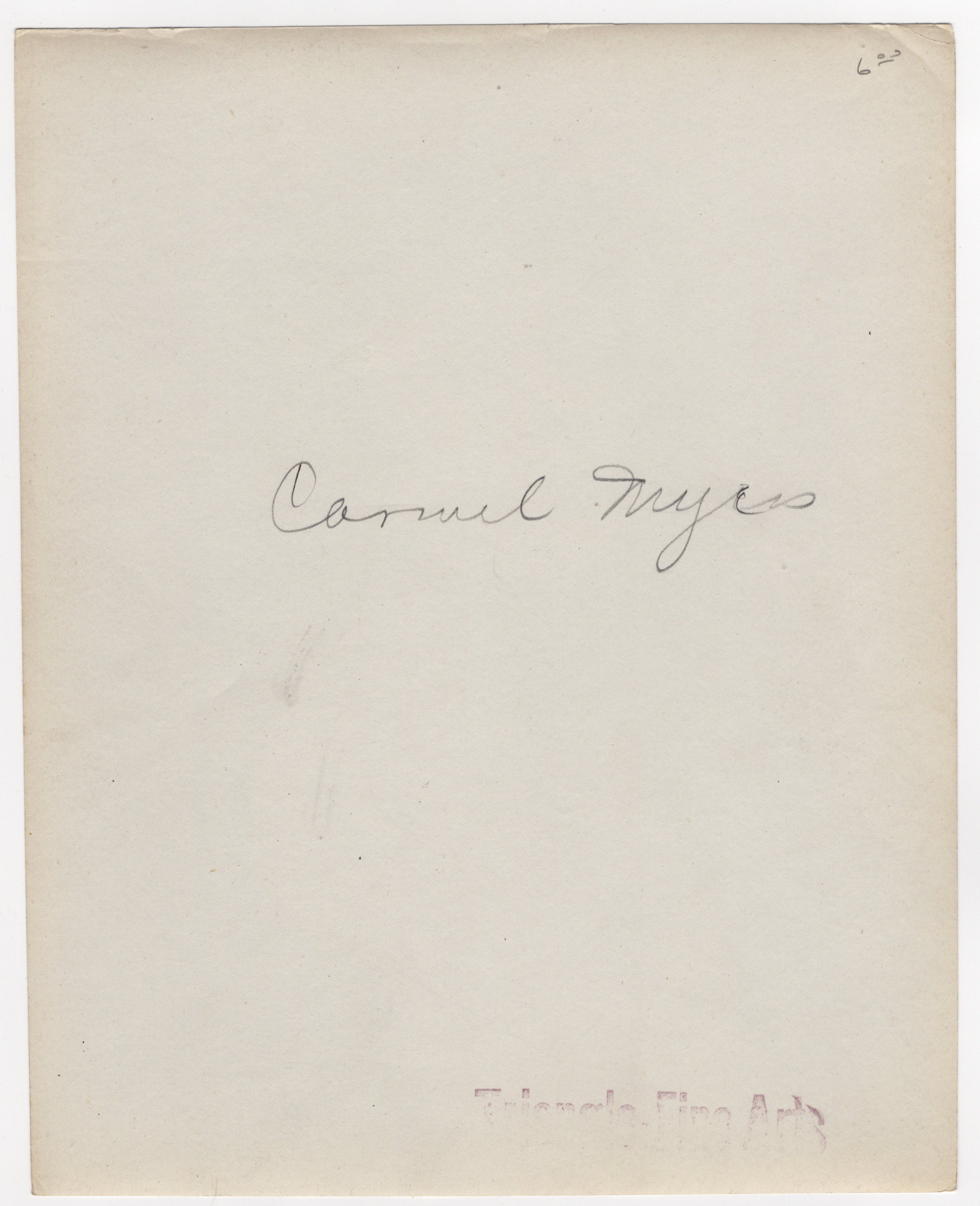
IMAGE 3

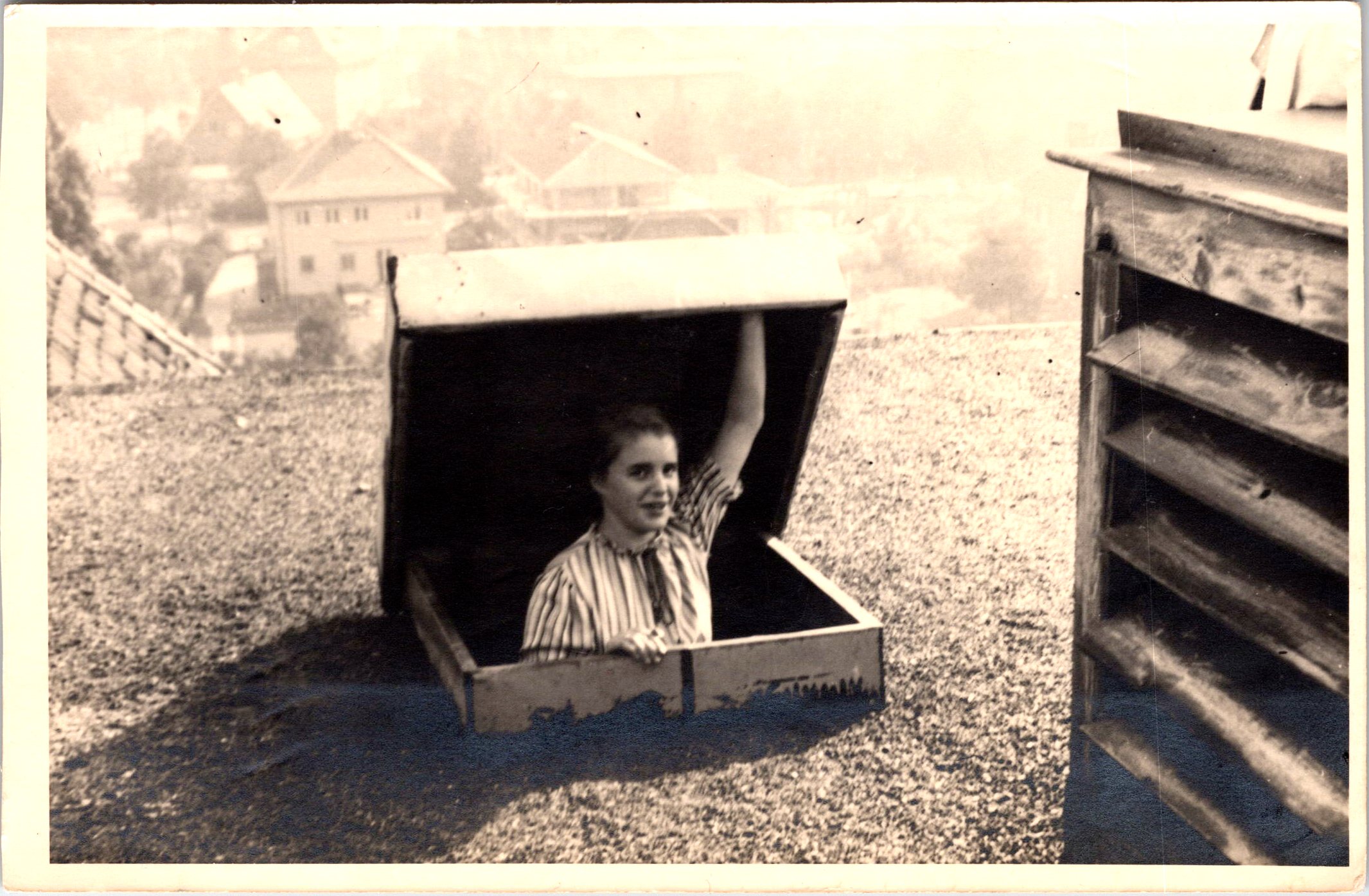
UP ON THE ROOF : PRETTY WOMAN CHECKS THE VIEW : VERY UNUSUAL RPPC 1938

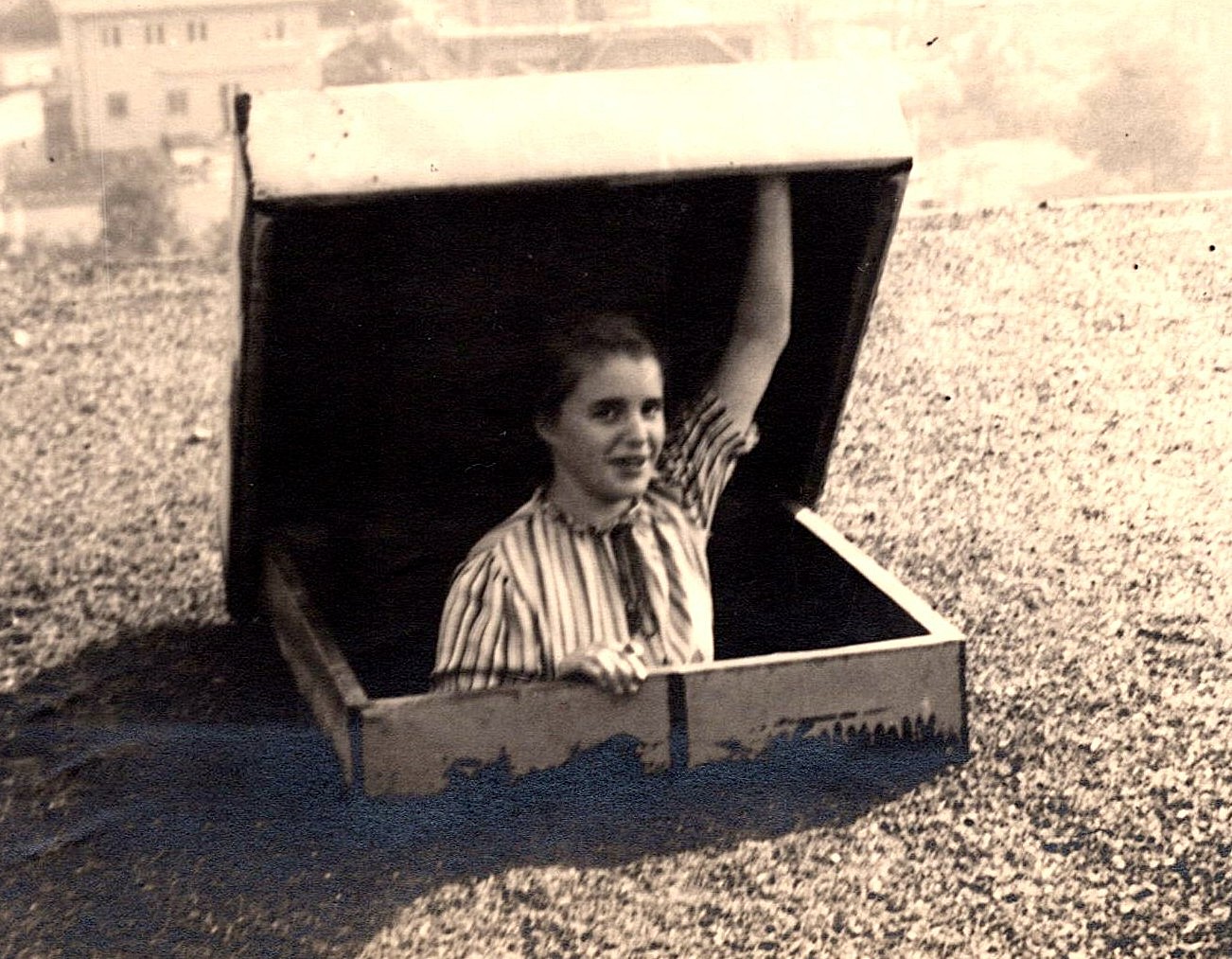
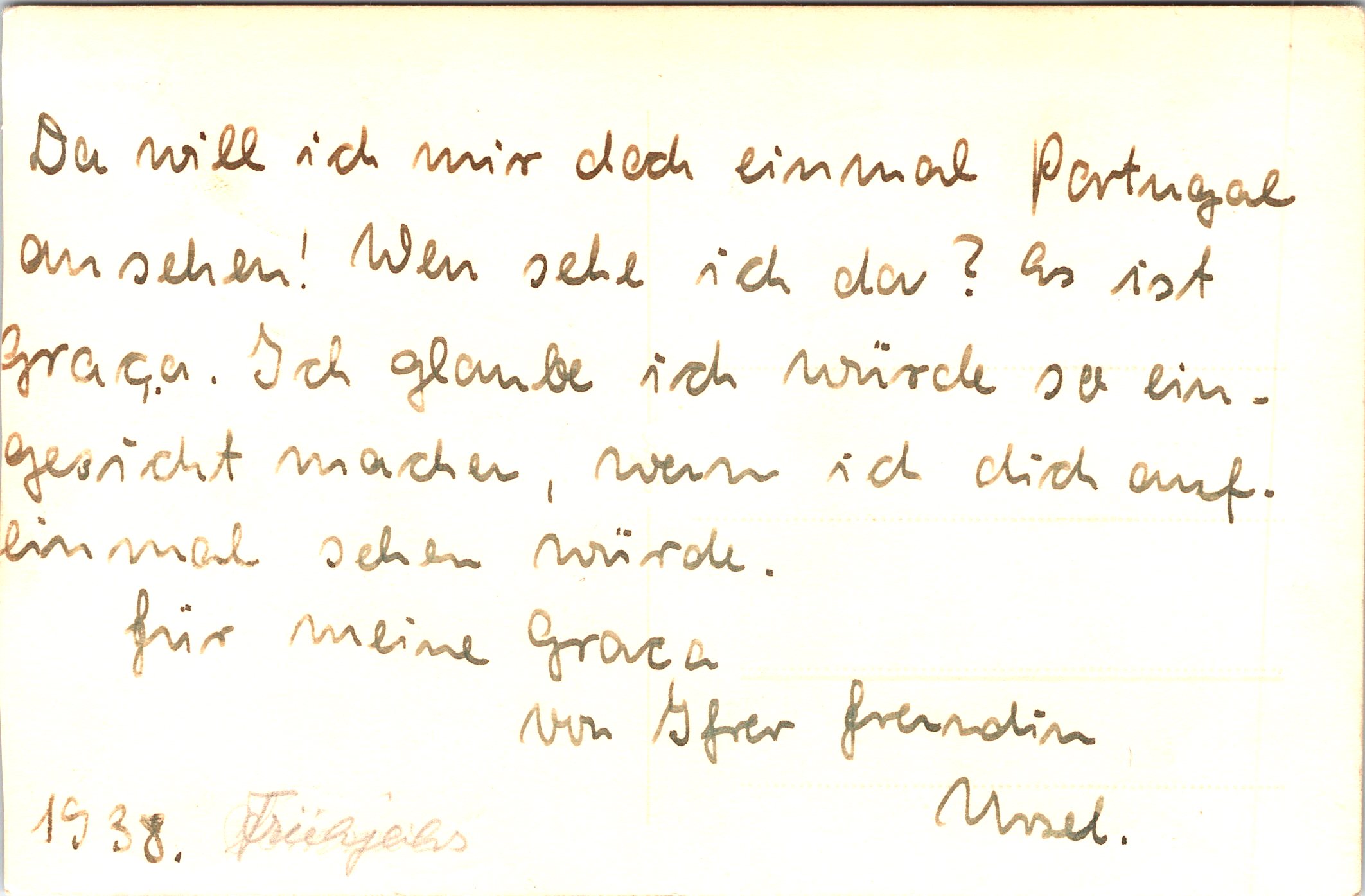
This truly unique vintage real photo postcard features a pretty young woman peering out of a roof top trap door. The town/city can be seen below. It appears that the woman is at the top of a multiple floor building. There is a message on the reverse of the card. The following is a rough translation. “I want to see Portugal for once! Who do I see? It’s Graça. I think I would make such a face if I saw you once. for my Graca, von Sfrer girlfriend, 1938.  Pricajeras  SOLD

Published in: on September 2, 2026 at 11:30 am  Comments (1)  

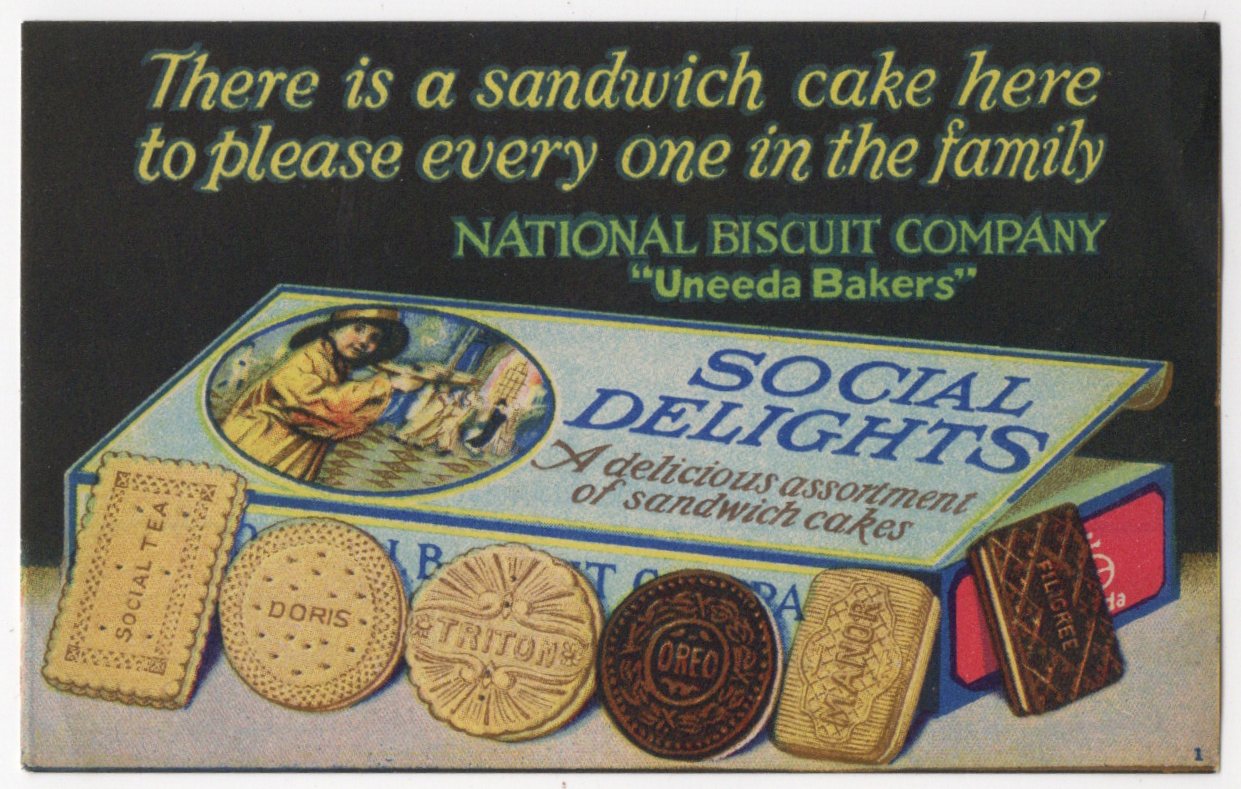
EARLY OREO AD : NATIONAL BISCUIT : SOCIAL DELIGHTS : RECIPE REQUEST SLIP : c1912

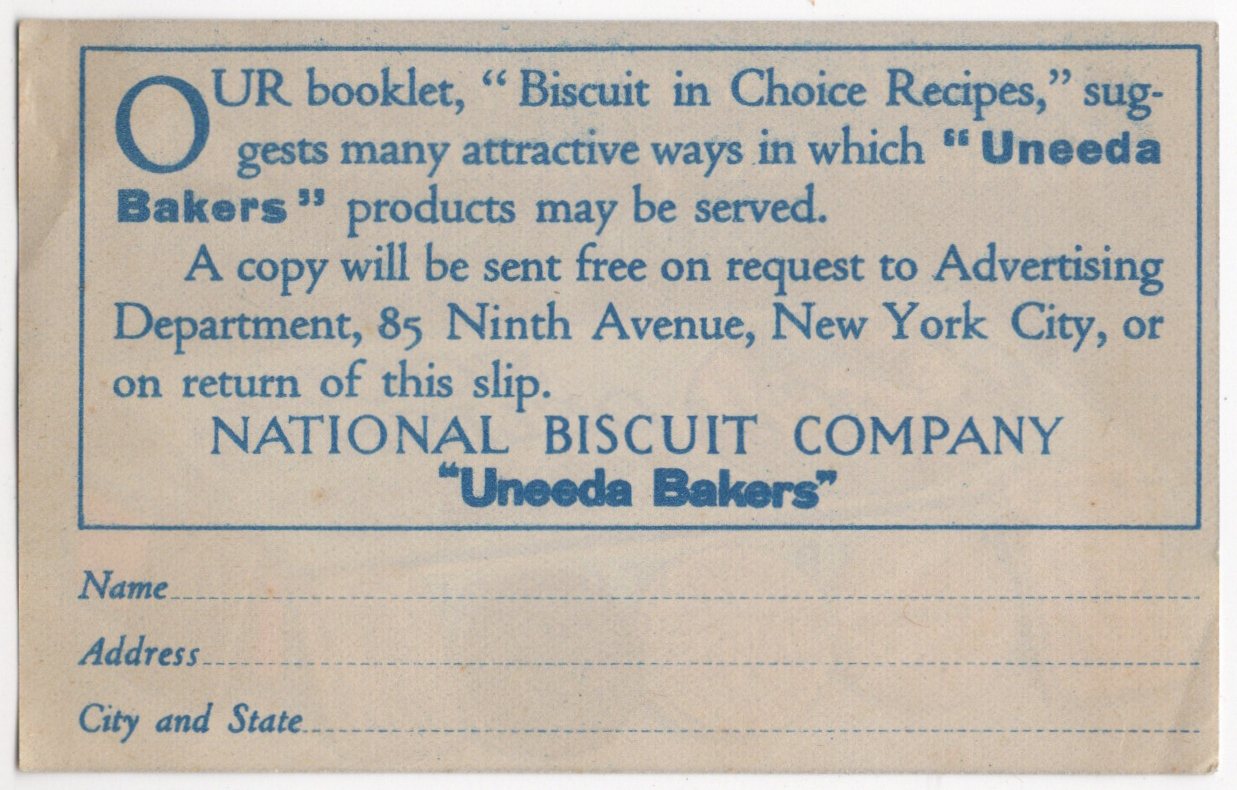
This unusual early advertising paper item promotes Social Delights, “a delicious assortment of sandwich cakes” made by the National Biscuit Company, advertised here under the familiar “Uneeda Bakers” name. The colorful front shows a box of Social Delights surrounded by several individual sandwich cakes. Visible names include Social Tea, Doris, Triton, Oreo, and Manor. The presence of Oreo is especially significant, as Oreo was introduced by the National Biscuit Company in 1912, making this a very early piece of Oreo-related advertising. The reverse is printed as a request slip for the National Biscuit Company booklet “Biscuit in Choice Recipes.” The text states that a copy would be sent free on request to the Advertising Department in New York City. This is best described as a thin paper advertising insert or recipe-booklet request slip, rather than a standard trade card. It is thin card (paper) stock. It was likely distributed as a small advertising giveaway, package insert, store counter handout, or recipe-booklet request form. This is a wonderful early food advertising item with strong appeal to collectors of Nabisco / National Biscuit Company, Uneeda Bakers, early Oreo advertising, antique grocery advertising, and American food-brand history. This advertising item is from circa 1912–1915. The style, typography, product presentation, and National Biscuit Company wording all suggest the early 1910s. The item measures approximately 4 x 2½ inches. SOLD

Published in: on September 1, 2026 at 12:30 pm  Leave a Comment  

LILLIAN OLCOTT : ACTRESS IN “THEODORA” : BY C. EISENMANN : NYC : CABINET CARD

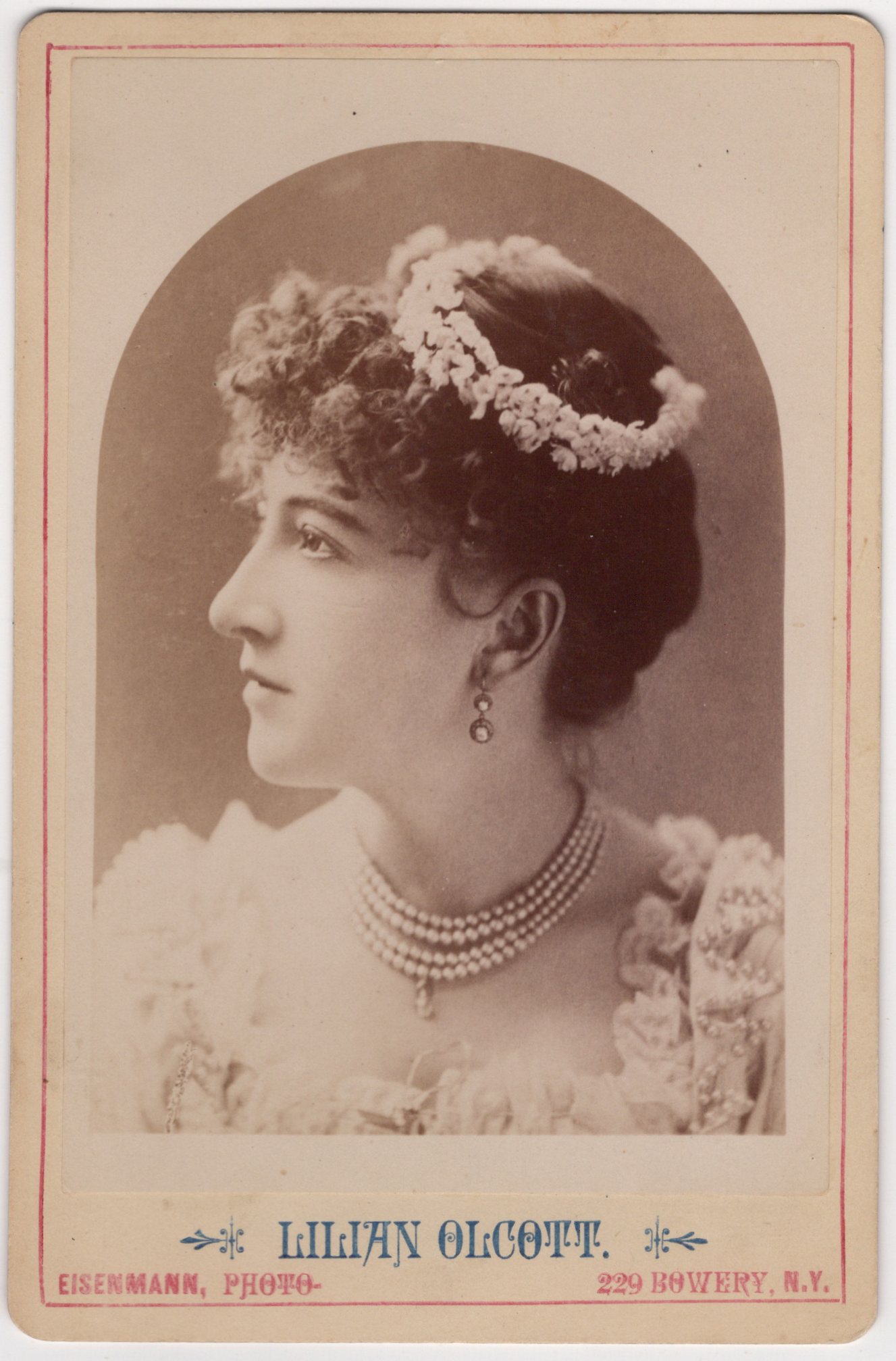
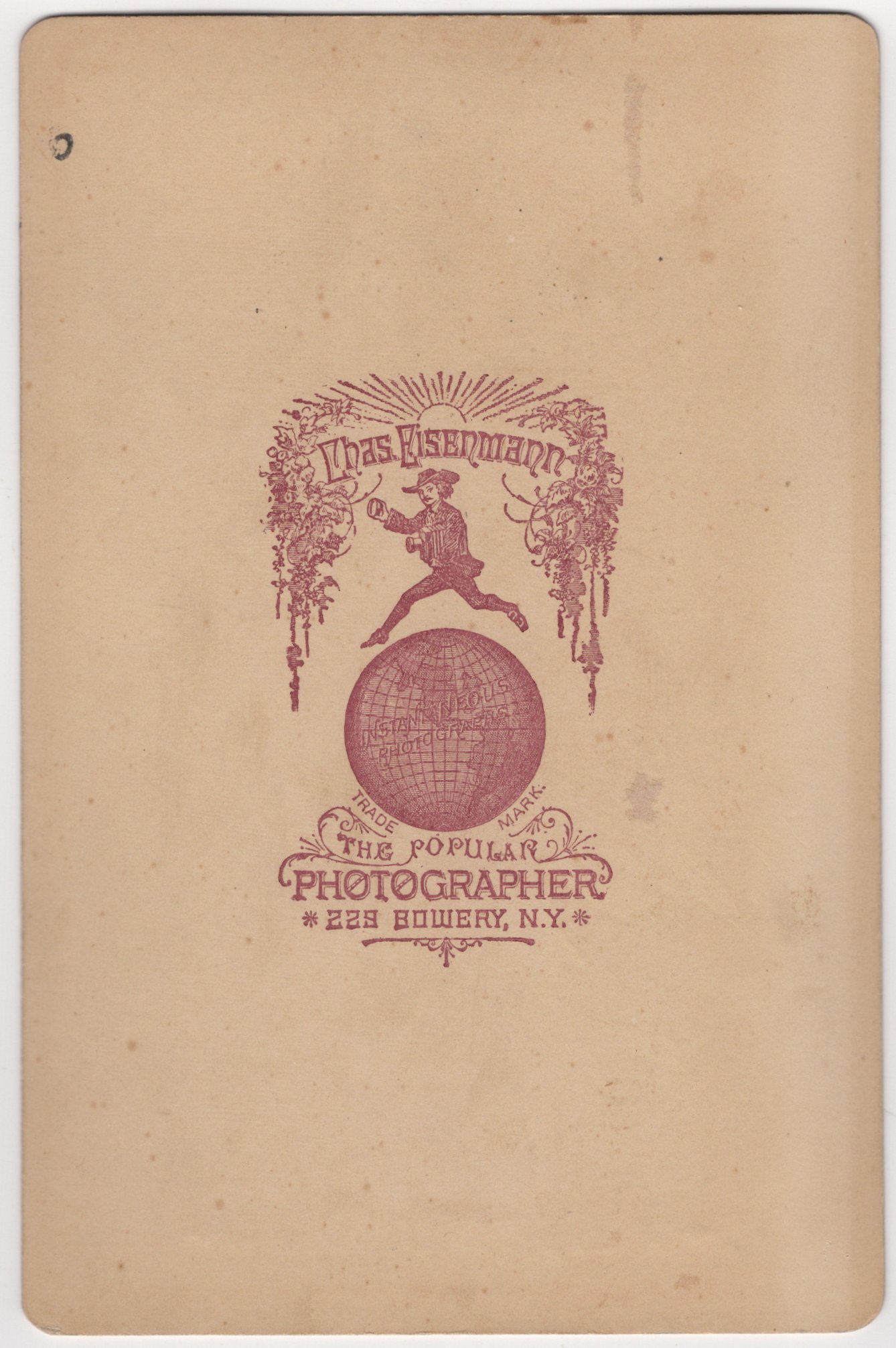
This striking circa-1885 cabinet card presents American stage actress Ida Lillian Olcott (1861–1888) in an elegant profile portrait. She wears an elaborate floral headpiece, dangling earrings, a multi-strand pearl necklace and an ornately decorated theatrical costume. The restrained profile pose emphasizes her classical features and is particularly appropriate for an actress best remembered for performing dramatic and tragic roles. Born in Brooklyn in 1861, Olcott was the daughter of prominent Brooklyn physician Dr. Cornelius Olcott. She first attracted attention as an amateur actress, playing Juliet with the Williamsburg Amateur League in 1882. She subsequently appeared professionally at the Brooklyn Theatre, again portraying Juliet. In 1884, she toured as the star of the melodrama Dark Days. Olcott’s most important role was the title character in Victorien Sardou’s spectacular historical drama Theodora. She traveled to Paris in 1885 and purchased the American performance rights to the play, achieving considerable artistic success with it during the following two seasons. Her ownership of the American rights led to a serious dispute when Sarah Bernhardt was permitted to perform Theodora in the United States. Olcott sued the Franco-American Dramatic Agency for $25,000, alleging that it had violated the exclusive rights she had purchased. The litigation contributed to her company being disbanded in Chicago shortly before her death. Olcott’s promising career ended tragically on April 8, 1888, when she died at New York’s Westminster Hotel at only 26 or 27 years of age. Contemporary accounts reported that she had contracted a severe cold after exposure during the great New York blizzard and subsequently developed an intestinal inflammation. She initially concealed the seriousness of her illness from her parents because she did not wish to worry them; only her maid was with her until her condition worsened. She was buried at Green-Wood Cemetery in Brooklyn. I have a few cabinet cards of actor and song writer Chauncy Olcott and I wondered if he and Lilian were related. I found no evidence that the two were related. This cabinet card comes from the studio of Charles Eisenmann (1855-1927). He was German born and a well known celebrity photographer during the 1880’s and 1890’s in New York City’s Bowery District. Not only did he photograph celebrities (ie Mark Twain and Annie Oakley) but he also was known for his portraits of “human oddities” (ie. side show acts and people with birth defects). His son in-law, Frank Wendt, took over his studio in 1898. He later became the director of photography for Dupont. His work is very collectible.  SOLD

Published in: on September 1, 2026 at 11:30 am  Leave a Comment