Francis Wilson (1854-1935) was an American actor born in Philadelphia, Pennsylvania. He began his career in minstrel shows but by the time he was 24 year-old he was playing in Philadelphia’s Chestnut Theatre. He worked several years in regular comedy and later took up opera, most successfully in “Eminie” (1886). He later starred in “The Oolah” (1889), The Lion Tamer (1891), The Little Corporal (1898), and then in a play that he authored, “The Bachelor’s Baby (1909). Wilson authored additional plays as well as books. He wrote books about fellow actors Joseph Jefferson and John Wilkes Booth. He also penned an autobiography. The photographer of this cabinet card portrait of the handsome Wilson, is Falk, a photographer known for his celebrity portraits. This cabinet card has an extremely slight curl and is in overall good condition (see scans).
This cabinet card is available for purchase at The History Peddler for $48.00 or Best Offer.
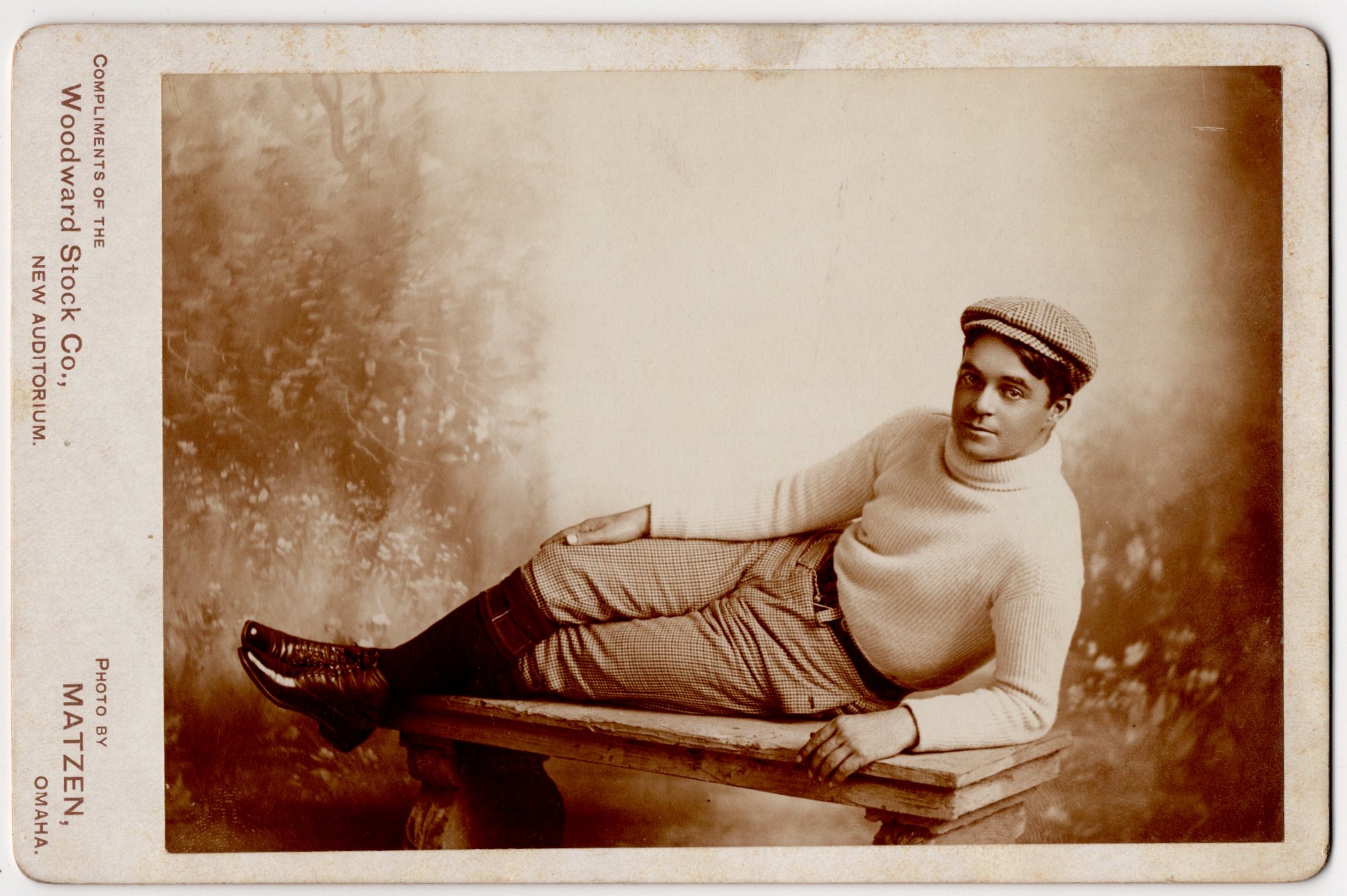
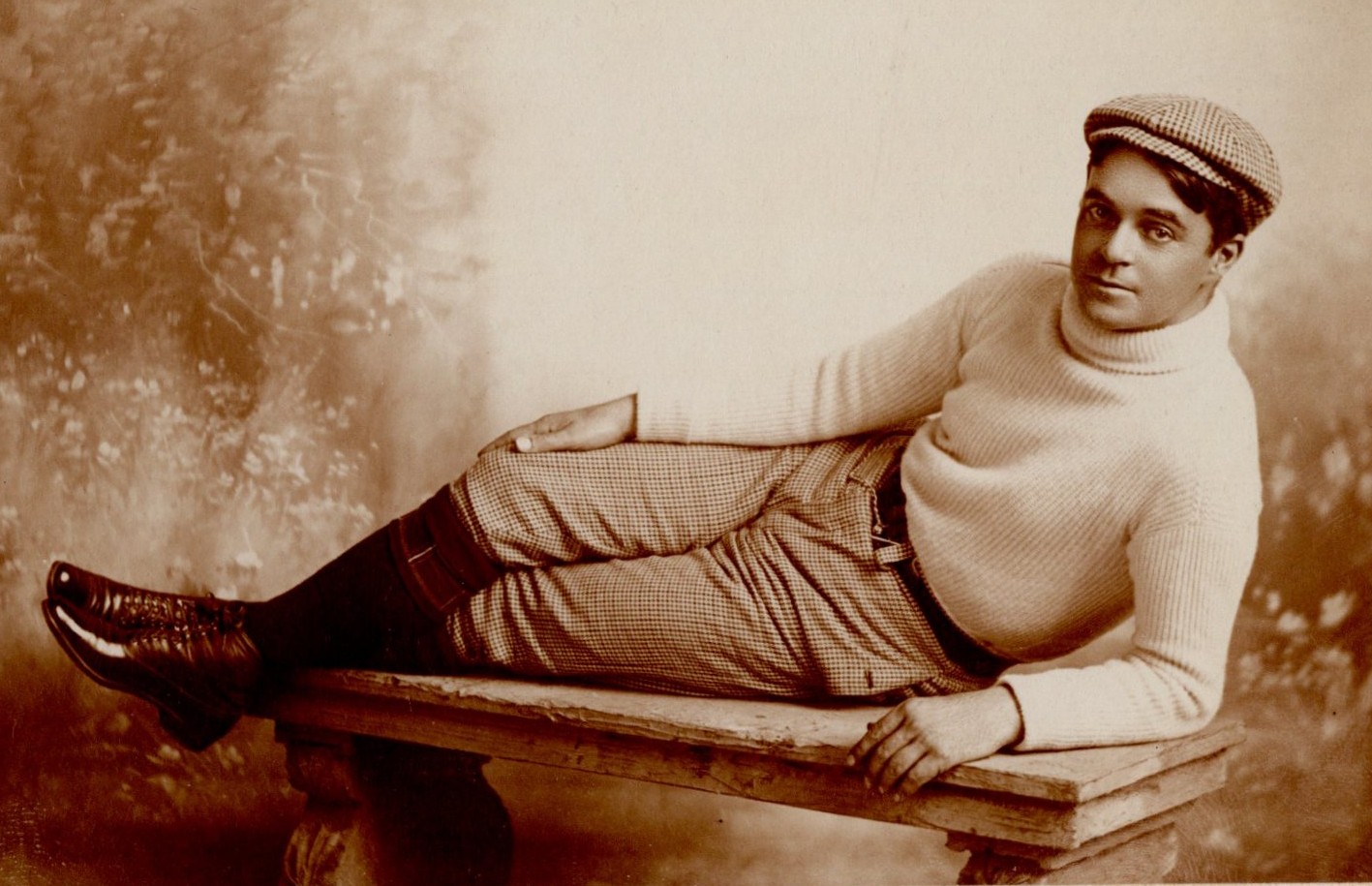
This is an original cabinet card photograph issued as a compliment of the Woodward Stock Company, New Auditorium, Omaha, Nebraska, and photographed by James Matzen of Omaha. The image features a young actor posed in a casual, reclining position across a wooden bench. He wears a light-colored ribbed turtleneck sweater, checked trousers, dark socks, laced boots, and a checkered flat cap. His gaze is directed confidently toward the camera, with a subtle, knowing smile that suggests both charm and theatrical poise. The relaxed pose contrasts with the formal studio background, giving the portrait a sense of personality and individuality. The photograph is well composed, with strong detail in the face and costume. His expression conveys ease and charisma—qualities likely intended to resonate with audiences of the Woodward Stock Company’s theatrical productions. The Woodward Stock Company was a leading theatrical troupe based in Omaha, Nebraska, during the late 19th and early 20th centuries. They performed at the New Auditorium, also known as the Omaha Auditorium, which opened in 1898 and became a center for local and traveling productions. The Woodward troupe featured a rotating cast of actors who appeared in a wide range of plays and dramas, and cabinet card portraits such as this were distributed as souvenirs and promotional pieces. The photographer, James Matzen, was a prominent Omaha studio photographer who produced cabinet cards and theatrical portraits. This cabinet card has light edge wear and age toning; back shows surface wear; and the image is clear with strong detail. (SOLD)
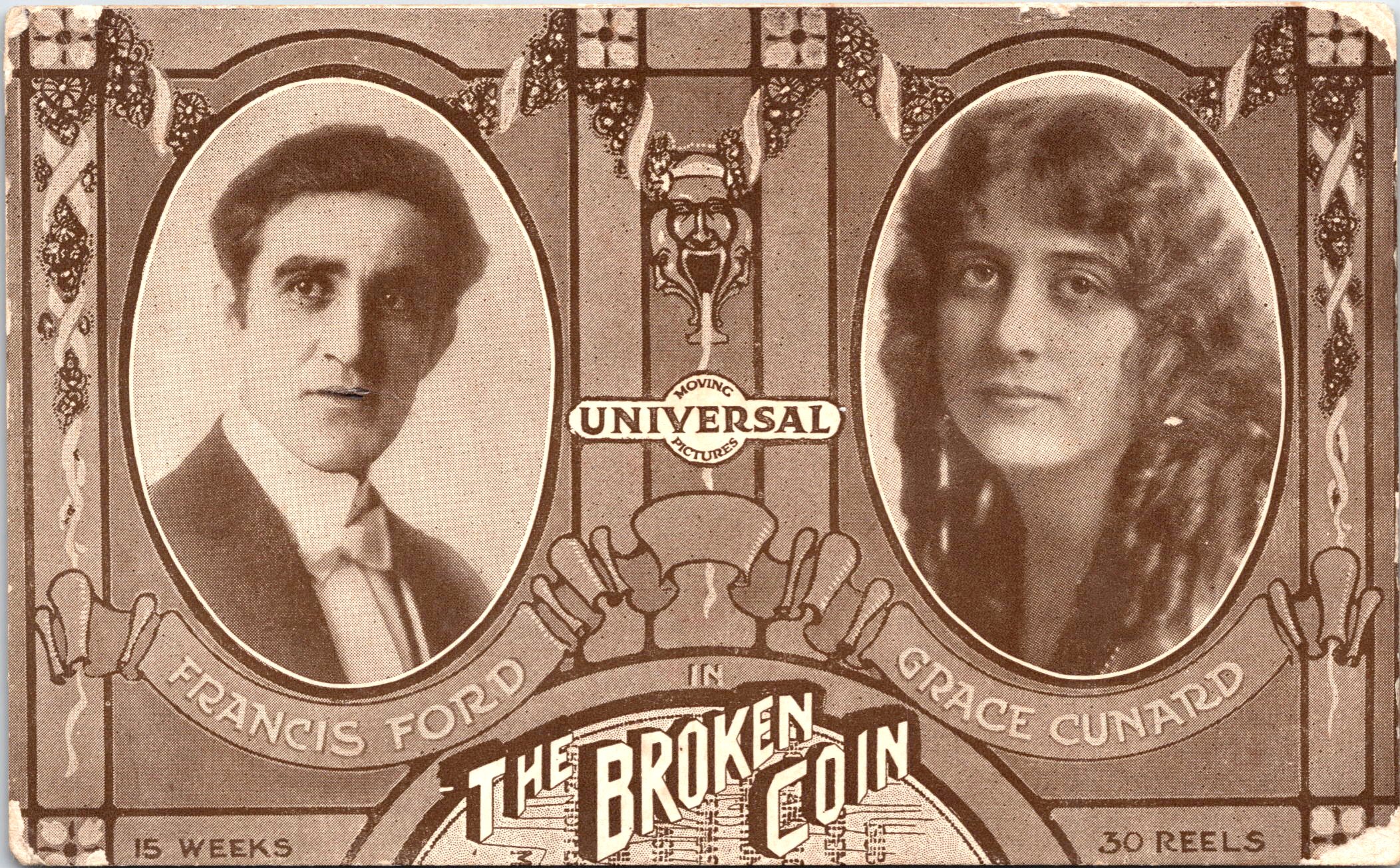
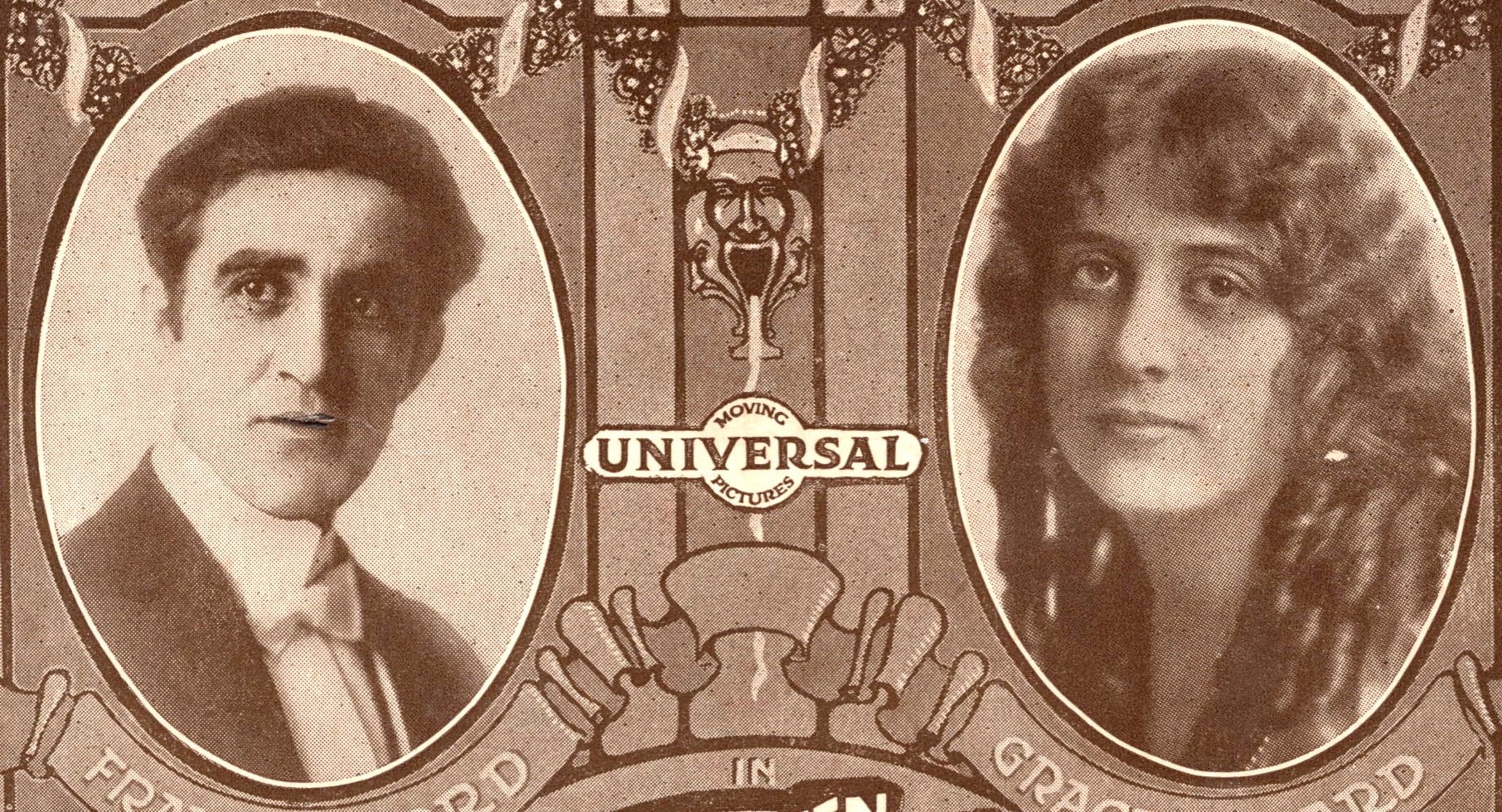
This vintage lithographic postcard advertises the American adventure-mystery silent film, “The Broken Coin”. The film was released by Universal Motion Pictures in 1915 and it was part of a 22 episode serial. The “Broken Coin” was the first chapter in the series which included thirty reels over 15 weeks. The film starred Francis Ford and Grace Cunard. The film was directed by Francis Ford and Grace Cunard was one of the two writers of the screenplay. Francis Ford (1881-1953) was an early American film actor, writer, and director. He was the older brother and mentor of film director John Ford. Francis Ford is reported by IMDb to have appeared in 495 acting roles, directed 180 films, and wrote 31 different screenplays. Grace Cunard (1893-1967) was an American actress, screenwriter and film director. She starred in over a hundred films during the silent film era. She cowrote at least 44 of these film and directed at least 8 of them. Cunard also edited many of her films. It is unfortunate to note that no copies of the “Broken Coin” series appear to have survived. This vintage postcard is an excellent purveyor of American silent film history.
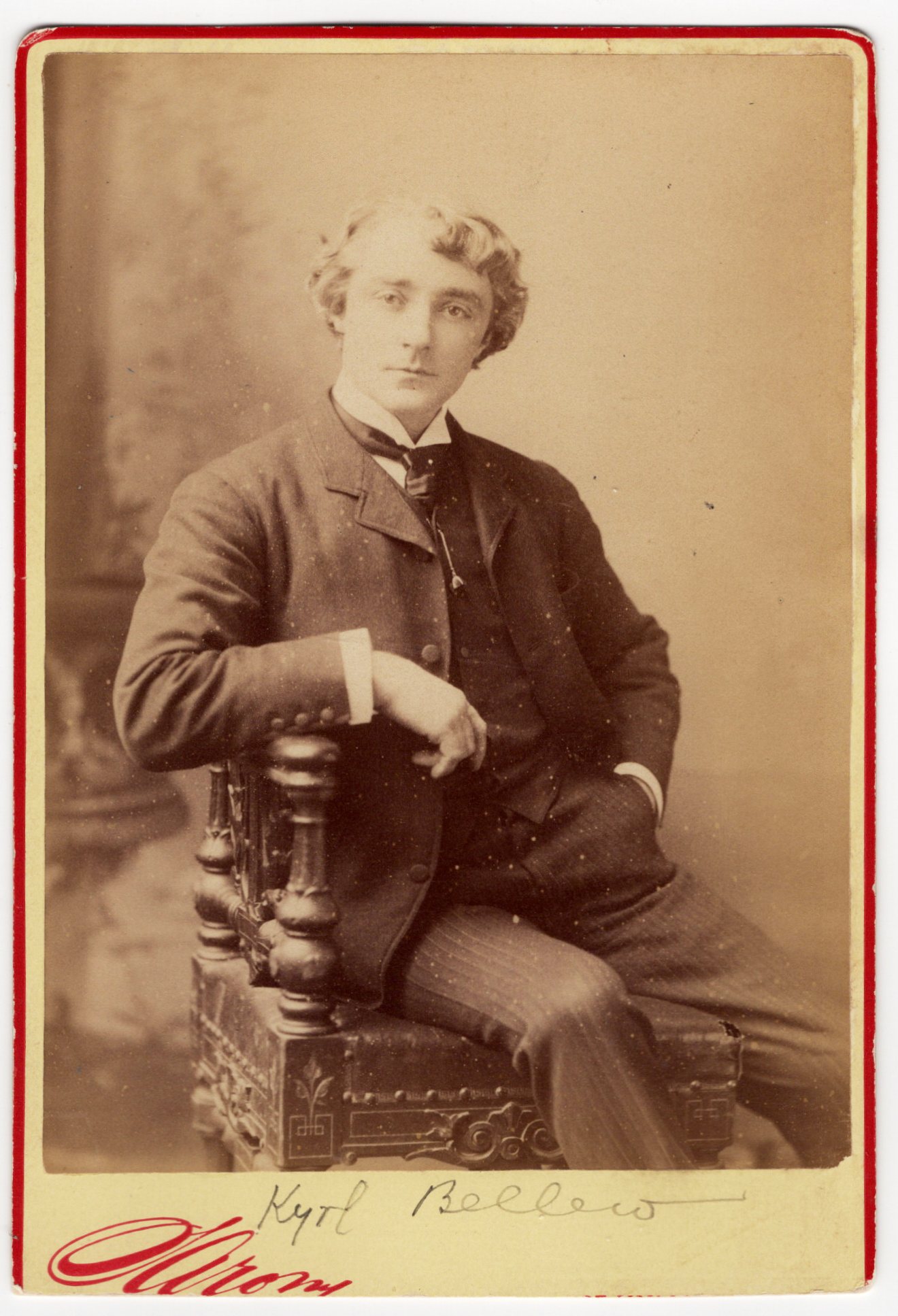
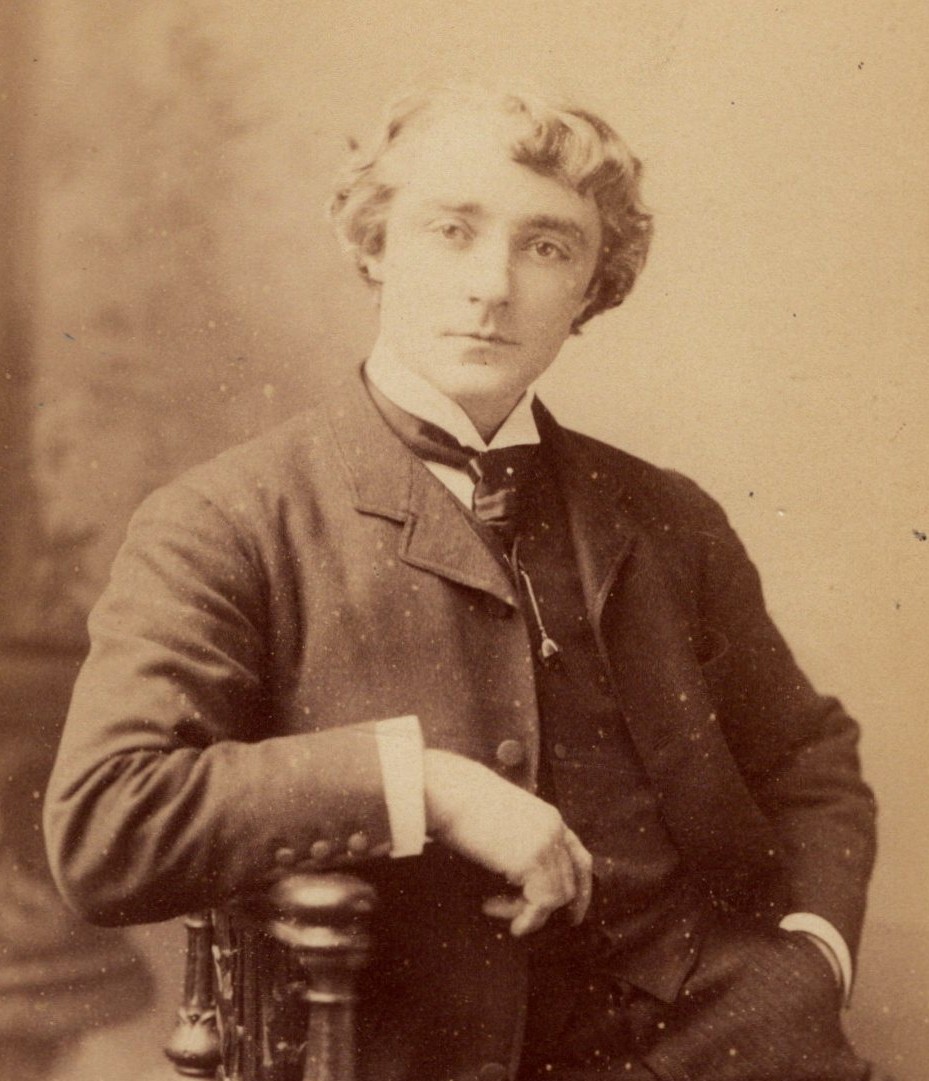
This elegant cabinet card features the distinguished English actor Kyrle Bellew, captured in a poised seated portrait by renowned photographer Napoleon Sarony. Bellew is depicted in a formal dark suit with a high-buttoned waistcoat and a crisply starched white collar. His hair is neatly parted, and his mustache is meticulously groomed, reflecting the refined style of late 19th-century theatrical gentlemen. His expression is composed and introspective, with a subtle intensity in his gaze that hints at the dramatic roles he was known for. Bellew is seated in a carved wooden chair with a high back, its ornate design complementing the dignified atmosphere of the portrait. The studio backdrop is understated, ensuring that the focus remains on the subject’s commanding presence. The cabinet card is printed on slightly thinner stock than typically seen. Napoleon Sarony was located in New York City during the late 1800s. He was known for his finely composed theatrical portraits, capturing many prominent actors of the era with a distinctive clarity and elegance. His photography of celebrities went well beyond the theatrical world. He was a flamboyant man and many of his portraits reflected that trait. Kyrle Bellew (1850-1911) was born in England and was a celebrated stage actor renowned for his romantic leads and Shakespearean roles. He gained fame touring with actress Cora Brown-Potter in the 1880s and 1890s, performing in classic plays across the United States and Australia. Bellew’s career also included ventures into early silent films, notably starring in Adventures of Sherlock Holmes; or, Held for Ransom in 1905. He died in 1911, in Salt Lake City, Utah, while on tour with the play The Mollusc. (SOLD)
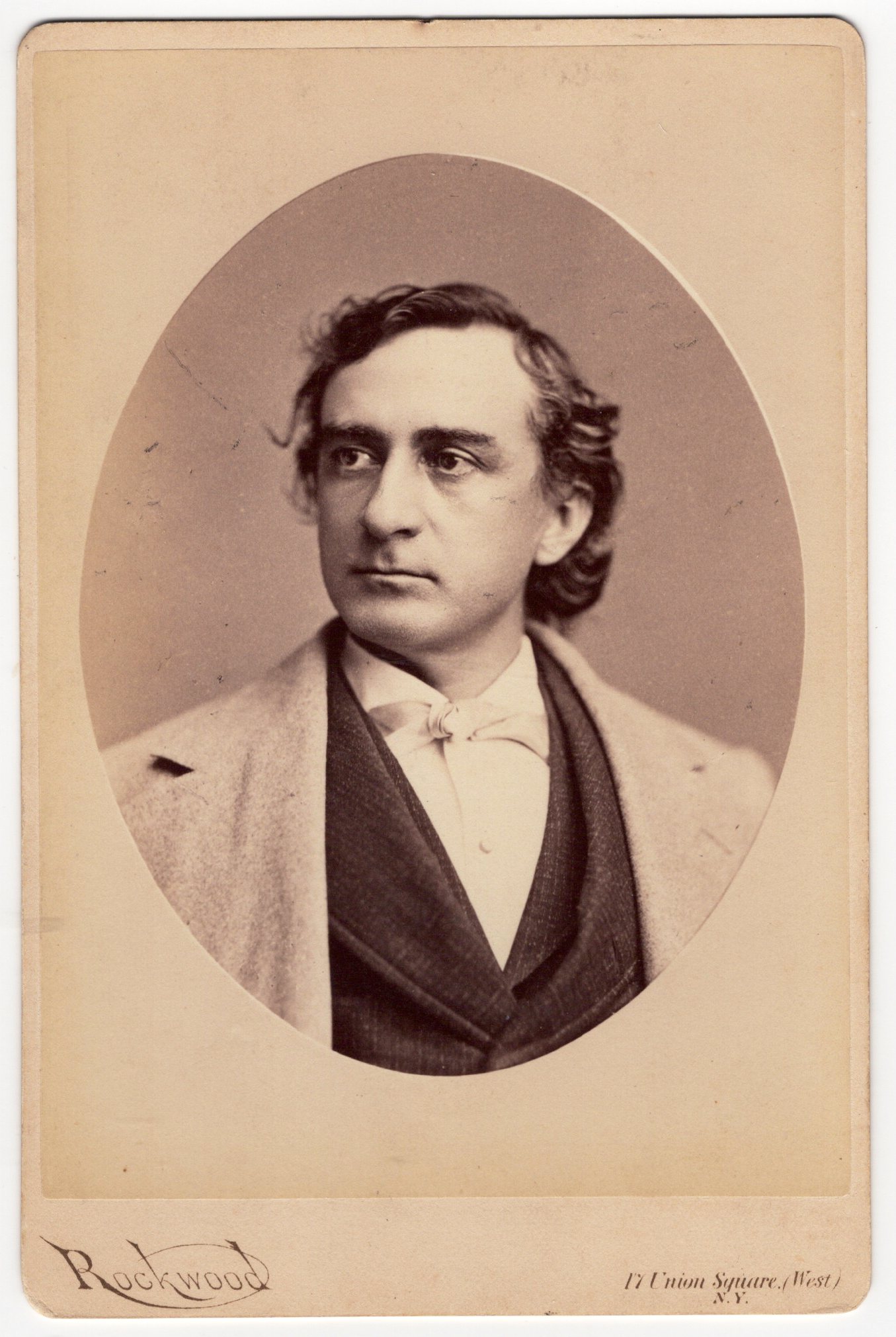
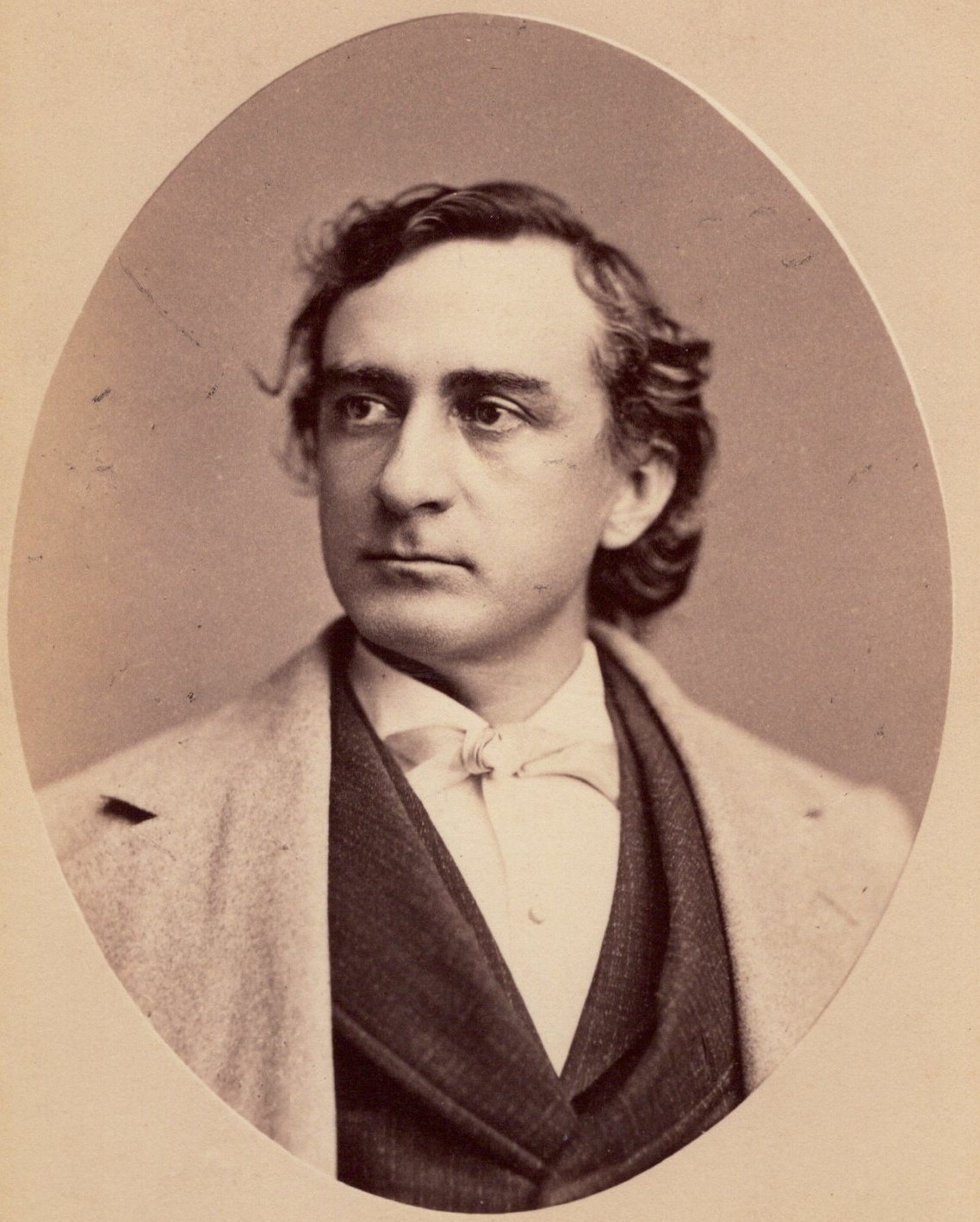
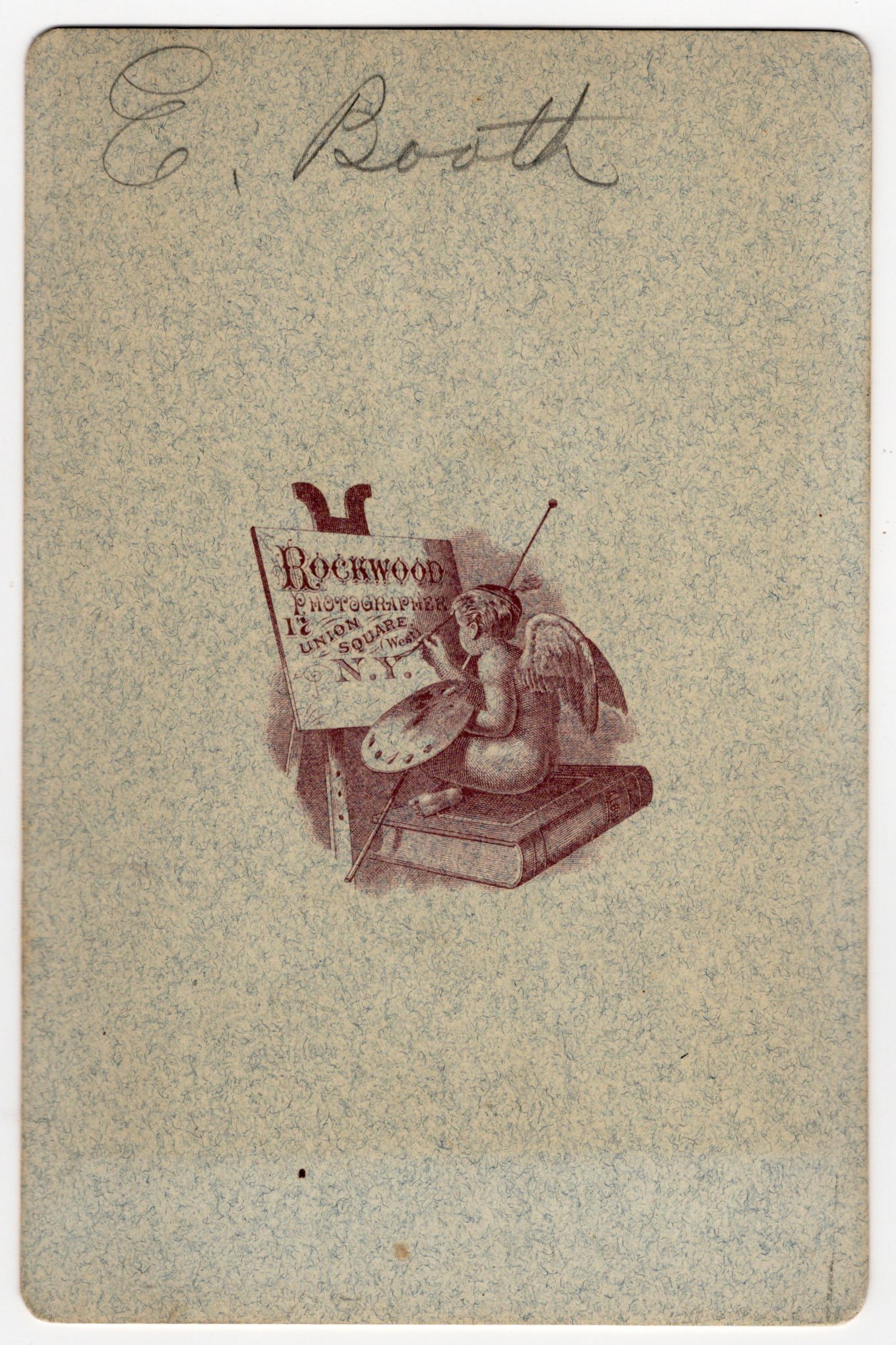
This stunning cabinet card portrait captures Edwin Booth, one of the most celebrated Shakespearean actors of the 19th century. Taken by renowned photographer George G. Rockwood of New York, the image boasts exceptional clarity and sharp detail, making it an outstanding example of 19th-century portrait photography. Booth is dressed in elegant period attire, featuring a high-collared white shirt with a neatly tied bow tie, a dark waistcoat, and a light-colored overcoat draped over his shoulders. His hair, swept back in soft curls, frames his distinguished face, exuding an air of quiet confidence and introspection. His gaze is directed slightly away from the camera, lending a dramatic and contemplative quality to the portrait—a fitting expression for a man known for his deep and emotional performances on stage. The cabinet card is in very good condition, with minimal signs of wear, and the sepia tones remain rich and well-preserved. The reverse of the card is equally impressive, featuring Rockwood’s distinctive studio imprint, which includes a charming illustration of a cherub holding a painter’s palette and brushes, next to an artist’s easel that advertises the Rockwood studio at 17 Union Square (West), New York. Additionally, there is an inscription at the top that reads: “E. Booth,” a reference to the legendary actor. Edwin Booth (1833–1893) was one of the greatest American actors of the 19th century, best known for his Shakespearean roles, particularly Hamlet, which he performed more than 100 times—an unprecedented feat at the time. His extraordinary talent and deep emotional connection to his roles earned him widespread acclaim in both America and Europe. Despite his artistic triumphs, Booth’s life was forever overshadowed by his brother’s infamous act—John Wilkes Booth’s assassination of President Abraham Lincoln in 1865. The tragedy devastated Edwin, who was a staunch Unionist and had publicly opposed his brother’s views. He briefly retired from the stage but later returned, determined to restore his family’s name through his craft. In 1888, he founded The Players Club in New York City, a private social club for actors, which still exists today. The Booth family was a dynasty of performers—Edwin’s father, Junius Brutus Booth, was an acclaimed English actor, and his brothers, John Wilkes Booth and Junius Brutus Booth Jr., also pursued theatrical careers. However, Edwin’s talent and legacy far outshone the rest of his family, cementing his place as one of America’s greatest classical actors. The photographer of Mr. Booth was George Rockwood (1832-1911). He was a renowned photographer whose studio was located in New York City. Rockwood was born in Troy, New York and graduated from college with a PhD, reportedly either from the University of Chicago, or Columbia University. At 21 years of age, he was a newspaper reporter for the Troy Daily Times and at age 23, he was managing editor of the Troy Daily Post. He began working as a photographer in St. Louis and in 1857 opened a studio with his brother Elihu in New York City. He has been credited with bringing CDV’s to America. His obituary in the Washington Post reports that Rockwood photographed more than 350,000 people. SOLD
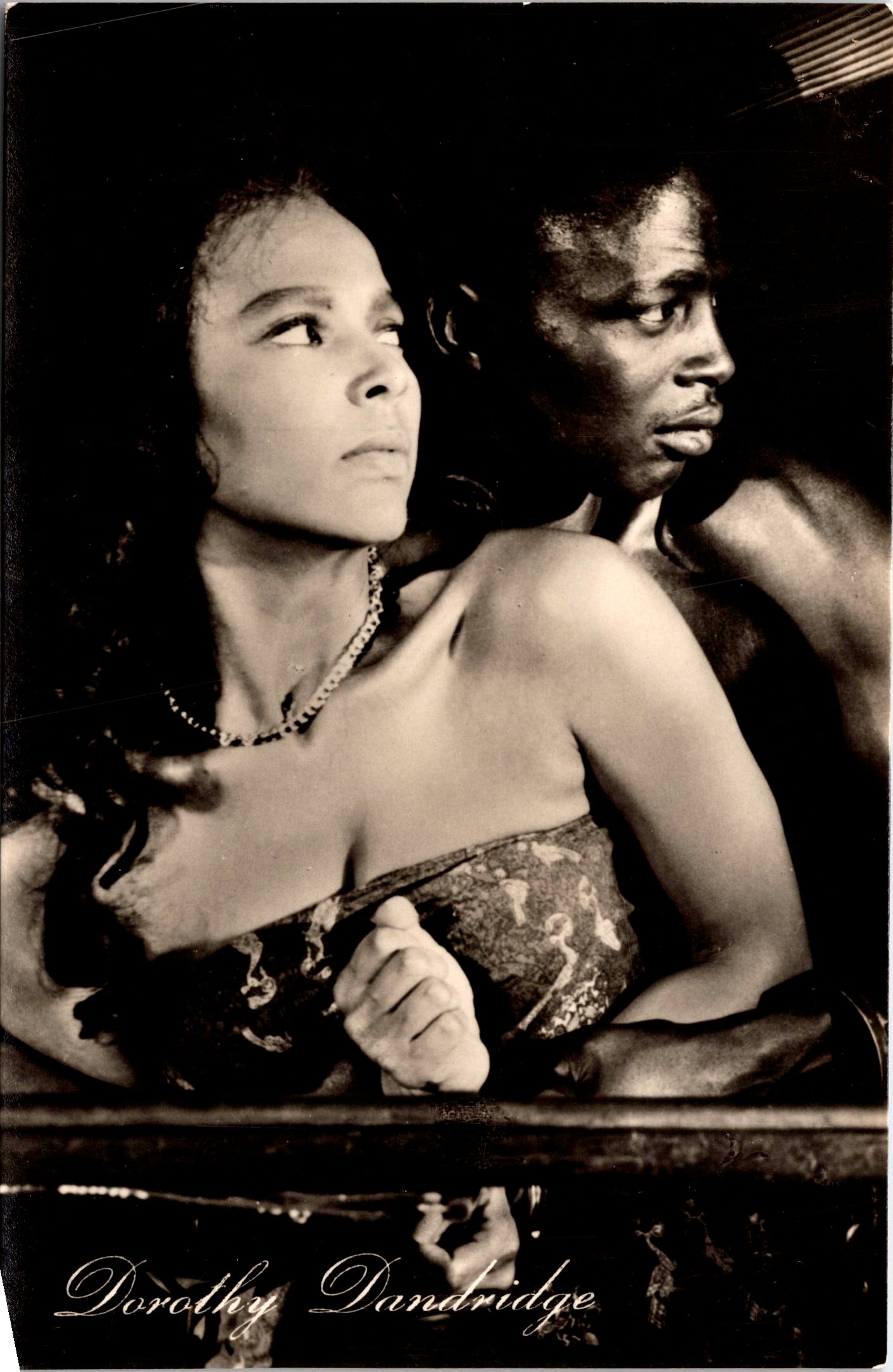
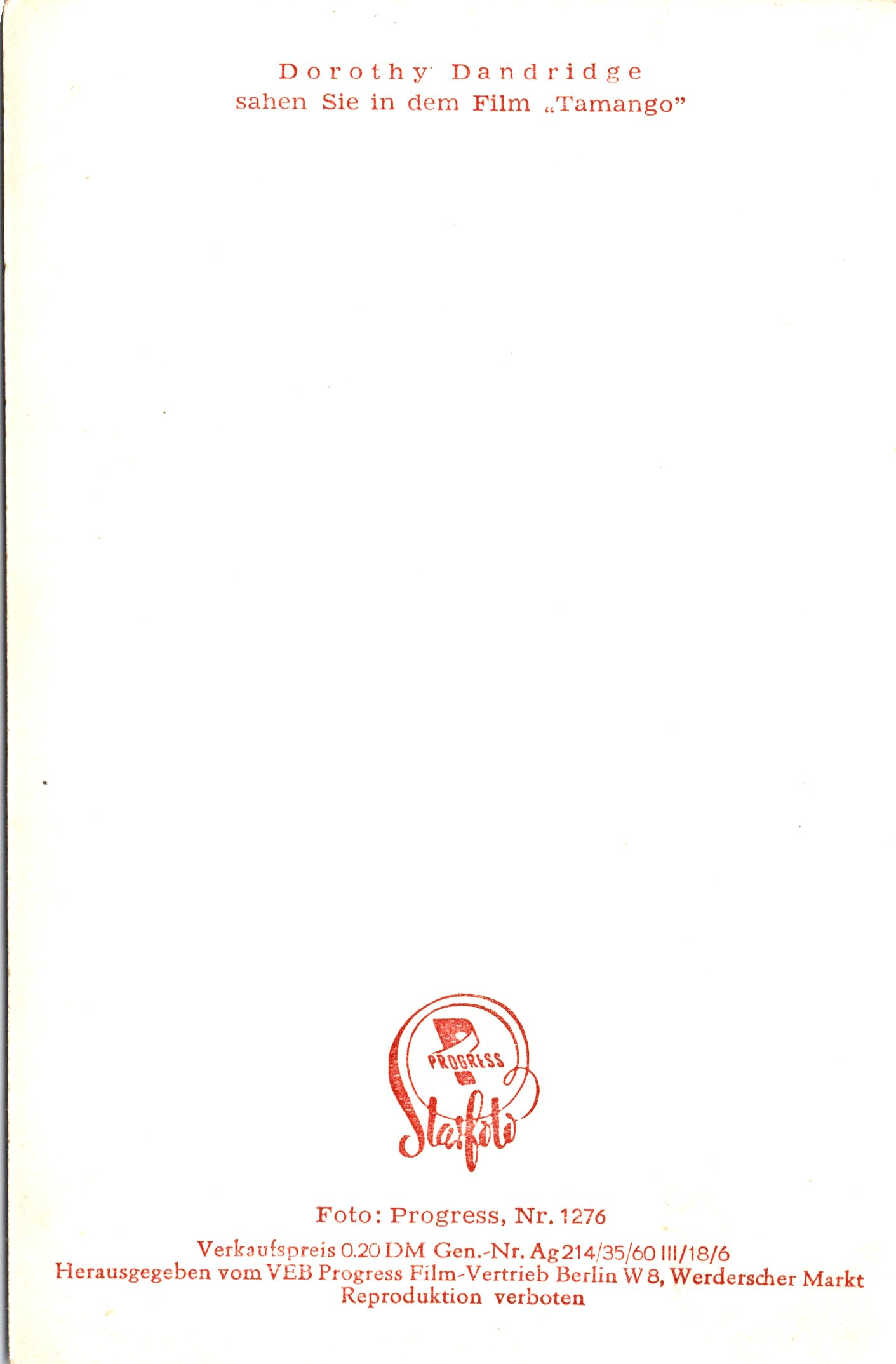
This vintage real photo postcard features African American actress and singer, Dorothy Dandridge (1922-1965). She was born in Cleveland, Ohio. Her mother was an entertainer and her father was a cabinet maker and Baptist minister. Before Dorothy was born, her parents separated. Ruby’s mom built a song and dance act for Dorothy and her sister. Her mom’s lover managed the act and it is written that the children were given abusive discipline. They toured continuously for five years and they barely attended school. When the depression hit, Ruby moved her girls to Hollywood, California. Before long, the sisters teamed up with school mate Etta Jones to do a dance act called “The Dandridge Sisters”. The act did well for several years and played in venues such as the Cotton Club and the Apollo Theater. Dorothy’s first screen appearance occurred when she was 13 in an episode of “Our Gang”. This was followed by a number of other screen roles including an appearance in “A Day at the Races” (1937) with the Marx Brothers. Her firs credited film role was in 1940. Her film roles were limited because she rejected many stereotypical black roles. In the 1940’s she appeared in both film and on the stage. She also performed as a singer in films with Count Basie and Louis Armstrong. Her first starring role was in “Bright Road” (1952) where she played opposite Harry Belafonte. In 1954, she starred in “Carmen Jones”. She received great reviews and the movie made her one of Hollywood’s first African American sex symbols and she was featured on a number of national magazine covers. In addition, she was nominated for an Academy Award for Best Actress. In 1957, she appeared in the film “Island in the Sun” in which she was involved in an interracial love affair with a white man. The script had to be revised a number of times because of the Motion Picture Production Code. The movie was controversial but received positive reviews and was successful. The IMDb credits Dandridge with 39 films between 1935 and 1962. She was politically active and was involved with the National Urban League and the NAACP. Dandridge was married and divorced twice and had a four year affair with director, Otto Preminger. Toward the end of her career, she discovered that her financial advisors had stolen much of her money and she owed over 100,00 dollars in back taxes. Her finances were in shambles and she had to move into a small apartment. In 1965, she had a phone conversation with a friend in which she made cryptic remarks intimating that her time left on earth might be short lived. The next day she was found dead in her apartment. There were two investigation into the cause of her death. One concluded she died of an accidental overdose of an anti-depressant. The other investigation determined she died of an embolism. This postcard features Dorothy Dandridge in the film “Tamango” (1959). The film tells the story of a rebellion on a Dutch slave ship. The actor standing behind Dandridge is Alex Cressan, who played the leader of the rebellion. Cressan only appeared in this one film. When he was cast in the film, he was a medical student in Martinique. Cressanreceived good reviews for his acting in this film. How he lived his life after this film is unknown. This real photo postcard was published by Progress Starfoto. (SOLD)
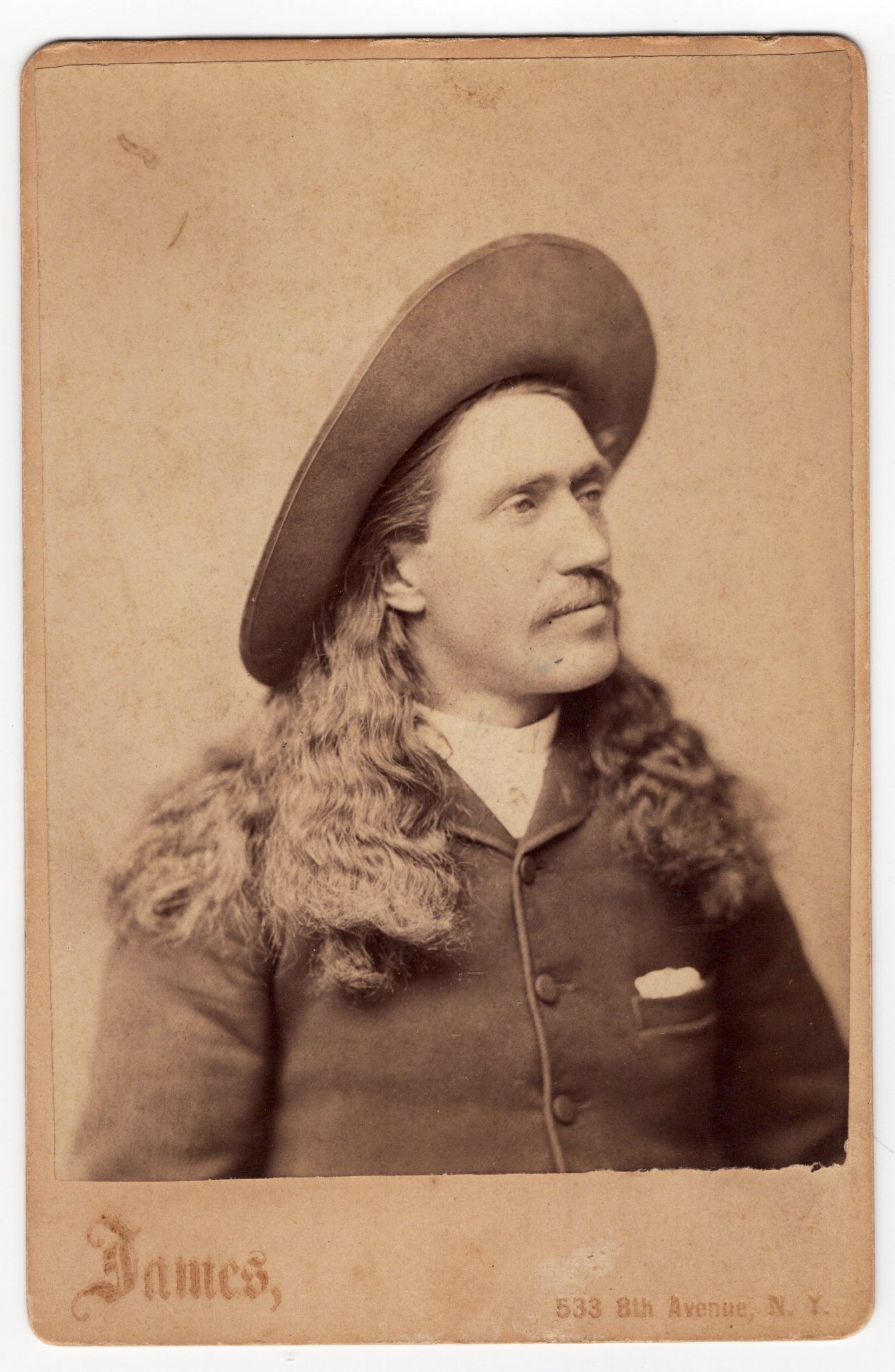
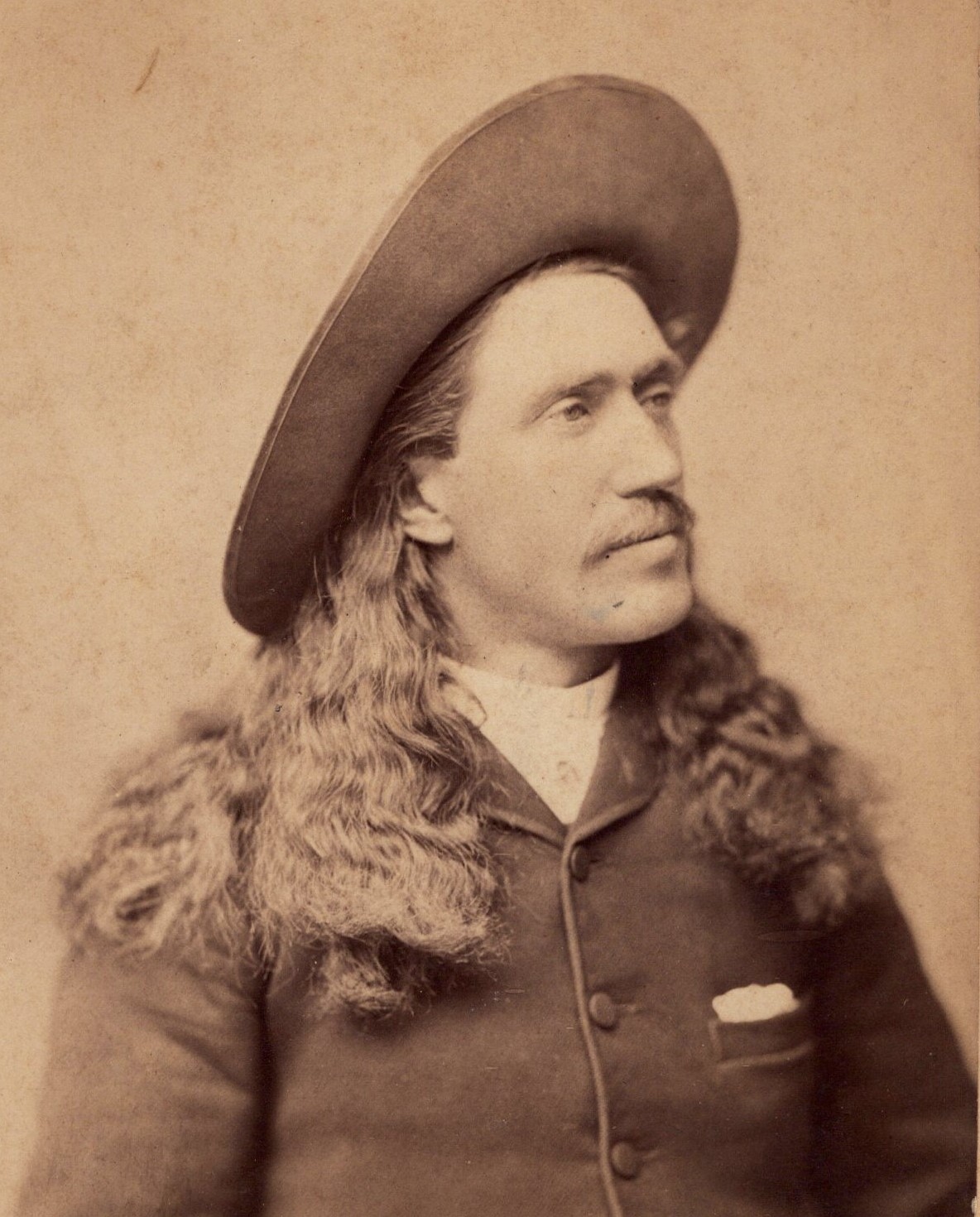
This cabinet card features a man with long flowing hair. He is wearing a western hat. His portrait looks similar to the portraits of Buffalo Bill, Wild Bill Hickok, and Pawnee Bill. Perhaps he is one of these celebrated old characters but it is my hypothesis that he is a member of a troupe of “actors” in a “Wild West” show visiting New York. The New York connection is that this photograph was taken at the James Studio, located in New York City. SOLD
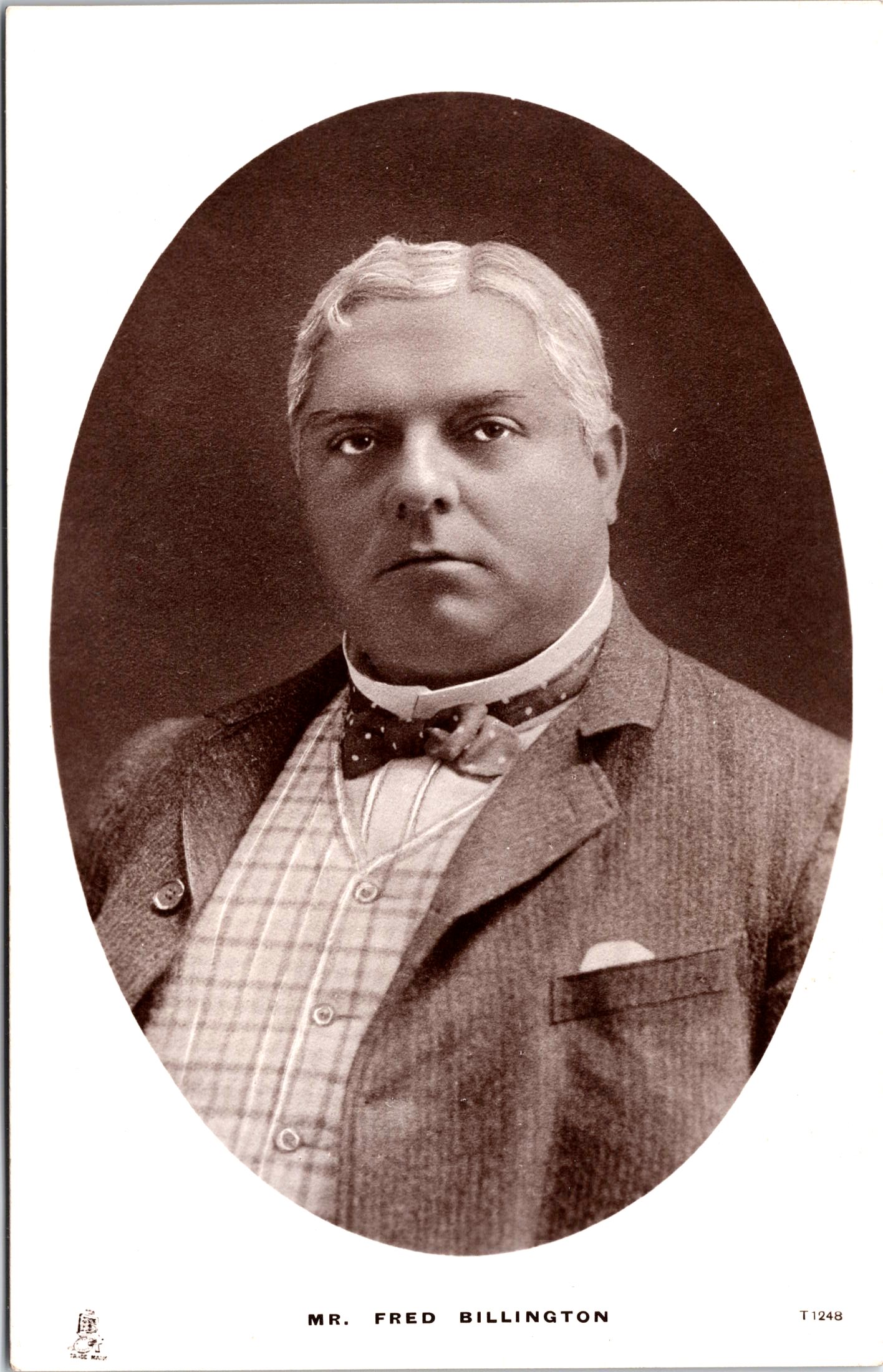
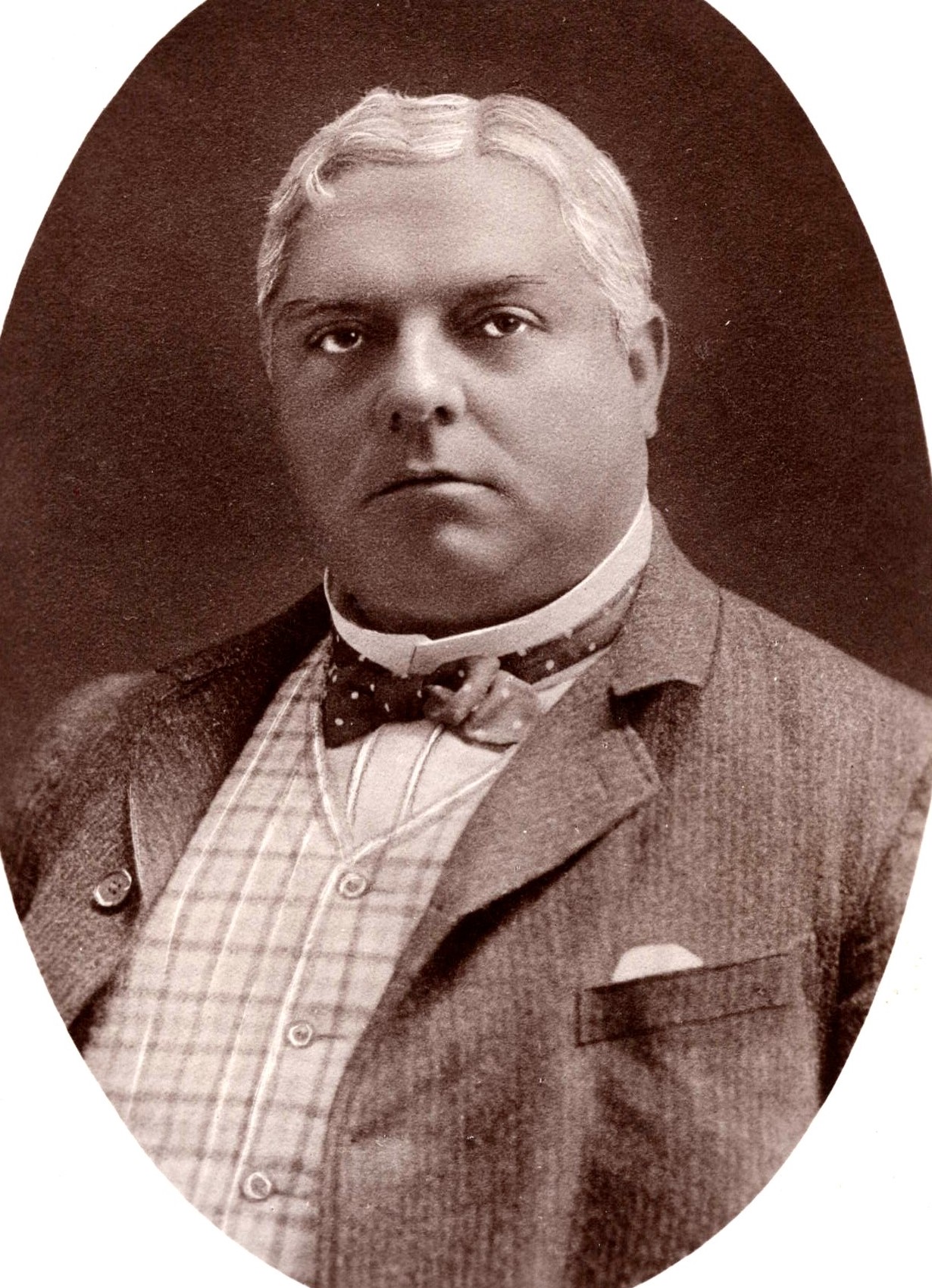
This vintage real photo postcard features English singer and actor, Fred Billington (1854-1917). He is most identified for his baritone roles in the Savoy Operas. He performed with the D’Orly Carte Opera Company from 1879 until his death (1917). Billington also performed in America. His resume includes one stint on Broadway, in the play, “Ruddigore (1887). He also performed in a command performance of “The Mikado” (1891) for Queen Victoria. In 1917, was asked to lunch by the Rupert Carte, the proprietor of the D’Orly Carte Opera Company. Billington was informed that it was time for him to retire from the company. He was considered too past his prime. After finishing lunch and Carte’s departure from the restaurant, Billington sat and chatted with a waiter. When it was time for Billington to leave, he stood up from the table, walked toward the exit, and dropped dead. This postcard was published by Raphael Tuck & Sons as part of the Celebrities of the Stage series (no.T1248). SOLD
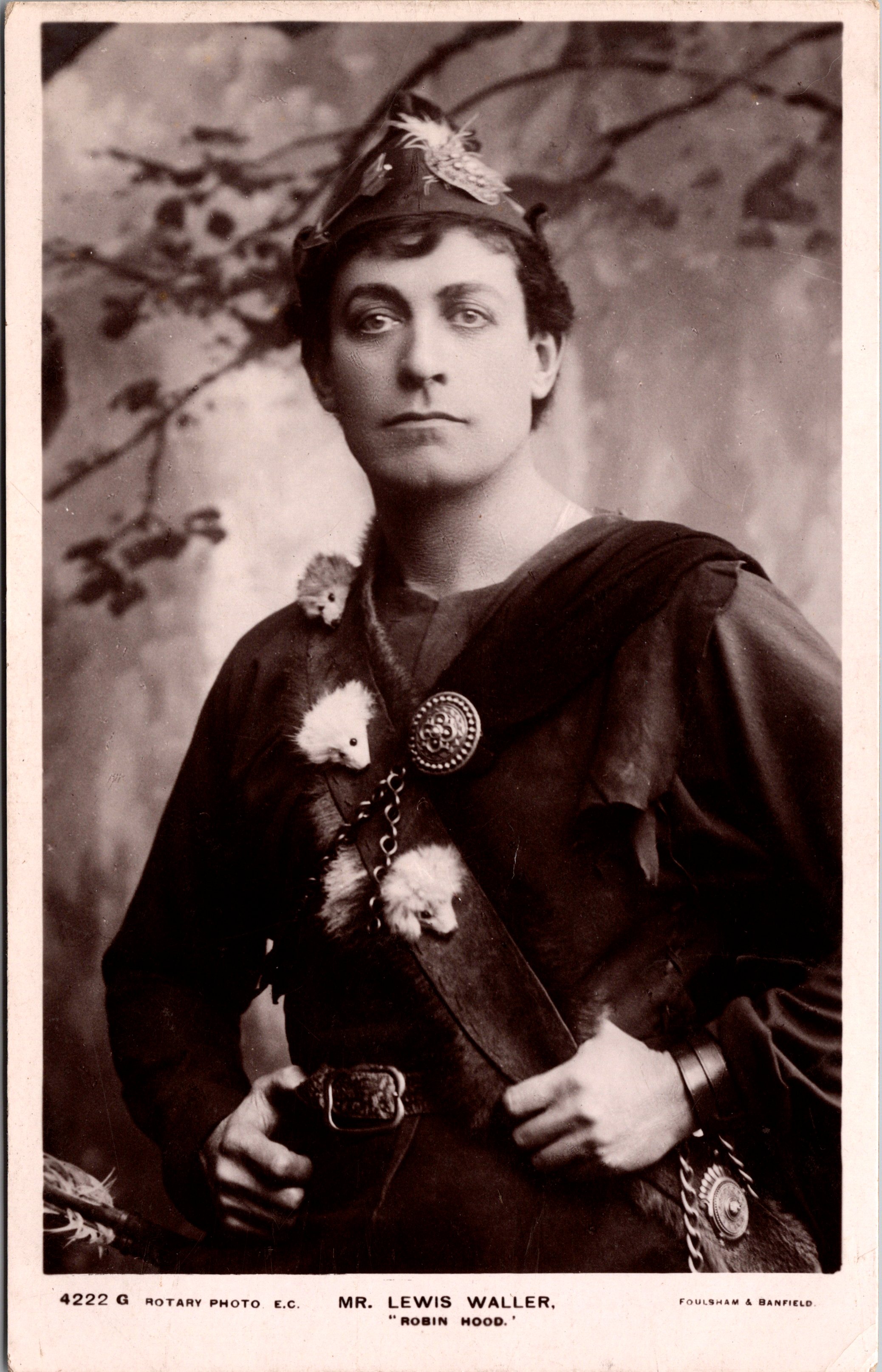
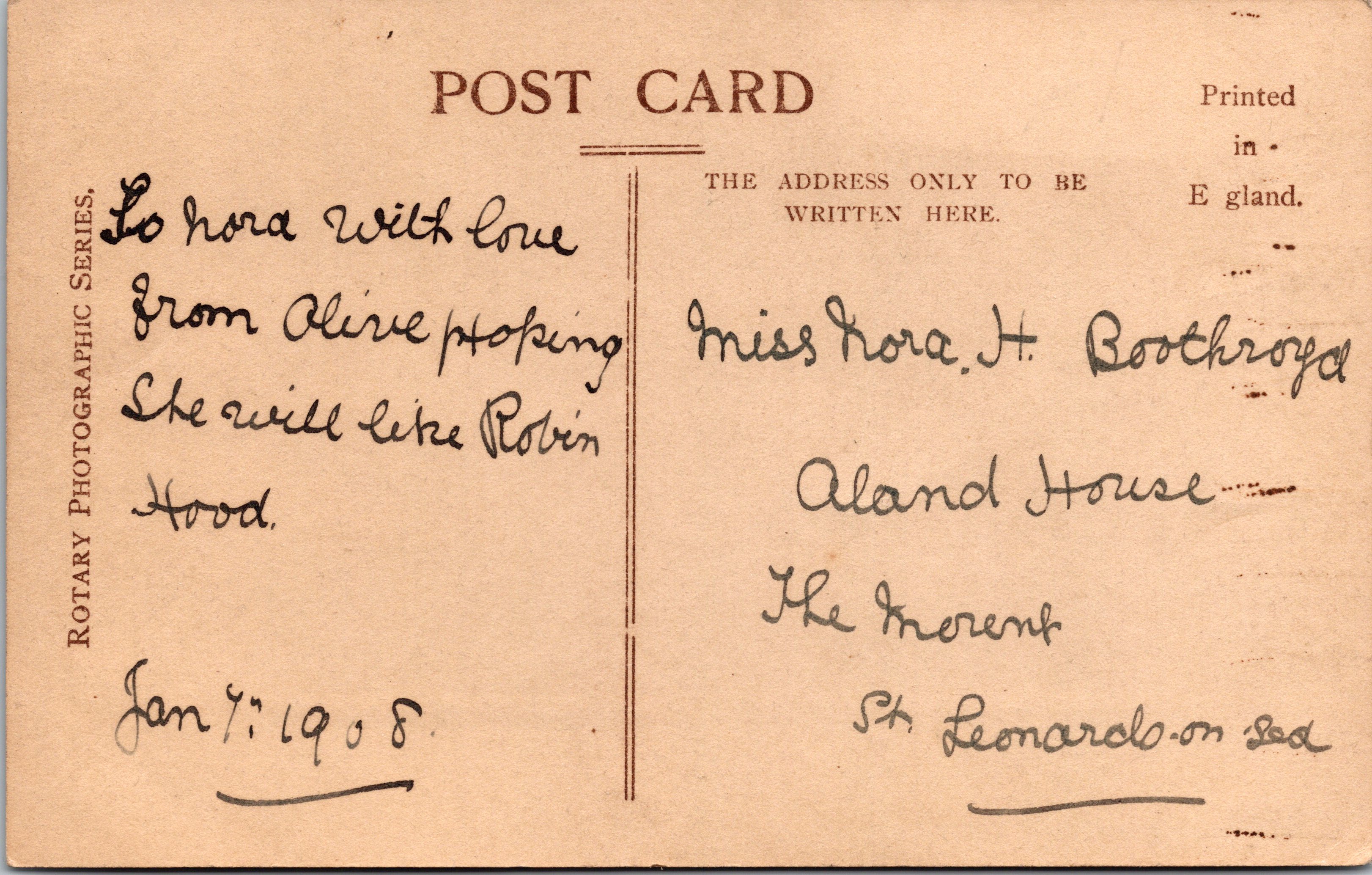
This real photo postcard features British actor and theater manager, Lewis Waller (1860-1915). The photo shows Waller in costume for the production of “Robinhood”. After performing with a few theater companies, Waller entered the late 1880’s as an actor who played romantic leads in both Shakespeare and popular dramatic stage productions. He was a hit with the ladies and had a large vocal fan club. He managed theaters and theater tours from the 1885 through after the turn of the century. Waller achieved success in playing title roles in Booth Tarkington’s “Monsieur Beaucaire” and Arthur Conan Doyle’s “Brigadier Gerard”. However, Waller preferred acting in plays by Shakespeare. Waller was born in Spain but educated in London. He studied languages in Europe and for four years worked as a clerk in a London firm. In 1882 he married Florenc Isabella Brandon who became an actress under the name of Florence West. Waller acted in amateur productions and by 1883 began workeing as a professional actor. During 1911 and 1912. Waller toured and performed in the United States, Canada, and Australia. During his career he made recordings for the Gramophone Company and acted in three films. This vintage photo postcard was published by Rotary Photo as part of a series (no.4222G). Waller’s portrait photograph was taken by the Foulsham and Banfield Studio. The message on this postcard indicates that it was written in 1908. (SOLD)
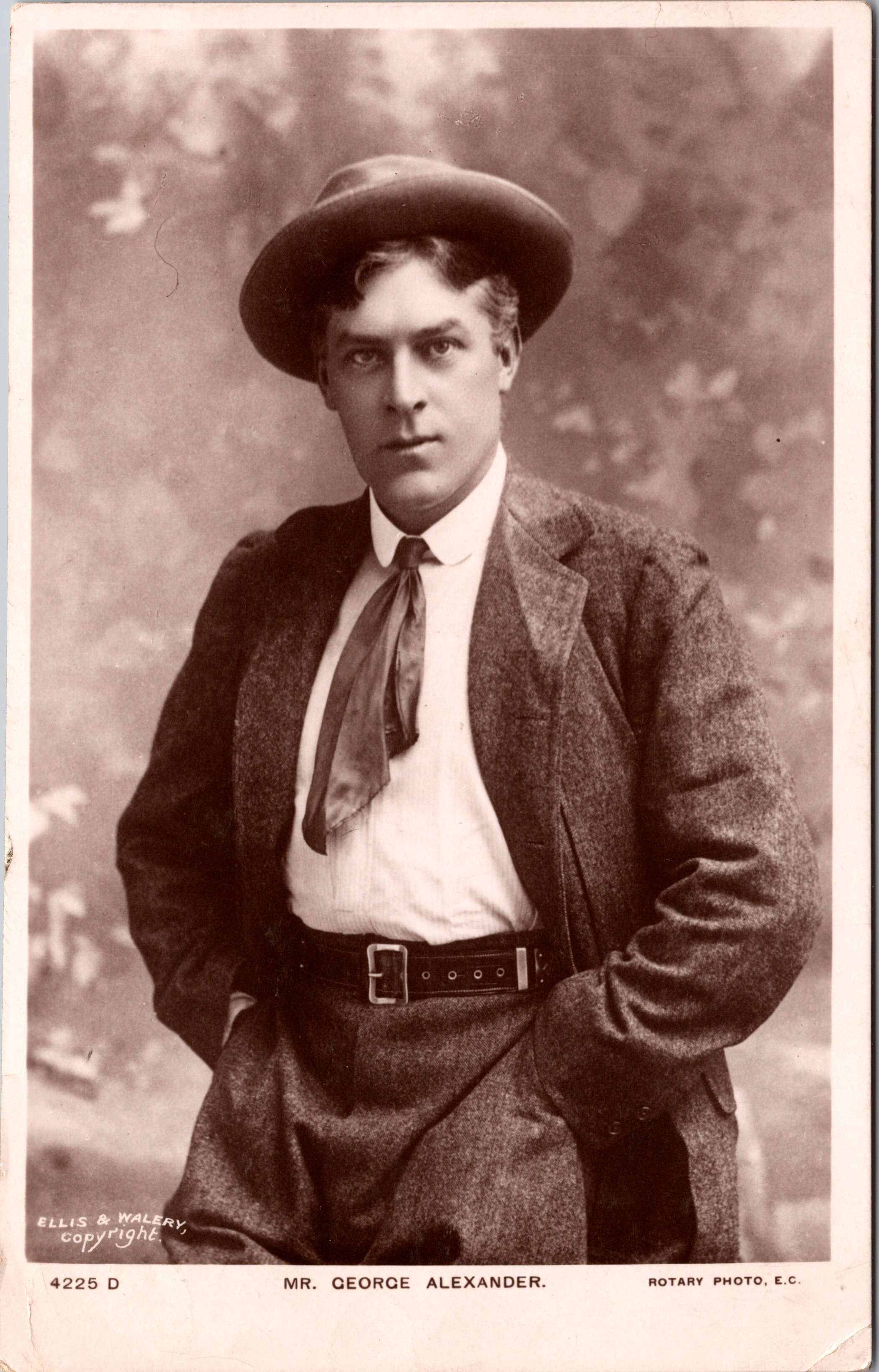
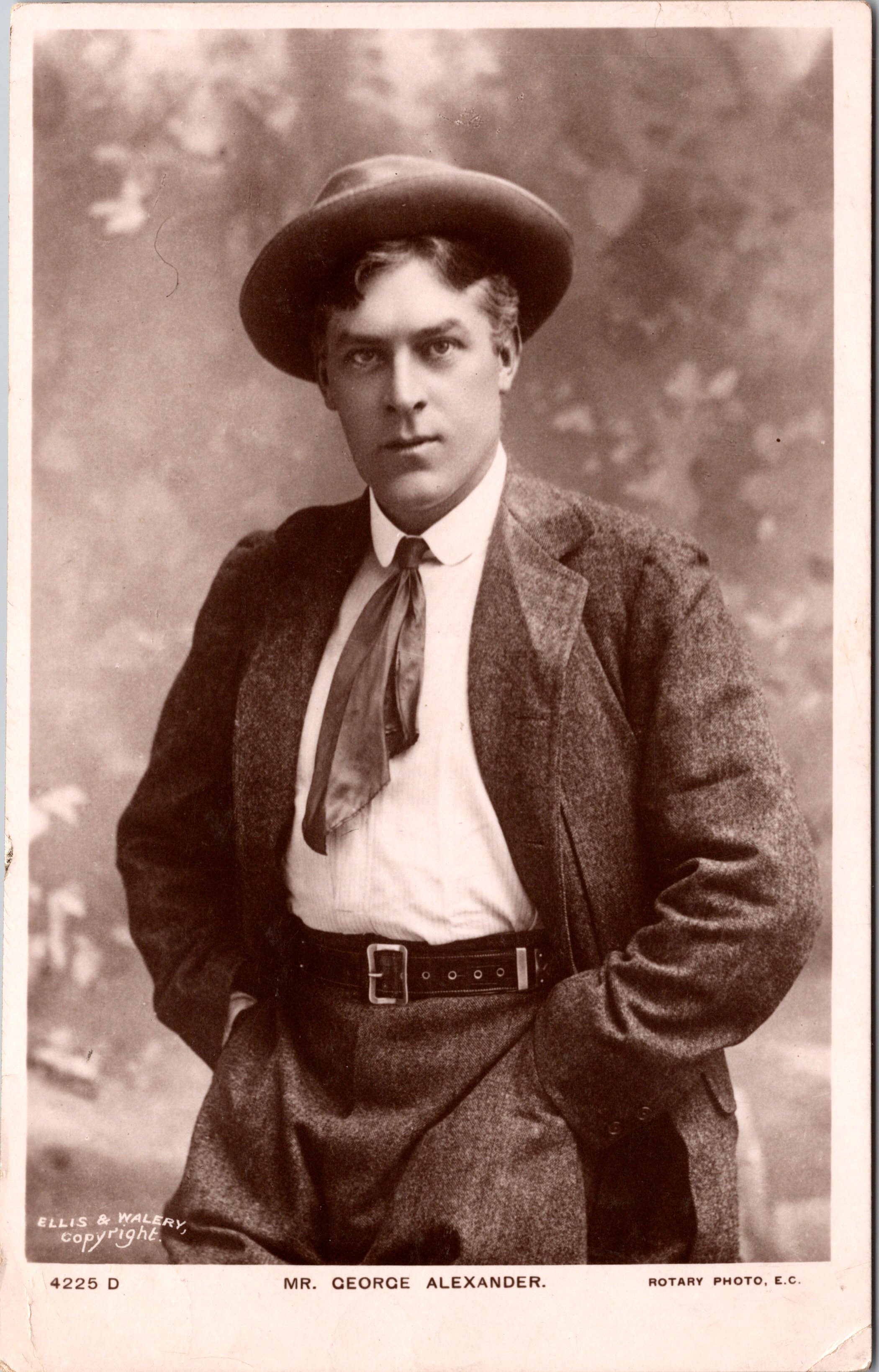
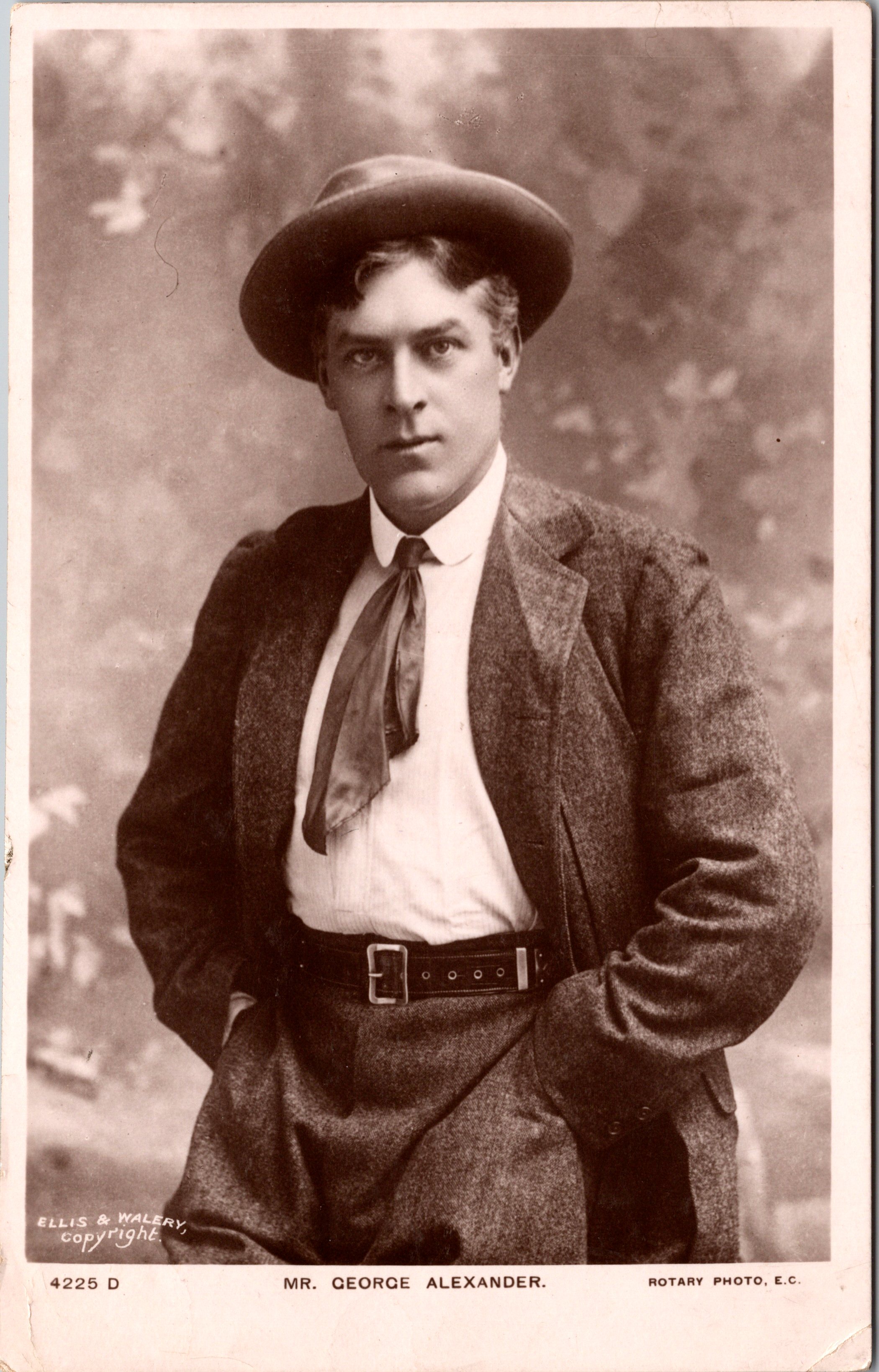
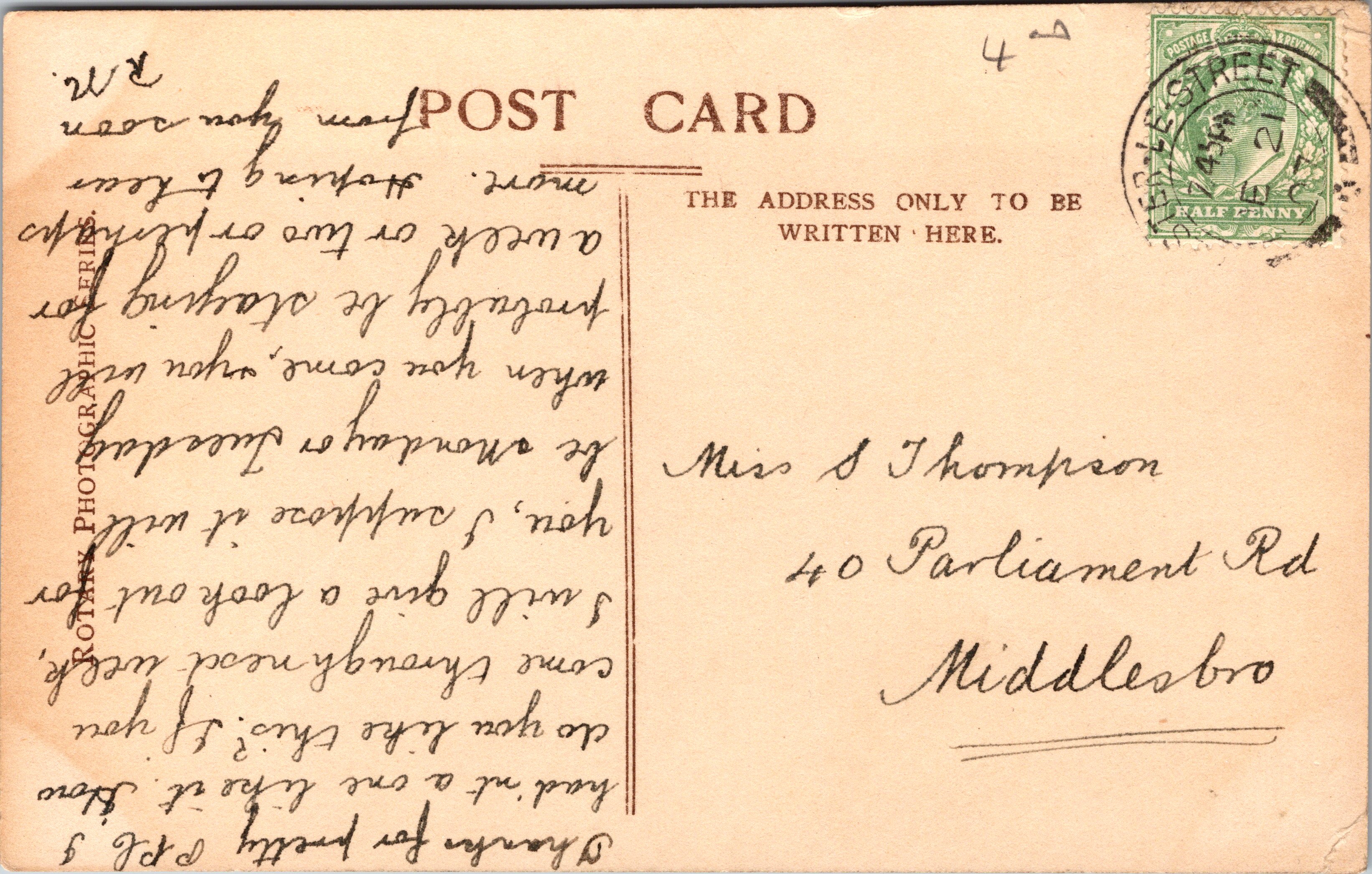
This real photo postcard features George Alexander, an English stage actor, theatre producer, and theatre manager. He began his professional acting career in 1879. He became interested in theatre management and in 1890, he leased a London theatre and began producing plays. In 1891, he moved to the St. James’s Theatre where he spent the rest of his career, acting and producing. Three of his most successful plays were Oscar Wilde’s ‘Lady Windermere’s Fan” (1892), “The Second Mrs Tanqueray” (1893), and Wilde’s “The Importance of Being Earnest (1895). Alexander was born in Reading, Berkshire, England. His father was a travelling salesman. George was educated in private schools. He left school at the age of fifteen in order to pursue amateur acting. Upon becoming a professional actor, he joined a repertory company. That was followed by a stint in a touring company. He received positive reviews and his status as an actor rose. In 1882, George married Florence Jane Theleur (1857-1946). She shared his interest and involvement in the theatre and both also had strong engagement in public affairs. During the 1880’s, Alexander expanded his acting experience. His work for actor/manager, Henry Irving, provided him with an excellent theatrical education. During his time with Irving, George toured in the United States on two occasions. George served on the London County Council from 1907 to 1913. George was also a benefactor and a participant in many organizatIions that benefitted actors and the theatre. He also worked for charities like the Red Cross and the League of Mercy. In 1911, Alexander was knighted. He died from tuberculosis and diabetes in 1918. This postcard was published by Rotary Photo as part of a series (no. 4225 D). The portrait photo was taken by the celebrated studio of Ellis & Walery. The postmark on this card was stamped in 1907. This postcard is in very good condition (see scans).
Buy this Vintage Real Photo Postcard (includes shipping within the US) #3527
To purchase this item, click on the Pay with PayPal button below
$18.33
Buy this Vintage Real Photo Postcard (includes International shipping outside the US) 3527
To purchase this item, click on the Pay with PayPal button below




 THE CABINET CARD GALLERY