This vintage private photo postcard features a happy couple posing with a Hanomag diesel farm tractor. The man and woman are both smiling and appear to be having a good time. The tractor has headlights; probably to allow it to travel on dark roads. I’m not so sure if a farmer would ever plow at night. The gentleman in this photo may be a farmer, but he certainly isn’t dressed like one. The tractor looks suspiciously like an automobile. However, back wheels of this vehicle leave little doubt that it is a tractor, and not an auto. Hanomag (Hannoversche Maschinenbau AG) was the German manufacturer of the tractor in this image. The company, based in Hanover, produced tractors, steam locomotives, trucks and military vehicles since before World War I. In fact, the company began in 1835. In 1925 they began manufacturing automobiles. In 1928, the company began producing diesel tractors, such as the one seen in this photo. The company was purchased by the Japanese firm, Komatsu, in 1989. On the drivers side of the vehicle, near the steering wheel, are the words “Peter Reiter, Dachau”. I believe, though can not confirm, that “Peter Reiter” was a agricultural machinery dealer in Dachau, Germany. Many people’s first impression upon encountering the name “Dachau”, immediately associate it with the concentration camp built there by the Nazis in 1933. The word “Dachau” brings up horrific images and thoughts. Dachau is a town in Germany. It is located in Upper Bavaria in the southern part of the country. It is twelve miles northwest of Munich. This photo postcard measures about 5 3/8″ x 3 1/2″ and is in good condition (see scans). (SOLD)
This vintage real photo postcard features German/Hungarian actress Lottie Loder (1910-1999). She was born in Nuremberg, Germany. Loder started her career as a dancer in Vienna. She was a “talkie” film actress (Warner Brothers). She was known for “A Soldier’s Plaything (1930), “Oh, Sailor Behave! (1930), and “Men of the Sky (1931). Her career was brief. The brunette leading lady, according to IMDb, acted in just five films between 1930 and 1931. Warner Brothers brought her to Hollywood to compete with MGM’s Greta Garbo, and Paramount’s Marlene Dietrich. Note Loder’s “dutch cut” hairstyle. She clearly copied Colleen Moore’s 1920’s trademark hair style. Loder was in good company. Celebrated actress, Louise Brooks, also copied Miss Moore’s “dutch cut”. Loder died in Miami, Florida at about 89 years of age. This postcard portrait was published by Ross Verlag and was part of a series (no. 6042/1). The postcard promotes Warner Brothers films. This photo portrait postcard is in good condition. The postcard has a pinhole in the center of it’s top border above the image (see scans).
Buy this original Vintage Real Photo Postcard (includes shipping within the US) #2643
To purchase this item, click on the Pay with PayPal button below
$25.50
Buy this original Vintage Real Photo Postcard (includes international shipping outside the US) #2643
To purchase this item, click on the Pay with PayPal button below
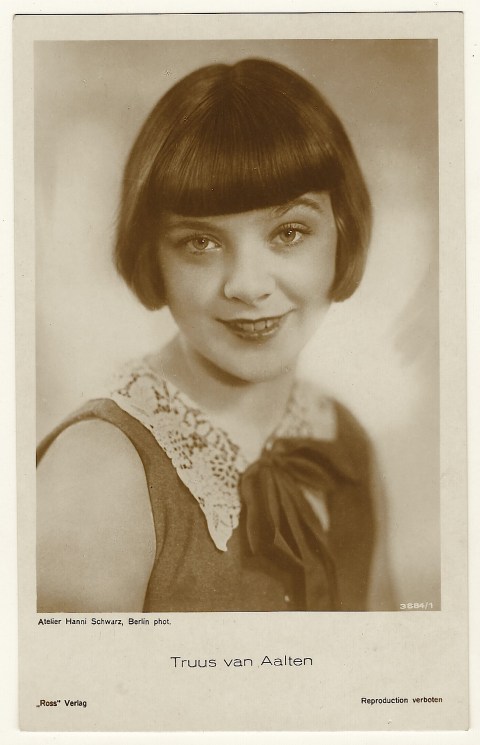
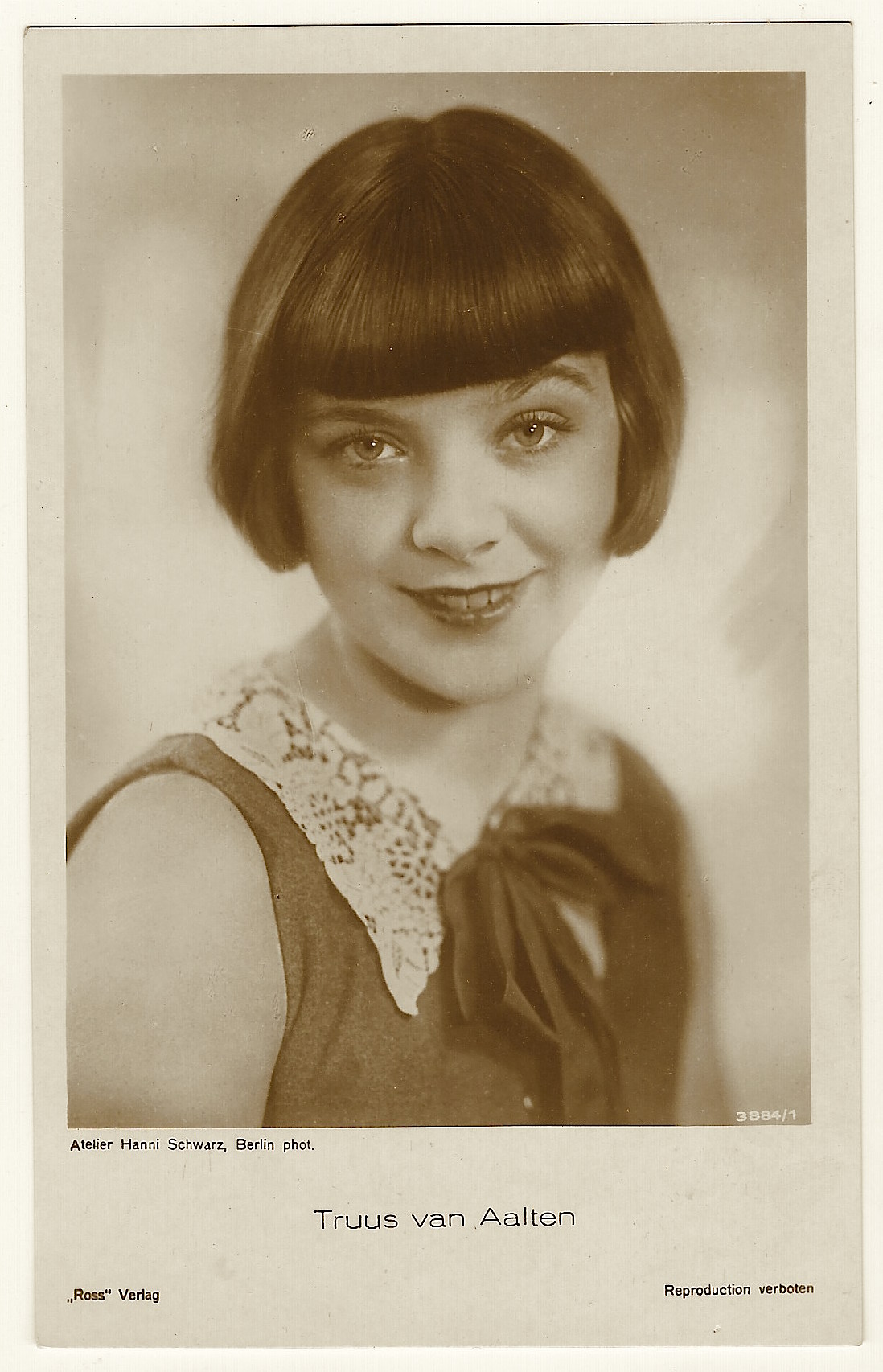
The top vintage real photo postcard features Dutch actress, Truus van Aalten (1910-1999). She appeared in many German films in the 1920’s and 1930’s. She is flashing a wonderful smile as she holds a cute little dog. Truus worked as a milliner after finishing school and then worked as a salesgirl in a clothing store in Amsterdam. What she really wanted to do, was to become a movie actress. Unfortunately, at the time, the movie industry was not producing many films in the Netherlands. In 1896, Truus entered a beauty contest sponsored by a Dutch magazine. The winner of this contest would be given the opportunity to audition for a film role. Truus was selected and joined about two hundred other women in Berlin to try out for the film part. She excelled on the screen test and won the role. The movie was being produced by Ufa, a German film company. The cast of the film included Betty Balfour and Willy Fritsch. Three photos of Miss Balfour can be found in the Cabinet Card Gallery by searching for “Balfour”. The name of Truus’s first movie was “A Sister of Six” (1926). Keep in mind, Truus had no training or experience as an actress. Even though Truu’s command of the German language was weak, Ufa offered her a contract and promised to train her and offer her opportunities in other films. The Ufa executives appreciated her sparkly and funny personality as well as her photogenic appearance. Truus’s father signed the contract and she moved to Berlin. The celebrated actress Olga Tschechowa took Truus under her wing and became her unofficial mentor and mother figure in the film industry. Olga nicknamed the young actress “Trulala”. Truus second film appearance was in “His Late Excellency” (1927). This movie included Willy Fritsch and Olga Tschechowa among it’s stars. Truus appeared in five movies that were released in 1928. She was certainly a busy actress. As Truus started to appear in more and more silent films, it became clear that she was talented; pretty, spunky, and funny. Truus’s greatest talent was seen in her comedic roles. She slowly became a fan favorite. She was the subject of interviews and photos in movie magazines. She also got work appearing in advertisements. Truus had “a look” of her own. She was described in one article as having a “mixture of boyish yet feminine energy”. Her bobbed hair and her uninhibited style was similar to actress Colleen Moore. Truus made a successful transition into “talkies”, despite her Dutch accent. By 1930, she was a very well known actress. Her photograph appeared in many postcards and tobacco cards. As Nazism rose in Germany, members of the film industry felt extremely vulnerable. Her film appearances became less frequent, partially because the parts written for females, during the Hitler era, were not particularly desirable to Truus. In 1934, she starred in her only film in Dutch and she was well received. Her next film wasn’t until 1939 and it turned out to be her final film appearance. In 1940, she returned to live in German occupied Netherlands. She was offered movie roles there, but refused them, because they were propaganda films. After the war, there was little activity in film production in Germany or Netherlands. Finding roles in English or American movies was unsuccessful. In 1954, Truus established a successful importing and exporting business in the Netherlands. The IMDb credits Truus with 28 film appearances from 1926 to 1939. The YouTube video below demonstrates just how cute and engaging Truus was as an actress. She was incredibly adorable. Postcard 1 was published by Ross Verlag. The postcard is part of a series (no. 4184/1). Miss van Aalten’s portrait was taken by photographer Alex Binder, who operated a studio in Berlin. He was one of Berlin’s premier photographers and photographed many stars of the stage and film. This postcard is in excellent condition (see scans). Postcard 2 was also published by Ross Verlag. The card is part of a series (no. 3884/1). The portrait was taken by photographer Hanni Schwarz of Berlin. Schwarz was a German female photographer and her work was praised in “American Photography” (1909). She was a well known professional photographer in Germany during the early 1900’s. Before becoming a photographer, she was a teacher at her father’s school in Basel. In 1904 , she and Anna Walter took over the photo studio of Johannes Hulsen in Berlin. In 1908, she and Wilhelm von Gloeden presented nude photographs at an exhibit in Berlin. Sometime around 1909 she ran her studio with photographer Marie Luise Schmidt. During the Brussels World’s Fair in 1910, Schwarz exhibited nudes In 1914, she began working with color photography. In 1919 the studio’s name only included Miss Schwarz, and she was reported to specialize in portrait and dance photography. The last known year of Schwarz’s work was 1930. This vintage postcard is in excellent condition (see scans).
Buy this original Vintage Real Photo Postcard (includes shipping within the US) #2610 (Postcard 1)
To purchase this item, click on the Pay with PayPal button below
$31.50
Buy this original Real Photo Postcard (includes international shipping outside the US) #2610 (Postcard 1)
To purchase this item, click on the Pay with PayPal button below
$39.50
Buy this original Vintage Real Photo Postcard (includes shipping within the US) #2611 (Postcard 2)
To purchase this item, click on the Pay with PayPal button below
$28.00
Buy this original Vintage Real Photo Postcard (includes international shipping outside the US) #2611 (Postcard 2)
To purchase this item, click on the Pay with PayPal button below
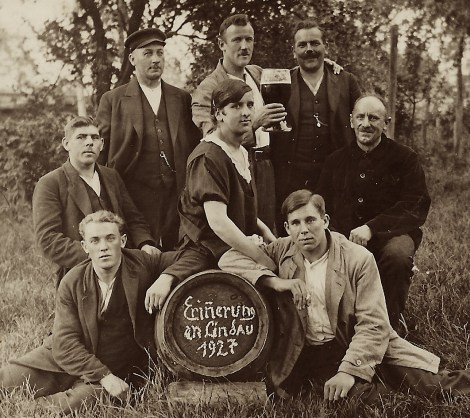
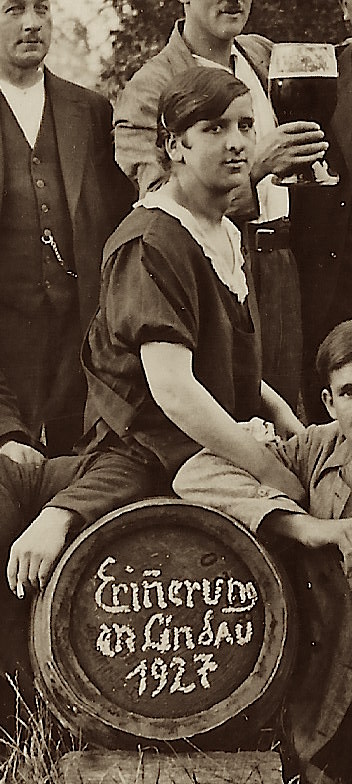
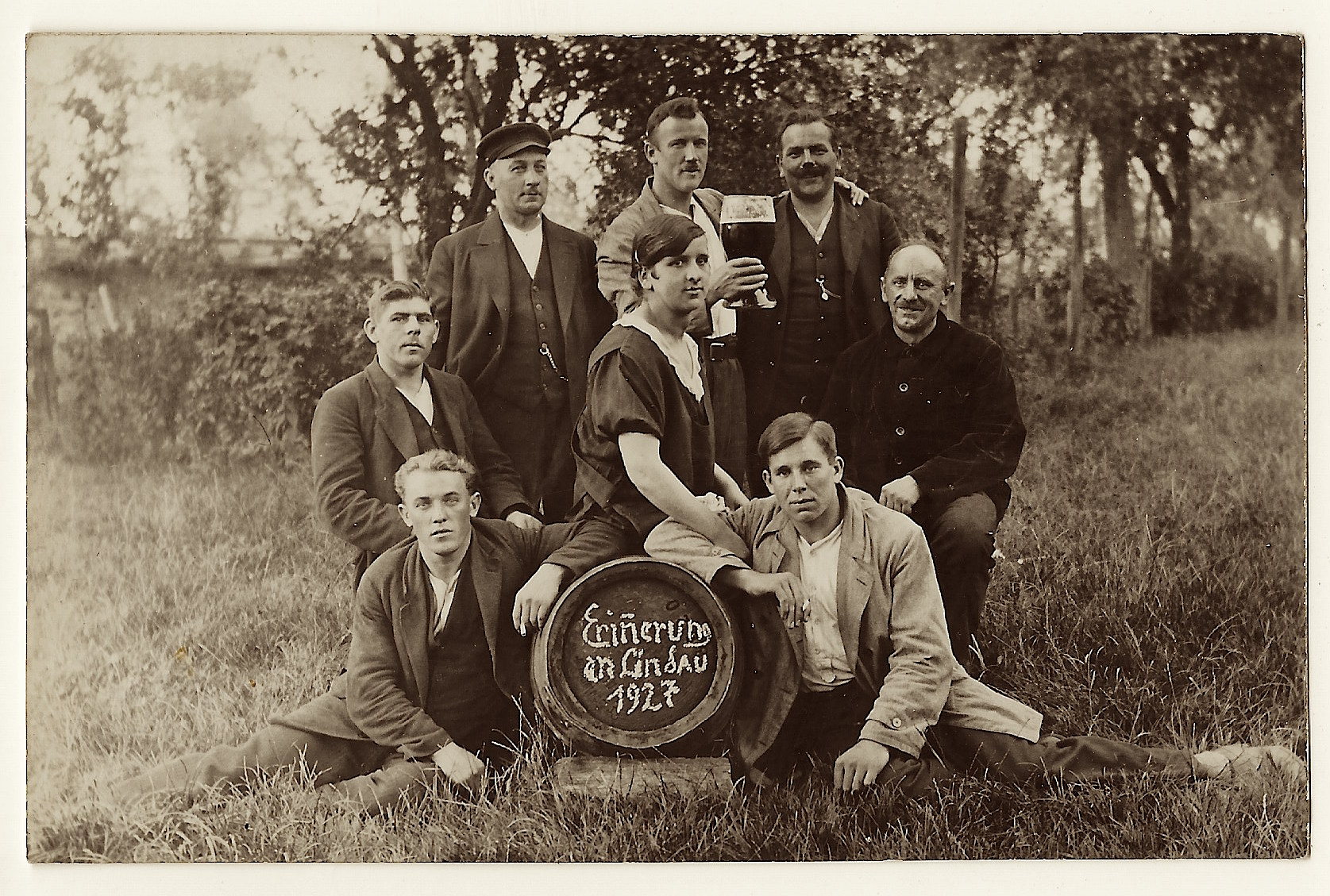
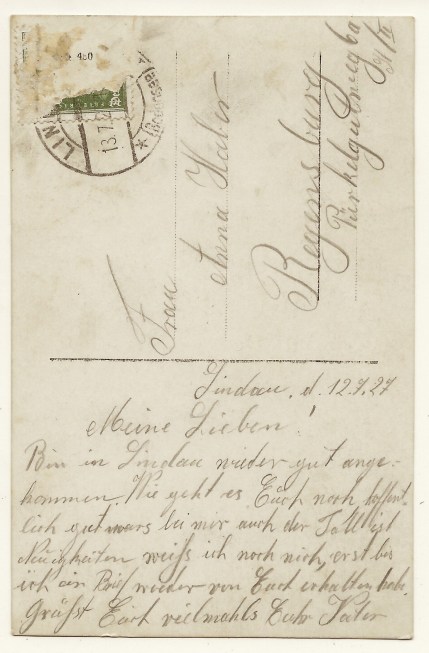
This vintage real photo postcard features a group of German beer lovers gathered around a keg in a country-side setting. This photograph is a treasure trove of interesting elements. First, the keg of beer is labelled with the title “Memories in Lindau 1927” (translated from German). Second,the bruiser in the center of the back row is holding a beer mug on steroids. It is likely that no one will challenge or fight him for the huge glass of dark beer. Finally, what is the story about the gentleman/lady in the center of the middle row. To quote the Kinks, “Girls will be boys, and boys will be girls”. It is likely that the man wearing the dress, seen in this postcard, did so for fun. It is not unusual to see cross dressing in photographs from this era. Generally, wearing opposite sex clothing in these images was done for entertainment, rather than for sexuality reasons. Women also dressed as men in photographs. Vesta Tilley (1864-1952) was an English music hall performer who was one of the most famous male impersonators of her time. She was a star in both Britain and the United States for over three decades (see her photo below). Returning to the subject of the beer drinking celebrants, we learn from the writing on the keg, that they are partying in Lindau, Germany. Lindau is a major town and an island in Bavaria. It is located on the eastern side of Lake Constance (Bodensee in German). The origin of Lindau’s name is thought to be the “linden tree”. Lindau is known for being near the Austrian, German, and Swiss borders. This vintage postcard has excellent clarity and is in very good condition (see scans).
Buy this original Real Photo Postcard (includes shipping within the US) #2577
To purchase this item, click on the Pay with PayPal button below
$40.00
Buy this original Real Photo Postcard (includes International shipping outside the US) #2577
To purchase this item, click on the Pay with PayPal button below
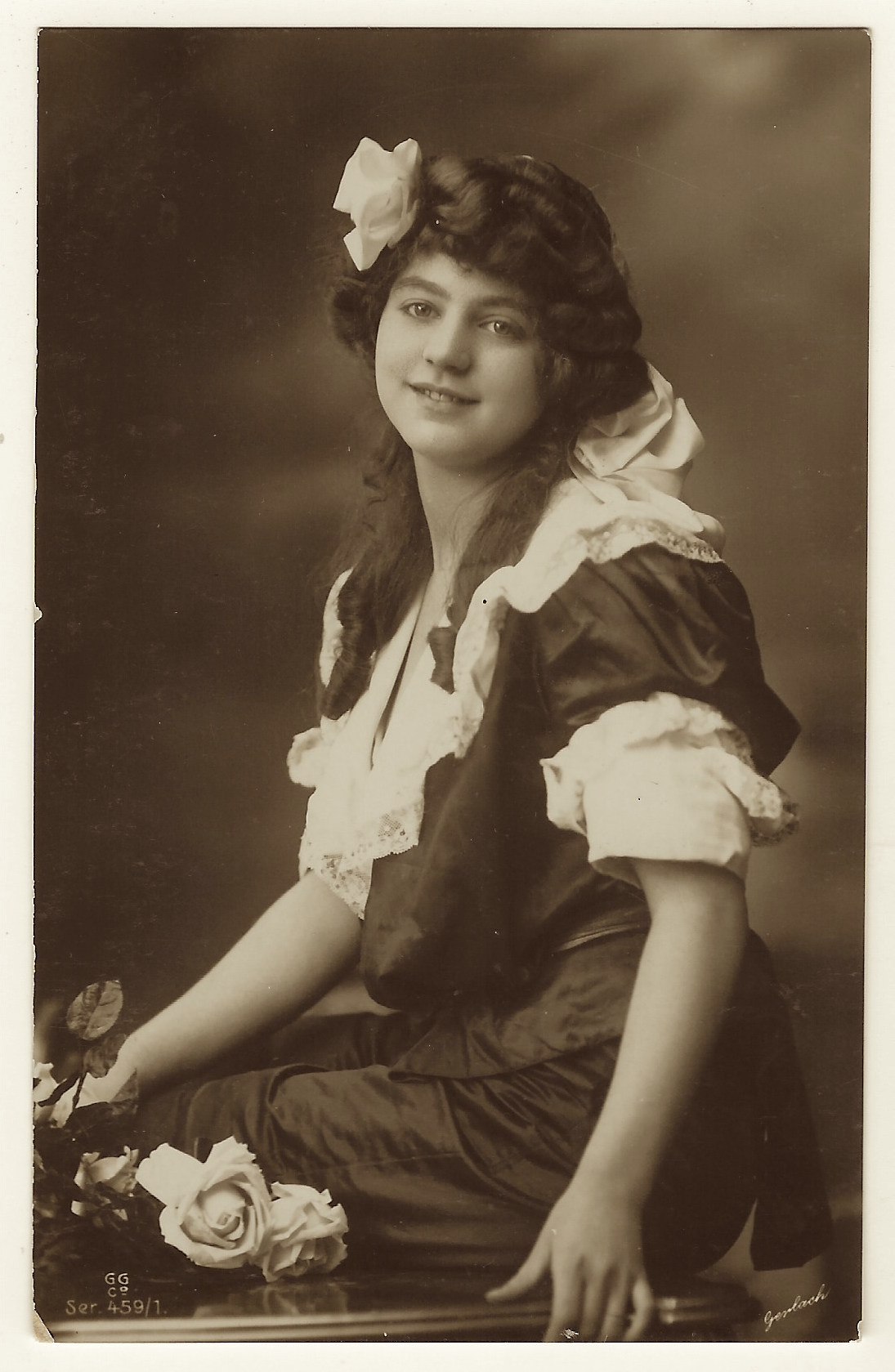
This vintage real photo postcard features a pretty young woman with a beautiful smile. . She is likely in her teenage years, and is adorably dressed. The postcard was produced by Georg Gerlach & Co.. The firm was a real photo card publisher and printer based in Berlin, Germany. A look at the reverse of the postcard indicates that it was formerly a resident of a postcard album The postcard is in very good condition (see scans).
Buy this original Real Photo Postcard (includes shipping within the US) #2539
To purchase this item, click on the Pay with PayPal button below
$22.00
Buy this original Real Photo Postcard (includes International shipping outside the US)
To purchase this item, click on the Pay with PayPal button below
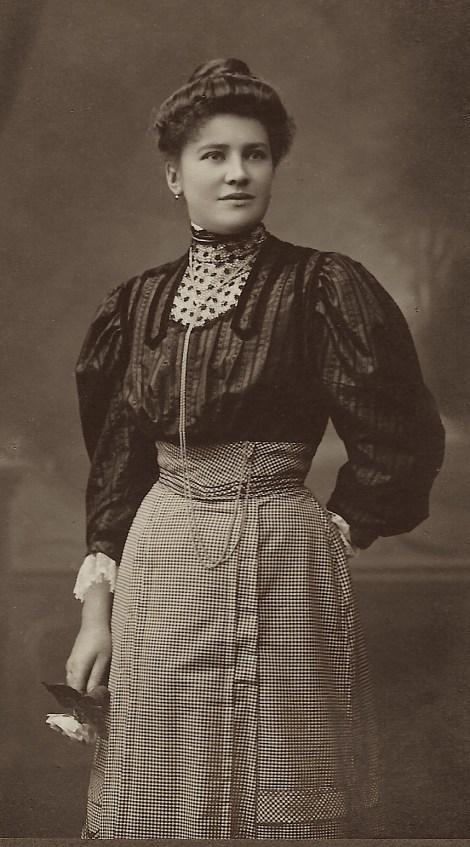
This cabinet card features a young woman with a flair for fashion. She is most certainly what we call today, a “fashionista”. She looks absolutely beautiful. Her checkered dress is pretty, and unusual for this era’s photographs. I do not know what she is wearing around her collar. Is it part of her dress, or is it an accessory? The young lady is beautifully posed and has a magnificent smile. The stemmed flower in her right hand is a nice touch. The talented photographer of this image is Franz Stulz. He operated a studio in Lundenberg, Germany. SOLD
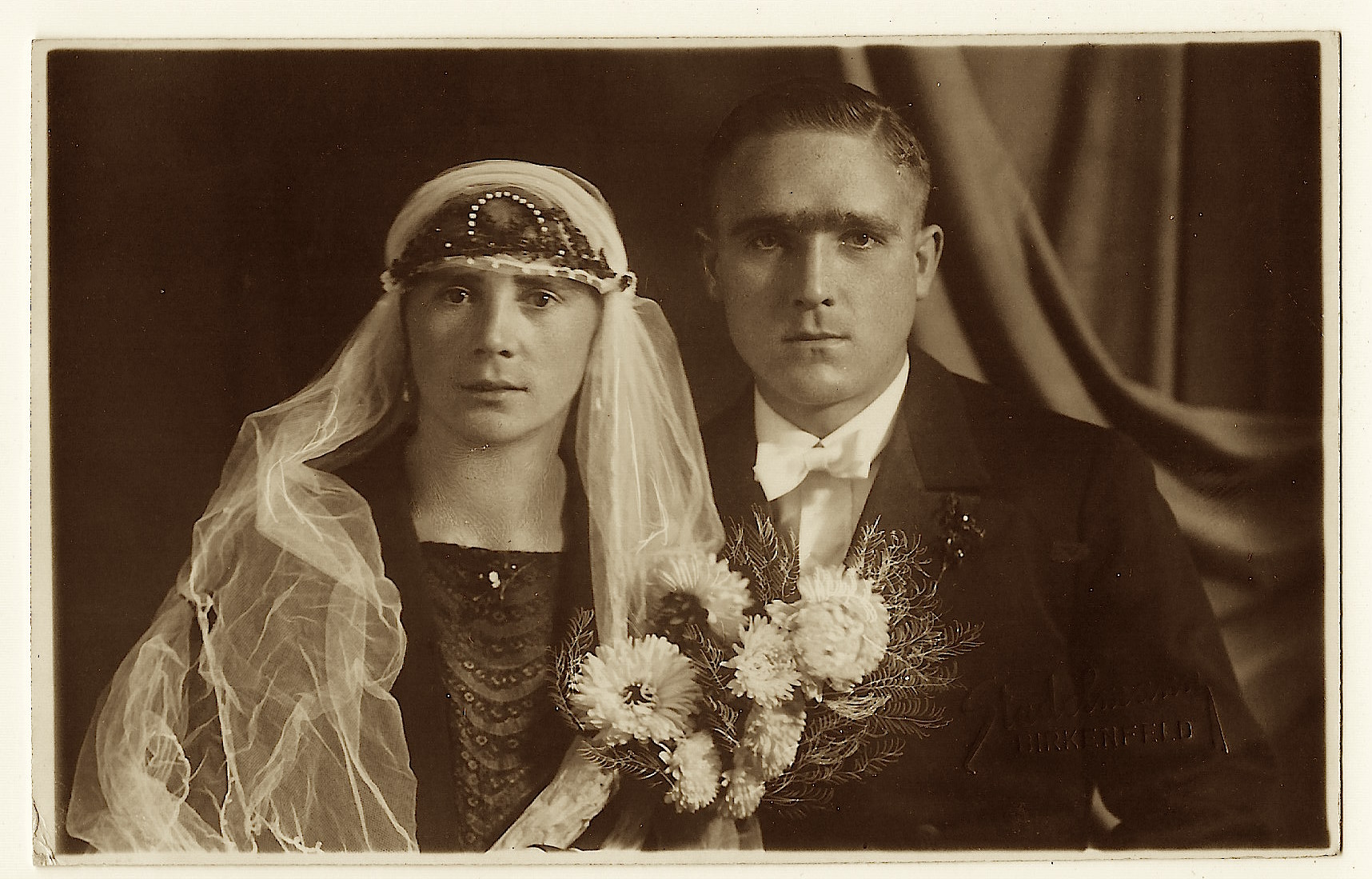
This vintage real photo postcard features a very handsome looking German wedding couple. The bride and groom look very serious on their special day. They are both very well dressed. The bride is wearing a beautiful veil and note the lovely bouquet of flowers that she is holding. A faint embossed stamp gives a clue concerning the photographer. The word “Birkenfeld” is visible. “Birkenfeld” is the name of the location of the photographer’s studio. The photographer’s name is Stadelmanz. The message on the reverse of the postcard appears to be written to Fritz, the signer’s friend. Hopefully a cabinet card gallery visitor (the vast unpaid research department) can leave a comment with a translation of the message.This vintage postcard portrait is most likely from the 1920’s or 1930’s and is in excellent condition.
Buy this original Real Photo Postcard (includes shipping within the US) #2487
To purchase this item, click on the Pay with PayPal button below
$40.00
Buy this original Real Photo Postcard (includes International shipping outside the US) #2487
To purchase this item, click on the Pay with PayPal button below
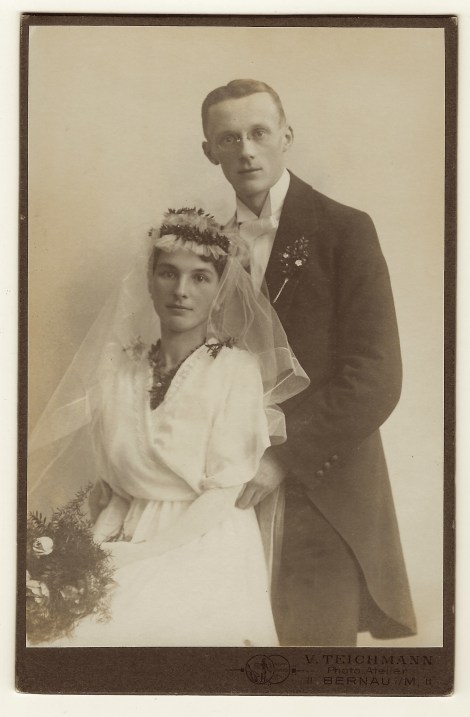
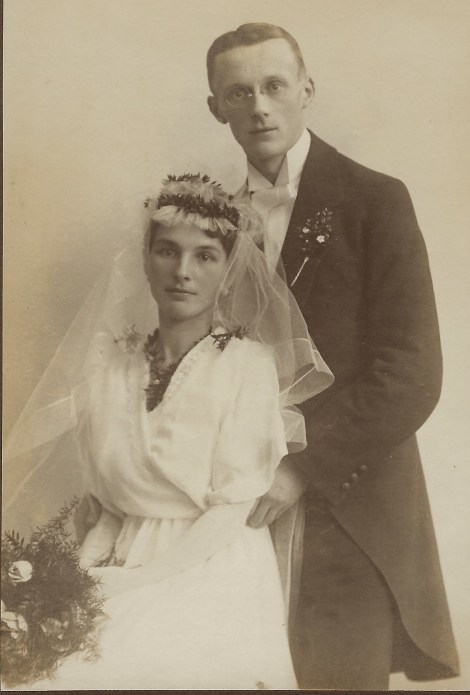
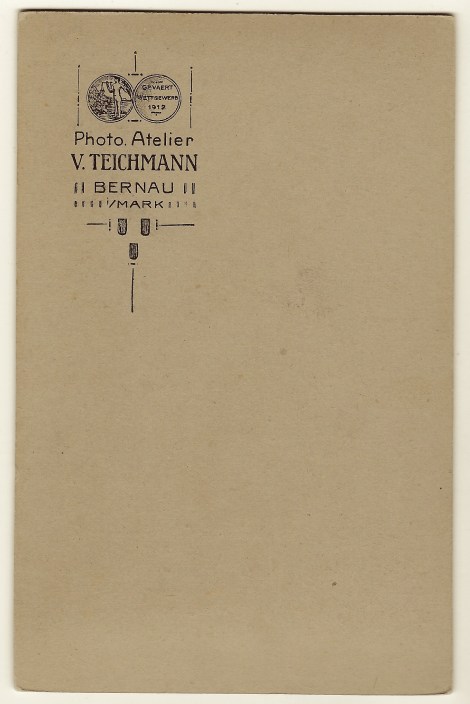
This cabinet card wedding portrait features an attractive and well-dressed couple. The bride is beautiful. She has a bouquet of flowers on her lap and she is wearing a crown of flowers along with her veil. The bespectacled groom has a boutonniere on his lapel and is wearing pince-nez eyeglasses. The photographer of this wedding photo is V. Teichmann who operated a studio in Bernau, Germany. Bernau is a town in the Barnim district and is located about six miles northeast of Berlin. This cabinet card photograph is in very good condition (see scans).
Buy this original Cabinet Card photograph (includes shipping to the US) #2440
To purchase this item, click on the Pay with PayPal button below.
$31.50
Buy this original Cabinet Card (includes International shipping outside the US) #2440
To purchase this item, click on the Pay with PayPal button below.
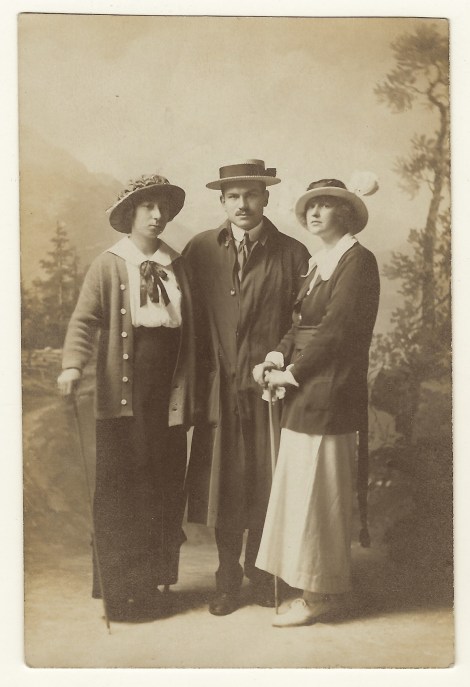
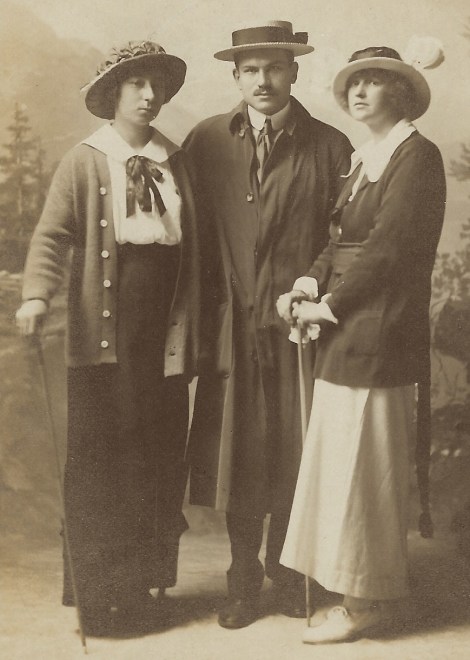
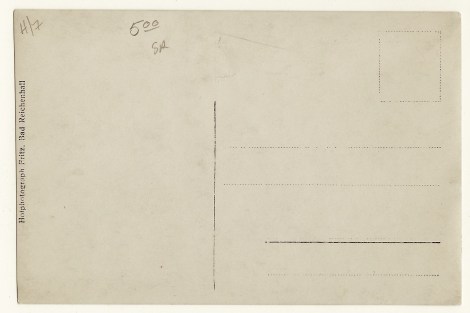
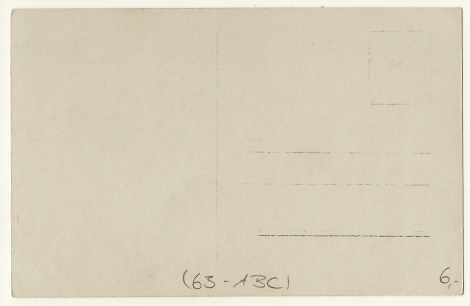
This private real photo postcard features a handsome man and two women holding walking sticks. The studio backdrop shows mountains which fits the idea that this adventurous group is planning, or a least feigning, that they are about to go for a hike. Note the contrast between the two women in this photograph. The woman wearing the dark dress is gazing downward and her eyes are only half open. She seems shy and withdrawn. In comparison, the young woman in the white skirt is looking at the camera with confidence. She is gazing upward and not camera-shy. Printing on the reverse of this postcard provides information about the photographer. I have difficulty interpreting the information. I do not know the exact meaning of “Hotphotograph Fritz”. I assume that the phrase “Hotphotograph Fritz” is the name of the studio. The photo studio was located in Bad Reichenhall, Germany. Bad Reichenhall is a “spa town” in Upper Bavaria, Germany and is located near Salzburg. The town in encircled by the Chiemgau Alps. This photo postcard is in very good condition (see scans).
Buy this original Real Photo Postcard (includes shipping to the US) #2428
To purchase this item, click on the Pay with PayPal button below
$19.50
Buy this original Real Photo Postcard (includes International shipping outside the US) #2428
To purchase this item, click on the Pay with PayPal button below
This vintage real photo postcard portrait features German silent film actress, Dita Parlo (1908-1971). She was born in present-day Szczecin, Poland. At the time of her birth, the city was part of Germany. Her father was a forest ranger. She was initially trained as a ballerina but switched to studying acting at the Babelsberg film school. Producer, Erich Pommer, discovered Parlo and signed her to a contract to Ufa. She made her film debut in “Homecoming” (1928) and in short time became a popular actress in Germany. During the 1930’s she appeared in both German and French films and achieved much acclaim. Two of her films in particular are considered among the best in cinema history: “L’Atalante” (1934) and “La Grande Illusion” (1937). During World War II she was deported to Germany but returned to France in 1949 and resumed her career. Parlo made an attempt to establish herself in American films but had limited success. She did appear in a couple of American films and in the late 1930’s and she nearly had a role in the Orson Welles production of Joseph Conrad’s “Heart of Darkness”. Unfortunately, the project did not materialize. The horror! The horror! Oh the horror of disappointment she must have experienced. According to the IMDb, Parlo appeared in 28 films between the years of 1928 and 1966. Parlo was married to a Protestant pastor, Franck Gueutal (1904-1983) and the couple remained married until she died in 1971. An interesting piece of trivia is that Madonna took Parlo’s name for a character she created for her book entitled “Sex”. The singer stated that she was fascinated by Dita Parlo. This portrait postcard was published by Ross Verlag and was part of a series (no. 3972/1). The postcard displays the logo of “Ufa”, a German film company. The video below shows Miss Parlo in the film “Au bonheur des dames” (1930). Her co-star in the film was Pierre De Guingand (1885-1964). The movie was based on the romance of French writer Emile Zola.


 This vintage private photo postcard features a happy couple posing with a Hanomag diesel farm tractor. The man and woman are both smiling and appear to be having a good time. The tractor has headlights; probably to allow it to travel on dark roads. I’m not so sure if a farmer would ever plow at night. The gentleman in this photo may be a farmer, but he certainly isn’t dressed like one. The tractor looks suspiciously like an automobile. However, back wheels of this vehicle leave little doubt that it is a tractor, and not an auto. Hanomag (Hannoversche Maschinenbau AG) was the German manufacturer of the tractor in this image. The company, based in Hanover, produced tractors, steam locomotives, trucks and military vehicles since before World War I. In fact, the company began in 1835. In 1925 they began manufacturing automobiles. In 1928, the company began producing diesel tractors, such as the one seen in this photo. The company was purchased by the Japanese firm, Komatsu, in 1989. On the drivers side of the vehicle, near the steering wheel, are the words “Peter Reiter, Dachau”. I believe, though can not confirm, that “Peter Reiter” was a agricultural machinery dealer in Dachau, Germany. Many people’s first impression upon encountering the name “Dachau”, immediately associate it with the concentration camp built there by the Nazis in 1933. The word “Dachau” brings up horrific images and thoughts. Dachau is a town in Germany. It is located in Upper Bavaria in the southern part of the country. It is twelve miles northwest of Munich. This photo postcard measures about 5 3/8″ x 3 1/2″ and is in good condition (see scans). (SOLD)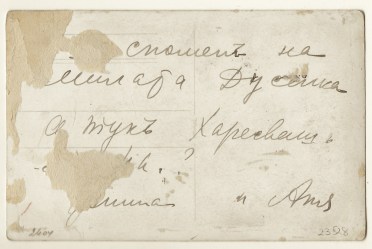

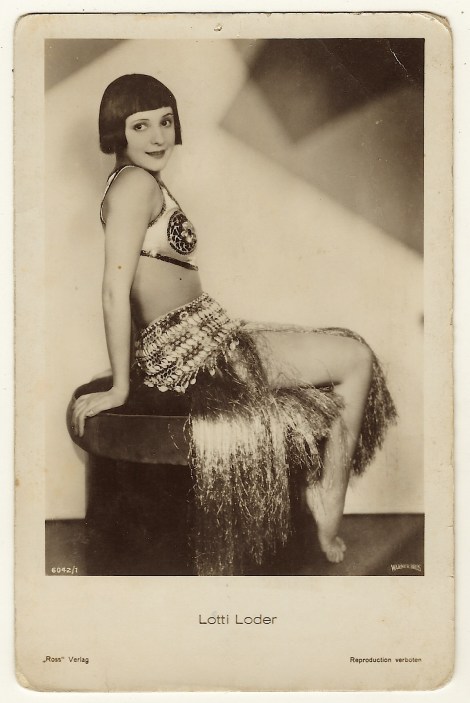
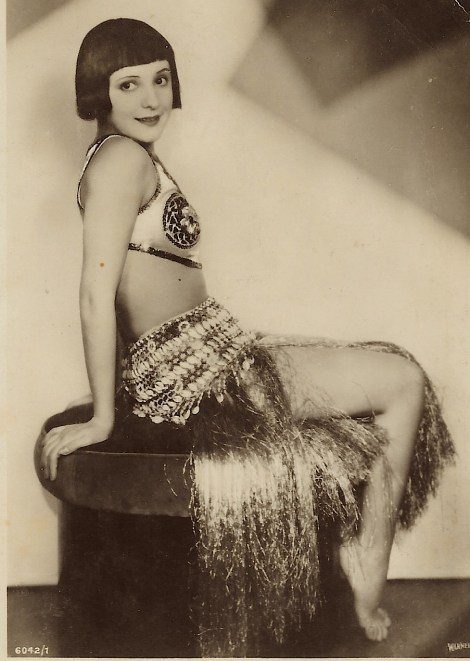 This vintage real photo postcard features German/Hungarian actress Lottie Loder (1910-1999). She was born in Nuremberg, Germany. Loder started her career as a dancer in Vienna. She was a “talkie” film actress (Warner Brothers). She was known for “A Soldier’s Plaything (1930), “Oh, Sailor Behave! (1930), and “Men of the Sky (1931). Her career was brief. The brunette leading lady, according to IMDb, acted in just five films between 1930 and 1931. Warner Brothers brought her to Hollywood to compete with MGM’s Greta Garbo, and Paramount’s Marlene Dietrich. Note Loder’s “dutch cut” hairstyle. She clearly copied Colleen Moore’s 1920’s trademark hair style. Loder was in good company. Celebrated actress, Louise Brooks, also copied Miss Moore’s “dutch cut”. Loder died in Miami, Florida at about 89 years of age. This postcard portrait was published by Ross Verlag and was part of a series (no. 6042/1). The postcard promotes Warner Brothers films. This photo portrait postcard is in good condition. The postcard has a pinhole in the center of it’s top border above the image (see scans).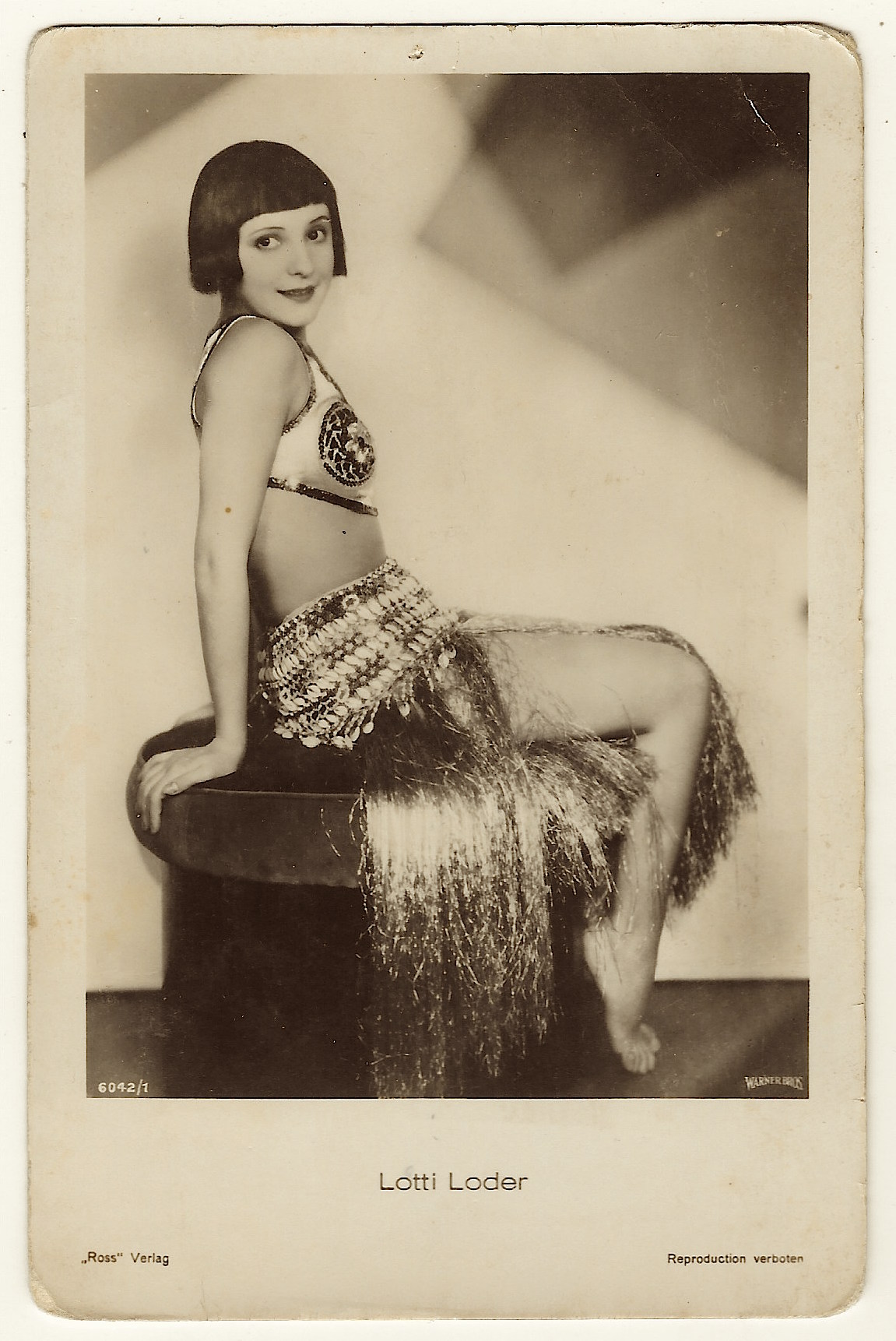

 POSTCARD 1
 POSTCARD 1 (CLOSE-UP)
 POSTCARD 2
 POSTCARD 2 (CLOSE-UP)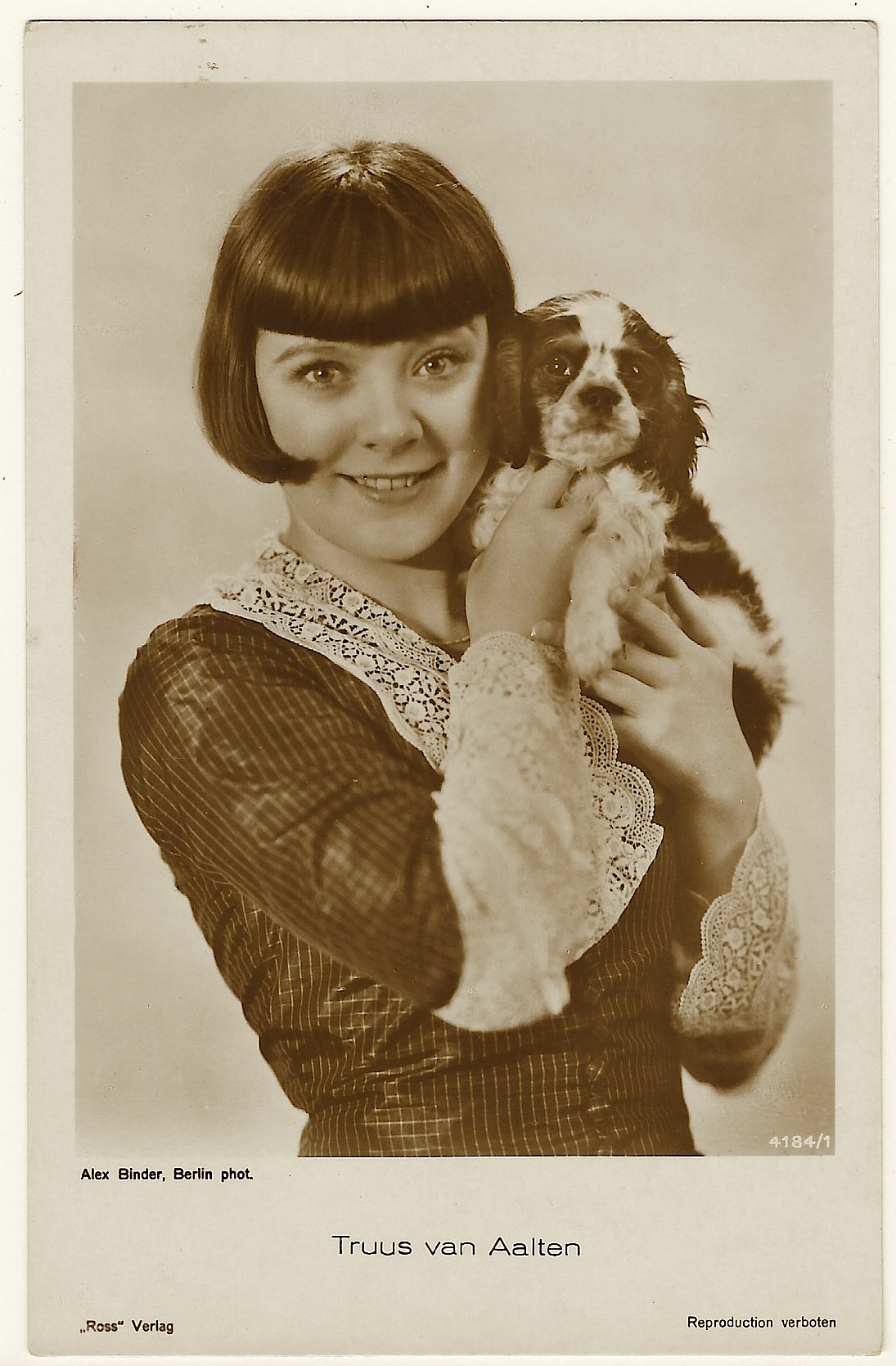
 Postcard 1
  POSTCARD 2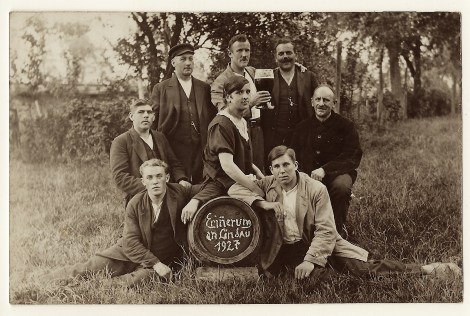









 THE CABINET CARD GALLERY