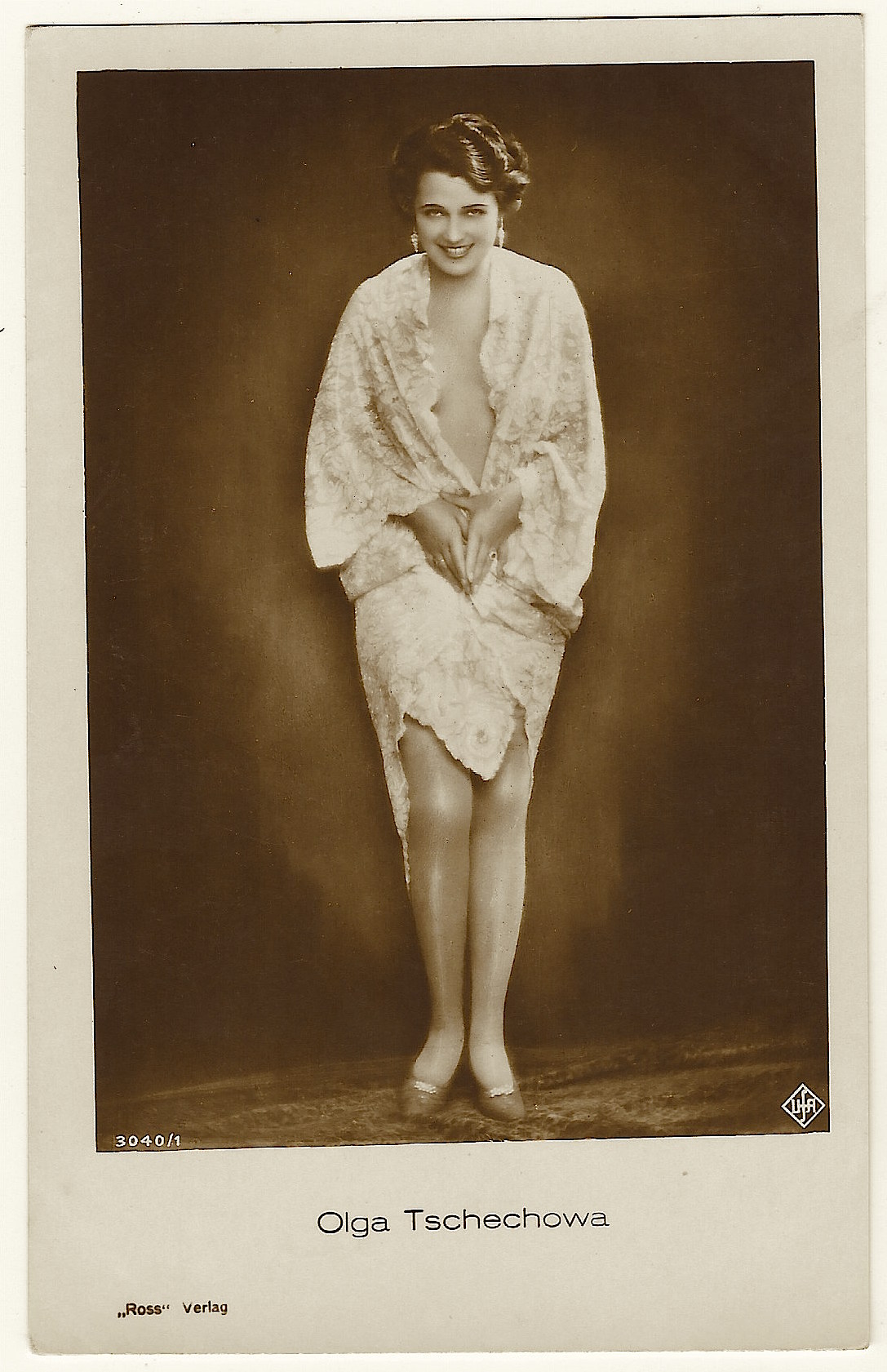
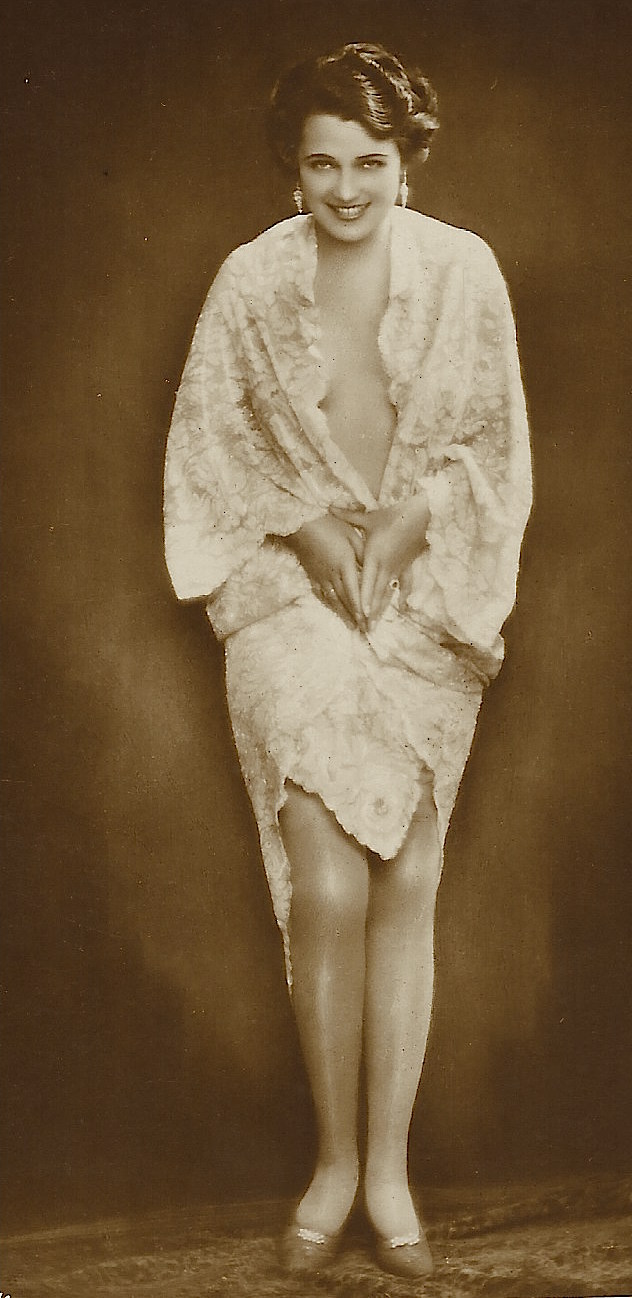
This risque vintage real photo postcard features Russian-German actress, Olga Tschechowa (1897-1980). Her father was a railway engineer who became Russia’s Minister of Railways. She was the niece of Anton Chekov’s wife. She went to school and studied art and literature at an art school in St. Petersburg. . After watching famed actress Eleonora Duse, Olga joined the Moscow Art Theare’s studio. In 1914, while at the school, she met Russian-Jewish actor Mikhail Chekov. He was the nephew of Anton Chekov. She married him the same year and they had a daughter in 1916. In 1917, during the October Revolution, she divorced her husband. It is reported that he had an affair while Olga was pregnant. Olga would marry three more times. She joined a cabaret group and was offered a part in a silent movie. She travelled to Vienna and moved to Berlin in 1920, She continued to perform in films. She was one of the fortunate actresses who successfully made the transition from silent to sound movies. In the 1930’s she became one of the leading actresses of the Third Reich and was admired by Adolf Hitler. Olga was courted by Hermann Goring and Joseph Goebbels. Goebbels introduced her to Hitler in 1933 and she and Hitler became friends. In 1936, she was named “State Actress” of the Third Reich and she was made a German citizen. Olga’s brother was sent from Russia to Germany on a secret mission to assassinate Hitler. Stalin got cold feet and called off the “hit”. The brother ended up in a Nazi concentration camp, but survived the war. At one point, Olga was accused of being a Russian agent in Nazi Germany. Himmler ordered an investigation of Olga by the SS. She was often kept under surveillance by both Nazi and Soviet agents. In 1945, Himmler planned to arrest her but Hitler intervened. Olga survived the war through lying, acting, and disguise. She protected her daughter from the concentration camps by hiding the fact that she had a Jewish father. At the war’s end, Olga was arrested by the Red Army and brought to Moscow for a debriefing. She was interrogated for two months and then taken to Berlin to assist the Soviet Army. She established herself in East Berlin. She played in dramas but preferred comedies. Olga was very successful in the film business,. Her filmography reveals that she has 138 credits as an actor, director, and producer between the years of 1917 and 1974. After the World War II, she lived in Soviet occupied Berlin and in 1949 she moved to Munich, Bavaria. In Munich she started a cosmetics company. Simultaneously she continued to act in more than 20 films. She published a book of memoirs and retired from acting in the 1970’s. In 1966, her daughter died in a plane crash. Olga suffered from depression and alcohol abuse. She died in Munich and just before she died, she had her granddaughter bring her a glass of champagne, Her last words were purported to be “Life is beautiful”. This postcard was published by Ross Verlag and is part of a series (no. 3040/1). The front of the card has the logo for UFA, a German film company. This vintage portrait postcard is uncommon. (SOLD)


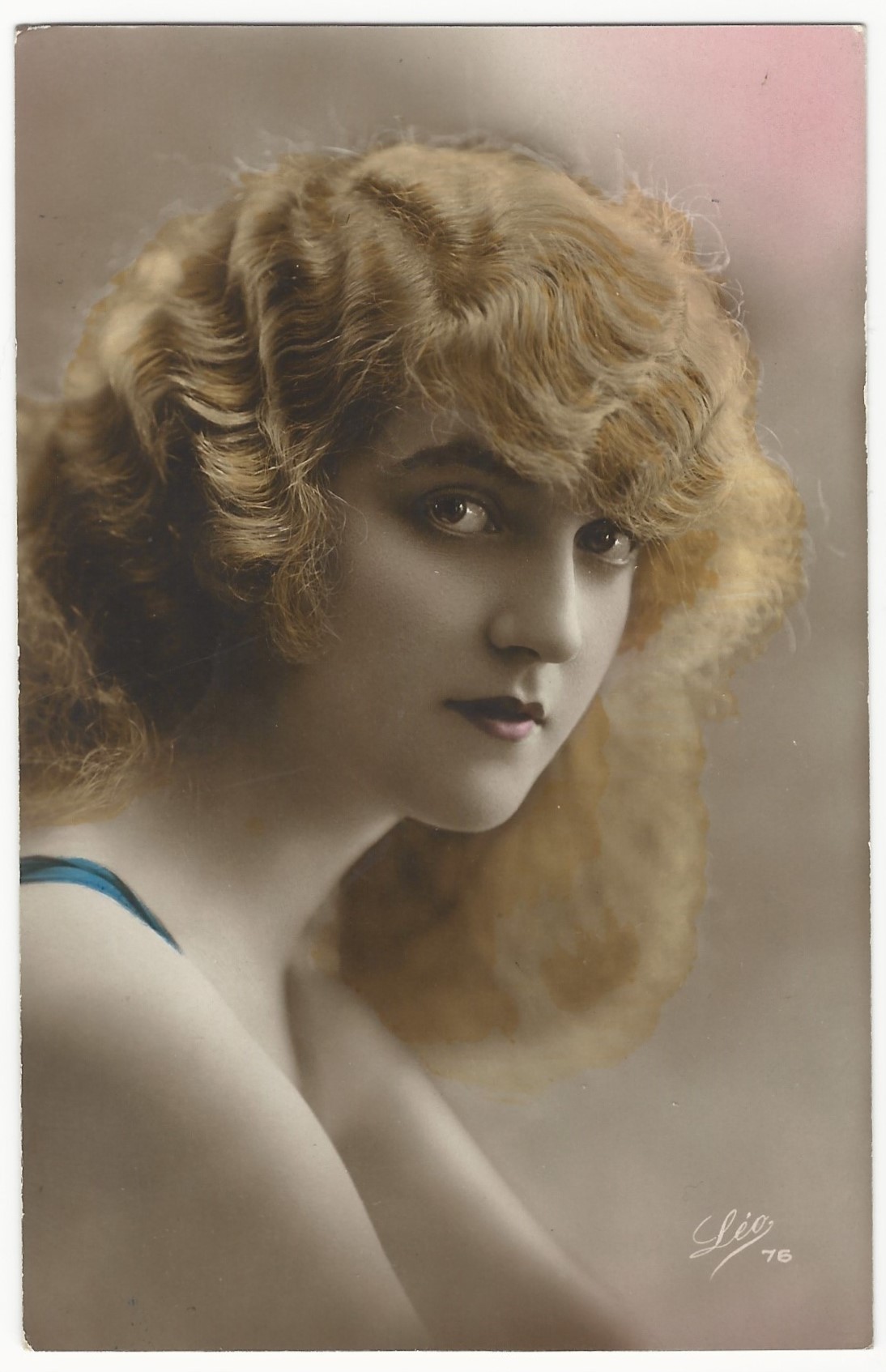

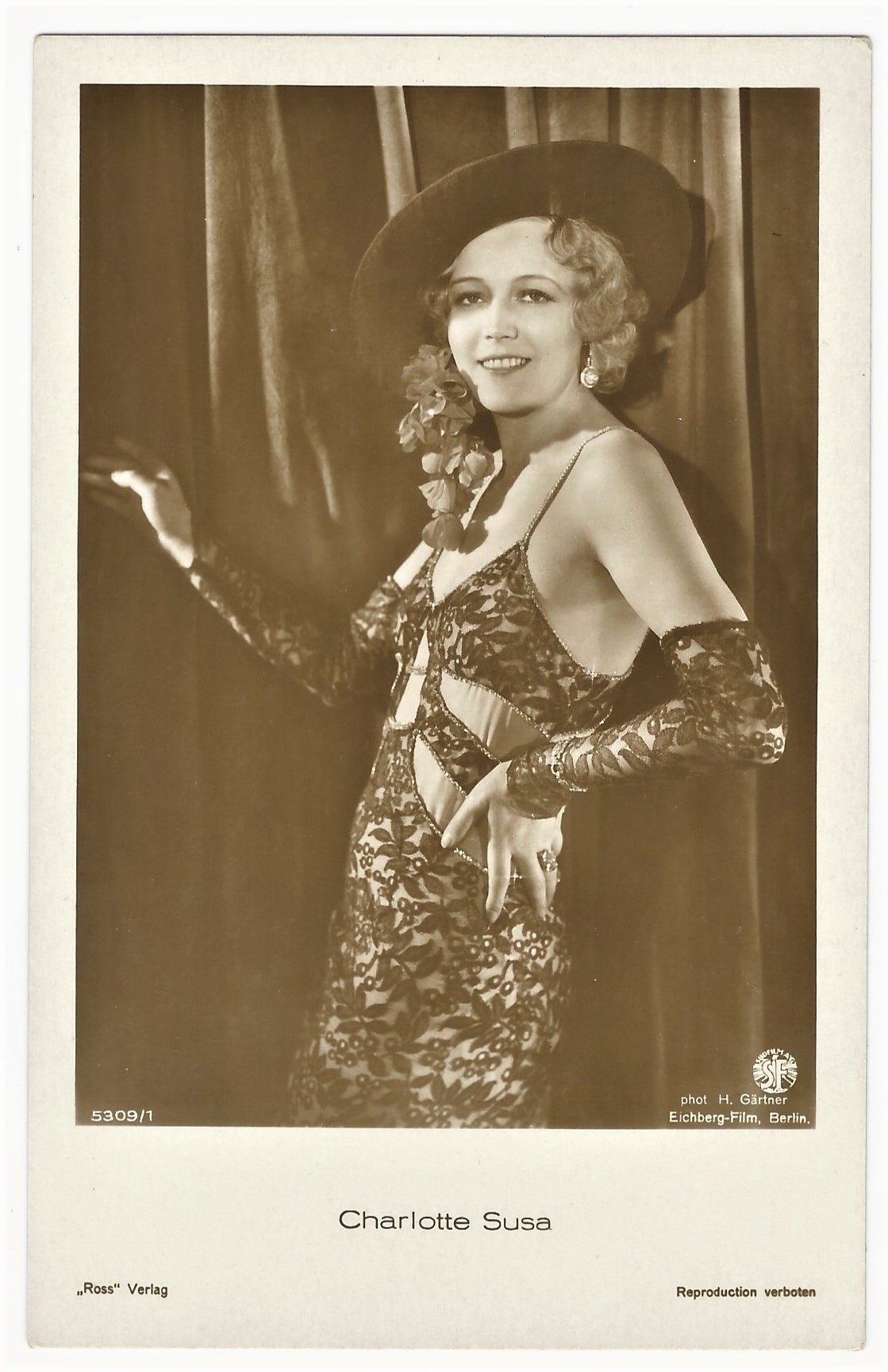
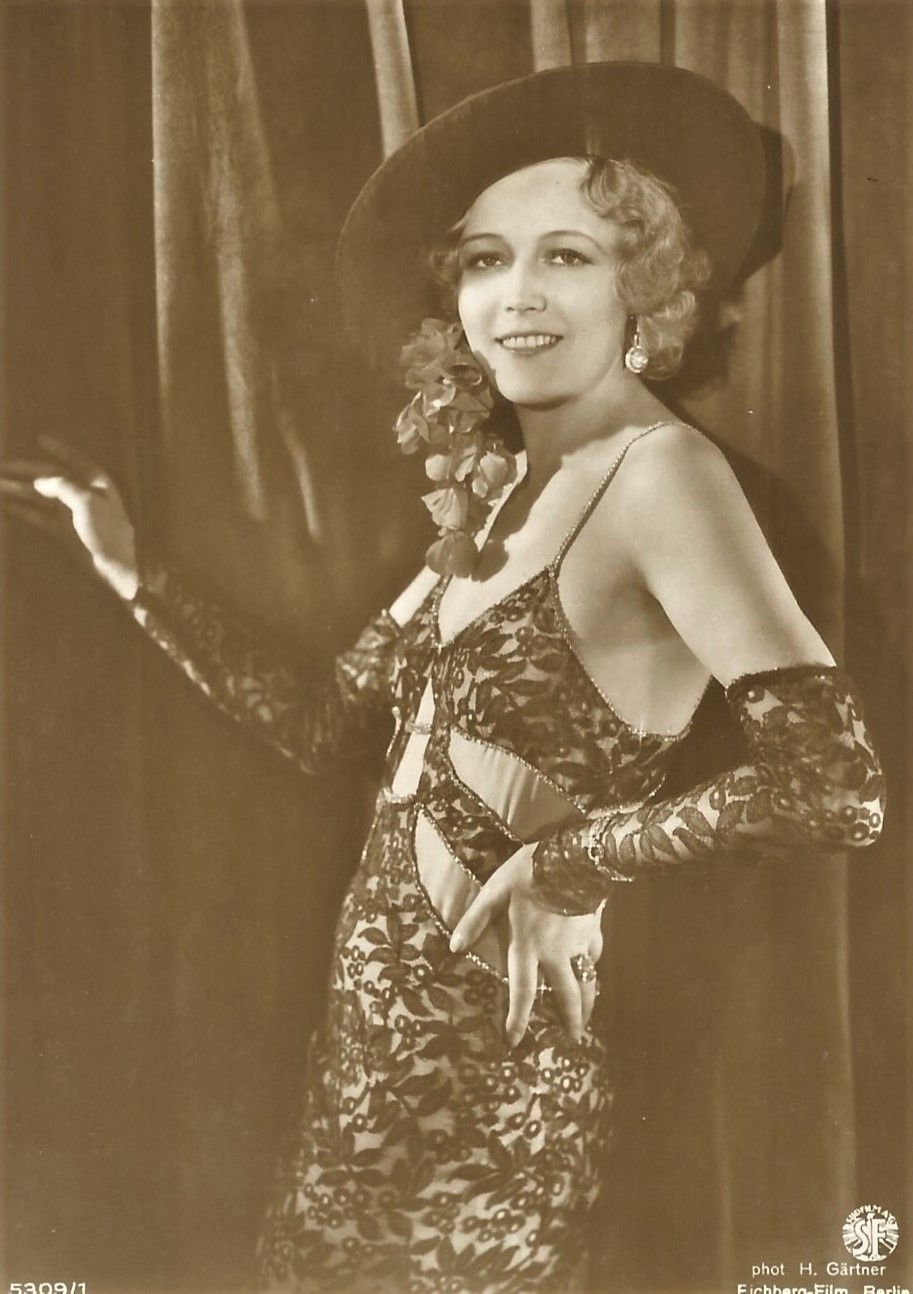

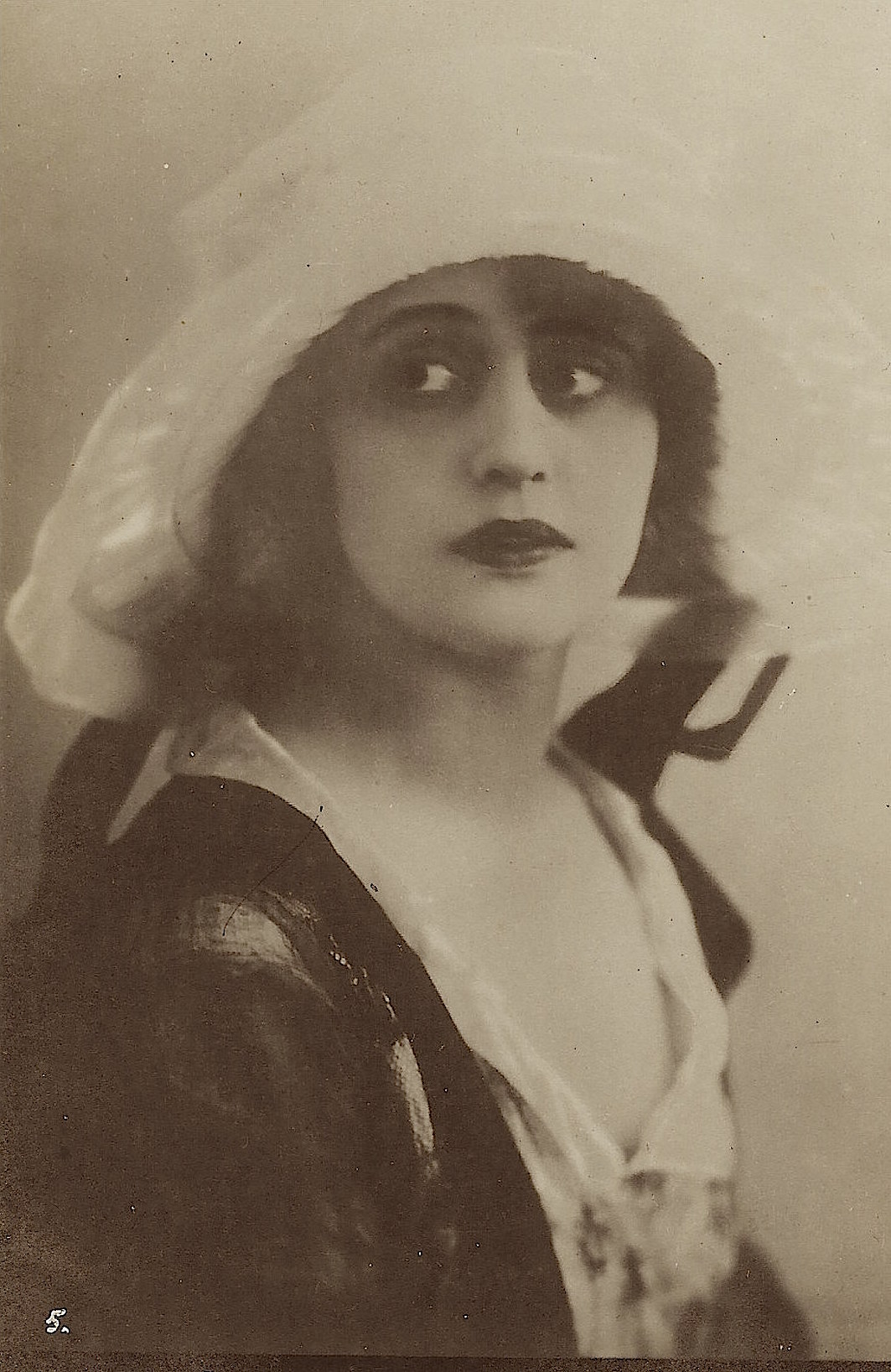 This vintage real photo postcard features Russian actress Vera Vasilyevna Kholodnaya (1893-1919). Sometimes she is referred to as Holodnaja). She was the first star of Russian silent film. The number of films that she appeared in, is unknown. It is estimated the number of appearances is somewhere between fifty and one hundred. It is unfortunate that only five of her films survived the passage of time. She was born in Poltava which was part of the Russian Empire, and is now located in the Ukraine. At the age of two, she moved to Moscow to live with her grandmother. As a child, she fantasized about becoming a classical ballerina. She eventually enrolled in the Bolshoi Theatre ballet school From early childhood, she participated in family theater productions, While attending her school prom to celebrate her graduation she met Vladimir Kholodny, whom she married in 1910. He is known as one of Russia’s first race car drivers. The pair had two children. In 1908, after seeing actress Vera Komissarzhevskaya in a stage role, she decided that she wanted to pursue a career in films. She sought out Vladimir Gardin, a major Russian film director, and he gave her a minor role in Anna Karenina. In 1915, film director Yevgeni Bauer was searching for an actress who possessed great beauty. After meeting Vera Kholodnaya, he found the enchantress that he was looking for. Bauer’s film was a resounding success. He then made a second film starring Kholodnaya. These two Bauer films made Vera a major celebrity. She soon became known as “the Queen of Screen” and had great successes with other films. By 1918, she was a film phenom. When Russia entered World War I, her husband joined the military. She participated in charity concerts to support the soldiers and their families. It is reported that she was “worshipped” by soldiers. By the time of the Russian Revolution (1917), a new Kholodnaya film was released every three weeks and she continued to experience acclaim and success. Around this time, the actress moved with her film company to Odessa. She died there, at age 25, during the 1918 flu pandemic.This version of the flu, was known as the “Spanish Flu” and it infected 500 million people around the world between 1918 and 1920. Estimates are that between 50 and 100 million people died during the pandemic. (SOLD)
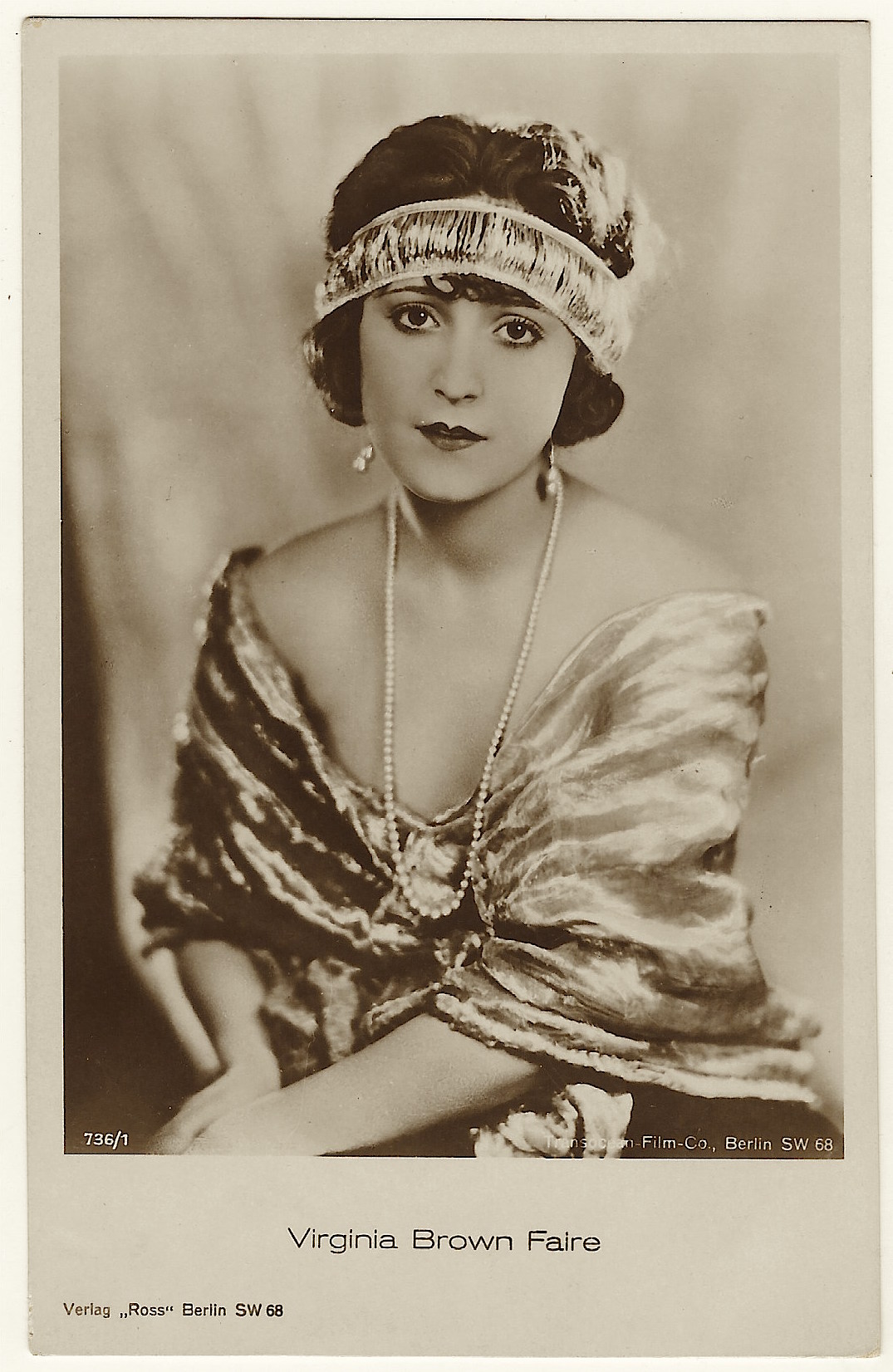
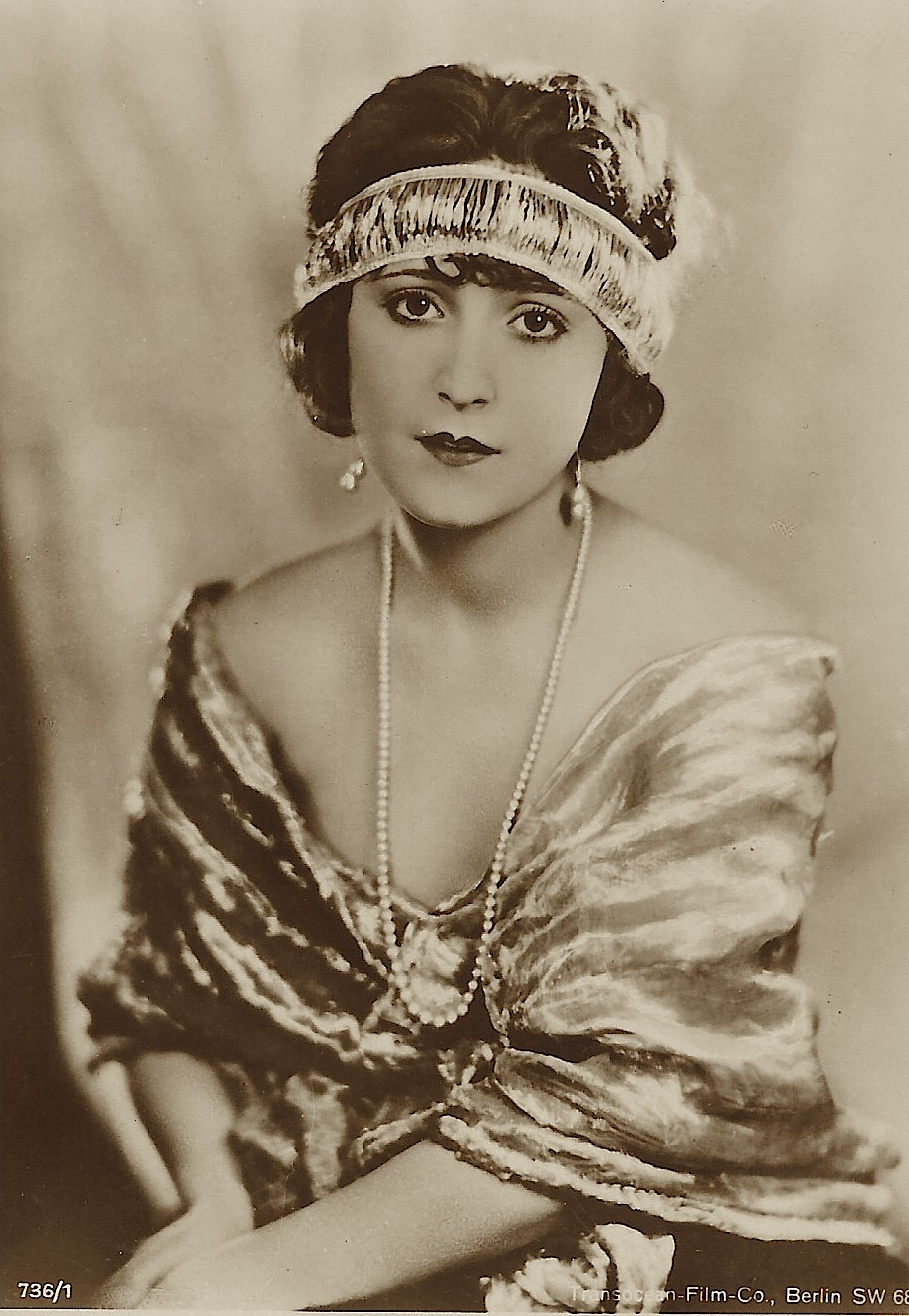 This vintage real photo postcard features American silent and sound film star, Virginia Brown Faire (1904-1980). She was born in Brooklyn, New York. In 1919, after being a winner of the Motion Picture Classic magazine’s “Fame and Fortune” contest, she went to Hollywood. At age 15, she was hired by Metro studio. She then appeared in movies for Fox, followed by Universal. Her first film “Runnin’ Straight” (1920) was a Hoot Gibson short western. She was the leading lady for John Gilbert in Monte Cristo (1922). She was chosen as one of the WAMPAS Baby Stars in 1923. Included in this group of beautiful actresses was Laura La Plante and Evelyn Brent. La Plante and Brent both had successful acting careers. She is most remembered for her role as Tinker Bell in Peter Pan (1924). Faire made a successful transition into sound films. Her first successful talkie was her role in Frank Capra’s “The Donovan Affair” (1929). She appeared in several westerns. Among the western stars that she played opposite to; was John Wayne,Hoot Gibson, and Buck Jones. In the late 1930’s she left Hollywood and moved to Chicago and worked in radio and industrial films. She retired in about 1935. According to the IMDb, she appeared in 74 films between 1920 and 1935. Faire had three marriages. The first, was to actor Jack Dougherty and the marriage lasted just over a year. She then married director Duke Worne, a film director. He died after three years and she then married William Bayer, a furniture manufacturer. She died of cancer in 1980. This vintage postcard was published by Ross Verlag of Berlin, Germany. It is part of a series (no, 736/1). SOLD
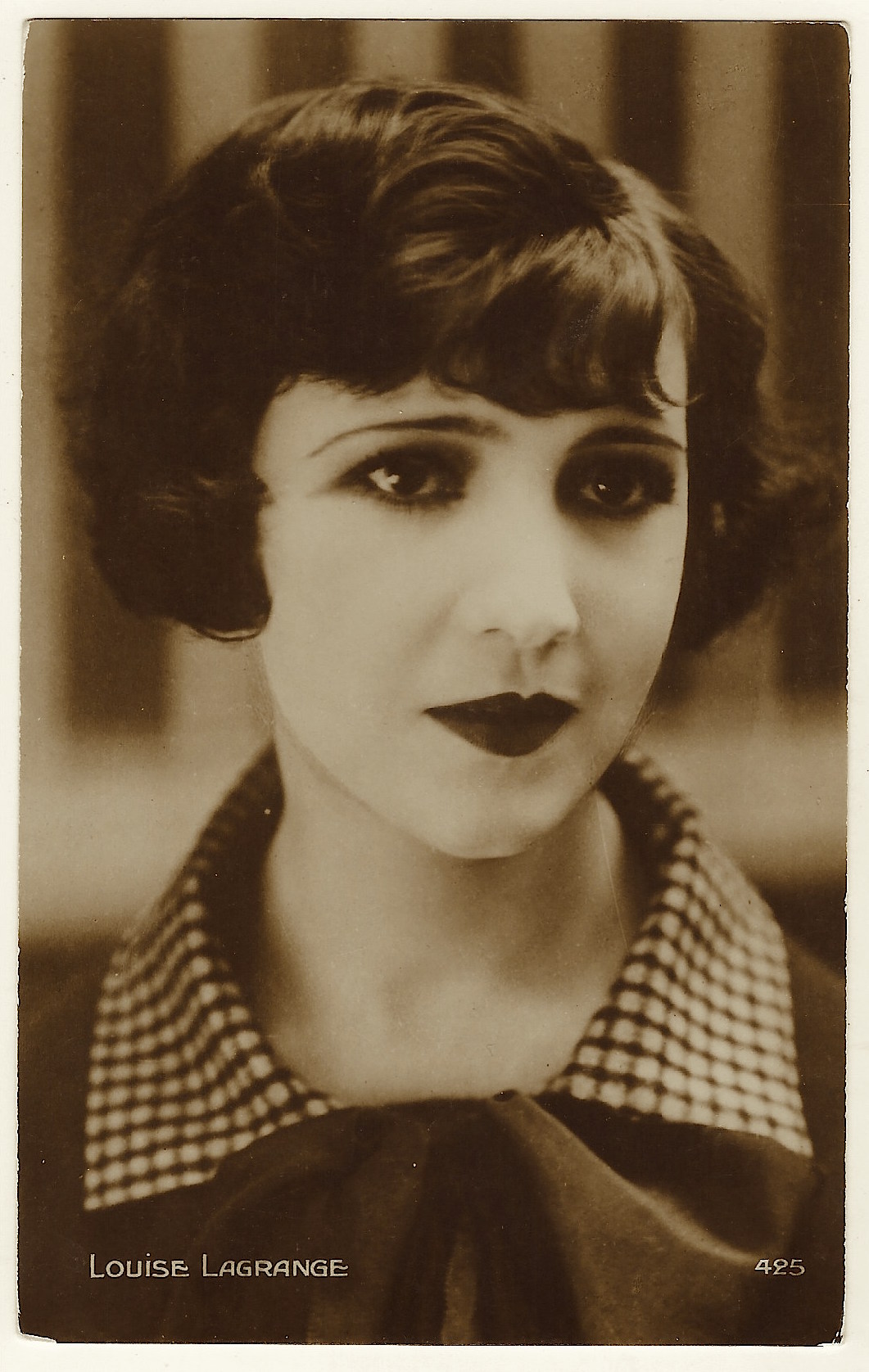 This vintage real photo postcard features pretty French film actress, Louise Lagrange (1898-1979). She was born in Oran, France, which is now in Algeria. Her movie debut occurred when she was nine years of age. Her first marriage was to film director Maurice Tourneur. Her second marriage was to actor, William Elliot. The IMDb credits her with 48 film credits between 1907 and 1952. Her appearances included such films as “A Roman Orgy” (1911), “The Nude Woman” (1926), “In the Shadow of the Harem” (1928), and “Cage of Girls” (1949). Do I detect a pattern here? Lagrange certainly acted in a large number of films with sexually provocative movie titles. Cinemagazine (Paris Edition) is the publisher of this card. It was part of a series (no. 425). SOLD
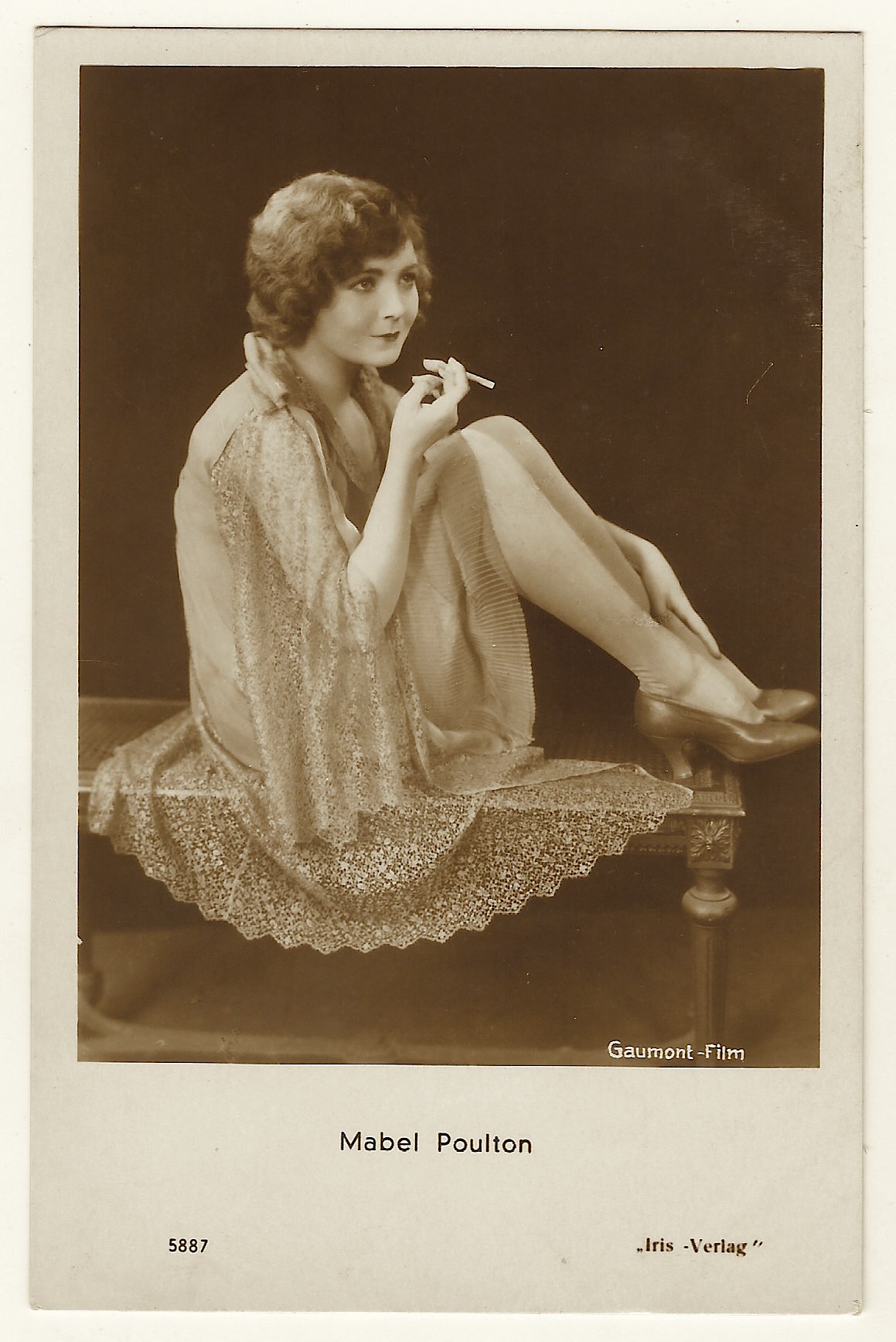
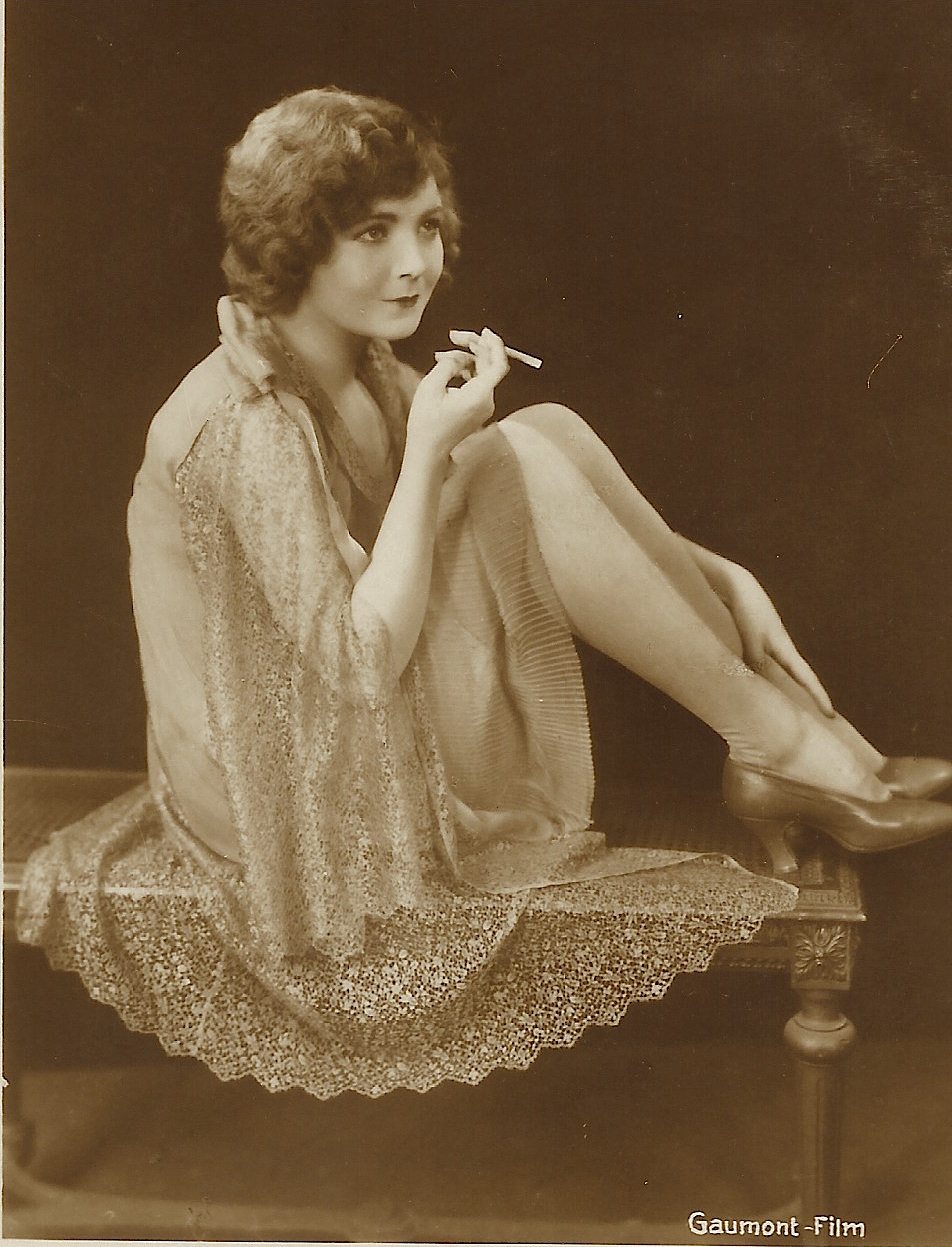

 This vintage real photo postcard features Hungarian actress Camilla von Hollay (1899-1967). She was born in Budapest. Her father was a factory director and as she entered young adulthood her parents tried to steer her into going to medical school. Instead, Camilla pursued acting. She was active in film during the silent film era. IMDb credits her with sixty-eight film credits between 1916 and 1930. Early in her movie career she appeared in films with Bela Lugosi. Later, he became known in the US for his portrayal of Dracula. Camilla was blonde and attractive. Many of her films in the 1920’s were filmed in Germany. Her first acclaimed role was in “The Lightship” (1922). Camilla is quoted as stating that film “offers me the opportunity to live my life, to walk in many different forms, and to see myself in a hundred mirrors of just as many human figures”. It is believed that Camilla’s acting career disappeared with the advent of sound film. It is likely her Hungarian accent was seen by film companies as unsuitable for significant roles. She was married to a journalist. Nothing is known about her post acting life. This portrait postcard was published by Iris Verlag/Amag. Iris Verlag was a popular Austrian postcard producer. Amag (Albrecht & Meister) was a publisher located in Berlin. The company took over Aristophot in 1909. Amag ceased production in 1920. This photo portrait postcard is in excellent condition (see scans).


 THE CABINET CARD GALLERY