This cabinet card features a profile portrait of a pretty young woman. She is wearing a five point star pin on her collar. The woman is unidentified, but her initials (E. J. H.) are on the reverse of the photograph. The photographer is Hummel and his studio was located in Santa Ana, California. The photographer is likely the same individual who was partnered with Conaway in the Conaway & Hummel photographic studio, also located in Santa Ana. Research uncovered no further information about Mr. Hummel. SOLD
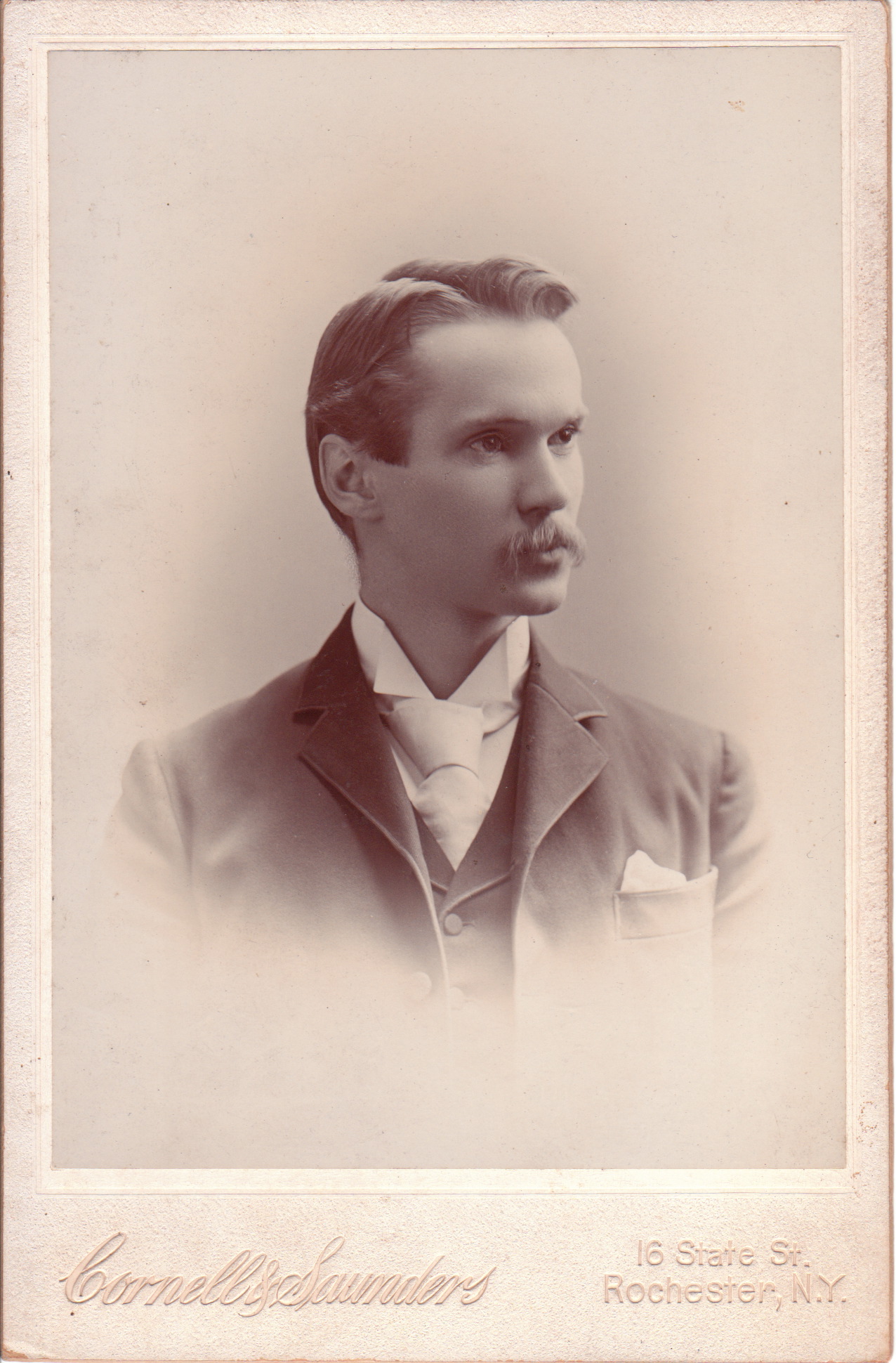
A handsome and well groomed young man poses for his portrait at the studio of Cornell and Saunders, in Rochester, New York. References to Cornell and Saunders were found in photographic journals of 1893 and 1894. SOLD
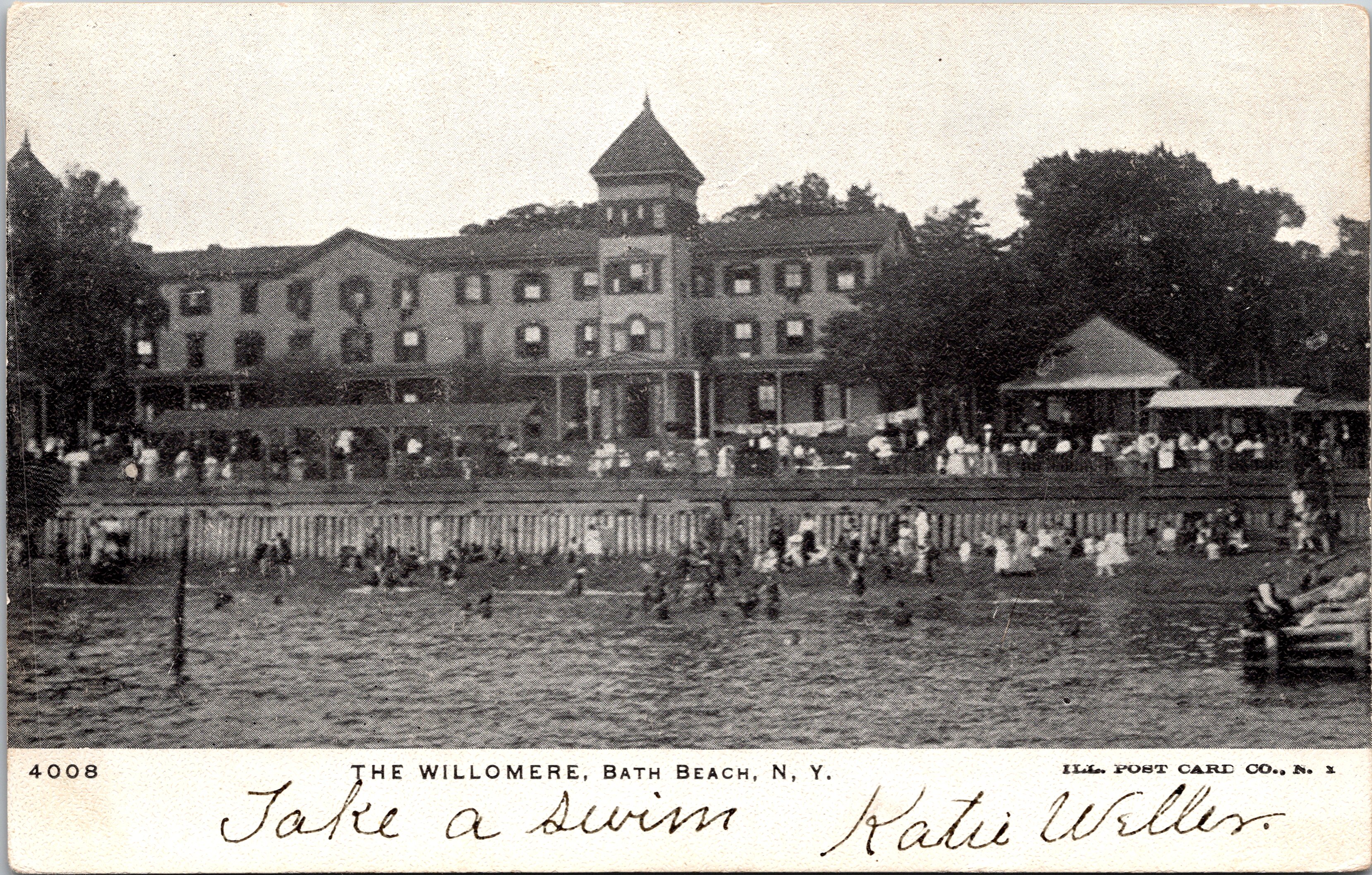
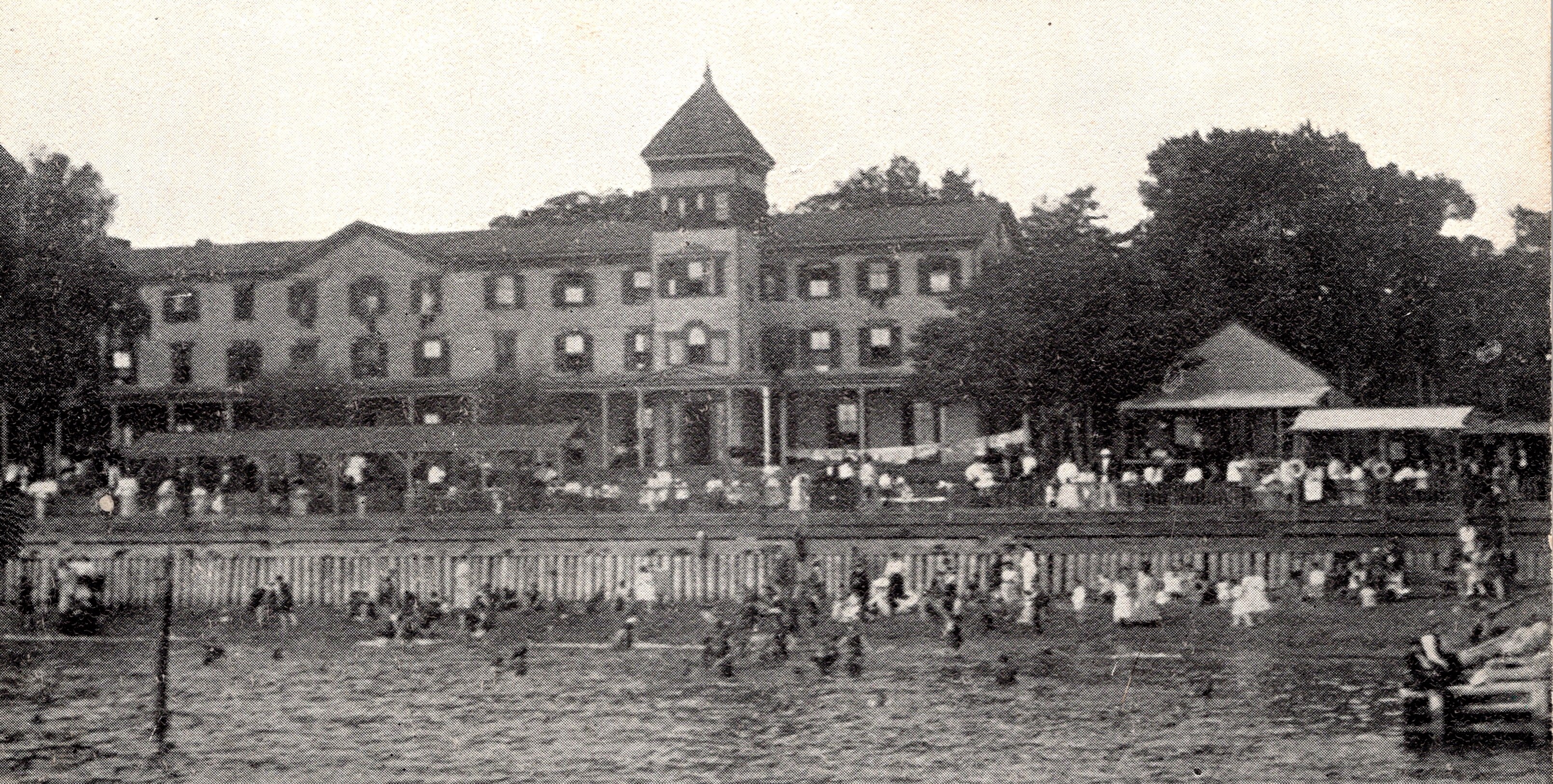
This vintage lithograph printed postcard features “The Willowmere, Bath Beach, New York”. Bath Beach was located in Brooklyn, New York. The postcard was published by the Ill. Postcard Co. which was located in New York. The card is part of a series (no.4008). The postcard is an undivided back card and was published circa 1905. The message on the postcard suggests the reader “take a swim”. SOLD
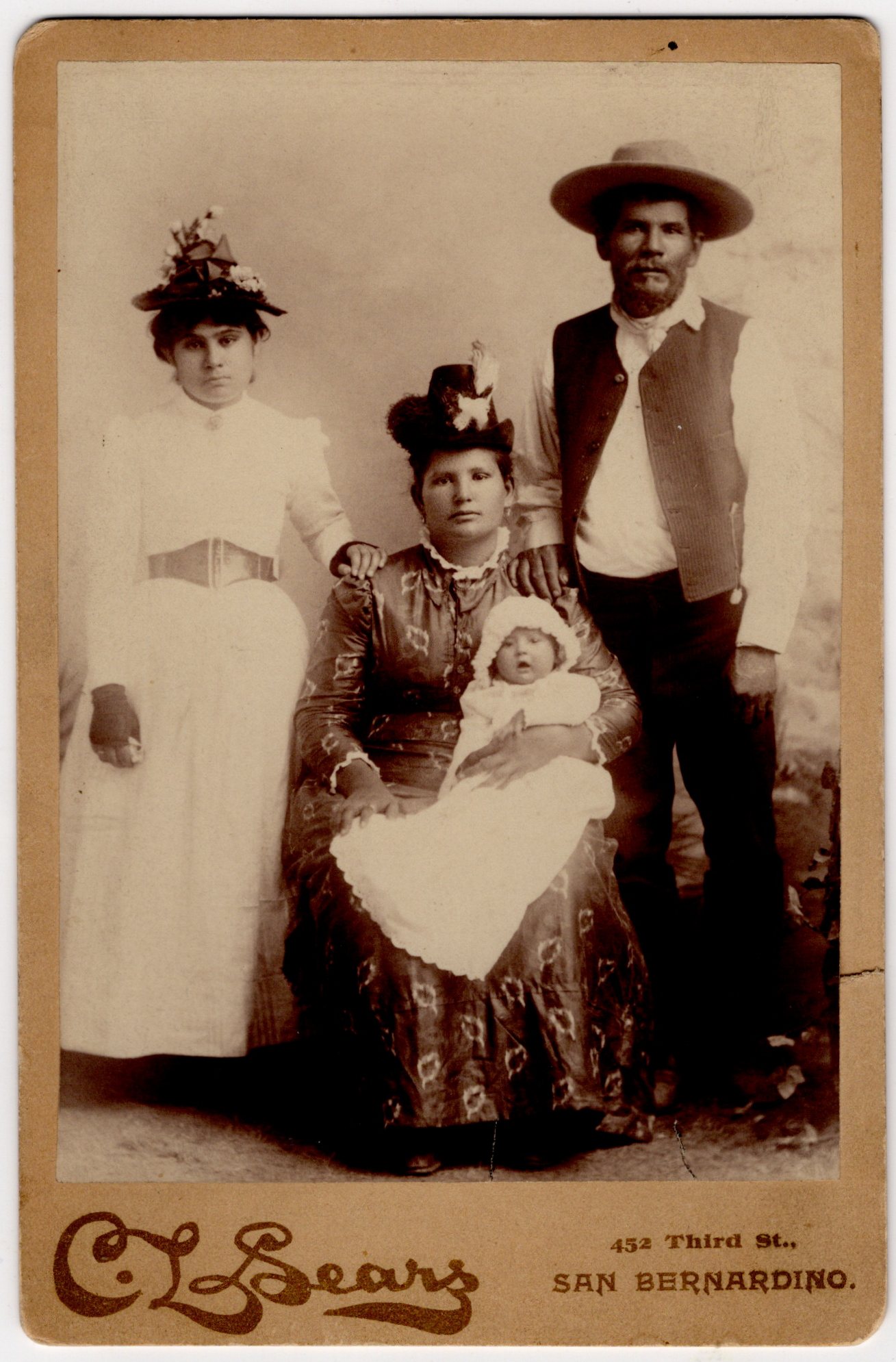
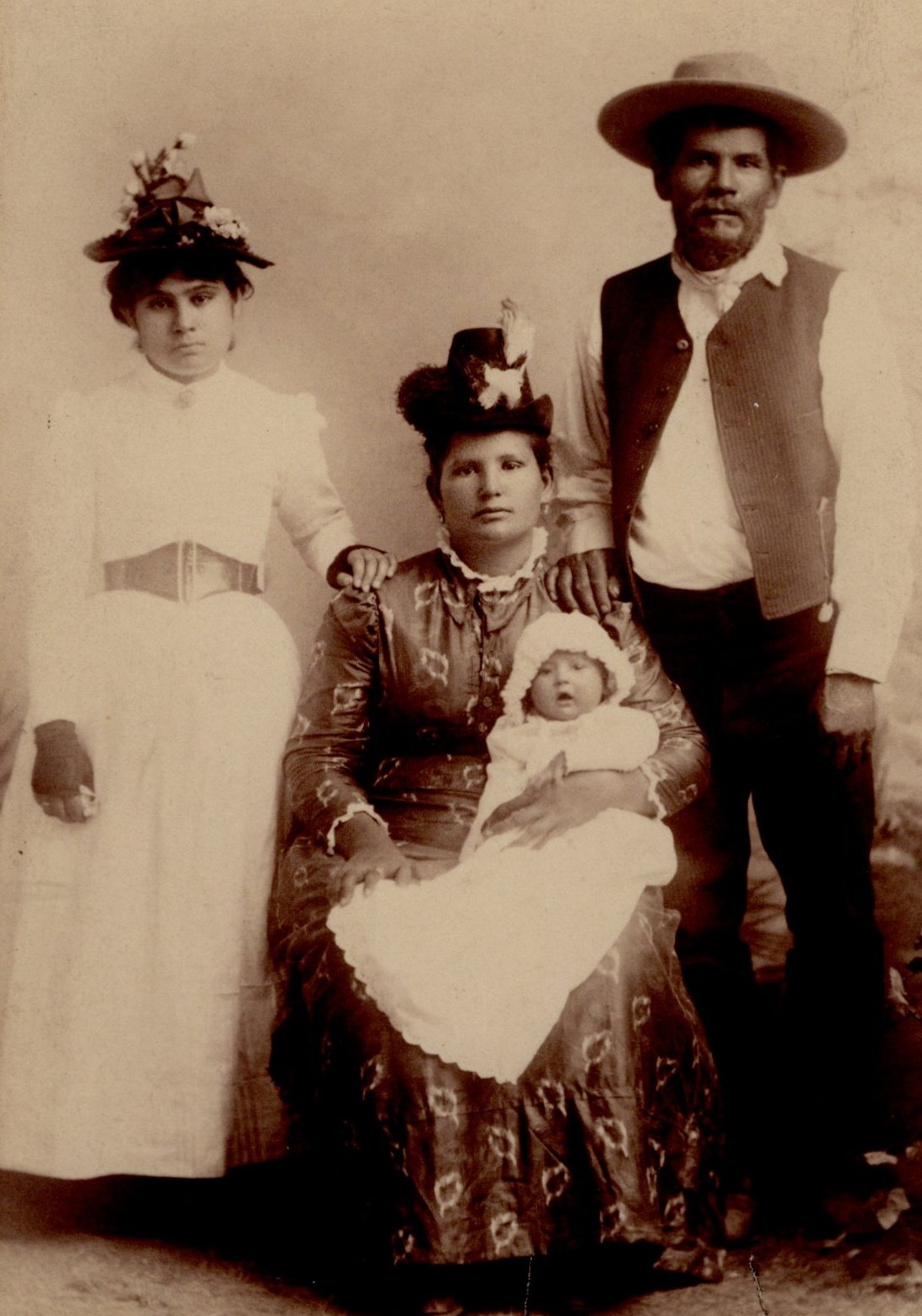
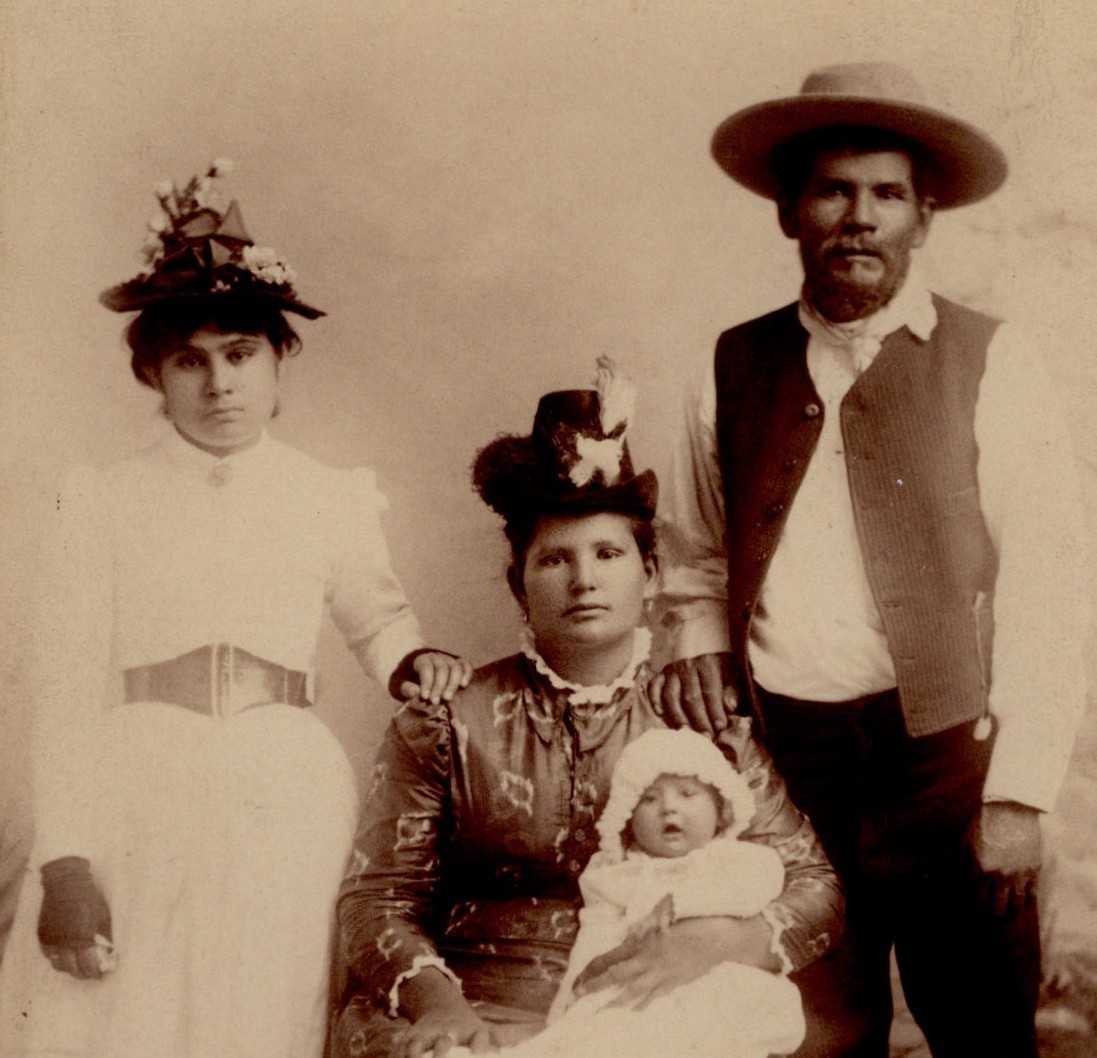
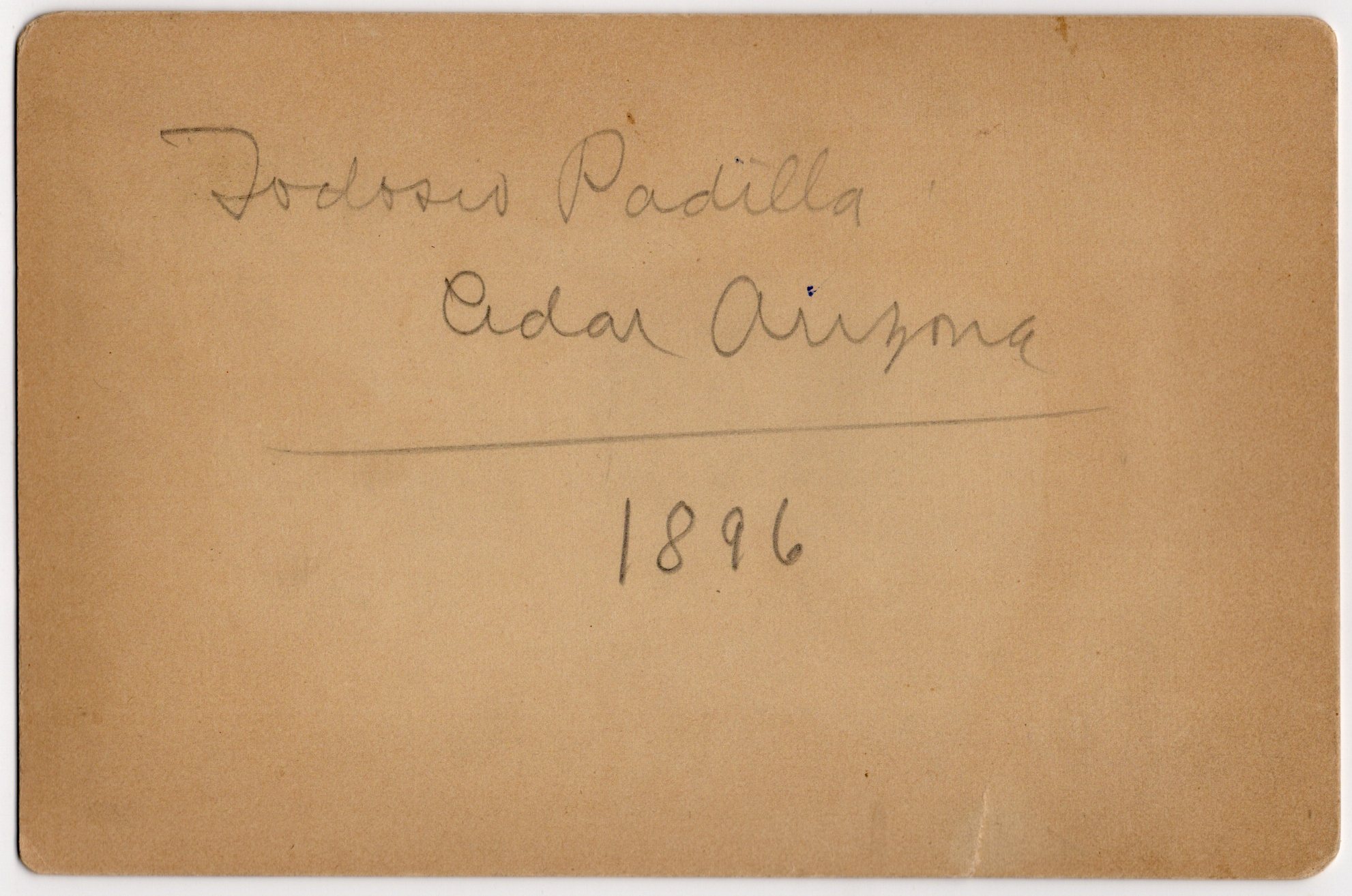
This striking 1896 Cabinet Card portrait captures a well-dressed Hispanic (likely Mexican-American) family, photographed in San Bernardino, California, by C.L. Sears, whose studio was located at 452 Third Street. The formal composition, attention to detail, and clarity of the photograph make it a compelling example of late 19th-century Southwestern portraiture. The image features four individuals: Standing at left is a young woman in a pristine white dress with puffed sleeves and a wide cinched belt. She wears gloves and a marvelous hat adorned with ribbon and flowers, her expression poised yet solemn. Seated in the center is another woman, likely the matriarch, holding an infant in her lap. She wears a richly patterned dark dress with a high collar and decorative trim. Her elaborate hat features feathers and a dark plume. Her gaze is direct and proud. The baby is dressed in a long, frilly white gown and bonnet, eyes barely open, swaddled securely in the mother’s arms. Standing to the right is a bearded man, presumably the patriarch. He wears a wide-brimmed hat, white shirt, and a textured vest, exuding a calm, grounded presence. Each subject’s expression is serious. Their clothing suggests they were dressed in their finest attire, marking this as a significant family occasion. C.L. Sears operated a photographic studio in San Bernardino in the late 19th century. His studio address, 452 Third Street, places him in the heart of the developing Southern California region during a period of migration and cultural blending. Sears is known for his clear, well-composed portraits and was active during a time when San Bernardino served as a crossroads for Hispanic, Anglo, and Indigenous communities. While not widely documented in photographic history texts, Sears’ work appears occasionally in regional archives and vintage photograph collections, typically featuring local residents, families, and scenes of everyday life. His work is valuable for its documentary quality and itsrepresentation of the diverse people who populated Southern California in the 1890s. The reverse of the Cabinet Card bears a handwritten inscription in pencil. It appears to read: “To Forosio Padilla, Cidar, Arizona,1896”. My research indicates that there is no town in Arizona named Cidar. I believe that “Cidar” is a mispelling and should read “Cedar”, Arizona. Cedar was a gold, silver and copper mining town in Mohave County, Arizona. It was founded circa 1875. Perhaps Senor Padilla and his family were from Cedar. (SOLD)
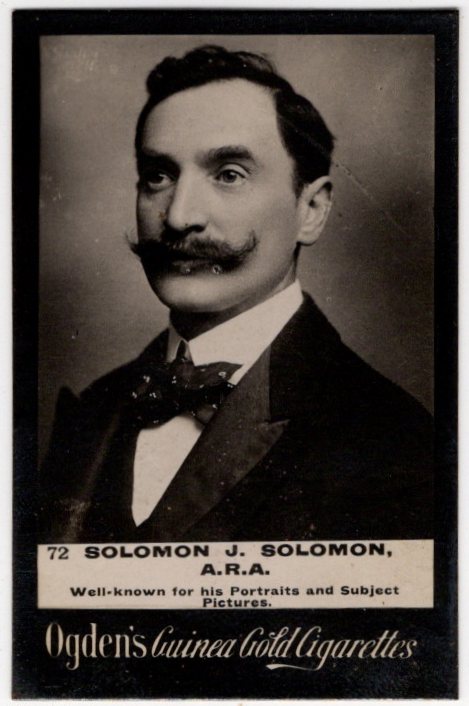
This is an original 1901 Ogden’s Guinea Gold tobacco card featuring the esteemed British painter Solomon J. Solomon, A.R.A., best known for his richly detailed portraits and historical subject paintings. Measuring approximately 1 3⁄8 inches by 2 ¼ inches, this vintage tobacco card was issued as part of Ogden’s iconic Guinea Gold series, which featured real photographic images of prominent figures from the arts, politics, and society at the turn of the 20th century.This card is number 72 in the series and it is captioned: “Solomon J. Solomon, A.R.A. — Well-known for his Portraits and Subject Pictures.” Solomon Joseph Solomon (1860–1927) was a highly respected British-Jewish artist, born in London to a family of German-Jewish descent. A Royal Academy-trained painter, Solomon became a member of the Royal Academy of Arts (RA) and was associated with the New English Art Club. He was especially recognized for his powerful biblical scenes, mythological subjects, and commissioned portraits of the aristocracy and military figures. His works often blended the academic style of the Victorian era with emotional intensity and rich color. In addition to his artistic achievements, Solomon played an important role during World War I, using his skills to develop camouflage techniques for the British military. He became a key figure in the establishment of military camouflage units, helping to blend artistry with strategy on the battlefield. This card is a tobacco card from the Ogden’s Guinea Gold Cigarettes series, issued in 1901 by Ogden’s, a division of the Imperial Tobacco Company. These cards were notable for their sepia-toned, photographic-print portraits and glossy black borders, a marked departure from the hand-drawn or color lithographed styles common in other cigarette cards of the time. The Guinea Gold cards remain among the most collectible of all early 20th-century British tobacco issues, especially those featuring influential cultural (judaica) figures like Solomon J. Solomon. SOLD
These vintage real photo postcards feature French stage and film actress, Renee Adoree (1898-1933). She also appeared in silent movies produced by Hollywood in the 1910’s. Her most well known film was the melodramatic romance and war epic, “The Big Parade”. She played the love interest of John Gilbert. Renee’s parents were circus artists. She would perform with them at times. She was a dancer, acrobat artist, and bareback rider. She perfomed throughout Europe. She made her movie debut in 1918. In 1919, she went to New York City and played in a vaudeville-style musical. Several other stage appearances followed. In 1920, she began to perform in movies again. In total, Renee performed with John Gilbert nine times. She appeared with actor Ramon Novarro four times. In a 1928 Howard Hughes film, “The Mating Call”, Renee had a brief scene in which she swam in the nude. This act created much controversy. Renee’s personal life included two marriages and two divorces between 1921 and 1929. Renee, unlike many other actresses of her time, was successful in making the transition to sound film. She appeared in four “talkies” before her early death. In all, by the end of 1920, Renee had appeared in forty-five films. The IBDb reports that she appeared in two Broadway productions, both occurred in 1919, It was in 1930 that Renee was diagnosed with tuberculosis. Despite her doctor’s advice, she continued her participation in the filming of a movie. After completing the movie, she was rushed to an Arizona sanitorium. She was flat on her back for two years during her recovery. Post discharge, Renee’s health began to deteriorate until she died in 1933. She was only about 35 years old at the time of her death.
Postcard 1 features Renee in a risque pose. She is dressed quite provocatively. This postcard was published by “Ross Verlag” as part of a series (No.4350/1). SOLD
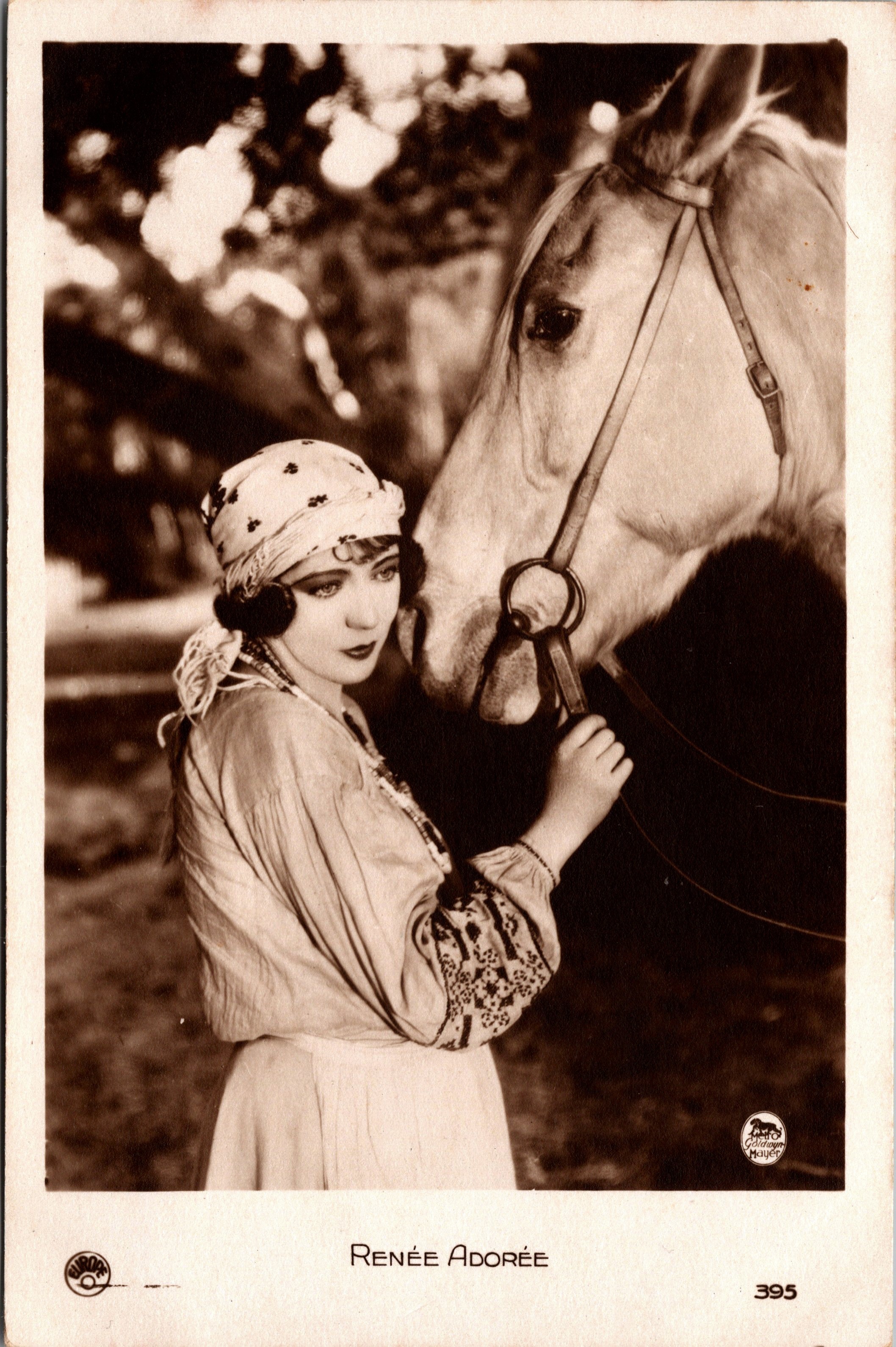
Postcard 2 features Renee standing in front of a horse. She is holding the horse’s harness. Apparently, she liked animals and possessed a sense of humor. She had a dog named “Useless”, and a cat named “Worthless”. The logo for MGM can be seen in the lower right hand corner of the image. She was under contract with MGM from 1930 until her death. This postcard was published by “Europe” as part of a series (No.395). SOLD
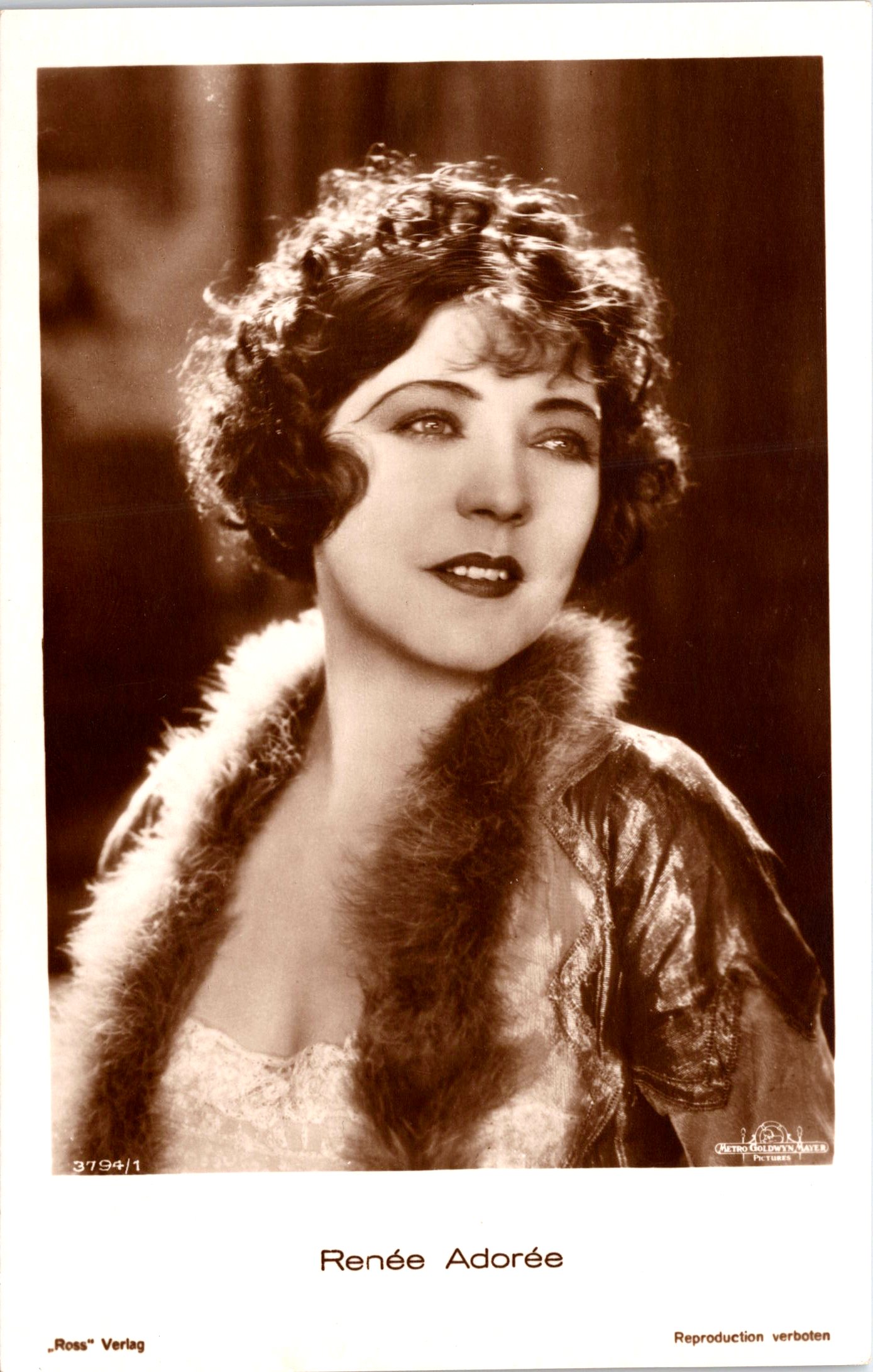
Postcard 3 offers a view of Renee that illustrates her beauty. She is fashionable and her attire includes a jacket with a fur collar. The card features a logo for MGM in its lower right corner. The card was published by Ross Verlag and is part of a series (No.3794/1). SOLD
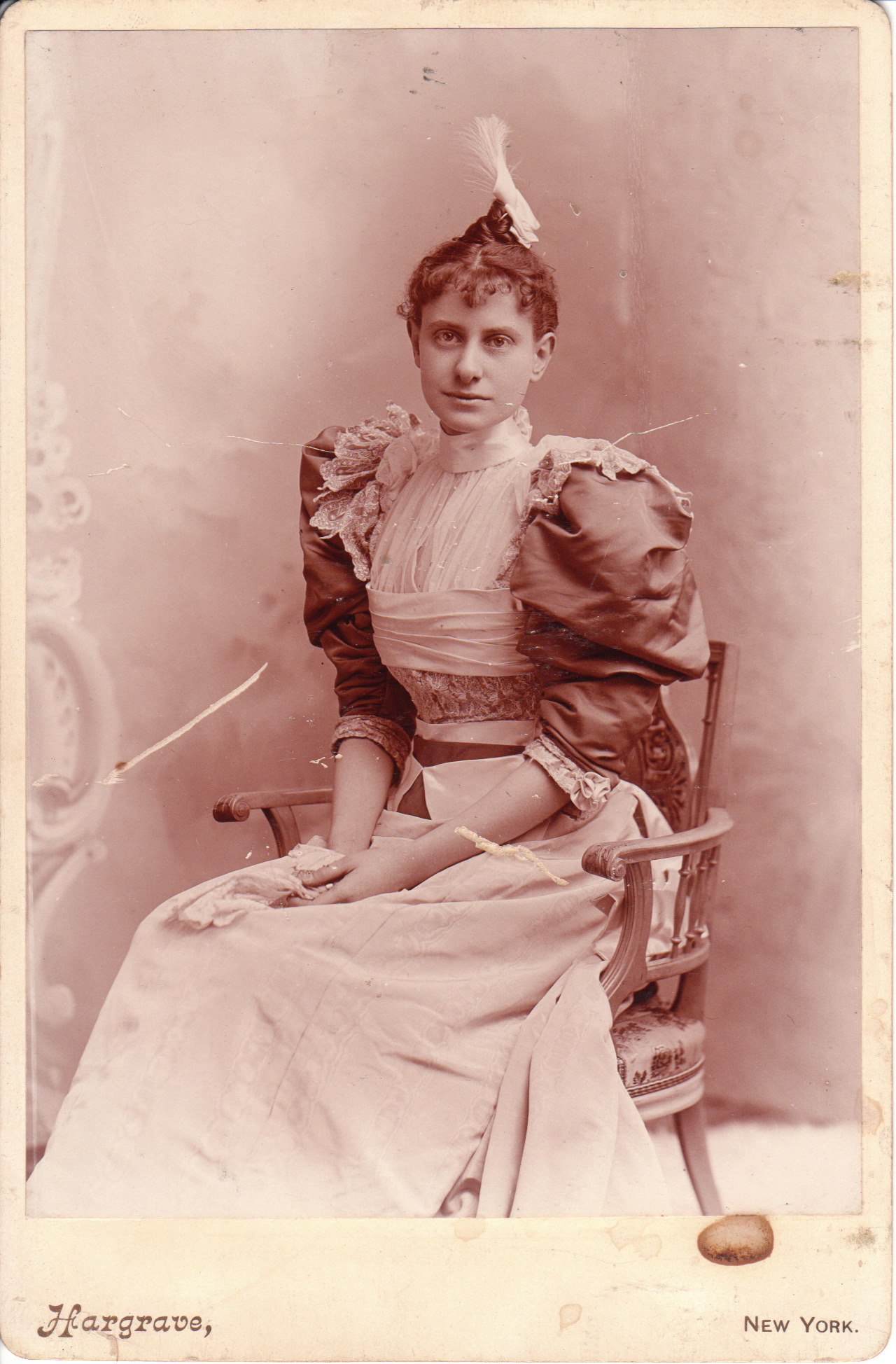
A pretty woman wears a feather and a hair comb in her hair , as she sits for her portrait at the studio of Hargrave in New York City. The young woman is very stylishly dressed. Hargrave Portraits was located at 68 West 23rd Street. To view other photographs by Hargrave, click on the category “Photographer: Hargrave”. SOLD
This vintage real photo postcard features a pretty and fashionable young woman reading a magazine or book. Her dress is accentuated with lace and she is wearing a necklace and a collar pin. The young woman appears to be in her early twenties, or perhaps in her teenage years. Her eyes are open wide and she has a nice smile. The photographer of this image is W. A. Brown & Son. The studio was located in Bradford, a city in West Yorkshire, England. SOLD
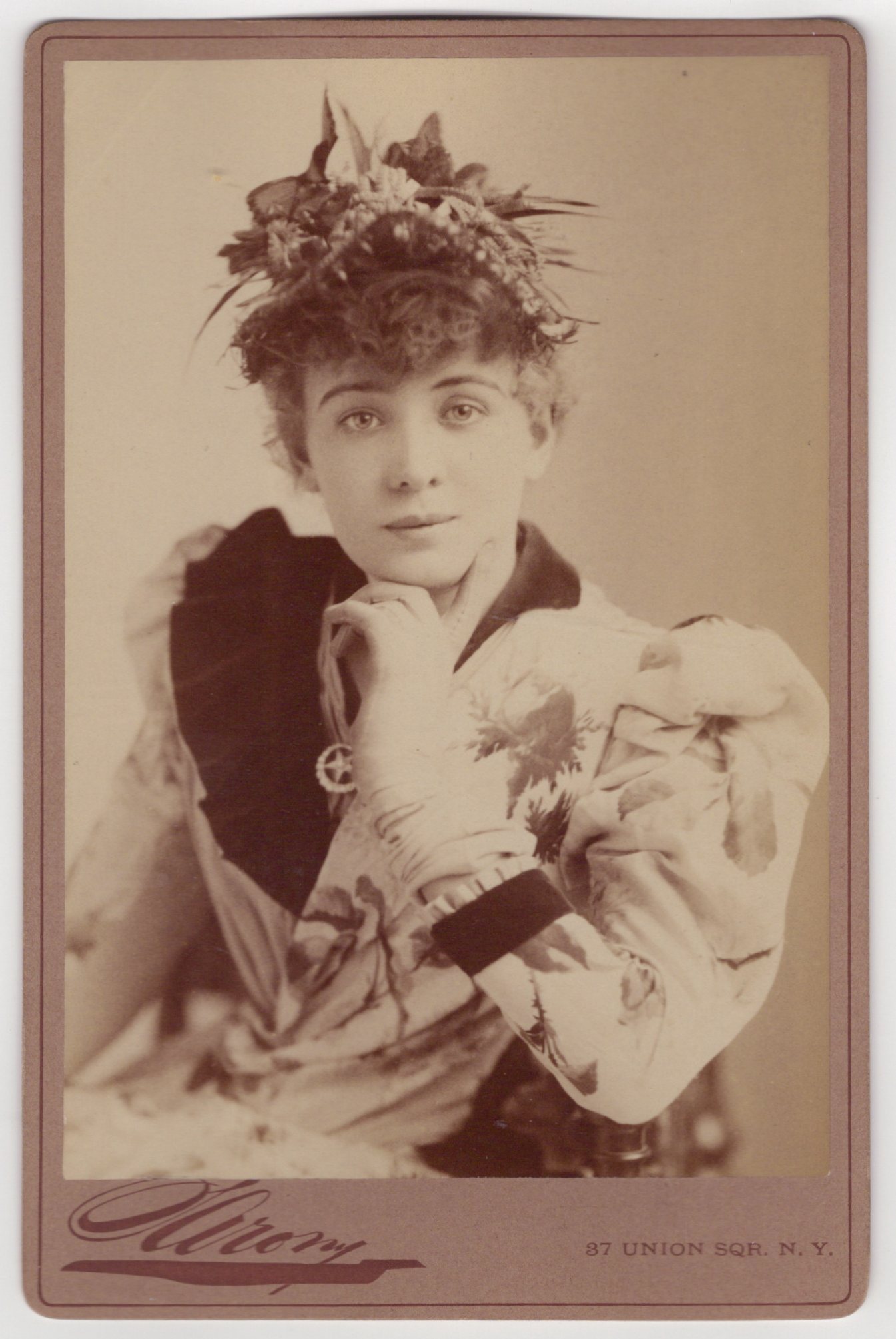
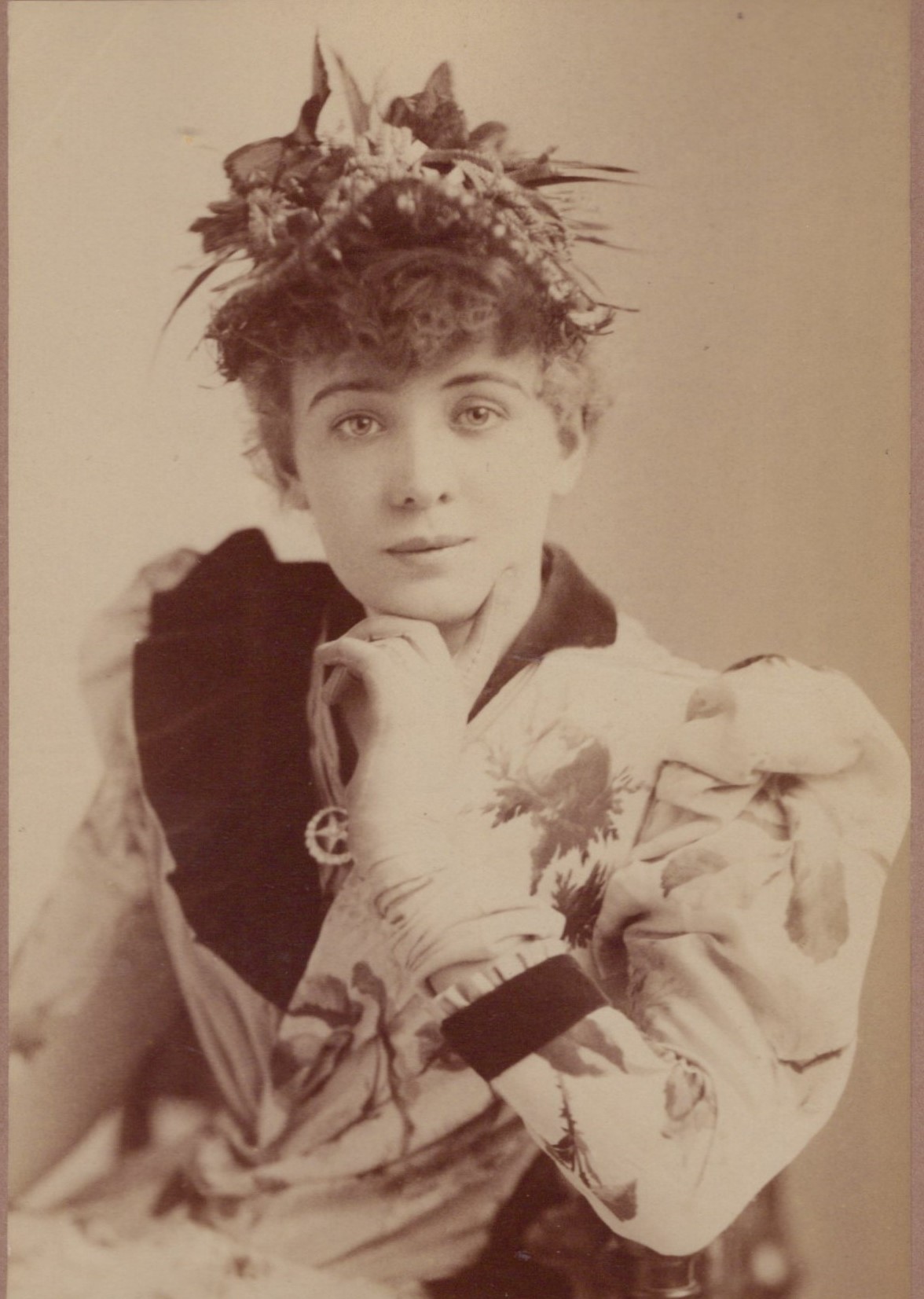
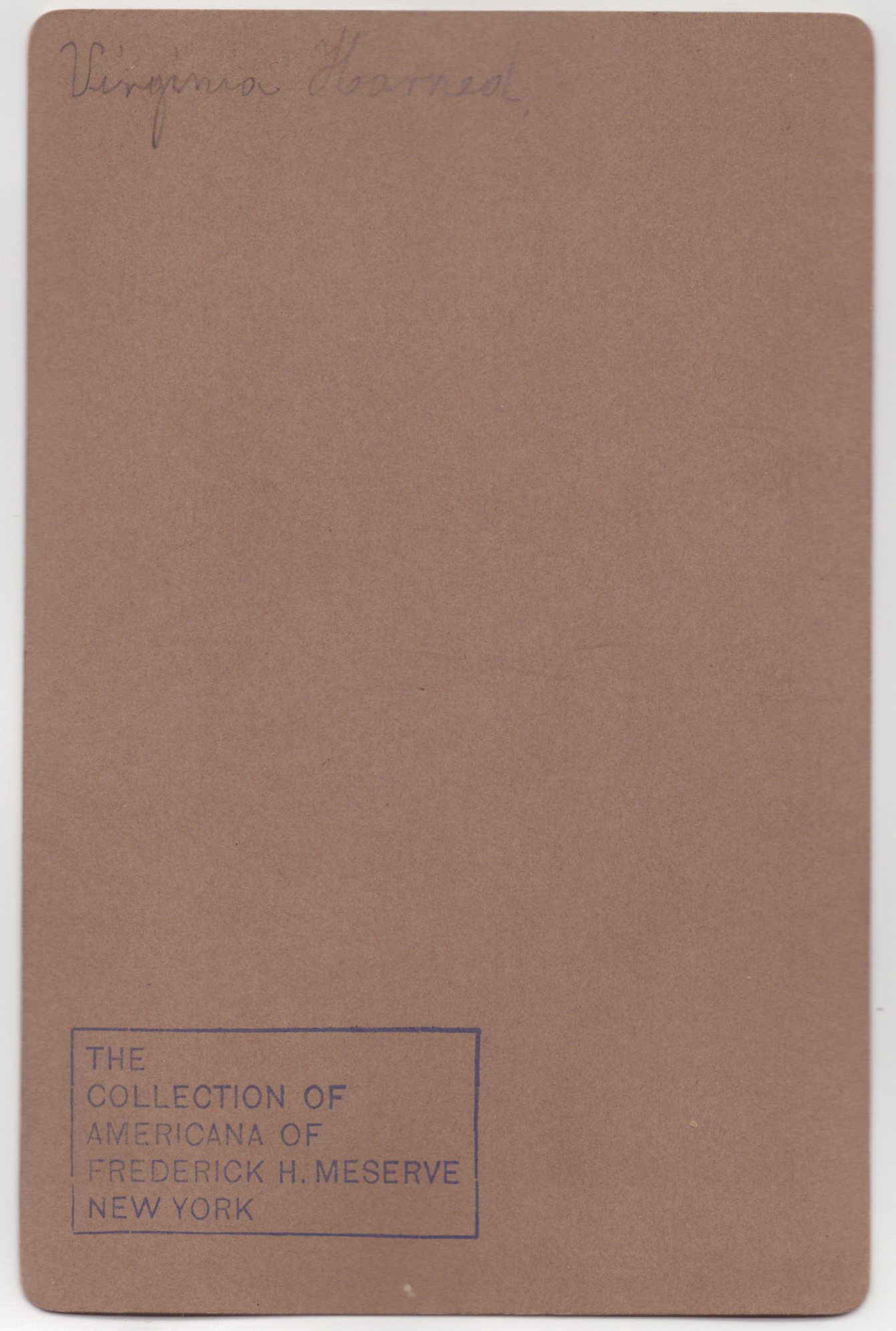
This cabinet card features noted American stage actress, Virginia Harned (1869-1946). She was known for her beauty (said to resemble Sarah Bernhardt), her fashion sense, and her intensity on stage. Harned was audacious. She was associated with creating the new social perception of the modern woman. She is most recognized for playing the title role in the Broadway premiere of “Trilby (1895)”. The IBDb reveals that Harned performed in 21 Broadway plays between 1894 and 1936. Harned was married to two (not at the same time) famous actors. Her second husband was E. H. Sothern who later married actress Julia Marlowe. Her third husband was William Courtenay. During her marriage to Sothern, Harned took a turn at writing and produced several plays. Harned’s portrait seen on this cabinet card was taken by celebrated New York City photographer, Napoleon Sarony. A hand stamp on the reverse of this photograph indicates that the photo was formerly in the collection of Frederick H. Meserve (1865-1962). Meserve was a businessman and a had a large collection of photographs. In 1944 he worked with Carl Sandburg, American poet and biographer, to publish 100 photographs of Abraham Lincoln. Meserve’s collection included 10,000 original Matthew Brady negatives and 75,000 photographs of famous theatrical figures. SOLD
It is reported that actress, Marilyn Monroe, once stated that “A smile is the best makeup any girl can wear.”. The pretty woman seen in this vintage photograph must subscribe to Monroe’s philosophy. The bright eyed woman pictured in this image is wearing a fur collared coat, a ring, and a wide bracelet. Her hair is styled accentuating her lovely curls. The photo is a former resident of an album (see reverse of image) and likely dates back to the 1940’s. SOLD
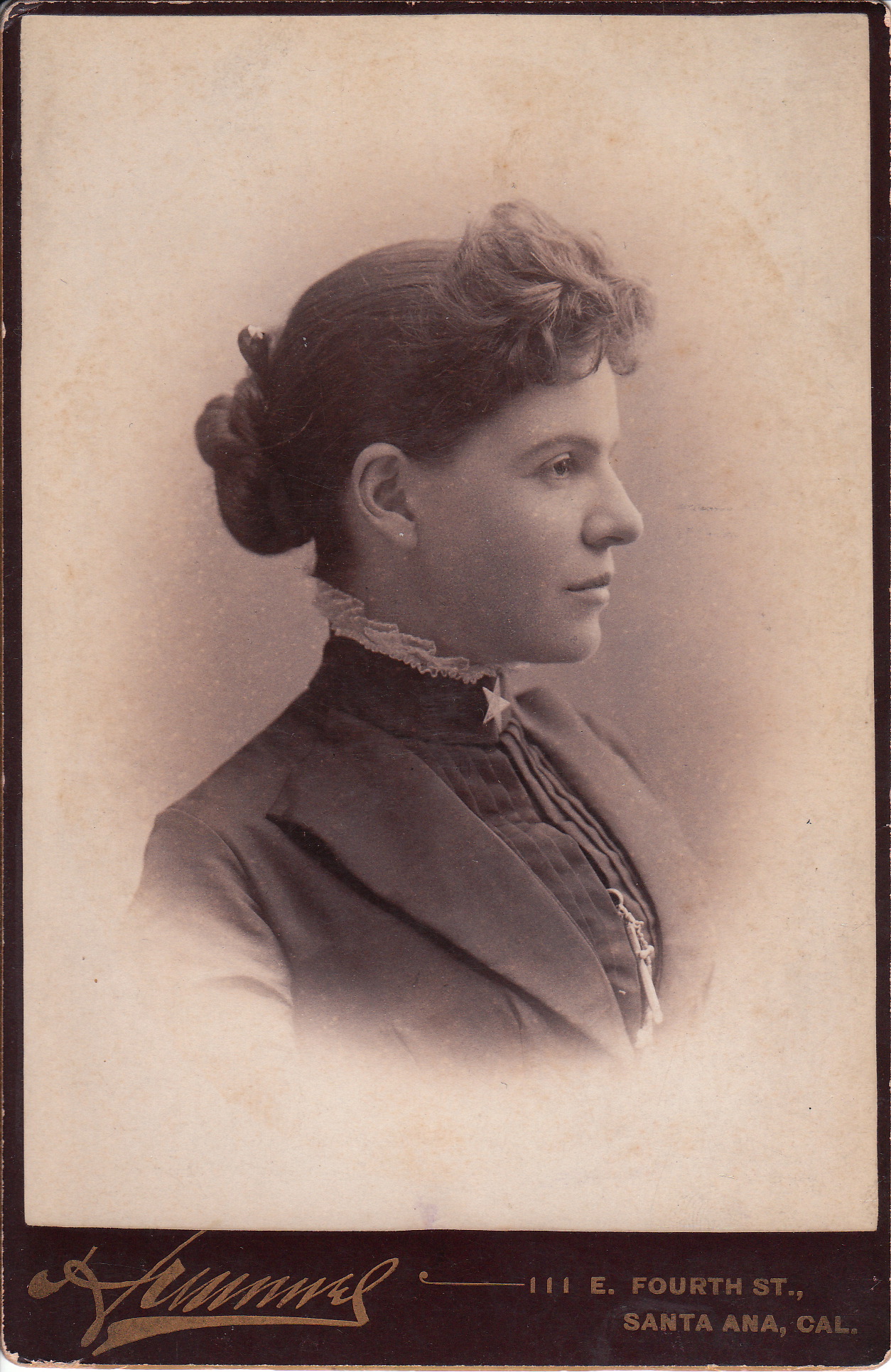
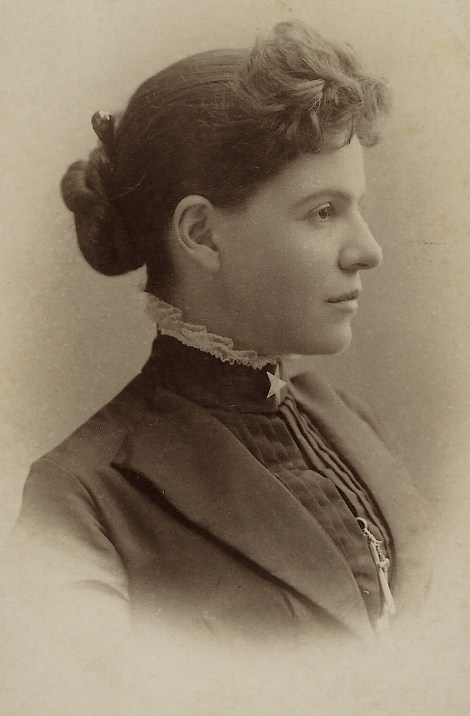 This cabinet card features a profile portrait of a pretty young woman. She is wearing a five point star pin on her collar. The woman is unidentified, but her initials (E. J. H.) are on the reverse of the photograph. The photographer is Hummel and his studio was located in Santa Ana, California. The photographer is likely the same individual who was partnered with Conaway in the Conaway & Hummel photographic studio, also located in Santa Ana. Research uncovered no further information about Mr. Hummel. SOLD





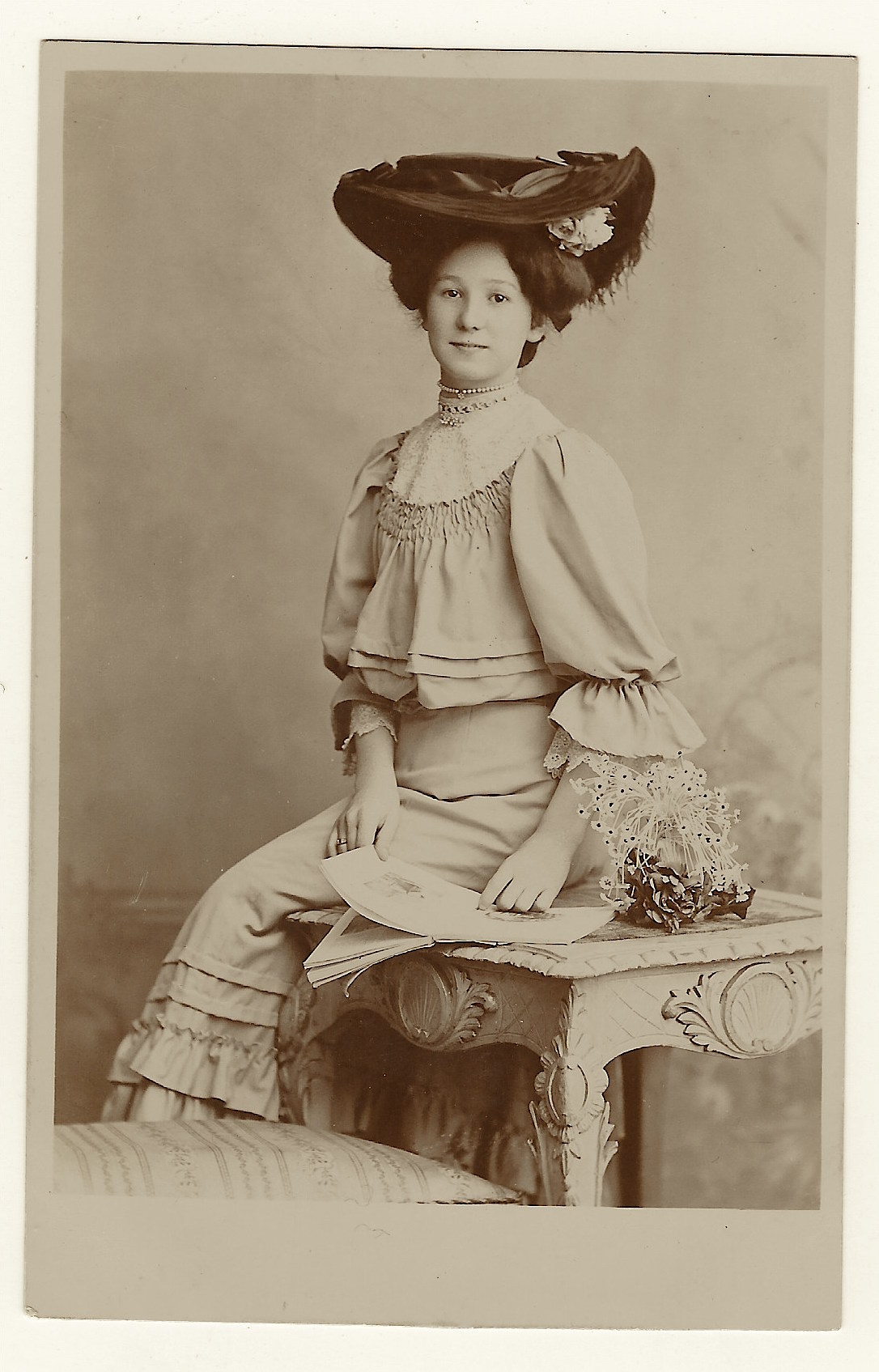
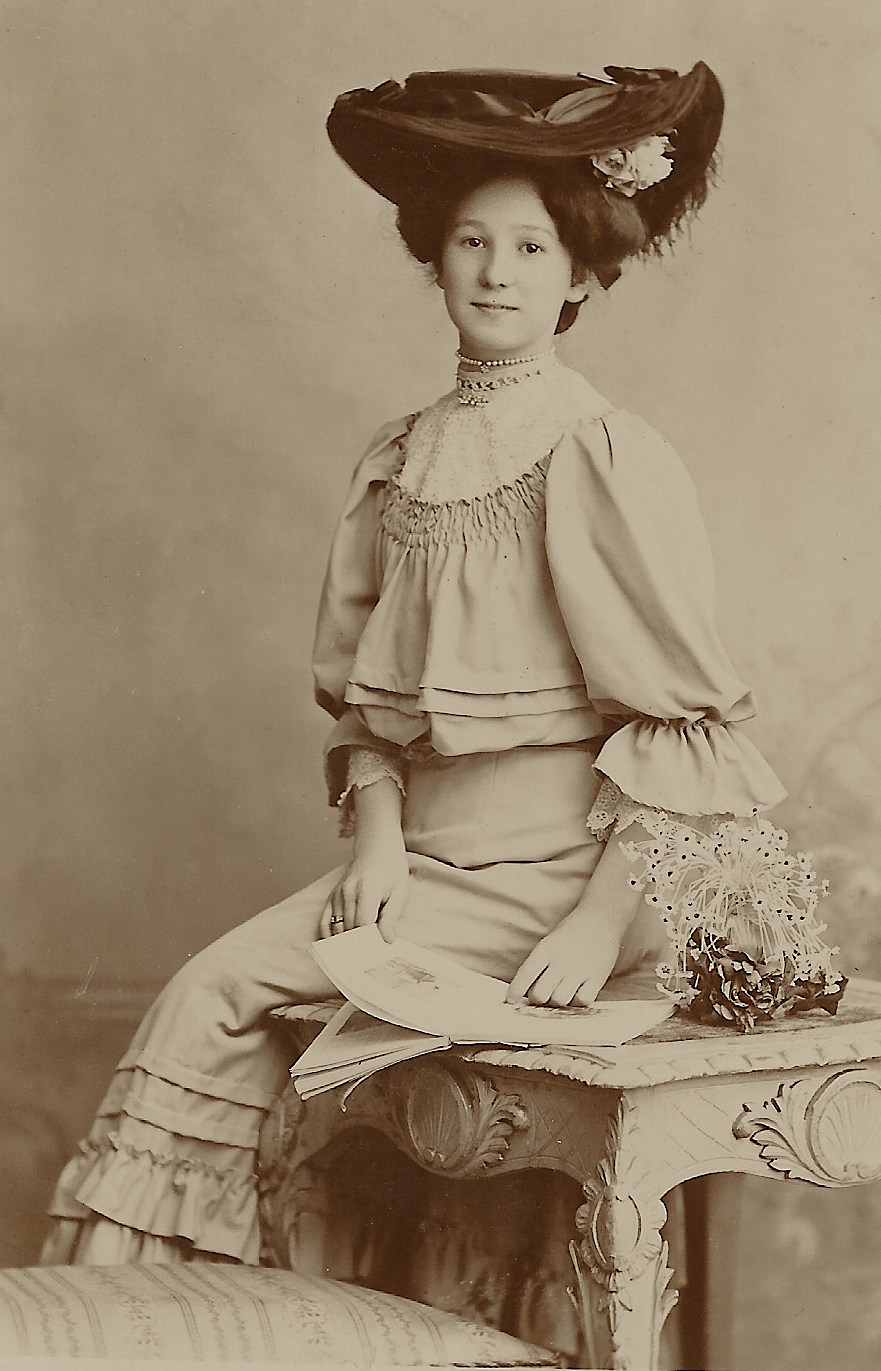 This vintage real photo postcard features a pretty and fashionable young woman reading a magazine or book. Her dress is accentuated with lace and she is wearing a necklace and a collar pin. The young woman appears to be in her early twenties, or perhaps in her teenage years. Her eyes are open wide and she has a nice smile. The photographer of this image is W. A. Brown & Son. The studio was located in Bradford, a city in West Yorkshire, England. SOLD



 THE CABINET CARD GALLERY