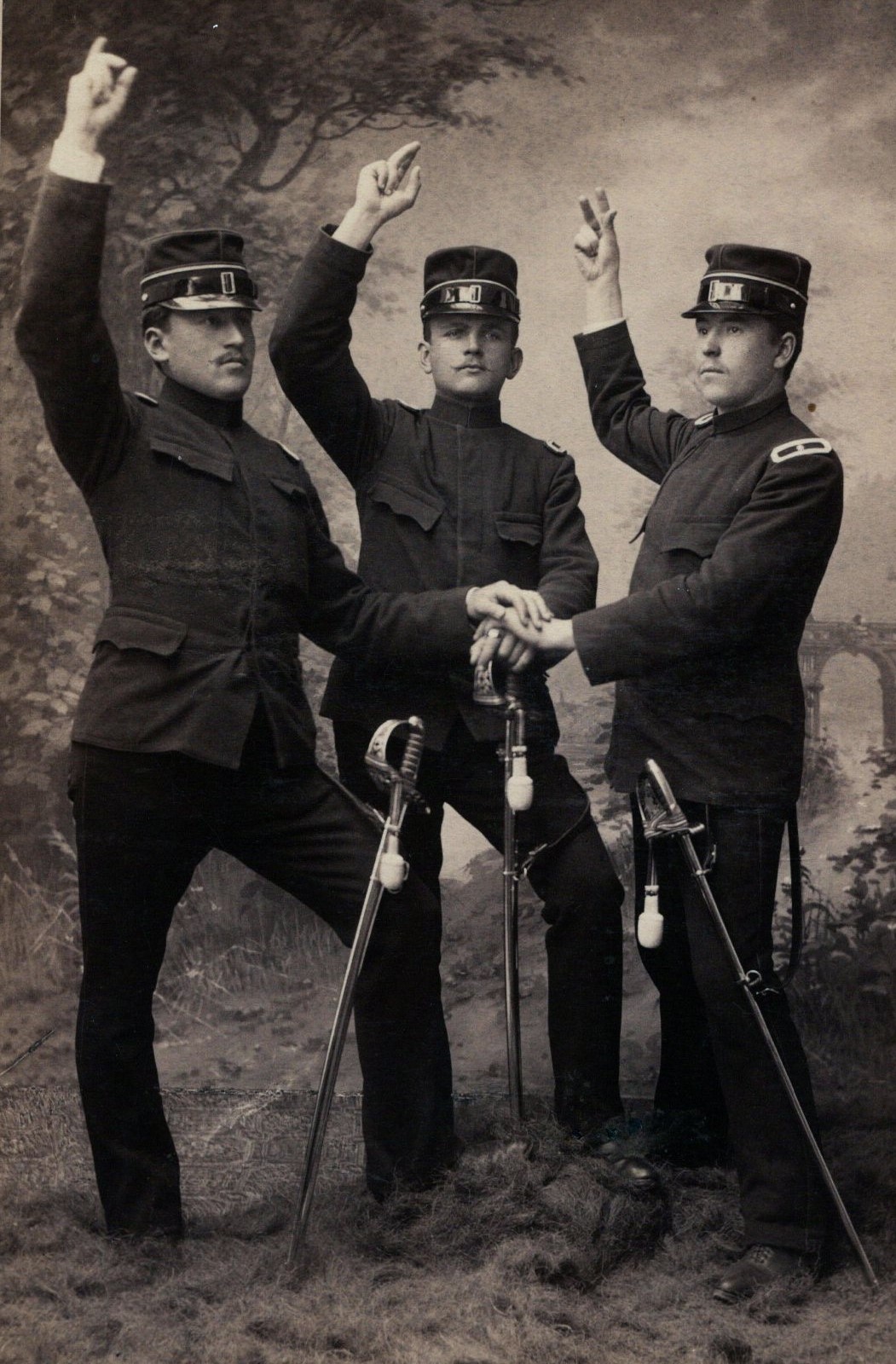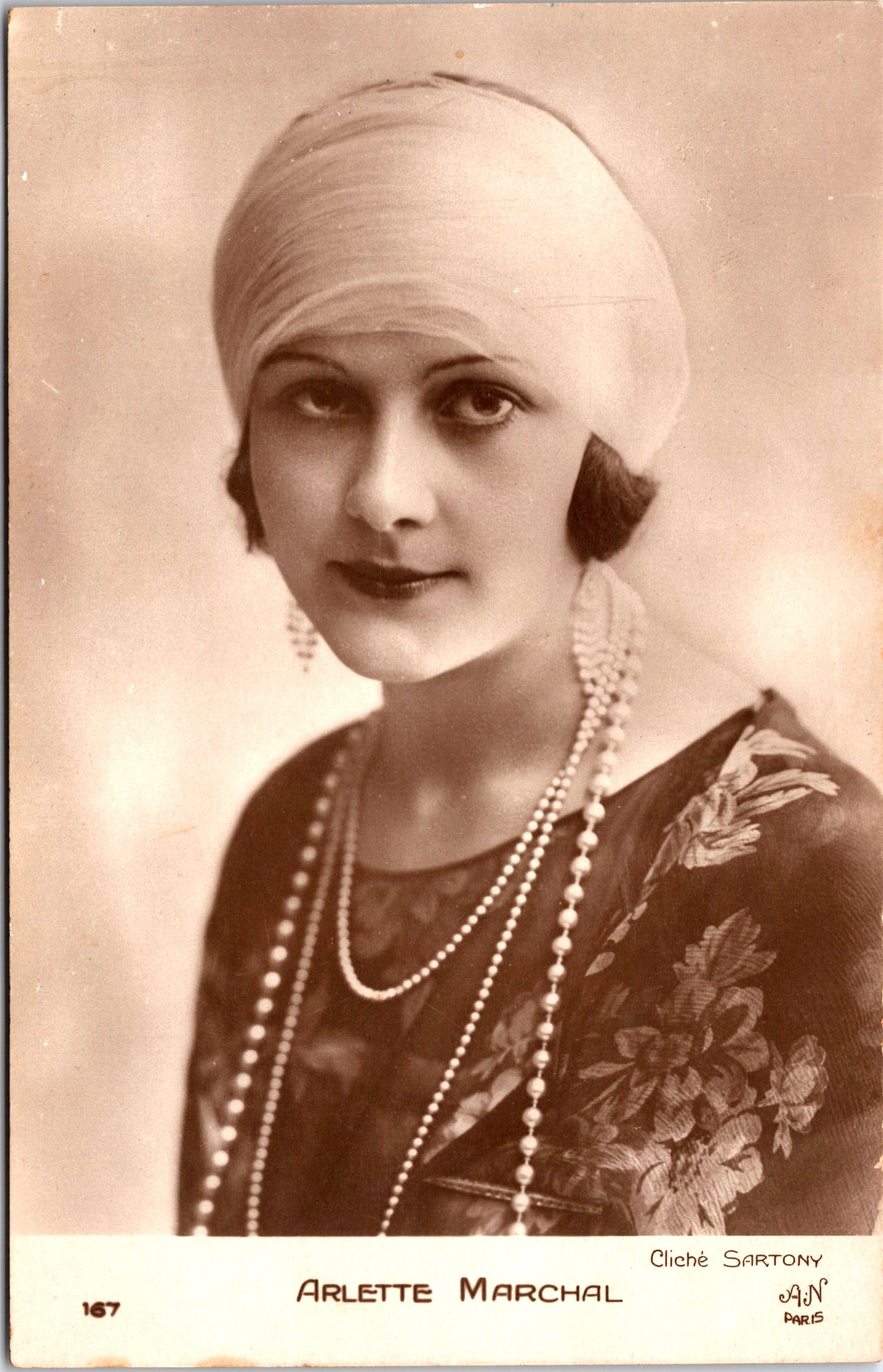
SPORTY YOUNG MAN : CHILLIN IN NORWAY, MAINE : FASHION : CABINET CARD PORTRAIT

This cabinet card features a portrait of a young man sitting on a wooden high back chair. He is dressed in a sporty manner. The combination of his striped pants and his checkered jacket won’t win any fashion awards. The gentleman’s casual sitting position and his facial expression gives an impression of self assuredness. This cabinet card photo was taken at the Swan studio in Norway, Maine. John Wesley Swan (1857-?) appears in the 1884 Portland, Maine city directory as a photographer. The 1900 US census reveals that Swan was Canadian born and lived in Norway with his wife (Annie) and their two daughters. Swan married his wife in 1883. According to Anthony’s Photographic Bulletin (1900), Swan’s studio was destroyed by fire and he lost a large number of valuable negatives of scenery in the area of Norway. The journal also states that the “loss was large and the insurance is said to be small”. Swan was the official photographer of the Grand Trunk Railway system. He won a gold medal at the Paris Exposition according to Photo-Era magazine (1900). At one point in his career in Norway, Swan had a partner in his business (Swan & Cobb). John Wesley Swan was involved in a bizarre incident that made the annals of the history of Norway. The book,  “A History of Norway, Maine: From the Earliest Settlement to the Close of the Year 1922”, tells a  mysterious story about Mr. Swan. While on a trip to Boston in 1893, Swan disappeared for a period of about six months. The writer states that Swan “claimed to have been sand-bagged and robbed in Boston and when he partially recovered consciousness found himself in New Orleans”. His memory had “left him” and he wandered around until his memory returned while he was in Texas. Swan returned to Norway and explained his disappearance to his friends and family, and community. According to the writer, many doubted the validity of his explanation. SOLD

Published in: on April 20, 2023 at 12:00 pm  Leave a Comment  
Tags: , ,

LILLIAN RUSSELL: CELEBRATED AMERICAN ACTRESS AND SINGER

Lillian Russell (1860-1922) is pictured in this vintage lithographic postcard by famed New York celebrity photographer, B. J. Falk. Lillian Russell is captured in costume. Russell was a very famous American actress and singer who was known for her beauty, style, voice and stage presence. Her theater career began with roles in comic operas including the work of Gilbert and Sullivan. She married composer Edward Solomon in 1884 and two years later, he was arrested for bigamy.  She performed in New York and elsewhere in starring roles in comic opera and musical theatre. In 1904 she switched to dramatic roles due to voice problems. She later also appeared in vaudeville. She retired from the stage in 1919. She later wrote newspaper columns, advocated for women suffrage, and was a popular lecturer.  She married four times and her longest marriage was to Diamond Jim Brady who supported her extravagant lifestyle for four decades. It is interesting to note that the New York Times (4/2/1886) reported that during the performance of “Pepita”, an opera by her husband, Edward Solomon; there were obvious signs of marital discord observed on stage. The newspaper blamed issues revolving around Russell’s interfering mother, as well as, issues pertaining to Russell’s sudden prosperity. The newspaper article correctly predicted that there would soon be a divorce. This postcard portrait was published by Bamforth & Company, headquartered in both England and New York.  SOLD

TWO PRETTY YOUNG EUROPEAN WOMEN : BASKET OF FLOWERS : RPPC (1909)

This vintage postcard features two pretty young European women in traditional clothing. One of the women is holding a large basket of flowers. Both women are flashing beautiful smiles.This postcard was published by NPG (“Neue Photographische Gesellschaft”  as part of a series (No.751/5). The card is an “oranotypie”. An oranotype is a trade name for a type of glossy real photo postcard published by NPG. This postcard portrait has a 1909 postmark.  SOLD

YOUNG BEAUTY : PRETTY IN PINK : DIVIDED BACK RPPC : HAND COLORED : (1907-1915)

This hand colored vintage real photo postcard features a young and pretty postcard model. She is posed in a titillating manner. She is holding a bouquet of flowers.  The card was published by EAS. The postcard was postmarked in Belgium and has a Belgian stamp. SOLD

Published in: on April 16, 2023 at 12:00 pm  Leave a Comment  
Tags: , ,

COLLEEN MOORE : AMERICAN SILENT FILM ACTRESS : DUTCH BOY BOBBED HAIRCUT : RPPC

This postcard features a portrait of American film actress, Colleen Moore (1899-1988).  She began her career in the silent film era. She was a fashionista and one of the highest paid stars of her time. She is also noted for popularizing the “dutchboy bobbed haircut”. Like many silent film stars, she was unable to adapt to “talkies” and decided to retire after just making a few  sound films. Upon retirement, Moore focused on investing, and was quite talented in that realm. She became a partner at Merrill Lynch and wrote a book about how to invest in the stock market. One of her hobbies involved dollhouses. In the early 1950’s, she helped design and curate “The Colleen Moore Dollhouse” which is still exhibited at the Museum of Science and Industry, in Chicago, Illinois. The dollhouse is 9 square feet and worth millions of dollars and has been seen by millions of museum goers. Moore was born in Michigan and her family relocated to Atlanta around 1908.They then moved on to Pennsylvania and finally, Tampa, Florida. At fifteen years of age, Moore had a screen test with director D. W. Griffith. Griffith owed a debt to Moore’s uncle, a successful newspaper man in Chicago. Moore must have done well on the screen test since she soon found herself playing heroines in Westerns. She signed a contract with Triangle-Fine Arts and for the first few years she appeared in minor supporting roles. When the Triangle Company folded she signed with Selig Polyscope. She appeared in “A Hoosier Romance” and “Little Orphant Annie”. They were popular films and Moore achieved some celebrity. When Selig closed their doors, Moore went to work on films from various companies. Her star kept rising. In 1922, Moore was named a WAMPAS Baby Star (honor for actresses on the threshold of fame). The IMDb credits Moore with 65 film appearances between 1918 and 1934. At the height of her career, she was earning over twelve thousand dollars a week. This vintage portrait postcard features Colleen Moore with her trademark dutch boy bobbed haircut. The card was published by Ross Verlag. Note the logo for First National Pictures in the lower right hand corner of the image. The card has a 1926 postmark. Moore was about 27 years old when the photograph was taken.  SOLD

SUE CAROL : AMERICAN FILM STAR AND TALENT AGENT : RPPC

This vintage real photo postcard features American actress and talent agent, Sue Carol (1906-1982). She began her career in silent films during the 1920’s. She made the transition to talkies and appeared in a number of movies throughout the 1930’s. She appeared in more than 60 films during her career. Her notable movies included “No No Nanette”, “The Phantom in the House”, and “The Donovan Affair”. She also appeared in several westerns and musicals in the 1930’s. She later became a talent agent representing several successful Hollywood stars including Robert Wagner and Roger Moore.  She was married to actor Alan Ladd for more than two decades. This portrait postcard is in fair condition (see scans).

Buy this Vintage Real Photo Postcard (includes shipping within the US) #5033

To purchase this item, click on the Pay with PayPal button below

$10.80

Buy this Vintage Real Photo Postcard (includes International shipping outside the US) 5033

To purchase this item, click on the Pay with PayPal button below

$19.80

POSTMORTEM PHOTO : YOUNG GIRL : PARIS, FRANCE : CABINET CARD

This cabinet card is a postmortem photograph of a young girl. The image is upsetting and sad, but served as a remembrance of a family member for their grief stricken family. Note the flowers and cross lying on the child’s bed and the religious statues and candles on the side table.   The photographer of this cabinet card was R. Dechavannes, whose studio was located in Paris, France. To view other photographs by Dechavannes, click on the category “Photographer: Dechavannes”. Hopefully, visitors to the cabinet card gallery will not find this image offensive. A website  called “Ostrobogulous Cackleberries”, has an interesting article about the practice of postmortem photography. The writer states that during the Victorian era, photographing the recently deceased was “extremely prevalent”. The author points out that the practice existed before the invention of the camera. Instead of photographing the dead, artists painted their portraits immediately following their death. In many cases, the postmortem photo was the only image a family possessed of the departed family member. Many of the Victorian memorial photographs were of infants and children. The mortality rate of children during that time was very high. The writer offers a description of how the dead were posed and there seems to be a great deal of approaches to the practice. Postmortem images could be full body or facial close-ups. Coffins were not frequently included in the picture. The dead were often posed as if they were sleeping and sometimes were presented as life-like. In some photos they were braced or tied into chairs or propped up against other family members to look as alive as possible. According to the article, the popularity of postmortem photography faded in the early twentieth century. Funerals moved from the home parlor to the funeral parlor. Society stopped “embracing mortality” and we became the death denying culture of today.   SOLD

FIVE MEN, DERBIES AND DOGS IN KUTZTOWN, PENNSYLVANIA

The boys gather together at Snyder’s Studio in Kutztown, Pennsylvania for a group portrait. Suits and derby hats seem to be the order of the day. Someone brought their two large hounds to the gathering. The dogs appear to be hunting dogs. Examination of this cabinet card image brings up the question, “How are these men connected to each other?”.  Are they good friends?  Are they co-workers? The answer to these questions are unobtainable and we are left with only hypotheses.What do we know about the photographer? The 1880 U. S. census reveals that Charles Wanner Snyder (1852-1927) was married to Sallie A. Jackson (1858-1900) and the pair had a daughter named Lydia (born 1879). Charles Snyder was born, and later died, in Kutztown. At the time of the census, Snyder was employed as a boot and shoe maker, but he appears to have had a tendency to switch careers over time. After tiring of boots and shoes,  he worked two years as a harness maker. He learned photographic and freehand crayon work and then, became a photographer. Research reveals that he had a reputation for being an excellent scenic artist and sign painter. He also was a very civic minded man. He was credited as saving a grove from woodsmen, and establishing the Kutztown Park with the rescued property. He served six years on the Kutztown council and five years as President of the council. In 1880 he entered the bicycle business. He added a Sphinx automobile dealership to his bicycle shop in 1915. What in the world is a Sphinx automobile? The Sphinx was produced by the Sphinx Motor Car Company which was located in York, Pennsylvania. The company produced cars in 1915 and 1916. The Sphinx was a light touring car. Automobile Industries (1914) reported that the car was expected to  have an initial selling price of six hundred and ninety-five dollars.  SOLD

Published in: on April 12, 2023 at 12:01 pm  Comments (2)  
Tags: , , , , , , , , ,

Two Hunters and their Rifles and Dogs (1887)

huntersThis terrific Cabinet card image shows two Hunters and their three hunting dogs. Both gentleman are wearing boots and are holding rifles. This studio photograph was produced by Walter of Rochester, New York. Notation on the reverse of the card identifies the hunters and is dated 1887.    SOLD

Published in: on April 11, 2023 at 12:00 pm  Comments (2)  
Tags: , , , ,

PRETTY TOPLESS WOMAN : OPEN NEGLIGEE : RISQUE : FLAPPER : FRENCH PUBLISHER – LEO

This French vintage risque real photo postcard features a pretty young woman partially disrobed. She is wearing an open negligee.Her elbow rests on a table that is topped by a rose in a vase.She has a wonderful smile. This postcard was published by Leo as part of a series (No.65). The firm was located in  Pradot, France.  The Leo firm operated in the mid 1920’s and published many types of real photo postcards. They were especially noted for producing a large amount of nude postcards. (SOLD)