This cabinet card features Julia Marlowe displaying a mischievous smile. Note her engaging large eyes. Miss Marlowe was a stage beauty. She is wearing a somewhat revealing dress (for the cabinet card era) and has a wonderful hat atop her head. Julia Marlowe (1865-1950) was born in England and as a young child moved to the United States with her family. In her early teens she began her theatrical career with a juvenile opera company. She began playing Shakespeare in her home town of Cincinnati, Ohio. She made her Broadway debut in 1895 and by the end of her career, had appeared in more than 70 Broadway productions. Her first husband was actor, Robert Tabor. Their marriage lasted six years. In 1904 she appeared in “When Knighthood was in Flower”. Great success in this play brought her financial independence. Earlier, in 1903, she appeared in ‘The Cavalier” and “Ingomar”. The New York Sun wrote about her performance in “Ingomar”; “There is not a woman player in America or in England that is – attractively considered- fit to unlace her shoe”. In 1904 she began a partnership with actor E. H. Sothern. They toured the United States performing various plays of Shakespeare. They were managed by Charles Frohman and later, the Shubert brothers. They were considered to be among the major Shakespearian actors of the day. In 1906, Marlowe played in “Jeanne d’Arc” and also as Salome in “John the Baptist”. Later, Sothern and Marlowe played in London but were not terrific box office successes there. In 1911 Marlowe and Sothern married each other. In 1920 and 1921, they made eleven phonograph recordings for the Victor Company. This cabinet card photograph was published in 1888 by the talented and popular Benjamin Falk of New York City. The image is marked with the number sixty-nine. This cabinet card has excellent clarity and is in very good condition (see scans).
Buy this Cabinet Card Photograph (includes shipping within the US) #6193
To purchase this item, click on the Pay with Paypal button below
$72.00
Buy this Vintage Original Cabinet Card (includes International shipping outside the US) #6193
To purchase this item, click on the Pay with Paypal button below
This cabinet card photograph features Polish actress, Helena Modjeska (1840-1909). She was known for her Shakespearean and tragic roles. She began her career on the Polish stage and after emigrating to the United States in 1876, she was successful on both the American and British stage. She is considered the greatest actress in the history of the Polish stage. After marrying Count Karol Bozenta Chłapowski, Modjeska emigrated with him to the United States in 1876. She initially attempted to establish a utopian agricultural community in California. However, the colony struggled, and she turned back to acting to support the venture financially. Modjeska achieved remarkable success on the American stage, learning English and debuting in San Francisco in Adrienne Lecouvreur. She quickly became known for her elegance, refined acting style, and powerful performances in Shakespeare’s plays, such as As You Like It and Othello, which she toured extensively across the U.S. and England. She played twelve Shakespearean parts in this country in addition to other classic and contemporary roles. In 1883 she appeared in America’s first professional appearance of Ibsen’s “A Doll’s House”. This cabinet card was published by Newsboy as a premium for their tobacco products. Miss Modjeska’s photograph was taken by esteemed celebrity photographer, Benjamin Falk in 1889. Some may consider this photo risque because of Modjeska’s low cut dress. SOLD
This vintage real photo postcard (Postcard 1) features a portrait of beautiful stage and film actress, and businesswoman, Maxine Elliott (1868-1940). Her photograph was taken by celebrity photographer Benjamin Falk at his New York City studio. Elliott was more than a stage actress. She managed her own theater and experimented with silent films in the 1910’s. Elliott was an extremely popular actress. Apparently she was popular with the men too. It is thought that she had affairs with famous people including King Edward VII and J. P. Morgan. It is also reported that she dated baseball hall of famer, John Montgomery Ward and heavyweight champion Gentleman James Corbett. During World War I she was very involved with the cause for Belgian relief. Elliott was born in Rockland, Maine. Her father was a sea captain. She had at least three siblings including her sister Gertrude Elliott, who also became a successful actress. When Maxine was 15, she was seduced and impregnated by a 25 year-old man. She may or may not have married the man but it is known that she lost the baby. In 1890 she made her first stage appearance. Her big break came in 1895 when she was hired by Augustin Daly to be the supporting actress for the highly acclaimed actress, Ada Rehan. In 1898, after divorcing husband number one, she married comedian Nat C. Goodwin. The two starred together in a number of productions including “Nathan Hale” and “The Cowboy and the Lady”. In 1903, Maxine appeared in the Broadway production of “Her Own Way” (1903). The play launched Maxine into stardom. In 1905, the play went to London where King Edward VII requested an introduction to the pretty actress. They met and then rumors started about the pair having an intimate relationship. In 1908, Goodwin obtained a divorce from Elliott. This is about the time she met 70 year-old J. P. Morgan. They became friends and rumors of their romantic involvement were never confirmed. Financial advice from Morgan helped her become a wealthy woman. The same year as her divorce, she opened her own theater, “The Maxine Elliott” in New York City. She was both the owner and the manager. In fact, she was the only woman in the US, at the time, managing her own theater. In regard to acting on Broadway, Elliott had an extensive resume. She appeared in 22 Broadway productions between 1894 and 1920. In 1913, she began acting in silent films. The IMDb reports that she was in five films including “From Dusk to Dawn” (1913), “Fighting Odds” (1917), and “The Eternal Magdalene” (1919). In 1913, Elliott went to England and started dating tennis star Anthony Wilding, fifteen years her junior. According to one source, the pair planned to marry, but he was killed in action in World War I. As a result, Elliott became obsessed with the war and moved to Belgium where she volunteered her money and time toward Belgian relief. It is reported that she also nursed wounded soldiers. Belgium recognized her by awarding her the Belgian Order of the Crown. Elliott retired from the stage in 1920. She stated that she “wished to grow middle-aged gracefully”. This postcard portrait features a young and beautiful Maxine Elliott. This image is a beautiful remnant of turn of the century theater history. This postcard was published by the Rotograph Company which was based in New York City. The postcard is part of a series (No.B888). SOLD
Postcard 2 features a photograph taken by female celebrity photographer, Lizzie Caswall Smith. Lizzie Caswall Smith (1870-1958) was a British photographer who operated in the early 1900’s. She specialized in photographing members of society and celebrities. Many of her photographs were used for postcards. She was involved in the Women’s Suffrage movement and photographed many of the leading suffragettes. She also photographed many actors including Billie Burke and Maude Fealy. She operated the Gainsborough Studio from 1907 through 1920 (309 Oxford Street) and moved to a new location (90 Great Russell Street) where she remained until she retired in 1930 at the age of 60 years-old. Her most famous photograph is a portrait of Florence Nightingale taken in 1910. It was auctioned in 1908 and sold for 5500 pounds which is an equivalent today of nearly 8,000 dollars. The National Portrait Gallery has 84 portraits associated with Lizzie Caswall Smith. This postcard was published by the Rotograph Company which was based in New York City. The postcard is part of a series (No.B636). SOLD
Postcard 3 features a nice portrait of Maxine Elliott. This image, taken by William Morrison (Chicago, Illinois) is a beautiful remnant of turn of the century theater history. This postcard was published by the Rotograph Company, which was based in New York City. The postcard is part of a series (No.B636). (SOLD)
Postcard 4 features Miss Elliott’s portrait by Ernest Walter Histed (1862-1947). Histed was born in England but achieved his success as a photographer in Chicago, and later, in Pittsburgh. He then returned to England and opened a photography studio there. His subjects there included Clara Butt (Opera Star) Pope Pius X, and the Empress of Germany. Histed returned to the US and opened a studio on Fifth Avenue in New York City. He later moved to Palm Beach, Florida and continued his profession until 1934. The Museum of the City of New York has a large collection of his work. The National Portrait Gallery (England) has 32 of his photographs in their collection. This postcard was published by London’s J. Beagles & Co. as part of a series (No. G386).The company was started by John Beagles (1844-1909). The company produced a variety of postcards including an extensive catalog of celebrity (stage and screen) portrait postcards. After Beagle’s death, the business continued as J. Beagles & Co. until it closed in 1939. (SOLD)
Postcard 5 comes from the studio of celebrity photographer, William McKenzie Morrison of Chicago, Illinois. Morrison’s studio was in the Haymarket theater building. This postcard was published by the Rotograph Company which was based in New York City. The postcard is part of a series (No.B658). (SOLD)
Postcard 6 features a pretty portrait of Miss Elliott taken by R. W. Thomas. It is likely that he is the same man that authored “The Modern Practice of Photography” (1927).This postcard was published by London’s Davidson Bros. as part of a series (No.1200). The message from the sender of this card introduced me to a new word. The writer asks “Isn’t this a beauteous maiden?”. I looked up the word “beauteous” to see if it existed. I learned that the word exists and means “beautiful”. I also learned that “Beauteous” is a word that is customarily used in literature and not conversation. (SOLD)
Postcard 7 Elliott photrographed in costume for her role as Gipsy in “Under the Greenwood Tree”. Her photograph was taken by famed celebrity female photographer, Lizzie Caswall Smith. This image is a beautiful remnant of turn of the century theater history. This postcard was published by Rotary Photo as part of a series (No.187E). (SOLD)
Postcard 8 was published by London’s Ralph Dunn & Co. as part of a series (No. A342). (SOLD)
This cabinet card photograph features American stage actress, Virginia Earle (1873-1937). Much of her work was in light operas, musical comedies, and vaudeville. Earle was born in Cincinnati, Ohio. Her parents were Irish immigrants. She made her stage debut in 1887. She had a role in Gilbert and Sullivan’s “The Mikado” produced by the Juvenile Opera Company. She played in several of their productions. Earle then joined a touring company of the Pike Opera Company. When in San Francisco, she was hired by a vaudeville company where she performed for two seasons. She next went to Australia with a performing company. She was identified with Augustin Daly’s Edwardian musical comedies for many years. The musicals included “The Circus Girl” and “A Runaway Girl”. Earle played in eleven Broadway production between 1899 and 1910. Earle was a “chronic” robbery victim. She captured one of the thieves. Earle was walking along Sixth Avenue (Manhattan) and saw a woman wearing one of the cloaks she wore in the production of “The Merry World”. Earle grabbed the woman and screamed for help. Eventually the woman was tried and acquitted. The woman’s husband claimed to have found the cloak and he was judged credible. In 1894, Earle married Frank Lawton, an actor and comedian. She divorced him in 1899. Earle’s photo portrait seen on this cabinet card, was taken by celebrity photographer, Benjamin Falk. Falk operated a studio in New York City. This photograph was likely taken in the late 1880’s or early 1890’s. The cabinet card has a slight curl and is in overall good condition. See Scans.
Buy this Cabinet Card Photograph (includes shipping within the US) #6268
To purchase this item, click on the Pay with PayPal button below
$39.95
Buy this Vintage Original Cabinet Card (includes International shipping outside the US) #6268
To purchase this item, click on the Pay with PayPal button below
Benjamin J. Falk, New York City theatrical photographer, produced this cabinet card portrait of English actress FFolliott Paget. She is dressed to look her best; wearing pearls and a fur coat. Ms Paget appeared in fourteen Broadway plays including “What Every Woman Knows” ((1908-1909) and “The Rivals” (1912). This cabinet card has an extremely minor curl, corner wear (top left), and is in overall good condition (see scans). Cabinet Card photographs of Ffolliott Paget are very uncommon.
Buy this Cabinet Card Photograph (includes shipping within the US) #5896
To purchase this item, click on the Pay with PayPal button below
$36.00
Buy this Vintage Original Cabinet Card (includes International shipping outside the US) #5896
To purchase this item, click on the Pay with PayPal button below
I am not prone to hyperbole. Without exaggeration, I find this cabinet card portrait (photo 1) quite extraordinary. The pretty woman in this photograph is beautifully dressed. She deserves the moniker of “fashionista”. If she walked into a noisy crowded room, I’m quite sure all activity would cease, and she would become the center of attention. I wish I knew the identity of this fabulous lady. She is probably an actress, which I assume by her appearance, and by the fact that she was photographed by celebrity photographer, Benjamin Falk. An inscription on the reverse of this photograph identifies her as “E Vinning”. I could not find any information about any performer with that name. However, my research did discover an actress named “Susy Vining”. Photographs of Susy Vining show a person who looks similar to the woman in this cabinet card photo. Note the real photo postcard image of Susy Vining below. Do you think “E Vinning” and “Susy Vining” are one and the same person? Just a few more words about this cabinet card. The subject is holding a fur stole and umbrella in one hand, and a top hat in the other. Considering that she is already wearing a head covering, I would love to know the story behind the top hat. This cabinet card image is not on regular cabinet card stock paper. This photograph is printed on thinner than usual stock paper. The card is gold beveled. There is a bar code sticker on the reverse of the photograph. It is very possible that this image is a REPRODUCTION, rather than an original photograph. (SOLD)
Photograph 2 is a vintage real photo postcard of actress Susie Vining. Her bare shoulder dress makes this photograph a bit risque. The actress is holding a cute small dog. The dog looks like a Yorkshire Terrier. This photograph was taken by the Foulsham & Banfield studio as part of a series (no.1946 A). Foulsham & Banfield were well known celebrity photographers. Frank Foulsham and A. C. Banfield operated a studio from the 1900’s through the 1920’s. The postcard was published by Rotary Photo. (SOLD)
Photograph 3 was published by C. W. Faulkner & Co. as part of a series (no.483A). The postcard’s message was written in 1905. The writer tells the addressee that “our Meg has got a place at Fisherrow School”. The postmark is also from 1905. The card was postmarked in Kirkcaldy, Scotland and addressed to Musselburgh, Scotland. (SOLD)
New York City celebrity photographer, Benjamin Falk, produced this photographic portrait of stage actress Maria Vanoni. The reverse of the cabinet card appears to be inscribed by the actress who wrote “Your true friend, Maria Vanoni”. Miss Vanoni received mention in Folio (1884) when she appeared in “Orpheus and Eurydice” as a member of the Miles & Bartons Opera Bouffe Company. She was described as “a graceful sprightly actress of the French school”. “Opera Bouffe”was a genre of late 19th century French operetta. This genre was known for its components of comedy, satire, parody, and farce. This cabinet card portrait is in good condition. Note the crease in the center right area of the image (see scans). (SOLD)
Photograph 1 features stage actress Violet Lloyd posing for celebrity photographer Benjamin J. Falk at his New York City studio. Ms. Lloyd is adorned with flowers in her hair and looks quite beautiful as she poses with her rather large fan. Violet Lloyd was an English actress and singing comedienne. The New York Times (1896) published a favorable review of “The Geisha”, a play appearing at Daly’s Theater. The critic wrote that “The greatest individual hit last night was made by Violet Lloyd, an English Soubrette (female stock character in opera and theater)……….She is a piquant (engagingly provocative) little person, with a droll (amusing in an odd way) but pretty face, sufficient voice, a sense of humor, and plenty of agility”. It is clear that turn of the century newspaper writers were either better writers than today’s journalists, or else, their editors were more likely to encourage and expect higher quality writing. As a result, newspaper articles had a more literary style and used advanced vocabulary. Please forgive me for providing the definitions of some of the words in the quotation; I couldn’t stop myself. A stamp on the reverse of this cabinet card indicates that it was once part of the collection of Charles L. Ritzmann. Other photographs from Ritzmann can be viewed by clicking on the category “Charles Ritzmann Collection”.
The second photograph (PHOTO 2) was also done by a well known New York City celebrity photographer. Aime Dupont was of Belgian origin and he captured Miss. Lloyd wearing clothing that was likely costume from a play. Note the fan she holds above her head. Her pose, with her hand on her hip, likely reflects feigned shock or dismay. This cabinet card is also part of the Ritzmann collection. To view more photographs by Dupont and to learn more about him, click on the category “Photographer: Dupont”. Photo 3 is a vintage real photo portrait of Violet Lloyd. It is interesting to note that the squiggly lines on Miss Lloyd’s dress are textured with sparkles. The postcard was published by Philco (no.3026F). The Philco publishing company was located in London, England. This vintage postcard is in good condition (see scans).
Buy this Vintage Real Photo Postcard (includes shipping within the US) #3065
To purchase this item, click on the Pay with PayPal button below
$15.98
Buy this Vintage Postcard (includes International shipping outside the US) 3065
To purchase this item, click on the Pay with PayPal button below
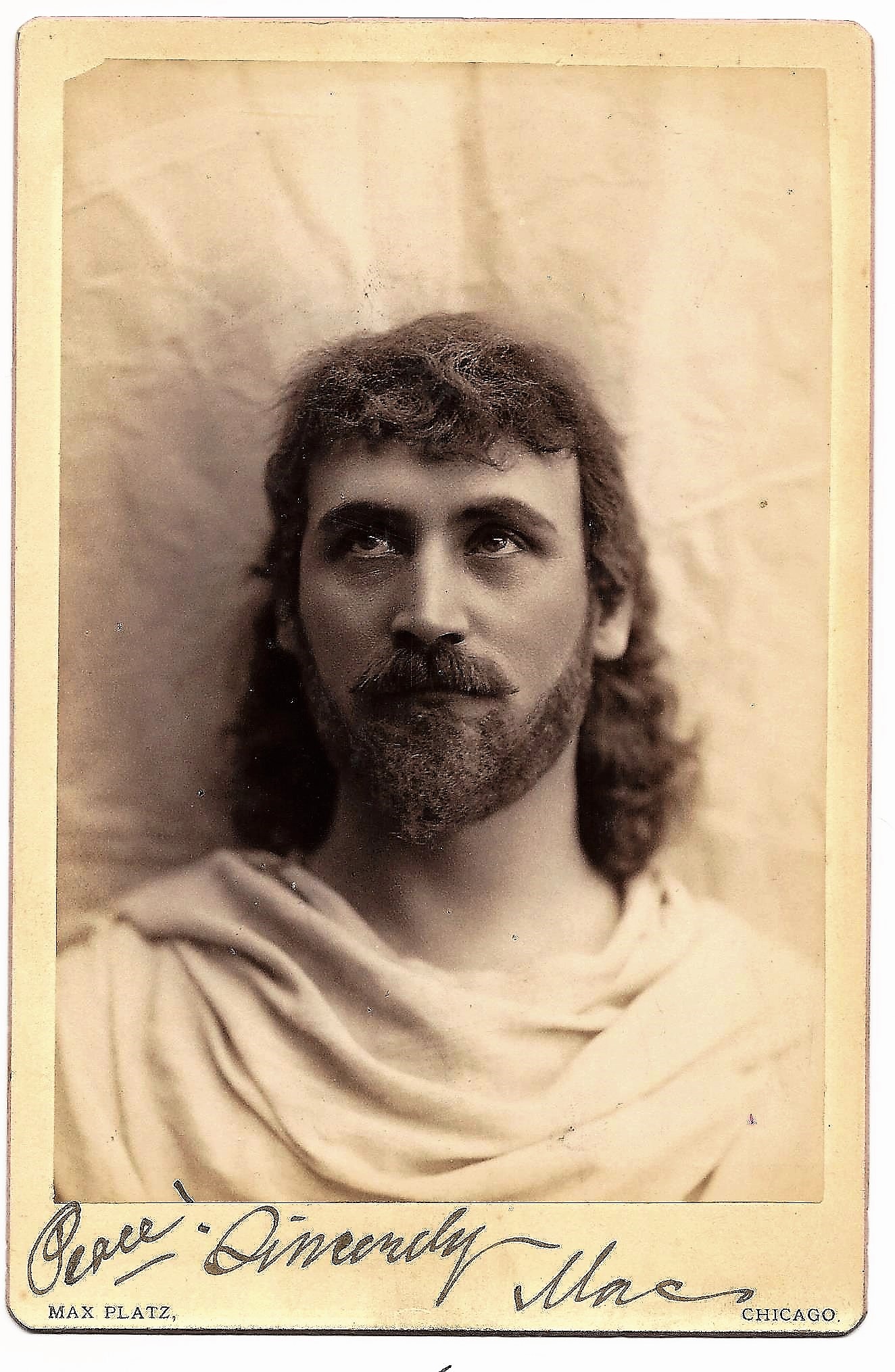
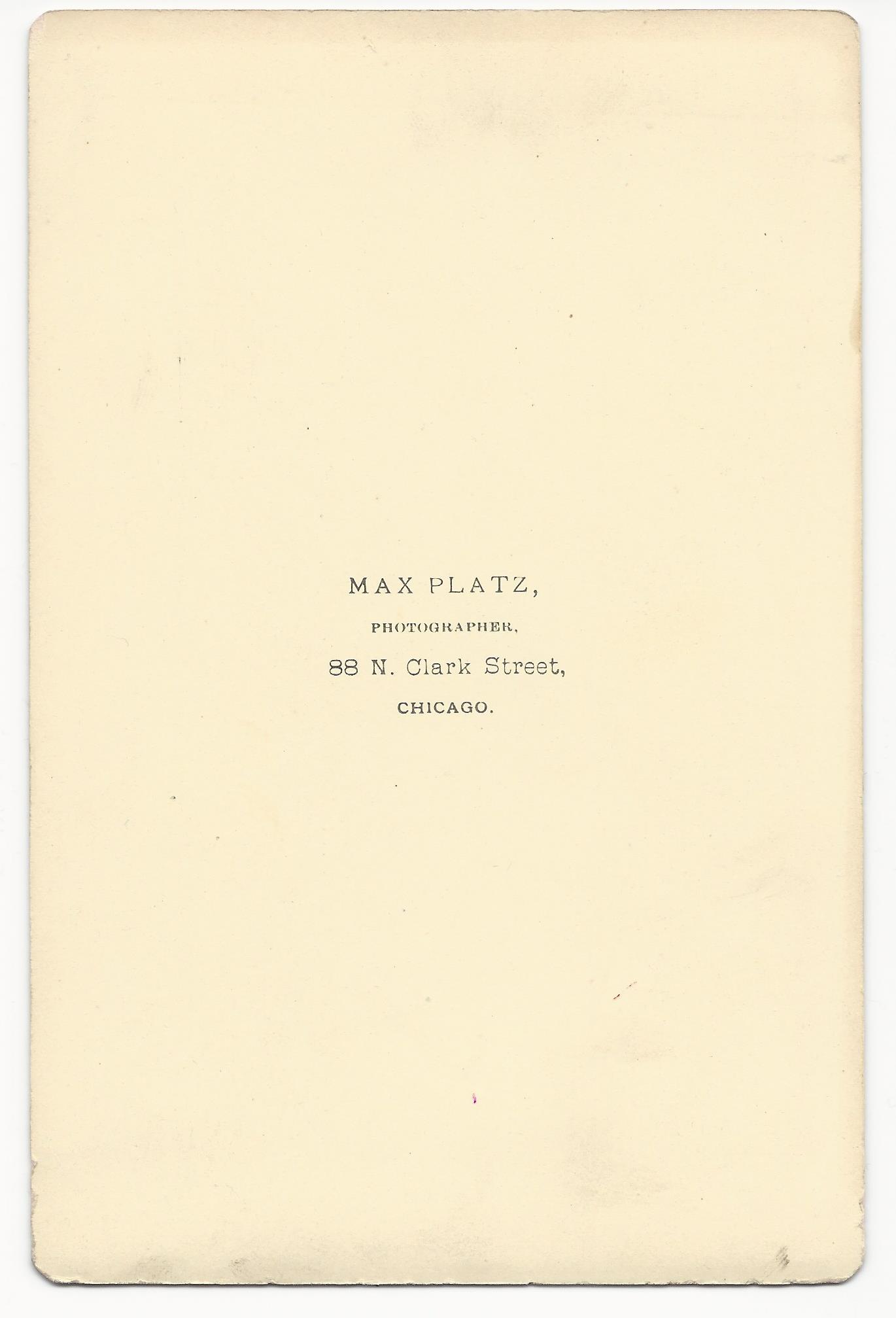
This cabinet card photograph features actor Mac Barnes. He certainly looks like that he is in character to play Jesus in a theatrical production. His long hair, beard, and robe lead me to this hypothesis. An inscription below the image on the cabinet card states “Peace! Sincerely, Mac”. Before seeing this inscription, I thought my generation (Baby Boomers) were the first cohort to use the word “peace” when addressing each other. Mac Barnes (1863-1923) is listed in the IMDb. He was born in Bedford, Indiana, He was a vaudeville, stage, and screen actor. He was known for his roles in “The Food Gamblers” (1917), “The Haunted House” (1917), and “Experience” (1921), His filmography includes 21 credits from 1909 through 1921. The photographer of this cabinet card photograph is Max Platz (1850-1894) who operated a studio in Chicago Illinois. Platz was born in Germany. His father was a tanner and he moved the family to Racine, Wisconsin when Platz was still a lad. He began his career at age 16 as a “positionist” in his brother-in-laws photographic gallery. His brother-in-law was Henry Rocher, a very talented and well respected photographer. He was Rocher’s primary assistant from 1867 through 1881. In 1881 Platz established his own photography business and encountered immediate success. He was a life long bachelor and clubman and was known for his wit, friendliness, and story-telling. He developed quite a following from members of the theater, German-American society, and the fashion world. His studio was decorated very elaborately. He employed antiques as props, much in the same way as Napoleon Sarony. It is written that his posing style resembled his friend, Benjamin Falk. Platz was an active member of the Chicago Photographic Association in 1893, he played an major role in the Department of Art for the Columbian Exposition. When Platz died in 1894, his studio and negatives went to his friend and fellow Rocher Student Joseph Gehrig and his pupil, James Samuel Windeatt. Wilson’s Photographic Magazine (1904) declares that a photographic session with Platz could be quirky. It seems that he had a habit of disappearing mid-sitting in order to find a quiet place to ponder the best poses he could utilize for his sitter. Platz earned the nickname “The Sarony of the West”. This cabinet card portrait is in very good condition. (see scans). (SOLD)
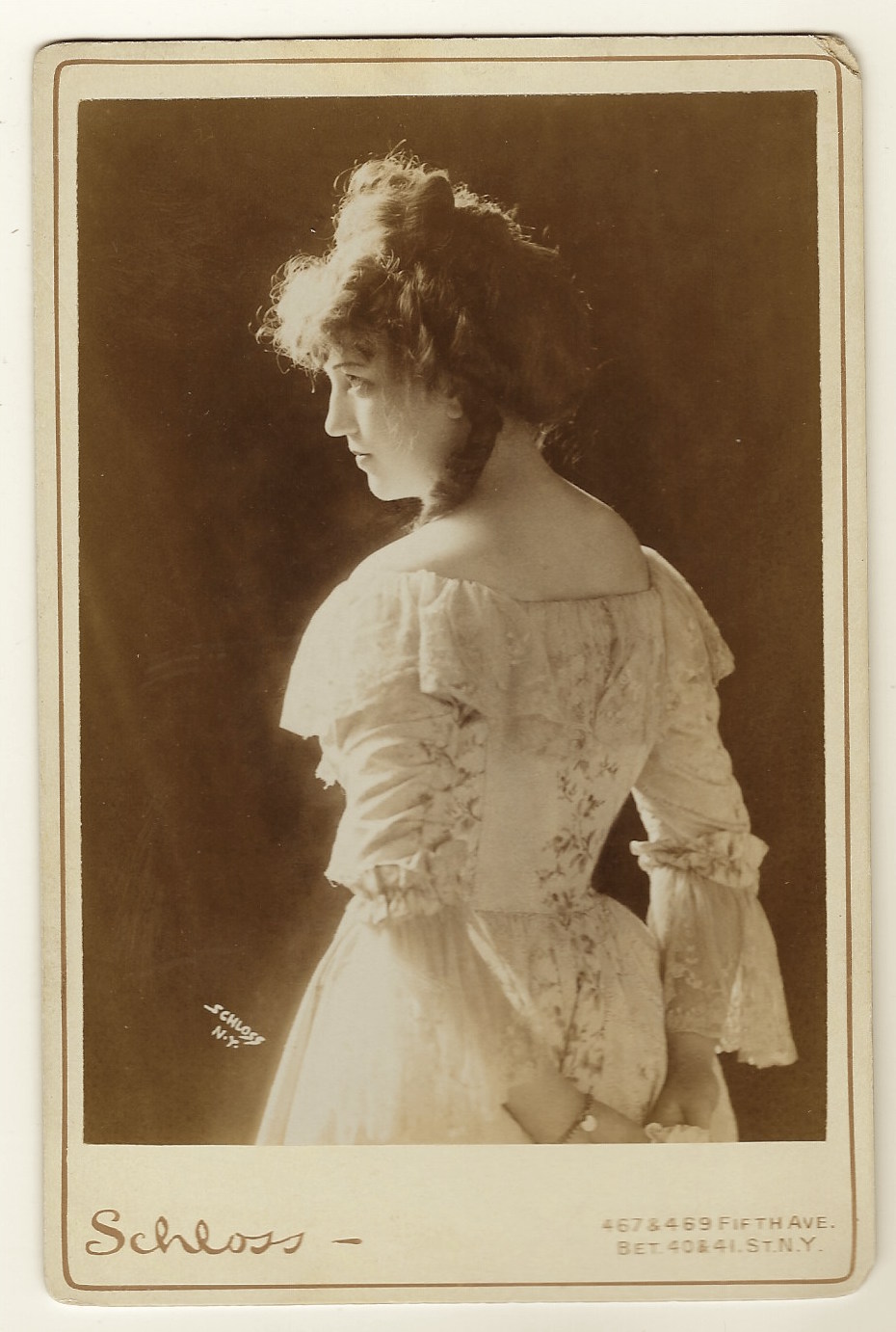
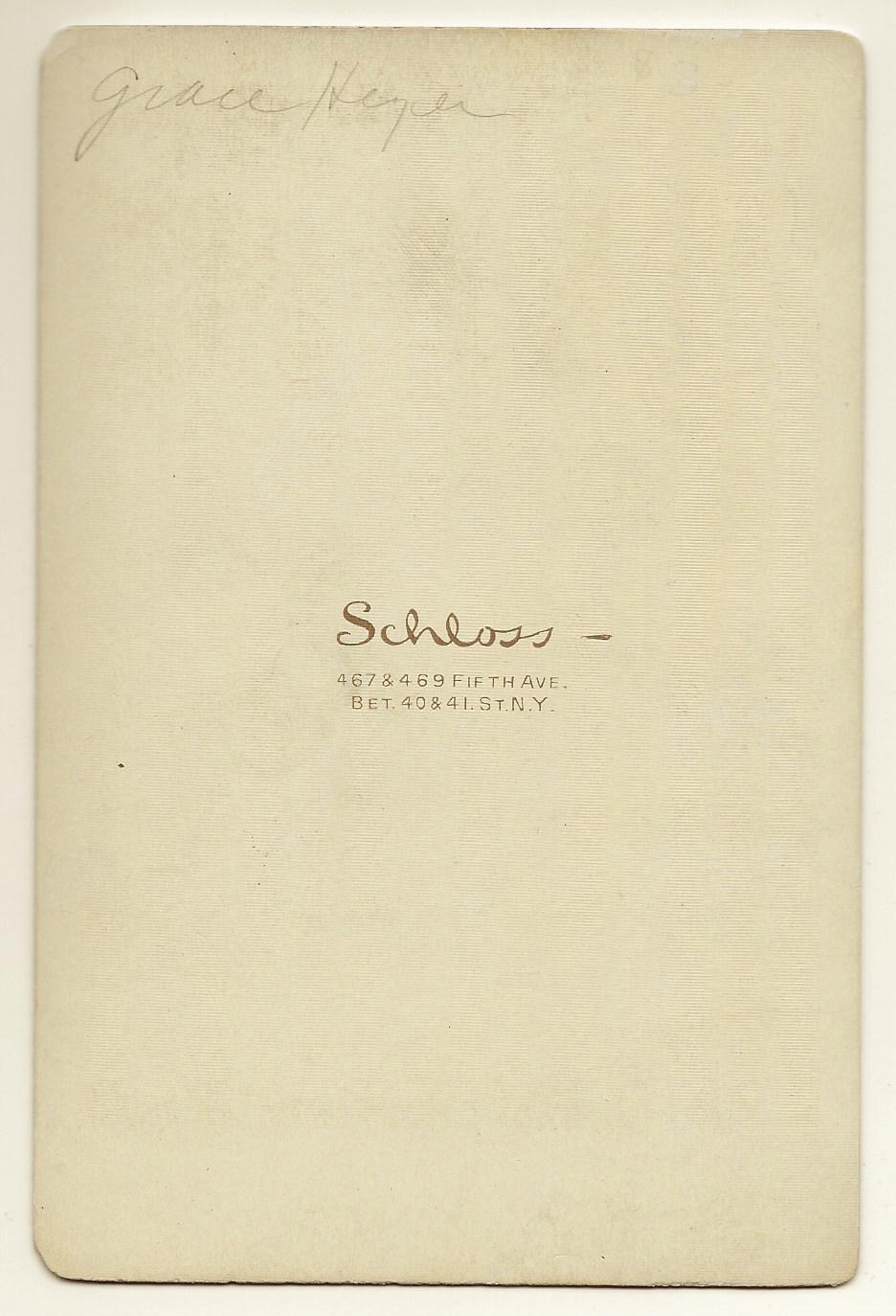
This cabinet card portrait features stage performer and playwright Grace Heyer. The Internet Broadway Data Base lists Miss Heyer as performing in eleven Broadway shows. Her “Great White Way” career began with “Cyrano de Bergerac” (1900) and ended with “Great Gatsby” (1926). Her photo appears in Munsey’s Magazine (1899) and she is credited with appearing in “The Wife”. Her portrait also appears in Theatre Magazine (1904) where she is described as a “young emotional actress” who has headed her own theater company. The Greenback Magazine (1914) describes Heyer as a “formerly well known actress” whose new play “The Philosopher” was to be introduced by the “Liebler Company”. Miss Heyer looks quite beautiful in this cabinet card image. The photograph is subtly provocative. The profile portrait reveals her partially bare back and her bare neck and in the image her expression can be described as being sultry. This photograph was taken by celebrity photographer Jacob Schloss (1856-1938) in his Manhattan studio. Schloss received his education at the Cooper Union in New York City. He graduated in 1872 as an etcher. He joined Benjamin J. Falk’s photography studio and worked there in the mid 1870’s. He left Falk’s employ to open his own studio (54 West 23rd Street) where like Falk, he specialized in theatrical photography. He tended to favor photographing actresses in costume in front of generic studio furnishings. He produced many cabinet card photographs but also was active in the production of magazine images. By the 1890’s he was particularly known for his photographs of beautiful women, much like photographer Jose Maria Mora. Schloss also was an activist for photographers rights. He was very involved in the movement to copyright images. He sued those who used his photographs without crediting or paying him. He was very involved in national photographer associations and was an active photographer until the 1910’s. To view other photographs by this photographer, click on the category “Photographer: Schloss”.
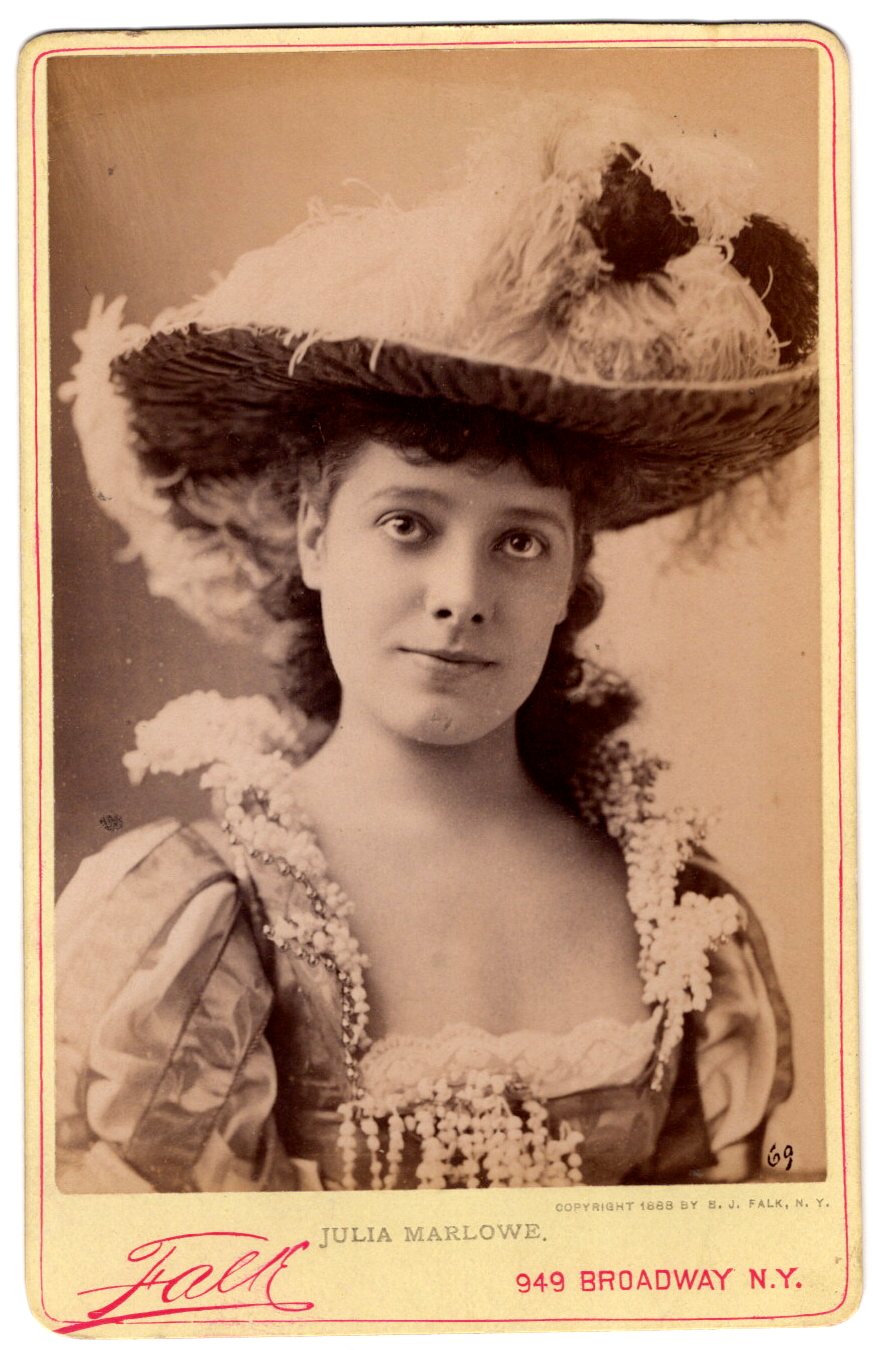
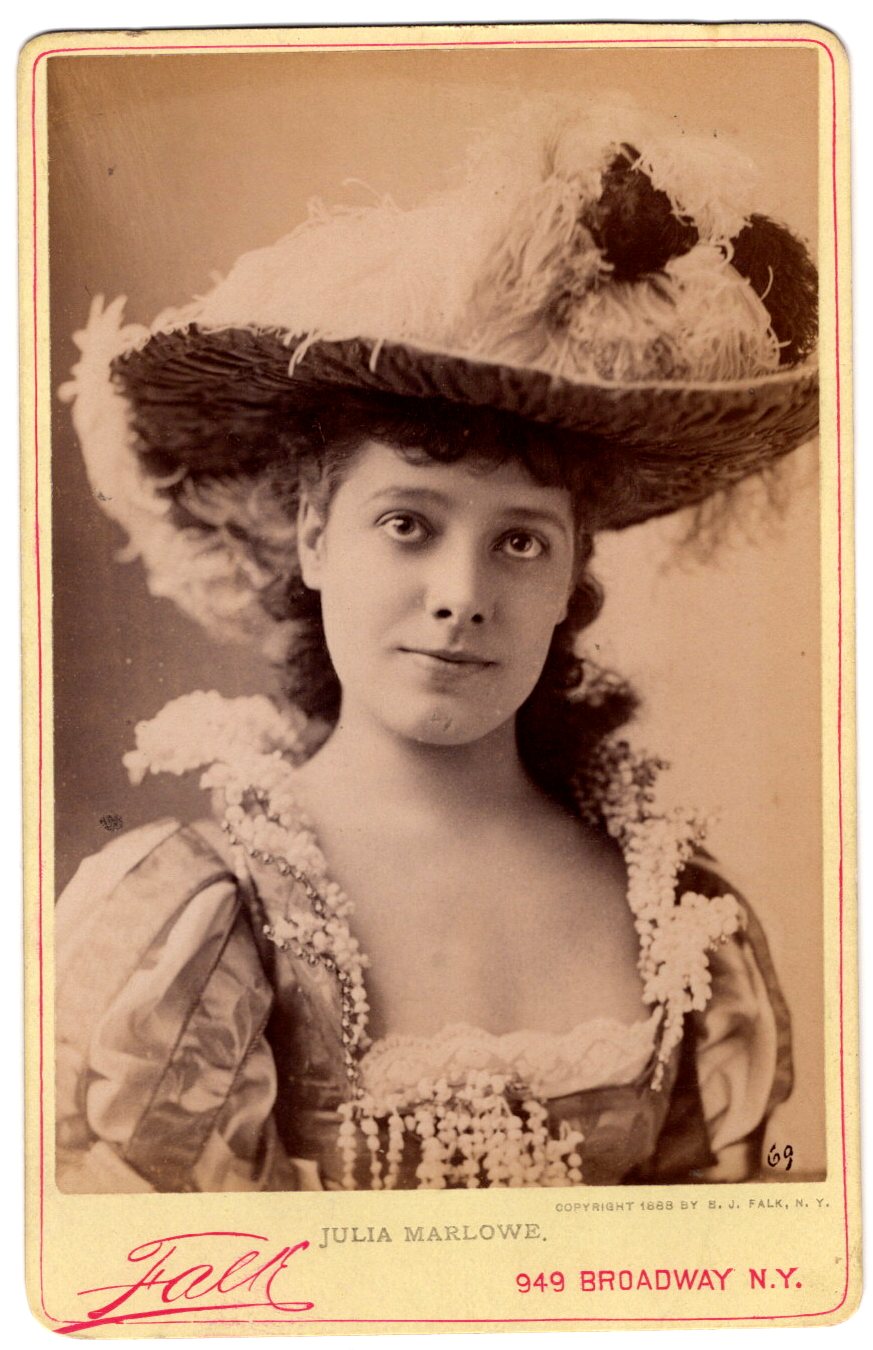
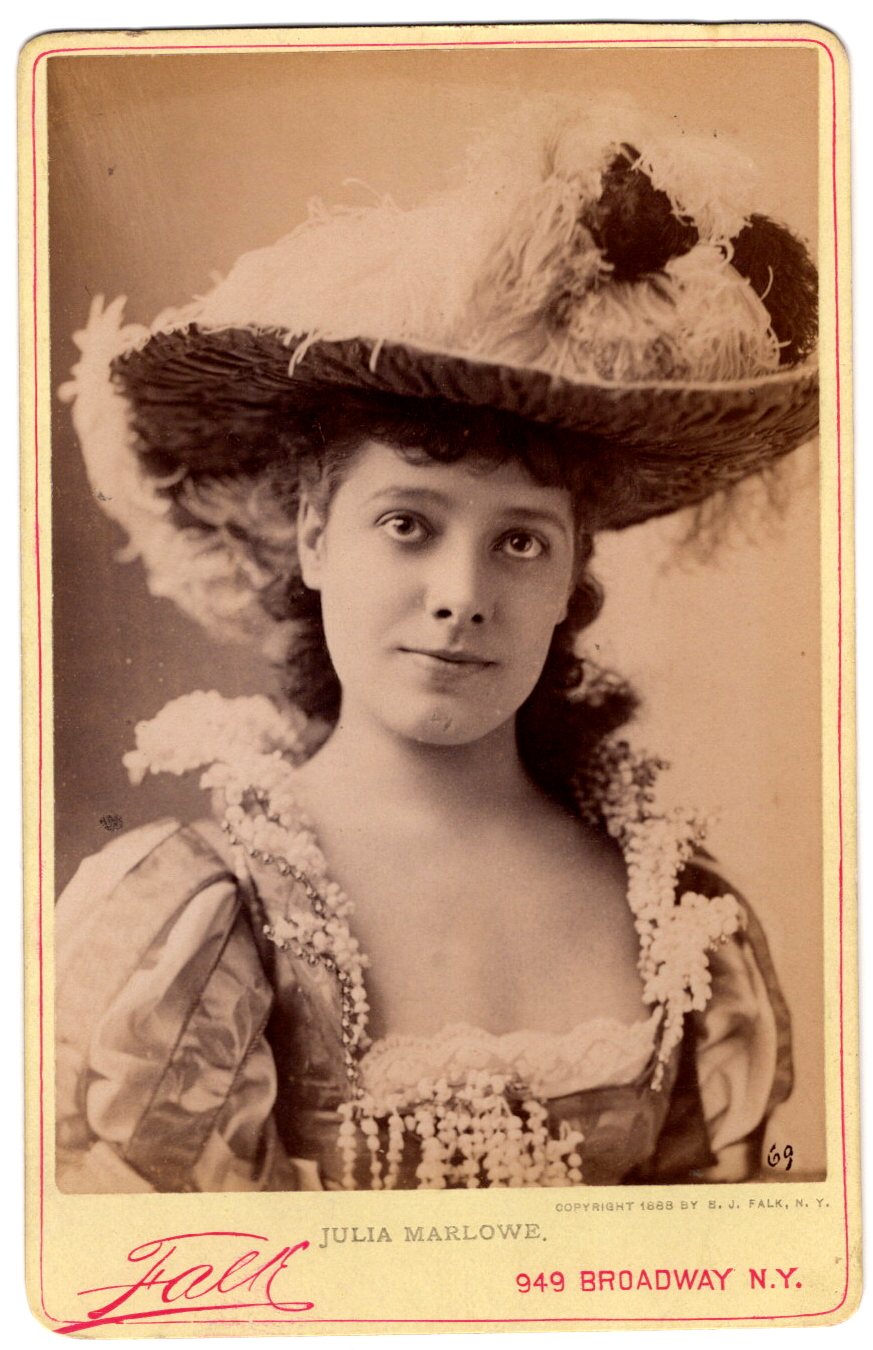


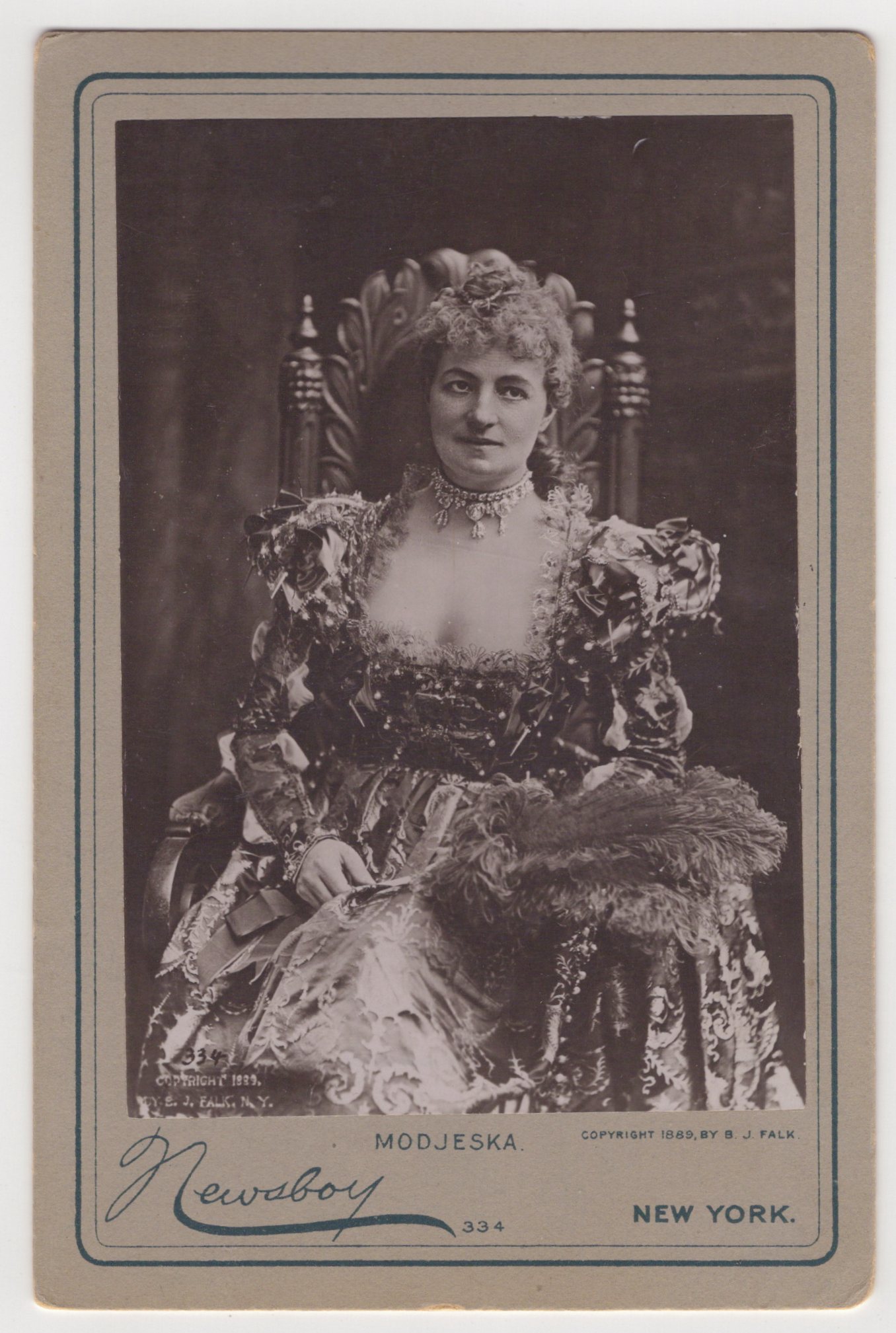
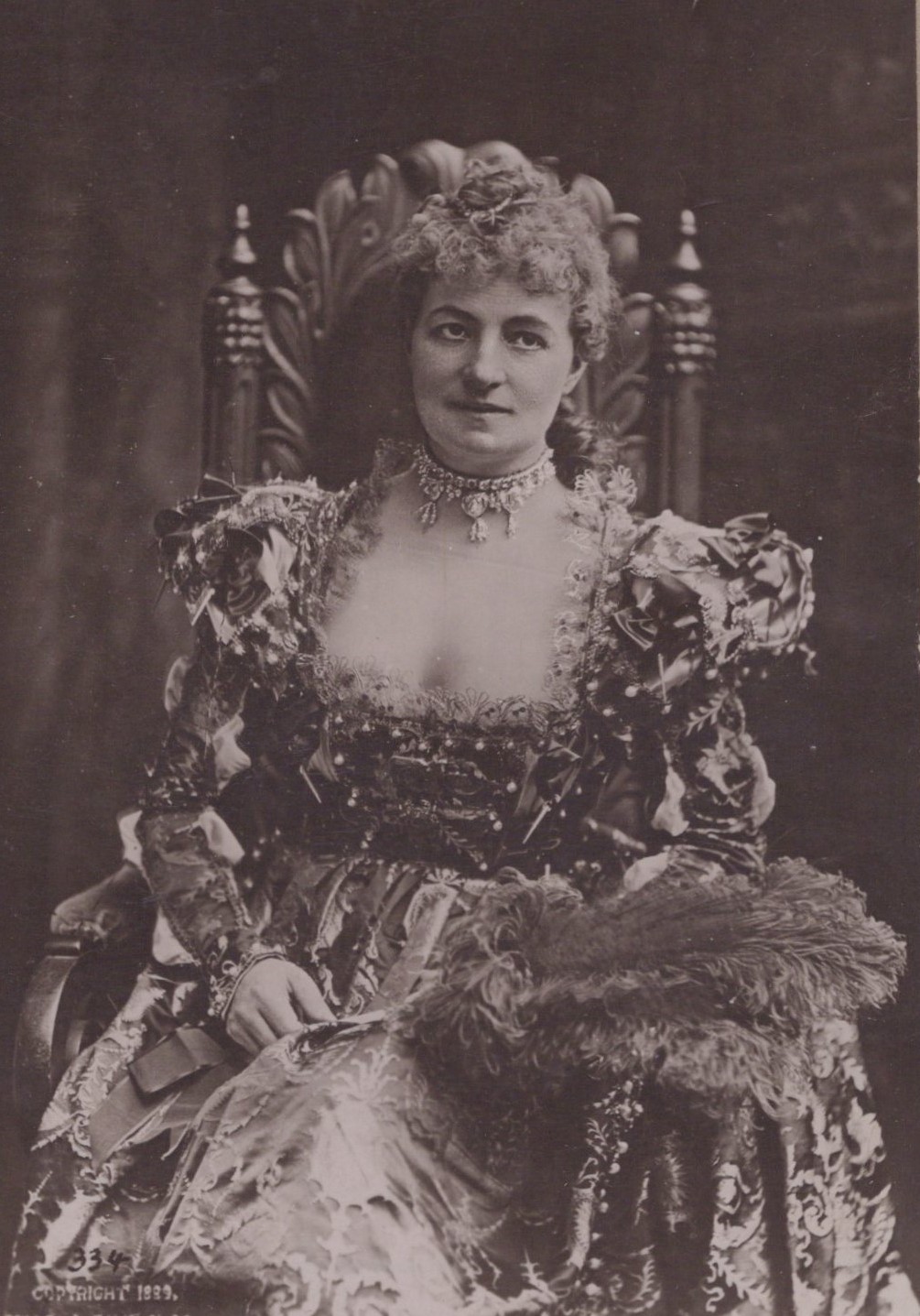



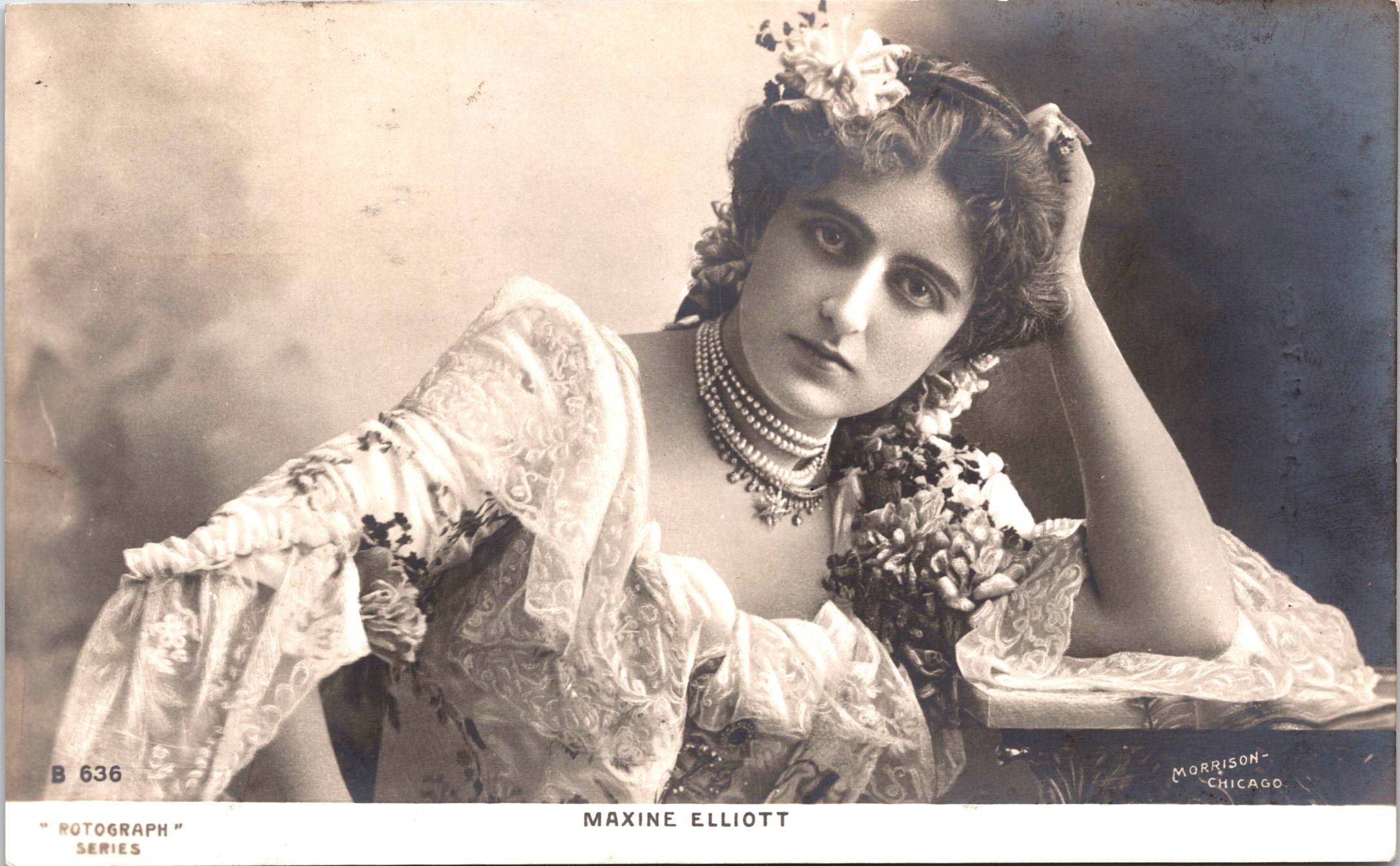
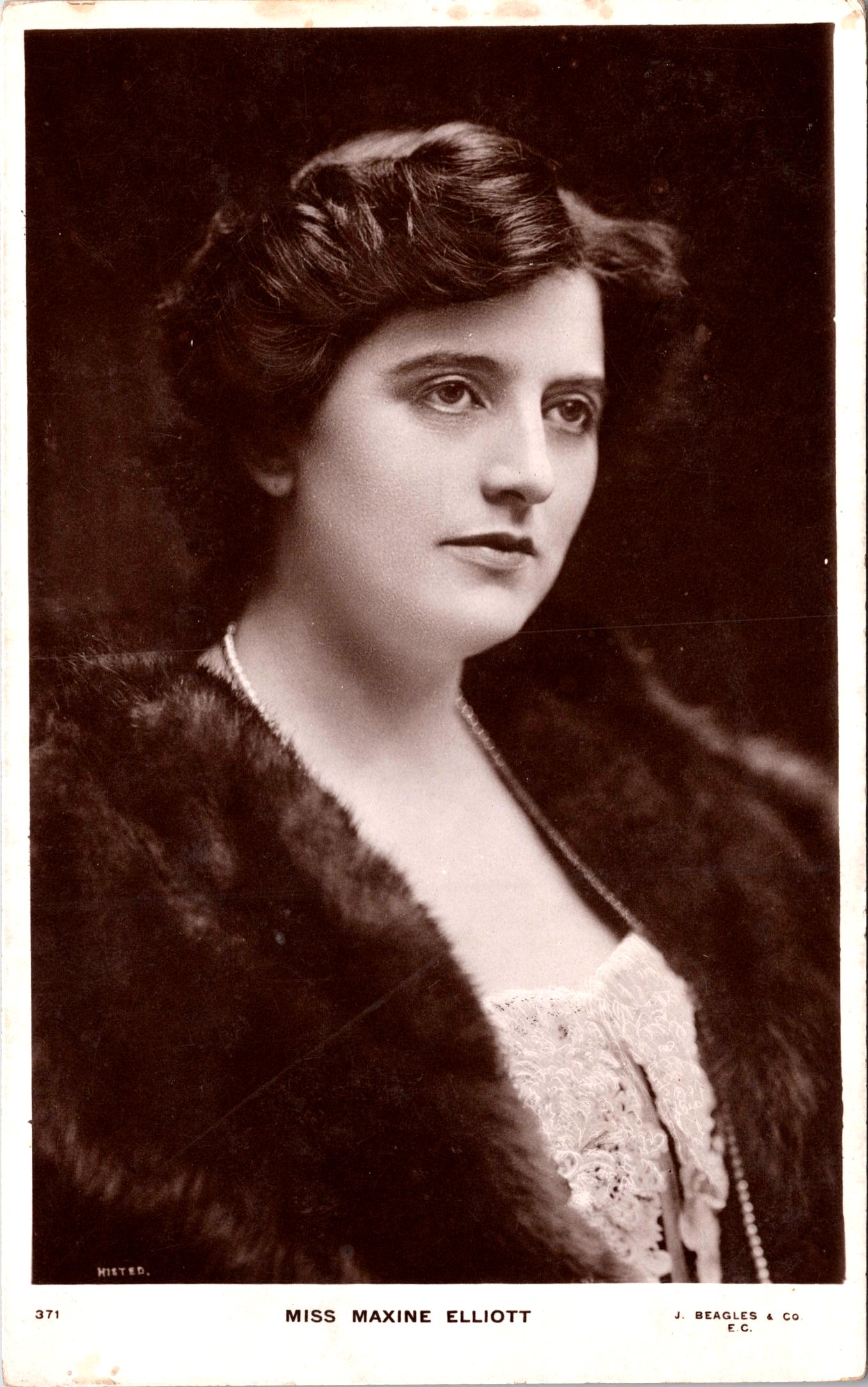
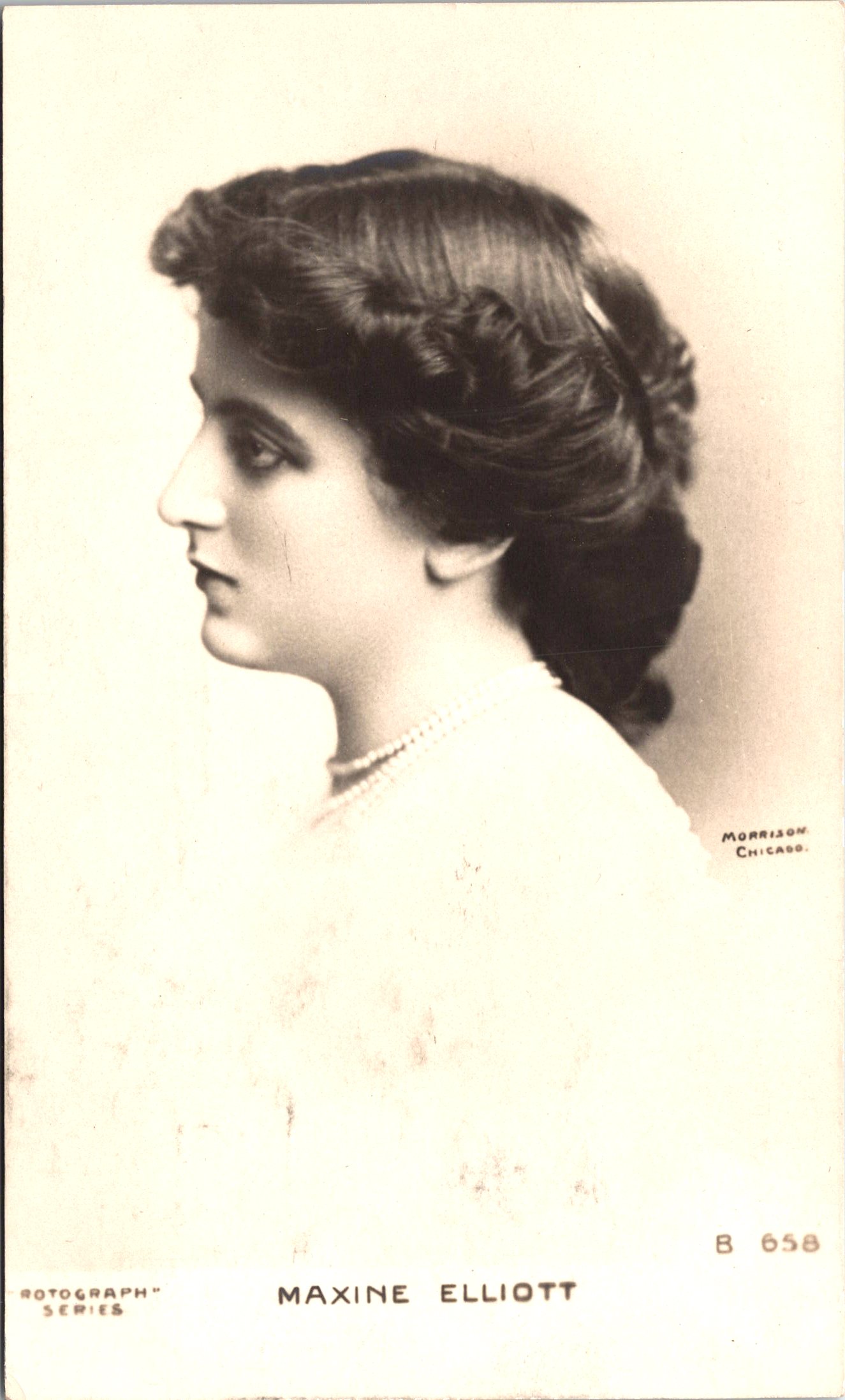
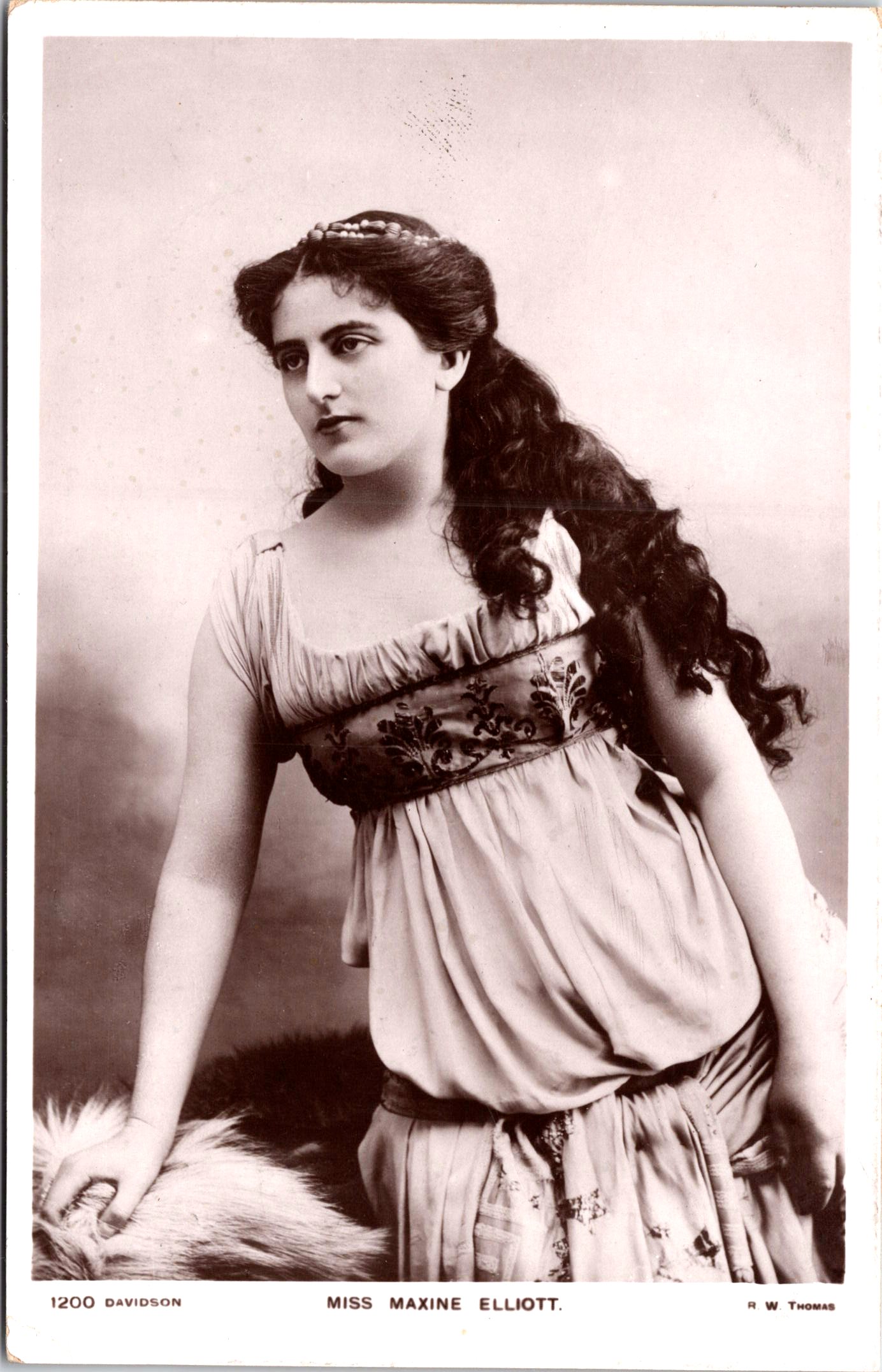
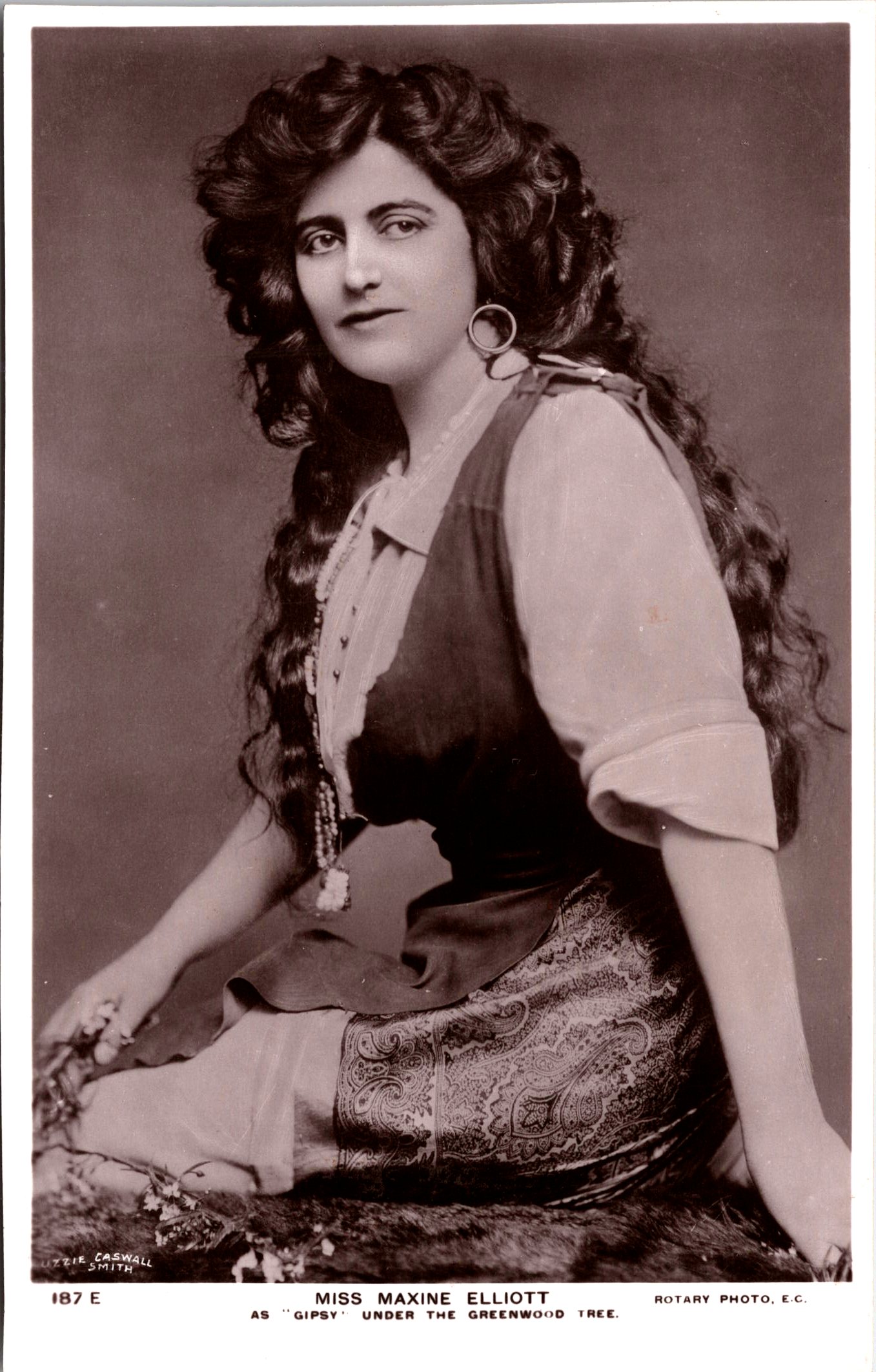
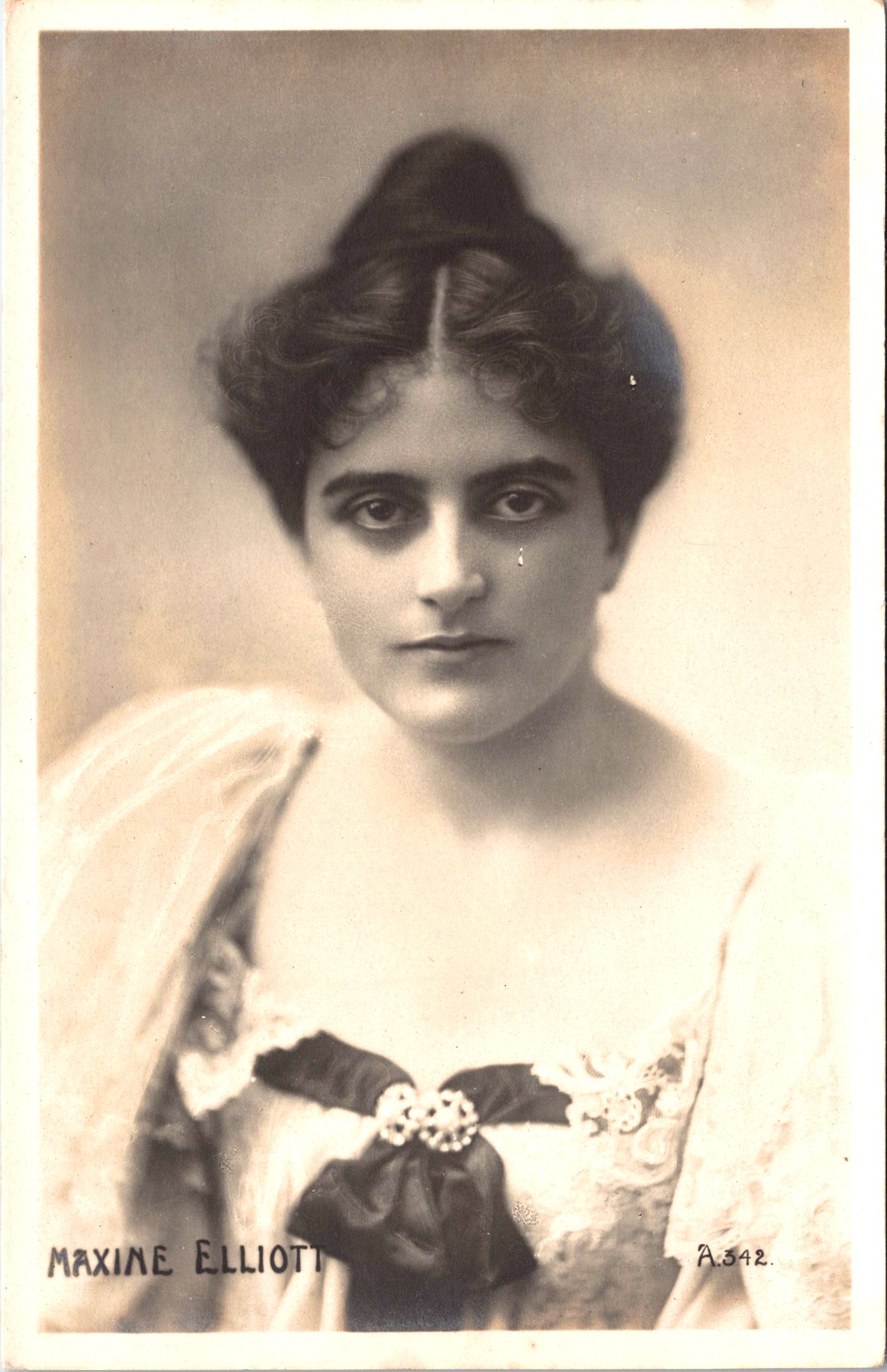
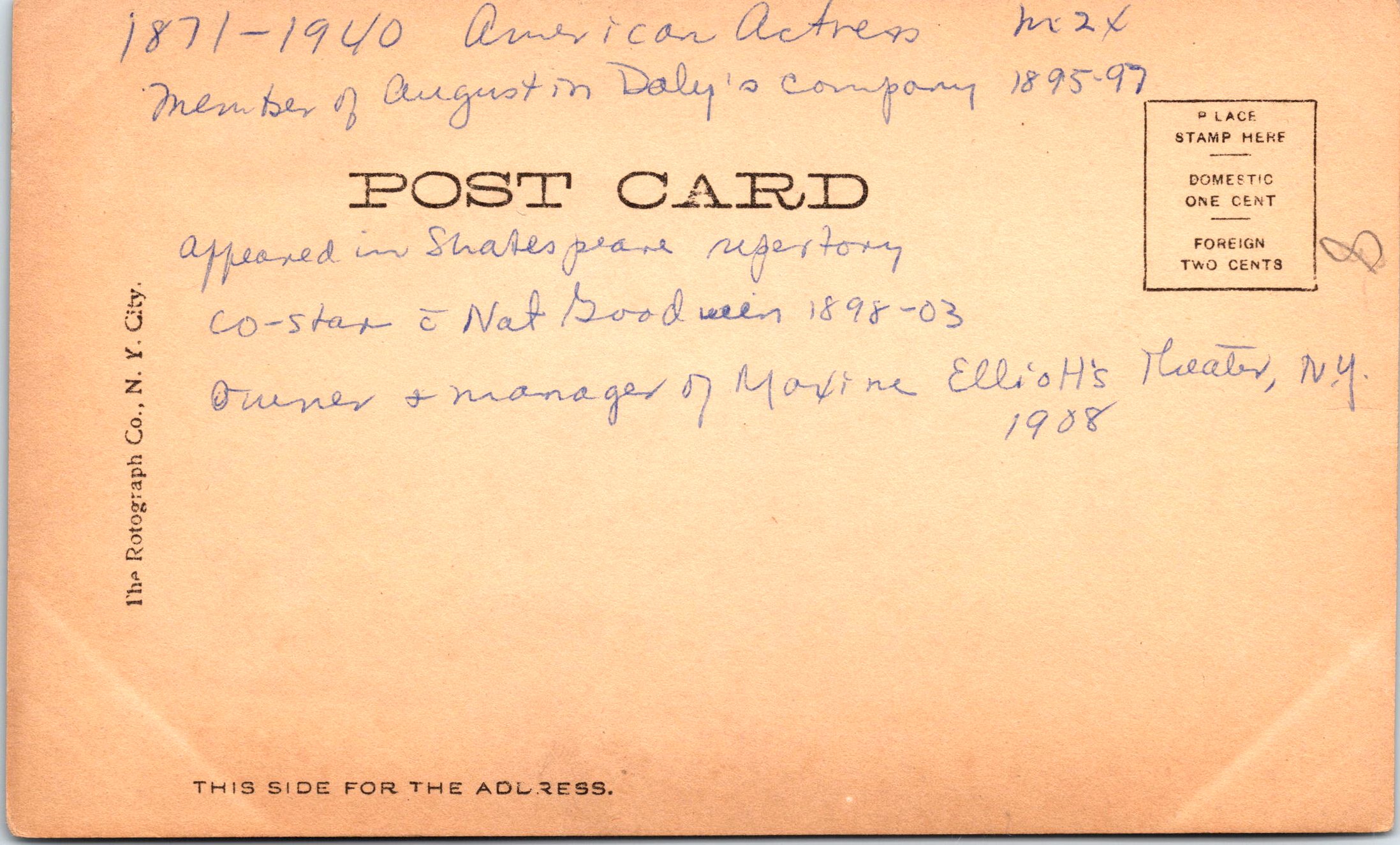
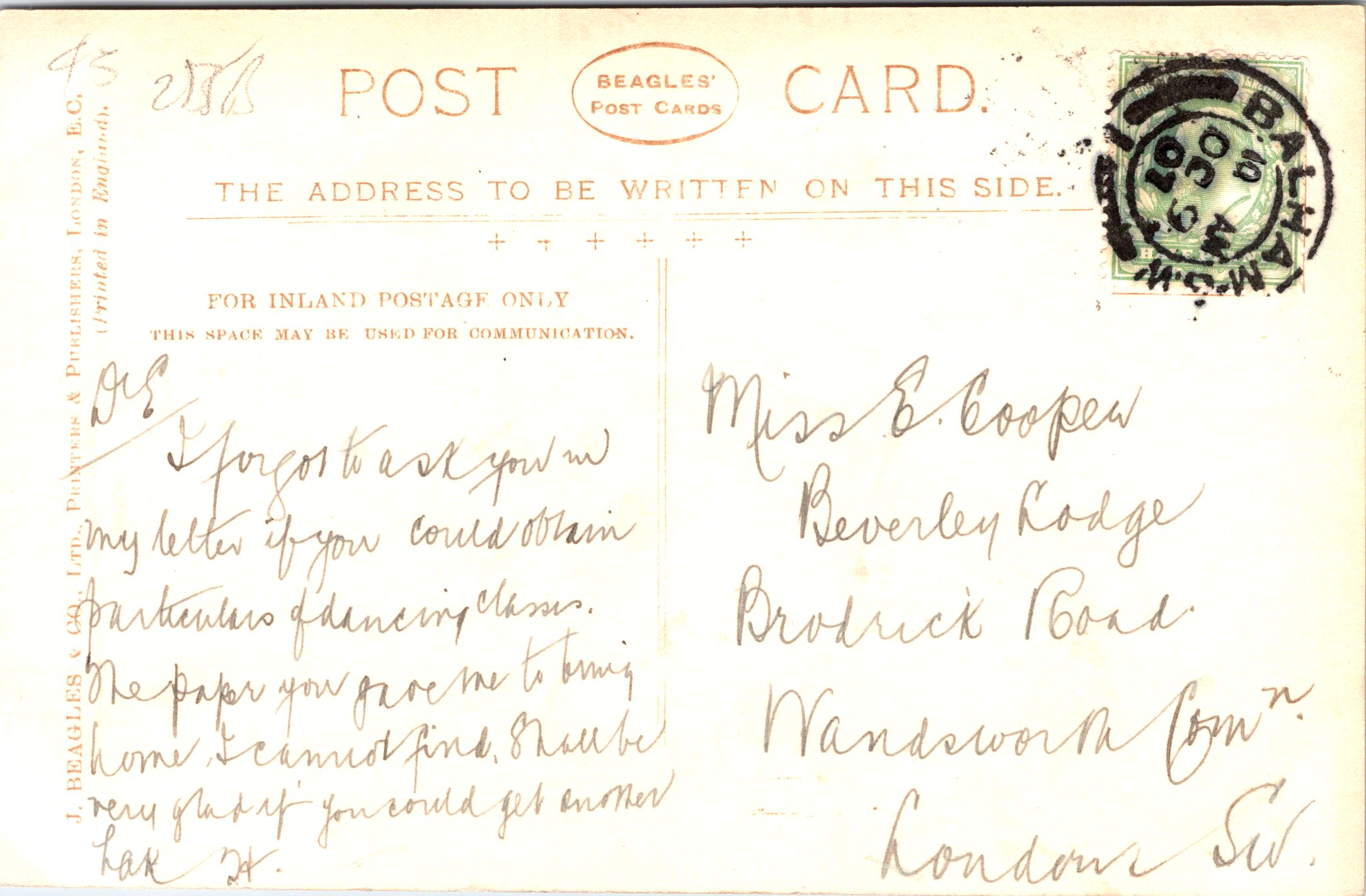
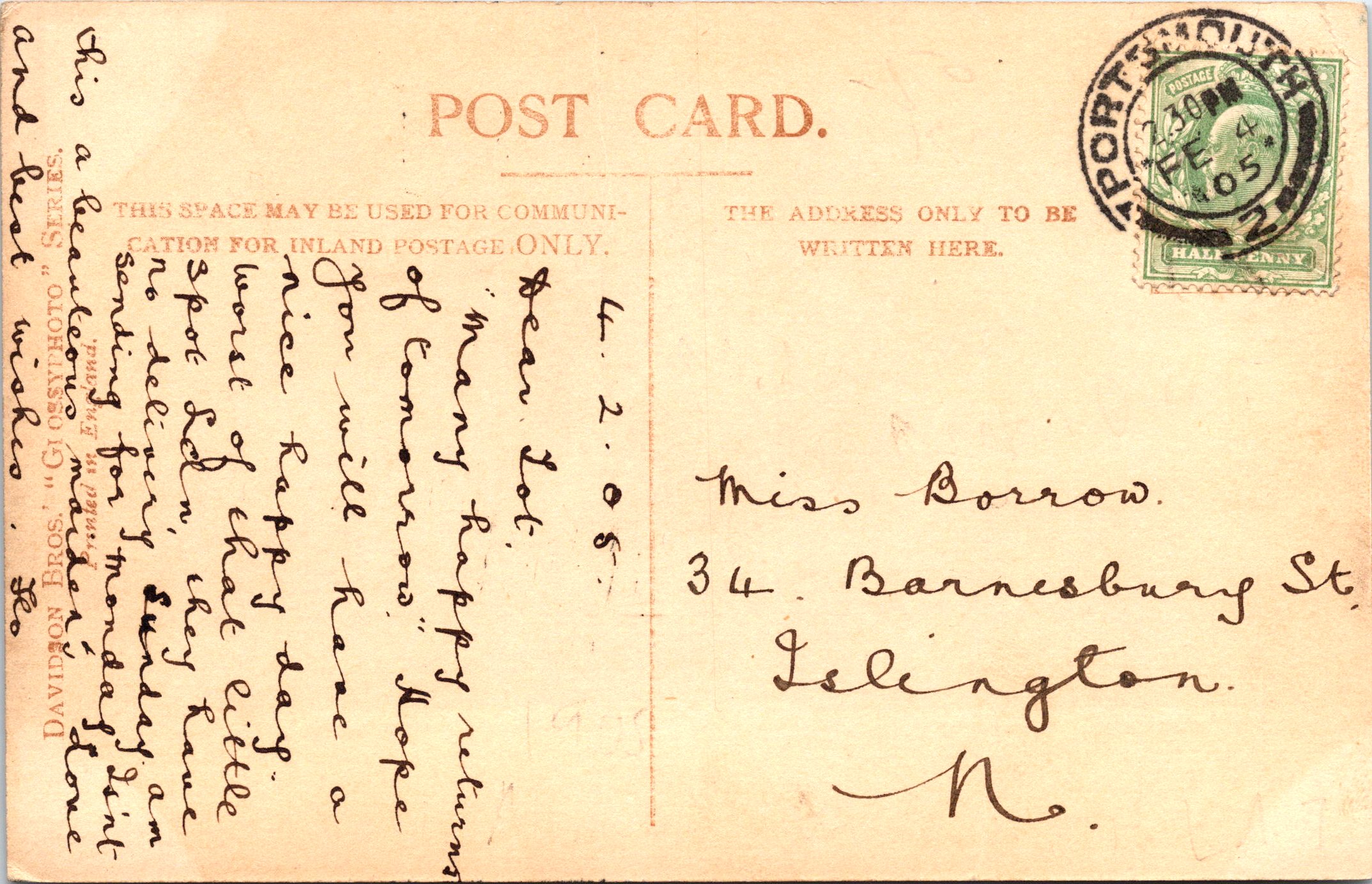
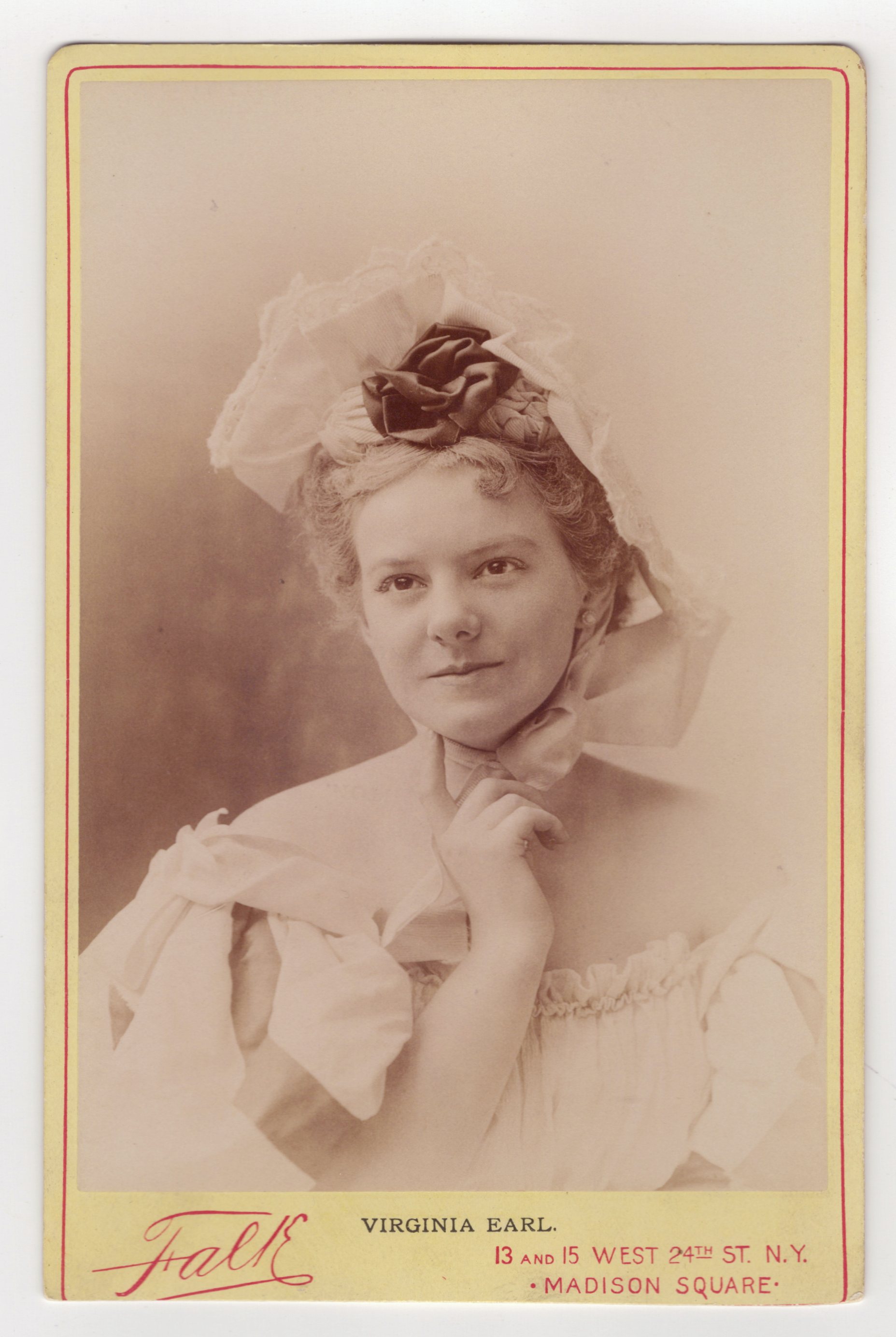


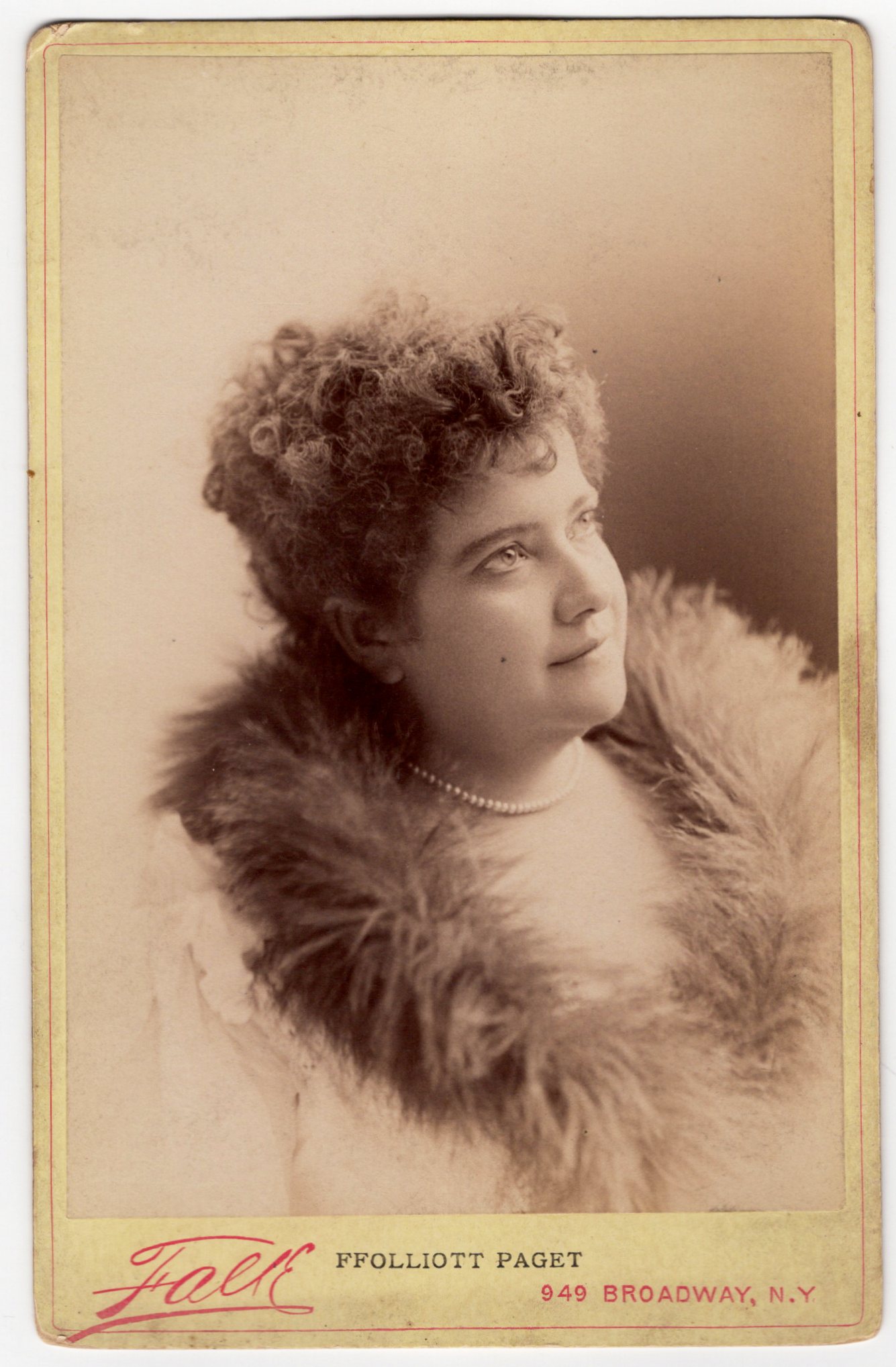
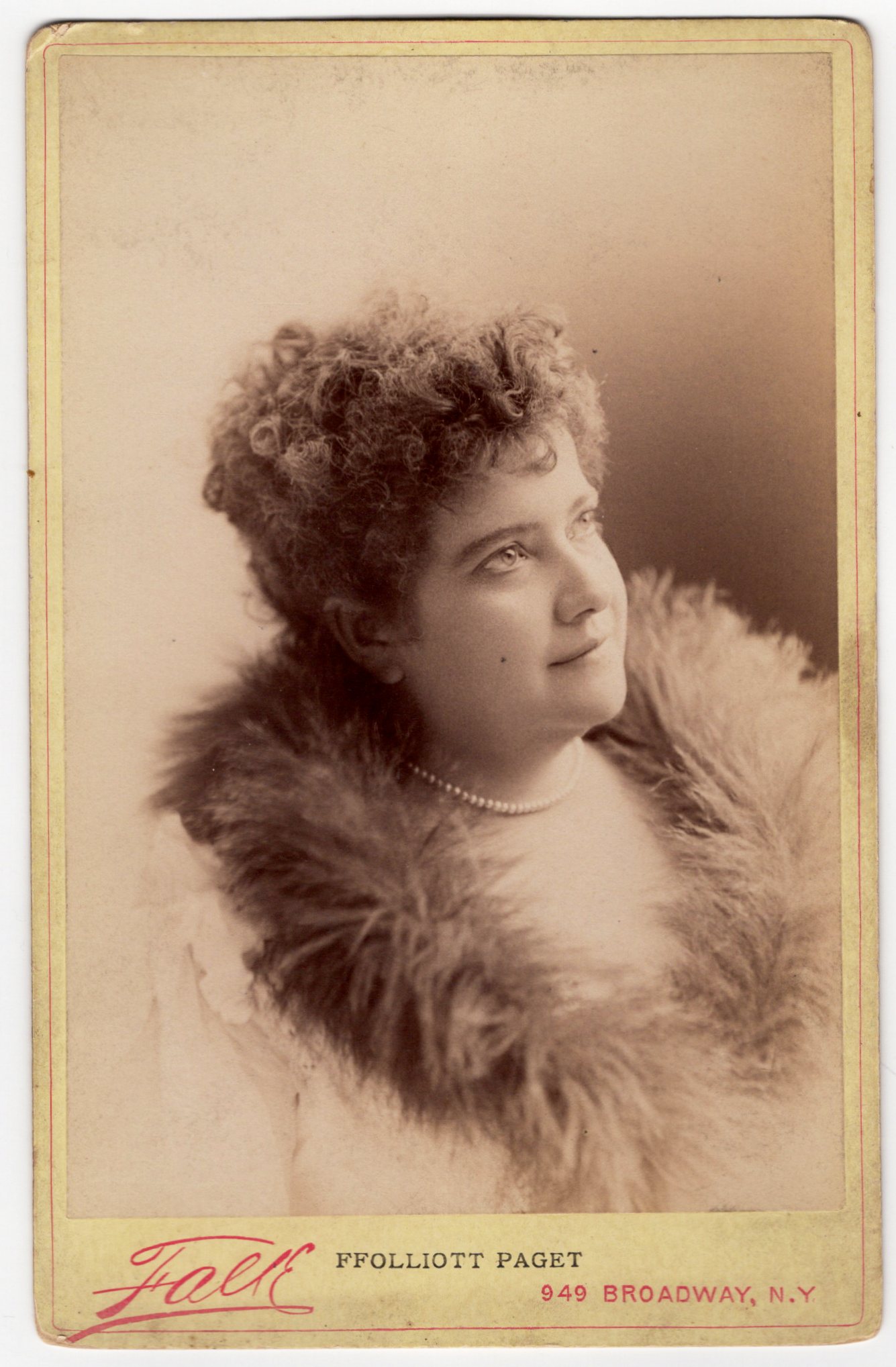


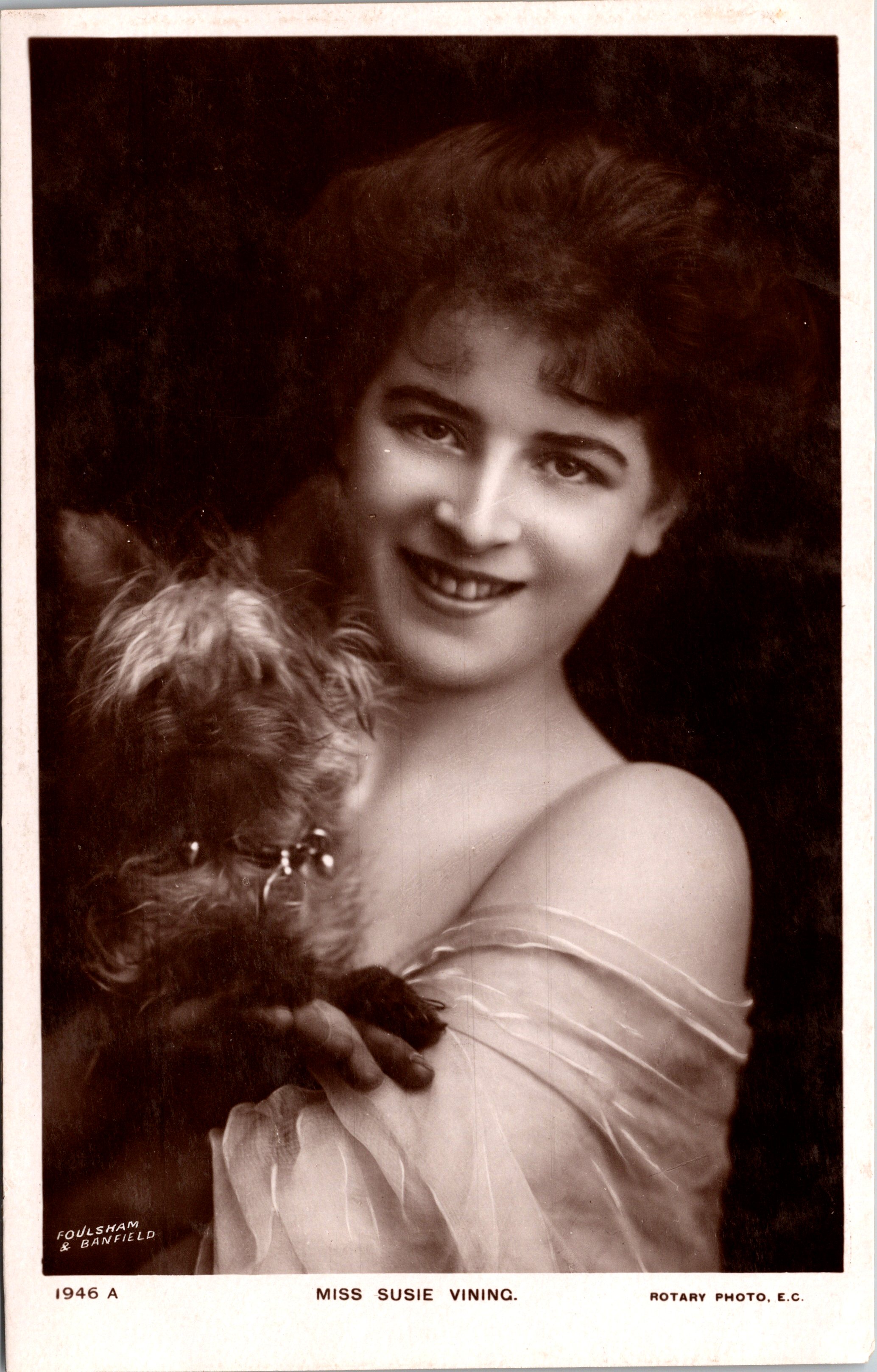

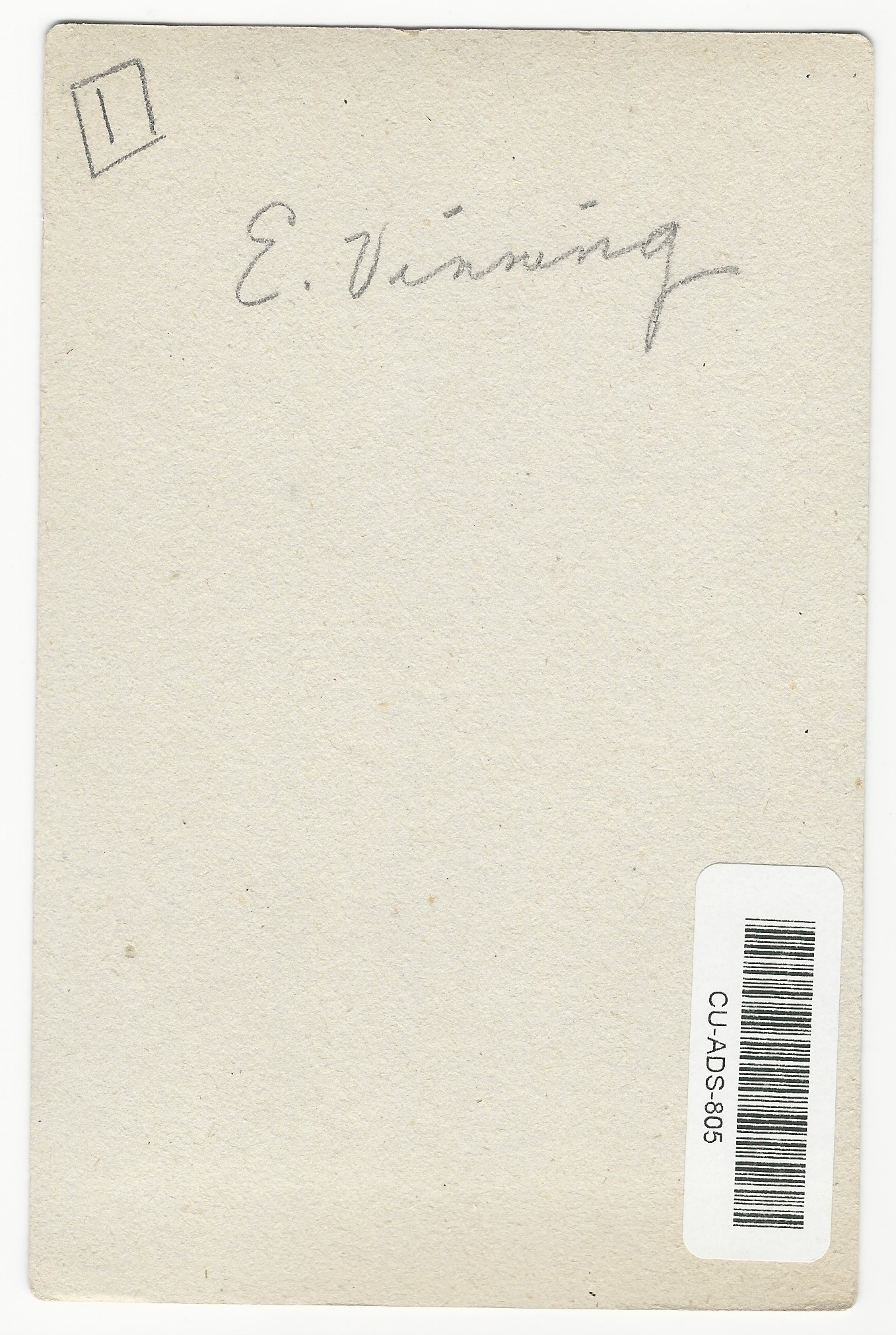


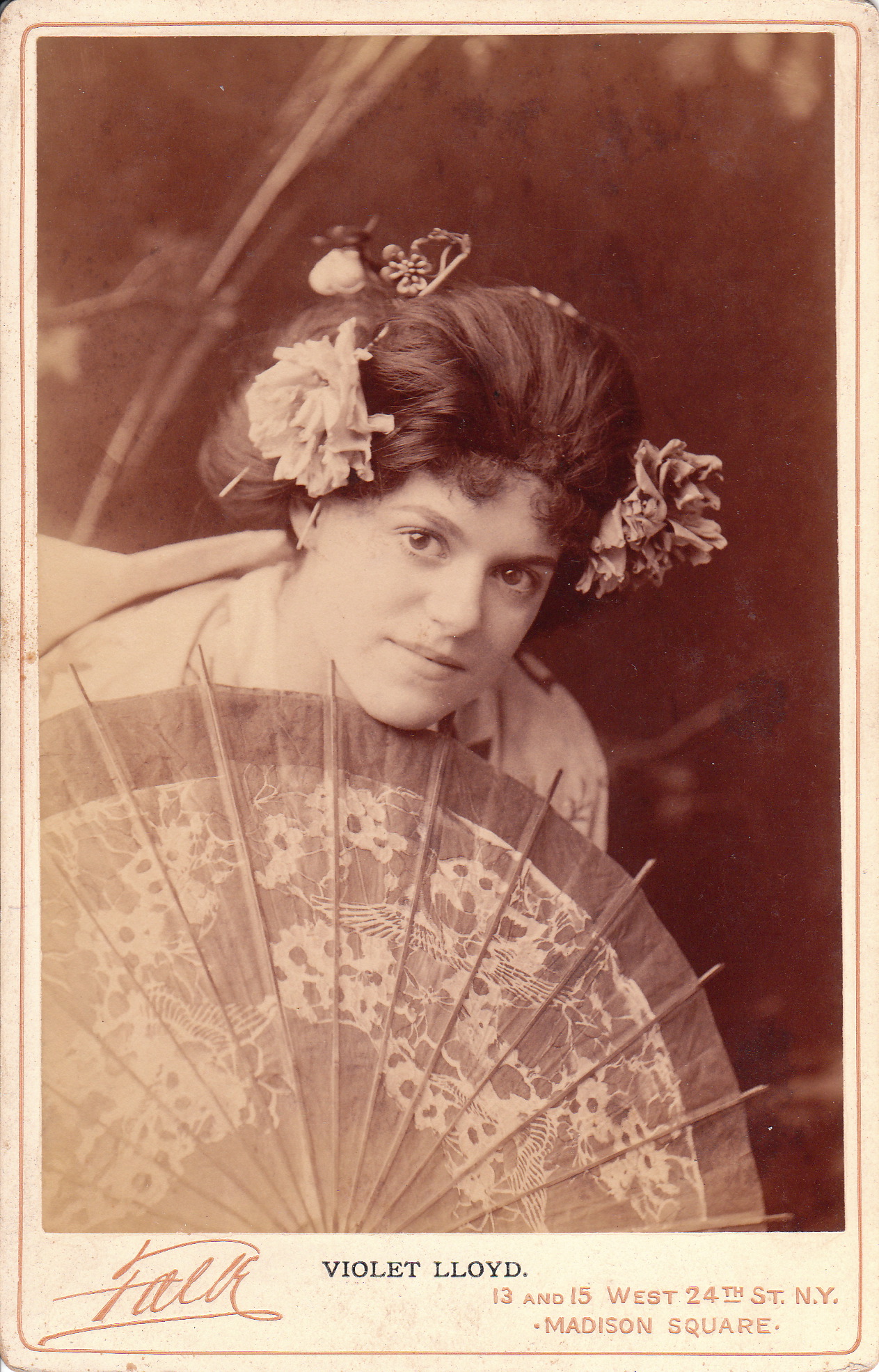 PHOTO 1
 PHOTO 2
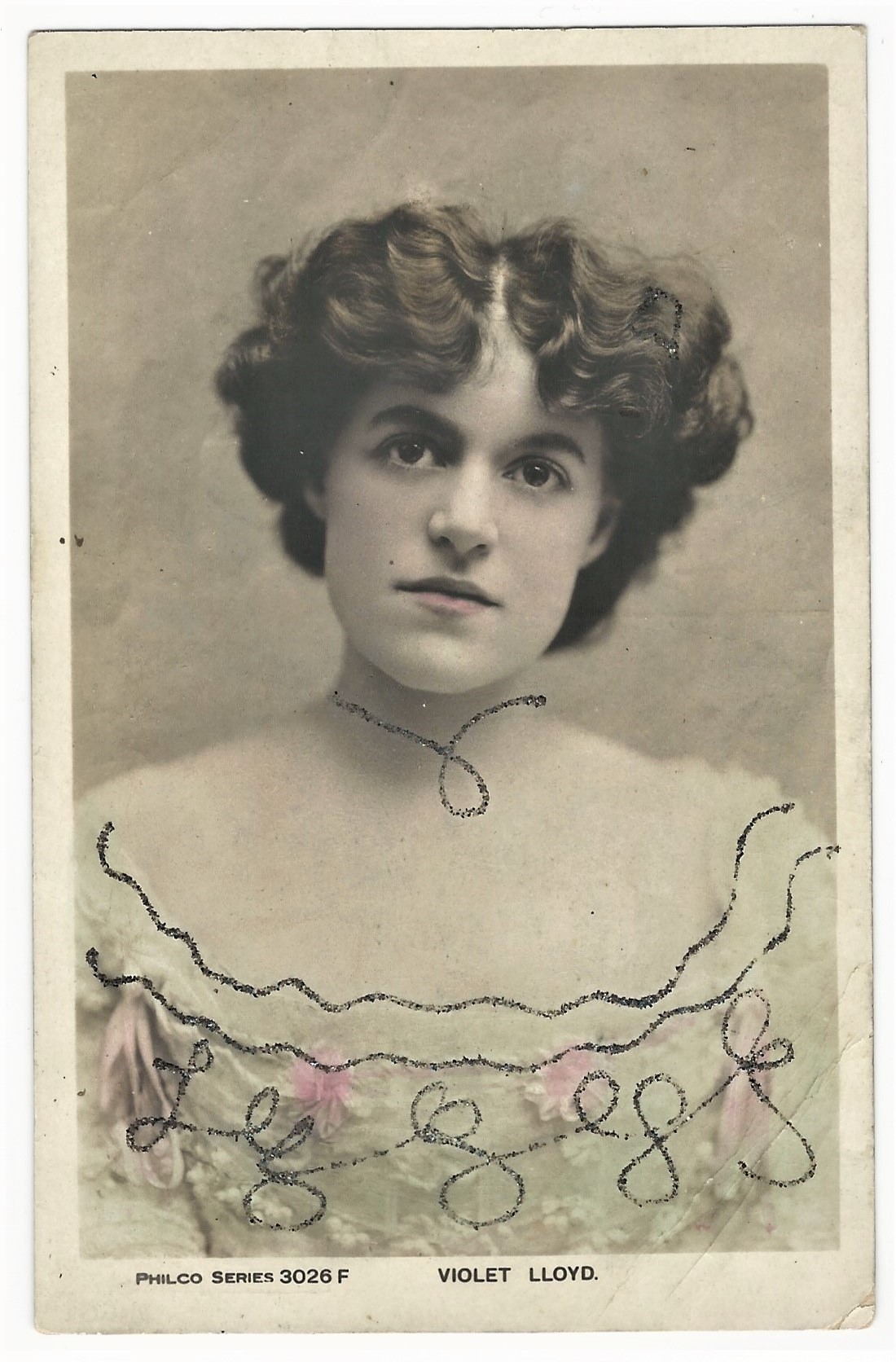 PHOTO 3


 THE CABINET CARD GALLERY