An exquisite looking teen beauty poses for her portrait at the studio of Fieldman. Fieldman had two galleries, and they were located in Newark and Jersey City, New Jersey. This Jersey girl has a fine hat and a fine figure. The photographer of this cabinet card photograph was Isidore Fieldman (1869-?). He was born in Russia and arrived in America during 1891. He was listed as a photographer in the 1900 through the 1930 U.S. Census. He and his wife Rose (born in Poland) spoke Yiddish, indicating that they were of the Jewish faith. During at least some of their years, the couple and their family lived in Elizabeth, New Jersey. Their children included Esther (born 1890), Milton (born 1901), Margaret (born 1901), Herman (born 1906), George (born 1914). Milton and Margaret were likely twins. Herman joined his father’s photography business. Note that this cabinet card has excellent clarity, edge wear, and light stains on the bottom border below the image. (SOLD)
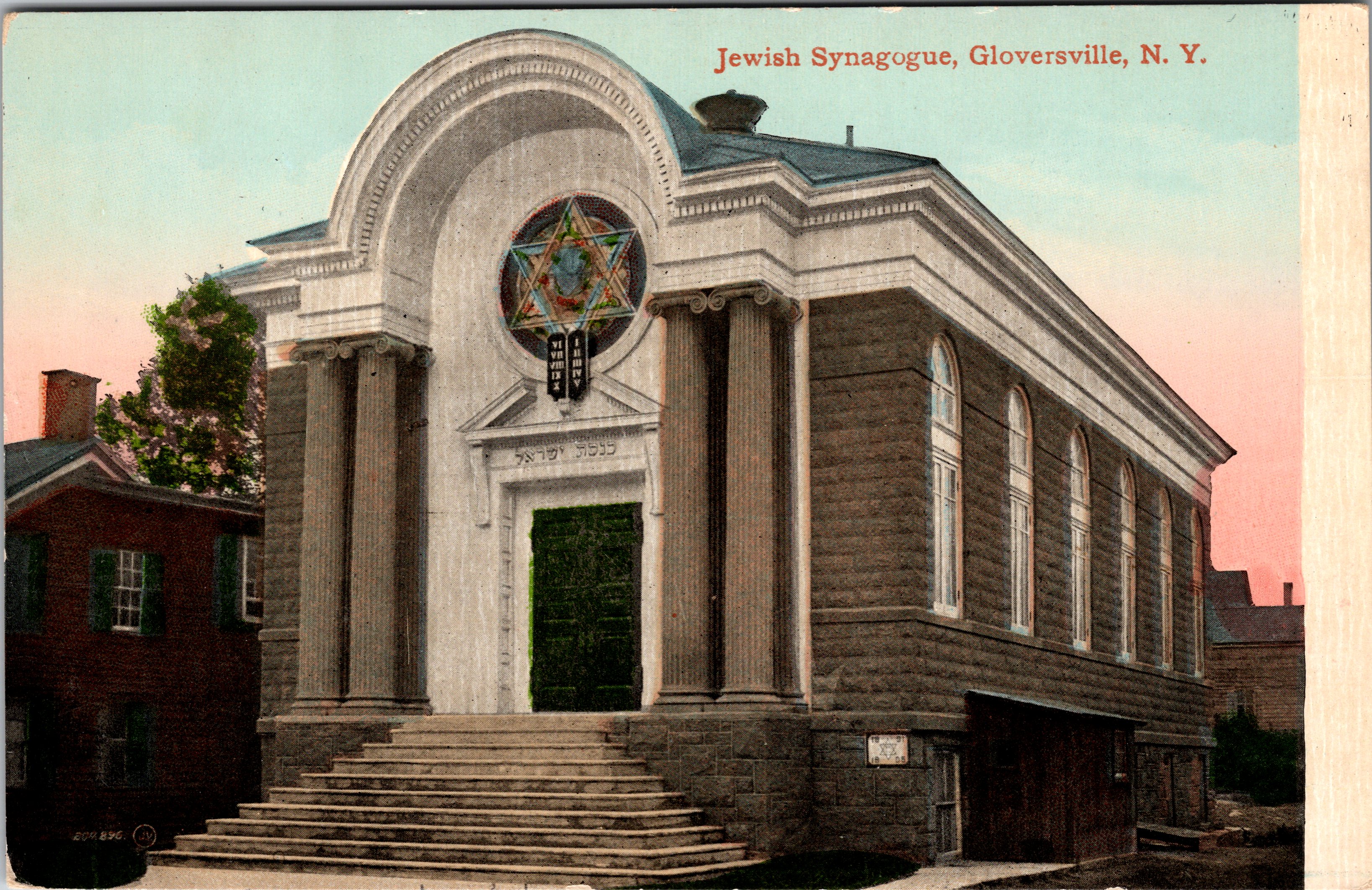

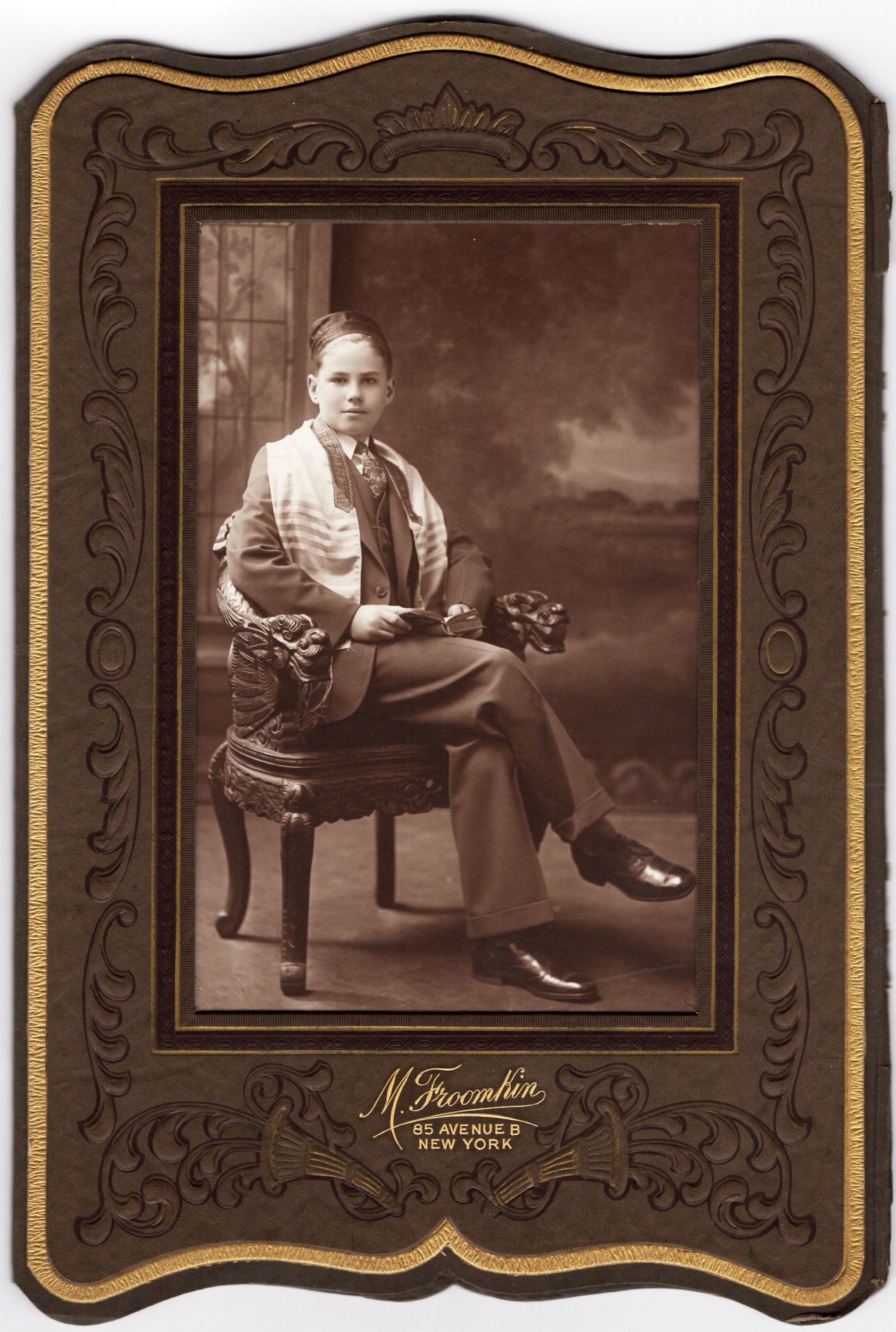
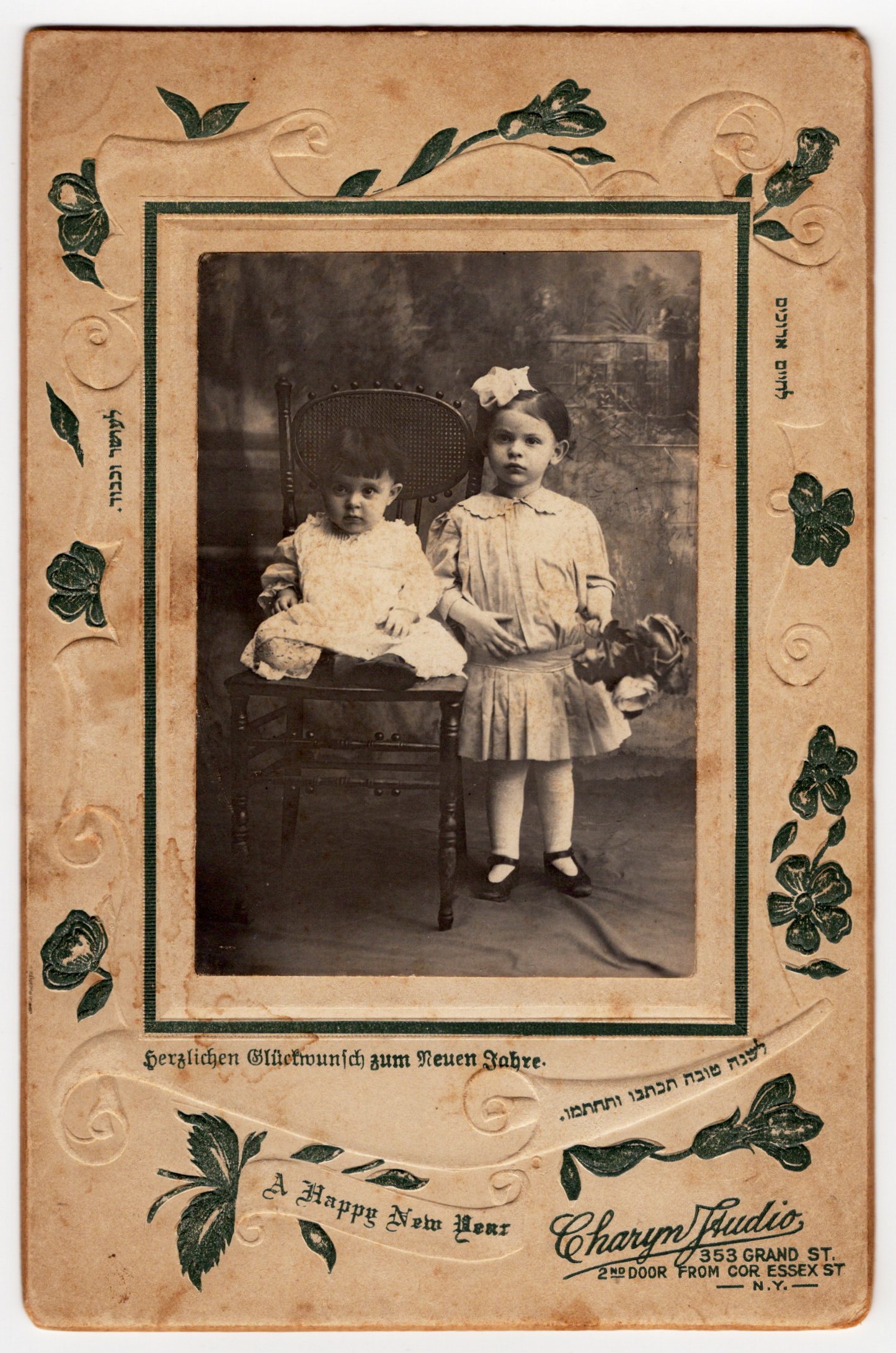
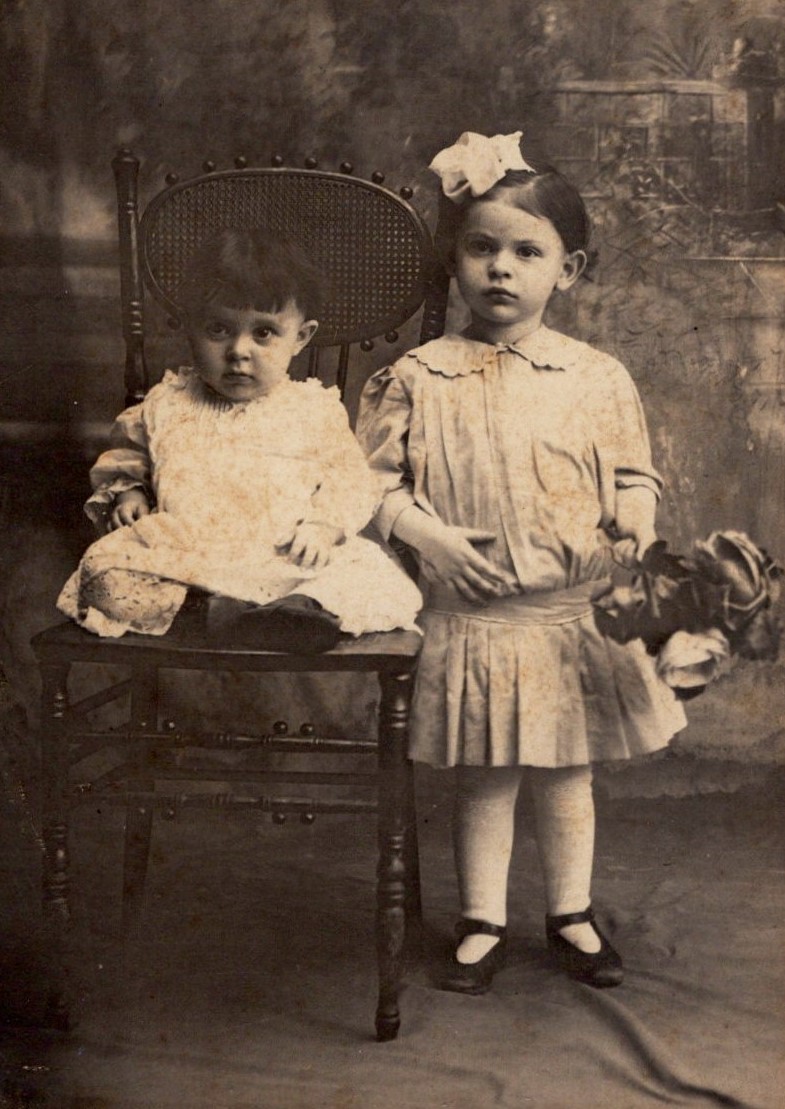
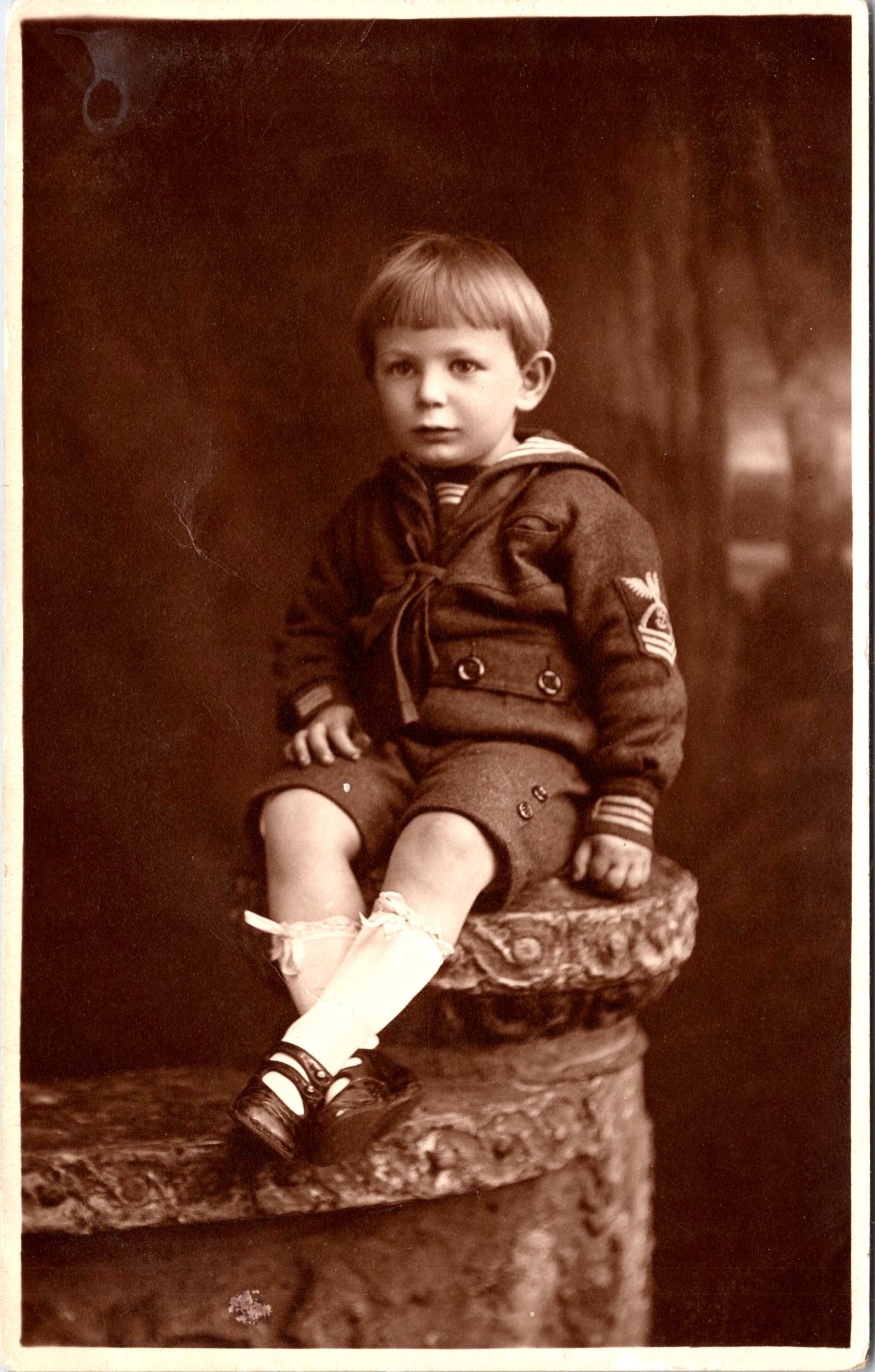

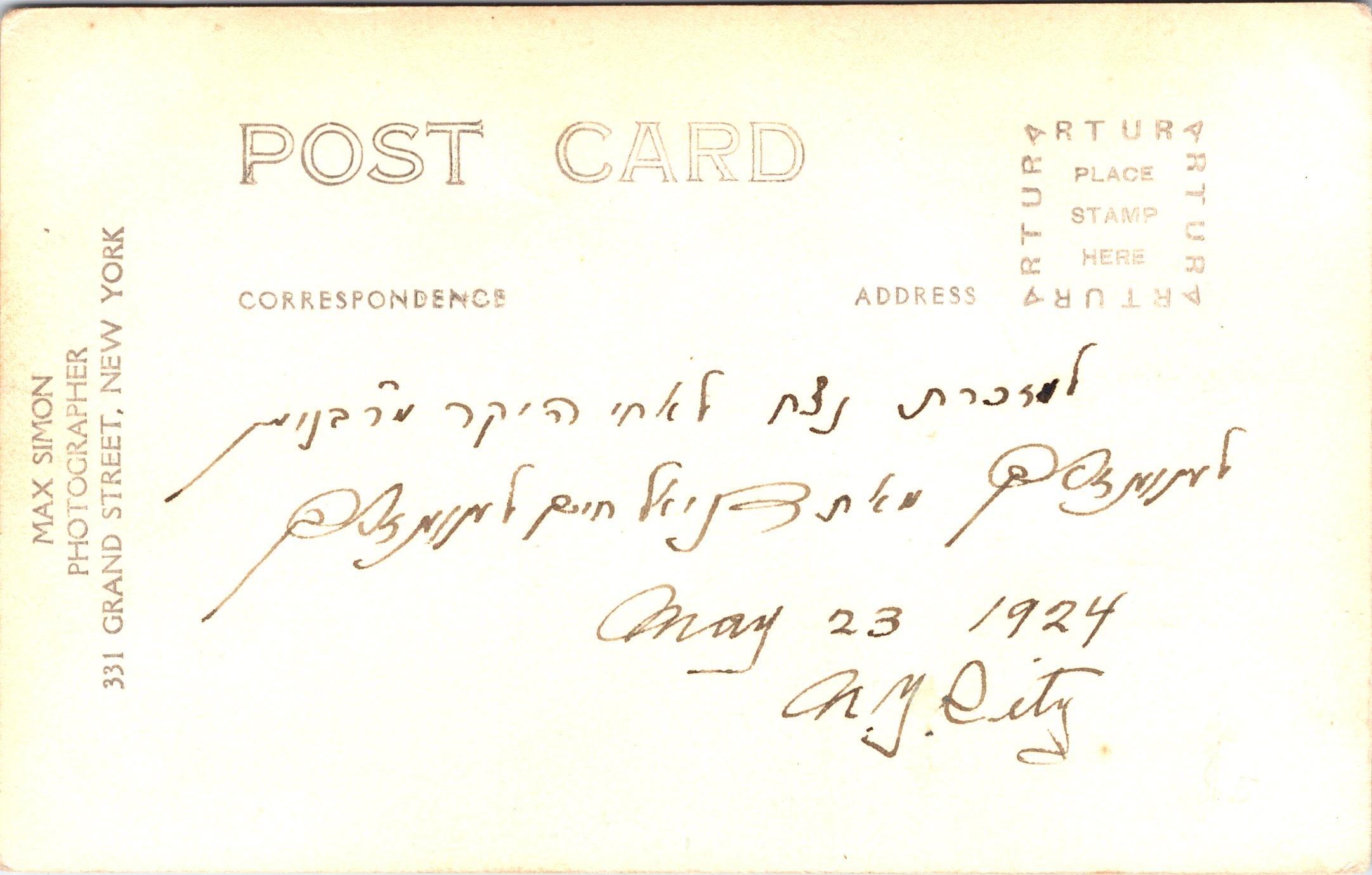





 This vintage photograph features an attractive Jewish family in 1930’s Russia. The previous owner of this photo reports that this is the Robert Edelstein family. The parents in this image are well dressed and their son is wearing a sailor style outfit. The photograph measures about 3 1/4″ x 2 1/2″ and is in fair condition.

 This vintage photograph features a pretty young woman in a risque pose and wearing risque clothing. She is wearing a hat, gloves, and is holding a purse. She seems to be going somewhere but she forgot to finish getting dressed. The previous owner of this photograph thought the photographer of the image may have been the Biederer studio. I have no supporting evidence confirming his hypotheses. The Biederer brothers were major figures in photography so their story is worth telling. The studio was operated by Jacpues Biederer (1887-1942) and his brother Charles Biederer (1892-1942) during the Art deco era. Their studio was in Paris, France. Their photographs of the 1920’s and 1930’s included artistic nudes and sexual fetish studies. Their topics included erotic corporal punishment, costumed role play and images of bondage. Their postcards were signed as “JB” “B” ,”Ostra”, or a question mark in a triangle. When Germany occupied France during World War ll, the Nazis sent the brothers to a concentration camp (Auschwitz-Birkenau). Their crime was their Judaism. Their punishment was death. This vintage photo measures about 3 3/8″ x 5 3/8″ and is in very good condition.


 THE CABINET CARD GALLERY