ANITA PAGE w/ CAT : SILENT FILM STAR : MGM : ROSS VERLAG : RPPC 1920s

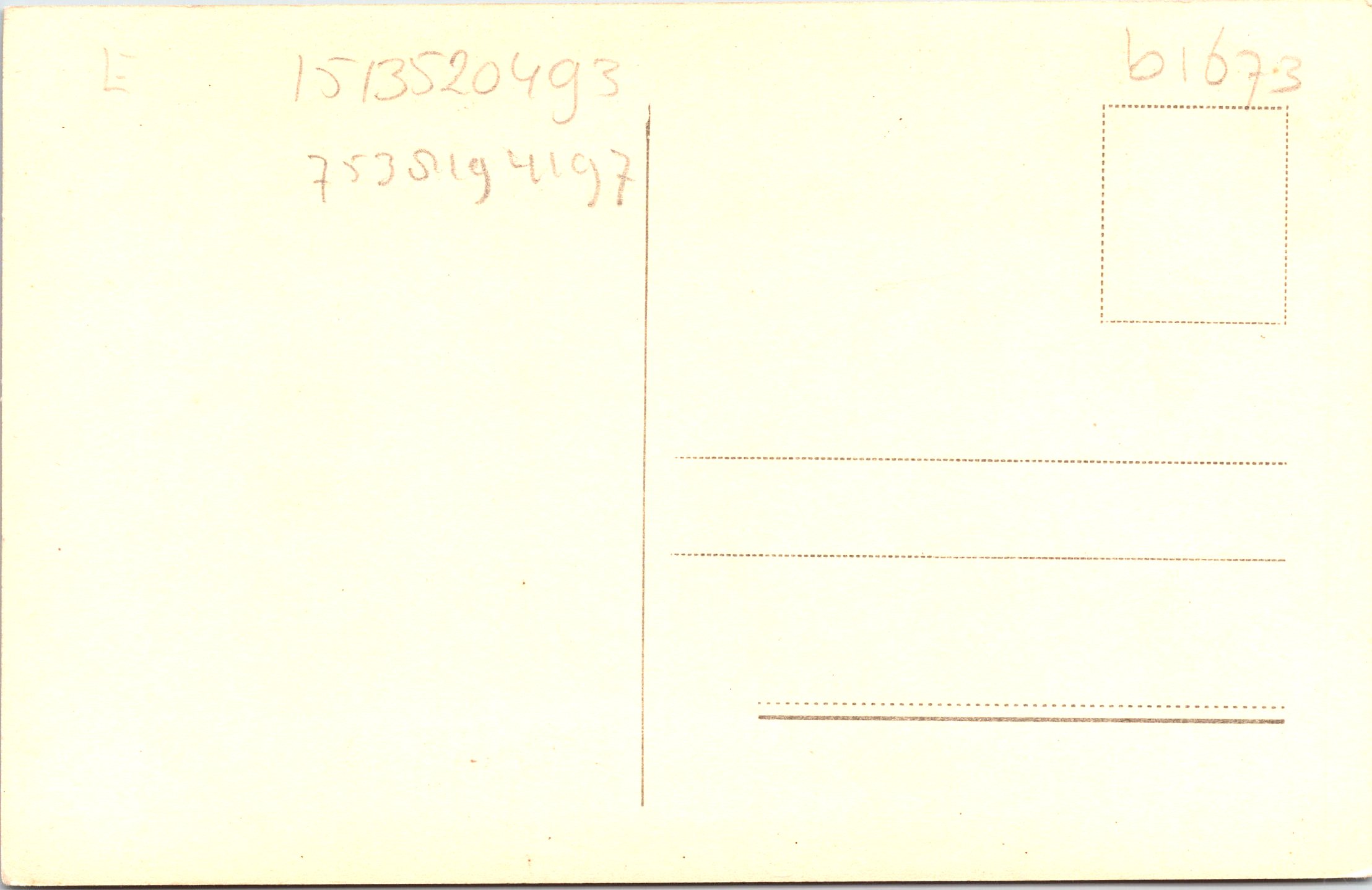
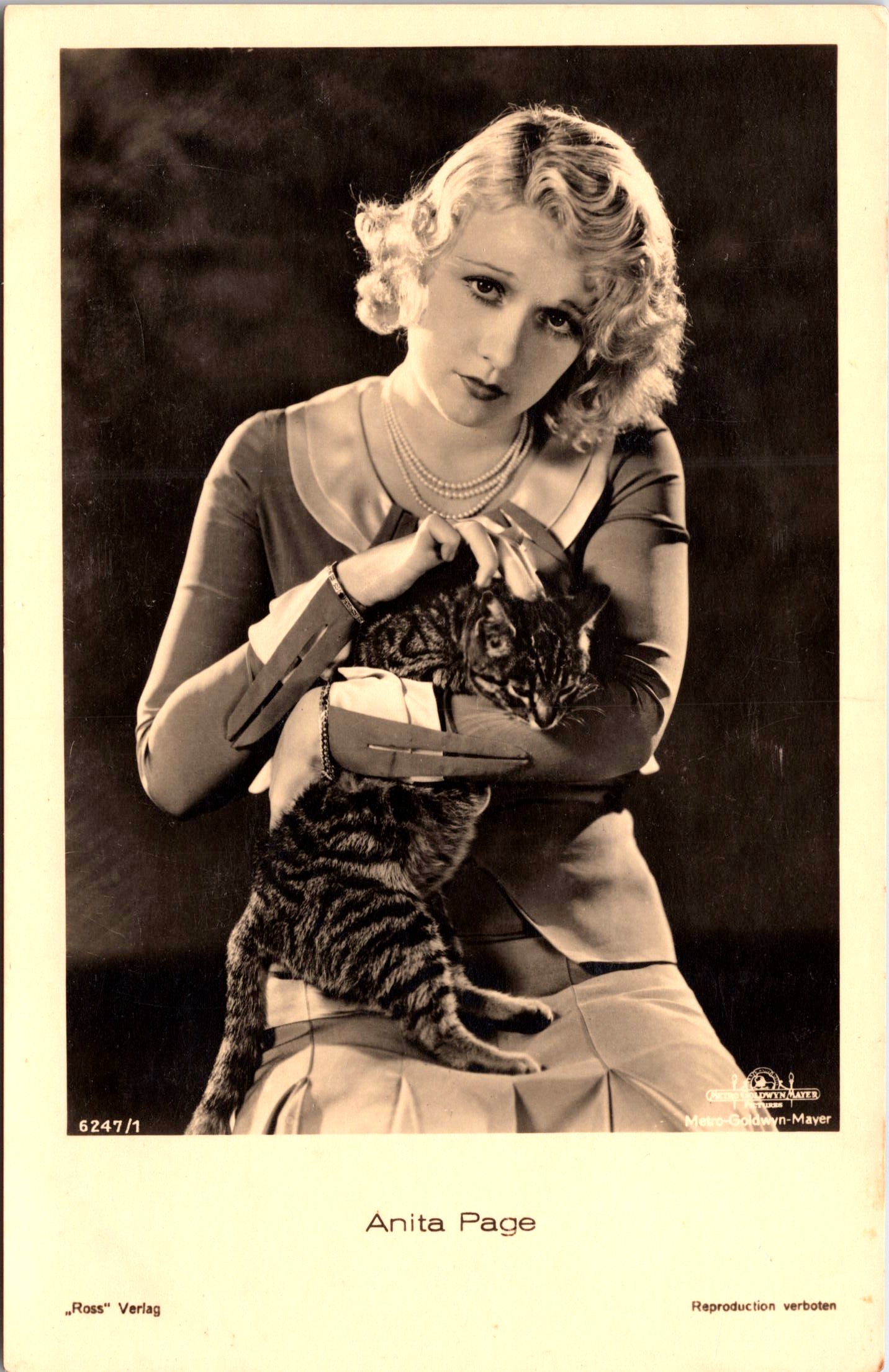
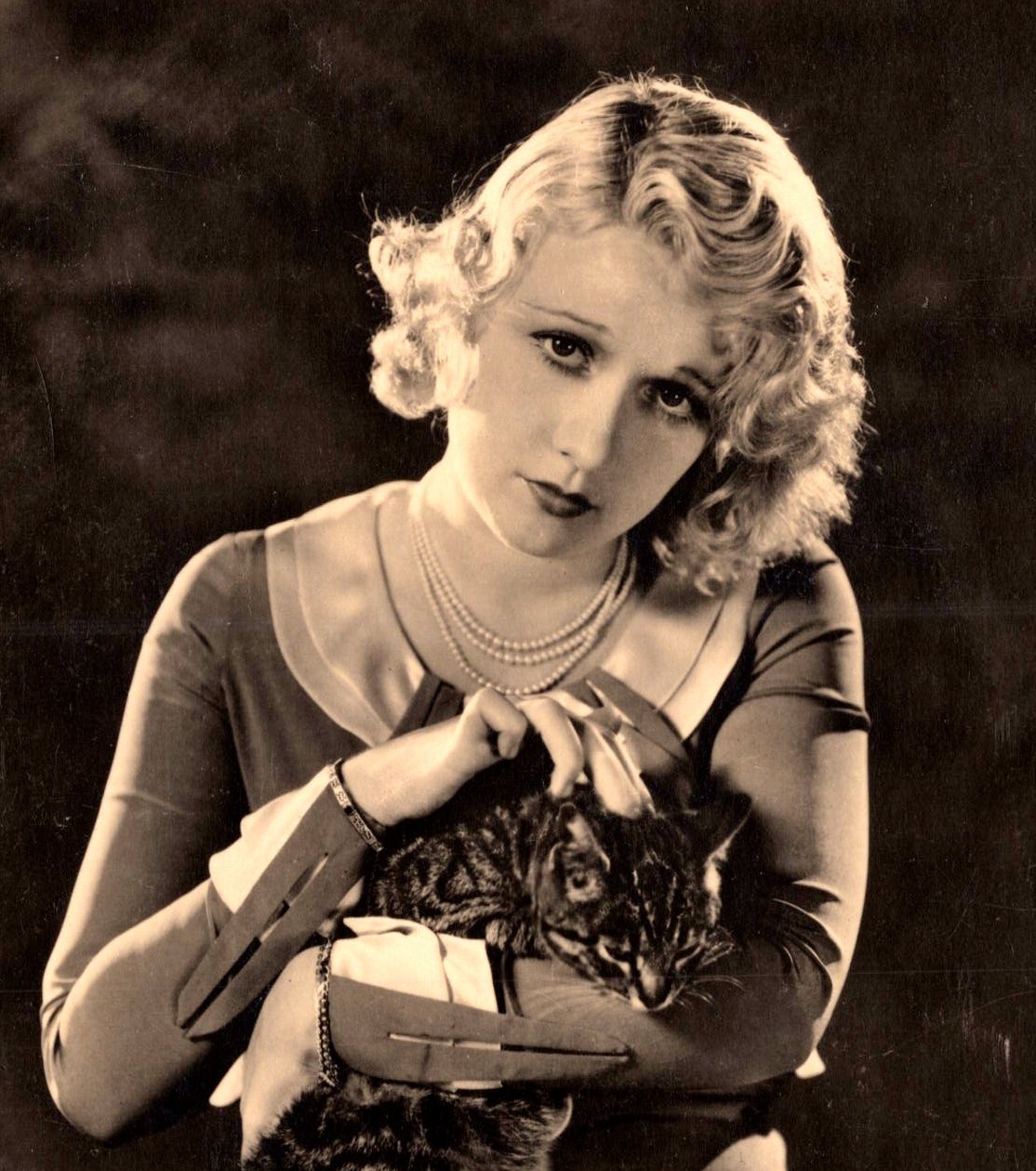
This sepia-toned publicity postcard features Anita Page (1910-2008), an iconic silent and early sound film actress, posing with a tabby cat. She cradles the cat gently in her lap, both arms encircling it protectively. The cat appears calm, eyes half-closed in contentment or sleep, nestled into Page’s arms. Anita is styled with soft, sculpted blonde curls typical of late 1920s-early 1930s glamour. She wears a tailored dress or top with a broad, satin-trimmed collar and decorative slashes on the cuffs, along with a double-stranded pearl necklace and a bracelet on one wrist. Her expression is wistful—perhaps intentionally melancholy or dreamy—a popular aesthetic in studio portraits of the era. Her makeup emphasizes the eyes with dark liner and curved brows, enhancing her expressive gaze. The presence of the cat lends the portrait an intimate and slightly whimsical tone, softening the glamorous studio setting and humanizing the star. It was not uncommon for stars to be photographed with animals to add charm or relatability. The publisher of this postcard is Ross Verlag, a German company based in Berlin. The card is identified as (No.6247/1). The circular logo in the bottom right corner of the card belongs to Metro-Goldwyn-Mayer (MGM), the major Hollywood studio with which Anita Page was under contract. The message on the reverse of the card is written in Czech (or possibly Slovak). A rough translation reads: “Your devoted, Wishes you everything good – Your dear Miloš,  I send you this card for memory. The card is dated 1929. Anita Page was a major screen star in the late 1920s and early 1930s, often called “the girl with the most beautiful face in Hollywood.” She rose to fame starring alongside Joan Crawford in Our Dancing Daughters (1928) and appeared in The Broadway Melody (1929), which won the Academy Award for Best Picture. She retired young in the 1930s but returned sporadically to the screen in later years. She was one of the last surviving stars of the silent film era.  (SOLD)
PORTRAIT OF PRETTY GERMAN FILM ACTRESS KARIN HARDT

                                                                     POSTCARD 1 (SOLD)karin

POSTCARD 2

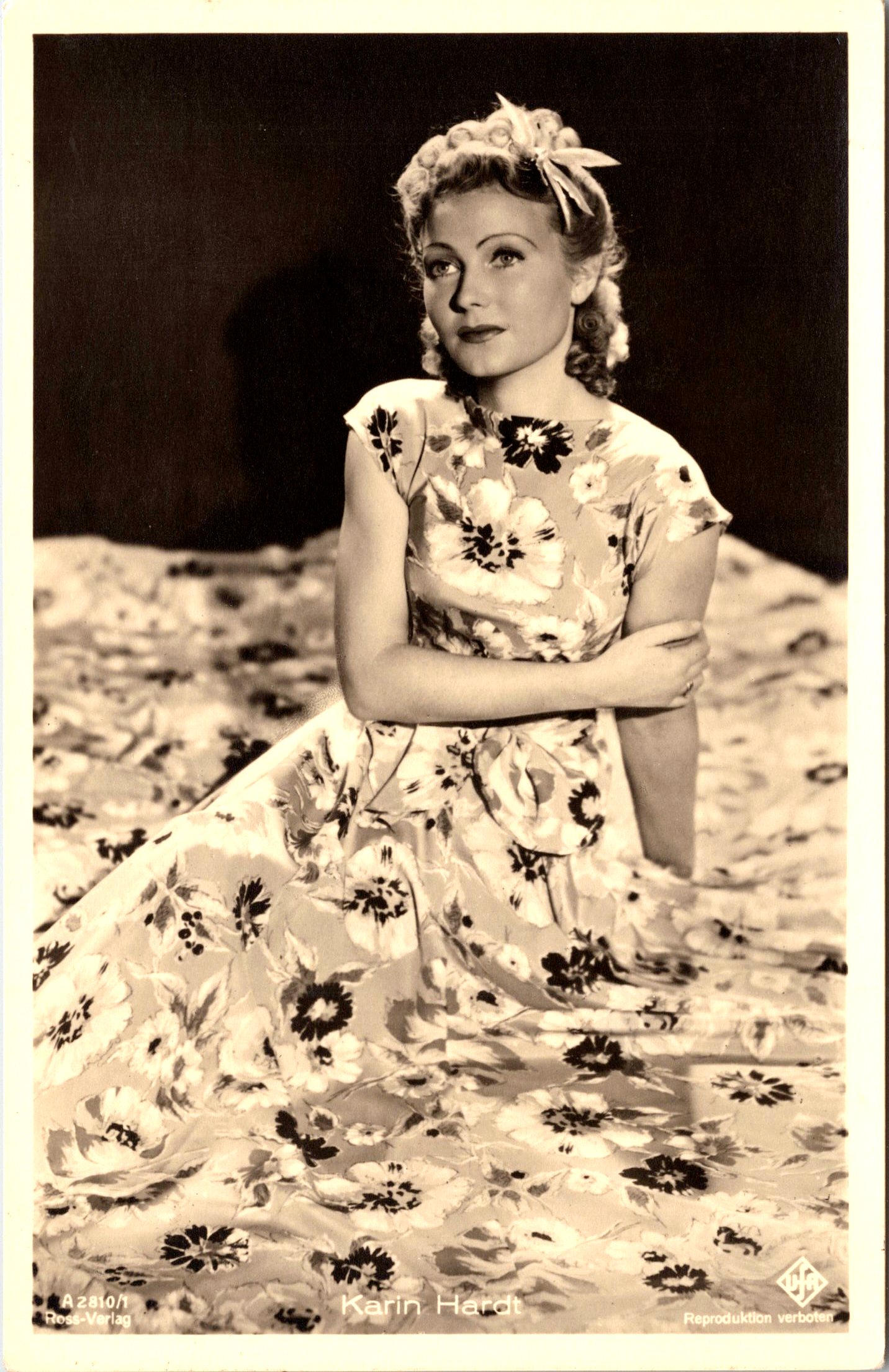
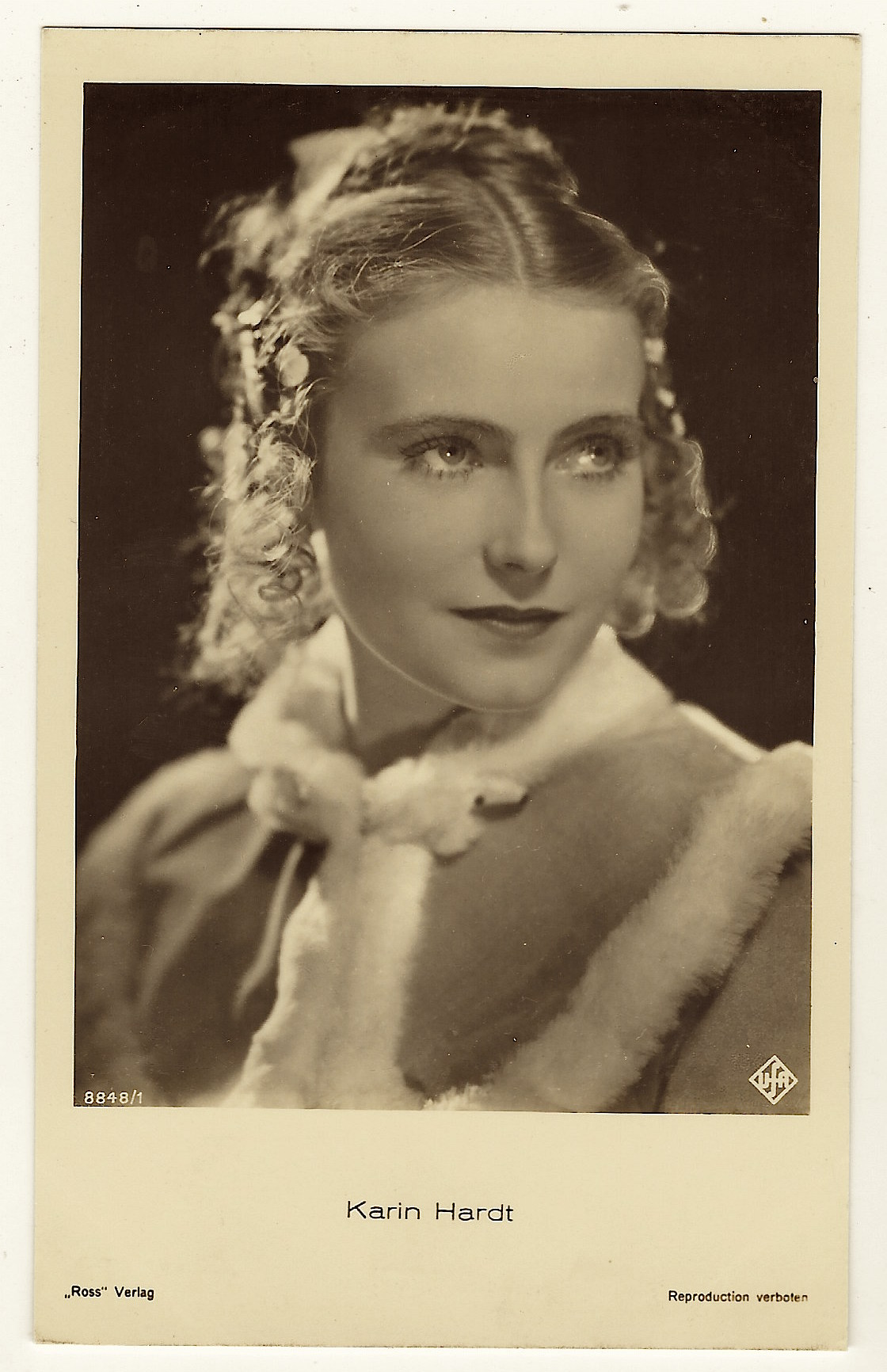
Karin Hardt (1910-1992), German film actress, is featured on these two vintage real photo postcards. Her father was a merchant. She took private acting lessons with Alex Otto, a German actor and theater director. After some theatrical appearances, she made her movie debut in 1931. She quickly rose to stardom. During the war years, her film roles decreased. Post war, she appeared in only a few more films. In the 1960’s she appeared in a number of television roles. She was married to director Erich Waschneck in 1933. She later married Rolf von Goth, a German actor. An internet filmography indicates that Hardt appeared in 88 films from 1931 through 1992. In 1979, she was in a film with David Bowie. The YouTube video below features Miss Hardt in the film, “Mens Economy” (1941).

The image in Postcard 1 gives the appearance that Hardt is about to be swallowed up by her dress. She is wearing ribbons in her hair and a sweet half smile.  This photo postcard was published by Ross Verlag and is part of a series (no.A2810/1). The logo for UFA, a German film company, can be seen in the right hand bottom corner of the image.  SOLD

Postcard 2 was published by Ross Verlag and is part of a series (no.8848/1). The logo for UFA, a German film company,  can be seen in the right hand bottom corner of the image. This vintage postcard is in excellent condition (see scans).

Buy this original Vintage Real Photo Postcard (includes shipping within the US) #2620

To purchase this item, click on the Pay with PayPal button below

$22.00

Buy this original Vintage Real Photo Postcard (includes international shipping outside the US) #2620

To purchase this item, click on the Pay with PayPal button below

$30.00


Published in: on March 21, 2025 at 12:00 pm  Leave a Comment  
Tags: , , ,

NINE PORTRAITS OF PRETTY EUROPEAN STAGE ACTRESS LIANE HAID

haid

POSTCARD 1

haid-2

POSTCARD 2

haid 3

      POSTCARD 3  (SOLD) 

estonia1

POSTCARD 4   (SOLD)

This image has an empty alt attribute; its file name is haid10.jpg

POSTCARD 5

This image has an empty alt attribute; its file name is haid1_0001.jpg

POSTCARD 6  (SOLD)

POSTCARD 7  (SOLD)

POSTCARD 8 (SOLD)

POSTCARD 9 (SOLD)

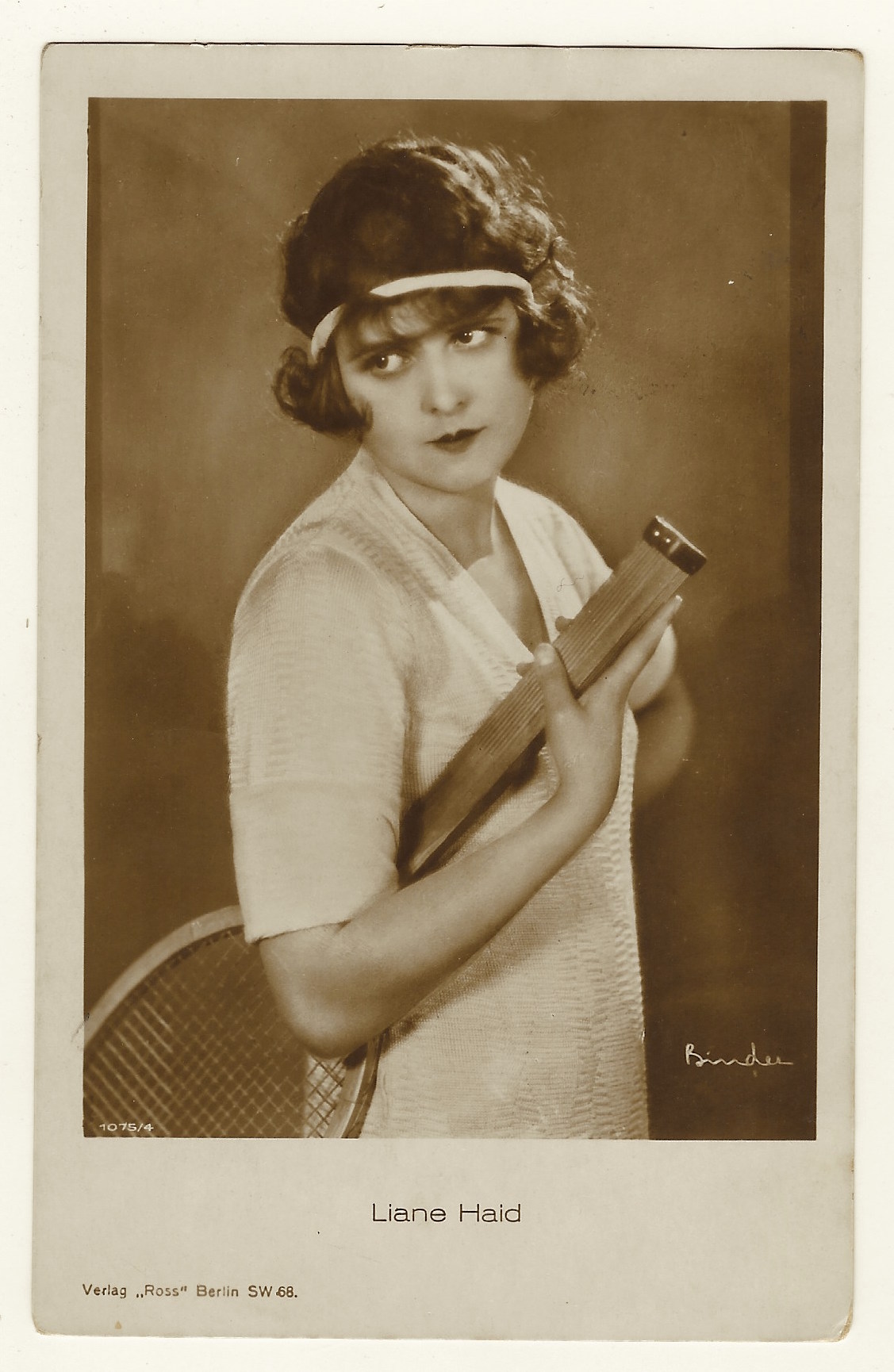
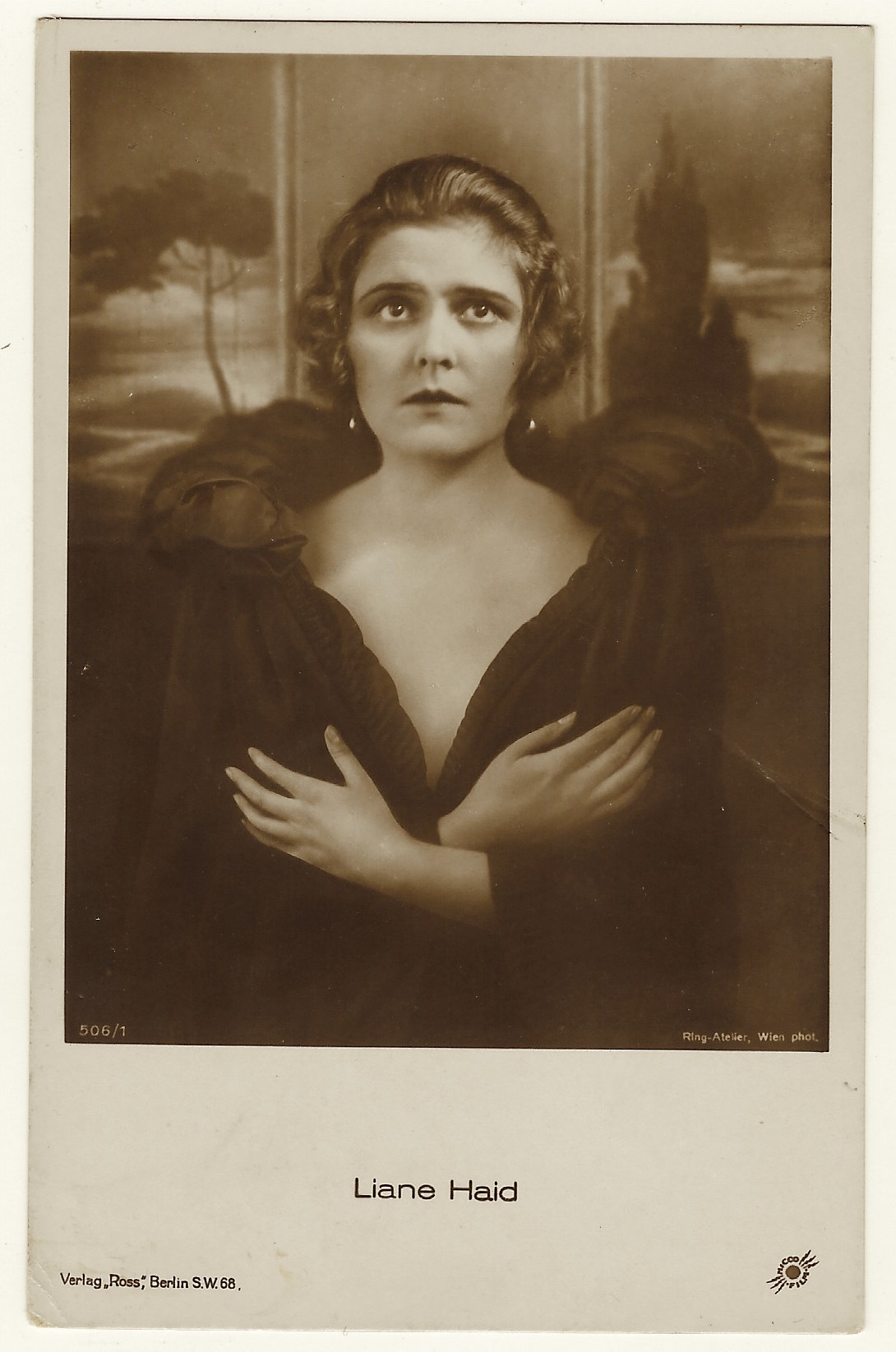
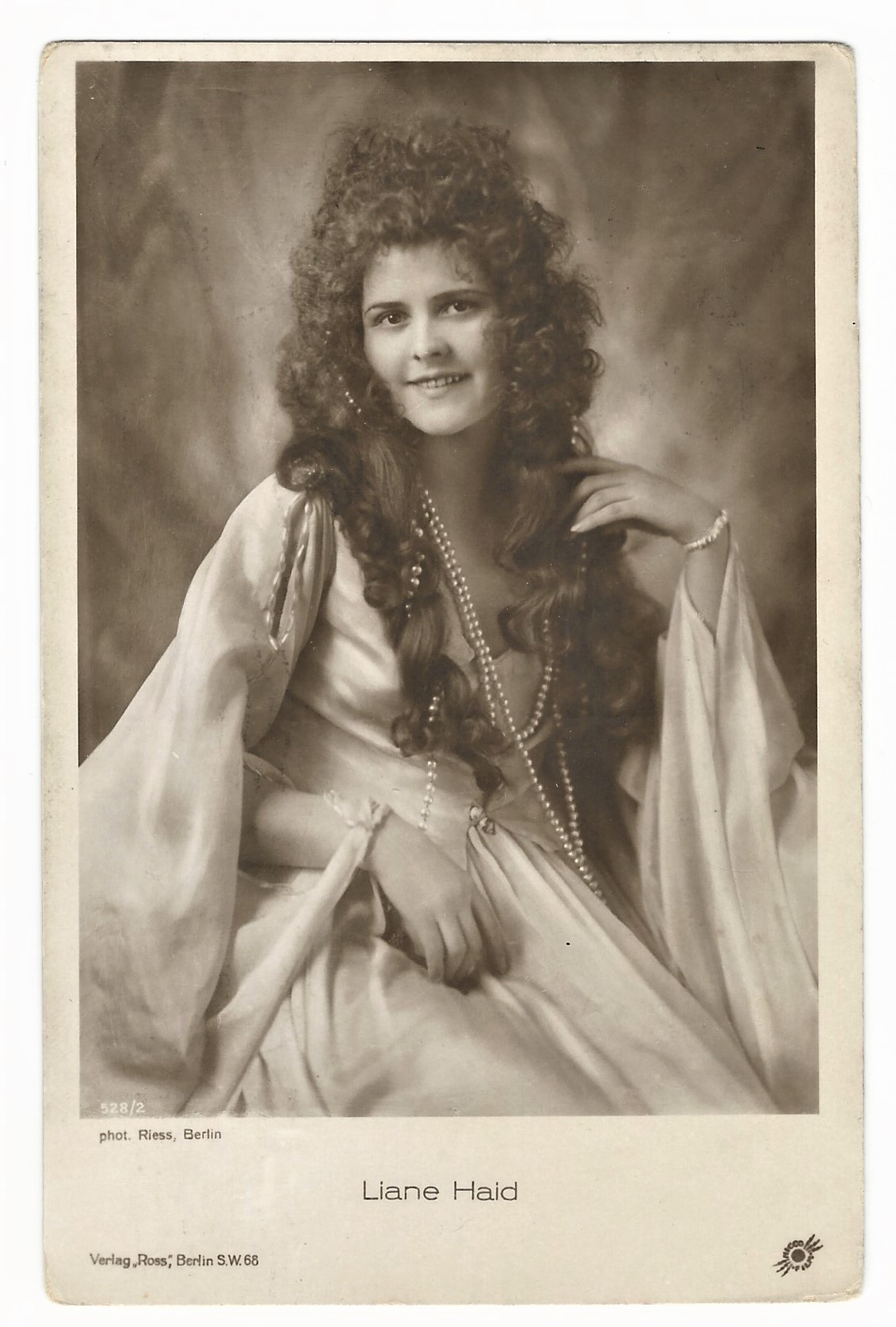
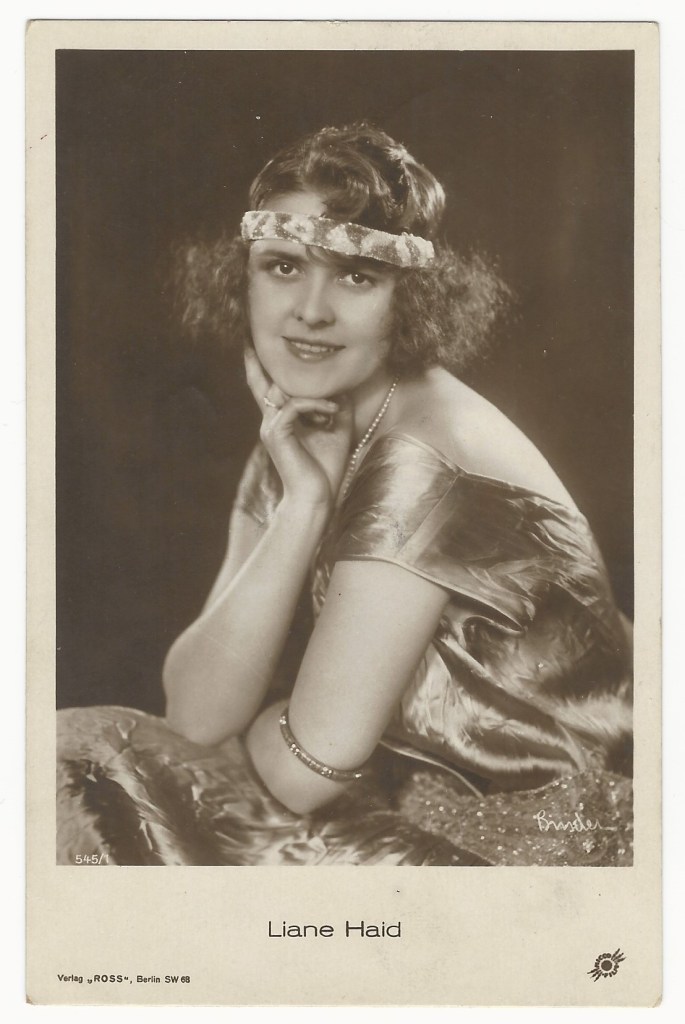
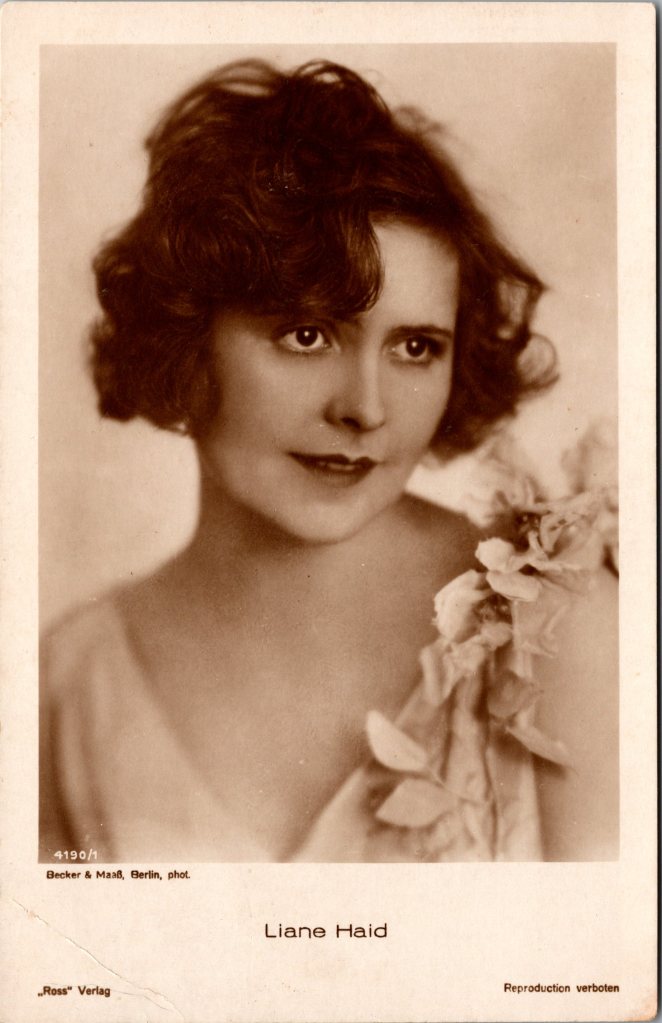
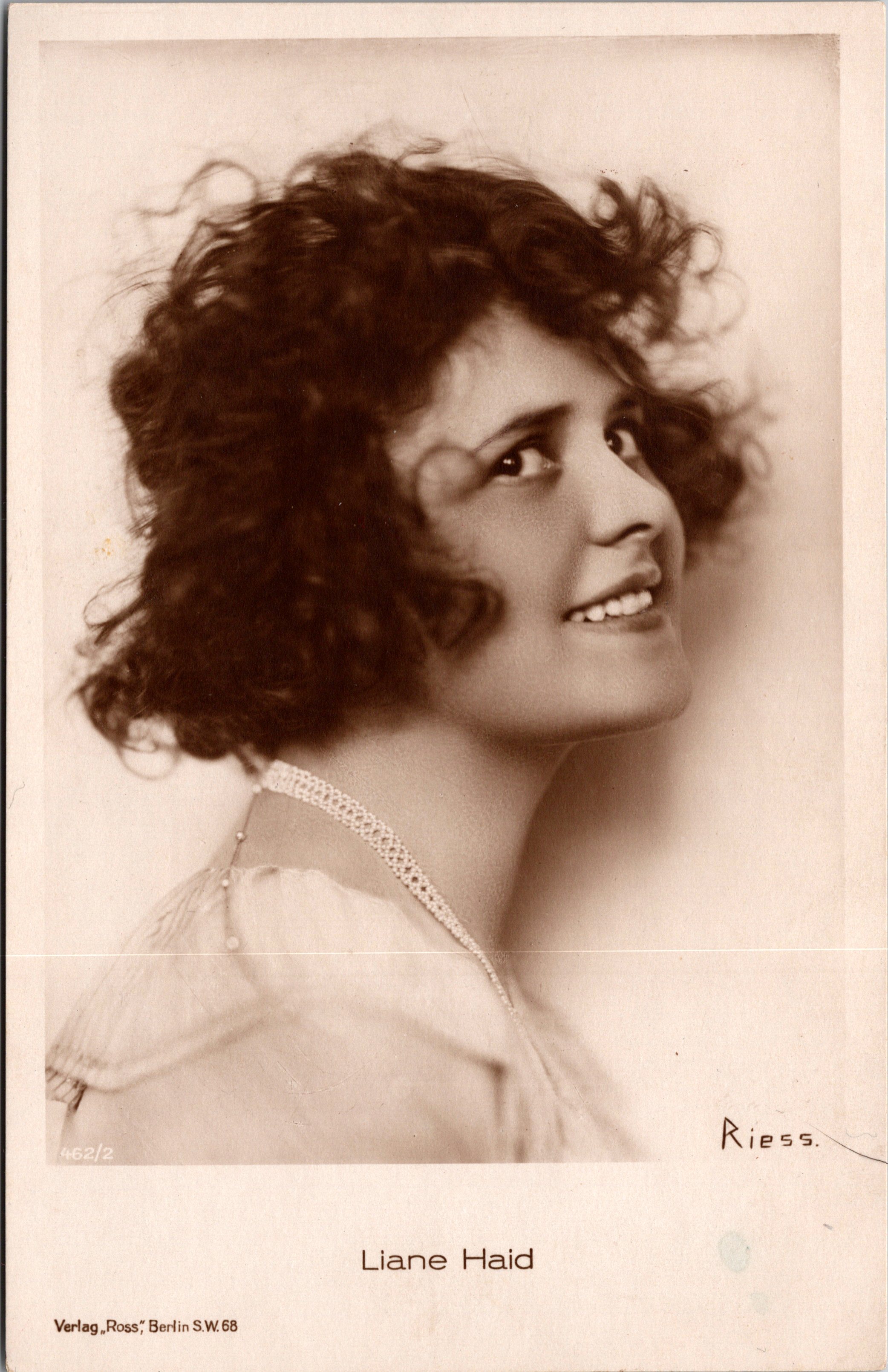
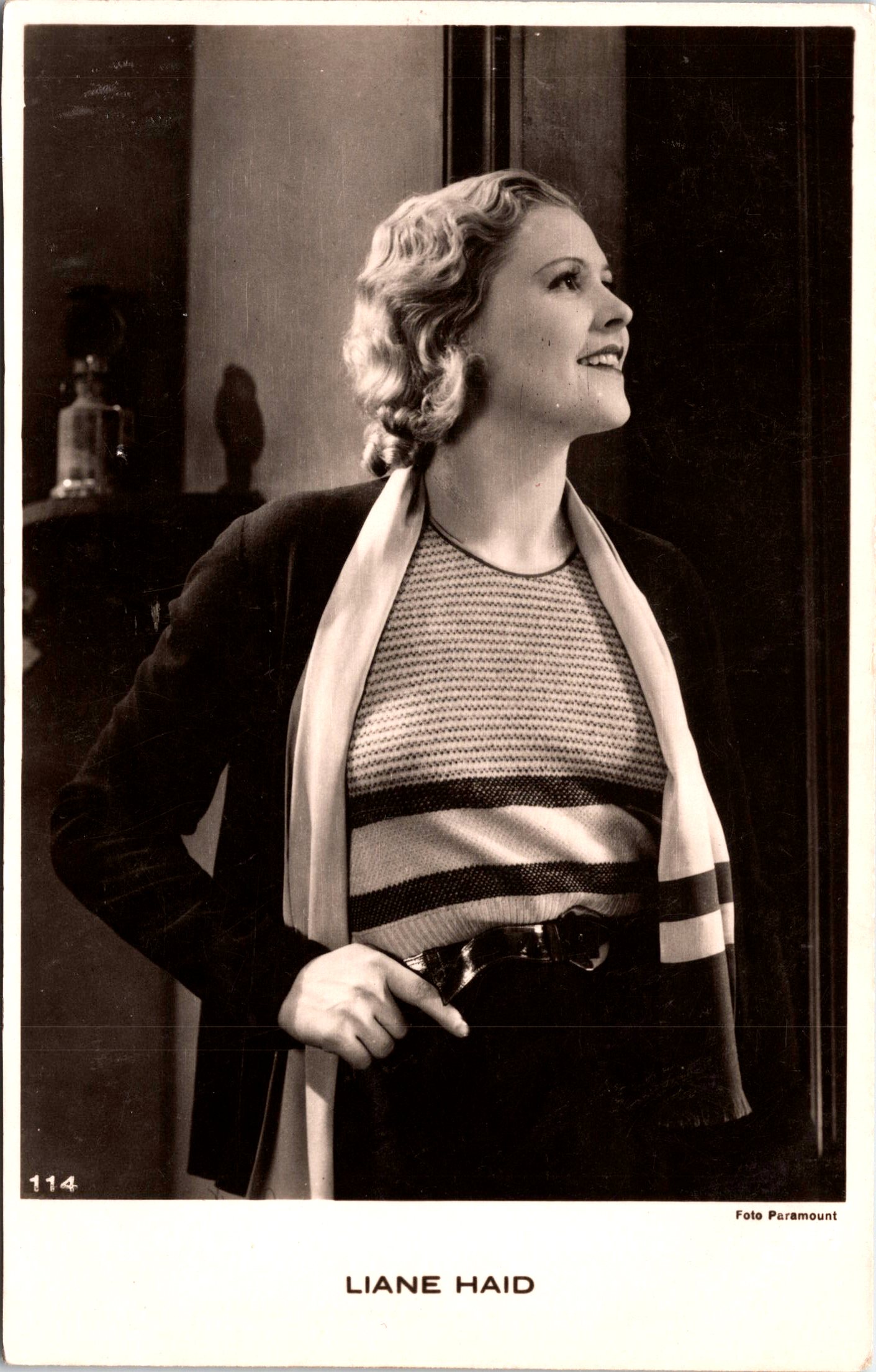
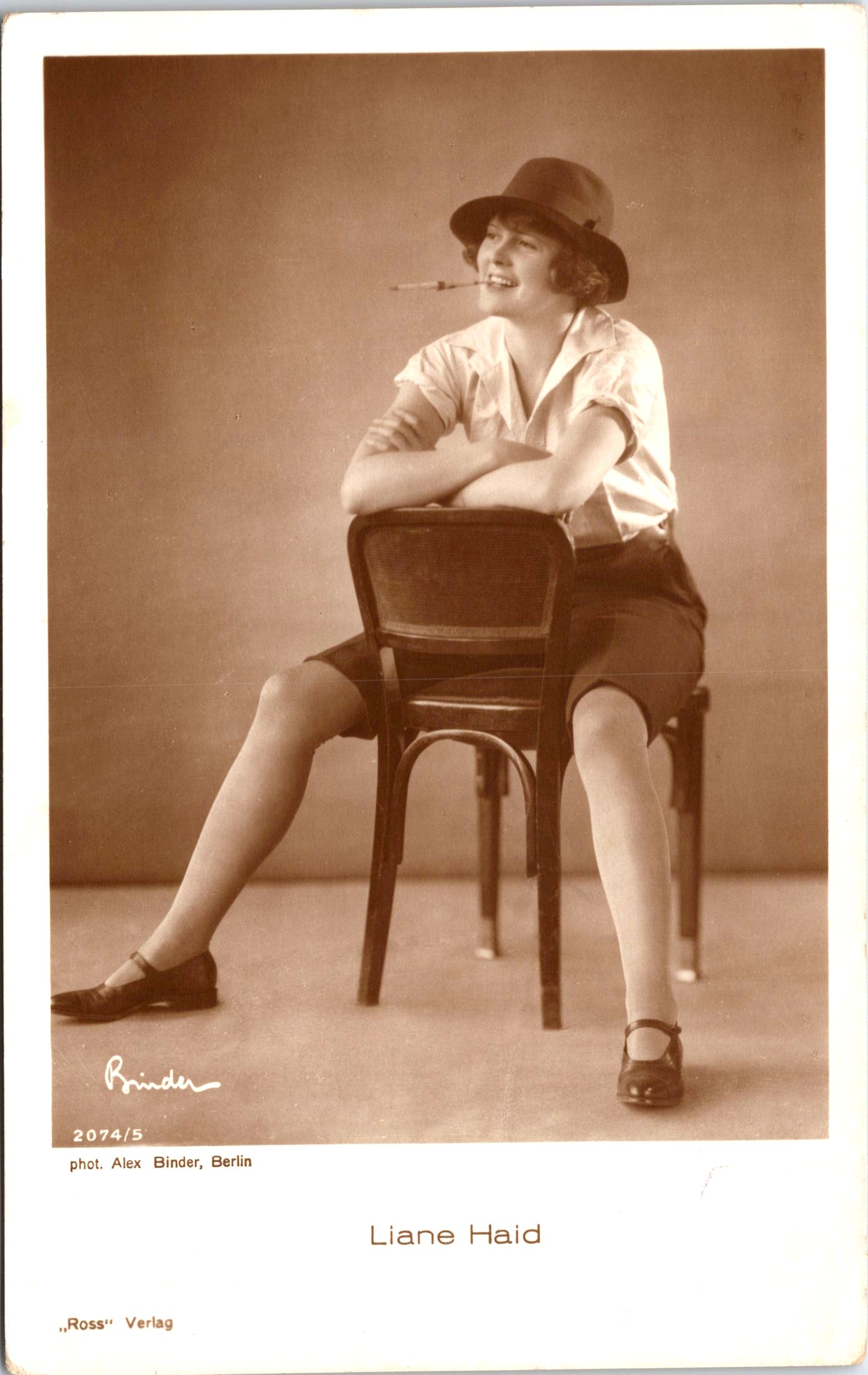
These vintage real photo postcards feature European film star Liane Haid (1895-2000). In the top postcard she poses holding a tennis racket and wearing a hair band to keep her hair out of her eyes. She is quite beautiful but how can we interpret her facial expression. To me, it looks like she is rolling her eyes as if she is bothered by something. Who is Liane Haid? She was born in Vienna, Austria and received training in both dance and singing. She gained the nickname of “Sweet Viennese Girl”. Haid was a prima ballerina, dancer, singer and stage actress. She worked in Budapest and Vienna as a dancer. Her stage career was mostly in Berlin and Vienna. She became a popular pin-up star through the 1920’s and 1930’s. Her first movie role was in a World War I propaganda film. She was employed by UFA and appeared in a number of comedy films  alongside other movie stars including Willi Forst, Bruno Kastner, and Georg Alexander. UFA was a major German Film producer and distributor that operated between 1917 through the end of World War II. Liane Haid refused a number of Hollywood offers but in 1942, she escaped Nazi Germany and went to Switzerland according to Wikipedia, “because of the regime, because everything was bombed, and because all the good directors had left”. Soon thereafter she got married and retired from films. She was married three times. The IMDB web site states that she has 92 film credits from 1915 through 1953. Notable films include “Lady Hamilton” (1921), “Lucrezia Borgia” (1926), and “The Song is Ended” (1930). The photographer of this terrific image was Alexander Binder (1888-1929). He had the largest photo studio in Europe during the late 1920’s and the 1930’s. Many of his entertainment star portraits appear on Ross Verlag postards. It is thought that Binder was of Swiss origin. He was of the Jewish faith. He studied engineering but did not complete his studies. From 1908 to 1910 he studied photography at a school in Munich, Germany. After the completion of his photography studies, he went to Berlin and in 1913 opened his first photography studio. Before long, he became one of the premier photographers in Berlin.  He primarily focussed on fashion and celebrity photography. Since Berlin was the capital of the European film industry, Binder photographed all the stars of the European film industry including, Lilian Harvey, Conrad Veidt, and Lya De Putti. Many of his images were used in popular film portrait postcards. His photographs could be seen in postcards published by Ross Verlag and Photochemie. Binder died in 1929 but new photo cards bearing his signature continued to be published until 1937. It is thought that the real photographer of these new postcards was Hubs Floeter (1910-1974) who was employed at the studio as an operator. The studio continued to be owned by Binder’s widow, Mrs. Binder Alleman and their two daughters. The studio was managed by the Jewish Elisabeth Baroness Vonhedlis Stengel who was later deported to the Theresienstadt concentration camp. In 1938 the Nazi’s closed Binder’s studio and it was later taken over by an Aryan photographer, Karl Ludwig Haenchen . Haenchen continued to produce celebrity portraits for postcards. His publishers included Film-Foto-Verlag. After World War II the studio was taken over by the Hasse und Wiese company.               

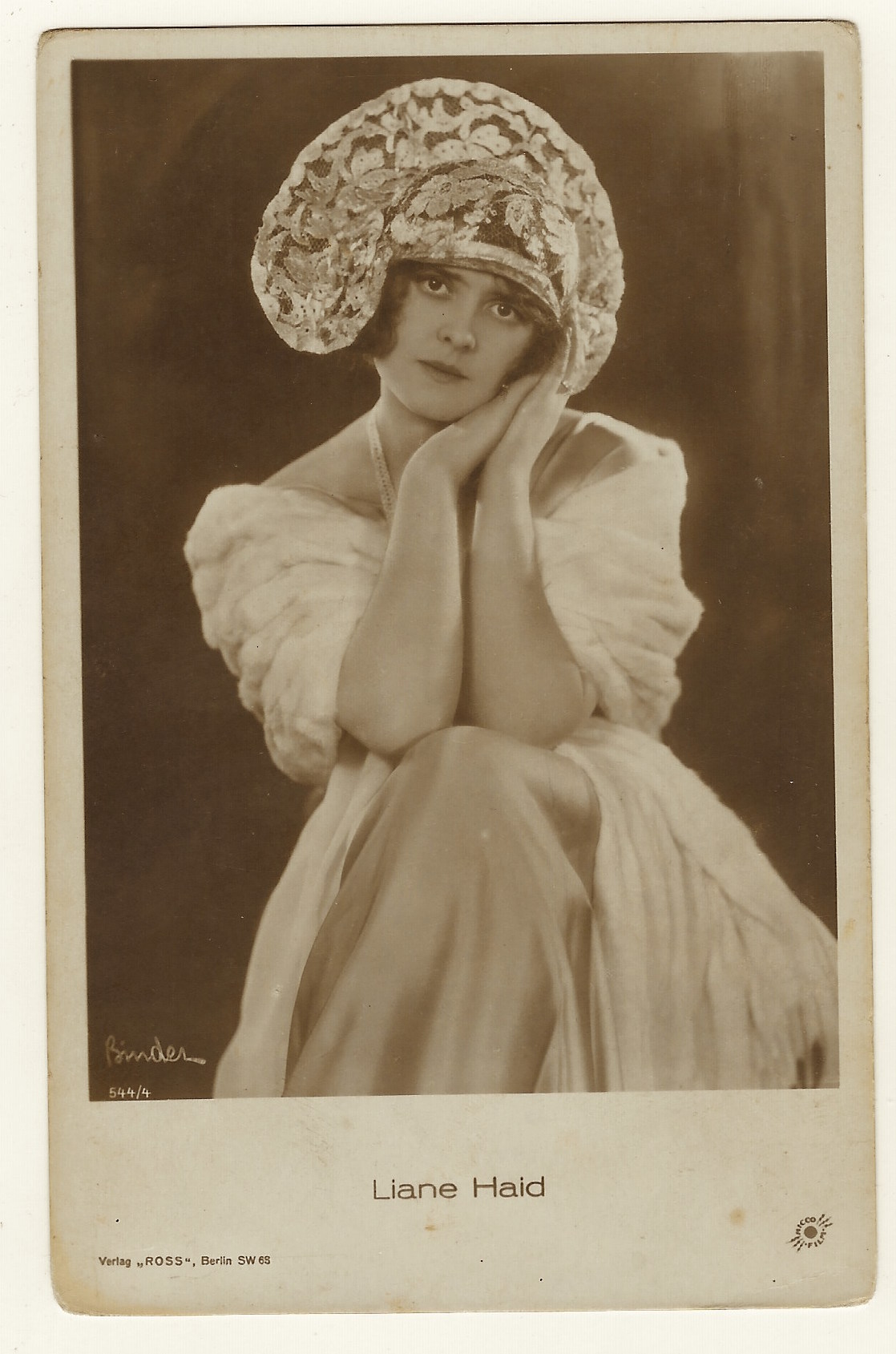
 The second vintage postcard portrait of Miss Haid was also the work of Alexander Binder. The actress looks beautiful in her art deco lace headdress. Her eyes can be described as spell binding. The postcard was published by Germany’s Ross Verlag and is part of a series (no. 544/4). Also credited for this photograph is “Micco Film”. Before working for Micco Film, Haid was employed by Kunstfilm. She was very successful working for the company but in 1920 she sued the company for physically exploiting her (placing her in dangerous situations) and for making her financially responsible for her own makeup and costuming. Haid’s husband, industrialist Fritz  von Haymerle, built her a studio (Micco-Film) in Vienna to further promote her career.                         

 The third real photo postcard, seen above, was produced by publisher Ross Verlag (Berlin). Once again, Liane Haid appears beautiful in her portrait. The photograph was taken by the Ring studio in Vienna, Austria. A logo for Micco-Film appears in the lower right hand corner of the postcard.  SOLD                                                                                      

Postcard 4 is a vintage real photo postcard featuring  a young and long haired Liane Haid. She is flashing a very sweet smile. The postcard was published by Ross Verlag of Berlin, Germany. It is part of a series (No. 528/2). Miss Haid was photographed by Frieda Riess (1890-1955?), a female Berlin photographer. One of her photographs can be found in Great Britain’s National Portrait Gallery. The postcard has the logo for Micco-Film in the bottom right hand corner and is postmarked 1929. The card was mailed from Denmark to Estonia.  SOLD   

Postcard 5 features a vintage real photo of Miss Haid. As usual, she looks quite pretty. The actress is flashing a lovely smile. She is wearing a string of pearls and a hair band. This photograph was taken by the talented and prolific celebrity photographer, Alexander Binder. The postcard was published by Ross Verlag (Berlin) as part of a series (no. 545/1). The logo for Micco-Film can be seen on the bottom right hand corner of the postcard. The card was postmarked in 1925 and is in very good condition (see scans).                  

 Postcard 6 offers another view of Miss Haid. She looks beautiful as always. This photograph was taken by the Becker & Maas studio. The firm was located in Berlin Germany. The publisher of the card was Ross Verlag. The postcard is part of a series (No.4190/1).   (SOLD)

Postcard 7 features Miss Haid as photographed by Frieda Riess (1890-1955?), a female photographer located in Berlin, Germany. The publisher of the card was Ross Verlag. The postcard is part of a series (No.462/2). (SOLD)

Postcard 8 was published by Ross Verlag. The postcard is part of a series (No.1732/3). Note the logo for UFA, a German film company.  (SOLD)

Postcard 9  features Haid sitting in a chair in a provocative manner and smoking a cigarette in a cigarette holder. This photograph portrays Haid as unconventional and seductive. The publisher of the card was Ross Verlag. The postcard is part of a series (No.2074/5). Miss Haid’s photograph appearing on this postcard was taken by Alexander Binder (Berlin, Germany). (SOLD)

BEAUTIFUL ANGLO-GERMAN FILM ACTRESS LILLIAN HARVEY

harvey-2

POSTCARD 1  (SOLD)

harvey 2

                                                      POSTCARD 2 (SOLD)

harvey 5

POSTCARD 3  (SOLD)

harvey 4

POSTCARD 4

harvey 5

POSTCARD 5  (SOLD)

harvey6

 POSTCARD 6

harvey7

 POSTCARD 7

This image has an empty alt attribute; its file name is lillian-harvey-10194_0001.jpgPOSTCARD 8  (SOLD)

This image has an empty alt attribute; its file name is lilian-harvey-50162_0003.jpgPOSTCARD 9

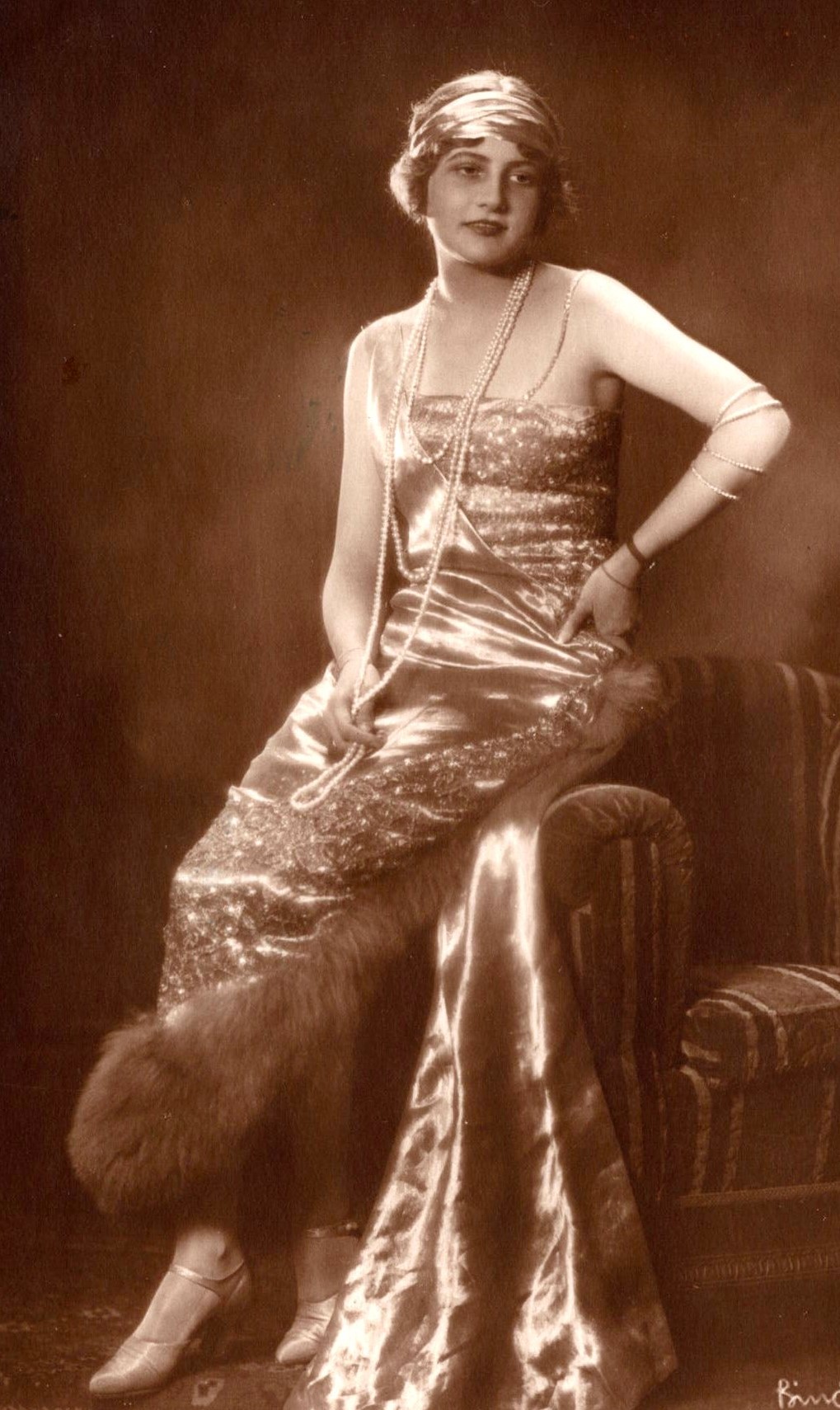
This image has an empty alt attribute; its file name is 5722_0001.jpgPOSTCARD 10
This image has an empty alt attribute; its file name is 5663_0001.jpg

                                                                                          POSTCARD 11  (SOLD)

This image has an empty alt attribute; its file name is lillian-harvey-10.jpg

POSTCARD 12  (SOLD)

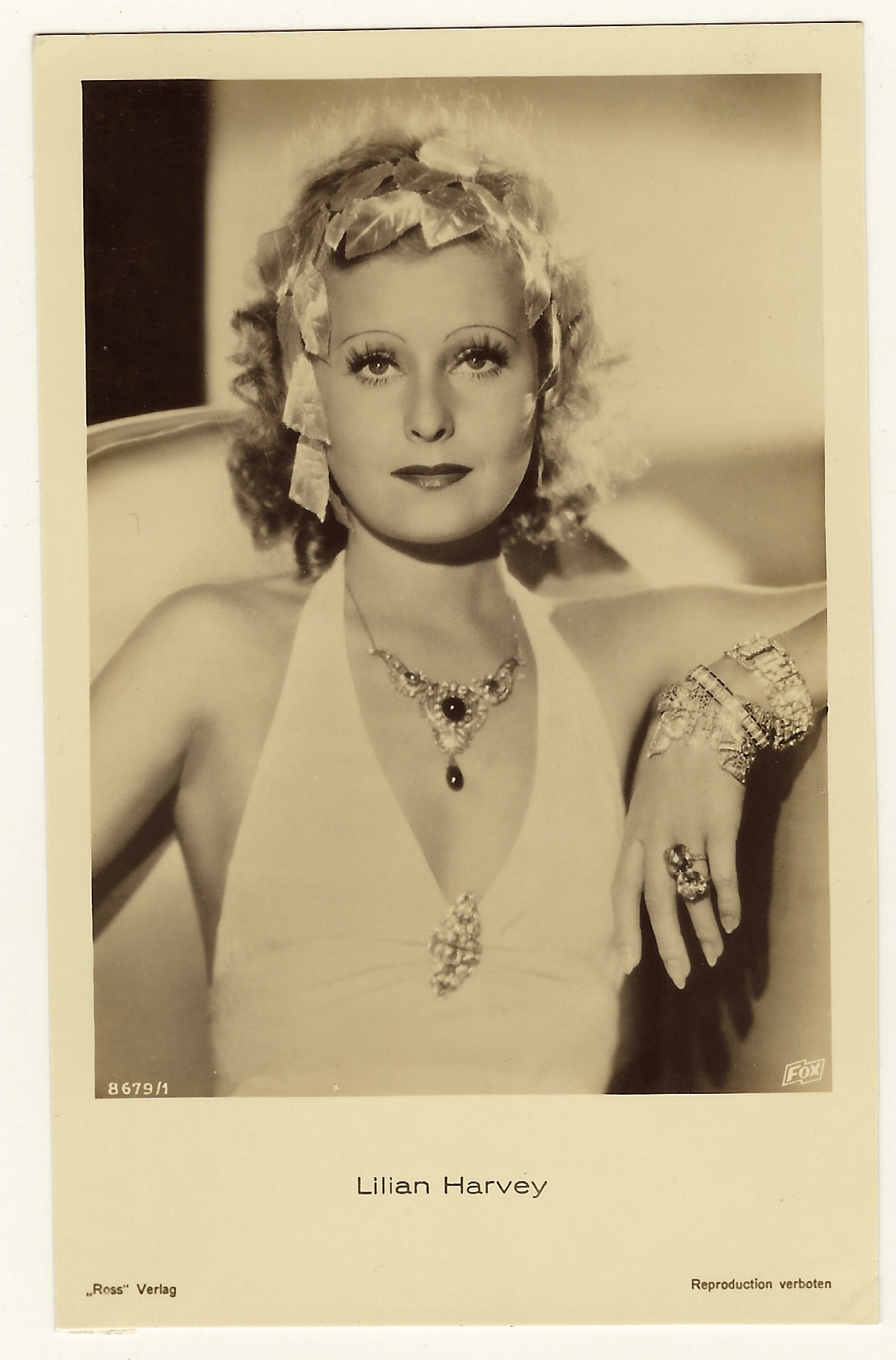
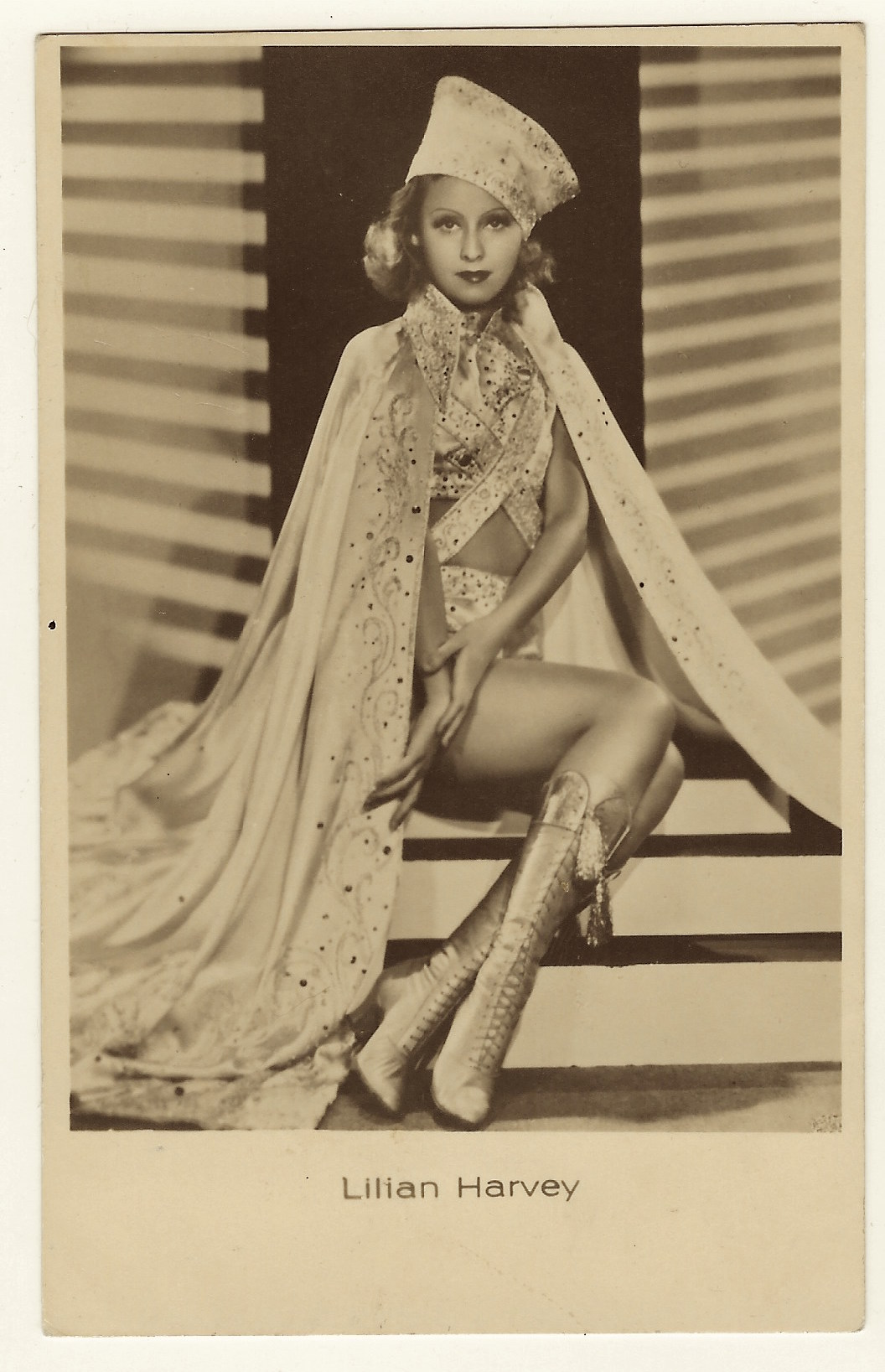
Real photo postcard #1 features Anglo-German actress and singer, Lillian Harvey (1906-1968). Her acting base was in Germany. Harvey was born in Hornsey, England to an English mother and a German father. During World War I her family was “trapped” in Magdeburg, Germany and Harvey was sent to live with her Swiss aunt. After the war she finished school in Berlin and than studied voice and dance at the Berlin State Opera. In 1924 she earned a role as a revue dancer in Vienna. This was followed by her first movie role which was in an Austrian film named “The Curse”. Thereafter, she starred in multiple silent films. Her first leading role was in “The Passion” (1925). Because of her voice training, Harvey was able to make the transition into “talkies”. She and actor Willy Fritsch became the “dream couple” of German movies. The pair acted together in eleven movies. In the 1930’s Harvey’s films appeared in both German and English and she became popular outside of Germany. She went to Hollywood and made four movies for the Fox Film Corporation (this postcard is from that period). In 1935, Harvey returned to Germany. She appeared in several more films and soon she was under the watchful eye of the Gestapo. Harvey had many Jewish friends in the film industry  and she was supportive of them. By 1939, Miss Harvey was forced to leave Germany, leaving behind valuable real estate holdings. She went to France where, in 1940, she made two movies for director Jean Boyer. In 1943 she was stripped of her German citizenship because she had performed for French troops. When southern France was occupied by the Nazis in 1942, she emigrated to the United States. During the war she did some theatre acting and also worked as a homeside volunteer nurse. After the war, Harvey relocated to Paris. She went on a world tour as a singer and in 1949 made appearances in West Germany. She spent her retirement on the French Riviera (Antibes) where she had a souvenir shop and raised snails for escargot. Harvey was married one time. Her four year marriage to theater director Hartvig Valeur-Larsen ended in divorce. Eventually she settled down with her female partner Else Pitty Wirth (1907-2007). Interestingly, the two women are buried together in Antibes. The imdb gives Harvey 54 acting credits between 1925 and 1940. Interestingly, Lillian Harvey’s name is mentioned in Quentin Tarantino’s film  “Inglorious Bastards” (2009). One of her songs is played on a phonograph and in addition one of the characters in the film mentions liking Harvey’s performance in a film and Joseph Goebbels becomes angry and insists her name never be mentioned in his presence. Click on the link below to hear the Lillian Harvey/Willy Fritsch duet used in the Tarantino movie. The 1936 song is titled “Ich Wollt Ich War Ein Huhn” (I Wish I Was A Chicken). Now would be a good time to discuss this postcard portrait of Miss Harvey. She is looking quite decorated in this photograph. She is wearing a garland of leaves in her hair, a very ornate necklace, a number of large bracelets, two giant rings, and a jeweled clasp on her dress near her cleavage. Note her very notable eye lashes. She is wearing a somewhat provocative dress and it is clear that the aim of the photographer is to emphasize Miss Harvey’s sexiness. The photographer and Miss Harvey succeeded in accomplishing this goal. The postcard was published by the German firm Ross Verlag and was part of a series (no. 8679/1). The postcard credits Fox films.                                                 SOLD                                                                                                                                                                          

The second postcard (postcard 2) features Miss Harvey in a risque costume. She is showing a “lot of leg” which is quite provocative for her time. It is likely that this image captures her in one of her film roles. The postcard was published by Argenta, which was located in Munich, Bavaria.                                                                                                                  SOLD        

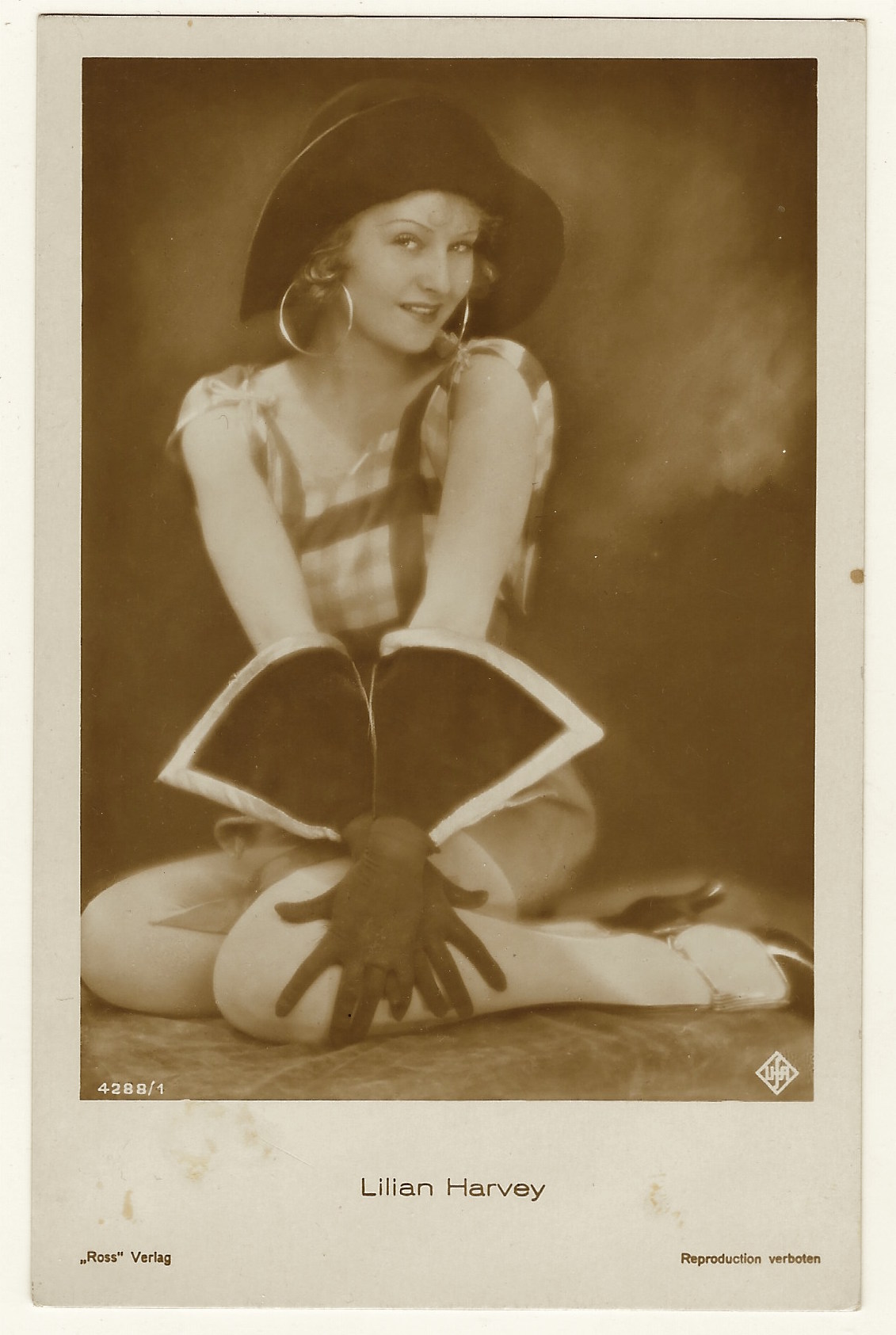
The third postcard (postcard 3) presents Miss Harvey is a sexy pose. Note her dark gloves and large hoop earrings. The postcard was published by Ross Verlag and is part of a series (no. 4288/1). Note the advertising logo for the German film company UFA, located on the bottom right hand corner of the image. (SOLD)

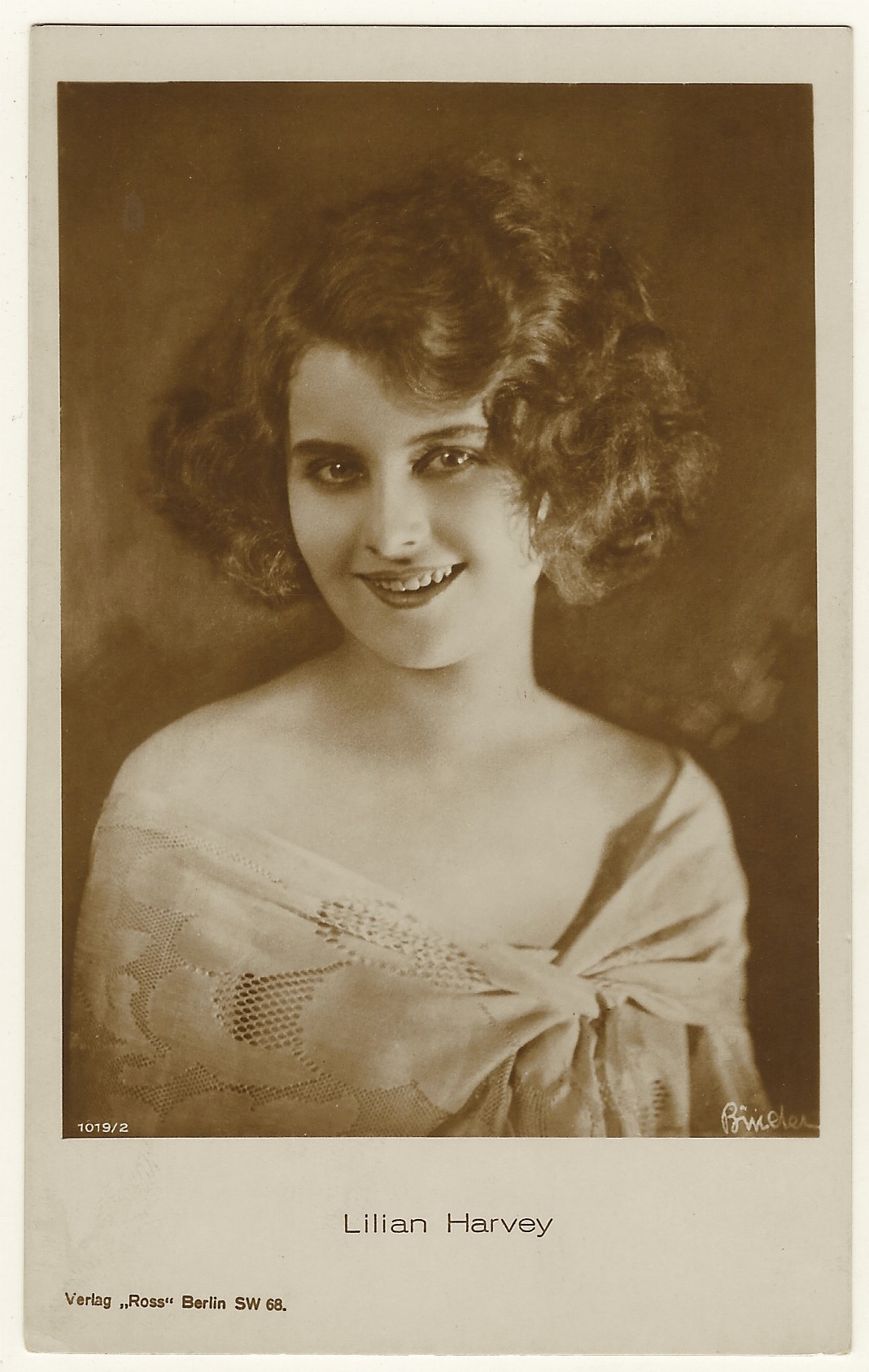
The fourth postcard (postcard 4) showcases Lillian Harvey’s beautiful smile. Miss Harvey’s not quite plunging neckline was clearly aimed to add a bit of a risque element to the photograph. This postcard was published by Ross Verlag (Berlin) and is part of a series (no. 1019/2). This portrait was taken by the talented photographer, Alex Binder. The photographer of this terrific image was Alexander Binder (1888-1929). He had the largest photo studio in Europe during the late 1920’s and the 1930’s. Many of his entertainment star portraits appear on Ross Verlag postards. It is thought that Binder was of Swiss origin. He was of the Jewish faith. He studied engineering but did not complete his studies. From 1908 to 1910 he studied photography at a school in Munich, Germany. After the completion of his photography studies, he went to Berlin and in 1913 opened his first photography studio. Before long, he became one of the premier photographers in Berlin.  He primarily focussed on fashion and celebrity photography. Since Berlin was the capital of the European film industry, Binder photographed all the stars of the European film industry including, Lilian Harvey, Conrad Veidt, and Lya De Putti. Many of his images were used in popular film portrait postcards. His photographs could be seen in postcards published by Ross Verlag and Photochemie. Binder died in 1929 but new photo cards bearing his signature continued to be published until 1937. 

Buy this original Real Photo Postcard (includes shipping within the US) #2490

To purchase this item, click on the Pay with PayPal button below

$27.50

Buy this original Real Photo Postcard (includes International shipping outside the US) #2490

To purchase this item, click on the Pay with PayPal button below

$35.50

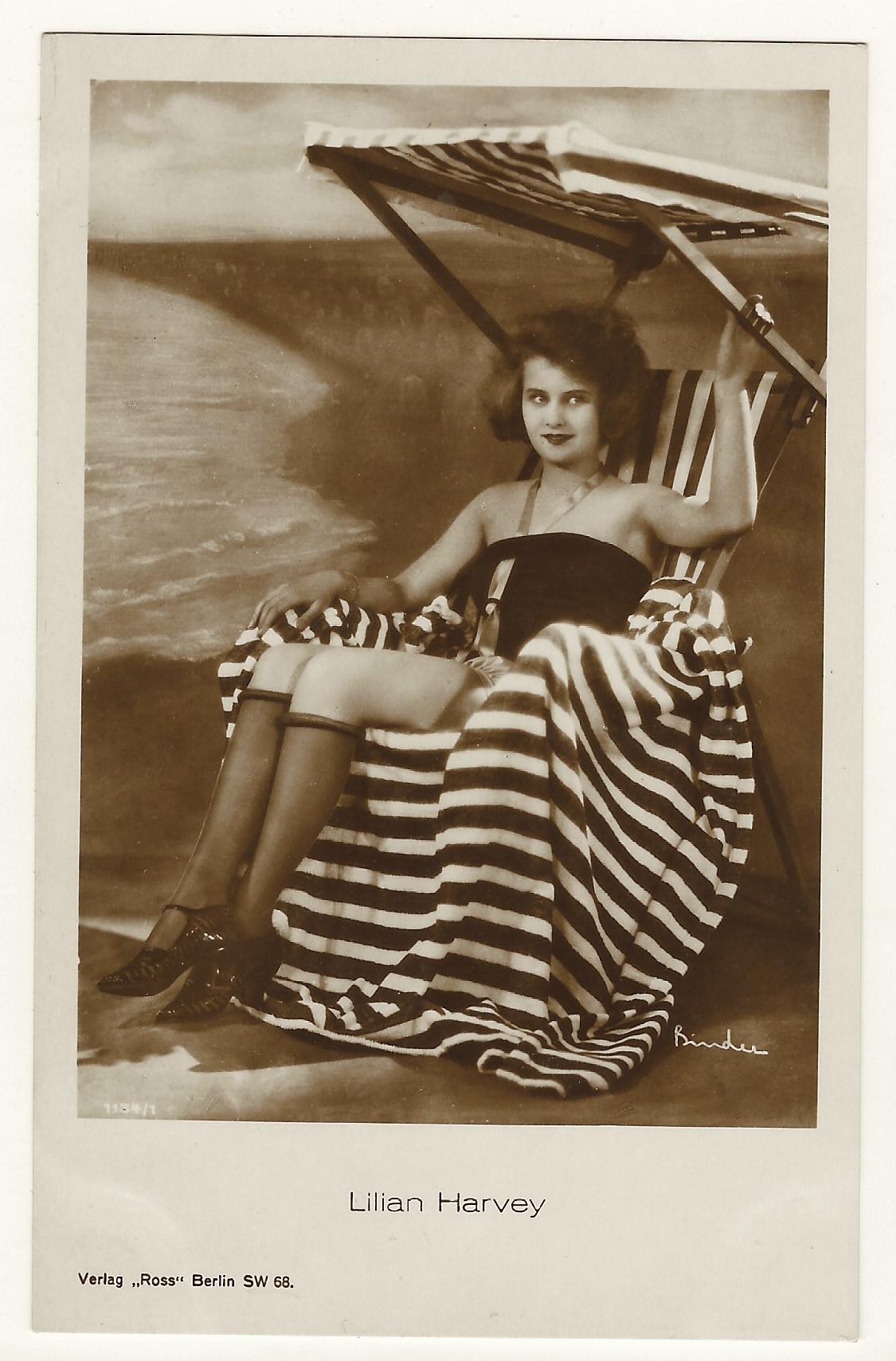
The fifth real photo postcard (postcard 5) features Miss Harvey wearing a bathing suit and sitting in a beach chair. Her shoes and stockings don’t seem very appropriate for the beach so it is a good thing that she is actually in a photographer’s studio and sitting in front of a beach backdrop. Obviously, the mission of the photographer was not to convince viewers that Miss Harvey was at the beach. The intent of photographer Alexander Binder was to present Lilian Harvey in a provocative and sexy pose. Mr. Binder certainly succeeded in accomplishing his goal. This photo postcard was published by Ross Verlag.  (SOLD) 


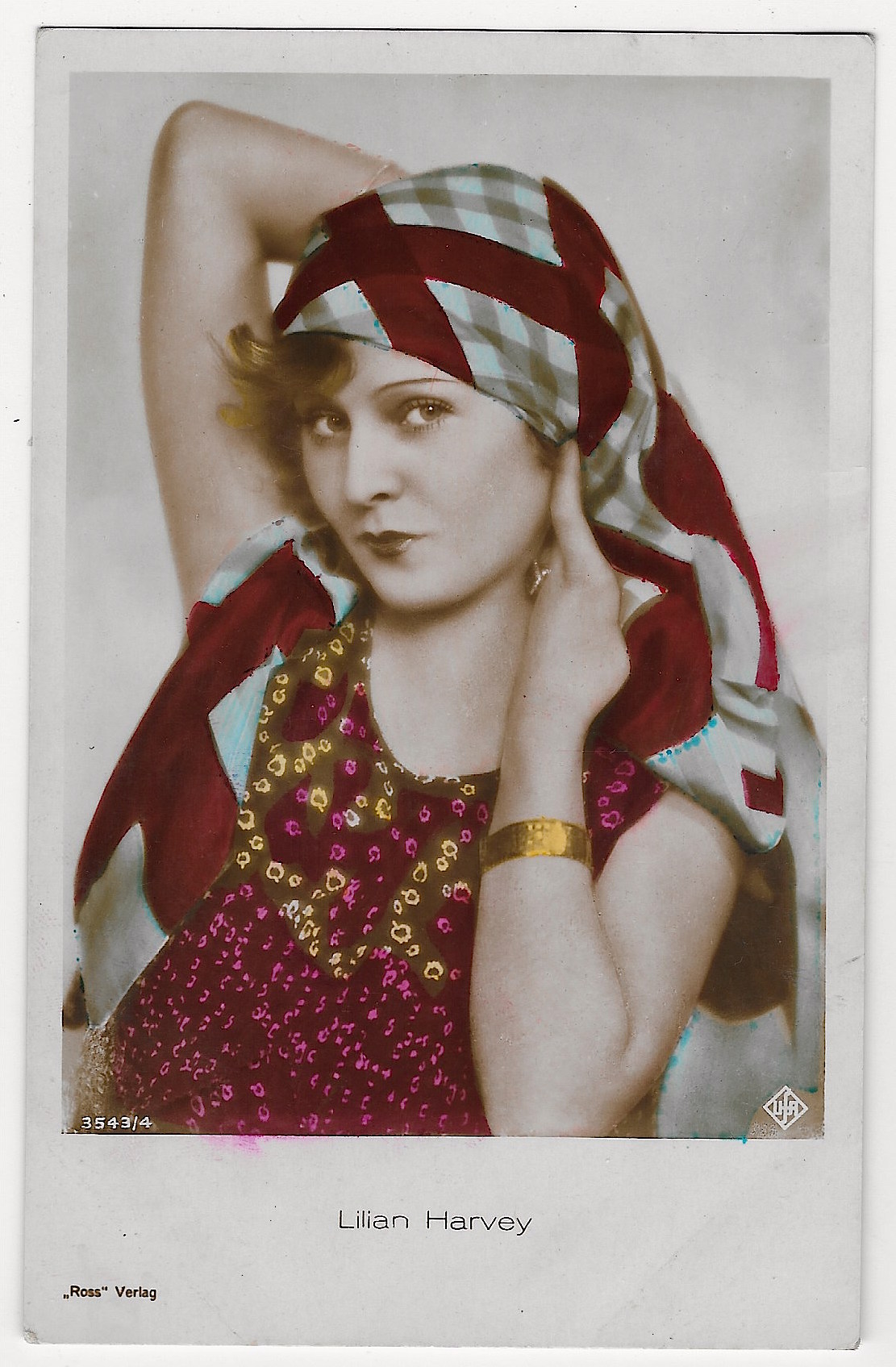
Postcard 6 featuring  Miss Harvey, is published by Ross Verlag. The postcard is part of a series (no. 3543/4). She looks fantastic wearing her print dress and plaid long scarf. I’m not convinced the dress and scarf are matching, but her beauty overcomes any mismatch. As in Postcard #3, the logo for the German film company UFA, can be seen on the lower right hand corner of the image. This photo postcard is from the 1930’s and is in very good condition (see scans).

Buy this original Real Photo Postcard (includes shipping within the US) #2488

To purchase this item, click on the Pay with PayPal button below

$35.50

Buy this original Real Photo Postcard (includes International shipping outside the US) #2488

To purchase this item, click on the Pay with PayPal button below #2488

$43.50

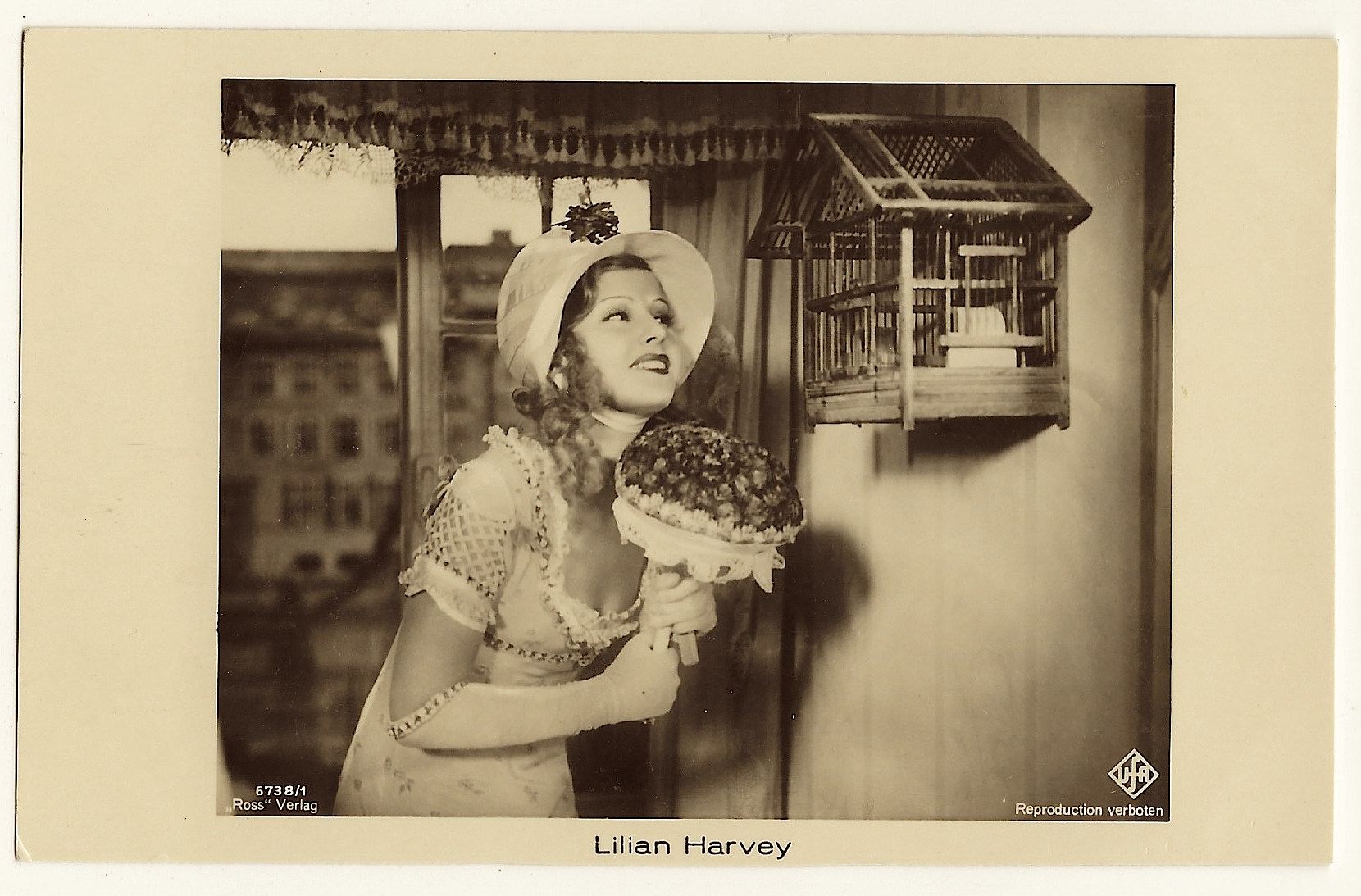
Postcard #7 features Lillian Harvey leaning forward as she looks into a hanging bird cage. The photographer likely chose this pose to inject some sexuality into the image. The pose reveals a small amount of the actress’s cleavage. She is wearing a relatively low-cut dress for this time period. Print on the reverse of the postcard reveals that the photograph of Miss Harvey comes from the film “Congress Dances” (1931). Her costar in the film was Willy Fritsch. The postcard was published by Ross Verlag and is part of a series (no. 6738/1). On the right hand bottom corner of the postcard is the logo for “UFA”, a German film company. This postcard is in excellent condition.

Buy this original Real Photo Postcard (includes shipping within the US) #2520

To purchase this item, click on the Pay with PayPal button below

$28.00


Buy this original Real Photo Postcard (includes International shipping outside the US) #2520

To purchase this item, click on the Pay with PayPal button below

$36.00

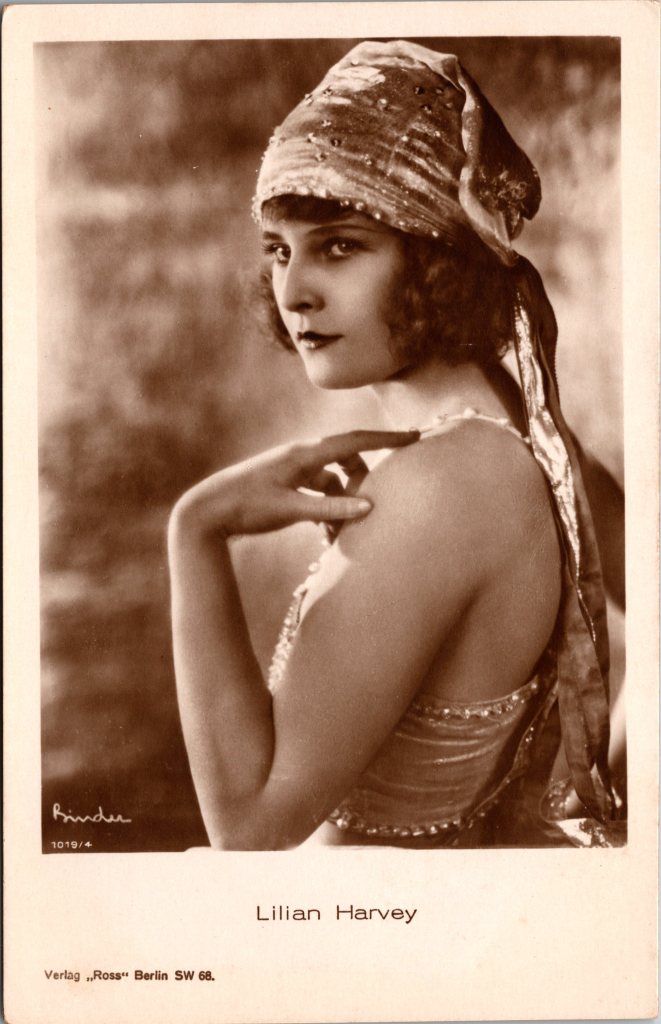
Postcard 8  was photographed by Alexander Binder and published by Ross Verlag as part of a series (no.1019/4). Ballerini & Fratini (Florence, Italy) are credited on the reverse of this postcard.   (SOLD)

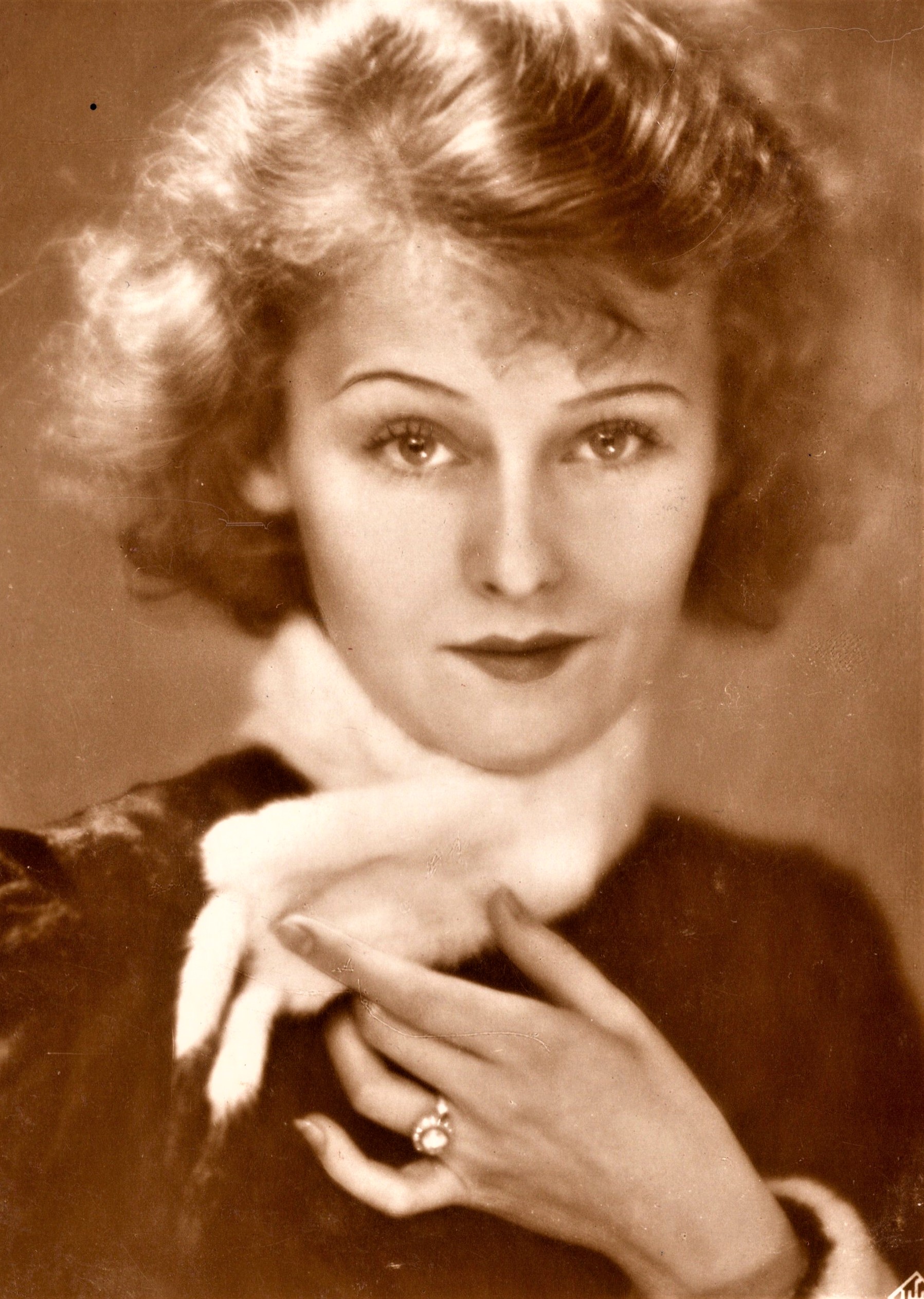
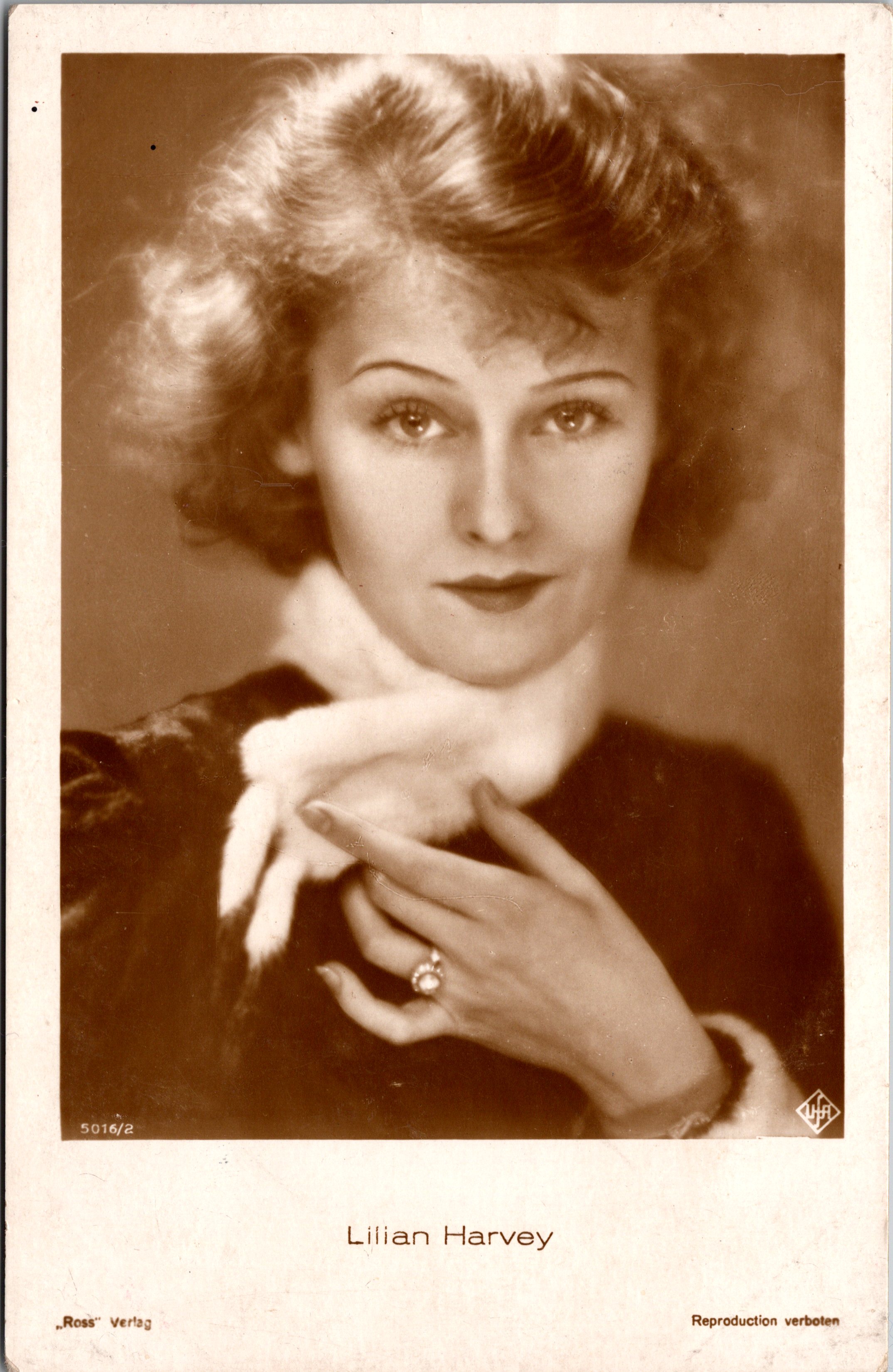
Postcard 9 offers a pretty portrait of Lilian Harvey that was published by Ross Verlag as part of a series (no.5016/2). Note the logo for UFA, the German film company, in the bottom right hand corner of the image. This vintage postcard is in very good conditon (see scans).

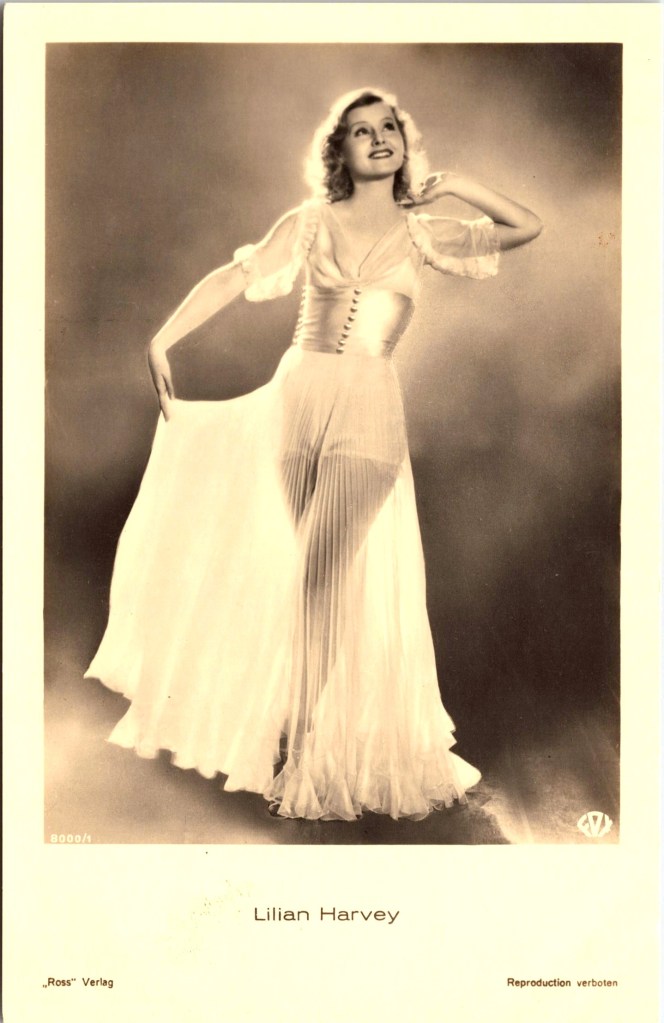
Postcard 10 is meant to be risque. Harvey is wearing a provocative dress and it is clear that the aim of the photographer is to emphasize Miss Harvey’s sexiness. The photographer and Miss Harvey succeeded in accomplishing this goal. This card has the logo of Fox Films. She made four films for the company beginning 1931. Lillian Harvey was a popular postcard model and there are many postcard images of her in existence. However, this particular card is very uncommon and one of the more suggestive photographs of Miss Harvey published on a postcard. This postcard portrait was published by Ross Verlag (Germany) as part of a series (No.8000/1).         SOLD

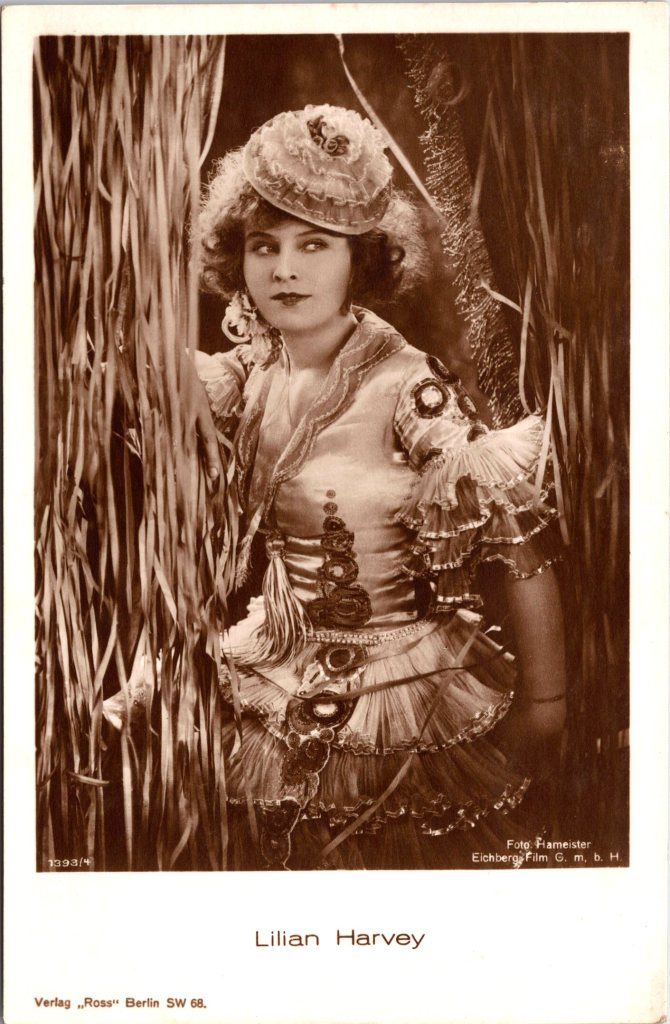
Postcard 11 was published by the German firm Ross Verlag and was part of a series (no. 1393/4).  Eichberg Films is credited on the bottom right hand corner of the image. The company was located in Germany. Richard Eichberg was a moderately successful actor who became a director/producr in 1915.  (SOLD)

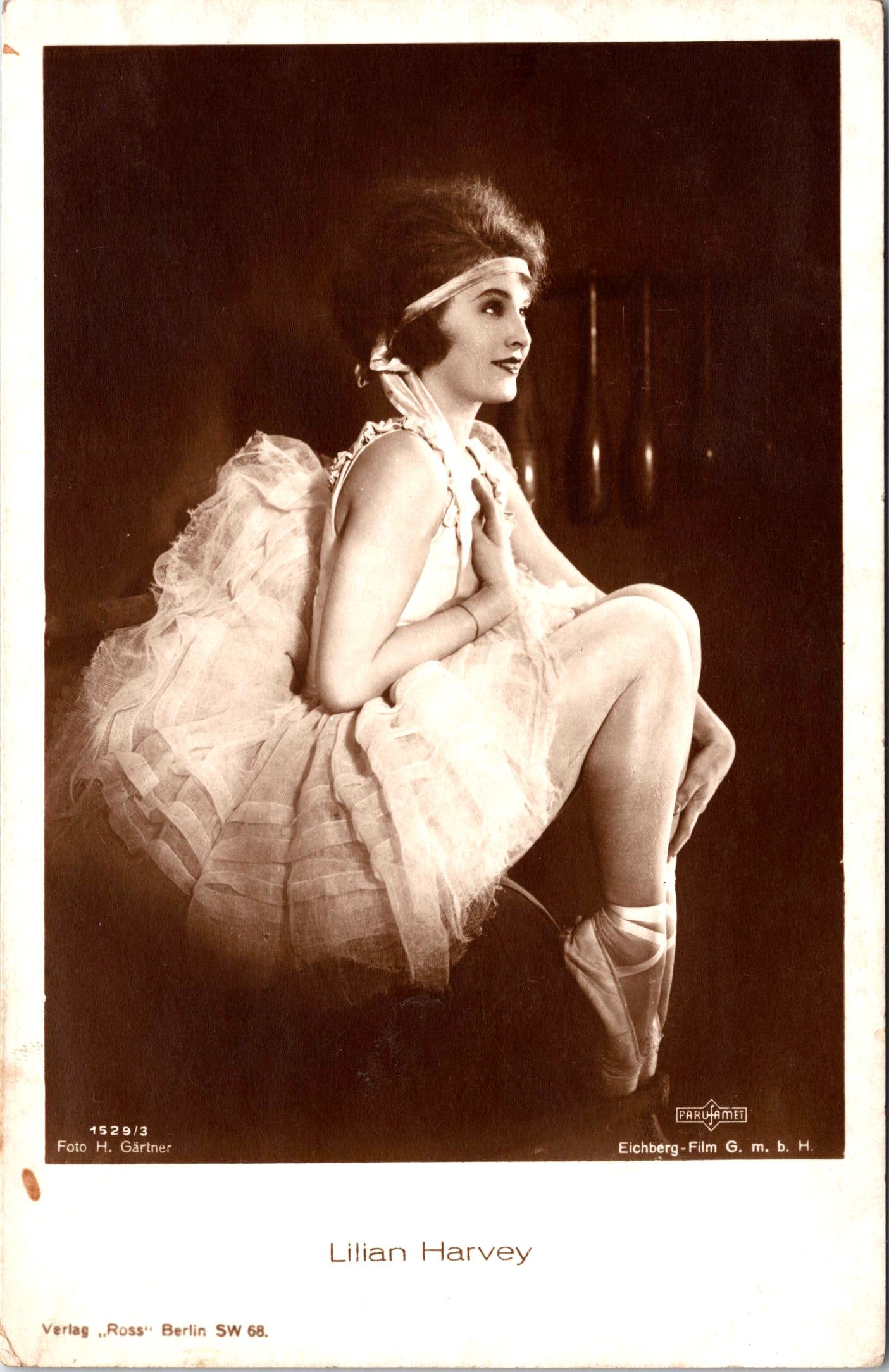
Postcard 12 was published by the German firm Ross Verlag and was part of a series (no. 8679/1). She is posed in a bit of a provocative pose and is smoking a pipe. This postcard portrait was photographed by H. Gartner and published by Ross Verlag as part of a series (no.1529/1). Eichberg Films is credited on this postcard. Richard Eichberg (1888-1952) began his career as an actor but became a succssful film director and producer in the German film industry. He directed 87 films and produced 77 films.  (SOLD)


Buy this Real Photo Vintage Postcard (includes shipping within the US) #5112

To purchase this item, click on the Pay with PayPal button below

$15.79

Buy this Vintage Real Photo Postcard (includes International shipping outside the US) #5112

To purchase this item, click on the Pay with PayPal button below

$25.04

POSTCARD 13

POSTCARD 14 (SOLD)

POSTCARD 15 (SOLD)

POSTCARD 16 (SOLD)

Postcard 13 was published by Ross Verlag and features Miss Harvey posed in a provocative manner. This postcard has a French stamp and was postmarked in 1929 in Paris, France. (SOLD)

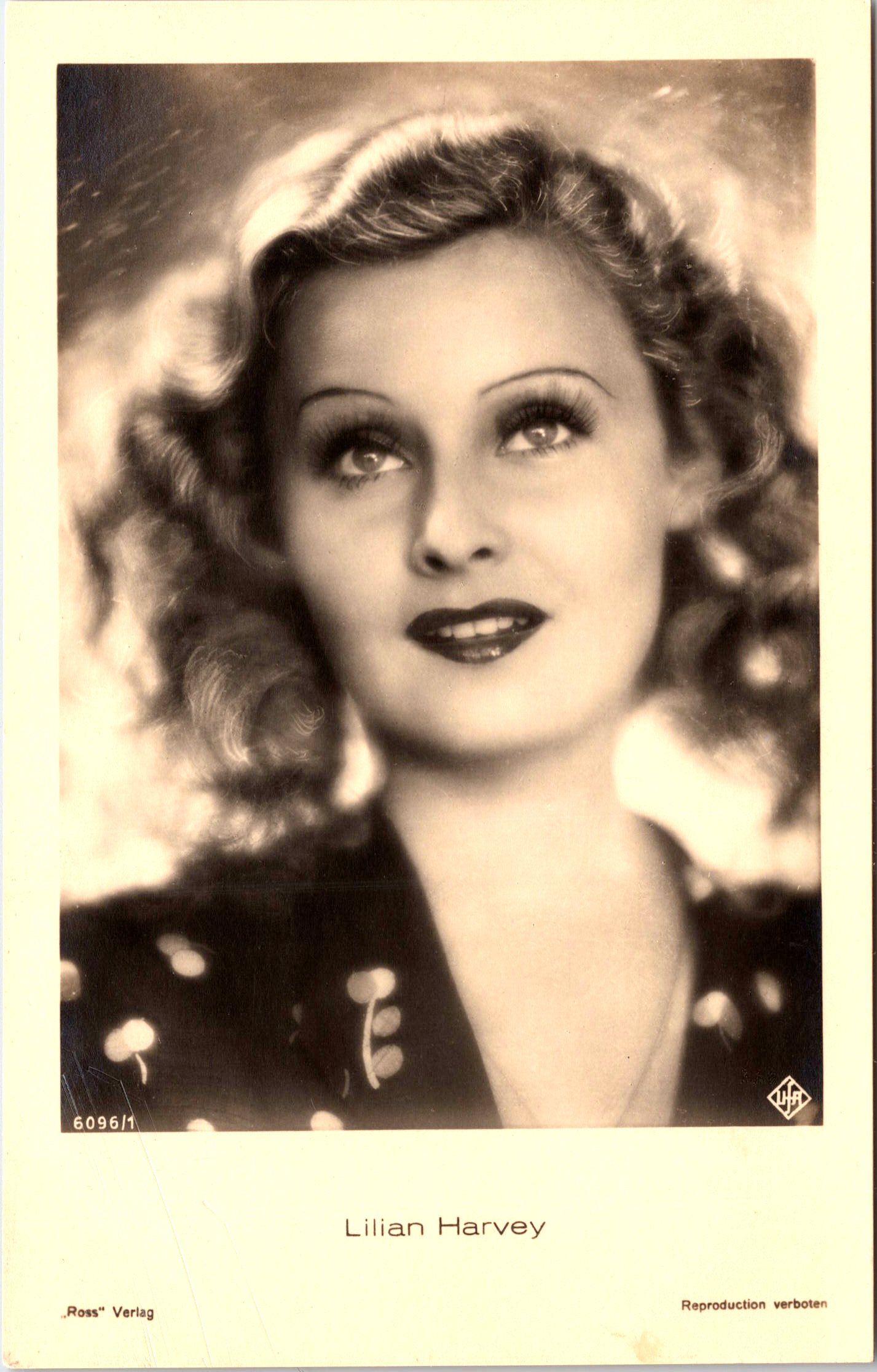
Postcard 14 was published by the German firm Ross Verlag and was part of a series (no. 6096/1). UFA Films is credited on the bottom right hand corner of the image. The company was located in Germany. SOLD

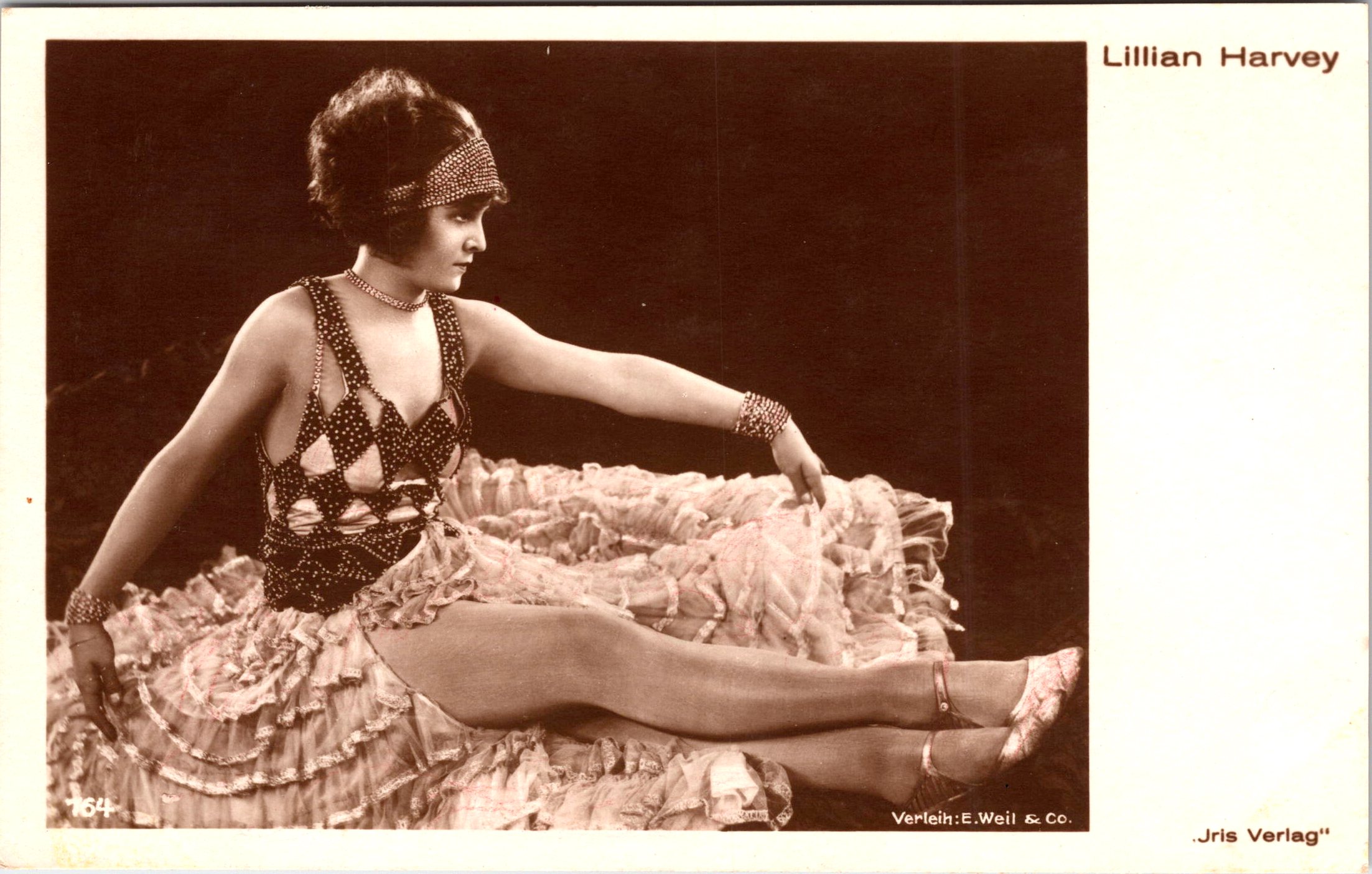
Postcard 15  shows Lillian Harvey wearing a ballerina costume and it is clear that the aim of the photographer is to emphasize Miss Harvey’s sexuality. The photographer and Miss Harvey succeeded in accomplishing this goal. The postcard was published by the Austrian firm Iris Verlag and was part of a series (no.764). Iris Verlag in Vienna was the most important Austrian publisher of film star postcards. The photographer of this portrait was E. Weil & Co. SOLD

Postcard 16 was published by Ross Verlag. It was part of a series (no.2033/1). The postcard has the logo of “Fanamet” in the lower right hand corner of the image. “Fanamet Films” was an Austrian film distribution company. The logo for “First National Pictures” is located on the bottom left hand corner of the image. First National Pictures was an American motion picture production and distribution company. The company was founded in 1917 as a theater chain. It then began distributing movies and in 1924 it began producing films. In 1929 the company was absorbed by Warner Brothers.  (SOLD)

ANNY ONDRA: BEAUTIFUL TALENTED ACTRESS : WIFE OF BOXING CHAMPION MAX SCHMELING : RPPC

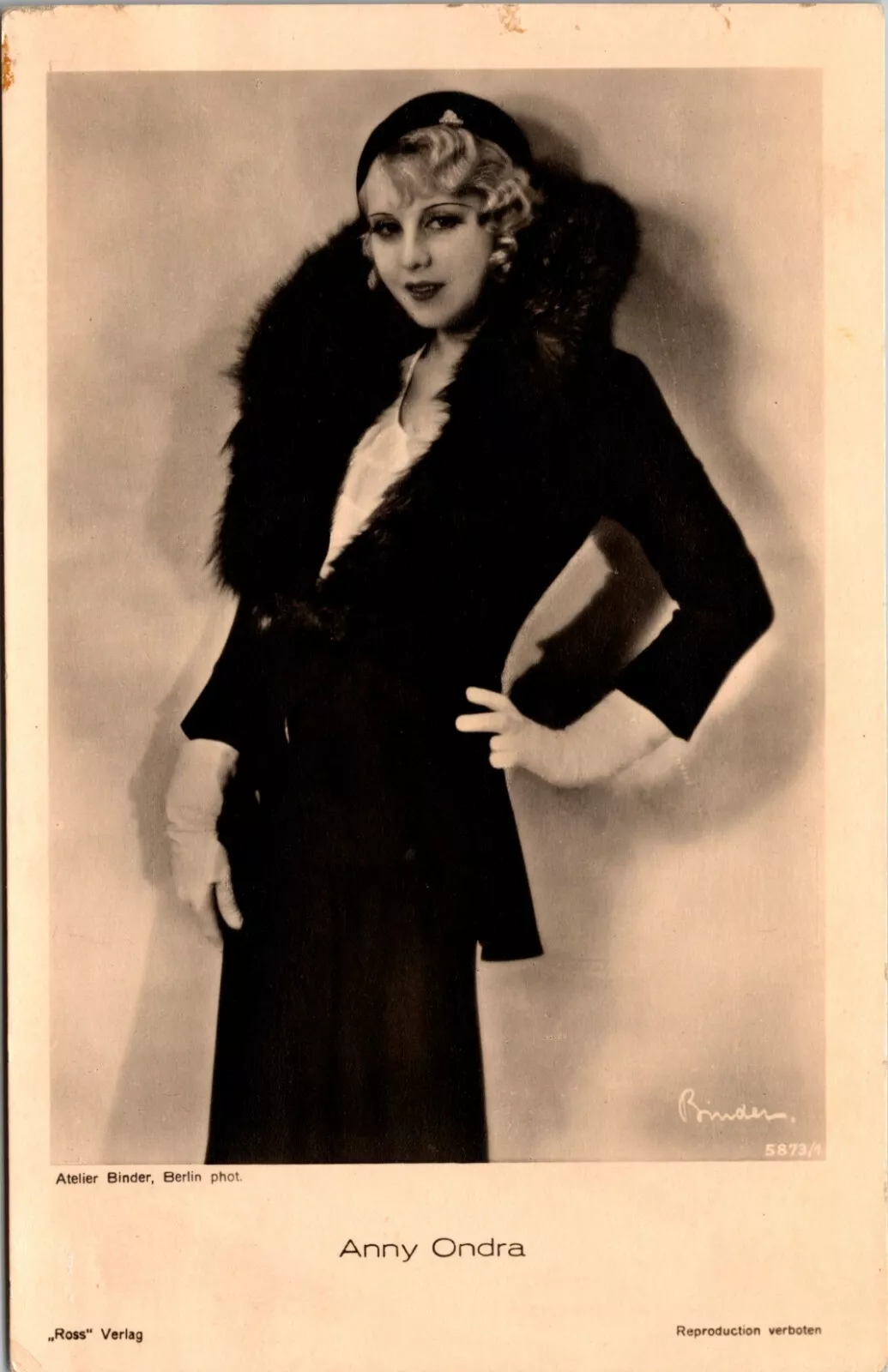
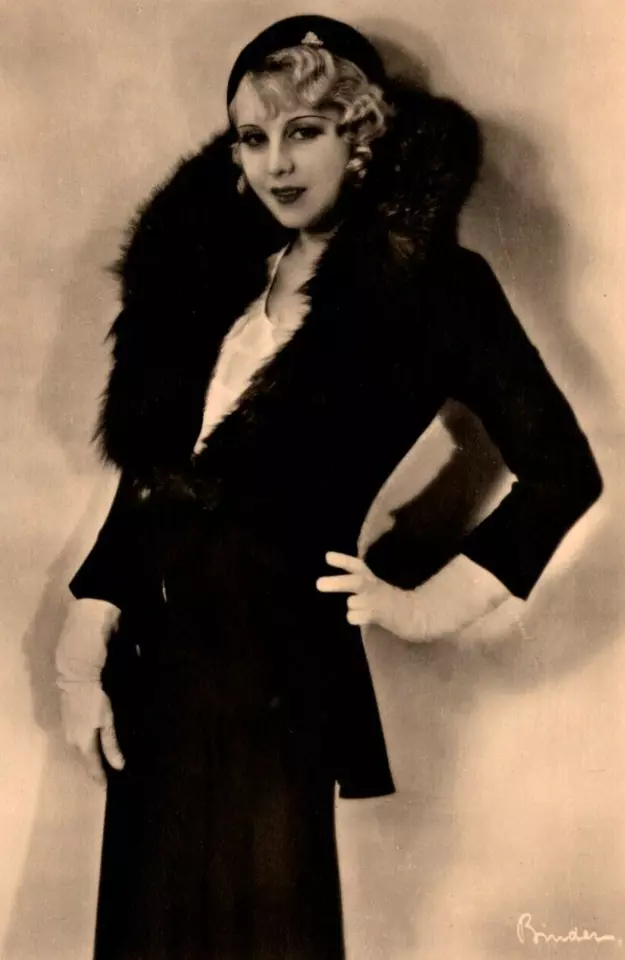
This vintage real photo postcard features actress Anny Ondra. The postcard was published by Ross Verlag. The photograph is by Alexander Binder. The postcard is part of a series (no. 5873/1). Anny Ondra (1903-1987) was a Czech film actress. She was born in Tarnow, Galicia, Austria-Hungary (now Poland). She was active in the movie industry between 1914 and 1957. She acted in Czech, Austrian, and German films in the 1920’s. She appeared in some British dramas, most notably, Alfred Hitchcock’s “The Manxman” (1929) and “Blackmail” (1929). The IMDb credits Ondra with over 90 acting credits between 1914 and 1957. She appeared in more than 40 films in the sound era. However, her career in British films was hurt by her thick accent. Check out the youtube video below. In this “test film”, Hitchcock “interviews” Ondra and makes her visibly uncomfortable and embarrassed by asking her very personal questions. She was married to German boxing champion Max Schmeling between 1933 and 1987. Schmeling was the world champion between 1930 and 1932. He is  well known for his fights with African American fighter, Joe Lewis. Ondra’s father was a Czech, Austro-Hungarian military officer and she grew up in Tarnow, Pula, and Prague. At the early age of seventeen, she acted in the theater as well as in a film. When her family learned that she had acted in a film, they were extremely angry. In fact, she reported that she was given a beating by her father. Post World War I was a time, for many people, that being an actress was akin to being a prostitute. Ondra began to live with her boyfriend (her debut film’s director) but after some time, the relationship ended because she wanted a family and he wanted nothing to do with marriage. In 1933, after a three year romance, Anny married Max Schmeling. She had been in a film with the boxer (“Knock-Out”, 1935). It was a “happy” marriage and the couple remained together until her death in 1987. Ondra and Schmeling were hot names in Nazi Germany. German fascists tried to exploit them in order to popularize their movement. Schmeling was seen as a German superman while Ondra represented the blonde Aryan type. The two celebrities refused to collaborate. Schmeling turned down honors and even helped hide two Jewish children, saving their lives. However, because of Nazi propoganda, many believed that the couple had collaborated. As a result, Schmeling and Ondra suffered financially for their fictional cooperation with the Nazis. Ondra was portrayed in two modern day movies, “Ring of Passion” (1978) and Joe and Max (2002). Miss Ondra appears quite thin in this postcards’s photo. Note her fur collared jacket. SOLD

ANNY ONDRA: BEAUTIFUL AND TALENTED ACTRESS AND WIFE OF BOXING CHAMPION MAX SCHMELING

POSTCARD 6 (SOLD)

POSTCARD 5 (SOLD)


POSTCARD 1  (SOLD)

This image has an empty alt attribute; its file name is anny-ondra-9953-1_0001.jpg

POSTCARD 2  (SOLD)

This image has an empty alt attribute; its file name is anny-ondra-4451-1_0001.jpg

POSTCARD 3 (SOLD)

ANNY ONDRA: BEAUTIFUL & TALENTED ACTRESS : WIFE OF BOXING CHAMP MAX SCHMELING - Picture 1 of 3

POSTCARD 4

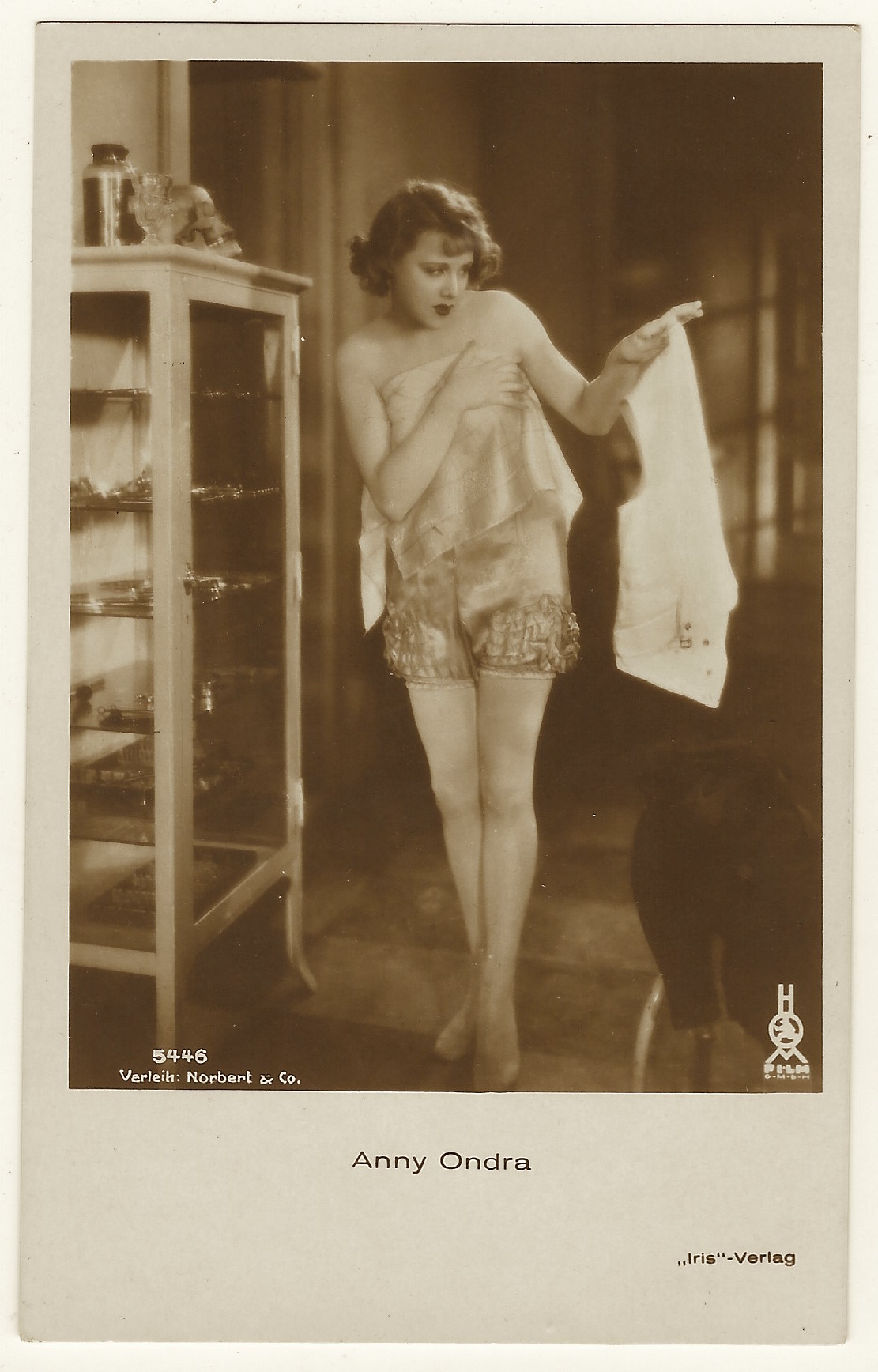
 This risque vintage real photo postcard (Postcard 1) features actress Anny Ondra. The postcard was published by Iris Verlag. The photograph is by Verleih Norbert & Co.. The postcard is part of a series (no. 5446). The photo seen on this postcard captures Ondra in a scene from the movie “Blackmail” (1929). This particular postcard is rare. I have searched extensively and have not been able to locate this particular image elsewhere. Anny Ondra (1903-1987) was a Czech film actress. She was born in Tarnow, Galicia, Austria-Hungary (now Poland). She was active in the movie industry between 1914 and 1957. She acted in Czech, Austrian, and German films in the 1920’s. She appeared in some British dramas, most notably, Alfred Hitchcock’s “The Manxman” (1929) and “Blackmail” (1929). The IMDb credits Ondra with over 90 acting credits between 1914 and 1957. She appeared in more than 40 films in the sound era. However, her career in British films was hurt by her thick accent. Check out the youtube video below. In this “test film”, Hitchcock “interviews” Ondra and makes her visibly uncomfortable and embarrassed by asking her very personal questions. She was married to German boxing champion Max Schmeling between 1933 and 1987. Schmeling was the world champion between 1930 and 1932. He is  well known for his fights with African American fighter, Joe Lewis. Ondra’s father was a Czech, Austro-Hungarian military officer and she grew up in Tarnow, Pula, and Prague. At the early age of seventeen, she acted in the theater as well as in a film. When her family learned that she had acted in a film, they were extremely angry. In fact, she reported that she was given a beating by her father. Post World War I was a time, for many people, that being an actress was akin to being a prostitute. Ondra began to live with her boyfriend (her debut film’s director) but after some time, the relationship ended because she wanted a family and he wanted nothing to do with marriage. In 1933, after a three year romance, Anny married Max Schmeling. She had been in a film with the boxer (“Knock-Out”, 1935). It was a “happy” marriage and the couple remained together until her death in 1987. Ondra and Schmeling were hot names in Nazi Germany. German fascists tried to exploit them in order to popularize their movement. Schmeling was seen as a German superman while Ondra represented the blonde Aryan type. The two celebrities refused to collaborate. Schmeling turned down honors and even helped hide two Jewish children, saving their lives. However, because of Nazi propoganda, many believed that the couple had collaborated. As a result, Schmeling and Ondra suffered financially for their fictional cooperation with the Nazis. Ondra was portrayed in two modern day movies, “Ring of Passion” (1978) and Joe and Max (2002).  (SOLD)

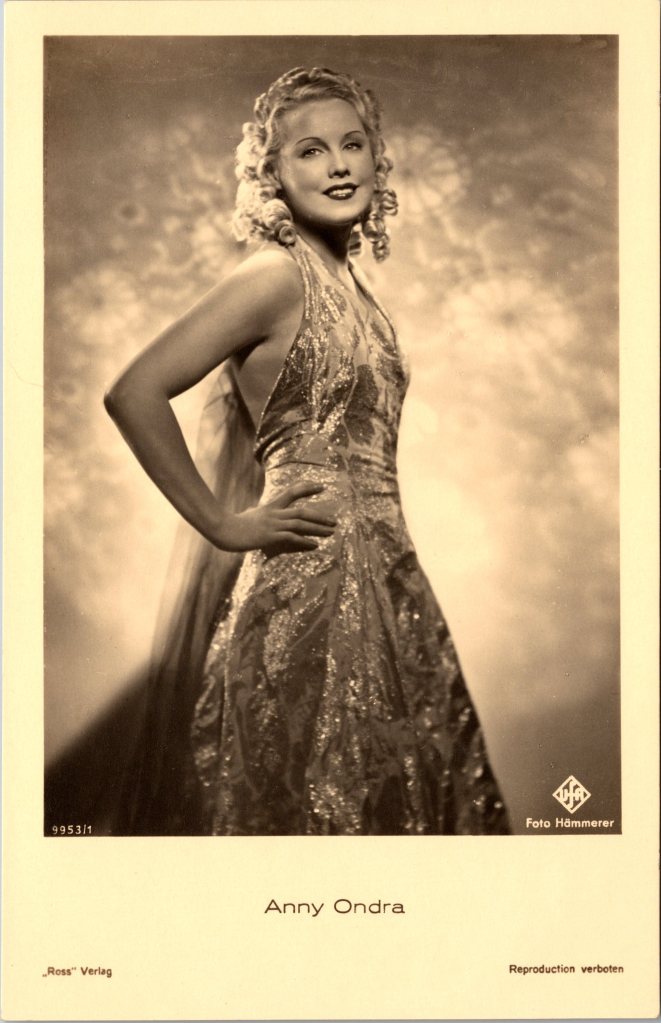
Postcard 2 was published by Ross Verlag. The photograph is from the Hammerer studio.  The logo for UFA, a German film company, can be seen in the right hand bottom corner of the image.   (SOLD)

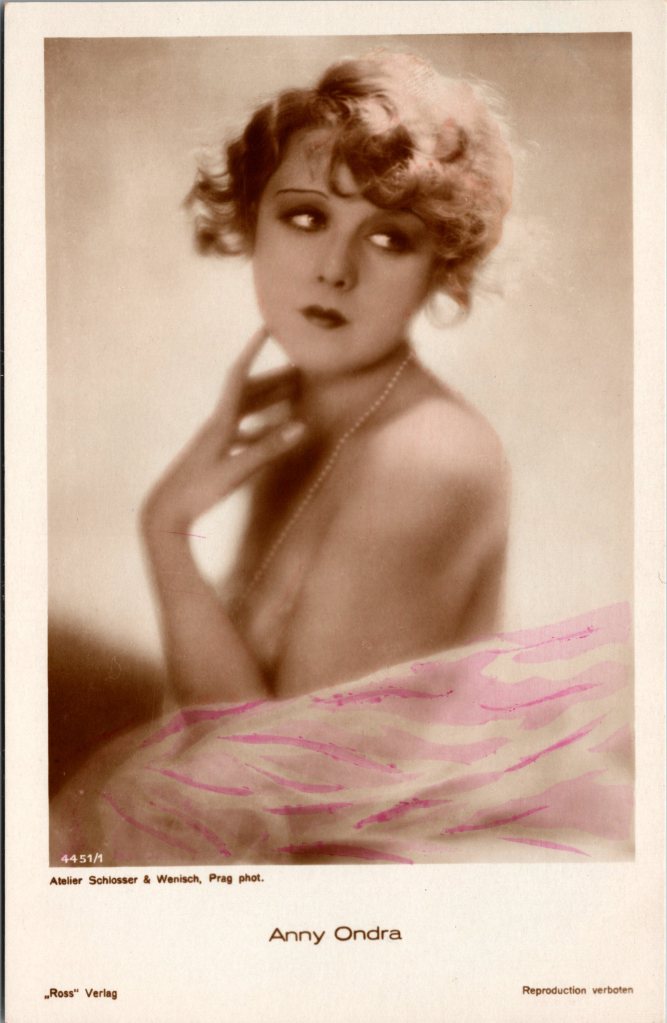
Postcard 3 is risque for it’s time. The postcard was published by Ross Verlag. Ondra’s photograph is from the Schlosser & Wenisch  studio. (SOLD)

Postcard 4 is an uncommon vintage real photo postcard is of Dutch origin and was published by  Remaco. The photograph shows Anny working in a tailor shop. She is pressing a shirt and smiling while she works. This photo likely captures a scene from one of Ondra’s films. Note the other woman in the photo busy at work on their tailoring tasks. This postcard is in very good condition. See Scans.

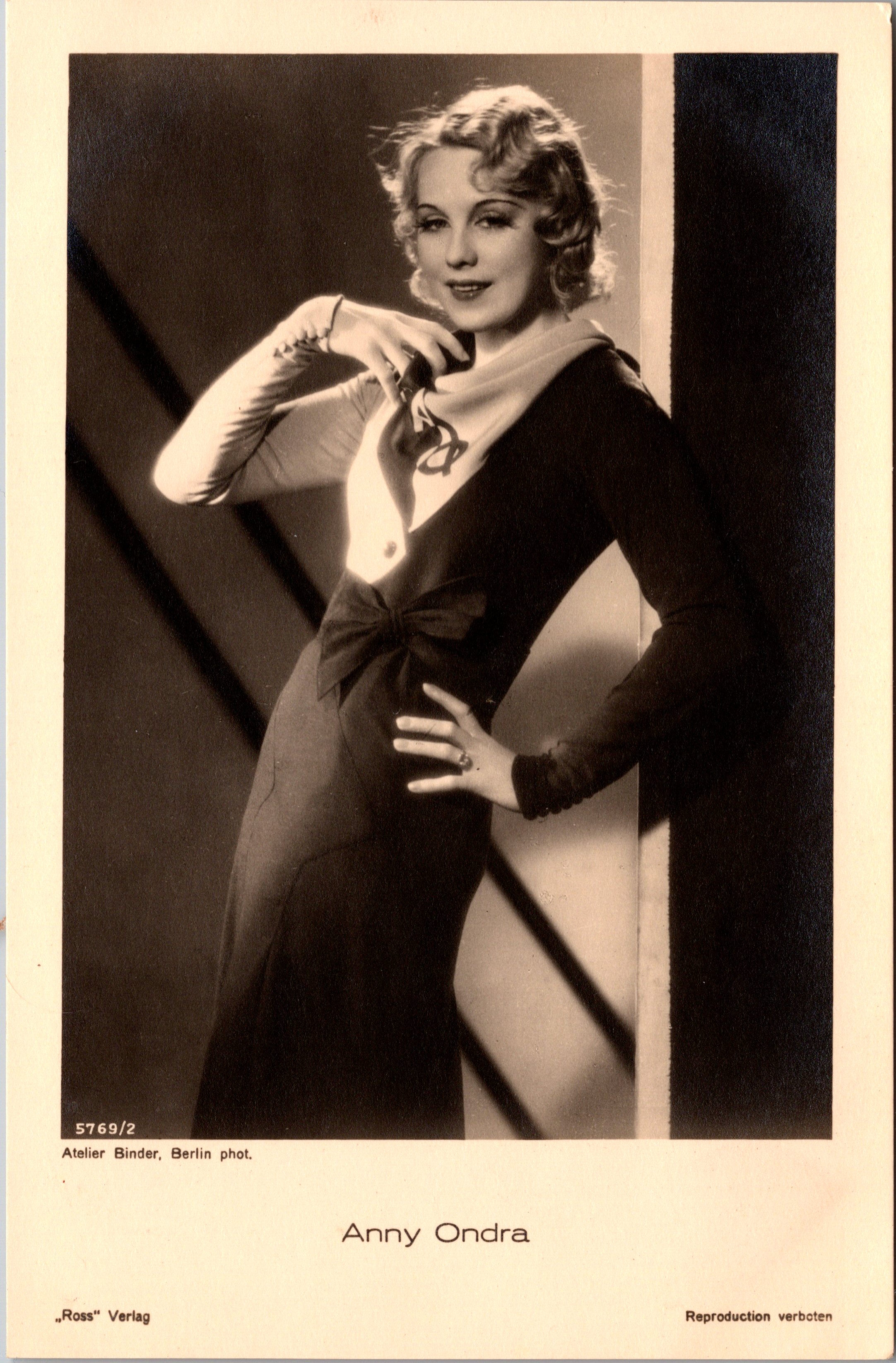
Postcard 5

Postcard 5 was published by Ross Verlag. The photograph is by Alexander Binder. The postcard is part of a series (no. 5769/2).  (SOLD)

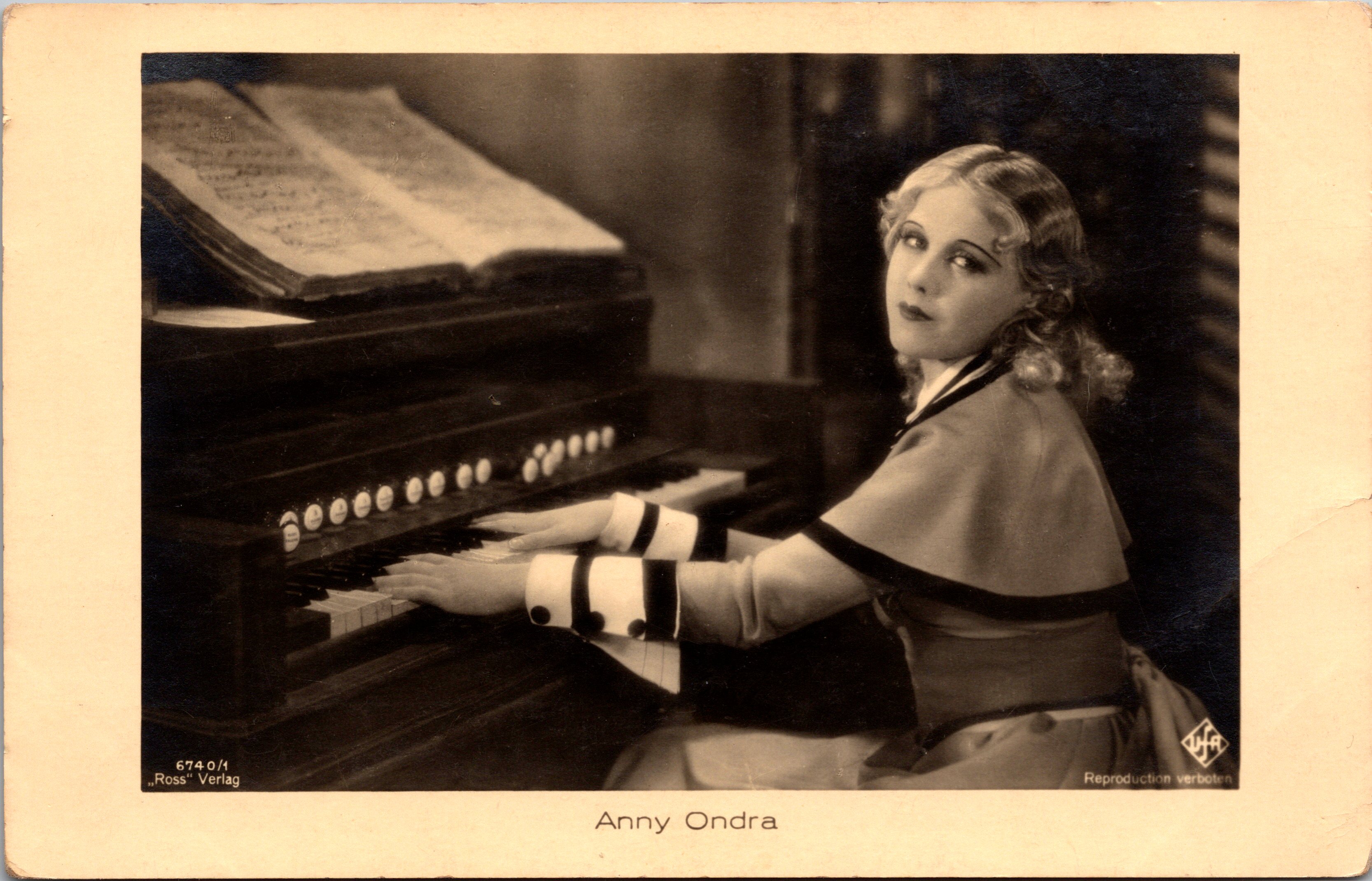
Postcard 6 features Ondra playing the piano. She is displaying a beautiful half smile. The postcard was published by Ross Verlag as part of a series (No.6740/1).The logo for UFA, a German film company, can be seen in the right hand bottom corner of the image.  (SOLD)


MADGE BELLAMY : RISQUE : PROVOCATIVE : TROUBLED FILM STAR : MISS FIRECRACKER : RPPC

POSTCARD 1 (SOLD)

POSTCARD 2

POSTCARD 3 (SOLD)

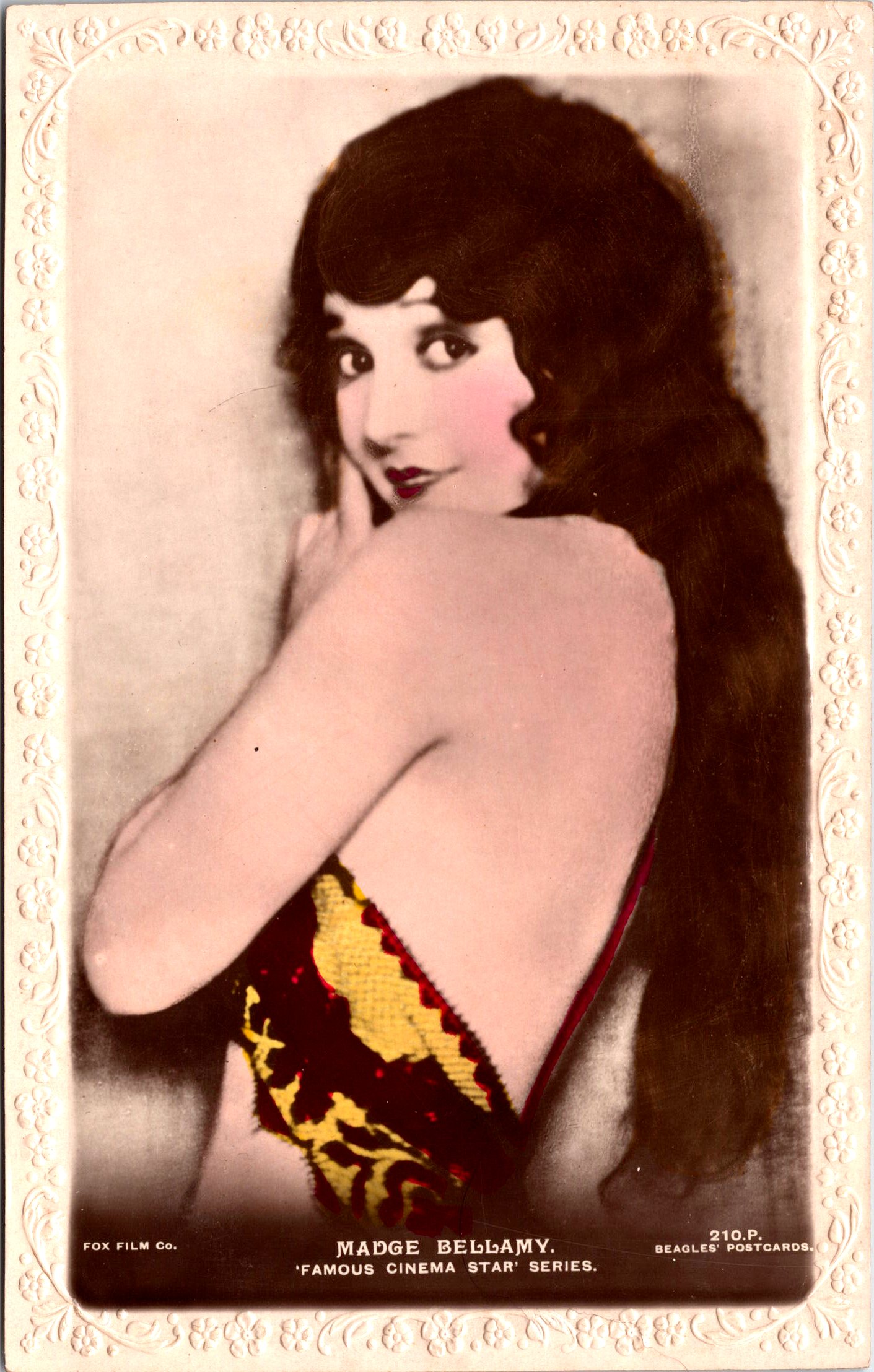
Postcard 1 is a hand tinted vintage real photo postcard that features Madge Bellamy (1899-1990), an American stage and film actress. She was a popular leading lady in films of the 1920’s and 1930’s. The sound era put the brakes on her career and a romantic scandal in the 1940’s brought it to a total stop. Madge was a Texan. She was born in Hillsboro and was raised in San Antonio and Brownwood. Her father was an English professor at Texas A&M University. As a young child she took dancing lessons but soon, she was interested in becoming an actress. At age 9, she made her stage debut in “Aida”. She and her family moved to Denver, Colorado. She met Carlos Bellamy there and the two married. When Madge decided to leave the state to pursue acting, her marriage ended. Madge went to New York City and worked on Broadway as a dancer. In 1919, she replaced Helen Hayes in Broadway’s “Dear Brutus”, opposite actor, William Gillette. Her career took off thereafter. In 1920, Madge appeared in her first film as a supporting actress to Geraldine Farrar. She then signed a contract with the Triangle Film Corporation. Her “breakout role” was as the title character in Lorna Doone (1922). In 1924 she signed a film contract with Fox Film Corporation. She stayed there five years and during that time she appeared in two films for film director, John Ford. In 1925, she began to have difficulties with fox executives. In 1928, she appeared in Fox’s first talking film, “Mother Knows Best”. In 1928, she married for a second time. The marriage lasted 3 days before she and her husband separated. By 1929, Bellamy’s career entered a tail-spin. She had made poor choices out of her unbridled anger. Fan magazines gave her the nickname of “Miss Firecracker” due to her temperament. In 1929, she also quit her contract with Fox, right after they bought the rights to make a film out of Broadway play. The vehicle was bought with a plan to have Madge be it’s star. Bellamy later admitted she quit over money and added “I got too big for my britches”. She didn’t work again until 1932. She accepted roles in “Poverty Row” (B-movies) films. One of these films was “White Zombie” (1932) in which she appeared opposite Bela Lugosi. Her performance received many poor reviews from film critics. By 1940, Madge basically had no film career. However, she wasn’t done with drama. She was arrested after firing three shots from  a .32 caliber revolver at her former lover of five years. The incident was premeditated. She was angry at her intended victim because he married a model shortly after ending their affair. Fortunately, her aim was poor and she missed. The only casualty was her ex boyfriend’s car which took a couple of shots into it’s body. Bellamy pleaded guilty to a lesser charge (violating gun laws), and received a suspended six month sentence and probation. Madge Bellamy’s IMDb filmography reports 61 credits between 1920 and 1945. This vintage postcard is provocative. This postcard is risque for it’s era. She is showing a lot of bare skin. The postcard was published while Madge was under contract with Fox. Therefore, the postcard is from before 1929. The card was published by J. Beagles and is part of the “Famous Cinema Star Series” (No.210P). (SOLD)

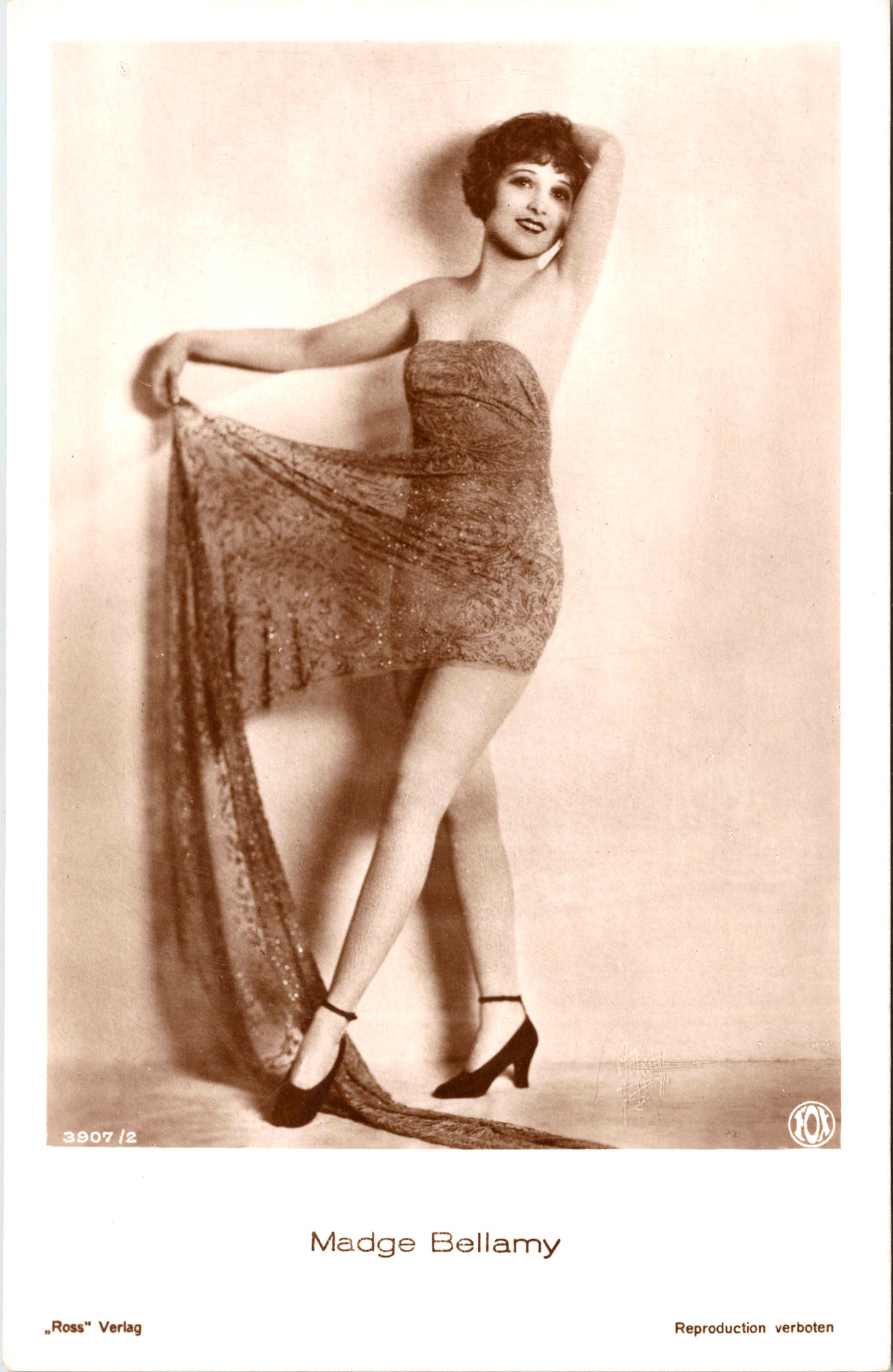
Postcard 2 offers another risque view of Madge Bellamy. Her alluring pose and short skirt qualifies this postcard to be considered provocative. This card was produced while Madge was under contract with Fox Films, sometime before 1929. This postcard was published by Ross Verlag as part of a series (No.3907/2). The postcard is in very good condition (see scans).

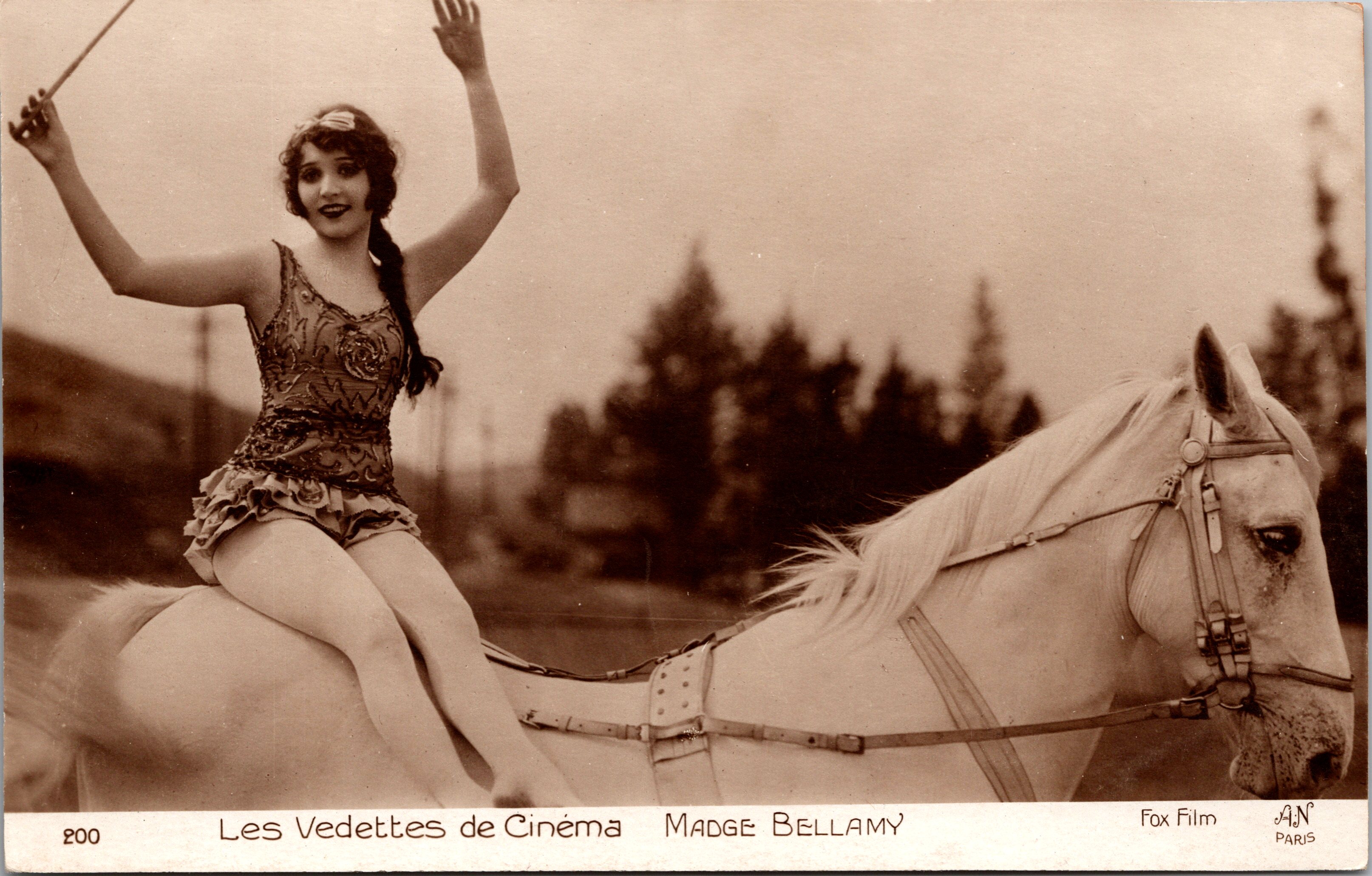
Postcard 3 is quite provocative. There are shades of Lady Godiva in this photograph. Miss Bellamy is pretty and scantily dressed. This postcard is risque for it’s era. The postcard was published while Madge was under contract with Fox. Therefore, the postcard is from before 1929. The card was published by Alfred Noyer and is part of the “Les Vedettes de Cinema” (The Stars of Film) series (No.200). This postcard is uncommon. (SOLD)

Buy this original Vintage Real Photo Postcard (includes shipping within the US) #7386

To purchase this item, click on the Pay with PayPal button below

$24.00

Buy this original Vintage Real Photo Postcard (includes International shipping outside the US) #7386

To purchase this item, click on the Pay with PayPal button below

$34.00

POSTCARD 1

POSTCARD 2

POSTCARD 3

LA JANA : AUSTRO-GERMAN EXOTIC DANCER AND FILM STAR : RISQUE : RPPC

Postcard 1 (SOLD)

Postcard 2 (SOLD)

Postcard 3 (SOLD)

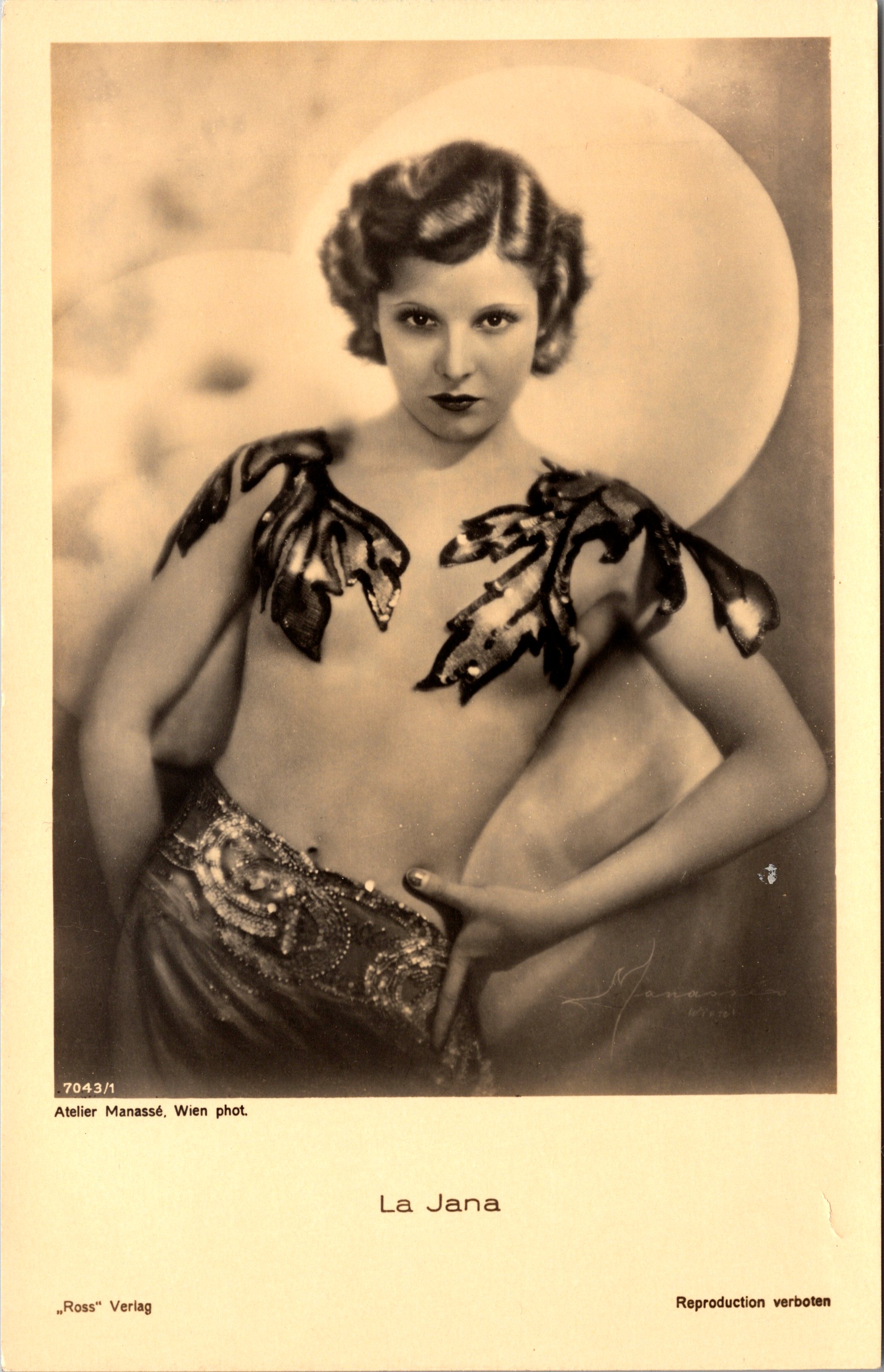
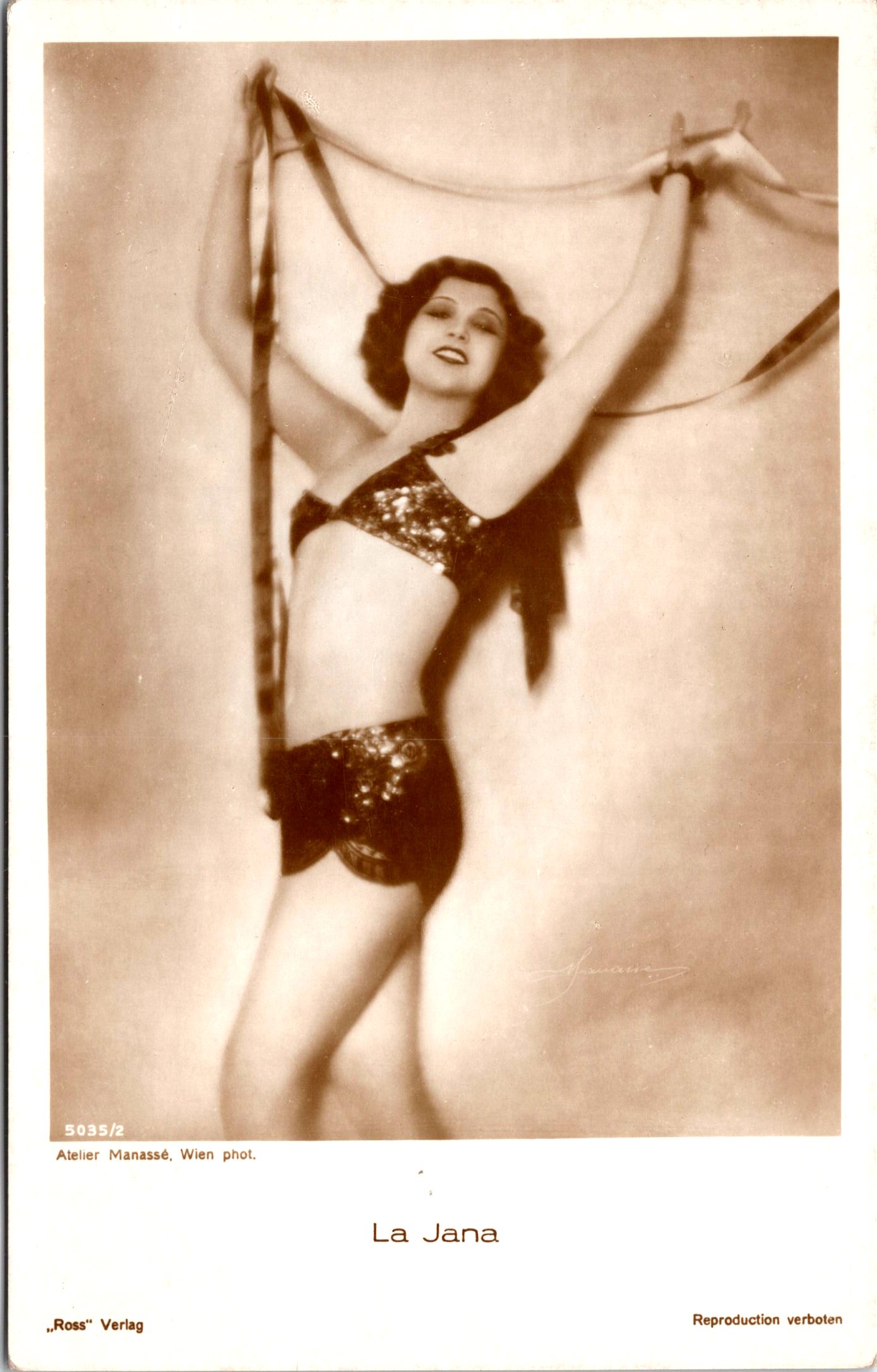
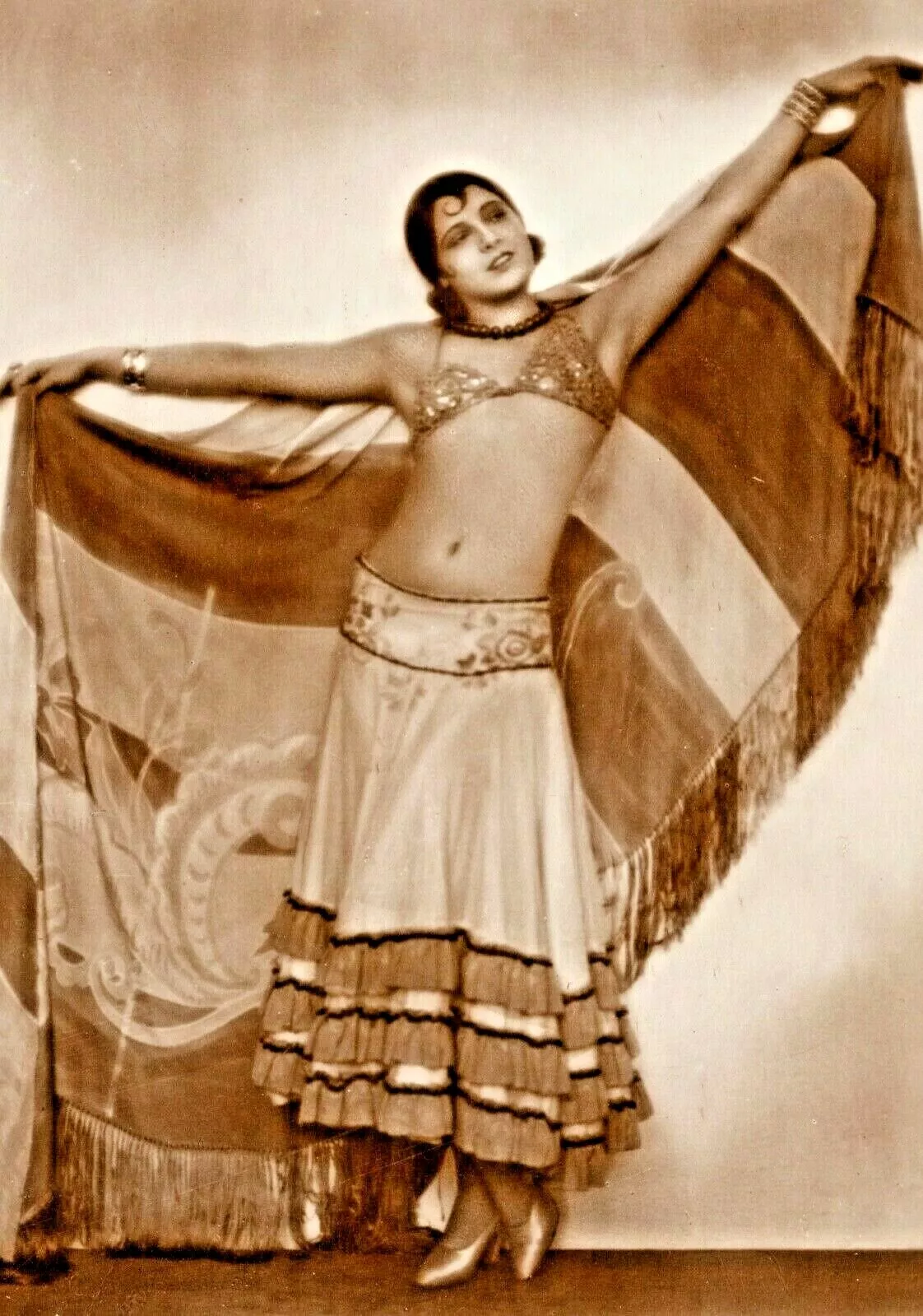
La Jana (1905-1940) was an actress and dancer. Her nationality was Austro-German. She was the illegitimate daughter of a master gilder and his housekeeper. Her parents wed four years after her birth. Her family was Jewish. She went by the name, Henny.. She trained as a dancer at the Frankfurt Opera Ballet and her first stage appearance was at the age of eight. She later began dancing in revues. She was “discovered” in Paris and brought to Berlin to meet with Frederic Zelnik who got her into films. The film director who “discovered” her said that the first time he saw her dance, “that woman possessed the most attractive body that I had set eyes upon” in my not all that long life. He went on to describe her as simple, nice and approachable. He added that she “had as much interest in sex as in Immanuel Kant”. meaning, none at all. As her career advanced, she danced in revues in Berlin, Stockholm, London, and many other cities. When she appeared in “Casanova” she viewed by the audience semi-naked and on a silver platter. In Berlin, she began an affair with Crown Prince Wilhelm. There were also rumors that she had an affair with Joseph Goebbels. Charlie Chaplin was also one of her lovers. Clearly, her attitude about sex changed from the earlier days of her dancing career. In 1937, her performance in a film catapulted her to film stardom. In 1940, while touring Germany, entertaining troops, she fell ill with pneumonia and passed away. The IMDb gives La Jana 23 film credits between 1926 and 1940.

La Jana’s portrait for Postcard 1 was taken by the Manasse studio in Vienna, Austria. The Manasse studio was in existence between about 1922 and 1938. The studio was run by Olga Solarics (1896-1969) and her husband Adorja’n von Wlassics (1893-1946). Olga was known for her interest in photographing nudes. The studio flourished in Vienna during the 1930’s. Many of the portraits taken by the studio had an erotic flavor. The studio attracted some of the leading ladies of film and theater. This postcard was published by Ross Verlag (no.7043/1). This vintage postcard has a small imperfection located under La Jana’s left elbow. (SOLD)

Postcard 2 was published by Ross Verlag (no.5035/2). Miss Jana’s photograph was taken by the Manasse studio in Vienna, Austria.  The Manasse studio was in existence between about 1922 and 1938. The studio was run by Olga Solarics (1896-1969) and her husband Adorja’n von Wlassics (1893-1946). Olga was known for her interest in photographing nudes. The studio flourished in Vienna during the 1930’s. Many of the portraits taken by the studio had an erotic flavor. The studio attracted some of the leading ladies of film and theater.  (SOLD)

Postcard 3 was published by Ross Verlag (no.3911/1). Miss Jana’s photograph was taken by Martin Badekow (1896-1983) in Berlin.  In the 1920’s, Badekow was a well known photographer in Berlin. He photographed portraits of many film stars and other celebrities. He also was a fashion photographer. Before she was famous, Badekow took many fashion photos of Marlene Dietrich. After World War I, he and his son Heinz, took photographs of the devastation in Berlin. Some of them can be found at Getty Images. After the 1920’s, interest in Badekow’s work waned. More recently, Badekow’s photographs from the Berlin cabarets and of the stars of German silent films, can now be found in museums and are considered symbolic images of Weimar Germany.  (SOLD)

AGNES ESTERHAZY : HUNGARIAN SILENT FILM ACTRESS : ROSS VERLAG : RPPC 1925

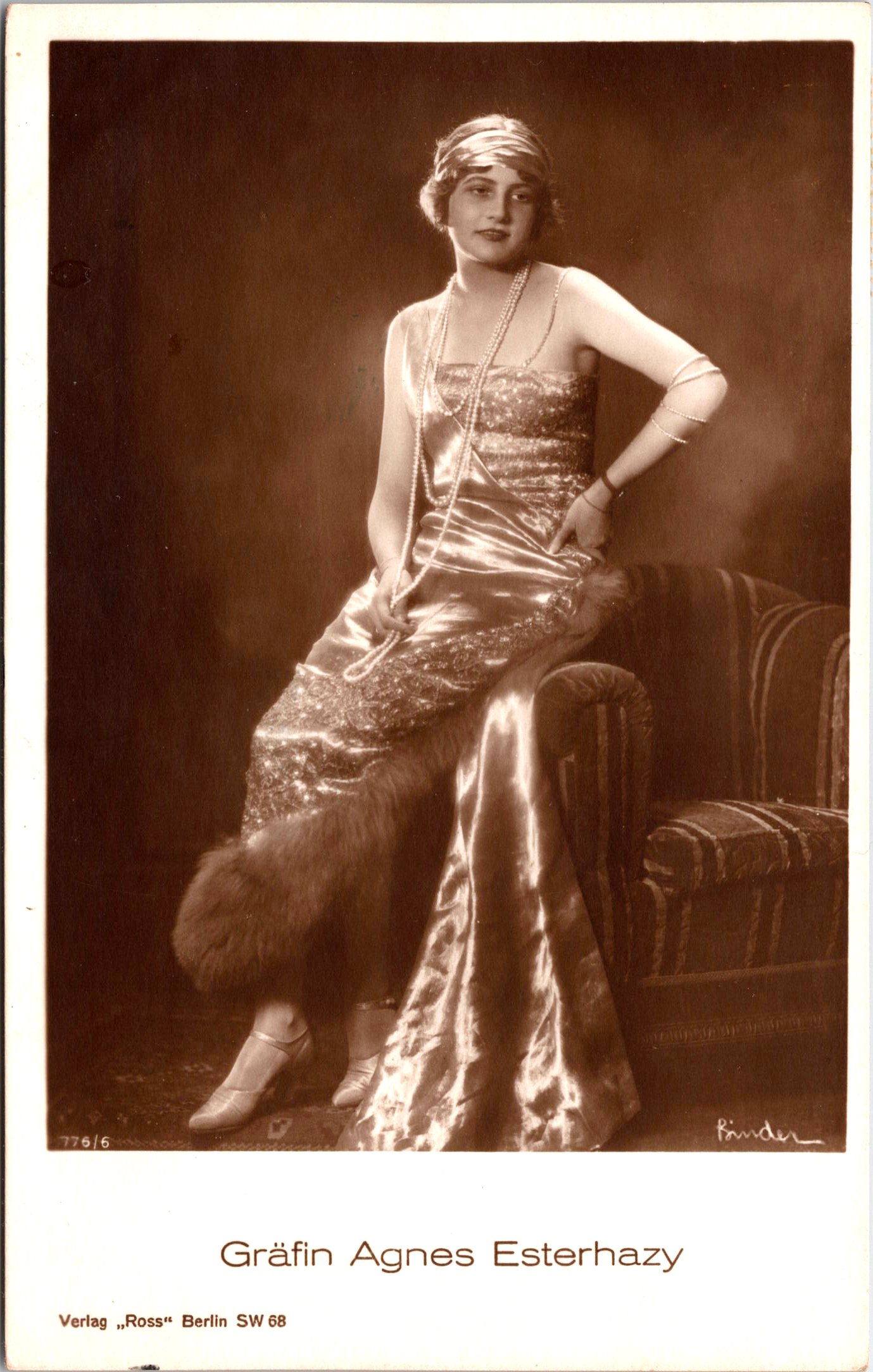
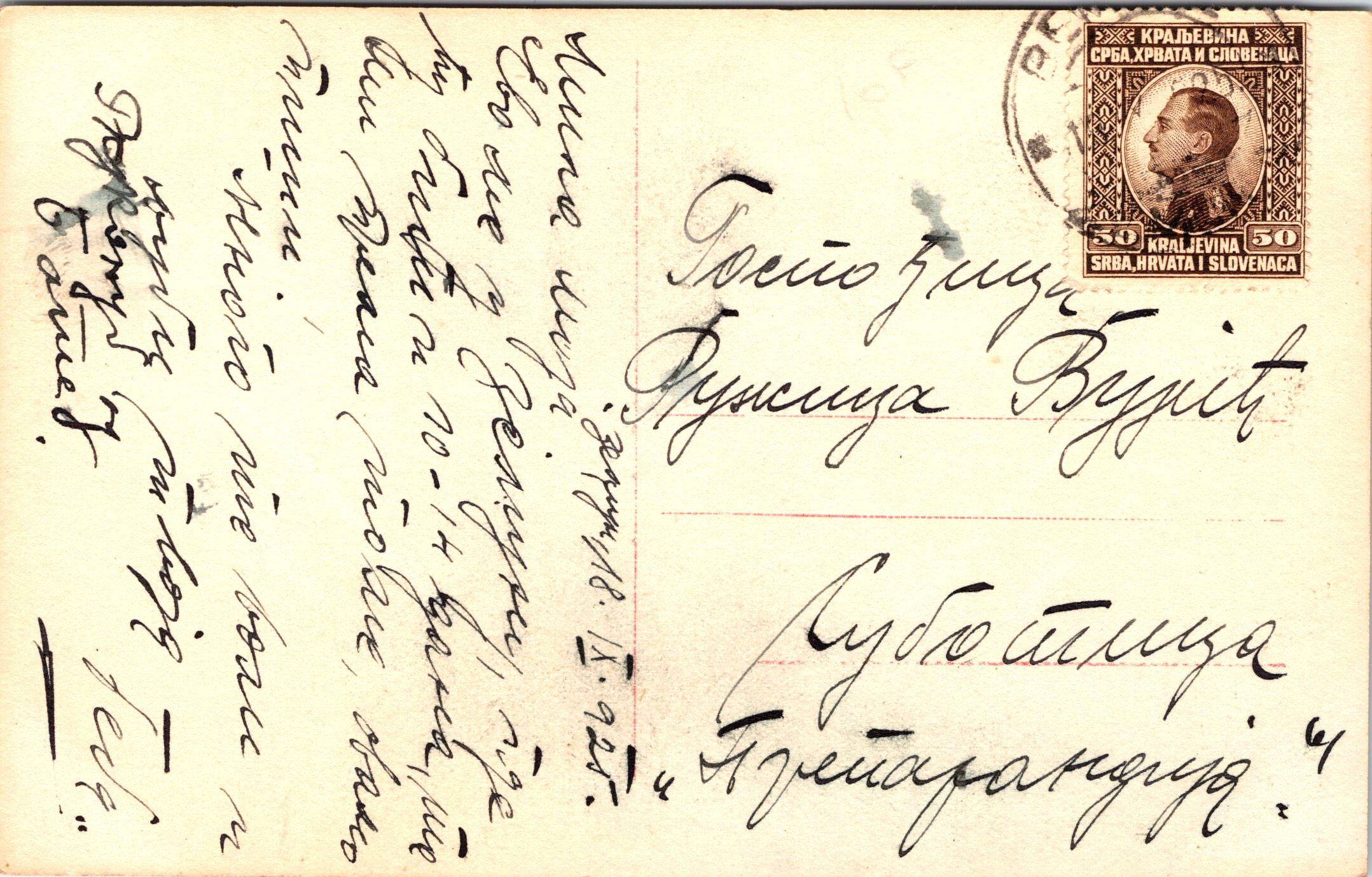
This vintage real photo postcard features Hungarian film actress Agnes Esterhazy (1891-1956). She is quite pretty and is dressed in flapper fashion. Esterhazy predominately appeared in Austrian and German films. In total, her IMDb filmography includes 32 films between 1918 and 1943. Her parents were a Count and Countess. She married actor Fritz Schulz in 1910. He was 14 years old and she was 19 years of age. I am sure there is an interesting story there and a lot of material for armchair psychologists to hypothesize about. After World War I, the pair lived in Budapest and Agnes began acting lessons. She made her film debut in 1918 and many more roles followed. During her career she acted alongside Harry Liedtke, Hanni Weisse, Asta Nielsen and Greta Garbo. Agnes mostly played supporting roles but she also played some leading roles. Esterhazy’s career virtually ended with the arrival of sound films. After her retirement from film, she she acted at various theaters, many of which were in Ostrava (Czech Republic). Esterhazy’s husband (Fritz Schulz) was arrested by the Nazis and held in a Vienna prison. His crime was that he was Jewish. Esterhazy was able to get him released in the Spring of 1938. This portrait postcard was published by Ross Verlag (Berlin). The postcard is part of a series (no.776/6). Esterhazy’s photograph was taken by celebrity photographer, Alex Binder (Berlin). The card is posted and has a stamp that was issued by Yugoslavia in 1921. The message on the postcard is dated 1925.  (SOLD)

KATHE VON NAGY : HUNGARIAN ACTRESS, DANCER, SINGER & MODEL : PHOTO BY YVA : RPPC

This vintage real photo postcard features Hungarian actress, singer, dancer, and model, Kathe von Nagy (1904-1973). She performed in both German and French films. Her father was a wealthy bank manager. At the age of sixteen, Nagy wanted to get married but her parents did not approve and sent her to a convent near Vienna, Austria. She stayed there 18 months but finished school elsewhere. Nagy wanted to become an author. She moved to Budapest and wrote articles for a magazine. She became interested in acting and enrolled in an acting school near Budapest. Her parents were none to pleased about her career choices and she was encouraged to return home where she worked in her father’s bank and secretly wrote novels. When she was about 22 years old, she moved to Berlin to pursue a career in film and worked for a Hungarian newspaper. She  was given a role in a 1927 comedy film and by 1928, she began starring in films and was considered one of Europe’s top up and coming film actresses. She became a highly successful film actress. The IMDb reports that she appeared in 57 films between 1915 and 1952. She basically retired from film during the second world war. The head of the SS., Heinrich Himmler asked Nagy to be the face and body for “sex dolls” provided to German soldiers. The premise was that the use of such dolls would lessen the syphilis problems encountered by many of the soldiers. Nagy refused the offer. This story may be apocryphal. This postcard was published by Ross Verlag as part of a series (no.6085/2). Nagy’s photo was taken by the Yva studio located in Berlin, Germany.  The name Yva is a pseudonym. The photographer was actually a woman named Else Ernestine Neulander-Simon (1900-1944). She was a German Jewish photographer and was well known for her “dreamlike, multiple exposed images”. She was a leading Berlin photographer during the Weimar Republic years of Germany. She specialized in fashion, nudes, and portraiture. Later, she became involved in the early days of producing photographs for advertising. Many of her photographs were published in magazines or were shown in international exhibitions. After the Nazis took power, she was forced to work as a radioagrapher (ie x-ray technician). In 1936 she was offered a job by Life Magazine, but her husband convinced her that life for German Jews would improve over time. He did not want to move and start a new life in a country where he did not speak the language. Unfortunately, she complied with his wishes. In 1938, Nazi regulations prohibited her from working as a photographer. In 1942, the Gestapo deported her and her husband to a death camp (probably Majdanek) where they were murdered.  SOLD