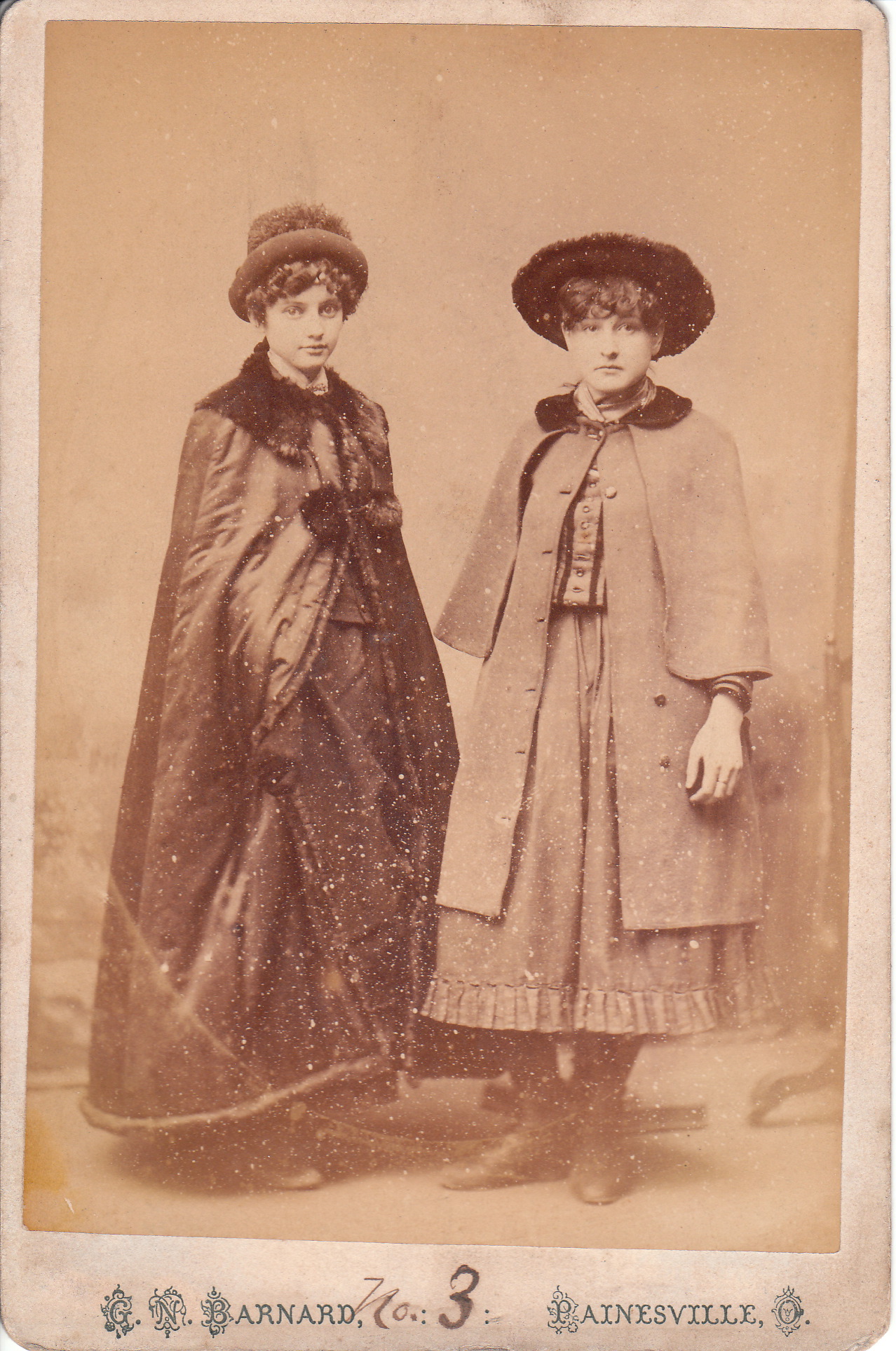
GENERAL HORACE PORTER, CIVIL WAR HERO, PRESIDENTIAL ADVISOR, AND DIPLOMAT
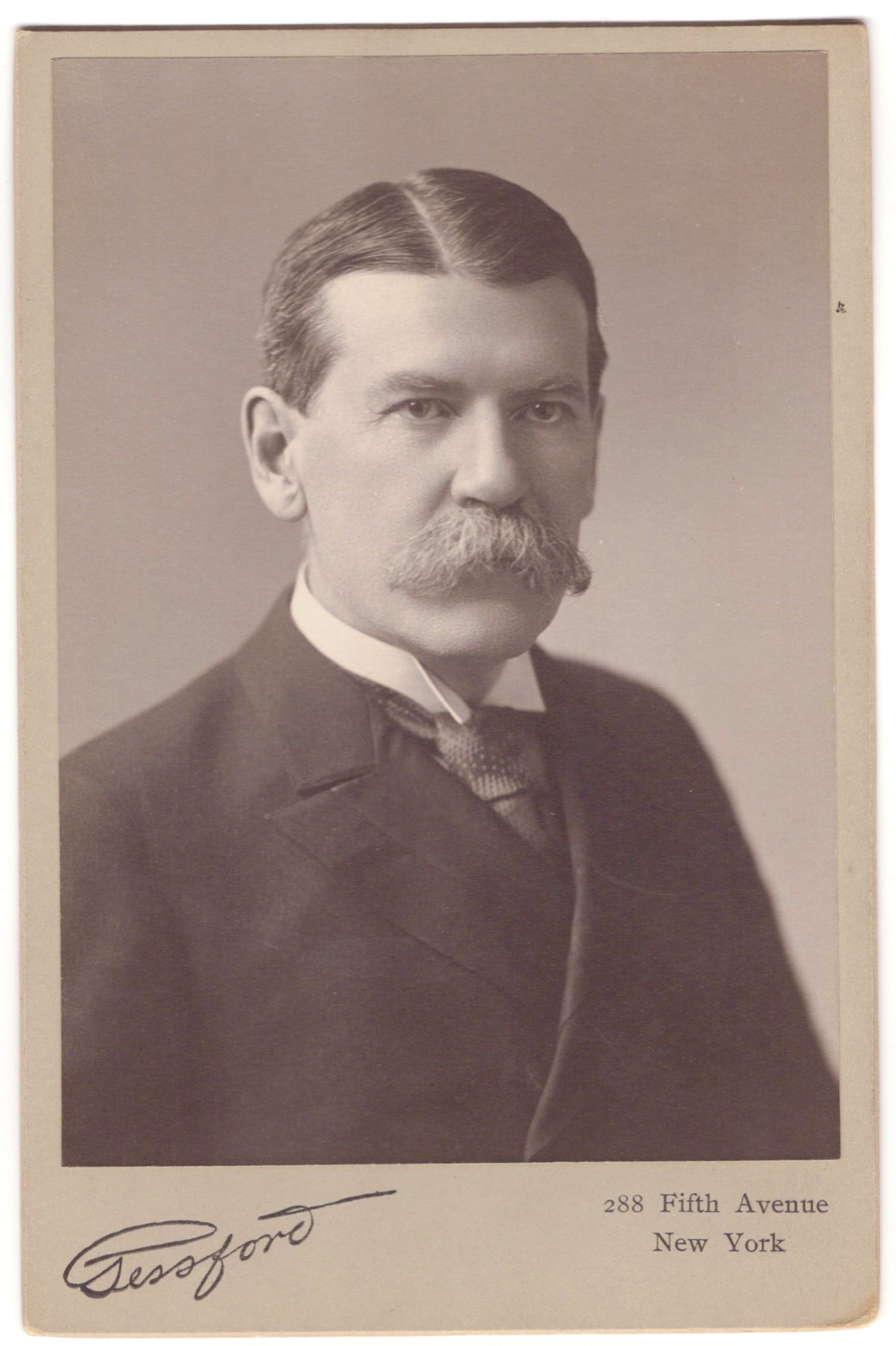
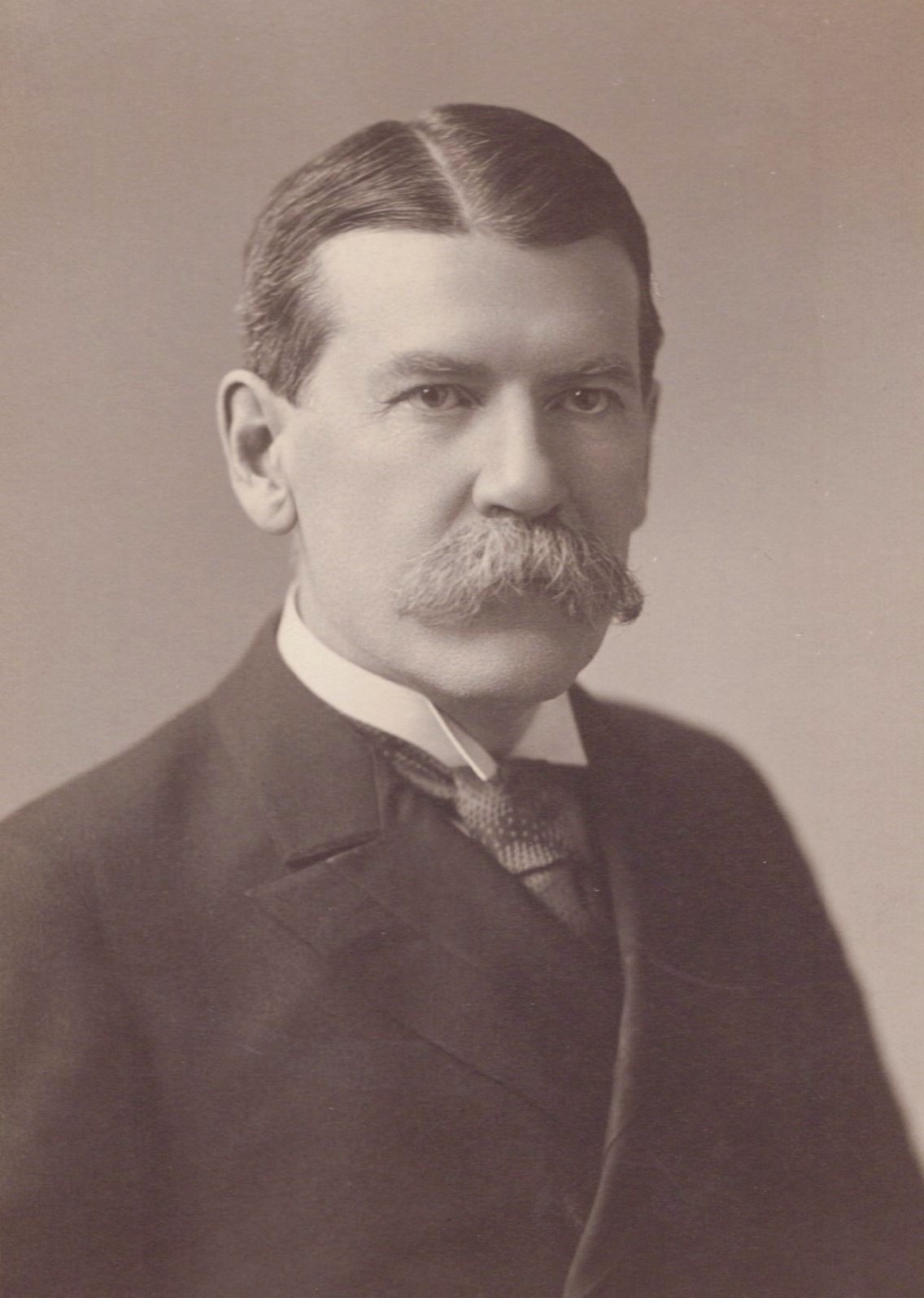
The subject of the photograph is Horace Porter, who was quite an accomplished man who played an integral part in American history. Horace Porter (1837-1921) is most well known for his activities during the civil war. He served as a Lieutenant Colonel, Ordnance Officer, and Staff Officer in the Union Army. In 1866 he was appointed brevet Brigadier General in the U. S. Army. He was also personal secretary to General and President Ulysses S. Grant and to General William Sherman. Later, he was the Vice President of the Pullman Palace Car Company and the United States ambassador to France (1897-1905). Horace Porter was born in Huntingdon, Pennsylvania. He was the son of David R. Porter who who served as Pennsylvania’s Governor. His cousin, Andrew Porter was a Mexican-American War veteran and Union Army Brigadier General. Horace Porter was educated at Harvard University and graduated from West Point in 1860. He was distinguished in the Battle of Fort Pulaski (Georgia), Chickamauga, the Battle of the Wilderness, and New Market Heights. He received the Medal of Honor for his efforts at Chickamauga. He later wrote a memoir “Campaigning With Grant” (1897). The photographer of this cabinet card portrait is Joseph G. Gessford. Gessford (1875-1925) operated a prominent New York City studio located at 288 Fifth Avenue. Gessford was best known as a photographer of celebrities and socialites during the first two decades of the twentieth century. He photographed Mark Twain in 1904, and when the author requested gratis copies of the portraits, Gessford famously replied, “I could no more afford to give you these pictures than you can afford to write books for free.” SOLD


LITERARY MAN STANDING NEXT TO ABRAHAM LINCOLN IN HAYWARD, WISCONSIN
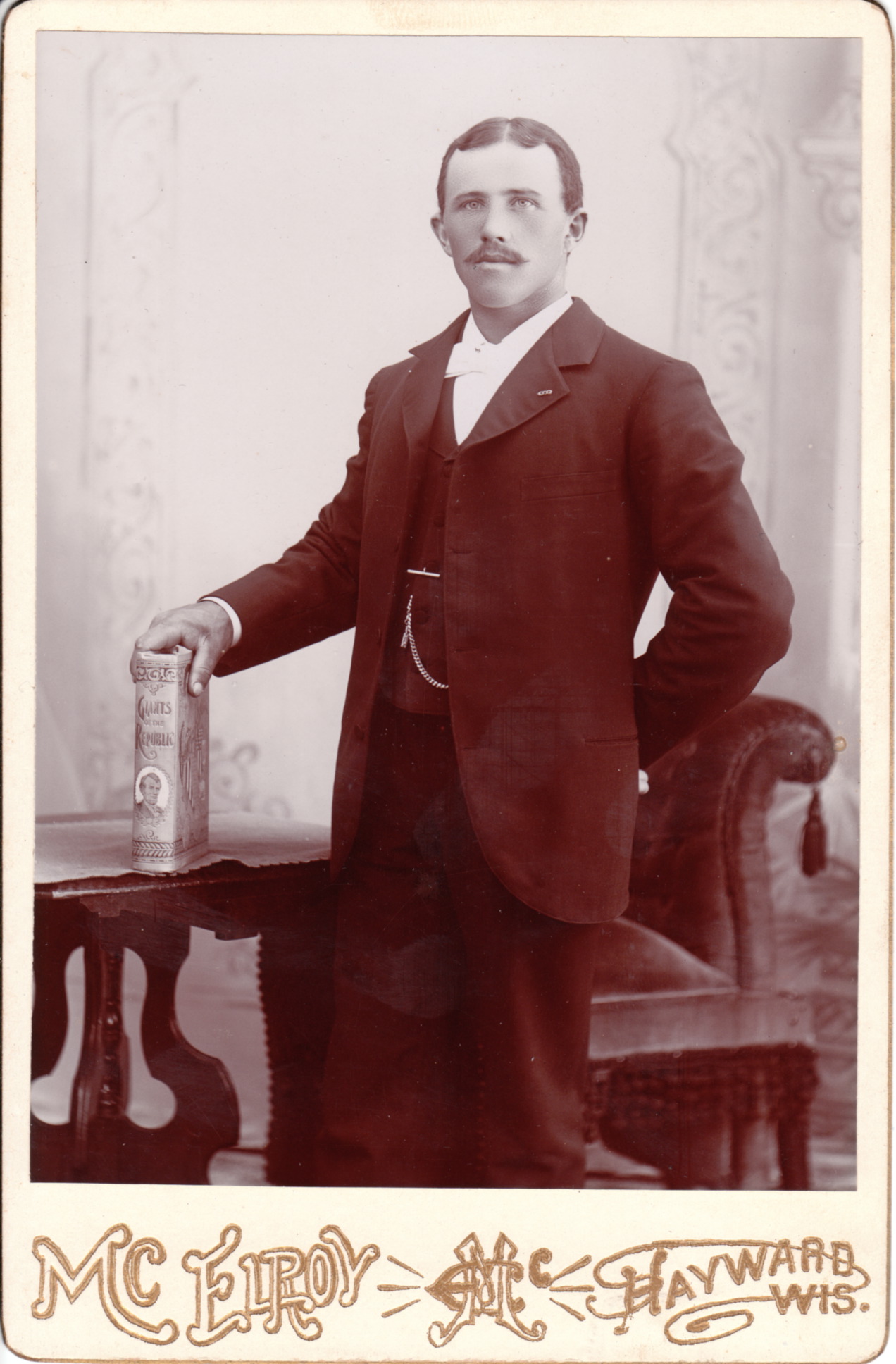 Ok. So, he’s not exactly standing next to Abraham Lincoln but he is standing next to Abe’s picture on the binding of a very well known book of the time. The title of the volume is “Giants of The Republic”. The book was written by a “Corps of Competent Biographers” and covers the “lives, deeds and personal traits of eminent men and women” in American history. Some of the subjects profiled are Benjamin Franklin, John Jay, Charles Sumner, William Sherman, Robert Fulton, John Jacob Astor, and Edgar Alan Poe. The well dressed gentleman in this cabinet card photograph must have thought that the book had historic potential or at the least, was worth remembering. It is unusual to see someone posing with a specific book title (unless its the bible). The book in this photograph is clearly meant to play a prominent role in the photograph. The photographer of this cabinet card is G. H. McElroy of Hayward, Wisconsin.


 THE CABINET CARD GALLERY