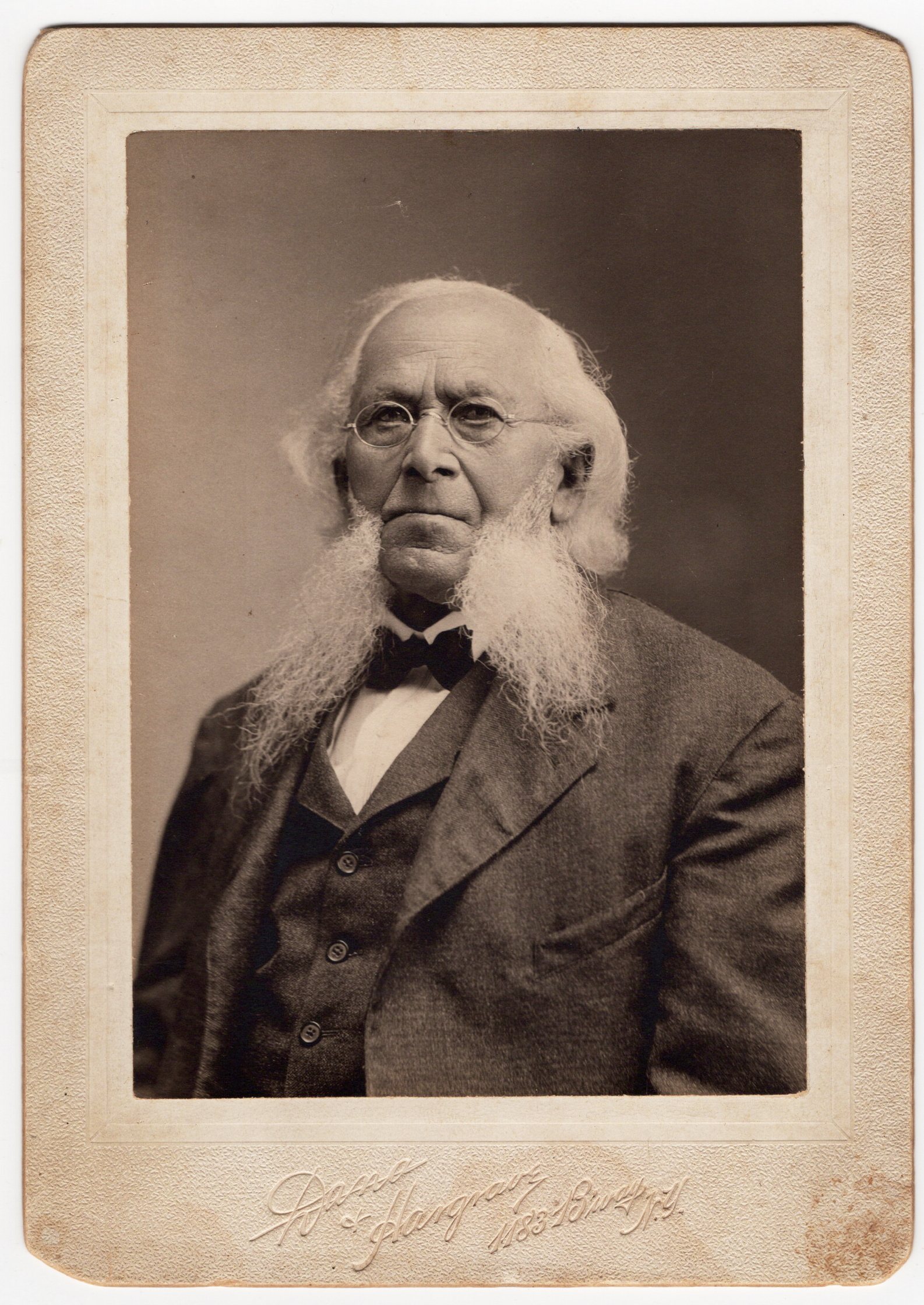
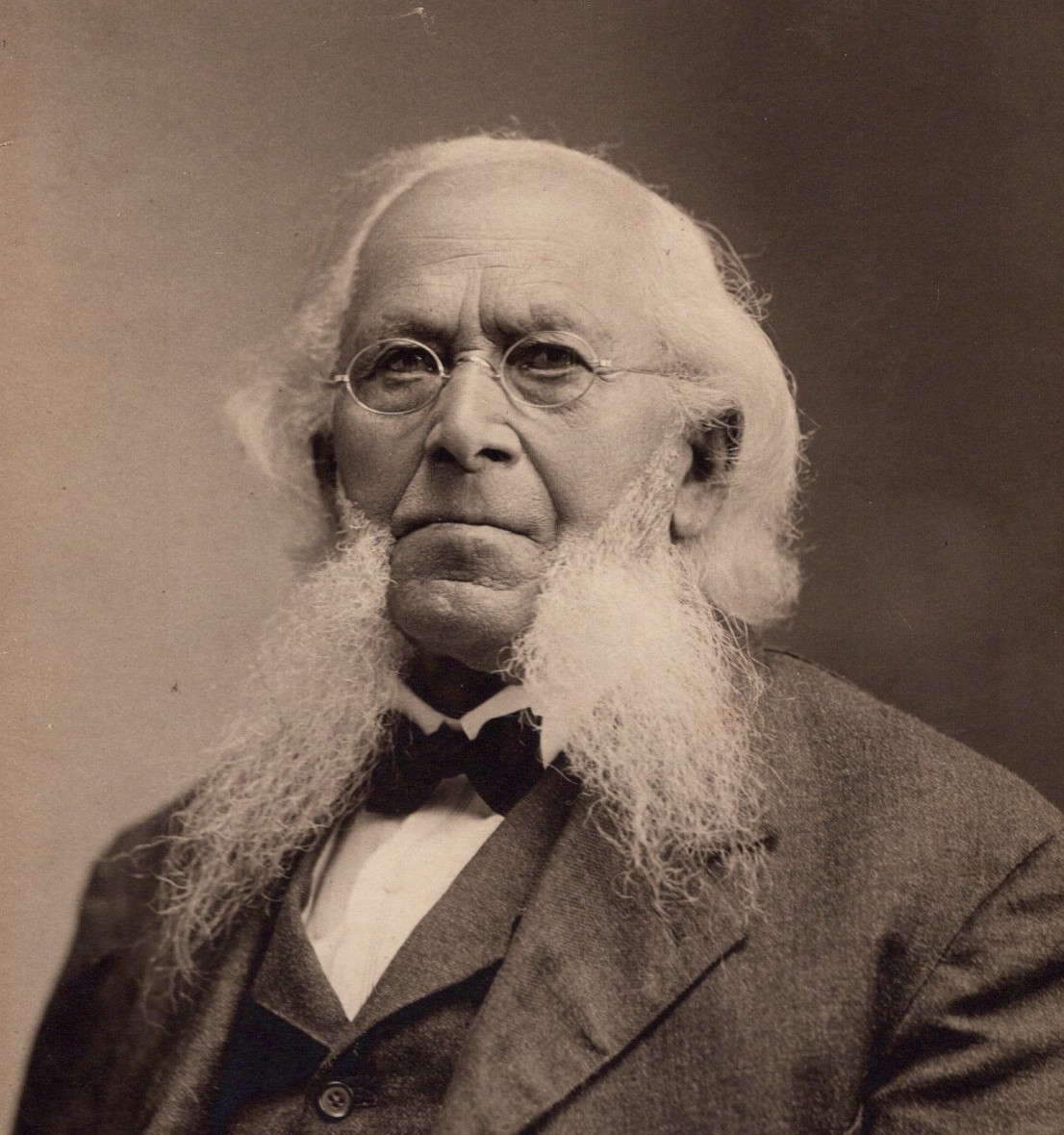
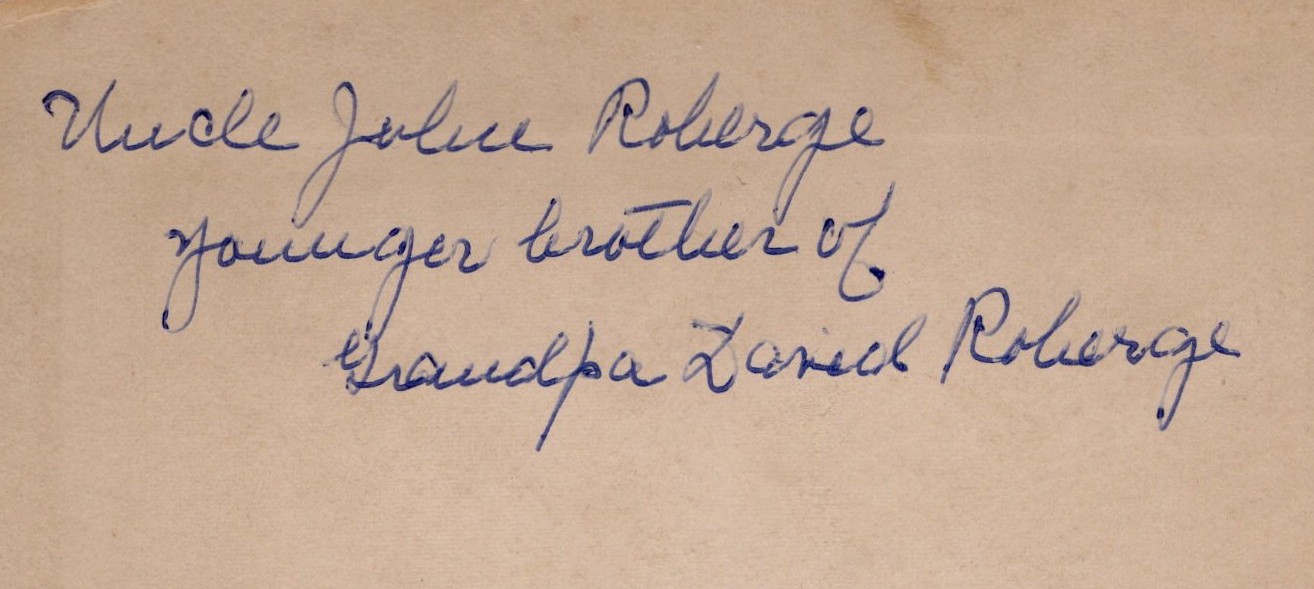
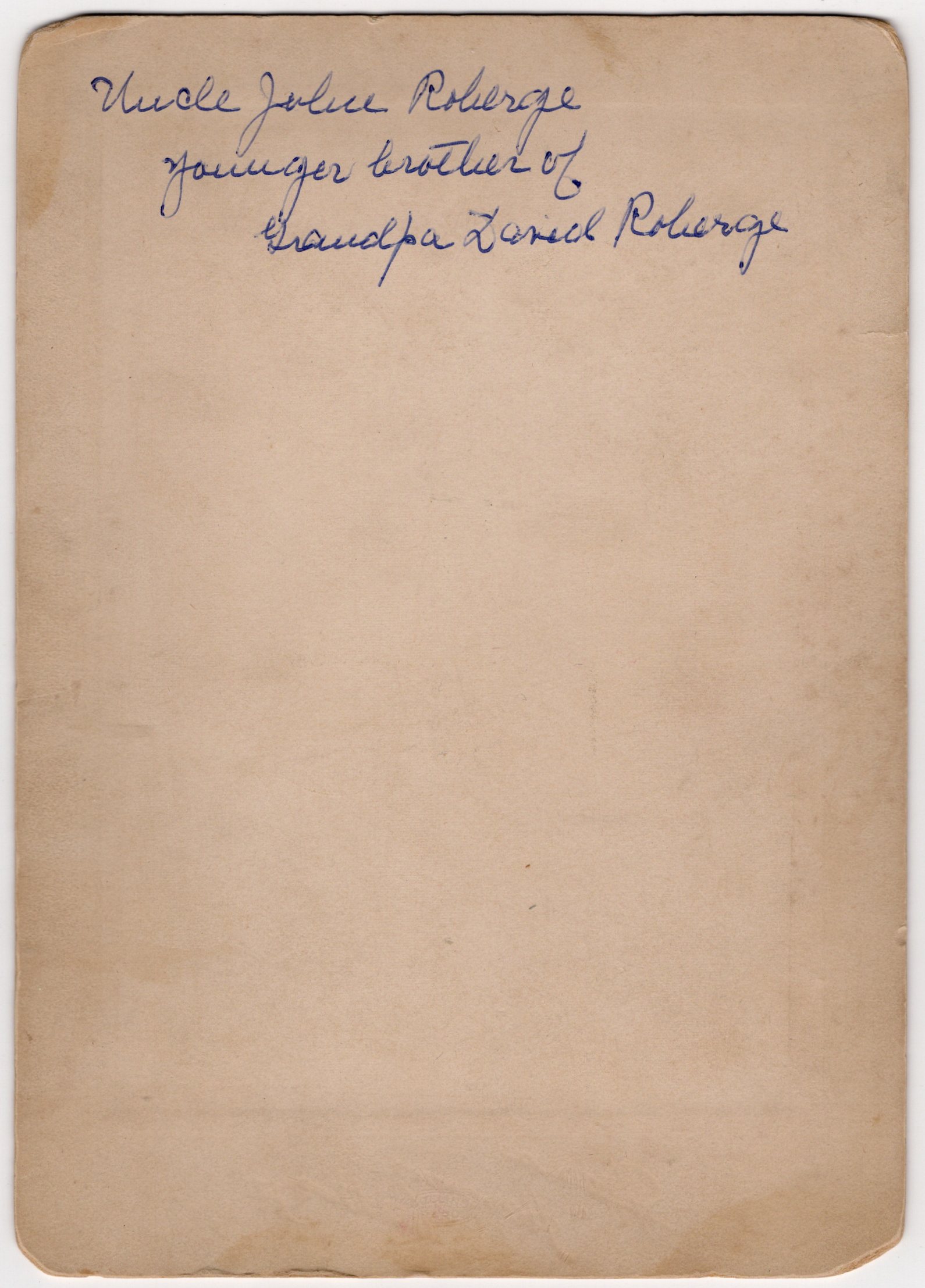
Offered here is a striking and highly detailed cabinet card photograph of a distinguished older gentleman, taken by the celebrated New York photographic firm Dana & Hargrave, located at 1183 Broadway, New York City. The image likely dates to the 1890s. The subject is dressed in formal 19th-century attire, wearing a three-piece wool suit with a buttoned vest, a high-collared white shirt, and a neatly tied bow tie. His long, full sideburns and clean-shaven chin—a style known as “friendly mutton chops”—are an impressive feature, accentuating his age, dignity, and gravitas. He wears round spectacles perched low on his nose, giving him a scholarly or ministerial air. His expression is serious and contemplative, with a quiet confidence that reflects the formality of the period. The photograph is crisp and beautifully lit, with sharp contrasts and soft tonal gradation typical of high-quality late 19th-century studio work. This portrait was taken by Dana & Hargrave, a respected photographic studio based at 1183 Broadway, New York, active in the 1880s–1890s. The primary name, Dana, refers to Edward C. Dana (1852-1897), a prominent 19th-century photographer who specialized in portraiture of the elite and artistic figures of New York society. Dana was well-known for his careful composition and the lifelike quality of his cabinet cards. He developed an interest in photography during the Civil War after seeing conflict images displayed publicly in Boston. He later trained with Boston photographer James W. Turner. In 1875, he opened his first studio in Brooklyn, eventually relocating to Manhattan, where he established a gallery at 14th Street and 6th Avenue. By the late 1880s, his innovative approach—particularly his rejection of painted backdrops—brought national attention and awards, including a Gold Medal in 1887. Further honors followed, such as a gold medal from the Photographers’ Association of America in 1891, an award at the 1893 World’s Columbian Exposition, and a bronze medal in 1894. With growing prestige, he moved to 872 Broadway. Embracing advancements in halftone printing, he worked closely with leading printers and shifted his business model from selling portraits directly to the public to licensing images to editors and publishers, often with financial backing from producers seeking publicity. There is an inscription on the reverse of the photograph. The inscription identifies the subject as “Uncle John Roberge, younger brother of Grandpa Lionel Roberge”. (SOLD)



 THE CABINET CARD GALLERY