This vintage photograph features a well dressed man poses in front of his automobile. He is looking pretty self-important. His cap is resting on the top of his car and he is enjoying a cigarette. The auto is impressive. The back of the vehicle is a convertible. Note the headlights and the front bumper. Also of interest, is the sign behind the car for “Motoricine Motor Oil”. Compare the bumper to the bumpers of today. We’ve come a long way. The front grill has the Berliet signature and in addition, the Berliet’s emblem. Berliet was a French company that manufactured automobiles, buses, trucks, and military vehicles. The company was based near Lyon, France. The company was established in 1899 and was privately owned until 1967 when it became part of Citroen. In 1974, it was acquired by Renault. Berliet was merged with Saviem to become Renault Trucks in 1978. By 1980, there were no vehicles in the Berliet line. SOLD


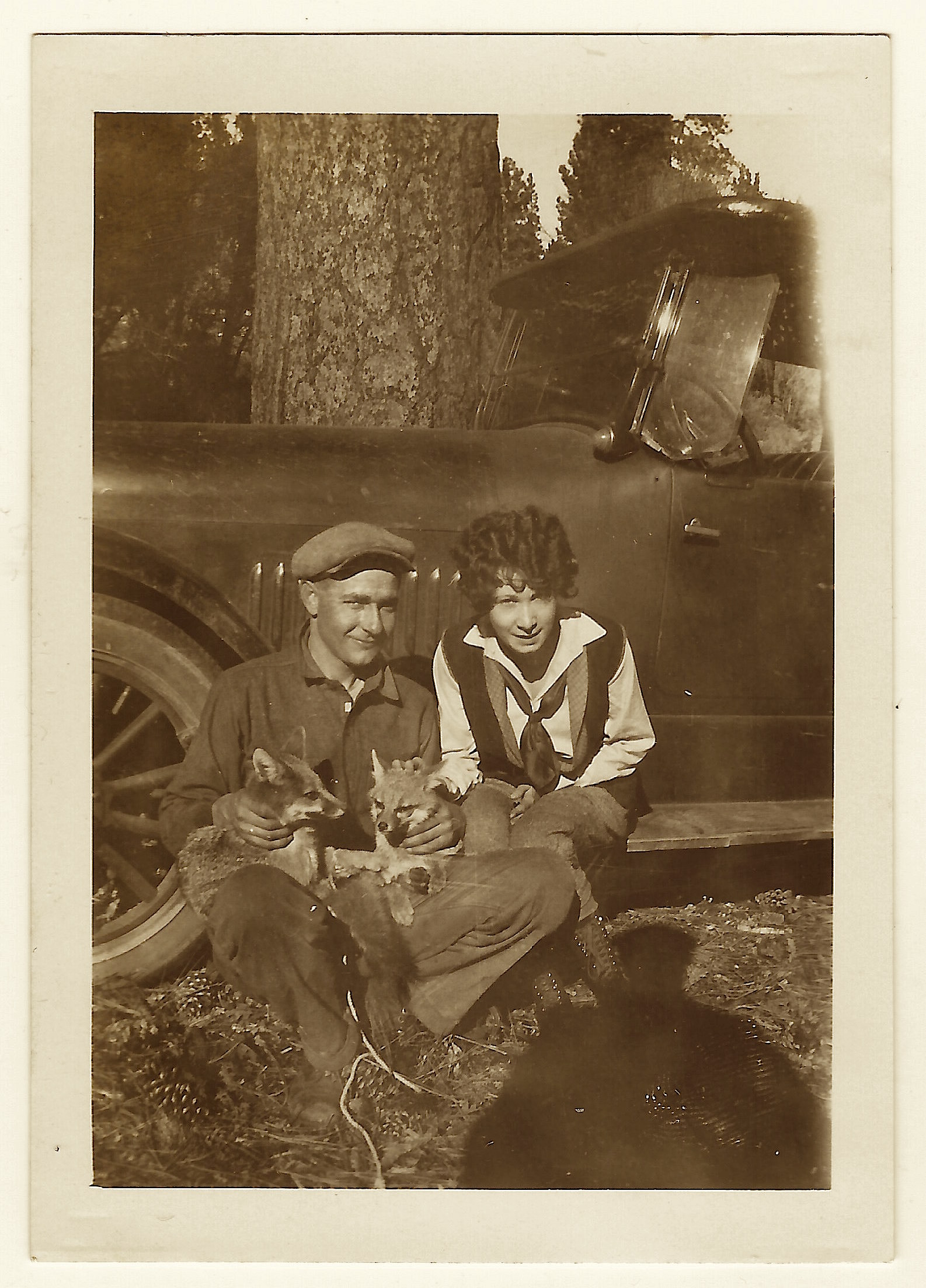
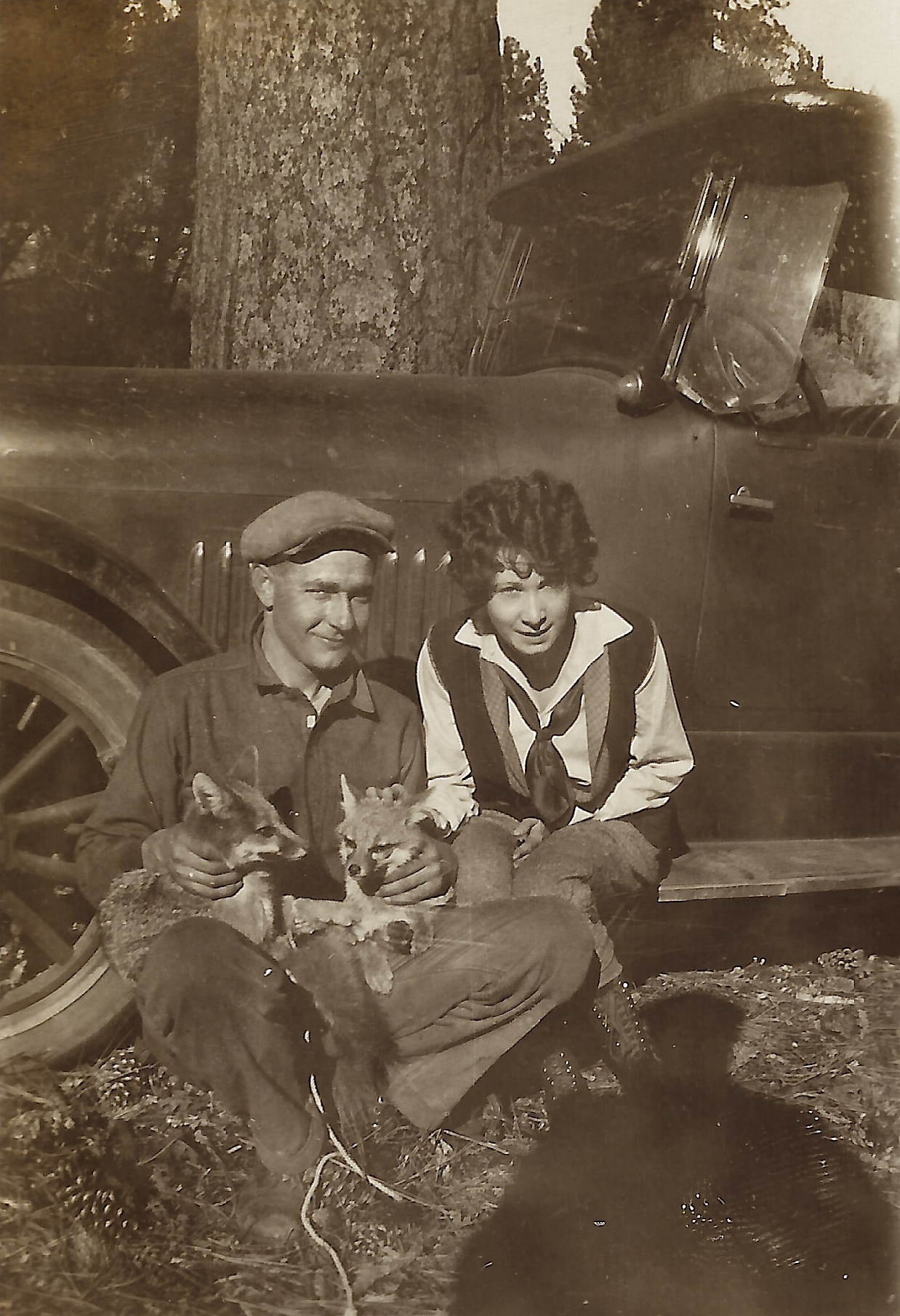 This vintage snapshot is highly unusual. A couple poses with two cute young foxes. The gentleman in the photo is holding the two fox pups on his lap. The woman is wearing pants and sitting on the automobiles side board. The old car is a nice backdrop, Note the man’s cool cap. This photograph measures about 2 3/8″ x 3 3/8″ and is in excellent condition.
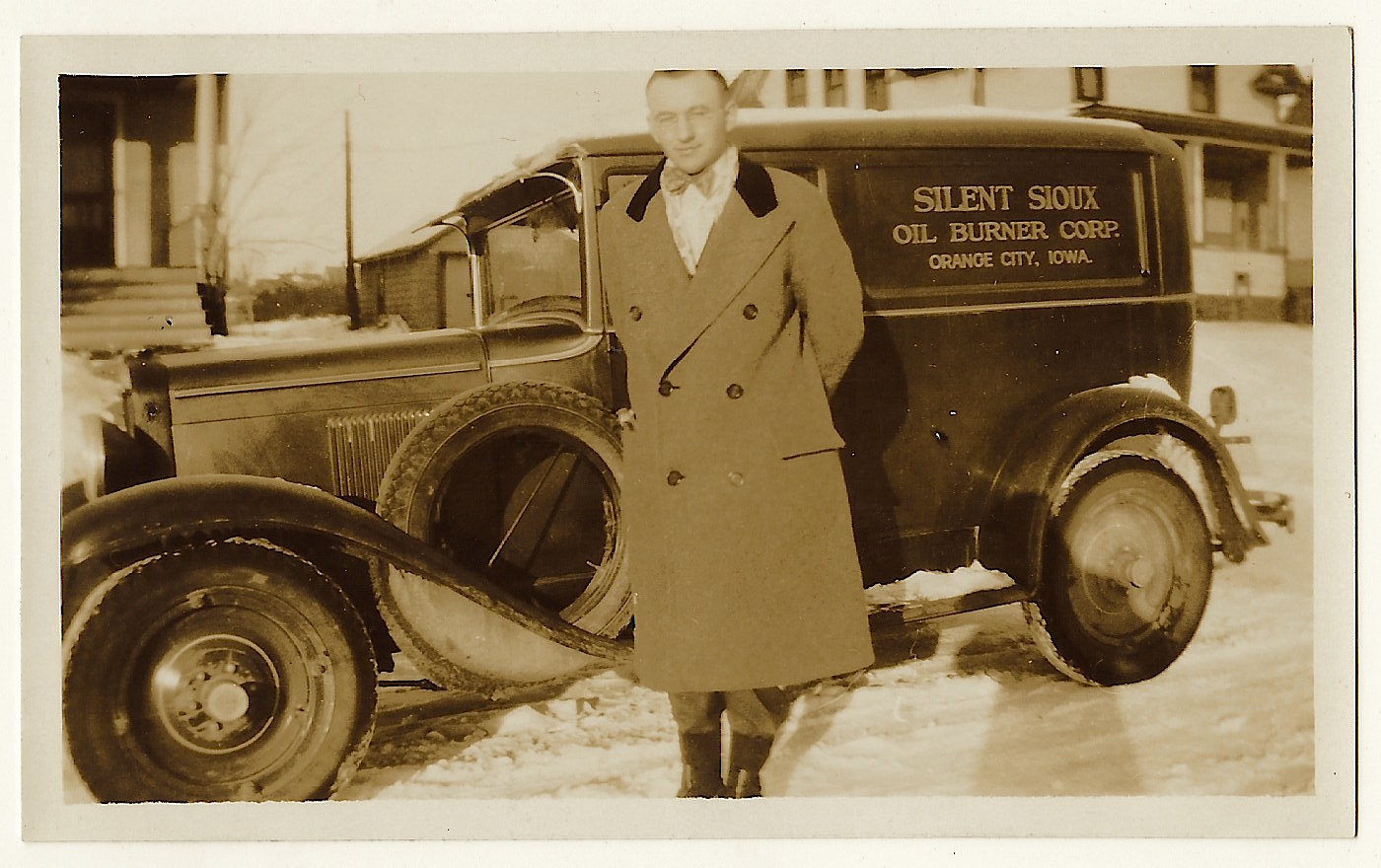
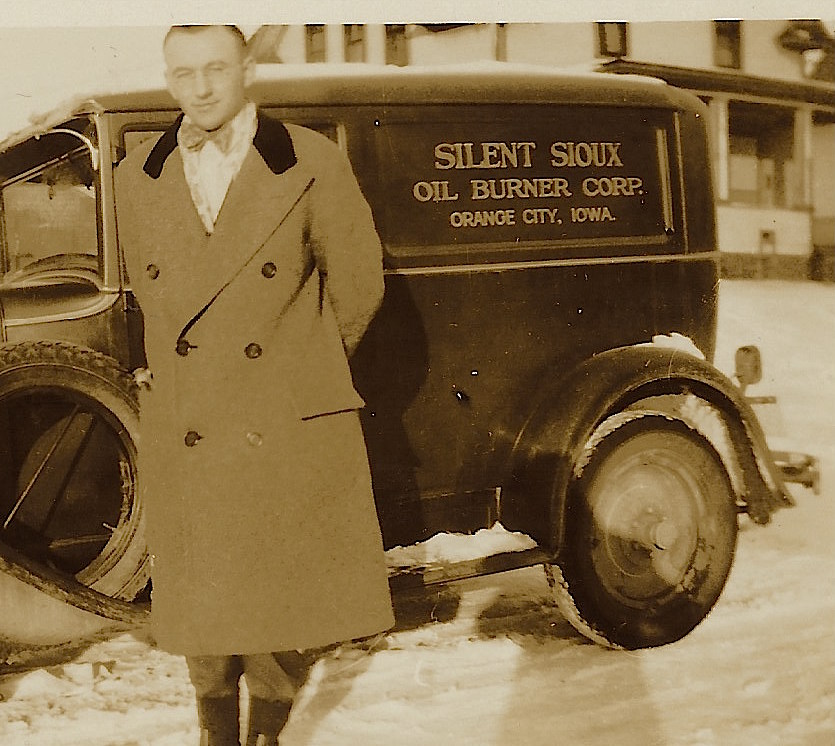 This vintage snapshot features a man and his truck. This photo has captured a commercial truck with a painted advertising sign. The vehicle is a work truck for Silent Sioux Oil Burner Corp.. The business was located in Orange City, Iowa. Presumably, the warmly dressed gentleman, posed with the truck, is the owner of the company. Note the man’s bow tie and the snow on the ground and on the roof and fender of the truck. It was winter in Iowa when this photograph was taken. A trade catalog from this company is part of the Smithsonian Libraries Trade Literature Collection.The catalog was published in the period between 1900 and 1909 though the company existed beyond those dates. (SOLD)
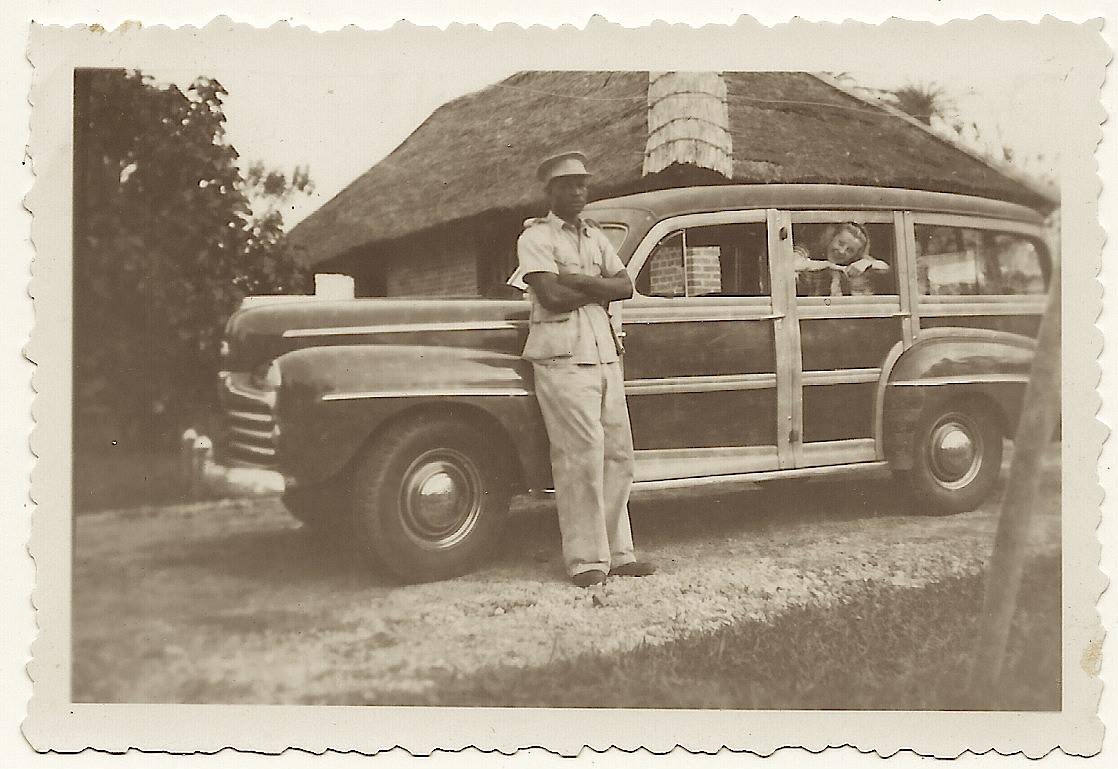
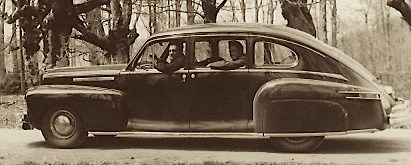
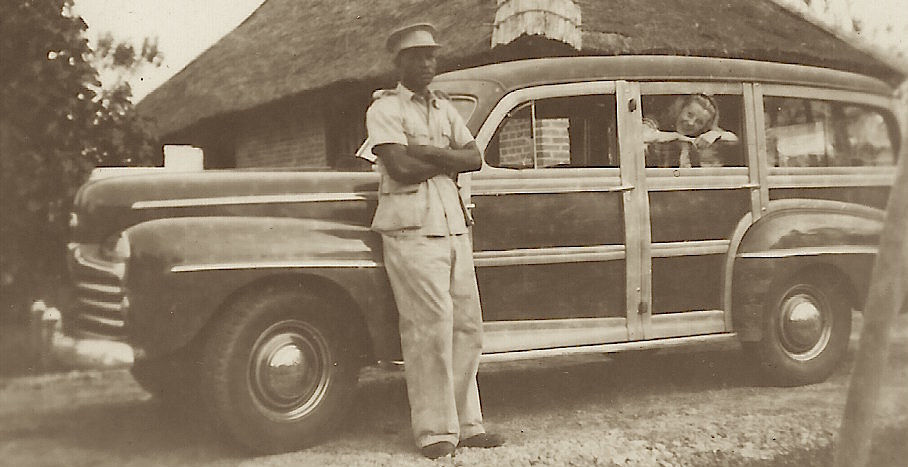 A uniformed chauffeur leans against his “woodie” station wagon. Peering out the window is a young woman, possibly, a teenager. An inscription on the reverse of the photo indicates that this snapshot was taken in 1948. The pictured automobile is called a woodie because part of the rear body is made of wood or material that resembles wood. Woodies were popular in the United States in the 1930’s and 40’s. The wagons were made as versions of sedans as well as station wagons. Some were basic and some of these autos were luxury vehicles. Generally, they were manufactured by third party conversion companies. The last year of production of real wood construction in American station wagons was 1953. From then on, only faux wood was used. The uniformed driver and the thatched roof on the brick building may offer a hint of where this snapshot photo was taken. The previous owner of this image suggested that the photo was taken somewhere in Africa. This snapshot photograph measures about 3 1/2″ x 2 3/8″. SOLD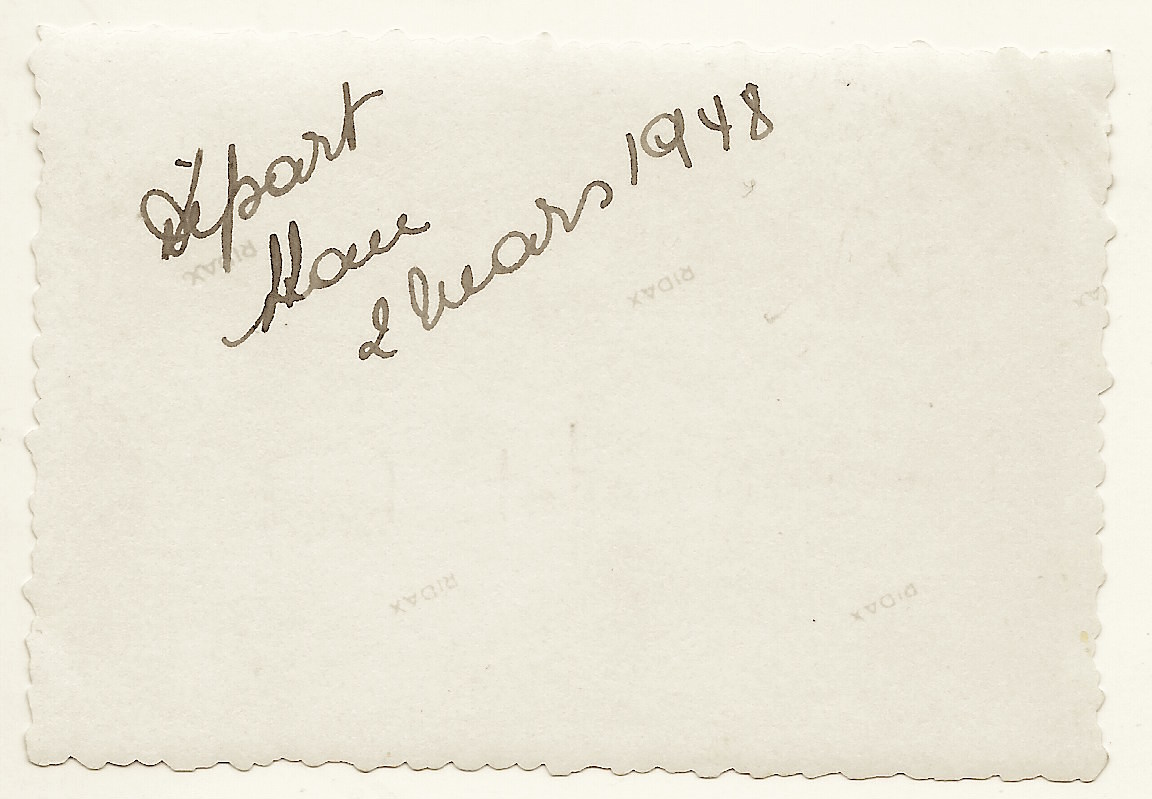
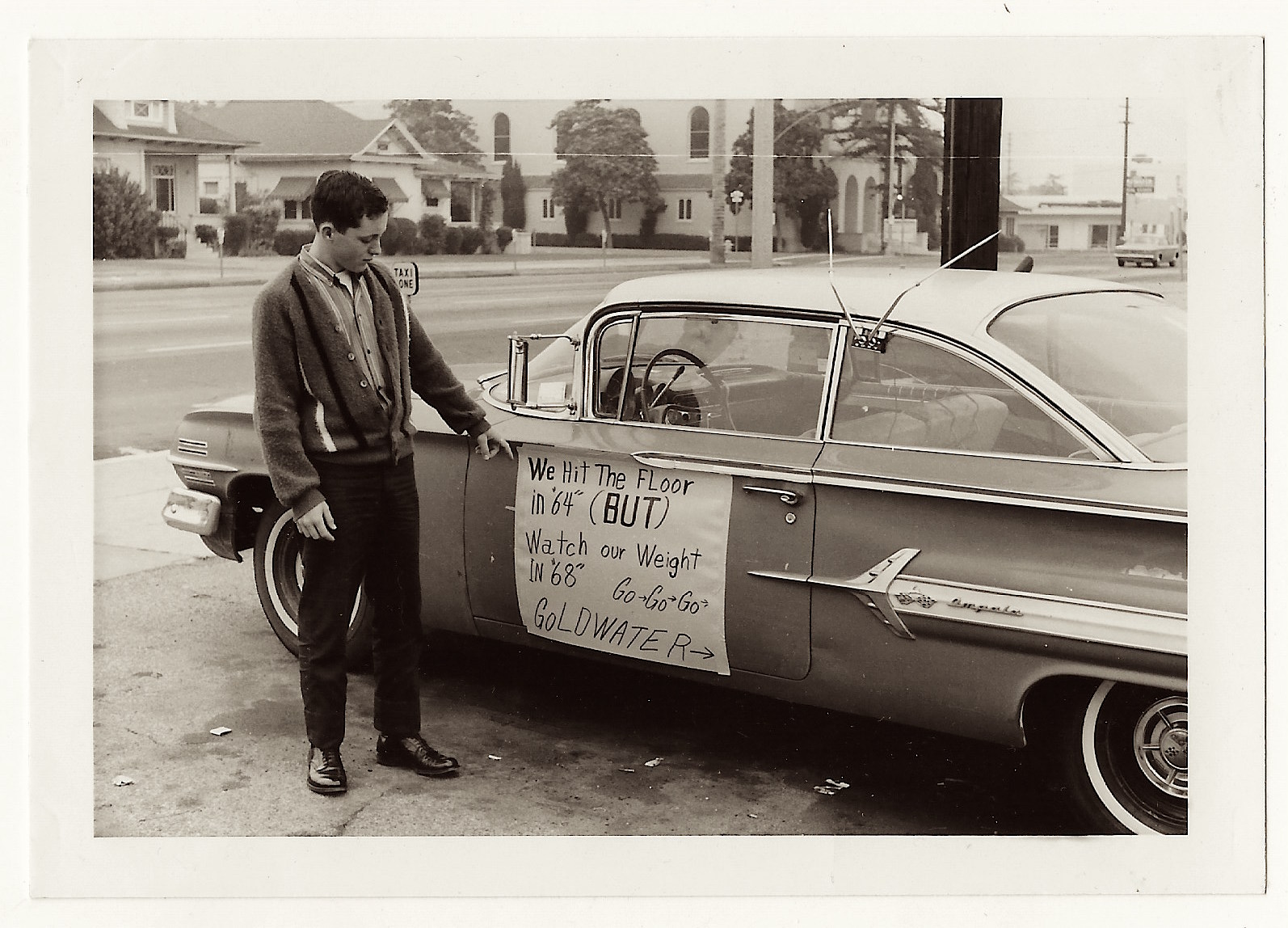
 This snapshot photograph is an excellent piece of American social history. The image shows a young man pointing to a political poster affixed to the side of a 1959, or 1960 Chevy Impala. The sign is supporting the 1968 US Senate campaign of Barry Goldwater (1909-1988). Goldwater was a conservative republican from Arizona. The sign states that Goldwater “hit the floor in ’64”. Hitting the floor is a reference to the fact that Goldwater lost the Presidential election to Lyndon B Johnson in 1964. Johnson won a landslide victory. Goldwater only won six states. The sign maker wrote “Watch our weight in ’68”, referring to Goldwater’s Senate race that year. The sign maker was predicting victory and victory is exactly what occurred. Note the car’s radio antenna. Also take note of the “Taxi” sign behind the boys left shoulder. It is interesting to note the John McCain succeeded Goldwater in the US Senate. This photograph is a perfect illustration of life in the late 1960’s. The Chevy and the boy’s attire (love the cardigan sweater), take me back to a simpler time. (SOLD)
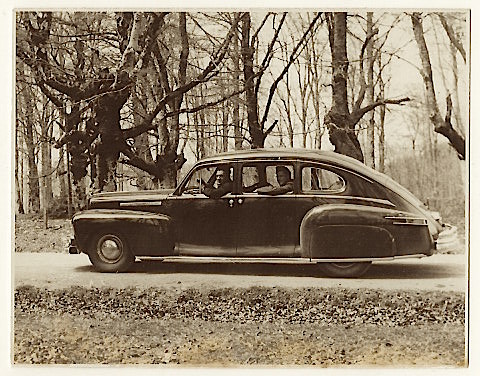

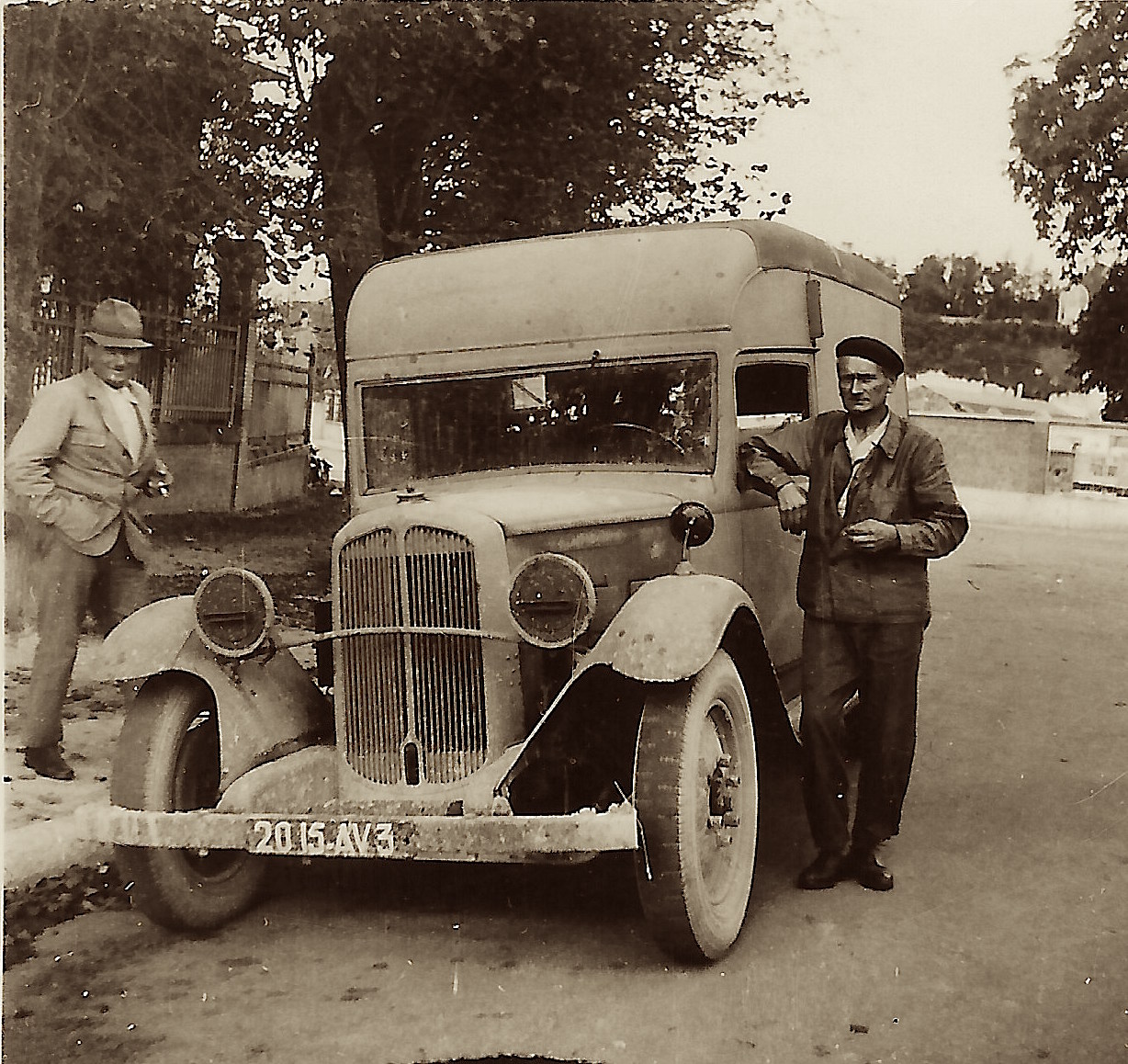 This vintage snap shot features two men and what appears to be a delivery or panel truck . This 1942 photo was taken in Tagnon, which is a community in the Ardennes department in northern France. The Ardennes region is in Belgium, Luxembourg, Germany, and France. It was the scene of vicious battles in both World Wars. One of these battles was the Battle of the Bulge which occurred in 1944 and 1945. The previous owner of this photograph reported that this vehicle is a taxi. This photograph measures about 2 1/8″ x 2 1/8″ and is in good condition (see scans).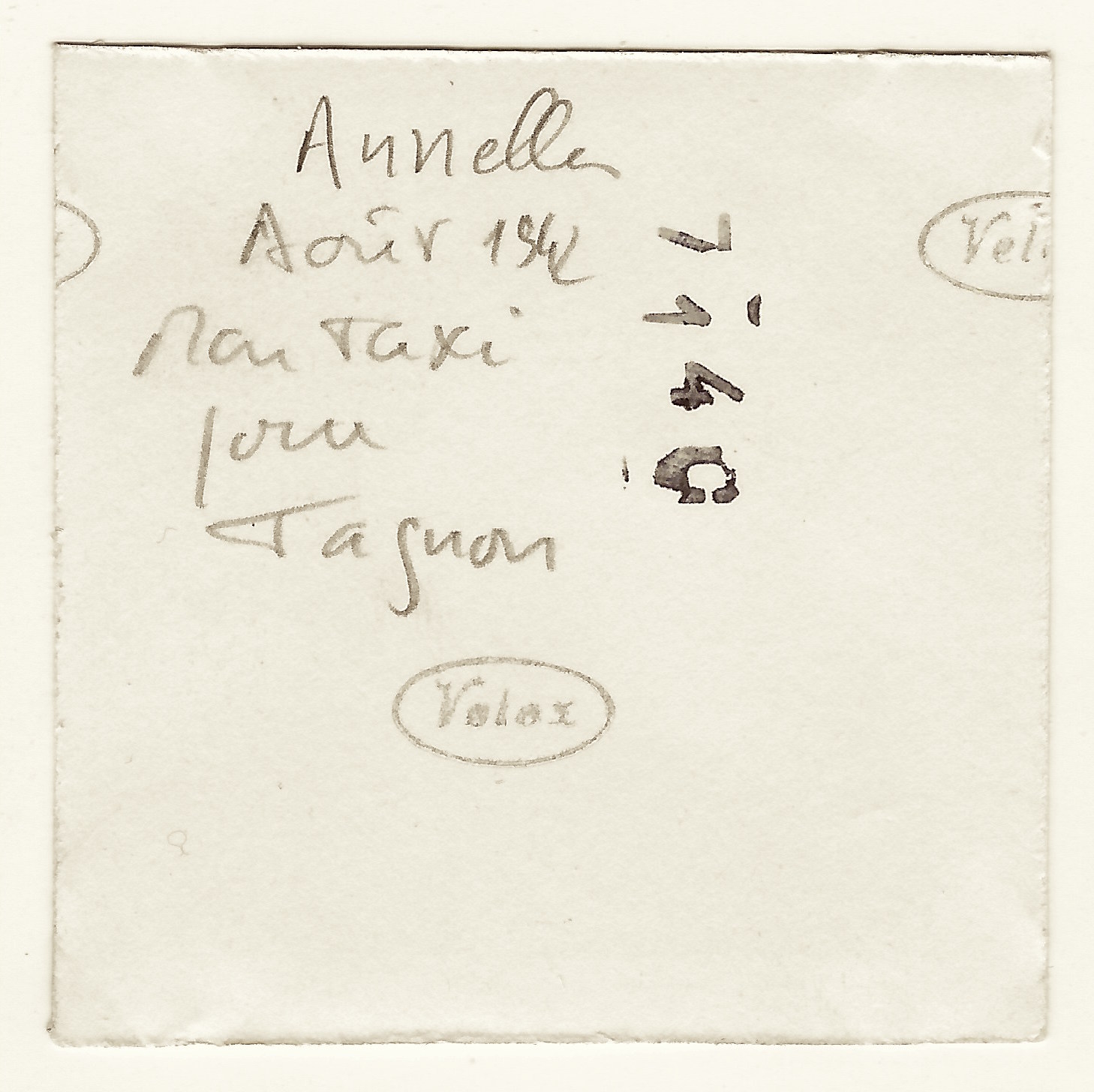


 This vintage private photo postcard features a happy couple posing with a Hanomag diesel farm tractor. The man and woman are both smiling and appear to be having a good time. The tractor has headlights; probably to allow it to travel on dark roads. I’m not so sure if a farmer would ever plow at night. The gentleman in this photo may be a farmer, but he certainly isn’t dressed like one. The tractor looks suspiciously like an automobile. However, back wheels of this vehicle leave little doubt that it is a tractor, and not an auto. Hanomag (Hannoversche Maschinenbau AG) was the German manufacturer of the tractor in this image. The company, based in Hanover, produced tractors, steam locomotives, trucks and military vehicles since before World War I. In fact, the company began in 1835. In 1925 they began manufacturing automobiles. In 1928, the company began producing diesel tractors, such as the one seen in this photo. The company was purchased by the Japanese firm, Komatsu, in 1989. On the drivers side of the vehicle, near the steering wheel, are the words “Peter Reiter, Dachau”. I believe, though can not confirm, that “Peter Reiter” was a agricultural machinery dealer in Dachau, Germany. Many people’s first impression upon encountering the name “Dachau”, immediately associate it with the concentration camp built there by the Nazis in 1933. The word “Dachau” brings up horrific images and thoughts. Dachau is a town in Germany. It is located in Upper Bavaria in the southern part of the country. It is twelve miles northwest of Munich. This photo postcard measures about 5 3/8″ x 3 1/2″ and is in good condition (see scans).
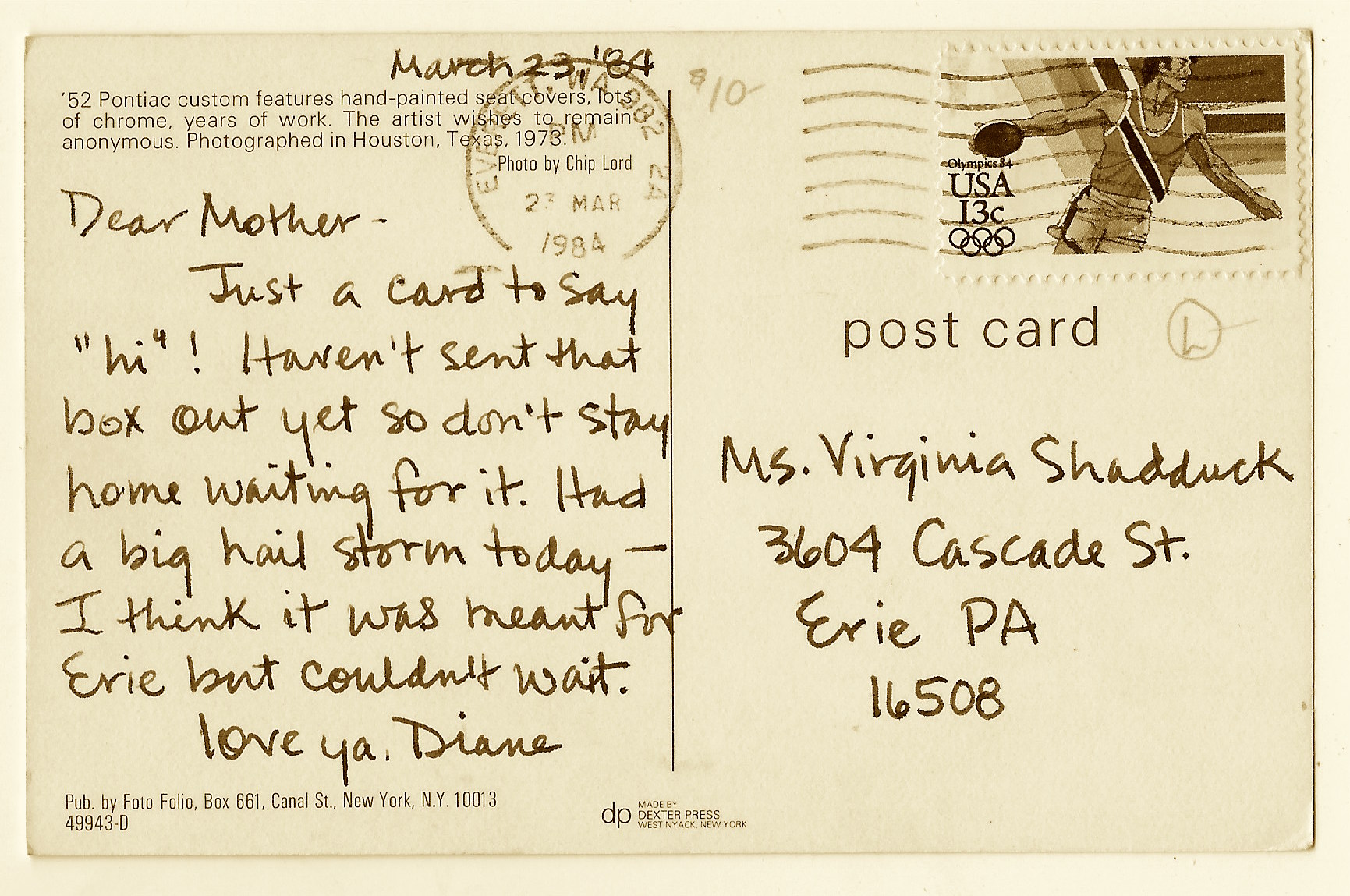
 This vintage real photo chrome postcard features an African American man and his custom 1952 Pontiac. This automobile is certainly “one of a kind”. Text on the reverse of the postcard indicates that the car has painted seat covers. In addition, the description asserts that the chrome work took years to finish. The artist decided to remain anonymous. This photograph was taken in Houston, Texas in 1973. The photographer was Chip Lord and the publisher was Foto Folio, located in New York City. Additional credits were attributed to Dover Press. This postcard was mailed in 1984, eleven years after the photograph was taken. It was mailed from Everett, Washington, to Erie, Pennsylvania. The photographer, Chip Lord (1944- ) is a very successful American media artist and has led an interesting life. He is best known for being a co-founder and practitioner at the media collective, known as Ant Farm. The firm was started in 1968. Wikipedia asserts that his work is often “nostalgic, but edged with an ironic detachment”. A graduate of Tulane, he became an architect. He taught at the University of Houston (Go Cougars….I got my graduate degree there). He also taught at a couple of the University of California Campuses. Lord is also known for many of his projects, including the “Cadillac Ranch”. He shares credit for this public art installation and sculpture with other artist from Ant Farm. The exhibition is comprised of ten half buried cadillacs facing nose-first in the ground. The cars ranged from 1949 through 1963, and the exhibition illustrated the evolution of Cadillac’s tail fins. In addition, there is symbolism. Cadillacs represented 1950’s America and a “symbol of aspirations”. The sculpture is located in Amarillo,, Texas and a photo of the project can be seen below.. Lord has had many publications and his works appear in many fine museums.
 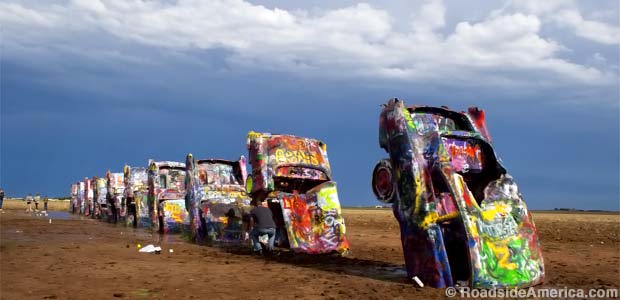 “CADILLAC RANCH”