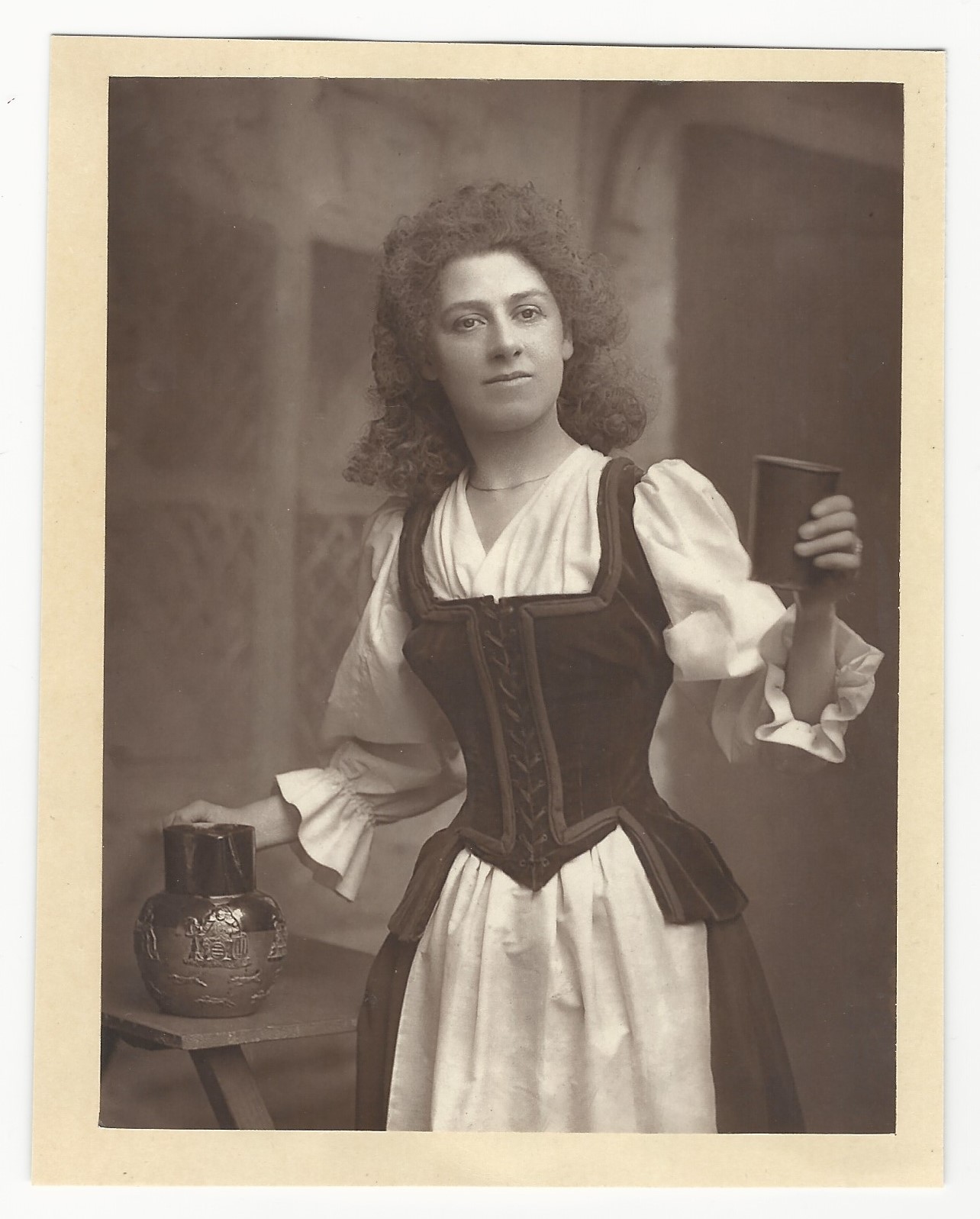
The pretty woman seen in this vintage photograph is English musical comedy actress, Clara Jecks (1854-1951). She was born in London, England. Her father was an actor and theatrical manager (Adelphi Theatre). Her mother was a popular actress. It is unsurprising that Clara began her stage career when she was a baby. She first appeared on the stage as a toddler. Growing up, she received the music, dance, and voice training needed to prepare her for a performing career. Her London stage debut was in 1873, at about the age of nineteen. Clara’s specialty was playing soubrettes (lively flirtatious roles) and boy roles. In fact, she once said, “I am never so really happy as when acting as a lad”. Clara was mentored by talented actress, Miss Nellie Farren. There is a portrait of Clara in Great Britain’s National Portrait Gallery. In fact, the portrait is identical to the photograph seen above. The NPG reports that this image appeared in “The Theatre” magazine in 1892. She was photographed, for this image, playing her role in “Richard II”, written by William Shakespeare. The photographer of the photo was Alfred Ellis (1854-1930). Ellis was an active photographer between 1884 and 1899. He operated a studio on Upper Baker Street in London. He specialized in theatrical photography and sometimes photographed whole scenes inside his studio. He later went to theaters to photograph performers and play scenes. Now, back to Clara’s career. In 1878, she and her mother toured together with the Comedy Opera Company. A few of Clara’s notable performances were in “Formosa” (1877), “The Black Domino” (1893), Cinderella (1893), and “A Merry Madcap” (1896). Her final London performance was in “The Critic” (1911). In an interview appearing in “The Sketch” (1893), Clara was asked the reason why she never toured America. She answered that she received many good offers to appear there, but preferred to perform in London, “Where I am at home with my audiences”. She then added, as if to change the subject, the following observation. She asserted, “You should see what funny letters I sometimes get from little boys in front, who can hardly believe I’m not one of themselves”. During her career, she appeared in over two hundred opera, drama, and pantomime roles. This image features Clara holding a wine pitcher in one hand, and a wine cup in the other. This photograph measures about 4″ x 5″, has excellent clarity, and is in excellent condition.
Buy this Vintage Photograph (includes shipping within the US) #3371
To purchase this item, click on the Pay with PayPal button below
$41.50

Buy this Vinatage Photograph (includes International shipping outside the US) 3371
To purchase this item, click on the Pay with PayPal button below
$50.50


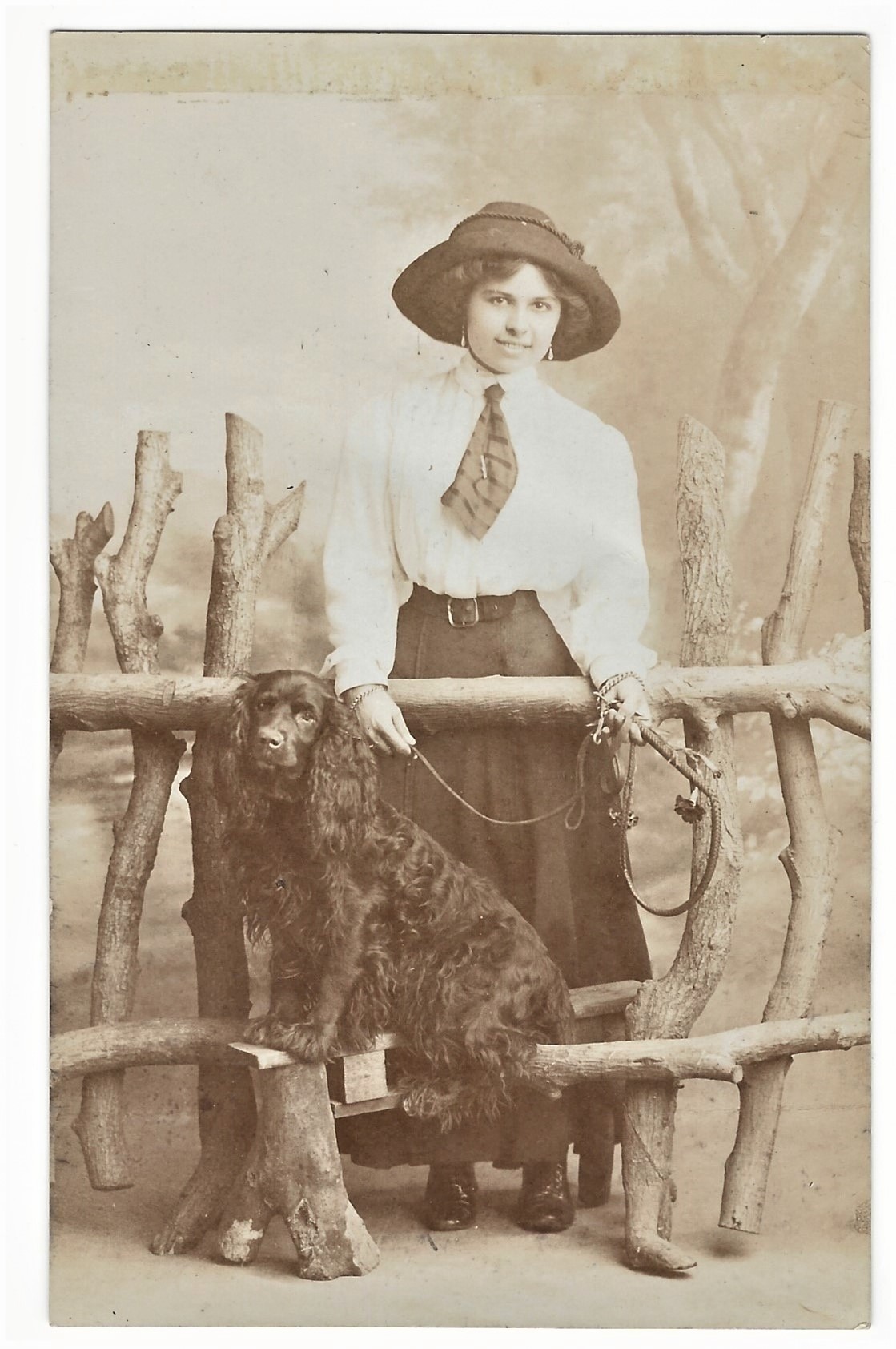
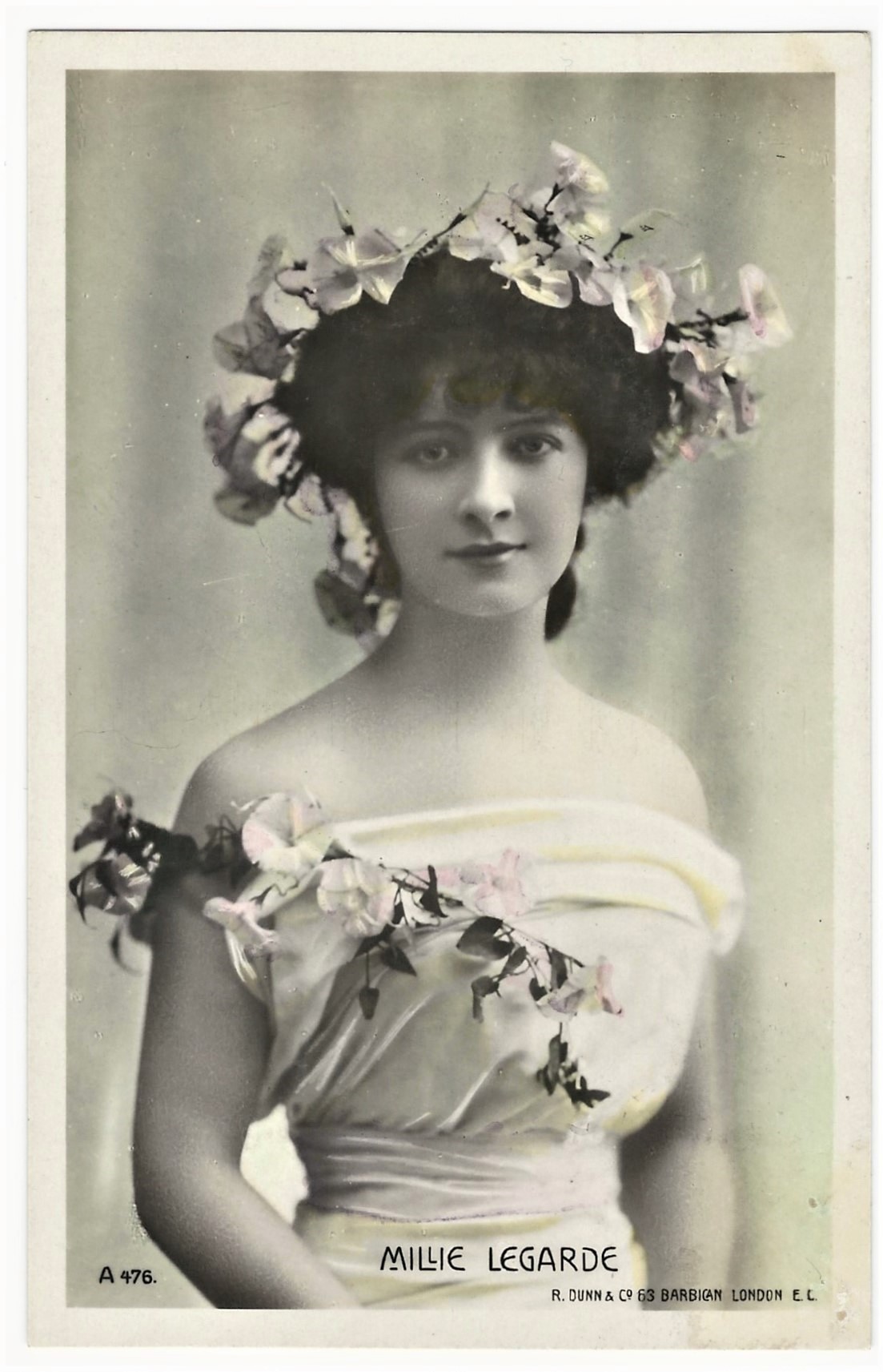 The beautiful woman in this vintage real photo postcard is Millie Legarde. She was an actress and a singer. She was active in her career between 1898 and 1911. She was a sitter for eight portraits in Great Britain’s National Portrait Gallery. She performed in numerous theater productions and in one film (1905). Searching for biographical information about Miss Legarde was like looking for a needle in a haystack. Preliminary research revealed that she appeared in many plays. Newspaper articles of the time, mention her name, but provide little information. It’s as if she was in the “witness protection program” and nearly all information about her has been scrubbed. Millie posed for a number of postcards but this card is certainly the nicest one I’ve seen. This postcard was published by Ralph Dunn & Company which operated out of London, England. The card is part of a series (no.A476). The postcard was manufactured in Berlin, Germany. (SOLD)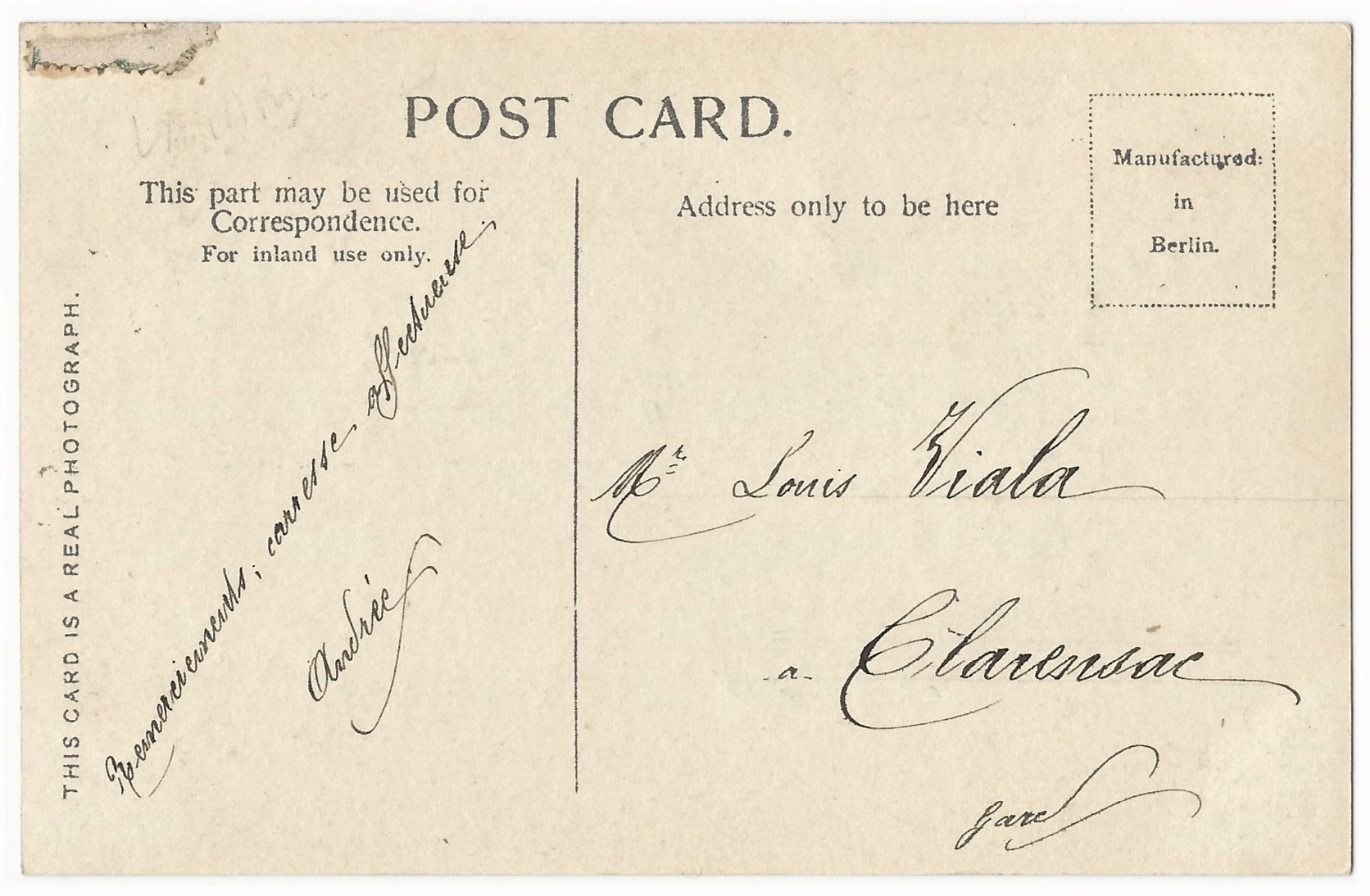
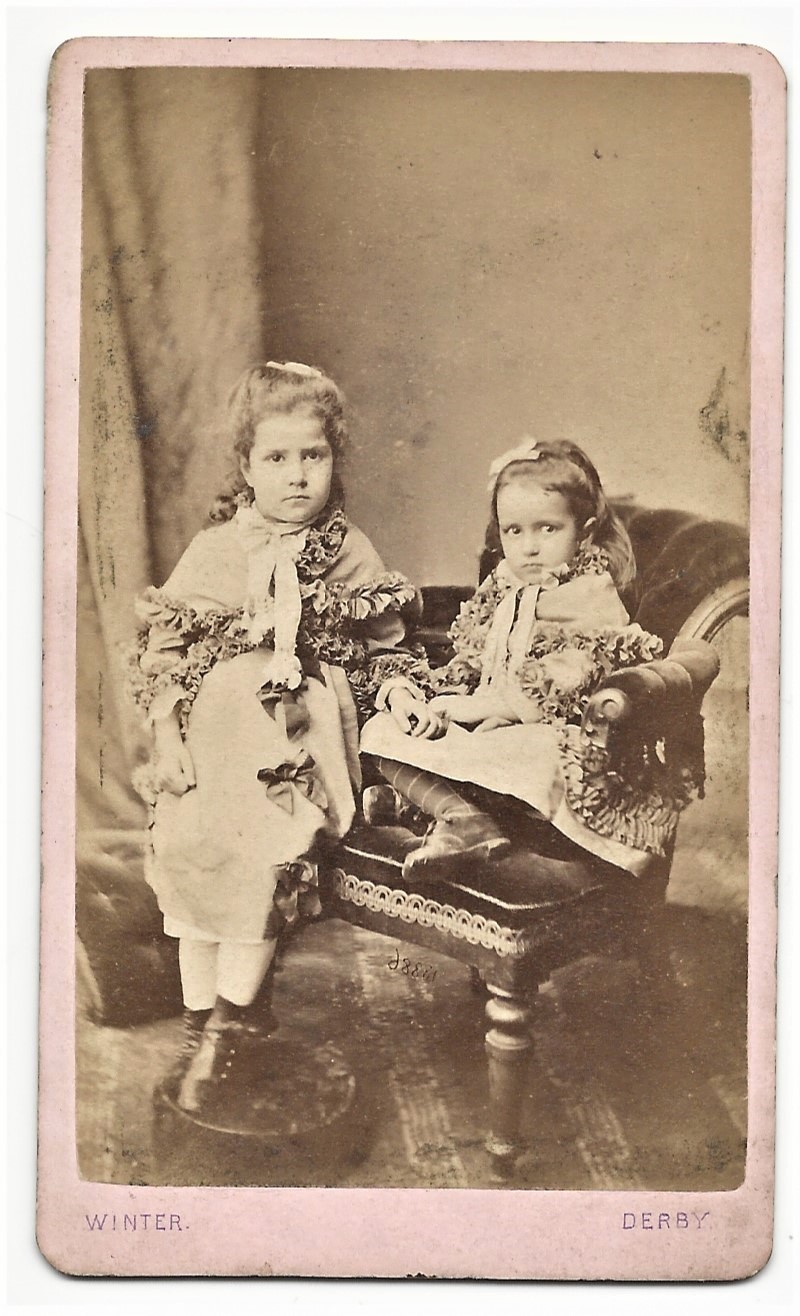
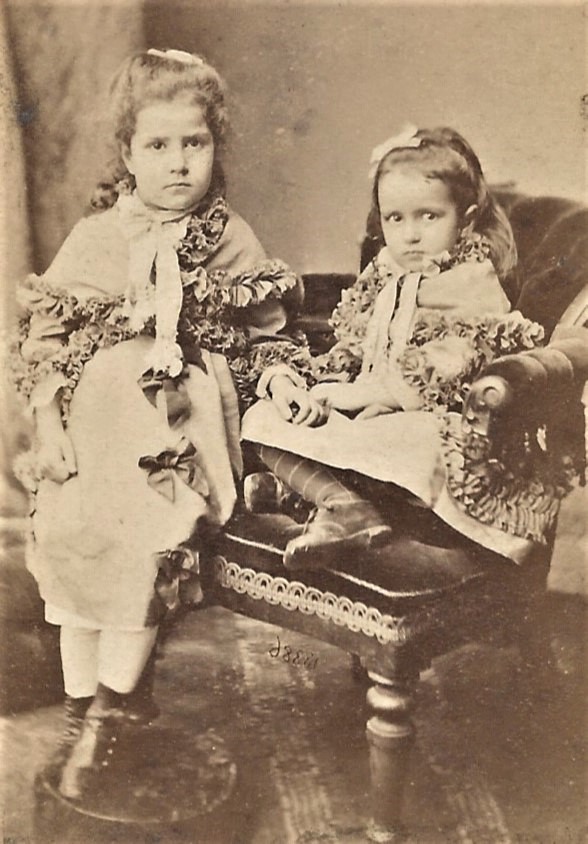
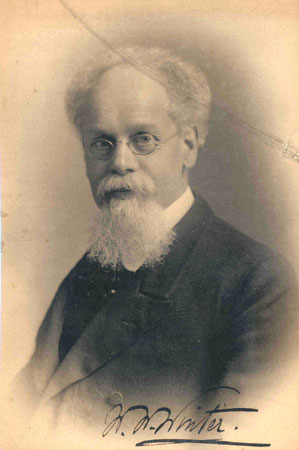

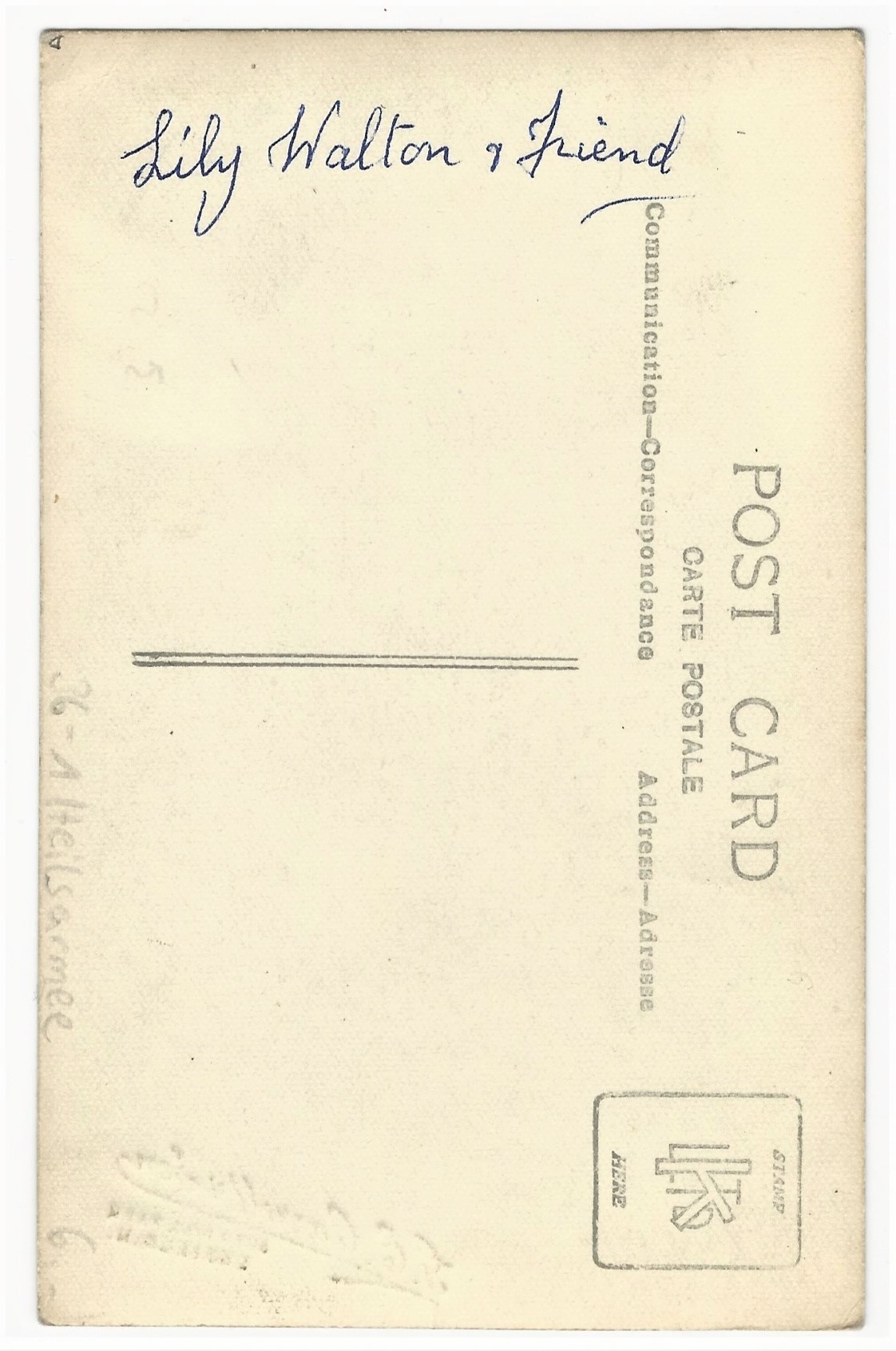
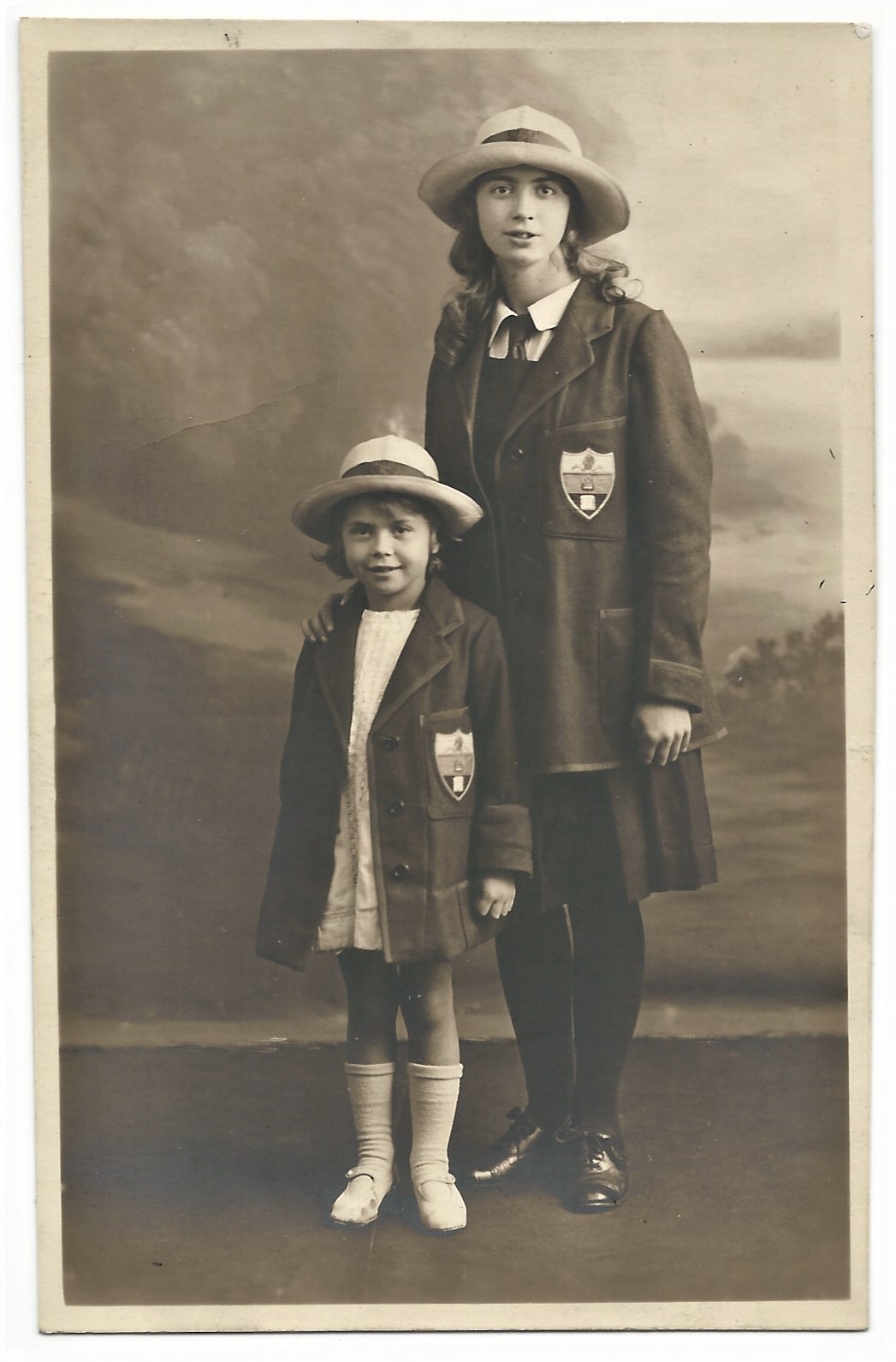
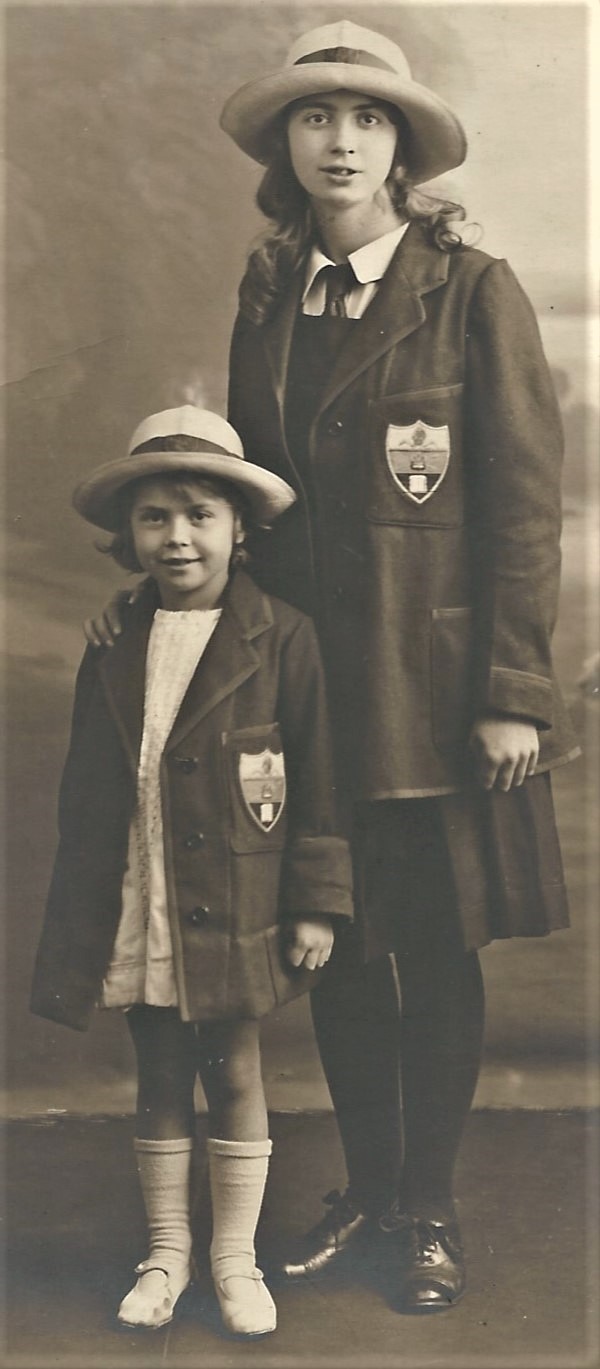
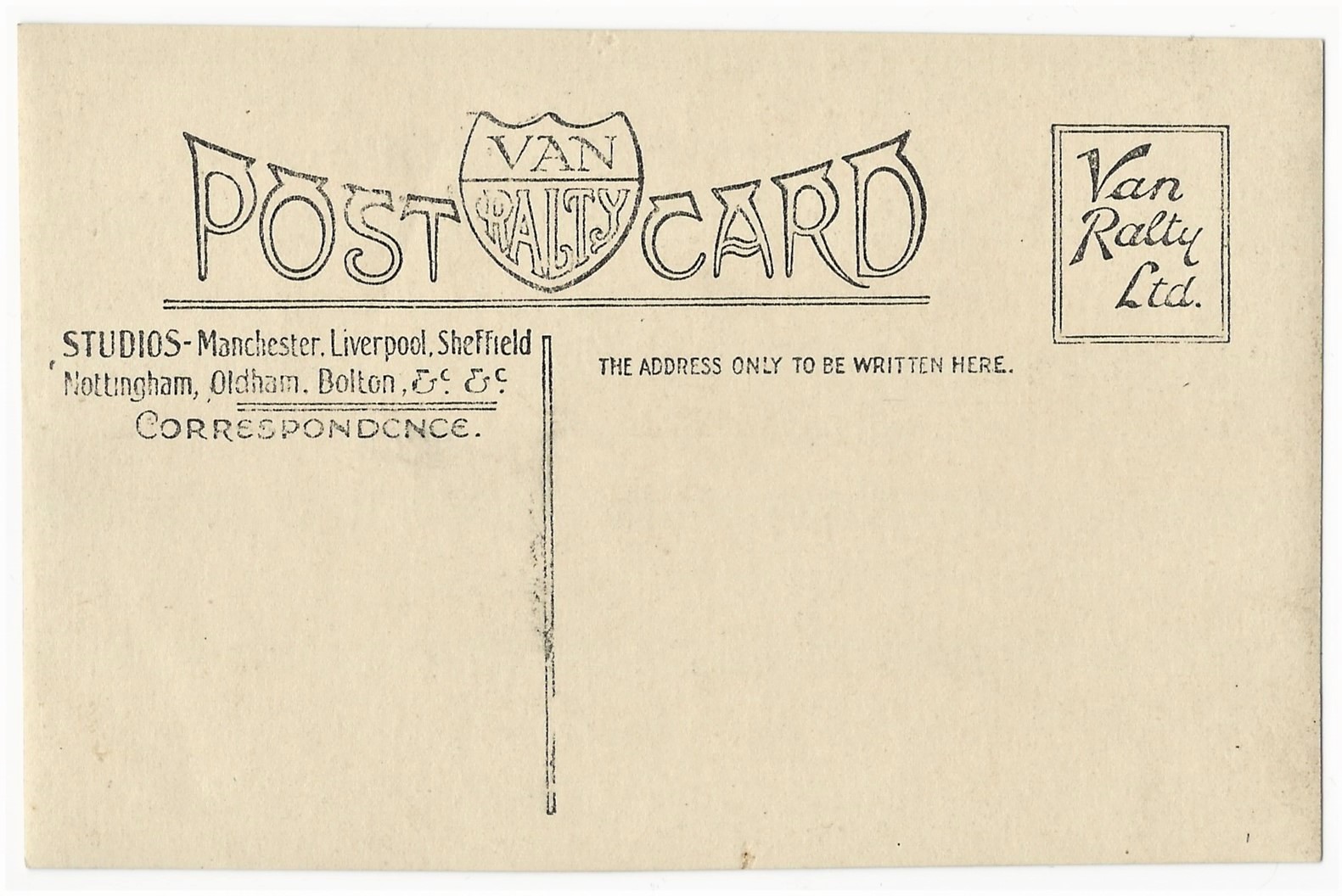
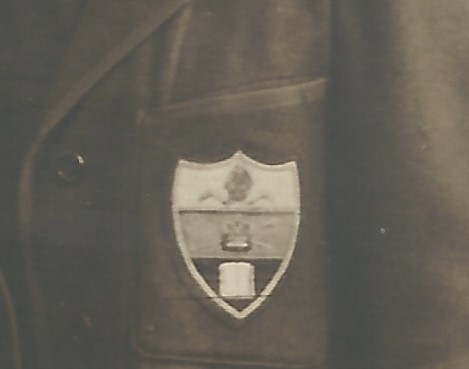 This vintage real photo features two lovely girls wearing their school uniforms. It is likely that they are sisters. The patch on their jackets probably reveals where they attended school. This photo was taken at the Van Ralty Limited Studios. The company operated photo studios in Manchester, Liverpool, Sheffield, Nottingham, Oldham, and Bolton, England. Research uncovered one article that reported that the Van Ralty enterprise was in business between 1911 and 1933, It is unclear if the writer was referring to one of the individual studios or referring to the entire operation. This vintage postcard is in very good condition (see scans). SOLD