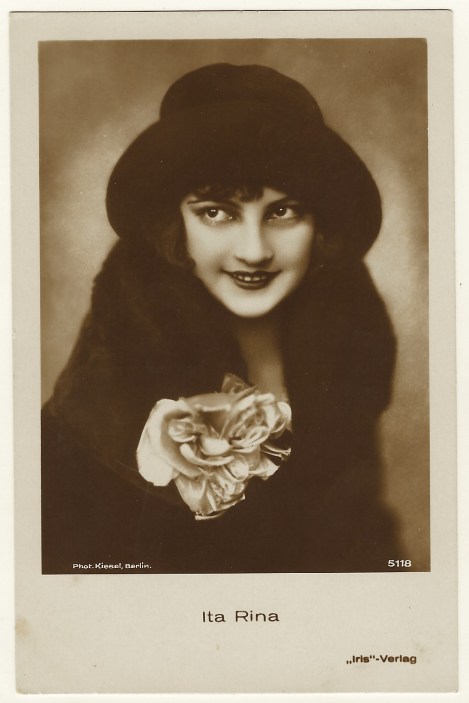
 POSTCARD 1 (SOLD)
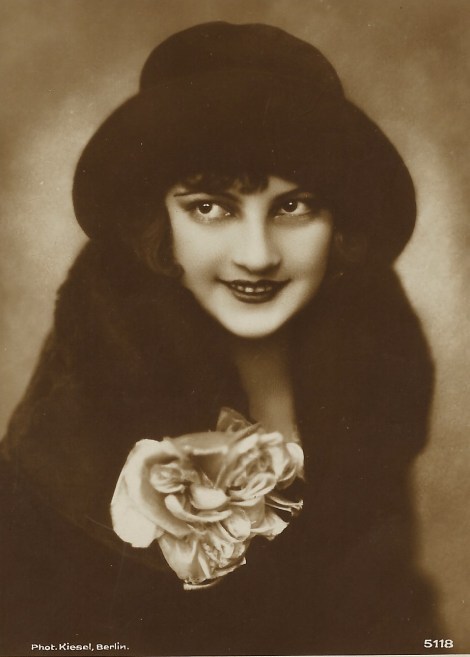 POSTCARD 1 (CLOSE-UP) (SOLD)
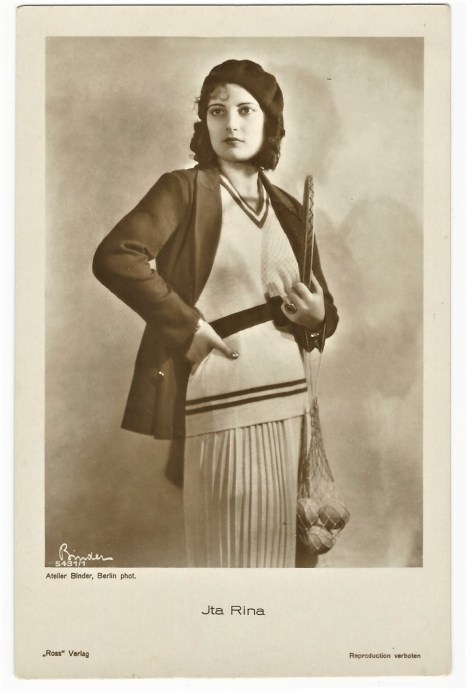 POSTCARD 2 (SOLD)
 POSTCARD 2 (CLOSE-UP) (SOLD)
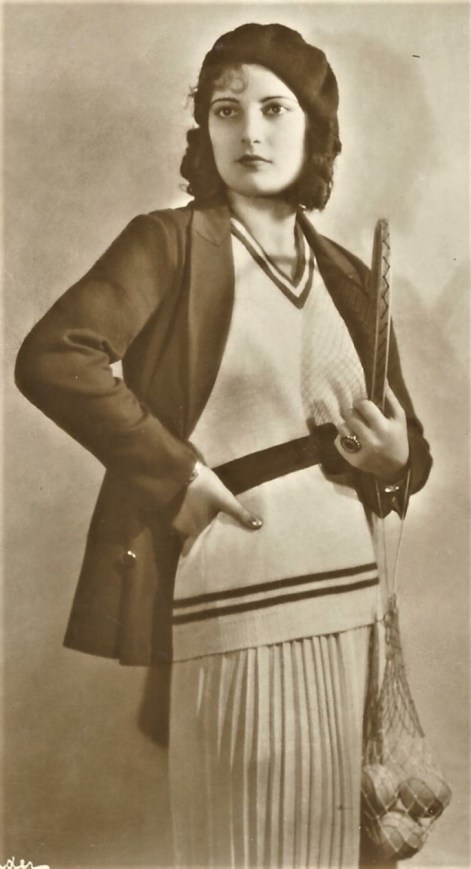
The pretty film actress seen in this vintage real photo postcard (postcard 1) is Ita Rina (1907-1979). Her unusual name is actually a pseudonym. Italina Lida Kravanja was her given name and it’s understandable that she used a shorter and more catchy moniker. Miss Rina was a Slovenian film actress and beauty queen. In the late 1920’s and early 1930’s she was one of the major film stars in Germany and Czechoslovakia. After getting married in 1931 she changed her name to Tamara Dordevic. Rina was a poor student as a child and knew early on that she wanted to be an actress. In 1926 she entered a beauty contest sponsored by a Slovenian magazine and Rina won. She was then slotted to compete in the next level beauty contest but she arrived late and could not participate. No worry though, she was noted by a cinema owner who sent her photograph to German film producer Peter Ostermayer who invited her to Berlin for an audition. In 1927, Rina went to Berlin without her mother’s permission. She took classes in acting and dancing. She made her debut in the film “What Do Children Hide from Their Parents” (1927). After a number of small film roles, she received some attention for her role in the film “Last Supper” (1928). Her breakthrough occurred in the film “Erotikon (Seduction)” (1929) in which she had a starring role. The film was a great success but upset some moral and Christian organizations for it’s eroticism. Some consider her best role to have been in the Czech sound film “Tonka Sibenice” (1930). Rina received an offer from Hollywood but her husband vetoed it and she decided to stay with her husband. However, she continued her film career until the beginning of World War II. Rina’s IMDB filmography asserts that she appeared in 19 films.
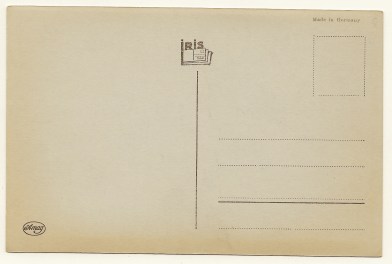
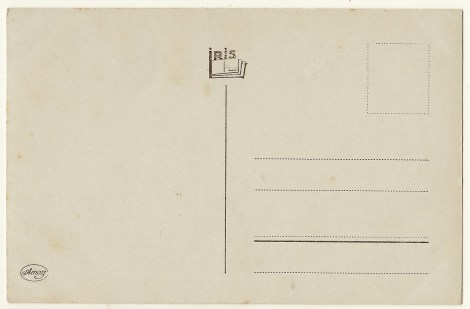
Postcard 1 was produced by Iris Verlag. Iris Verlag was the most important Austrian publisher of film star postcards. It operated from Vienna during the 1920’s and 1930’s. The publishing house Amag (Albrecht & Meister) is listed on the reverse of the card. The postcard is part of a series (no. 5118). The photographer was Kiesel of Berlin. (SOLD)
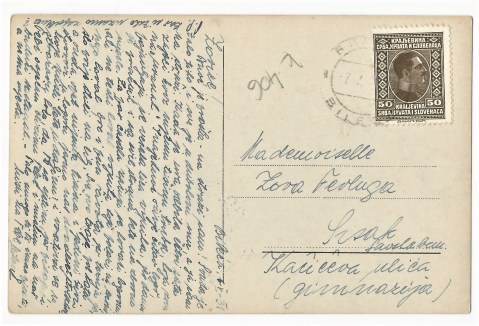
Postcard 2 features Miss Rina ready for a game of tennis. She is carrying a racquet as well as a net bag holding three tennis balls. She is truly a fashionista tennis player. Can you imagine Serena Williams or Maria Sharapova playing tennis in this attire? Postcard 2 was published by Ross Verlag and photographed by theatrical photographer Alexander Binder. Binder’s studio was located in Berlin, Germany. The postcard is part of a series (no.5431/1). The card was postmarked in 1931 and has a stamp from Yugoslavia. (SOLD)
TRIBUTE TO ITA RINA
 POSTCARD 1
 POSTCARD 2

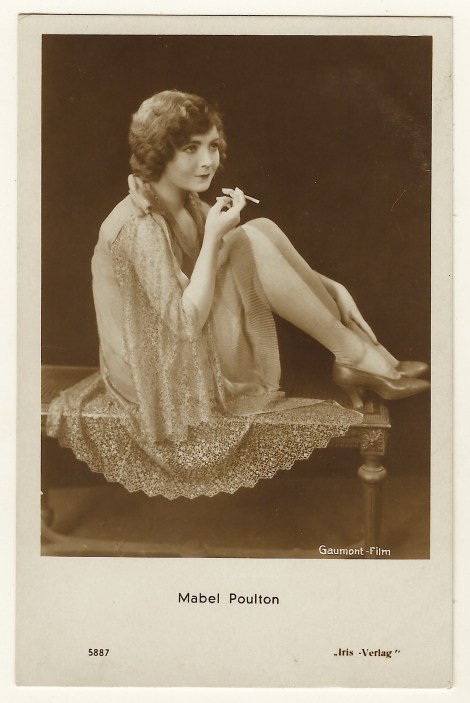
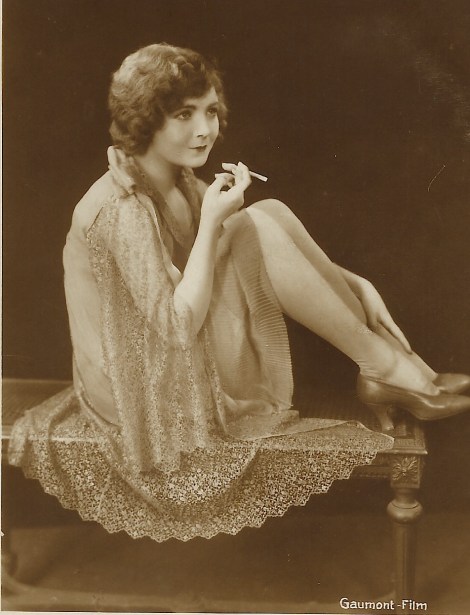


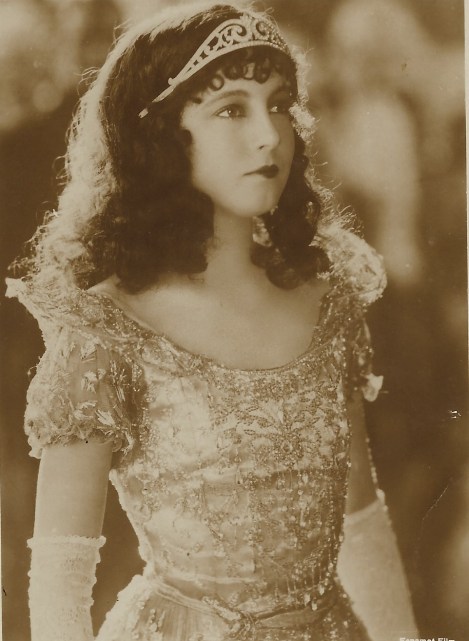
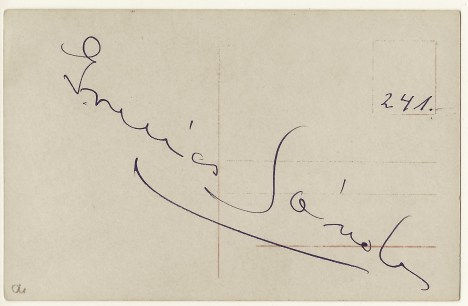
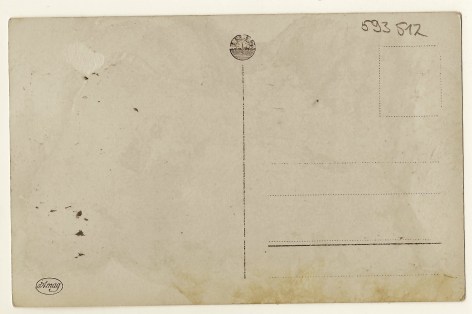
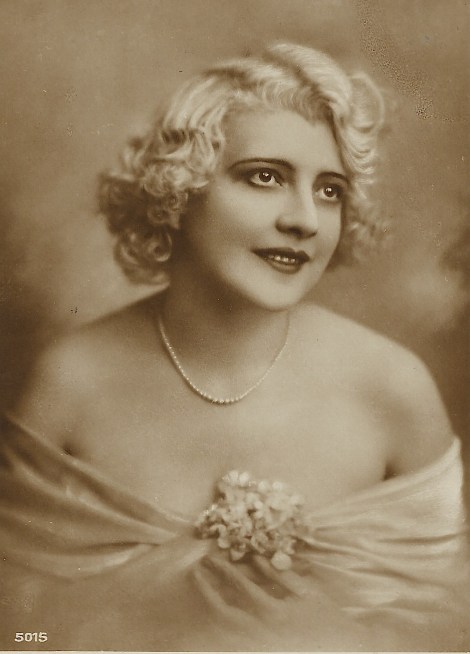 This vintage real photo postcard features Hungarian actress Camilla von Hollay (1899-1967). She was born in Budapest. Her father was a factory director and as she entered young adulthood her parents tried to steer her into going to medical school. Instead, Camilla pursued acting. She was active in film during the silent film era. IMDb credits her with sixty-eight film credits between 1916 and 1930. Early in her movie career she appeared in films with Bela Lugosi. Later, he became known in the US for his portrayal of Dracula. Camilla was blonde and attractive. Many of her films in the 1920’s were filmed in Germany. Her first acclaimed role was in “The Lightship” (1922). Camilla is quoted as stating that film “offers me the opportunity to live my life, to walk in many different forms, and to see myself in a hundred mirrors of just as many human figures”. It is believed that Camilla’s acting career disappeared with the advent of sound film. It is likely her Hungarian accent was seen by film companies as unsuitable for significant roles. She was married to a journalist. Nothing is known about her post acting life. This portrait postcard was published by Iris Verlag/Amag. Iris Verlag was a popular Austrian postcard producer. Amag (Albrecht & Meister) was a publisher located in Berlin. The company took over Aristophot in 1909. Amag ceased production in 1920. This photo portrait postcard is in excellent condition (see scans).

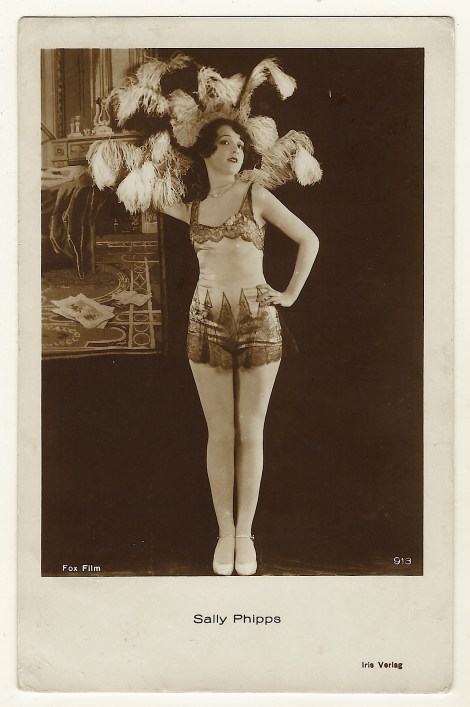
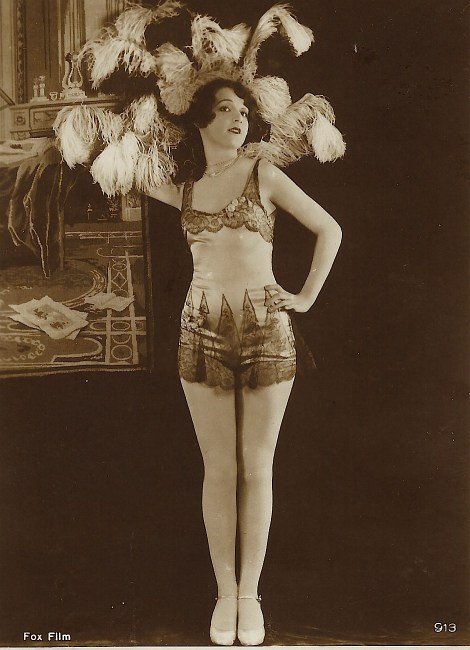


 Postcard 2
 POSTCARD 3