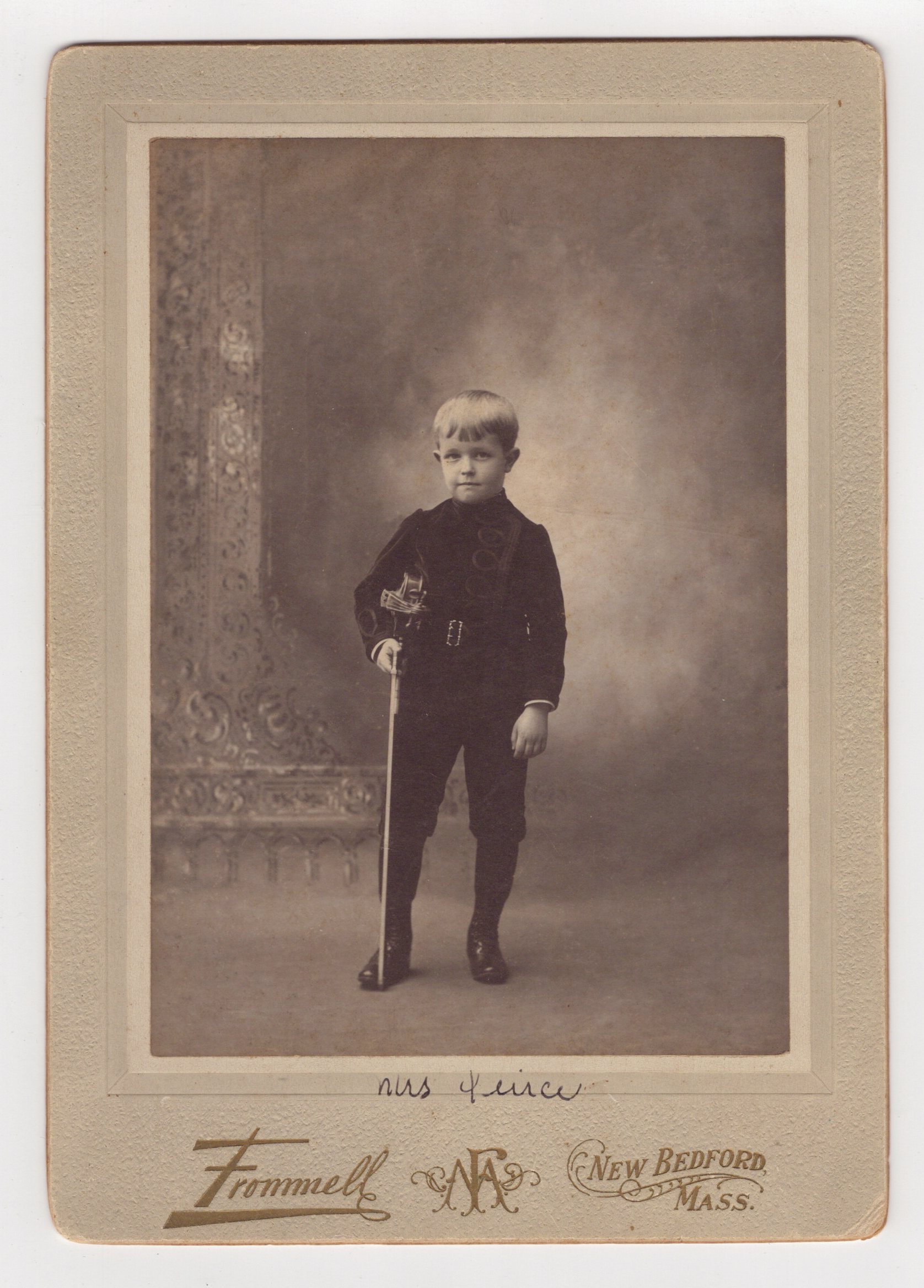
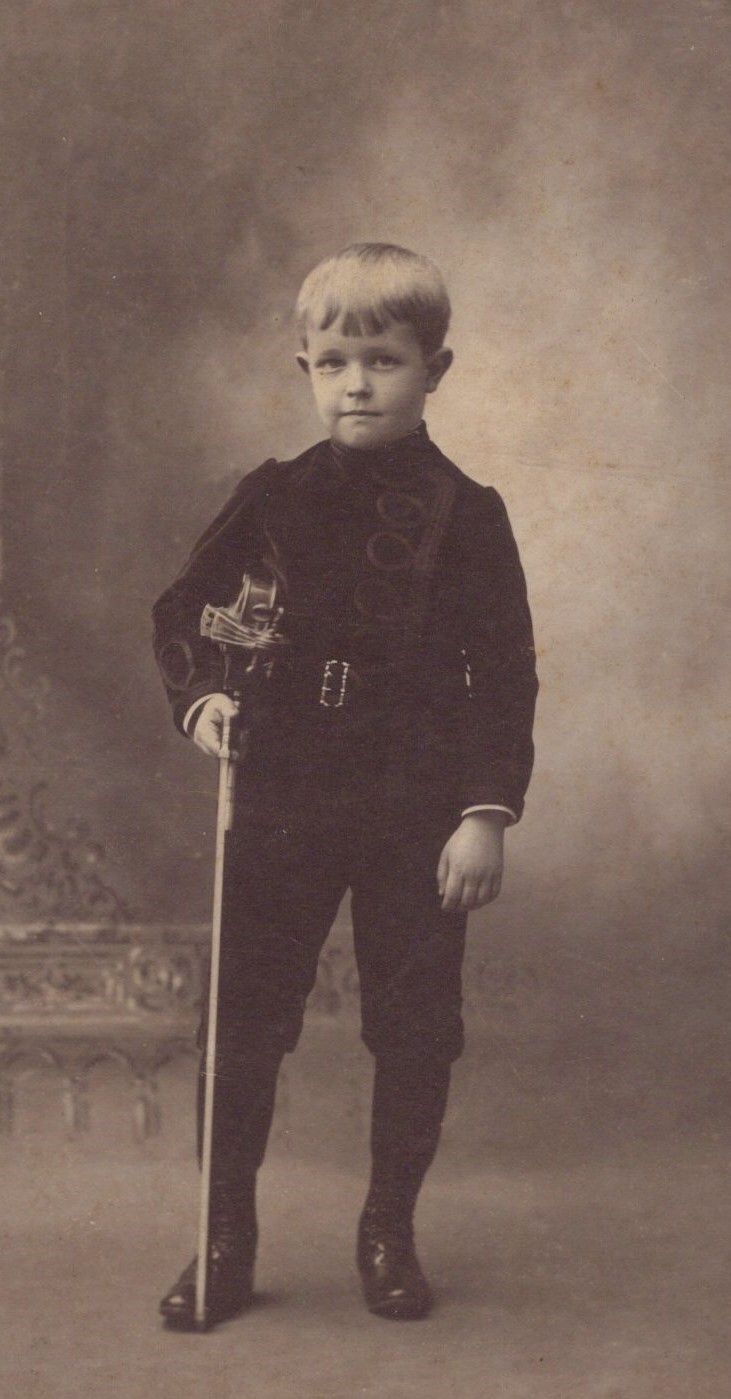
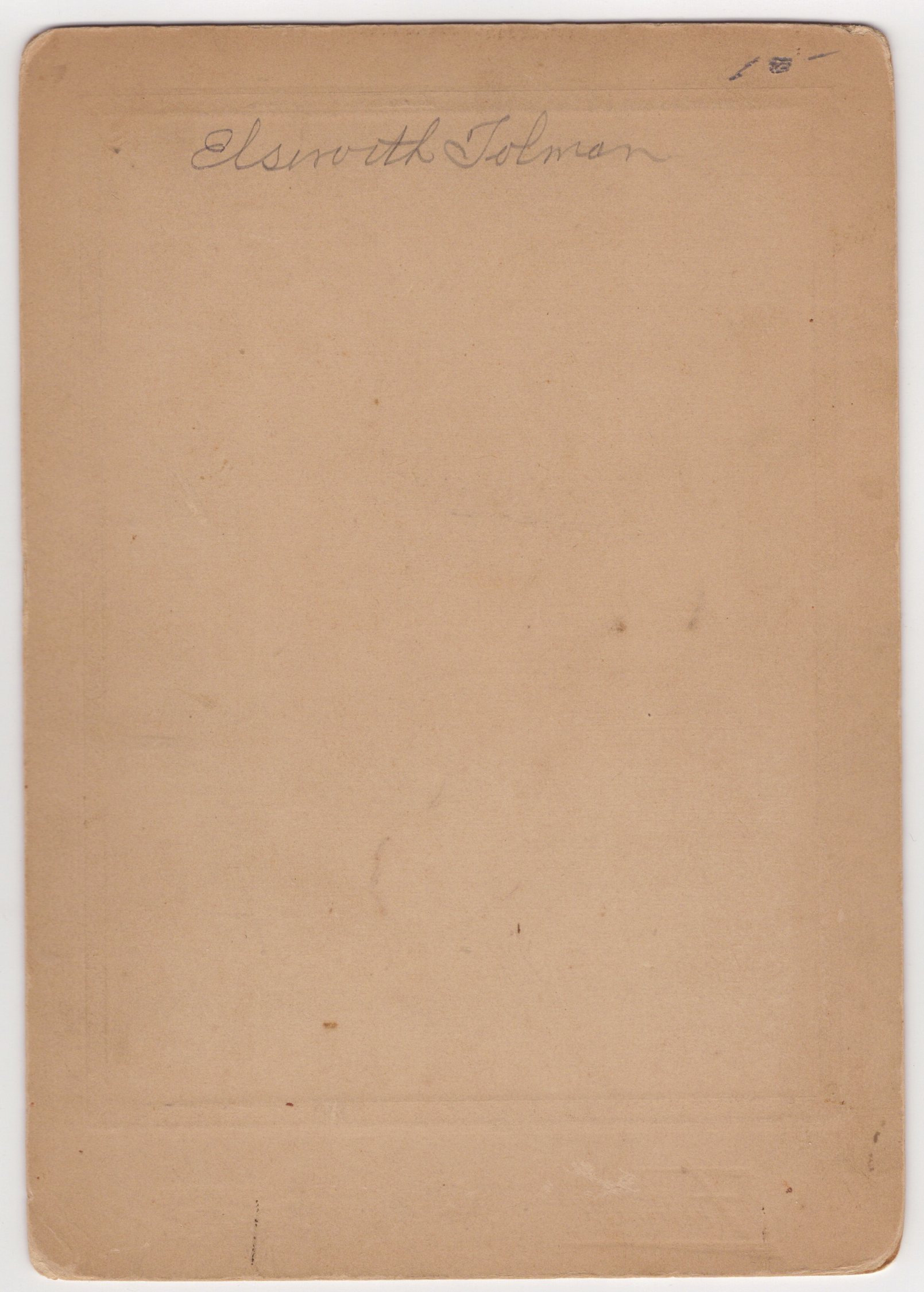
This vintage photograph features a handsome young boy dressed in dark clothing. He is holding a stick of some kind. Is it a toy? It almost looks like a sword. It has been pointed out to me by a Cabinet Card Gallery visitor that the boy actually has a violin under his arm. The “stick” is likely a bow. The child appears to be wearing a uniform (band?). The boy is identified on the reverse of the photograph. His name is Elsworth Baker Tolman and he lived most of his life in New Bedford, Massachusetts. He was born in 1891. His father and mother were named Elmer and Adrianna respectively. The boy’s father was a musician. The 1910 census shows that Elsworth was working as a dry goods salesman. Elsworth was in the Army during World War l. He was a Captain and was assigned to an Engineering unit. Records from the 1930’s reveal that he was working as an engineer and in 1939 he married Dorothy Tolman. In 1940, he was employed as a fire insurance Engineering Inspector. This photo was taken by Martin H. Frommell at his New Bedford, Massachusetts studio.
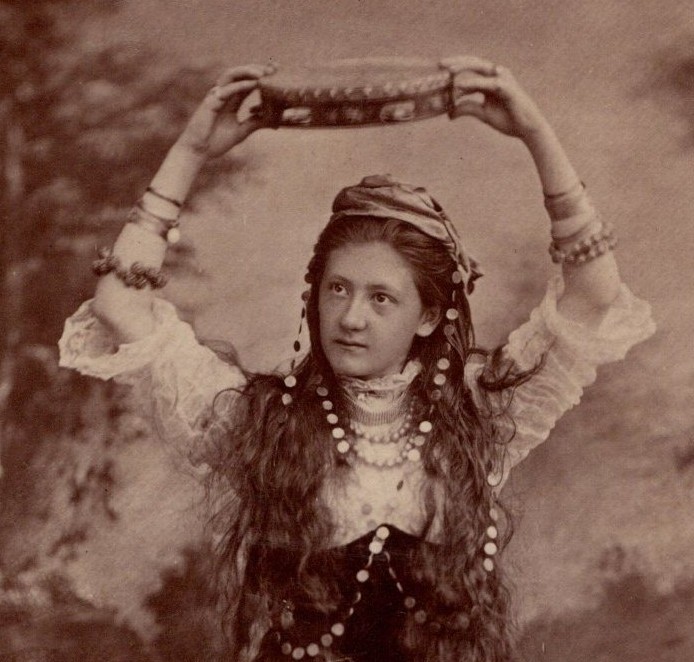
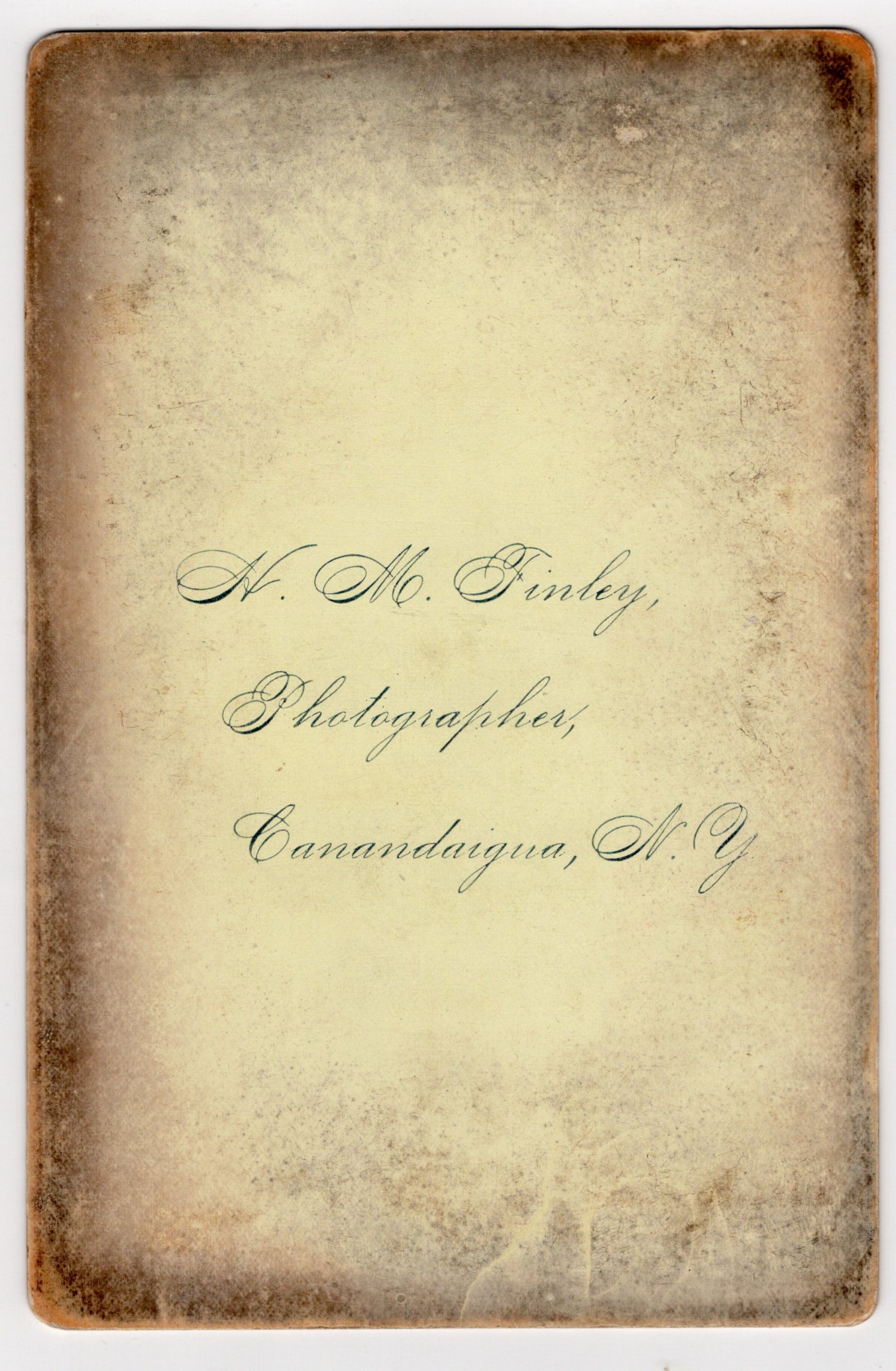
This cabinet card captures a gypsy woman with her tambourine held above her head. She is wearing multiple bracelets and necklaces, as well as linked chains. She is wearing what appears to be a head scarf, stockings, and a very interesting cloth belt. She may be an actual gypsy, or perhaps an actress in costume. The photographer is H. M. Finley of Canandagua, New York. Canandaigua is located in the Finger Lakes region of New York. Horace M. Finley (1839-?) was born in Canandaigua and educated in local schools. After completing school he worked for his father’s photographic studio. His father, Marshall Finley, was a co author of one of the first American photography books (1849). Horace Finley worked as a photographer for many years; he was listed as an artist, or photographer, in the census’s of 1860 through 1900. To view other photographs by Finley, click on category “Photographer: Finley”. SOLD
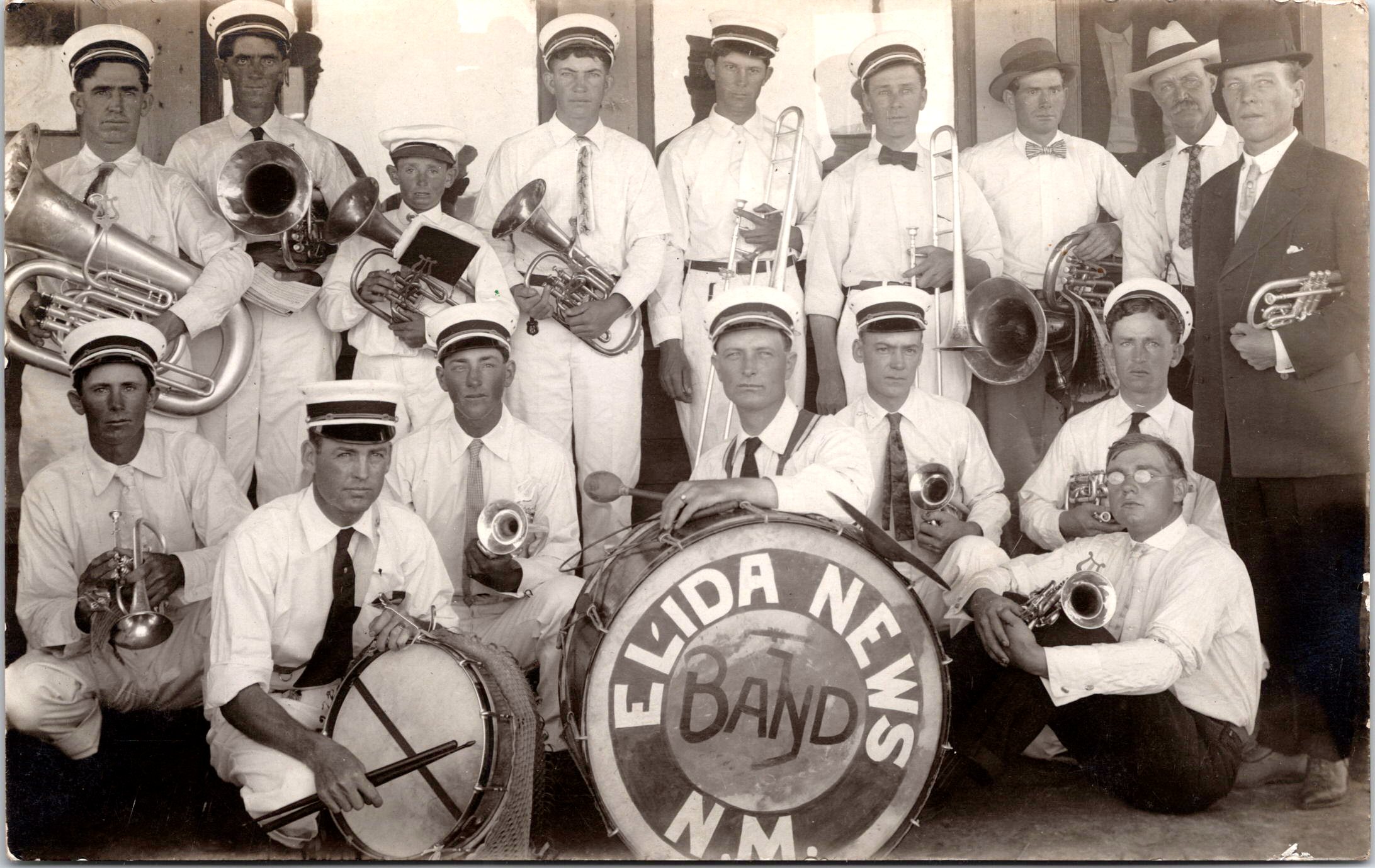
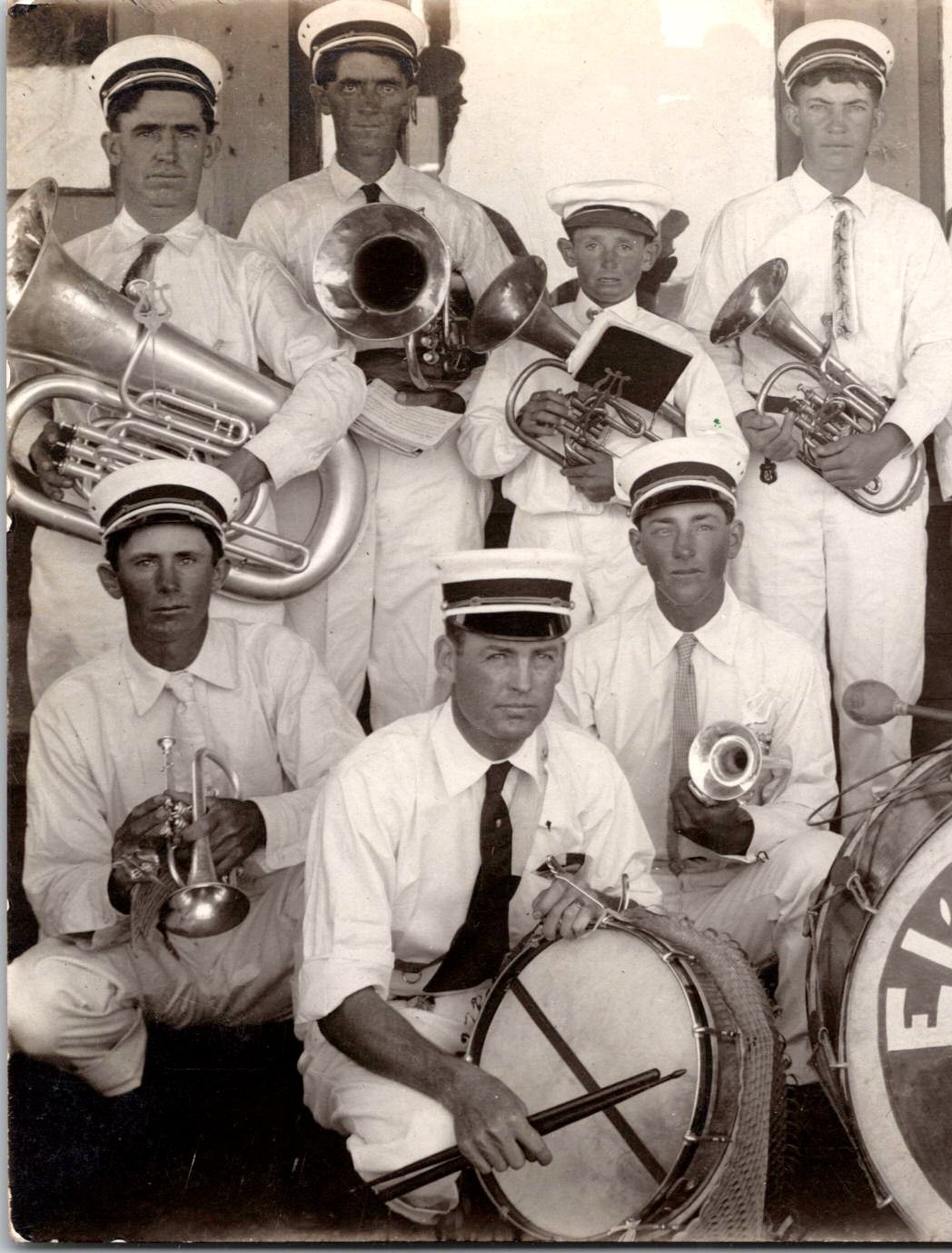
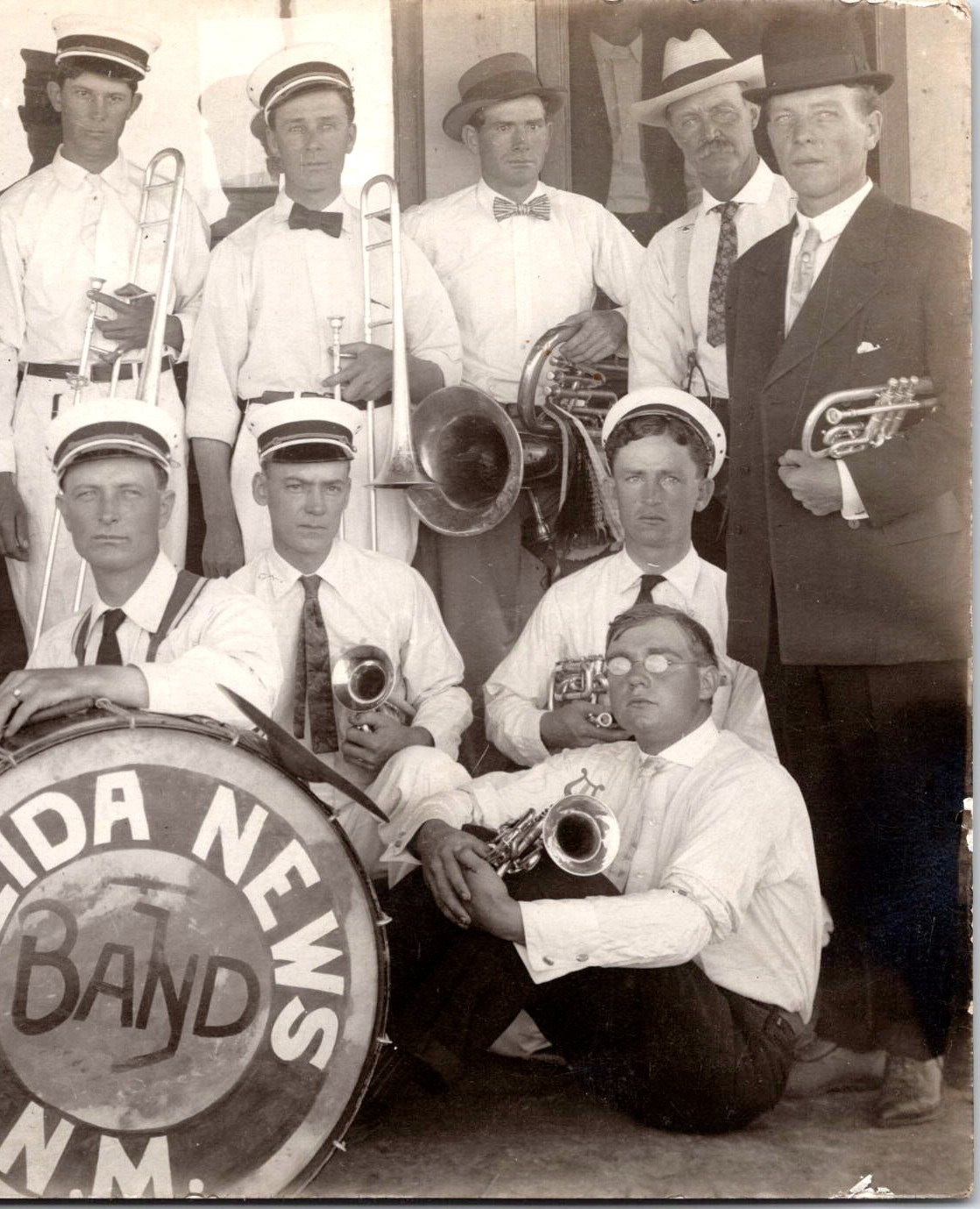
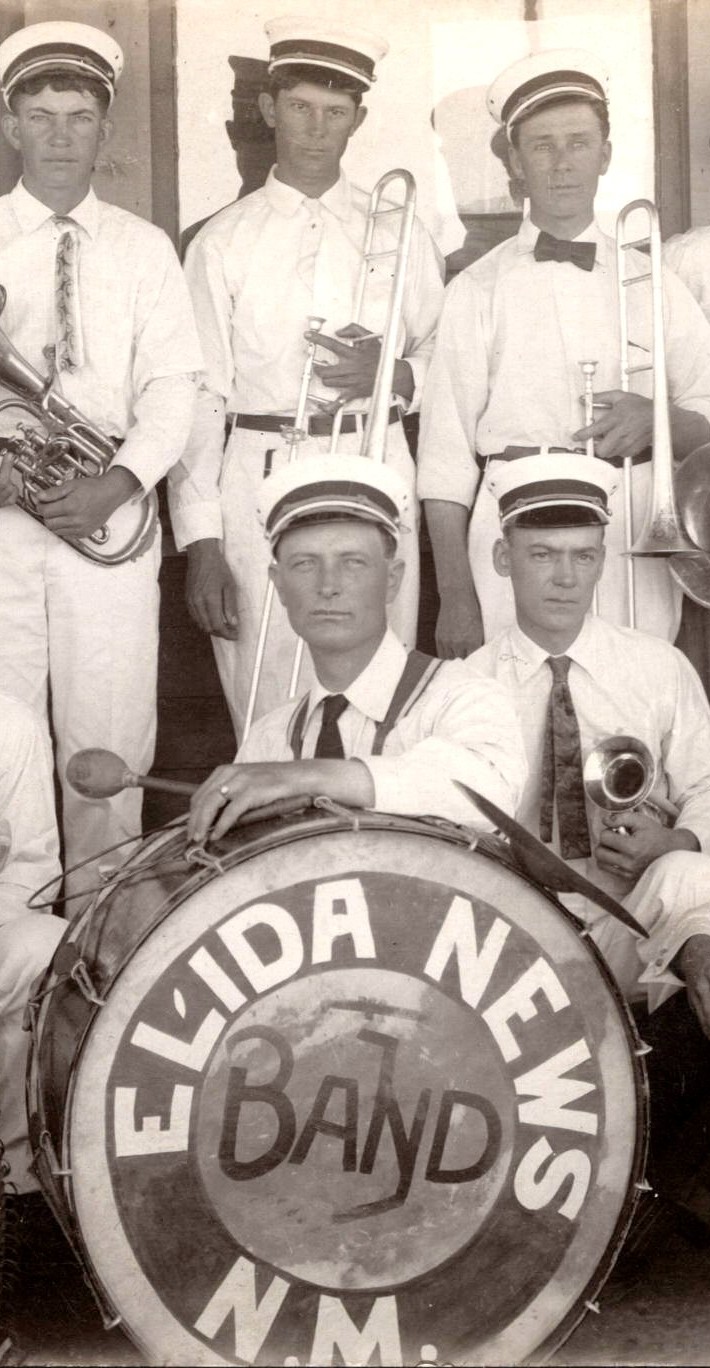
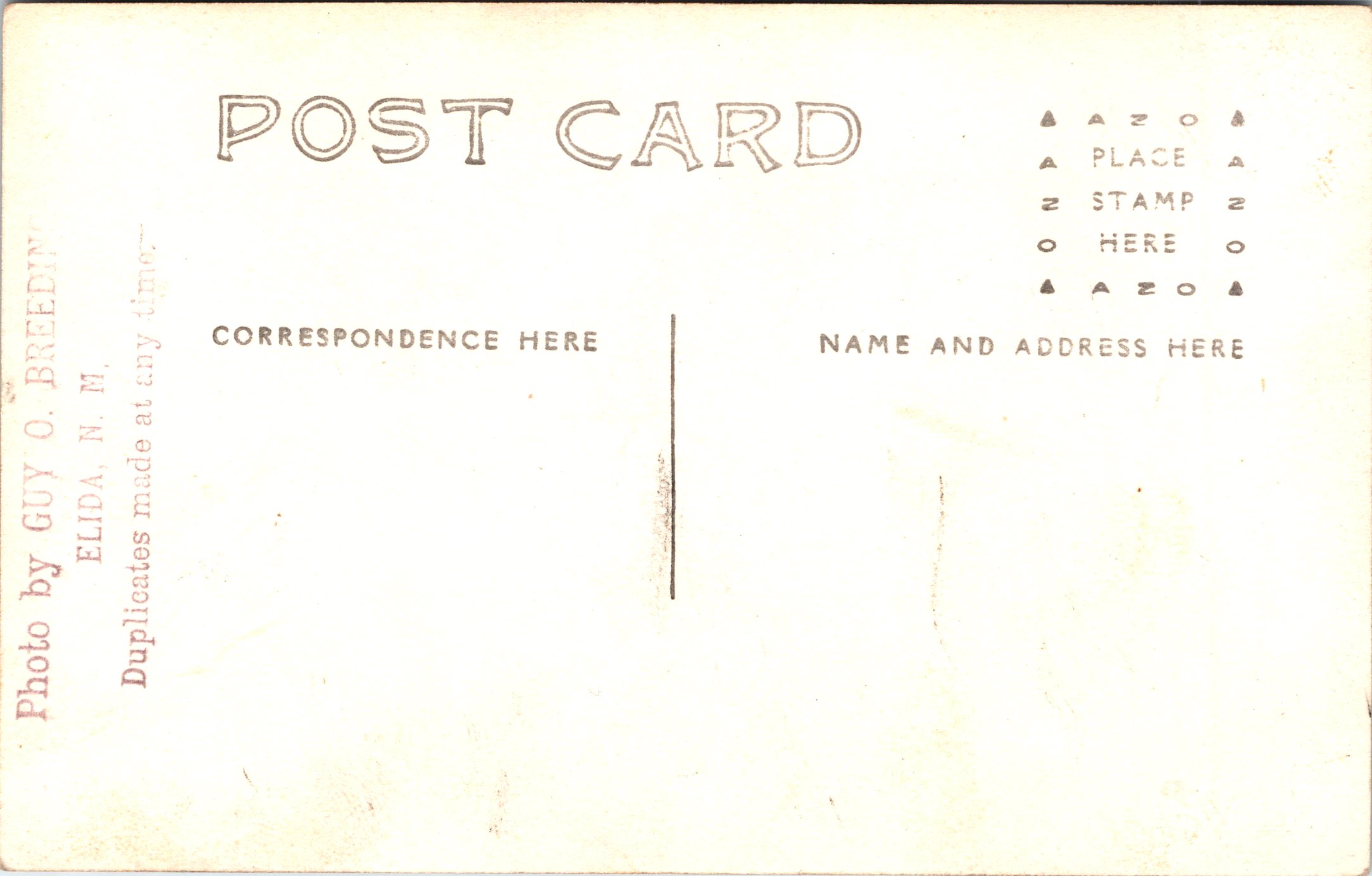
This striking real photo postcard (RPPC) captures a moment in early 20th-century New Mexico history with a beautifully composed group portrait of the Elida News Band from Elida, N.M. The band members are posed proudly in their crisp white uniforms and hats, each holding an instrument—cornets, trombones, tubas, drums, and other brass band staples. The large bass drum in the foreground is boldly labeled “Elida News Band N.M.” giving clear identification to this historic ensemble. The image is full of character, with each musician presenting a distinct expression, from serious and stoic to modestly smiling. Of special note are the two men in suits standing at the far right—possibly the band director and a community official—adding to the formality and significance of the occasion. The reverse of the postcard is marked AZO with four triangles pointed upward, dating it to approximately 1904–1918. Since the postcard has a divided back, it is likely that the postcard was actually published between 1907 and 1918. Along the left margin is the credit: “Photo by GUY O. BREEDING, ELIDA, N.M.”. Elida is a small village situated in Roosevelt County, eastern New Mexico. The closest major city to Elida, New Mexico is Lubbock, Texas, located approximately 100 miles east of Elida. (SOLD)
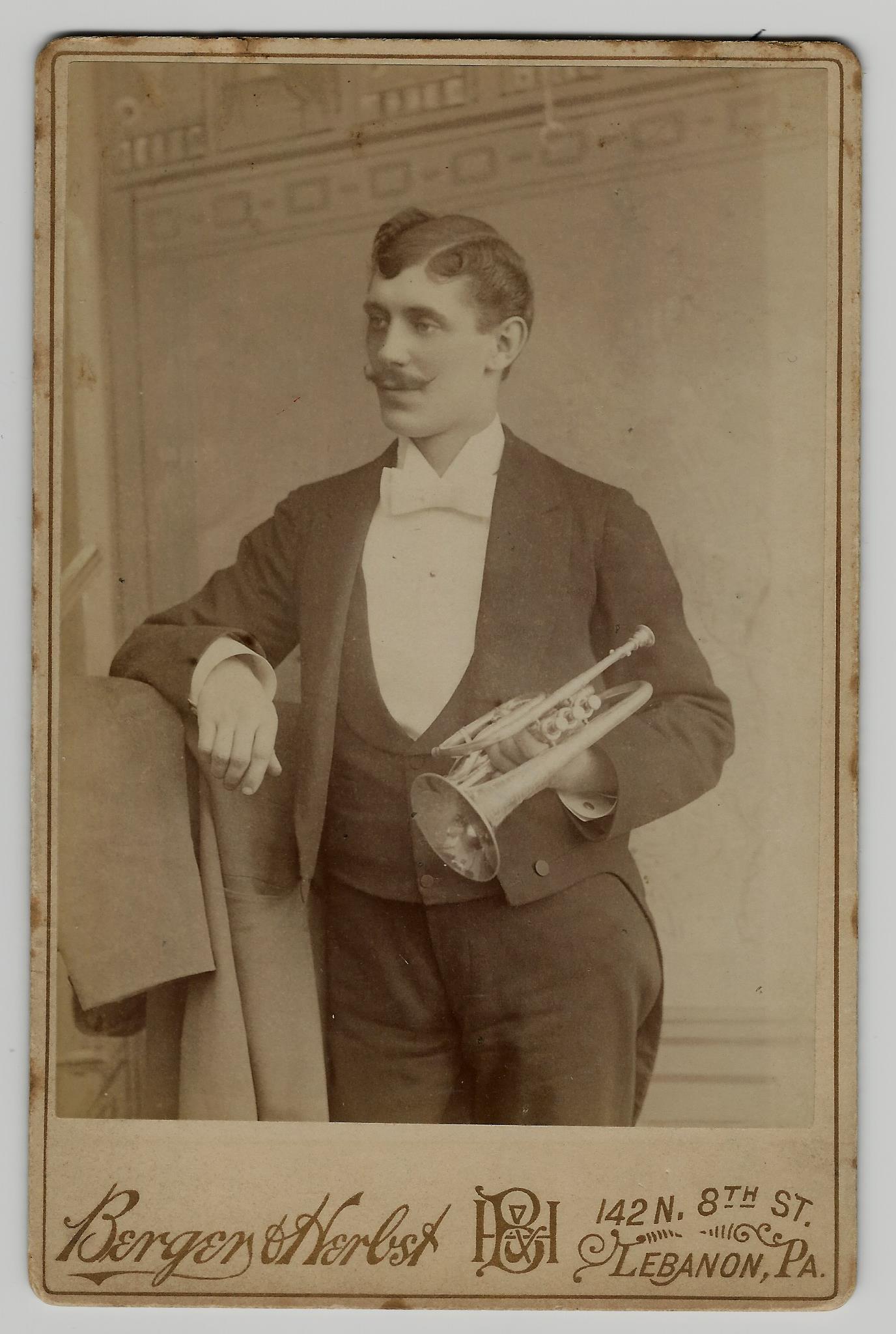
This cabinet card photograph features a well dressed man holding a trumpet. The portrait was taken at Berger & Herbst studio in Lebanon, Pennsylvania. The Lebanon County Historical Society’s online photographer directory lists Berger & Herbst as operating in Lebanon between 1893 and 1894. The directory also reports that R. H. Herbst had his own studio in 1900. SOLD
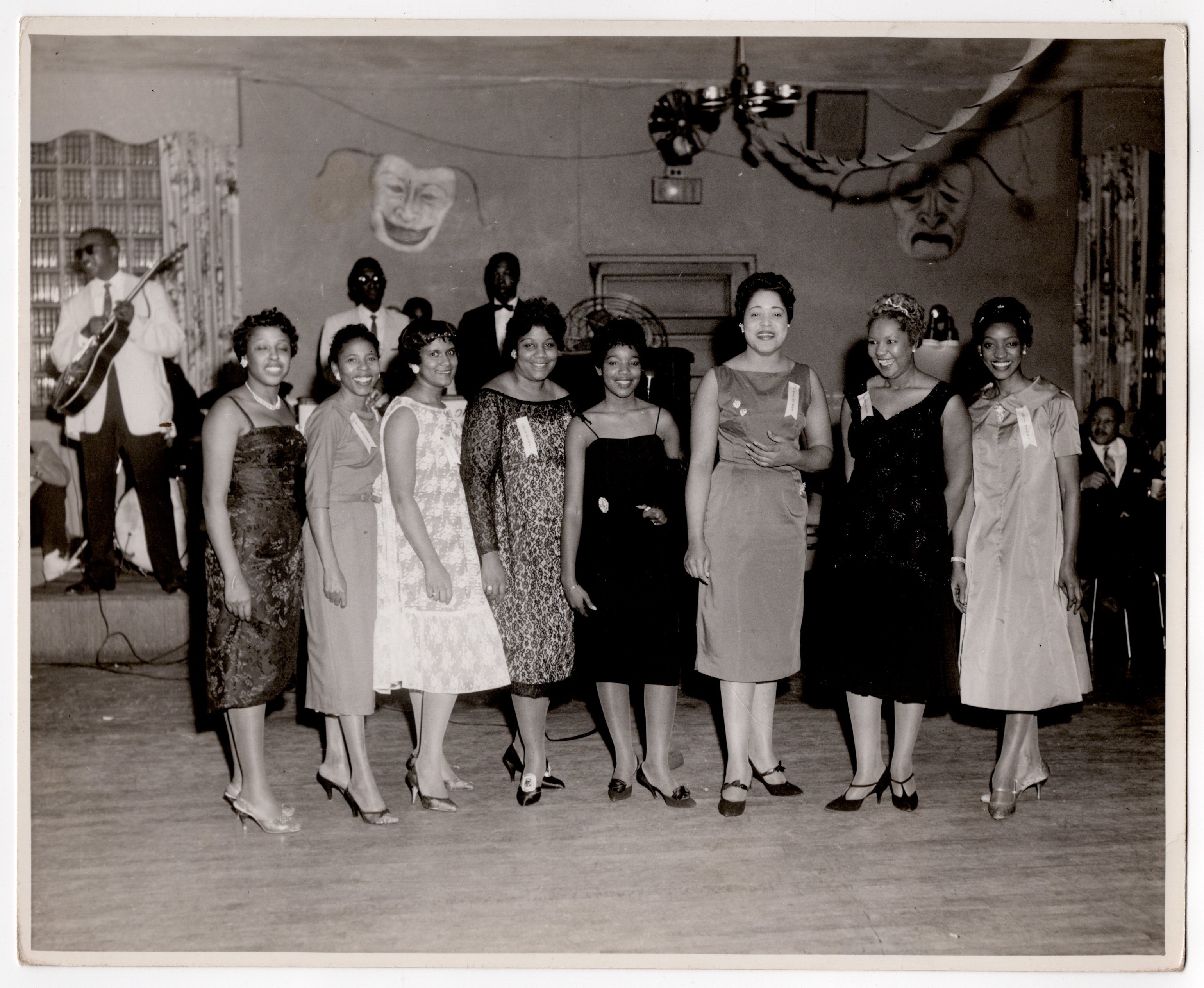
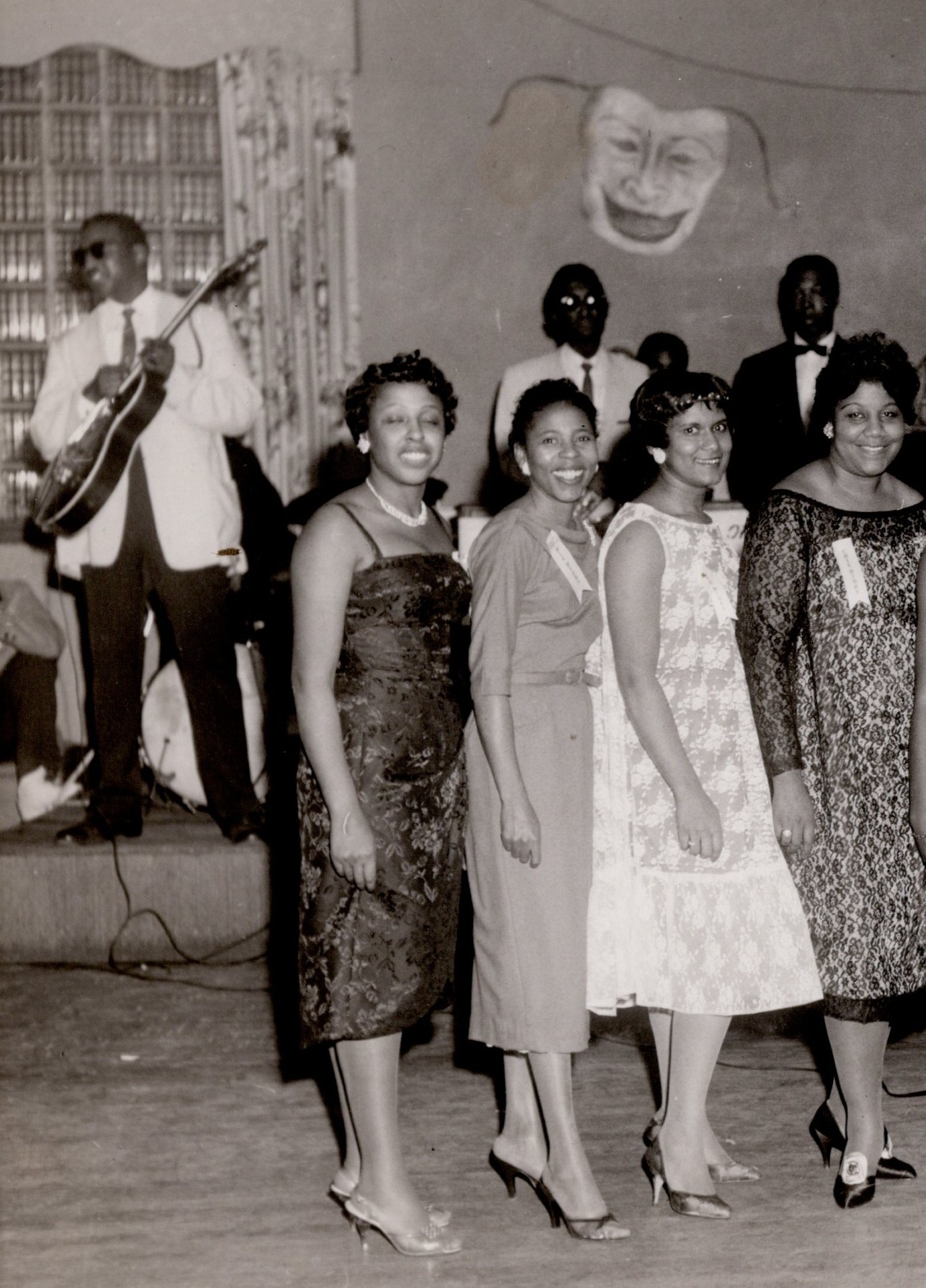
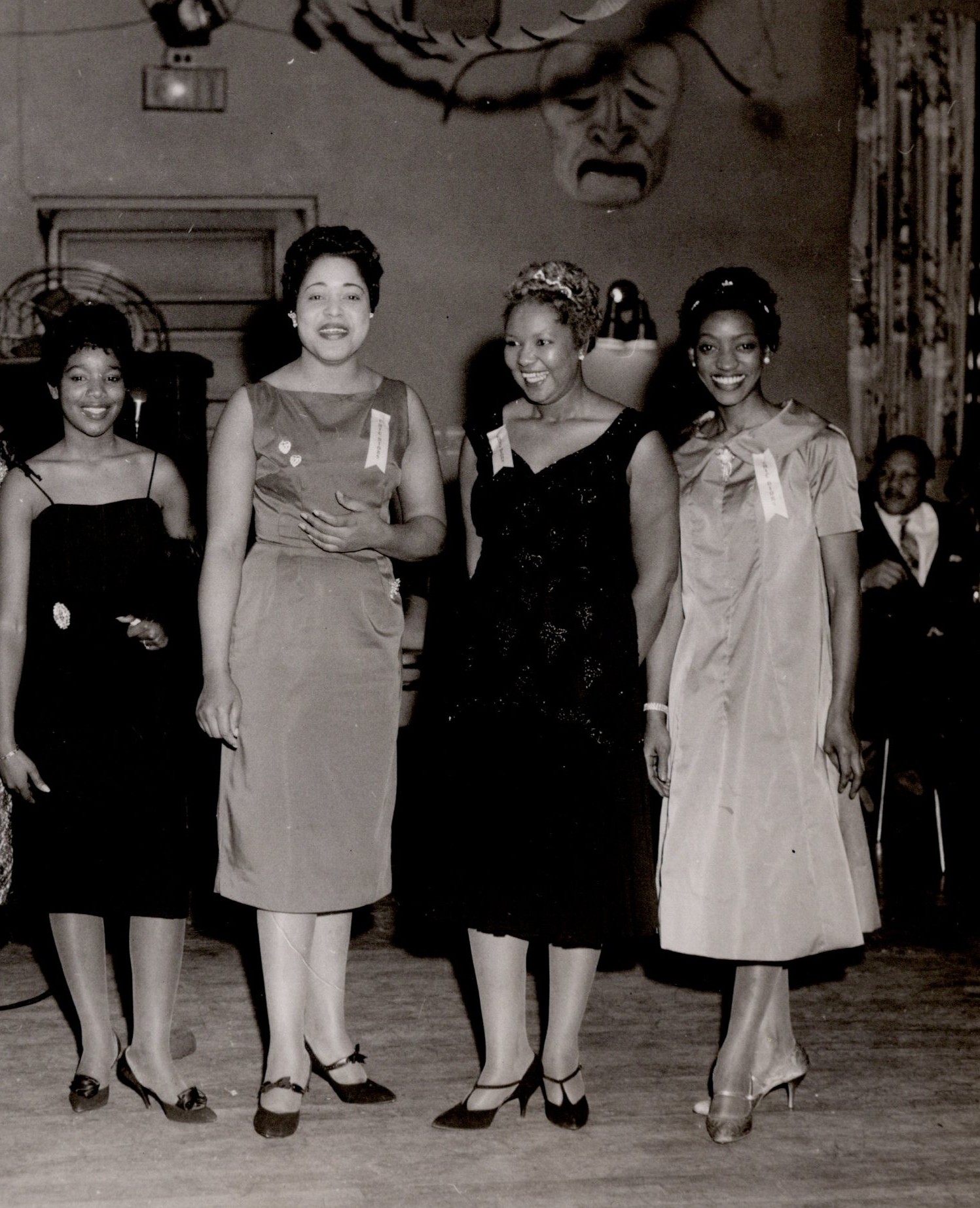
This dynamic vintage press photograph captures a joyous and stylish moment at what appears to be a mid-century African-American social event or pageant, photographed by Jimmy H. Baynes, a notable African-American photographer who was active in Cleveland, Ohio. The image dates likely to the late 1950s or early 1960s, an era when such gatherings were vital community affairs celebrating Black excellence, fashion, and music. The central focus is a beautifully posed group of eight African-American women, all elegantly dressed in cocktail or evening wear. Each woman wears a dress that reflects the fashion of the era—from sleek satin to lace, florals, and polished tailoring. Their heels, jewelry, and stylish hairdos speak to pride and sophistication. Several wear ribbons or corsages, suggesting this might be a pageant, cotillion, or civic recognition event. The women’s expressions range from warm smiles to dignified calm, exuding confidence and unity. In the background, we see a small jazz ensemble, including a guitarist in a white jacket and a saxophonist, adding to the lively, celebratory atmosphere. The wall décor includes two large theatrical masks (tragedy and comedy), enhancing the impression that this event took place at a community center, fraternal hall, or social club with cultural significance. The photograph is the work of Jimmy H. Baynes, a prominent African-American photographer who chronicled the Black social and cultural scene in Cleveland throughout the mid-20th century. His work often captured the heart of the community—beauty pageants, civic events, family milestones, and musical gatherings—preserving an important visual history that is increasingly recognized and appreciated by collectors and scholars. This original black-and-white photograph measures approximately 8 x 10 inches and is in very good condition with only minimal corner wear. The contrast is strong, the image is sharp, and all details are well preserved (see scans). The photographer of this photograph, Jimmy Baynes was known for his ability to capture the essence of African American life, culture, and entertainment from the 1950s through the 1980s. Originally a postal worker, Baynes pursued photography as a passion, ultimately founding Baynes Foto Service. His work chronicled the vibrancy of mid-century African American social life, from intimate gatherings and beauty contests to the pulsating energy of live music performances and political events. Baynes photographed some of the most iconic figures in entertainment history, including Aretha Franklin, Louis Armstrong, Count Basie, Mahalia Jackson, Louis Jordan, Jerry Lee Lewis, the Platters, and the Drifters. His ability to capture both candid and staged moments gave his work a lasting impact, preserving the rich history of Cleveland’s African American community. His legacy is recognized today by institutions such as the Rock and Roll Hall of Fame and Museum Library and Archives in Cleveland, which houses a collection of his photographs, primarily focusing on music and entertainment. In 2010, shortly before his passing, his work was featured in the “Polaroid: Instant Joy” exhibition in Brooklyn, New York, reaffirming his role as a visual storyteller of African American life in the mid-20th century. This photograph was taken in the 1950’s. SOLD
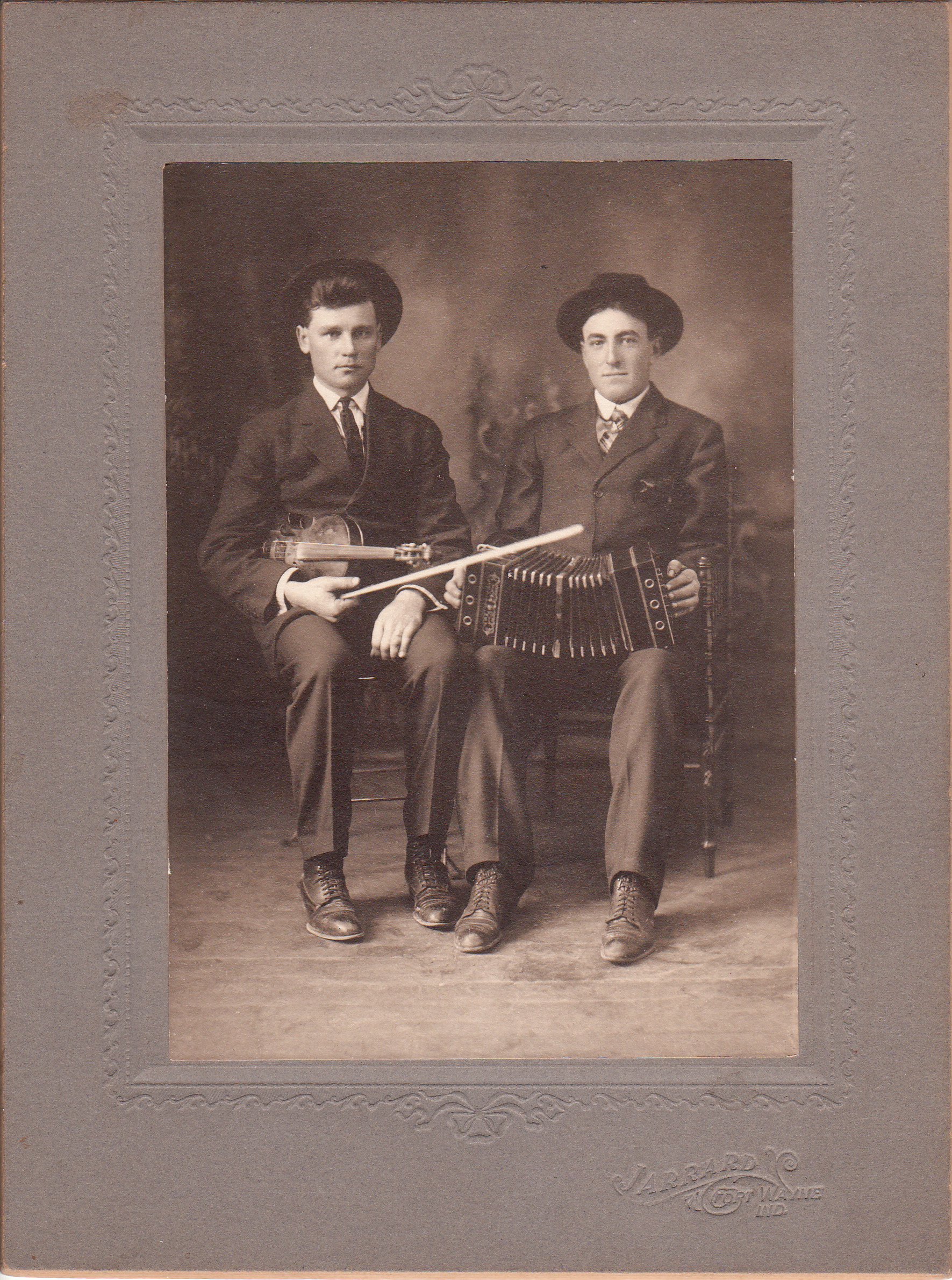
This photograph features two musicians posing for their portrait at the Jarrard Studio in Fort Wayne, Indiana. According to an inscription on the reverse of the photograph, the violinist is named “Louie Dudenhofer” and he is the “Brother to Jeanette”. The second musician is unidentified and he is holding his accordion. The photographer, Harry R. Jarrard was born in Indiana in 1852. He is known to have been a photographer from at least 1889 through 1910. He is thought to have arrived in Fort Wayne in 1886 and in 1888 married Emma Short. His photography business in Fort Wayne occupied several locations during its existence. SOLD
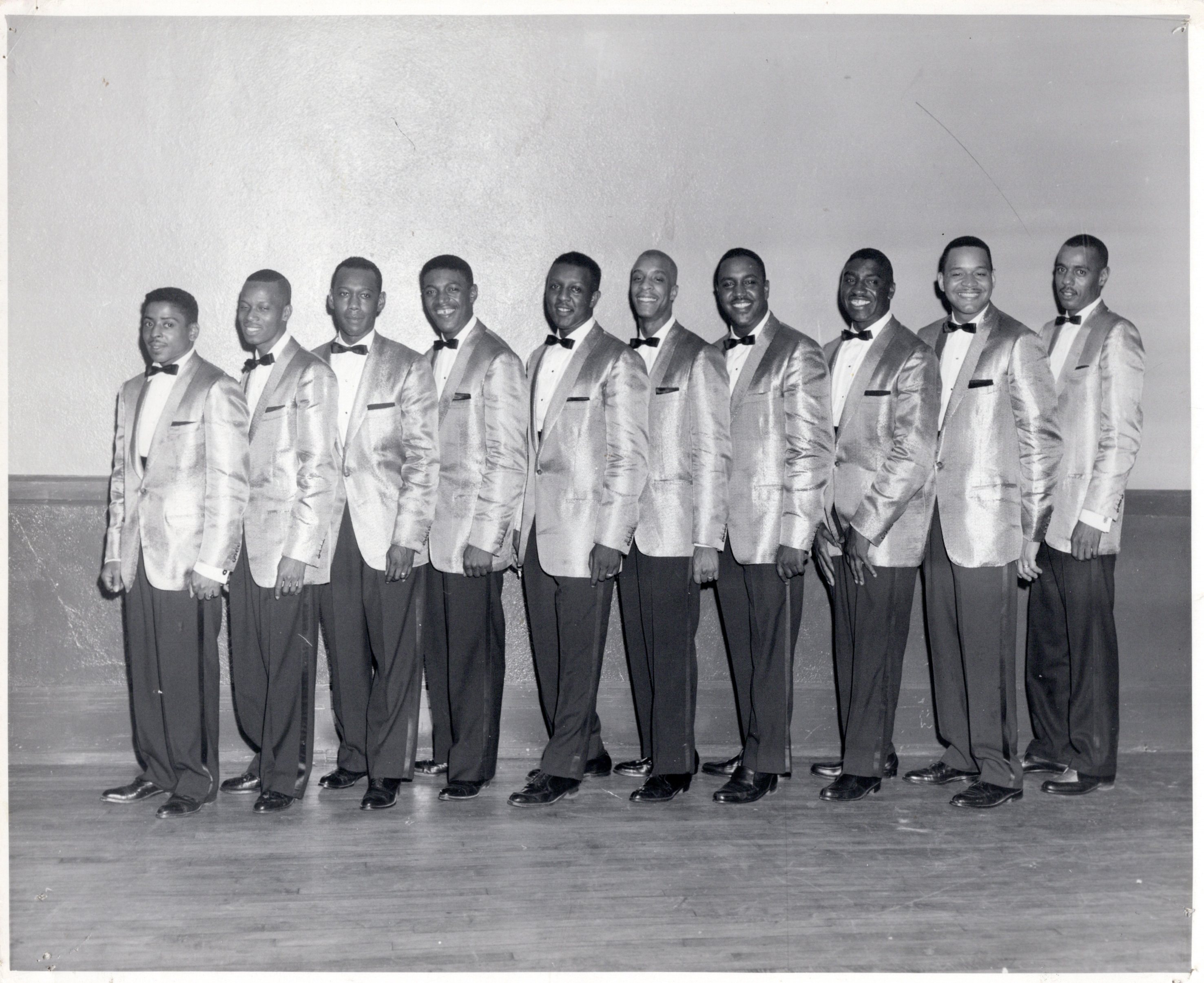
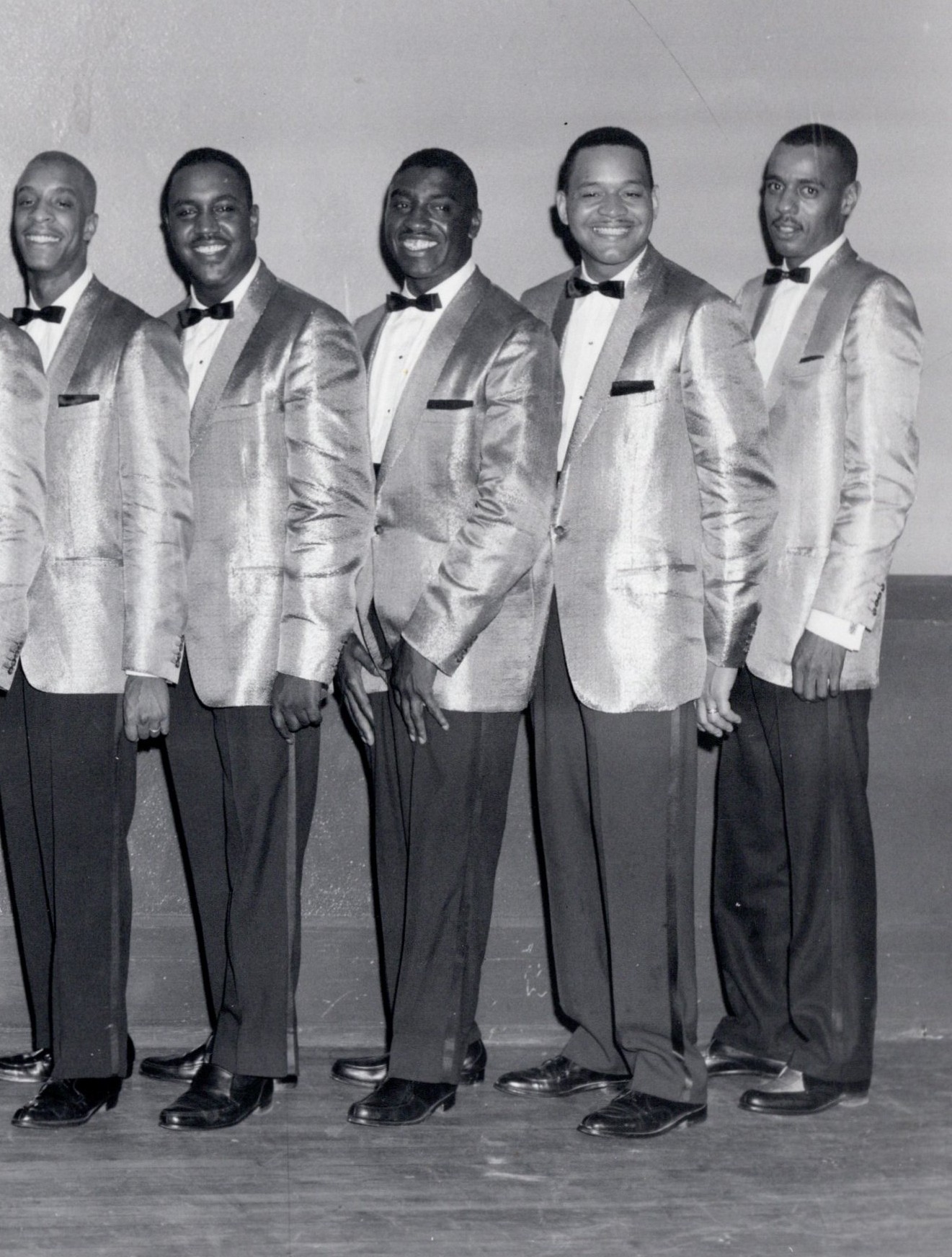
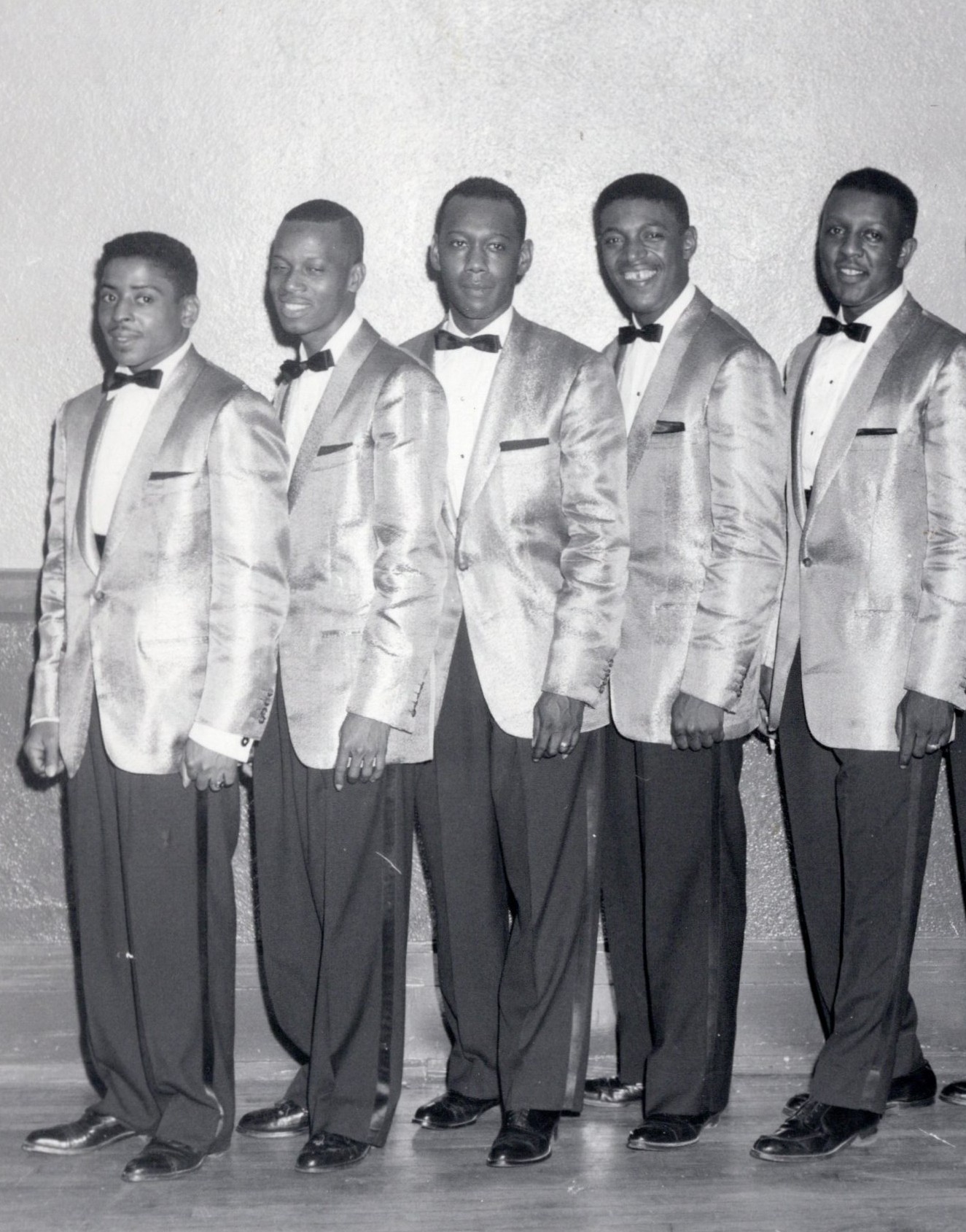
This striking black-and-white photograph, taken by Cleveland photographer Jimmy Baynes (1922–2010), captures a moment of unity, elegance, and pride. The image showcases a distinguished group of African American men, impeccably dressed in matching metallic-toned tuxedo jackets, crisp white dress shirts, and black bow ties. Their tailored jackets gleam under the light, emphasizing their polished, formal appearance. Completing their attire, neatly pressed black trousers and polished dress shoes reflect a commitment to both style and sophistication. Standing in a carefully arranged formation, the men present a sense of camaraderie and professionalism. Their expressions range from confident smiles to serious, poised looks—perhaps reflecting the anticipation of a performance or an important social event. Each man exudes dignity, their upright postures and synchronized attire reinforcing a sense of unity. The background is simple and unembellished, allowing the focus to remain on the subjects themselves, their expressions, and the sharp contrast of their gleaming jackets against the darkened floor. The photographer of this photograph, Jimmy Baynes was known for his ability to capture the essence of African American life, culture, and entertainment from the 1950s through the 1980s. Originally a postal worker, Baynes pursued photography as a passion, ultimately founding Baynes Foto Service. His work chronicled the vibrancy of mid-century African American social life, from intimate gatherings and beauty contests to the pulsating energy of live music performances and political events. Baynes photographed some of the most iconic figures in entertainment history, including Aretha Franklin, Louis Armstrong, Count Basie, Mahalia Jackson, Louis Jordan, Jerry Lee Lewis, the Platters, and the Drifters. His ability to capture both candid and staged moments gave his work a lasting impact, preserving the rich history of Cleveland’s African American community. His legacy is recognized today by institutions such as the Rock and Roll Hall of Fame and Museum Library and Archives in Cleveland, which houses a collection of his photographs, primarily focusing on music and entertainment. In 2010, shortly before his passing, his work was featured in the “Polaroid: Instant Joy” exhibition in Brooklyn, New York, reaffirming his role as a visual storyteller of African American life in the mid-20th century. This photograph was taken in the 1950’s. (SOLD)
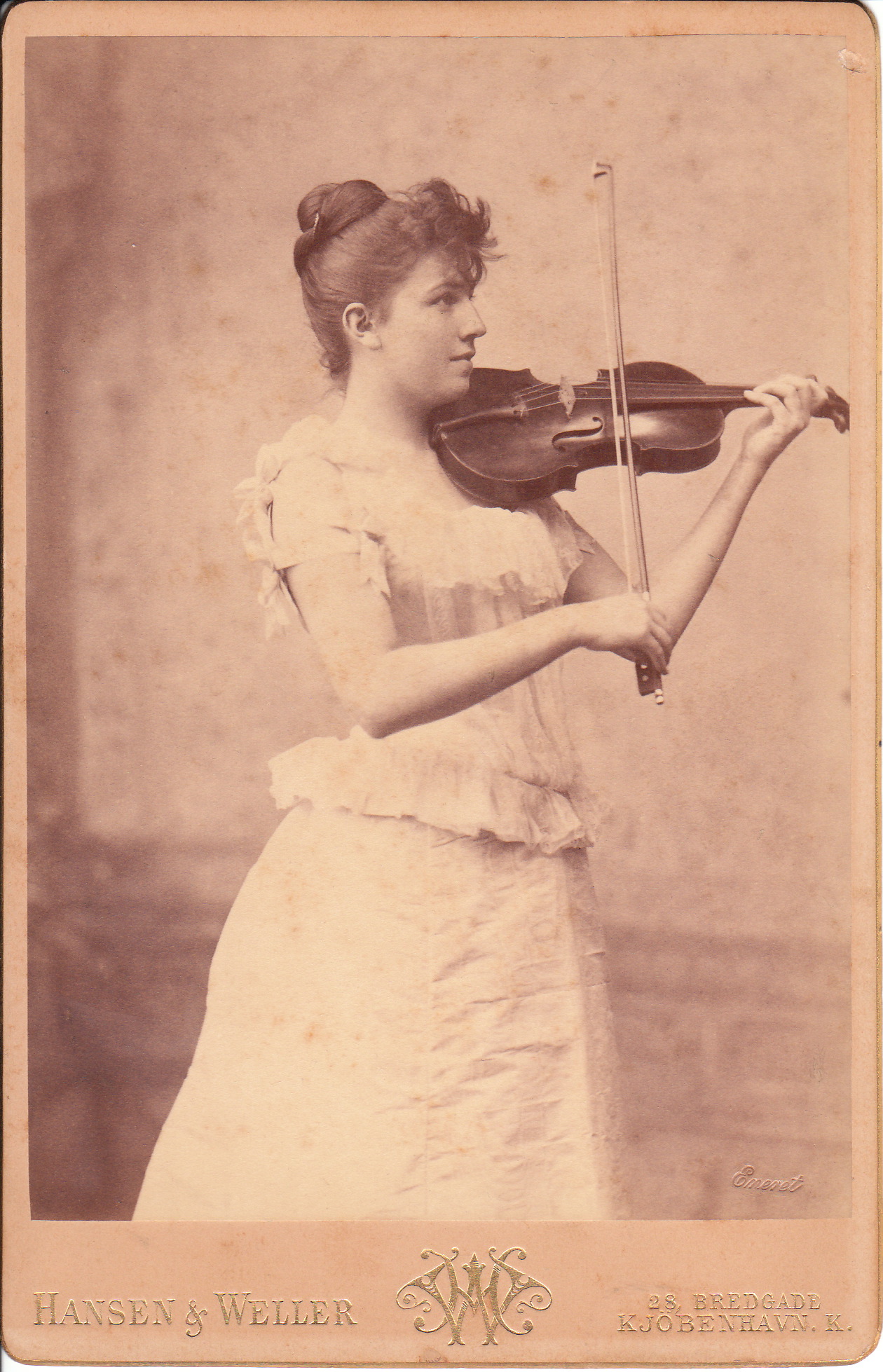
A pretty woman poses for her photograph at the studio of Hansen & Weller in Copenhagen, Denmark. The studio’s address was 28 Bredgade. The woman is playing her violin with her bow. Her hair is up and she appears to be wearing a corset , giving her a lovely figure. One of the photographers is George Emil Hansen (1833-1891). He was a pioneer Danish photographer. His father and brother were also photographers. He won photography awards in London (1862) and Berlin (1865). Hansen was the photographer of the Danish Royal Family. His photographic work spanned from 1856 through 1891. There is a gold lettered word embedded in the lower right corner of the image. The word is “emeret”; and research may illuminate the word’s meaning. “Emeret” most likely signifies that the person in the photograph had retired from a notable profession, such as acting or teaching, or was being honored post-career. It is likely a Scandinavian variant or typographical version of the Latin word “emerita” (female form of emeritus). SOLD
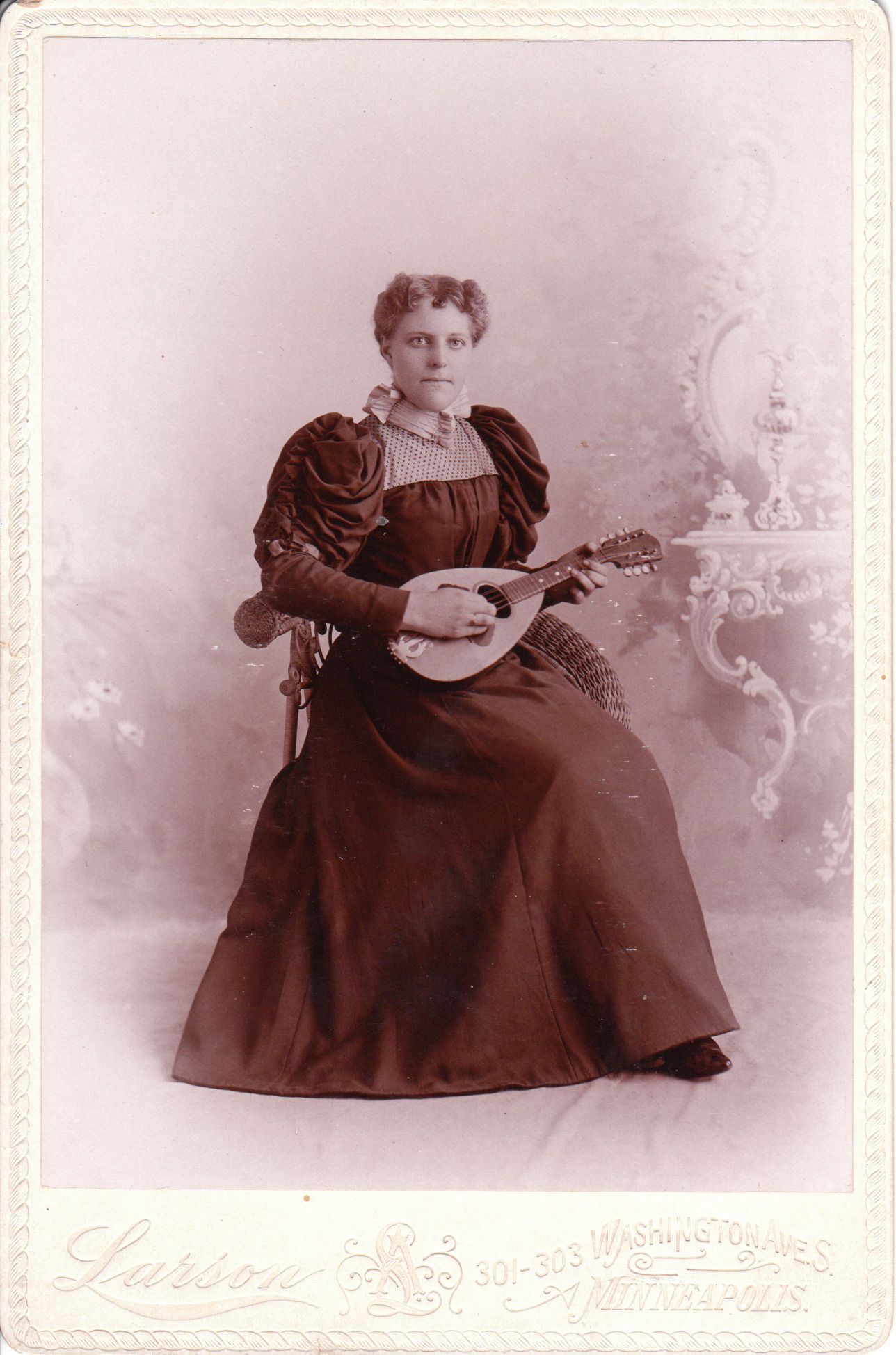
This cabinet card portrait presents a formally posed woman seated with a mandolin cradled in her lap. The photograph is the work of Larson, a professional photographer operating out of 301–303 Washington Avenue South, Minneapolis, Minnesota, as embossed on the card mount. The woman gazes directly at the camera with a composed, self-assured expression—serious, yet approachable. Her hair is carefully curled and parted, a fashionable look for the late 19th century. She wears a high-necked dress in the style typical of the 1890s, featuring leg-of-mutton sleeves (voluminous at the shoulder and tapering to the wrist), which were highly popular during that time. The bodice of her gown is accented with a checkered or textured insert, and she wears a decorative bow or tie at the collar—adding to the refined, modest elegance of her ensemble. Her appearance suggests that she may have been of middle-class status, and possibly musically trained or involved in performance or amateur music circles. The instrument she holds is a mandolin, distinguished by its tear-drop shape and small, bowl-back body. Mandolins were popular instruments in the late Victorian era, especially among women, as they were considered both genteel and suitable for parlor entertainment. Her grip on the instrument appears practiced—though whether she was photographed in the midst of playing or simply posing with it, we cannot be sure. Still, her inclusion of the mandolin signals her musical ability or at least her cultural refinement. The photo was taken by the Larson Studio, located at 301–303 Washington Ave. S., Minneapolis. Herman Larson was a Swedish immigrant who came to America through Sweden in the early 1900’s. In Sweden, he held a degree of Master Photographer and was knighted by the King of Sweden for his excellent work there in the late 1800’s. In 1904 he established his photography studio in downtown Minneapolis. Much of Larson’s work came from the theological, church and public schools in the area. The studio remains in business today and its web site discloses that it still possesses Larson’s panoramic circuit camera. (SOLD)
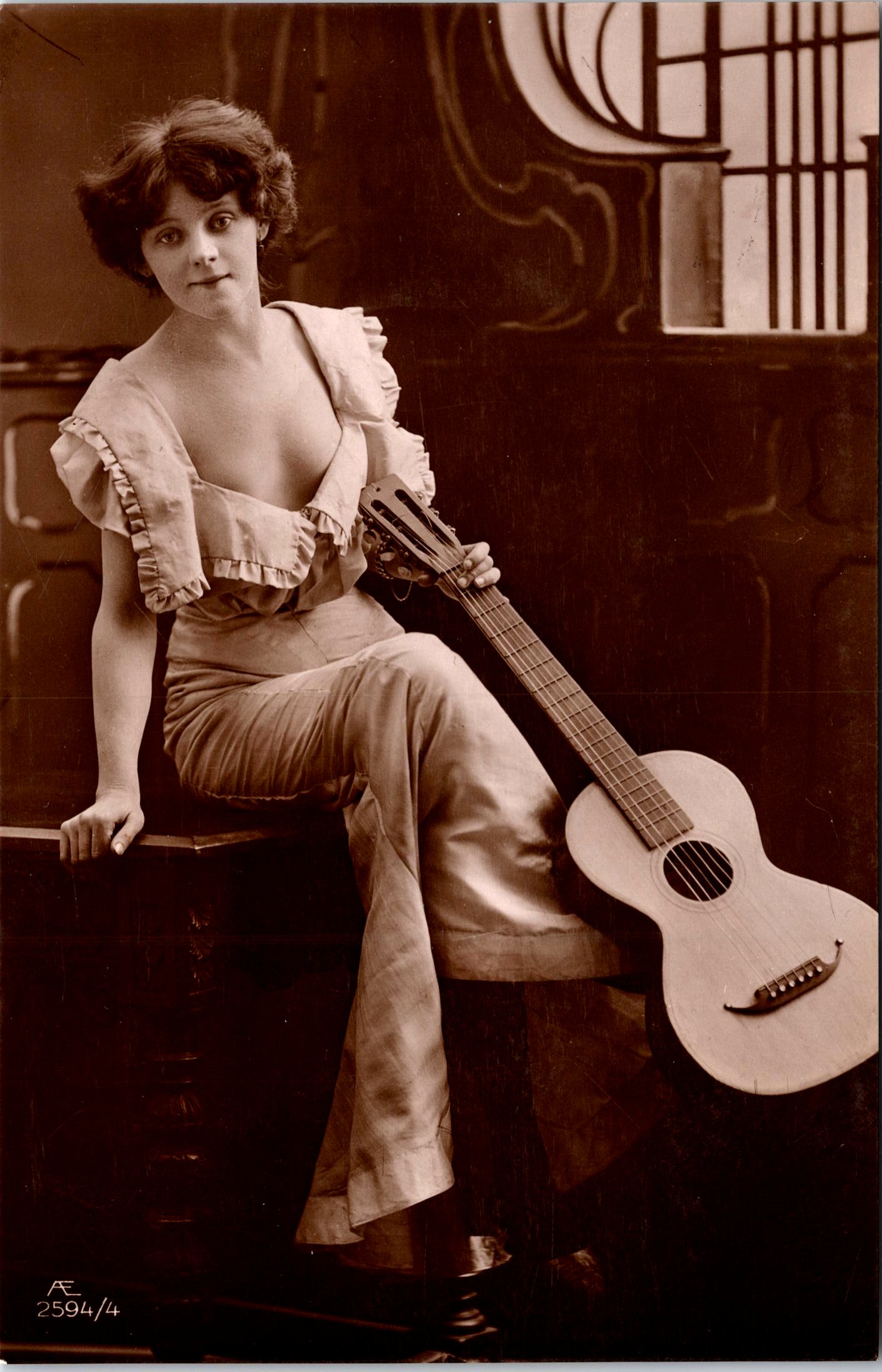
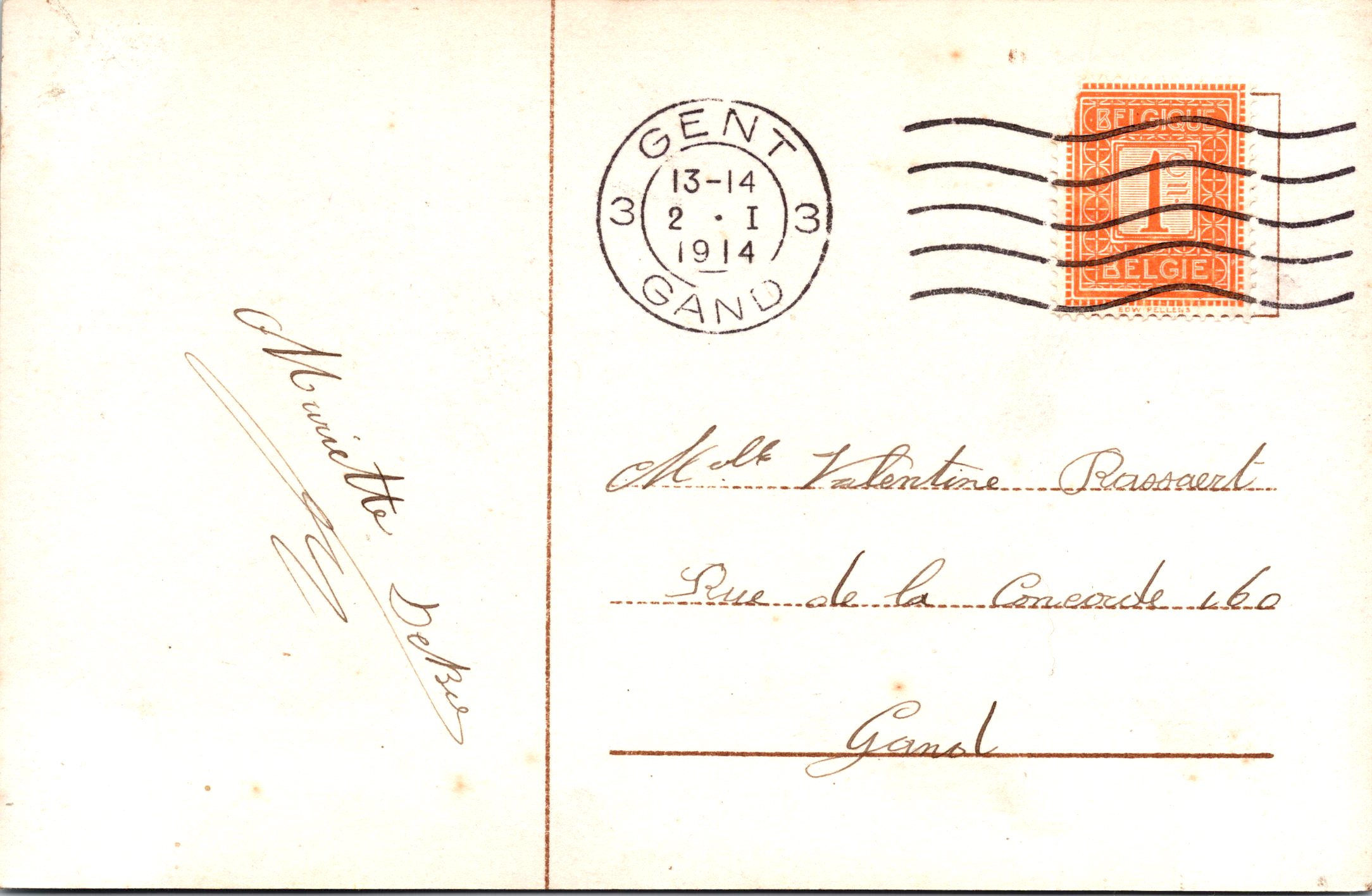
This vintage real photo postcard features a pretty young woman posing with her guitar. Her plunging neckline makes this a risque postcard. The card was published by Adolph Engel (Berlin, Germany) and is part of a series (No.2504/4). SOLD





 THE CABINET CARD GALLERY