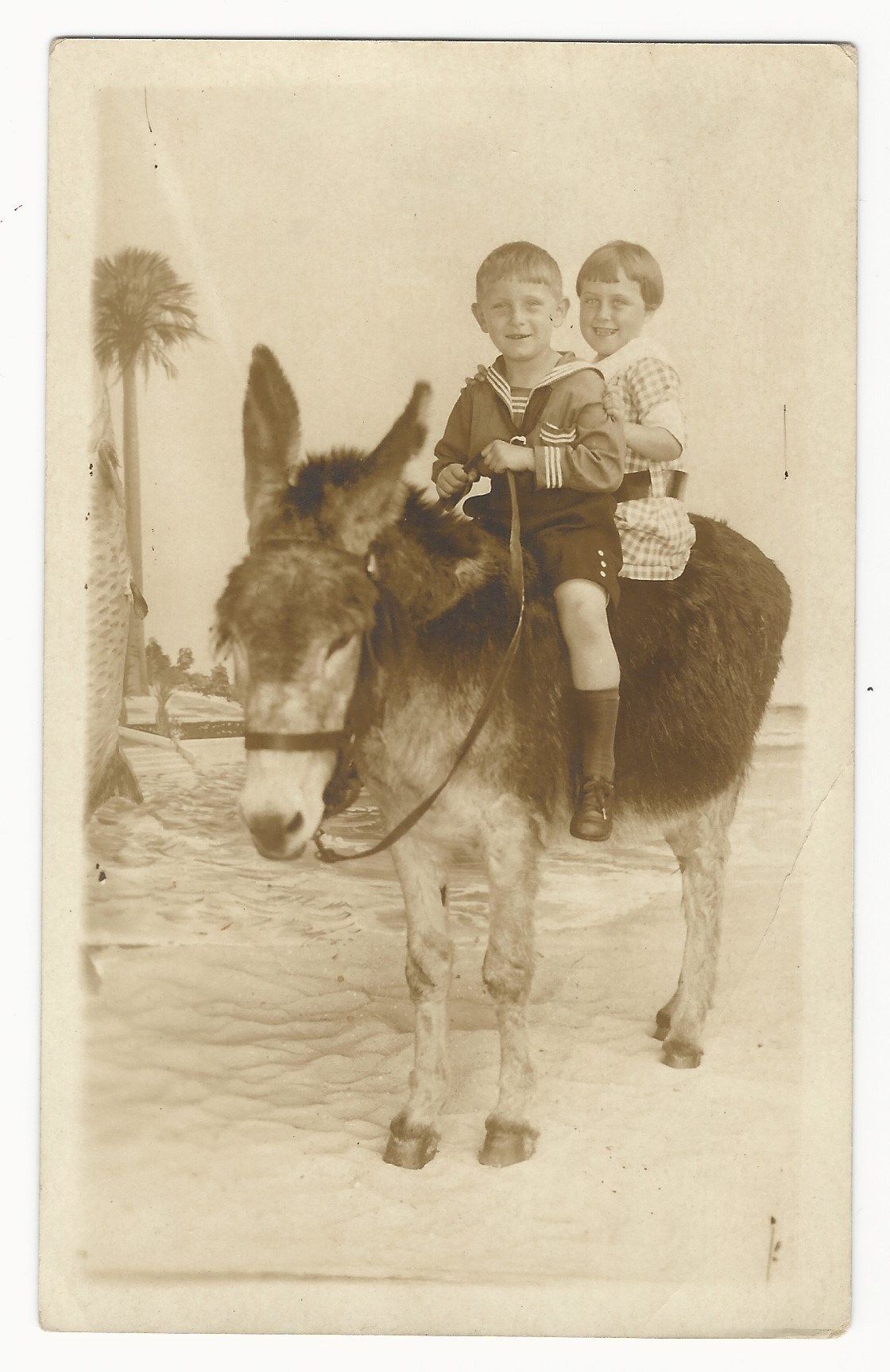
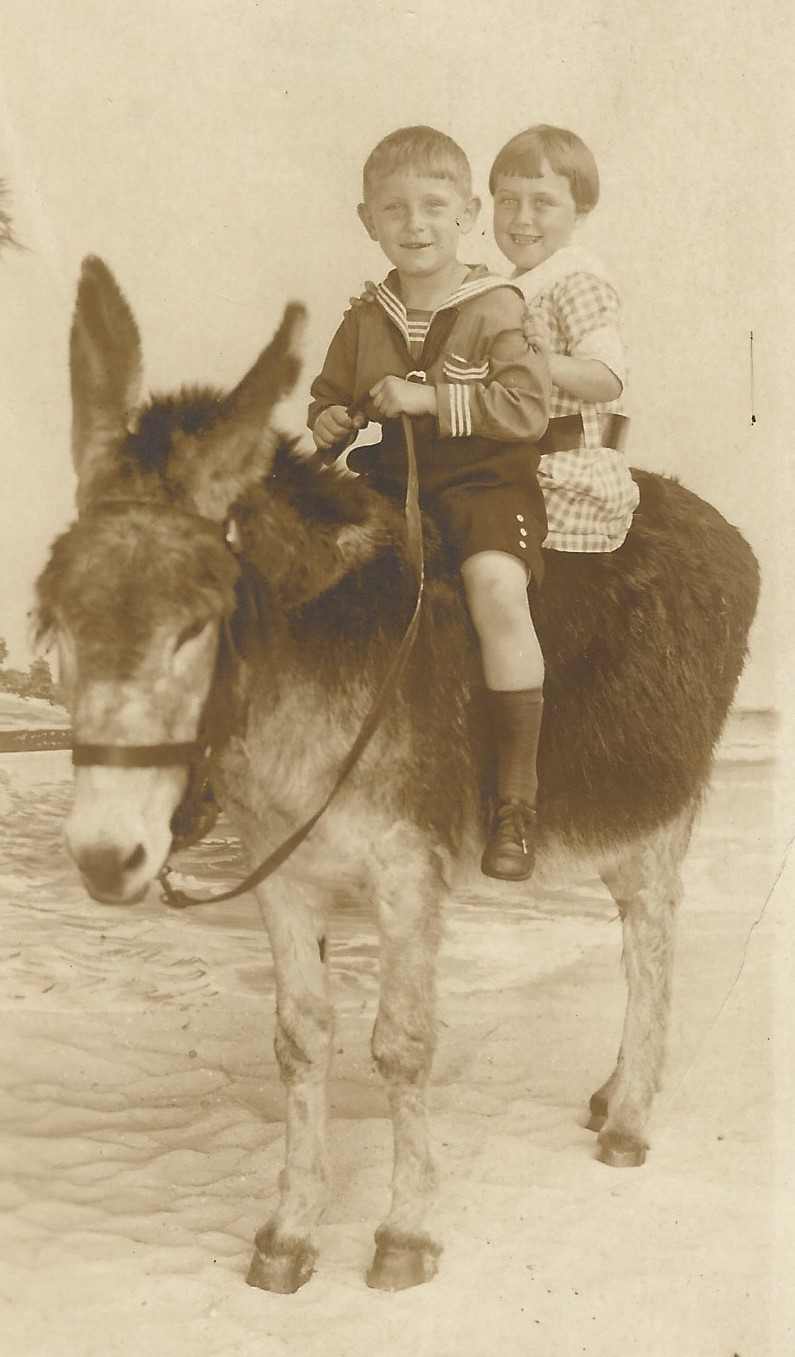
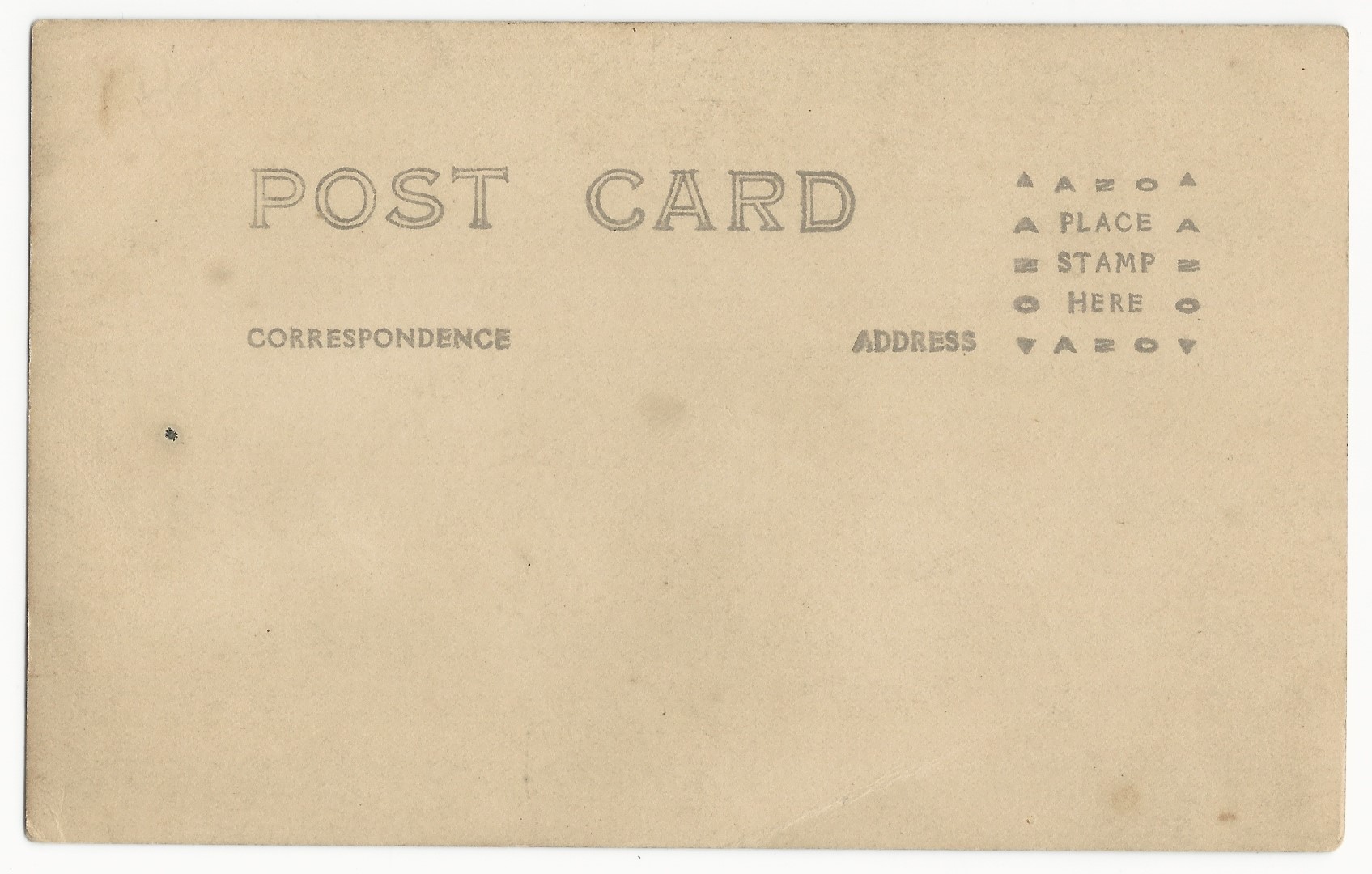
This vintage real photo postcard features a young boy and girl riding a donkey. Pardon my lack of equine knowledge; perhaps the donkey is actually a mule or burro. Both children are smiling and apparently having a good time. It is likely that the pair are siblings. The sister is riding side-saddle. I believe the donkey is actually a late donkey. It was not unusual to have subjects pose with a taxidermied animal for their studio photograph. The AZO stamp box on the reverse of this postcard indicates that it was published between 1910 and 1930. SOLD
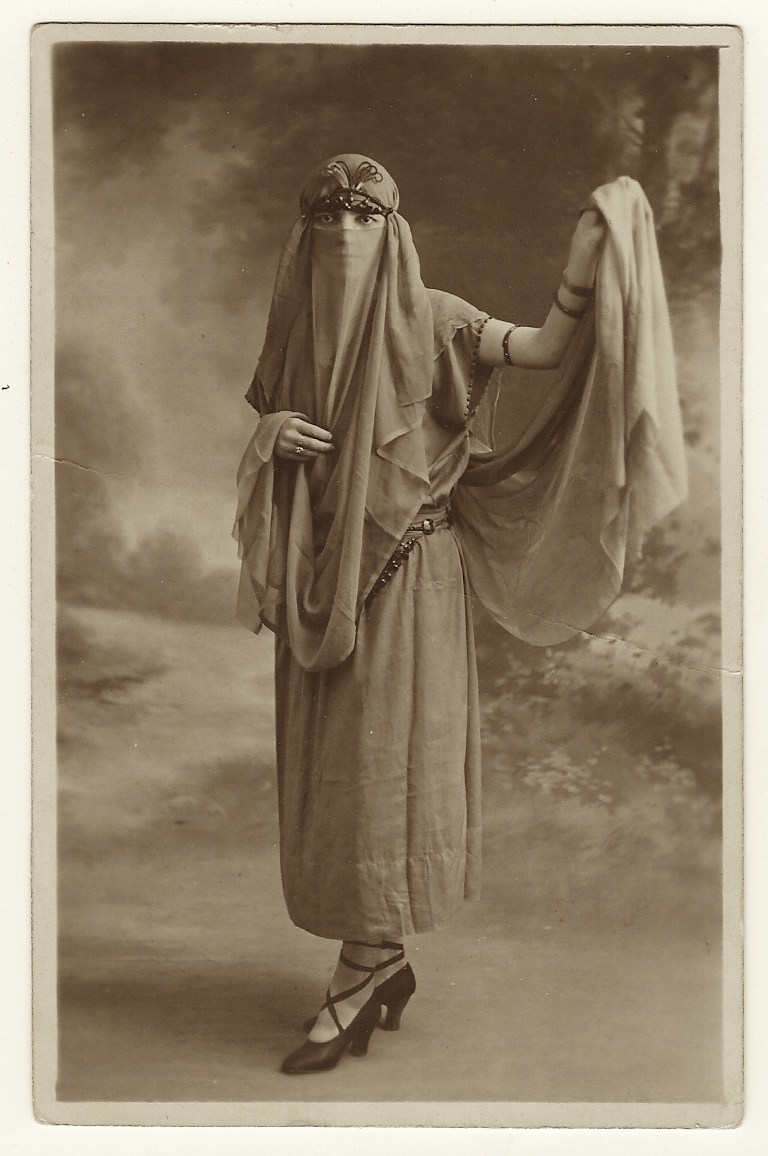
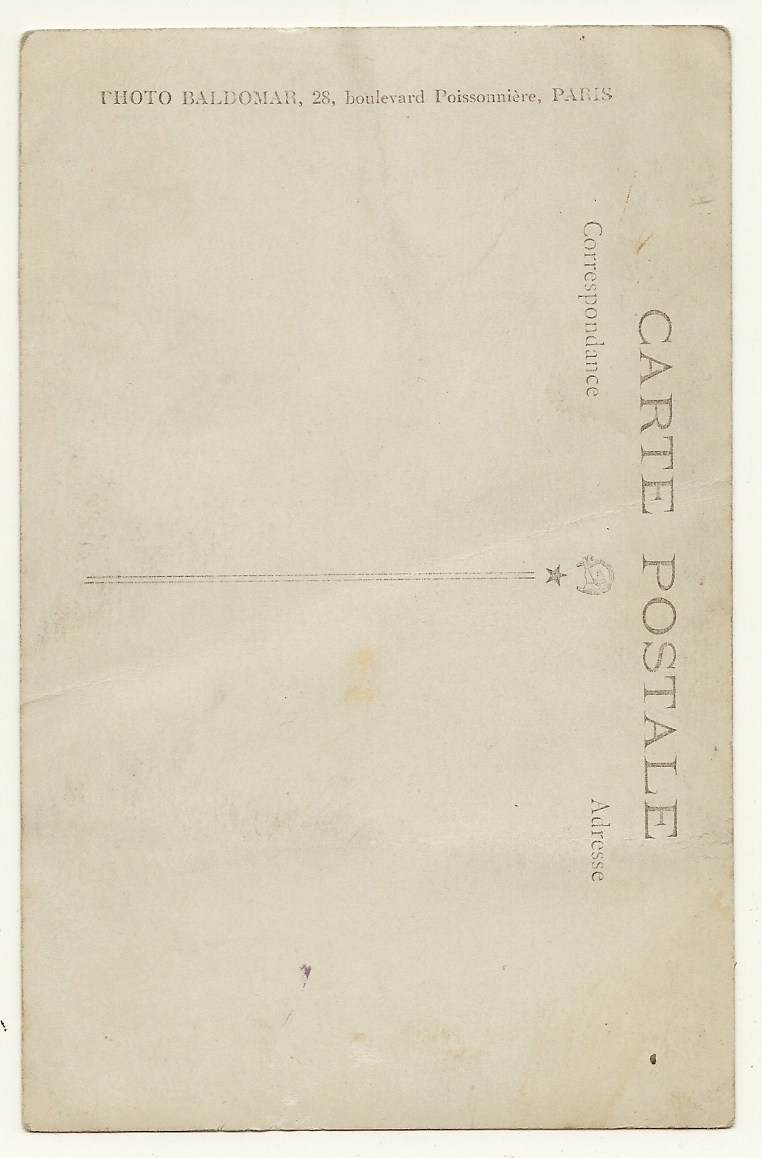
This real photo postcard is quite intriguing. Who is this pretty young woman behind the sheer veil and wearing this middle eastern type dress. Is she a native of the Middle East? Is she an actress? Is she a fashionista that is wearing the latest style? I tend to rule out the possibility of her being from the Middle East. I do so because her clothing appears more fashionable than functional and her stylish shoes seem to be very not Middle Eastern. This photographic portrait was taken at the Baldomar studio in Paris, France. SOLD
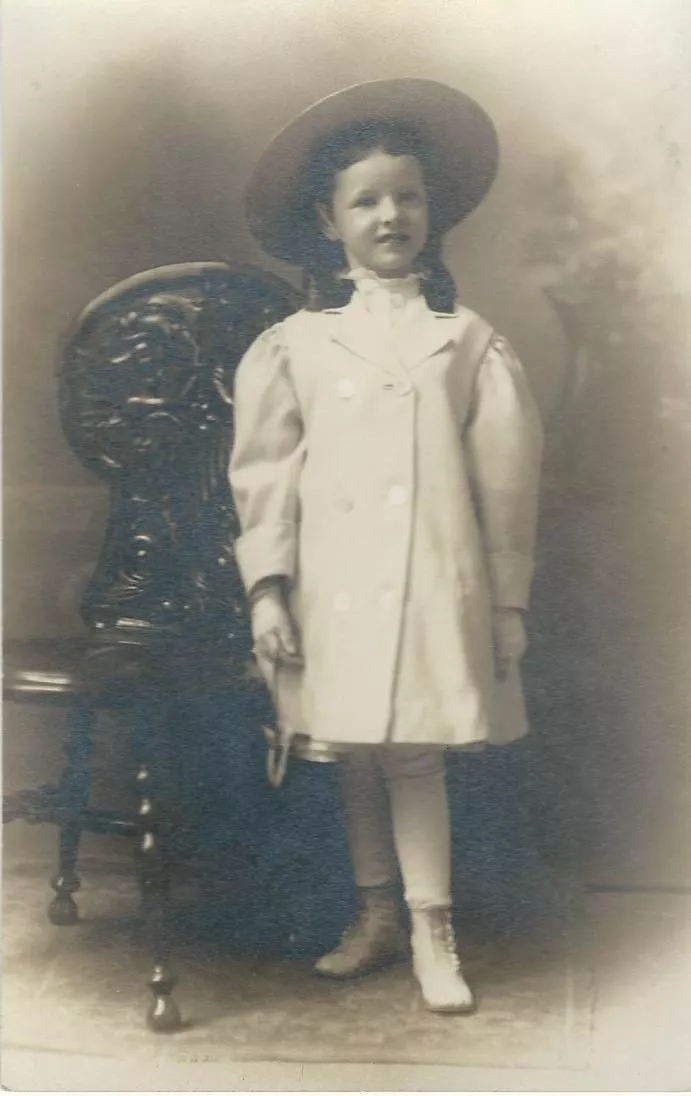
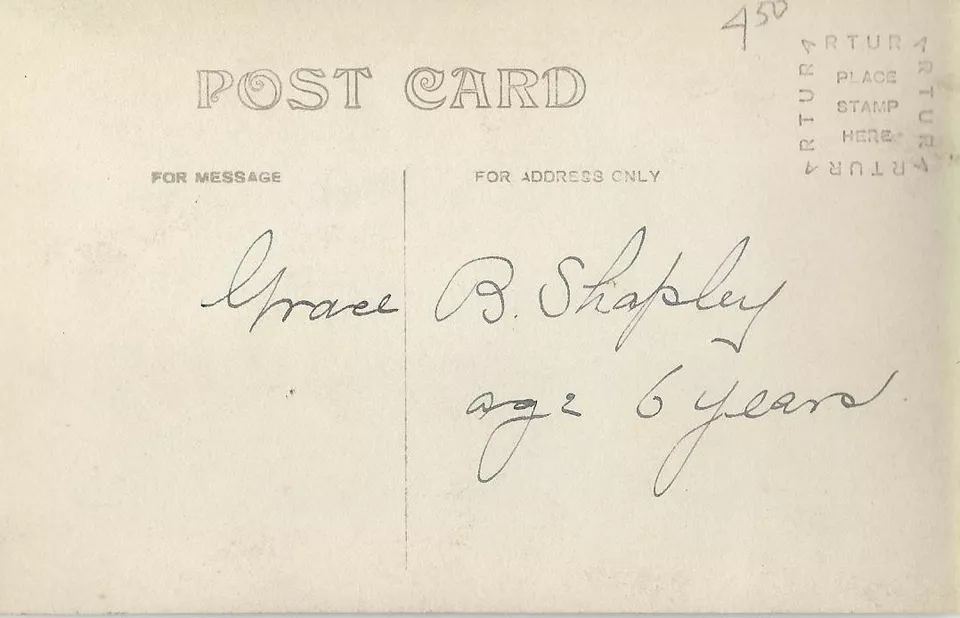
This vintage real postcard features a little girl posing in her best Sunday clothing. She is a cutie pie. Note her wide brimmed hat. The young girl is identified by an inscription on the reverse of the postcard (“Grace B. Shapley”). At the time of the photograph she was six years of age. Research reveals that Grace B. Shapley (1902-1989) spent all or much of her life in Binghamton, New York. Her father was William Shapley (1850-1923) and her mother was Sara Mary Thorne Shapley (1867-1919). Her father either owned or worked in boiler factory. Grace appears in Binghamton directories through 1936. Further research is required to find out where her life took her after that time. I don’t know where life took her, but I know where she ended up. She is buried in Spring Forest Cemetery in Binghamton. This postcard was printed on a postcard by Artura sometime between 1908 and 1924 SOLD
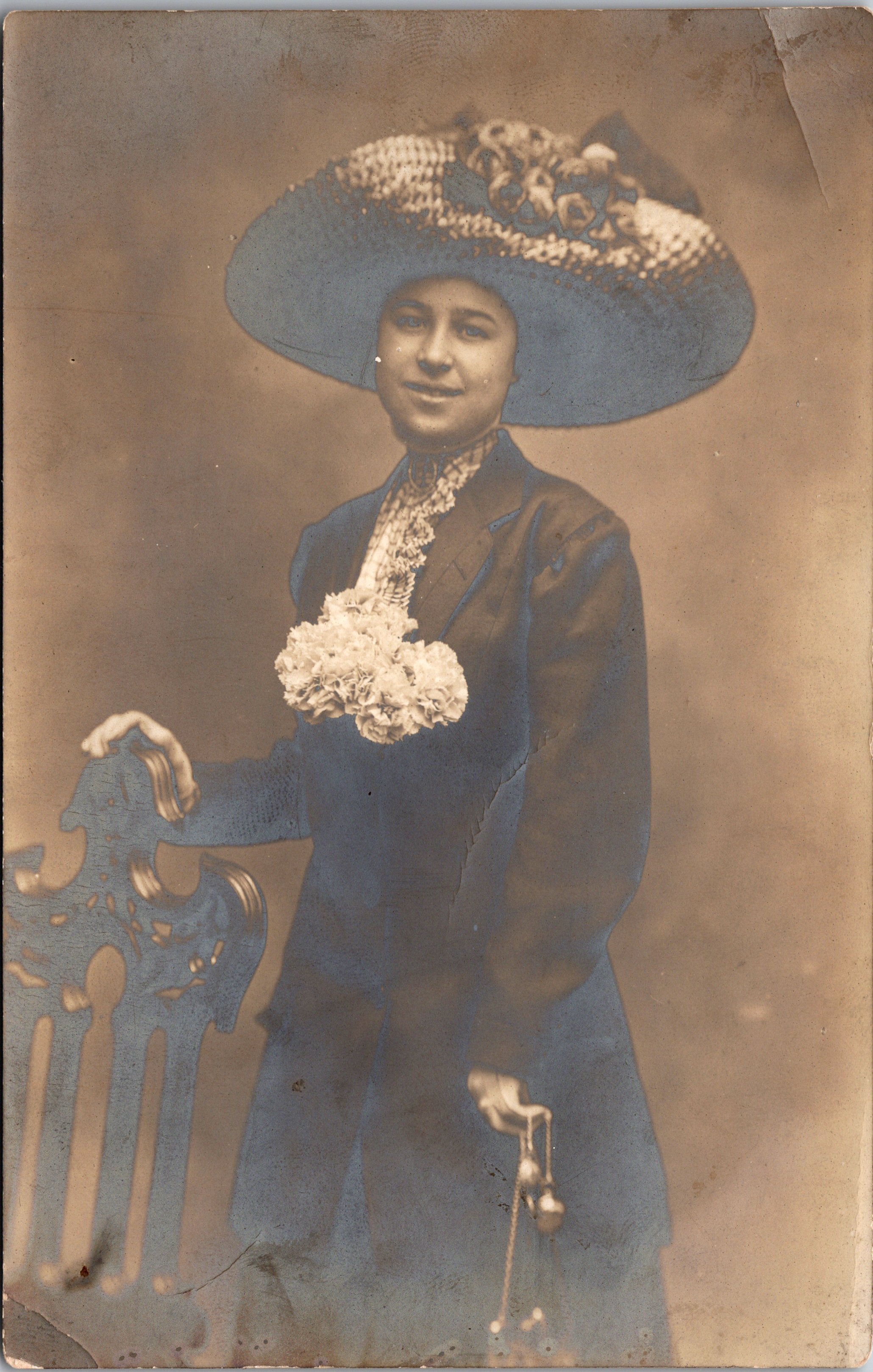
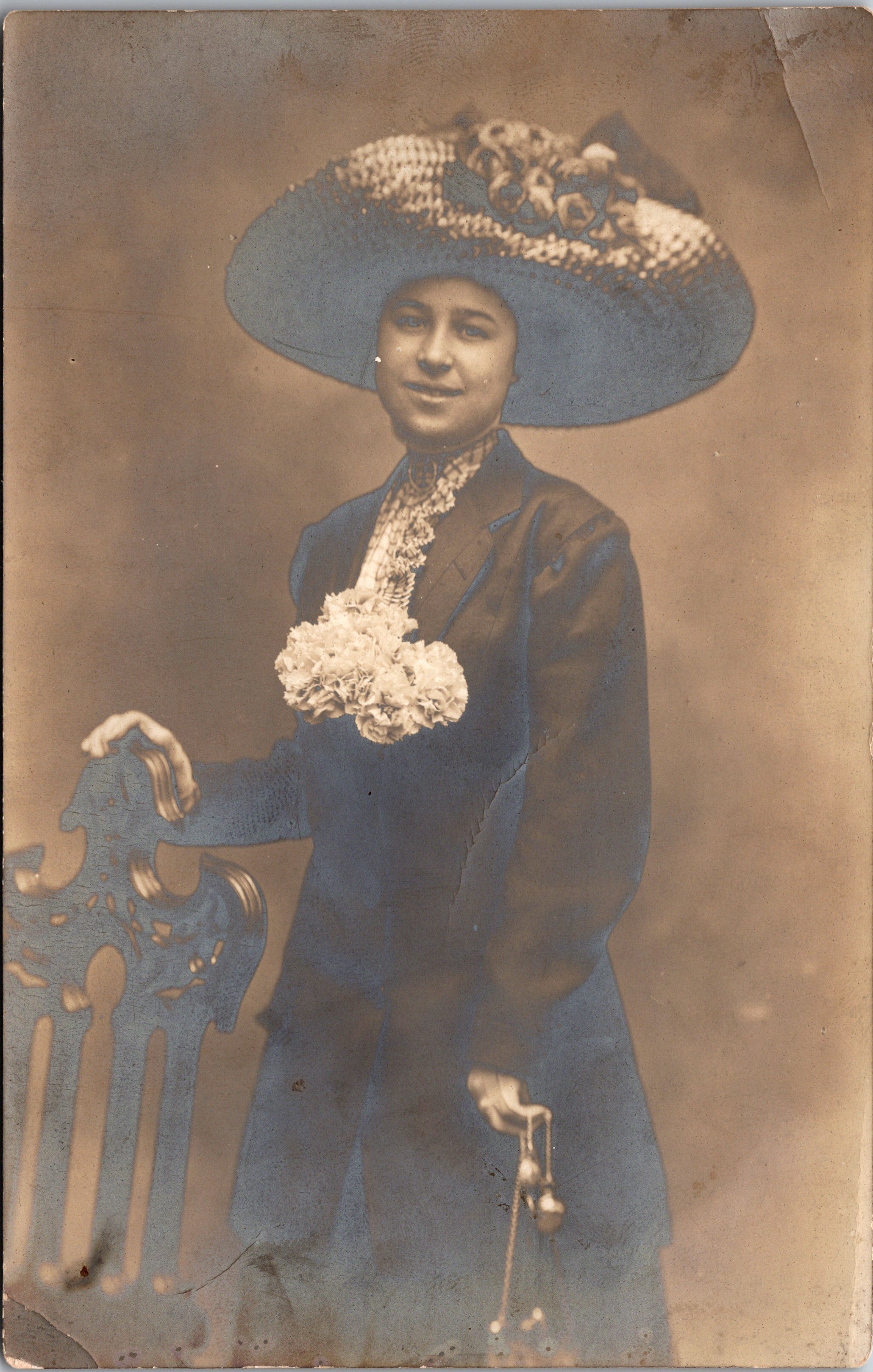
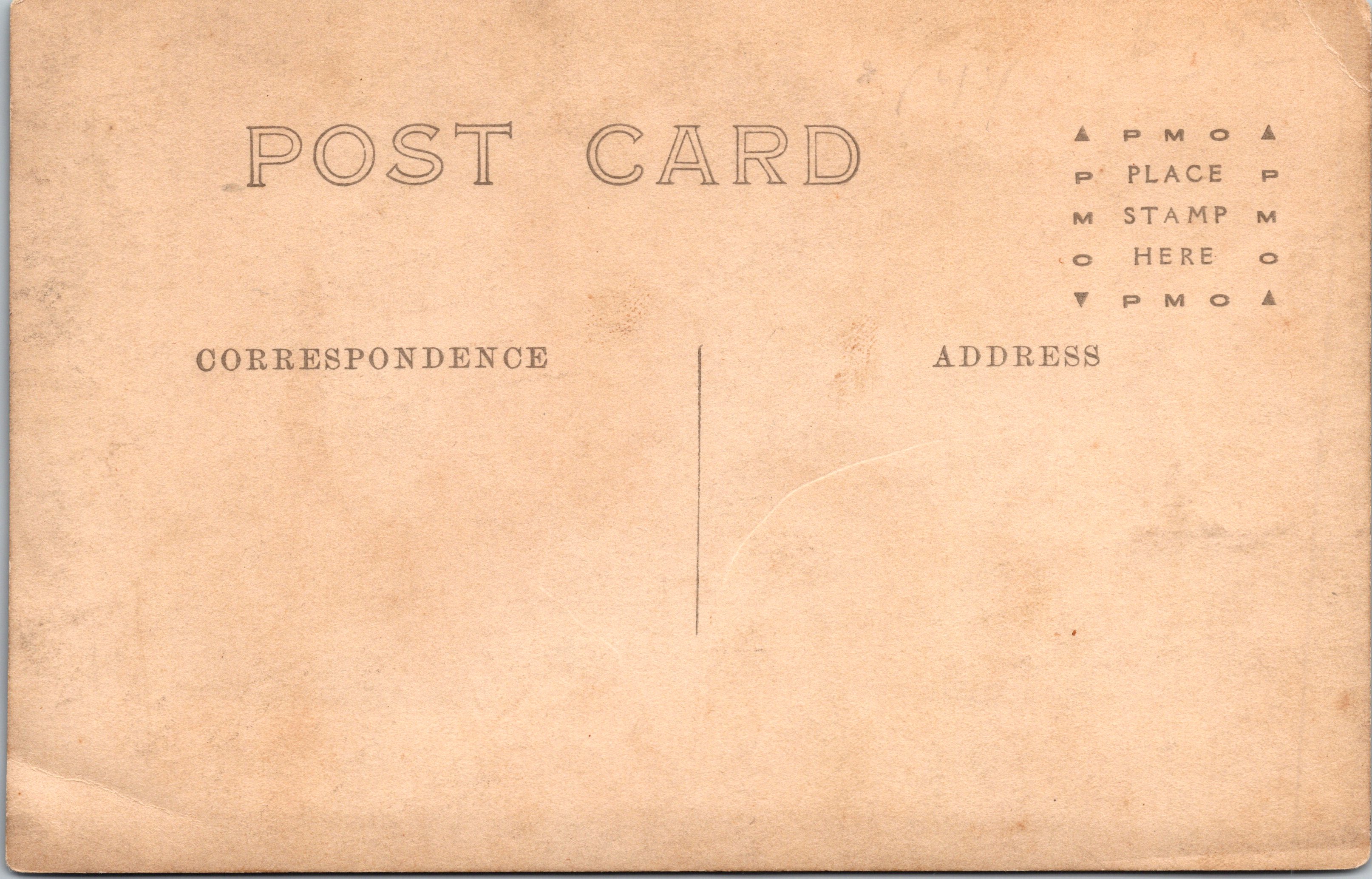
This vintage real photo postcard features a very fashionable woman. She is wearing a large hat and an abundance of flowers on her jacket. She is holding something in her left hand. My guess is that the object being held is a purse. Her other hand rests on a pretty antique chair. The previous owner of this postcard reported that the woman’s name is Grace Watkins. The PMO stamp box on this card indicates that it was published some time between 1907 and 1915. This portrait postcard is in fair condition. Note the light crease on the top right and bottom left corner. There is also marking on the bottom left hand corner.(See Scans).
Buy this Vintage Real Photo Postcard (includes shipping within the US) #5294
To purchase this item, click on the Pay with PayPal button below
$12.00
Buy this Vintage Postcard (includes International shipping outside the US) 5294
To purchase this item, click on the Pay with PayPal button below
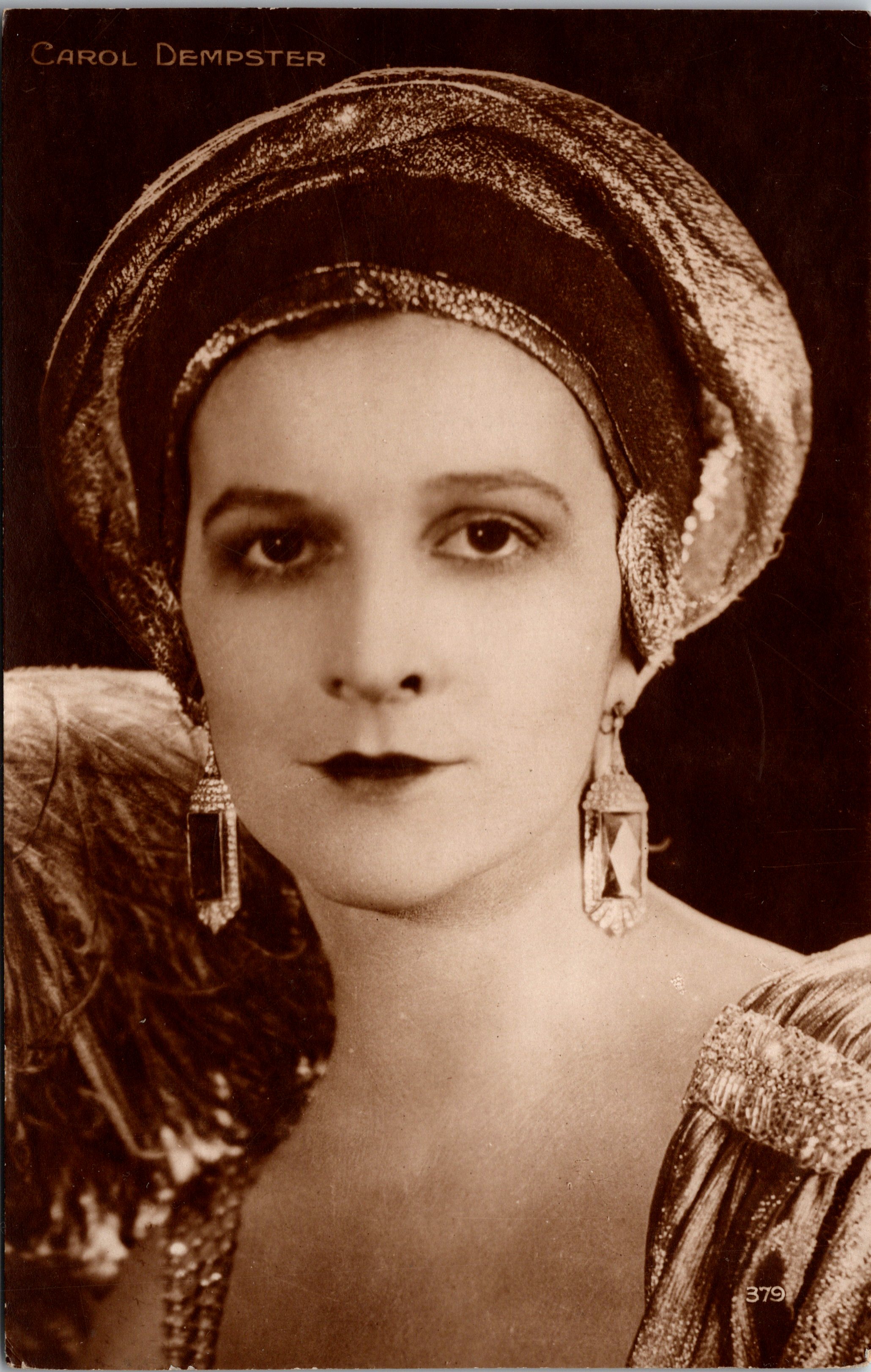
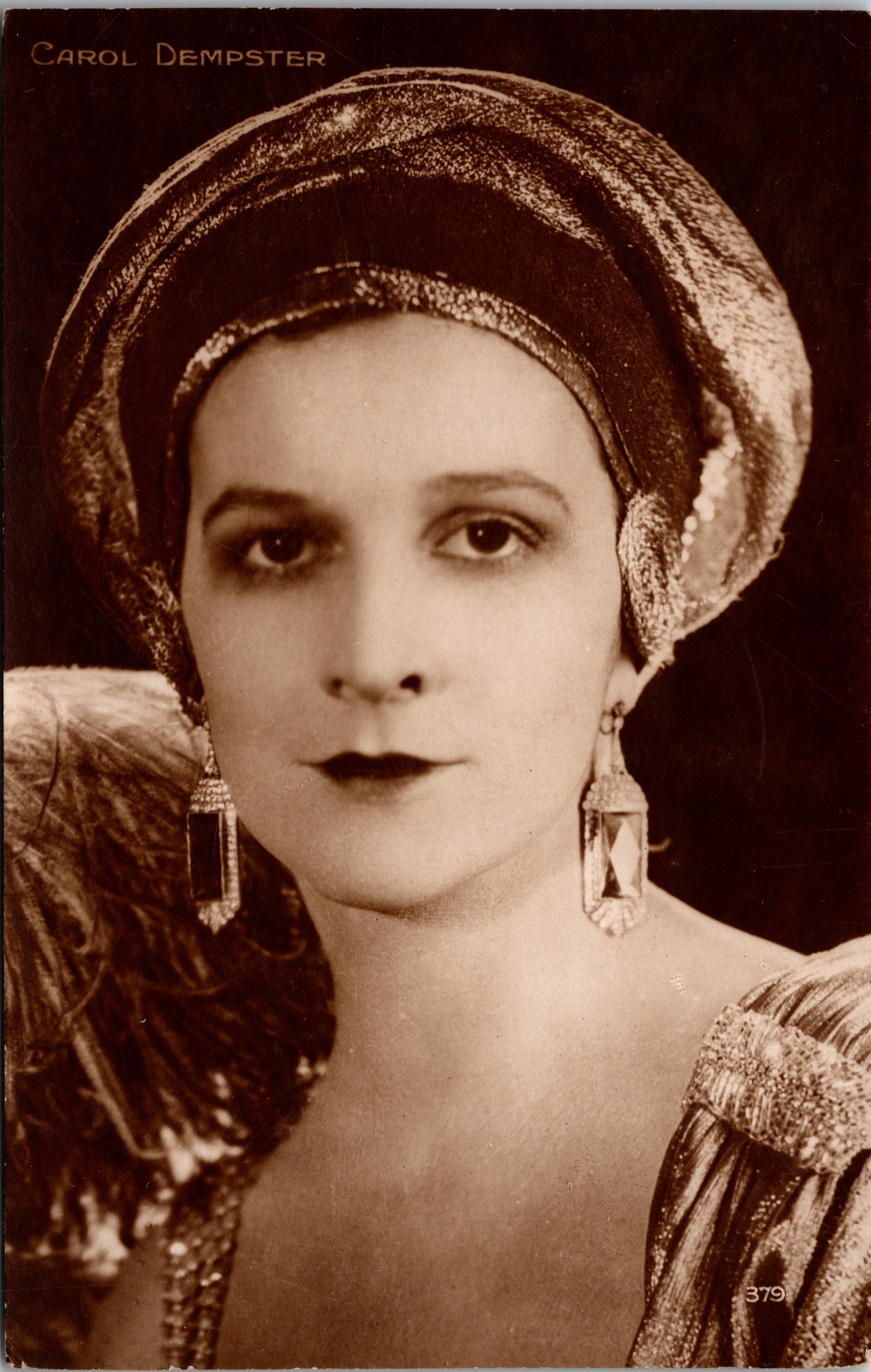
This vintage real photo postcard features American silent film actress, Carol Dempster (1901-1991). She was born in Minnesota. Her father was a captain on a ship that travelled on the Great Lakes. The family moved to California when her father switched careers. She was spotted dancing in a school program by noted dancer Ruth St. Denis. St. Denis recruited her for her own dance school. Griffith discovered her at the St. Denis school. Dempster began her film career as a protege of film director extraordinaire. She was one of a number of actresses he collected for his “stable”. Others included Lillian and Dorothy Gish, Miriam Cooper, and Mae Marsh. These other actresses were said to detest Dempster because she mimicked their acting styles. Dempster was given her first role in the 1916 film, “Intolerance”. She played a harem girl along with teenage newcomer, Mildred Harris. Dempster was just 15 years old. She became one of Griffith’s favorites and appeared in nearly every one the films he directed through the 1920’s. Their relationship became a romantic relationship during the arly 1920’s. Dempsters last film appearance was in 1926. She retired that year to marry a wealthy banker. Dempster was not seen as a great actress by critics. She was overshadowed by Lillian Gish. In addition her animated acting style and physical appearnce were considered relatively ordinary. The IMDb reports that Dempster appeared in 19 films between 1916 and 1926. This vintage postcard offers a closeup view of Miss Dempster She looks pretty and glamorous. The card was published by Cinemagazine (Paris Edition). The postcard dates back to the 1920’s and is in very good condition (see scans).
Buy this Vintage Real Photo Postcard (includes shipping within the US) #5295
To purchase this item, click on the Pay with PayPal button below
$25.00
Buy this Vintage Real Photo Postcard (includes International shipping outside the US) #5295
To purchase this item, click on the Pay with PayPal button below
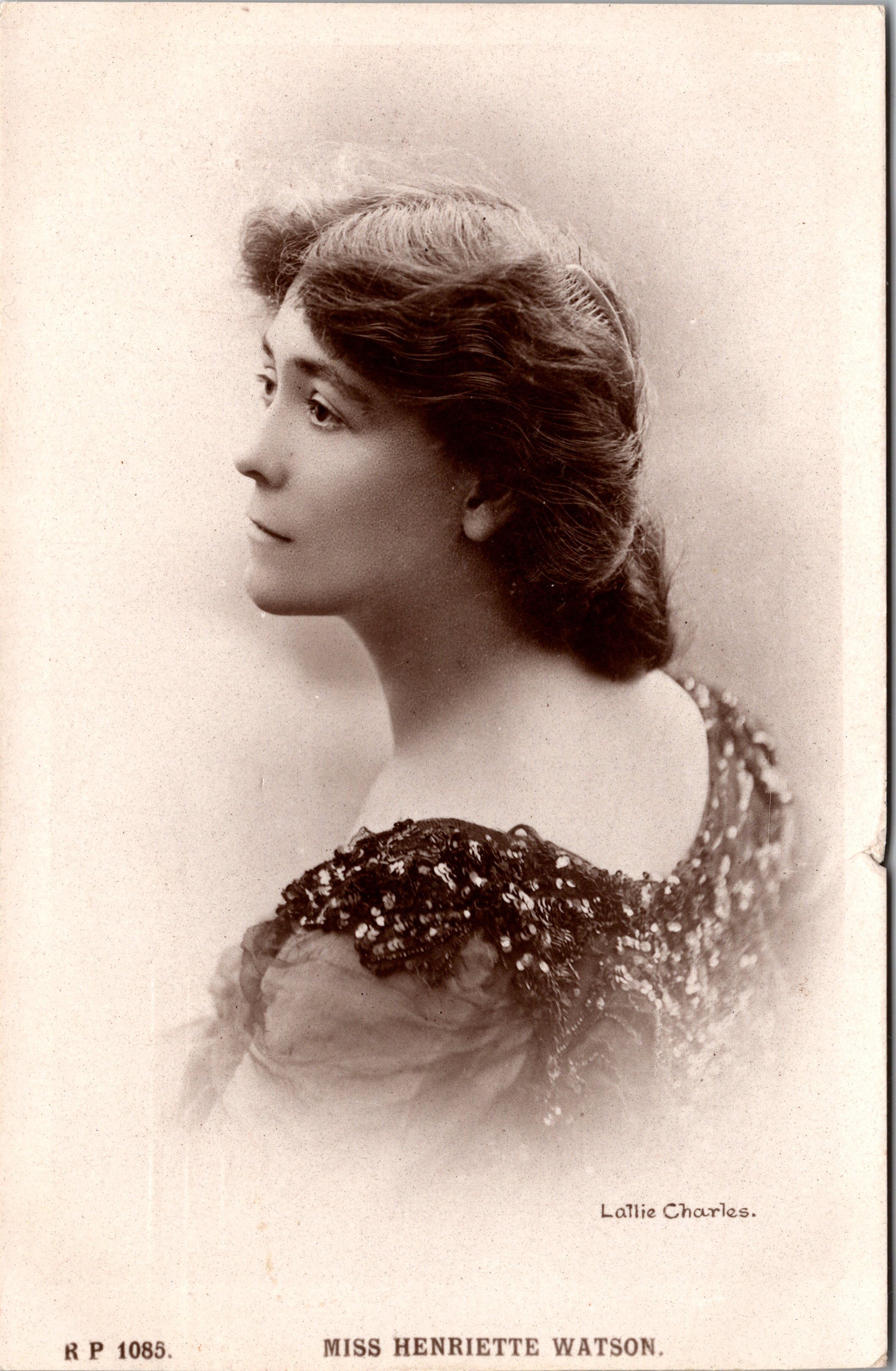
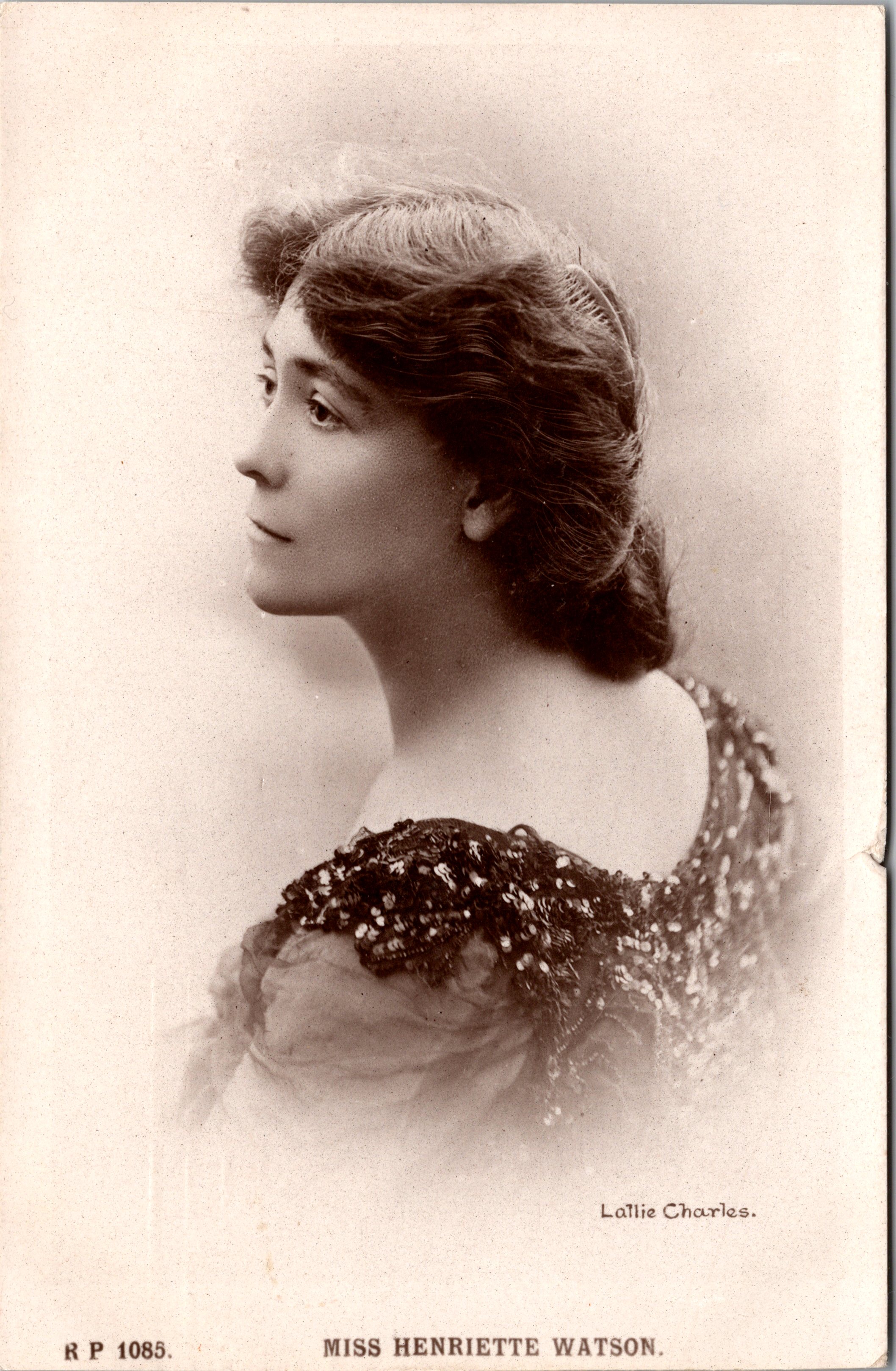
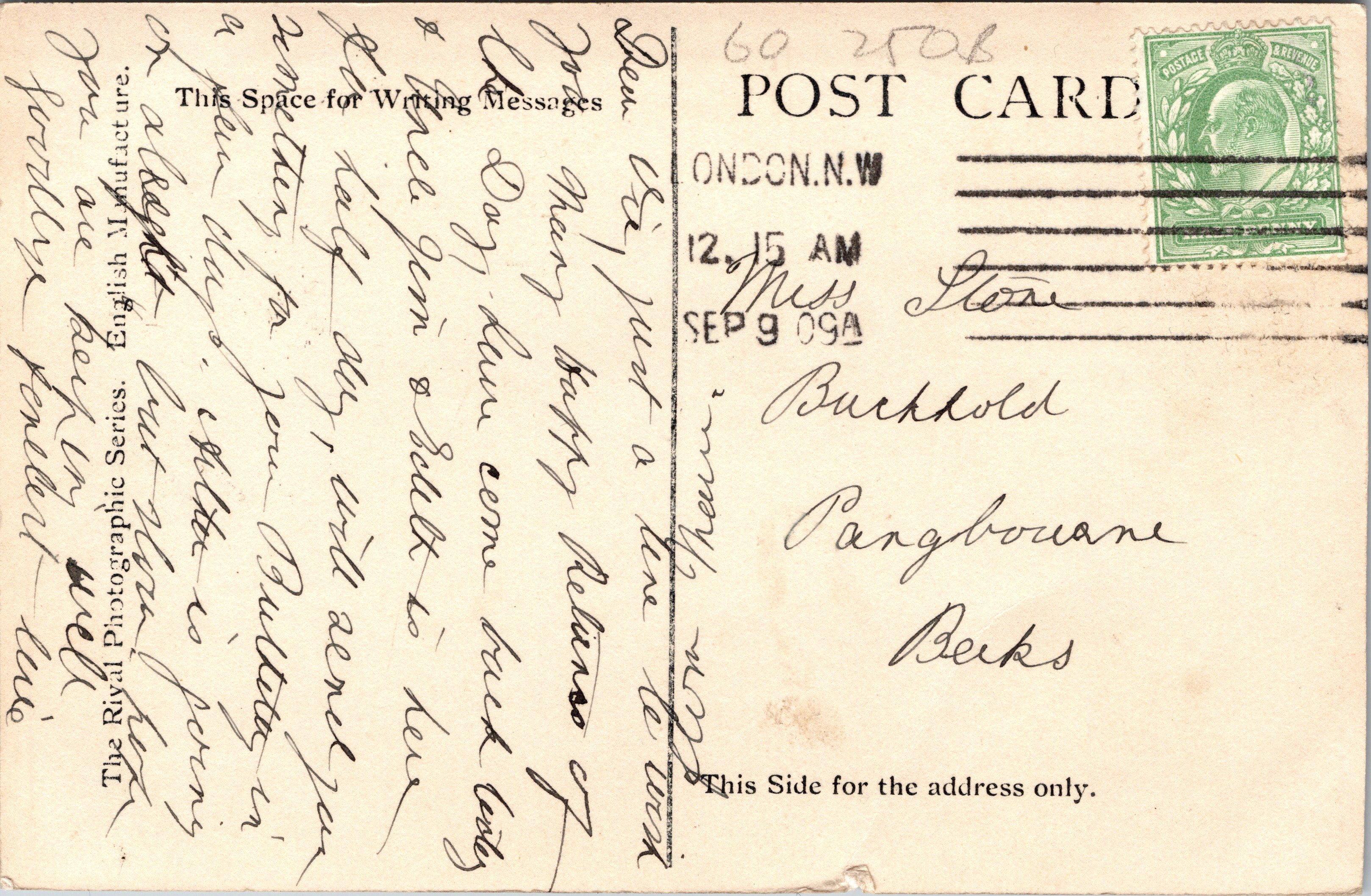
This vintage real photo postcard features British actress, Henriette Watson (1873-1964). Watson was born in Scotland. She made her stage debut at age seven. At sixteen, she was trained and practiced enough to take “second lead” in comedies and modern dramas. As she grew older, larger parts came her way. After appearing in a number of touring and London theater engagements, she joined a touring company on a six month tour of Australia. In 1892 she toured Australia again with the “Mrs Bernard Beere Company”. She appeared in “As in a Looking Glass” with the company.. She toured Australia again in 1899. She later acted in Thornton Wilder’s play, “The Merchant of Yonkers”. Watson’s photo portrait was taken by the celebrated celebrity photographer, Lallie Charles. She was known for her talent as well as the fact that she was a female photographer, an unusual phenomenon for her era. The card is part of the Rival Photographic Series and it was manufactured in England. The postcard was postmarked in 1909. Note the chip on the right border of the card. Accordingly, this postcard is in fair condition (see scans).
Buy this Vintage Real Photo Postcard (includes shipping within the US) #5293
To purchase this item, click on the Pay with PayPal button below
$9.95
Buy this Vintage Real Photo Postcard (includes International shipping outside the US) #5293
To purchase this item, click on the Pay with PayPal button below
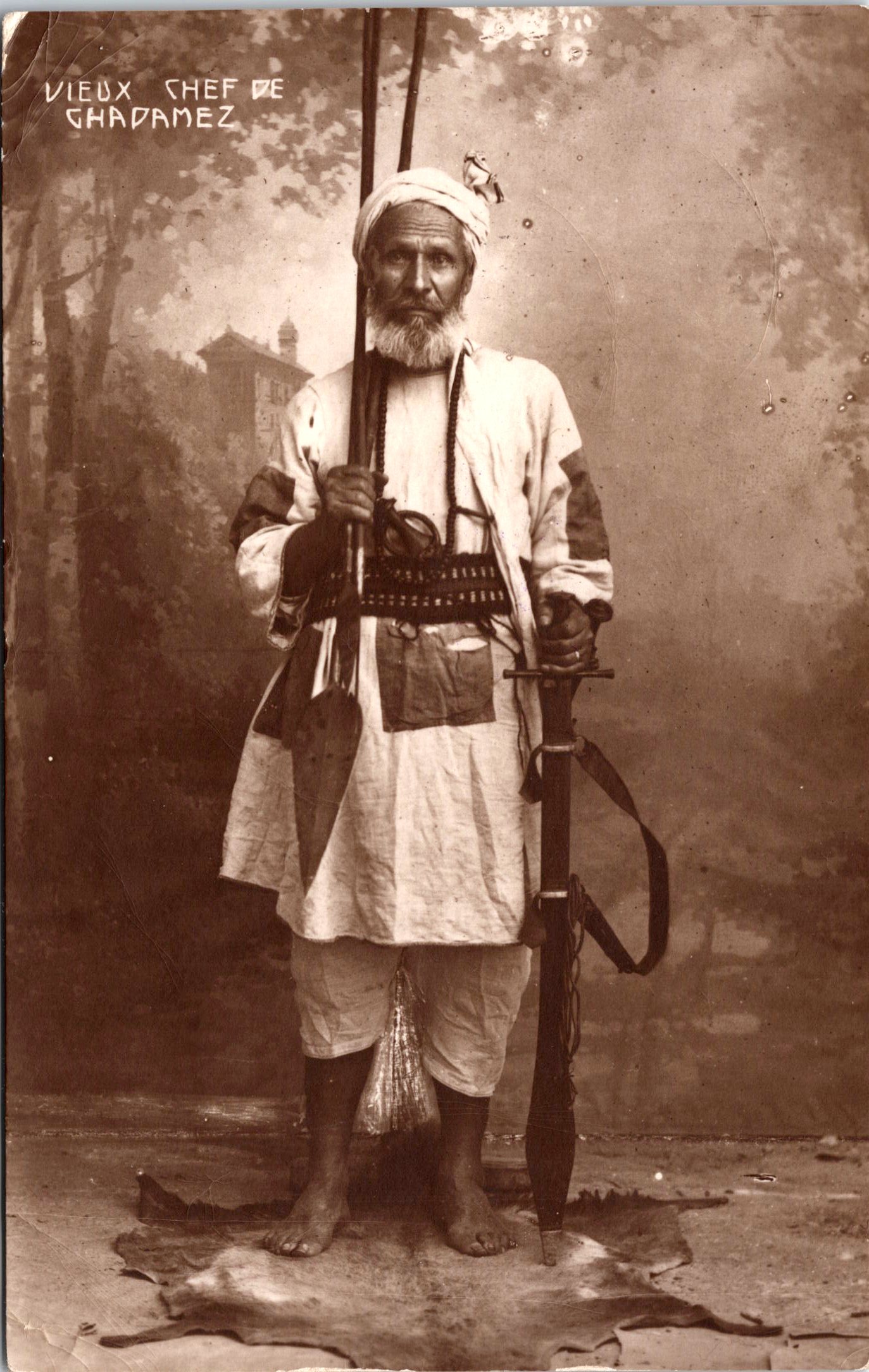
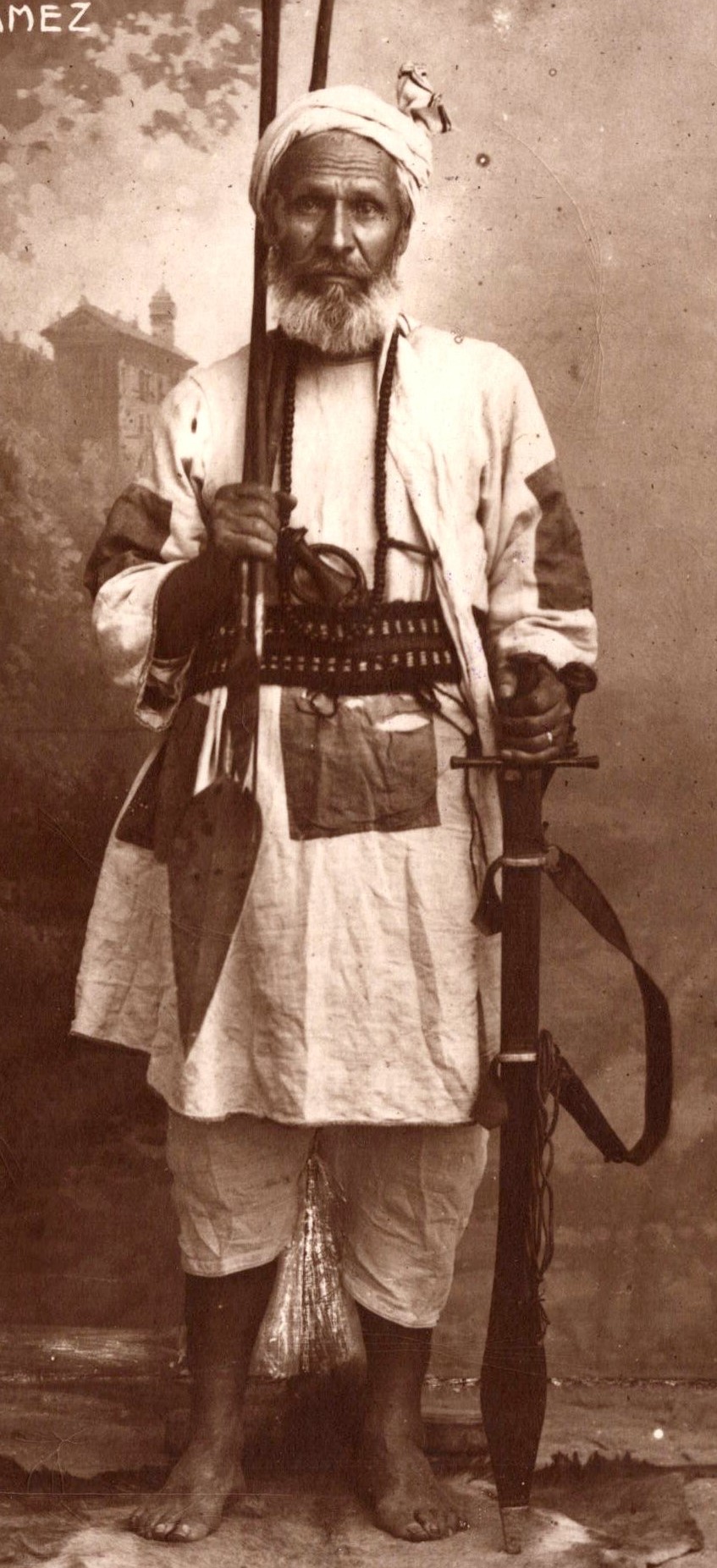
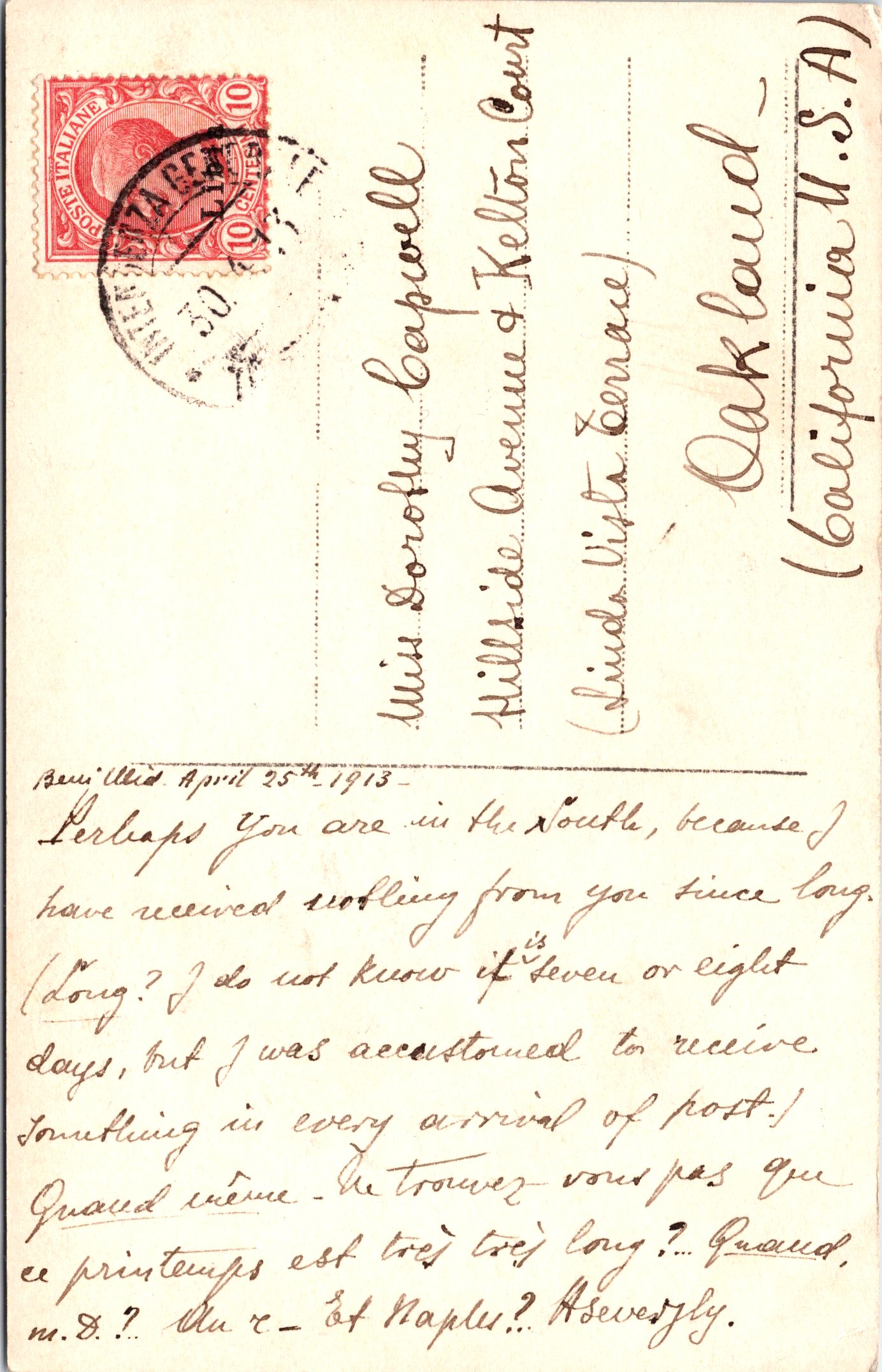
This vintage real photo postcard features a portrait captioned “The Old Chief of Ghadanez”. The chief is well armed in this photo. He is holding a rifle and a sword. The modern spelling of Ghadanez is “Ghadames” or “Ghadamis”. Ghadames is an oasis Berber town in the Tripolitania region of northwestern Libya. The town is 287 miles southwest of Tripoli and lies near the borders with Tunisia and Algeria. Ghadames is known as “the pearl of the desert”. The town is mainly inhabited by Berbers. This postcard was postmarked in 1913. The card was sent during turbulent times in Ghadames. In 1911, soon after the Italo-Turkish War had begun, the town was occupied by Italian troops. The town changed hands a number of times until 1915, when a general rebellion caused the Italian soldiers to retreat to Tripoli. This postcard has an Italian stamp and a 1913 postmark. Interestingly, it is addressed to someone in Oakland, California. The message on the card is written in two languages, English and Italian. SOLD
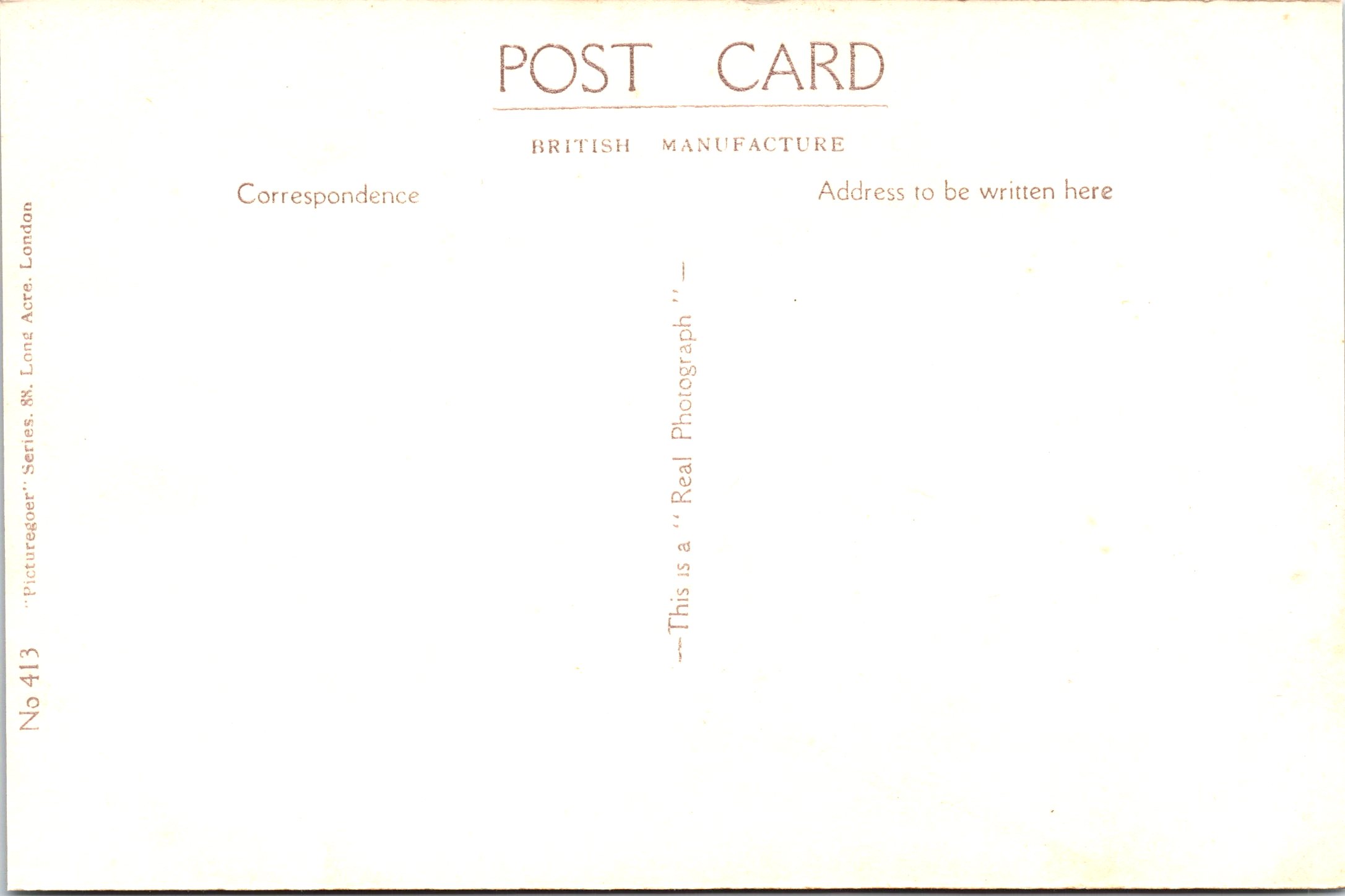
This vintage real photo postcard features American actress, Thelma Todd (1906-1935). She rose to prominence during the 1920s and 1930s as a comedic actress in both silent films and early talkies. Todd became known for her beauty, talent, and comedic timing, appearing in over 120 films throughout her career. She was nicknamed “The Ice Cream Blonde” and “Hot Toddy”. Todd began her entertainment career as a teenager, winning several beauty pageants before making her way to Hollywood. She started in the film industry as an extra and later secured minor roles in silent films. Her breakthrough came when she signed a contract with Hal Roach Studios, where she starred alongside comedy legends like Laurel and Hardy, Charley Chase, and Our Gang. In the late 1920s, Todd successfully transitioned into “talkies,” showcasing her ability to deliver comedic lines with charm and wit. Some of her notable films from this period include “Monkey Business” (1931), “The Maltese Falcon” (1931), and “Horse Feathers” (1932). Despite her success on the silver screen, Todd faced personal challenges and setbacks. She had a tumultuous love life, including relationships with prominent figures such as director Roland West and gangster Lucky Luciano. Her relationship with West, who was married at the time, was marred by rumors and scandals. Tragically, on December 16, 1935, Thelma Todd’s life was cut short under mysterious circumstances. Her body was found in her car, parked in the garage of her café, the Thelma Todd’s Sidewalk Café in Pacific Palisades, California. While the exact cause of her death remains uncertain, it was officially ruled as accidental carbon monoxide poisoning due to a faulty garage heater. However, some speculation and conspiracy theories surrounding her death have persisted over the years. This postcard was published as part of the “Picturegoer” series (no.413). SOLD
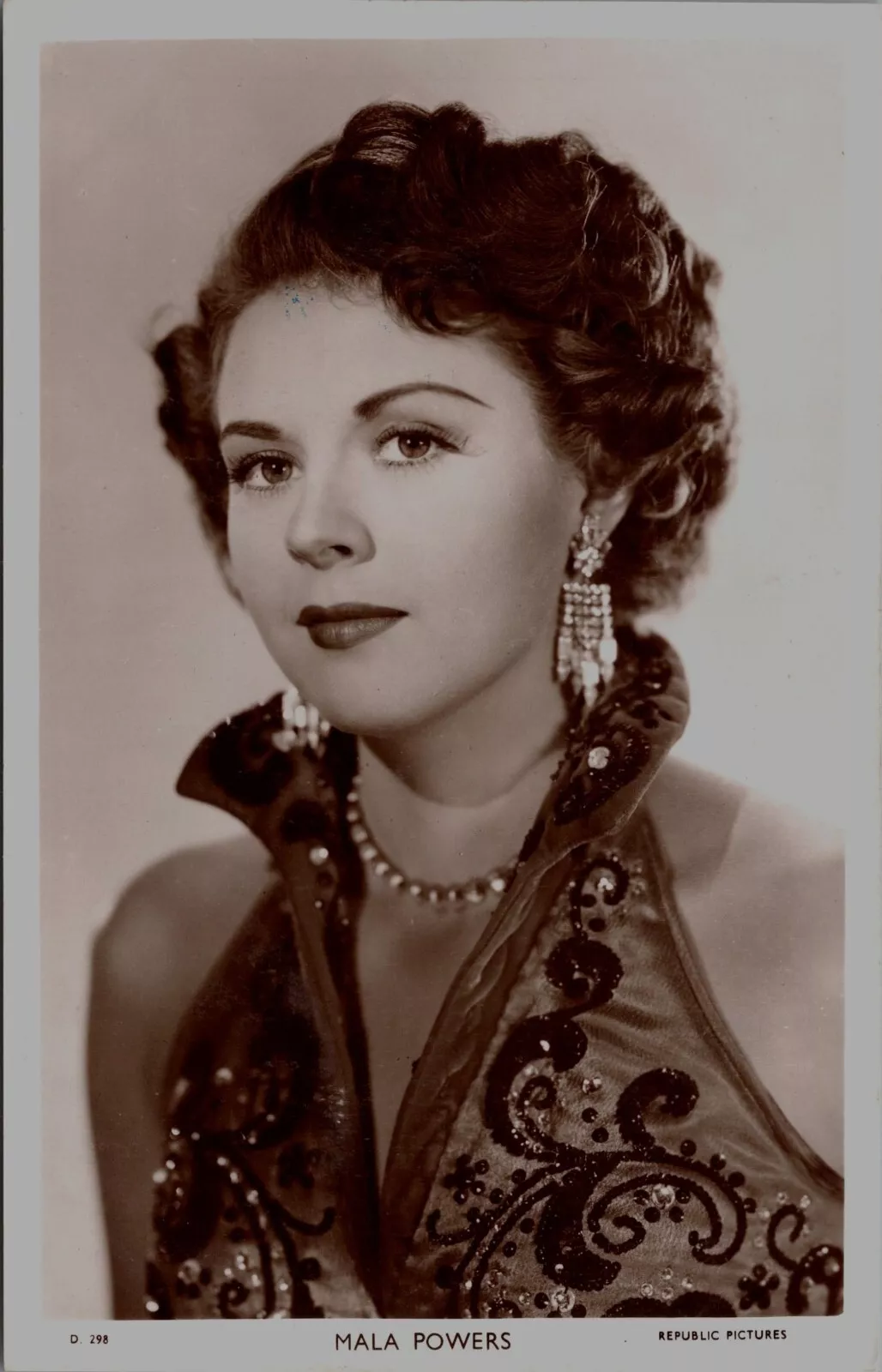
This vintage real photo postcard features Mala Powers (1931-2007) is a retired American actress who appeared in films during the 1950s and 1960s. She is best known for her roles in the films “The Sniper” (1952), “The Big Circus” (1959), and “The Miracle” (1959). She began her career as a contract player for Columbia Pictures, appearing in supporting roles in several films before moving on to lead roles in B-movies. She retired from acting in the 1960s to focus on her family. Powers looks quite glamourous in this portrait postcard. She has an enchanting smile. This vintage postcard is part of the “Picturegoer” series (No. D 298). She posed for the postcard’s portrait while under contract with Republic Pictures. SOLD
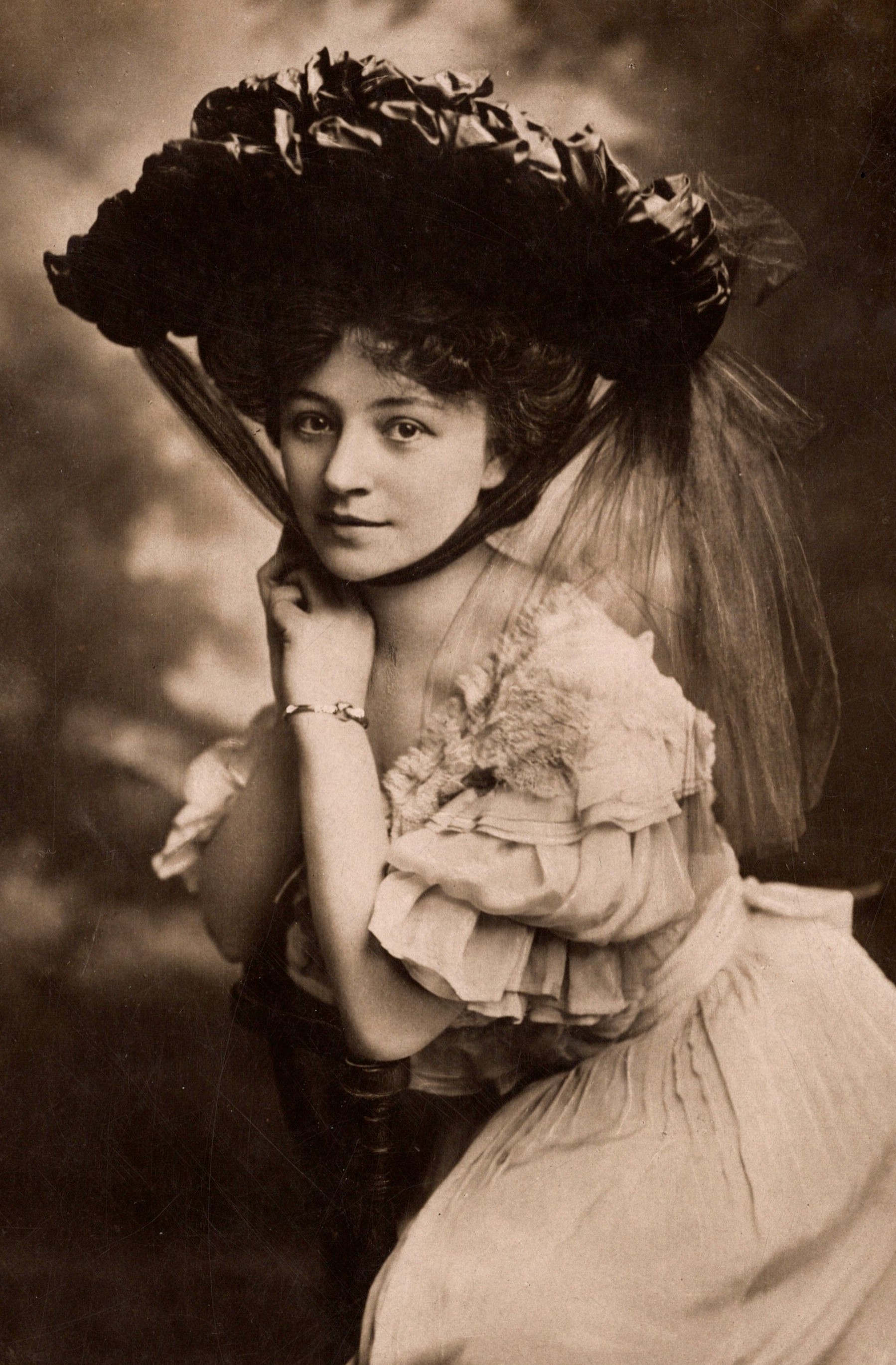
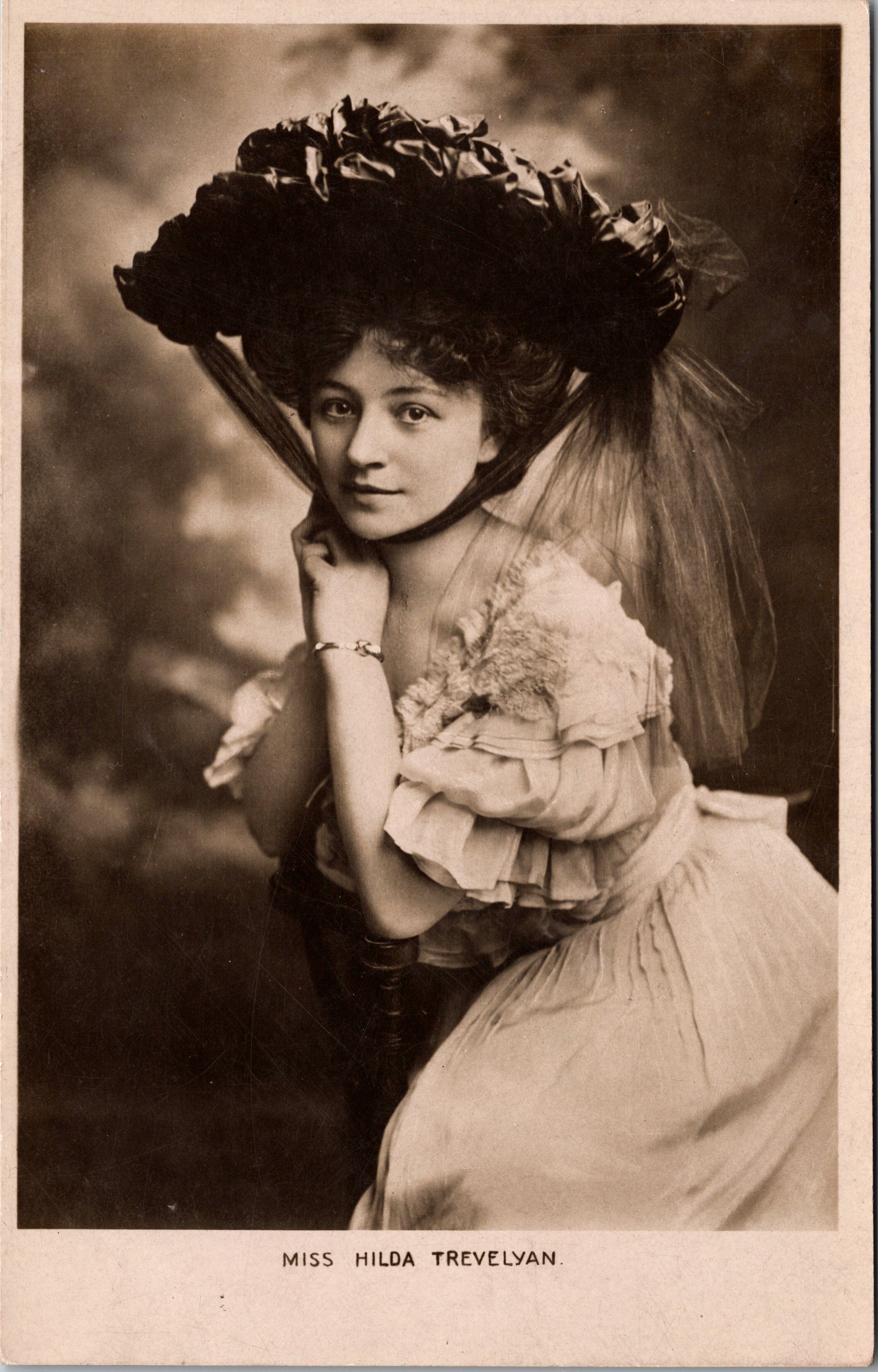
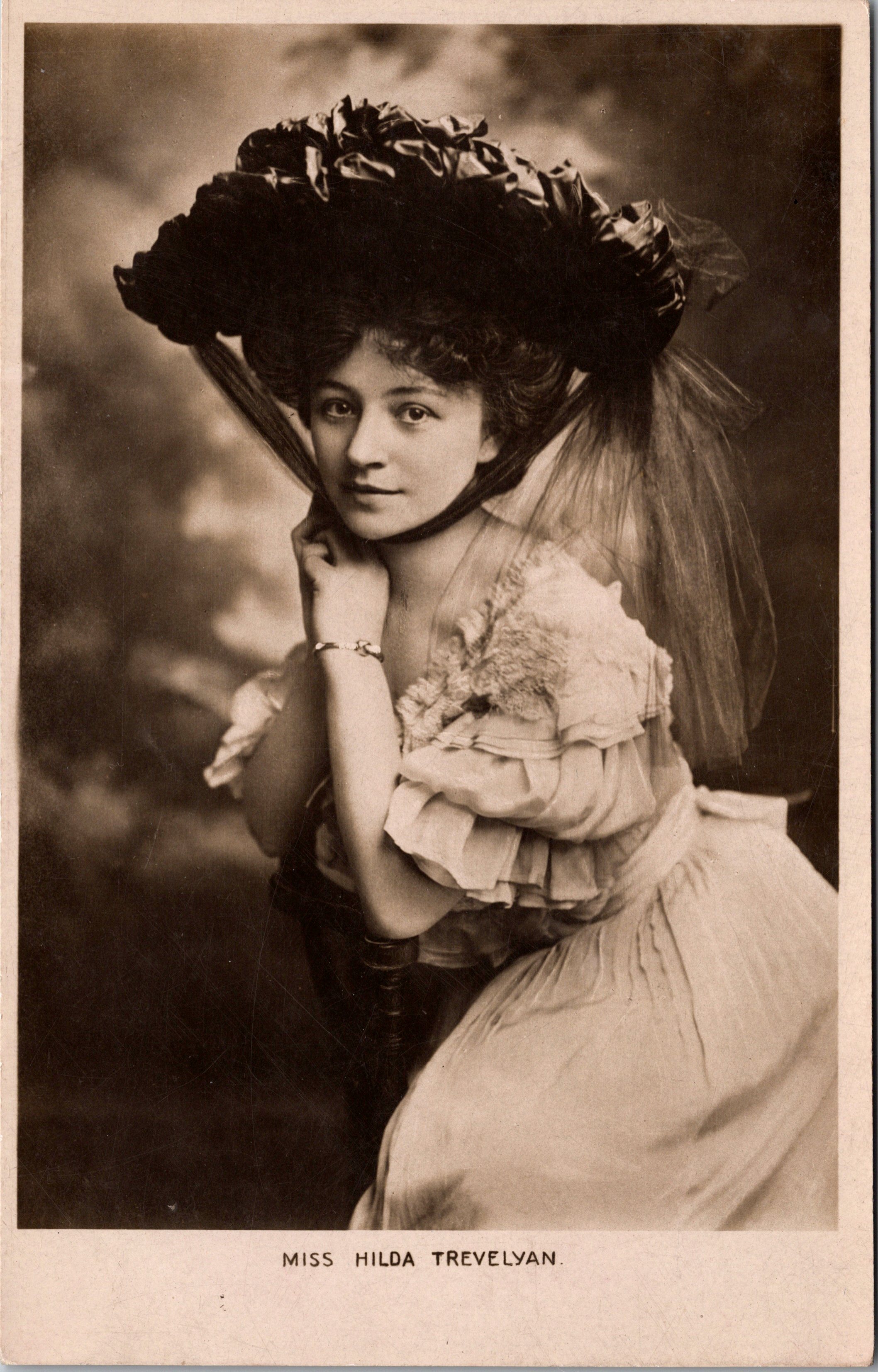
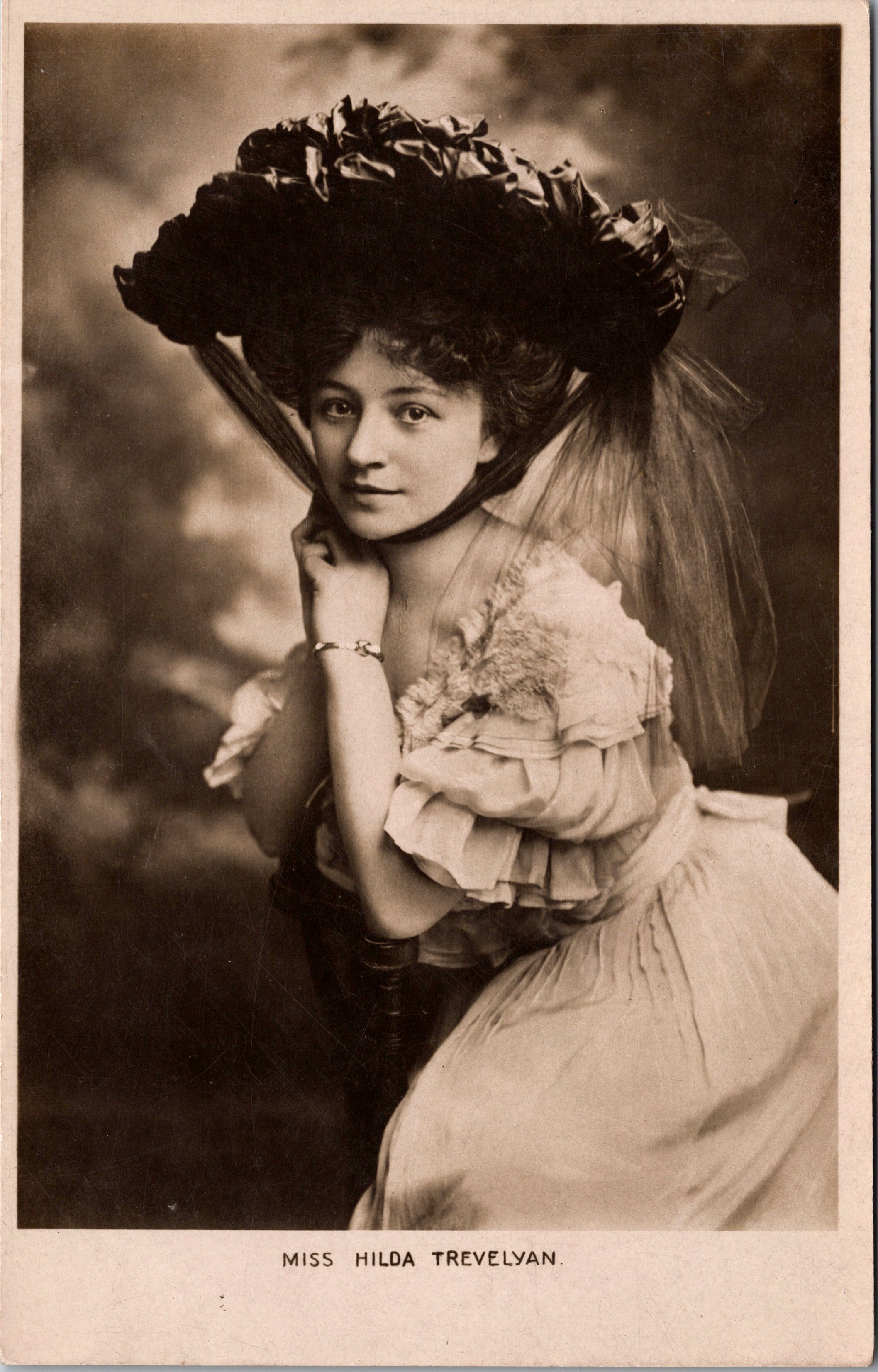
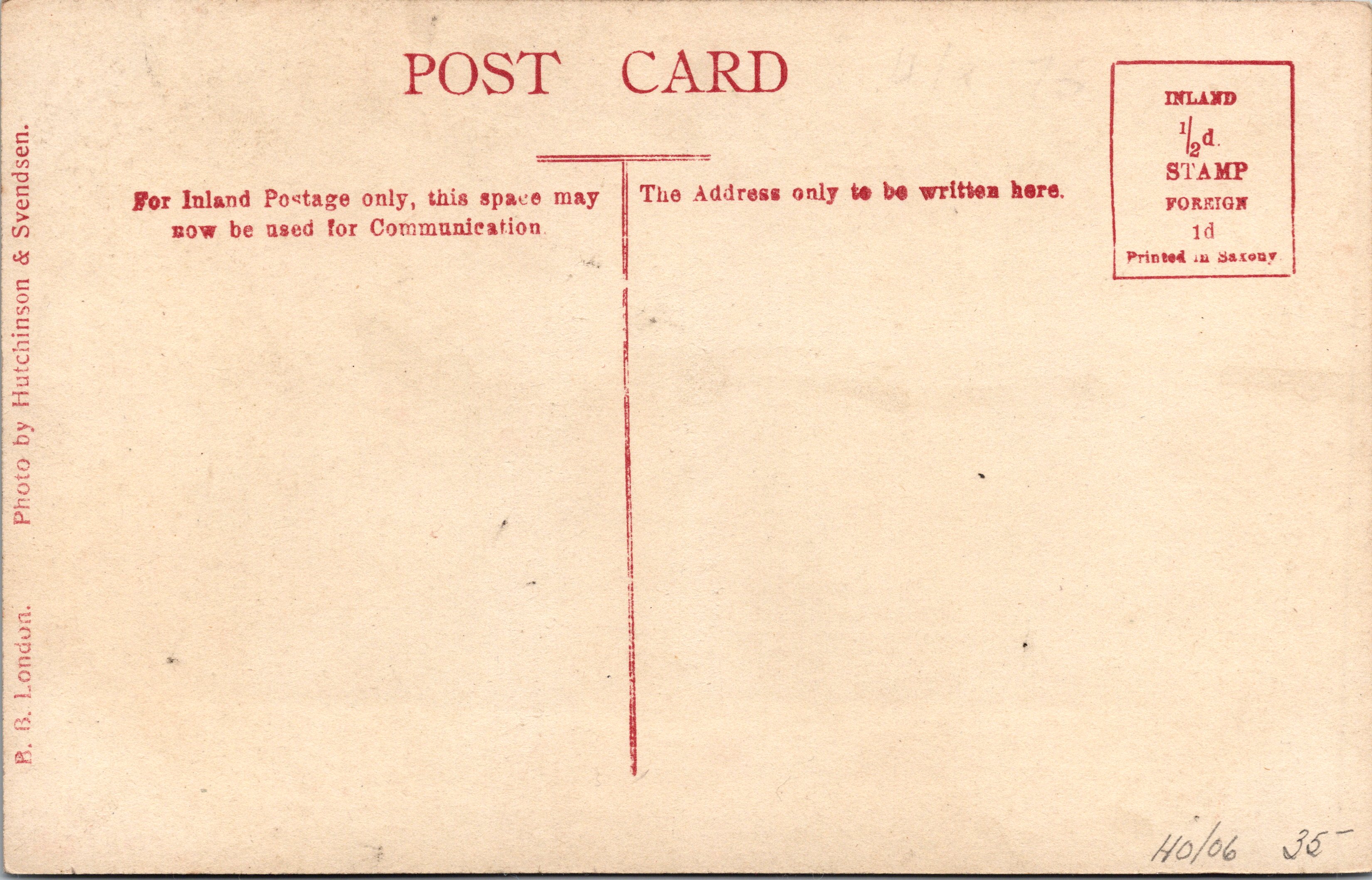
This vintage real photo postcard features English actress, Hilda Trevelyan (1877-1959). She was born in London. Her father was a farmer and her mother was French. She received her education at a convent and she made her debut on stage at the age of twelve. By the time she was sixteen years of age, she was touring in the musical comedy “A Gaiety Girl”. Early in her career she became associated with playwright J. M. Barrie. She appeared in many of his plays. She is most well known for creating the role of Wendy in Peter Pan. During her career, she played the part almost a thousand times. She also was successful as Oliver Twist in the play of the same name. The play was based on a Charles Dickens novel. In 1910, she married actor and writer, Sydney Blow. Trevelayan retired from the theater in 1939. Trevelayan also appeared in movies. IMDb gives her six movie credits between 1916 and 1939. This postcard was published by Birn Brothers. The firm was located in London, England. Miss Trevelyan’s portrait photo was taken by Hutchinson & Svendsen. This vintage postcard is in very good condition (see scans).
Buy this Vintage Real Photo Postcard (includes shipping within the US) #5282
To purchase this item, click on the Pay with PayPal button below
$15.50
Buy this Vintage Real Photo Postcard (includes International shipping outside the US) #5282
To purchase this item, click on the Pay with PayPal button below