ot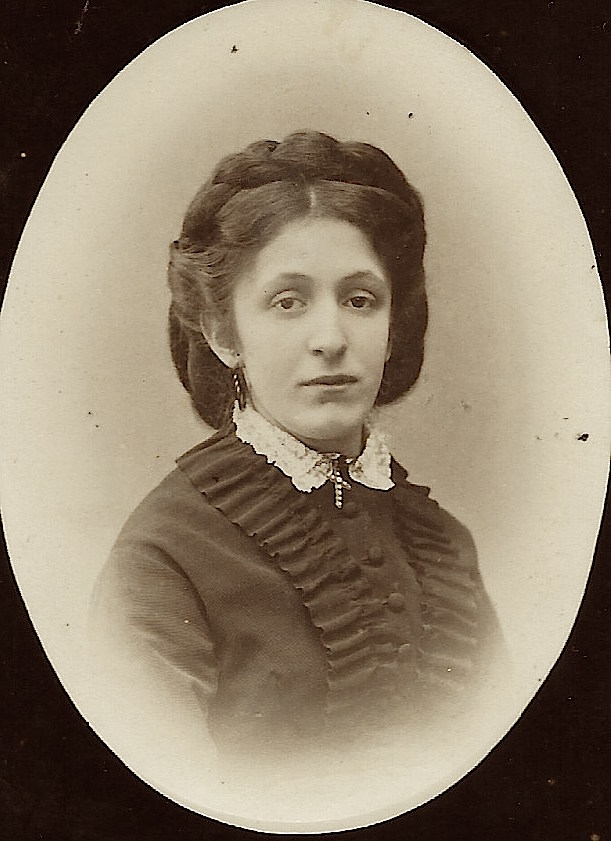
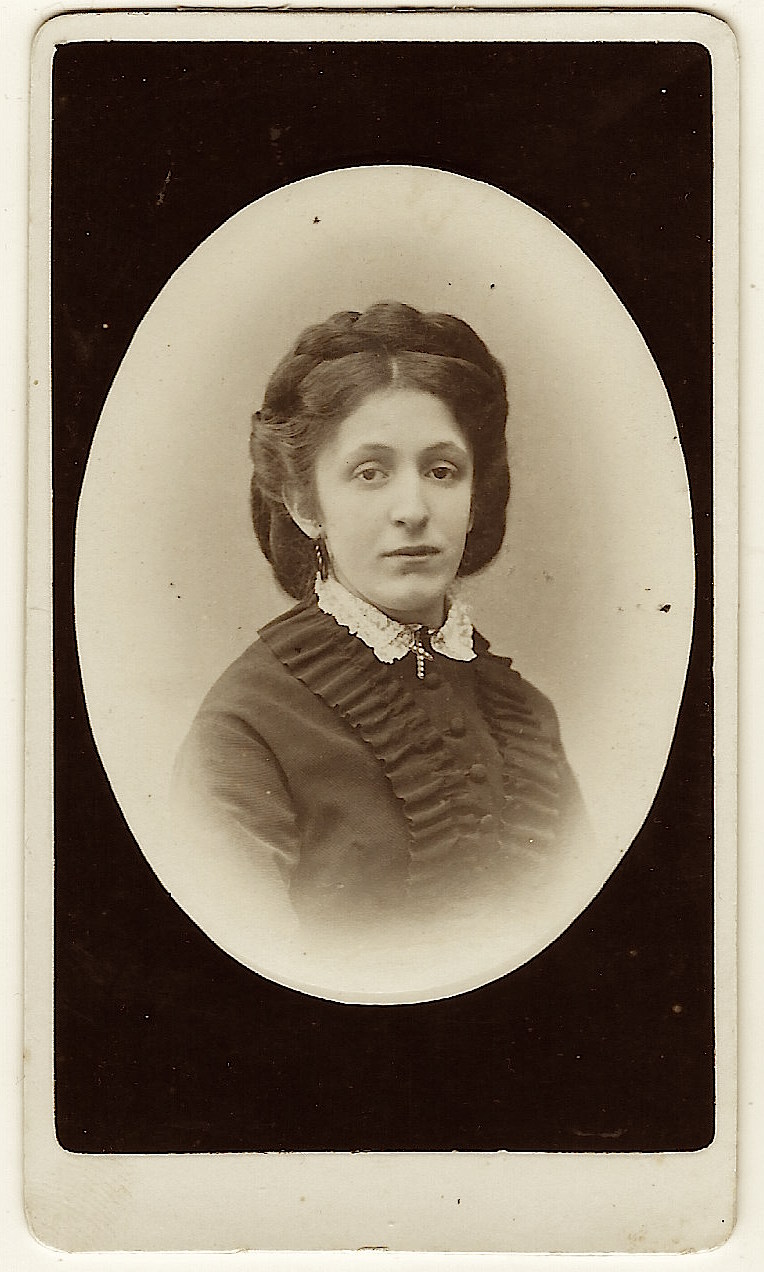
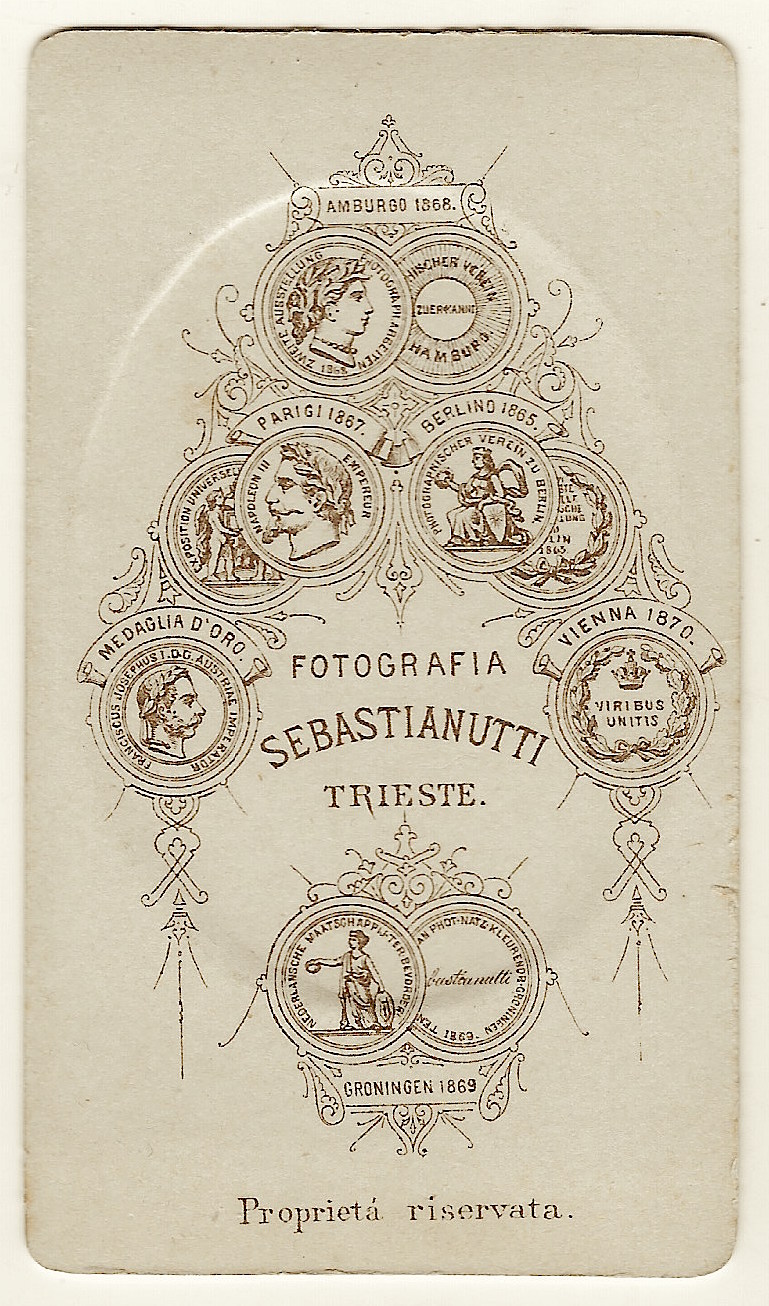
This oval carte de visite photograph features an attractive young woman. Her hair is styled and she is wearing jewelry. The woman appears to be affluent. The photographer of this cdv is Guglielmo Sebastianutti (1825-1881). He has one portrait in England’s National Portrait Gallery. The portrait above is an early cdv image. It is evident that the photograph is from the early cdv era because the Sebastianutti died in 1881 and because the years he won photography awards reveal the approximate time this photo was taken. The reverse of the photograph lists a number of awards won by the photographer. He was recognized in Berlin, Germany (1865), Paris, France (1867), Hamburg, Germany (1868), Groningen, Netherlands (1869), and Vienna, Austria (1870), Since Sebastianutti’s photography career ended in 1878, it is clear that this image was taken between 1870 and 1878. Sebastianutti’s studio was located in the city of Trieste, which is a port city located in northeast Italy. During Sebastianutti’s career, he partnered with celebrated German photographer, Franz Benque (1841-1921). Benque moved to Trieste in 1864 and partnered with Sebastianutti in the opening of a photography studio. At the time Sebastianutti was watchmaker. In 1868, Benque married Sebastianutti’s step-daughter, Isabella. Despite the success of his studio, Benque returned to Germany in 1869, and opened a studio with his cousin, Conrad Kindermann, in Hamburg. Benque must have had wanderlust because in 1870, he immigrated with his family to Brazil. There, he partnered with Alberto Henschel (1827-1882) and operated studios in Bahia and Pernambuco. Benque’s studios gained the reputation of being the best in all of Brazil. In 1878, Benque must have had another episode of wanderlust which propelled him back to Trieste and a partnership with Sebastianutti. Benque must have had one more “relocation” left in him. In 1903 he moved to Villach, Austria. This cdv image is in very good condition (see scans).
Buy this Vintage Carte de Visite photograph (includes shipping within the US) #3007
To purchase this item, click on the Pay with PayPal button below
Buy this original Carte de Visite Photograph (includes International shipping outside the US) 3007
To purchase this item, click on the Pay with PayPal button below

 This vintage postcard features a adorable little boy, or possibly a girl, sitting on a wooden tricycle. The photograph was likely taken on the front porch of the child’s home. Note that there are two figures of a child on a trike either drawn on, or part of, the child’s shirt. The two figures seem to be similar to the stitching on the child’s sleeve cuffs and collar. The AZO stamp box on the reverse of this photo postcard indicates that it was printed between 1910 and 1930. This vintage postcard is in good condition (see scans). (SOLD)


 This is an adorable vintage real photo postcard. The little girl and her dog are both very cute. This postcard is sweet. The postcard was published by Alfred Noyer. It is part of a series (no. 9387). He was a well known and acclaimed photographer. His Paris studio operated between 1910 and the 1940’s. (SOLD)
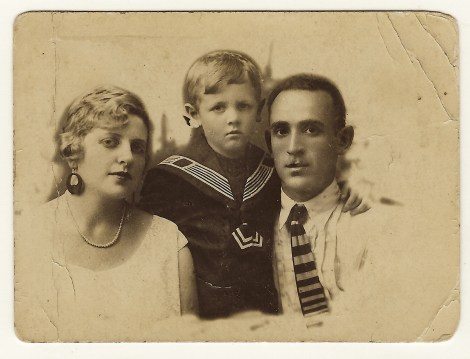 This vintage photograph features an attractive Jewish family in 1930’s Russia. The previous owner of this photo reports that this is the Robert Edelstein family. The parents in this image are well dressed and their son is wearing a sailor style outfit. The photograph measures about 3 1/4″ x 2 1/2″ and is in fair condition.


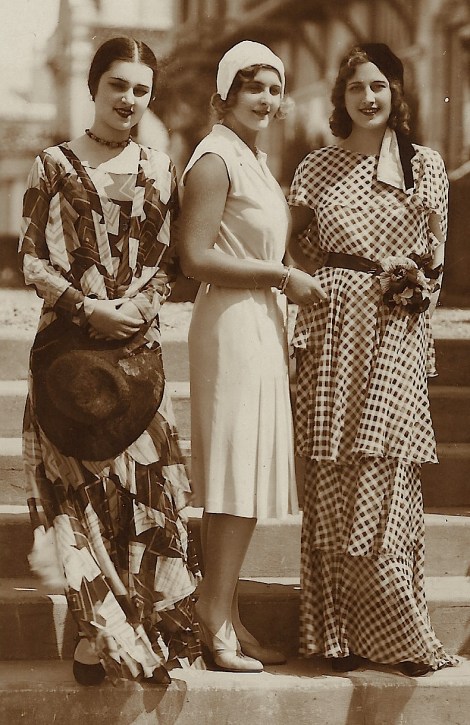 This vintage photo postcard features three contestants in the 1930 Miss Europe contest. Most of the women in the competition had won national beauty contests in their own country and progressed to the Miss Europe contest as a warm-up to competing for the Miss World title. This photographic postcard presents Miss Russia, Miss Austria, and Miss Holland. The three contestants are beautiful and marvelously dressed. This postcard was published by Alfred Noyer. His Paris studio operated between 1910 and the 1940’s. He was very talented and well respected. (SOLD)
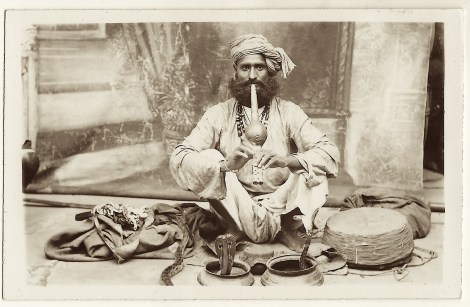
 This vintage real photo postcard features a snake charmer doing his charm in Benares, India. Ophidiophobics should think twice before adding this postcard to their collection. This photograph is a snake phobics nightmare. The photo was taken in Benares, which in India is known as Varanasi. The city is on the banks of the Ganges river. Benares is a major religious hub in India. In fact, it is the holiest of India’s seven sacred cities. What is the point of snake charming. It is the practice of hypnotizing snakes by playing and waving around an instrument called a “pungi”. A popular species of snake used in this practice are cobras. The snake charmer handles the snakes and performs dangerous acts with them. They also do other types of street performances (ie juggling or sleight of hand). India is considered the center of snake charming but the practice is also common is Pakistan, Thailand , Malaysia, Sri Lanka, and other Asian and North African countries. The popularity of snake charming is on the decline.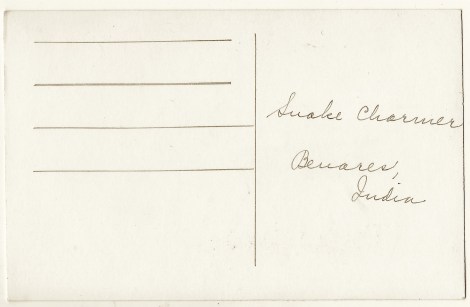


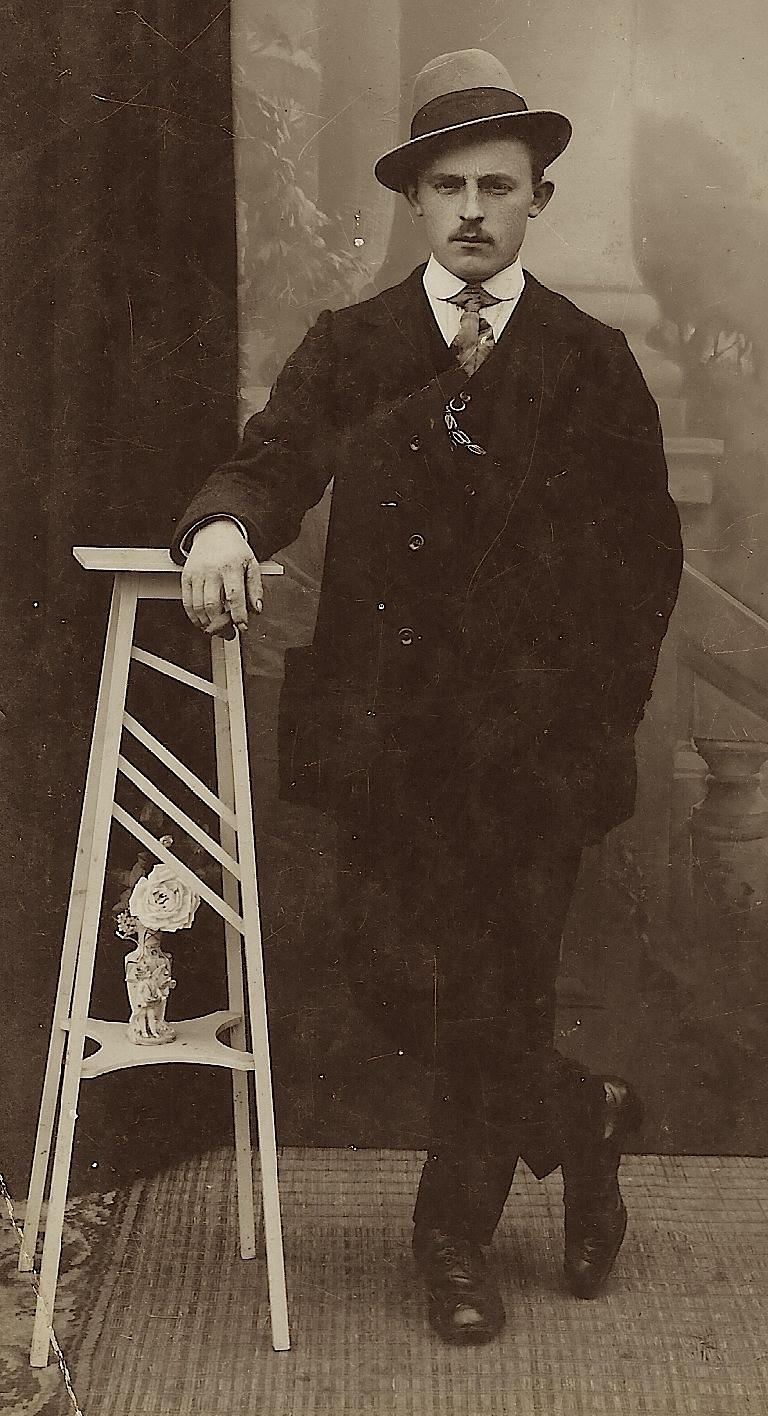 A nicely dressed man poses next to a stool in this vintage real photo postcard. His hat is “strategically dipped” and his the large chain of his pocket watch is very prominent on the lapel of his coat. The gentleman’s photograph was taken by the Peeraer-Janssen studio which was located in Oostmalle, Belgium. The photographer’s stamp is on the reverse of the card. This postcard portrait is in good condition.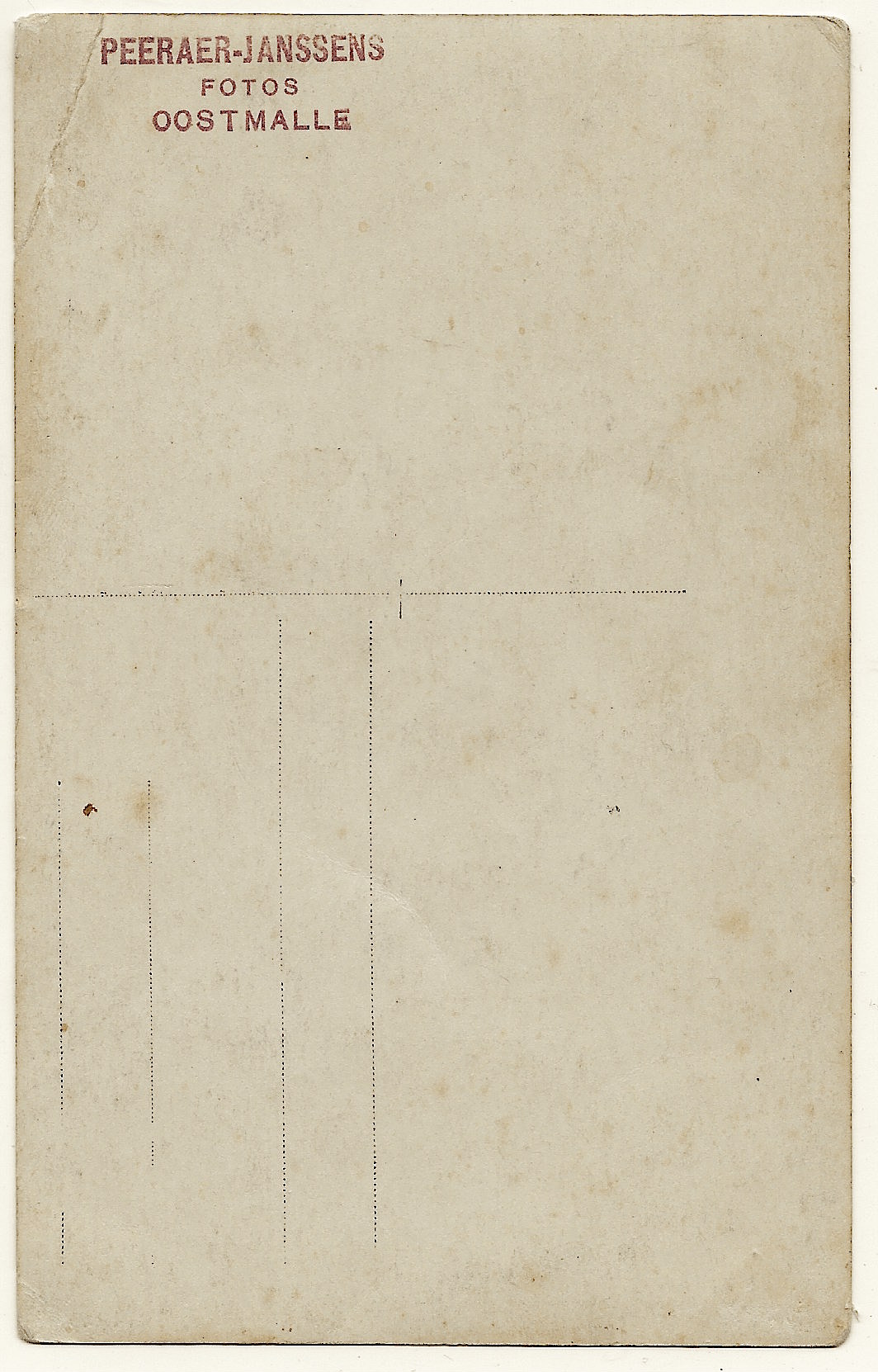
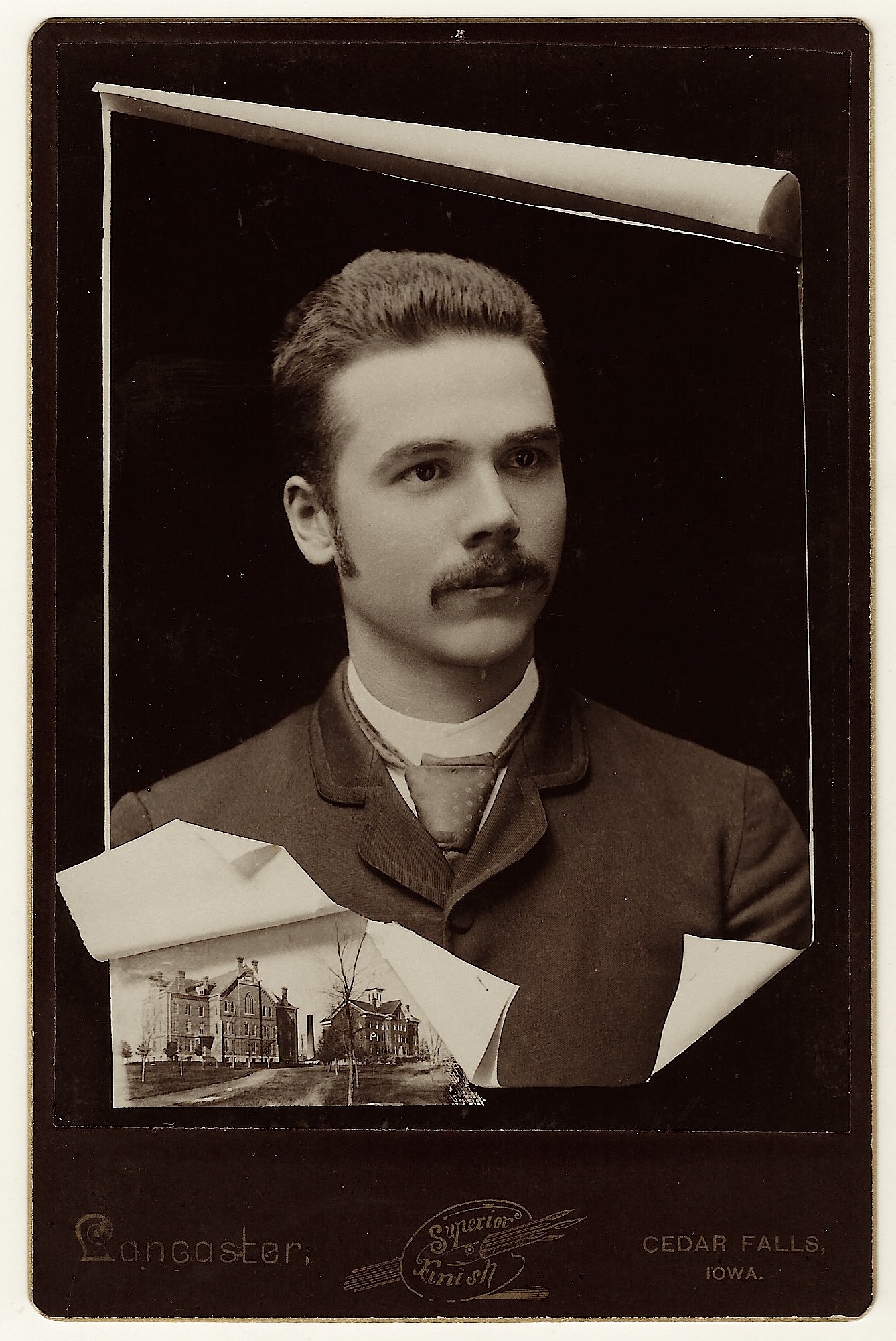
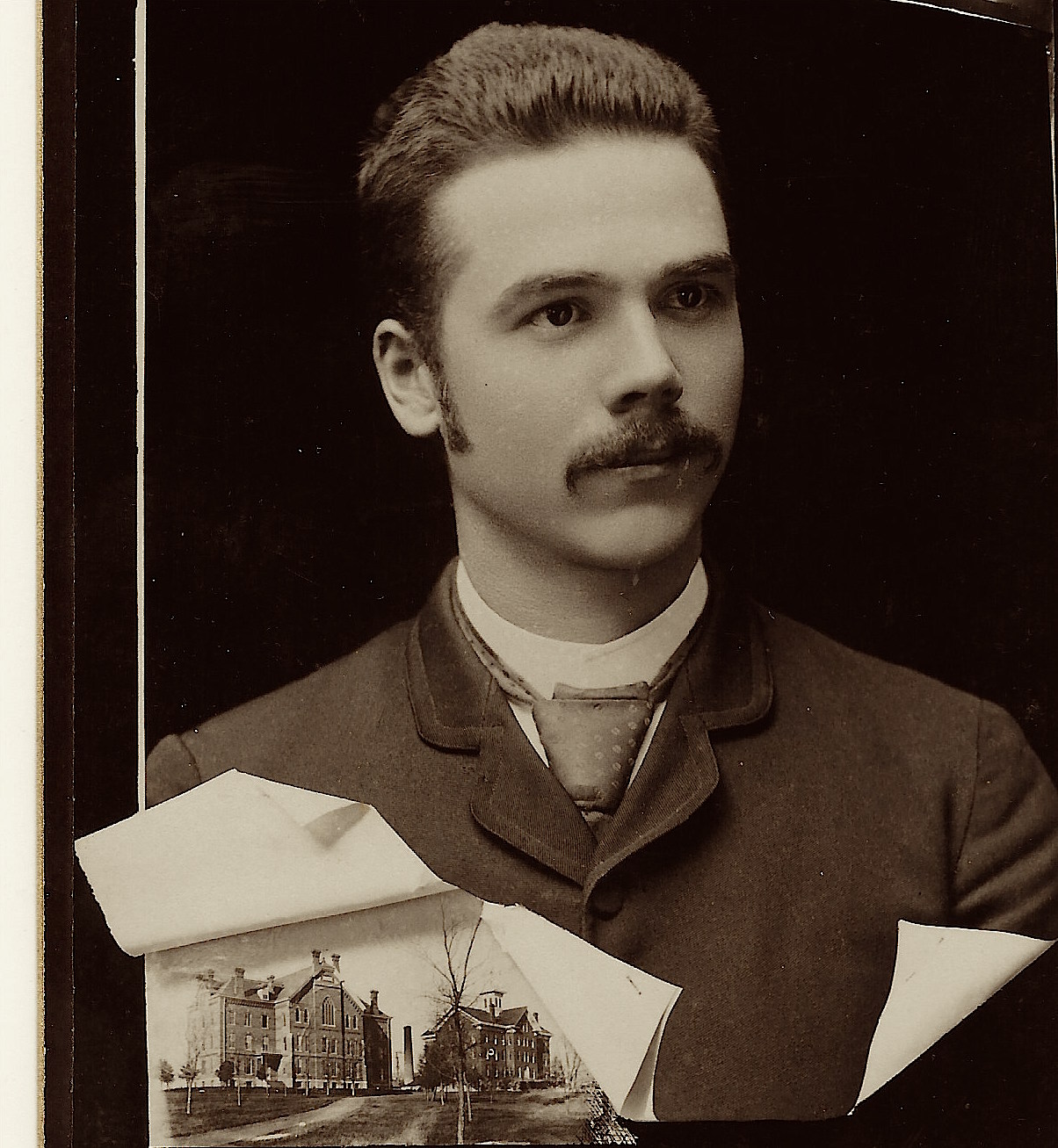
 THIS PHOTO IS NOT FOR SALE