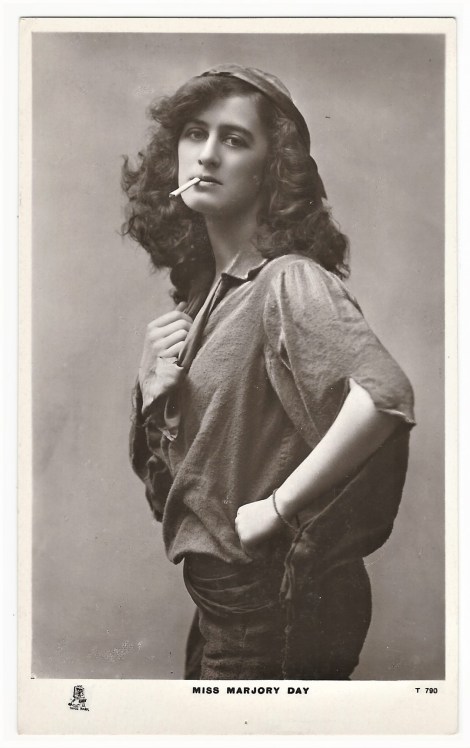
 This vintage real photo postcard features actress Marjory Day (1887-1940). She was born in New Zealand. She was an actress and was known for “The Woman Who Was Nothing” (1917), “The Life of Lord Byron” (1922), and “The Fighting Marine” (1926). Miss Day was married and divorced from producer/actor George Desmond (1881-1969). The National Portrait Gallery has 15 portraits of Miss Day in their collection. This postcard captures Day exhibiting socially inappropriate behavior. Day’s deviant behavior is the fact that she is smoking a cigarette. She also seems to be wearing pants which is also a violation that could get her in trouble with the fashion police. To top things off, she is rebelliously staring at the photographer as this photo was taken. At first, I thought that Marjory Day was one of those “bad girls” of the theatre (there were also “bad boys”). However, I later learned that this photograph was taken while Day was in costume for playwright George Bernard Shaw’s “Devil’s Disciple” (1897). This postcard was published by Rafael Tuck as part of the “Celebrities of the Stage” series (no. T 790). Raphael Tuck and his wife started their photography business in 1866 in London. Their store sold pictures, greeting cards, and in time, postcards. Their success came from the sale of postcards during the late 1890’s and early 1900’s. In the early 1900’s the firm conducted postcard competitions for collectors of Tuck postcards. These competitions offered cash prizes and they were very popular. The winner of one of these competitions had a collection consisting of over twenty-five thousand cards. Three of Tuck’s four sons participated in the business. The company was devastated by German bombing during World War II. In 1959 the company merged with two other printing companies. (SOLD)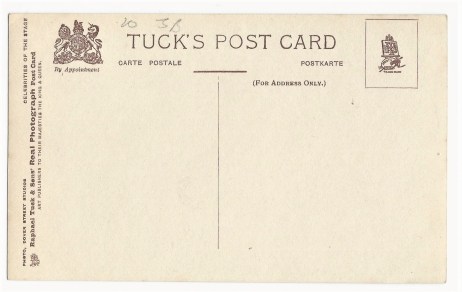

 A young farmer is captured in this vintage snapshot photograph riding on his Zetor 25 diesel tractor. He looks proud atop his farm vehicle and happy to be out in the fields. Although most of us have never heard of the Zetor brand, the company is one of the best known tractor manufacturers in Europe. There are nearly one and a half million Zetor tractors in use today in over ninety nations scattered around the world. The vehicles are manufactured by the company in Brno, Czech Republic. The company was founded in 1946. It’s first model was named Zetor 25, and this photograph features one of those models. The Zetor 25 was produced until 1961. This photograph measures about 2 1/4″ x 3 1/4″ and is in good condition (see scans). Note the small ink spots slightly above the bottom left corner.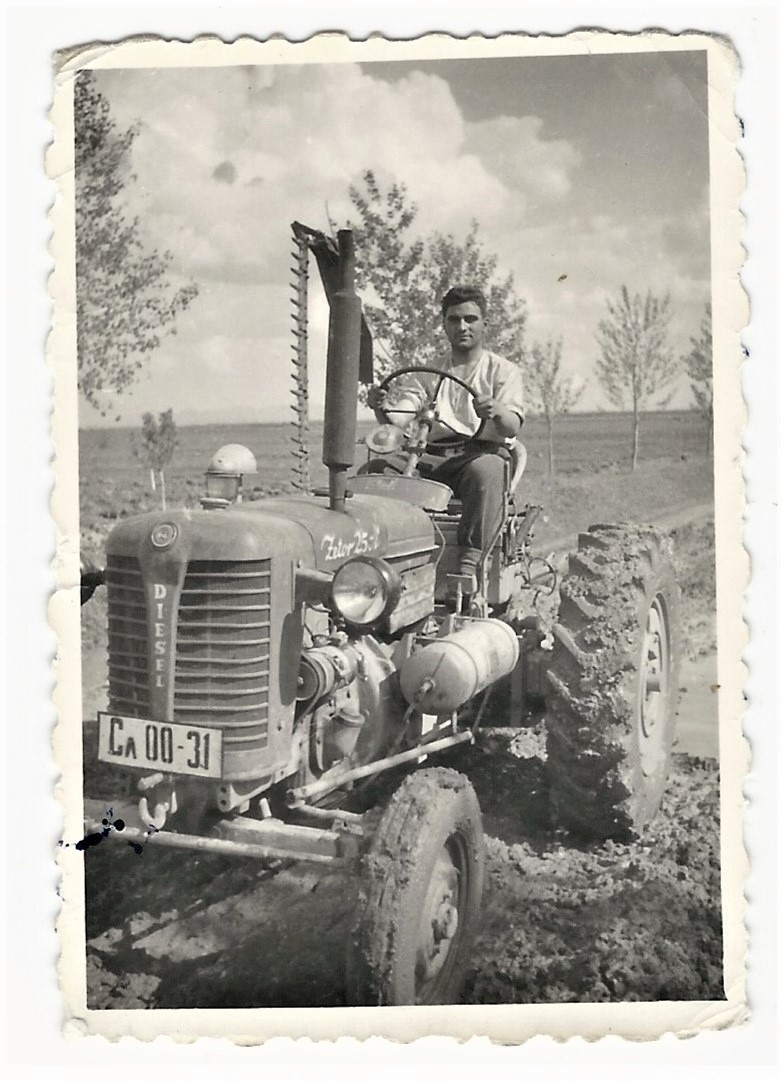

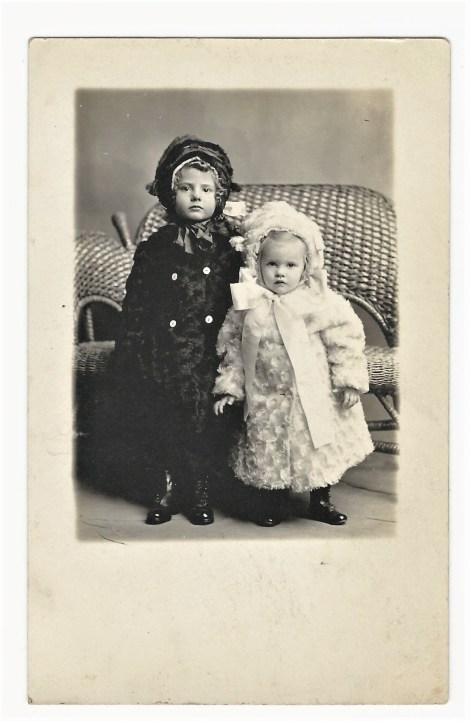
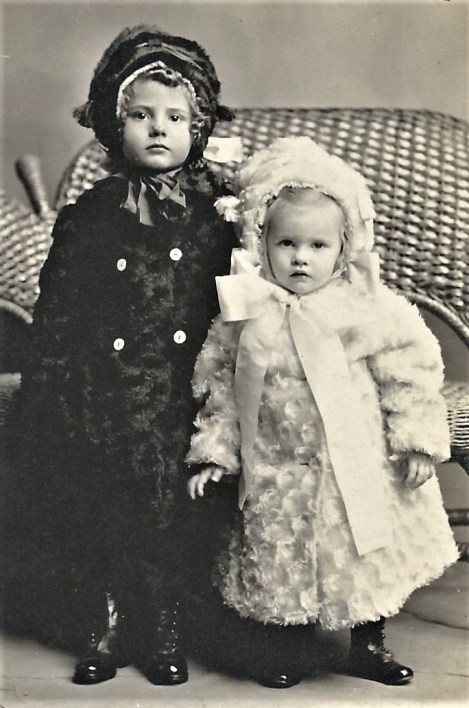 This vintage real photo postcard features two adorable sisters wearing fancy winter clothing. These kids are an illustration of what it means to be “bundled up”. Note the children’s boots and hats. The youngest child is wearing a scarf that gives the appearance of a big ribbon. The ribbon makes her look like a wrapped Christmas gift. This postcard has an Artura stamp box which indicates that the card was published sometime between 1908 and 1924. (SOLD)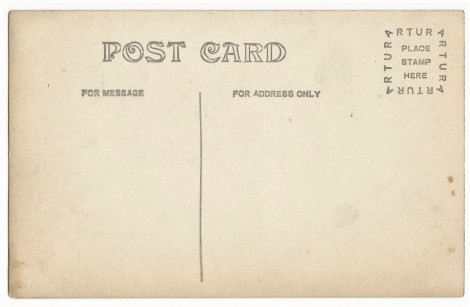

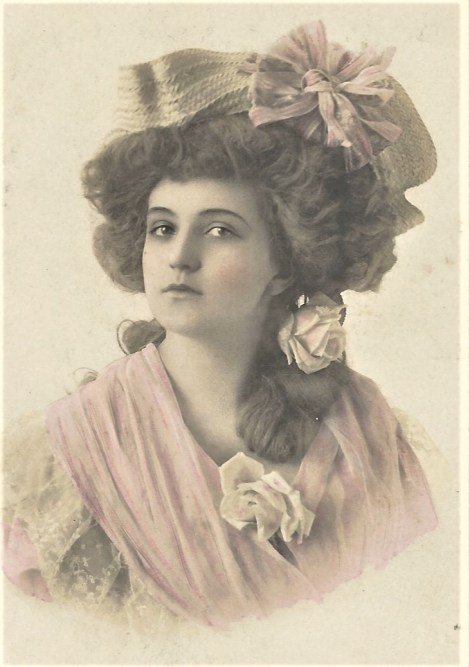 This vintage postcard features a portrait of a beautiful young woman. She is very well dressed and wearing a flower in her hair as well as on her collar. Note her fancy hat. The postcard is color tinted. This postcard was published by EPR as part of a series (no.327). The card has a French stamp and is dated 1911. The message on the postcard is roughly sending “our best regards. (SOLD)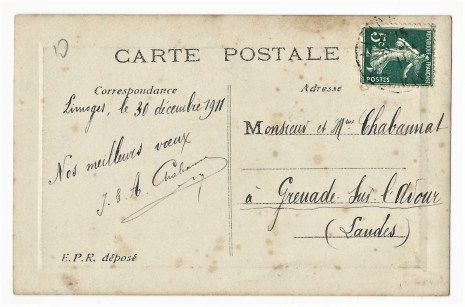
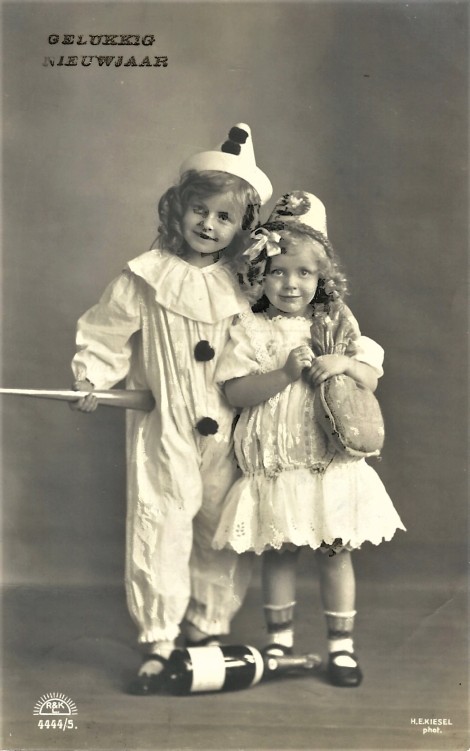
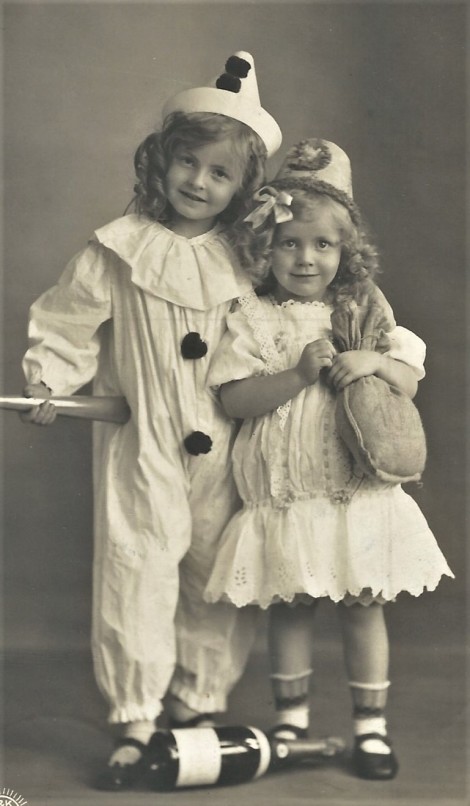
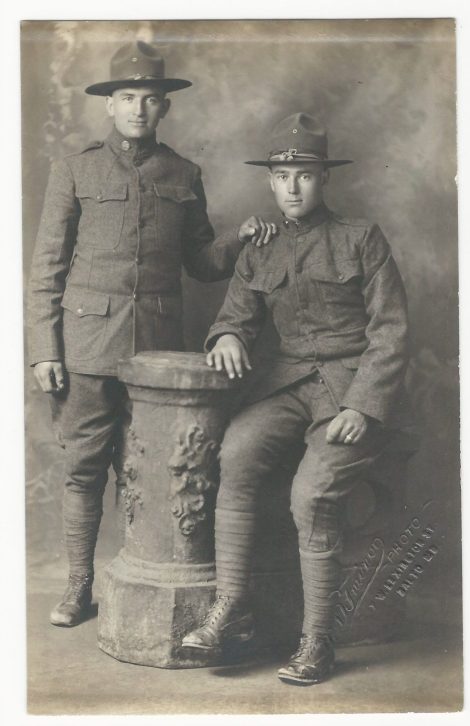 This vintage real photo postcard features two handsome uniformed World War I era soldiers posing for their portrait at a studio in Baltimore, Maryland. The photograph was taken by Martin D Trainor. His name is embossed near the bottom right hand corner of the image. The Maryland Historical Society has one or more of his photographs in their collection. The AZO stamp box indicates that the postcard was published between 1918-1930. (SOLD)