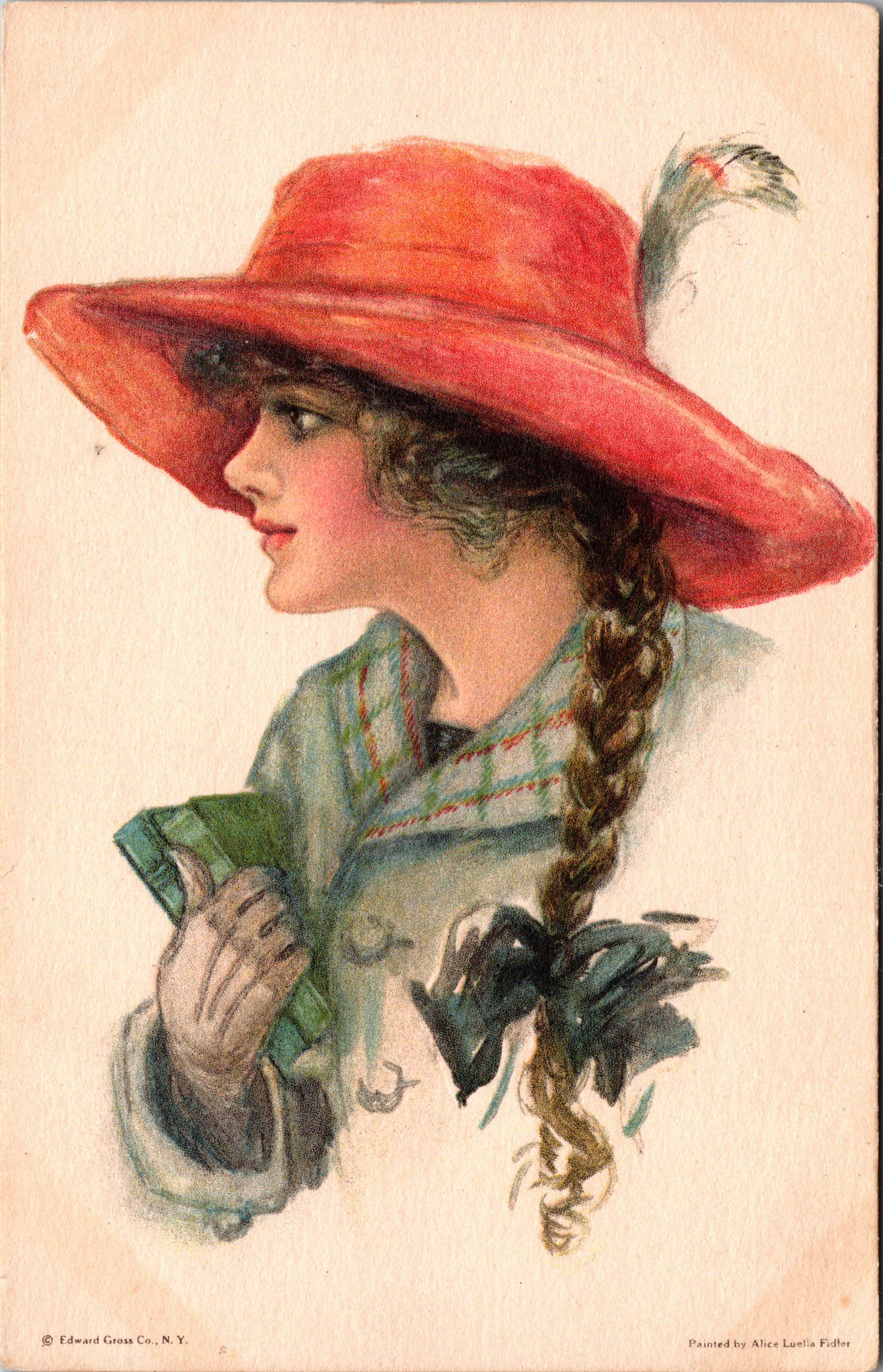
This antique postcard features a pretty young woman. The artist is Alice Luella Fidler (1883-?). The card is part of the American Girl series (no.40). In the early twentieth century, Alice and her two sisters, Pearle Eugenia Fidler LeMunyan (1880-?), and Elsie Catherine Fidler (1892-?); specialized in creating drawings of beautiful girls and women. In addition to “American Girl” they produced series entitled “Glamour Girl” and “College Lad and Lassie”. They were wonderful illustrators and most of their drawings were published as postcards. This postcard was published by Edward Gross. The publishing firm was located in New York. (SOLD)
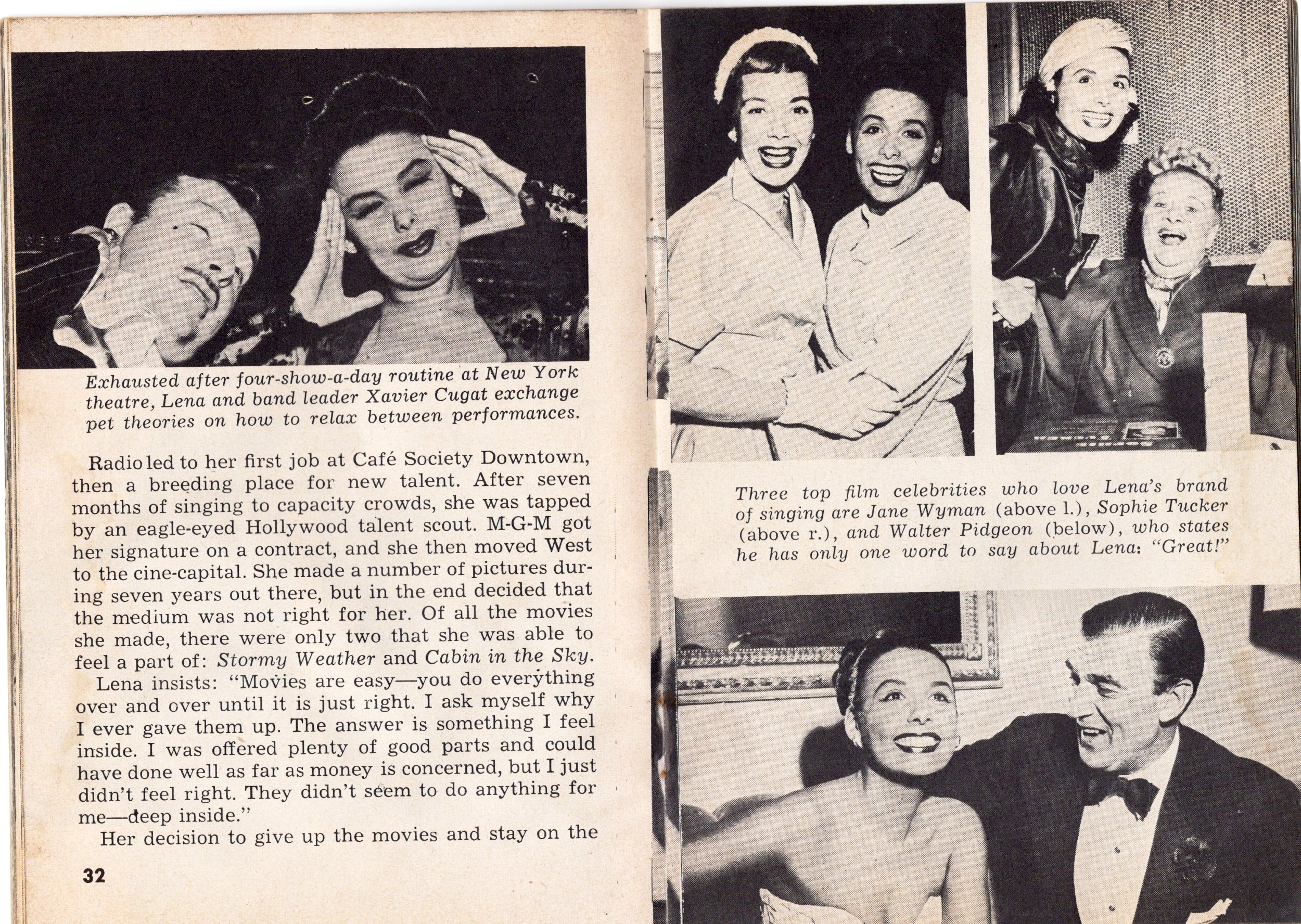
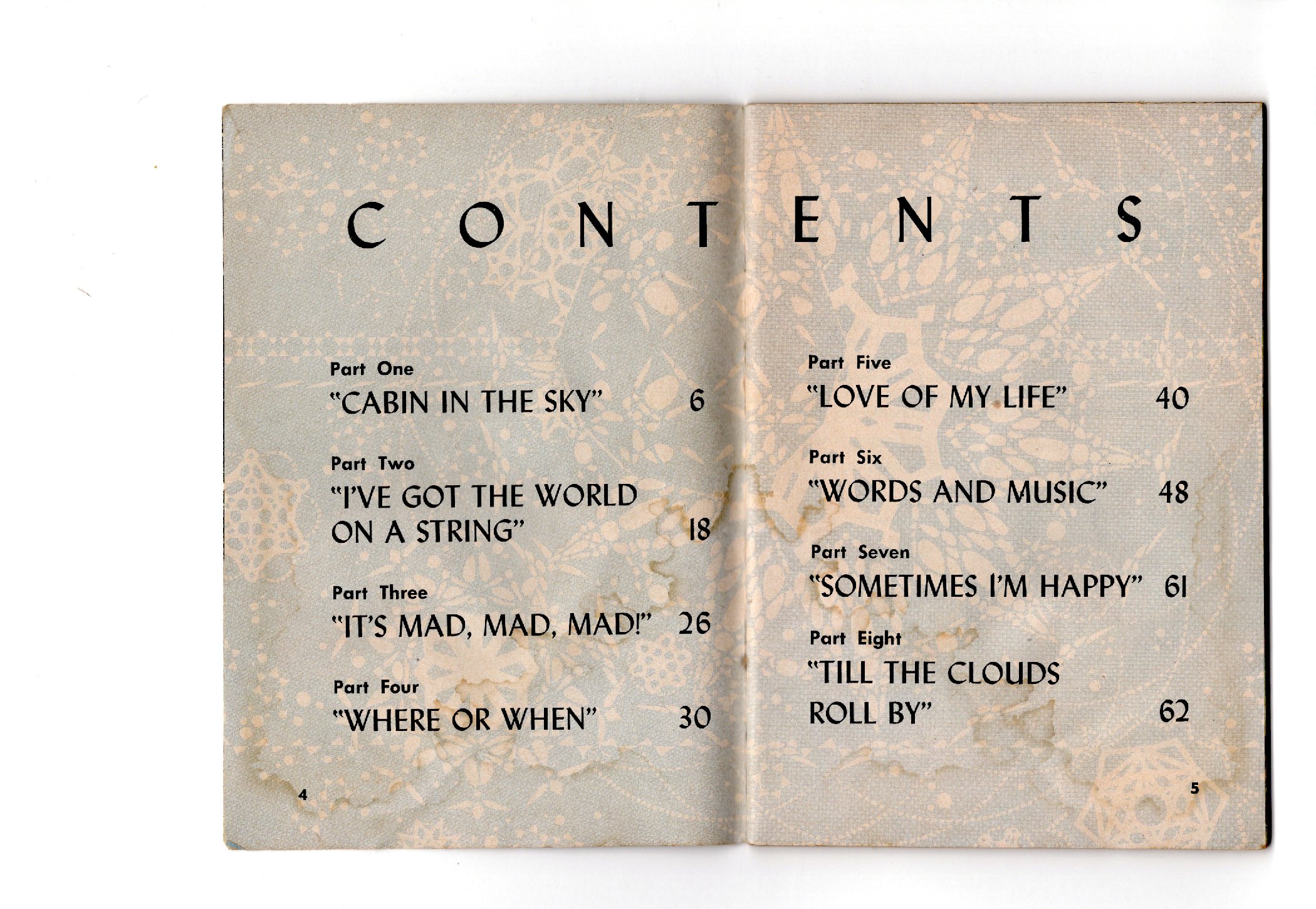
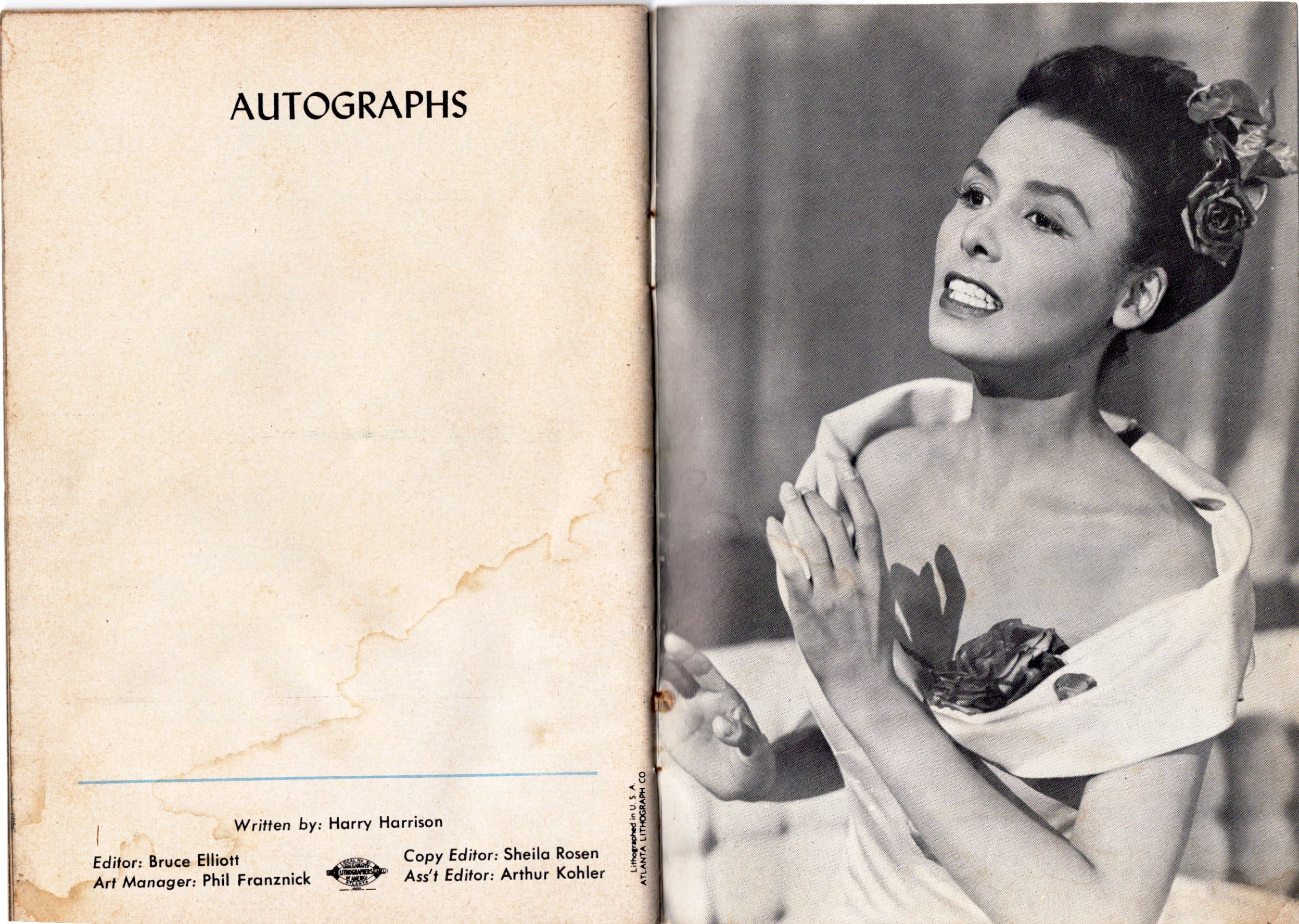
This Pocket Magazine is entitled “The Complete Life of Lena Horne” (Celebrity Scrapbook). Lena Horne (1917-2010) was a very talented African American dancer, actress, and singer. She was also a civil rights activist. The 66 page magazine was published by Pocket Magazines in 1955. The publication is chock full of Black/lWhite photographs. The magazine measures 4″ x 6″. SOLD
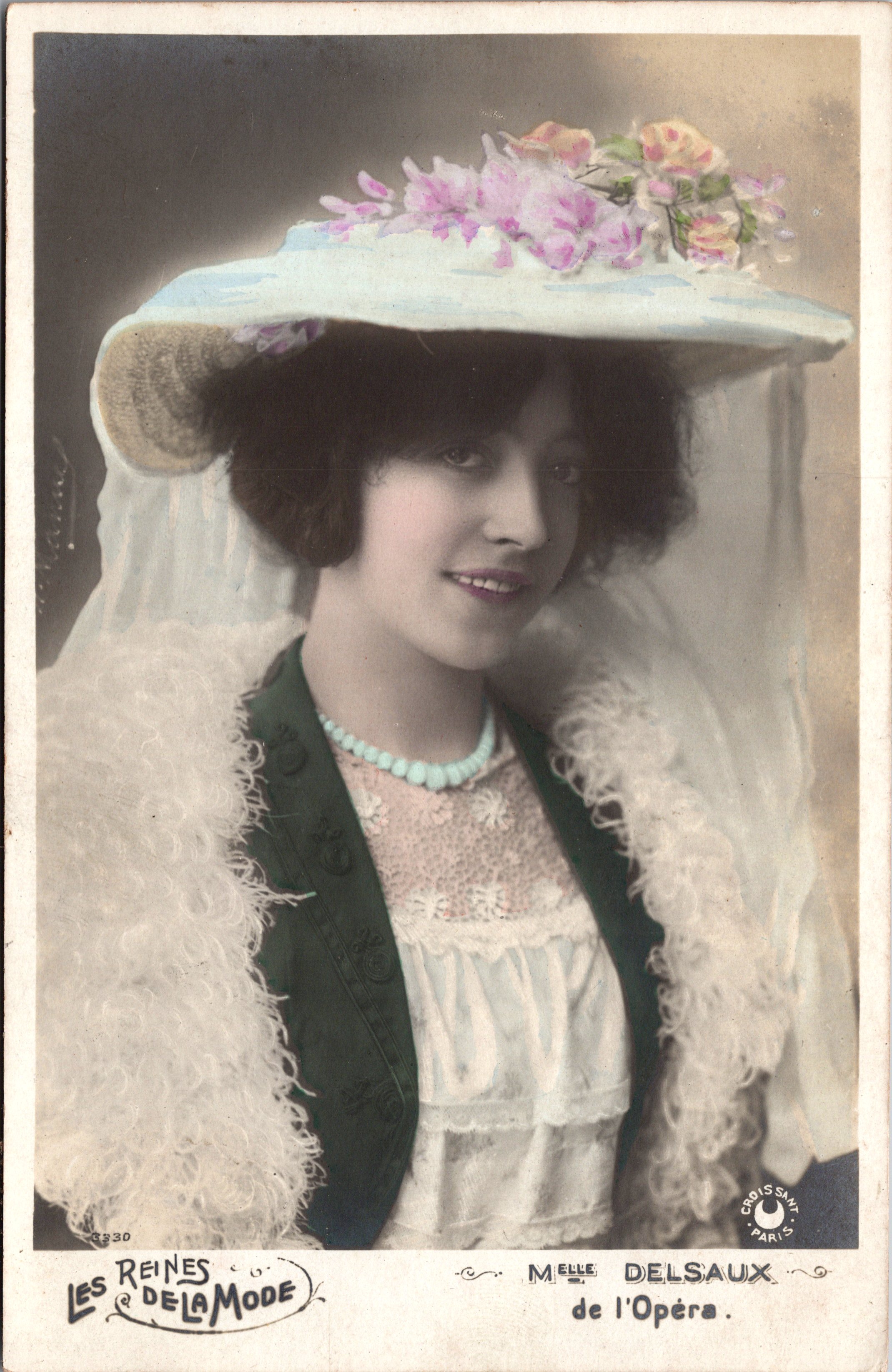
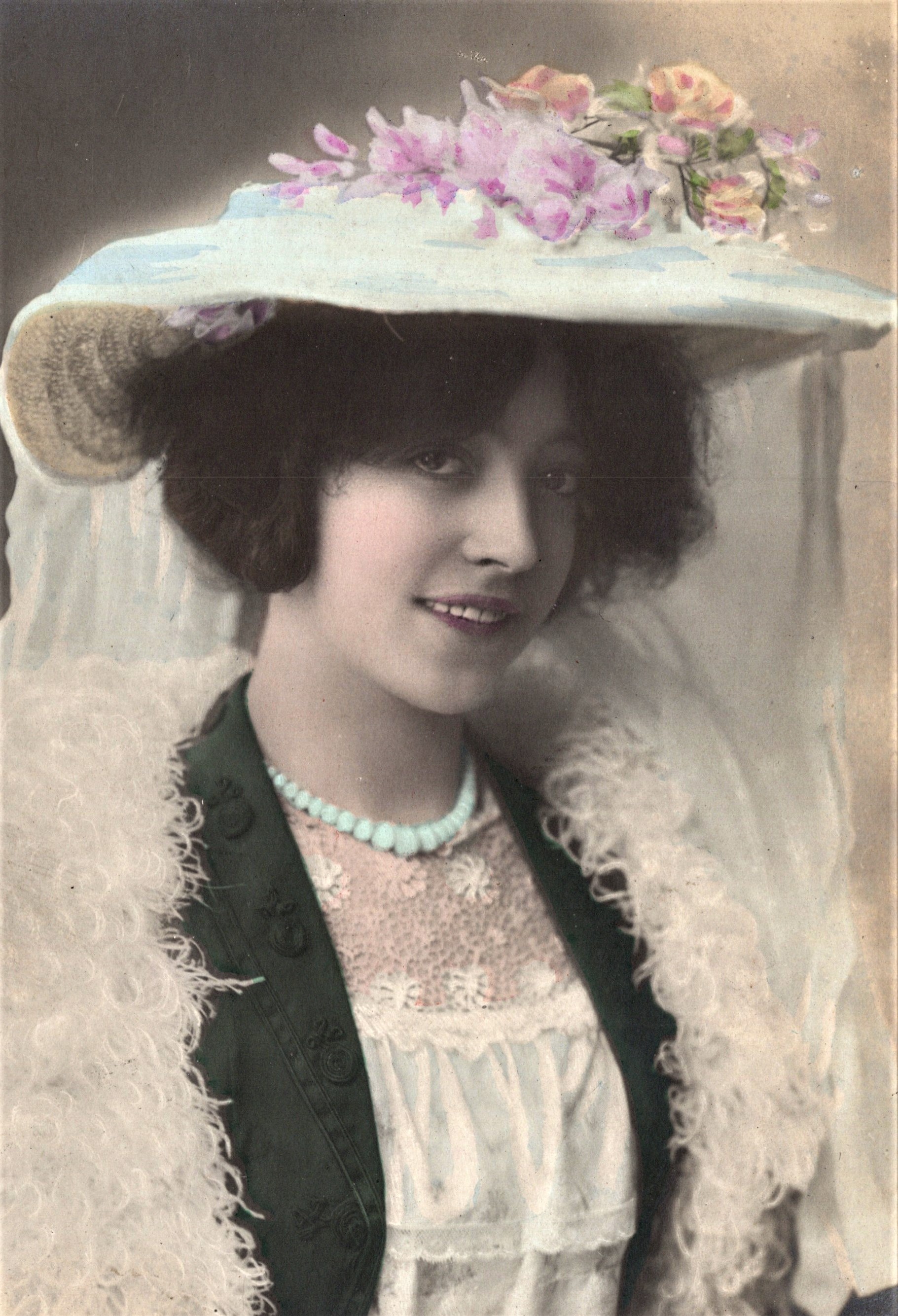
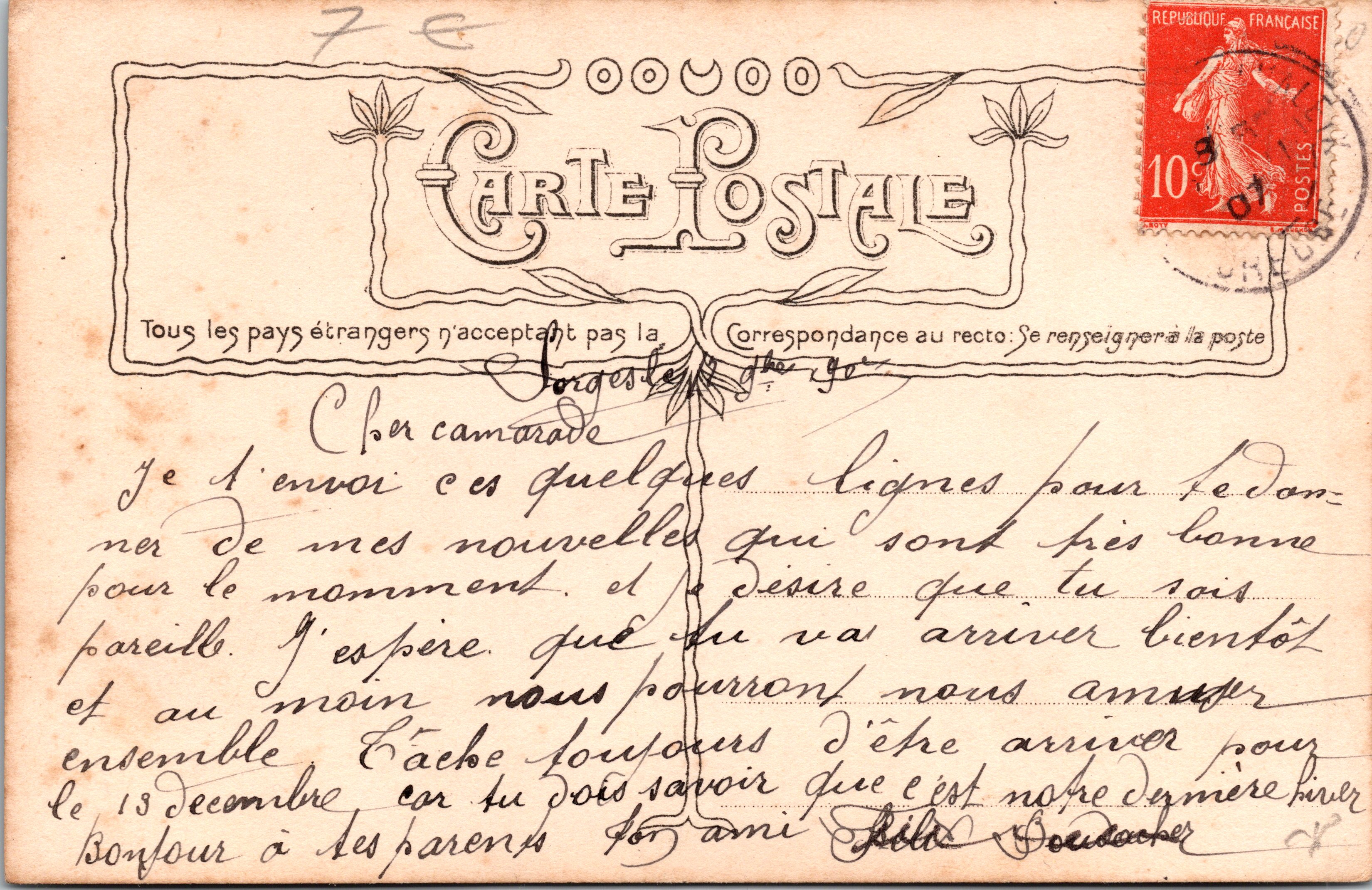
This vintage real photo postcard features pretty performer Melle. Delsaux. The card is part of the “Les Reines de La Mode” (fashion queens) series. Preliminary research yielded no biographical information about Miss Delsaux. However, it is clear that she was quite a fashionista. This postcard is in very good condition (see scans). SOLD
This cabinet card portrait features a bust view of a pretty young woman. The photograph was taken by Stephen Piper. He operated a studio in Manchester, New Hampshire. Stephen Piper (1835-1903) was a photographer in Manchester from 1866 to at least, 1887. He was born in Sanborton, New Hampshire. His obituary in the Manchester Union Leader nearly filled the entire front page of the newspaper. Even more remarkable for the time, was the fact that his picture was also on the front page. Piper was clearly considered an important citizen of Manchester, at the time of his death. (Sold)
This vintage real photo postcard features British actress, Alma Taylor (1895-1974). She began her career as a child actress, making her screen debut in 1907. Taylor had brown hair, blue eyes, and a great deal of charm. She appeared in more than 150 film roles during her performing career. She was one of Britain’s major film stars during the 1910’s and early 1920’s. In 1915, she was voted the most popular British performer in a major magazine poll. Charlie Chaplin claimed second place. Most of her silent career was with producer, Cecil Hepworth. He refused to let her wear makeup in any of his films. After 1932, she acted only occasionally. The photograph on this postcard was taken while Taylor was under contract with Hepworth Pictures. (SOLD)
This cabinet card features a family portrait taken in Windsor, New York. The family constellation appears to be composed of a father, mother, two adult sons, and a little girl who was likely an afterthought. The four older subjects are all holding their hats and the young girl has mittens hanging from her coat. The entire family is well-dressed. The photographer is listed as Conrad and the studio is listed as being located in Windsor, New York. However, the reverse of the image has a printed advertisement for the Binghamton Art Gallery, located at 493 Court Street, in Binghamton, New York. Windsor and Binghamton are about sixteen miles apart. Perhaps Conrad had studios in both towns. The 1900 U.S. census lists a photographer living in Binghamton named Edward E. Conrad. Note the confirming monogram on the center bottom of the cabinet card indicates that the photographer’s initials are “E. E.”. Edward Conrad (1857- ?) lived with his wife Susie, their three school age daughters, and a boarder. Edward and Susie were married in 1887. The 1920 U. S. census discloses that at age 63, Edward was still a photographer, and owned his own gallery. He still lived with Susie (age 52), but his children no longer lived home. However, there was still child rearing to do in the Conrad home. The couple lived with their two and a half year-old grandchild. The reverse of this card has a line of glue residue on it’s top. The photograph has excellent clarity. Overall, this cabinet card is in very good condition (see scans).
Buy this Cabinet Card (includes shipping within the US) #3819
To purchase this item, click on the Pay with PayPal button below
$35.50
Buy this Cabinet Card Photograph (includes International shipping outside the US) 3819
To purchase this item, click on the Pay with PayPal button below
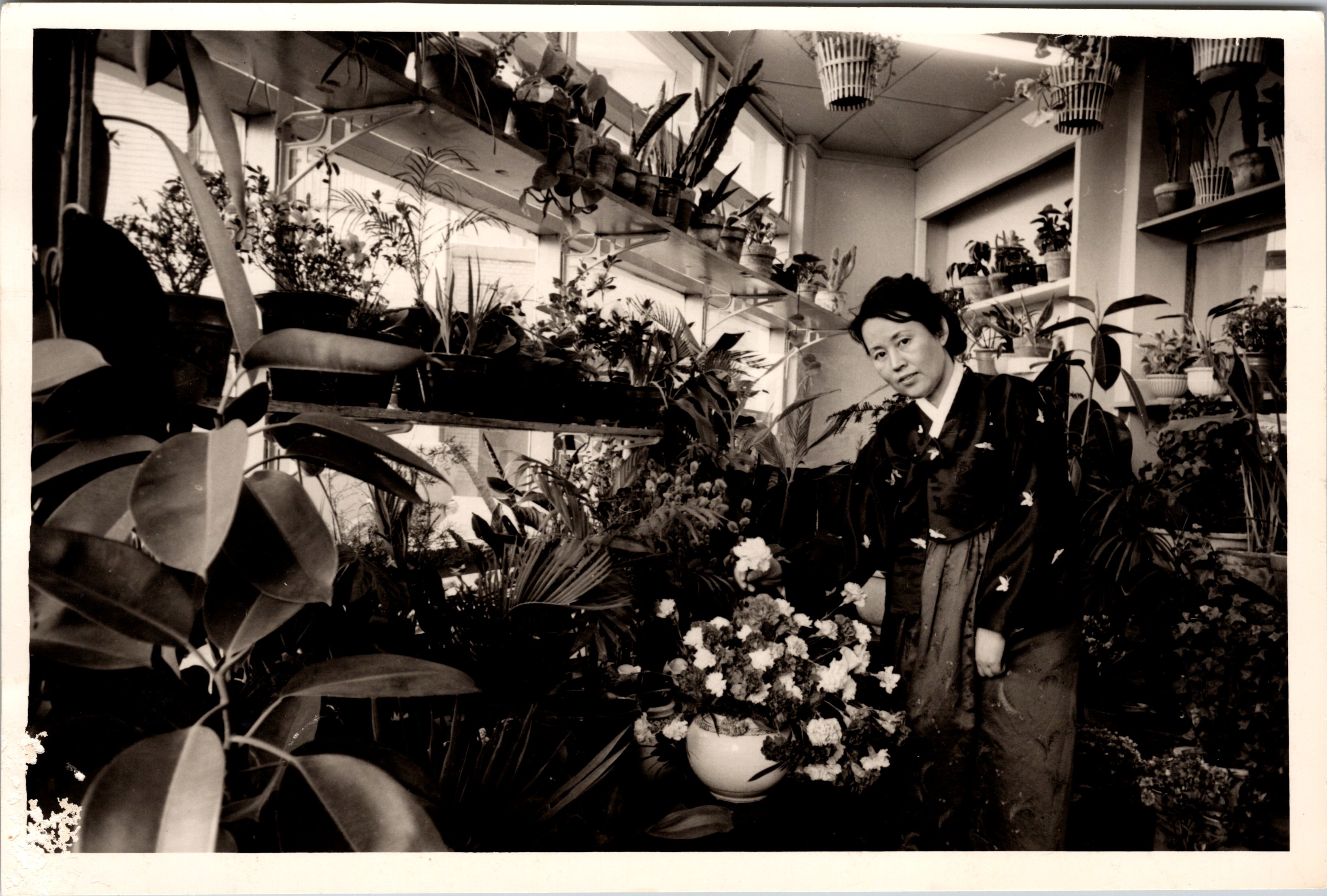
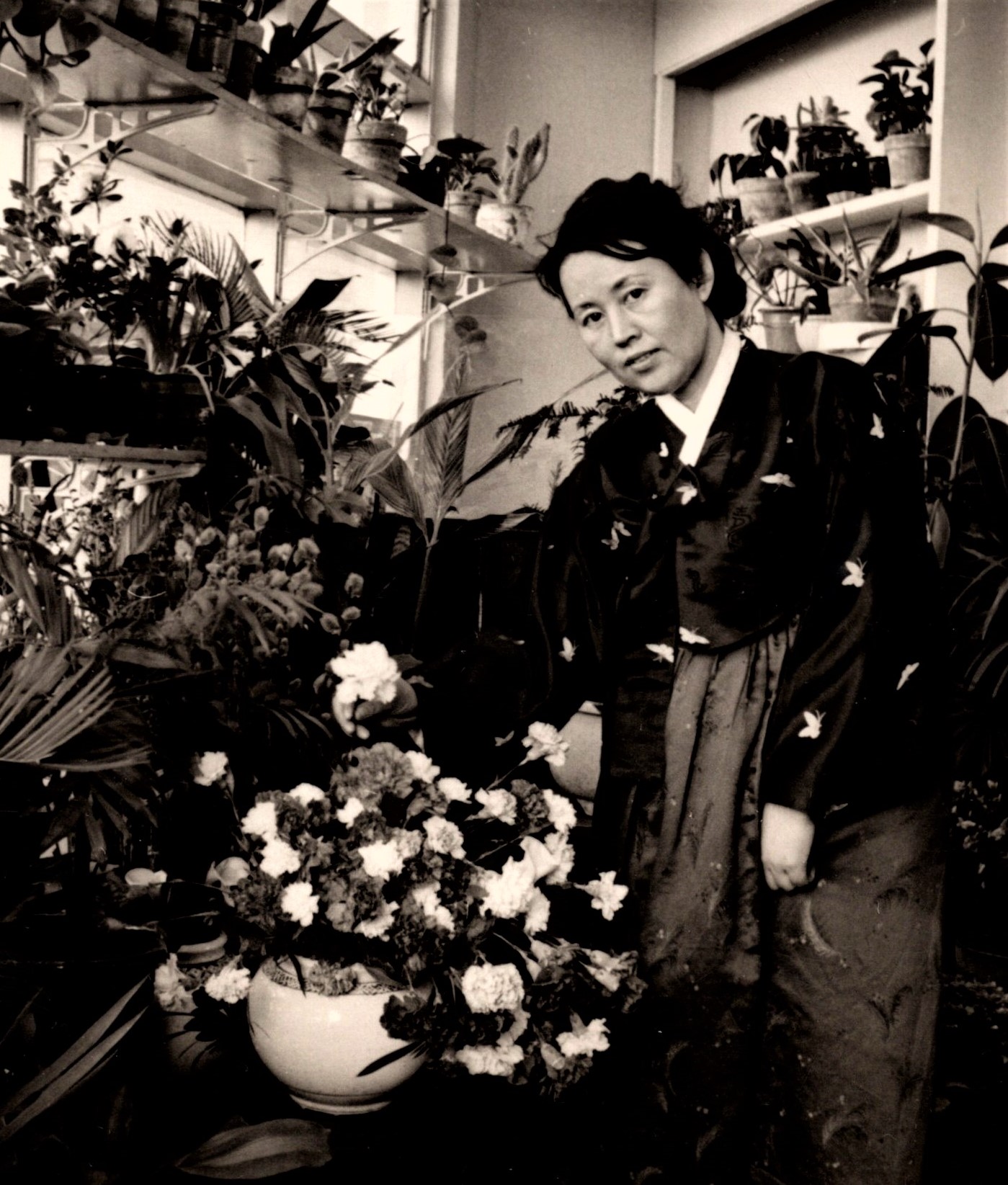
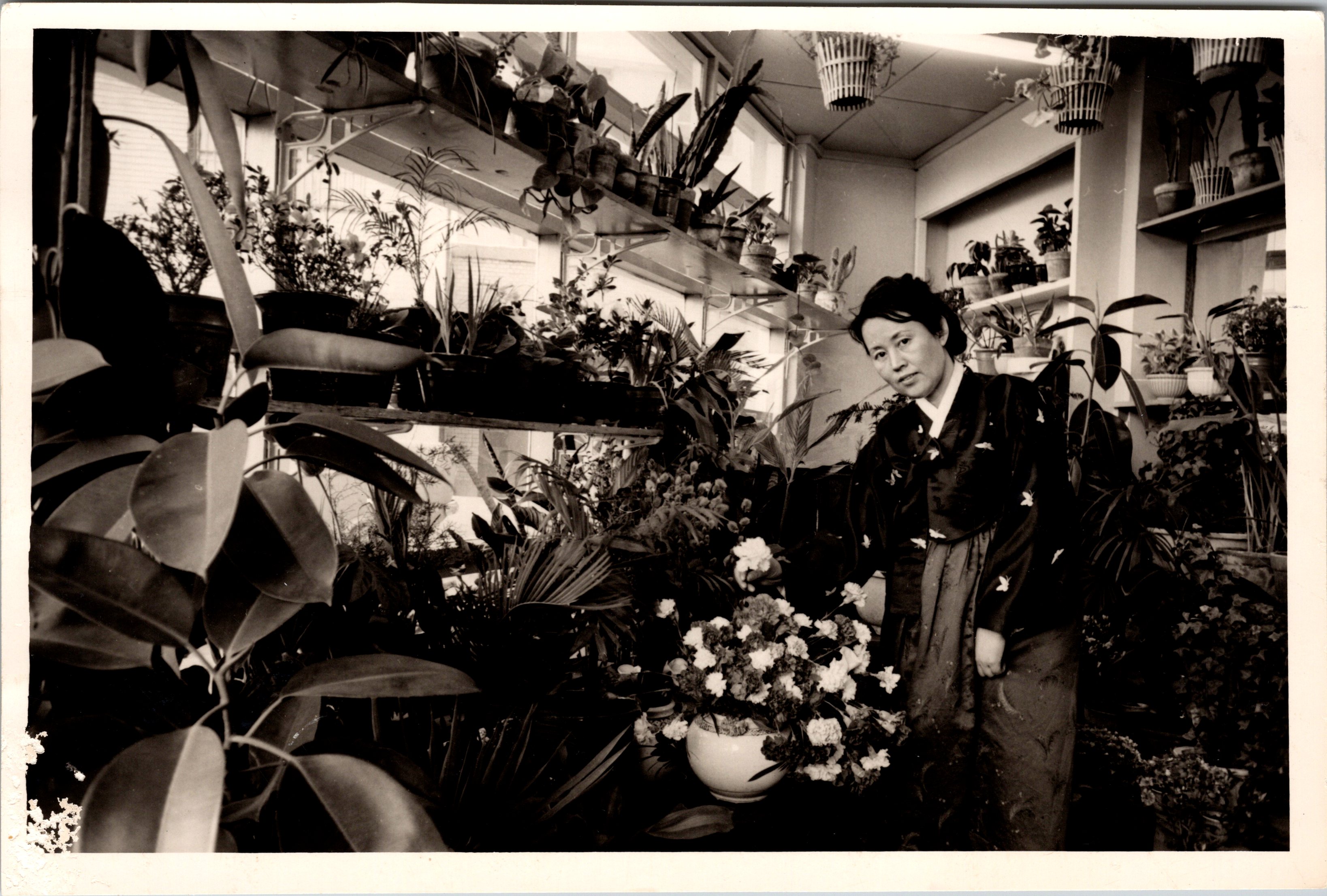
This vintage snapshot photograph features an Asian woman working in a flower shop. It appears that she is wearing a kimono. She is surrounded by pretty plants and flowers. The photo measures about 3.25″ x 4.5 and is in very good condition (see scans).
Buy this Vintage Snapshot (includes shipping within the US) #3818
To purchase this item, click on the Pay with PayPal button below
$17.74
Buy this Vintage Real Photo Postcard (includes International shipping outside the US) 3818
To purchase this item, click on the Pay with PayPal button below
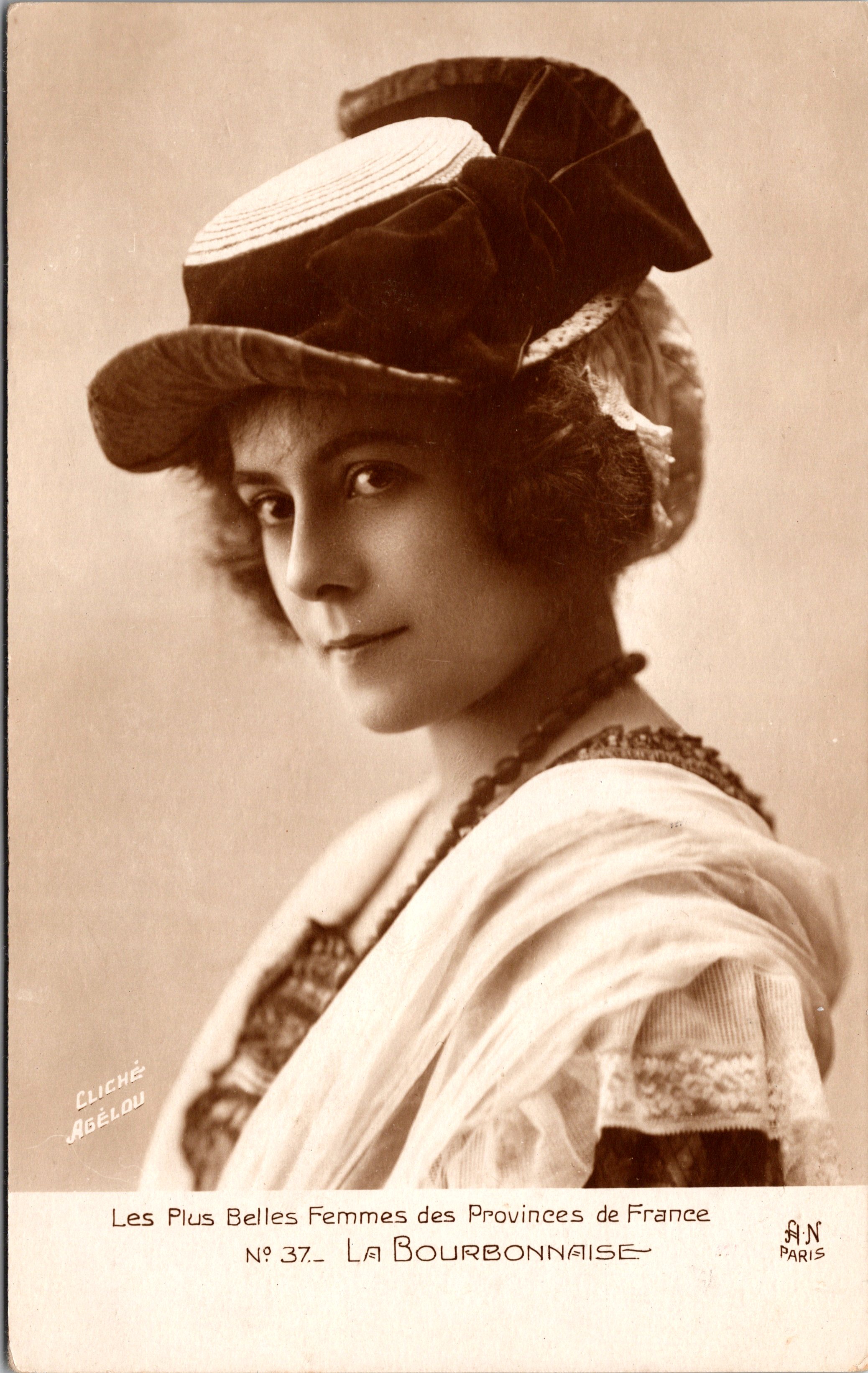
This vintage real photo postcard is part of a series named “Les Plus Belles Femmes de France” (The Most Beautiful Women of France). This series is about the Provinces of France, and the model for this image represents La Bourbonnaise. This postcard is no. 37 in the series. There were a number of different series published. The Province series was one of the more popular series. The models in this series represent different French Provinces and wear traditional clothing from that particular area of the country. This postcard was published by well known photographer Alfred Noyer. The celebrated photographer supervised a large photo studio in Paris. The Noyer Studio operated from 1910 until the 1940’s. Many of his early postcards were reproductions of artworks. He also produced illustrated patriotic postcards during World War I. With the onset of the 1920’s he began producing postcards of children and women. Many of the postcards he produced of women were nudes or risque images. Some of his postcards list his name while others are simply marked “AN”. The photographer of this postcard portrait is Jean Agelou (1878-1921). Agelou was a French photographer of the 1910’s and 1920’s who is best known for his erotic and nude photographs. He was born in Egypt and not much is known about his private life. Agelou generally used models between the age of 20 and 24 years-old. He had a favorite model. Her name was “Fernande” and in addition to modeling, she was Agelou’s lover. Her full name was Fernande Barrey (1893-1960). She was a prostitute by trade. She also modeled for for painters (Amadeo Modigliani and Chaim Soutine). Fernande later became a painter. Although the 1900’s was the “golden age” of erotic photograph, photographers who took such risque photos had to use discretion. As a result, Agelou signed his work “JA”. In 1908, nudity in photographs was banned in France and photographers had to cover nude women images with strategically placed undergarments or other materials. Nude images had to circulate on the down low. They were sent in the mail inside of envelopes. Fernande remained popular and her erotic photographs were enjoyed by soldiers on both sides during World War I. Jean Agelou died in 1921; the result of a car accident. His brother George, who managed Jean’s business, also was killed in the crash. SOLD
This vintage real photo postcard features a view of the High School from the Court House Cupola in Chippewa Falls, Wisconsin. This is not a common card. The postcard has an AZO stamp box which reveals that the card was published sometime between 1918 and 1930. SOLD
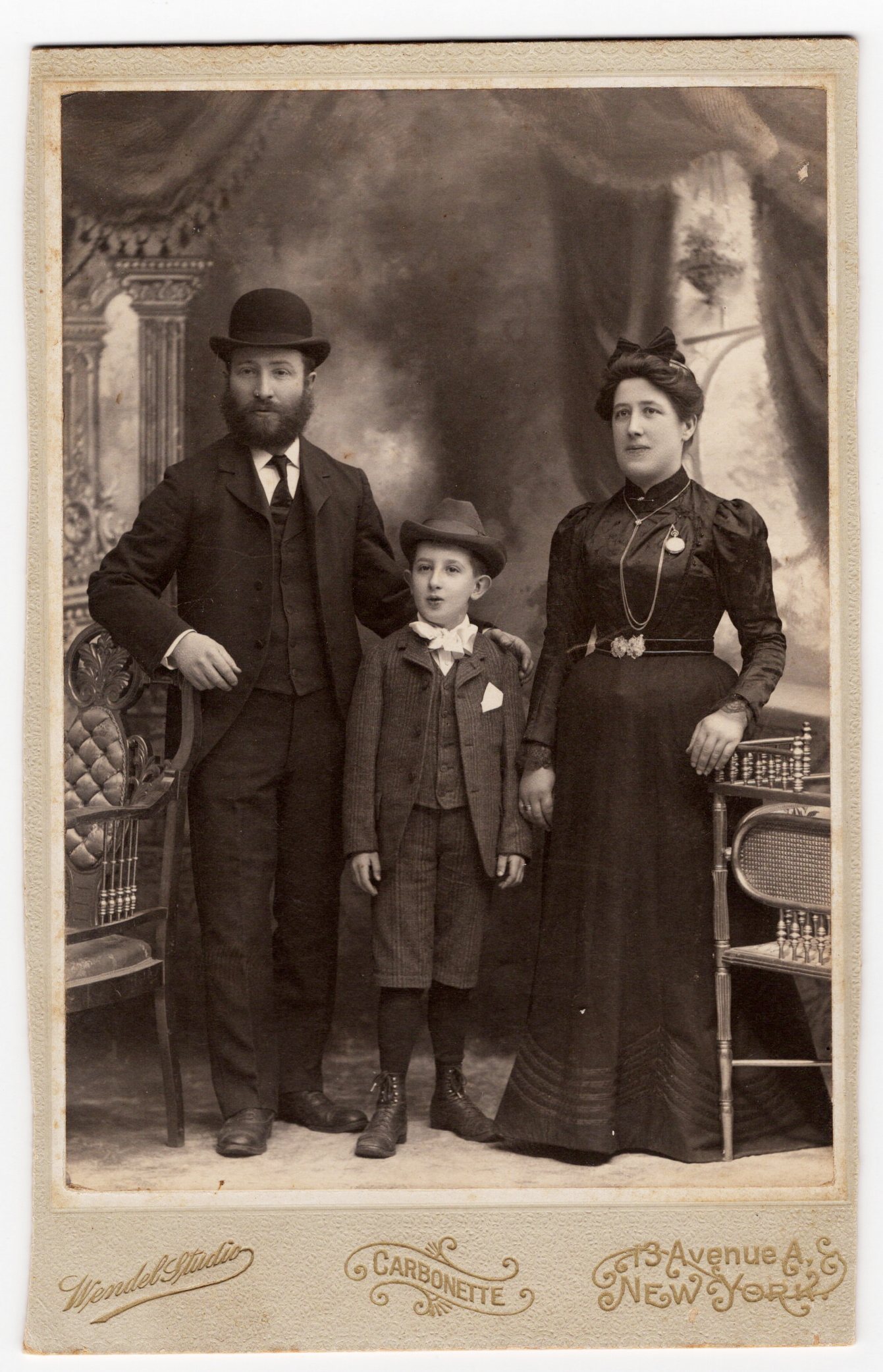
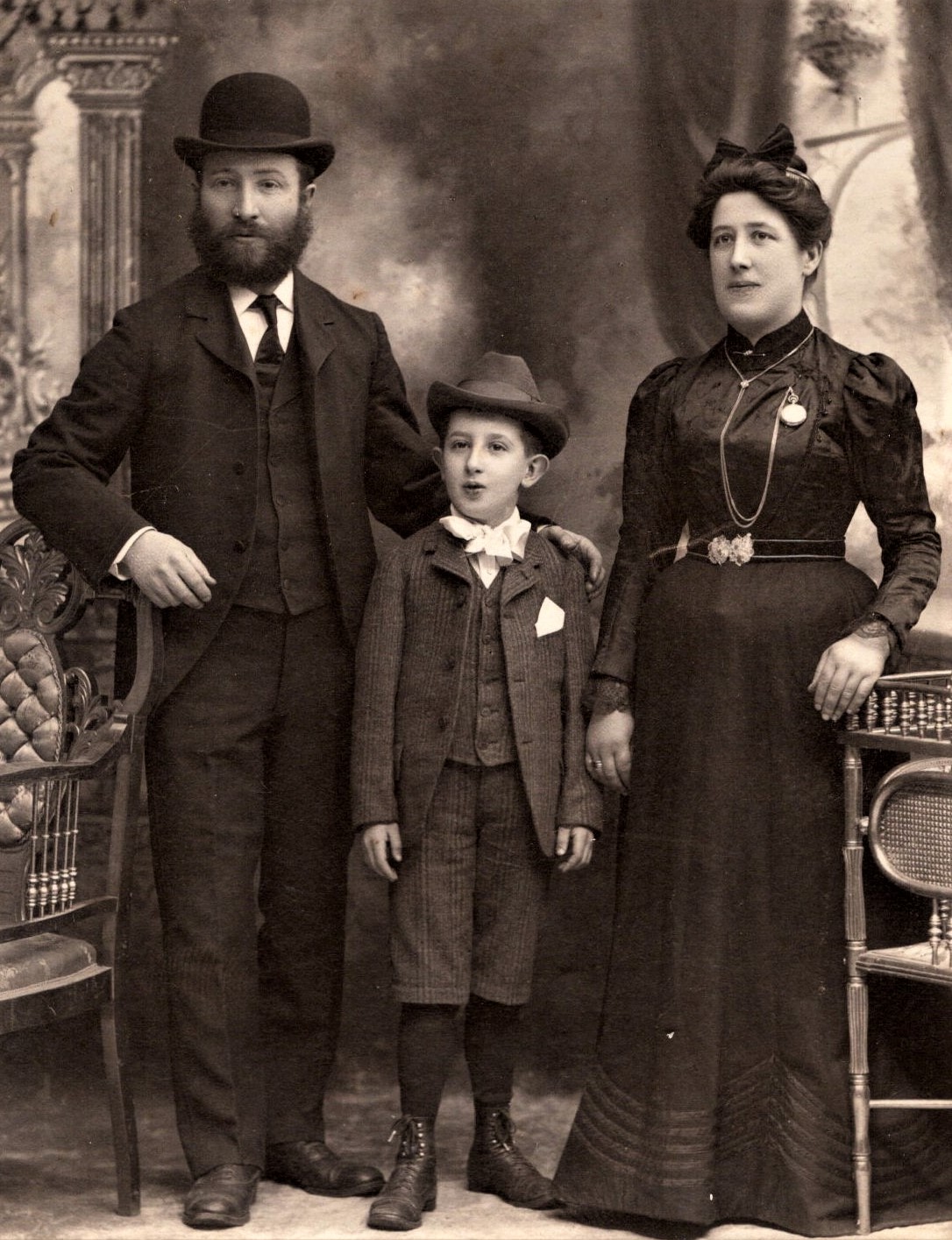
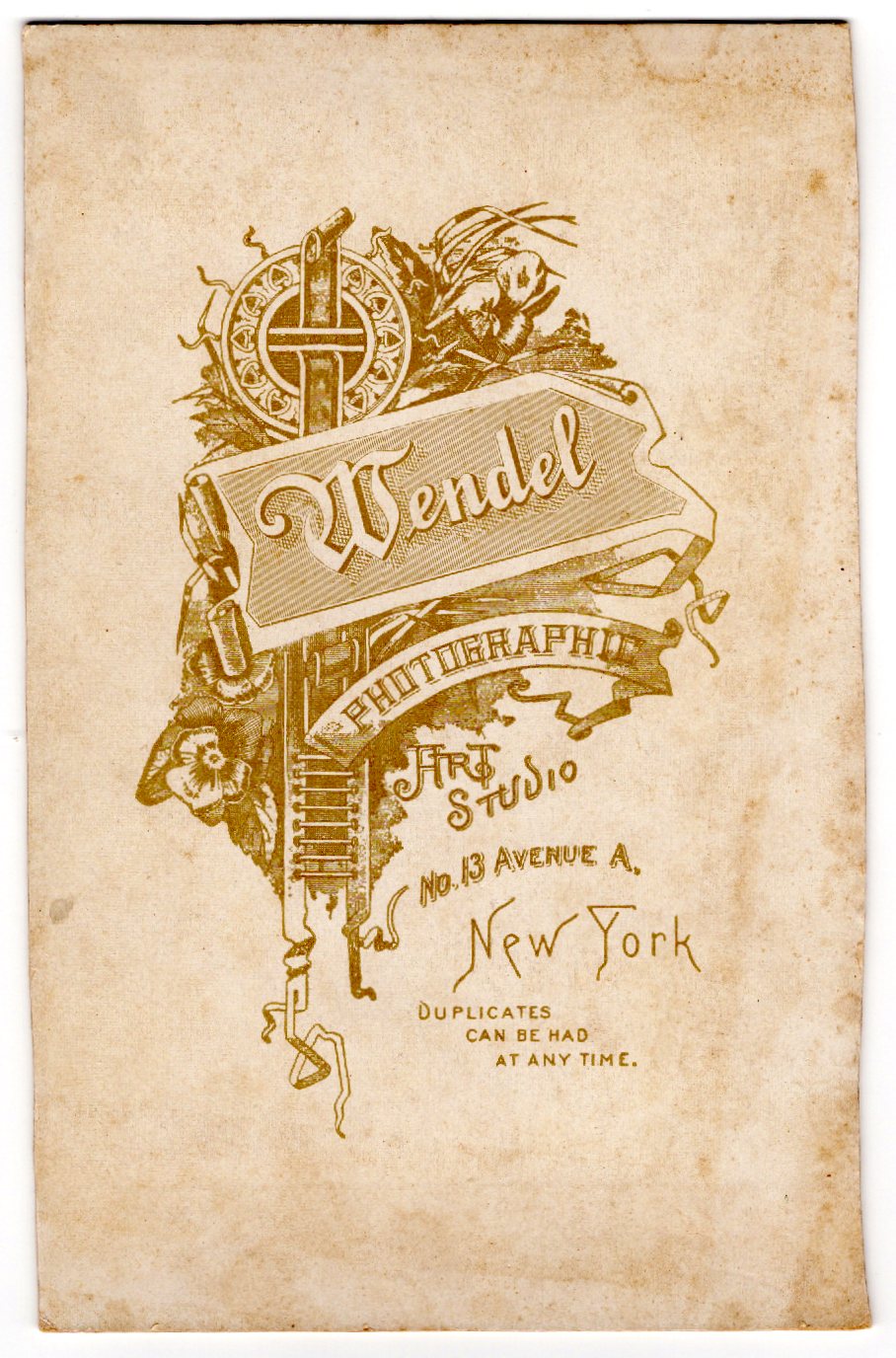
This cabinet card portrait captures a well dressed family posing for their photograph at the Wendel Studio in New York City. Note the couples fashionista son. He certainly is a “dandy”. This photograph is a carbon print (Carbonette). (SOLD)