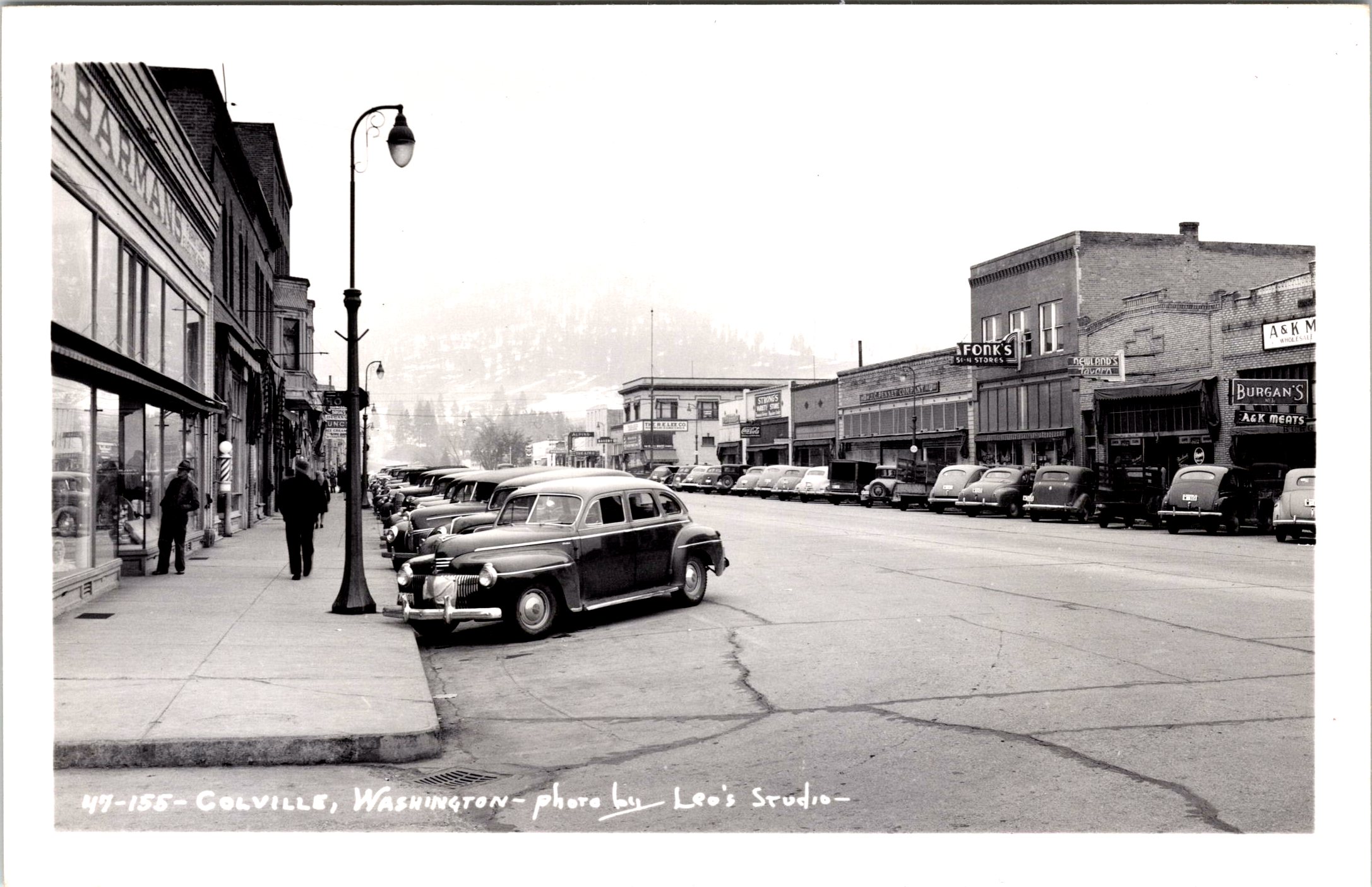
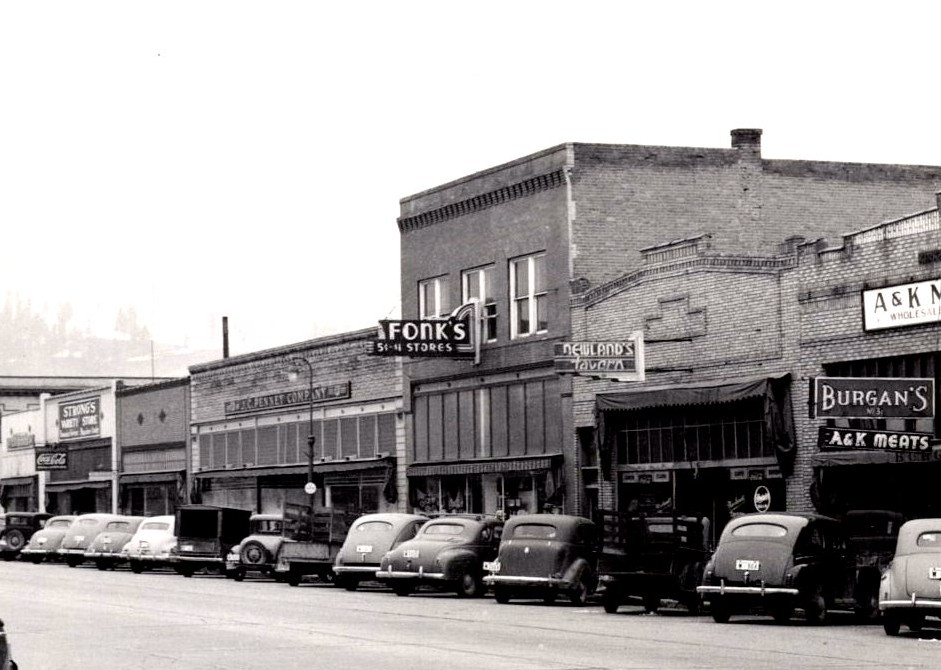
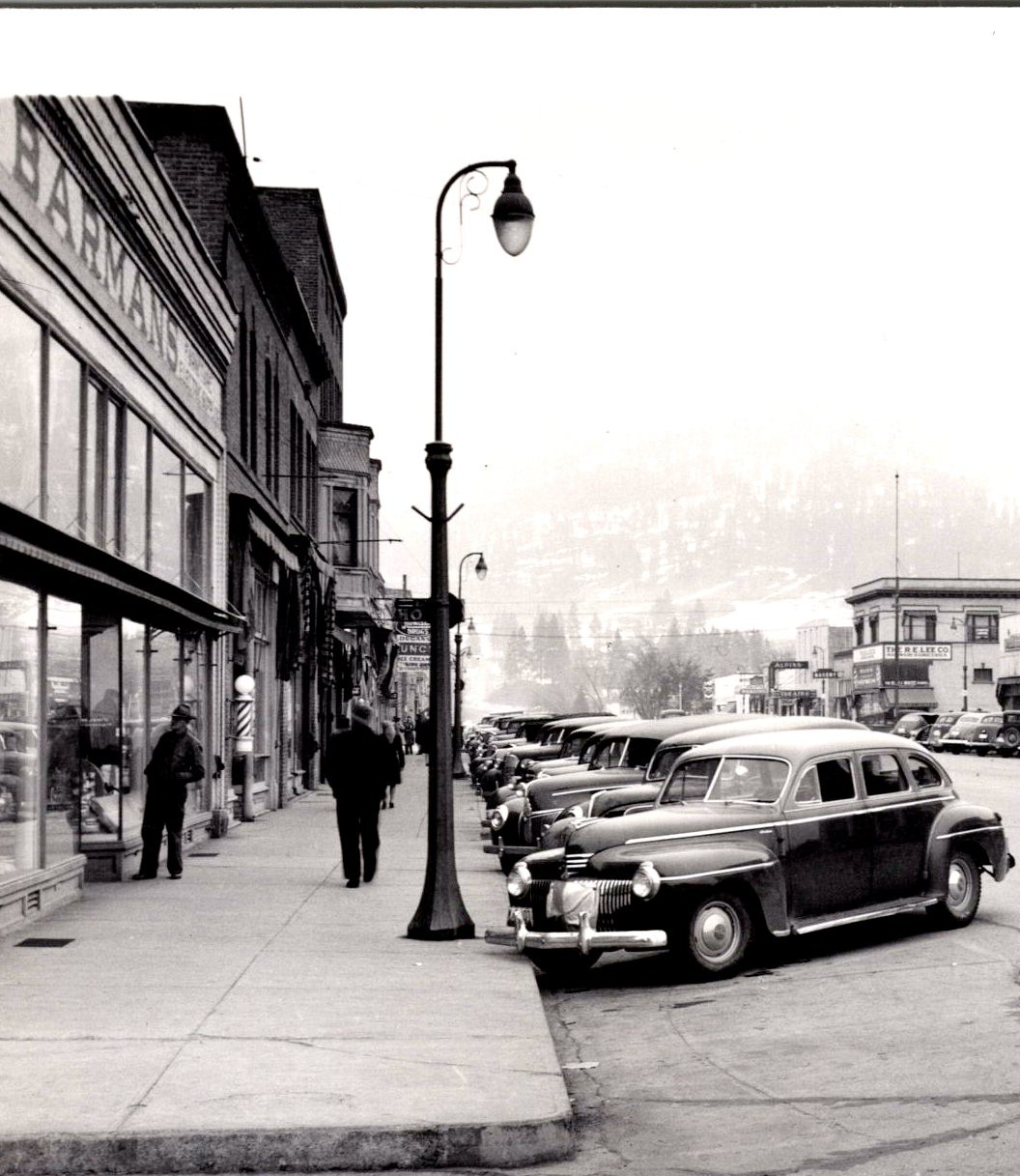
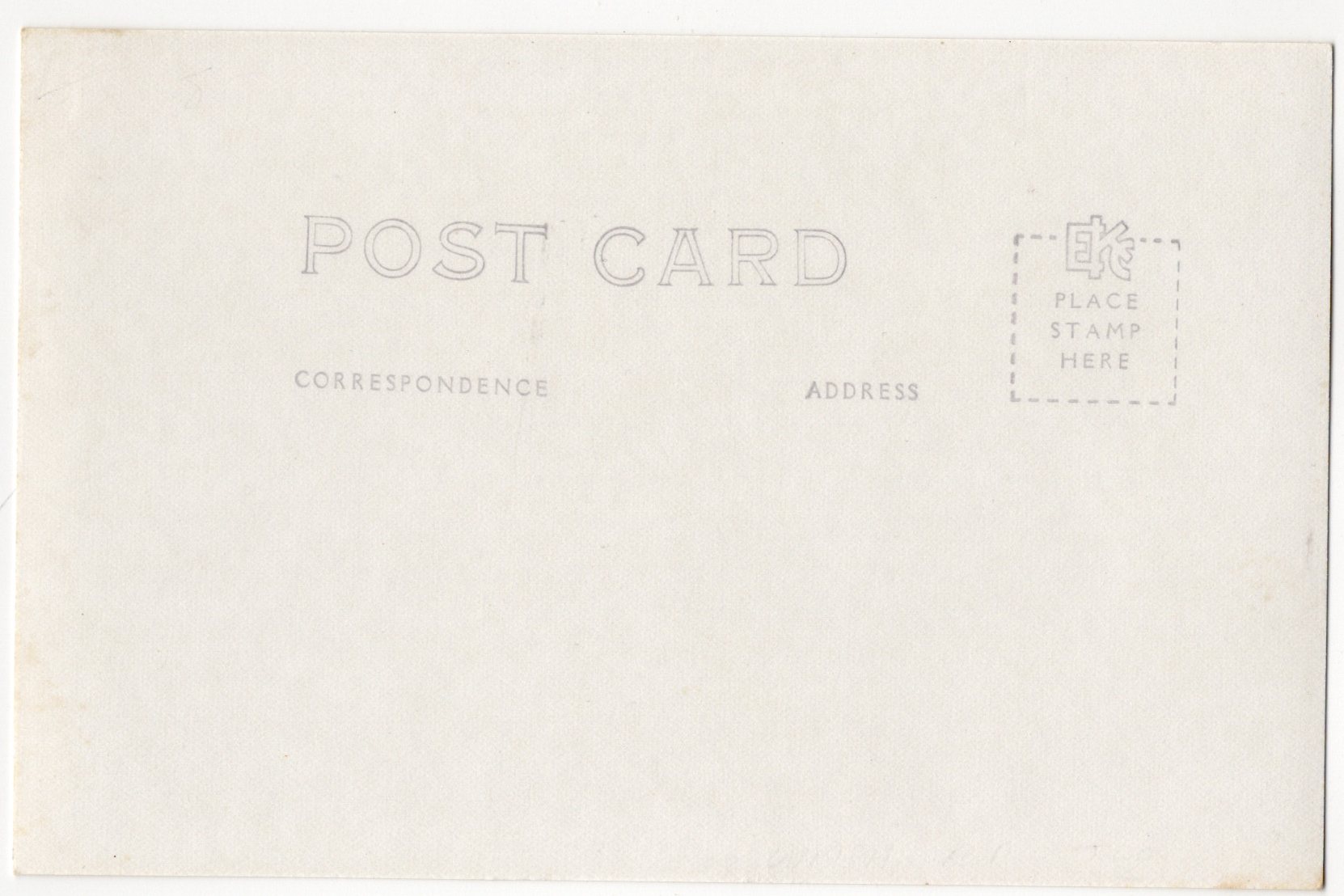
The image portrays a vibrant downtown block of Colville, Washington. The view looks down a main street lined with parked cars and pedestrians strolling the sidewalk. Most of the automobiles are mid- to late-1940s American models, easily identified by their rounded fenders, grille styles, and size — notably sedans from Ford, Chevrolet, and Plymouth. The cars suggest a post-WWII era, likely no later than 1951. Several business signs appear clearly in the photograph. These signs include advertising for Fonk’s Five & Dime, A & K Meats, Newland’s Tavern, Sterling’s Variety Store, Gamble Store, a traditional barber’s pole, and a Coca Cola sign. The caption on the bottom of the image notes that the photo was by Leo’s Studio and number 449-155 in a series. The stamp box on the reverse contains an EKC (E. C. Kropp Company) logo, which was widely used between 1939 and 1950. When combined with the types of cars shown in the image (none appearing post-1950), a strong estimated date for this postcard is circa 1948–1950. SOLD

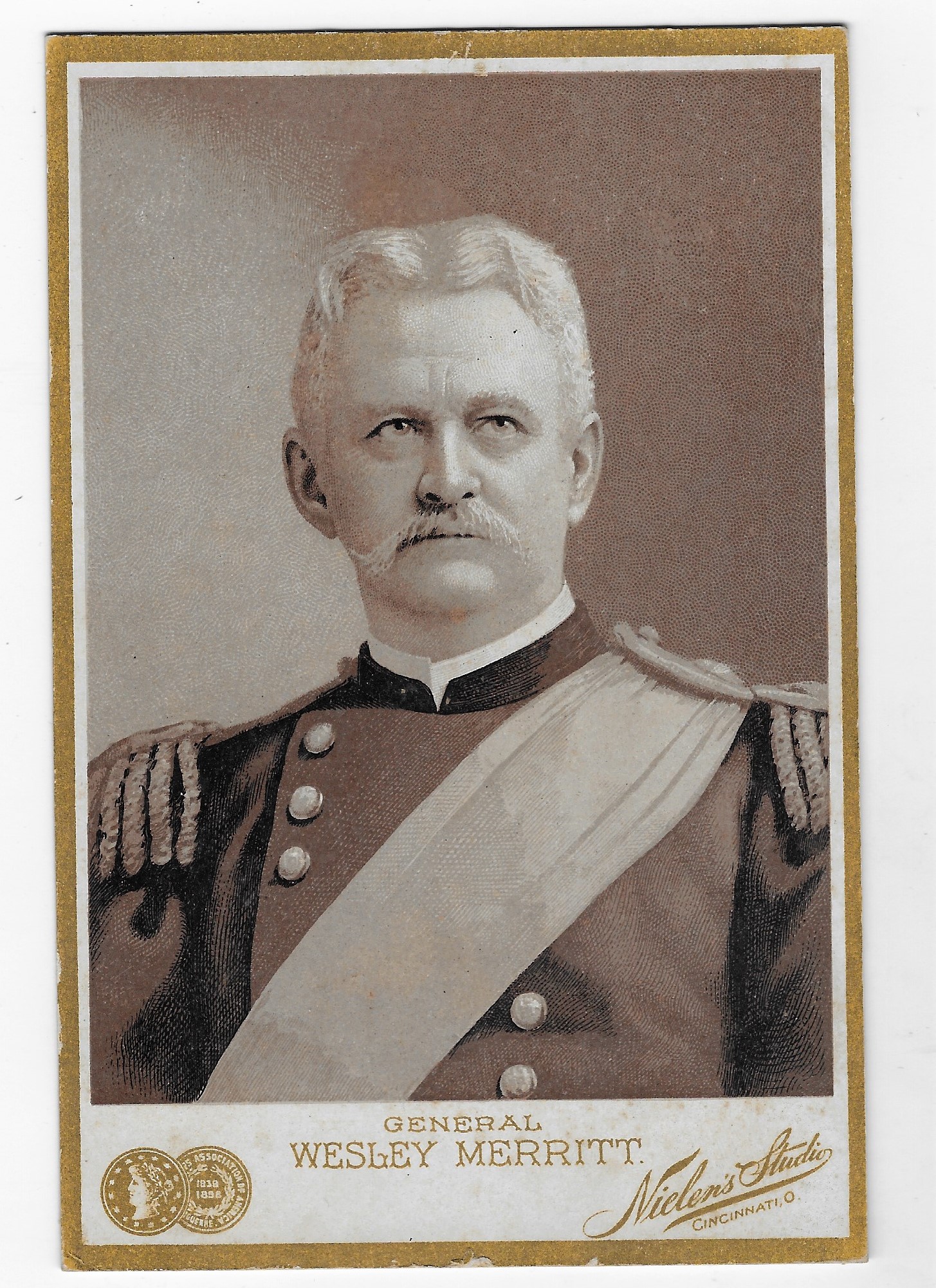
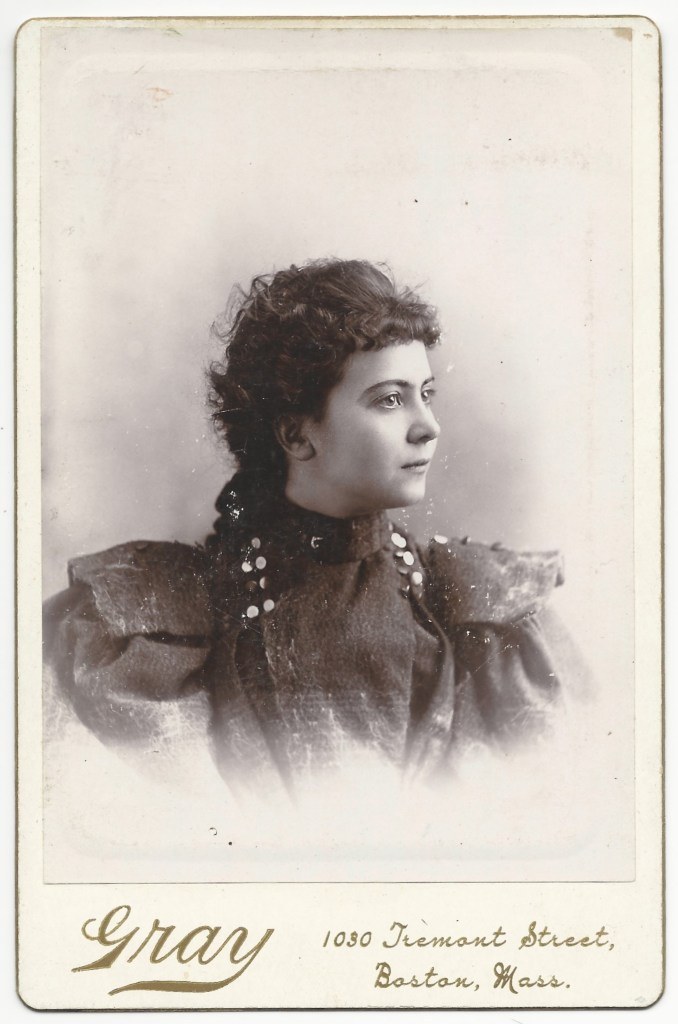
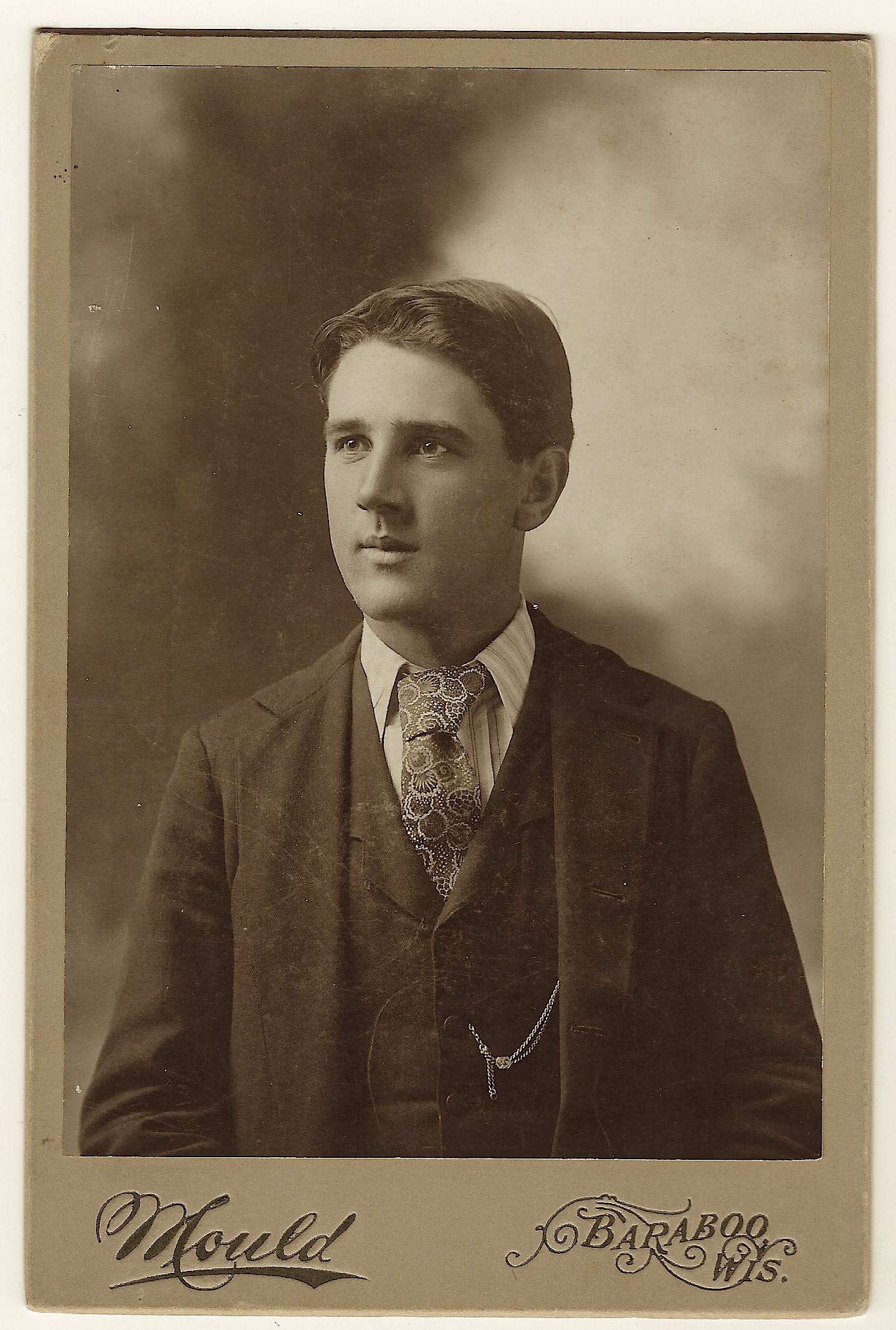
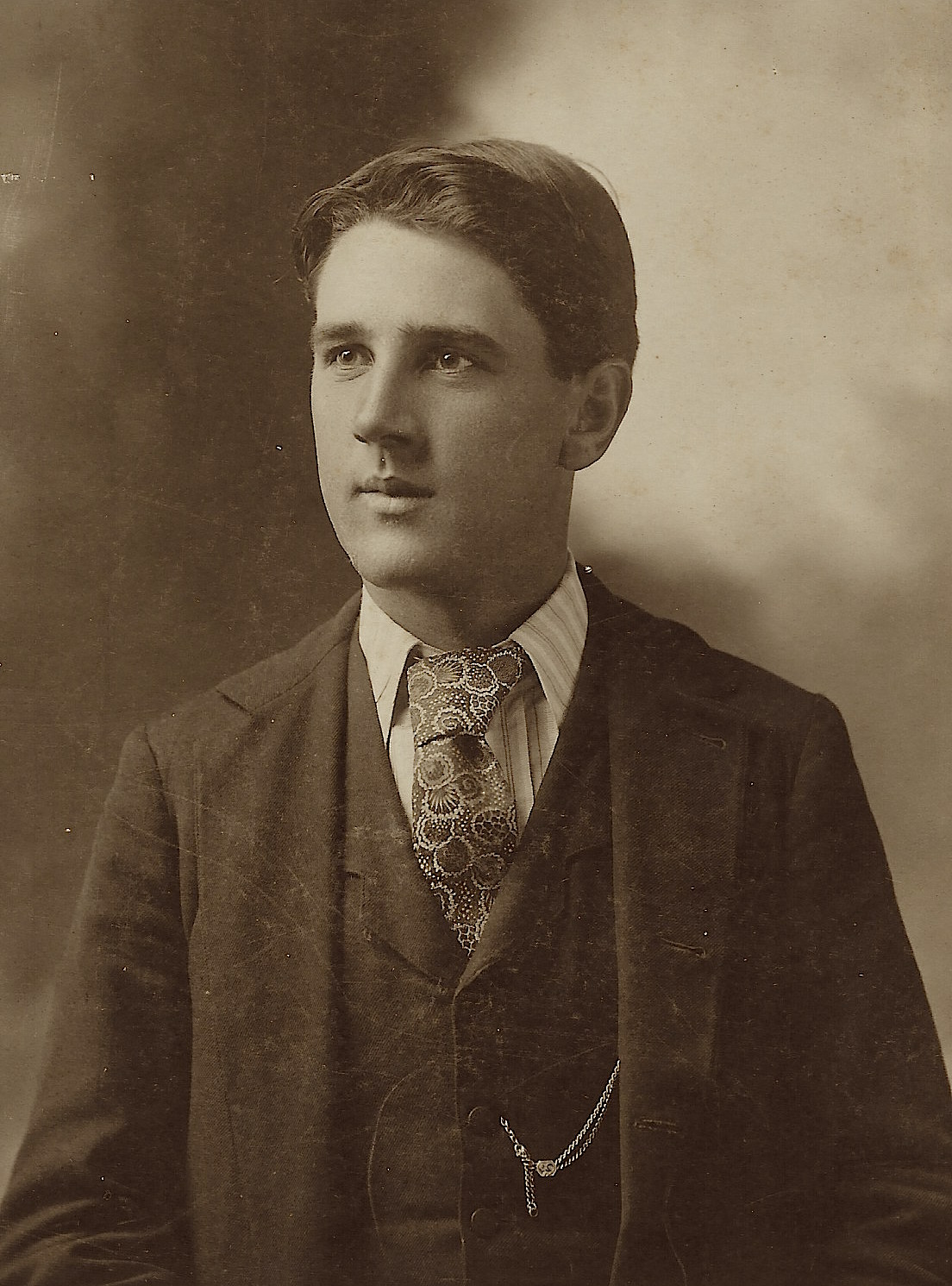 The handsome young man in this photograph is named Howard Briscoe. His name is inscribed on the reverse of this cabinet card photo. Briscoe lived in Baraboo, Wisconsin. He lived there all, or most of his life. Briscoe was born in 1878. His father was a miller by trade, Briscoe’s wife was named Julia Simon Briscoe. Howard Briscoe worked as a carpenter for a railroad company. The photographer of this image, Mr. Mould, is mentioned in a number of photographic journals. He placed an ad for his studio in a book about Sauk County, Wisconsin (1891). The Photographic Times (1898) reports on his appointment to a lobbying committee of the Photographers Association of Wisconsin. The Encyclopedia Dubuque (1911) reveals that Sim Mould operated a photographic studio at 107 Main Street in Dubuque, Iowa. The cabinet card gallery has other photographs by Mould, Place his name in the search box to view these other images. The town of Baraboo is situated on the Baraboo river. The town was settled by Abe Wood and originally called Adams. In 1852 it was renamed Baraboo. In the town’s early history it became the home of several sawmills. In the nineteenth century the town served as the headquarters of several circuses, including Ringling Brothers. Baraboo became known as “Circus City”. SOLD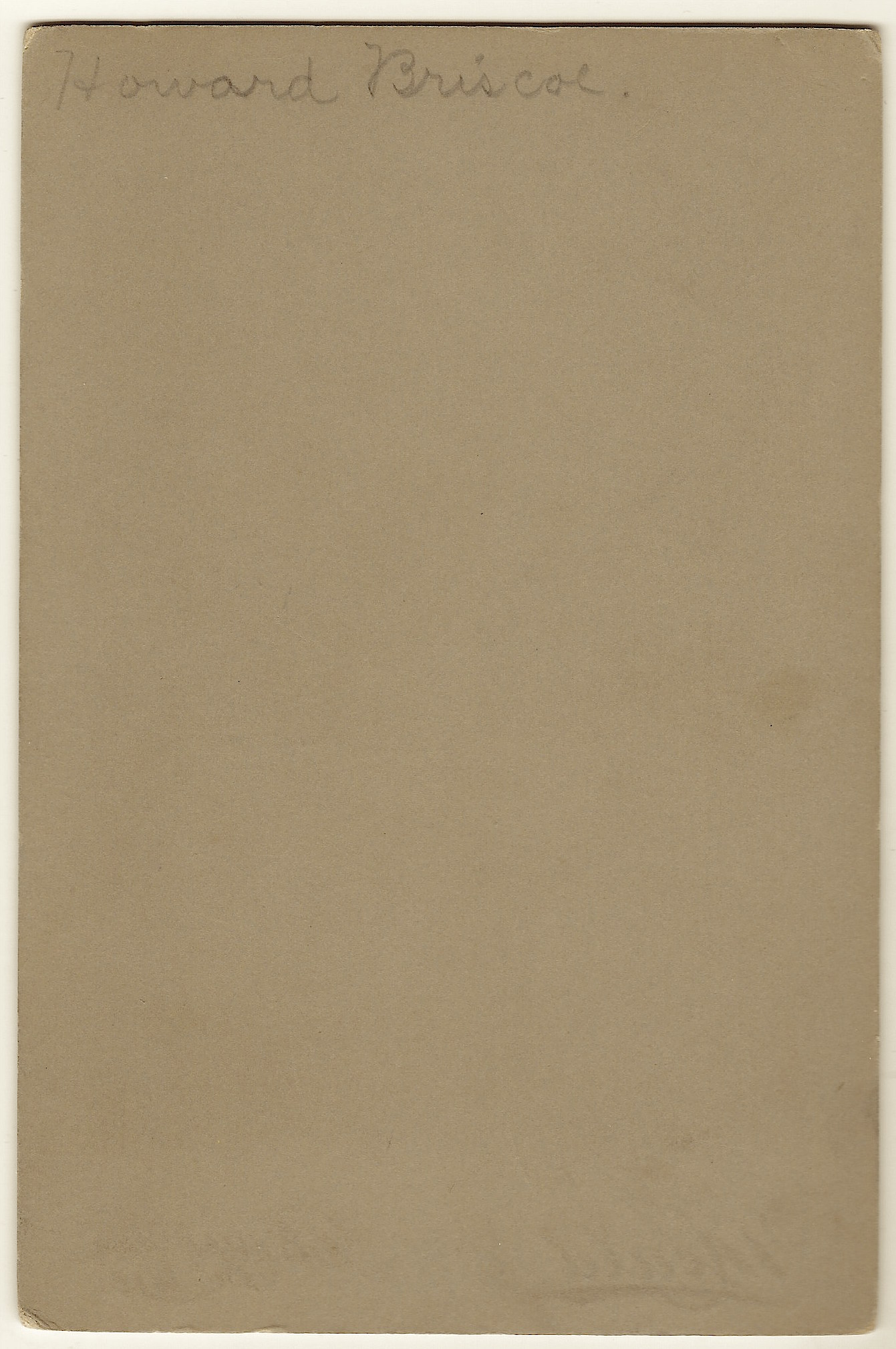
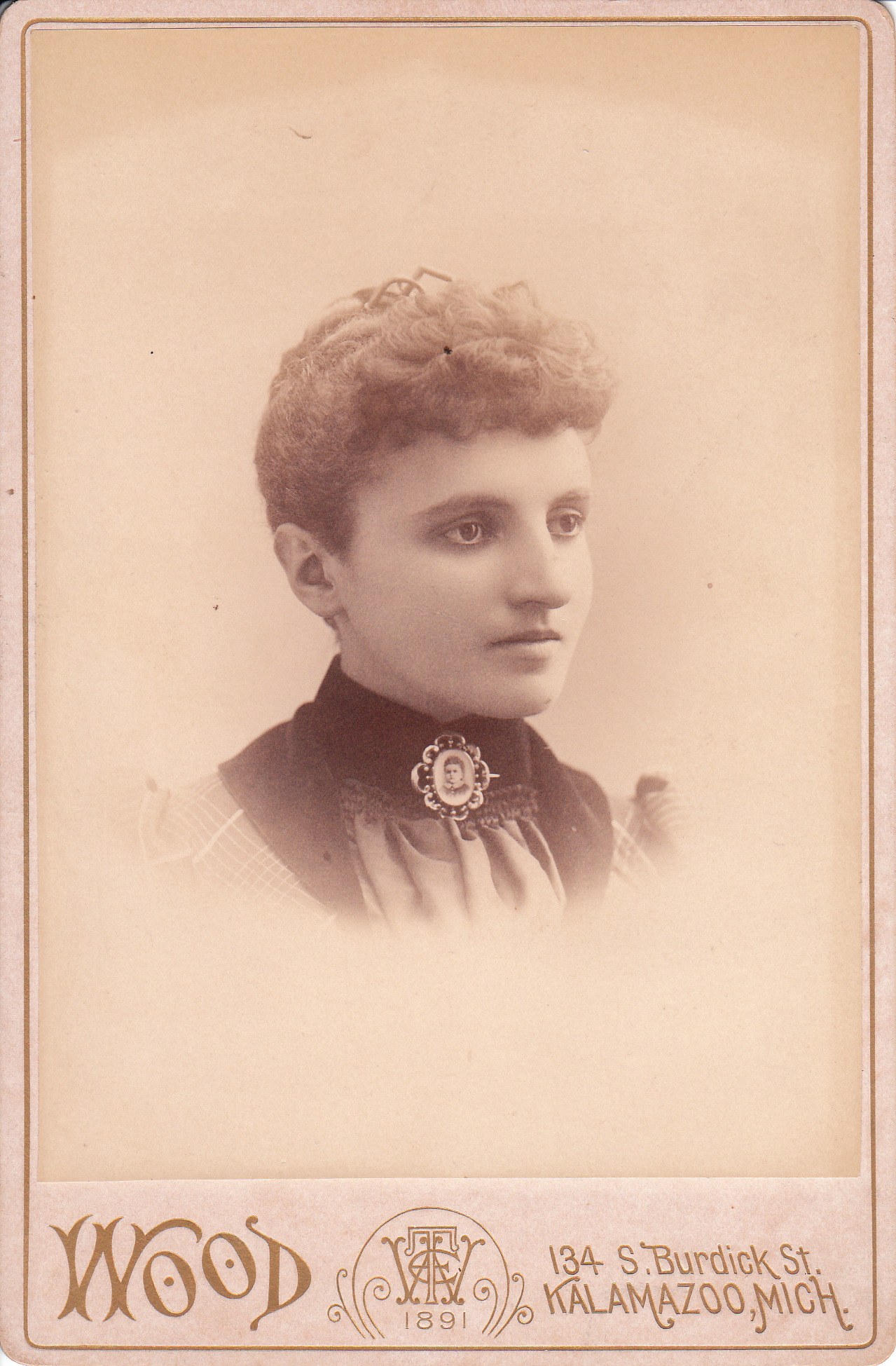
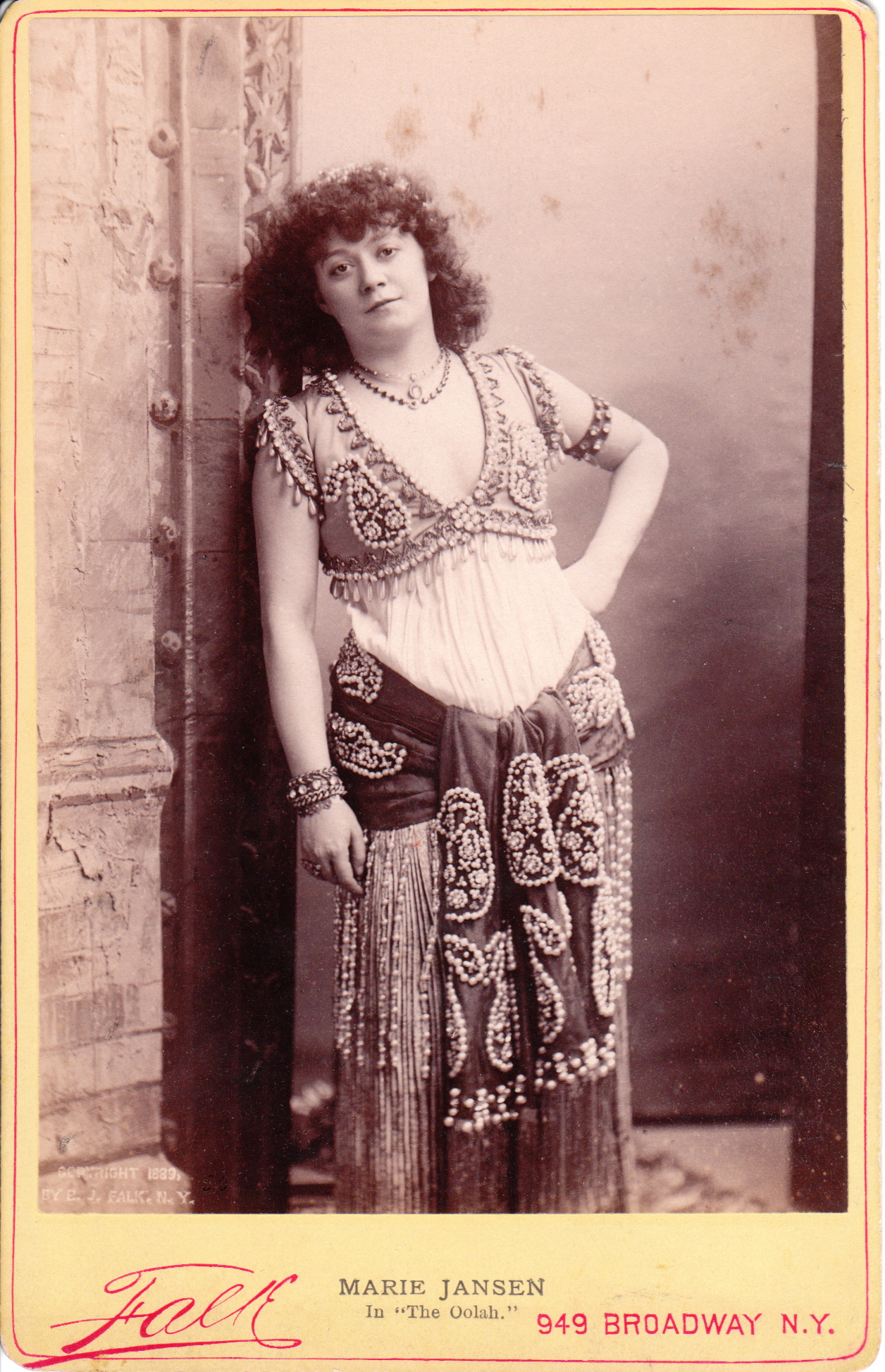 CABINET CARD 1 SOLD
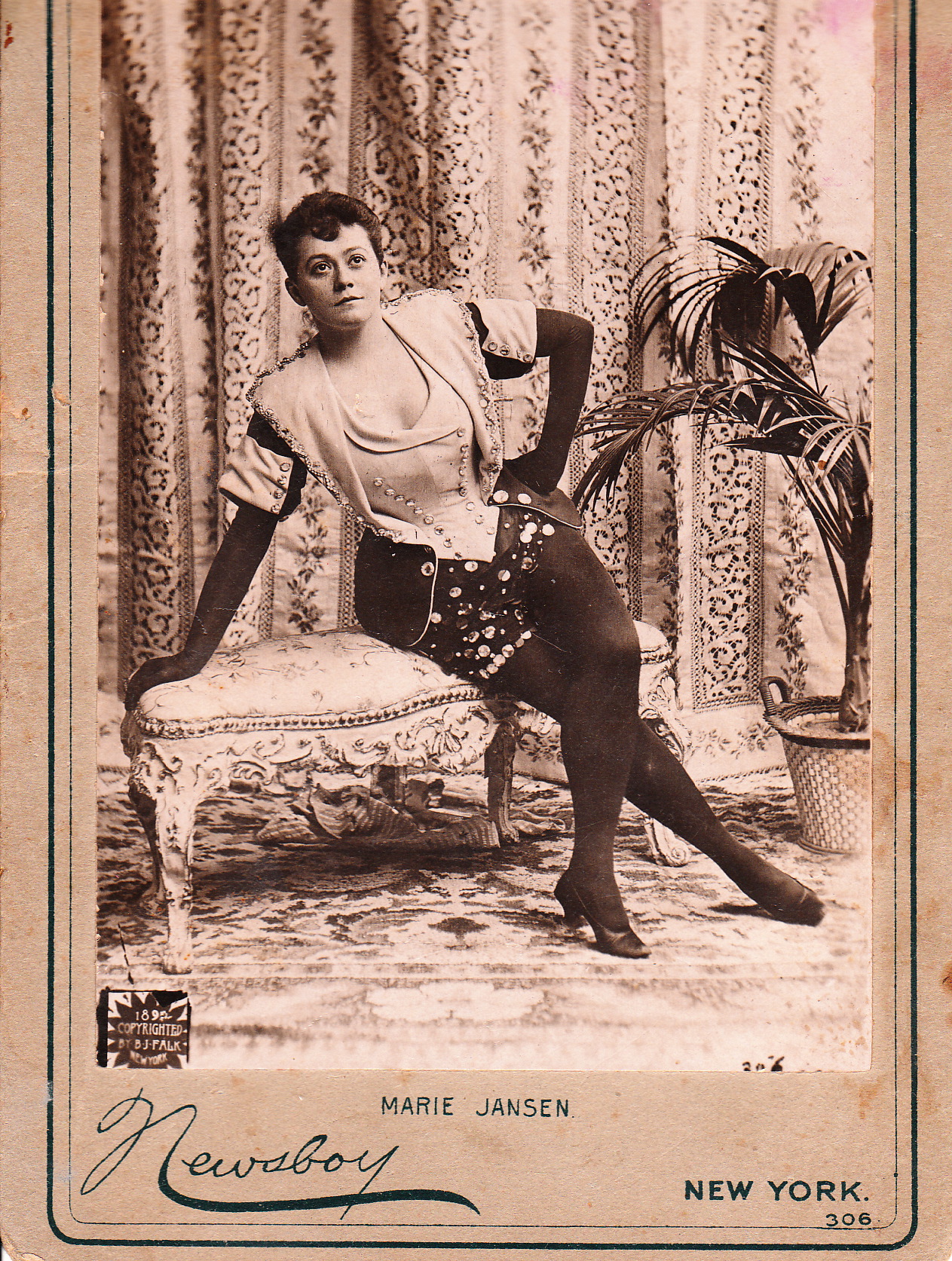 CABINET CARD 3
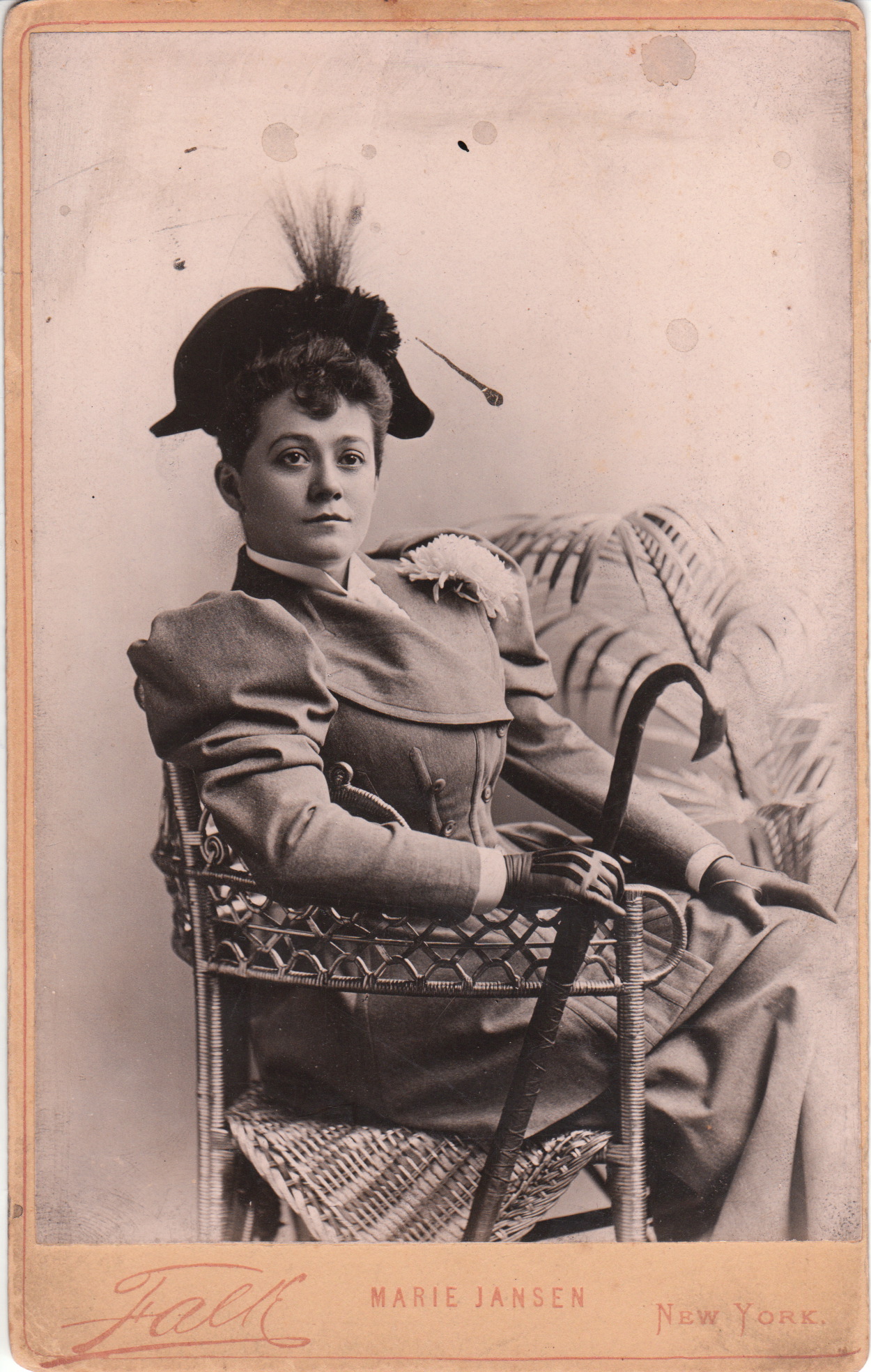 CABINET CARD 4


 THE CABINET CARD GALLERY