This carte de visite portrait features a well-dressed and distinguished looking gentleman posing for his portrait at the Crosby studio in Lewiston, Maine. He has piercing eyes and a wiry beard and mustache. The photographer of this image is A B Crosby (1836-1879). Crosby worked alone during his career but he was also involved in two partnerships. He had a brief partnership with George W Barnes in Topsham, Maine. He also was in business in Lewiston with C W Curtis. Both of these business relationships occurred in the 1870’s. The earliest record I could find of Crosby working as a photographer was in an 1864 Lewiston business directory. Crosby’s life was cut short when he succumbed to brain disease at the age of 43. He was married at the time of his death. I have seen a number of Crosby’s photographs and it is clear that he was a talented lensman. SOLD
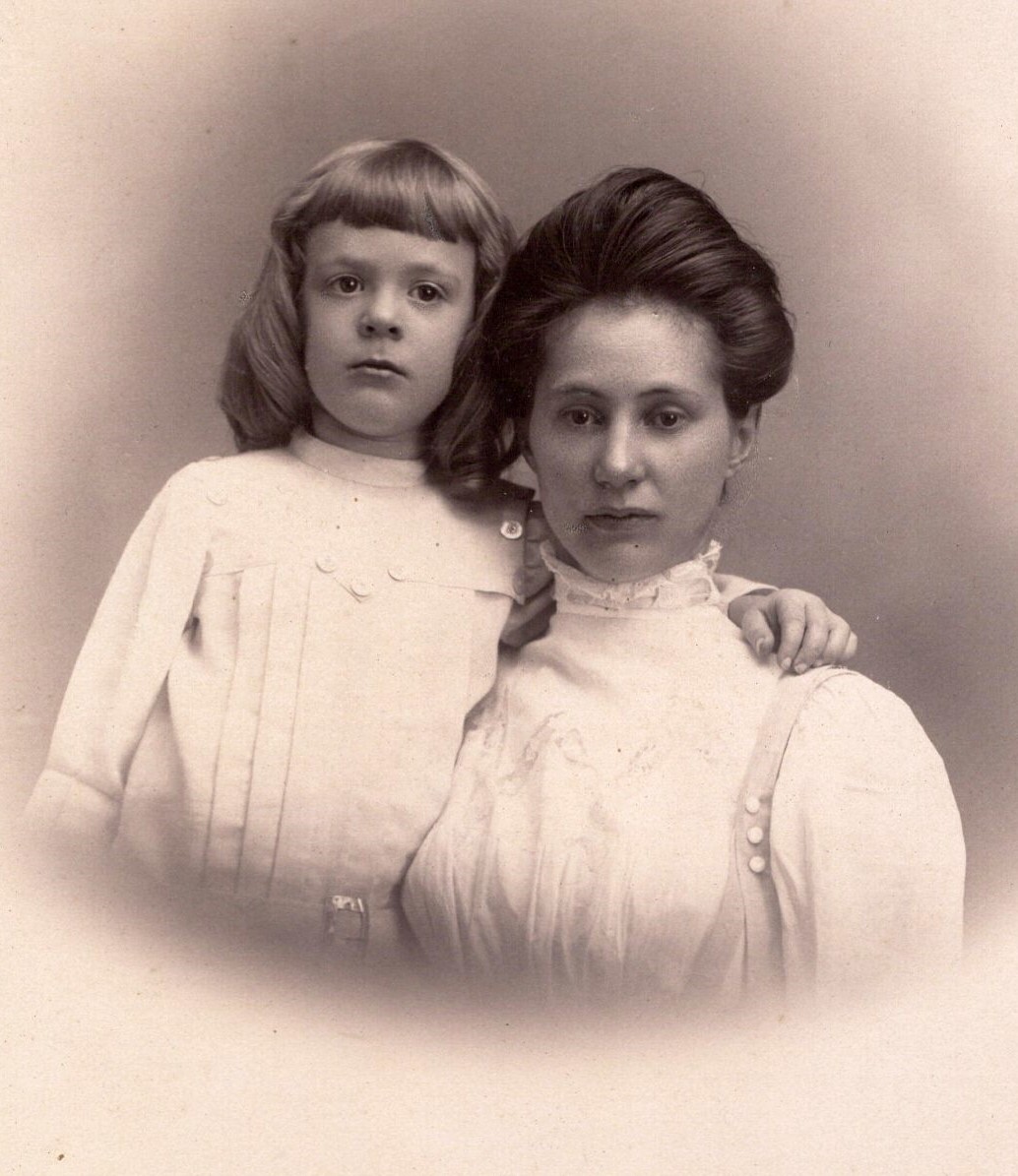
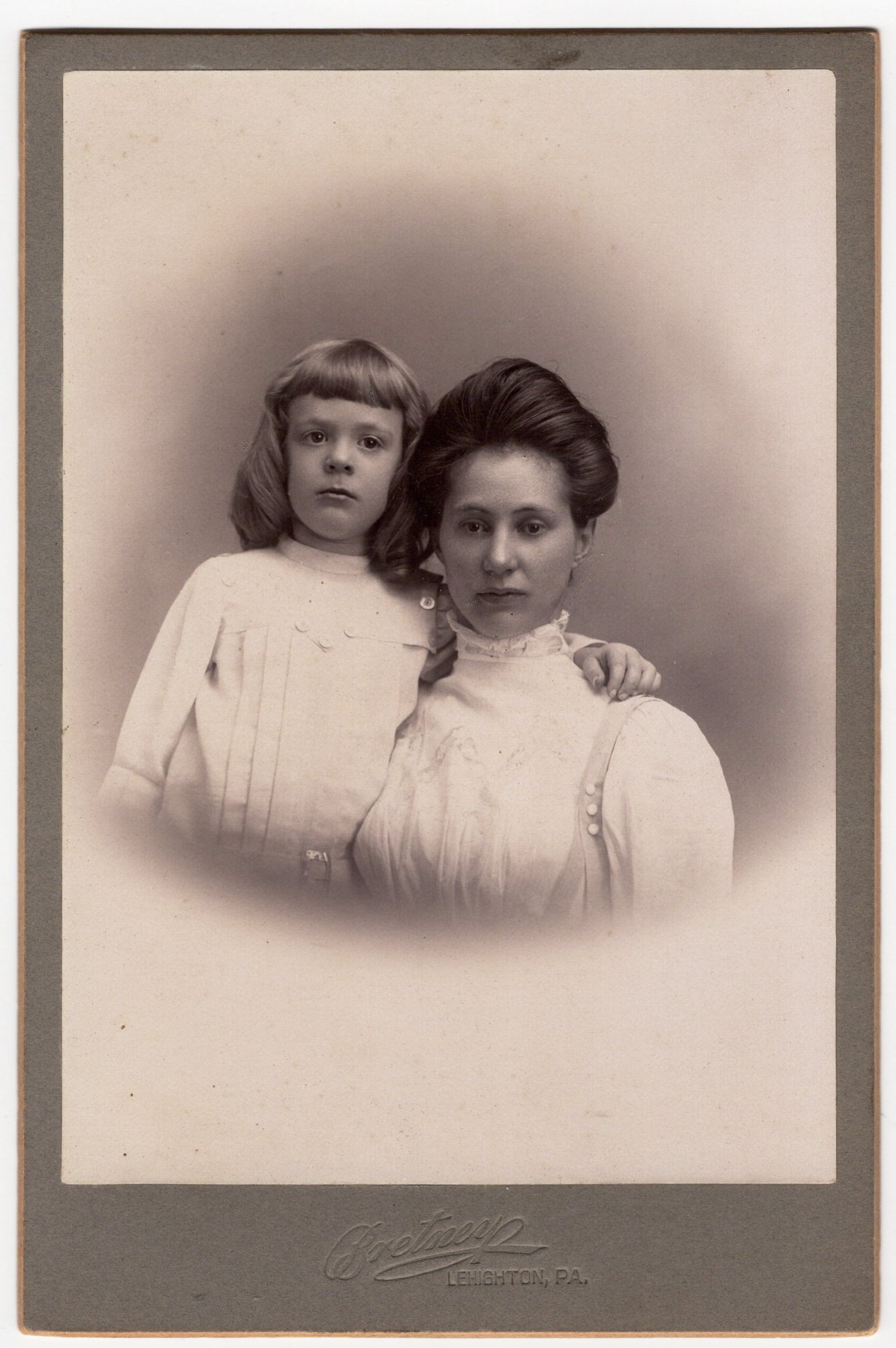
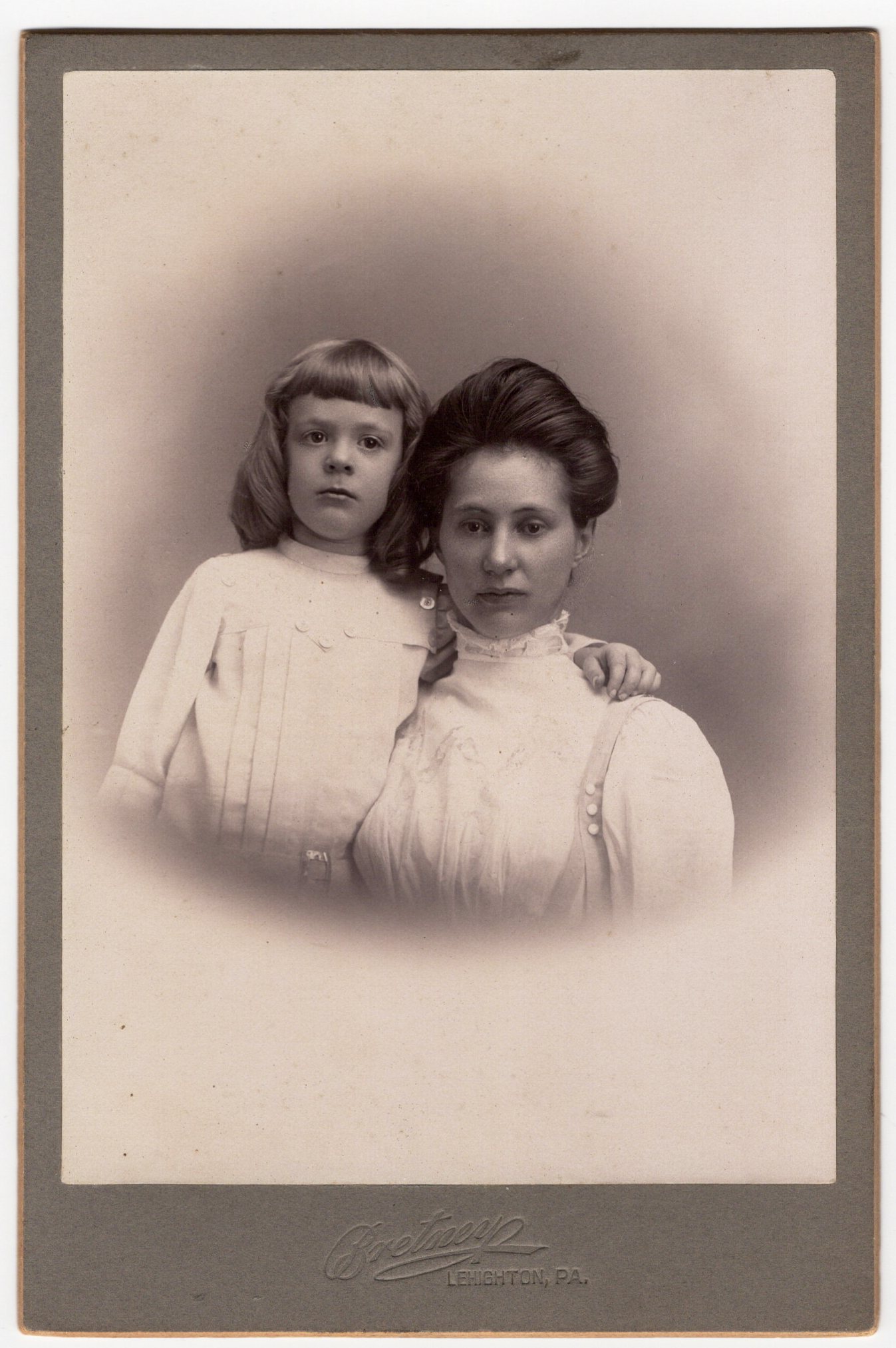
This portrait features a mother and daughter posing at the Bretney studio in Lehighton, Pennsylvania. There appears to be some sort of emotional situation occurring during the taking of this photograph. The mother in the image seems none too pleased, while her daughter appears to be consoling her. The reverse of the photograph indicates the daughter’s name is Molly. It appears that Molly has to be strong for her mother, as her mother has suffered some sort of a loss. The History of Carbon County, Pennsylvania (1912) reports that Clement H. Bretney was the leading photographer of Lehighton. He was born in Mahoning, Pennsylvania in 1873. After leaving public school he studied art as a private pupil of H. Parker Rolfe of Philadelphia, Pennsylvania. Next he studied at Curtis-Taylor Studio in Philadelphia. He then worked with W. D. Rishel, a Lehighton photographer. Bretney bought Rishel’s studio in 1899. It is also reported that Bretney was a “dealer in Kodaks” and carried a large stock of photographic supplies. Langdon’s list of 19th and early 20th century photographers asserts that Bretney operated his studio until 1905. This cabinet card portrait is in very good condition (see scans).
Buy this Cabinet Card Photograph (includes shipping within the US) #6515
To purchase this item, click on the Pay with Paypal button below
$22.00
Buy this Vintage Original Cabinet Card (includes International shipping outside the US) #6515
To purchase this item, click on the Pay with Paypal button below
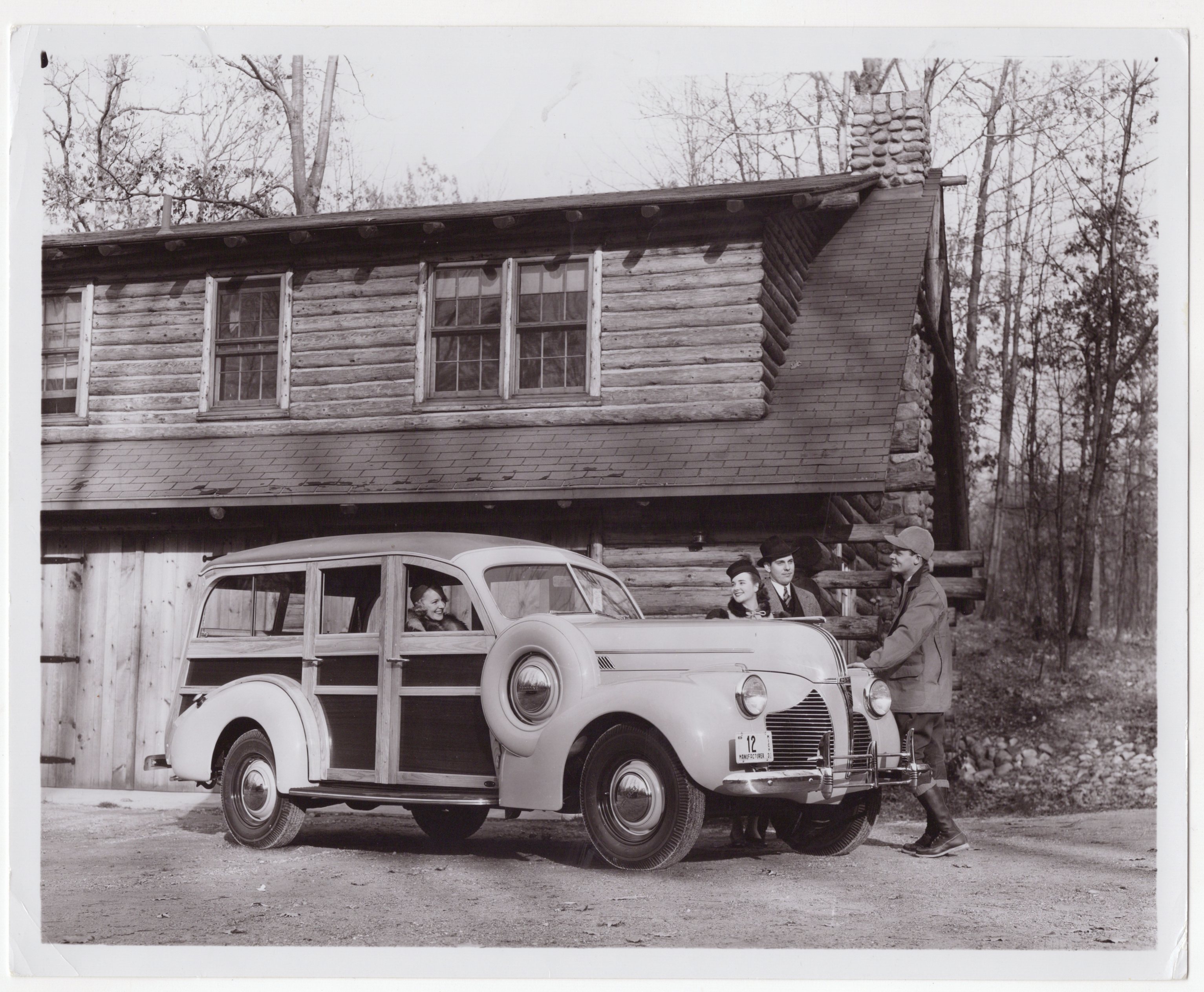
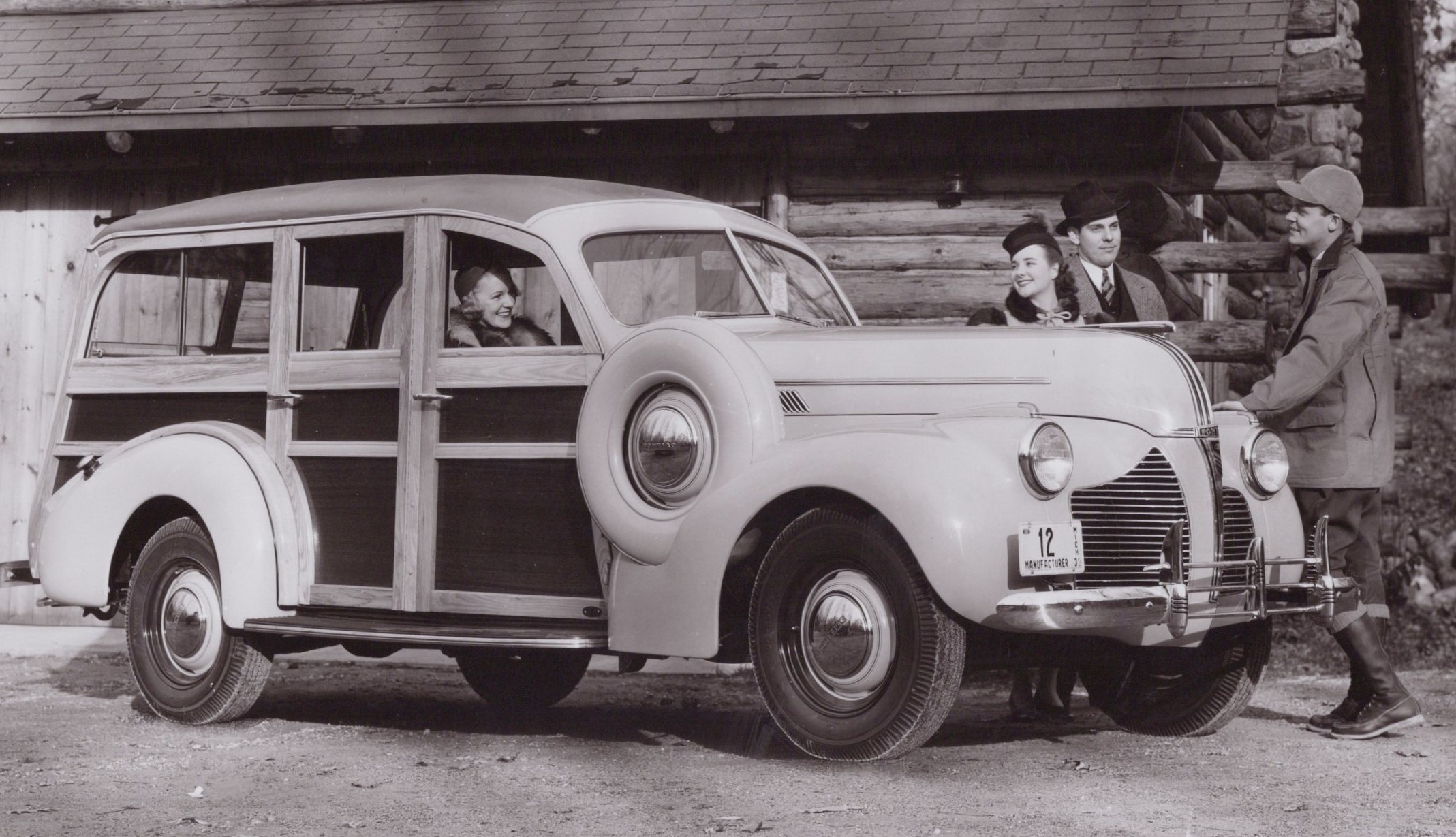
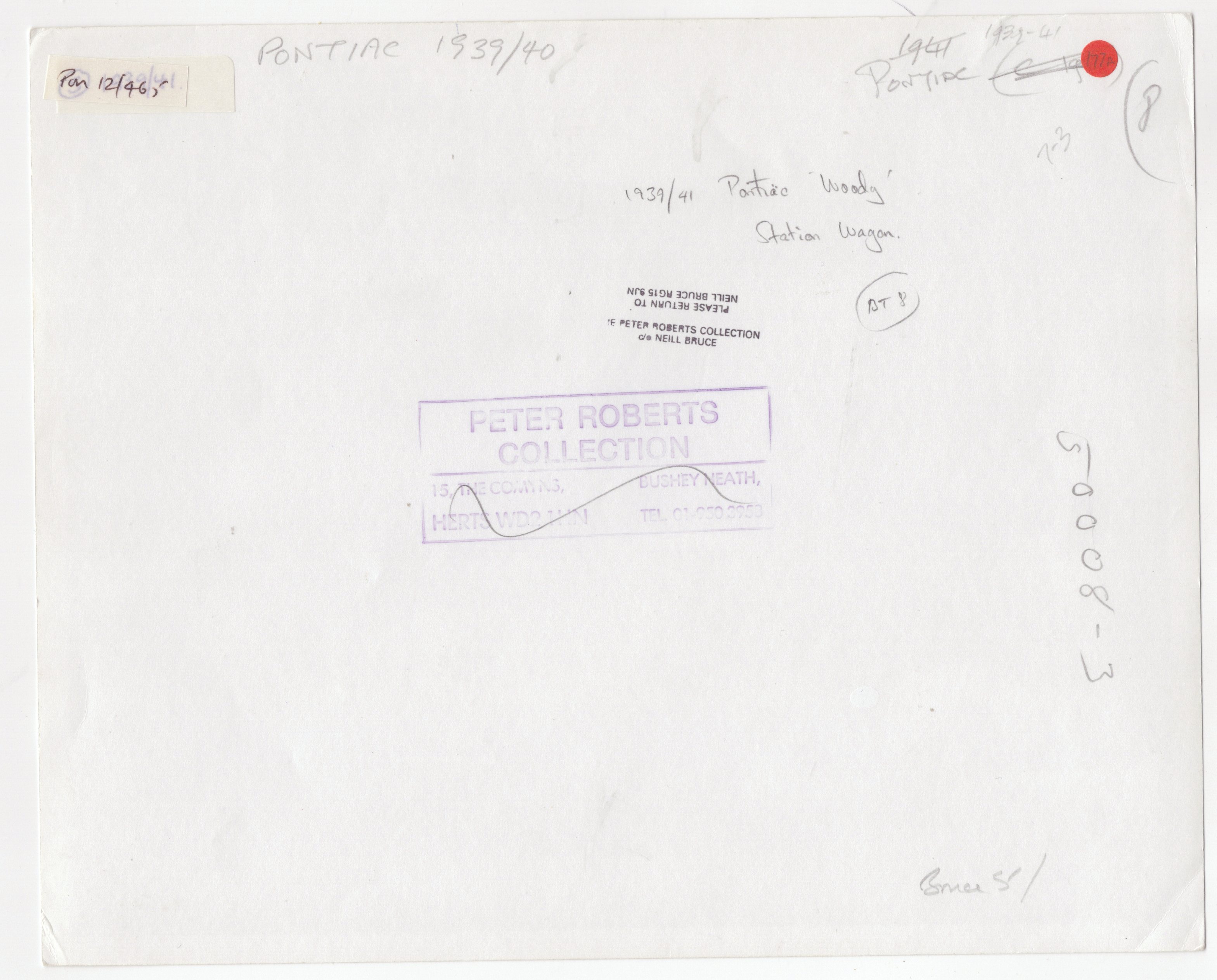
This striking black-and-white press photograph captures a nostalgic moment in time, likely from the late 1930s or early 1940s, featuring a Pontiac “Woody” Station Wagon parked in front of a rustic log cabin. The “Woody” wagon, with its distinctive wooden paneling, was a popular vehicle during this era, blending practical utility with stylish craftsmanship. The car’s streamlined design, rounded fenders, and chrome accents highlight the Art Deco influence of the time. The scene presents a group of four individuals, seemingly engaged in a friendly outdoor exchange. A man in a cap and knee-high boots stands at the front of the car, gesturing towards the hood, perhaps discussing the vehicle’s performance or offering assistance. Opposite him, two individuals—one male and one female—are leaning slightly forward, both dressed in formal coats and hats, suggestive of a road trip or an autumn excursion. Inside the car, a smiling woman peeks out from the driver’s seat. Behind them is a log cabin that has a second story with multiple windows and a classic pitched roof. The stone chimney at the far right suggests a cozy setting, likely a retreat for leisure travelers or outdoor enthusiasts. The surrounding wooded area reinforces the rustic feel. The back of the image contains several annotations and stamps. Handwritten notes label the car as a 1939/40 Pontiac “Woody” Station Wagon. A Peter Roberts Collection stamp is prominently displayed, suggesting that this image was part of a well-documented automotive archive. The collection was based in Bushey Heath, Hertfordshire, UK. SOLD
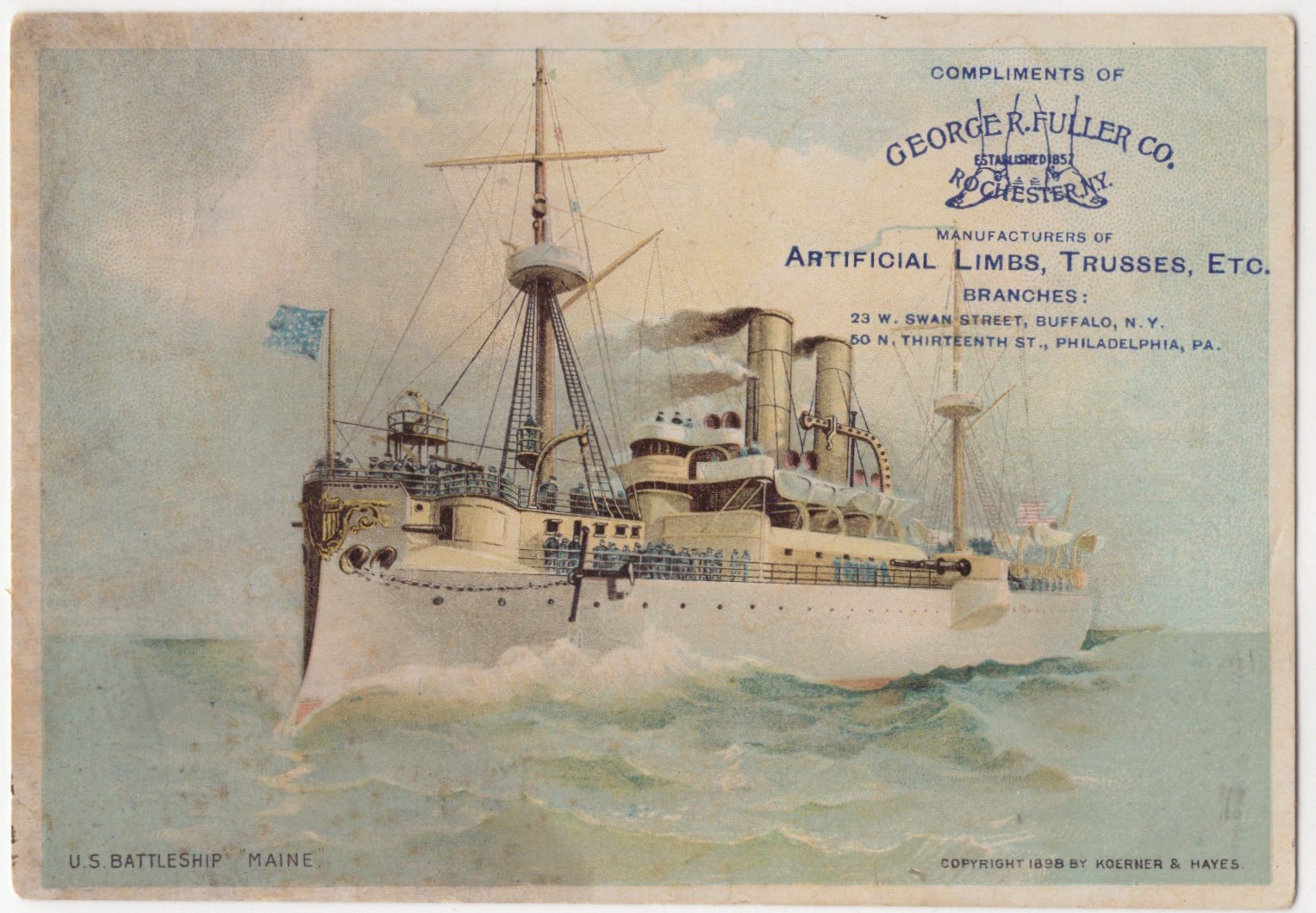
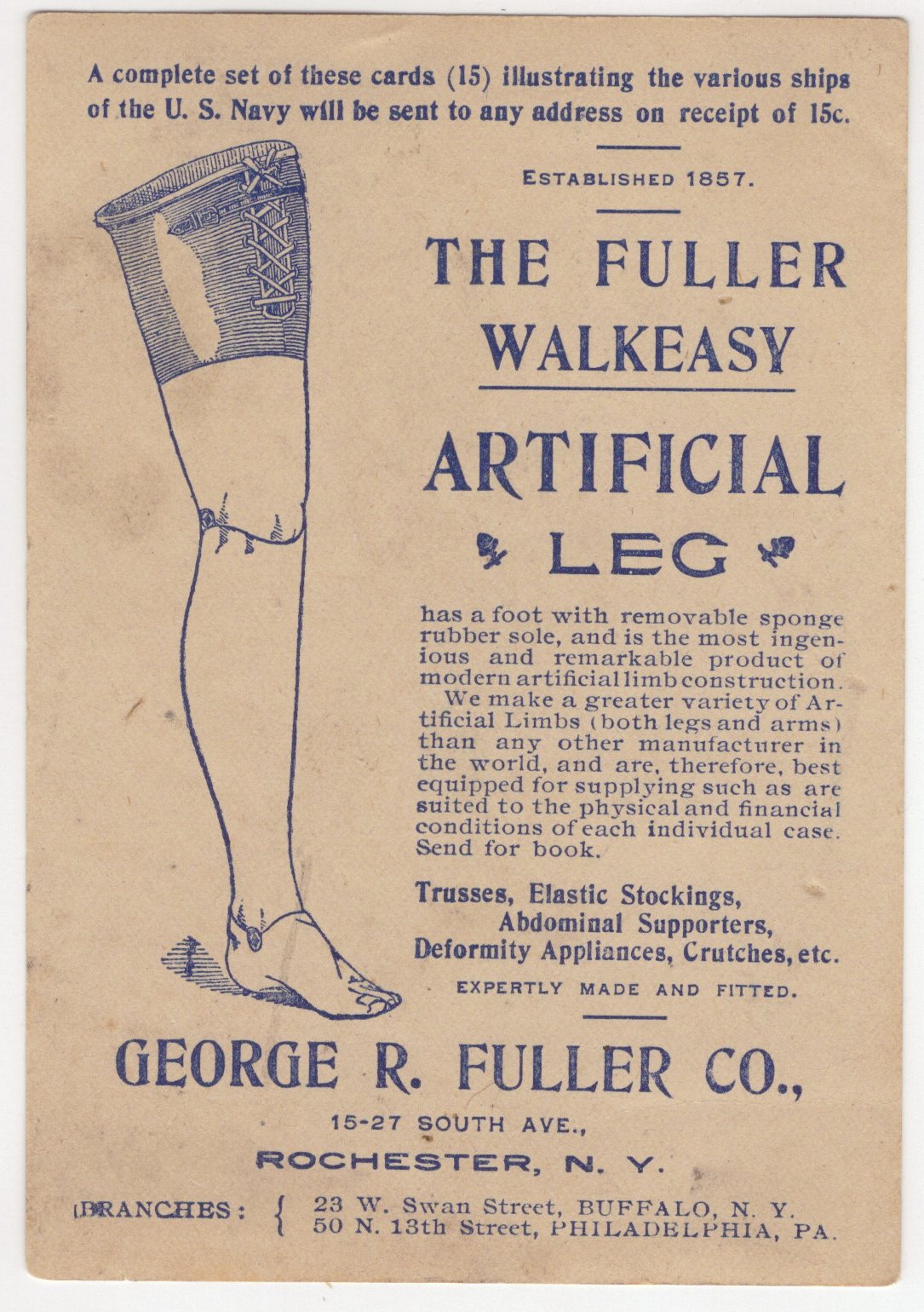
This vintage trade card advertises the George R. Fuller Co., manufacturer of Artificial Limbs, Trusses, and other products. This advertising trade card focuses on “The Fuller Walkeasy” artificial leg. The firm was established in 1857 and was located in Rochester, New York. The firm also had branches in Buffalo, New York and in Philadelphia, Pennsylvania. The company issued a set of 15 cards illustrating different ships of the US Navy. This card features the USS Maine which in early 1898, tragically suffered a massive explosion on board causing the ship to sink in the harbor of Havana, Cuba. Interestingly, this trade card has a copyright from 1898. The card was published by Koerner & Hayes. SOLD
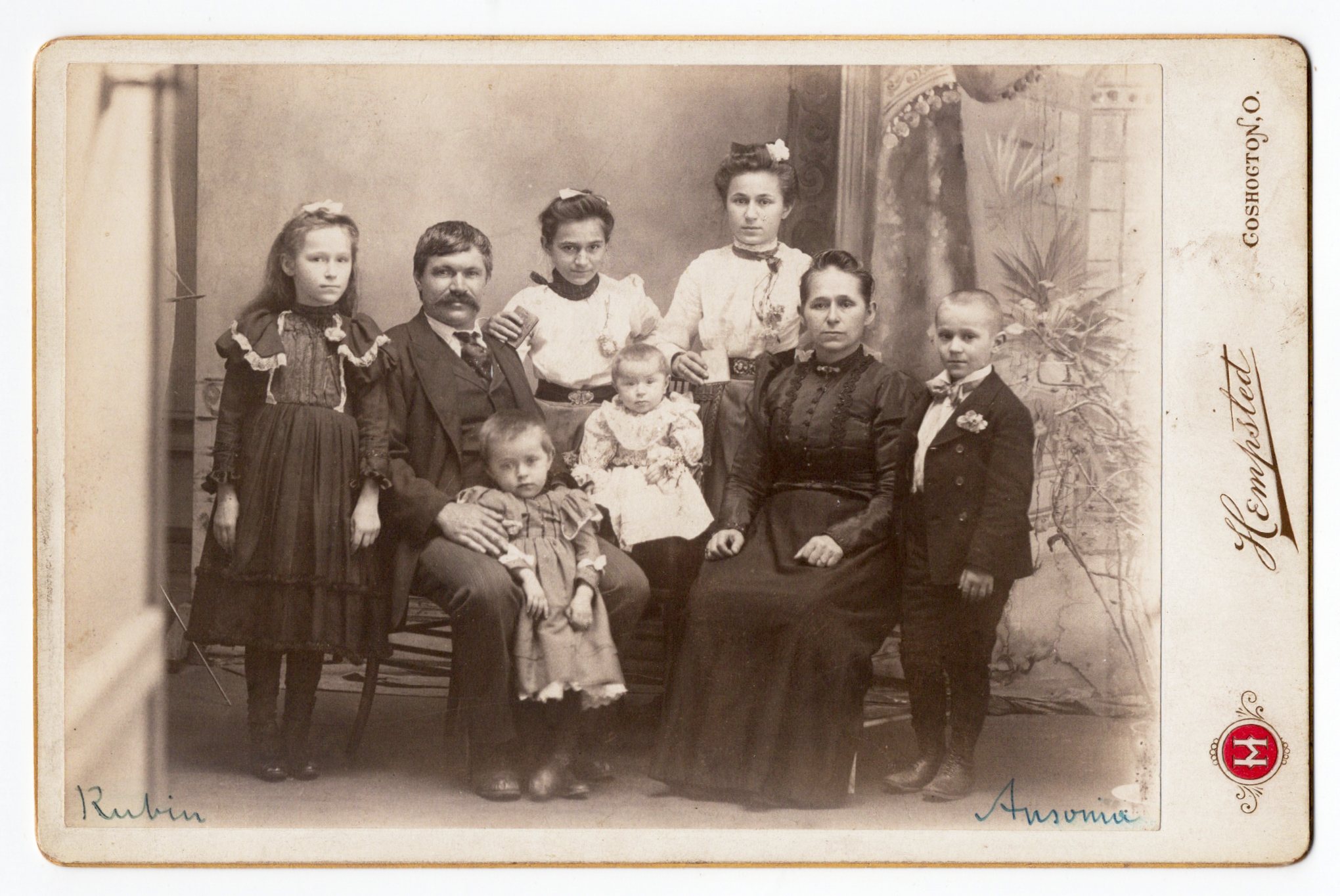
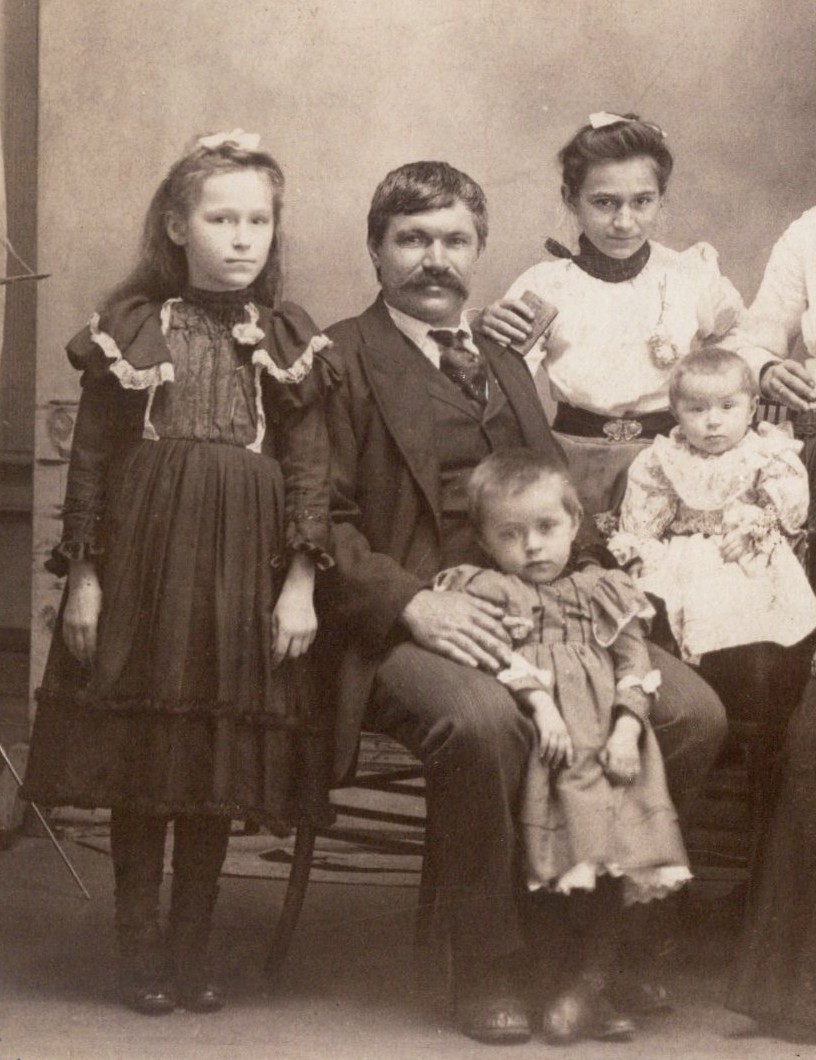
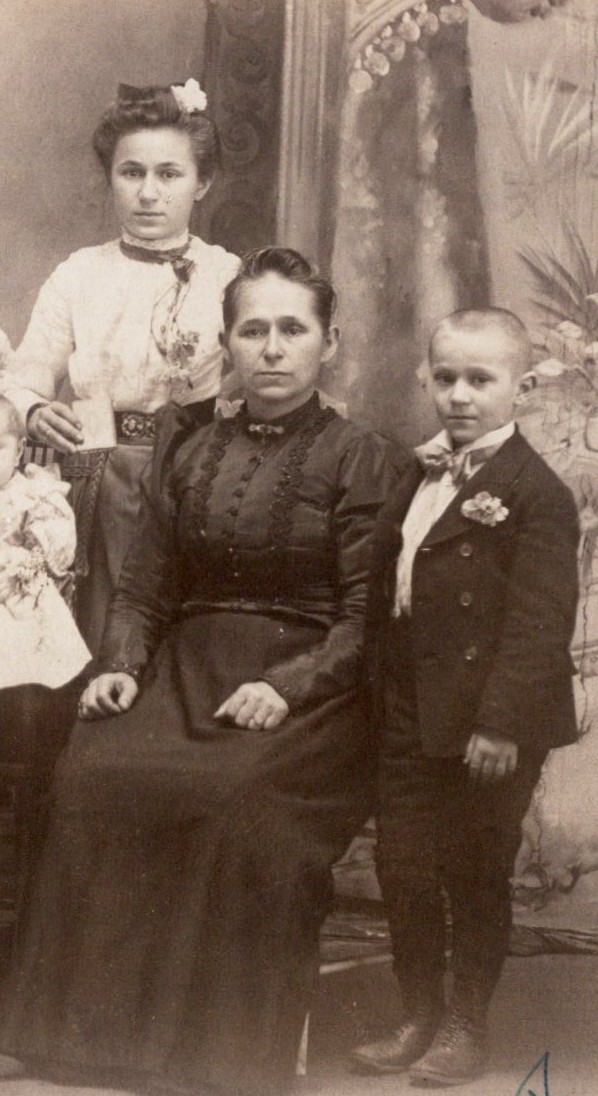
This cabinet card photograph, taken by C. Hempsted in Coshocton, Ohio, depicts a family of eight—most likely two parents with their six children. The formal arrangement and careful clothing suggest this was a significant family portrait, perhaps taken to commemorate an important event. The parents of this family are both seated. The father is dressed in a dark three-piece suit with a tie, reflecting the formality of the occasion. His robust features, thick mustache, and confident posture suggest he may be of Eastern European descent—possibly Polish, Hungarian, or Jewish. The name “Rubin” handwritten on the lower left corner of the card might correspond to the family surname, which is common among Jewish and Slavic communities. His serious expression reflects the dignified tone often captured in Victorian-era portraits. The mother wears a high-necked black dress with intricate detailing, signifying modesty and respectability. Her calm yet serious demeanor speaks to her role as the matriarch of the family. The older daughters are dressed in fashionable blouses and skirts, accessorized with sashes and bows. Their hairstyles are neat and adorned with ribbons, suggesting the family valued appearances and formality. The younger children are also well-dressed. The toddler, wearing a delicate white lace dress, is held protectively by one of the parents. The young boy standing at the far right wears a suit with a flower pinned to his jacket, hinting that this may have been taken on a special occasion such as a wedding, religious milestone, or holiday. The handwritten name “Rubin” and the father’s features suggest Eastern European or Jewish ancestry. The word “Ansonia,” written on the lower right corner, could have multiple meanings. “Ansonia” may be a first or last name belonging to a pictured family member. Ansonia is also a small town located in Darke County, Ohio, about 100 miles west of Coshocton. This may indicate a family connection to that town.The photographer is C. Hempsted. He operated a studio in Coshocton. Coshocton is located in east-central Ohio, Coshocton, and was a vibrant industrial and agricultural hub in the late 1800s. Its location along the Muskingum River and Ohio-Erie Canal made it accessible to immigrants and settlers, including Germans, Irish, and Eastern Europeans.(SOLD)
Eight bathers gather for their group photo at a beach in Tokaj, Hungary. The historical town is located in the northern part of Hungary. It is in the district where Tokaji wine is produced. The beach goers are wearing bathing suits. Half of the subjects are sitting in a beached rowboat.The reverse of this vintage real photo postcard indicates that the message was written in 1927. It appears that seven of the individuals in the photo are identified in the column on the right side of the back of the postcard. Perhaps a visitor to the cabinet card gallery will be able to leave a comment translating the postcard’s message. SOLD
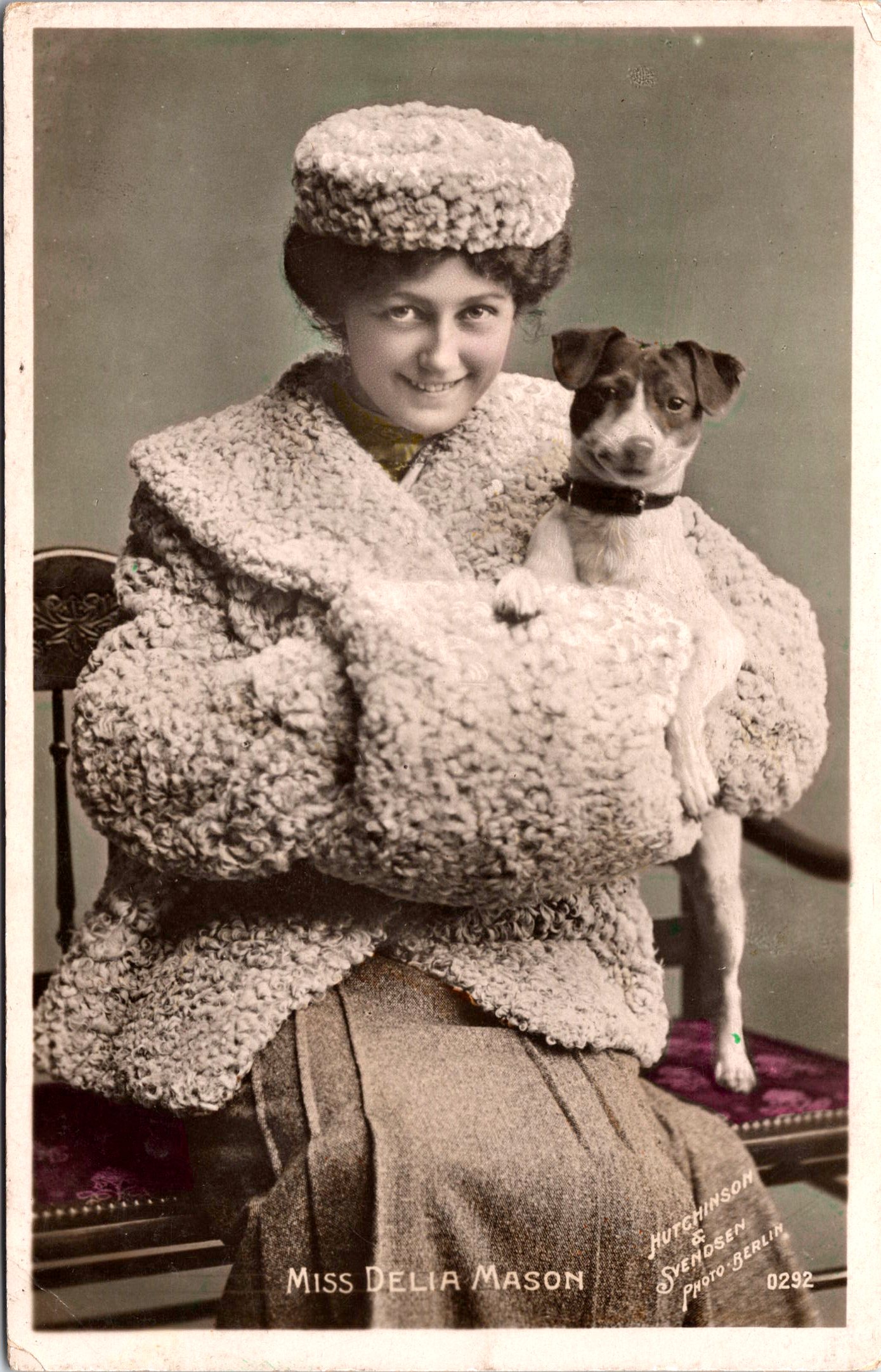
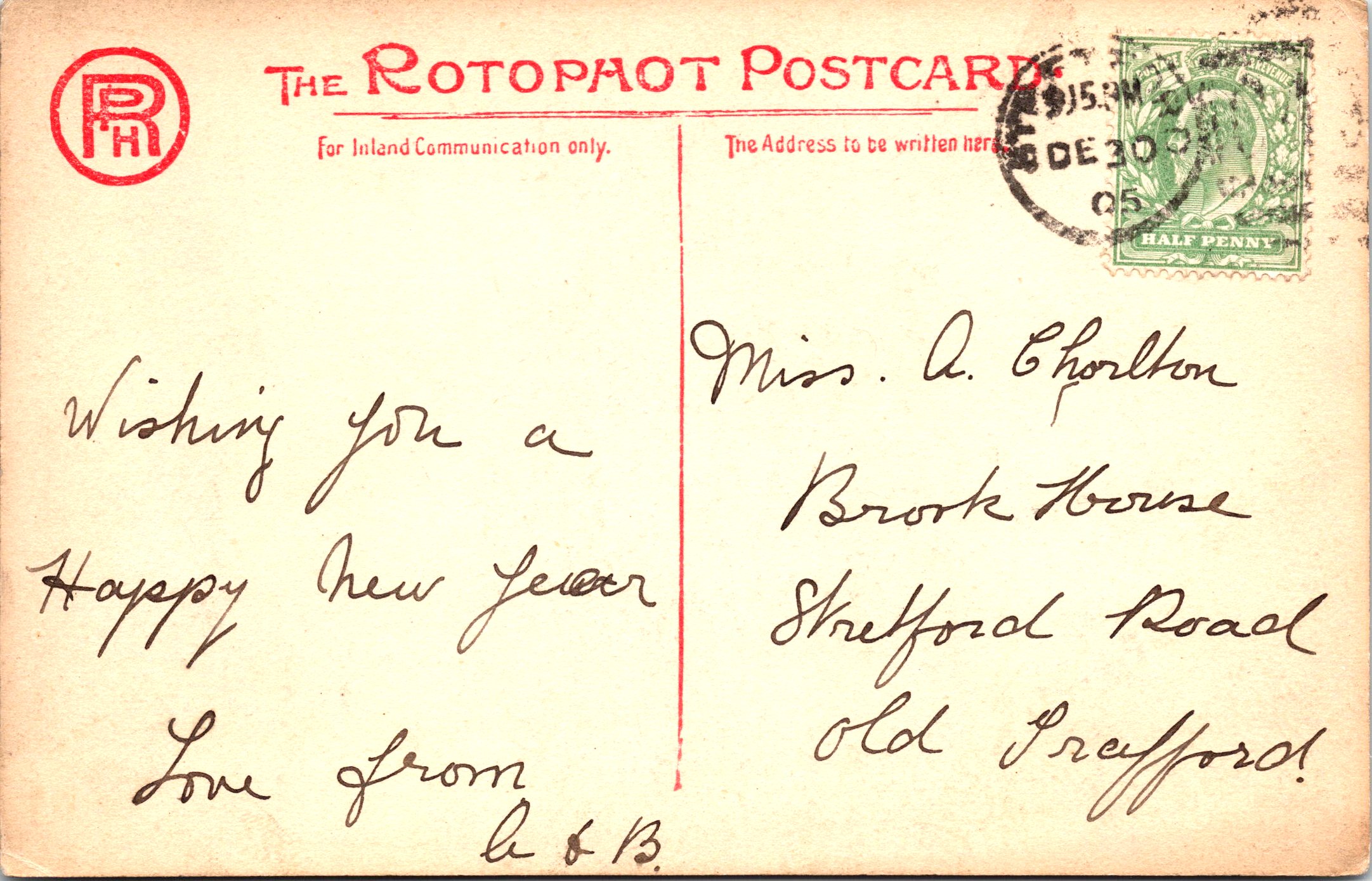
This vintage real photo postcard features pretty stage actress and singer, Delia Mason (1880-1980). She is posed with a dog that appears to be a Jack Russell Terrier. There is little biographical information about her readily available online. She was a native of Coventry, England. There are seven portraits of Mason that can be found in Britain’s National Portrait Gallery. Her first professional appearance was in “Three Little Maids” (1902) at the Apollo Theatre in London. She was “discovered” by English theatre manager and producer, George Edwardes. A reviewer at her first performance, described her as “a tall and extremely good-looking with laughing blue eyes”. The reviewer also stated that she was an expert swimmer and oarsman, as well as an “ardent motorist”. Mason appeared in two Broadway productions; “Three Little Maids” (1903) and “My Lady’s Maid” (1906). She was married to Walter Wysard, a merchant and director of a number of companies. The couples son, Tony Wysard became a well known cartoonist and illustrator. This postcard was published by Rotophot as part of a series (No.0292). The company was based in Berlin, Germany. This postcard was postmarked in 1905. Mason was likely around 25 years of age when her photograph was taken for this card. Her photo was taken by the Hutchinson & Svendsen studio in Berlin, Germany. SOLD
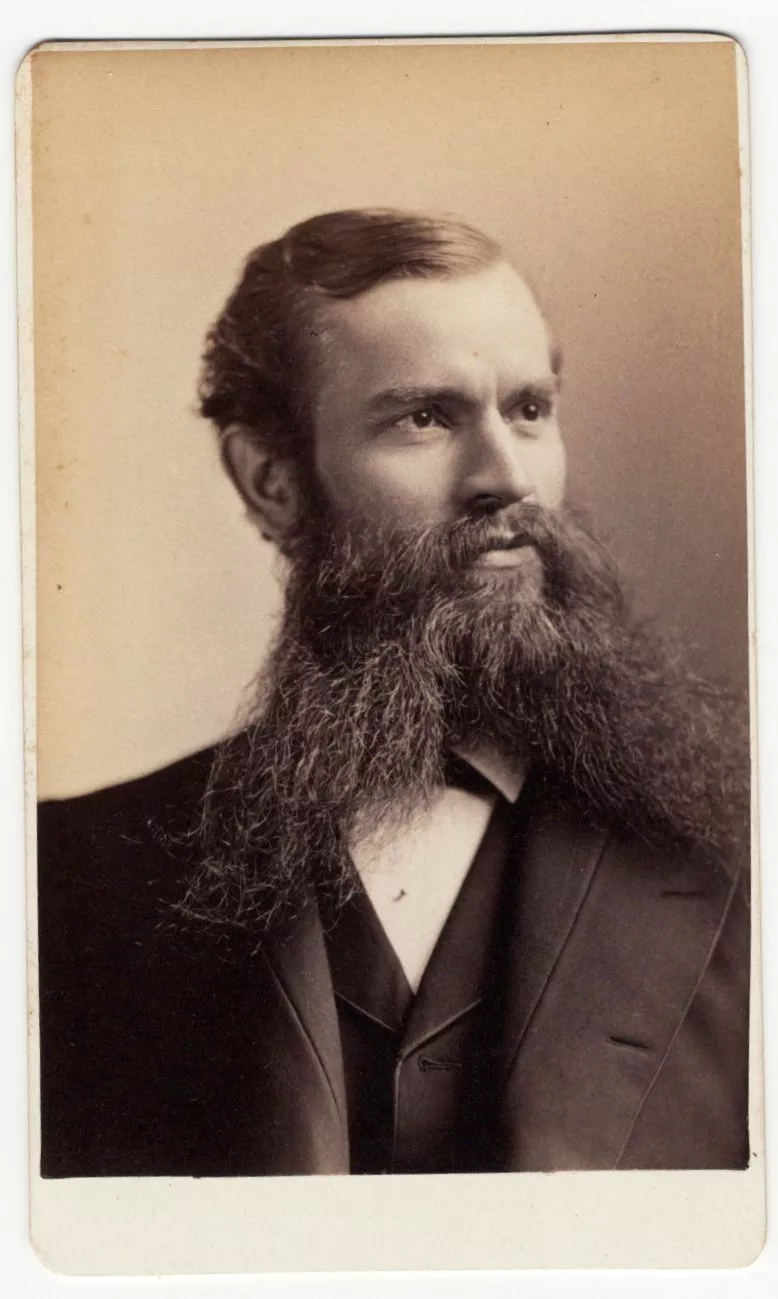
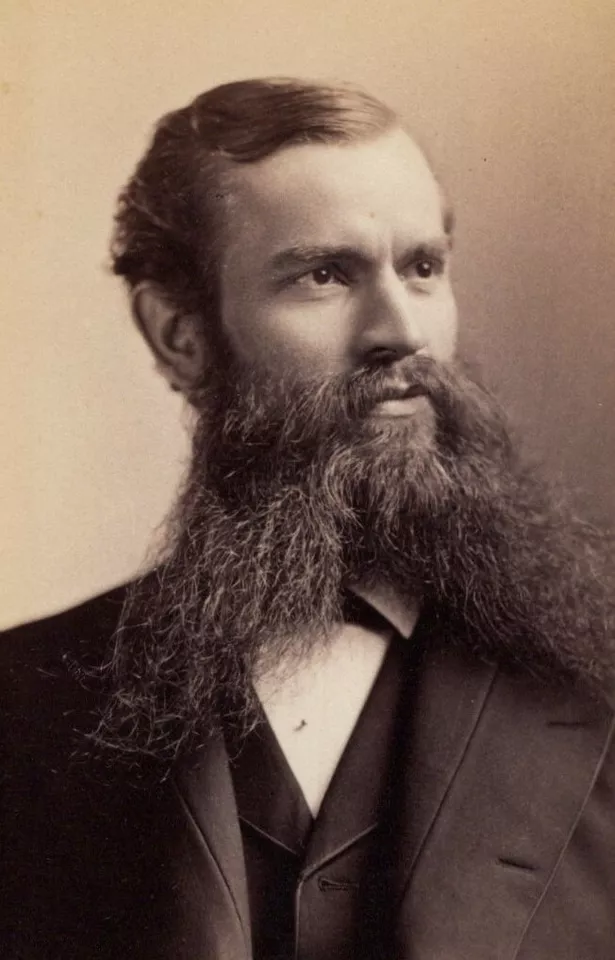
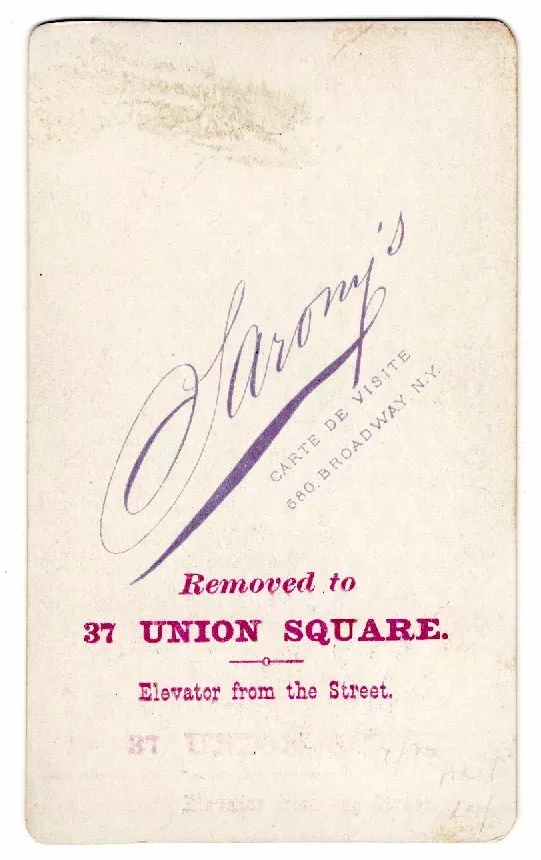
This carte de visite portrait features a handsome well dressed man with a wonderful beard and mustache. The cdv photograph was taken by celebrity photographer Napoleon Sarony. He operated a photo studio in the Union Square area of New York City. He was a famous photographer and was considered very talented and quite eccentric. SOLD
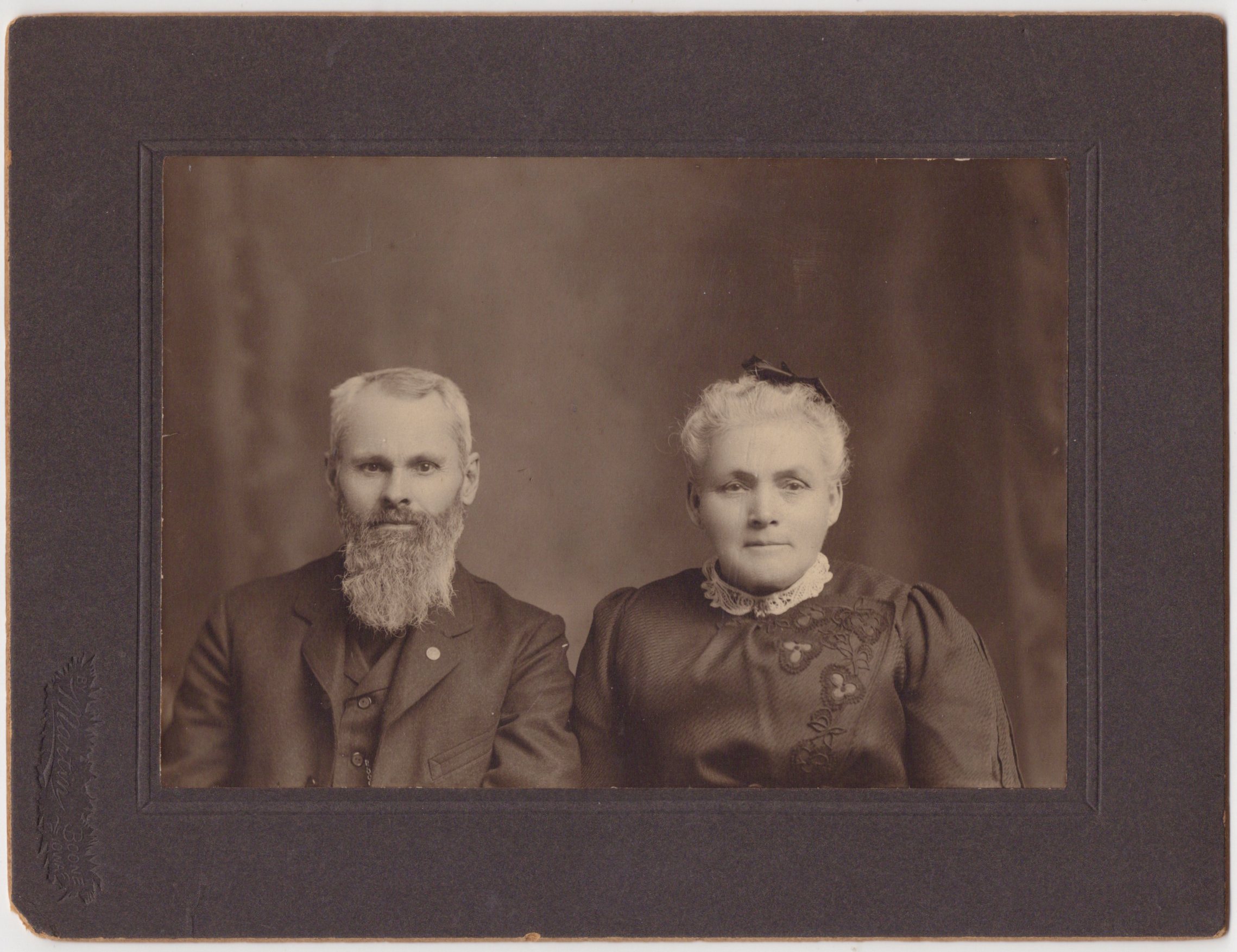
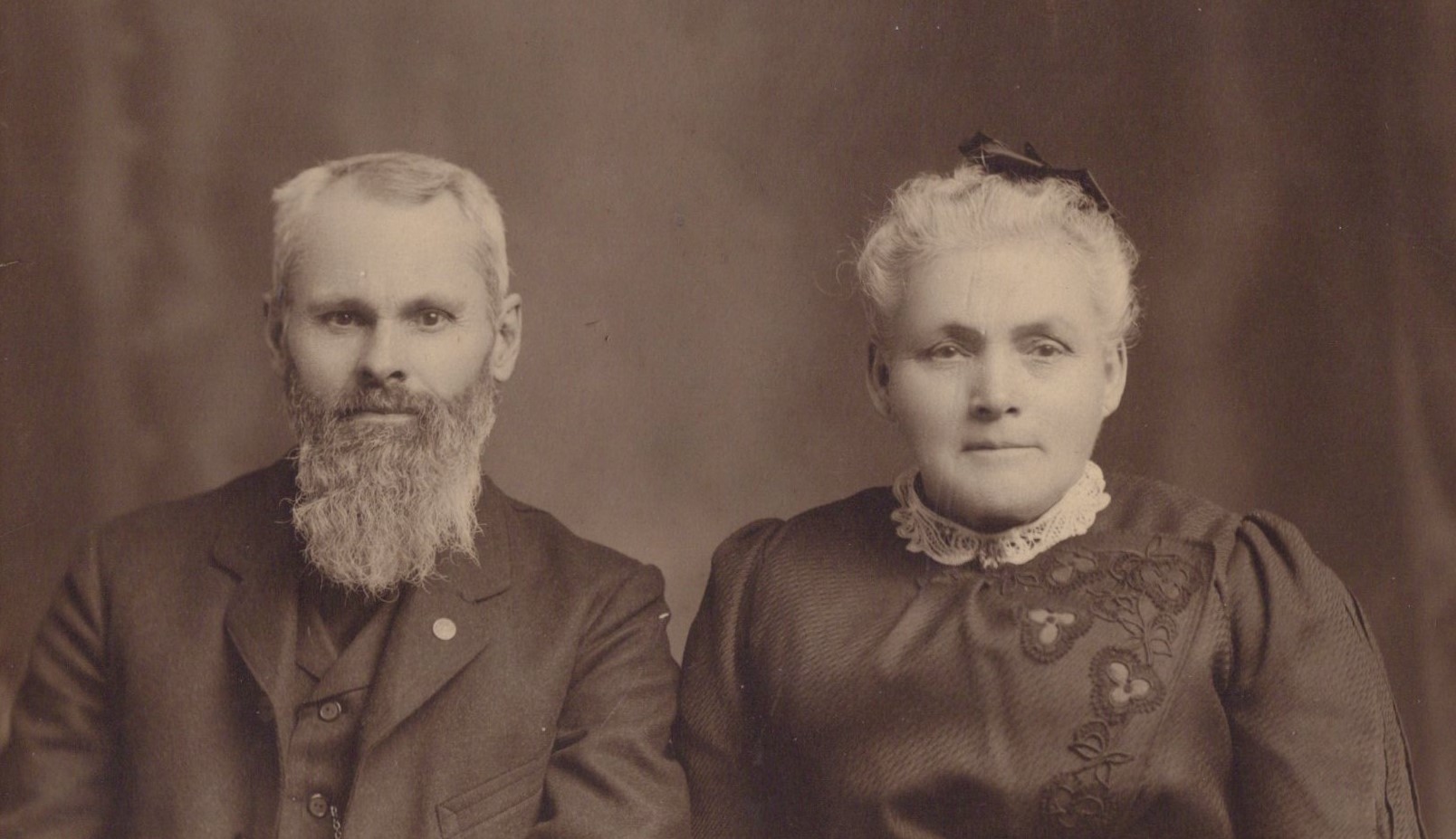
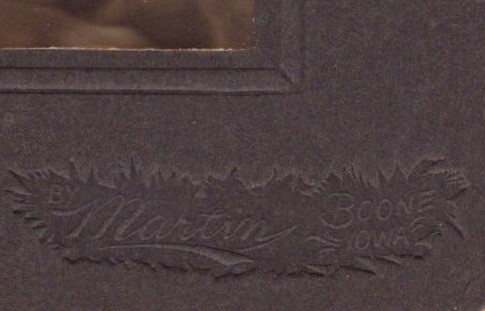
This vintage photograph features a formally dressed older couple posing at the J. Paul Martin studio in Boone, Iowa. The gentleman has some sort of button on the lapel of his three piece suit. A pocket watch chain can be seen resting against his vest. He also has a wiry mustache and beard as well as a sparkle in his eyes. The woman in the photograph has embroidery on her dress as well as a lace collar. This is a classic couples pose used by photographers of the era that this photo was taken. SOLD
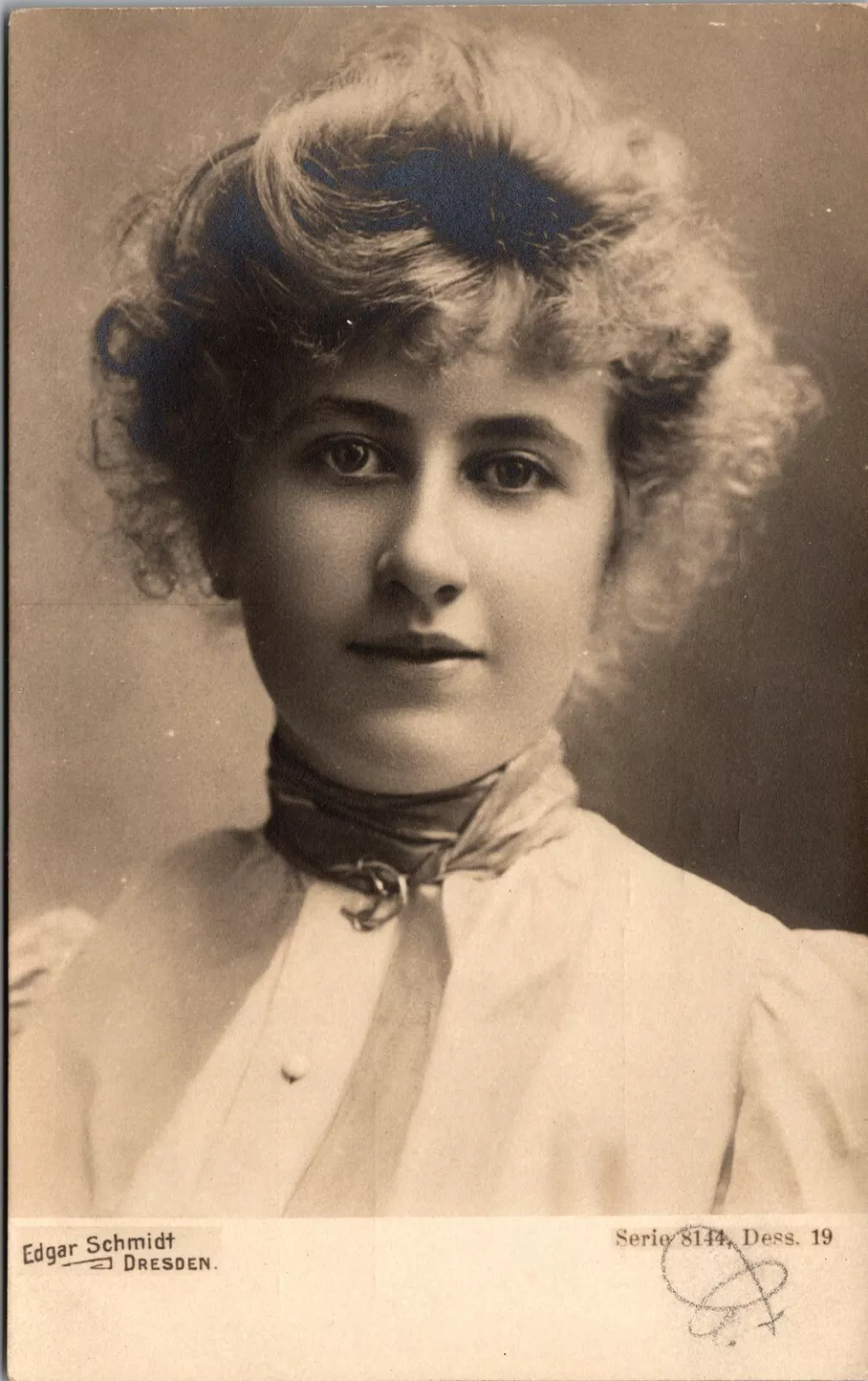
This vintage real photo postcard is a bit puzzling. It is a portrait of a pretty young woman. The part that is puzzling concerns her identity. Initially, I thought she was an actress. Since she is not identified on the card, and given the card has a series number, it appears that the young lady is a postcard model. The photographer of this photo is Edgar Schmidt and he operated a studio in Dresden, Germany. Schmidt was in business from 1897 to 1907. The business had many changes of ownership. SOLD
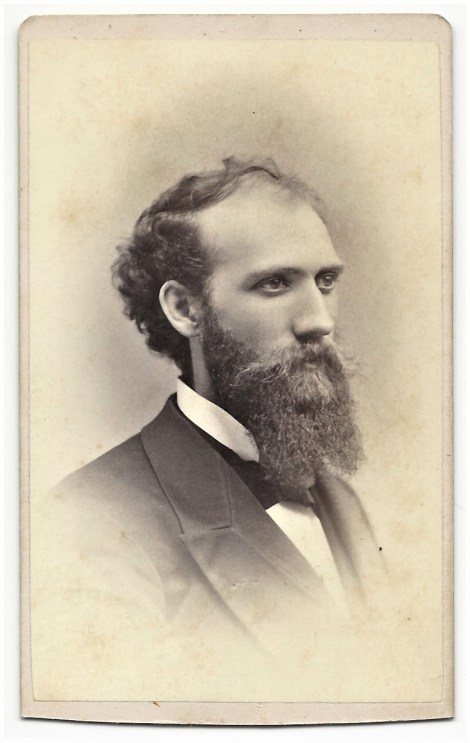 This carte de visite portrait features a well-dressed and distinguished looking gentleman posing for his portrait at the Crosby studio in Lewiston, Maine. He has piercing eyes and a wiry beard and mustache. The photographer of this image is A B Crosby (1836-1879). Crosby worked alone during his career but he was also involved in two partnerships. He had a brief partnership with George W Barnes in Topsham, Maine. He also was in business in Lewiston with C W Curtis. Both of these business relationships occurred in the 1870’s. The earliest record I could find of Crosby working as a photographer was in an 1864 Lewiston business directory. Crosby’s life was cut short when he succumbed to brain disease at the age of 43. He was married at the time of his death. I have seen a number of Crosby’s photographs and it is clear that he was a talented lensman. SOLD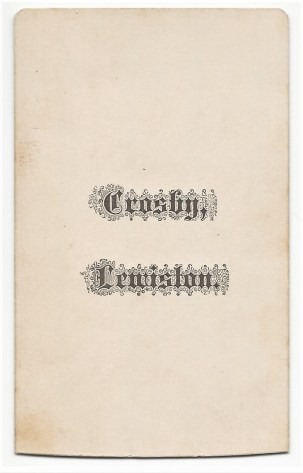







 THE CABINET CARD GALLERY