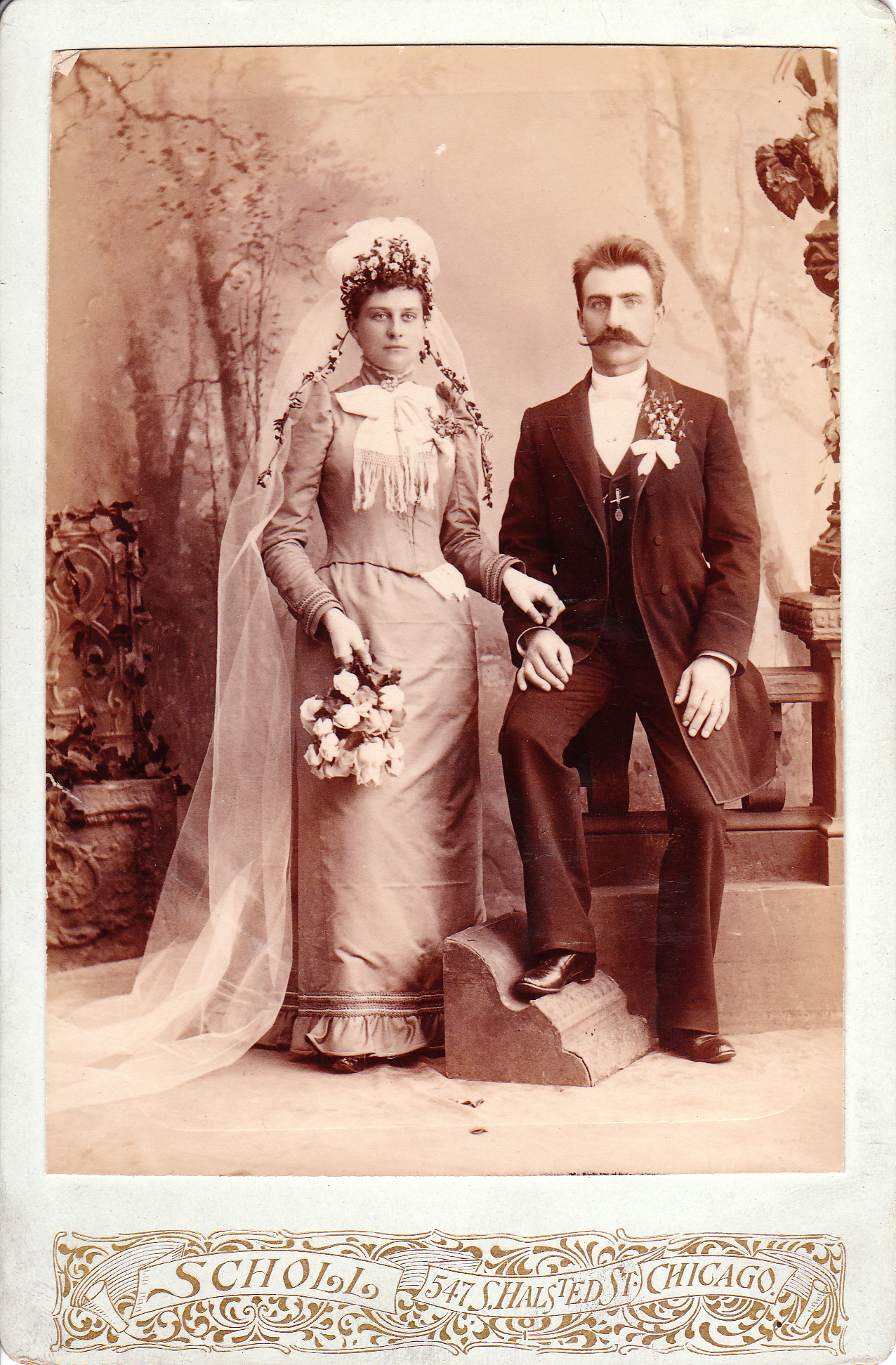
J. B. Scholl, well known Chicago photographer, produced this wedding portrait of a smartly dressed bride and groom. The groom has a nice handlebar mustache. The bride is wearing a pretty floral wedding veil and appears to be holding the grooms sleeve rather than his hand. Despite their lack of physical contact, the pair are standing much closer to each than seen in many other wedding photographs. I wonder why the photographer posed the gentleman with one foot elevated on a curb. At first, I speculated that the rationale was to add height to a groom who was shorter than his bride. However, the gentleman has both knees bent which certainly restricts his reaching full height. My final conclusion was that the photographer, normally quite skillful, had a bad day and was careless setting up this particular pose.To view more of Mr. Scholl’s photographs and to learn more about him, click on the category “Photographer: Scholl JB.
Isabel Irving: American Stage Actress

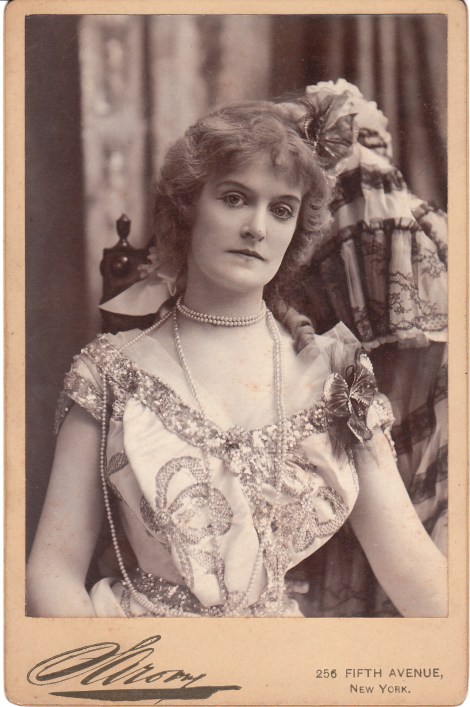
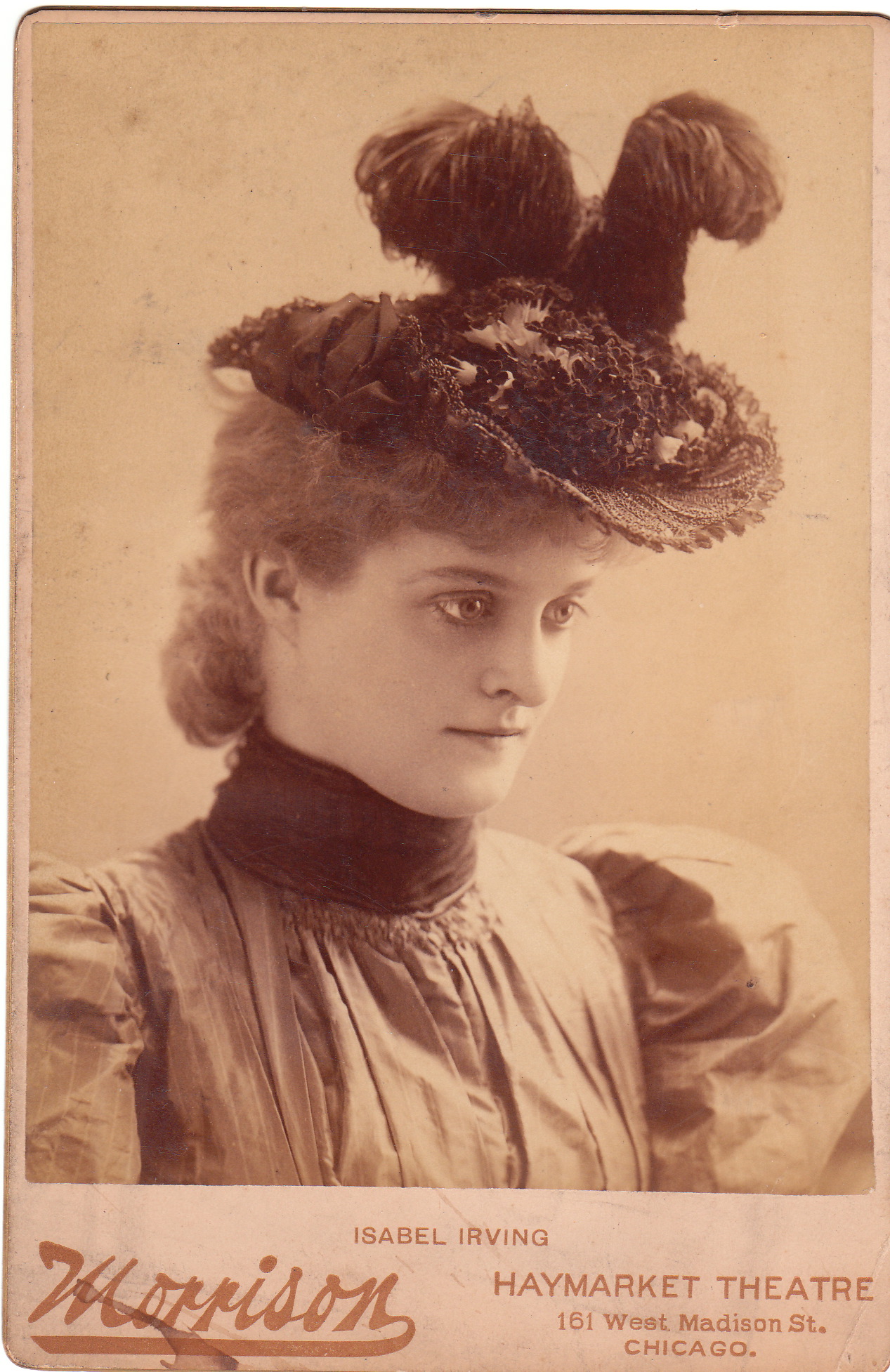
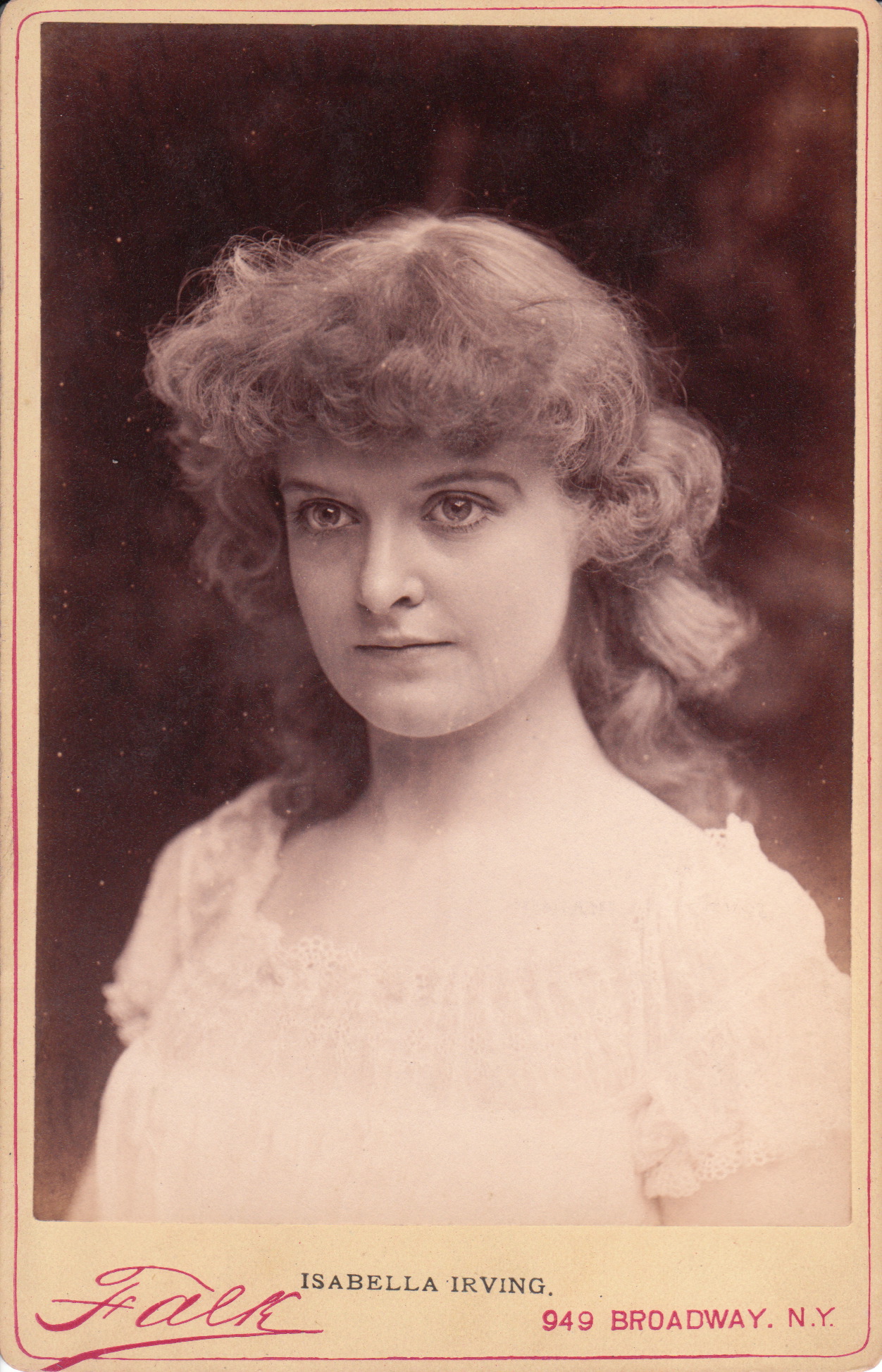
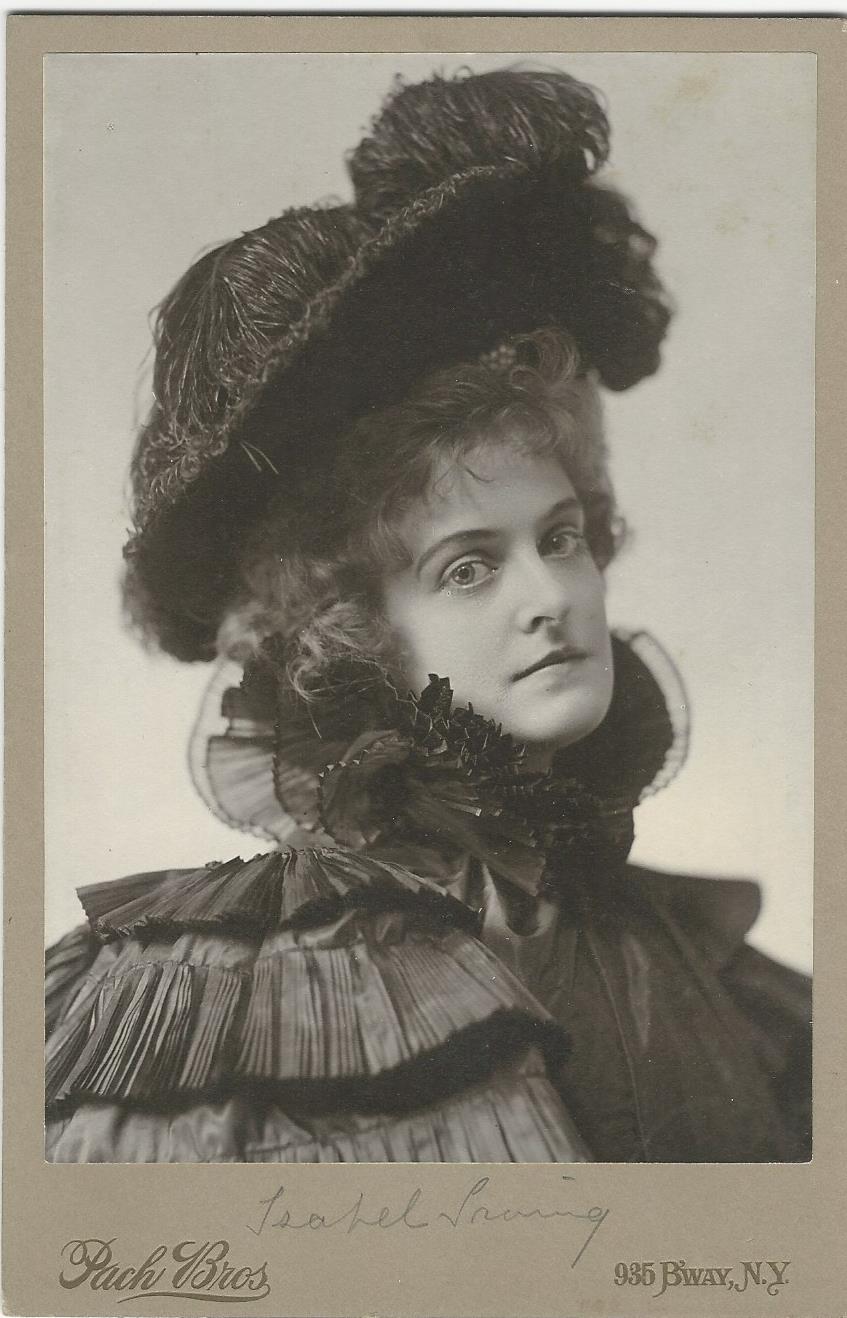
Isabel Irving (1871-1944) was an American actress born in Bridgeport, Connecticut. Her stage career began in 1886. She performed in many performances of Shakespeare. She was also in more than 30 Broadway plays between 1894 and 1936. These plays included “Merry Wives of Windsor” (1917) and “Uncle Vanya” (1930). The first cabinet photo was done at the studio of Napoleon Sarony in New York. Sarony was a very famous photographer of his time and known for his photos of theatrical performers and other celebrities. The second photograph comes from the studio of William McKenzie Morrison who was located in the Haymarket Theatre building in Chicago, Illinois. The third cabinet card portrait features Miss Irving photographed by celebrated New York photographer Benjamin Falk. The fourth cabinet card was produced by Pach Brothers studio in New York City. To view a photograph of Isabel Irving’s sister, write “Evangeline Irving” in the search box and press search. To view other photographs by any of the four cited photographers, click on the category “Photographer: Falk, Photographer: Sarony, Photographer: Morrison, or Photographer: Pach Brothers.
PRETTY WOMAN WEARING A FANCY HAT IN CHICAGO, ILLINOIS
This cabinet card may be a bit scruffed up but it is a beauty. The image features a very pretty young lady wearing a fancy hat. She is well dressed and has a lovely smile and sparkling eyes. The photographer of this terrific photograph is George F. Riel who plied his trade in Chicago, Illinois. He was born in 1856. He was married to Minnie Riel. Riel appears in a number of Chicago business directories (including 1877 and 1904) and is listed as a photographer. To view more photographs by George Riel, click on the category “Photographer: Riel”.
SERIOUS LOOKING BOY AND HIS INDIAN CLUBS
A young boy, looking quite unhappy, poses for his portrait at the William Meyer studio in Chicago, Illinois. His arms are folded across his chest but it looks as if they won’t stay there long because standing in front of him are a pair of Indian Juggling Clubs. It is as if the boy is preparing to give a juggling exhibition or to exercise. Juggling these pins was a good workout as they were quite heavy. some exercise. Clubs like these were very popular during the health mania of the late Victorian period. A picture of a pair of Indian clubs from the late nineteenth century can be seen below (Source: Wikipedia). William Meyer is listed in a number of the Chicago business directories including 1880,1885, and 1892. His address in 1892 was Clybourn Avenue which indicates that this image was produced before that date.
![]()
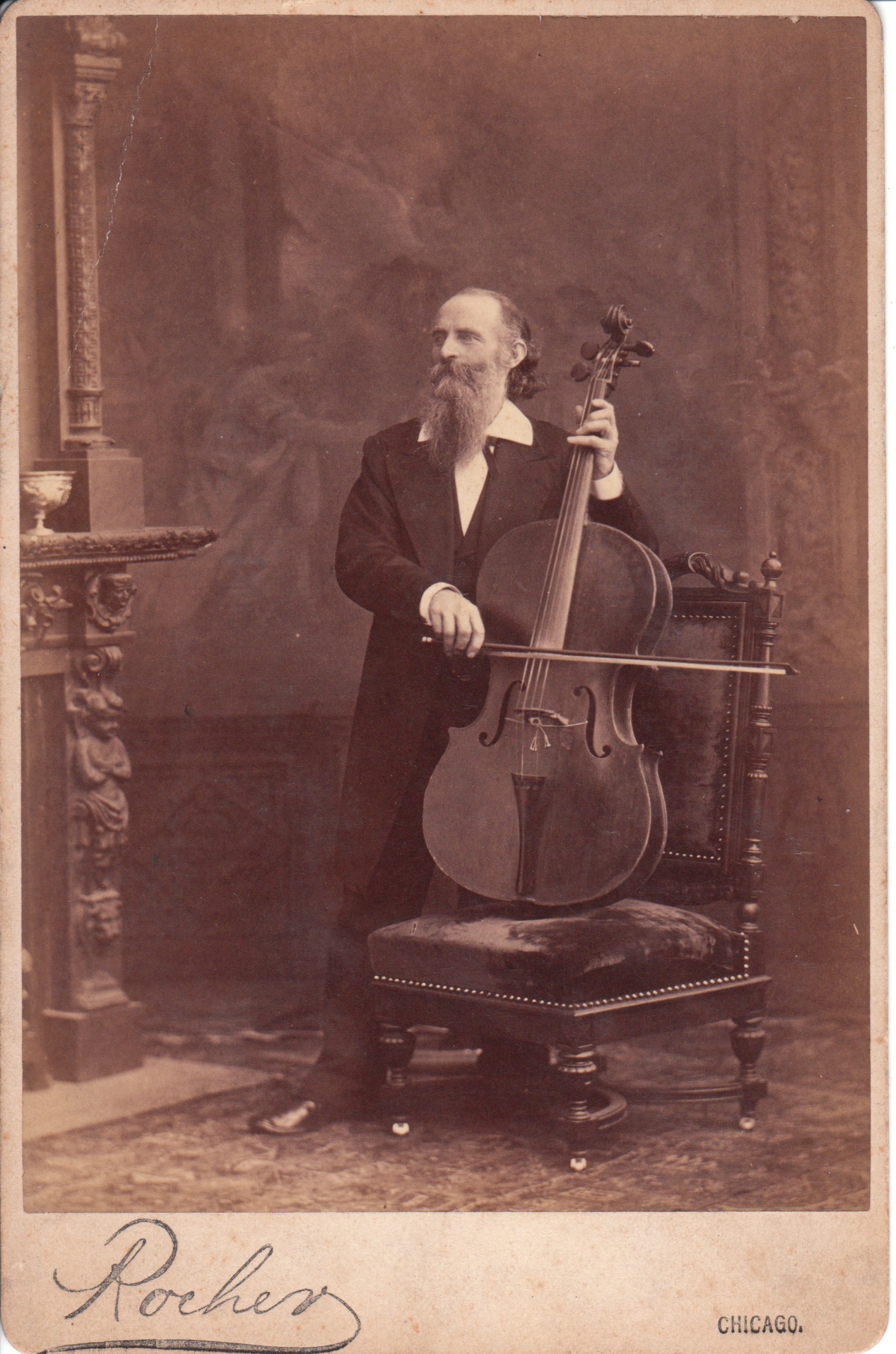
MUSICIAN AND LARGE STRING INSTRUMENT IN CHICAGO, ILLINOIS
A musician poses for his portrait at the Rocher studio in Chicago, Illinois. He is playing a large stringed instrument with a bow. I can not identify the instrument and assistance from knowledgable cabinet card gallery visitors would be appreciated. Note the fireplace and fancy chair in the background. The musician is unidentified but is likely someone professional, and not a random person using the instrument as a prop for their portrait. In fact, Henry Rocher (1826-1887) was known for being a celebrity photographer. However, most of all, he is considered the one Chicago photographer who could compete technically and artistically with the great photographers in New York City. The great celebrity photographer Sarony, may have had an advantage by possessing exceptional ability to pose his subjects. Rocher’s nephew and disciple, Max Platz, was also quite a talented and successful photographer. Rocher was known to employ a number of women as operators, including “Miss Garrity” who was a successful photographer in Louisville, Kentucky and in Chicago. To view portraits by Miss Garrity, click on the category “Photographer: Garrity”. Rocher came to the US in 1856. He arrived from Germany, where he had originally learned photography.He was one of the founders of the Photographers Association of America (1880).
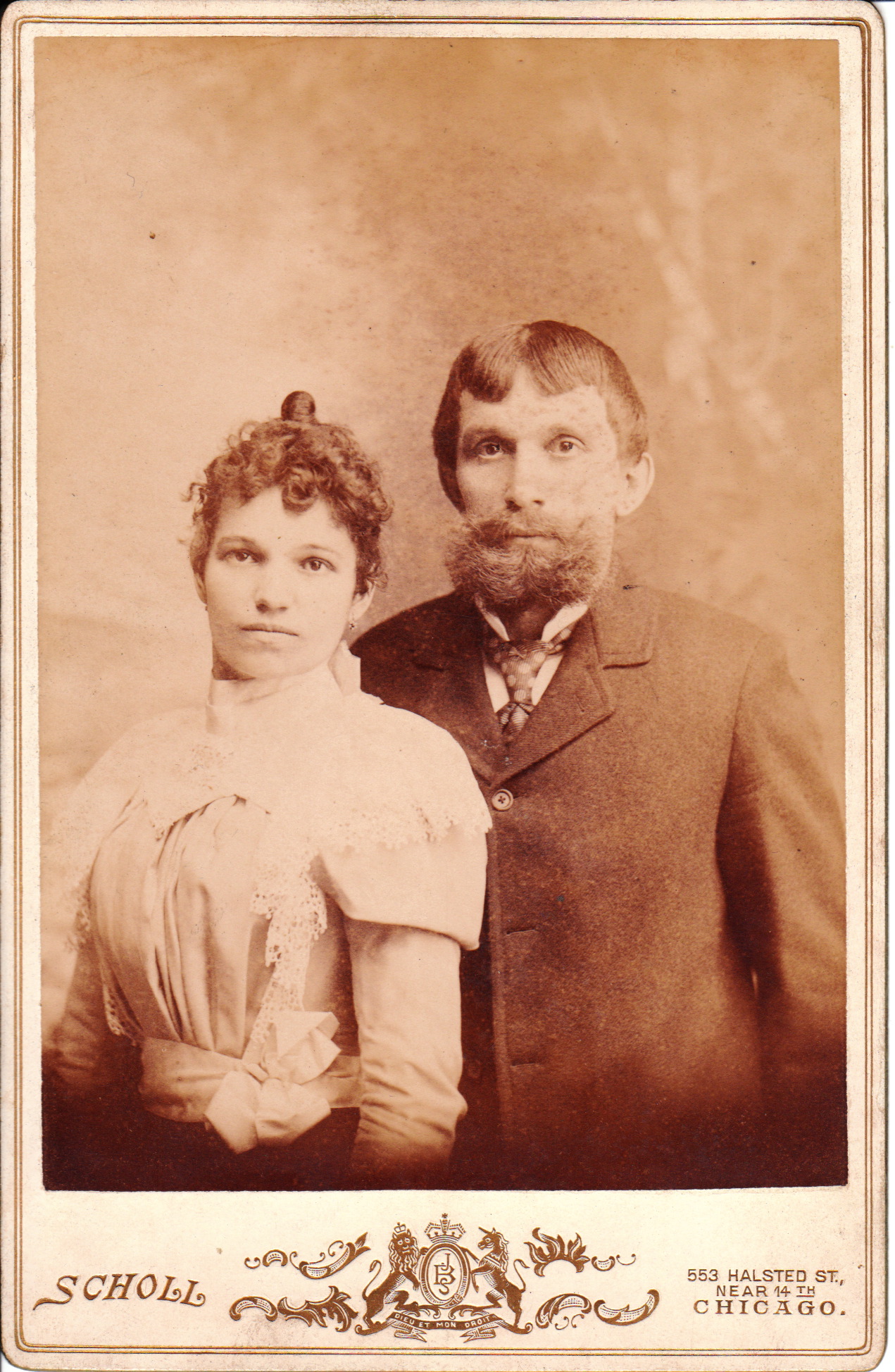
MAN WITH INTERESTING BEARD POSES WITH IS WIFE IN CHICAGO, ILLINOIS
J. B. Scholl, who operated a studio in Chicago, produced this cabinet card portrait of this lovely couple. To view other photographs by Scholl, and to learn more about him, click on the cabinet card gallery category “Photographer: Scholl (J B)”. The gentleman in the photograph combs his beard to the sides; a most unusual strategy.
PRETTY WOMAN POSES FOR CARELESS PHOTOGRAPHER IN CHICAGO, ILLINOIS
A pretty woman poses for her portrait at the S. Adamkiewicz Art Studio in Chicago, Illinois. It appears that Mr Adamkiewicz was in a bit of a hurry when he took this photograph and also when he decided to publish it. The photograph is adversely affected by two factors. The posing position chosen by the photographer, and the unevenness which the bottom of the woman’s blouse sticks out of her skirt, causes the subject to give an appearance of sitting unevenly in her chair. In addition, one of her shoes is peaking out from under the cover of her skirt. I don’t imagine any gold medals would have been awarded to Mr Adamkiewicz for this image. The Chicago Polish Directory (1903) lists Stanley Adamkiewicz as a photographer operating in Chicago at a studio located t the same address listed on the bottom of this photograph.
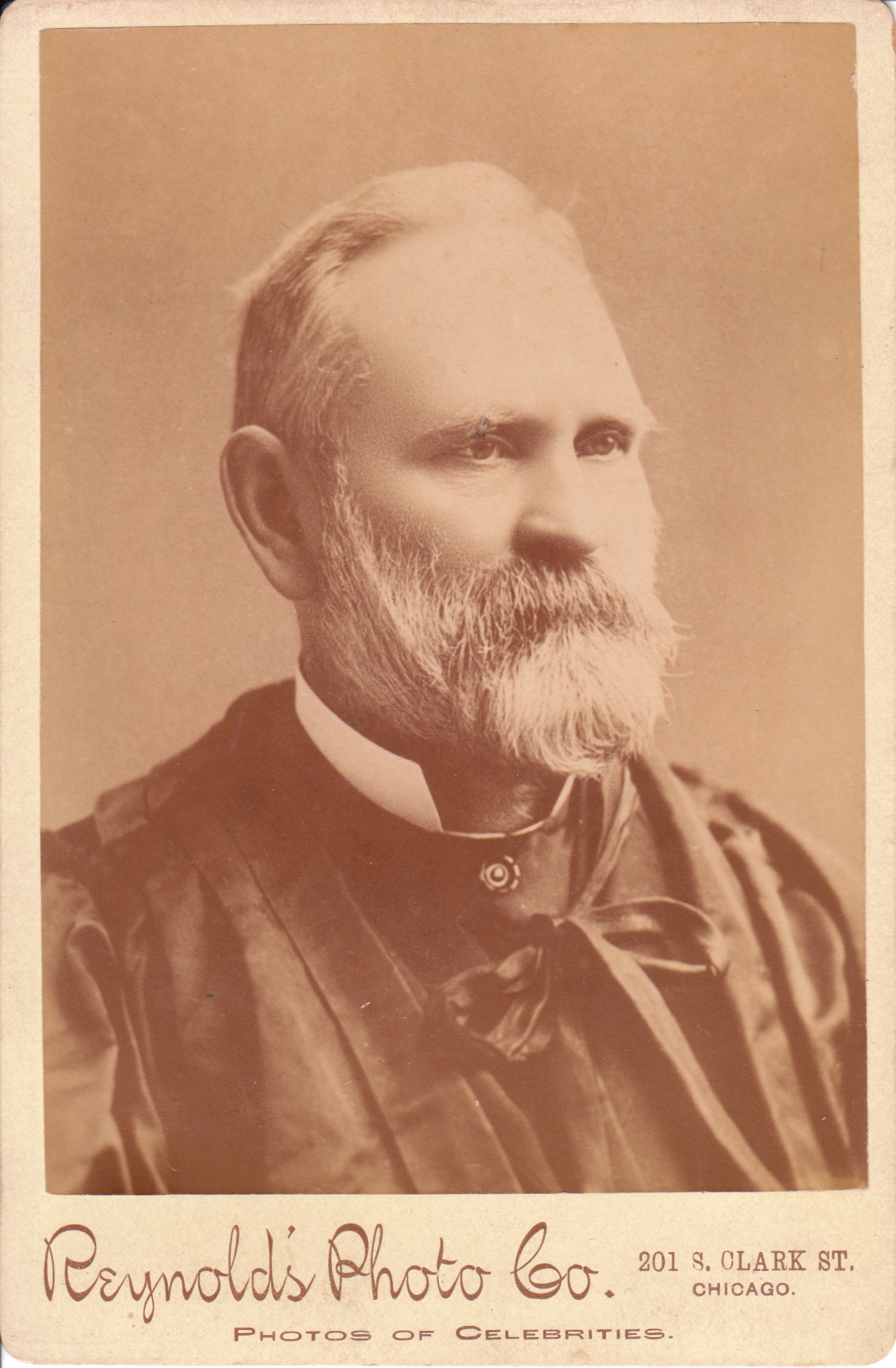
US SUPREME COURT JUDGE, US SENATOR, AND CIVIL WAR COLONEL: MEET STANLEY MATTHEWS
This cabinet card portrait features Stanley Matthews (1824-1889). This image was produced by the Reynolds Photo Company of Chicago, Illinois, and shows Matthews wearing his judicial robe. The photograph was part of the “Photo of Celebrities” series. Matthews served as a Supreme Court Justice from 1881 until his death. He was appointed by President James Garfield. At the time of his appointment he was a United States Senator from Ohio. Matthews was born in Cincinnati, Ohio. He attended Kenyon College and then practiced law in Ohio, and later on, in Tennessee. He was the editor of the Cincinnati Herald for two years. He served in the Ohio State senate and then became a US Attorney until 1861 when he resigned to become a Lieutenant Colonel in the 23rd Ohio Infantry. At the time that Matthews was appointed a Supreme Court Justice, his nomination passed Congress by just one vote. As a judge in the nation’s highest court, he wrote the decision in the Yick Wo vs. Hopkins case. Politicians in San Francisco had passed a law asserting that laundries could not be operated in wooden buildings without a special permit. This permit would be required in addition to the other permits already required. This new law had much impact considering that ninety-five percent of the city’s laundries were in wooden buildings. Two thirds of these laundries were owned by Chinese businessmen. When the new permits were issued, all non Chinese owners received permits and all Chinese owners were denied the permits. Yik Wo continued to operate his laundry without the permit and was convicted, fined, and later jailed for refusing to pay the fine. His case rose up the hierarchy of courts until it reached the Supreme Court. In his decision, Matthews wrote that the permit statute was discriminatory and that the Chinese laundry owners were entitled to equal protection under the fourteenth amendment of constitution.
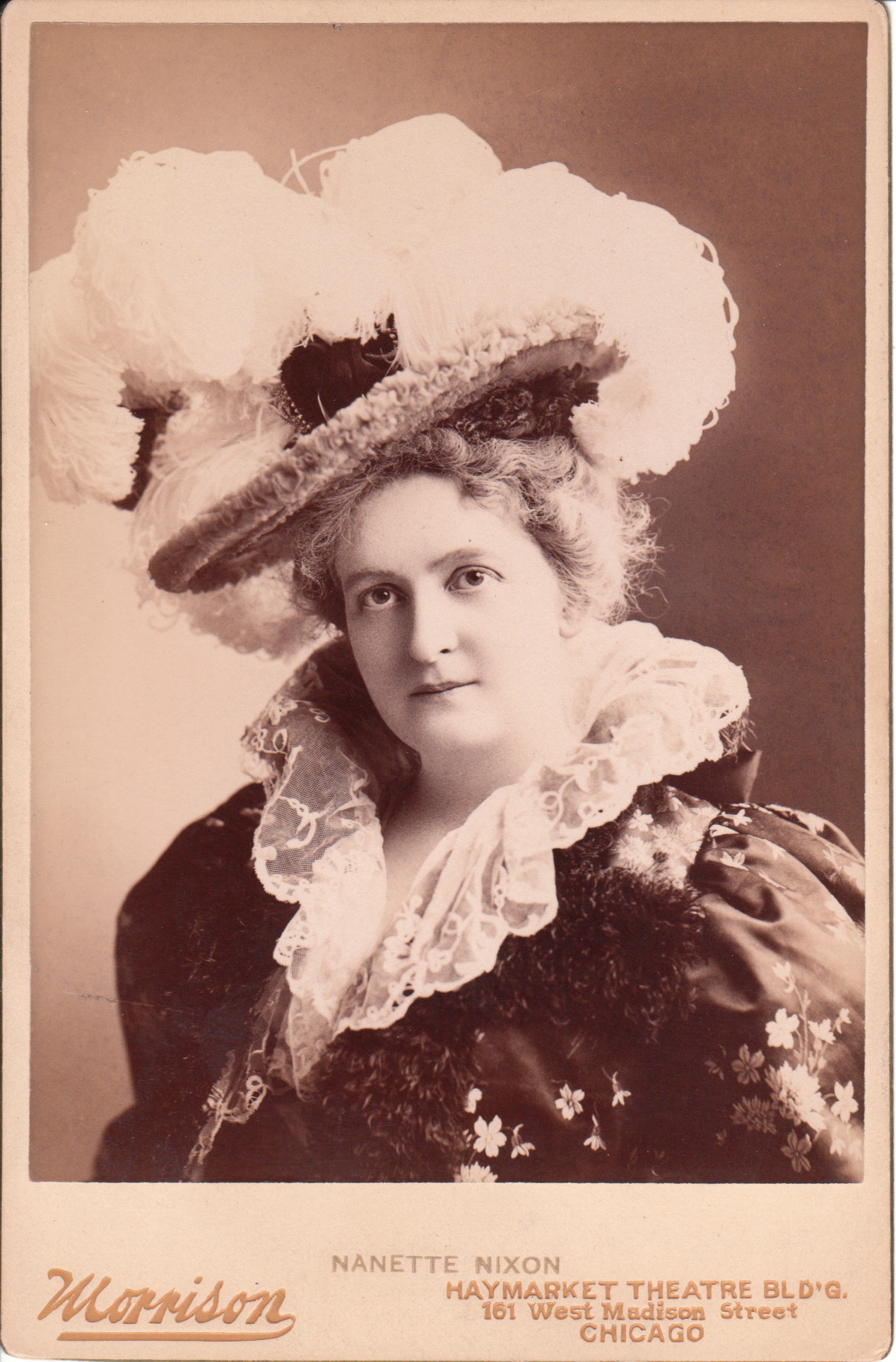
STAGE ACTRESS NANETTE NIXON IN CHICAGO, ILLINOIS
This cabinet card features stage actress Nanette Nixon. She is wearing a flower pattern dress with a lace collar. Nixon’s photograph appeared in The Sunday Telegraph (1898) and the text describes her as “soulful and able as an actress”. The brief article reports that theatre goers in New York were looking forward to her upcoming appearances there. Interestingly, the photograph in the Telegraph was taken by the same photographer who produced the photograph appearing on this cabinet card. The photographer of this image is William Mckenzie Morrison whose studio was located in the Haymarket Theatre building in Chicago, Illinois. Morrison was a well known and successful celebrity photographer. The reverse of the photograph is illustrated with medals from the Columbian Exposition in Chicago (1893), Photographers Association of America (1894), The Cotton States and International Exposition (1895), and various other competitions. To view other photographs by Morrison, click on the category “Photographer: Morrison”.
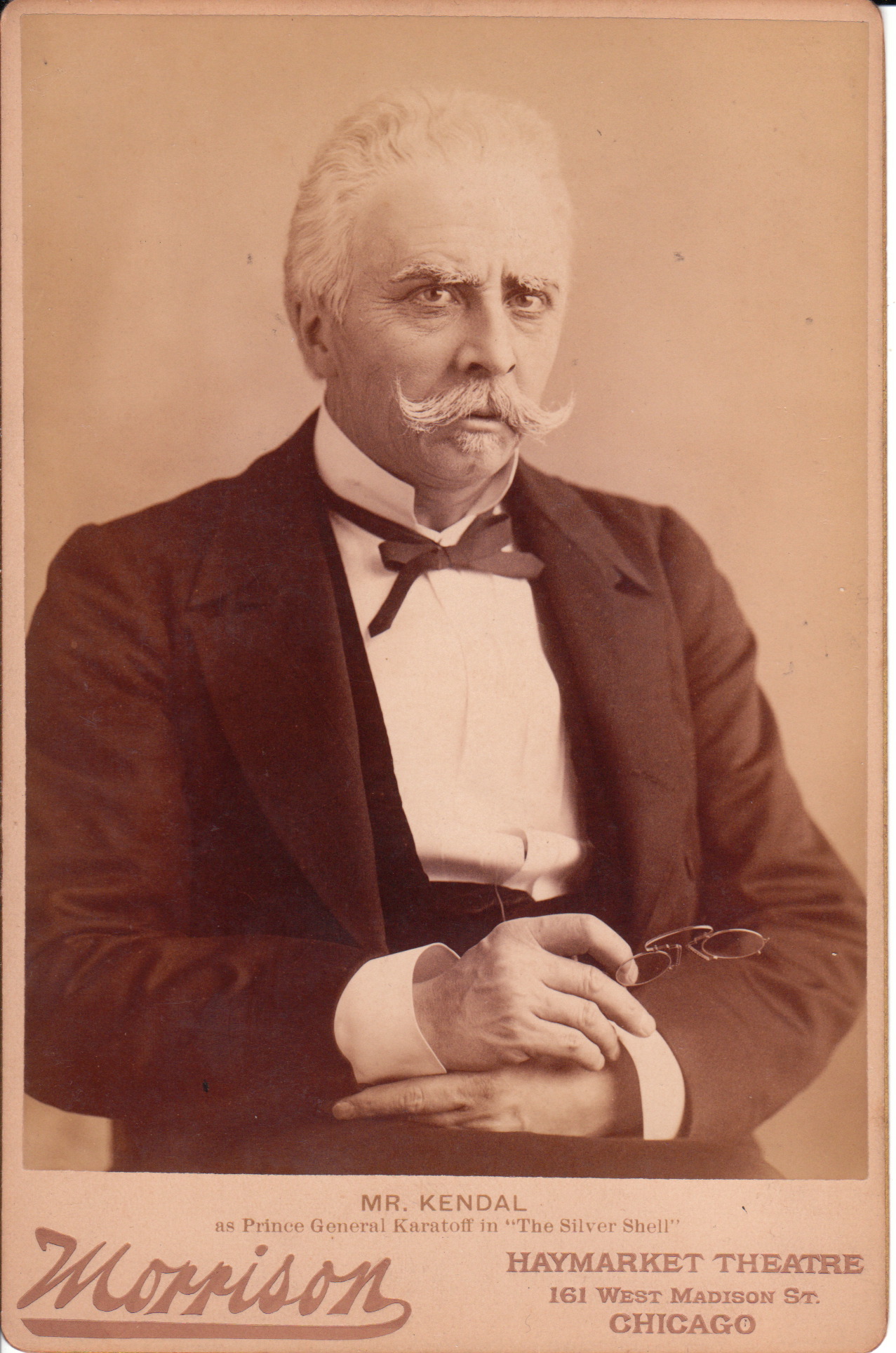
PORTRAIT OF ENGLISH THEATER ACTOR MR KENDAL PLAYING THE ROLE OF PRINCE GENERAL KARATOFF IN “THE SILVER SHELL”
William McKenzie Morrison produced this cabinet card portrait of actor William Hunter Kendal (1843-1917). Morrison’s studio was housed in the Haymarket Theatre building in Chicago, Illinois. Morrison was known for being a photographer who specialized in taking photographs of celebrities. To view other portraits by Morrison, click on the category of “Photographer: Morrison”. Kendal’s given name was William Hunter Grimston and he was an English actor and manager. He was born in London and had his theatrical debut in Glasgow at age eighteen. Four years later he appeared in London at the Haymarket Theatre. In 1869 he married Madge Robertson (1848-1935) and they performed together for many years. Kendal was a co-partner in managing the St. James Theatre from 1879 through 1888. Between 1889 and 1895, Kendal and his wife toured successfully in the United States and Canada. Their American debut was in “A Scrap of Paper” (1889). The couple retired from acting in 1908.