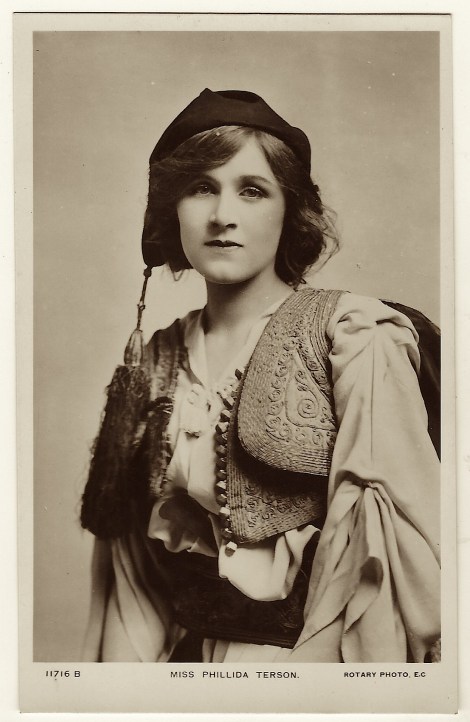
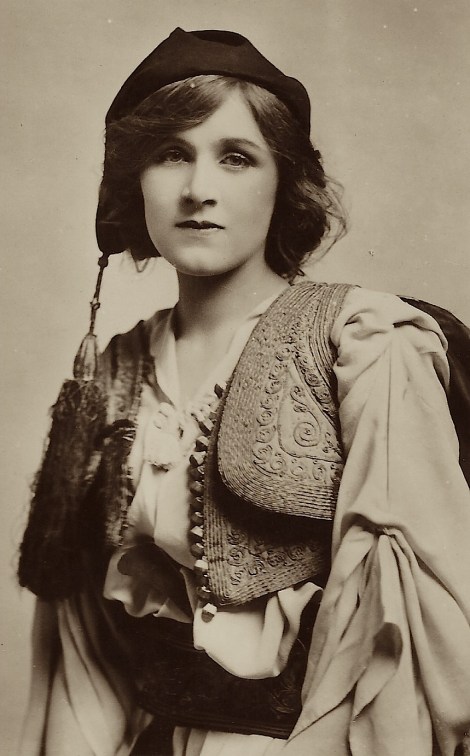
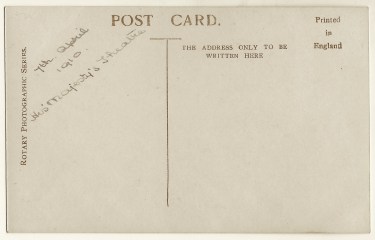
 This vintage real photo postcard features Miss Phillida Terson (1892-1977). She is better known as Phyllis Neilson-Terry. Phyllis was a member of the third generation of a well know English theatrical family (the Terry family). In her early career years, she was a successful classics actress. She played leading roles in several Shakespeare productions. She then spent four years in the United States appearing in lighter theater. She returned to England in 1919 where she showed a great deal of versatility by appearing in Cabaret, Pantomime, and Variety roles. She still found time to appear in Shakespeare and other classic theater. During her career, she also appeared on Broadway. The IDBD states that she appeared in three Broadway shows between 1915 and 1957. Her last appearance on the Broadway stage was in “Separate Tables” for which she was nominated for an Emmy. Phyllis also appeared in films. The IMDb reports that she had 15 credits between 1915 and 1960. Phyllis was born in London. Her mother was famed actress Julia Neilson and her father was celebrated actor, Fred Terry. She had one brother; and he became an actor. Part of her education was in Paris and later she was enrolled at the Royal Academy of Music, in London. She was training to become a singer. Her stage debut was in 1909 as part of her parent’s touring stage company. In that production she used the name Phillida Terson in order to hide her connection to the Terry family. The ploy failed and in about a year, she returned to her real name. She received enthusiastic reviews in her early career. Her later career did draw some criticism. It was thought that she took less challenging roles upon her return from the US to England. Phyllis was married twice, and both husbands were actors. This should be no surprise considering her parents were major theater stars, and her brother, niece, aunt (Ellen Terry), and cousin (John Gielgud) were all stage actors. This vintage postcard was published by Rotary Photo as part of the Rotary Photographic series (no.11716). Given the name on the postcard is “Phillida Terson”, this postcard was published 1909 or 1910. An inscription on the reverse of the postcard dates the card to 1910. The inscription also has the name “His Majesty’s Theatre”. There are theaters by than name in Aberdeen, Scotland (opened 1906) and Perth, Australia (opened circa 1904). This vintage postcard portrait is in very good condition (see scans).
Buy this original Real Photo Postcard (includes shipping within the US) #2716
To purchase this item, click on the Pay with PayPal button below
Buy this original Real Photo Postcard (includes International shipping outside the US) #2716
To purchase this item, click on the Pay with PayPal button below
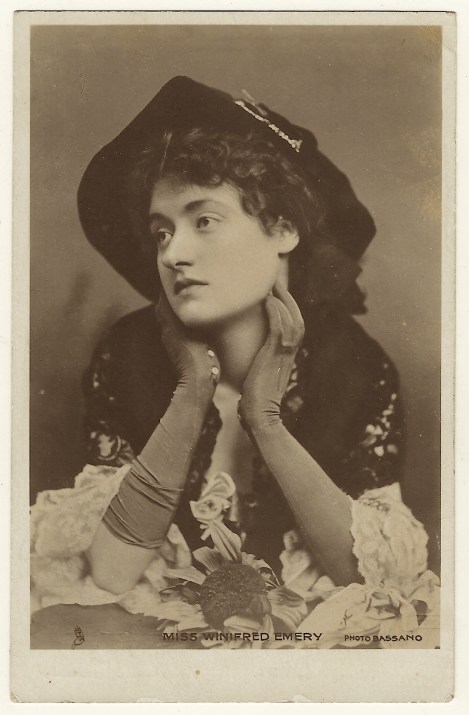
 Miss Winifred Emery (1861-1924) is the subject of this vintage real photo postcard. She was an English actress and actor-manager during the late 19th and early 20th centuries. She was married to actor Cyril Maude (m. 1888). It is not hard to imagine that the fact that she was born into a family of actors, played a role in her career choice. She began as a child actress and during the 1880’s and 1890’s her career blossomed as she played many leading roles in London’s West End theatres. Interestingly, her first London appearance was in 1874 in the pantomime,”Beauty and the Beast”. She later joined Marie Litton’s company, Herbert Beerbohm Tree’s theatre company, Henry Irving’s theatre company, and Wilson Barrett’s company. She eventually started her own touring theatre company with her husband. In 1896, her husband became actor-manager of the Haymarket Theatre and Emery became his leading lady. Among the plays that Emery appeared in are number of productions of Shakespeare. Emery had a successful stage career that spanned over forty years. This postcard was published circa 1910 by Raphael Tuck & Sons’ as part of the “Stage Favourites” Series (No. 5062). The photographer of this portrait of Miss Emery was Alexander Bassano, a very respected celebrity photographer. (SOLD)


 This vintage real photo postcard features theatre actress, Hilda Guiver. She had an active acting career between 1905 and 1917. She sat for one portrait that can be found in the National Portrait Gallery of Great Britain. Interestingly, the portrait owned by the National Portrait Gallery is the very same one as seen in this postcard image. The photographer of this photograph is Percy Guttenberg of Manchester, England. The photo was taken in about 1905. Alexander Percy Guttenberg (1870-?) came from a family that produced a number of photographers. His father, Marcus Guttenberg (1828-1891) began as a daguerreotypist in Hungary, Prussia, Poland and Germany before starting a photography business in England (1851). One source reports that he established 24 studios in England but settled in the Manchester area. Percy, like his father, was also very successful. In fact, there are fourteen of his photographs in England’s National Portrait Gallery. Percy was famous for his work photographing actors and actresses. Finding information about Miss Guiver took some effort. I did learn that she appeared in “Cinderella (1906)” at The Kings Theatre in London. Actress, Ethel Ward, also was part of the cast. Hilda Guiver is also known for her starring in “The House that Jack Built (1916)”. This patriotic show was popular during World War I. The play was written in the tradition of English pantomime so the role of the principal boy needed to be played by a woman. Hilda Guiver took on that role with great swagger and dash. Dressed as a handsome naval officer, she sang patriotic songs and received “enthusiastic reviews”. Guiver was a natural for the role as she was considered one of London’s leading principal boys. SOLD
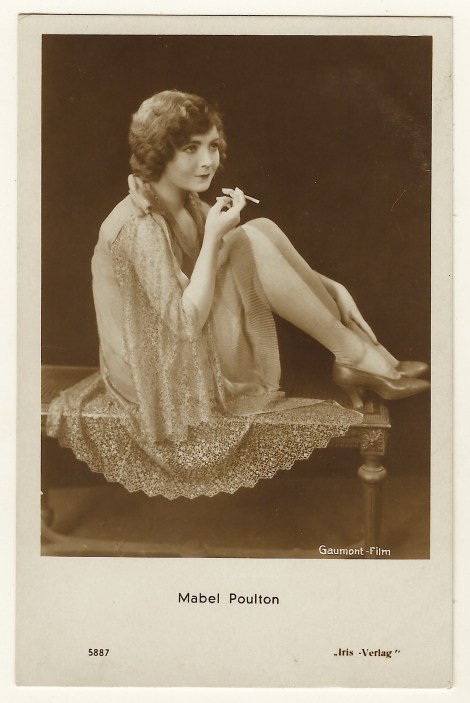
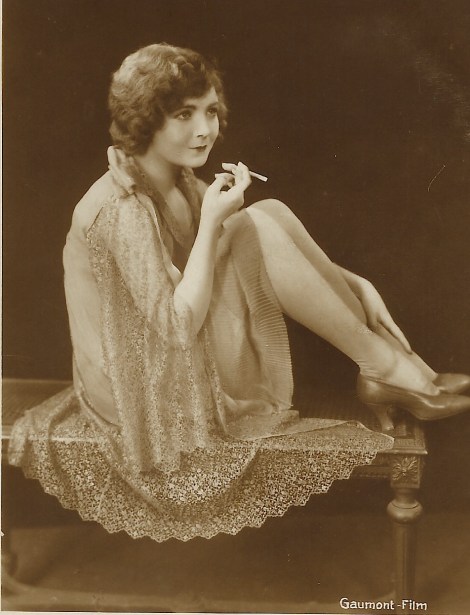

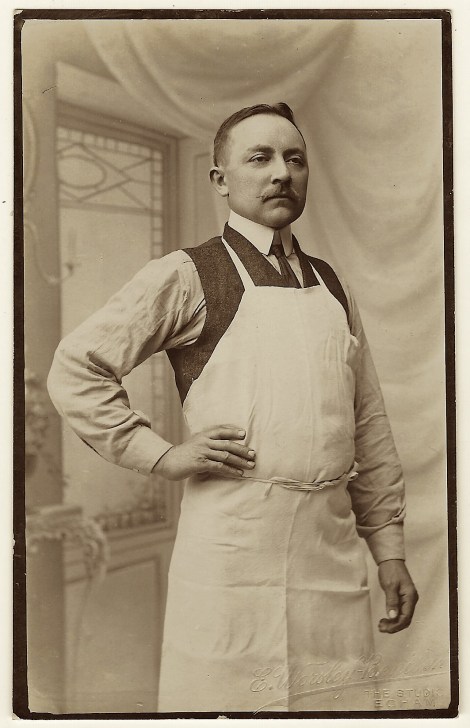
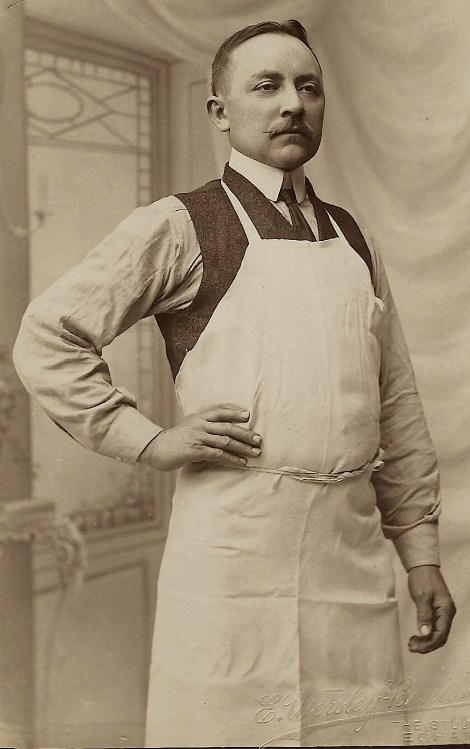 This vintage real photo postcard is quite unique. The photograph features a gentleman wearing a long apron. He is obviously dressed for work but for what kind of work? Is he a butcher, baker, or candlestick maker? Perhaps he is a physician or possibly a photographer? He is dressed well, wearing a nice vest and neck tie. He looks quite intense as he poses for his portrait at the E Worsely-Benison studio in Egham, England.


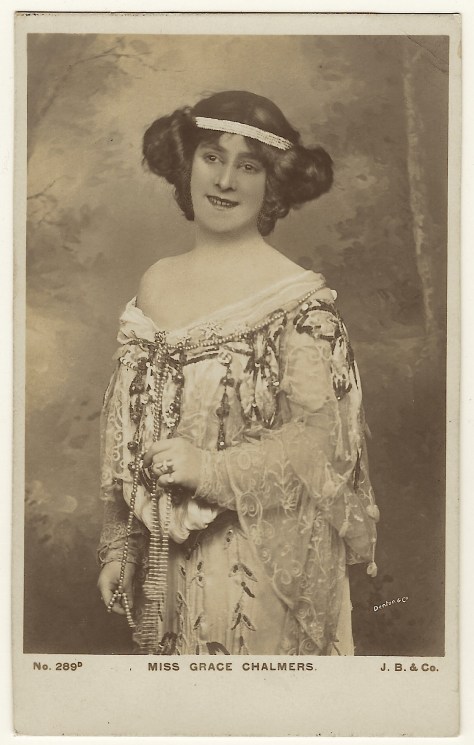
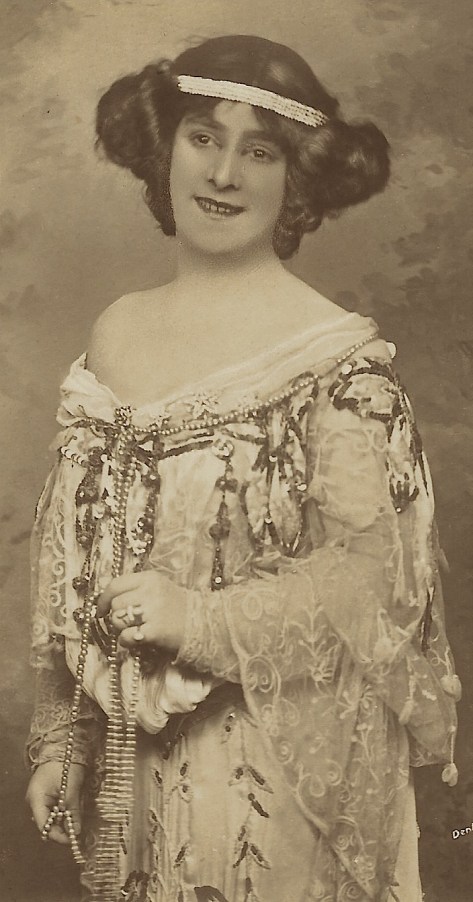

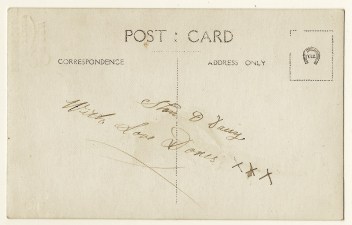
 A pretty young woman poses for her portrait at the Green Studio in Bromsgrove, England. Bromsgrove is a town in Worcestershire, The woman is pretty and fashionable. The message on the reverse of the postcard reveals that the fashionista’s name is Doris and that she is sending her love to Stan and Daisey. This postcard was published by Thomas Illingworth & Co. (T.I.C.). The company was a paper manufacturer founded about 1904. They produced the “Horse Shoe Brand” photographic paper in London England. In 1919 they were bought by British Photographic Supplies company, Ilford. An internet source states that the company produced postcards with horseshoe stamp boxes between 1919 and 1930. This vintage postcard is in very good condition (see scans).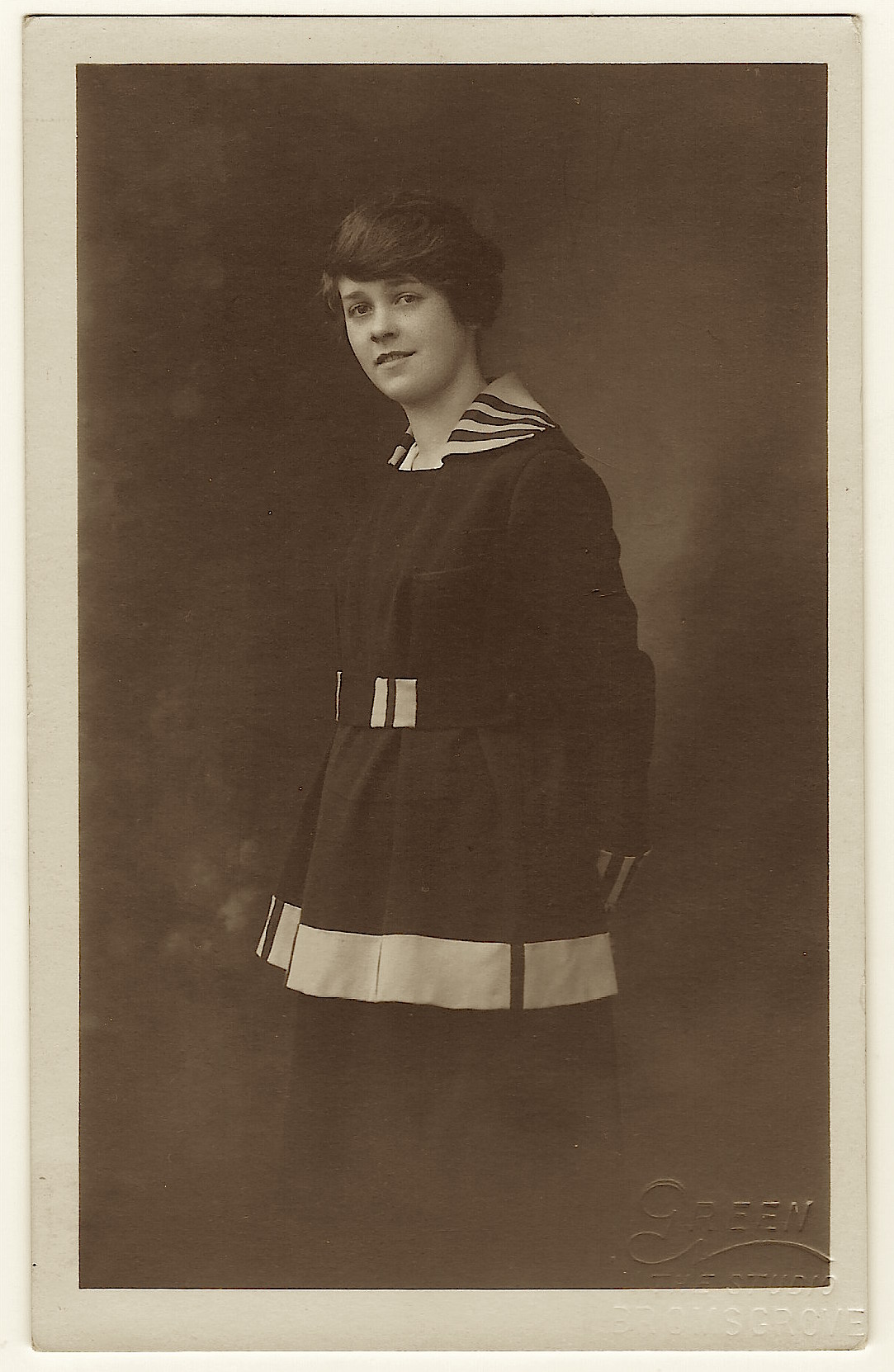


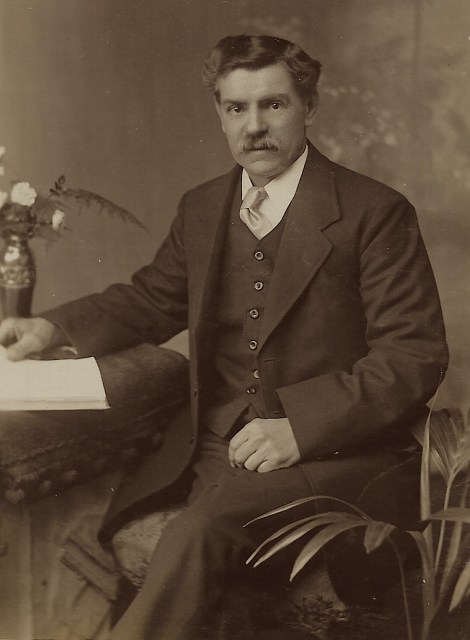 This vintage real photo postcard features a handsome and dapper man wearing a three piece suit. He is sitting at a table, on which sits, an open book. He is flanked by a house plant and a vase of flowers. This photograph was taken by Taylor Brother’s Swanswell Studio, in Coventry, England. Coventry is a city in England’s West Midlands. This photo postcard is in excellent condition (see scans).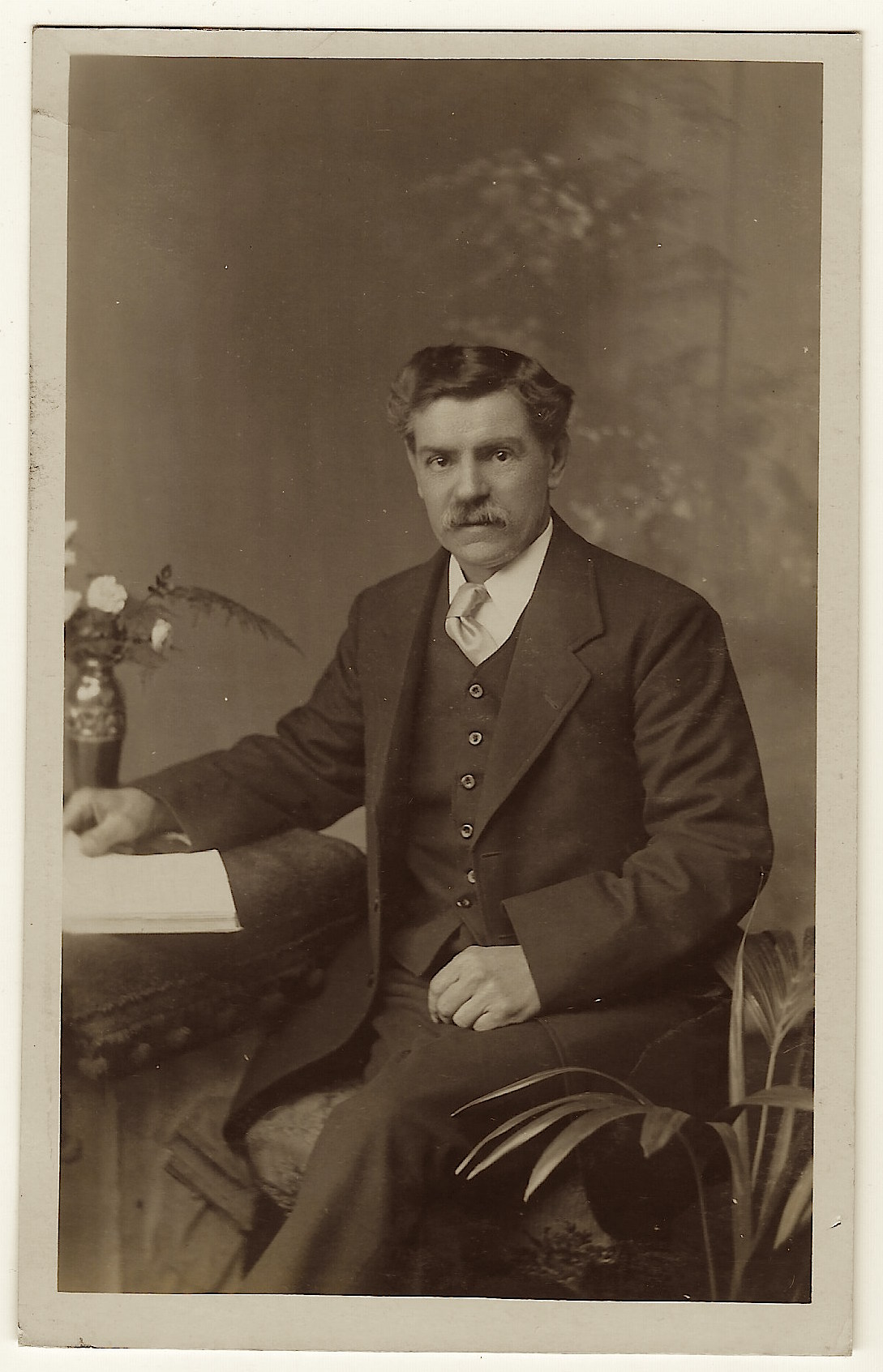


 I wish I knew more about this young lady. She has an infectious smile. Her dress is frilly and has rows of lace. Judging by her attire, my guess is that she is a “dancehall girl” or actress. Perhaps a viewer of this vintage old photo postcard has another opinion as to the story behind this image. Please share via leaving a comment. Some might consider this photo a bit risque. The woman seen in this image is wearing a very short dress for her era. An ink stamp on the reverse of the postcard reveals that this photograph was taken at the Avery studio. We only know that the studio was located on King’s Cross Road. King’s Cross is an area located in Central London. It may follow that Avery’s studio was located in London.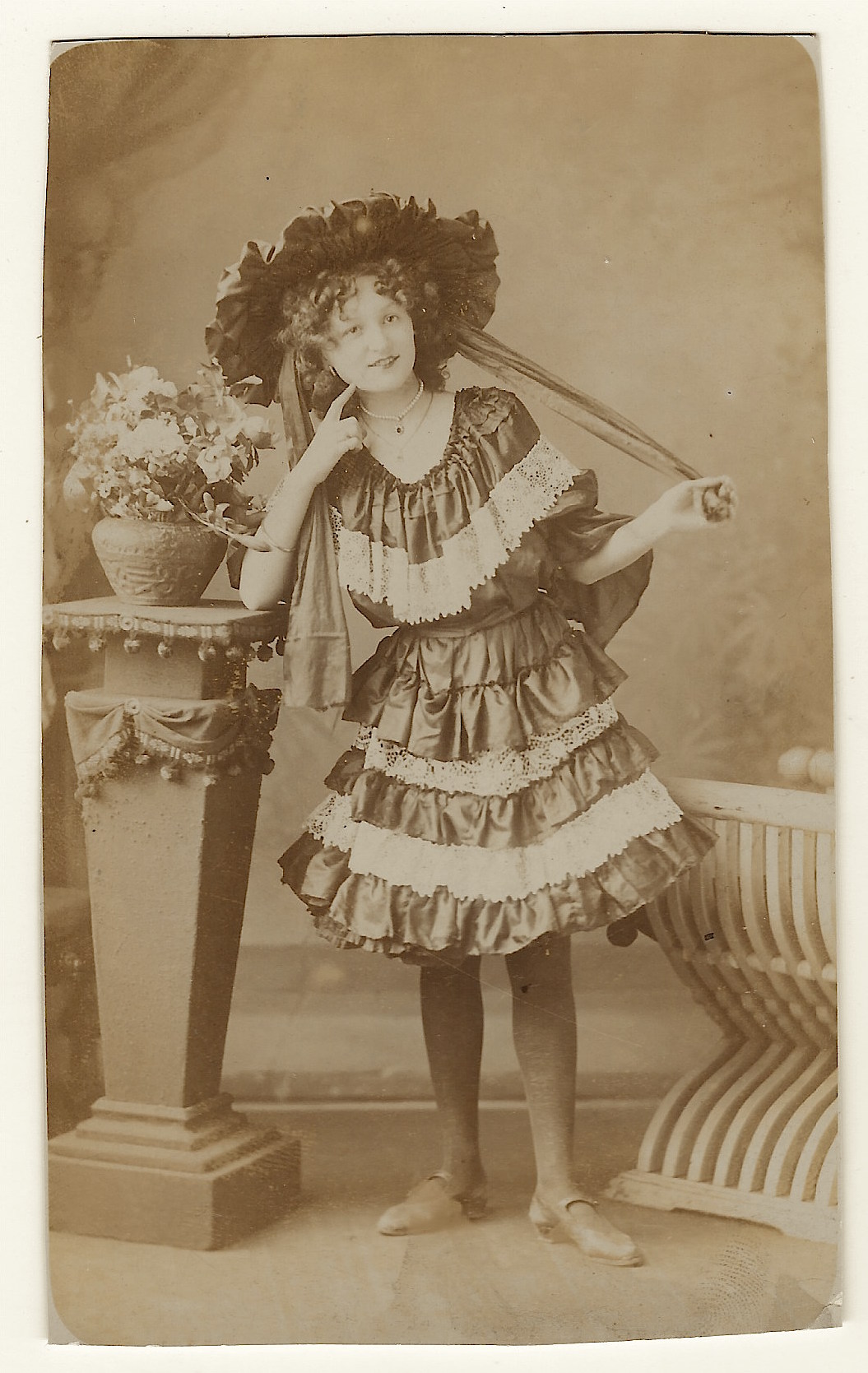


 THE CABINET CARD GALLERY