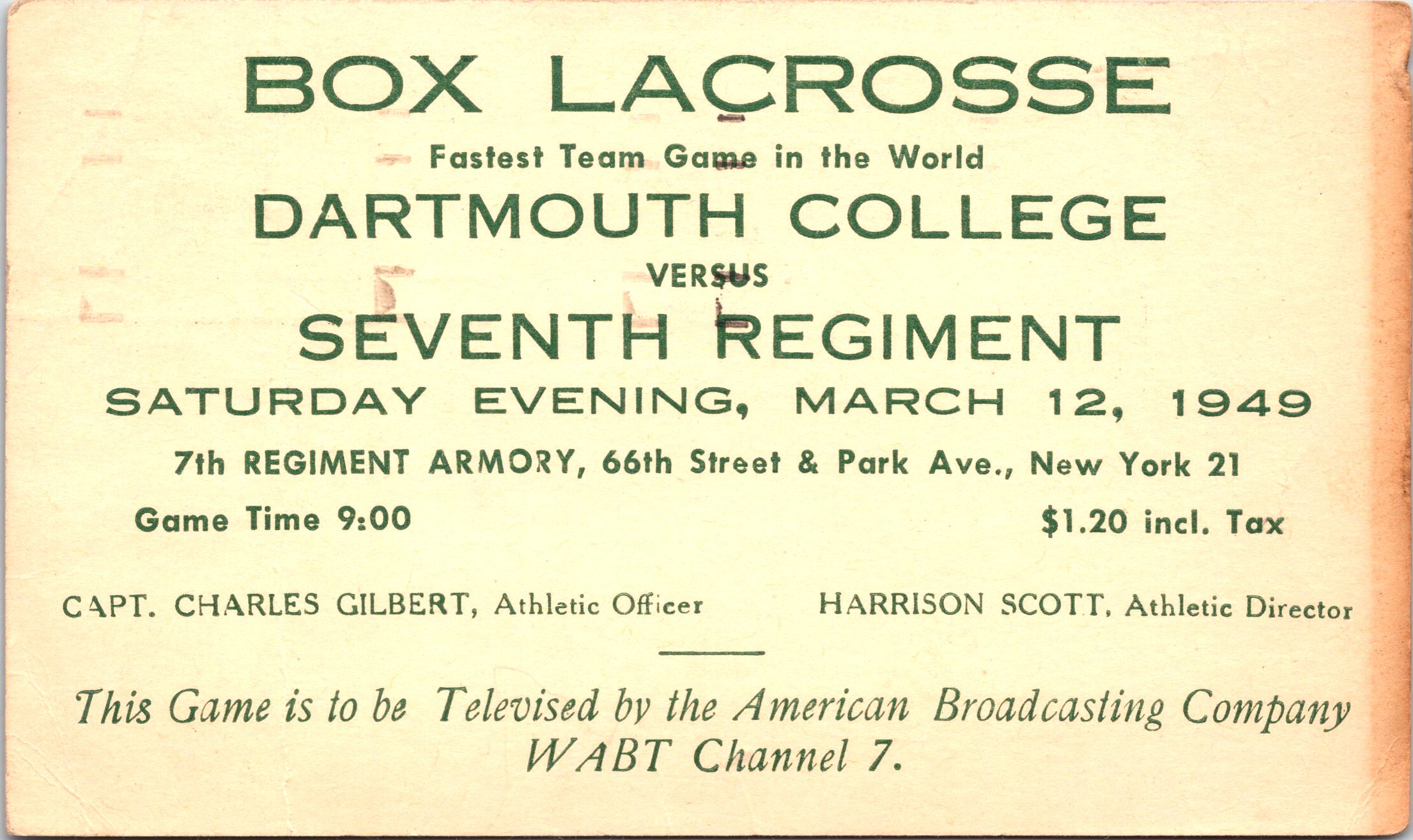
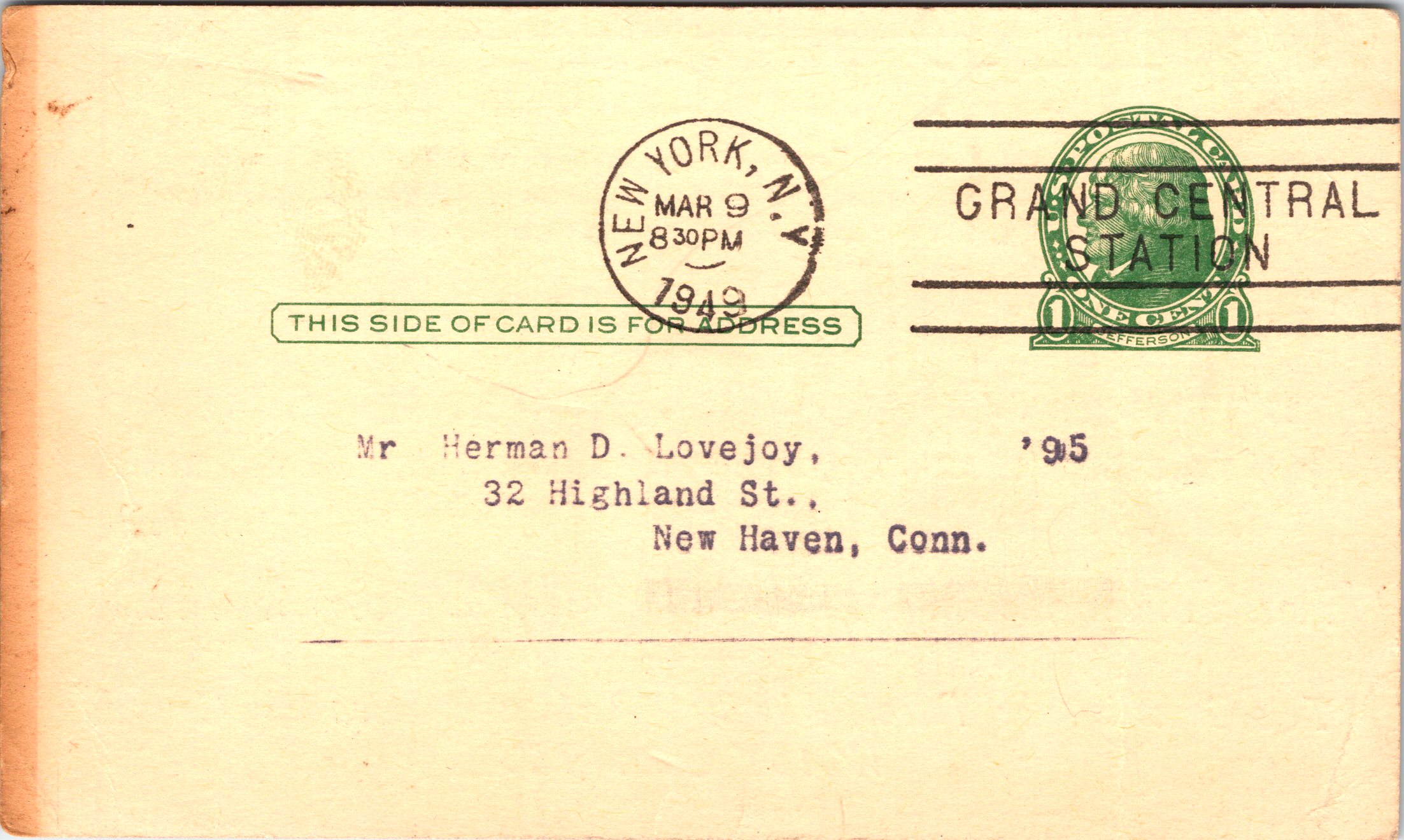
This rare vintage sports advertising postcard serves as an announcement about an upcoming Lacrosse game. Dartmouth College was playing the Seventh Regiment (Army) team. The game was played in New York City’s 7th Regiment armory on March 12th, 1949. Interestingly the postcard states that the game was televised by the American Broadcasting Company (ABC). Tickets to the game were $1.20. Buying tickets for a 2024 lacrosse game will cost you $10.00. Ticket prices don’t seem to have kept up with inflation. Dartmouth fans that attended the Dartmouth games in 1949 were likely very happy. The team had a great season. Their overall record was 10-1, and they were 3-0 in their confererence. During the season they had a seven game winning streak. The 1949 Dartmouth team beat New Hampshire, Yale, Harvard, Union College, Cornell, Tufts, Hobart and Williams. Their one loss was when they played Syracuse. Dartmouth lost 17-12. SOLD
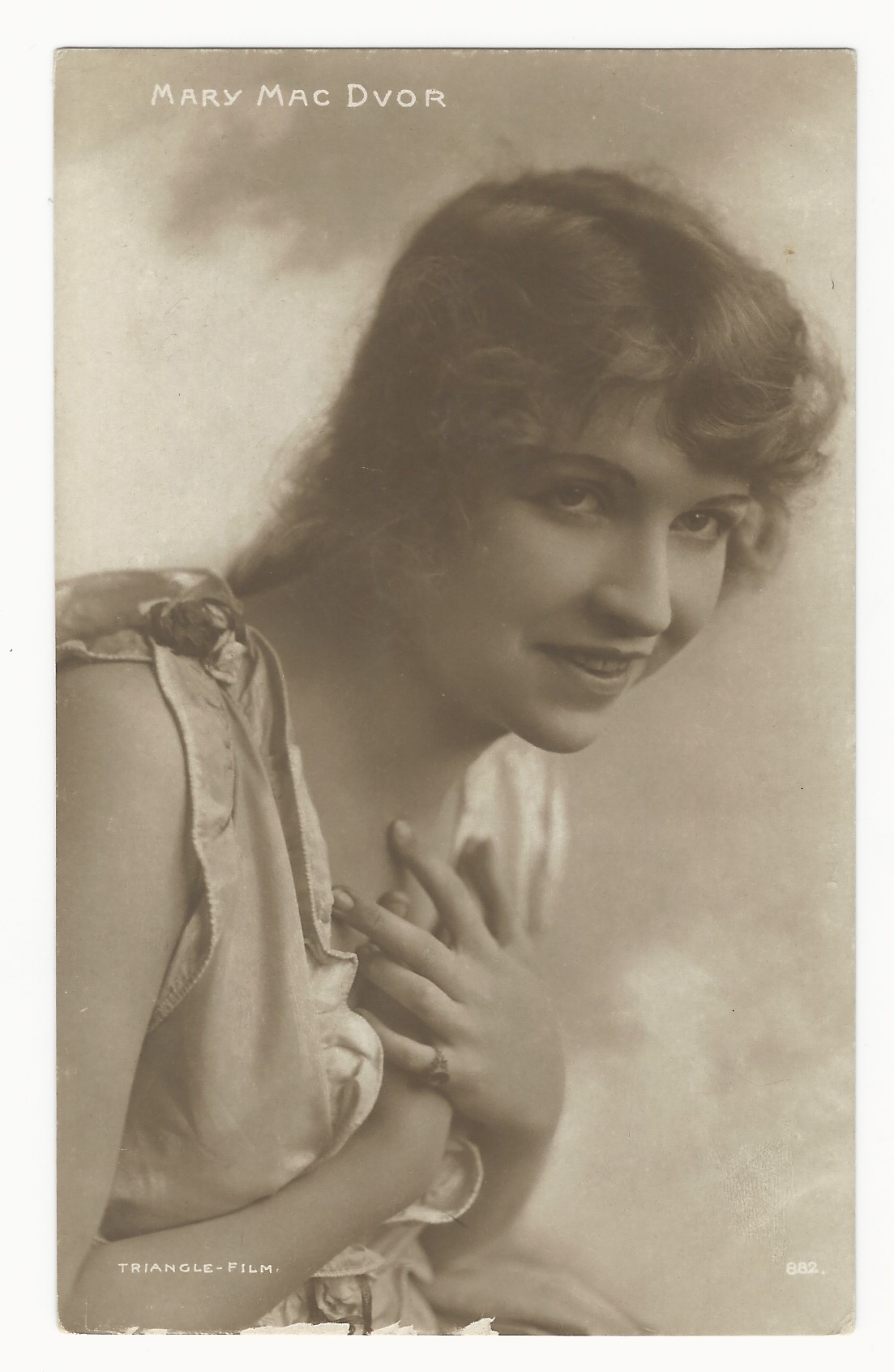
This vintage real photo postcard features a pretty young actress named Mary Mac Dvor. What can I tell you about Miss Mac Dvor? I’m afraid, not very much. Although her name appears on a few actor/actress postcard checklists, I have been unable to locate any of her biographical information. I can only tell you, judging by this image, she has a beautiful smile. This postcard was published by Nordisk Konst, a large Swedish postcard publishing company. The firm operated between 1925 and 1936. The subject of their postcards included holidays, views, and movie stars. At the bottom left of this image are the words “Triangle-Film”. Triangle Film Corporation was a major American movie studio founded in 1915. It was located in Culver City, California. The company closed in 1922. During it’s reign, Triangle produced films by the likes of D. W. Griffith and Mack Sennet. The IMDB list 289 films produced by the company. Mary Mac Dvor clearly was an actress employed by Triangle Films. She never became a star. This vintage portrait postcard is in good condition (see scans). ADDENDUM : A visitor to this site left a comment (see below) that correctly identifies the pretty actress seen on this postcard. Her name is Mary McIvor (1897-1941) and her name is misspelled on this postcard. She was an American actress who’s career occurred during the silent film era. She was married to William Desmond, a successful film series star. McIvor began her career in Hollywood Westerns for Triangle Films. She became the leading lady opposite William Hart. She married Desmond in 1919 and her acting became secondary to family life. All in all, McIvor appeared in 11 films between 1917 and 1925. McIvor experienced serious health problems beginning about 1930. In 1932 and in 1939, she was reported missing. During the later episode, she was found wandering the streets of Hollywood and experiencing amnesia. It is not clear if these problems were due to mental or physical health issues. McIvor and Desmond remained married until her death from a heart attack in 1941.
Buy this original Vintage Real Photo Postcard (includes shipping within the US) #3294
To purchase this item, click on the Pay with PayPal button below
$18.00
Buy this Vintage Real Photo Postcard (includes International shipping outside the US) 3294
To purchase this item, click on the Pay with PayPal button below
This vintage real photo postcard features a portrait of an attractive young woman wearing a dark dress with a high collar. She is wearing her hair loose and she is quite striking. This photograph was taken at an unidentified studio, at an unidentified location, and by an unidentified photographer. SOLD
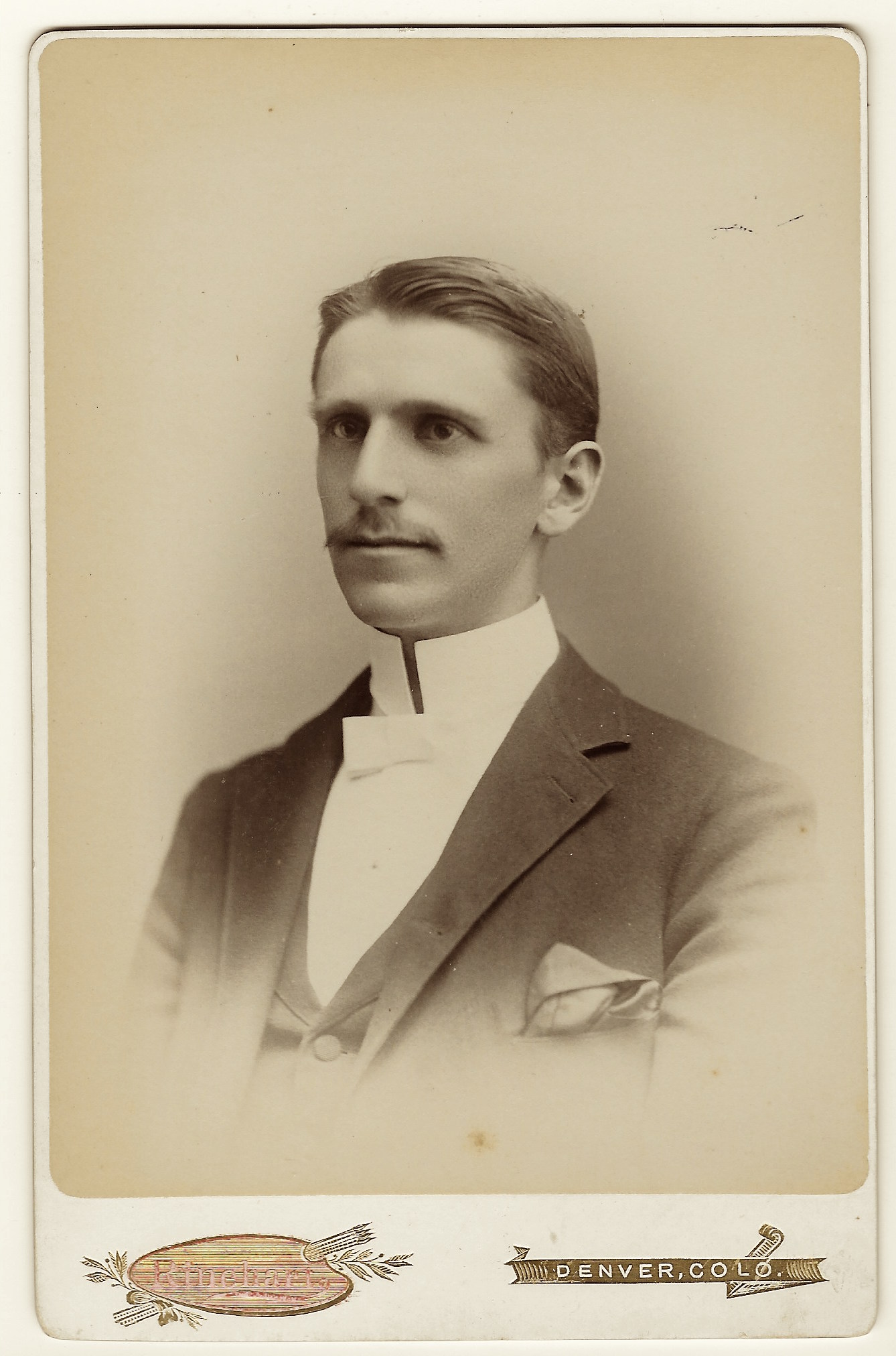
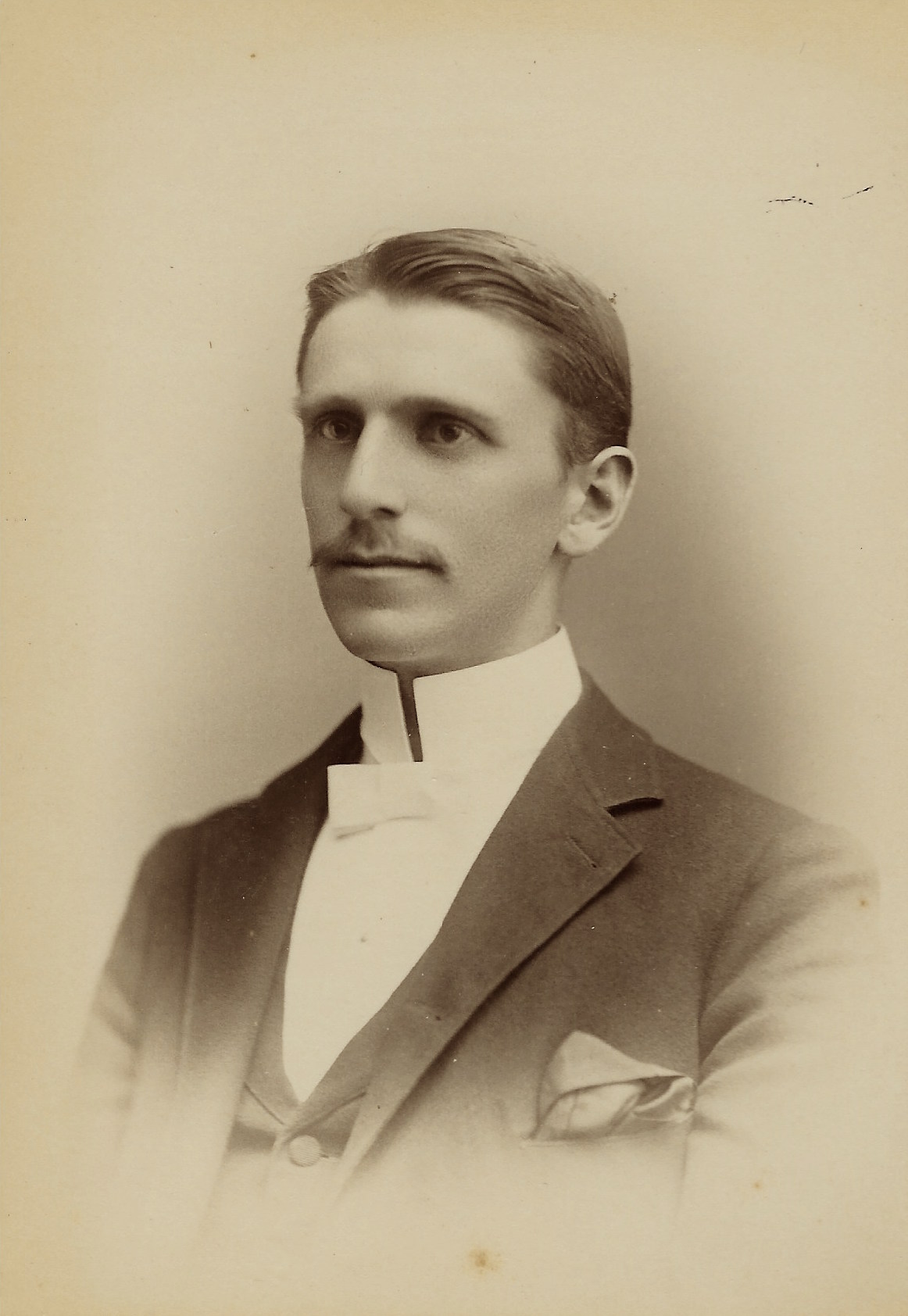
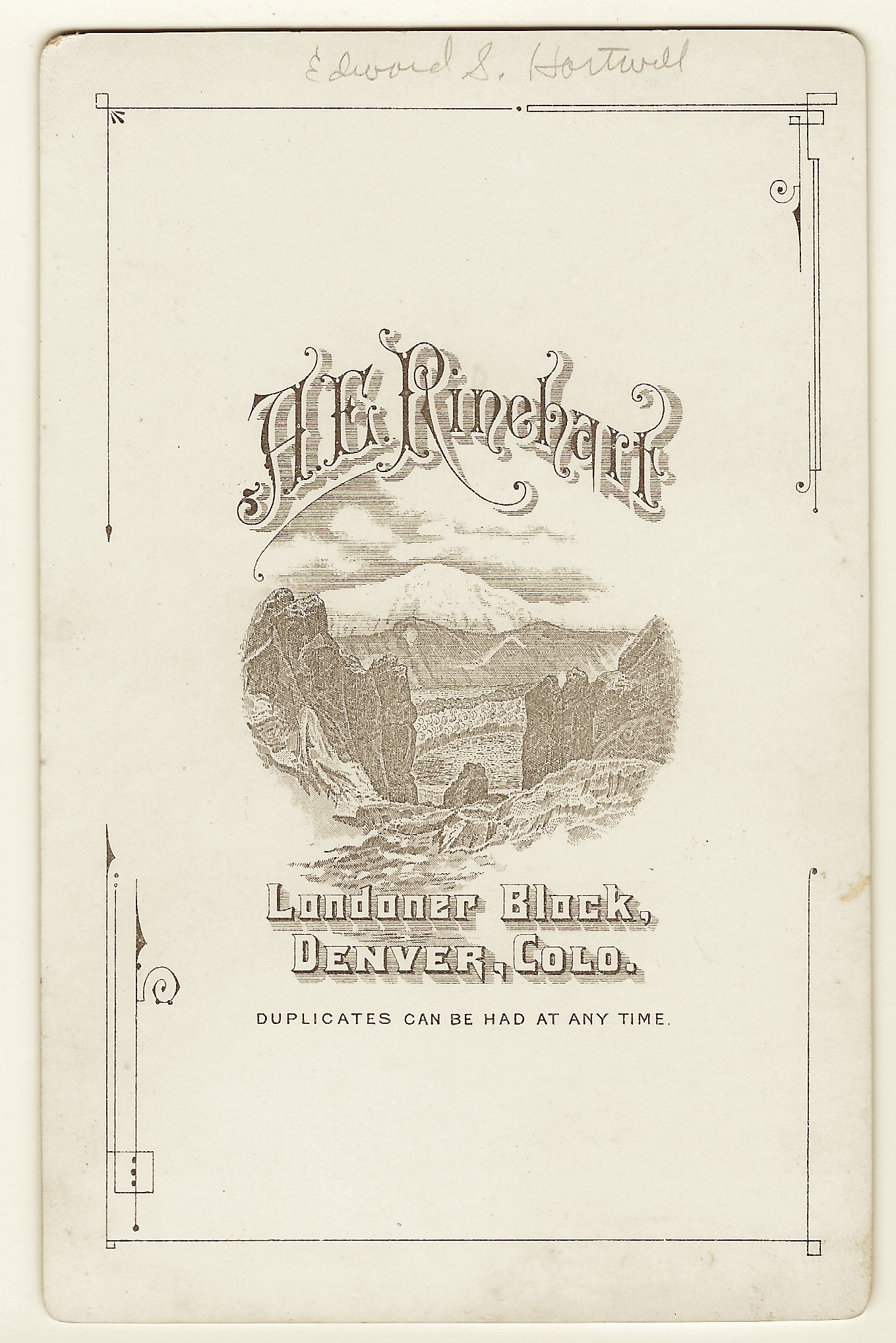
This cabinet card portrait features a handsome and well-dressed young man posing for photographer, A. E. Rinehart. The photo studio was located in Denver, Colorado. Rinehart was a well known and talented photographer. Rinehart’s studio was located on one of Denver’s oldest and most historic blocks (Larimer Street). Rinehart was a pioneer photographer who came to Denver from Lafayette, Indiana in 1874. He was the city’s leading photographer during the mining boom and photographed many of the early Denver pioneers. His subjects included Kit Carson and Mountain Man Jim Baker. Rinehart died at age 63 in 1915. Rinehart’s brother, Frank Albert Rinehart (1861-1928) was also well known for his photography, capturing Native American personalities and scenes. The reverse of this photograph has an inscription which indicates that the name of the pictured subject is Edward S. Hartwell. The 1910 census states that Hartwell was born in New York in 1867. At the time of the census he was living in El Paso, Colorado and working as an auditor for a railroad. Denver business directories reveal that Hartwell worked as a Paymaster between 1887 and 1907. He married Mamie M. King in 1891 and divorced her in 1906. To view other photographs by A. E. Rinehart, place his name in this blog’s search box. SOLD
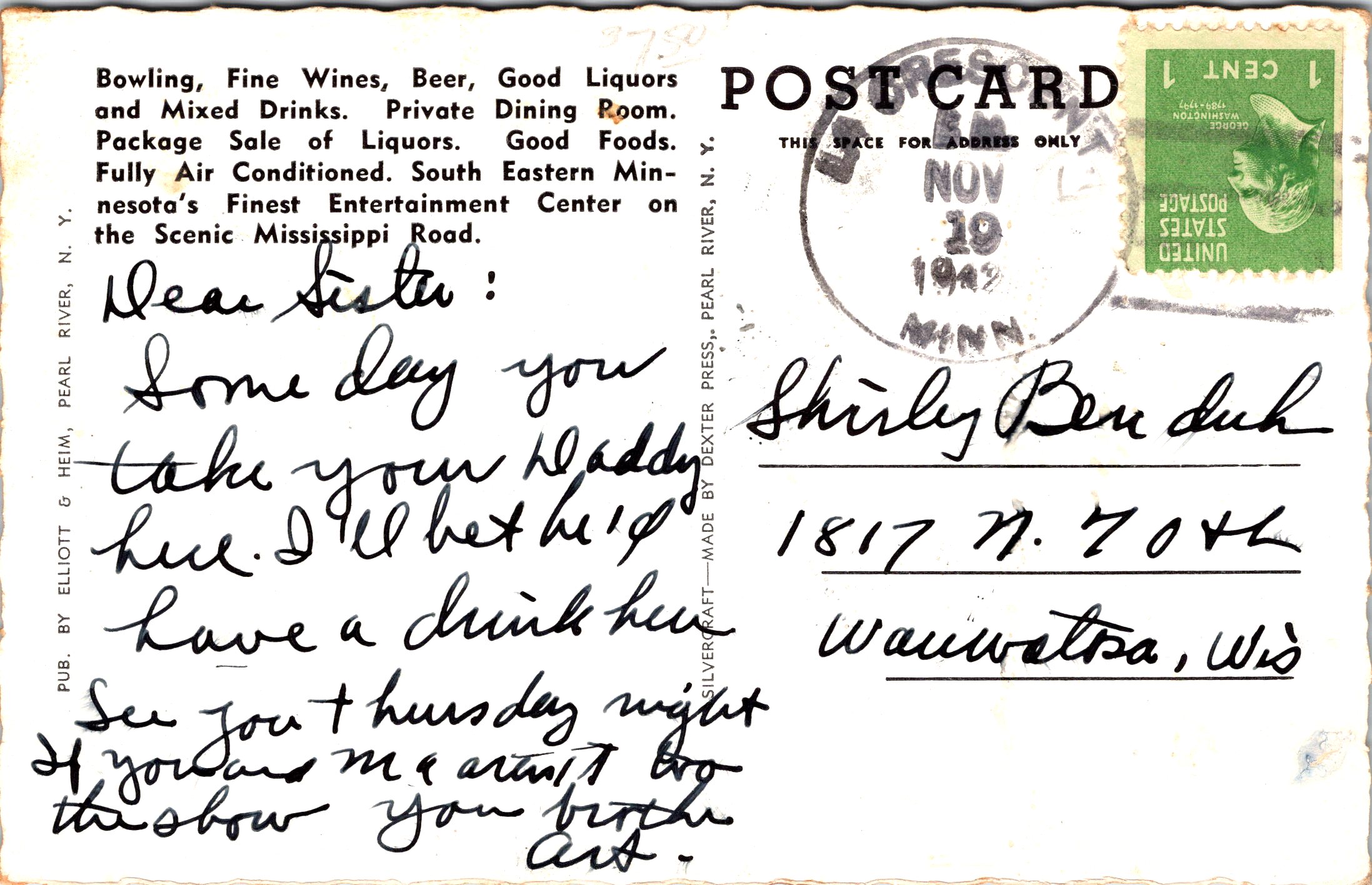
This vintage lithographic postcard features Carroll’s Liqour store located in La Crescent, Minnesota. The store’s design is Art Deco. At the time of this photo, the proprietor of this business was W. S. Carroll. Printing on the reverse of the postcard reveals that Carroll’s was more than a liquor store. Options available in the store were drinking at the bar, dining, and bowling. The advertising describes Carroll’s as an “entertainment center”. This card was published by Elliott & Heim. Their business was located in Pearl River, New York. The postmark reveals that this card was mailed in the 1940’s. SOLD
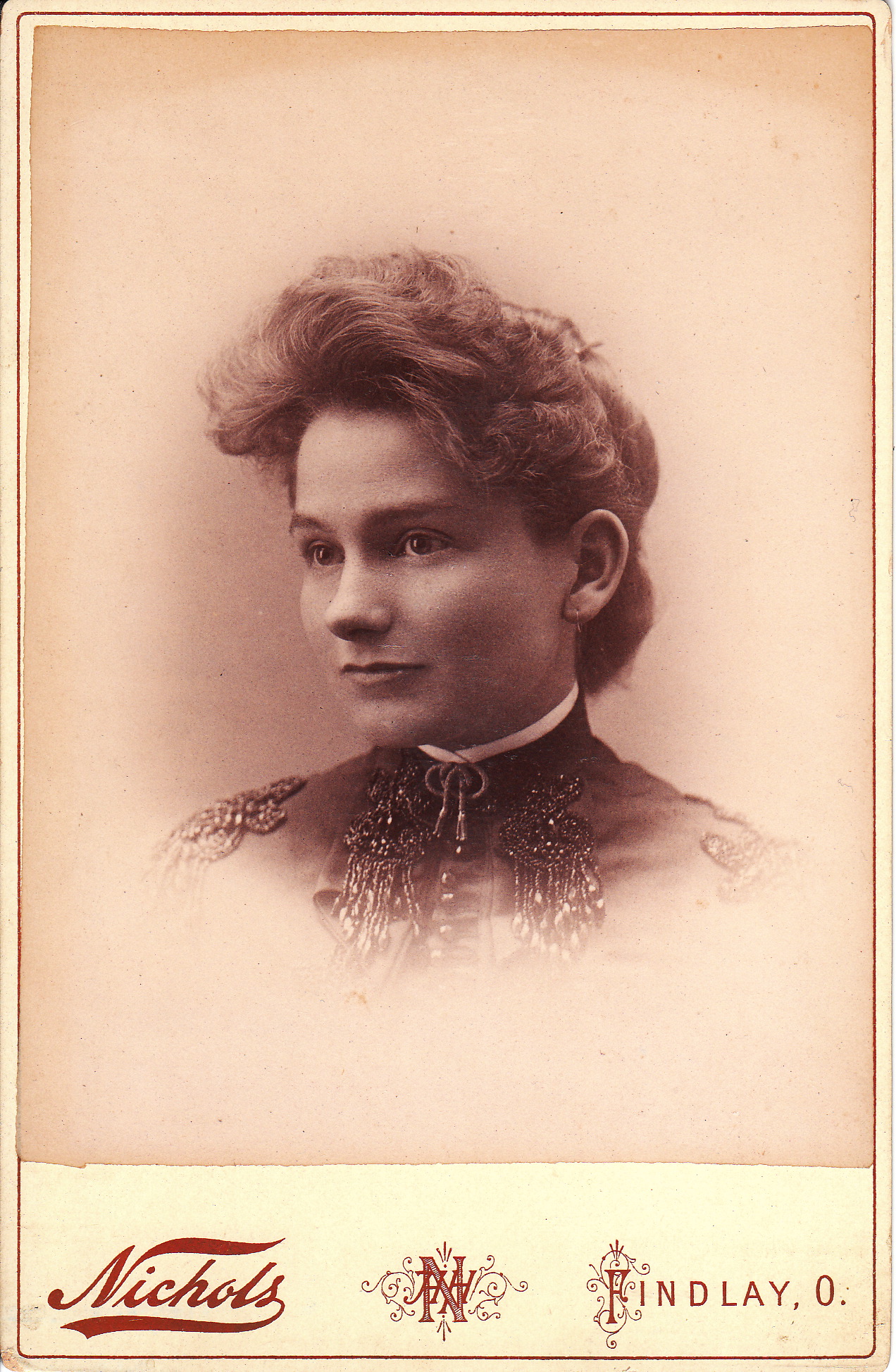
A pretty woman, wearing a beaded top, poses for her portrait in the studio of Allison H. Nichols (1849-?) in Findlay, Ohio. Nichols was born in Michigan, and after completing his education, went to work for his photographer uncle, A. M. Cheney of Charlotte, Michigan. Nichols became his uncles partner in the business but then moved to Findlay, in 1876. He operated a studio there until 1898. The subject of this photograph is identified as Flora E. Leonard and she was photographed at the Nichols Studio located at 79 Main Street in Findlay. SOLD
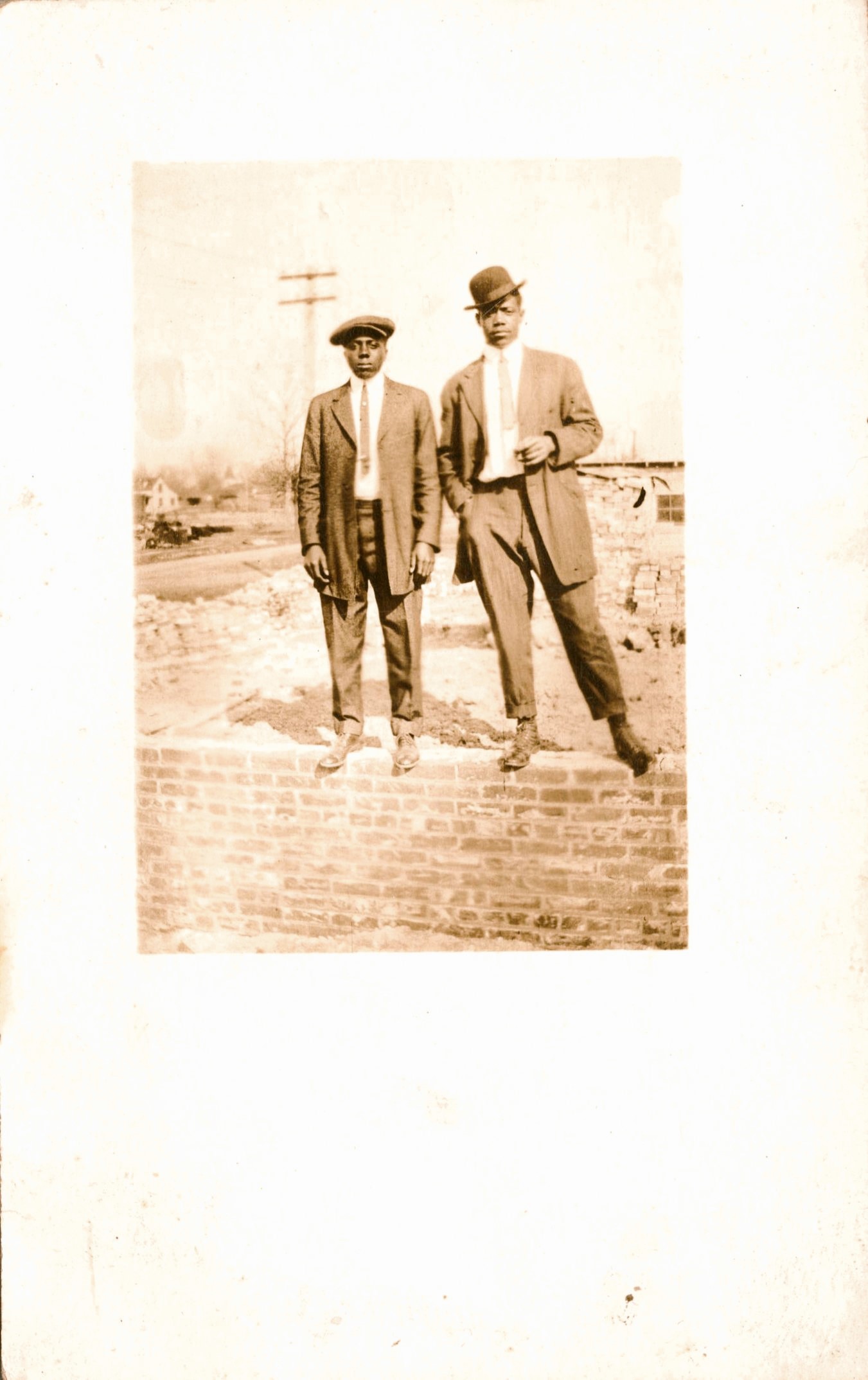
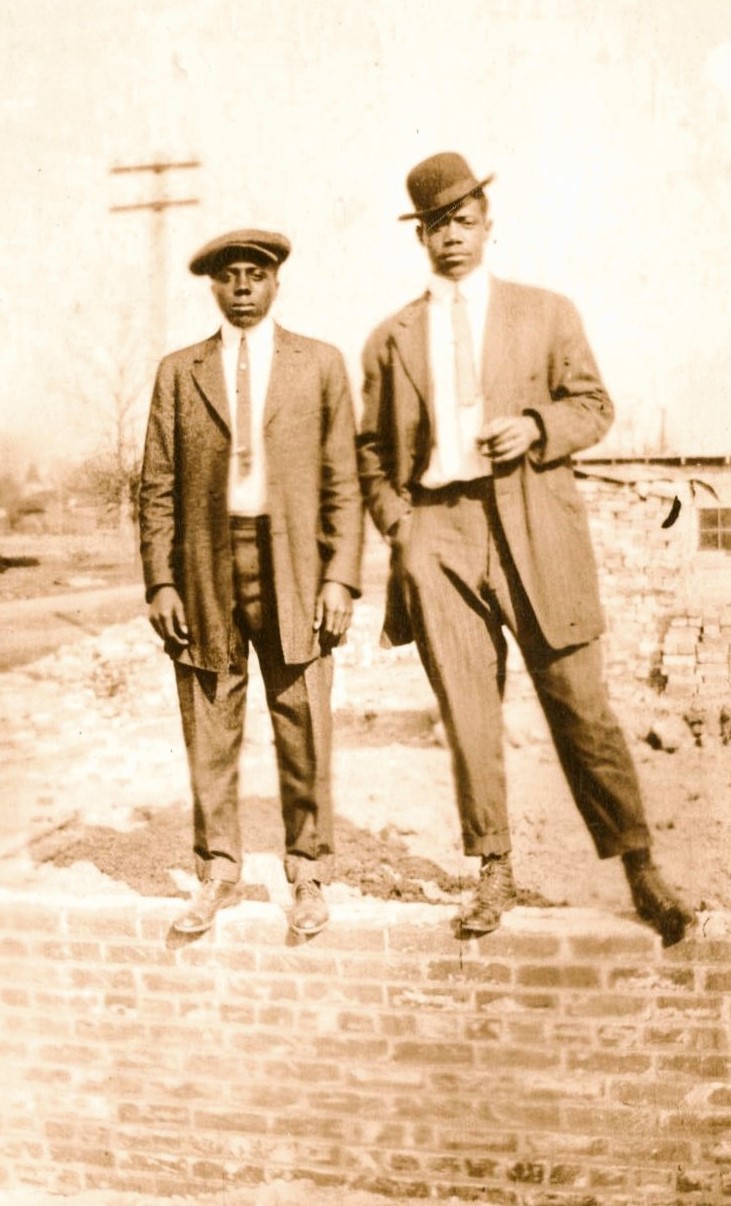
This vintage real photo postcard features a portrait of two young African American men posed standing on a brick wall. The dapper men are well dressed, wearing a suit and tie. Note the men’s hats. It is presumed that these men are African American because this postcard was found in the US. However, it is possible that the men are actually from somewhere other than America. It would certainly be interesting to know why these men seem to be in the middle of nowhere standing on a wall. There are bricks behind them which may indicates that the men are at a construction site or perhaps, at the location of a destroyed building. The AZO stamp box on this card indicates that the postcard dates back to between 1918 and 1930. (SOLD)
This cabinet card was photographed by George Rockwood (1882-1911) whose studio was located at 17 Union Square West in New York City. The reverse of the card identifies the subject of this portrait as Maud Harrison (c1856-1907). I have verified that this is indeed Maud Harrison. The corseted Miss Harrison is attractive and wearing a hat, a flower in her hair, and a cross. She is also wearing what appears to be wrist bands. The purpose of these bands beyond fashion, is unknown. Maud Harrison began her career at the Madison Square Theater. The IBDb reports that she appeared in five Broadway plays between 1877 and 1900. These productions include “Pink Dominos” (1877), “French Flats” (1880), and “Naughty Anthony” (1900).The New York Times reports Harrison’s death in 1907. She was found unconscious by a maid in her New York City hotel room. She died shortly after being discovered. Her cause of death was determined to be “Paralytic Stroke”. She had stopped acting in 1902 to care for her sick mother. She was in New York attempting to find a theatrical role to restart her career. For some reason, the Times reports that Miss Harrison was a Christian Scientist. This cabinet card’s photographer, George Rockwood was born in Troy, New York. He graduated from college with a PhD; reportedly either from the University of Chicago, or Columbia University. At 21 years of age, he was a newspaper reporter for the Troy Daily Times and at age 23, he was managing editor of the Troy Daily Post. He began working as a photographer in St. Louis and in 1857 opened a studio with his brother Elihu in New York City. He is credited for bringing CDV’s to America. His obituary in the Washington Post reports that Rockwood photographed more than 350,00 people. This cabinet card has foxing above Miss Harrison’s bust. SOLD
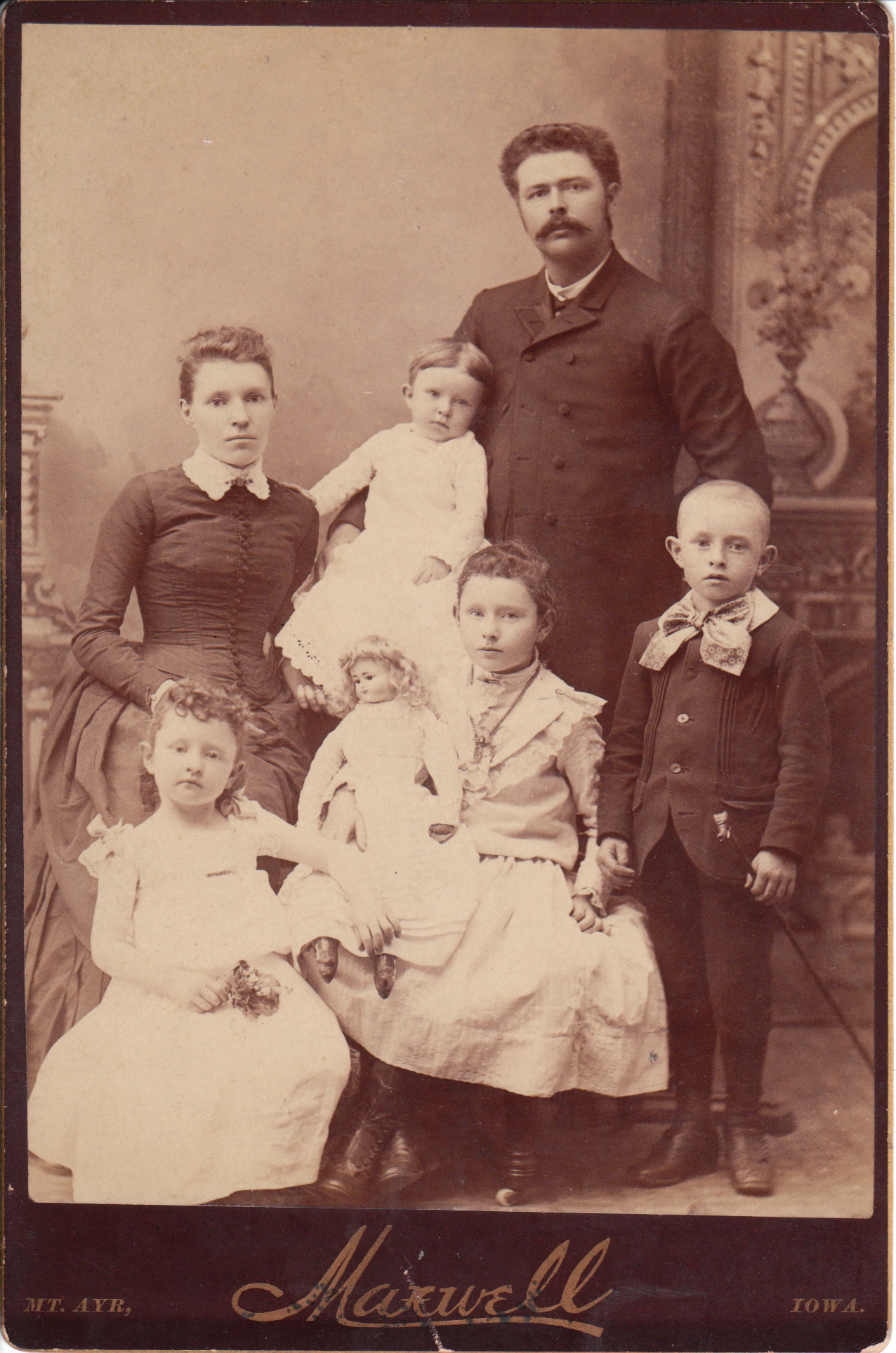
A couple poses with their four young children at the studio of Maxwell in Mount Ayr, Iowa. One of the girls is holding a bisque doll and the boy is holding a riding crop. The image is dated 1895-96. The photographer, M. G. Maxwell is mentioned in a number of photographic journals for winning medals for his work (1894, 1896, 1900 and 1907). SOLD
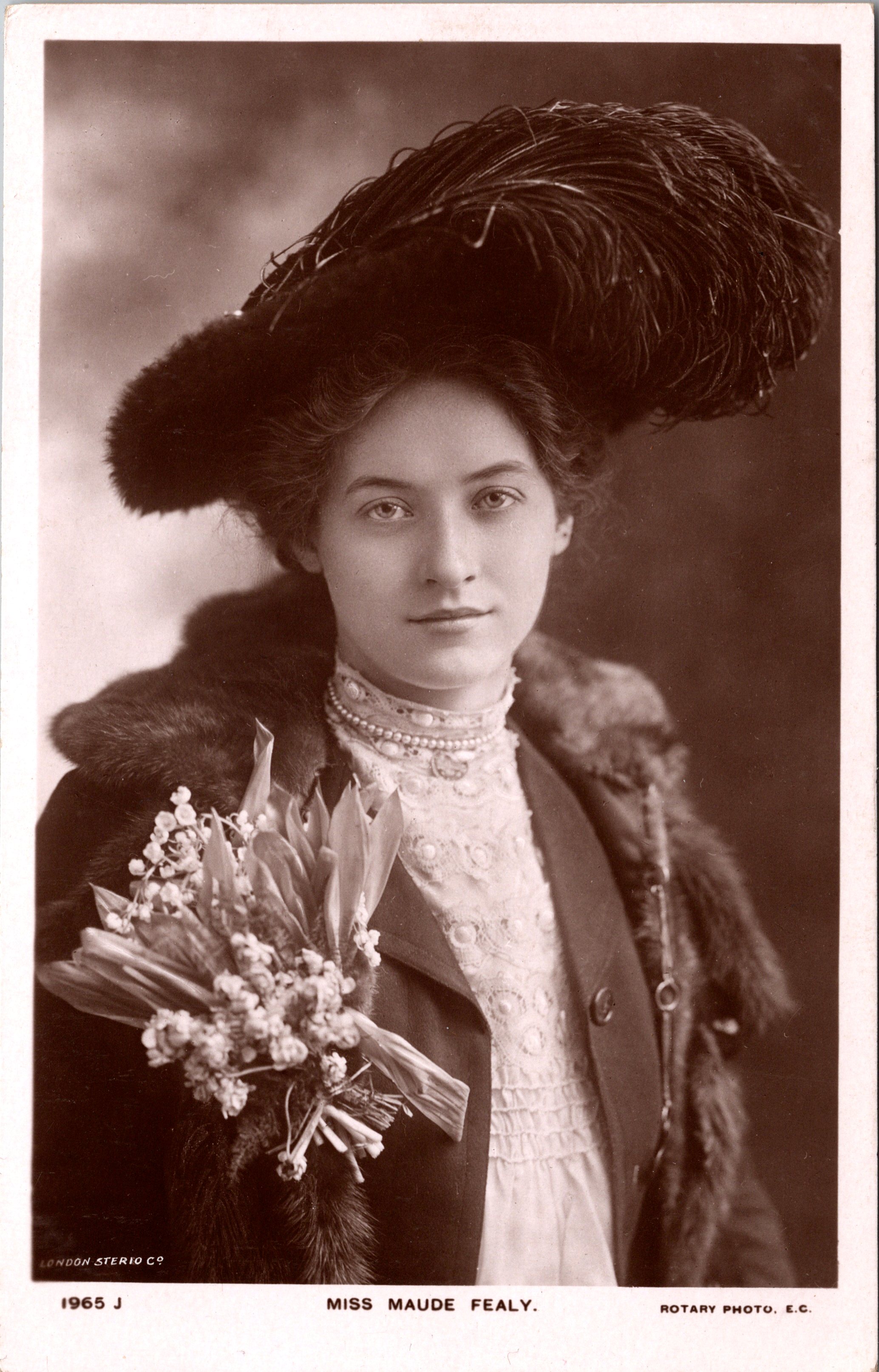
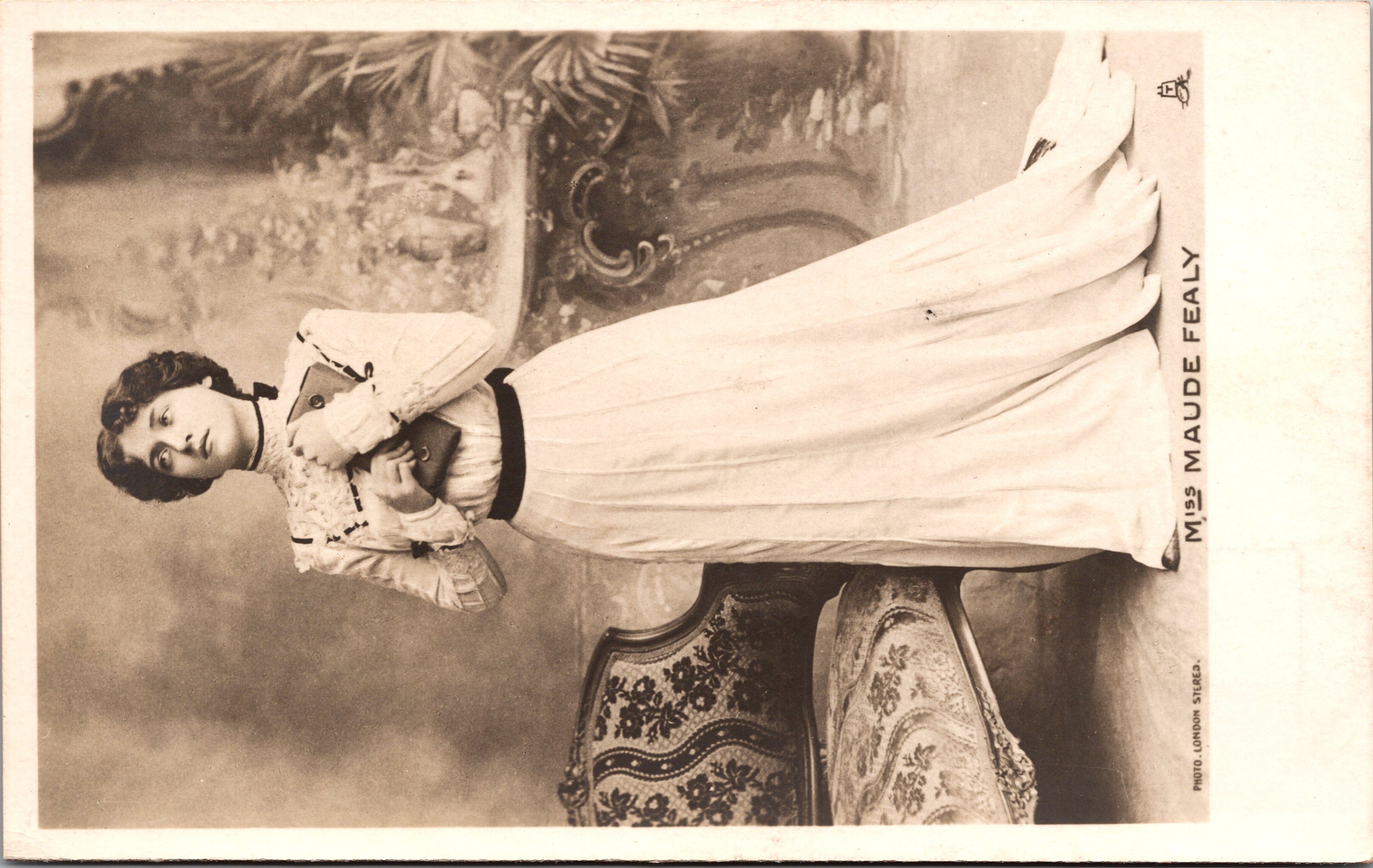
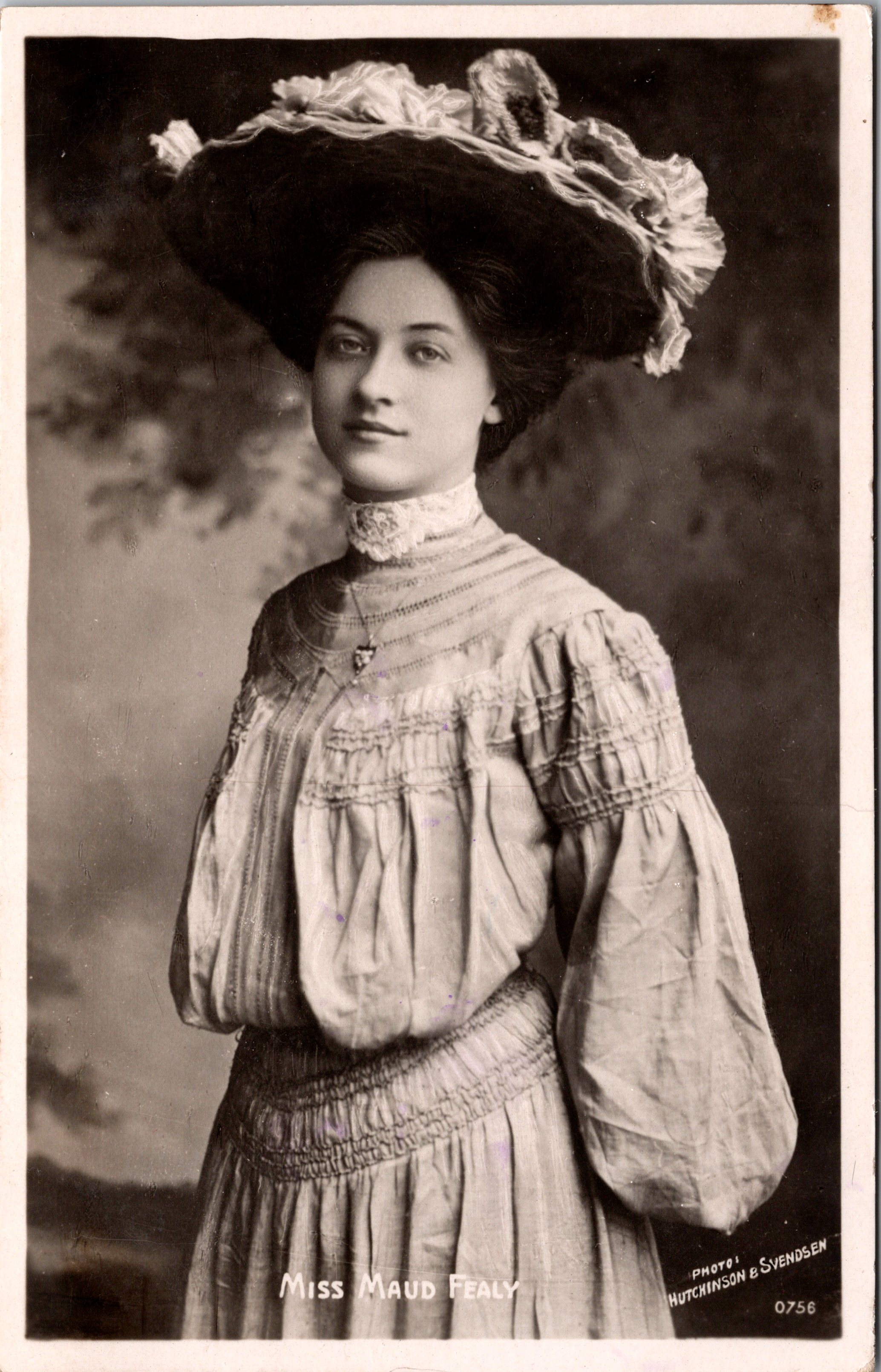
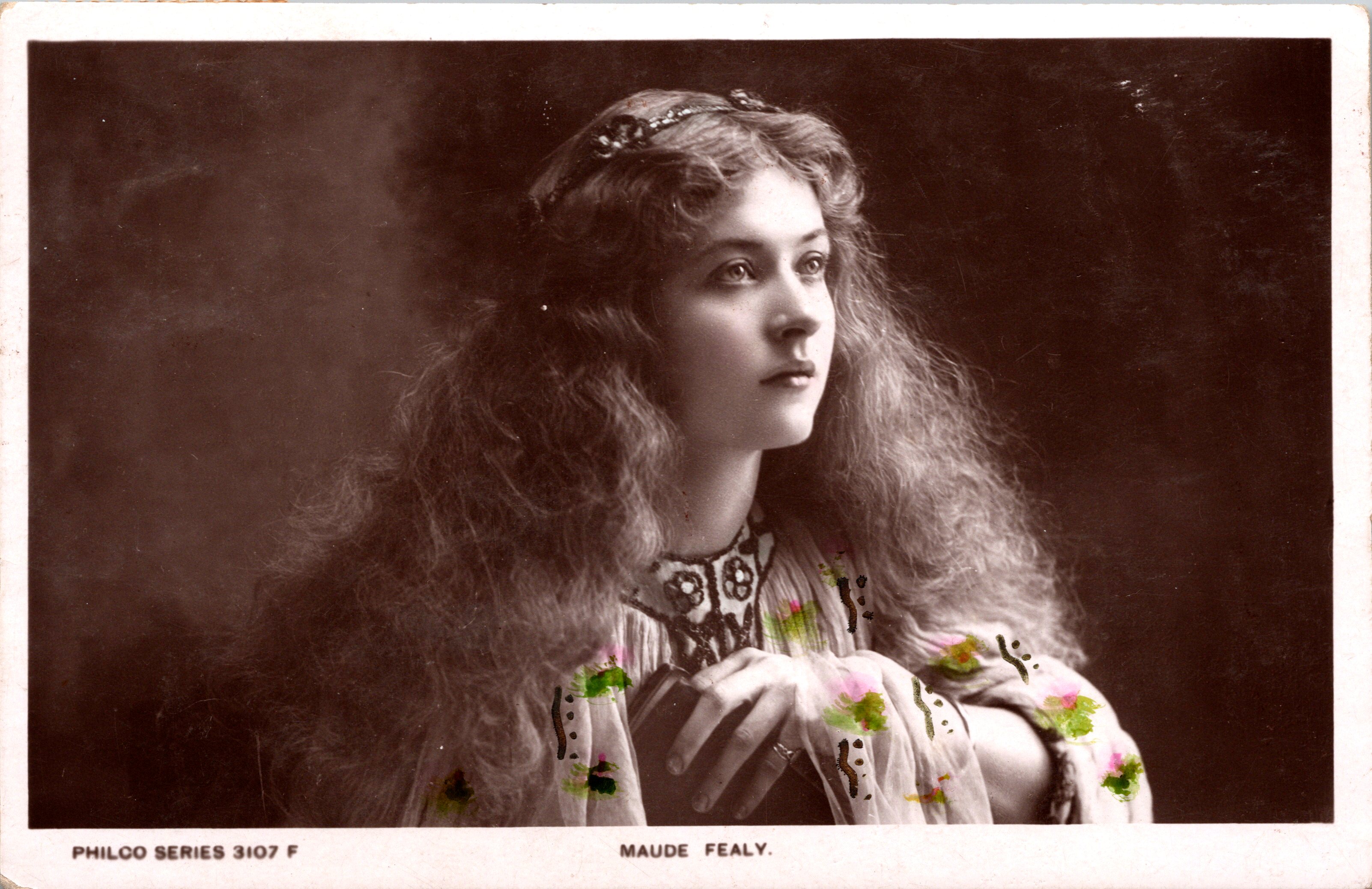
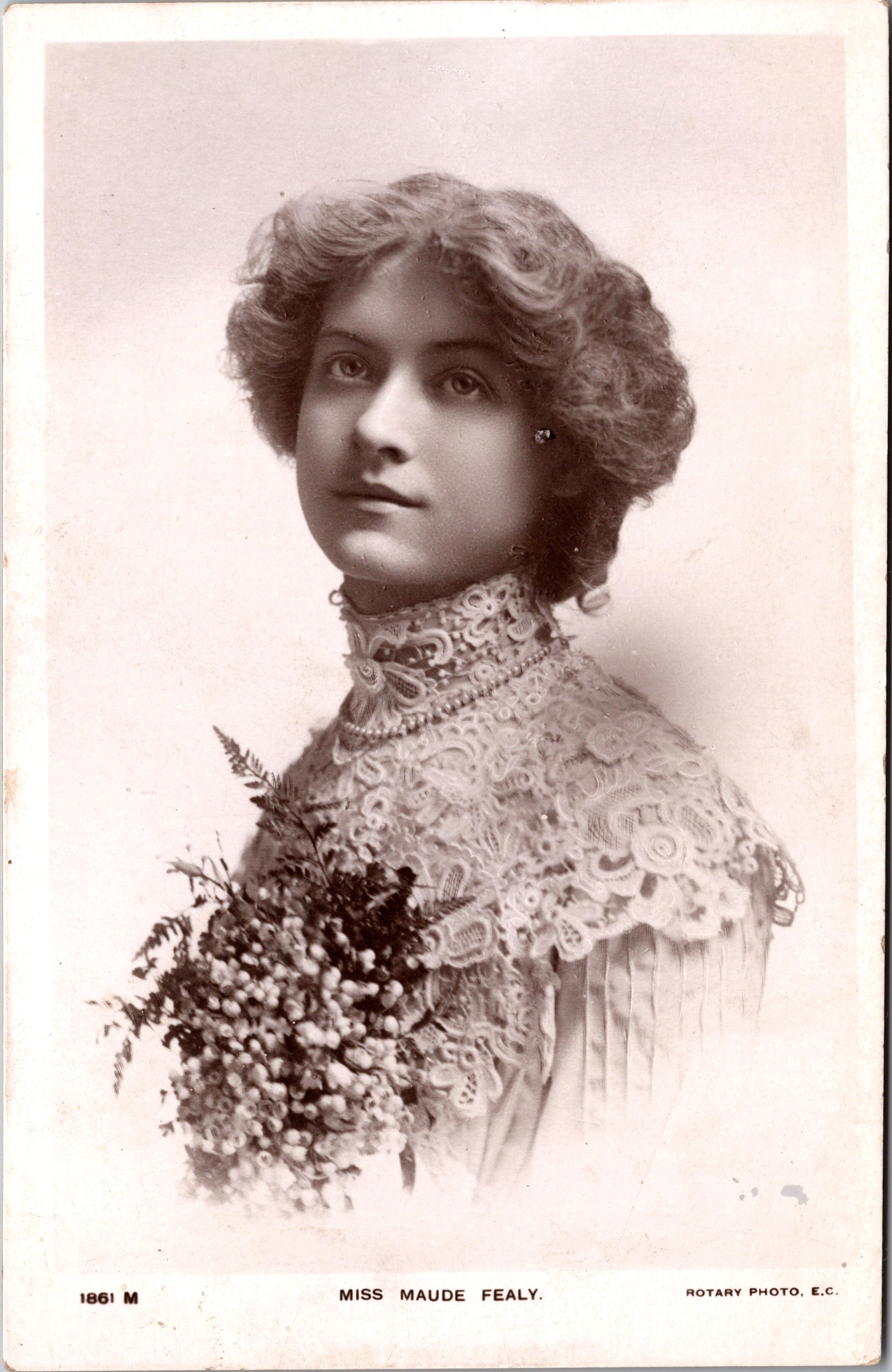
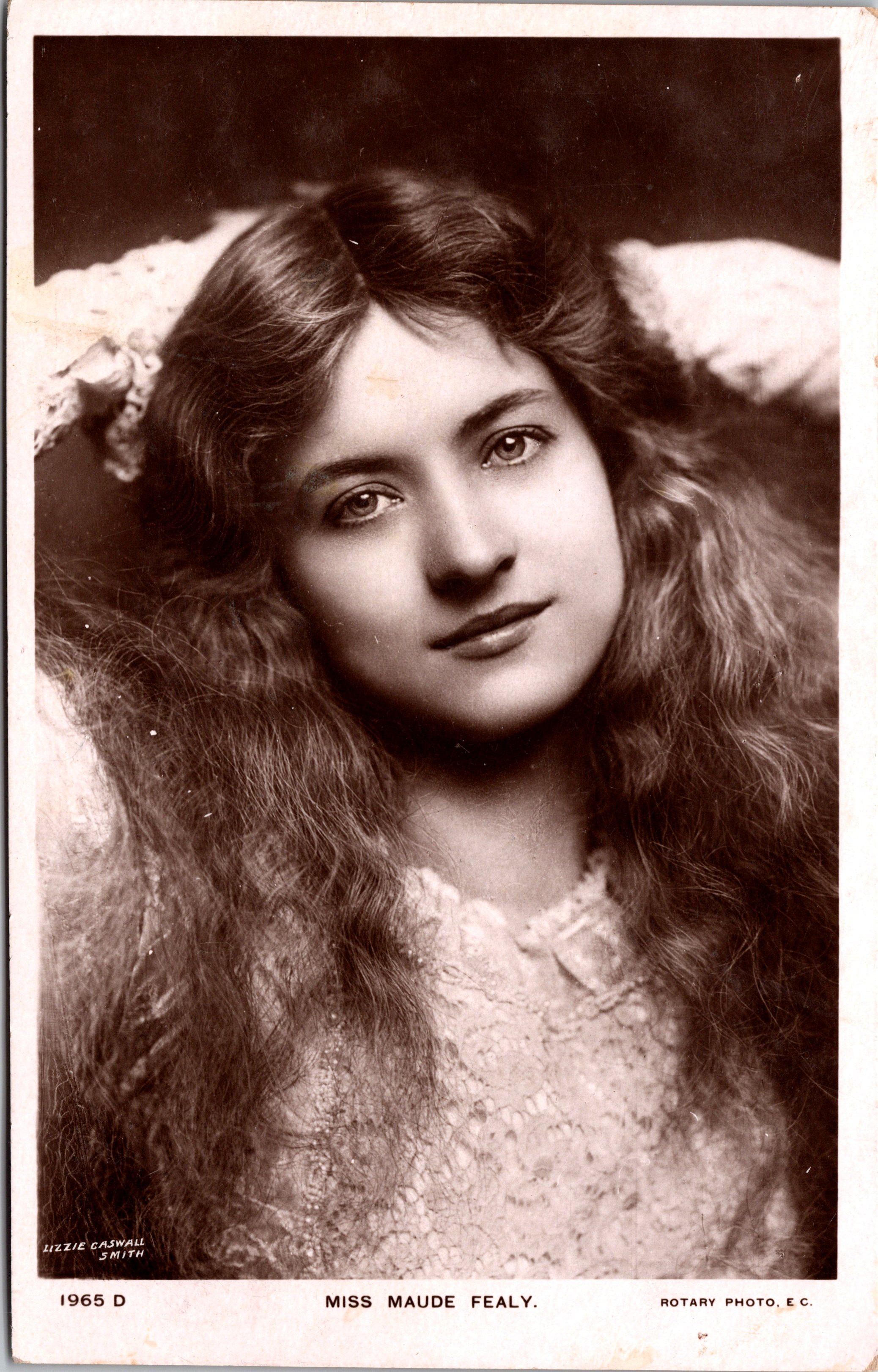
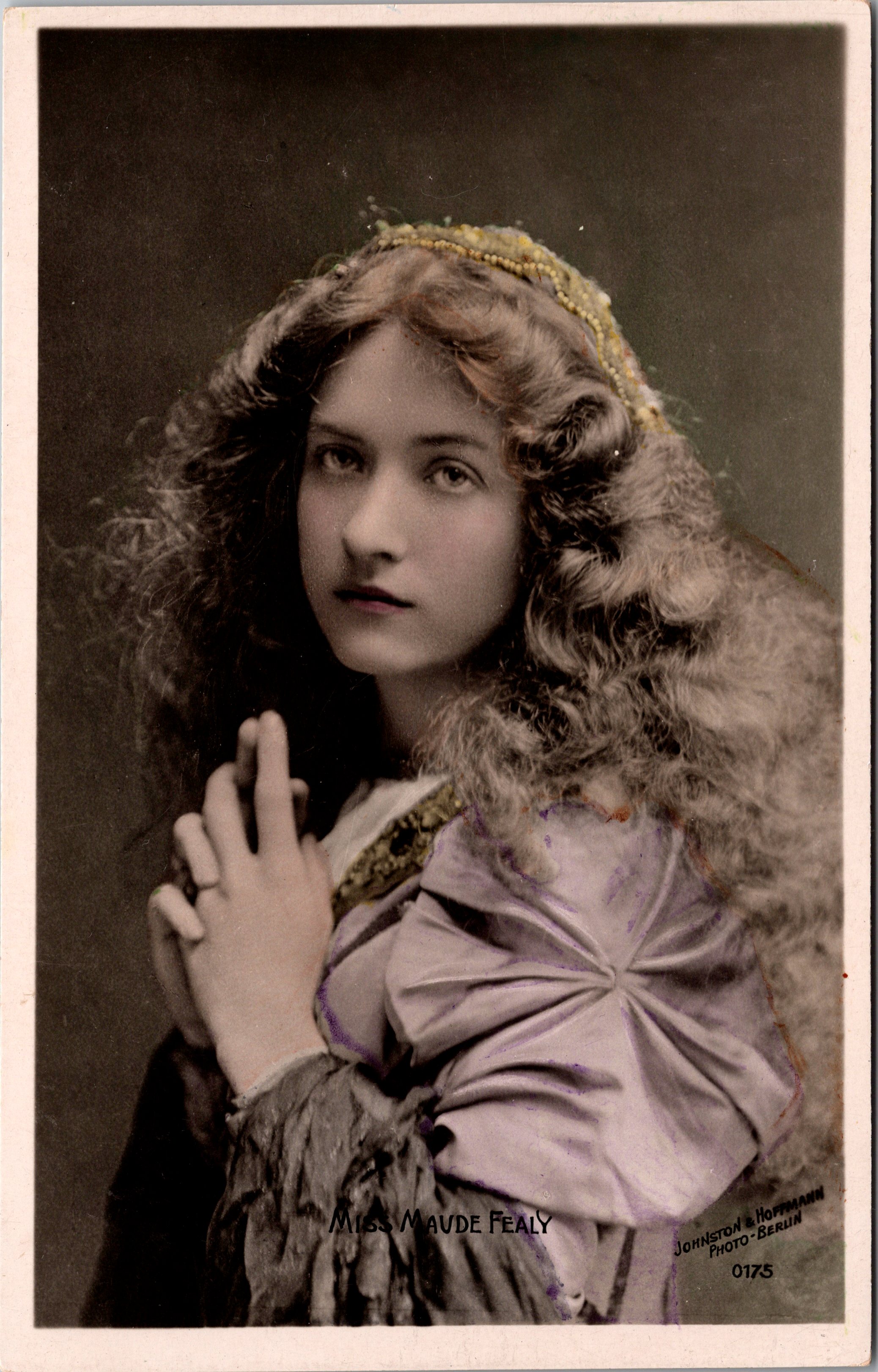
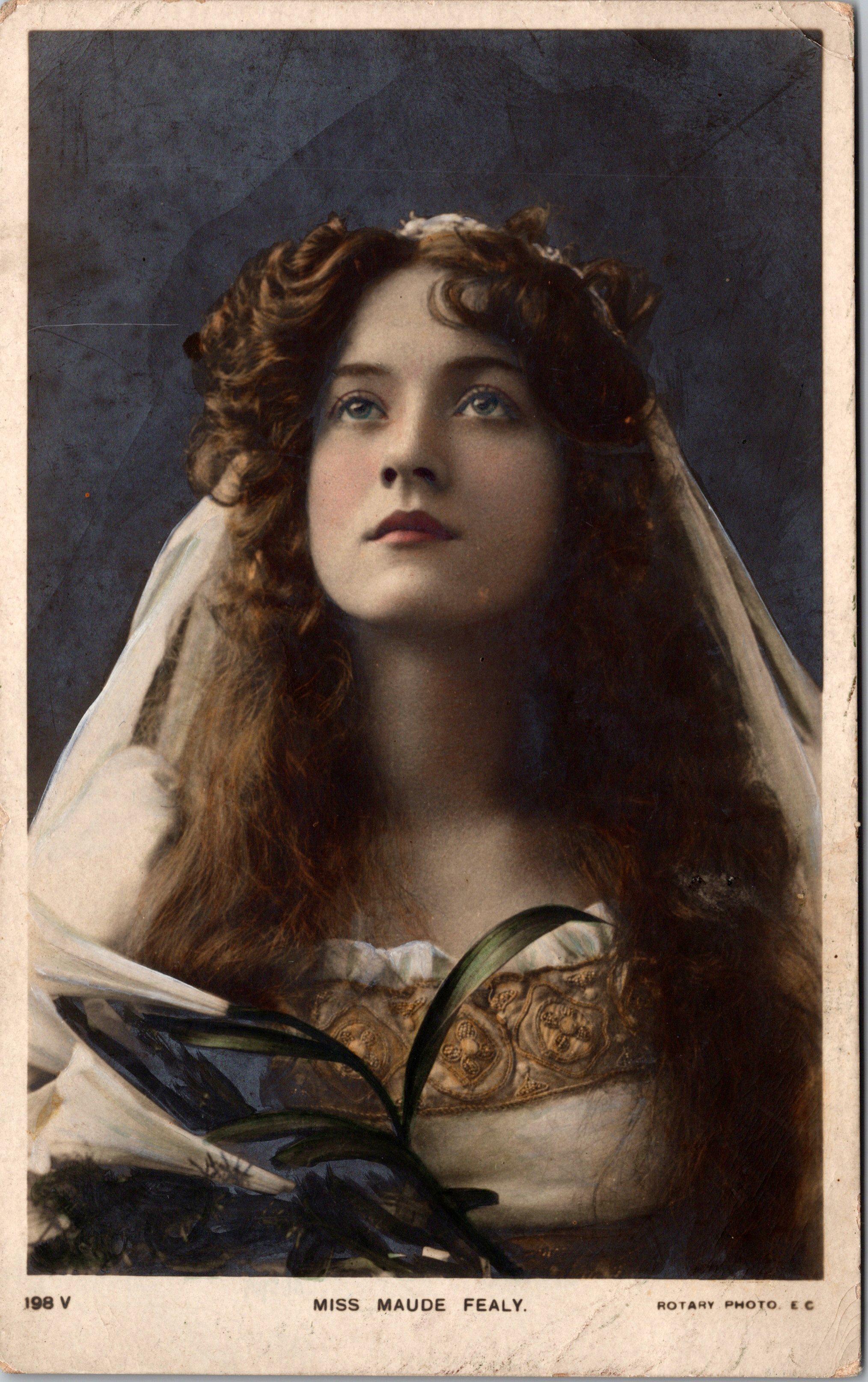
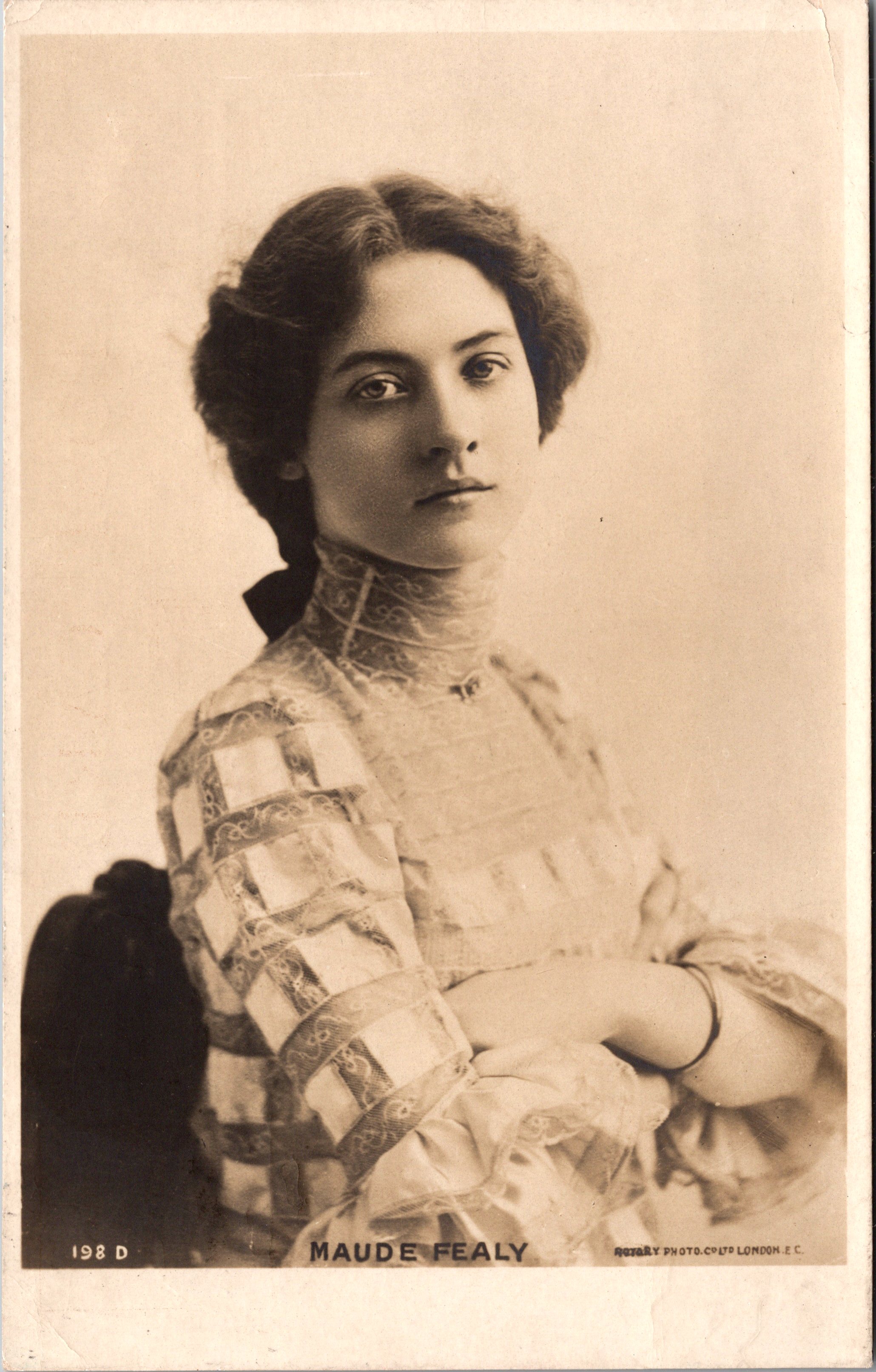
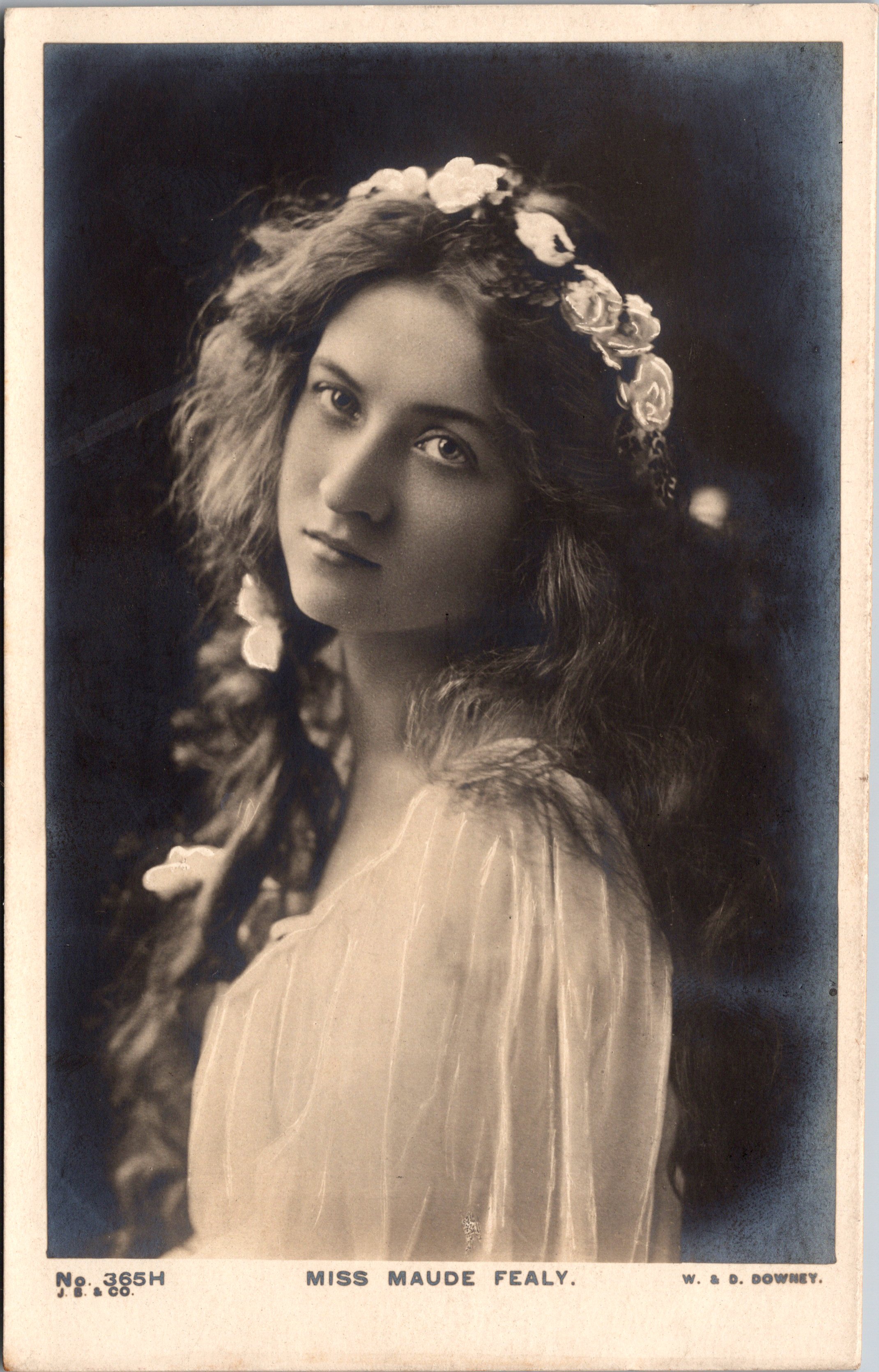
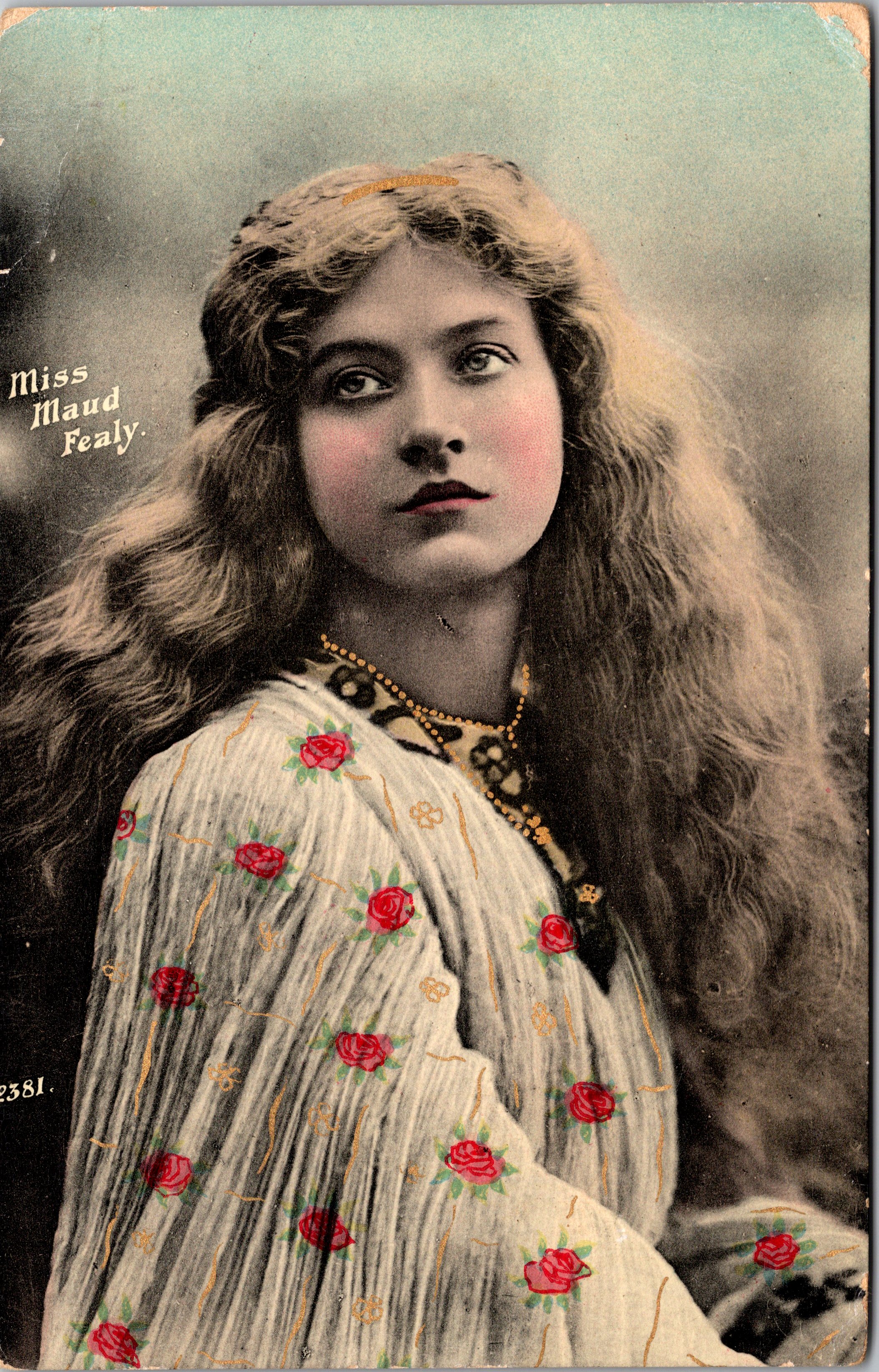
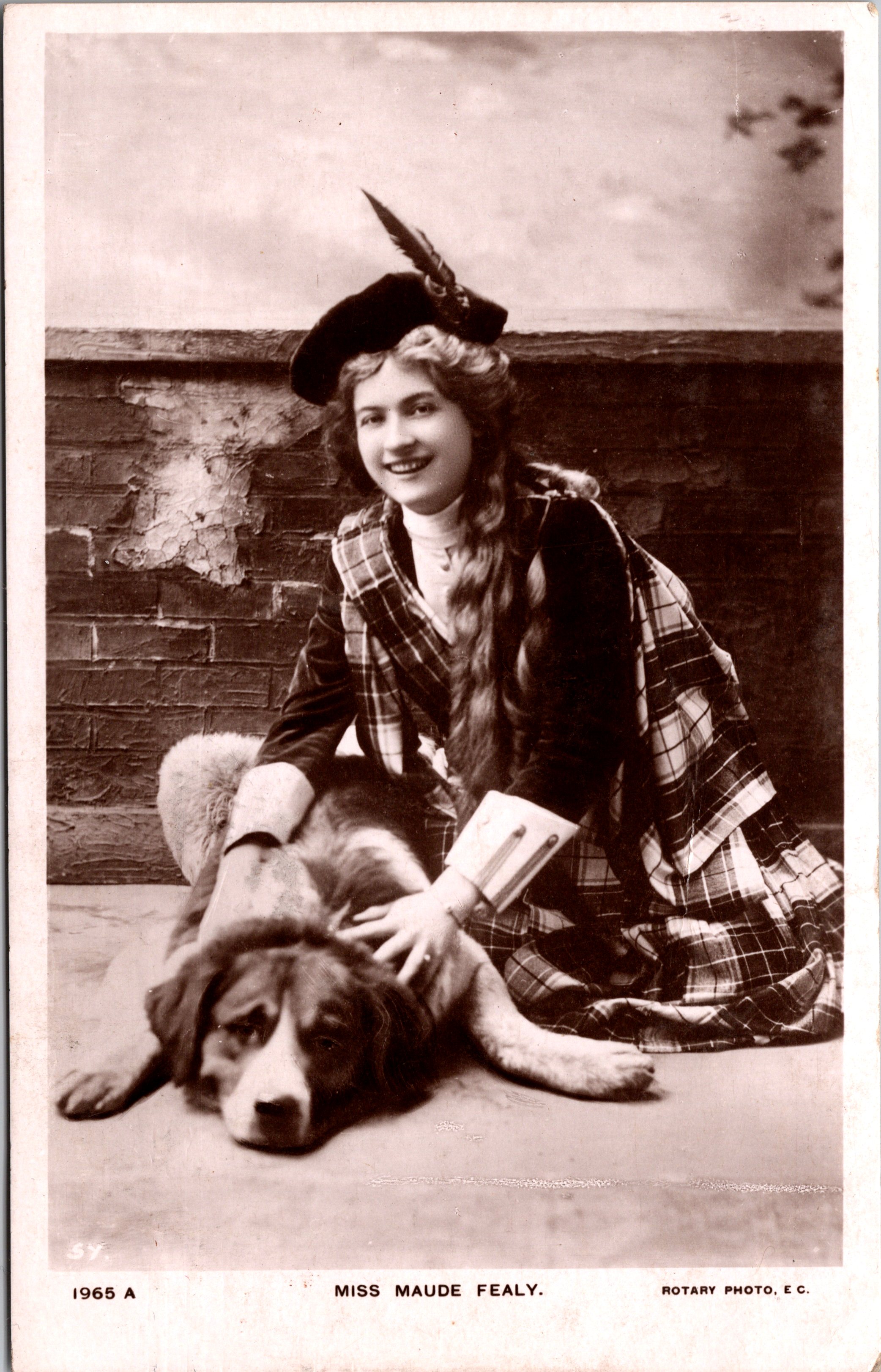
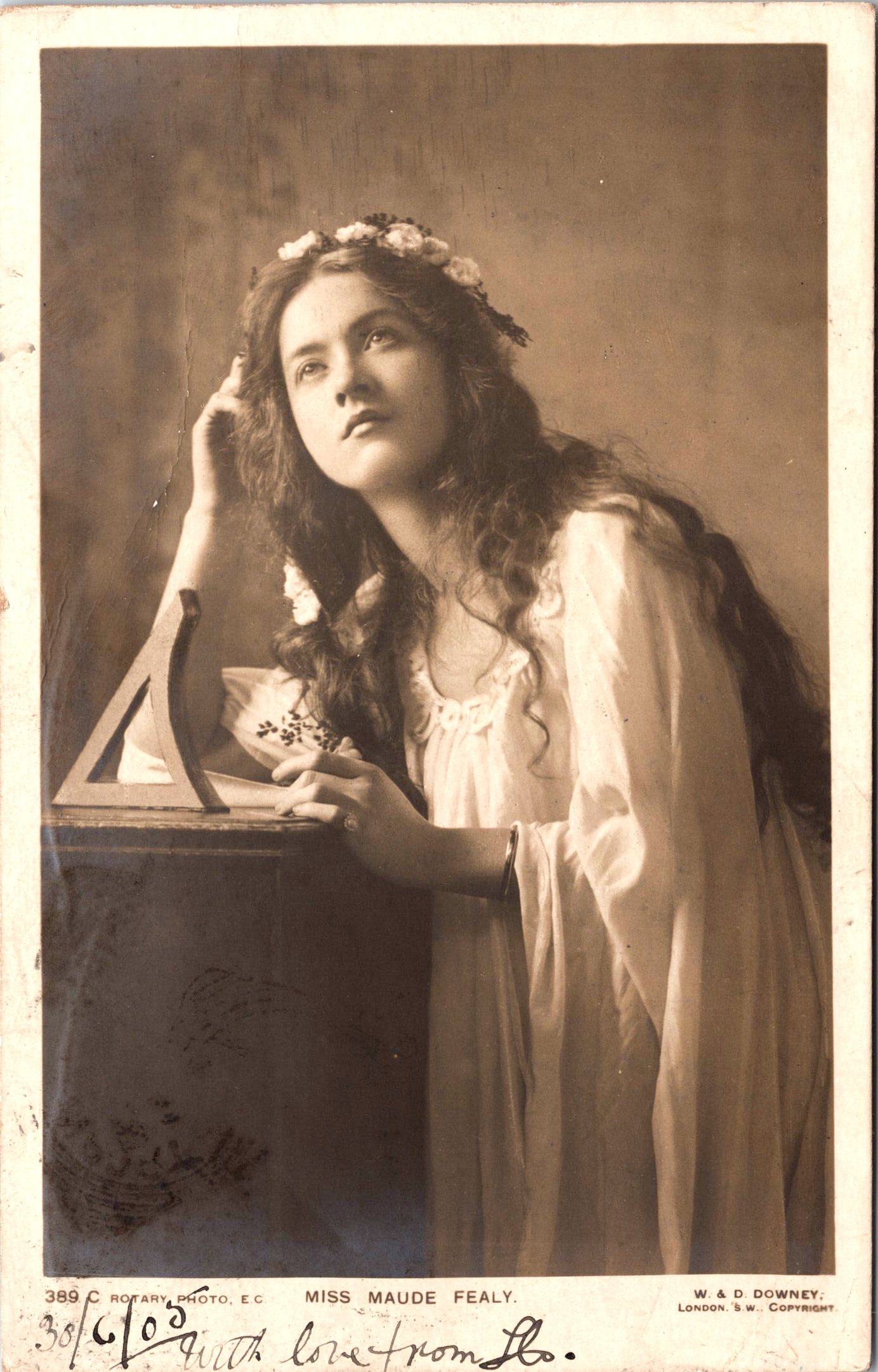
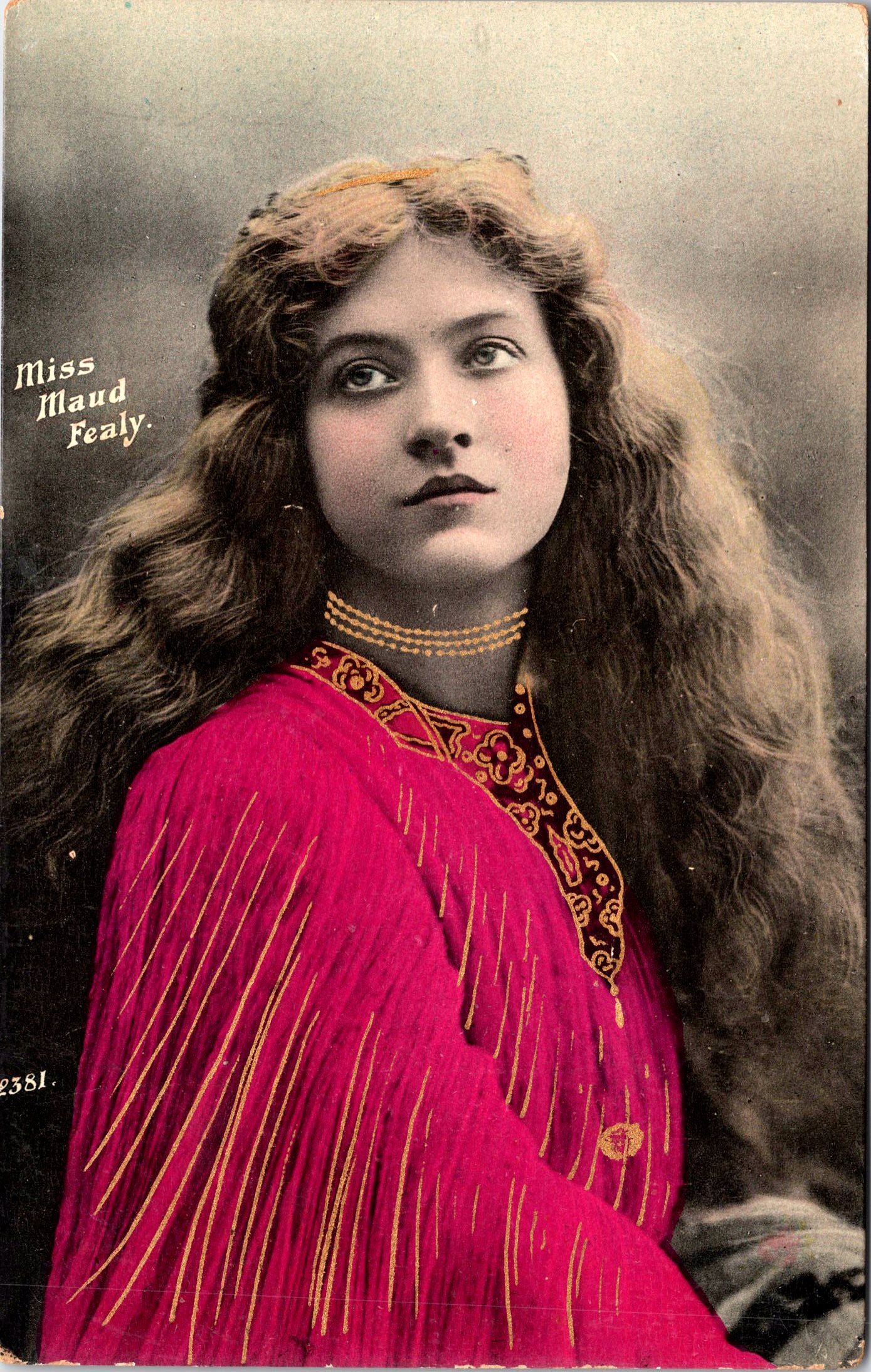
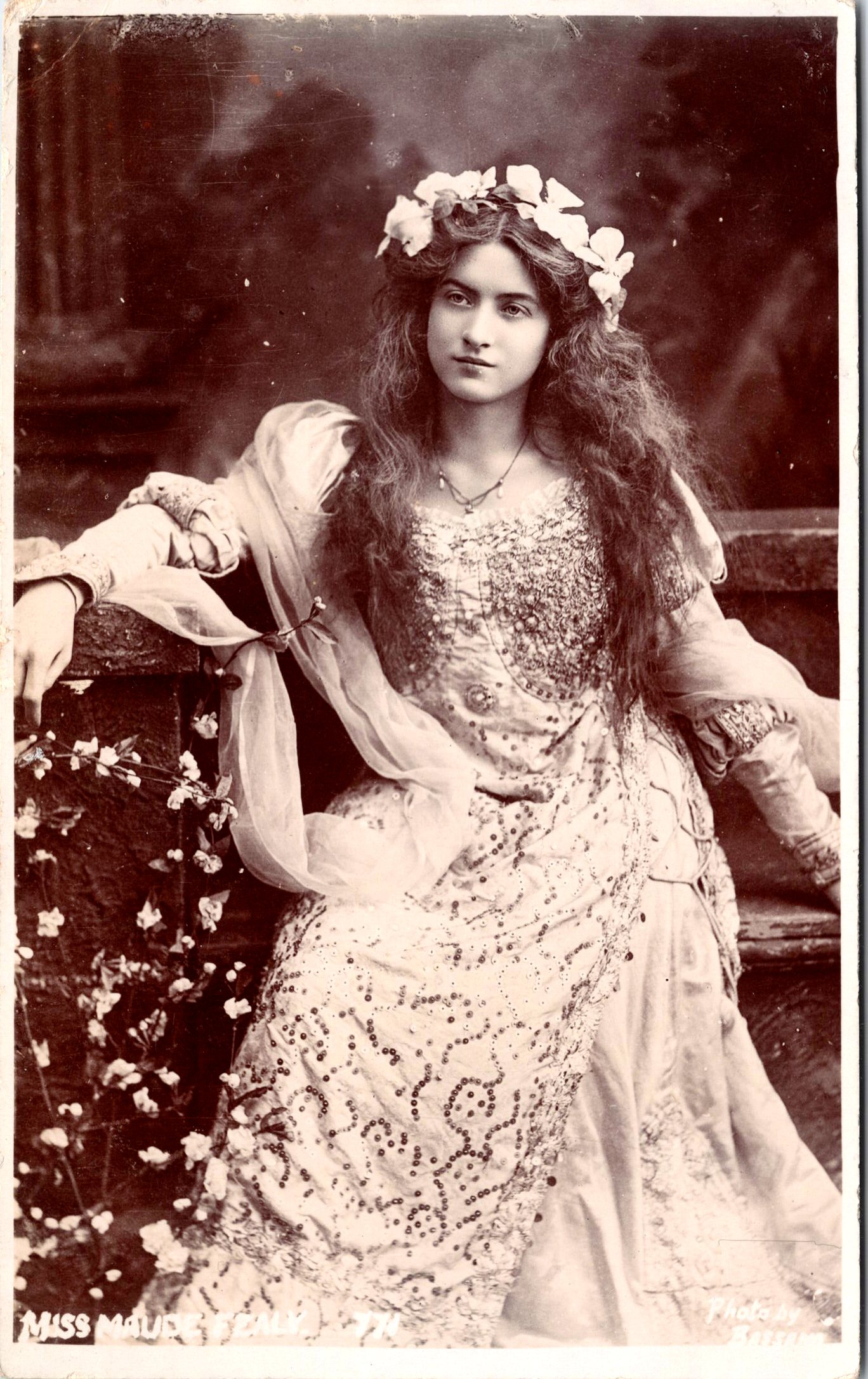
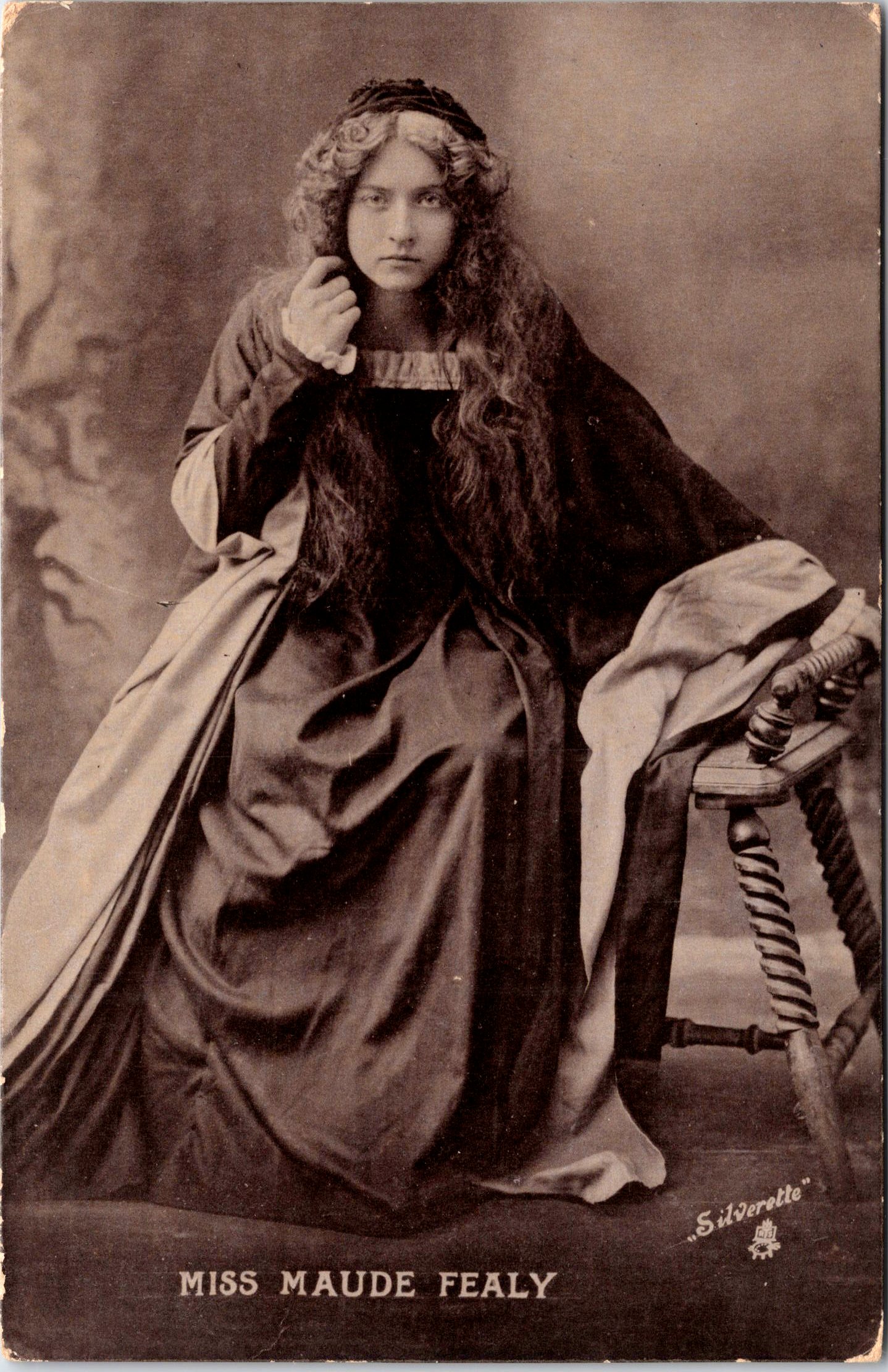
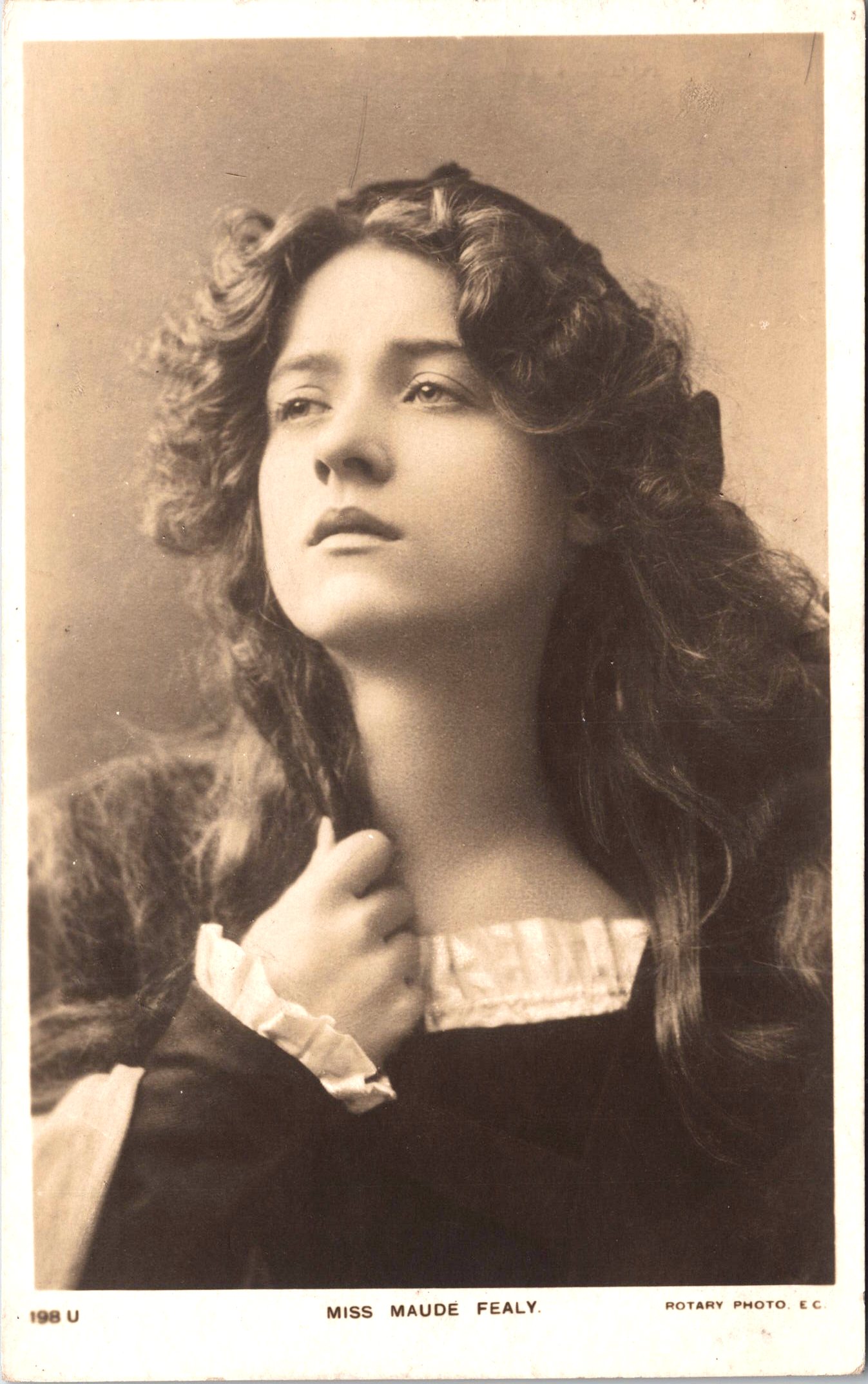
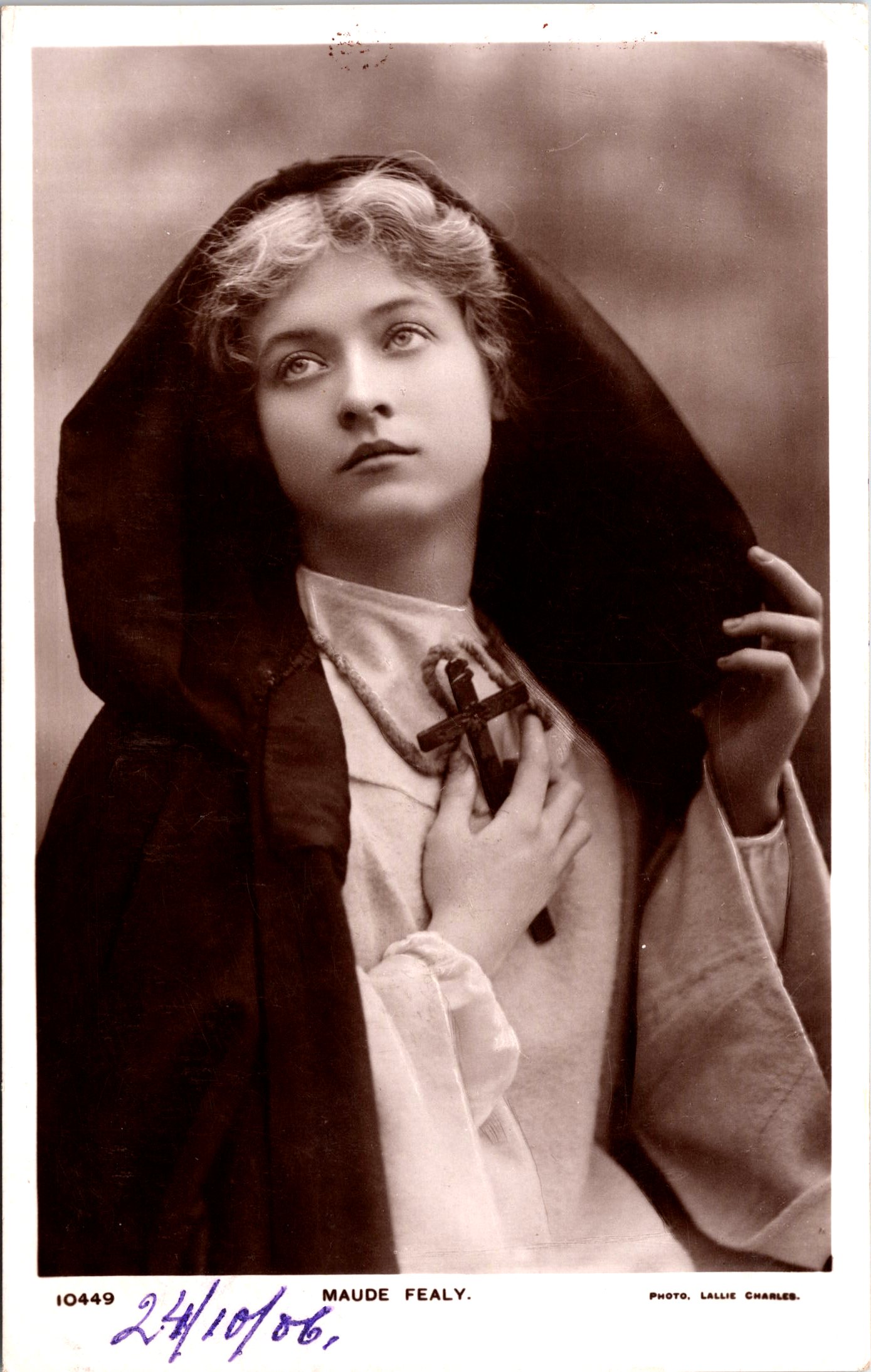
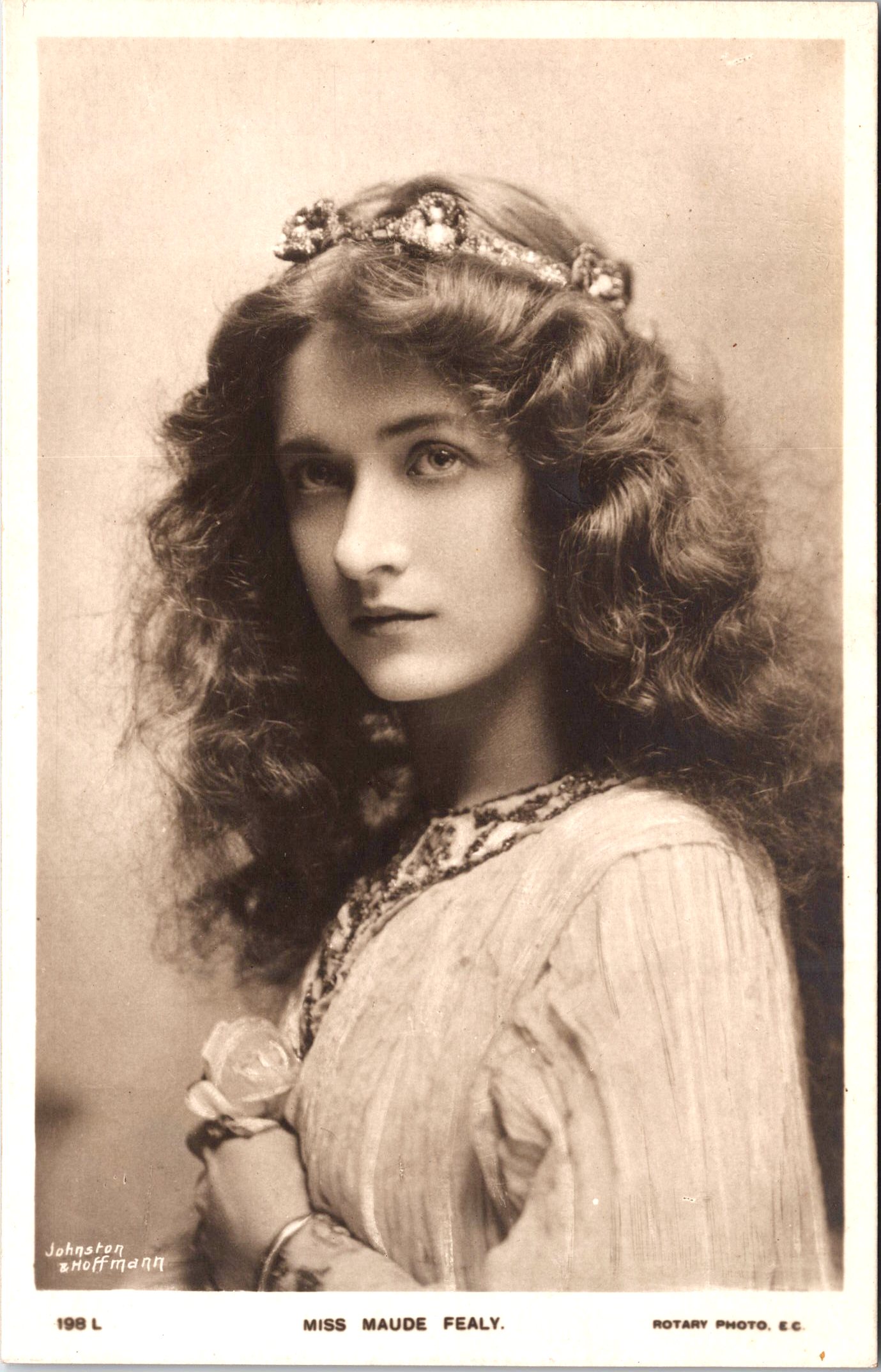
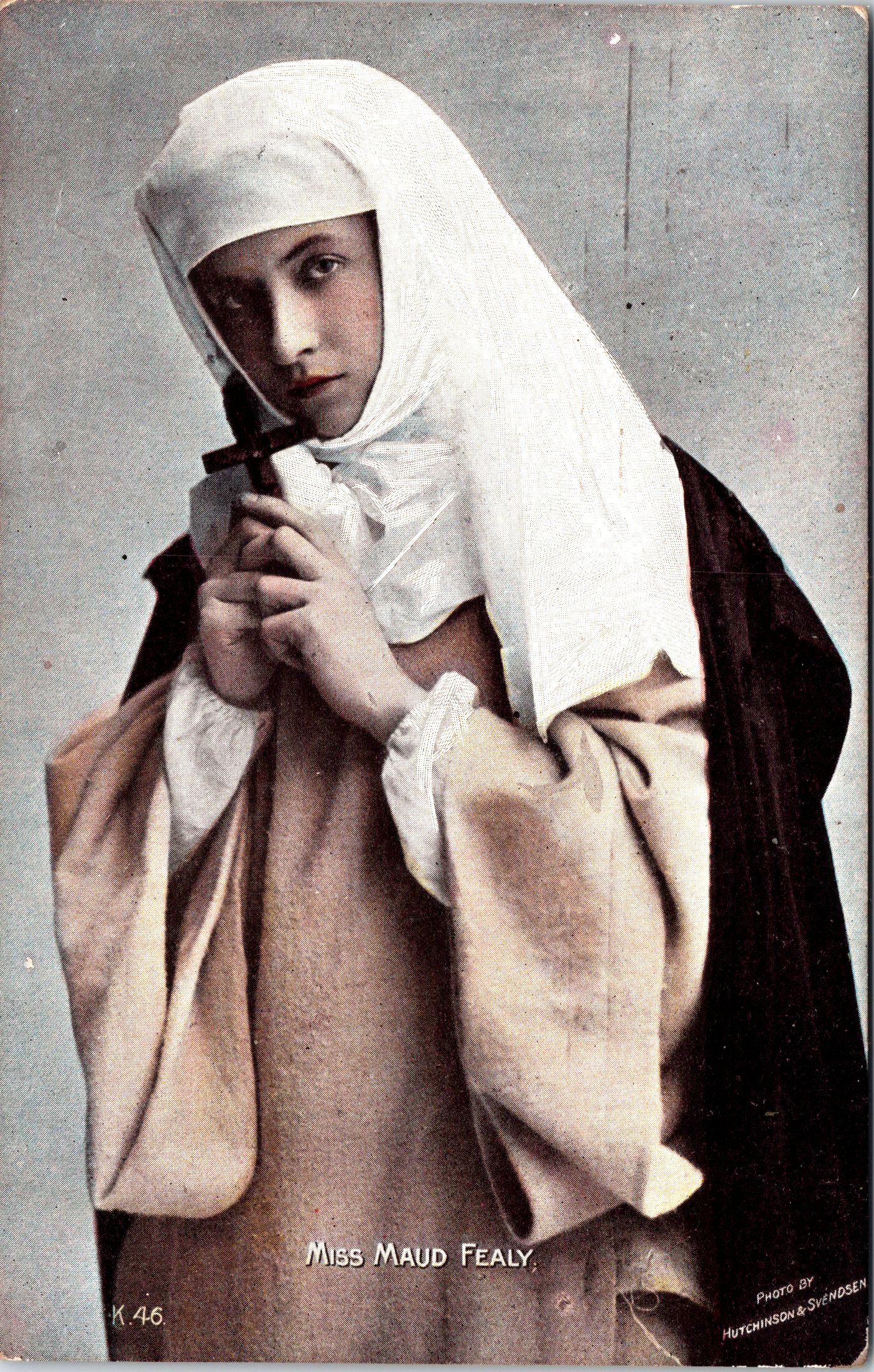
This vintage real photo postcard features American stage and silent and sound film actress, Maude Fealy (1883-1971). Maude was born in Memphis, Tennessee. Her mother was an actress and acting coach. After her mother remarried, she moved to Colorado where Maude called home for much of her life. She made her stage debut at the age of three. she performed at the Elitch Theater numerous times during her childhood. In 1905 she began to be the featured actress in a number of productions. She worked alongside stock player Cecil B DeMille and the pair developed a friendship that lasted many decades. In fact, he cast her in his film “The Ten Commandments” (1956). This postcard illustrates Miss Fealy’s beauty. Her photo postcards were very popular and collectable during her era, as well as today.
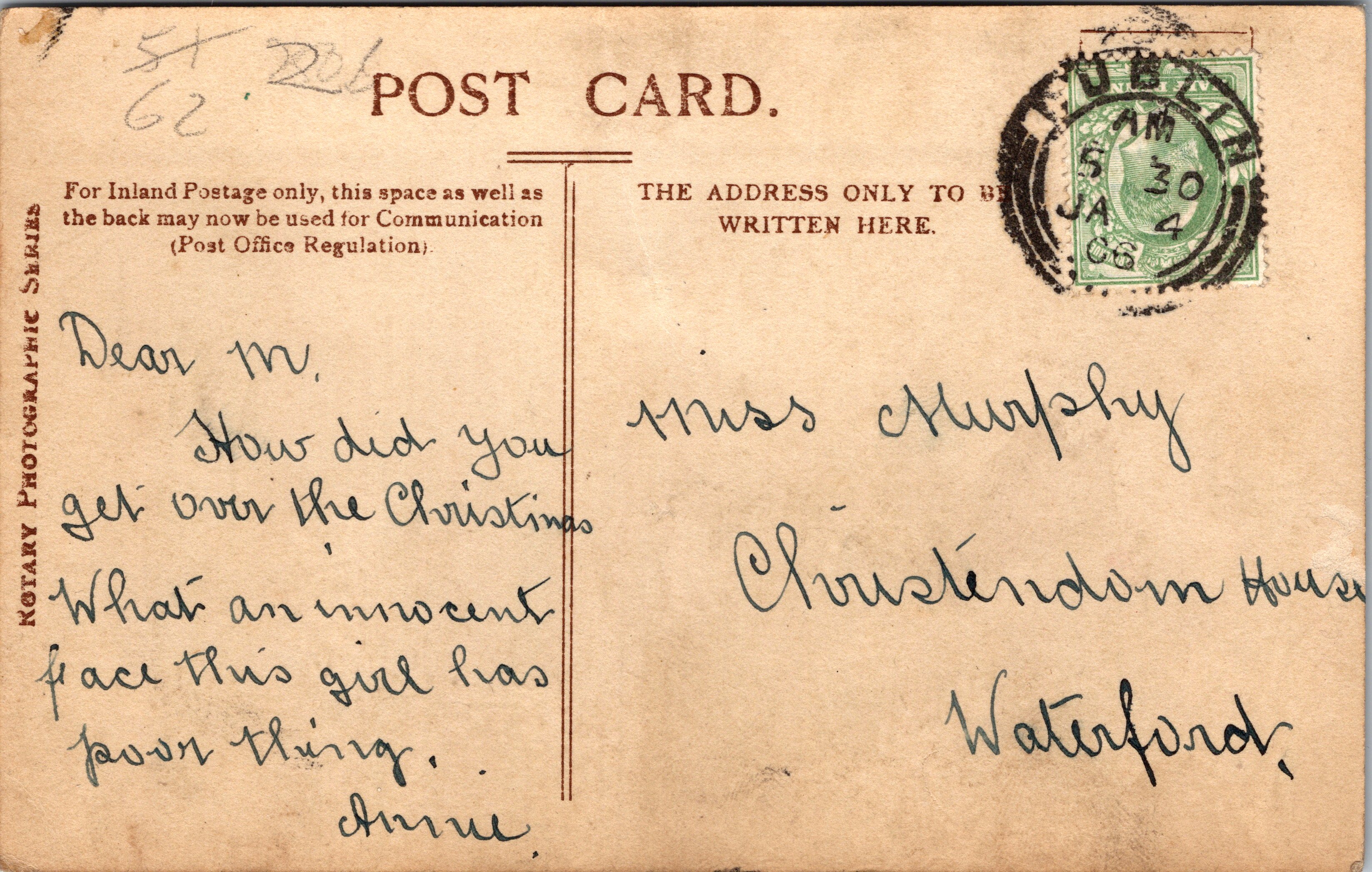
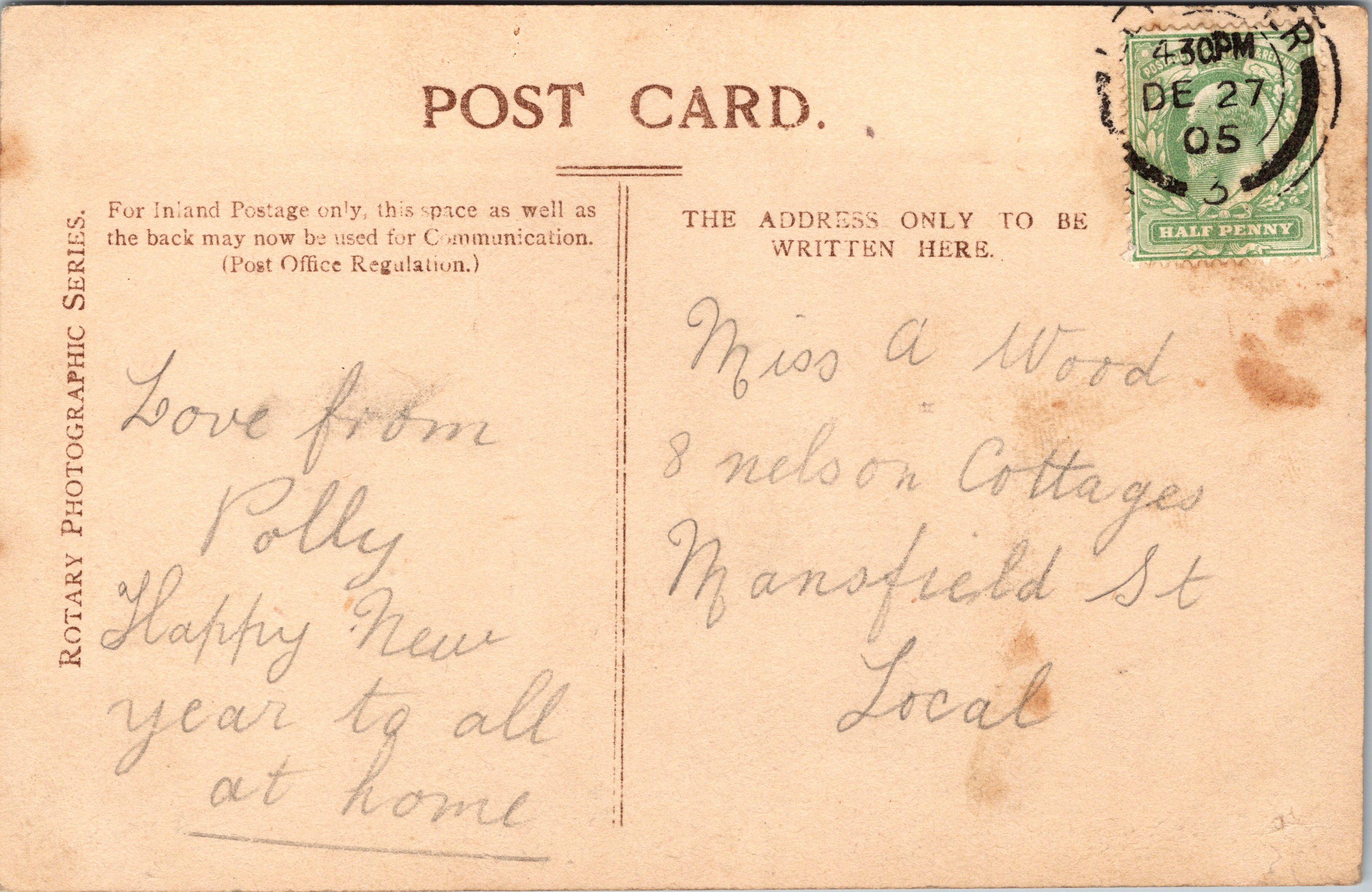
Postcard 1 is uncommon. The card was published by Rotary Photo as part of a series (no.1965J), The postcard is of British origin. Note that this postcard is hand tinted and postmarked in Dublin (1906). The card has an interesting message. The writer proclaims “What an innocent face this girl has. Poor thing”. Since when is “innocence” something to pity? (SOLD)
Postcard 2 demonstrates that Miss Fealy was fashionable and quite beautiful. Her photo postcards were very popular and collectable during her era, as well as today. This particular postcard is rare. The portrait for this postcard was taken by the London Stereo Company. The card was published by Rotary Photo as part of a series (no.1965J), The postcard is of British origin. (SOLD)
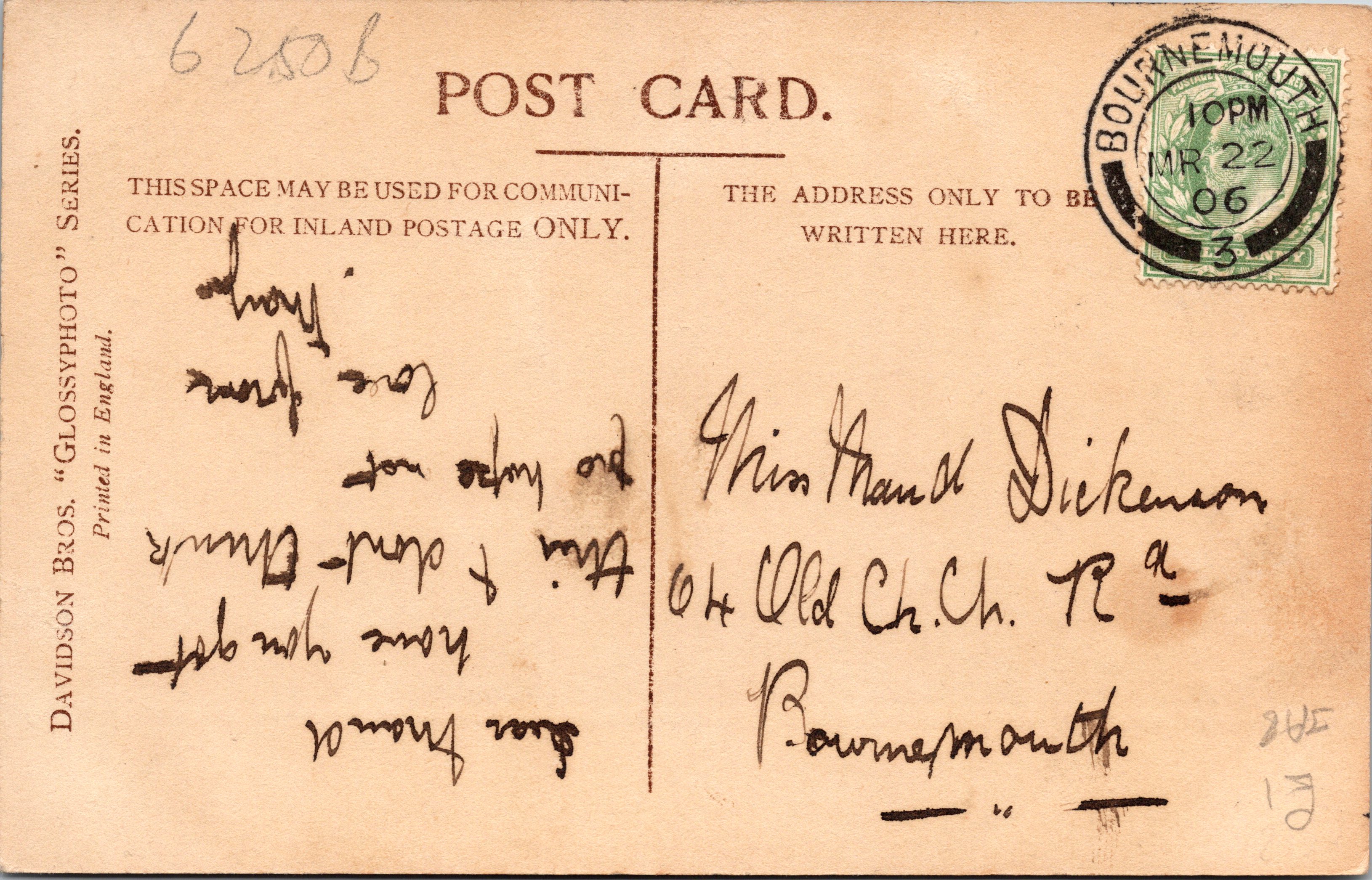
Postcard 3 was published by Davidson Brothers as part of a series (no.1378), The postcard is of British origin and demonstrates that Maude Fealy was fashionable as well as beautiful. (SOLD)
Postcard 4 is uncommon. The card was published by Raphael Tuck in 1904 as part of the “Stage Favorites: series (no.5058), The postcard is of British origin. (SOLD)
Postcard 5 is rare. The card was published by Rotary Photo as part of a series (no.1928C), The postcard is of British origin. (SOLD)
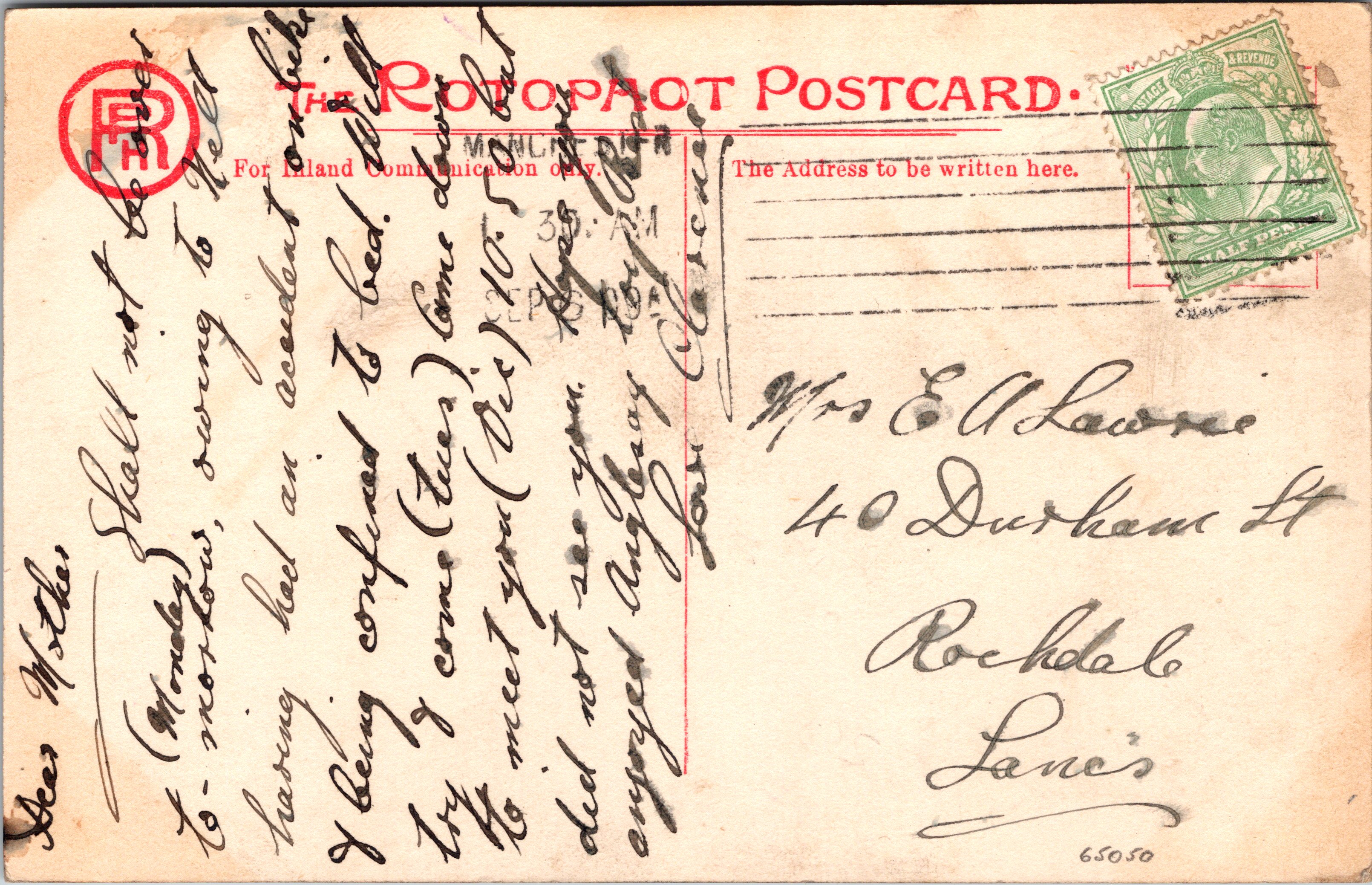
Postcard 6 is rare. The card was published by Germany’s Rotophot (no.0756). (SOLD)
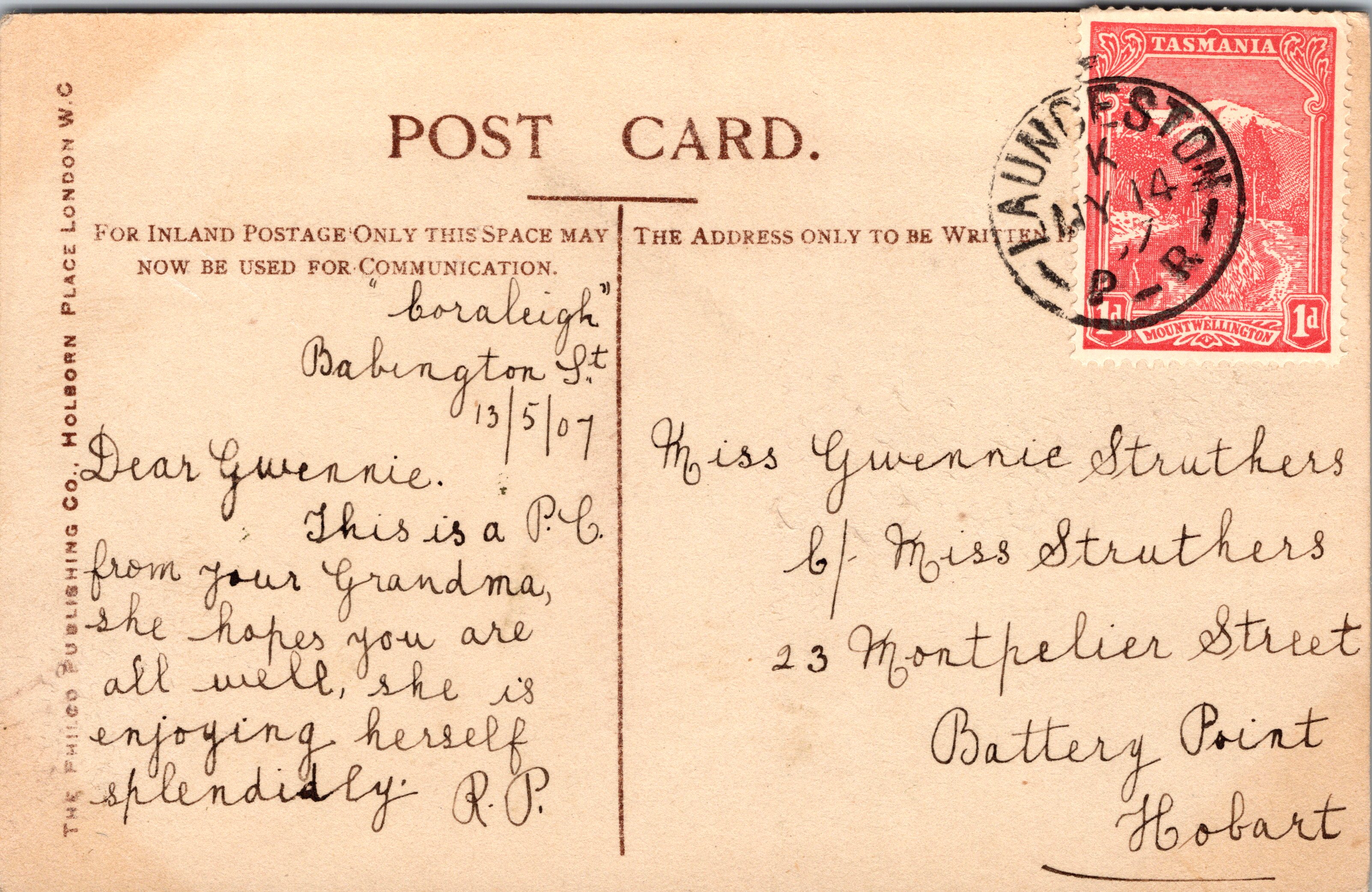
Postcard 7 was published by Philco as part of a series (no.3107F). The card is beautifully hand colored. The postcard is of British origin. The postcard was postmarked in 1907. (SOLD)
Postcard 8 was published by Rotary Photo as part of a series (no.1861M), This particular card is rare. The postcard has a 1905 postmark and is of British origin. (SOLD)
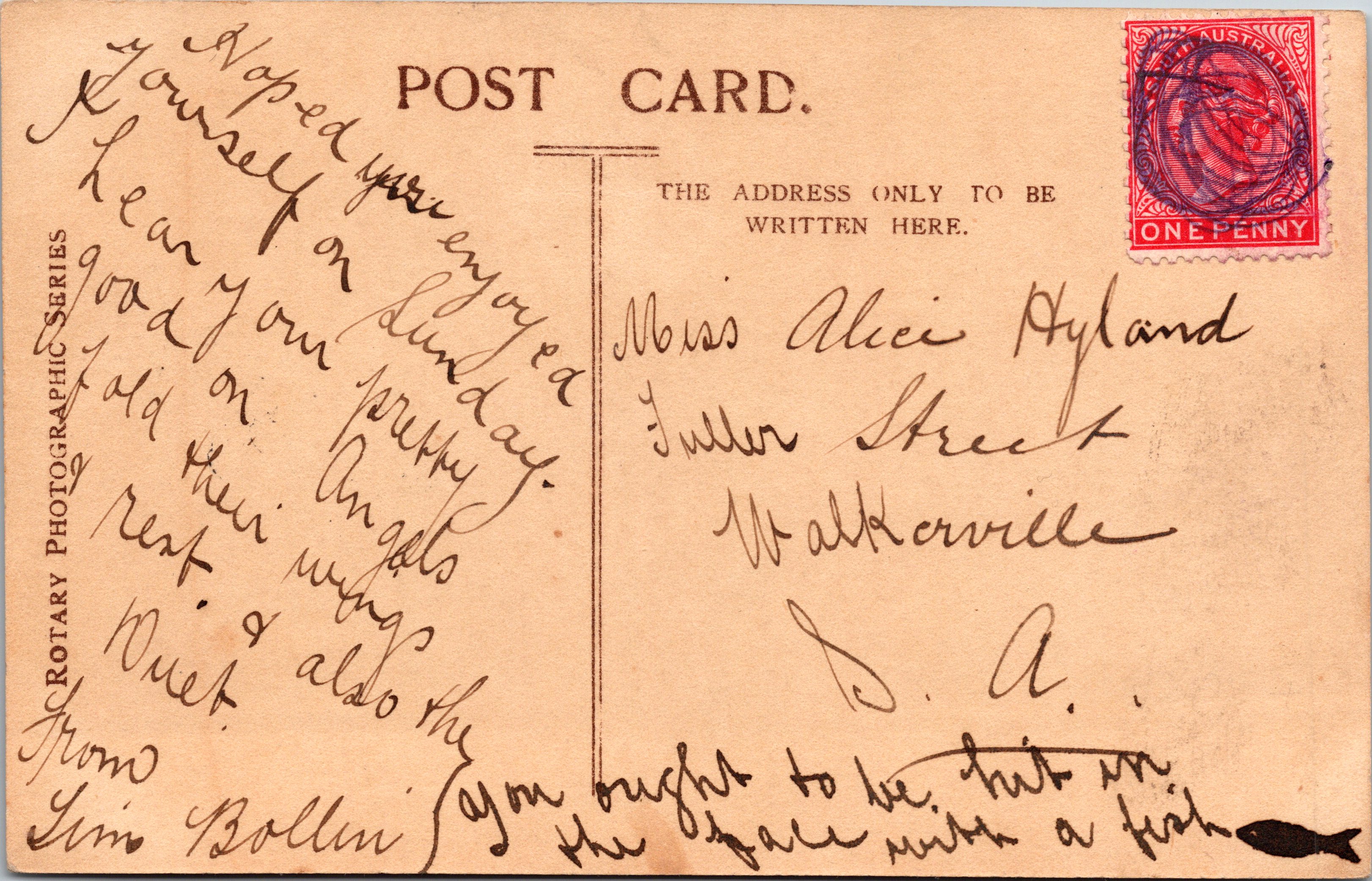
Postcard 9 has a notable message. The card was written from a man to a woman. The last line of the gentleman’s note states “You ought to be hit in the face with a fish”. He topped it off by drawing a fish at the end of the sentence. He certainly must have been joking but the comment is quite odd by today’s standards. The card was published by Rotary Photo as part of a series (no.1965D). (SOLD)
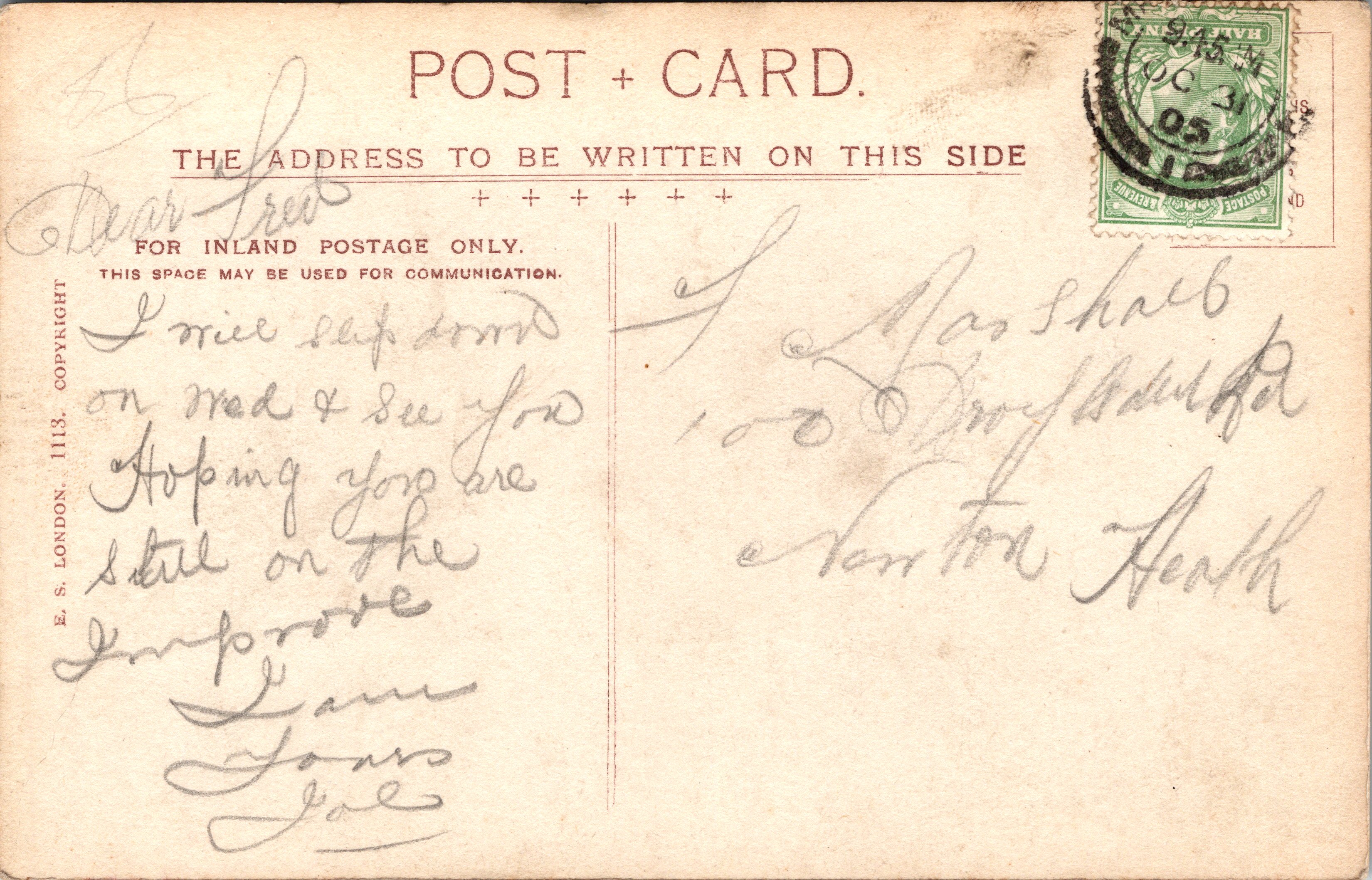
Postcard 10 is uncommon. The card was published by E. S. London as part of a series (no.1113). (SOLD)
Postcard 11 is rare. The card was published by RotoPhot as part of a series (no.0175). The card is beautifully hand colored. (SOLD)
Postcard 12 is uncommon and the card was published by Rotary Photo as part of a series (no.198 V)), The message on this postcard is an Easter greeting.
Postcard 13 demonstrates that Miss Fealy was fashionable and quite beautiful. Her photo postcards were very popular and collectable during her era, as well as today. This card has a 1904 postmark.It was published by Rotary Photo as part of a series (no.198D), (SOLD)
Postcard 14 was published by J. Beagles 7 Co. as part of a series (no.365H). Miss Fealy’s photo portrait was taken by esteemed celebrity photographers, W & D Downey. The uncommon postcard is of British origin. (SOLD)
Postcard 15 was published by P. F. B. as part of a series (no.4037). P. F. B. is likely a Berlin firm named Paul Finkenrath. However, a second Berlin company named Paul Fink went by the inititials PFB which certainly creates some confusion among postcard collectors. This vintage postcard is uncommon. (SOLD)
Postcard 16 was published by Rotary Photo as part of a series (no.2381). (SOLD)
Postcard 17 is rare. The postcard offers a view of Miss Fealy petting a large dog. It appears to be some type of hound. Maude is flashing a pretty smile and is wearing a feathered hat and a plaid dress and jacket. The card was published by Rotary Photo as part of a series (no.1965A), The postcard is of British origin. (SOLD)
Postcard 18 is rare. The card was published by Rotary Photo as part of a series (no.1861F), The postcard is of British origin and it’s postmark is appears to be from 1906. (SOLD)
Postcard 19 is rare. The card was published by Rotary Photo as part of a series (no.389C). Miss Fealy’s photograph was taken by the esteemed W & D Downey studio. The postcard is of British origin and it’s postmark is from 1905. (SOLD)
Postcard 20 is rare. The card was published by the Schofield Photographic Series (no.428). Three actress portrait postcards from this series can be found in England’s National Portrait Gallery. Miss Fealy’s photograph was taken by the esteemed Johnston & Hoffman studio. The postcard is of British origin and it’s postmark is from 1905. (SOLD)
Postcard 21 is of British origin and is generously hand tinted. The card is identical to Postcard 16 except for the two different hand tintings. (SOLD)
Postcard 22 is uncommon. The card was published by A & G Taylor as part of the “Reality Series”. Miss Fealy’s portrait was taken by the Bassano studio. The postcard is of British origin. (SOLD)
Postcard 23 is uncommon. The card was published by J. Beagles & Co. as part of a series (No.365). The postcard is of British origin (SOLD)
The photo portrait on Postcard 24 was taken by the Johnston & Hoffmann studio. The card is an example of an “Enamelette Postcard”. (SOLD)
Postcard 25 is color tinted and was published by Raphael Tuck as part of the “Celebrities of the Stage” series (no.S1299). The card is an example of an “Silverette Postcard”. (SOLD)
Postcard 26 is an uncommon color tinted vintage lithographic card. It was published by Rotary Photo as part of a series (no.198U). (SOLD)
Postcard 27 is uncommon. The card was published as part of the Wrench series (No.10449). Miss Fealy’s portrait was taken by the famous female celebrity photographer, Lallie Charles. The postcard is of British origin and has a 1906 postmark. (SOLD)
Postcard 28 was published by Rotary Photo as part of a series (No.198L). Miss Fealy’s photograph was taken by the Johnston & Hoffmann studio. (SOLD)
Postcard 29 was published by Giesen Brothers & Co. as part of a series (no.K46). The photographer of Maude’s portrait was the Hutchinson & Svendsen studio. The National Portrait Gallery asserts that this pair of photographers were active in London between 1905 and 1906. (SOLD)
Postcard 30 was published by Giesen Bros. (GB).Miss Fealy’s photograph was taken by R. Thiele. Reinhold Thiele is known for his photographical talent. Thiele (1856-1921) also used the name “Karl Anton”. Seven of his photo portraits can be found in Great Britain’s National Portrait Gallery. He was born in Germany and learned about photography there. He came to London in 1878 and after a stint with photographer, William Henry Prestwich, he was hired by the London Stereoscopic Company (1880). In 1894, he established a studio known as Simmons & Thiele. Initially, Thiele specialized in photographing football teams. He is considered to be one of the early press photographers. Later, he operated a studio in London. He photographed many theatre stars. This postcard is of British origin. (SOLD)